Hotels in Kunitachi
Discover your perfect stay in Kunitachi.
Kunitachi(Japan) Travel 2026: Cheap Flights, Hotels & Top Attractions
Popular Landmarks in Kunitachi
Discover the most iconic attractions in Kunitachi
Recommended Hotels in Kunitachi
Find the perfect place to stay in Kunitachi
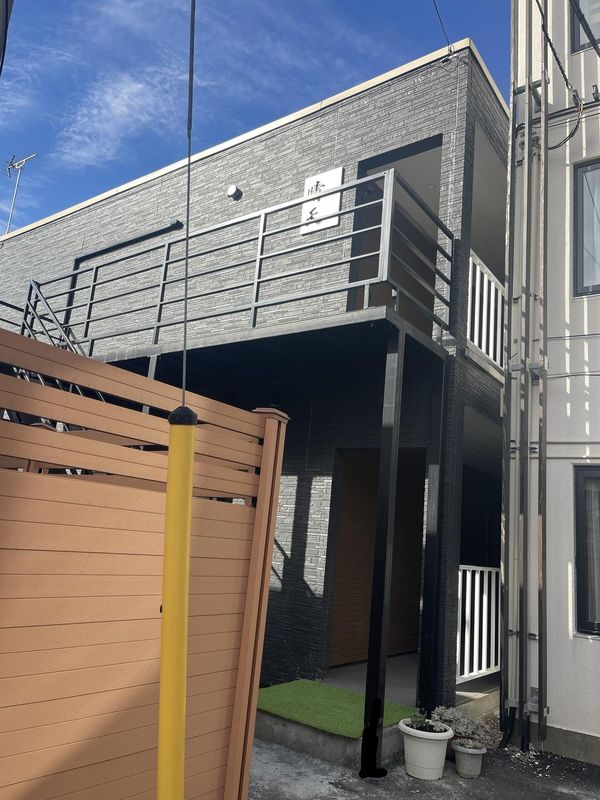
Sunny Skies Heim
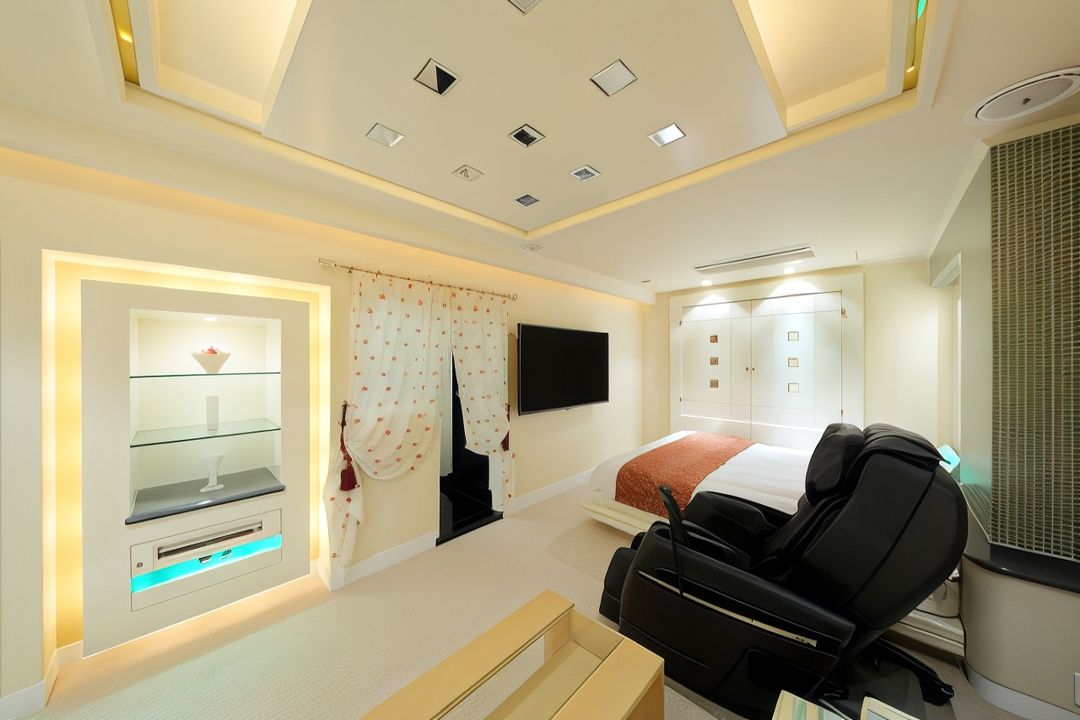
Hotel Cherena Kunitachi (Adult Only)

Water Hotel S (Adult Only)
Frequently Asked Questions about Traveling to Kunitachi
Questions You Might Need to Know About Traveling to Kunitachi
For a tranquil and peaceful stay in Kokubunji City, we recommend The Leaf Inn Kokubunji, a boutique hotel with minimalist Japanese design, lush indoor plants, and soundproofed rooms. Located just a 5-minute walk from Kokubunji Station, it offers serene ambiance perfect for solo travelers or digital nomads seeking focus. The hotel features a rooftop garden with city views, a quiet reading lounge, and complimentary green tea service. Nearby, the Kokubunji Park and Kanda River Path provide peaceful walking routes ideal for morning strolls. Its proximity to local cafes and art galleries also enhances the cultural retreat experience.
Another excellent choice is Hotel Sunroute Plaza Kokubunji, offering spacious rooms with modern amenities and free breakfast featuring fresh local produce. With its central location and calm atmosphere, it’s ideal for those wanting both comfort and tranquility.
The Kokubunji Station area is the most convenient zone for tourists due to its excellent rail access via the JR Chūō Line and Toei Ōedo Line, connecting directly to Shinjuku, Harajuku, and Ueno in under 30 minutes. This district hosts major hotels like Hilton Kokubunji and Comfort Hotel Kokubunji, all within walking distance of Kokubunji Temple—a historic Buddhist site with a centuries-old pagoda—and the Kokubunji Cultural Center, which frequently hosts exhibitions and performances. The surrounding streets are lined with local eateries, convenience stores, and small boutiques, making it easy to explore without needing a car. It's an ideal base for day trips to Tokyo’s core attractions while enjoying a quieter suburban feel.
Visitors to Kokubunji City should not miss the annual Kokubunji Cherry Blossom Festival, held at Kokubunji Park every April. Thousands of cherry trees bloom along the Kanda River, creating a stunning pink canopy where locals gather for picnics, traditional music, and food stalls selling mochi, yakitori, and matcha treats. The event also features taiko drum performances and kotatsu gatherings, showcasing authentic regional traditions.
Additionally, the Kokubunji Temple hosts seasonal rituals such as the Bon Odori dance festival in August, where community members perform folk dances under lantern-lit skies. Visitors can participate in workshops on tea ceremony or calligraphy at the temple’s cultural hall, offering deep insights into local spiritual and artistic heritage.
Yes, several family-friendly hotels in Kokubunji City offer child-oriented amenities. Hilton Kokubunji provides interconnecting rooms, baby cots, and a kids’ activity corner with board games and coloring supplies. The hotel also features a rooftop playground and hosts monthly family events like storytelling sessions and craft workshops.
Comfort Hotel Kokubunji offers spacious family suites and a free breakfast buffet with kid-sized portions. Both properties are located near Kokubunji Park, a large green space with playgrounds, picnic areas, and a small pond where children can feed ducks. The hotel staff are trained to assist families with stroller rentals and nearby attraction guidance, ensuring a stress-free stay for parents and fun-filled time for kids.
Many hotels in Kokubunji City include free breakfast in their rates. Hotel Sunroute Plaza Kokubunji and Hilton Kokubunji both offer complimentary breakfast buffets featuring Japanese-style meals such as rice, miso soup, grilled fish, pickles, and fresh fruit. Some also serve Western options like eggs and toast. The The Leaf Inn Kokubunji does not include breakfast but offers a discount for guests who book the breakfast add-on.
It’s recommended to confirm meal inclusion when HopeGoo, especially during peak seasons. Many hotels partner with local cafés to provide freshly baked bread and organic coffee, enhancing the breakfast experience. Early check-in guests can often enjoy a light morning snack upon arrival.
Near Kokubunji Station, popular dining spots include Yakiniku Tachibana, known for its high-quality Japanese beef cooked over charcoal, and Soba no Mura, a cozy shop serving handmade buckwheat noodles with seasonal broth. For casual bites, Kokubunji Diner offers American-Japanese fusion dishes like ramen burgers and matcha milkshakes.
At Kokubunji Park, the Riverfront Food Market hosts rotating pop-up stalls offering everything from takoyaki to vegan sushi. Families often visit Machiya Sushi, a family-run restaurant with a children’s menu and safe seating. Most restaurants accept credit cards and Suica, and many have English menus or staff who speak basic English, making them accessible for international visitors.
Kokubunji City is highly accessible for travelers with mobility challenges. All major hotels, including Hilton Kokubunji and Comfort Hotel Kokubunji, feature barrier-free entrances, elevators, and wheelchair-accessible bathrooms. Kokubunji Station has tactile paving, ramps, and elevators connecting platforms to the street level.
Public buses are equipped with low-floor access and priority seating. The Kanda River Path and Kokubunji Park have paved pathways with gentle slopes and rest benches. Many restaurants and cultural sites, including Kokubunji Temple, offer step-free access. Travelers can request assistance through the city’s tourism hotline or use the Japan Accessible Travel App for real-time navigation support. Overall, the city prioritizes inclusive infrastructure.
Beyond Kokubunji Station, visitors can explore the city using the Kokubunji City Bus Network, which connects to Kokubunji Park, Kanda River Trail, and Kokubunji Temple. Renting a bike from one of the city’s public rental stations is another excellent option—routes follow scenic paths along the river and through residential neighborhoods.
For a deeper cultural immersion, join a guided walking tour offered by local volunteers, covering hidden temples, old machiya houses, and artisan shops. Alternatively, take the JR Chūō Line to Takadanobaba or Mitaka for more extensive exploration. Many hotels provide free maps and multilingual guides to help navigate the area independently.
Yes, The Leaf Inn Kokubunji stands out as an eco-conscious hotel, utilizing solar panels, energy-efficient lighting, and water-saving fixtures. The property sources organic ingredients for its breakfast and uses biodegradable toiletries. Guests are encouraged to reuse towels and linens through a reward program.
Hotel Sunroute Plaza Kokubunji has implemented a paperless check-in system and offers recycling bins throughout the building. Both hotels promote sustainable travel by partnering with local farms and supporting zero-waste initiatives. These efforts align with Japan’s national green tourism goals, making them ideal choices for environmentally conscious travelers.
Kokubunji City is an excellent base for exploring Tokyo due to its strategic location and reliable transport links. Just 25 minutes from Shinjuku and 30 minutes from Tokyo Station, it offers a quieter, less crowded alternative to central districts while maintaining seamless connectivity.
With access to the JR Chūō Line, Toei Ōedo Line, and Keio Inokashira Line, travelers can easily reach major destinations like Harajuku, Akihabara, Ueno, and Odaiba. The city also provides a relaxed, residential atmosphere with local charm, parks, and cultural sites—ideal for balancing urban adventures with downtime. Hotels here often offer affordable rates compared to central Tokyo, making it a smart choice for budget-savvy explorers.
Kunitachi Overview
City Summary
Kunitachi City in Tokyo's Tama region is renowned for its educational culture, hosting prestigious institutions like Tokyo University of Foreign Studies and Hitotsubashi University. With 40% green coverage, this garden city charms visitors with seasonal landscapes of cherry blossoms and ginkgo trees. Its core appeal lies in blending academic ambiance with natural serenity, accessible via JR Chuo Line (30 mins from Shinjuku).
Must-See Attractions
Must-see Hitotsubashi University's red-brick campus and golden ginkgo avenue (selected among "Japan's Top 100 Urban Landscapes"). Explore retro Showa-era shops at Kunitachi Station North Exit Arcade, and visit Yaho Tenmangu, the oldest Tenjin shrine in Kanto. Attend free concerts at Kunitachi College of Music or cycle along Tama River bike trails.
Food Guide
Locals swear by hand-drip coffee at "Café-tein" near the station and creative yuzu-pepper dumplings at "Kunitachi Gyoza Hall". Try craft beers from "TAMA BREW" paired with farm-to-table "Kunitachi Vegetables". For late-night eats, "Toriki" serves charcoal-grilled oyakodon using Tokyo jidori chicken.
Transportation Guide
Rail: JR Chuo Line's Kunitachi Station offers direct Limited Express to Shinjuku (25 mins). Bus: Community buses (flat fare ¥100) reach Yaho Tenmangu. Bike: 14 "Kunitachi Cycling Terminals" offer 2-hour free rentals. Walking: Downtown attractions are walkable with the "Kunitachi Stroll Map". Note taxi flag fall at ¥730 (+30% nighttime surcharge).
Best Time to Visit
Visit in early April for cherry blossoms along University Avenue or late November for golden ginkgos. Avoid August Obon crowds. December-February sees few tourists but temperatures often drop below 5°C (41°F).
Travel Tips
- At Tenmangu shrines, perform "2 bows, 2 claps, 1 bow" ritual without walking backwards.
- University campuses are open but building access requires prior permission.
- Strict trash sorting: convenience store bins accept ONLY bottles/cans.
- Tama River bans camping/BBQ (fines from ¥50,000).
- Sunday "Pedestrian Paradises" close shopping streets to vehicles.
- Izakayas charge ¥300-500 "otōshi" (table charge) as standard practice.
Useful Information
Language: Stations provide English/Chinese pamphlets but download translation apps for restaurants. Internet: Citywide "FREESPOT" WiFi; paid SIMs at 7-11/LAWSON. Payment: Suica cards work for all transit. Alipay accepted at major stores; cash preferred elsewhere. Emergency: Kunitachi Municipal Hospital has 24/7 multilingual support (03-5756-7111). "Kunitachi Ekimae Drugstore" offers Chinese assistance. Dial #7119 for English-speaking ambulance dispatch.