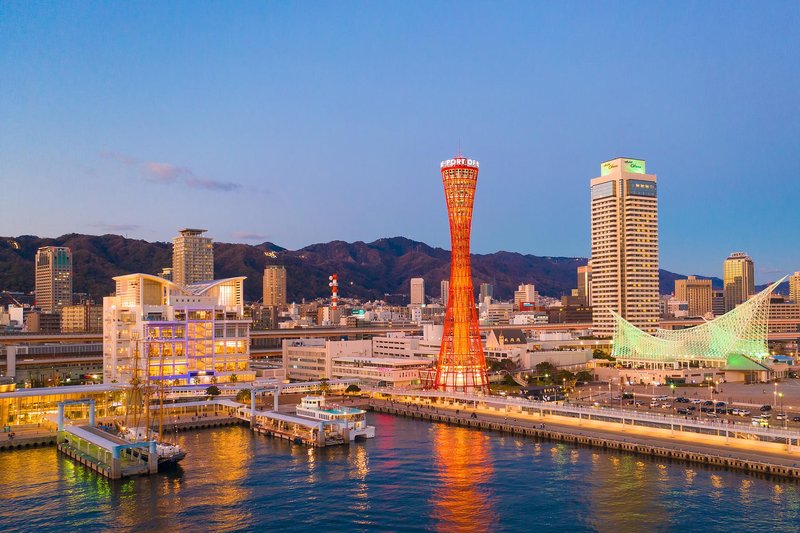
Hotels in Kurashiki
Discover your perfect stay in Kurashiki.
Kurashiki(Japan) Travel 2026: Cheap Flights, Hotels & Top Attractions
Popular Landmarks in Kurashiki
Discover the most iconic attractions in Kurashiki
Recommended Hotels in Kurashiki
Find the perfect place to stay in Kurashiki
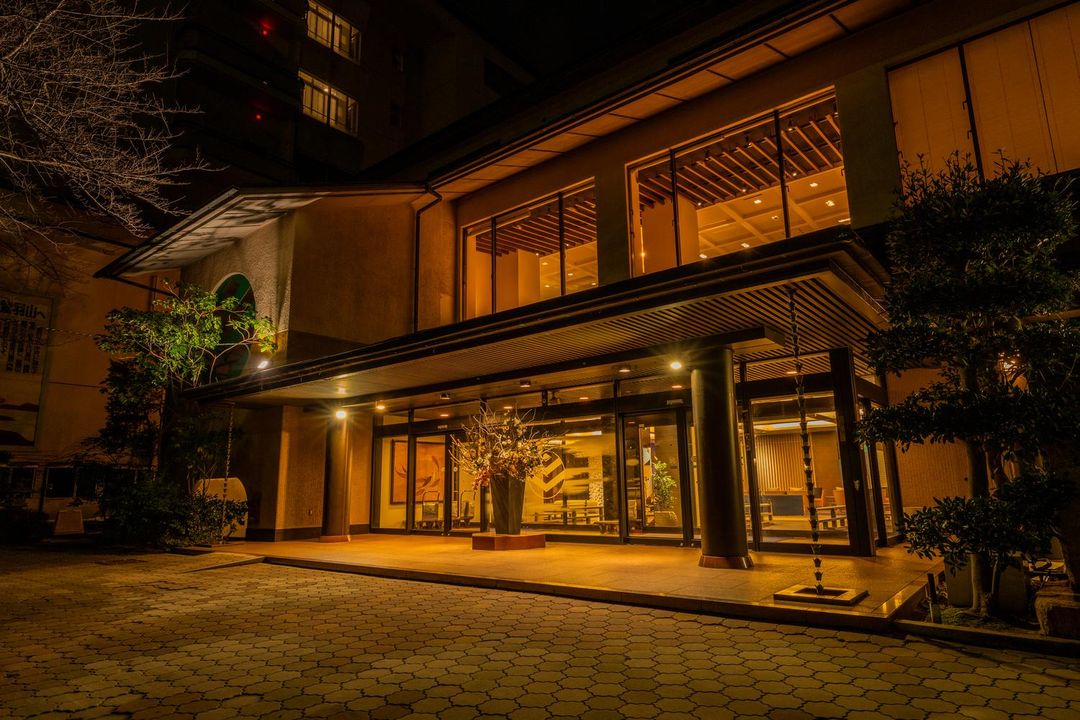
WASHU BLUE RESORT KASAGO
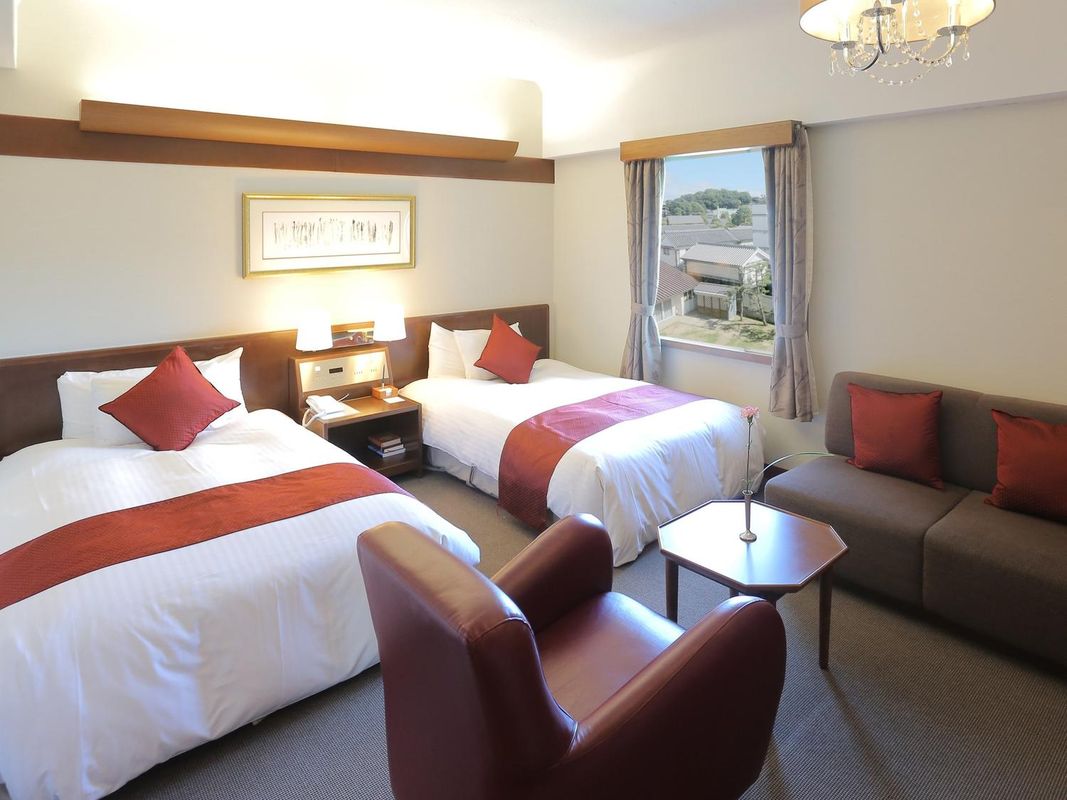
Kurashiki Kokusai Hotel
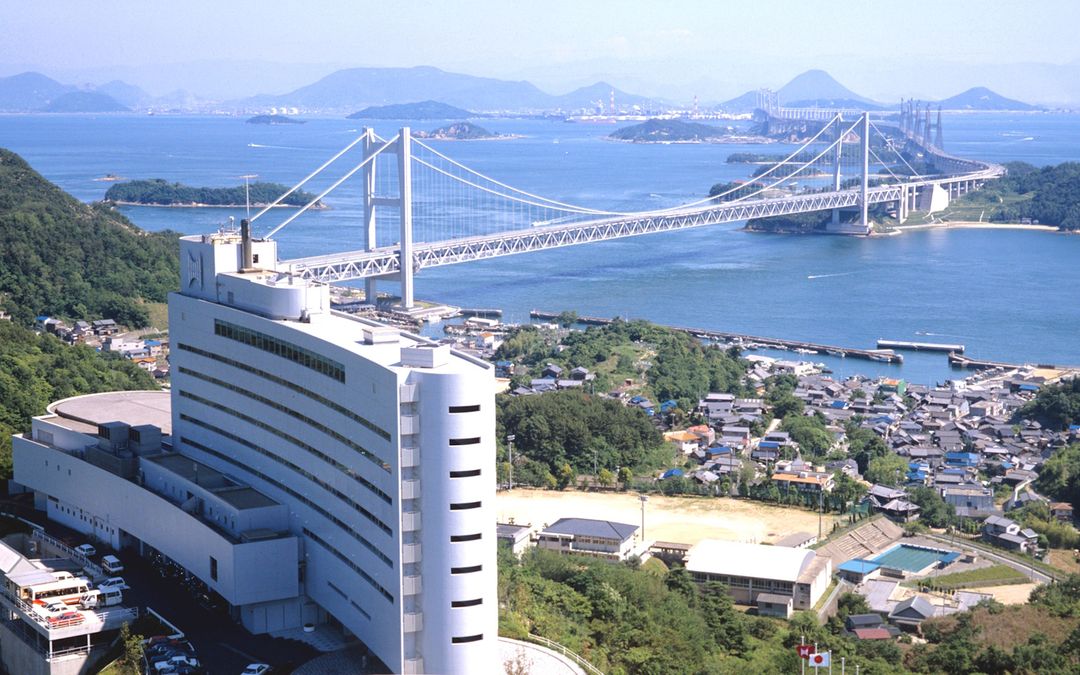
Setouchi Kojima Hotel Kurashiki
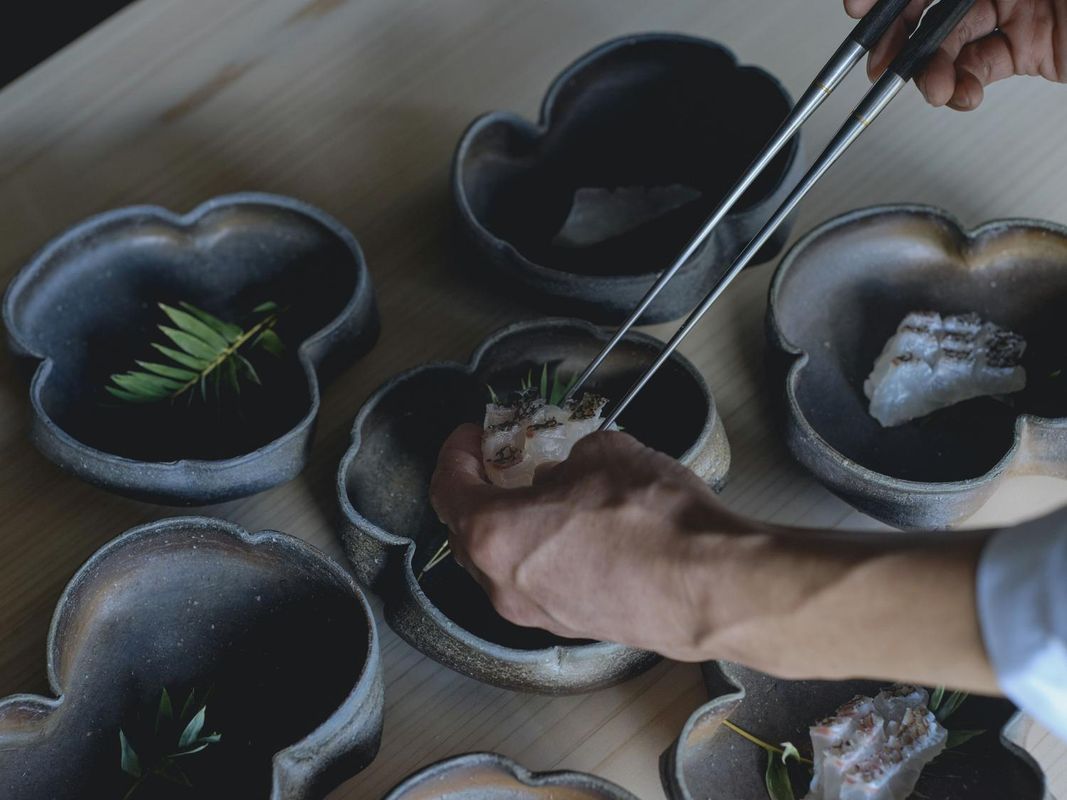
Yoruya
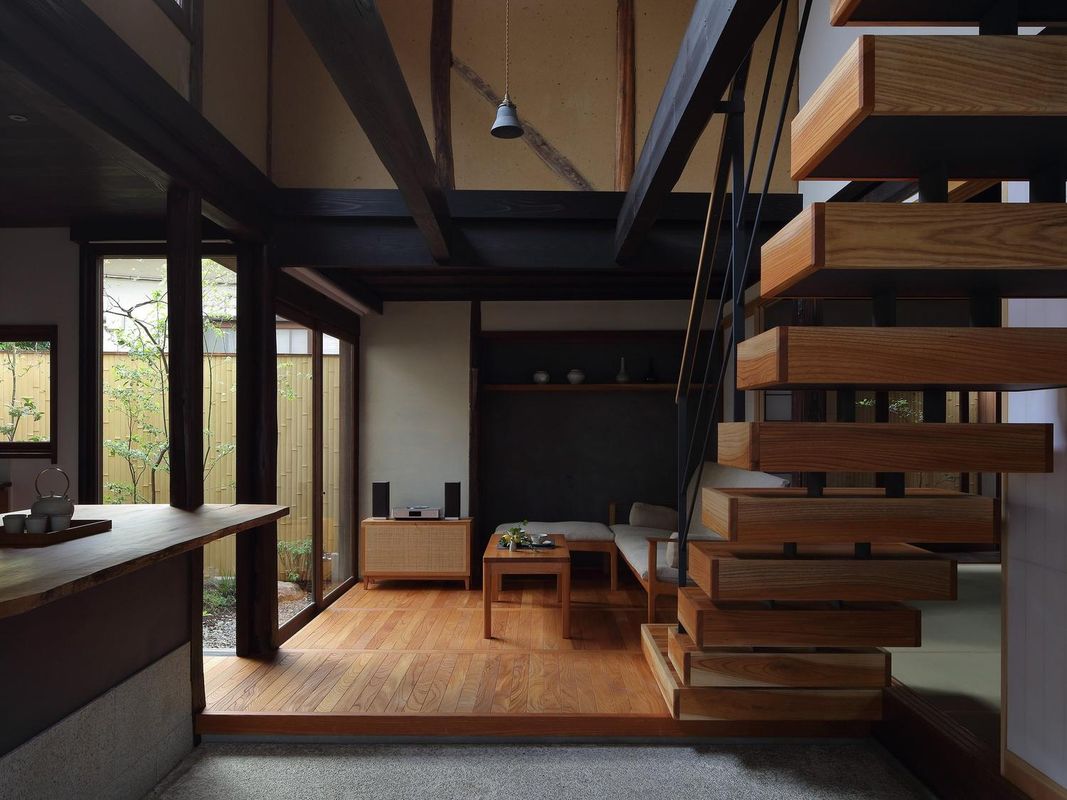
Toutou Onzaki Machiya No Yado
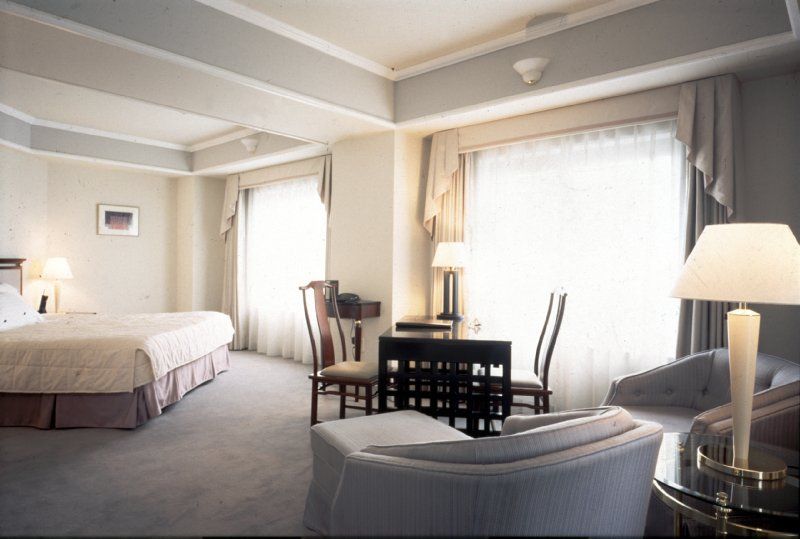
Kurashiki Royal Art Hotel
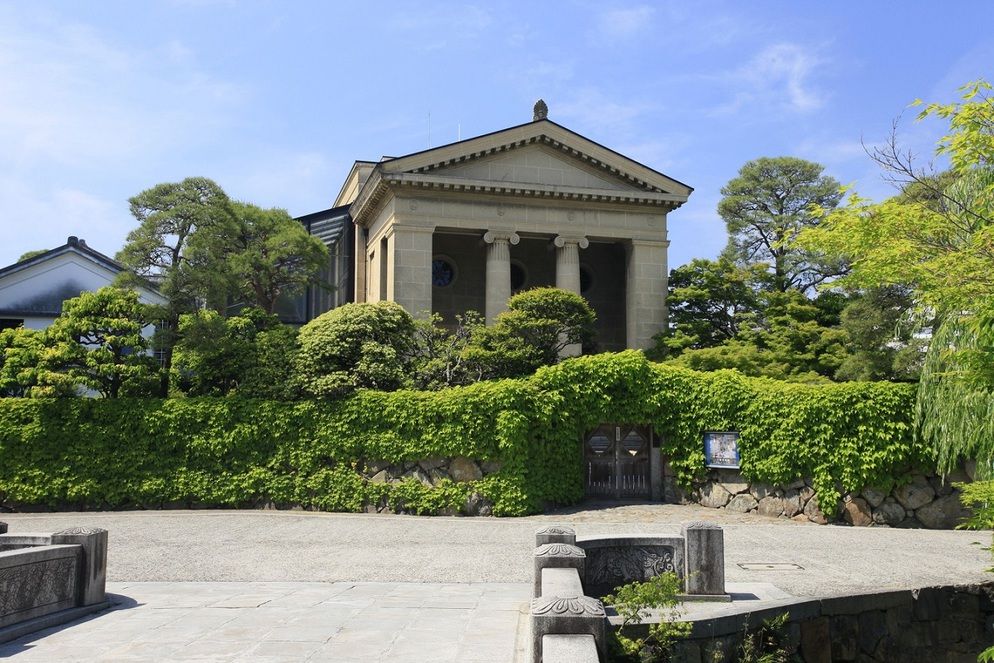
Ryori Ryokan Tsurugata
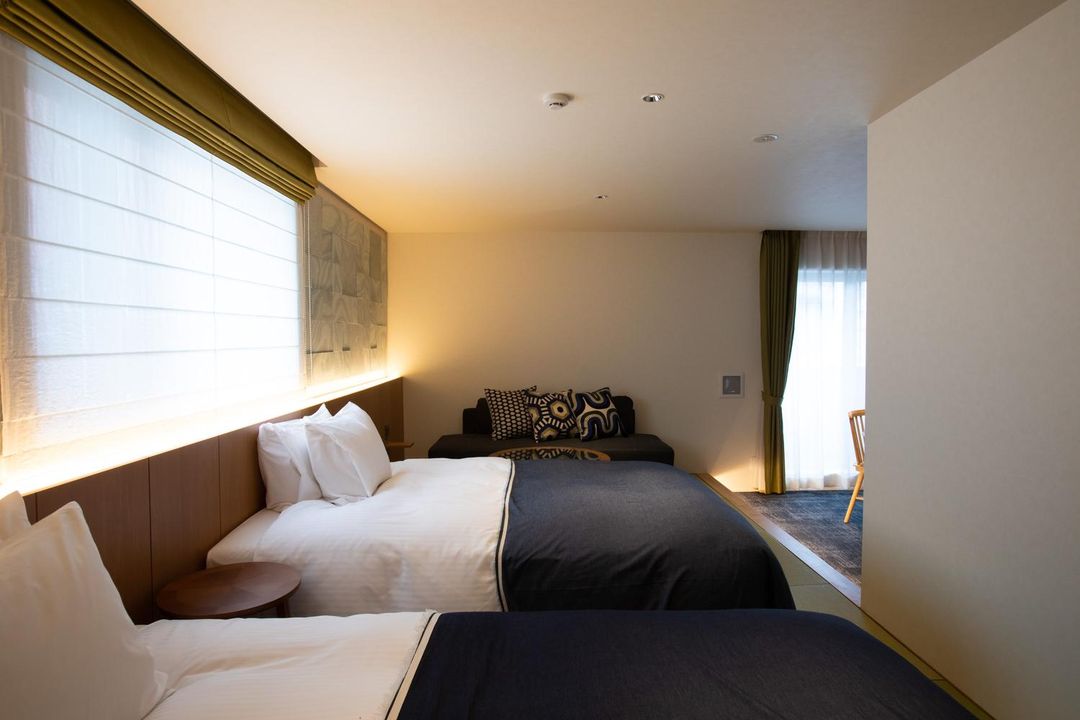
NAGI Kurashiki Hotel and Lounge
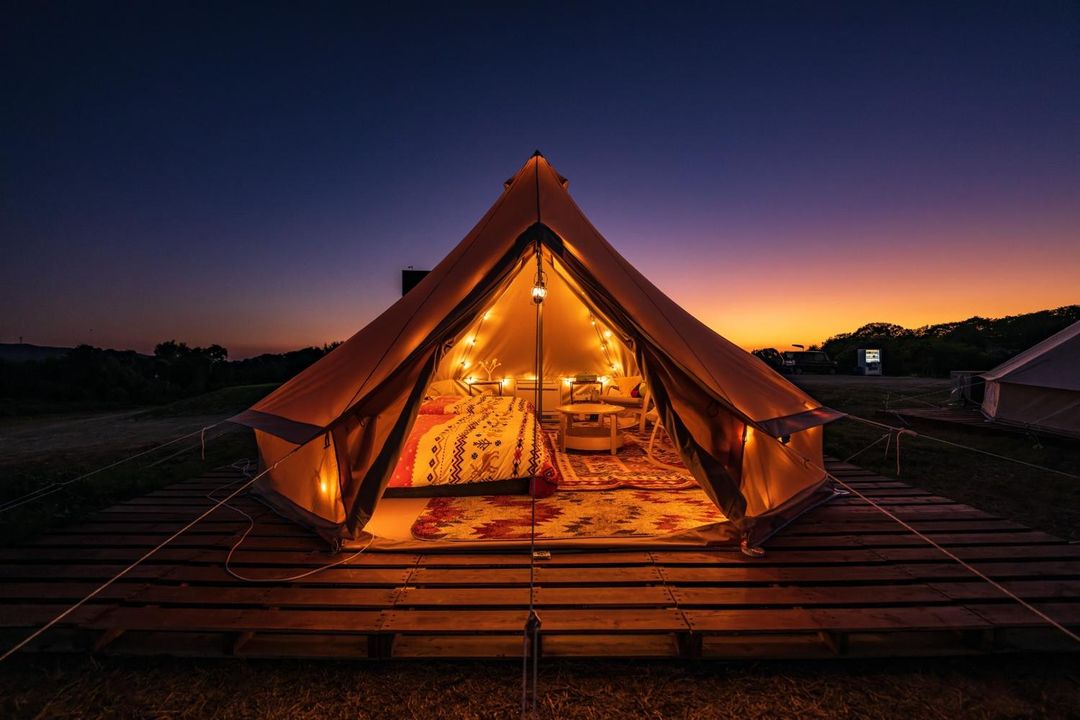
Okayama Glamping Sorania
Best Hotels in Kurashiki
Discover curated hotel collections in Kurashiki
Waldorf Astoria Osaka
Kamo Residences by Reflections
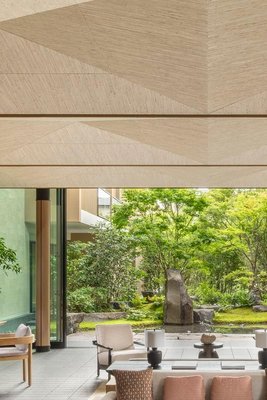
Six Senses Kyoto
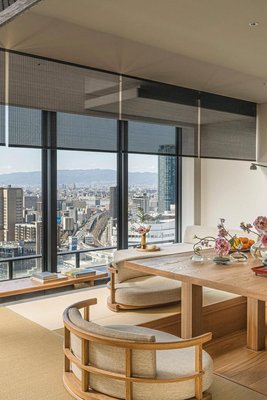
Four Seasons Hotel Osaka
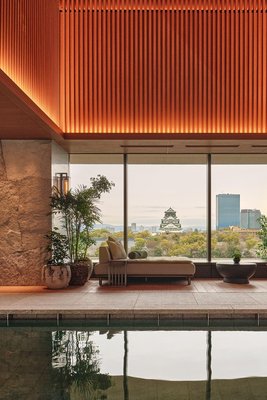
Patina Osaka

The Ritz-Carlton, Osaka
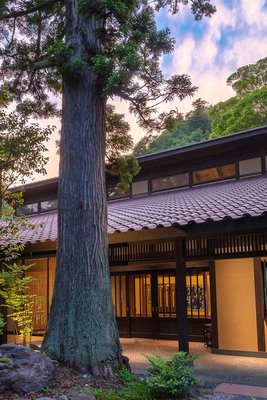
Arimasansoh Goshobessho
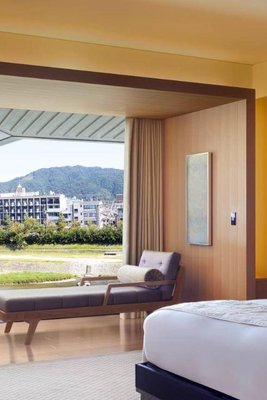
The Ritz-Carlton, Kyoto
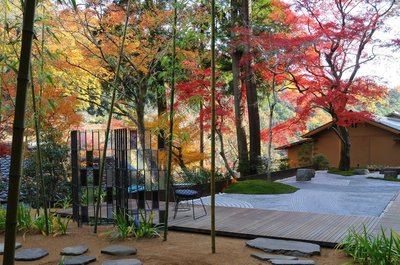
HOSHINOYA Kyoto
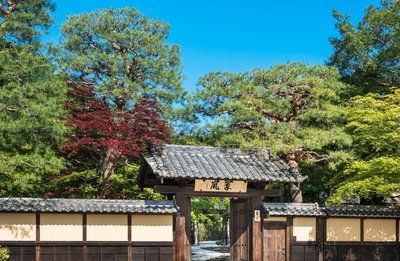
Suiran, a Luxury Collection Hotel, Kyoto
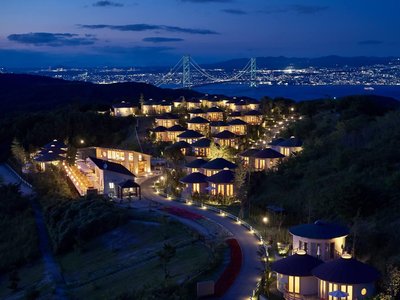
Grand Chariot Hokutoshichisei 135°
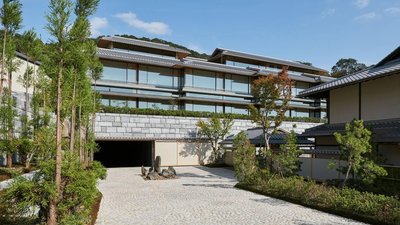
Park Hyatt Kyoto
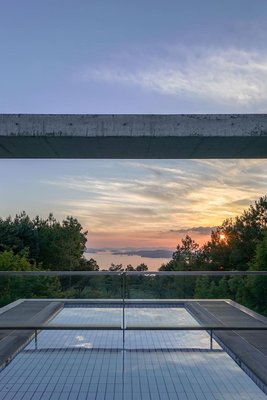
SETOUCHI RETREAT by Onko Chishin
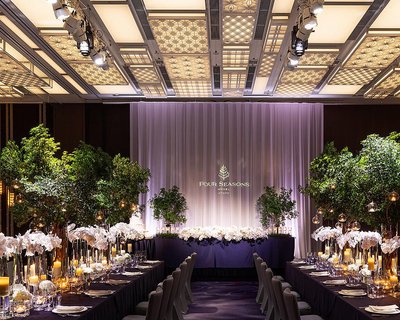
Four Seasons Hotel Kyoto
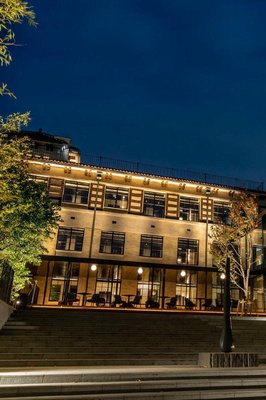
The Hotel Seiryu Kyoto Kiyomizu - a Member of the Leading Hotels of the World-
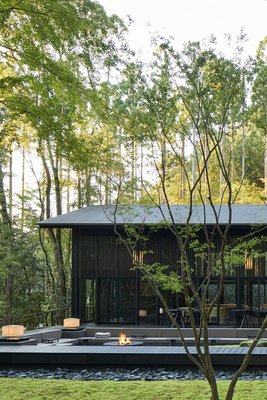
Aman Kyoto
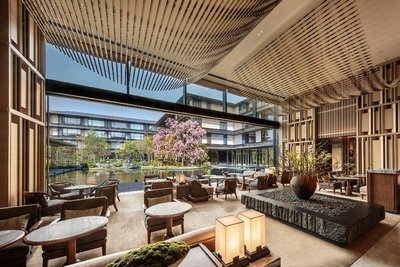
Hotel the Mitsui Kyoto, a Luxury Collection Hotel & Spa
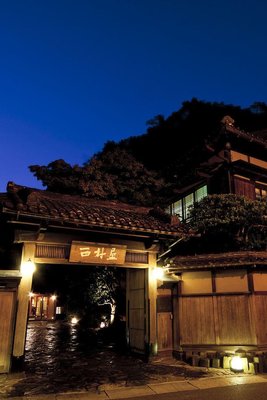
Nishimuraya Honkan
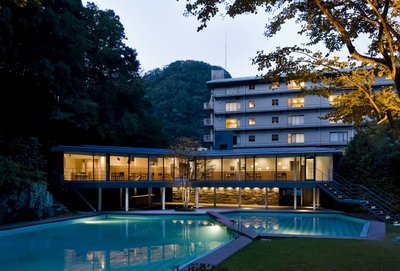
Kinosaki Onsen Nishimuraya Hotel Shogetsutei
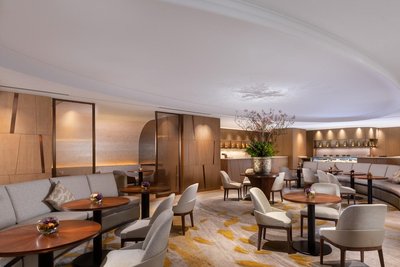
The Westin Miyako Kyoto (KASUI-EN)
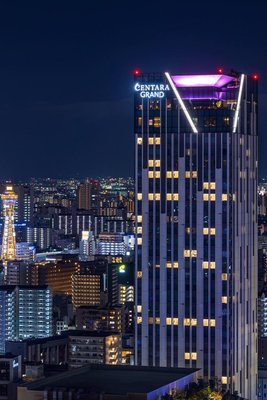
Centara Grand Hotel Osaka
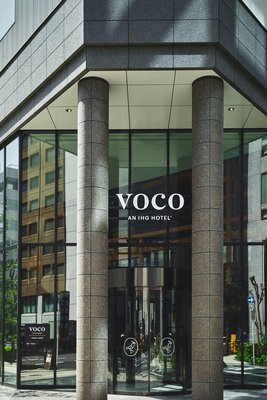
voco Osaka Central
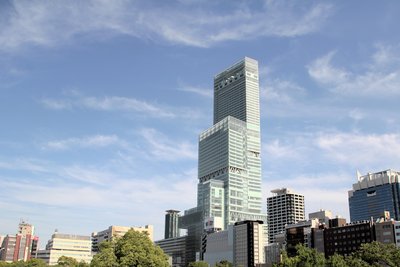
Osaka Marriott Miyako Hotel
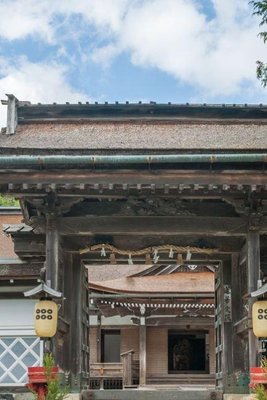
Koyasan Rengejoin
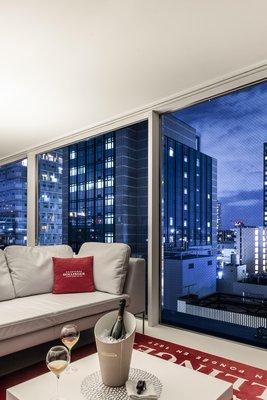
CUVÉE J2 HOTEL OSAKA by Onko Chishin
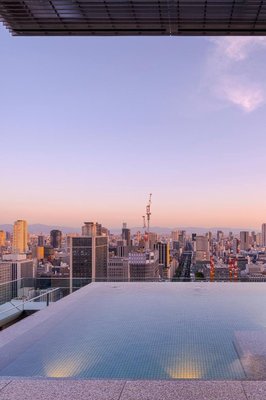
Candeo Hotels Osaka The Tower
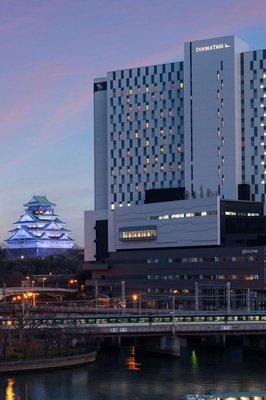
DoubleTree by Hilton Osaka Castle
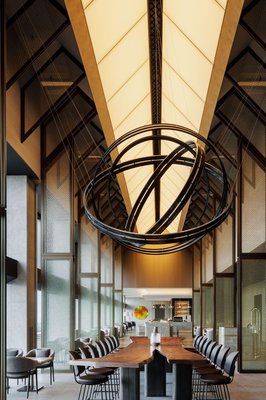
The Osaka Station Hotel, Autograph Collection
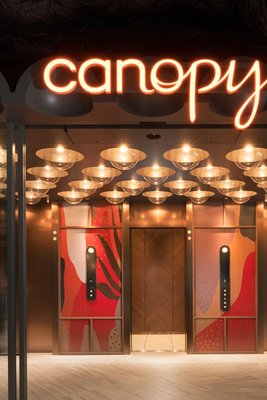
Canopy by Hilton Osaka Umeda
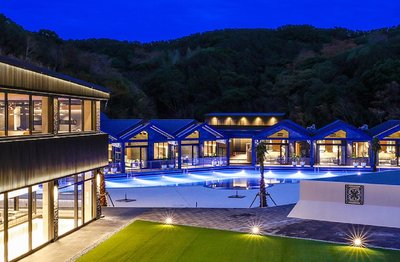
FIVE SPRING RESORT THE SHIRAHAMA
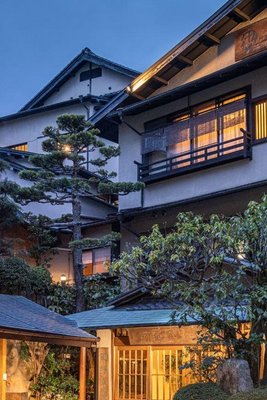
Arima Onsen Tocen Goshobo
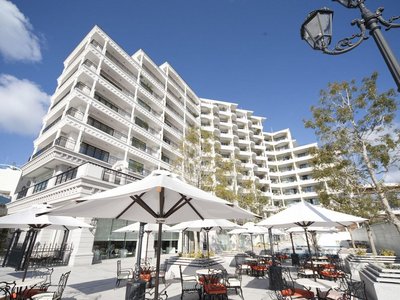
Hotel La Suite Kobe Harborland
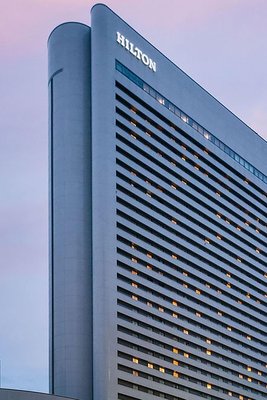
Hilton Osaka Hotel
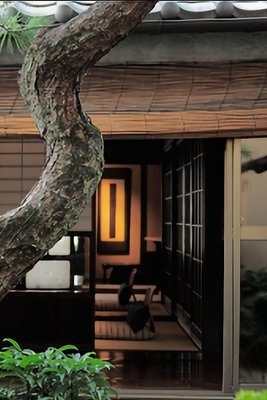
Shimayado Mari

AoAwo Naruto Resort
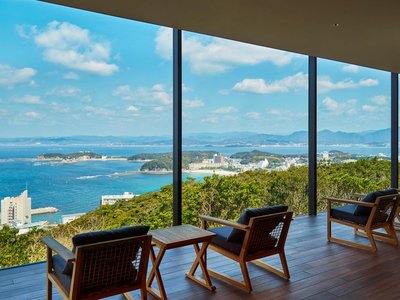
Infinito Hotel and Spa
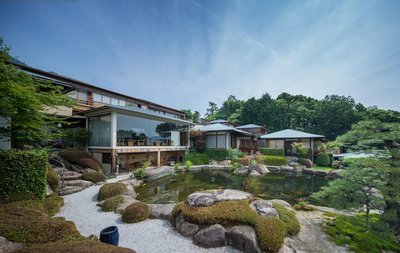
SEKITEI

Yamatoya Besso
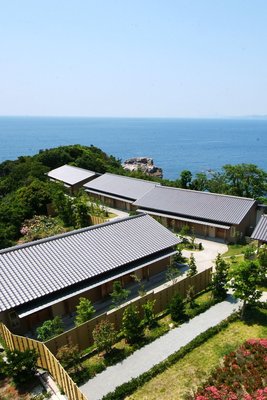
Hamachidorinoyu Kaisyu
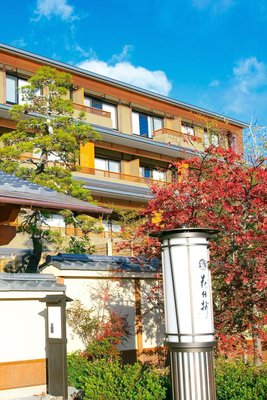
Kyoto Arashiyama Onsen Kadensho (Kyoritsu Resort)
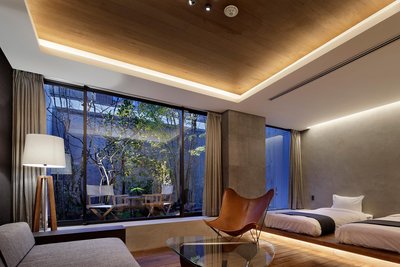
22 PIECES
The Ritz-Carlton, Osaka
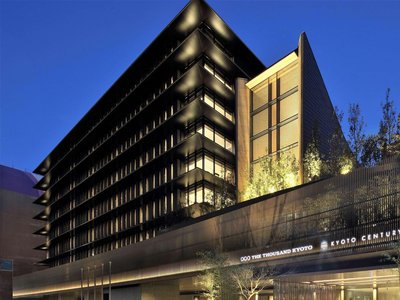
The Thousand Kyoto
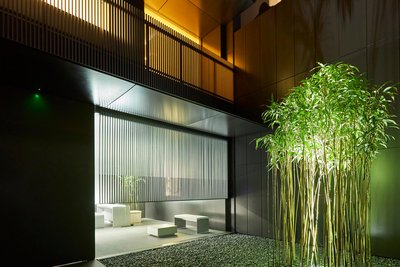
Mogana
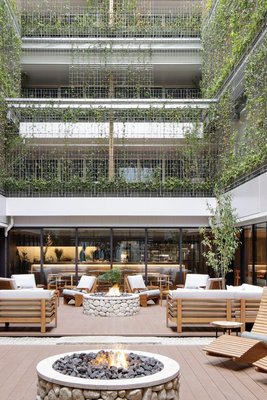
GOOD NATURE HOTEL KYOTO
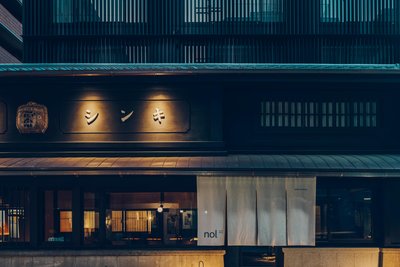
Nol Kyoto Sanjo
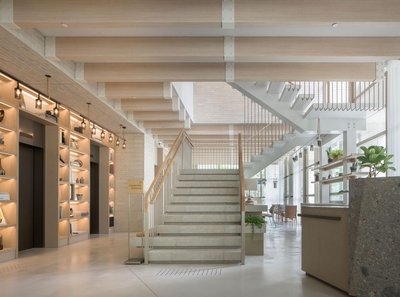
Zentis Osaka
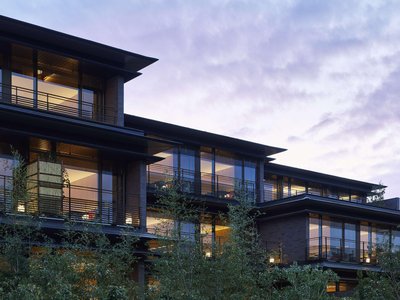
Garrya Nijo Castle Kyoto
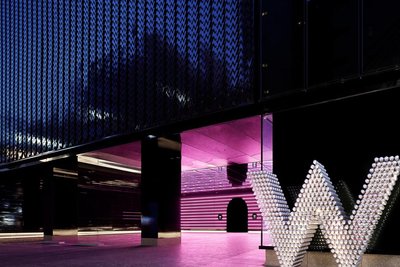
W Osaka
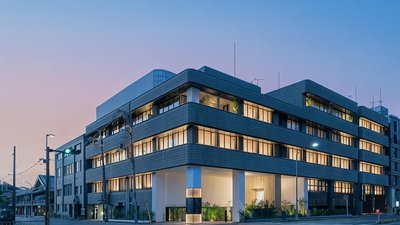
Hotel Kanra Kyoto
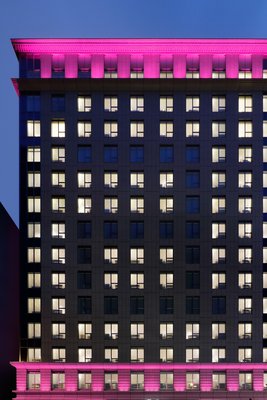
Aloft Osaka Dojima
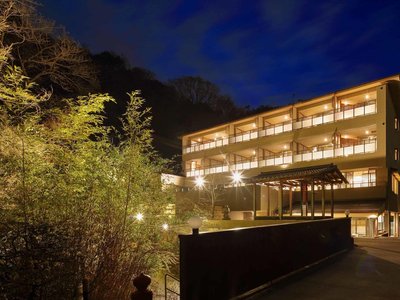
Okuno Hosomichi
Arimasansoh Goshobessho
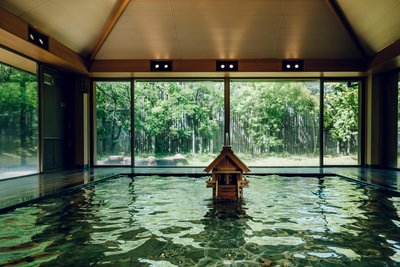
Hoshino Resorts KAI Tamatsukuri
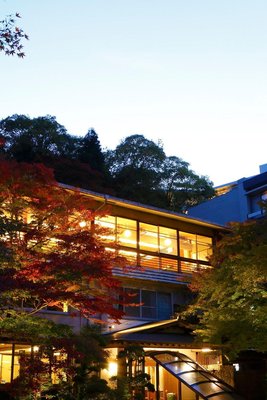
Negiya Ryofukaku
Arima Onsen Tocen Goshobo
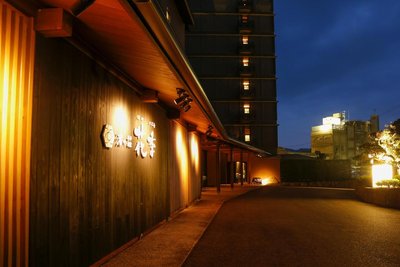
Hanagoyomi
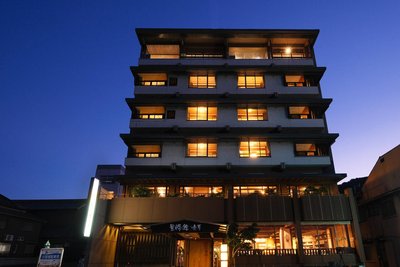
Keishokan Sazanamitei
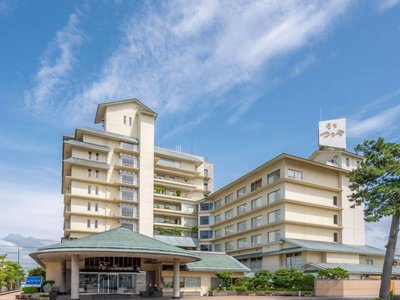
Kaike Tsuruya
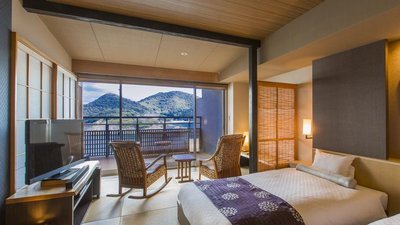
Migiwatei Ochi Kochi
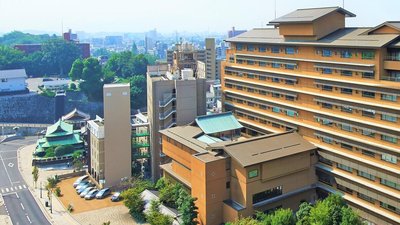
Yamatoya Honten
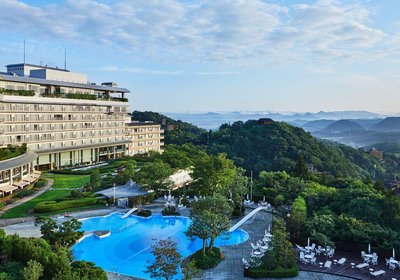
Arima Grand Hotel
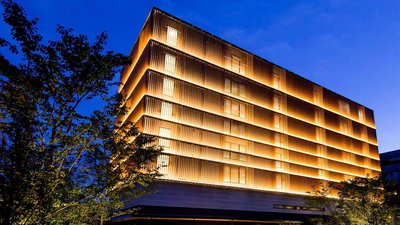
Dogo Miyu
Yamatoya Besso
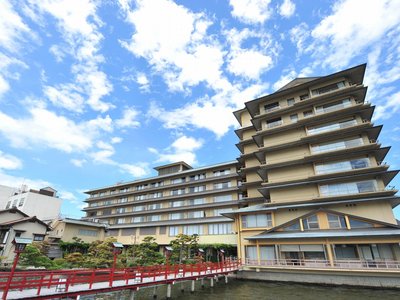
Bokoro Ryokan
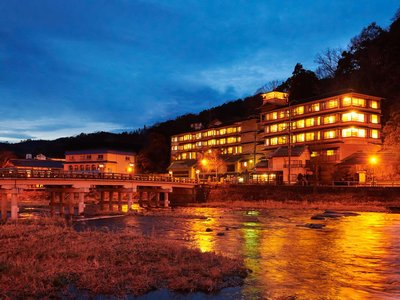
Mansuirou
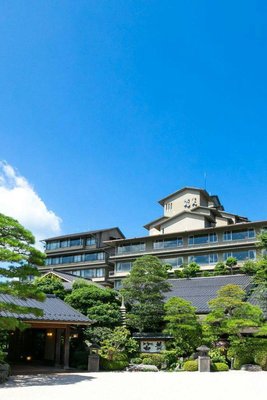
Kasuien Minami
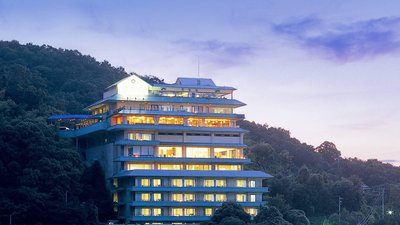
Hotel Hanajyukai
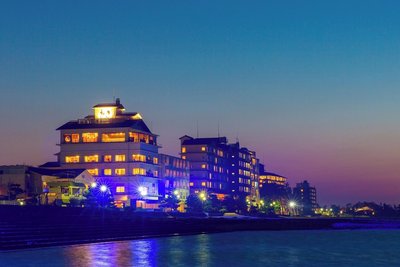
Kaike Shogetsu
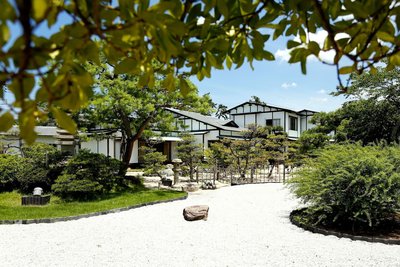
Kaike Fuga
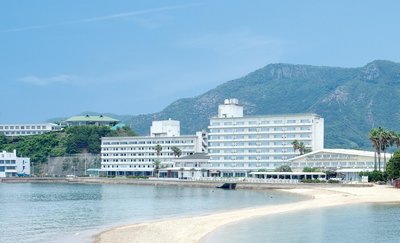
Shodoshima International Hotel
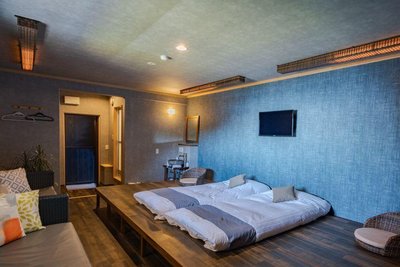
XYZ Private Spa and Seaside Resort
Osaka Marriott Miyako Hotel
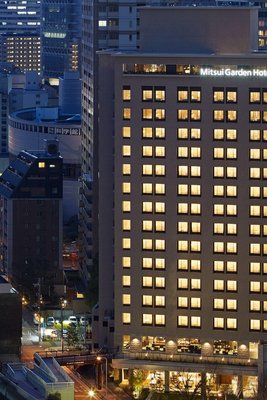
Mitsui Garden Hotel Osaka Premier
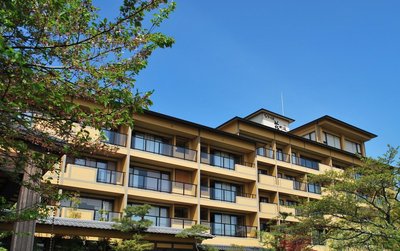
BIWAKO HANAKAIDO
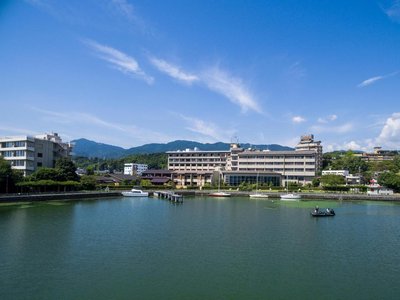
Biwako Ryokusuitei
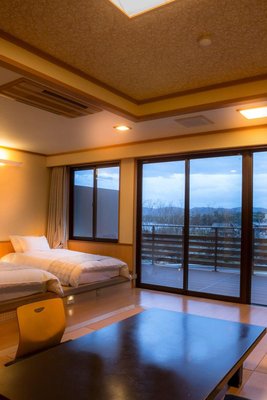
Hotel Kitanoya
Hanagoyomi
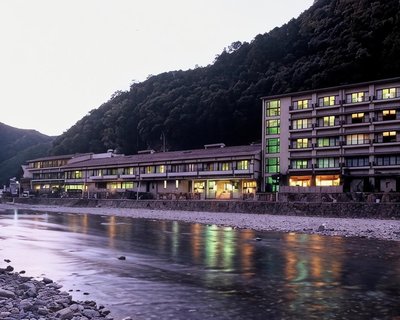
Kawayu Onsen Fujiya
Hotel La Suite Kobe Harborland
AoAwo Naruto Resort
Infinito Hotel and Spa
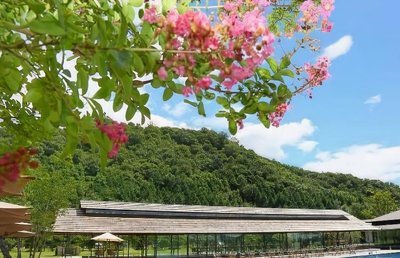
Bella Vista Spa and Marina Onomichi
Hamachidorinoyu Kaisyu
Kaike Shogetsu
The Ritz-Carlton, Kyoto
Shodoshima International Hotel
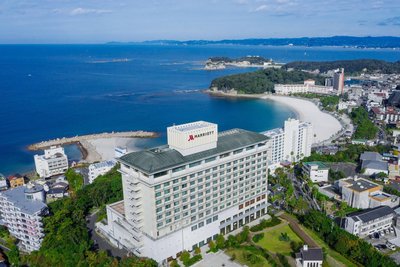
Nanki-Shirahama Marriott Hotel
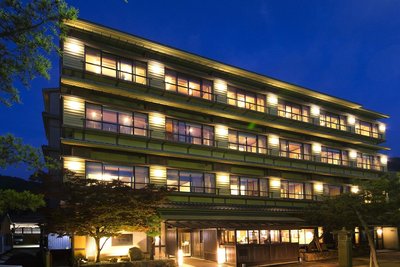
Kinsuikan
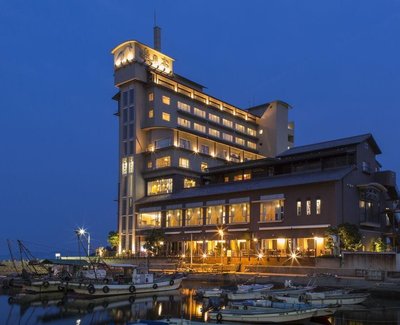
Hotel Ofutei
Suiran, a Luxury Collection Hotel, Kyoto
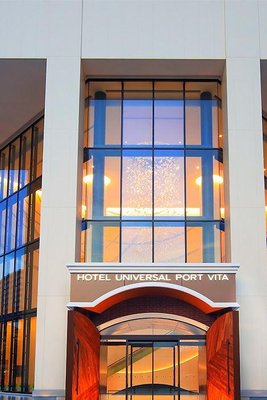
HOTEL UNIVERSAL PORT VITA

The Park Front Hotel at Universal Studios Japan
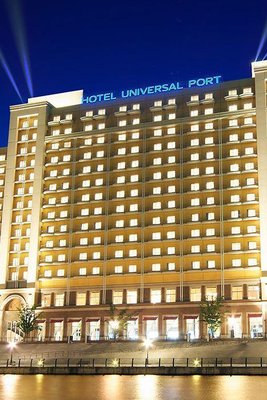
HOTEL UNIVERSAL PORT
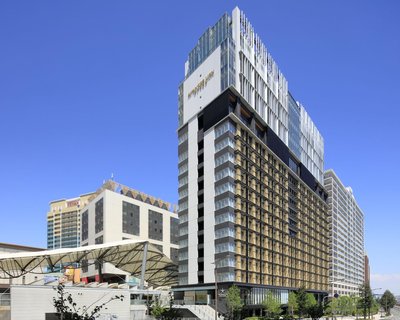
THE SINGULARI HOTEL & SKYSPA at UNIVERSAL STUDIOS JAPAN
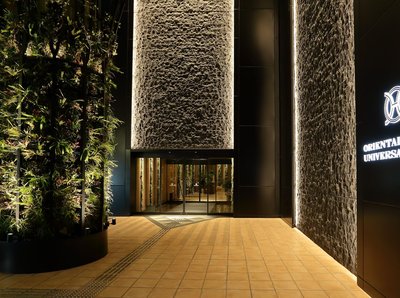
Oriental Hotel Universal City
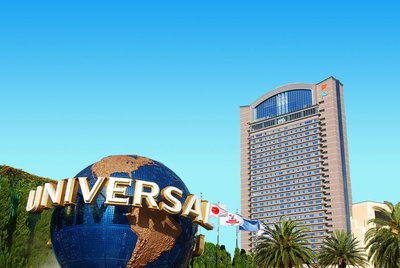
Hotel Keihan Universal Tower
Osaka Marriott Miyako Hotel
The Ritz-Carlton, Osaka
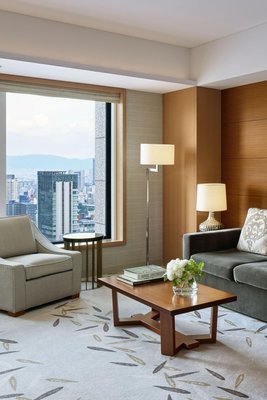
InterContinental Hotel Osaka
The Ritz-Carlton, Kyoto
Suiran, a Luxury Collection Hotel, Kyoto
GOOD NATURE HOTEL KYOTO
Park Hyatt Kyoto
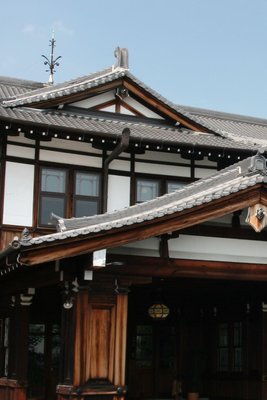
Nara Hotel
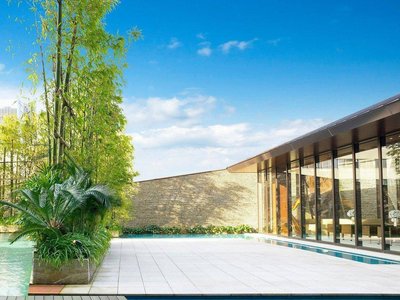
ORIENTAL HOTEL
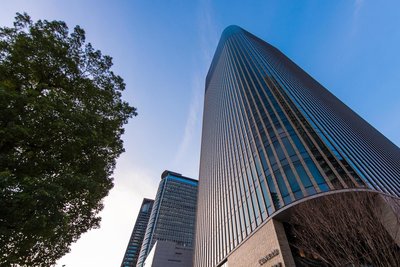
Conrad Osaka
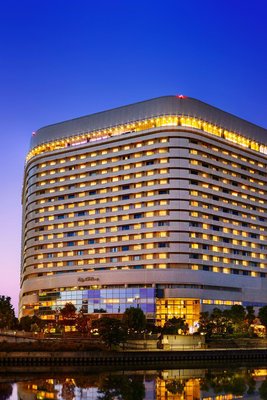
Hotel New Otani Osaka
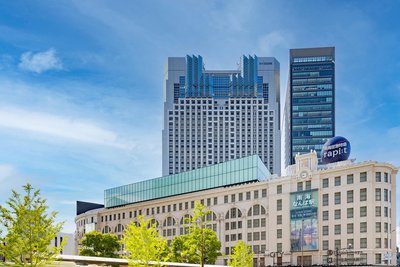
Swissotel Nankai Osaka
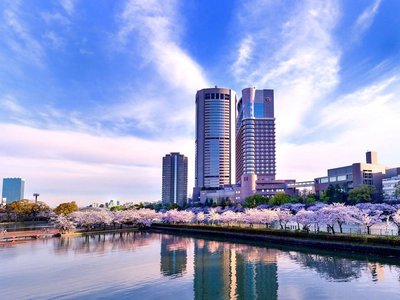
Imperial Hotel Osaka
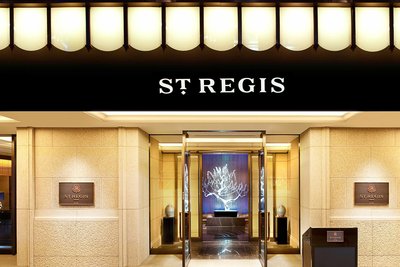
The St. Regis Osaka
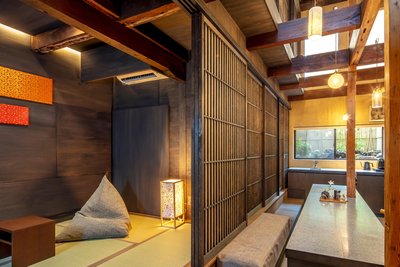
Kyo No Oozora Kihana
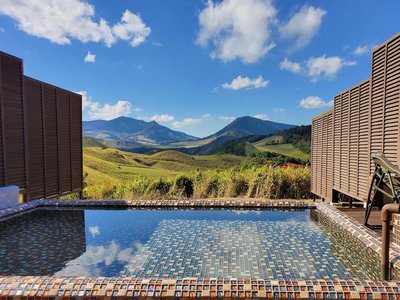
Grand Verde Resort
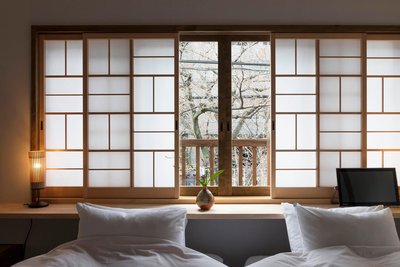
Hanagoromo Machiya House
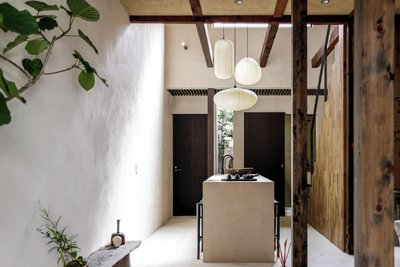
Maana Kiyomizu
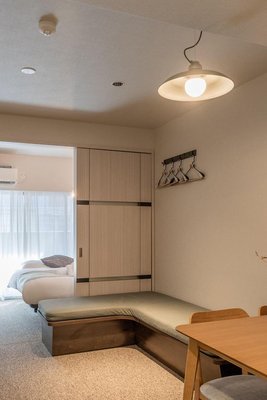
Apartment Hotel 11 Shinsaibashi
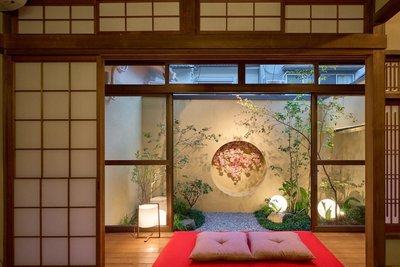
KONJAKUSO Osaka Tengachaya "NIHONCHA" Tea & Relax
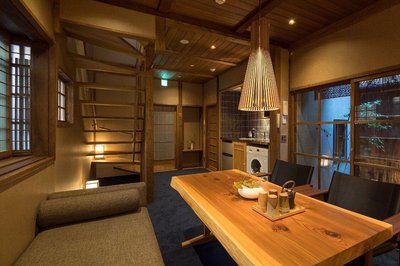
Bonbori an Machiya House
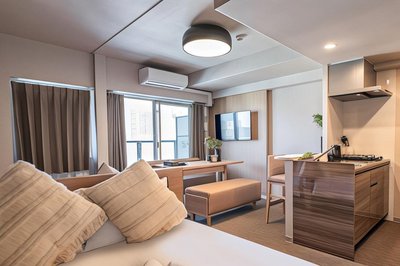
Apartment Hotel 11 Shinsaibashi III
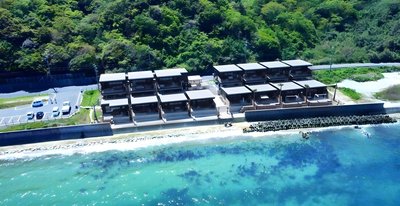
Solavilla Umi Terrace Minamiawaji
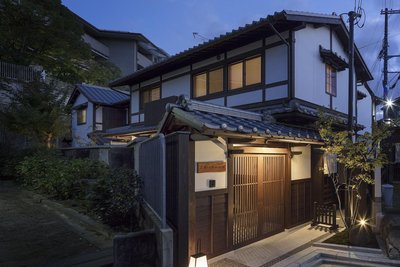
The Machiya Villa Sanjo Shirakawa Koji
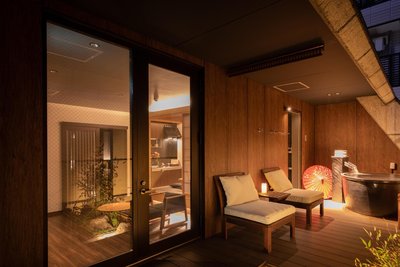
Konjaku-So Dotonbori
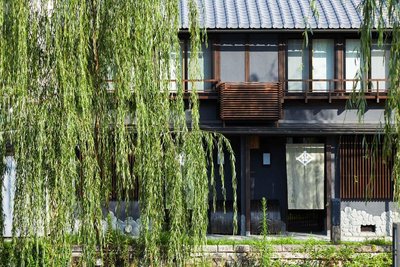
Gion Shirakawa No Yado

Kitashirakawa Natural Radium Onsen
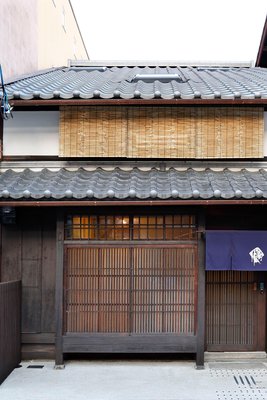
Kyo No Ondokoro Kamanza Nijo #2
Gion Koyu an Machiya House
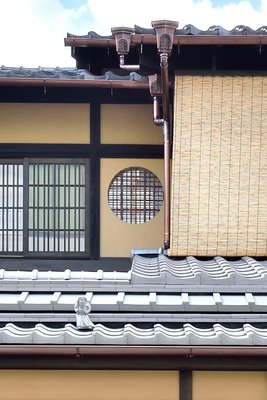
Kyo No Ondokoro Gokomachi Ebisugawa #3

Sana Mane - Glamp Domes
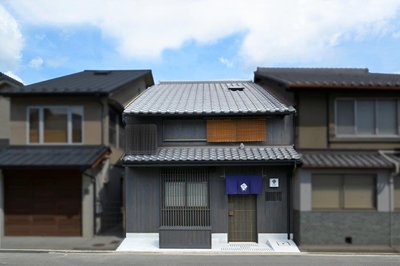
Kyo No Ondokoro Goshonishi #6
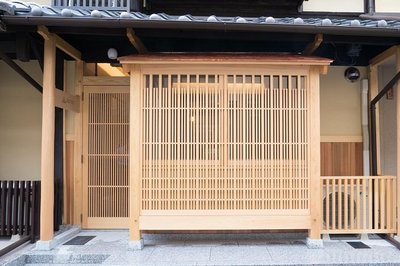
Kyomachiya Suite Rikyu
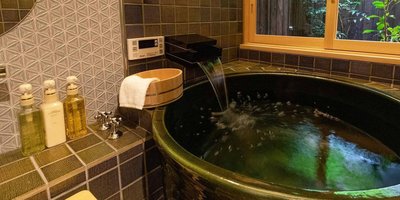
Kyoisuke
Frequently Asked Questions about Traveling to Kurashiki
Questions You Might Need to Know About Traveling to Kurashiki
For authentic Japanese charm, stay at Kurashiki Machiya Ryokan, a restored Edo-period merchant house nestled in the Bikan Historical Quarter. The property features wooden beams, sliding shoji screens, and tatami-matted rooms, offering an immersive experience in old-town life. Guests enjoy homemade kaiseki breakfasts and access to a private garden overlooking the Yukawa River. The hotel also arranges cultural activities like tea ceremonies and calligraphy workshops. Located steps from Kurashiki Art Museum and illuminated lantern-lined streets, it blends history, comfort, and tranquility—perfect for travelers seeking genuine Japanese heritage.
Pro tip: Book a room with a garden view for morning tea rituals amidst serene surroundings.
The Bikan Historical Quarter is the ideal destination for first-time visitors to Kurashiki. This well-preserved district spans 1.5 km of cobbled streets lined with 19th-century merchant houses, now housing art galleries, cafes, and craft shops. Walking through its lanes offers a glimpse into Japan’s past, while the gentle flow of the Yukawa River adds a peaceful ambiance. Key attractions include the Kurashiki Art Museum, showcasing works by Hokusai and Hiroshige, and the nearby Ohtani House, a preserved Meiji-era residence. The area is compact, safe, and pedestrian-friendly, making it easy to explore on foot. Stay at a boutique ryokan or guesthouse here to fully embrace the city’s tranquil, water-town atmosphere.
Visit Kashiwaya Washi Workshop, located just steps from the Kurashiki Art Museum. This hands-on studio offers guided sessions where you’ll learn the entire washi paper-making process—from soaking kozo fibers to hand-pulping and sheet-forming. Participants create their own personalized sheets, which can be turned into bookmarks, lampshades, or decorative cards. The workshop emphasizes traditional techniques passed down for generations. For deeper insight, stop by the Kurashiki Wasō Museum, which displays over 200 types of historic washi, including those used in Shinto rituals and ukiyo-e prints. Some guesthouses, like Kurashiki Machiya Ryokan, even offer custom washi gift sets as souvenirs.
Must-visit landmarks in Kurashiki include the Bikan Historical Quarter, a scenic district with cobblestone streets and preserved Edo-period merchant homes. The Kurashiki Art Museum stands out with its collection of ukiyo-e masterpieces by Hokusai and Hiroshige, alongside modern Japanese art. Nearby, the Yukawa River flows gently beneath stone bridges, especially beautiful at night when lanterns reflect on the water. Don’t miss the Ohtani House, a meticulously restored Meiji-era mansion showcasing period furnishings and architecture. Together, these sites form the heart of Kurashiki’s identity as a "water town" where history, culture, and nature harmoniously coexist—ideal for walking tours and photography.
Yes, Kurashiki Ohtani Hotel is a top choice for families. This family-oriented inn offers spacious family suites, a dedicated children’s playroom, and a kid-friendly bath with non-slip floors. Outdoor spaces feature a small nature discovery garden where children can observe local plants and insects. The hotel runs special programs like kids’ washi-making workshops and historical scavenger hunts through the Bikan Quarter, led by friendly staff. They also provide child-sized meals and allergy-friendly options. Located just a 5-minute walk from the Yukawa River and Kurashiki Art Museum, it’s perfect for parents wanting both convenience and enriching experiences. Reservations recommended during peak seasons.
Try Kurashiki Yaki, a savory sesame-flavored cookie made from wheat flour and roasted seeds—best enjoyed fresh at Fujiiya, a local shop in the Bikan Quarter. Another highlight is Yukawa Fish Dishes, featuring freshwater whitefish caught from the river, served steamed or tempura-style—delicate and rich in flavor. Visit Ohtani-tei Restaurant for their signature Kurashiki Hot Pot, combining local vegetables and wagyu beef in a delicate broth. For dessert, stop by Icha-ya Café, where they serve matcha ice cream wrapped in handmade washi paper. You can also book a kitchen experience at a traditional ryokan to cook a full meal using local ingredients—ideal for food lovers seeking authenticity.
Public transportation in Kurashiki is highly convenient. Kurashiki Station, served by JR West lines, connects directly to Osaka Station via Shinkansen in about 50 minutes. All major sights—including the Bikan Historical Quarter, Yukawa River, and Kurashiki Art Museum—are within a 10-minute walk. For longer trips, Kurashiki City Bus links to nearby attractions like Kibitsu Shrine and Okayama Castle. Bike rentals are widely available throughout the city, allowing easy exploration along riverside paths. Consider purchasing the Okayama-Kurashiki Pass, which covers bus rides and some rail segments at a discount. Night shuttle buses connect key hotels to the station, ensuring safe late-night travel. Overall, Kurashiki is designed for seamless, low-stress exploration.
Kurashiki hosts several vibrant seasonal events. In March, the Kurashiki Spring Festival features taiko drumming, lantern parades, and open-access historic homes along the Yukawa River. Autumn brings the Kurashiki Autumn Washi Festival, celebrating traditional paper-making with exhibitions, live demonstrations, and craft markets. During winter, the Kurashiki Snow Lantern Path transforms the Bikan Quarter into a magical wonderland, with thousands of hand-lit paper lanterns lining the cobbled streets. The Kurashiki Art Museum also hosts rotating special exhibitions, such as "Ukiyo-e & Contemporary Art Dialogue," attracting international visitors. Plan your trip around these events for unforgettable cultural immersion—just avoid Golden Week and Obon season due to high crowds.
The best night views in Kurashiki center around the Yukawa River and Bikan Historical Quarter. As dusk falls, the river reflects soft golden lights from traditional lanterns, creating a dreamy, mirror-like effect. The Kurashiki Art Museum features nightly light projections that animate its façade, blending art and architecture. For panoramic views, visit the Kurashiki Tower, where the observation deck offers a 360-degree vista of the illuminated cityscape. The Ohtani House also hosts a gentle evening light show, highlighting its elegant Meiji-era design. Many guesthouses, like Kurashiki Machiya Ryokan, host evening tea ceremonies beside the river—perfect for quiet reflection. Arrive after 6:30 PM to enjoy the most atmospheric lighting without crowds.
Photography enthusiasts should head to the Bikan Historical Quarter early in the morning before crowds arrive. Capture the reflection of stone streets and wooden facades in the Yukawa River, especially during cherry blossom season or autumn foliage. The Kurashiki Art Museum offers stunning symmetry and natural light for architectural shots. Inside, the Ohtani House provides rich textures and intricate woodwork ideal for close-up detail photography. For dynamic compositions, rent a bicycle and ride along riverside paths to photograph flowing water and moving figures. Bring a tripod and polarizing filter to manage low-light conditions and reduce glare. Some ryokans offer guided photo tours tailored to capturing Kurashiki’s unique blend of tradition and serenity.
Kurashiki Overview
City Summary
Kurashiki, located in Okayama Prefecture, Japan, is a city that blends history with modern charm. Renowned for its well-preserved Edo-period architecture, especially the white-walled warehouses and stone-paved streets of the Bikan Historical Quarter, it offers a unique retro atmosphere. The city also boasts rich artistic culture, including the Ohara Museum's Western masterpieces and traditional "Kurashiki Denim" craftsmanship.
Must-See Attractions
The Bikan Historical Quarter is a must-visit, where you can stroll through preserved Edo-era streets. The Ohara Museum showcases masterpieces by Monet and Gauguin, while the Kurashiki Folk Craft Museum displays local traditions. Achi Shrine provides a serene atmosphere. The quarter is especially photogenic under night illumination.
Food Guide
Kurashiki cuisine features Okayama specialties. Try "Kurashiki Coffee" with local sweet "Kibi Dango." "White Peaches" are a regional delicacy, best in summer. Kurashiki Ramen with soy-based broth is distinctive, and fresh seafood from the Seto Inland Sea is another culinary highlight.
Transportation Guide
Kurashiki has excellent transport links. JR Kurashiki Station provides easy access to the Bikan area on foot. Local buses cover major attractions well. Bicycle rental is ideal for exploring the historic district. From Okayama Station, take the JR Sanyo Line (15 minutes) to reach Kurashiki conveniently.
Best Time to Visit
Spring (March-May) for cherry blossoms and autumn (October-November) for fall foliage are ideal, with pleasant weather. Summers are hot/humid, while winters are cold but less crowded.
Travel Tips
- Carry sufficient cash as some Bikan area shops don't accept cards
- Maintain quiet respect at temples/shrines
- Observe one-way rules when cycling
- Follow strict garbage separation rules
- Basic Japanese greetings are appreciated despite English signage
- Smoke only in designated areas
Useful Information
Japanese is official language but English signs exist in tourist areas. Credit cards are widely accepted but smaller shops may be cash-only. Free WiFi hotspots are increasing - consider pocket WiFi rental. Dial 110 for police or 119 for ambulance. Drugstores carry common medications. Voltage is 100V (Type A plugs). Tap water is safe to drink.