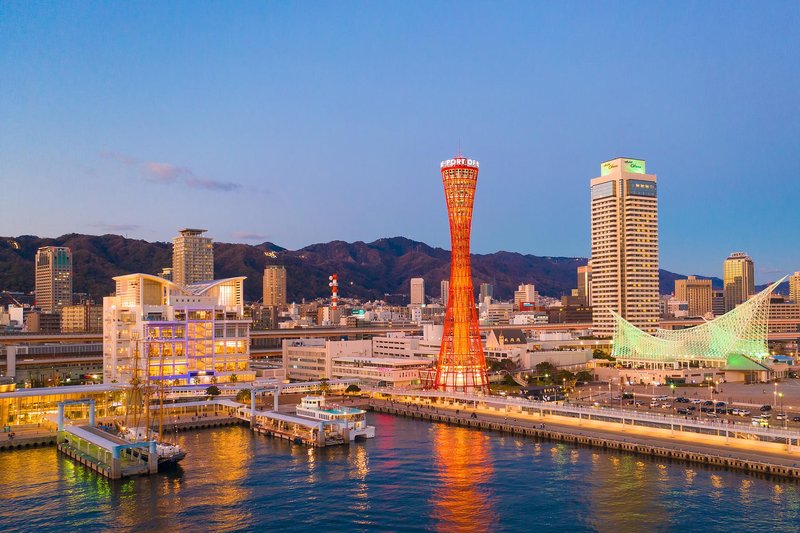
Hotels in Kurayoshi
Discover your perfect stay in Kurayoshi.
Kurayoshi(Japan) Travel 2026: Cheap Flights, Hotels & Top Attractions
Popular Landmarks in Kurayoshi
Discover the most iconic attractions in Kurayoshi
Recommended Hotels in Kurayoshi
Find the perfect place to stay in Kurayoshi

Hotel Route Inn Kurayoshi Ekimae
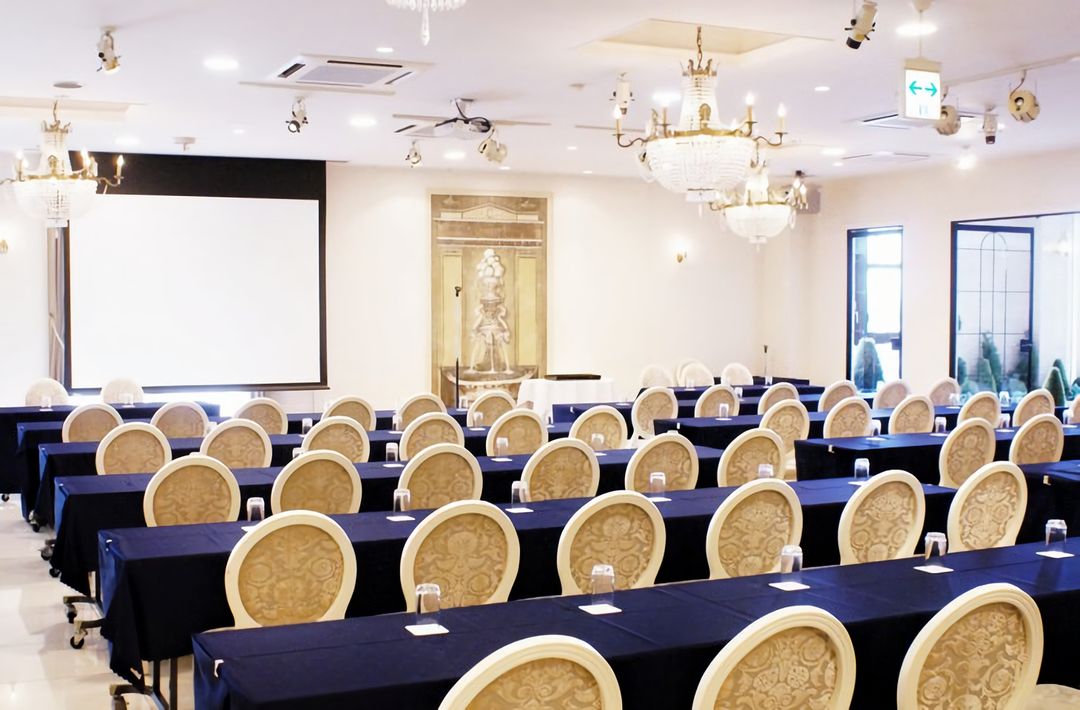
Hotel St Palace Kurayoshi
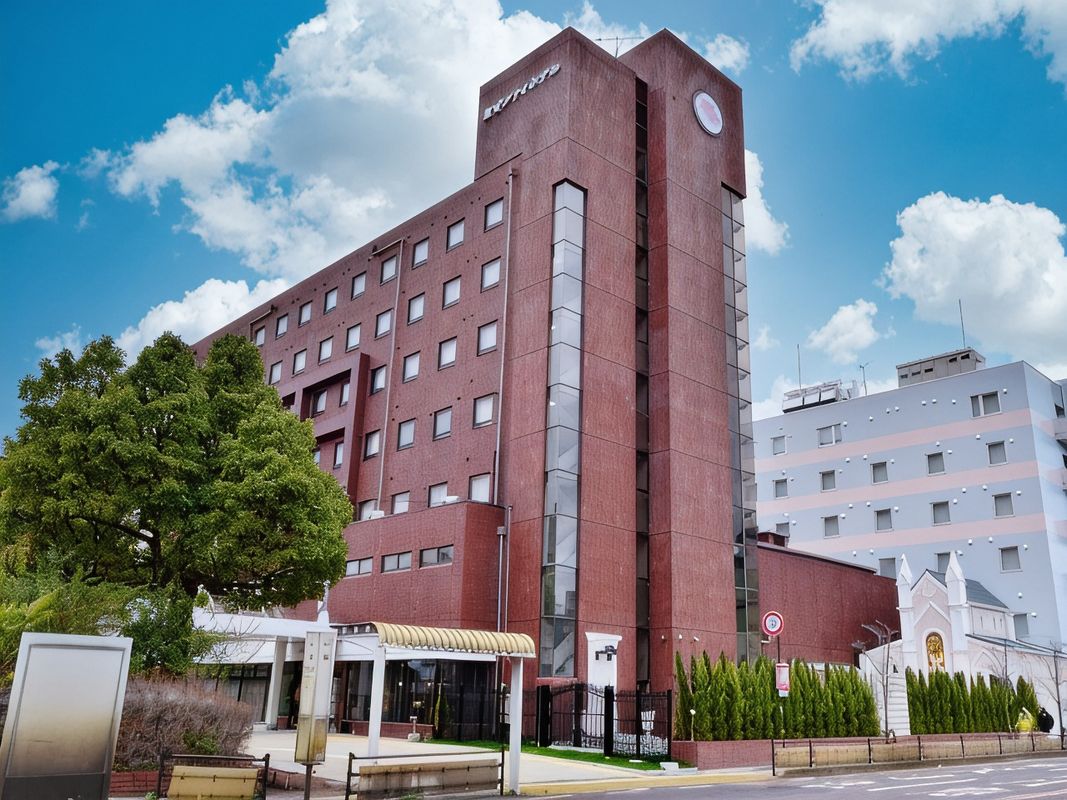
Kurayoshi City Hotel
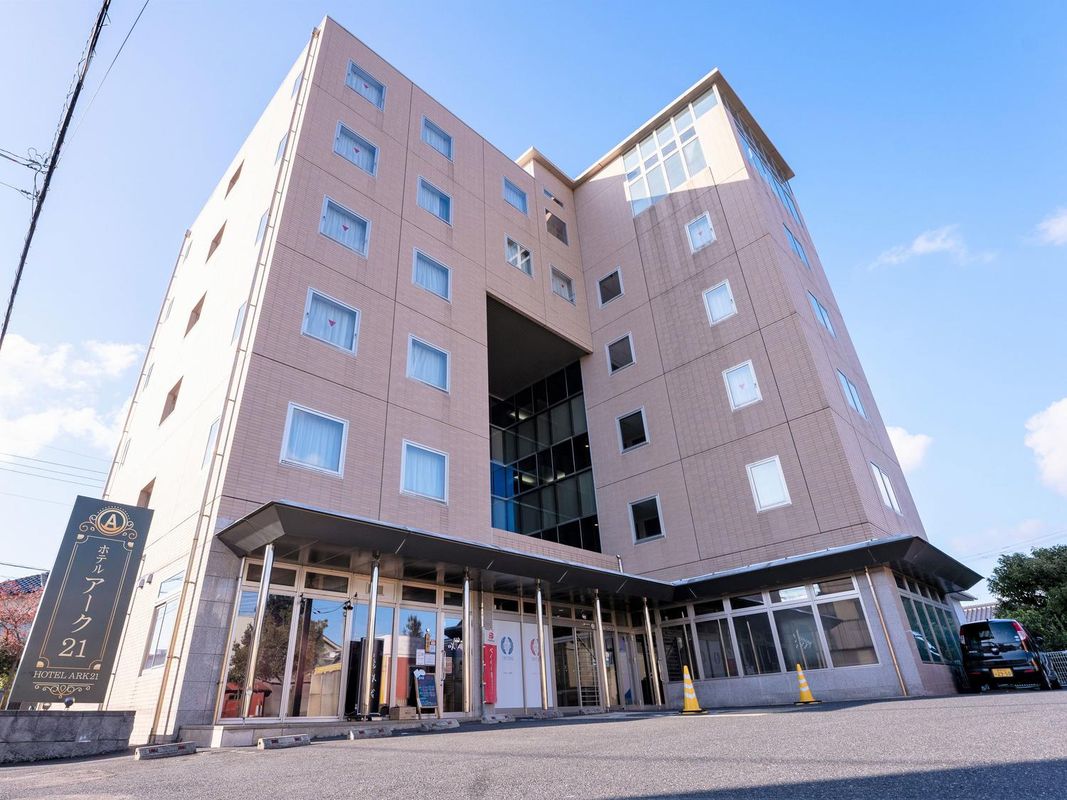
Hotel Ark 21
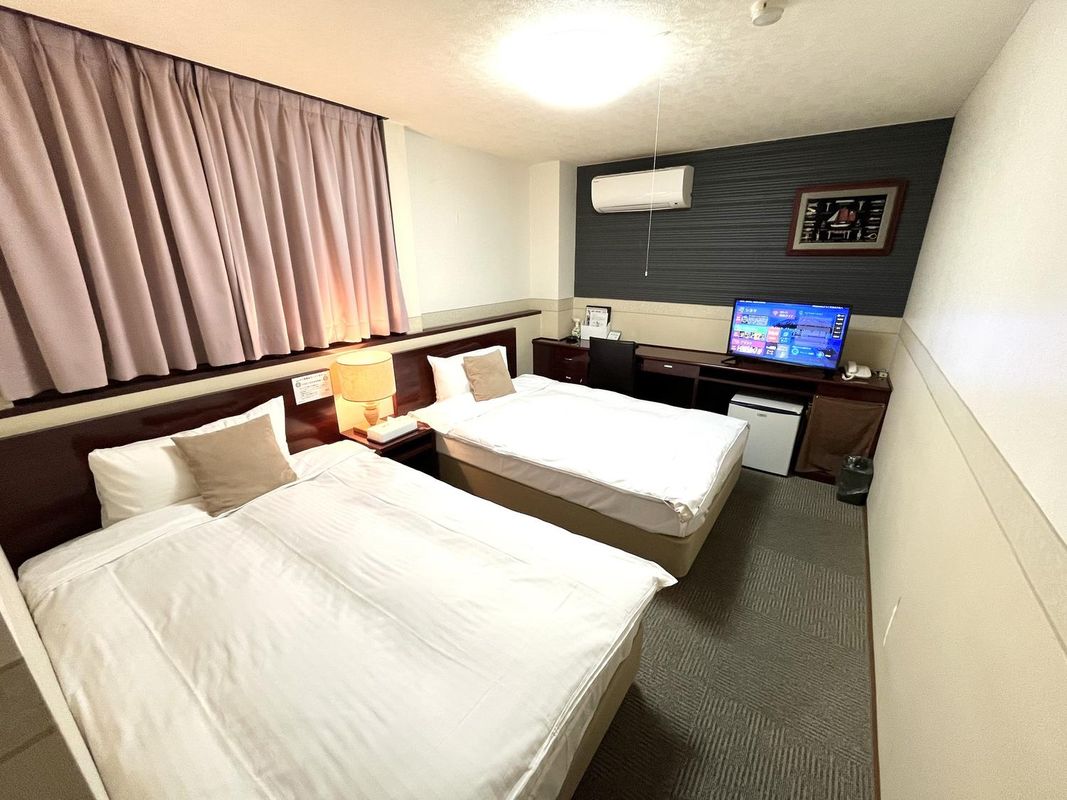
New Business Hotel Alfa
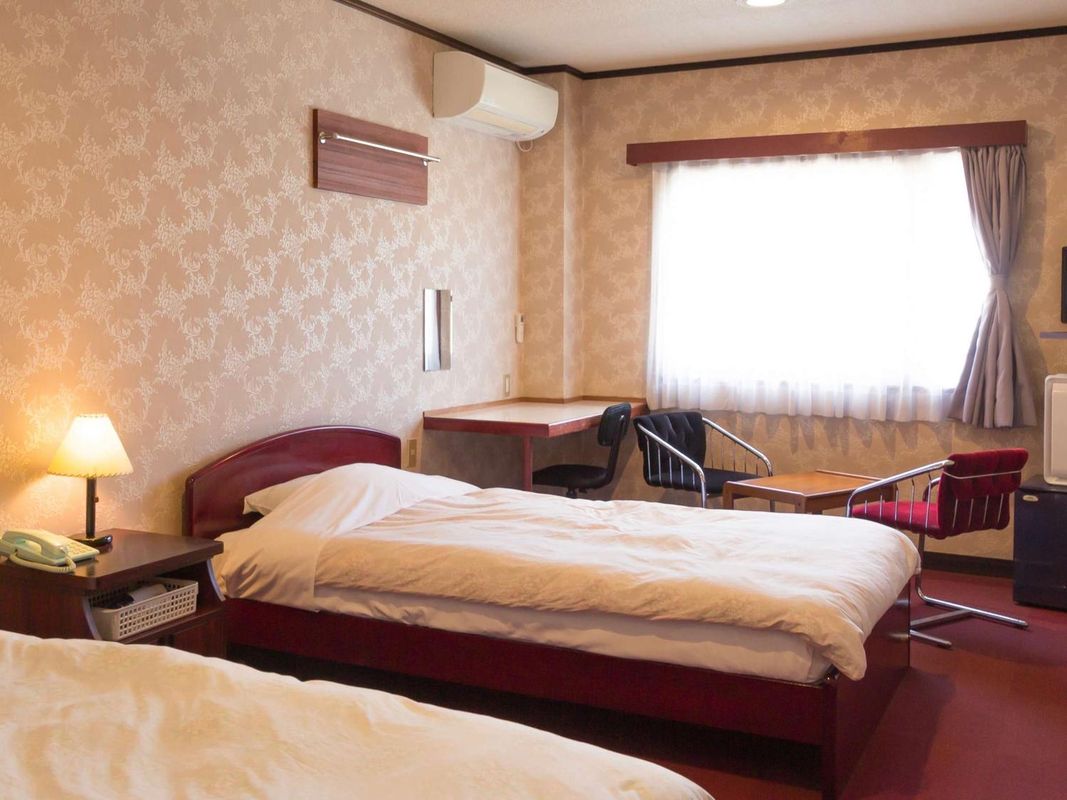
Business Hotel Saiki
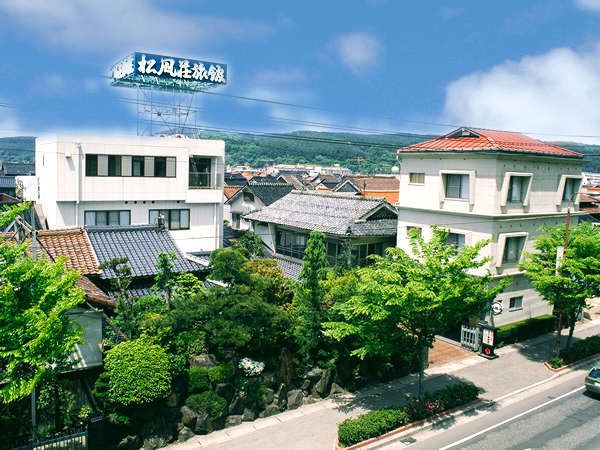
Shofuso Ryokan
Best Hotels in Kurayoshi
Discover curated hotel collections in Kurayoshi
MIMARU Osaka Shinsaibashi East

Toba International Hotel Shiojitei
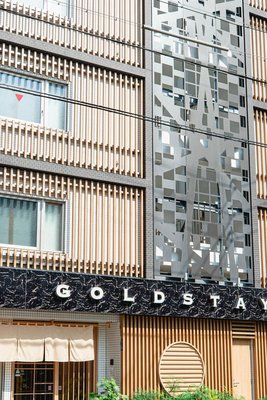
Gold Stay Nagoya OSU
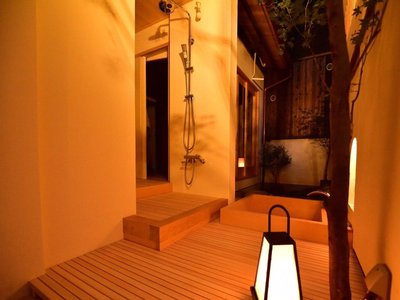
Yado Kiramachi
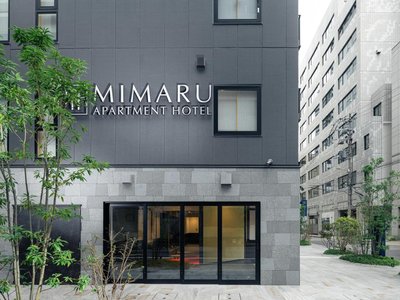
MIMARU Osaka Shinsaibashi North
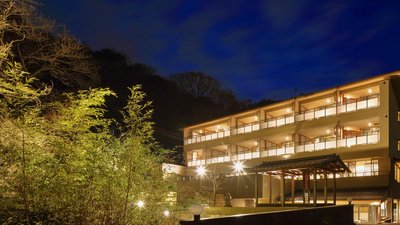
Okuno Hosomichi
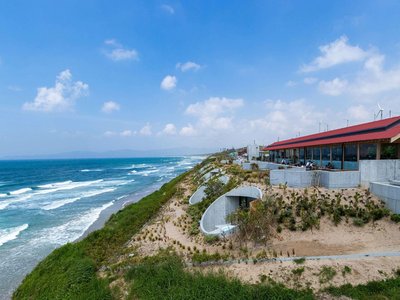
Izumo Hotel the Cliff
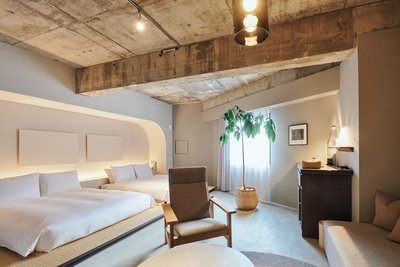
Korinkyo
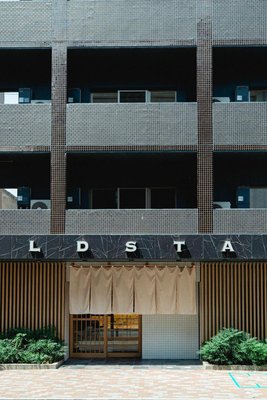
GOLD STAY Nagoya Sakae
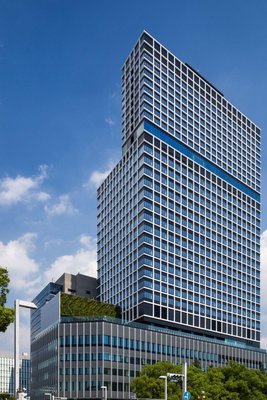
The Royal Park Hotel Iconic Nagoya
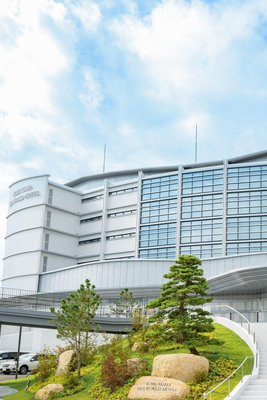
Kobe Suma Sea World Hotel
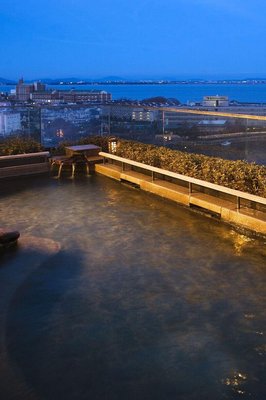
Yumotokan
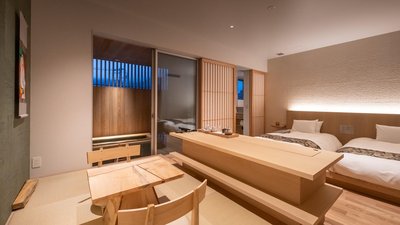
Japanese Auberge Kararako
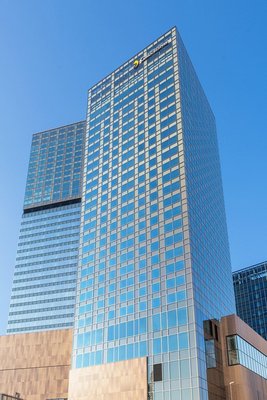
Hotel Hankyu GRAN RESPIRE OSAKA
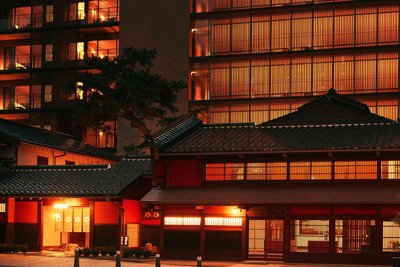
Hoshino Resorts Kai Kaga
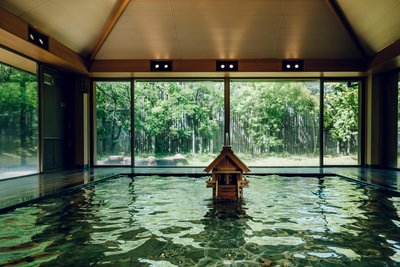
Hoshino Resorts KAI Tamatsukuri

Taikyourou
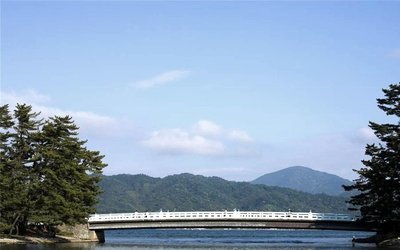
Monjusou Shourotei
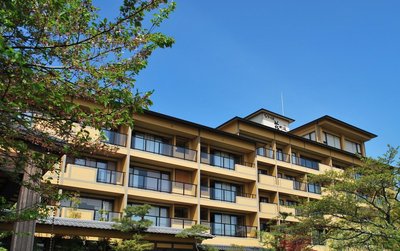
BIWAKO HANAKAIDO
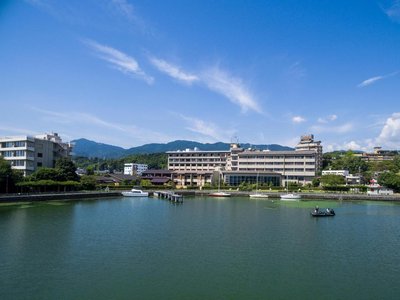
Biwako Ryokusuitei
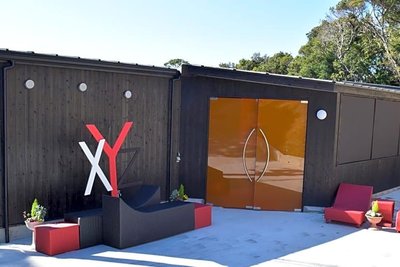
XYZ Private Spa and Seaside Resort
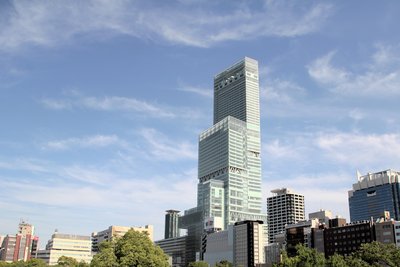
Osaka Marriott Miyako Hotel
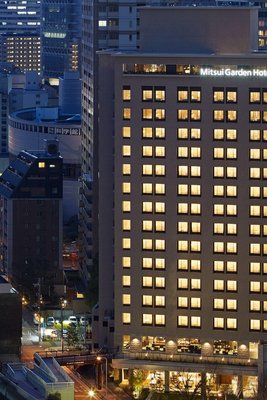
Mitsui Garden Hotel Osaka Premier
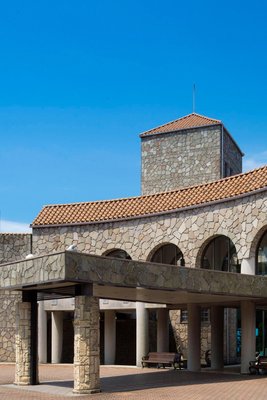
Izumigo Hotel Altia Toba
BIWAKO HANAKAIDO
Biwako Ryokusuitei
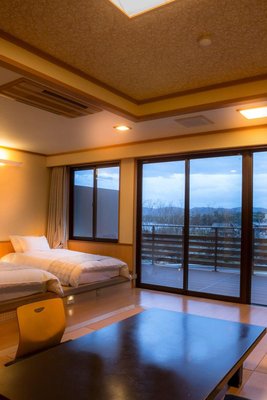
Hotel Kitanoya
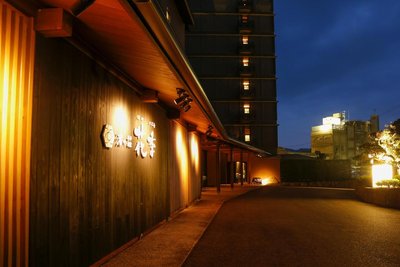
Hanagoyomi
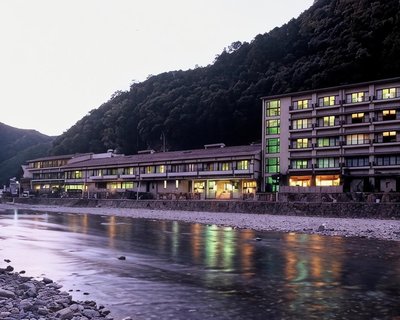
Kawayu Onsen Fujiya
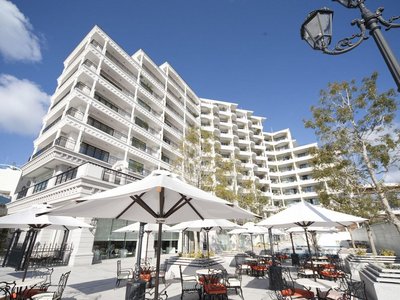
Hotel La Suite Kobe Harborland

AoAwo Naruto Resort
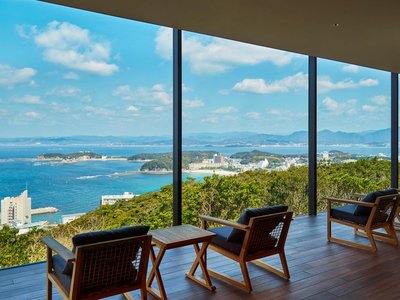
Infinito Hotel and Spa
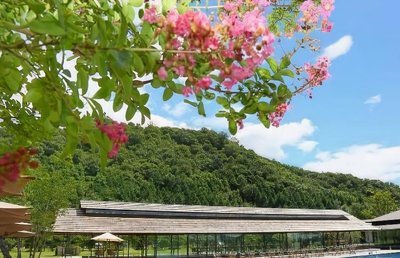
Bella Vista Spa and Marina Onomichi
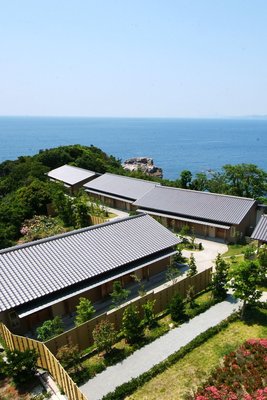
Hamachidorinoyu Kaisyu
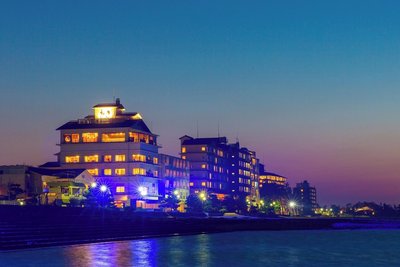
Kaike Shogetsu
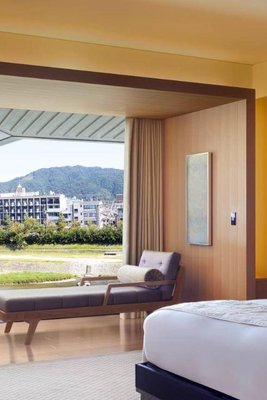
The Ritz-Carlton, Kyoto
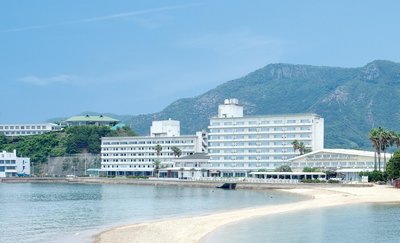
Shodoshima International Hotel
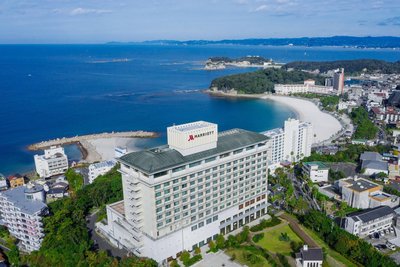
Nanki-Shirahama Marriott Hotel
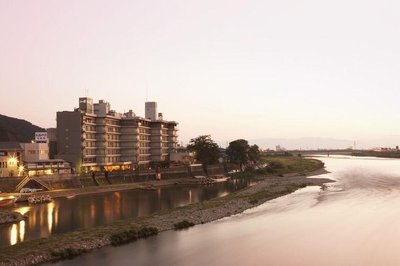
Juhachiro

Toba International Hotel
Yado Kiramachi
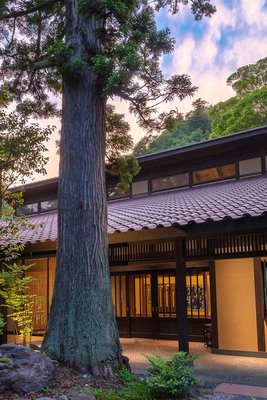
Arimasansoh Goshobessho
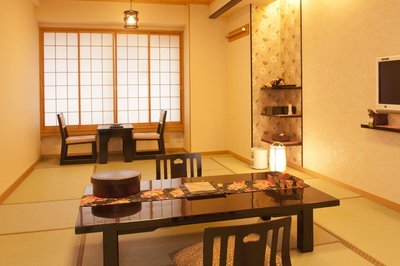
Matsui-Bekkan Hanakanzashi
Hoshino Resorts KAI Tamatsukuri
Taikyourou
Monjusou Shourotei
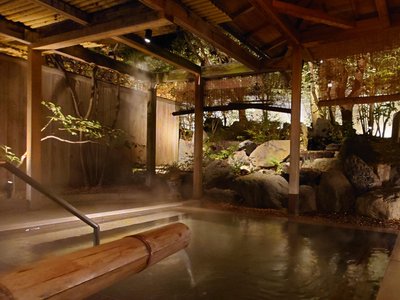
Kasuga Hotel
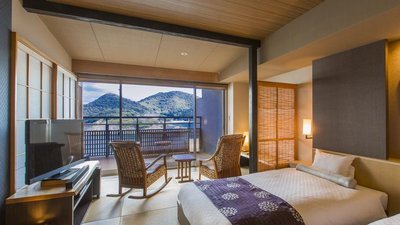
Migiwatei Ochi Kochi
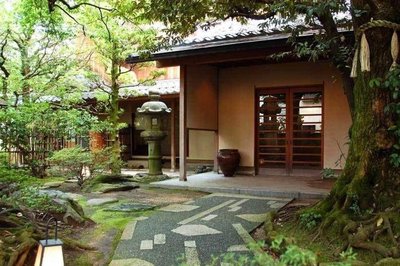
Kocho
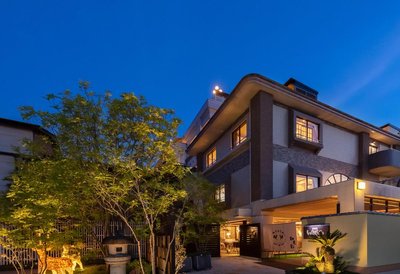
Hotel New Wakasa
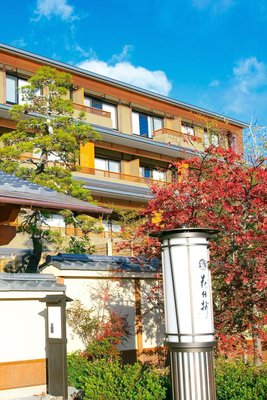
Kyoto Arashiyama Onsen Kadensho (Kyoritsu Resort)
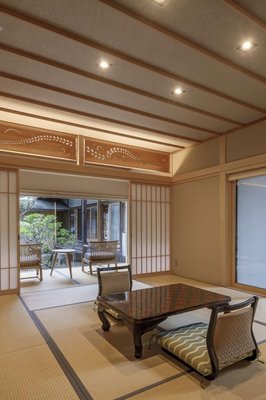
Ichijoin
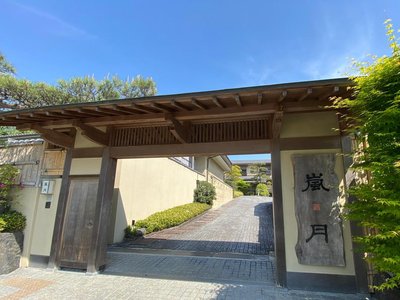
Rangetsu
The Ritz-Carlton, Kyoto
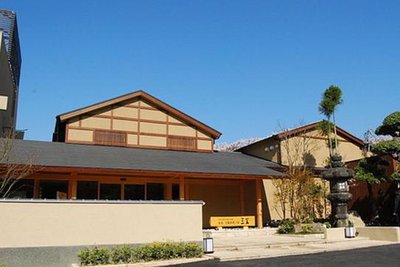
Mikasa
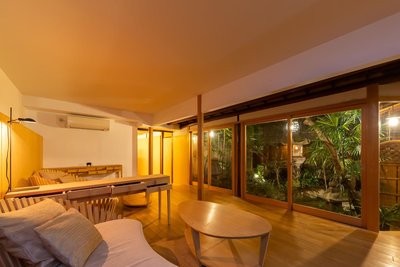
Izuyasu Traditional Kyoto Inn Serving Kyoto Cuisine
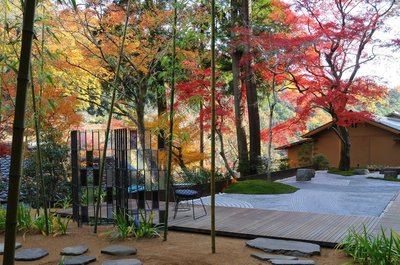
HOSHINOYA Kyoto
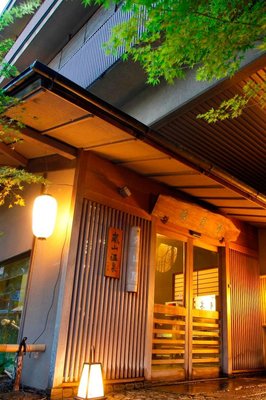
Togetsutei
Juhachiro
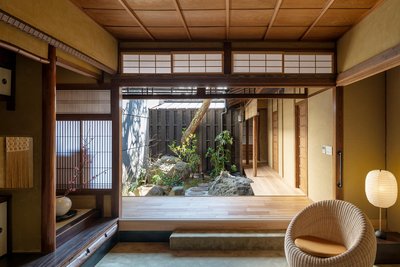
Nazuna Kyoto Gosho
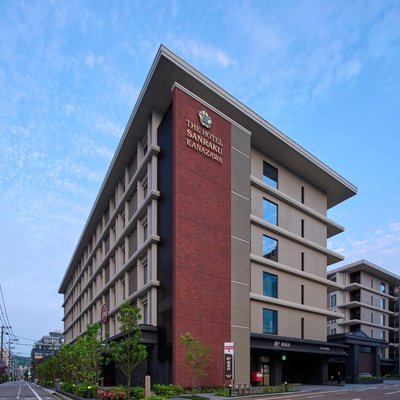
The Hotel Sanraku Kanazawa 21th December 2022 Open
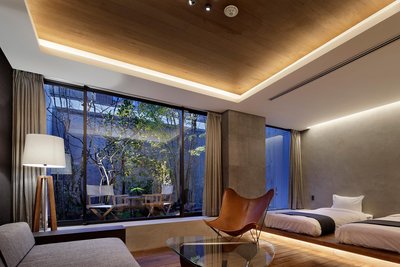
22 PIECES
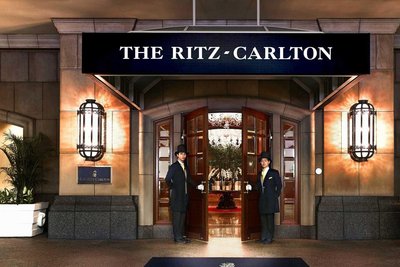
The Ritz-Carlton, Osaka
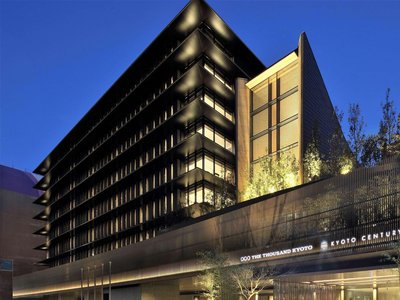
The Thousand Kyoto
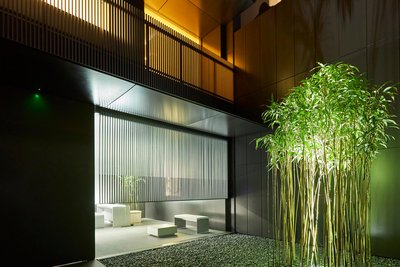
Mogana
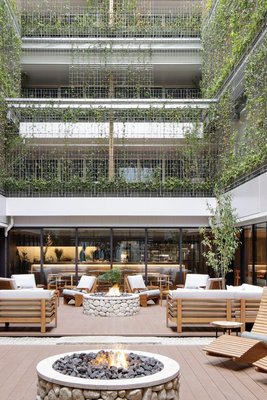
GOOD NATURE HOTEL KYOTO
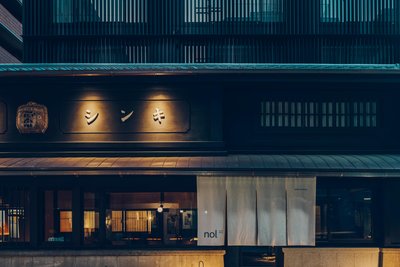
Nol Kyoto Sanjo
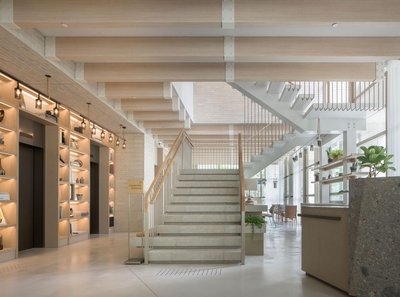
Zentis Osaka
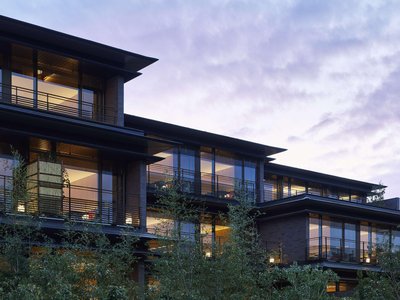
Garrya Nijo Castle Kyoto
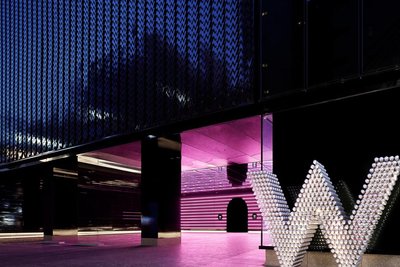
W Osaka
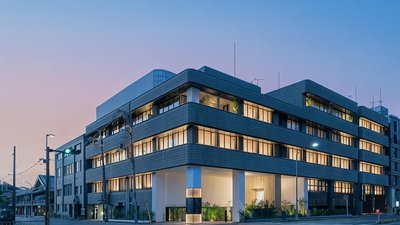
Hotel Kanra Kyoto
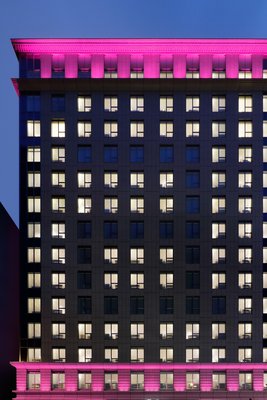
Aloft Osaka Dojima
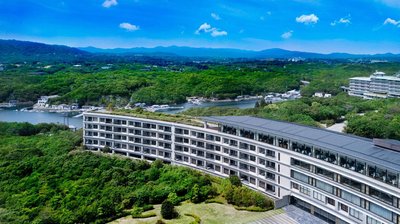
Shima Kanko Hotel the Bay Suites
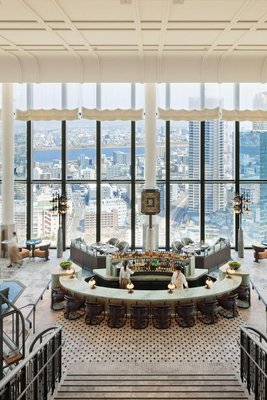
Waldorf Astoria Osaka
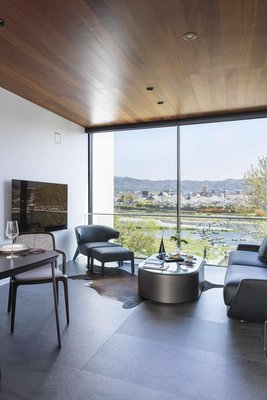
Kamo Residences by Reflections
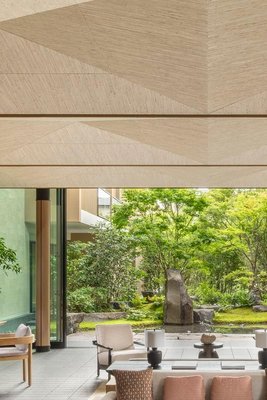
Six Senses Kyoto
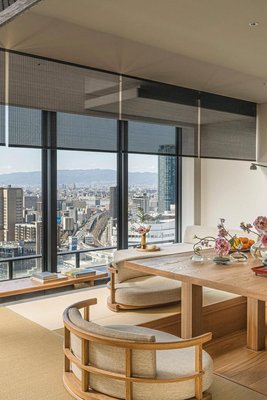
Four Seasons Hotel Osaka
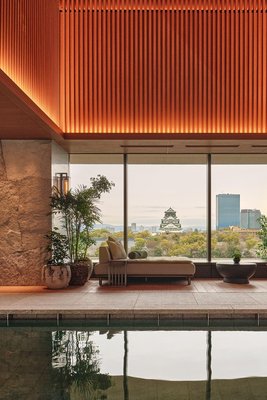
Patina Osaka
The Ritz-Carlton, Osaka
Arimasansoh Goshobessho
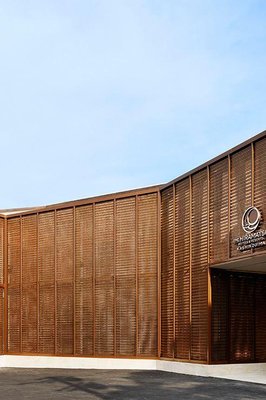
The Hiramatsu Hotels & Resorts Kashikojima
The Ritz-Carlton, Kyoto
HOSHINOYA Kyoto
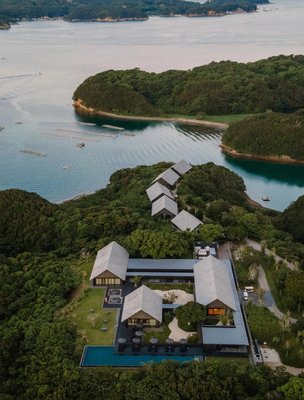
Amanemu
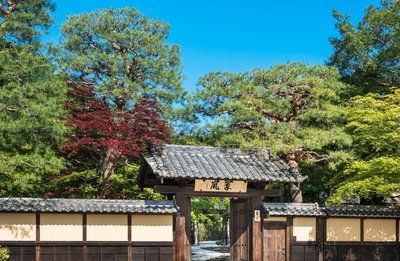
Suiran, a Luxury Collection Hotel, Kyoto
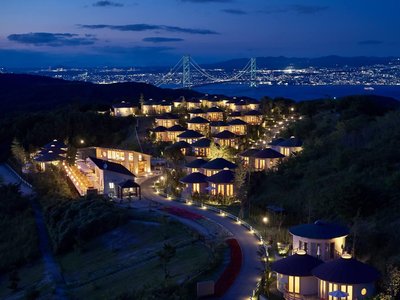
Grand Chariot Hokutoshichisei 135°
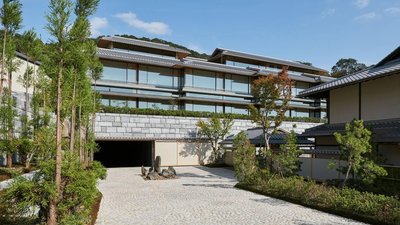
Park Hyatt Kyoto
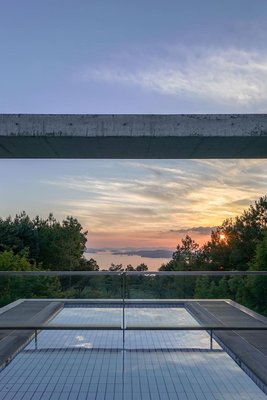
SETOUCHI RETREAT by Onko Chishin
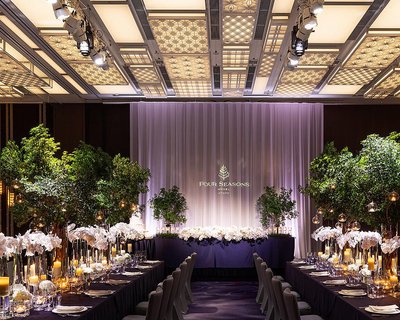
Four Seasons Hotel Kyoto
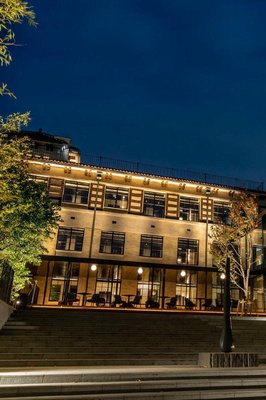
The Hotel Seiryu Kyoto Kiyomizu - a Member of the Leading Hotels of the World-
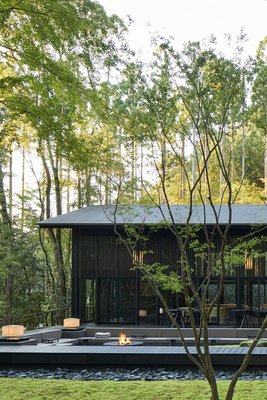
Aman Kyoto
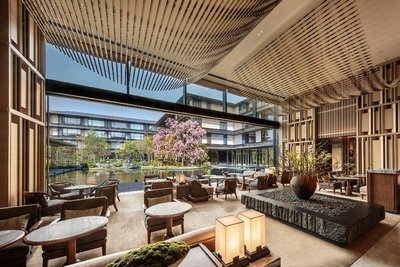
Hotel the Mitsui Kyoto, a Luxury Collection Hotel & Spa
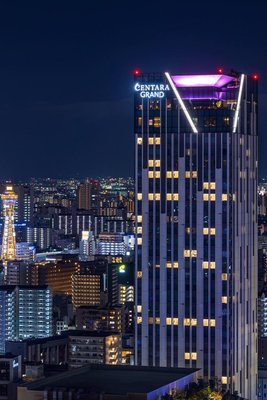
Centara Grand Hotel Osaka
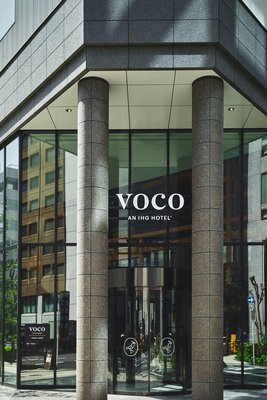
voco Osaka Central
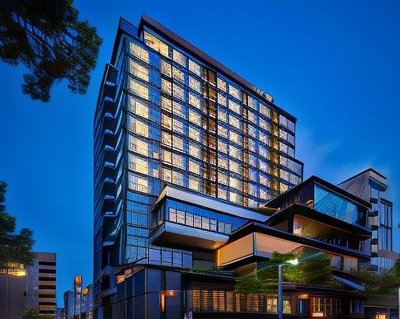
TIAD, AUTOGRAPH COLLECTION
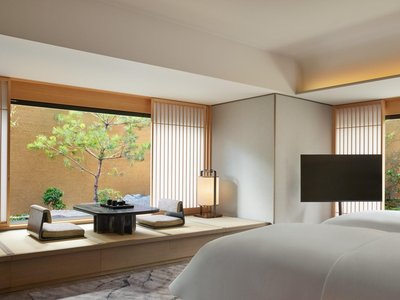
Dusit Thani Kyoto
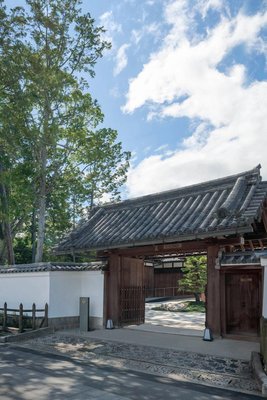
Shisui, a Luxury Collection Hotel, Nara
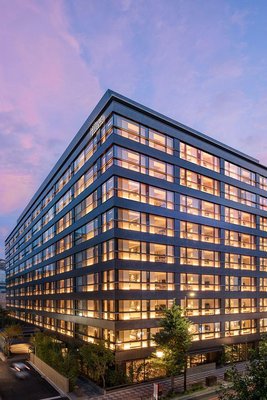
Hilton Kyoto
Osaka Marriott Miyako Hotel
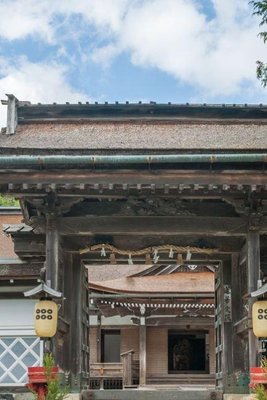
Koyasan Rengejoin
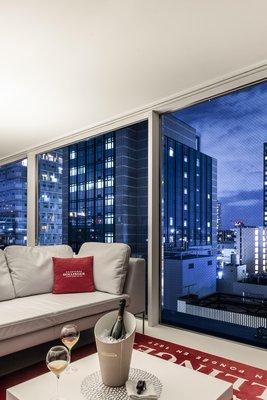
CUVÉE J2 HOTEL OSAKA by Onko Chishin
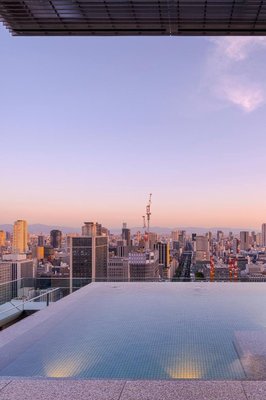
Candeo Hotels Osaka The Tower
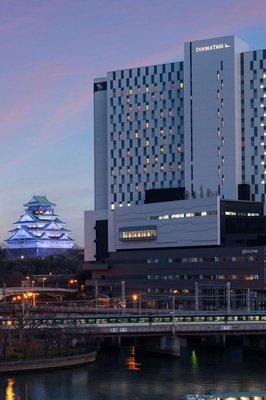
DoubleTree by Hilton Osaka Castle
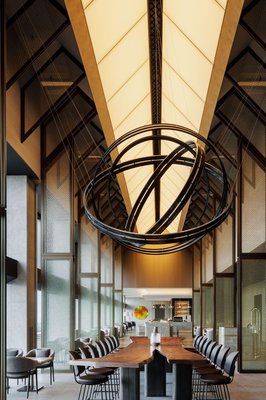
The Osaka Station Hotel, Autograph Collection
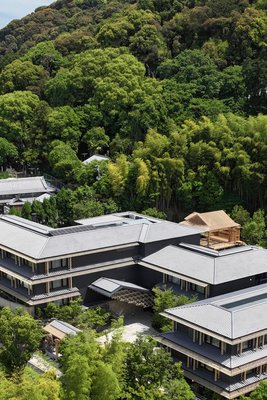
Banyan Tree Higashiyama Kyoto
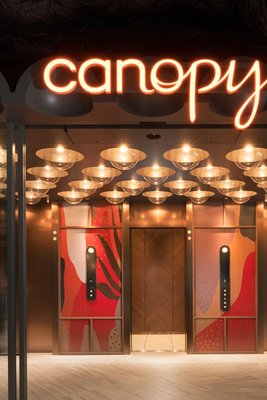
Canopy by Hilton Osaka Umeda
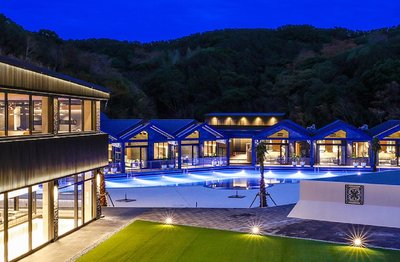
FIVE SPRING RESORT THE SHIRAHAMA
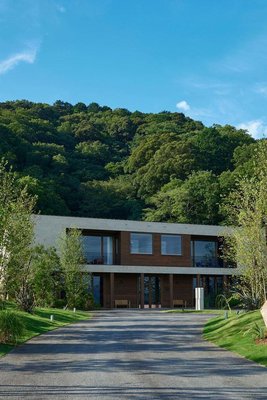
HACIENDA VISON
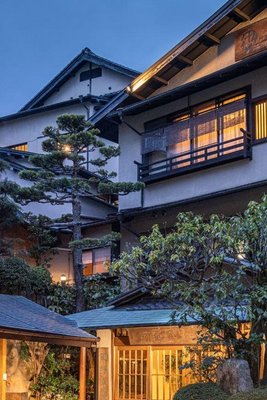
Arima Onsen Tocen Goshobo
Hotel La Suite Kobe Harborland
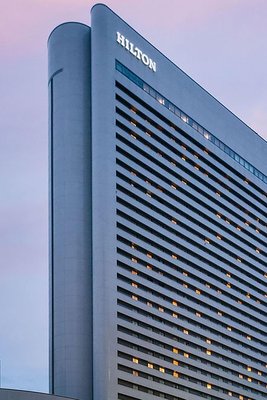
Hilton Osaka Hotel
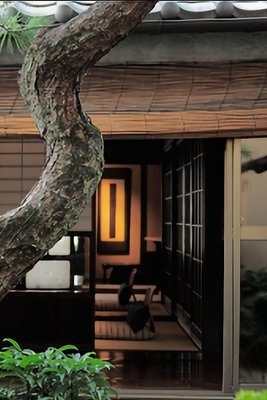
Shimayado Mari
Osaka Marriott Miyako Hotel
The Ritz-Carlton, Osaka
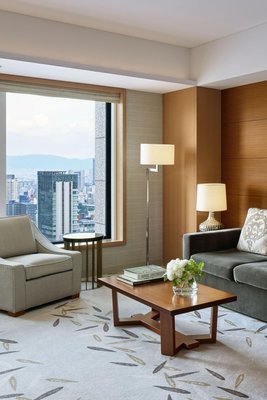
InterContinental Hotel Osaka
The Ritz-Carlton, Kyoto
Suiran, a Luxury Collection Hotel, Kyoto
GOOD NATURE HOTEL KYOTO
Park Hyatt Kyoto
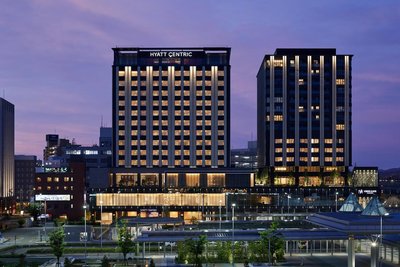
Hyatt Centric Kanazawa
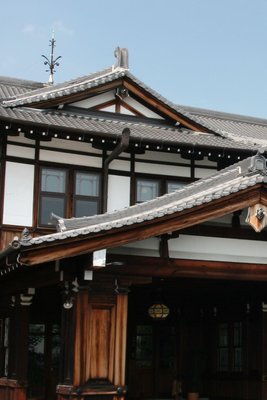
Nara Hotel
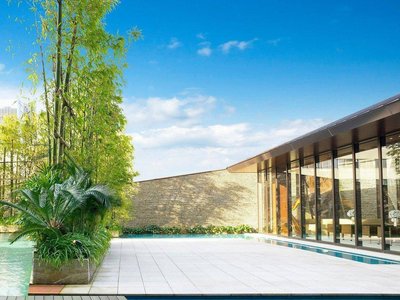
ORIENTAL HOTEL
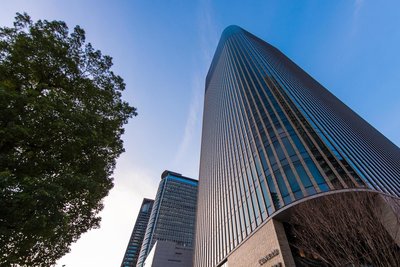
Conrad Osaka
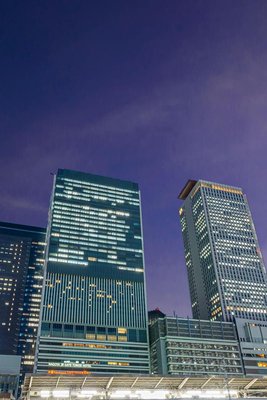
Nagoya JR Gate Tower Hotel (JR-Central Hotels)
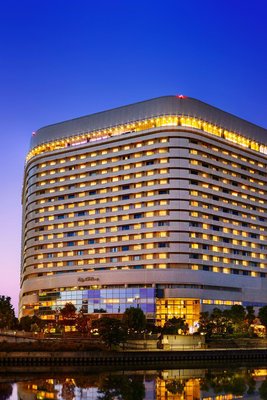
Hotel New Otani Osaka
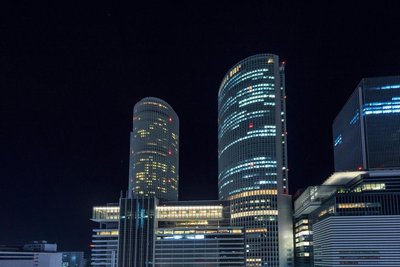
Nagoya Marriott Associa Hotel
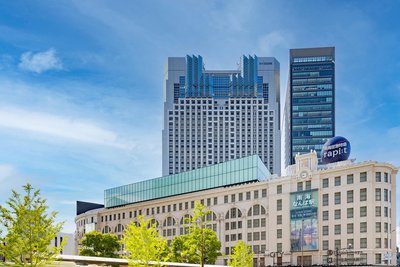
Swissotel Nankai Osaka
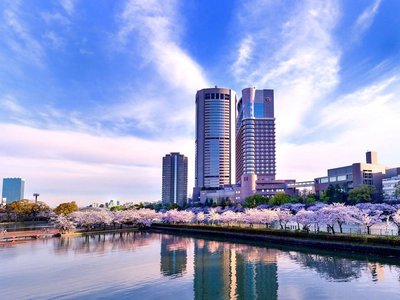
Imperial Hotel Osaka
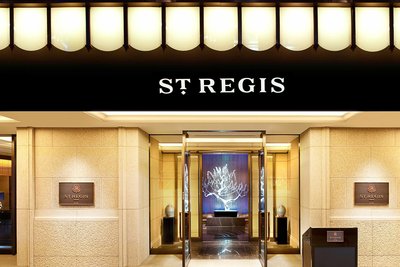
The St. Regis Osaka
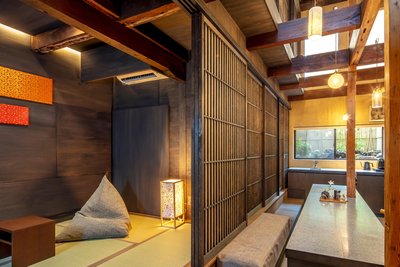
Kyo No Oozora Kihana
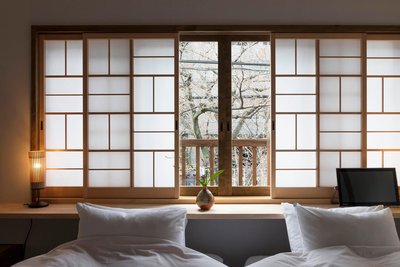
Hanagoromo Machiya House
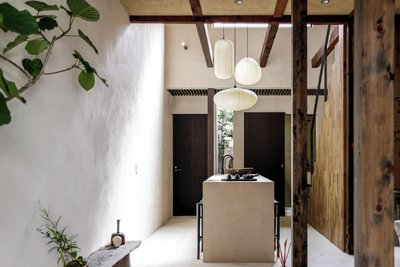
Maana Kiyomizu
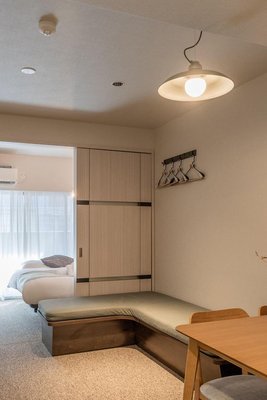
Apartment Hotel 11 Shinsaibashi
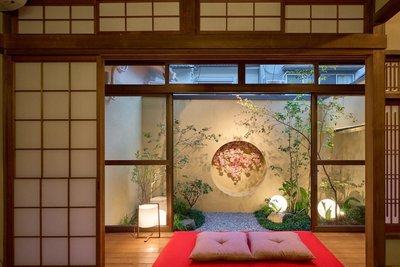
KONJAKUSO Osaka Tengachaya "NIHONCHA" Tea & Relax
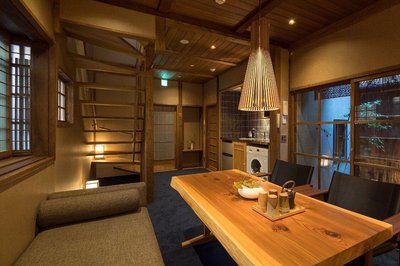
Bonbori an Machiya House
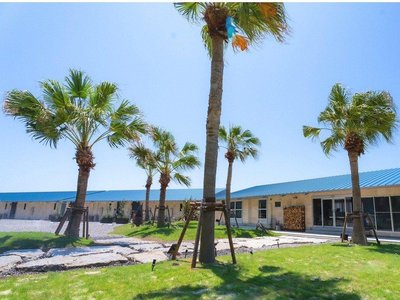
Glamping&Resort Wood Design Park Noma
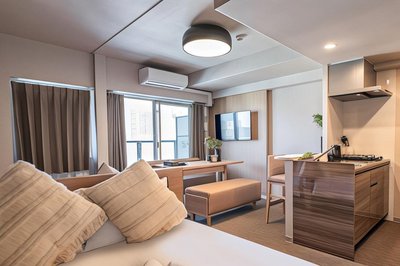
Apartment Hotel 11 Shinsaibashi III
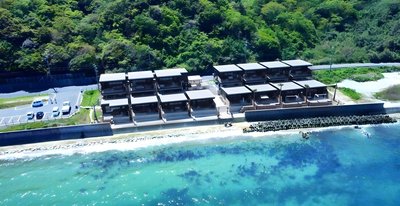
Solavilla Umi Terrace Minamiawaji
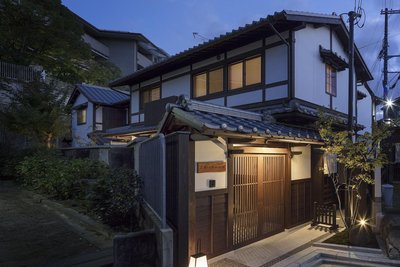
The Machiya Villa Sanjo Shirakawa Koji
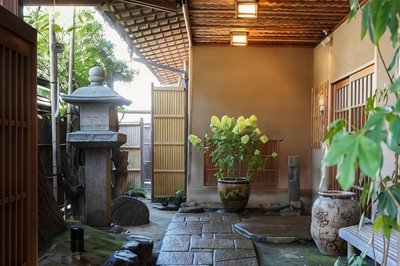
Ryokan Asadaya
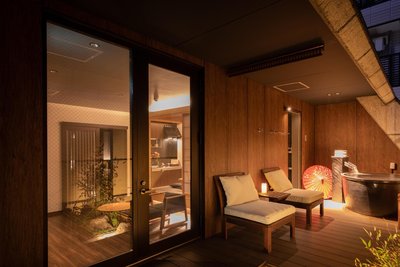
Konjaku-So Dotonbori
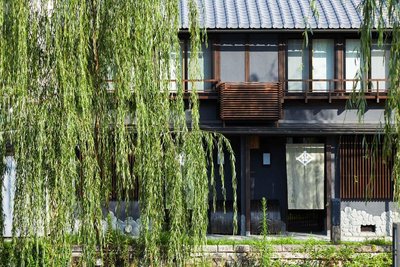
Gion Shirakawa No Yado

Kitashirakawa Natural Radium Onsen
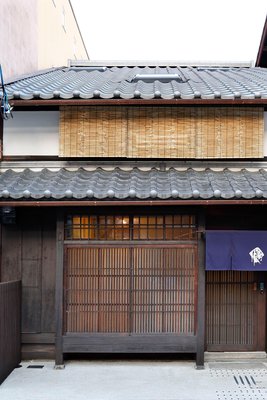
Kyo No Ondokoro Kamanza Nijo #2
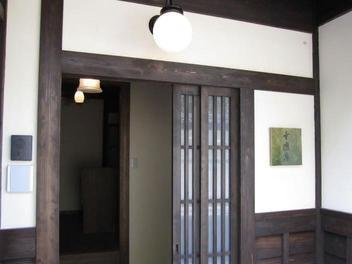
Gion Koyu an Machiya House
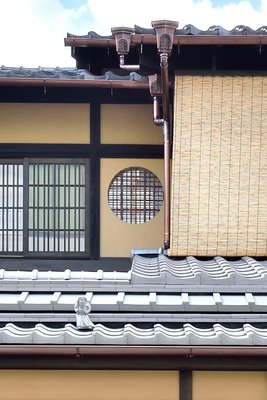
Kyo No Ondokoro Gokomachi Ebisugawa #3
Sana Mane - Glamp Domes
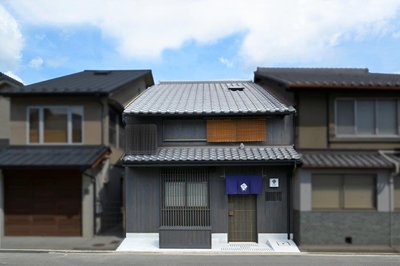
Kyo No Ondokoro Goshonishi #6
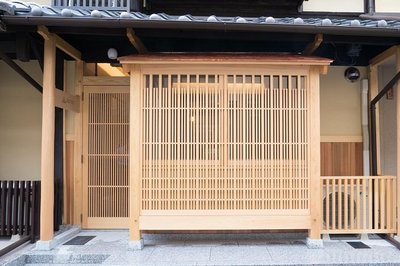
Kyomachiya Suite Rikyu
Frequently Asked Questions about Traveling to Kurayoshi
Questions You Might Need to Know About Traveling to Kurayoshi
In Kurayoshi City, the standout traditional ryokan is Kurayoshi Soubou Ryokan, a centuries-old guesthouse nestled within the White Wall Warehouse District. It features authentic tatami rooms, private outdoor onsen, and handcrafted wooden furnishings reflecting the city's legacy as the "City of Woodworkers." Guests can participate in woodworking workshops led by local artisans and enjoy kaiseki meals made with Inshu beef and regional ingredients. The property also hosts seasonal events like the Kurayoshi Woodcraft Festival, offering deep cultural immersion. Another gem is Kurayoshi Machiya Minshuku, a restored Edo-period townhouse that provides an intimate glimpse into rural life through family-style dining and traditional tea ceremonies. Both offer unparalleled access to historical sites and natural beauty, including views of Mount Daisen.
The Kurayoshi City Center and Shimotokyo Street district are ideal for travelers seeking proximity to key landmarks. This area places you within walking distance of the White Wall Warehouse District, Sangyo Temple, and Yakushi-ji Shrine, all rich in Edo-era architecture and cultural heritage. The streets are lined with preserved merchant houses, craft shops, and cozy izakayas serving Inshu beef and Kurayoshi soy sauce ramen. Evening illumination enhances the nostalgic atmosphere, making it perfect for photography and leisurely strolls. Staying here also grants easy access to the Kurayoshi Sightseeing Bus, which connects major points of interest across the city, ensuring a seamless exploration of Kurayoshi’s hidden gems.
Kurayoshi’s identity as the "City of Woodworkers" deeply shapes its hospitality experience. At Kurayoshi Soubou Ryokan, every element—from the mortise-and-tenon joinery in the beams to the carved wooden door panels—reflects master craftsmanship passed down through generations. Guests can join hands-on wood carving workshops, learning techniques used in temple construction and traditional furniture-making. The ryokan also displays rotating exhibitions of local wood art, including intricate lacquerware and functional utensils. Even the breakfast trays are hand-carved from local cedar. This integration of heritage into daily stays offers visitors not just lodging, but a living connection to Japan’s artisanal past.
Must-try dishes in Kurayoshi include Inshu beef, known for its marbled texture and rich umami flavor, often served in multi-course kaiseki dinners at ryokans. Another highlight is Kurayoshi Soy Sauce Ramen, featuring a deep, aged soy broth crafted from locally brewed soy sauce. For a unique experience, book a family-style dinner at a machiya minshuku, where hosts prepare dishes like wild vegetable tempura, miso soup with fermented rice, and umeboshi plum desserts. Many accommodations also offer home-brewed plum wine or sake pairing sessions, allowing guests to taste the region’s culinary traditions firsthand while enjoying warm hospitality.
The White Wall Warehouse District shines most beautifully at dawn or dusk. Morning light casts soft highlights on the whitewashed walls and black tiled roofs, creating a serene, painterly scene. At sunset, golden hues bathe the alleyways, perfect for photography and quiet contemplation. These times avoid crowds, allowing for unhurried exploration. Stay near Shimotokyo Street to walk directly to the district, or take the free Kurayoshi Sightseeing Bus from the station. During the Kurayoshi Woodcraft Festival (spring), the area comes alive with live demonstrations, adding cultural depth to your visit. Early mornings are especially recommended for capturing the district’s timeless charm without noise or congestion.
Yes, Kurayoshi Kodomo no Ie Ryokan is a purpose-built family-friendly ryokan offering spacious rooms with baby beds, child-safe flooring, and a dedicated playroom. Activities include hands-on woodcraft classes, a mini farm where kids can feed goats, and evening storytelling sessions based on local legends. The ryokan also runs "Forest Bathing & Nature Discovery" programs, teaching children about native plants and insects around Mount Daisen. With a short drive to Daisen Natural Park, families can enjoy hiking and night sky viewing. All meals are family-oriented, featuring kid-sized portions and fun-themed dishes, making it an ideal choice for a culturally enriching, stress-free trip with young ones.
Though Kurayoshi isn’t a hot spring hub, select ryokans like Kurayoshi Soubou Ryokan offer distinctive onsen-like bathing experiences using mineral-rich water sourced from underground springs. Their outdoor onsen is set in a tranquil garden, framed by bamboo groves and overlooking Mount Daisen, providing a peaceful retreat. The water is naturally warm and contains beneficial minerals believed to soothe muscles and improve circulation. Some packages include herbal compress therapy and foot baths infused with local herbs. Additionally, the ryokan hosts traditional bath rituals and tea ceremonies, blending wellness practices with cultural authenticity, making each soak a holistic journey into Japanese healing traditions.
The Kurayoshi Woodcraft Festival, held annually in spring, significantly impacts hotel availability. This three-day event draws thousands eager to witness live woodcarving demonstrations, artisan markets, and cultural performances. Bookings at central ryokans and machiya minshuku fill up months in advance, especially for premium rooms. Many properties offer festival-exclusive packages including tickets, commemorative crafts, and guided tours. For quieter alternatives, consider staying at mountain-side lodges near Daisen, which provide peaceful surroundings and exclusive access to nature trails. HopeGoo early ensures comfort and avoids last-minute price hikes, particularly during peak festival weeks.
Kurayoshi’s machiya homes are living testaments to the city’s merchant past. Built between the Edo and Meiji periods, these timber-frame houses feature yagura (watchtowers), shoji sliding doors, and thick mud-walled exteriors designed for fire resistance. Each structure was once a family-run store or residence, reflecting the social fabric of rural Japan. Today, restored machiya minshuku preserve original layouts, with hand-carved beams, stone lanterns, and original tatami mats. Visitors can participate in daily life simulations—like preparing meals over a traditional hearth or washing clothes in a stone basin—offering profound insight into pre-modern Japanese domestic culture and community values.
Kurayoshi Station is well-connected via JR West’s San'in Main Line, with direct trains from Osaka (1h 30min), Kyoto (2h), and Okayama (1h). The city also has a free sightseeing bus network covering major attractions like the White Wall Warehouse District and Sangyo Temple. For those driving, the Chūgoku Expressway links Kurayoshi seamlessly to western Japan. Most ryokans offer complimentary shuttle services from the station, and many support bike rentals for exploring nearby villages. Tourists can save on transport with the Tottori Prefecture Tourism Pass, which includes unlimited rides on local buses and discounts at hotels and museums, enhancing overall travel convenience.
Kurayoshi Overview
City Summary
Kurayoshi City, located in central Tottori Prefecture, Japan, is a tranquil town blending history and nature. Known for its Shirakabe Storehouses and Utsubuki Park, it preserves Edo-period architecture and cherry blossom landscapes. The city's Kurayoshi Kasuri textile craft and status as a pear-producing region highlight local culture.
Must-See Attractions
The Shirakabe Storehouses, converted into craft shops and cafes, are iconic landmarks. Utsubuki Park boasts thousands of cherry trees in spring and vibrant autumn foliage. Akagawara-kan exhibits local history, while the Kurayoshi Museum details traditional industries.
Food Guide
Must-try treats include desserts made with Nijisseiki pears, a Tottori specialty. Kurayoshi ramen features soy-based broth and thick noodles, while Inaba beef offers premium wagyu. Traditional manju and soy sauce dumplings are sold near the Shirakabe area.
Transportation Guide
Buses (Hinomaru Bus) cover major attractions—consider a day pass. From Tottori Station, take JR San-in Line (30 mins to Kurayoshi Station). Most sites are walkable. Taxis are expensive but useful for areas like Mt. Daisen. Check sparse bus schedules in advance.
Best Time to Visit
Best seasons are April (cherry blossoms) and November (autumn leaves), with mild weather and moderate crowds. Summers (Jun-Aug) are humid, winters (Dec-Feb) may have snow with shorter attraction hours.
Travel Tips
- Etiquette: Remove shoes before entering traditional buildings.
- Cash: Carry yen as small shops may not accept cards.
- Buses: Press buttons before your stop; take a ticket when boarding.
- Onsen: Shower before entering baths; swimsuits prohibited.
- Trash: Few public bins—carry trash with you.
- Language: Signs are mainly in Japanese; use translation apps.
Useful Information
Language: Low English proficiency; prepare translation tools. Internet: Limited free Wi-Fi; SIM cards recommended. Payment: Cash dominates despite credit card acceptance at large venues. Emergencies: Kurayoshi City Hospital offers 24/7 care (Tel: 0858-22-3111). Pharmacies sell OTC medicine. Tourist info centers (near Kurayoshi Station) provide multilingual maps.