Hotels in kure
Discover your perfect stay in kure.
kure(Japan) Travel 2026: Cheap Flights, Hotels & Top Attractions
Popular Landmarks in kure
Discover the most iconic attractions in kure
Recommended Hotels in kure
Find the perfect place to stay in kure
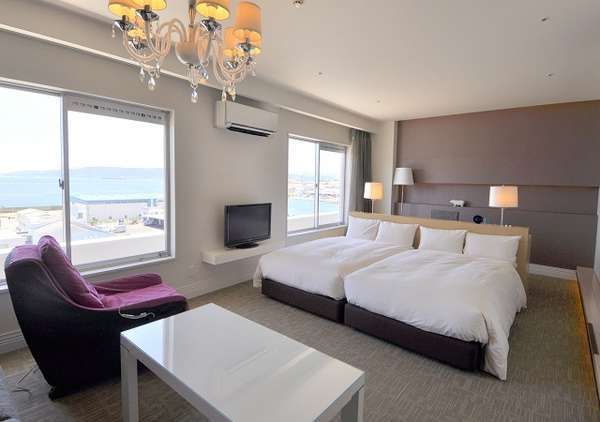
Clayton Bay Hotel
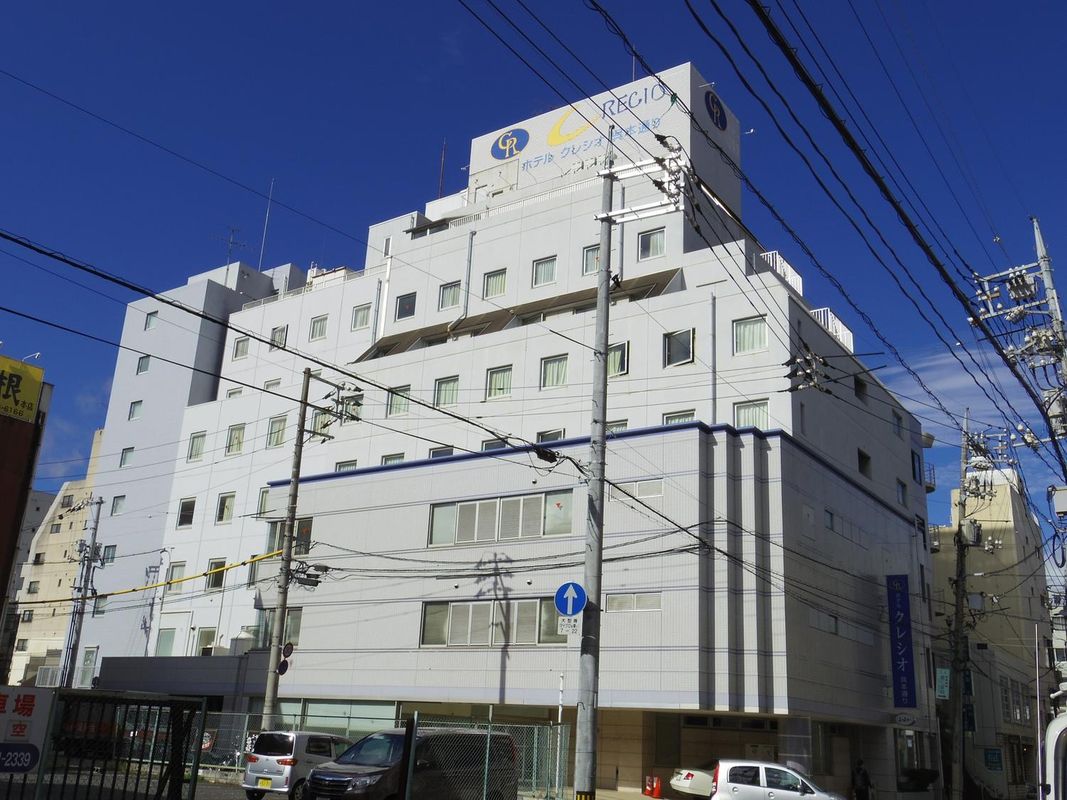
Hotel Crecio Kurehondori
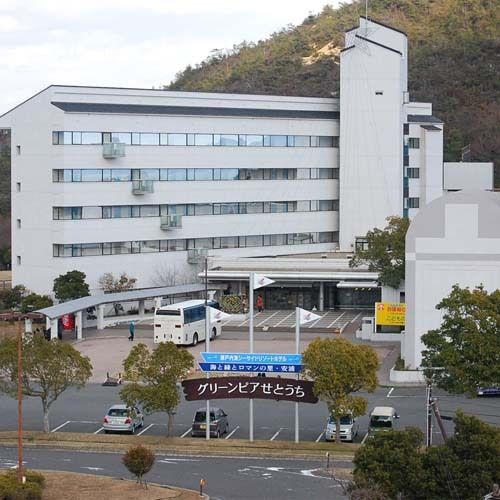
Greenpia Setouchi
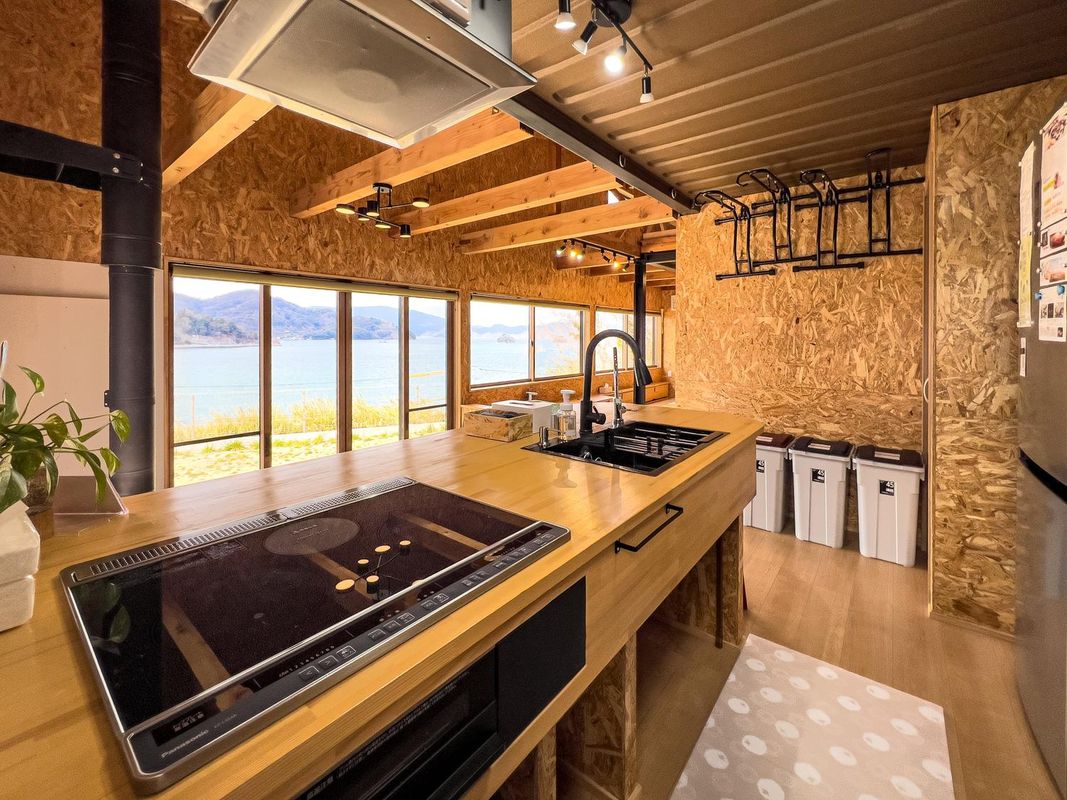
Nagi-Setouchi
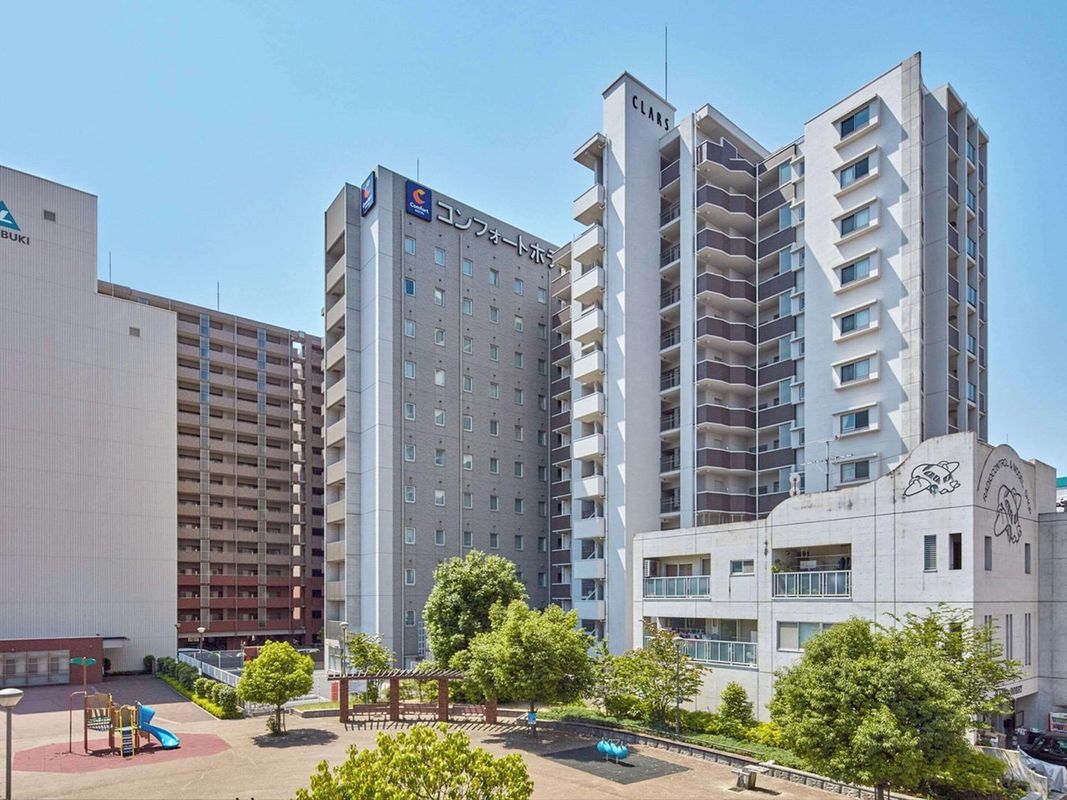
Comfort Hotel Kure
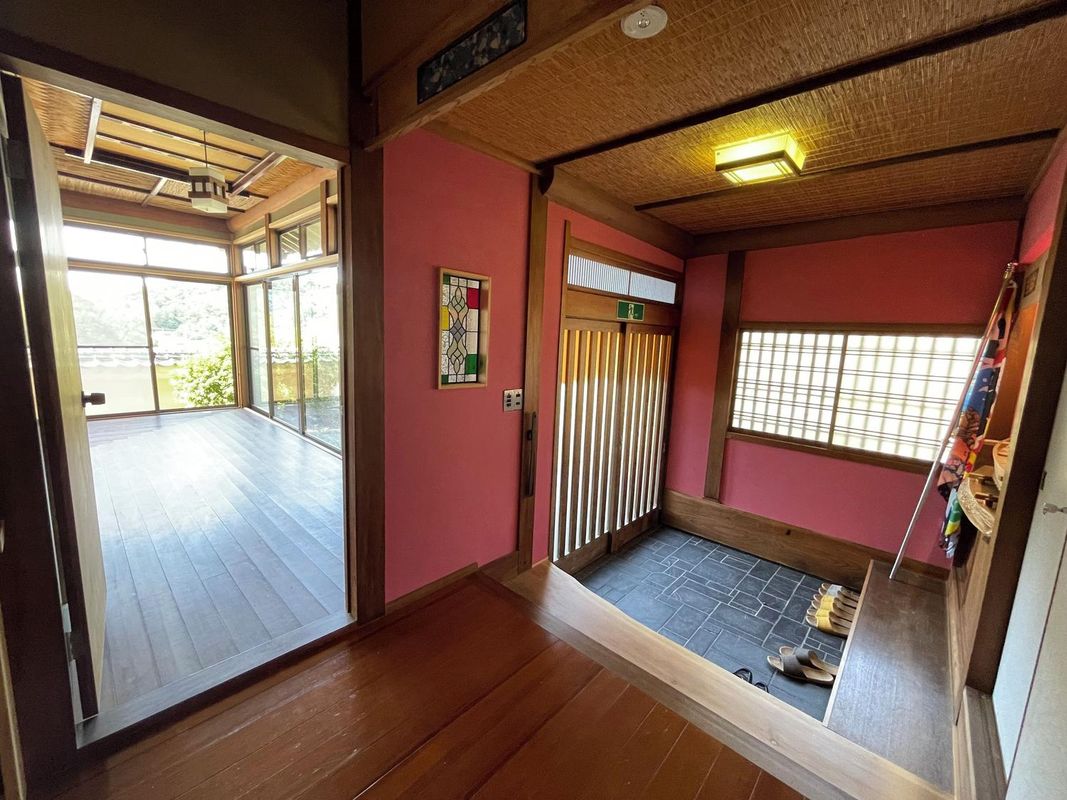
minamiseto karoto kazemachitei
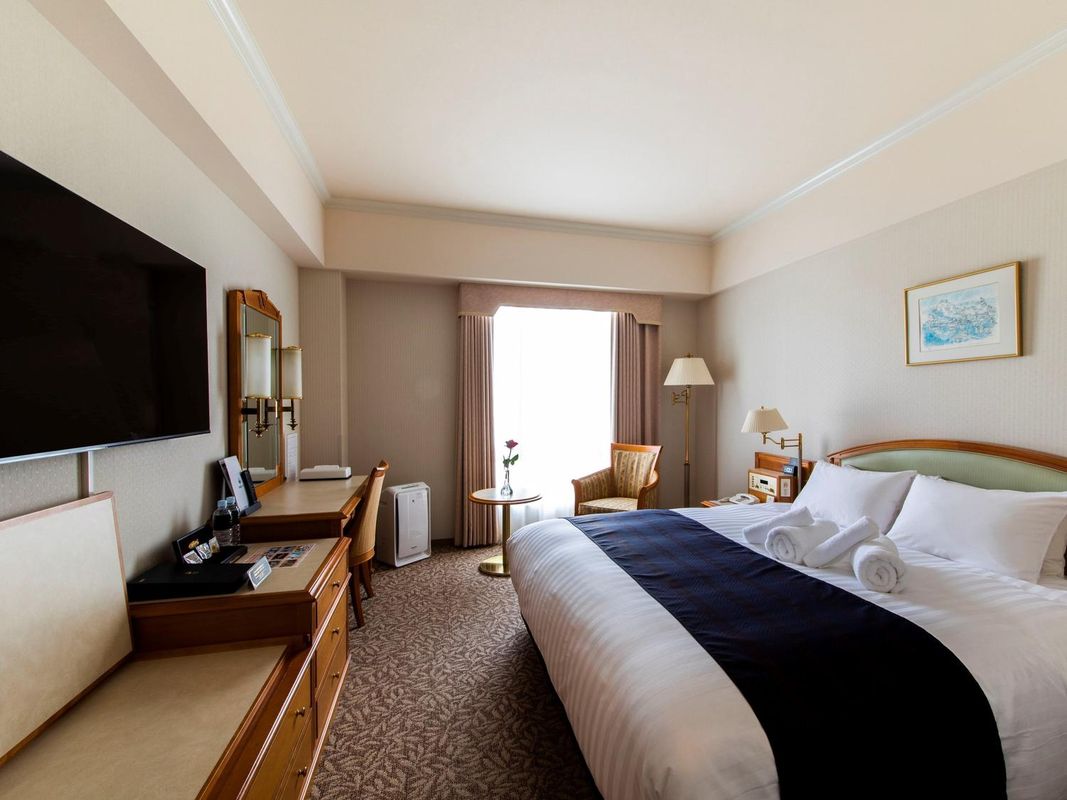
Kure Hankyu Hotel
Kure Morisawa Hotel
Best Hotels in kure
Discover curated hotel collections in kure
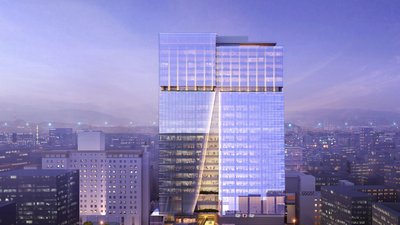
The Ritz-Carlton, Fukuoka
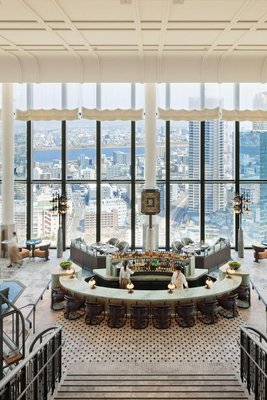
Waldorf Astoria Osaka
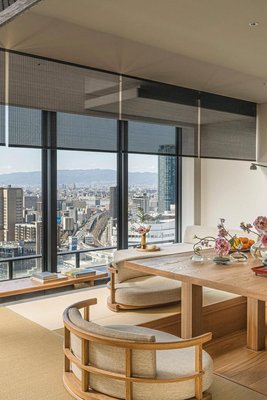
Four Seasons Hotel Osaka
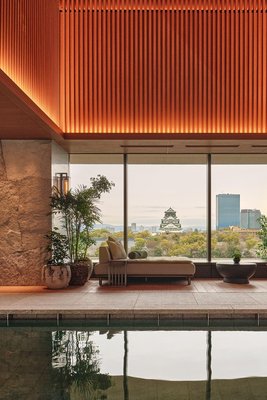
Patina Osaka
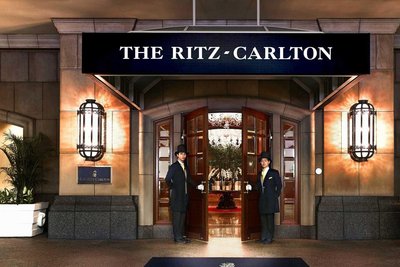
The Ritz-Carlton, Osaka
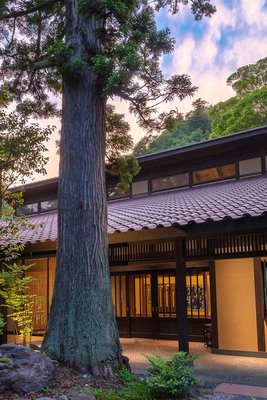
Arimasansoh Goshobessho
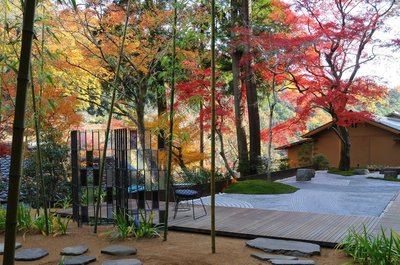
HOSHINOYA Kyoto
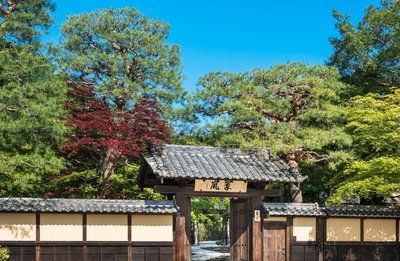
Suiran, a Luxury Collection Hotel, Kyoto
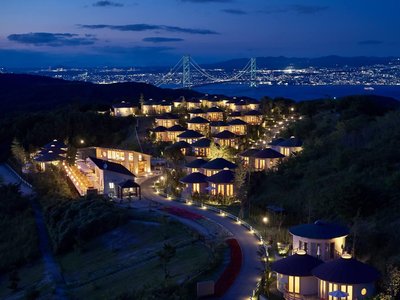
Grand Chariot Hokutoshichisei 135°
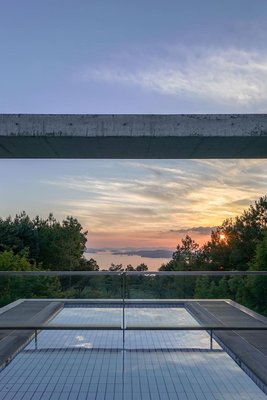
SETOUCHI RETREAT by Onko Chishin
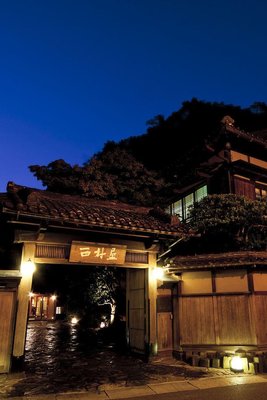
Nishimuraya Honkan
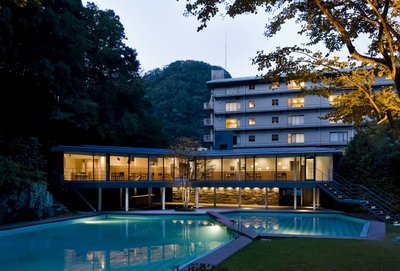
Kinosaki Onsen Nishimuraya Hotel Shogetsutei
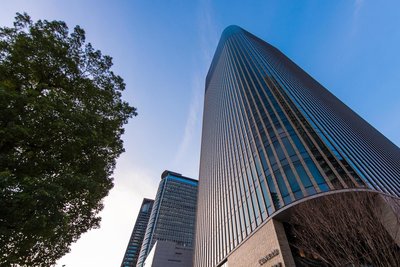
Conrad Osaka
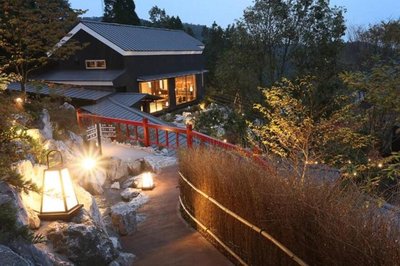
Gekkoju Kurokawa
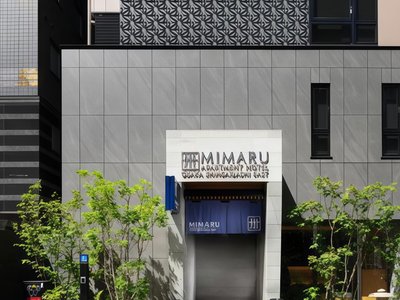
MIMARU Osaka Shinsaibashi East
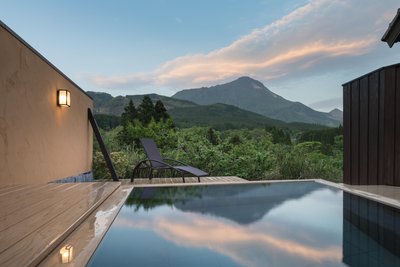
Ikkoten
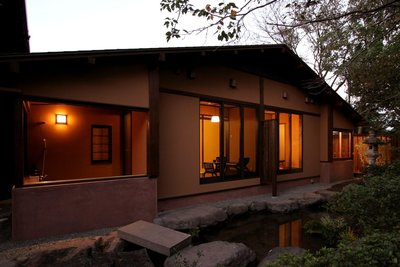
SEKIYA RESORT Bettei Haruki
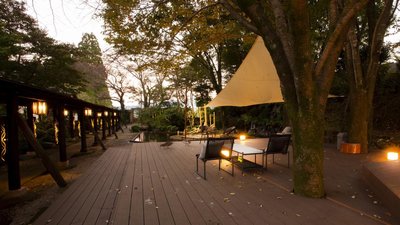
Chikurakutei
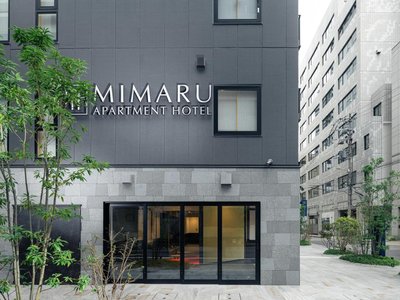
MIMARU Osaka Shinsaibashi North
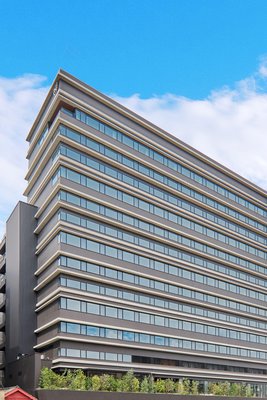
The Royal Park Canvas Fukuoka Nakasu
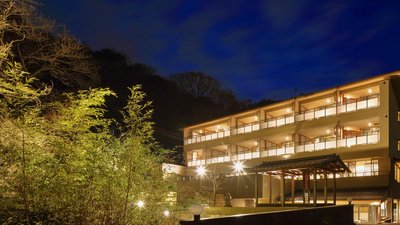
Okuno Hosomichi
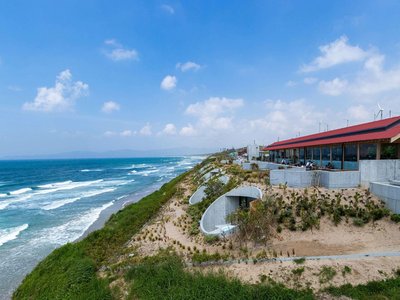
Izumo Hotel the Cliff
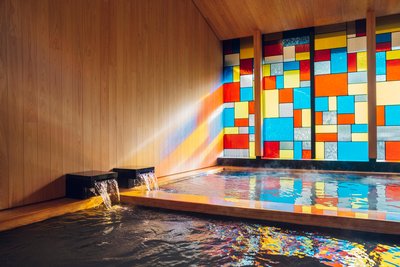
Hoshino Resorts Kai Unzen
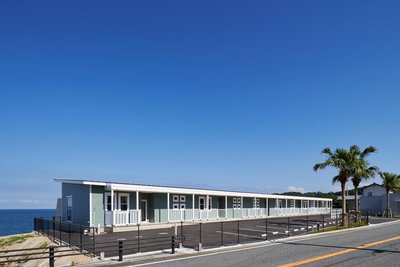
Alfacio Resort Stay Itoshima
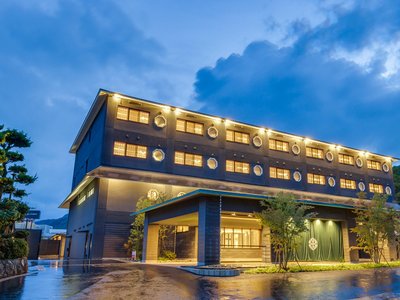
Ureshino Yadoya
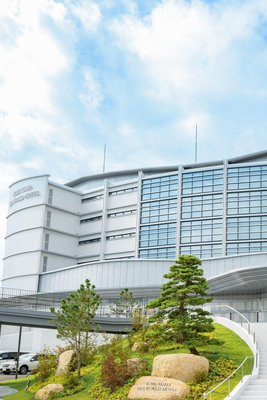
Kobe Suma Sea World Hotel
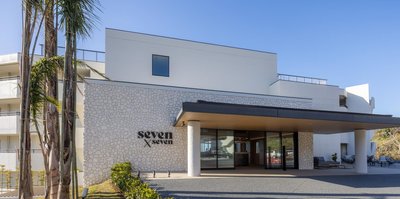
seven x seven itoshima
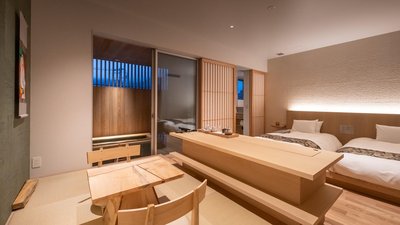
Japanese Auberge Kararako
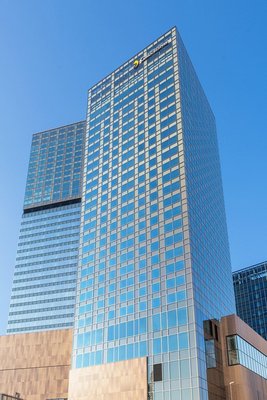
Hotel Hankyu GRAN RESPIRE OSAKA
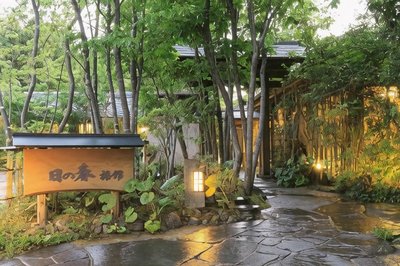
Yufuin Onsen Hinoharu Ryokan
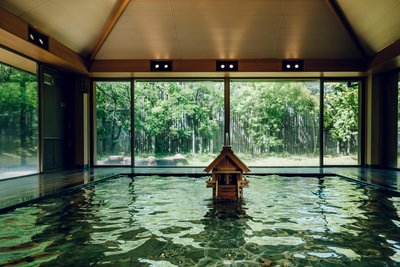
Hoshino Resorts KAI Tamatsukuri
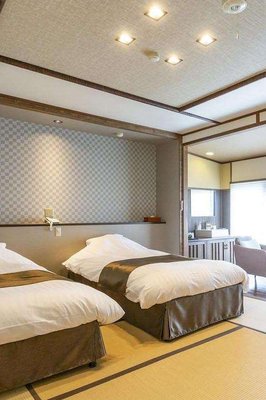
Sozankyo

Taikyourou
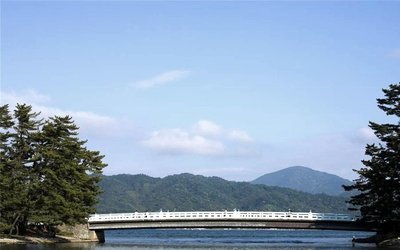
Monjusou Shourotei
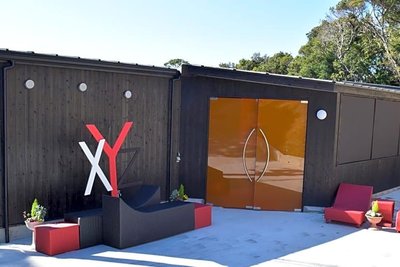
XYZ Private Spa and Seaside Resort
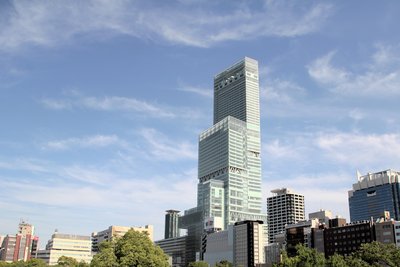
Osaka Marriott Miyako Hotel
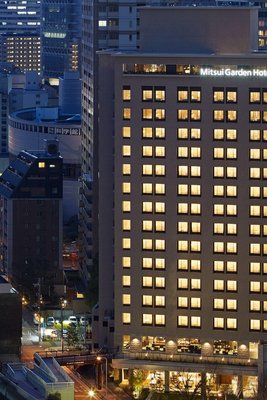
Mitsui Garden Hotel Osaka Premier
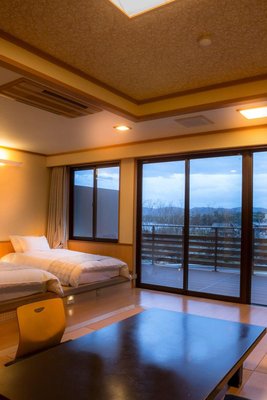
Hotel Kitanoya
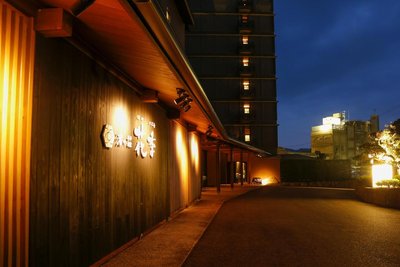
Hanagoyomi
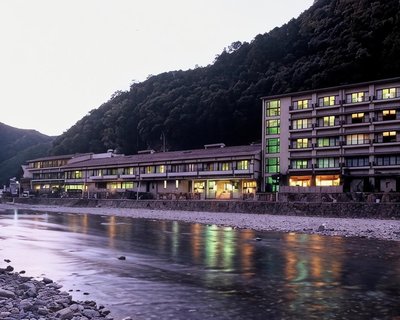
Kawayu Onsen Fujiya
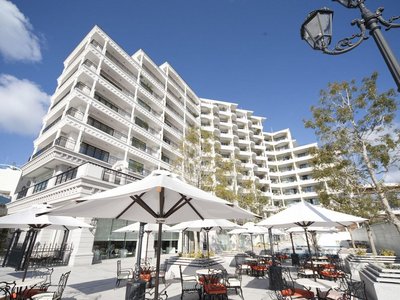
Hotel La Suite Kobe Harborland

AoAwo Naruto Resort
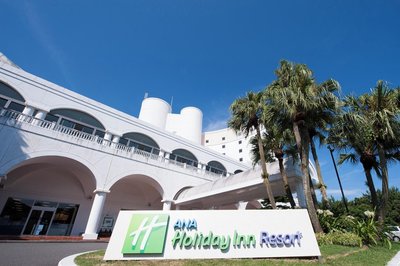
Holiday Inn Resort Miyazaki
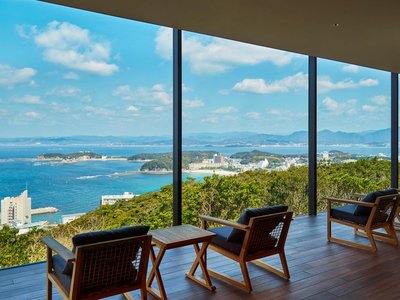
Infinito Hotel and Spa
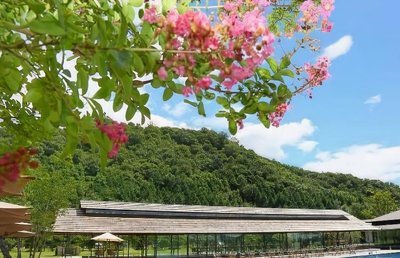
Bella Vista Spa and Marina Onomichi
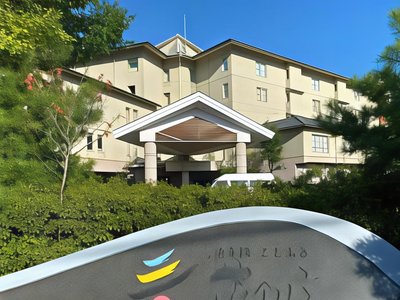
Yufuin Kotobuki Hananosho
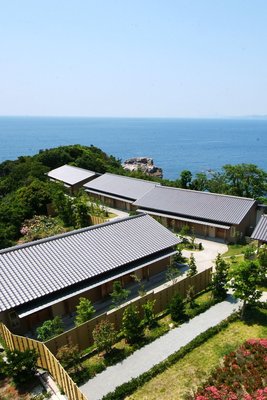
Hamachidorinoyu Kaisyu
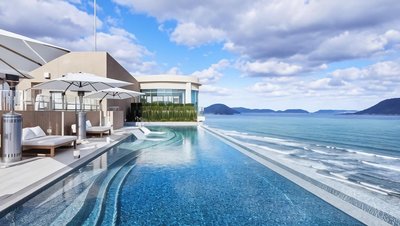
Karatsu Seaside Hotel
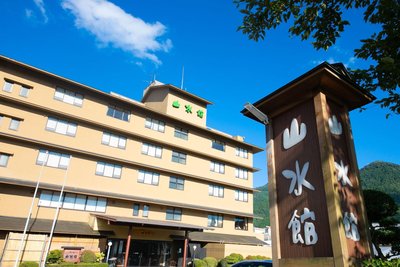
Yufuin Sansuikan
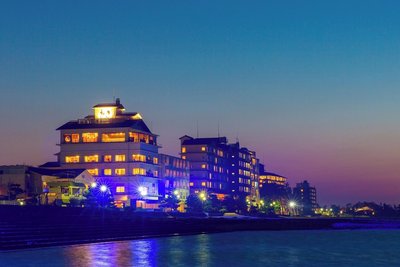
Kaike Shogetsu
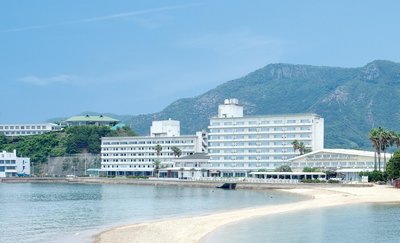
Shodoshima International Hotel
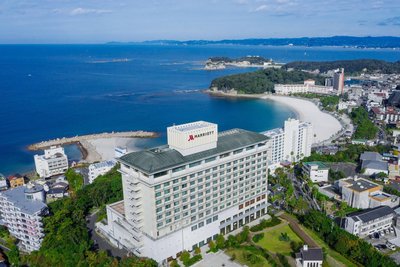
Nanki-Shirahama Marriott Hotel
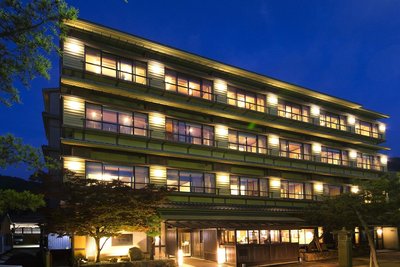
Kinsuikan
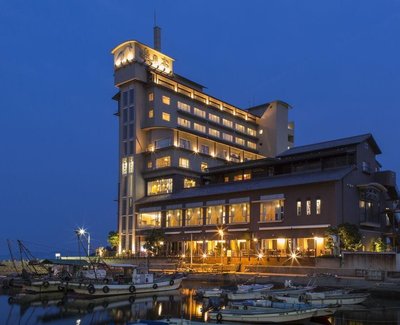
Hotel Ofutei
Arimasansoh Goshobessho
Hoshino Resorts KAI Tamatsukuri
Taikyourou
Monjusou Shourotei
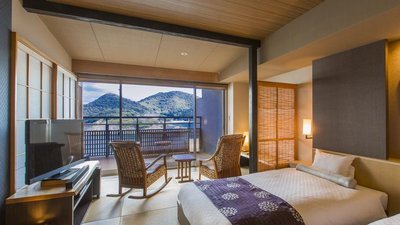
Migiwatei Ochi Kochi
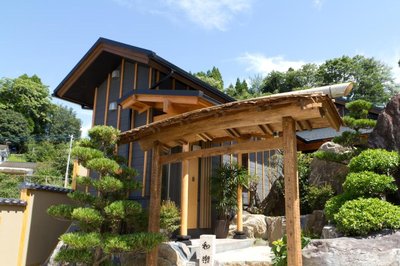
Ryokan Shinsen
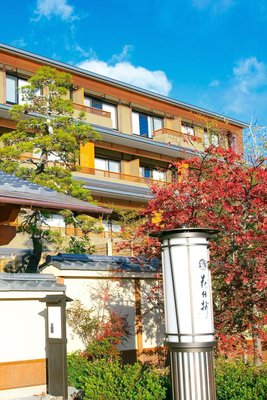
Kyoto Arashiyama Onsen Kadensho (Kyoritsu Resort)
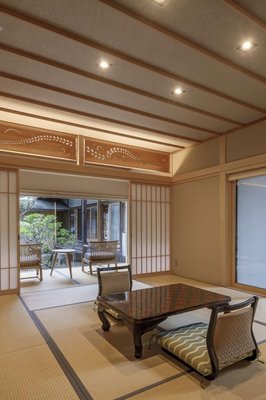
Ichijoin
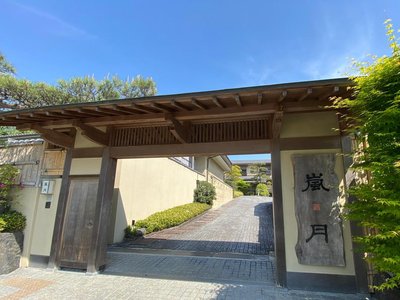
Rangetsu
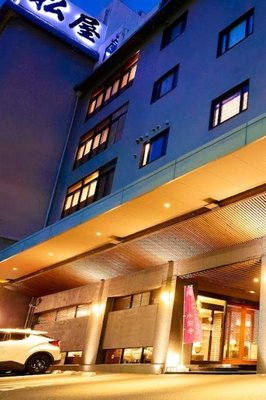
Ryotei Matsuya Honkan Suizenji
HOSHINOYA Kyoto
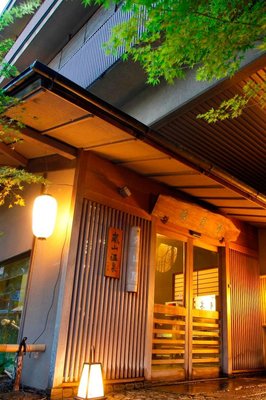
Togetsutei
Suiran, a Luxury Collection Hotel, Kyoto
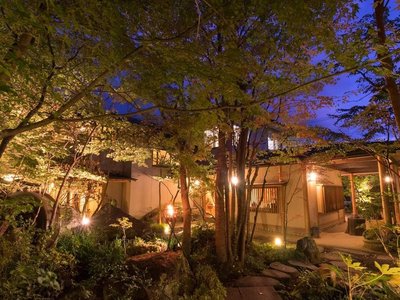
Ryoso Yufuin Yamadaya
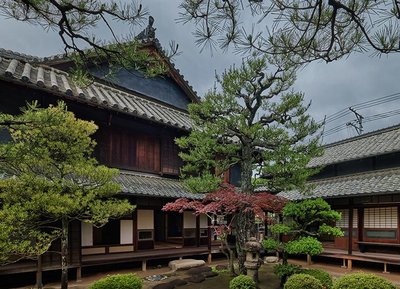
NIPPONIA HOTEL Takehara Saltworks Town
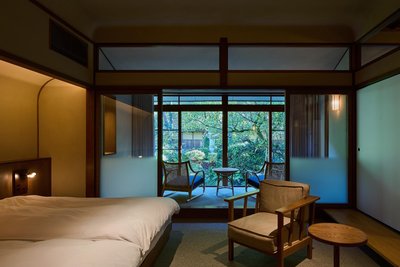
Mikiya' Famous for Shiga Naoya at Kinosaki Hot Springs
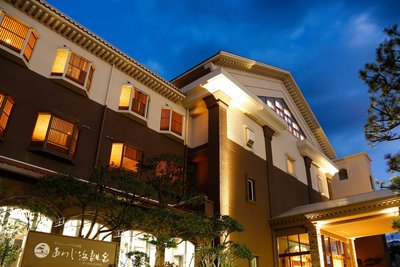
Awaji Hamarikyu
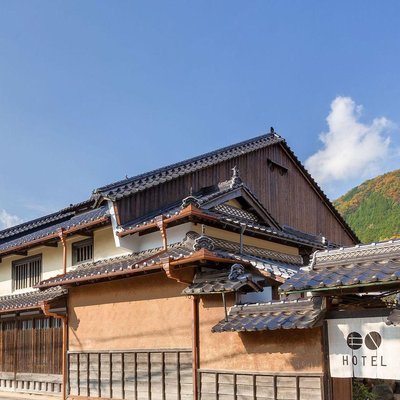
EN Takeda Castle Town Hotel
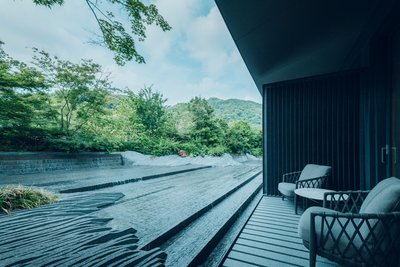
MUNI KYOTO
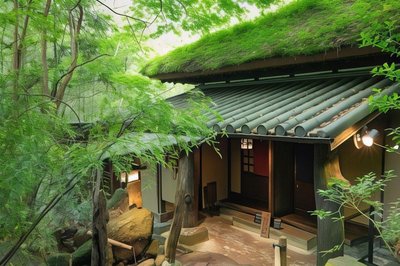
Sanso Tensui
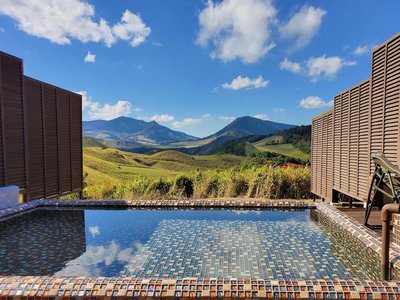
Grand Verde Resort
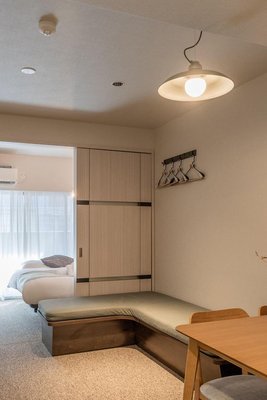
Apartment Hotel 11 Shinsaibashi
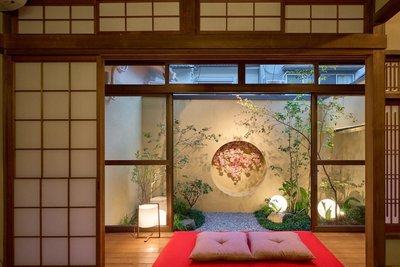
KONJAKUSO Osaka Tengachaya "NIHONCHA" Tea & Relax
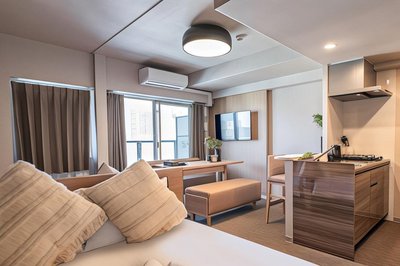
Apartment Hotel 11 Shinsaibashi III
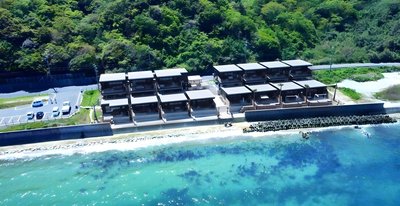
Solavilla Umi Terrace Minamiawaji
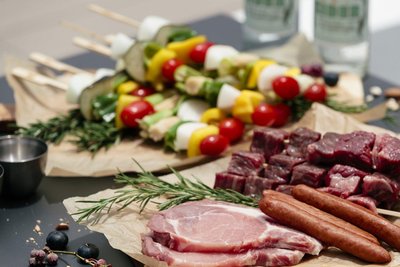
Sana Mane - Glamp Domes
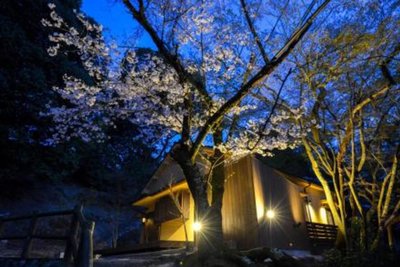
Villa Hamorebi
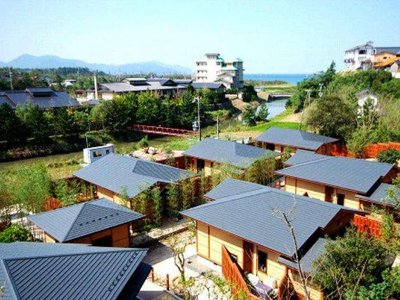
Ujo Soan (Adult Only)
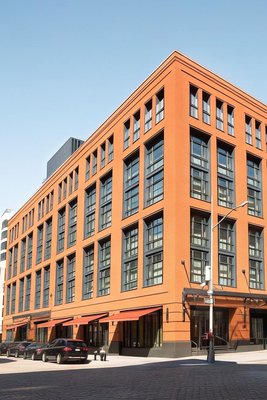
Hotel Barrière Fouquet's New York
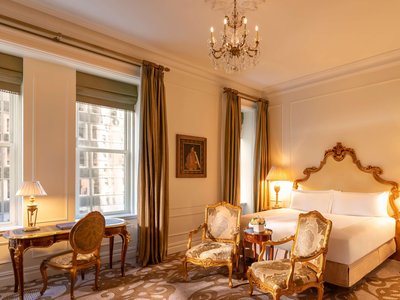
The Plaza - A Fairmont Managed Hotel
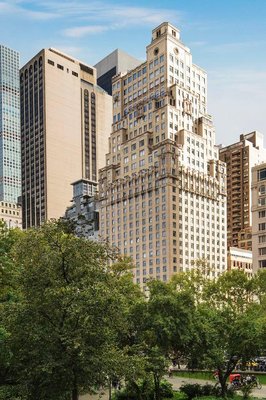
The Ritz-Carlton New York, Central Park
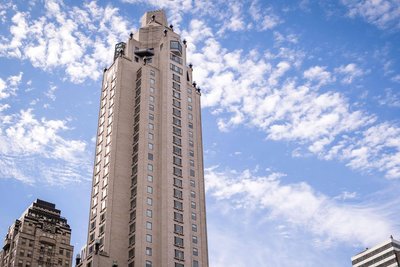
Four Seasons Hotel New York
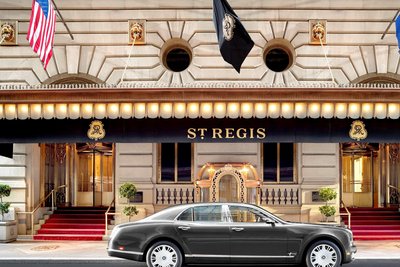
The St. Regis New York
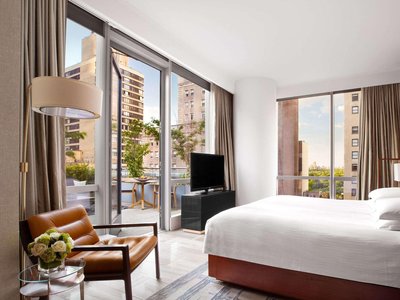
Park Hyatt New York
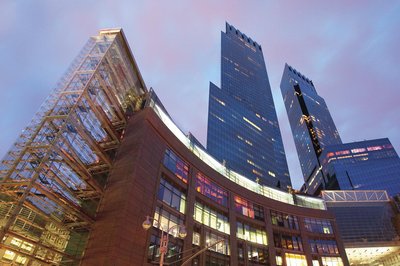
Mandarin Oriental New York
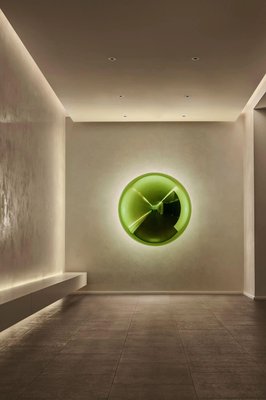
Times Square Edition New York
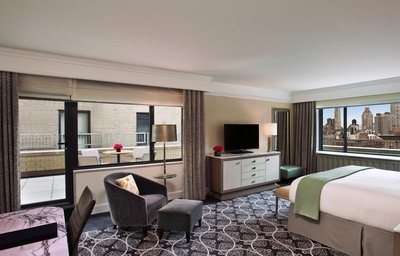
Loews Regency New York Hotel
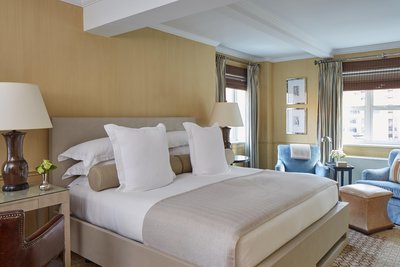
Lowell Hotel
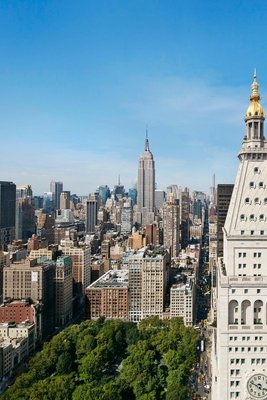
New York Edition
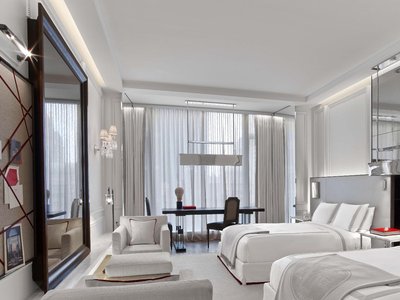
Baccarat Hotel New York
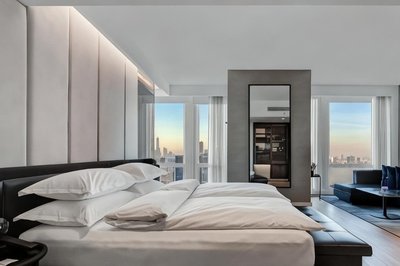
Equinox Hotel New York
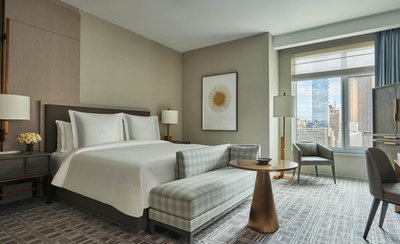
Four Seasons Hotel New York Downtown
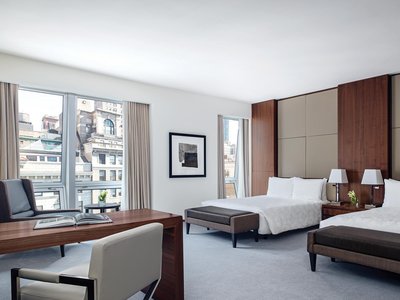
The Langham, New York, Fifth Avenue
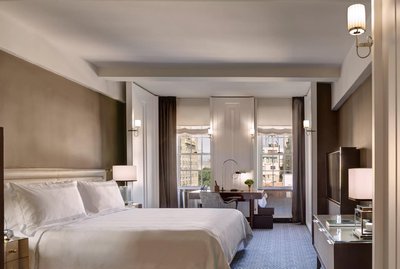
The Carlyle, A Rosewood Hotel

The Chatwal, in the Unbound Collection by Hyatt
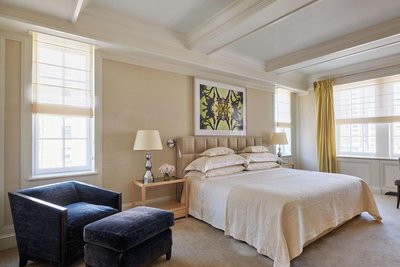
The Mark New York
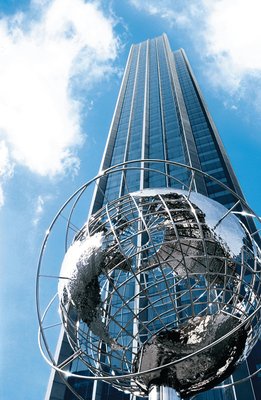
Trump International Hotel & Tower® New York
Casa Cipriani New York
Frequently Asked Questions about Traveling to kure
Questions You Might Need to Know About Traveling to kure
In Matsuyama, top choices for sea views include Gōkō Hotel, located right by Ujina Port and offering panoramic vistas of Seto Inland Sea. Its rooms feature floor-to-ceiling windows, and the rooftop onsen lets guests soak while gazing at the shimmering ocean at night. Another standout is Kai no Oto Ryokan, a boutique inn near Matsuyama Castle, where traditional Japanese architecture blends with modern design, providing serene coastal ambiance. Both hotels offer direct access to morning seafood markets and are ideal for travelers seeking tranquility and oceanic beauty.
The central district and Ujina Port area are ideal for staying in Matsuyama. These neighborhoods are close to key attractions like Matsuyama Castle, Ujina Marina, and the Matsuyama City Museum, with convenient public transport links. Many hotels here provide free shuttle services to major sites. Guests can also enjoy fresh morning catches at Ujina Morning Market, sampling local specialties such as wakasagi sashimi and oysters, making it perfect for travelers who want to immerse themselves in authentic maritime culture.
Matsuyama is rich in naval heritage—don’t miss visiting the Former Naval Base Ujina, now transformed into the Matsuyama Maritime Museum, showcasing historic warship models and archives. The annual Matsuyama Navy Festival features illuminated parades and period reenactments from Meiji to Showa eras. For hands-on experience, join the shipyard tour at the Ujina Shipbuilding Center to witness modern vessel construction. These activities highlight Matsuyama’s identity as a true "maritime city" with deep industrial roots.
Must-try seafood in Matsuyama includes wakasagi sashimi, prized for its delicate texture and sweet flavor, often served fresh at the Ujina Morning Market. Another highlight is Matsuyama-style oyster hot pot, simmered in dashi broth with local oysters, delivering a rich, umami-packed taste. For an authentic local bite, visit street stalls selling sea urchin rice bowls and fried eel skewers, all made from same-day catch. This "from boat to bowl" freshness defines Matsuyama’s culinary identity.
Families should visit the Matsuyama Children's Science Museum and Ujina Park, both featuring interactive marine exhibits and child-safe play zones. Stay at Hoshino Resorts Gōkō Hotel, which offers a kids’ lounge, family dining options, and guided turtle conservation tours. The hotel also partners with Matsuyama Aquarium to provide discounted entry. With dedicated family paths along tidal zones, this hotel ensures engaging, educational experiences for children while preserving the natural charm of the coast.
Matsuyama’s night view centers around Ujina Port, especially from Ujina Bridge and Marina Square, where illuminated ships and harbor lights reflect across the calm waters of the Seto Inland Sea. Staying at Kai no Oto Ryokan or Gōkō Hotel grants exceptional vantage points, with some rooms facing directly toward the sea. At night, visitors can enjoy night photography tours led by local photographers, capturing the city’s luminous skyline and distant Itsukushima Shrine silhouette—a true blend of urban glow and natural serenity.
Key historical sites include the Former Naval Base Ujina, a preserved Meiji-era red-brick complex housing the Matsuyama Maritime Museum, with detailed ship models and archival materials. The Matsuyama City Art Museum itself is a landmark, designed in early Renaissance style, displaying naval-themed artworks. Nearby, Ōyama Shrine features striking vermilion torii gates and Edo-period architecture, reflecting spiritual and craftsmanship traditions. Together, these sites offer a journey through Matsuyama’s naval legacy and cultural depth.
Start your day at Former Naval Base Ujina and the Maritime Museum to explore Japan’s naval history. Head to Ujina Morning Market for lunch, enjoying fresh wakasagi sashimi and oyster hot pot. In the afternoon, visit the Matsuyama City Art Museum and stroll through Ujina Park. End the day at Ujina Bridge for sunset and evening views over the port. Conclude with a stay at Kai no Oto Ryokan, soaking in a sea-view onsen. The entire route is walkable or accessible via local bus, blending history, cuisine, and scenic beauty seamlessly.
Hot spring resorts in Matsuyama, such as Gōkō Hotel and Kai no Oto Ryokan, feature natural mineral springs rich in sulfur and silicate, known for their skin-soothing and muscle-relaxing properties. Both hotels offer open-air baths with direct sea views, allowing guests to unwind under starlit skies while overlooking the Seto Inland Sea. The onsen areas also include tea ceremony corners and meditation spaces, integrating traditional Japanese wellness practices into the guest experience, creating a holistic sense of peace and rejuvenation.
Yes, Matsuyama is highly suitable for self-drivers. Accessible via JR Ujina Station and Hiroshima Expressway, the city offers ample rental car services and well-maintained roads. Drive along the Seto Inland Sea Coastal Route to visit Oshima Island and Ōyama Mountain Observation Deck, enjoying breathtaking ocean vistas. Parking is readily available, and the city layout is driver-friendly. Self-driving allows deeper exploration of hidden coves, fishing villages, and seasonal festivals, making it ideal for independent travelers seeking authentic experiences beyond the main tourist trail.
kure Overview
City Summary
Kure City is located in the southwestern part of Hiroshima Prefecture, Japan, and is a city with a deep naval history. Kure is famous for its naval base and shipbuilding industry, and it is also an important base for the Japan Maritime Self-Defense Force. The Kure Port was a significant military base during World War II and has now been transformed into a tourist attraction, attracting many history enthusiasts. Additionally, Kure boasts rich natural scenery, such as beautiful coastlines and mountain landscapes, making it a unique travel destination that combines history and nature.
Must-See Attractions
The main attractions in Kure City include the Yamato Museum and the Iron Whale Museum, which provide detailed displays of Japan's naval history and technology. Kure Port offers various maritime activities, such as yacht tours and port visits. History enthusiasts can also visit the Kure Maritime History and Science Museum to delve deeper into the local naval history. For nature lovers, the islands of the Seto Inland Sea and the mountainous areas around Kure offer excellent opportunities for hiking and photography.
Food Guide
Kure City is renowned for its seafood, especially fresh fish and shellfish. Recommended dishes include fried Kure oysters and seafood rice bowls, which are signature dishes at local restaurants. Additionally, Kure's ramen is quite distinctive, with rich broth and chewy noodles. For street food, try takoyaki and grilled squid, which are commonly found at local night markets and stalls.
Transportation Guide
The public transportation system in Kure City mainly consists of buses and trains. The city has a well-developed bus network that conveniently reaches various attractions. The JR Kure Line is the main railway connecting Kure with Hiroshima City, with a travel time of about 30 minutes. For short trips, taxis are a convenient option, though they are more expensive. Tourists are advised to purchase a Hiroshima area transportation card, which can be used on buses and trains to save time and money. Renting a car is also a good option, especially for visiting surrounding natural attractions.
Best Time to Visit
The best times to visit Kure City are spring and autumn. Spring offers mild weather and blooming cherry blossoms, while autumn provides cool temperatures ideal for outdoor activities. Summers are hot and humid, and winters are colder, but with fewer tourists, making it suitable for those who prefer a quieter travel experience.
Travel Tips
- Respect local culture: Kure is a city with a long history, so maintain quiet and respect when visiting museums and historical sites.
- Mind transportation rules: Japan's transportation system is very punctual, so plan your itinerary in advance.
- Carry cash: While some shops accept credit cards, many small stores and street vendors only accept cash.
- Learn basic Japanese: Although some attractions have English signage, learning basic Japanese phrases will help you communicate better with locals.
- Watch the weather: Kure's weather can be unpredictable, so carry rain gear and sunscreen.
- Try local cuisine: Don't miss Kure's seafood and ramen, which are local specialties.
Useful Information
Language: The official language in Kure is Japanese, and some attractions and hotels offer English services, but learning basic Japanese phrases is recommended. Internet: Most hotels, cafes, and public places in the city offer free Wi-Fi, or you can purchase a local SIM card or rent a Wi-Fi device. Payment: Credit cards are accepted at some large stores and restaurants, but cash is still the primary payment method, so carry enough yen. Emergency: Kure has several hospitals and clinics; in case of emergency, dial 119. Voltage: Japan uses 100V, with Type A sockets, so bring a converter if needed.









