Hotels in Kuroishi
Discover your perfect stay in Kuroishi.
Kuroishi(Japan) Travel 2026: Cheap Flights, Hotels & Top Attractions
Popular Landmarks in Kuroishi
Discover the most iconic attractions in Kuroishi
Recommended Hotels in Kuroishi
Find the perfect place to stay in Kuroishi
Frequently Asked Questions about Traveling to Kuroishi
Questions You Might Need to Know About Traveling to Kuroishi
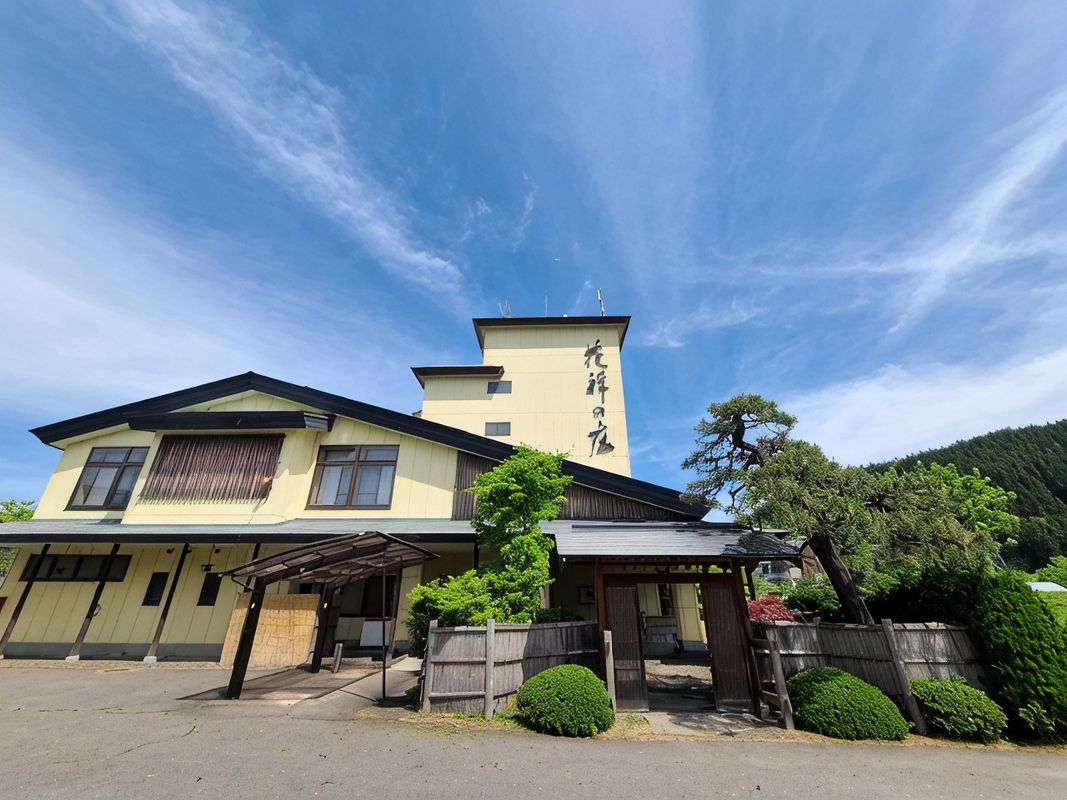
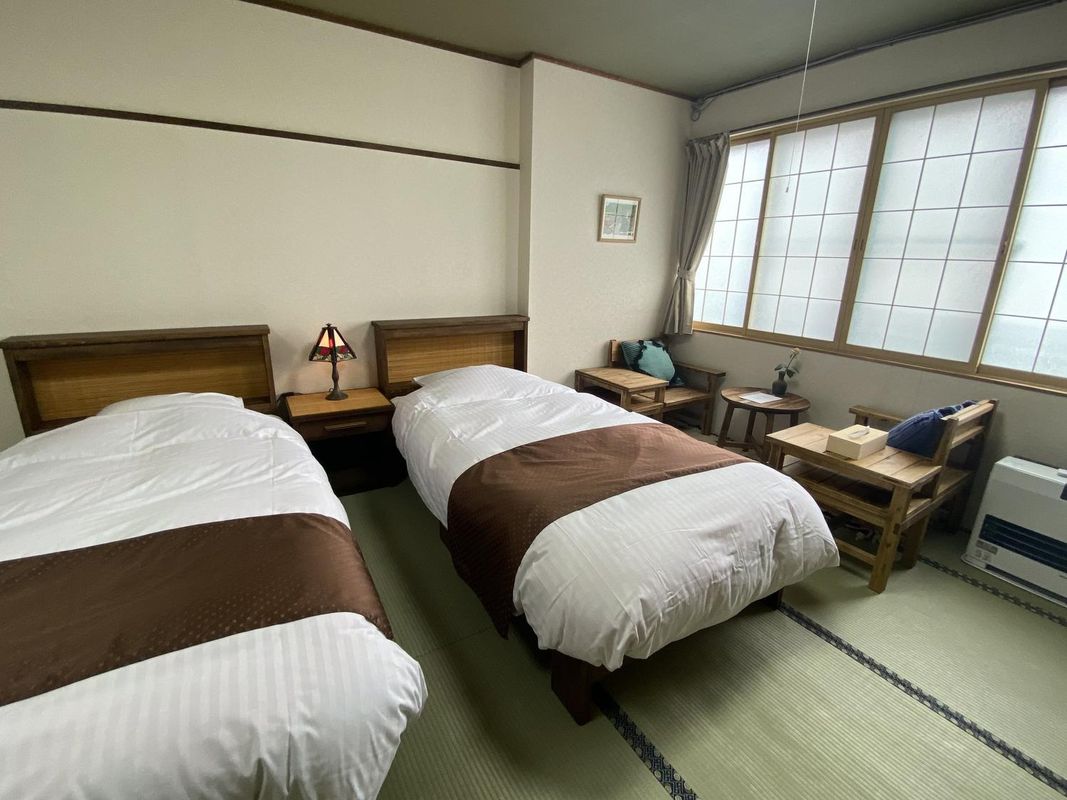
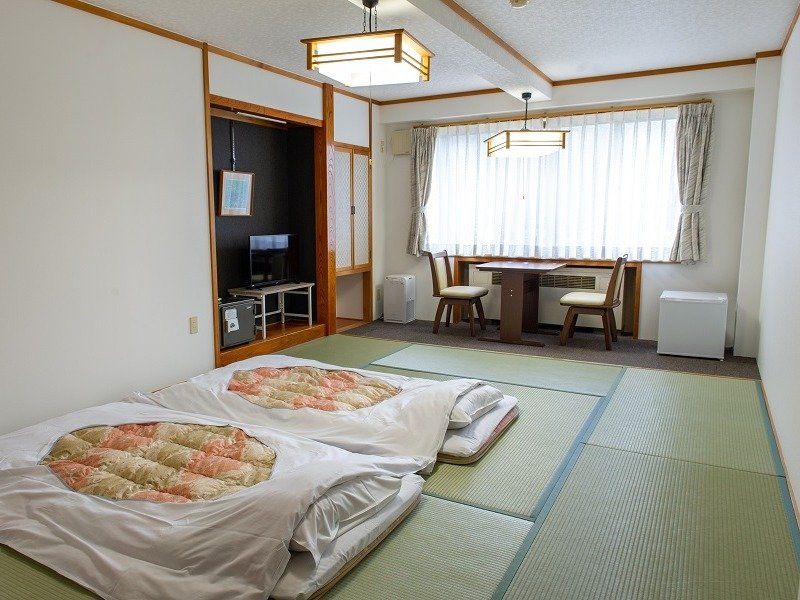
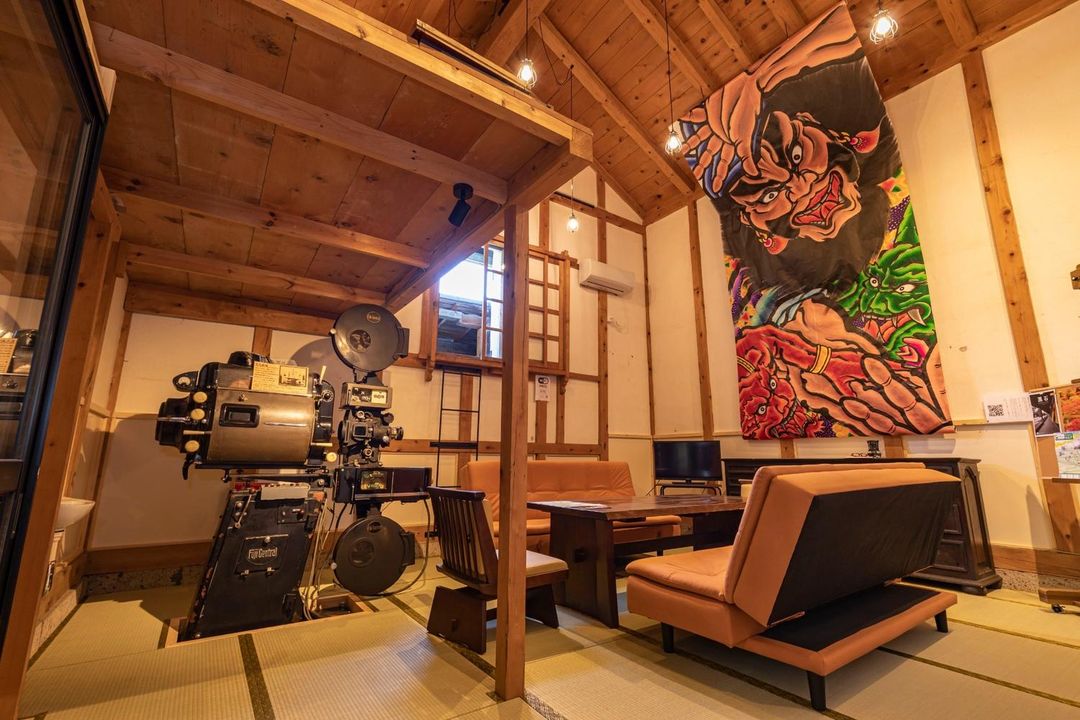
In Kuroishi City, the top choice for traditional Japanese charm is Kuroishi City Hotel, located in the heart of downtown. Its design blends wooden interiors, tatami rooms, and a serene garden courtyard, offering a peaceful retreat. Guests can enjoy access to Kuroishi Onsen and local cuisine featuring wild mountain vegetables and Kuroishi sake. Another excellent option is Yamato Hotel Kuroishi, which features a centuries-old inn atmosphere with kaiseki dining and private onsen baths. Both hotels provide authentic experiences immersed in Aomori Prefecture's cultural heritage.
The central district of Kuroishi City, centered around Kuroishi Station, is ideal for tourists. It offers easy access to major attractions such as Kuroishi Onsen, Kuroishi Municipal Museum, and the scenic Kitakami River Promenade. The area is well-connected by local buses and features numerous restaurants serving regional specialties like mountain vegetable hot pots and Kuroishi sake. Additionally, it’s just a 15-minute walk or short ride to Sanbonmatsu Park and Tadō Island, making it a convenient base for exploring northern Aomori Prefecture.
Visitors to Kuroishi City can participate in hands-on workshops at the Kuroishi Lacquerware Workshop, where they learn to craft traditional lacquerware using natural urushi resin—a craft dating back to the Edo period. Each piece, from bowls to trays, becomes a personal memento. Additionally, the annual Kuroishi Festival in autumn features vibrant lion dances, lantern parades, and local food stalls, showcasing the region’s rich folk traditions. These immersive experiences offer deep insight into Aomori Prefecture’s living heritage.
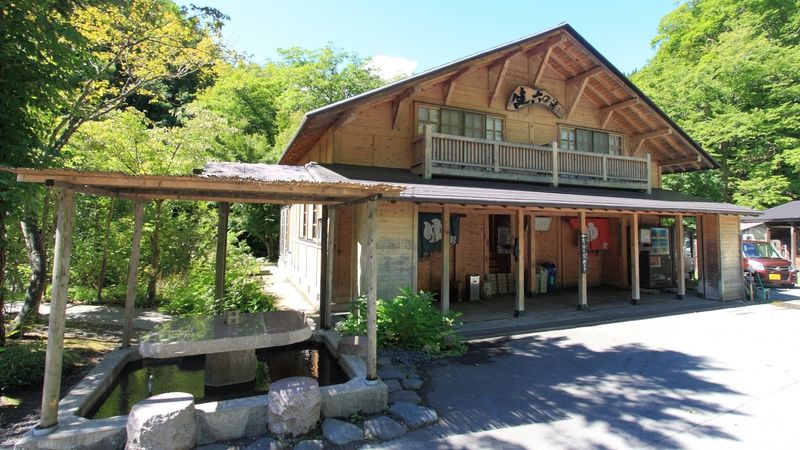
Yes, Kuroishi City boasts excellent onsen facilities, particularly Kuroishi Onsen, located near the city center. This hot spring offers soft alkaline carbonated water, known for its skin-friendly properties and ability to relieve fatigue. The baths include both indoor and open-air pools, with some featuring herbal infusions and mineral mud treatments. Staying at an onsen hotel like Yamato Hotel Kuroishi allows guests to enjoy 24-hour access and meals featuring local ingredients such as mountain vegetables and Kuroishi sake, creating a complete wellness experience.
Must-visit landmarks in Kuroishi City include the Kuroishi Municipal Museum, which houses exhibits on lacquerware history, local artifacts, and regional folklore; the Kitakami River Promenade, perfect for morning walks amid cherry blossoms; and Sanbonmatsu Park, home to a memorial monument and panoramic views of the city and surrounding mountains. For nature lovers, a short ferry ride to Tadō Island reveals pristine coastal landscapes, old fishing villages, and unspoiled ecosystems—ideal for hiking and birdwatching.
Tourists visiting Kuroishi City should sample Kuroishi Sake, brewed from local rice and pure groundwater, known for its smooth, sweet flavor. Another must-try is Yamagobo Nabe, a seasonal hot pot made with wild mountain vegetables, chicken, and mushrooms. Kuroishi Tofu, prized for its silky texture, is often served in soups or cold dishes. These delicacies are available at street vendors near Kuroishi Station and long-standing restaurants in the downtown area, offering authentic taste of Aomori Prefecture.
Yes, Kuroishi City is highly suitable for family travel. The city features child-friendly attractions such as the Kuroishi Municipal Children’s Science Museum, offering interactive experiments and nature exploration. Sanbonmatsu Park has spacious lawns, playgrounds, and picnic areas, perfect for outdoor fun. Many onsen hotels provide family rooms, children’s yukata, and kid-friendly bath areas. Families can also take a day trip to Tadō Island, accessible by ferry, where quiet pathways and coastal scenery make it ideal for relaxed, memorable outings.
Transportation in Kuroishi City is convenient via JR East Japan’s Kuroishi Station, connecting to Hirosaki and Shin-Aomori. From Tokyo, travelers can reach Shin-Aomori by Shinkansen and transfer to a local train in under 1 hour. Local buses cover key attractions, and bicycle rentals are widely available. The Aomori Expressway provides easy access for drivers via the Kuroishi Interchange. The tourist information center at the station offers multilingual maps and HopeGoo assistance, ensuring a smooth journey throughout the region.
Each season in Kuroishi City brings unique charm: spring features blooming cherry trees along the Kitakami River, perfect for hanami; summer hosts the lively Kuroishi Festival with dance performances and night illuminations; autumn paints the hillsides red with maple leaves at Sanbonmatsu Park and Tadō Island; winter, though snowy, enhances the coziness of onsen stays and warm meals. Craft workshops remain open year-round, especially popular during winter for their meditative atmosphere. The city’s seasonal rhythm reflects the deep connection between Aomori’s culture and nature.
Yes, Kuroishi City offers several photogenic spots. The Kitakami River Promenade at sunrise, with willows and misty reflections, creates dreamlike images. Sanbonmatsu Park’s lookout tower offers sweeping views of the city and distant mountains. The Kuroishi Municipal Museum, with its blend of modern architecture and traditional elements, is visually striking inside and out. Tadō Island’s fishing village alleys and weathered wooden houses provide a nostalgic, cinematic backdrop—perfect for photography enthusiasts seeking authenticity and serenity.
Kuroishi Overview
City Summary
Kuroishi City, located in the southwestern part of Aomori Prefecture, Japan, is a charming town renowned for its traditional Edo-period streetscape and natural beauty. The city preserves historic landmarks like the Kuroishi Tsugaru Clan Samurai Residence and traditional machiya townhouses, offering a glimpse into the past. Surrounded by scenic landscapes such as Mount Iwaki and the Tsugaru Plain, Kuroishi boasts stunning seasonal views, particularly during autumn foliage and winter snowscapes. The city is also famous for its Tsugaru shamisen music, making it an ideal destination to experience the rich culture of Japan's Tohoku region.
Must-See Attractions
Key attractions in Kuroishi include the Kuroishi Tsugaru Clan Samurai Residence, a well-preserved Edo-period building showcasing samurai life. Nakamachi Street is another highlight, lined with traditional machiya and red-brick buildings perfect for leisurely strolls. Culture enthusiasts can visit the Kuroishi City Historical Folk Museum to learn about local history. Nature lovers should explore Mount Iwaki, a dormant volcano with hiking trails offering breathtaking views year-round. Don't miss the annual Kuroishi YOSARE Dance Festival in summer, a vibrant celebration of traditional dance and music.
Food Guide
Kuroishi's cuisine reflects Tsugaru region specialties, with homestyle dishes taking center stage. Must-tries include Tsugaru miso ramen, known for its rich miso broth, and Kuroishi yakisoba, a local version of fried noodles with a unique sauce. As Aomori is Japan's top apple-producing region, apple-based products like pies and juices are exceptional. In winter, warm up with nabe hot pots, especially the Tsugaru-style codfish nabe.
Transportation Guide
Public transport in Kuroishi relies mainly on buses, with limited schedules, so check timetables in advance. The city is accessible via JR Ou Line from Aomori or Hirosaki (30-40 minutes to Kuroishi Station). Most attractions are within walking distance from the station, but renting a car or taking taxis is recommended for visiting Mount Iwaki. Note that winter snow may affect transportation; opt for 4WD vehicles and check road conditions.
Best Time to Visit
The best time to visit Kuroishi is autumn (September-November) for pleasant weather and stunning foliage. Winter (December-February) appeals to snowscape and onsen lovers, though heavy snowfall requires preparation. Summer (June-August) offers lively festivals like the YOSARE Dance, while spring (March-May) features cherry blossoms with fewer crowds.
Travel Tips
- Cash is king: Many small shops and restaurants only accept cash.
- Winter gear: Temperatures drop below freezing; pack thermal wear and anti-slip shoes.
- Festival etiquette: Respect performers and ask before taking photos.
- Bus schedules: Rural buses run infrequently; plan ahead.
- Language barrier: English isn't widely spoken; a translation app helps.
- Trash disposal: Public bins are scarce; carry a trash bag.
Useful Information
Language: Japanese is primary; English is limited. Learn basic phrases or use translation apps. Internet: Limited free Wi-Fi; consider renting a pocket Wi-Fi or local SIM. Payment: Credit cards work at major establishments, but cash dominates at small vendors. Emergencies: Kuroishi City Hospital provides emergency care; travel insurance is advised. Voltage: 100V, Type A plugs (two flat pins). Compatible with Taiwan but may require adapters for Hong Kong. Etiquette: Remove shoes in traditional settings, avoid loud noises in public, and never stick chopsticks upright in rice.









