Hotels in Kurotaki
Discover your perfect stay in Kurotaki.
Kurotaki(Japan) Travel 2026: Cheap Flights, Hotels & Top Attractions
Popular Landmarks in Kurotaki
Discover the most iconic attractions in Kurotaki
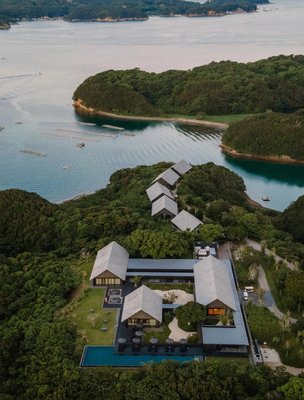
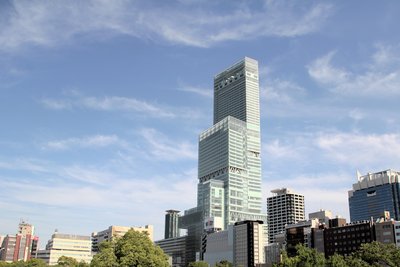
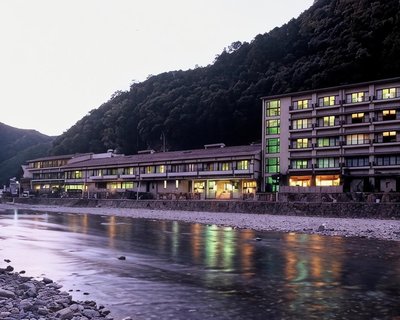
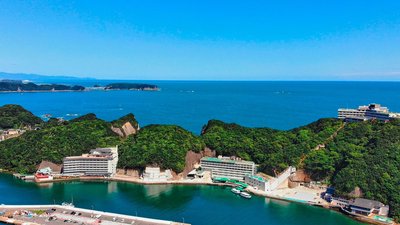
Recommended Hotels in Kurotaki
Find the perfect place to stay in Kurotaki
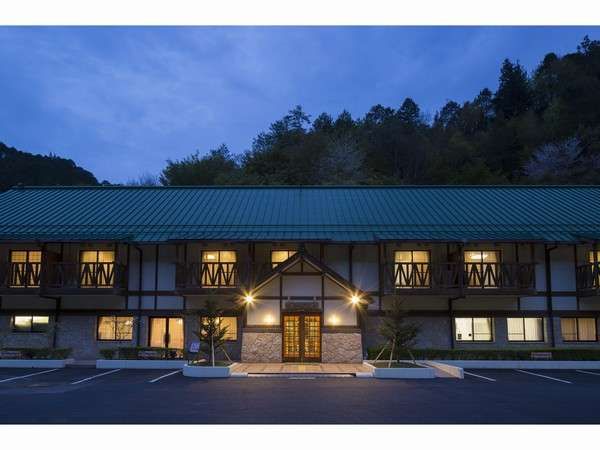
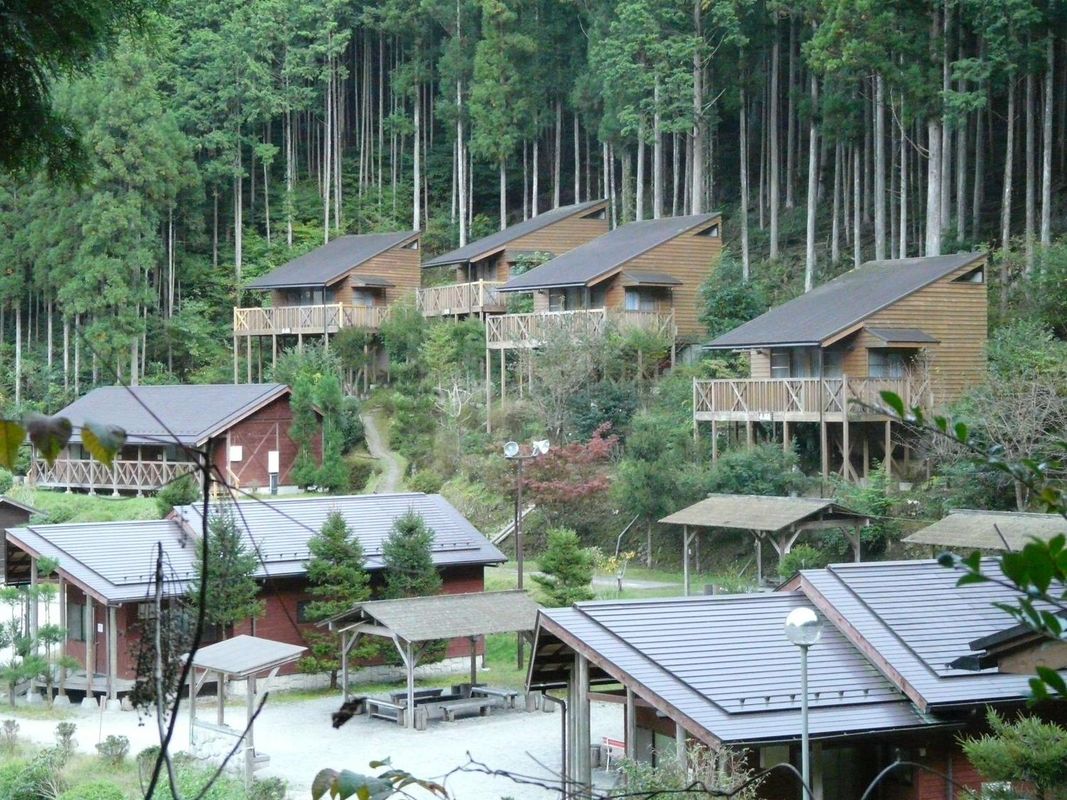
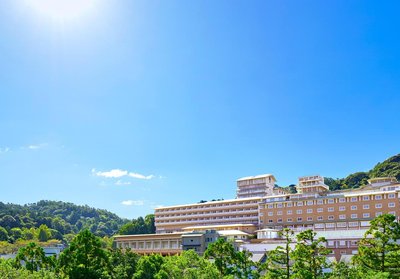
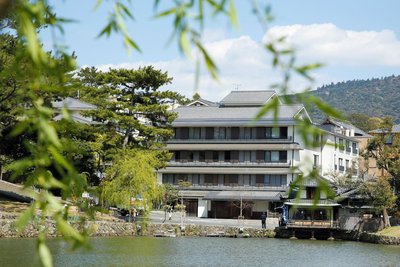
Best Hotels in Kurotaki
Discover curated hotel collections in Kurotaki







































Frequently Asked Questions about Traveling to Kurotaki
Questions You Might Need to Know About Traveling to Kurotaki
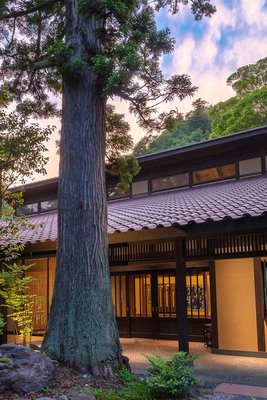
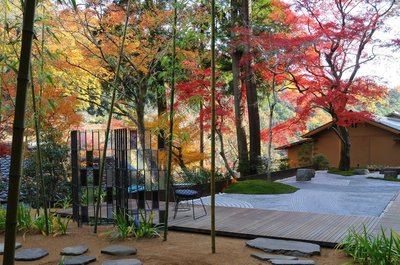
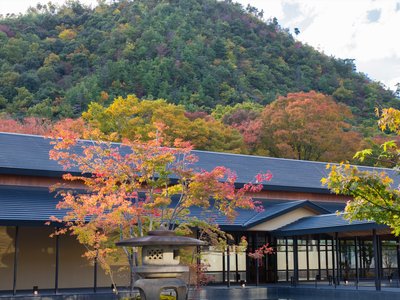
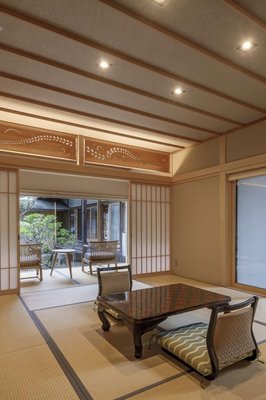
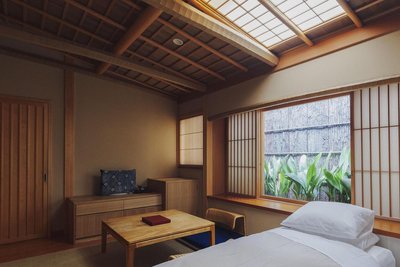
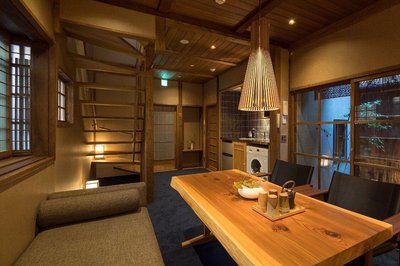
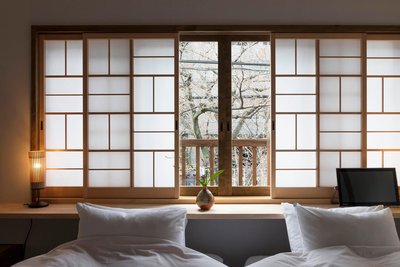
In Kurodani Village, the top choice for nature immersion is Kurodani Nature House, a former farmhouse transformed into a serene eco-lodge surrounded by ancient cedar forests and crystal-clear streams. Each room features traditional Japanese woodwork, underfloor heating, and floor-to-ceiling windows framing seasonal landscapes. Guests can join guided forest bathing sessions or participate in organic farming workshops, harvesting vegetables from the on-site garden.
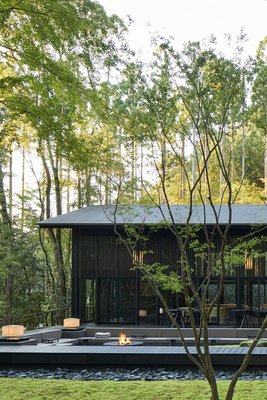
For a more secluded stay, Shiratori Villa offers private hot springs and a forest-view terrace nestled atop a hillside. The villa hosts intimate moonlight tea ceremonies using locally grown mountain herbs and provides access to a hidden trail leading to a panoramic lookout. Both properties emphasize sustainability—using solar power, composting toilets, and zero-waste practices—making them ideal for travelers seeking deep connection with nature and quiet contemplation.
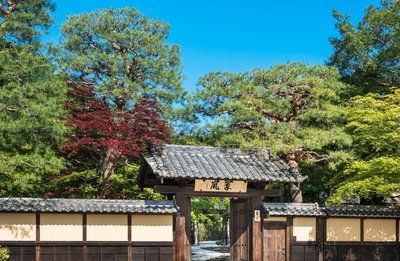
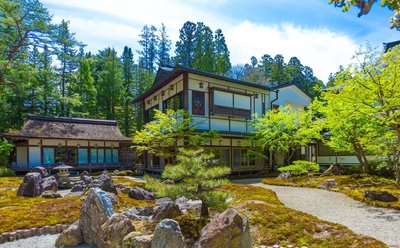
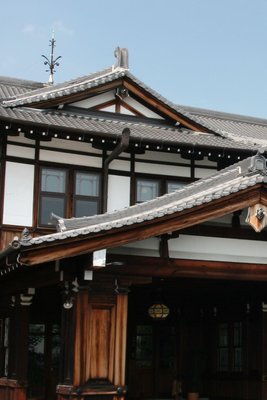
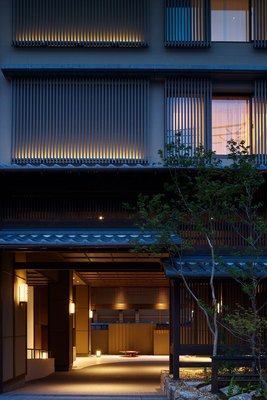
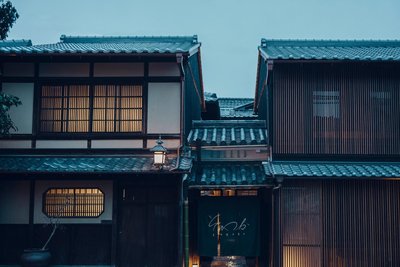
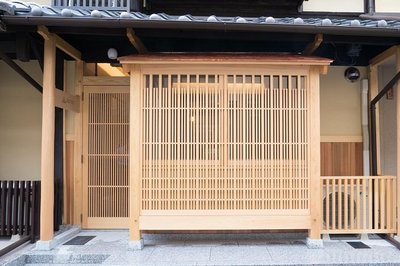
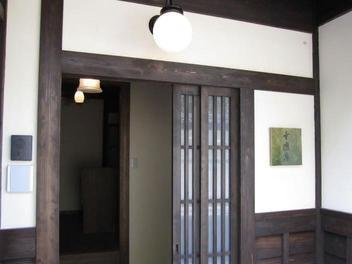
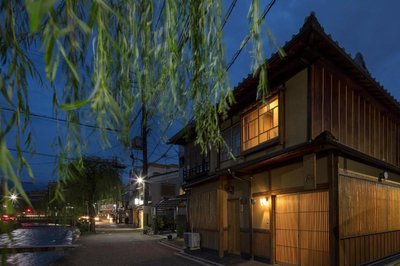
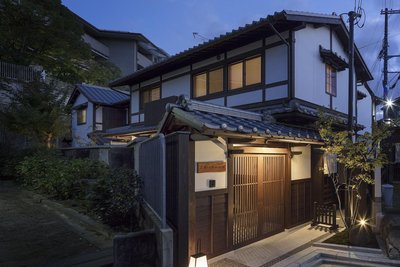
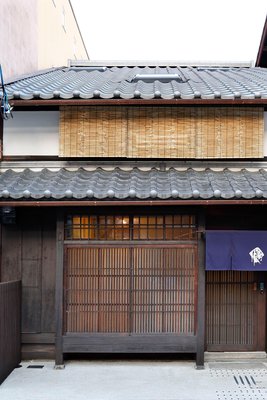
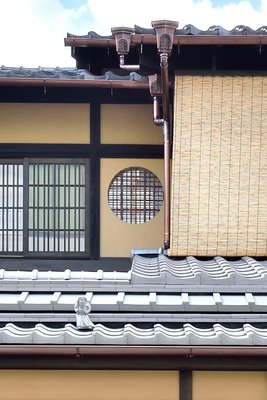
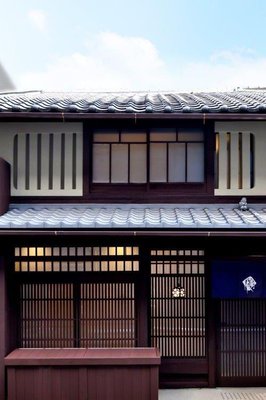
The most peaceful and authentic accommodation zone in Kurodani Village lies along the Old Town Street, where traditional wooden houses with tiled roofs line narrow cobblestone paths. This historic district centers around the Kurodani Shrine and the Ancient Well Site, offering guests easy access to cultural landmarks while remaining away from tourist crowds.
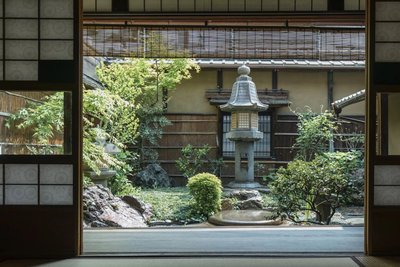
Staying here means waking up to the sound of chirping birds and distant temple bells. Many guesthouses provide free shuttle services to nearby attractions like Tenshō Falls and Kurodani River Trail, yet remain within walking distance of local cafes and artisan shops. Rooms with private gardens or tatami verandas allow you to enjoy morning mist drifting through rice paddies and evening stargazing beneath a clear sky. The village’s car-free policy ensures tranquility, making it perfect for mindful travel and digital detox.
Visitors to Kurodani Village can take part in rare cultural traditions such as handmade washi paper umbrella crafting at the Kurodani Paper Art Studio, where artisans guide guests through processing kozo bark into delicate sheets and assembling them into personalized umbrellas. Another highlight is the Mountain Tea Ceremony, held in spring and autumn, where participants brew tea using water drawn from a sacred mountain spring, served with homemade wild herb sweets.
During the annual Yamazakura Festival, locals perform the Tanagata Dance at the shrine, accompanied by bamboo flutes and hand drums. There's also the Night Forest Listening Session, led by a village elder who teaches how to identify bird calls and wind patterns in the woods—a meditative practice rooted in Shinto reverence for nature. These immersive experiences reflect the village’s deep-rooted connection to tradition and the natural world.
Breakfast in Kurodani Village is a celebration of local terroir and seasonal abundance. At many inns, guests enjoy a multi-course meal featuring locally grown rice, wild fern and mushroom omelets, homemade persimmon jam, and a steaming bowl of yam miso soup. The ingredients are sourced directly from village cooperatives, ensuring organic, pesticide-free quality.
Some lodges offer the Forest Awakening Set, which includes a herbal drink made from morning-harvested shiso and citrus leaves, paired with a piece of unrefined black sugar cake. This ritualistic start to the day emphasizes mindfulness and gratitude for nature’s gifts. All dishes are prepared without artificial additives, allowing guests to taste the true essence of mountain life—simple, pure, and deeply nourishing.
Yes, Kurodani Village is highly suitable for families with children. The village features child-friendly attractions such as Kurodani Children’s Forest School, where kids learn about ecology through hands-on activities like building bird nests, identifying insects, and planting tomatoes in raised beds.
Many inns provide family activity kits containing magnifying glasses, plant press kits, and illustrated maps of the village. Special events include night sky gazing sessions with handheld telescopes and storytelling under the stars. With no motor vehicles allowed in the core area, the environment is safe and peaceful. Families can explore trails together, ride bicycles on quiet roads, and enjoy seasonal festivals like the Spring Cherry Blossom Festival. The slow pace and rich nature-based learning make it an ideal destination for raising curious, connected young minds.
The most photogenic spots in Kurodani Village include Tenshō Falls, a 15-meter cascade framed by moss-covered rocks and ethereal morning mist—perfect for long-exposure shots of flowing water. The Thousand Cherry Trees Path near Kurodani Shrine becomes a dreamy pink tunnel in spring, ideal for silhouette photography against the rising sun.
Another must-visit is the Suspension Wooden Bridge spanning the Kurodani River, adorned with lanterns and wind chimes that create soft textures in golden hour light. For panoramic views, the Summit Observation Deck offers sweeping vistas of the valley below, especially stunning during autumn when the maple trees blaze in red and gold. Bring a wide-angle lens and tripod, and arrive early to capture the quiet beauty before the crowds arrive. These locations blend natural elegance with subtle human craftsmanship—ideal for both travel bloggers and fine-art photographers.
Kurodani Village is most accessible by car, located approximately one hour from Nara City via National Route 24 and the Omiya Mountain Tunnel. Once in the village, parking is available at the Village Entrance Parking Lot, as the central streets are pedestrian-only and restricted to small vehicles.
For non-drivers, the nearest train station is Yoshino Station on the Kintetsu Line, followed by a 30-minute bus ride operated by the Kurodani Village Shuttle (only two daily departures). Advance HopeGoo is required. Some inns offer complimentary pickup services but must be reserved at least 24 hours in advance. While public transport is possible, driving allows greater flexibility for exploring nearby trails and scenic viewpoints. Overall, a car is strongly recommended for a stress-free and immersive visit.
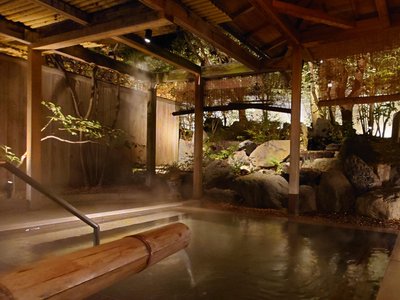
The hot springs in Kurodani Village are renowned for their natural weakly alkaline sulfur-rich waters, known for soothing skin conditions and promoting relaxation. The standout option is Shiratori Onsen, a secluded bathhouse built into a hillside with private open-air baths overlooking the valley. Its interior uses hinoki wood flooring and features minimalistic design, enhancing the sense of serenity.
A unique feature is the Forest Bathing Hot Spring, where a natural spring emerges from a rock crevice, creating an outdoor soaking experience surrounded by trees and fresh air. Some spas offer herbal compress treatments using locally harvested mugwort and kuzu root. All facilities follow strict hygiene protocols—no chemical additives, single-use towels, and regular water testing. Visitors are encouraged to shower thoroughly before entering and respect the quiet, sacred atmosphere of these natural sanctuaries.
Kurodani Village celebrates several seasonal festivals that highlight its cultural heritage. In spring (March–April), the Cherry Blossom Festival illuminates the thousand cherry trees with lanterns, hosting night-time flower viewing banquets and traditional Noh theater performances.
During summer (July), the Mountain Fire Festival features a ceremonial bonfire and Obon dance procession around the shrine, symbolizing ancestral remembrance. Autumn (October–November) brings the Red Leaf Pilgrimage, offering limited-edition maple leaf postcards and forest sketching workshops. In winter (December), the Snow Tea Ceremony takes place in a snow-covered tea hut, where guests brew tea with ice-melted mountain water and enjoy handmade cherry blossom sweets.
All events are community-led, encouraging visitor participation and fostering authentic cultural exchange.
Must-buy souvenirs from Kurodani Village include Kurodani Persimmon Dried Fruit, made from non-pitted local persimmons slowly dried in the sun—sweet, chewy, and packaged in bamboo boxes. Another favorite is Mountain Herb Tea Blend, crafted from wild shiso, gentian, and kuzu root, offering digestive benefits and a fragrant aroma.
The Washi Paper Craft Kit contains raw kozo paper, carving tools, and templates for making your own miniature umbrella—complete with a booklet explaining the craft’s history. Also worth purchasing is Kurodani Honey, harvested from mountain hives, with a deep amber hue and floral notes. All items are sold at the Kurodani Products Pavilion, accepting cash and cards, with options for direct shipping. Each purchase comes with a handwritten thank-you note, reflecting the village’s warm hospitality.
Kurotaki Overview
City Summary
Kurotaki Village is nestled in the mountains of Nara Prefecture, Japan, known for its traditional rural scenery and abundant hot springs. It attracts visitors seeking tranquility and natural beauty. The Kurotaki Shrine and surrounding waterfalls exemplify the blend of culture and nature.
Must-See Attractions
Key attractions include the Kurotaki Shrine, a historic site surrounded by lush forests. The village"s waterfalls, such as Kurotaki Falls, are perfect for photography. Local onsen ryokans offer traditional Japanese relaxation experiences.
Food Guide
Kurotaki"s cuisine reflects its mountainous environment. Try wild vegetable dishes and mushroom soup, sourced from local forests. Handmade soba noodles and bamboo-steamed rice are also must-try delicacies.
Transportation Guide
Access to Kurotaki is mainly by bus, taking about 1.5 hours from Nara City. There"s no subway; walking or renting a bicycle is recommended for exploring. Taxis are scarce due to the rugged terrain, so plan ahead.
Best Time to Visit
The best times to visit are spring and autumn, with pleasant weather and beautiful scenery. Summers are humid, and winters may bring snow, requiring warm clothing.
Travel Tips
- Respect local customs, especially at shrines.
- Bring essentials, as village amenities are limited.
- Mountain weather is unpredictable; pack waterproof gear.
- Learn onsen etiquette before visiting hot springs.
- Keep public transport schedules handy; services are infrequent.
- Preserve nature by not littering.
Useful Information
Internet coverage is limited; download maps in advance. Cash is preferred, though some ryokans accept credit cards. Japanese is the main language; English is rarely spoken. Emergency facilities are in the village center; carry basic medications. Post offices and ATMs are near the village office.