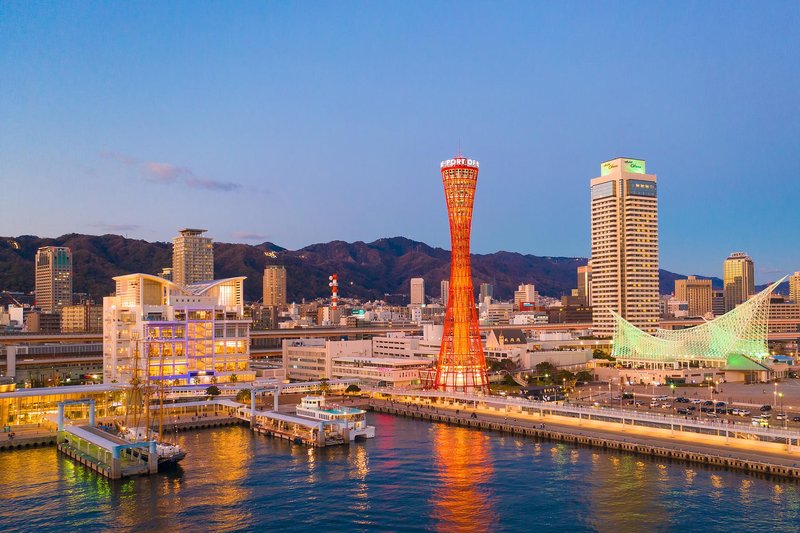
Hotels in Kusatsu
Discover your perfect stay in Kusatsu.
Kusatsu(Japan) Travel 2026: Cheap Flights, Hotels & Top Attractions
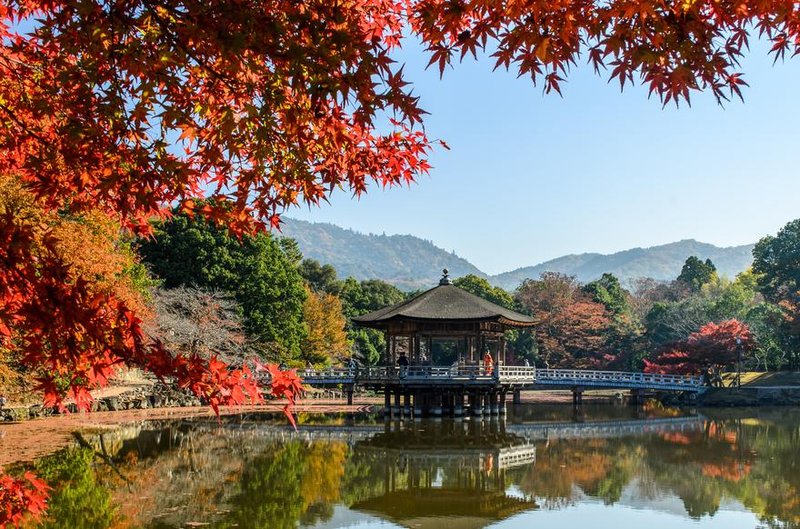
Popular Landmarks in Kusatsu
Discover the most iconic attractions in Kusatsu
Recommended Hotels in Kusatsu
Find the perfect place to stay in Kusatsu
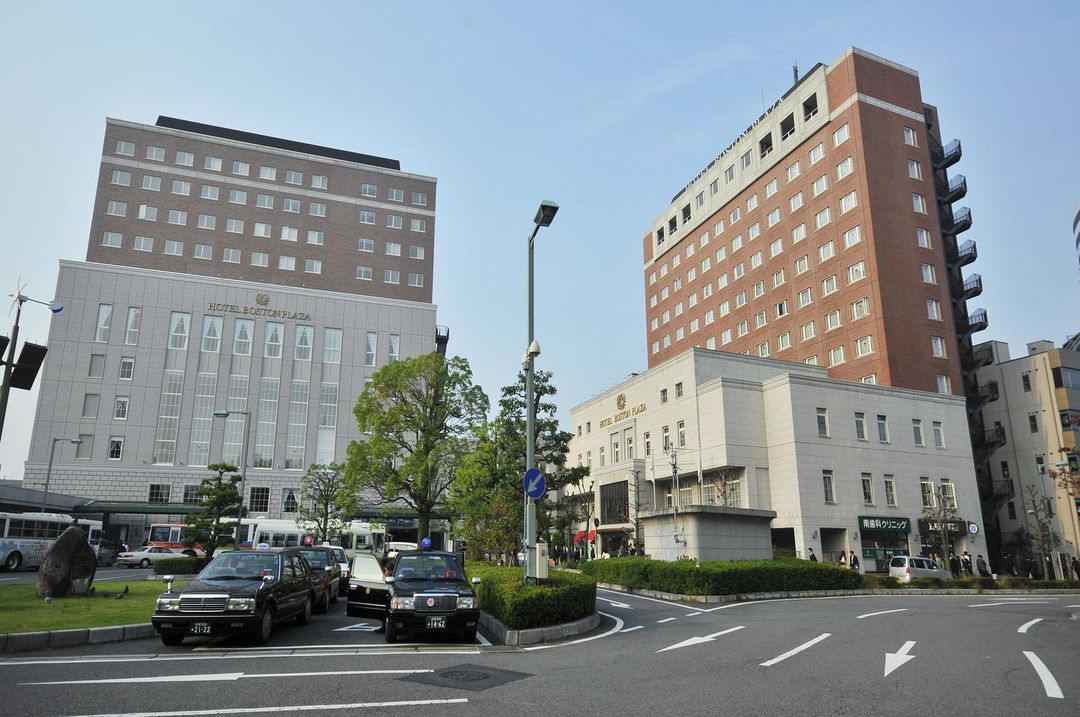
Hotel Boston Plaza Kusatsu
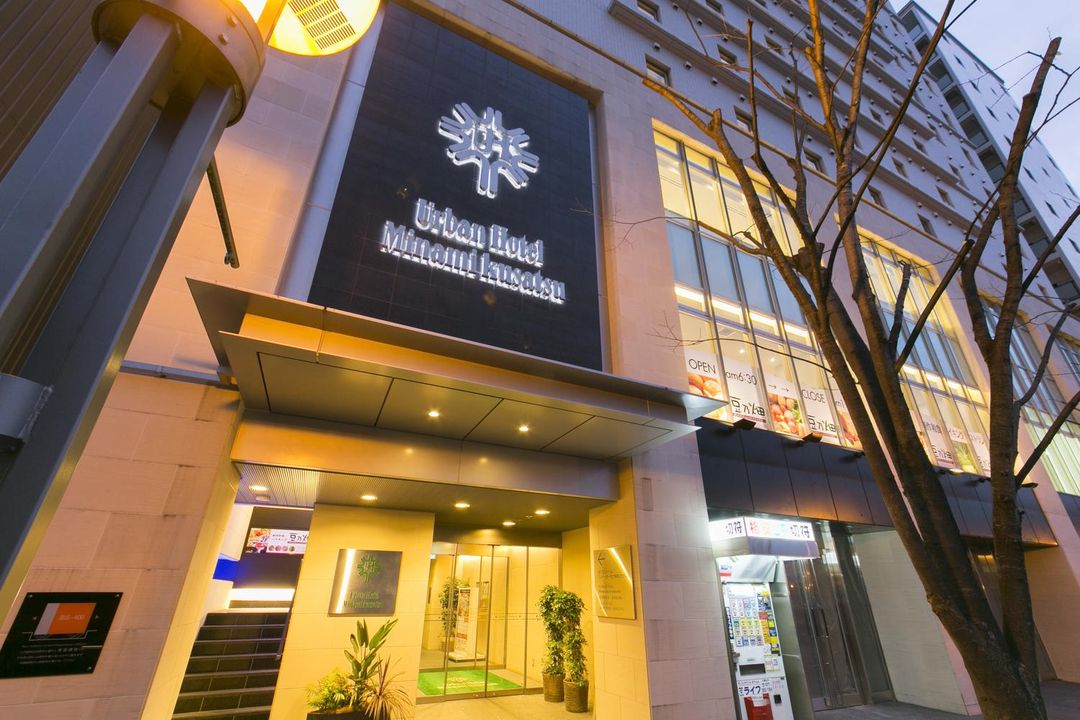
Urban Hotel Minami Kusatsu
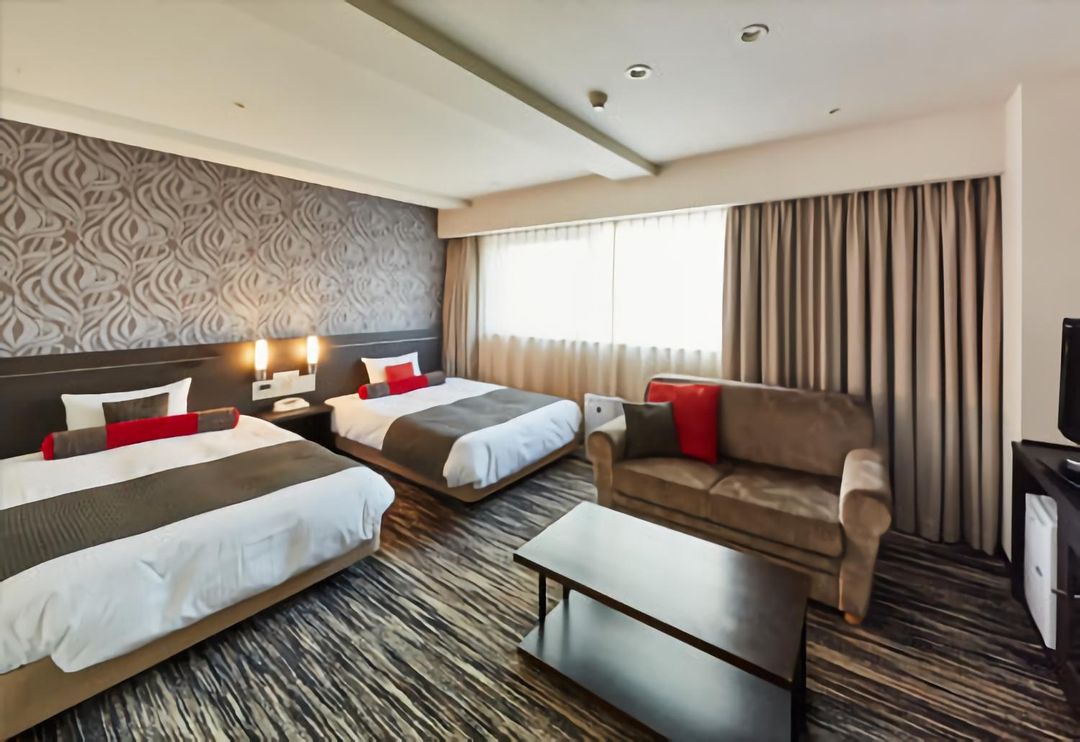
Kusatsu Estopia Hotel
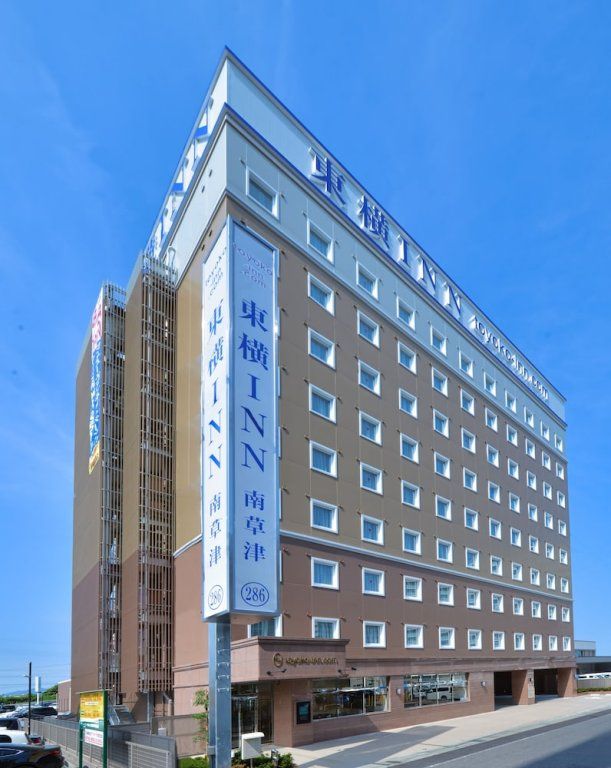
Toyoko Inn Biwako Sen Minami Kusatsu Eki Nishi Guchi
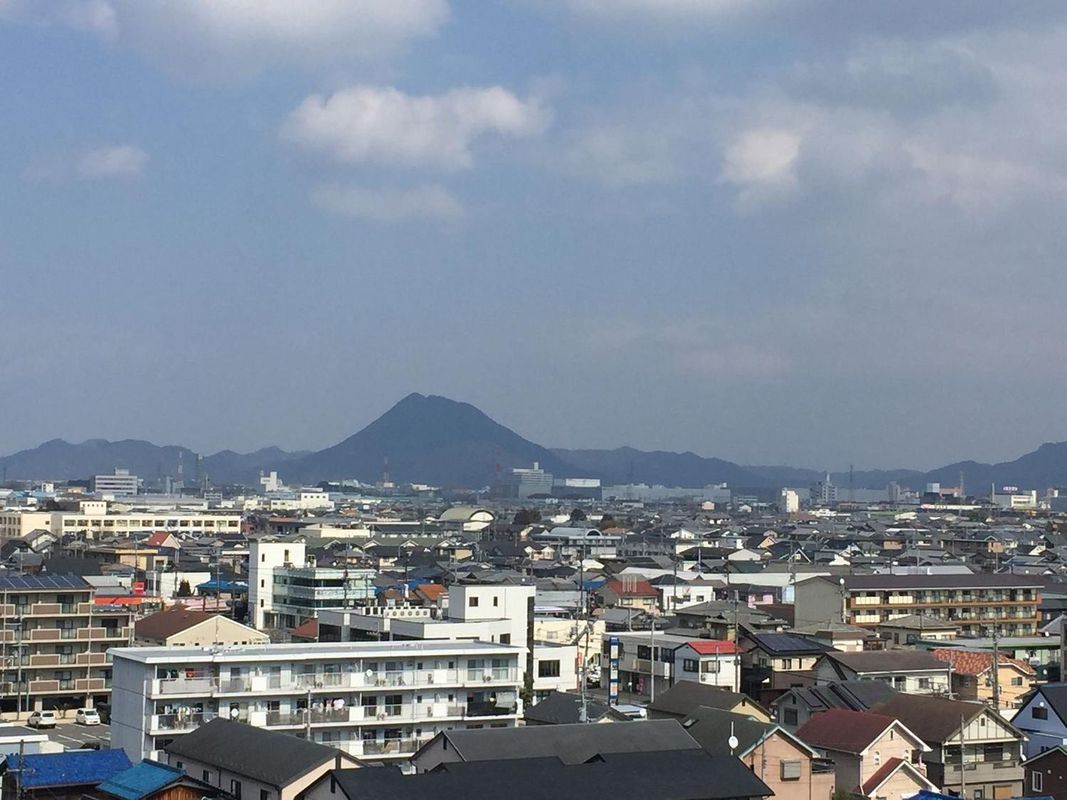
Hotel 21
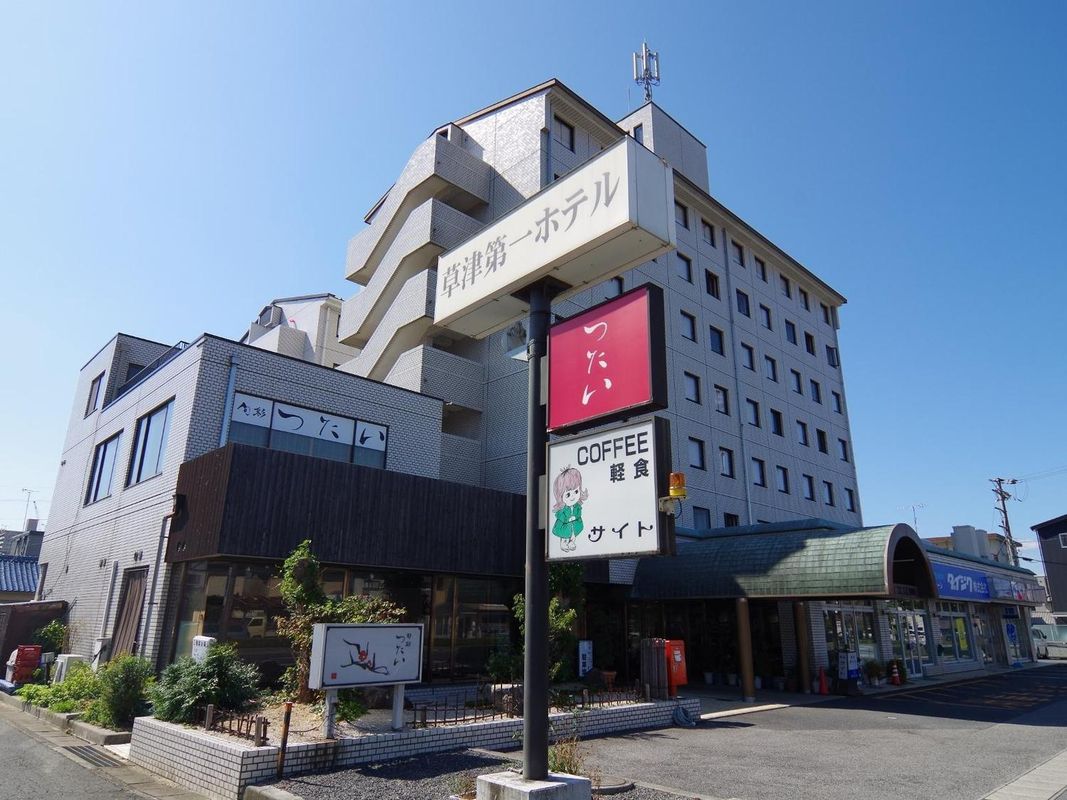
Kusatsu Daiichi Hotel
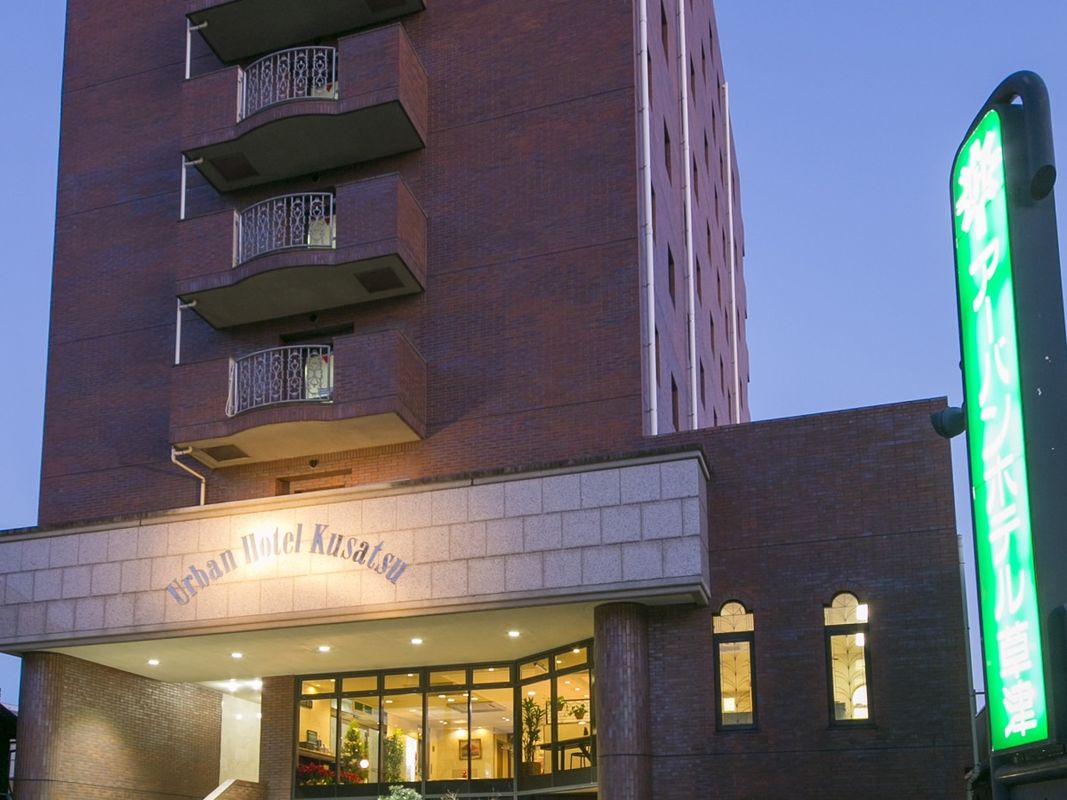
Urban Hotel Kusatsu
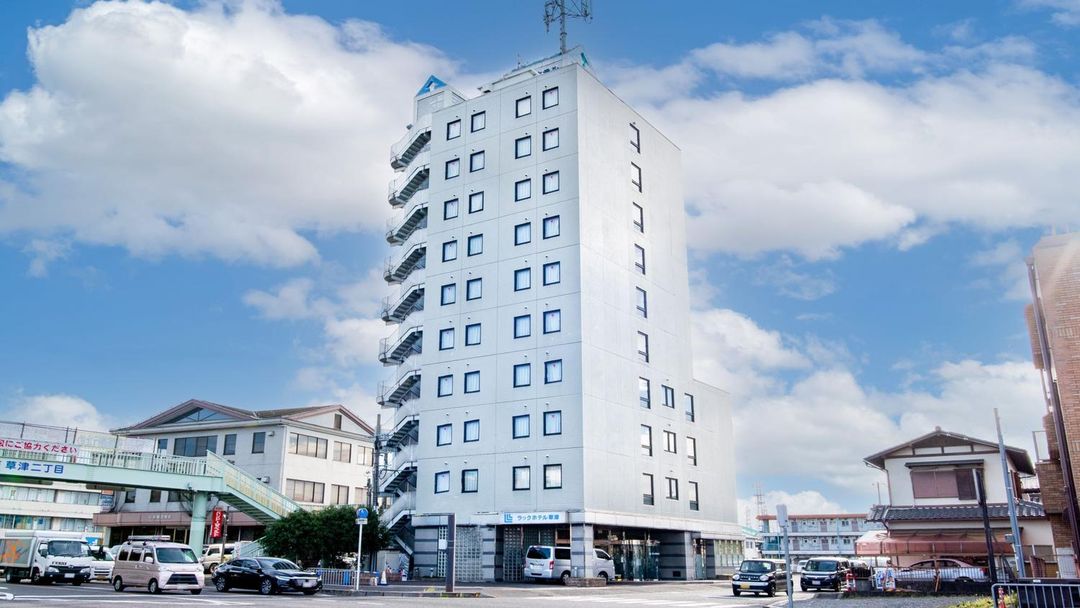
Le Lac Hotel Kusatsu
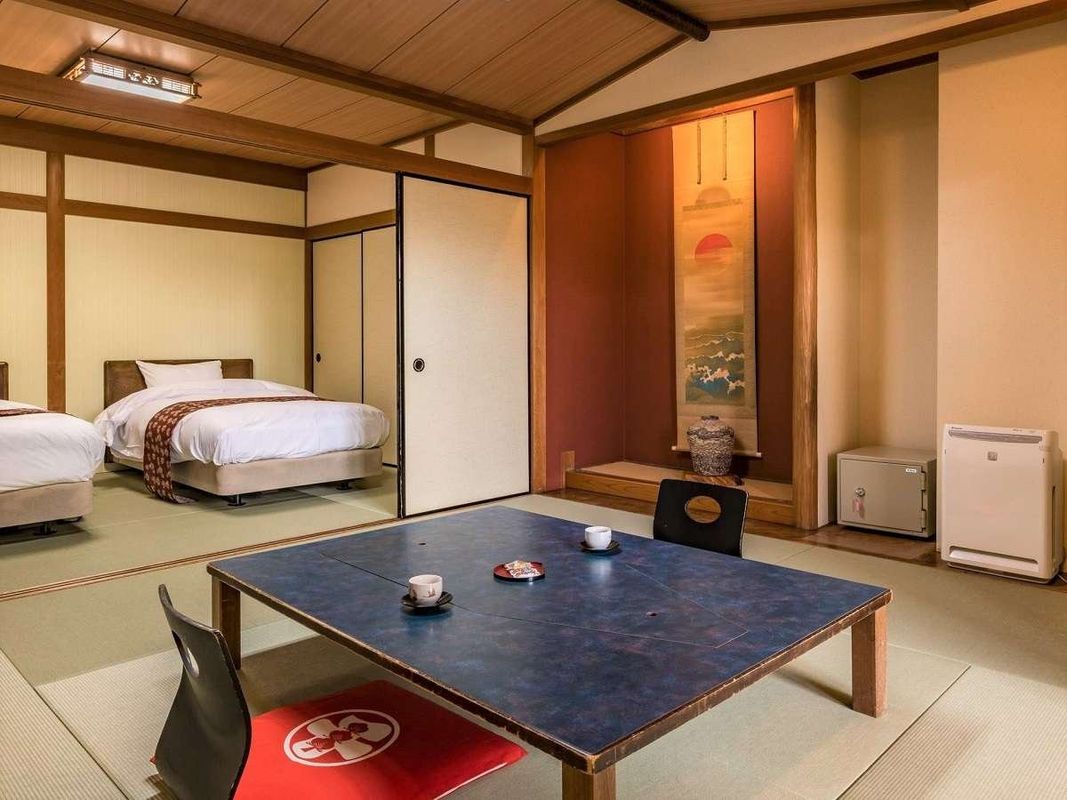
Biwako No Senmatsu
Best Hotels in Kusatsu
Discover curated hotel collections in Kusatsu
Osaka Marriott Miyako Hotel
The Ritz-Carlton, Osaka
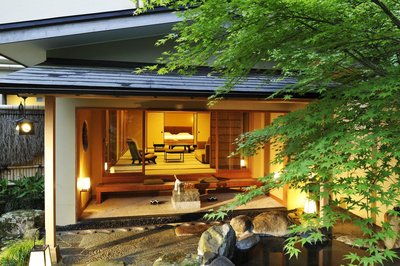
Gora Kadan
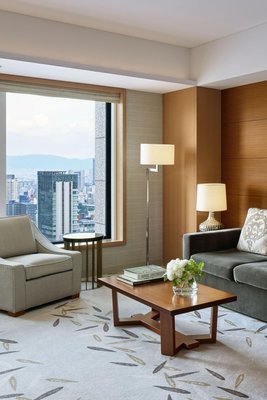
InterContinental Hotel Osaka
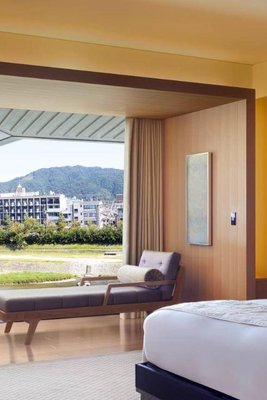
The Ritz-Carlton, Kyoto
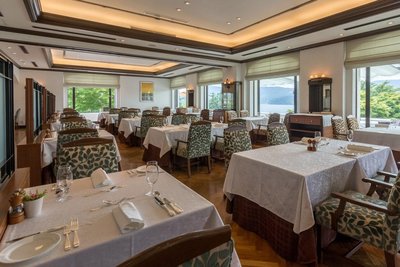
Odakyu Hotel de Yama
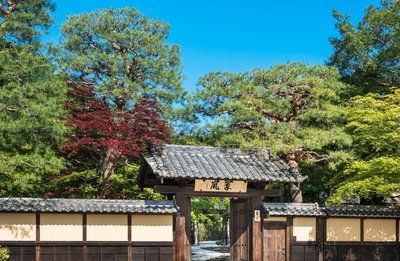
Suiran, a Luxury Collection Hotel, Kyoto
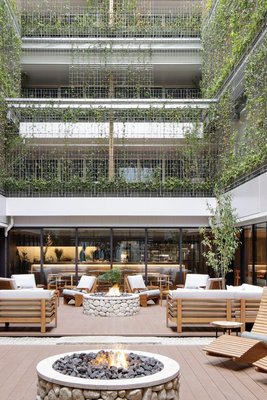
GOOD NATURE HOTEL KYOTO
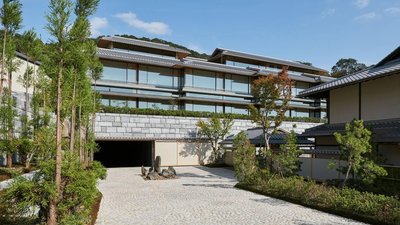
Park Hyatt Kyoto
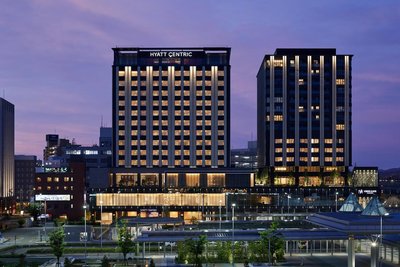
Hyatt Centric Kanazawa
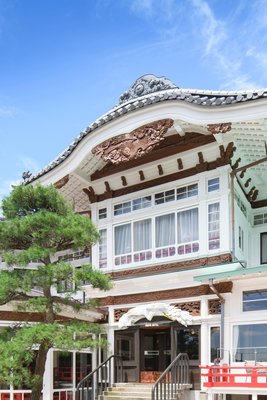
Fujiya Hotel
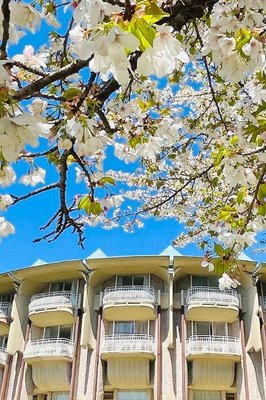
The Prince Hakone Lake Ashinoko
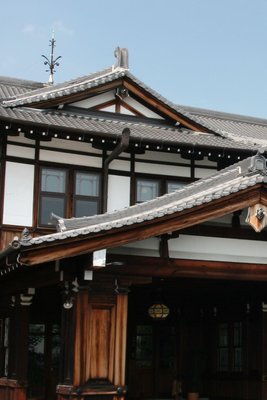
Nara Hotel
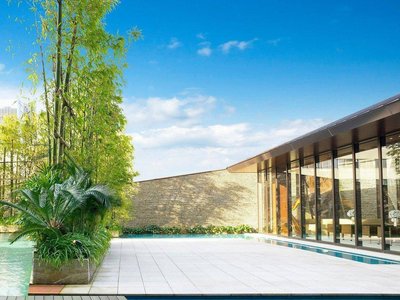
ORIENTAL HOTEL
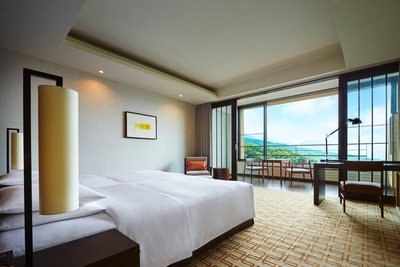
Hyatt Regency Hakone Resort and Spa
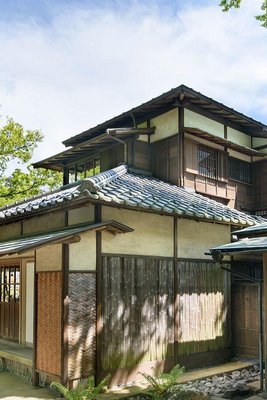
Hakone Suishoen
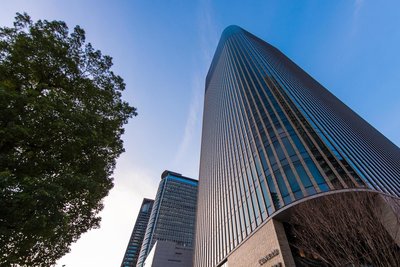
Conrad Osaka
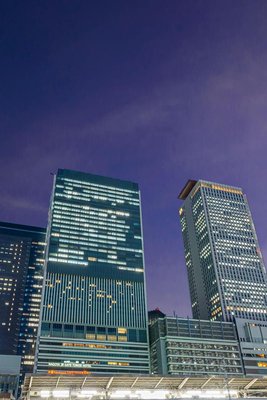
Nagoya JR Gate Tower Hotel (JR-Central Hotels)
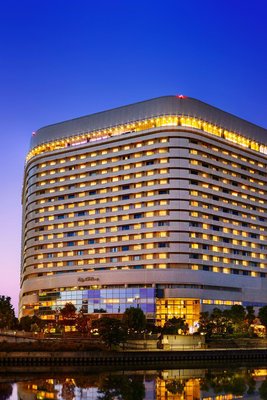
Hotel New Otani Osaka
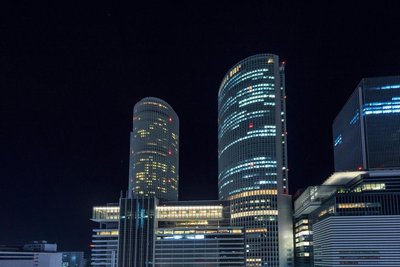
Nagoya Marriott Associa Hotel

Shima Kanko Hotel the Bay Suites
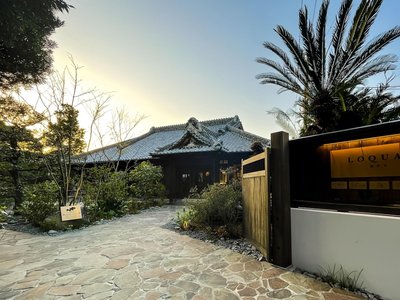
Loquat Nishiizu
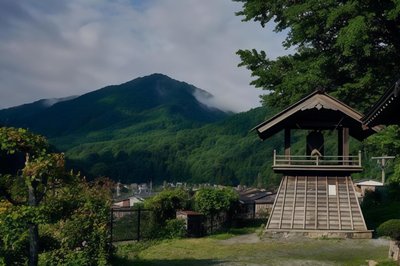
Byaku Narai
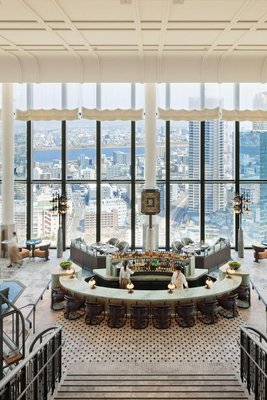
Waldorf Astoria Osaka
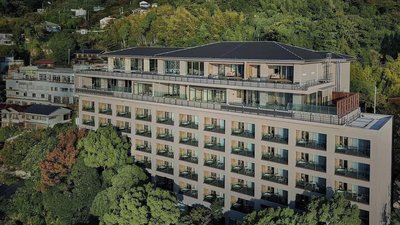
Atami Izusan Karaku
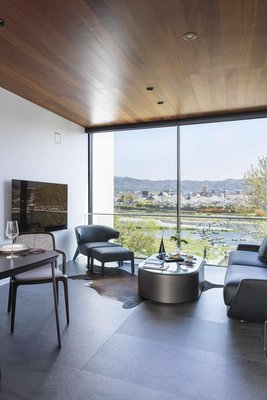
Kamo Residences by Reflections
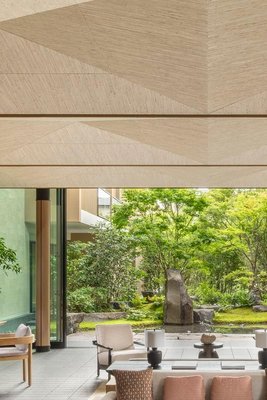
Six Senses Kyoto
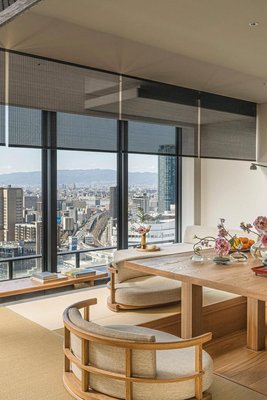
Four Seasons Hotel Osaka
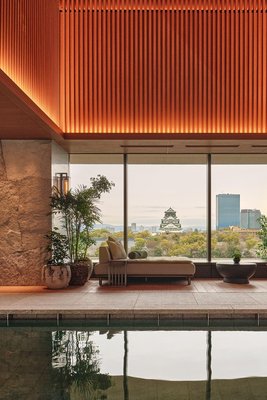
Patina Osaka
The Ritz-Carlton, Osaka
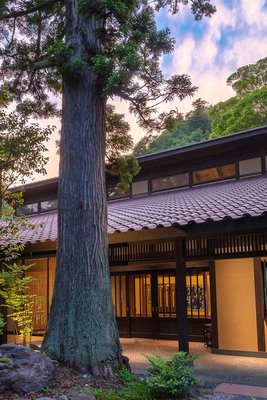
Arimasansoh Goshobessho
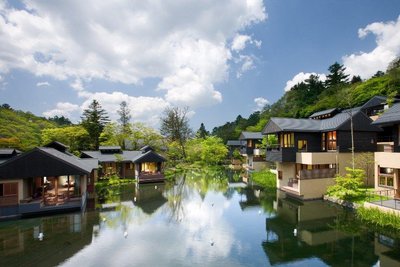
Hoshinoya Karuizawa
Gora Kadan
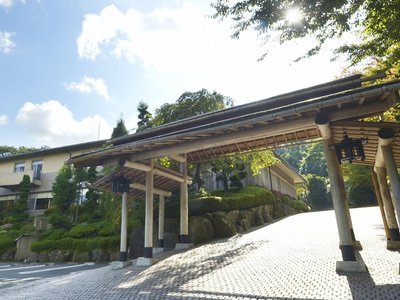
Gora Hanaougi
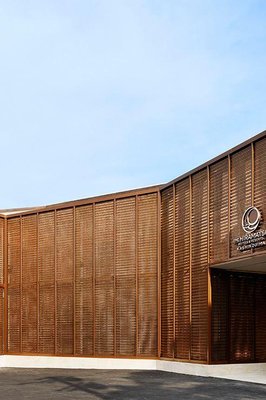
The Hiramatsu Hotels & Resorts Kashikojima
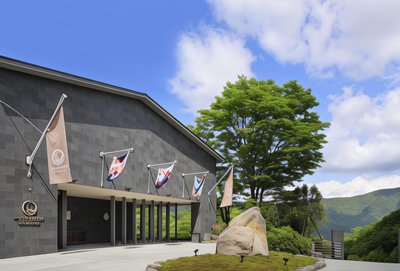
The Hiramatsu Hotels & Resorts Sengokuhara Hakone
The Ritz-Carlton, Kyoto
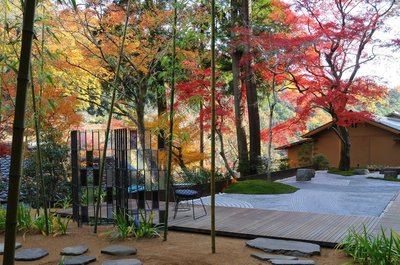
HOSHINOYA Kyoto
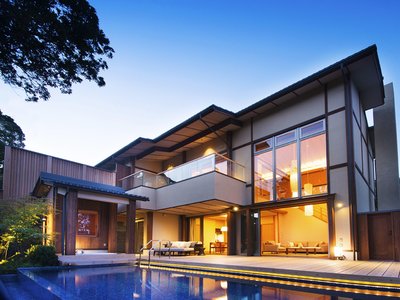
Abba Resorts Izu - Zagyosoh
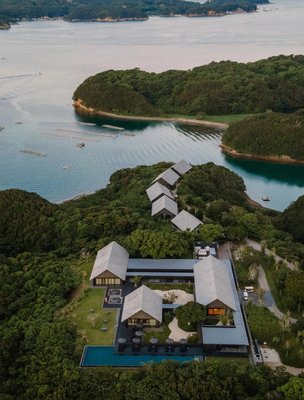
Amanemu

The Address Akakura
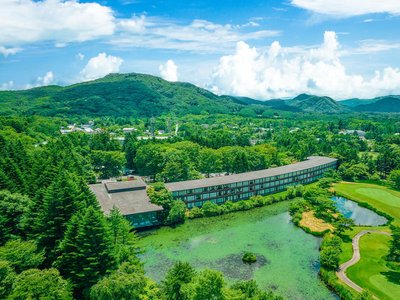
The Prince Karuizawa
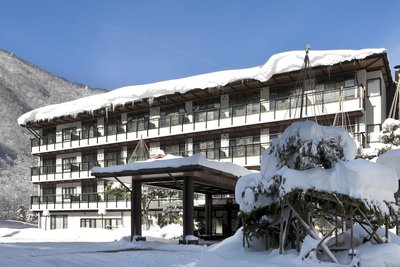
Okada Ryokan Warakutei
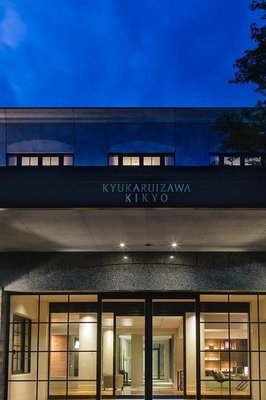
Kyukaruizawa Kikyo, Curio Collection by Hilton
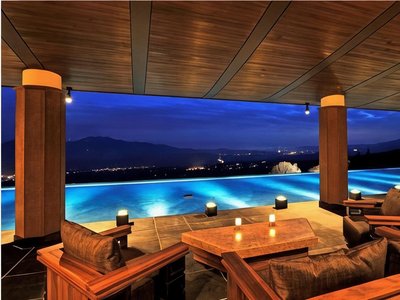
Akakura Kanko Hotel
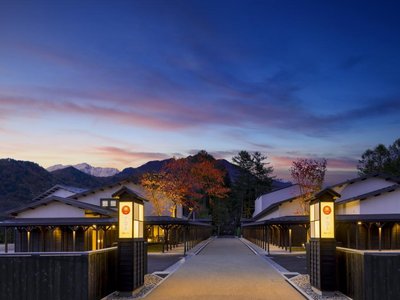
Hoshino Resorts KAI Alps
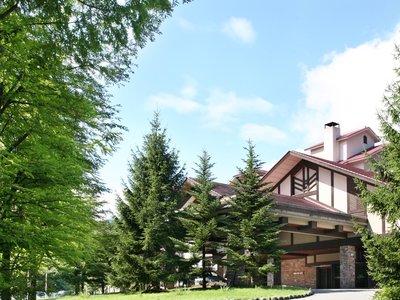
Hakuba Tokyu Hotel
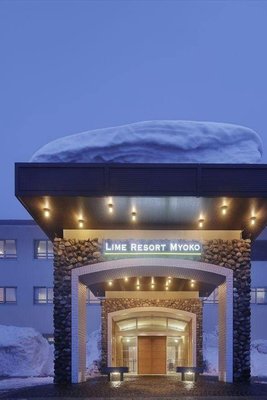
Lime Resort Myoko
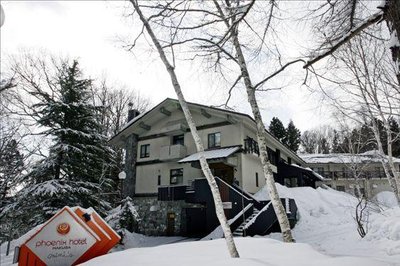
Phoenix Hotel by Hhg
Courtyard by Marriott Hakuba
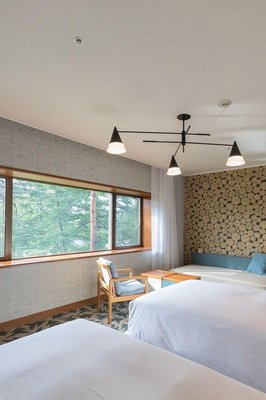
Karuizawa Prince Hotel East
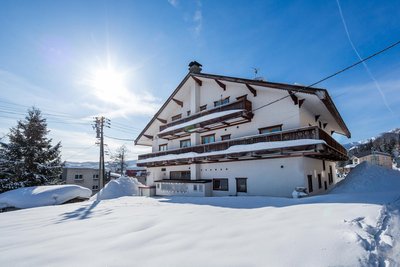
Marillen Hotel by Hhg
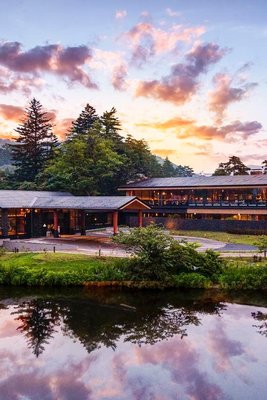
Karuizawa Prince Hotel West
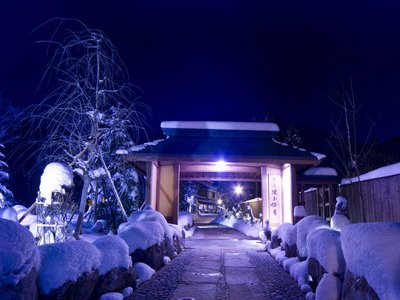
Miyama Ouan
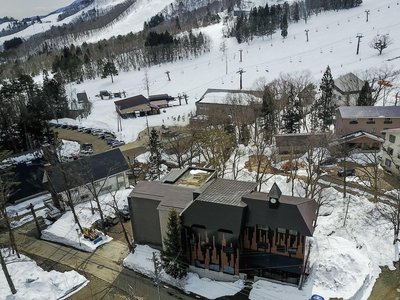
Hotel Villa Hakuba by Hhg
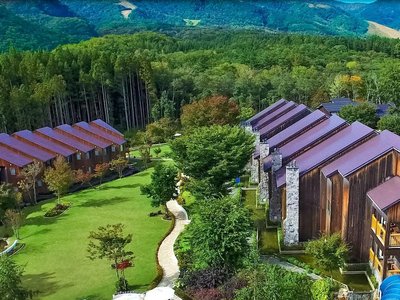
Hotel Sierra Resort Hakuba
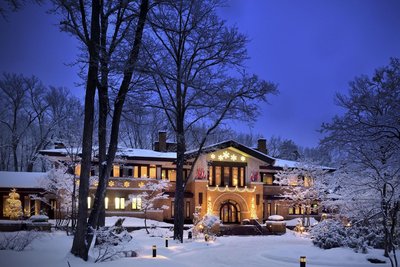
Hotel la Neige Higashikan

Toba International Hotel Shiojitei
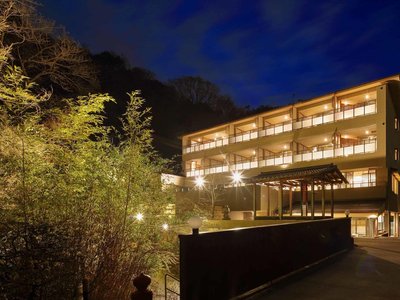
Okuno Hosomichi
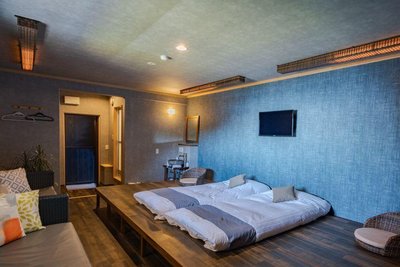
XYZ Private Spa and Seaside Resort
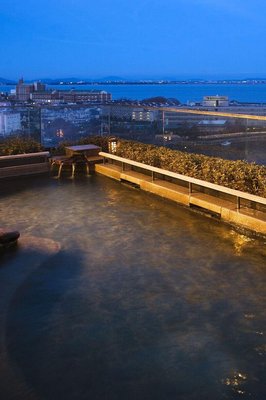
Yumotokan
Arimasansoh Goshobessho
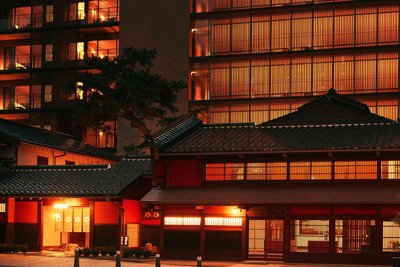
Hoshino Resorts Kai Kaga

Taikyourou
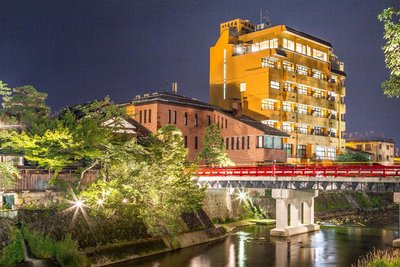
HONJIN HIRANOYA BEKKAN
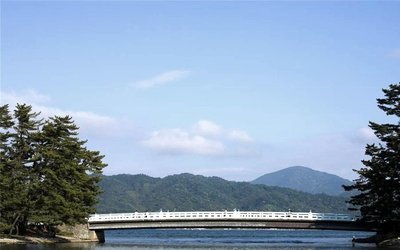
Monjusou Shourotei
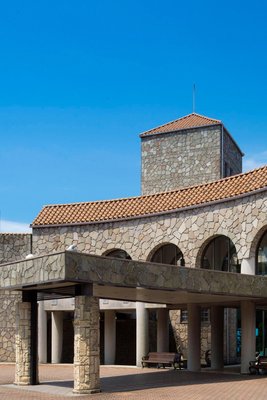
Izumigo Hotel Altia Toba
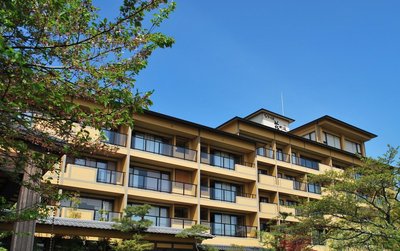
BIWAKO HANAKAIDO
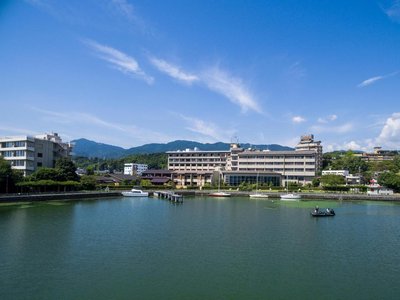
Biwako Ryokusuitei
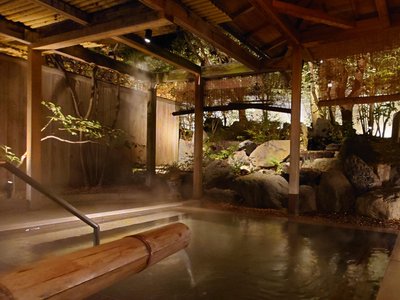
Kasuga Hotel
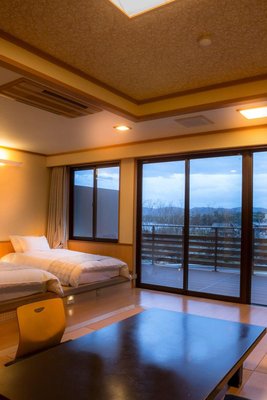
Hotel Kitanoya
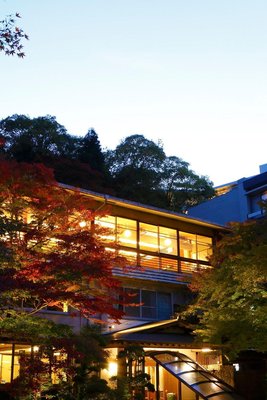
Negiya Ryofukaku
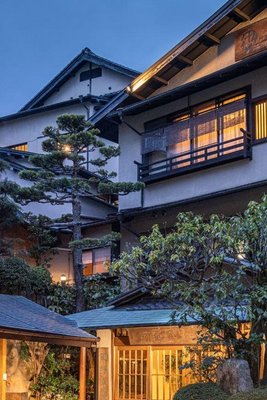
Arima Onsen Tocen Goshobo
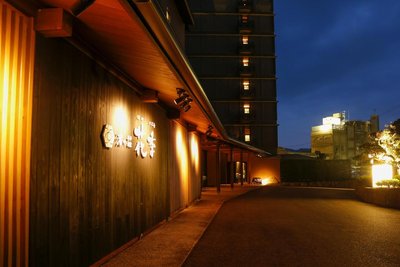
Hanagoyomi
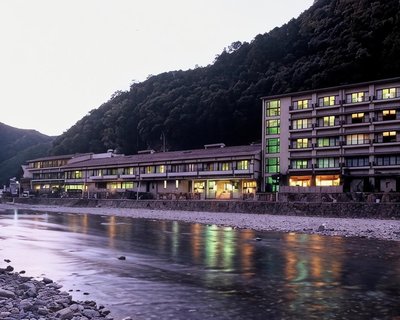
Kawayu Onsen Fujiya
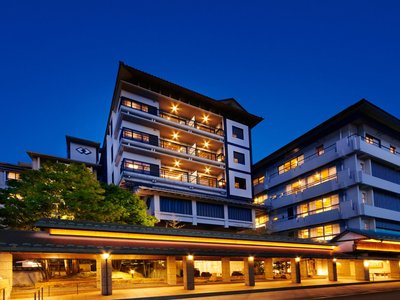
Yunokuni Tensyo
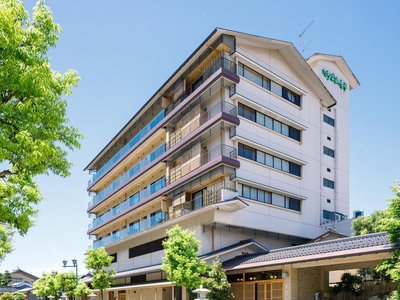
Tachibana Shikitei
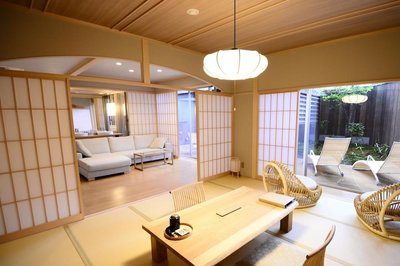
Hakone Gora Byakudan
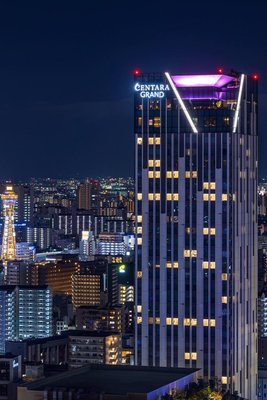
Centara Grand Hotel Osaka
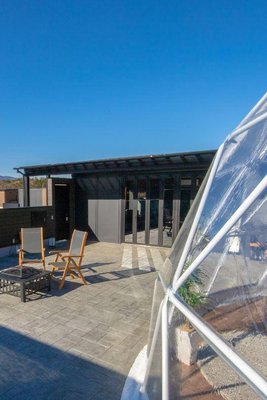
Panoramic Mt. Fuji Views from All Rooms – Vision Glamping Resort & Spa Yamanakako
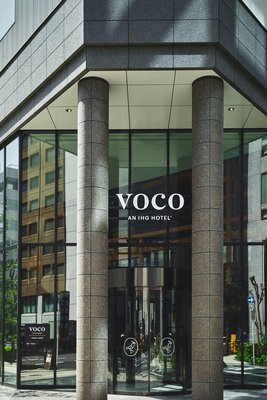
voco Osaka Central
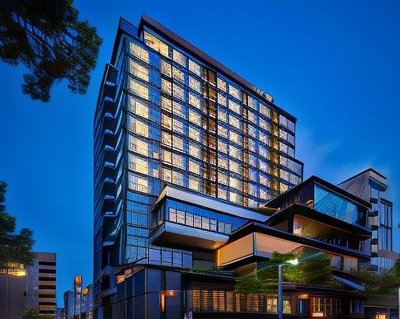
TIAD, AUTOGRAPH COLLECTION
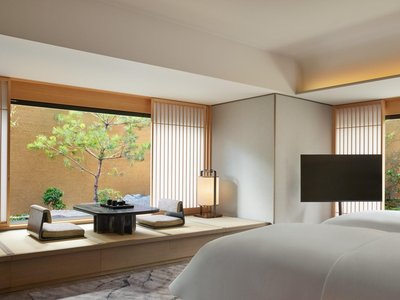
Dusit Thani Kyoto
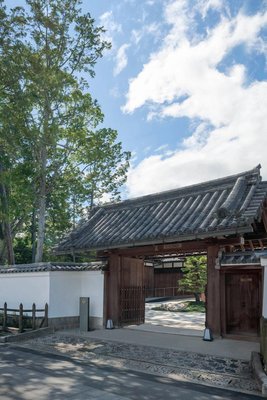
Shisui, a Luxury Collection Hotel, Nara
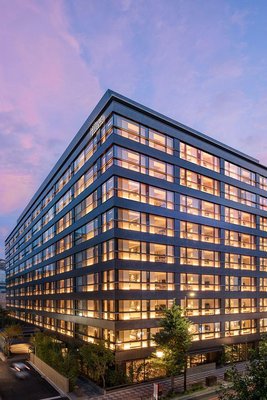
Hilton Kyoto
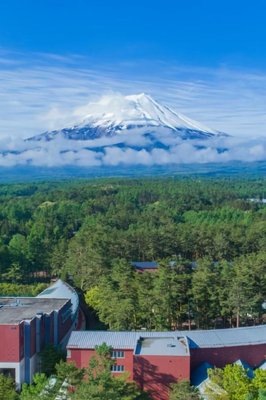
Forest Village (Fuji Premium Resort)
Osaka Marriott Miyako Hotel
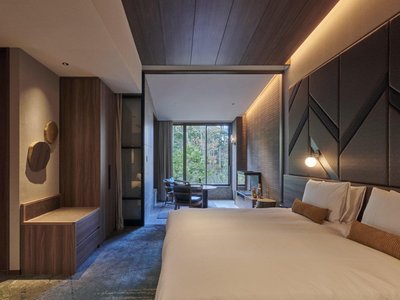
Fufu Kyu-Karuizawa Restful Forest
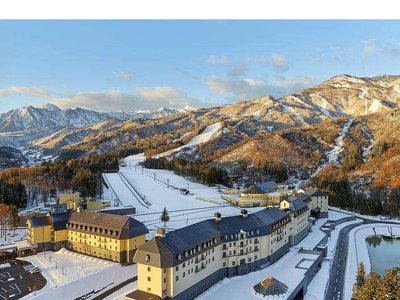
Lotte Arai Resort
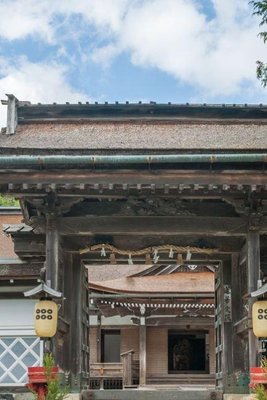
Koyasan Rengejoin
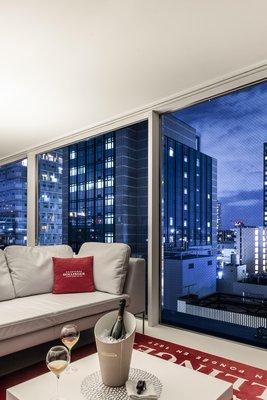
CUVÉE J2 HOTEL OSAKA by Onko Chishin
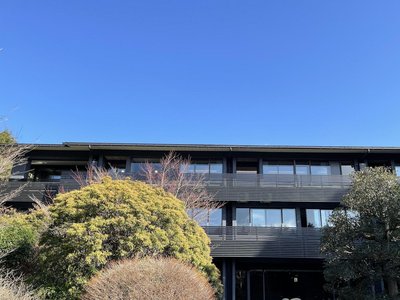
Sengokubara Cocon
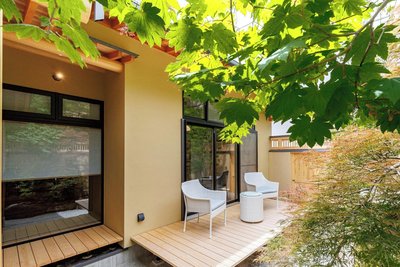
Shoraiso
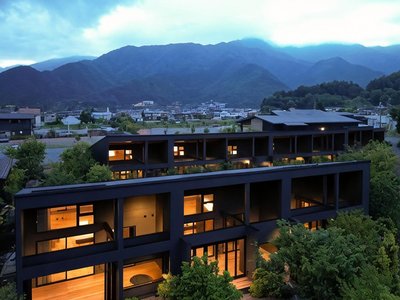
7C Villa and Winery
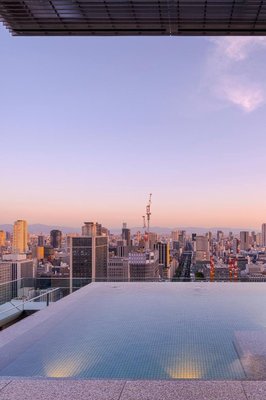
Candeo Hotels Osaka The Tower
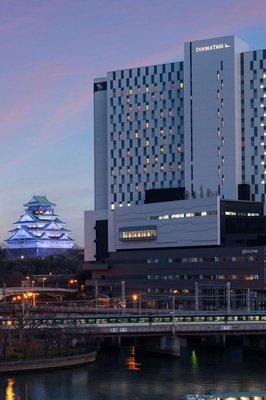
DoubleTree by Hilton Osaka Castle
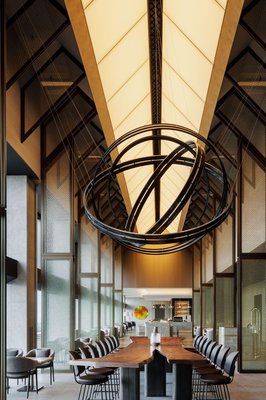
The Osaka Station Hotel, Autograph Collection
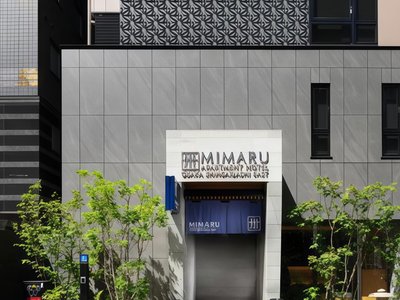
MIMARU Osaka Shinsaibashi East
Toba International Hotel Shiojitei
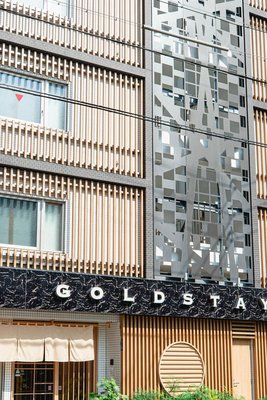
Gold Stay Nagoya OSU
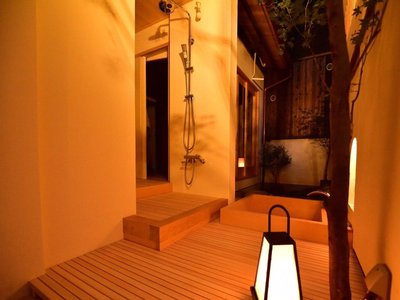
Yado Kiramachi
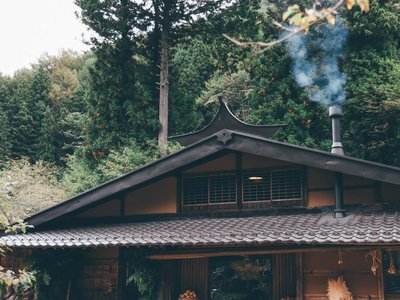
La Terra Resort
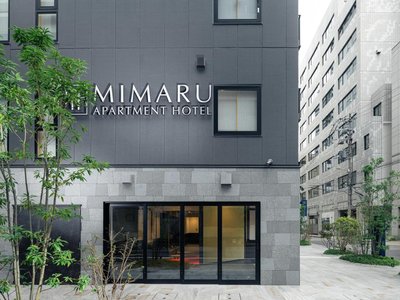
MIMARU Osaka Shinsaibashi North
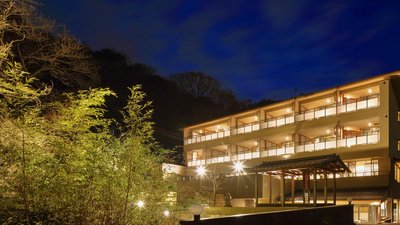
Okuno Hosomichi
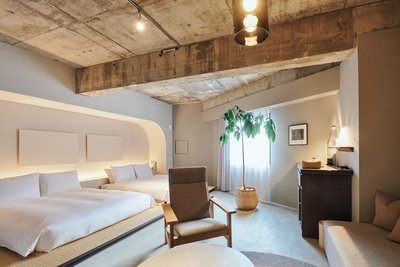
Korinkyo
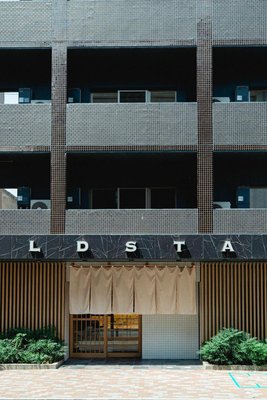
GOLD STAY Nagoya Sakae
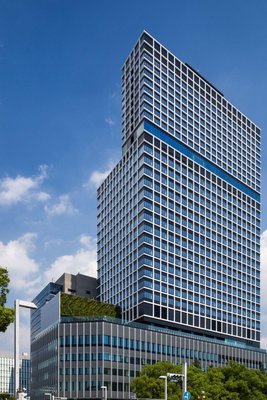
The Royal Park Hotel Iconic Nagoya
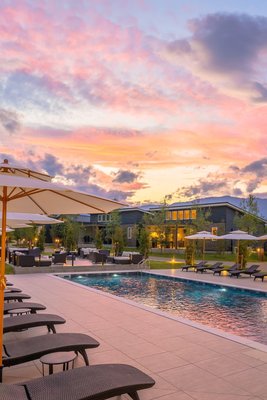
Awaumi Fujikawaguchiko Resort
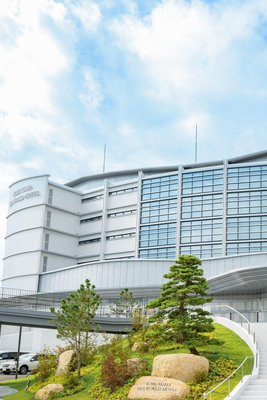
Kobe Suma Sea World Hotel
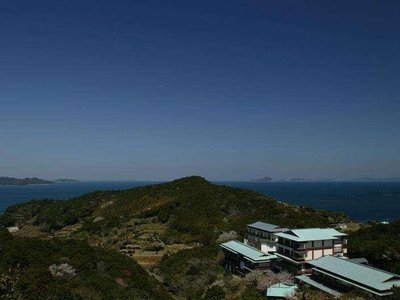
Hanashinsui
Yumotokan
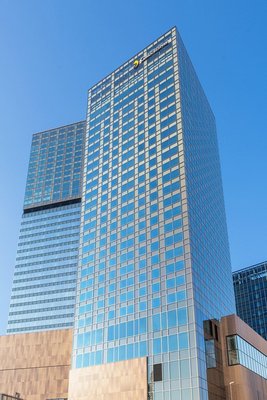
Hotel Hankyu GRAN RESPIRE OSAKA
Hoshino Resorts Kai Kaga
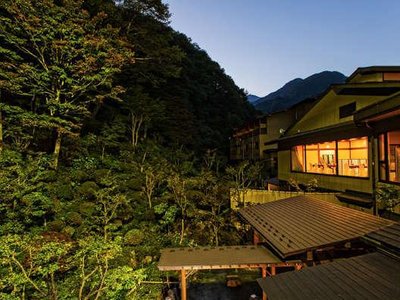
Futari Shizuka
Taikyourou
Monjusou Shourotei
BIWAKO HANAKAIDO
Awaumi Fujikawaguchiko Resort
Amanemu
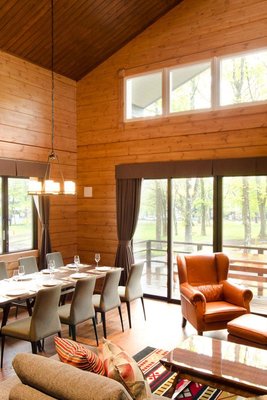
The Prince Villa Karuizawa
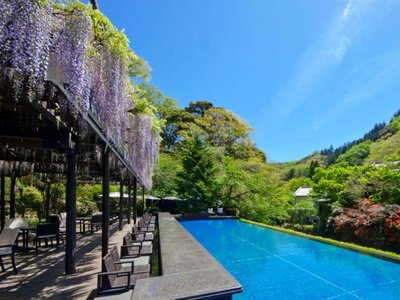
Tofuya Resort & Spa Izu
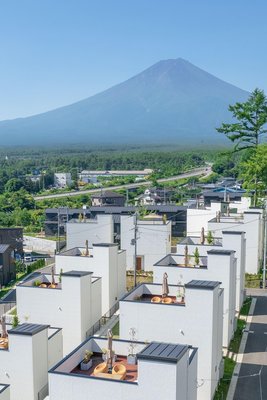
Fuji Granvilla -TOKI-
Hakone Gora Byakudan
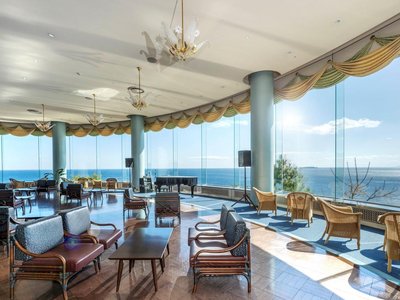
Hotel New Akao
XYZ Private Spa and Seaside Resort
Osaka Marriott Miyako Hotel
The Prince Karuizawa
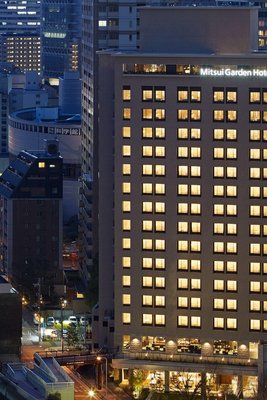
Mitsui Garden Hotel Osaka Premier
Izumigo Hotel Altia Toba
BIWAKO HANAKAIDO
Biwako Ryokusuitei
Hotel Kitanoya
Hanagoyomi
Kawayu Onsen Fujiya
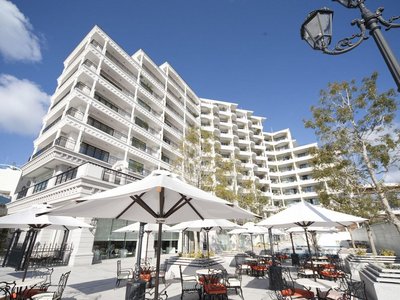
Hotel La Suite Kobe Harborland
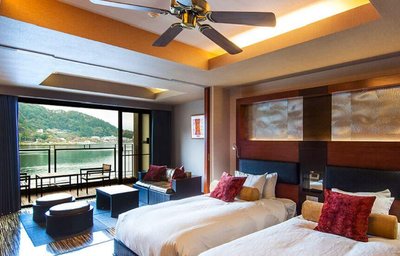
The Kukuna
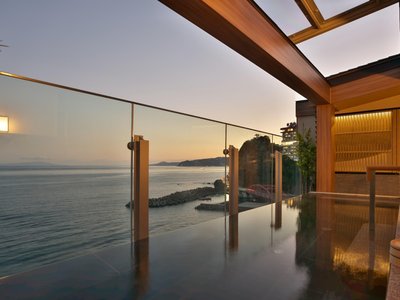
Hotel New Sagamiya
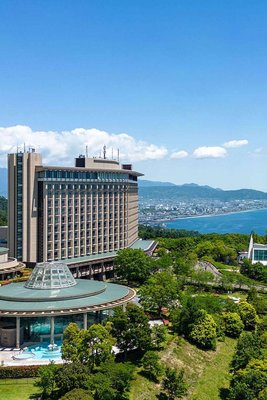
Hilton Odawara Resort & Spa
Hoshinoya Karuizawa
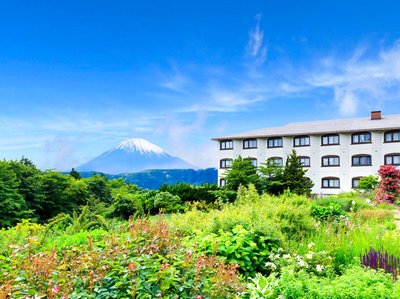
Hotel Green Plaza Hakone
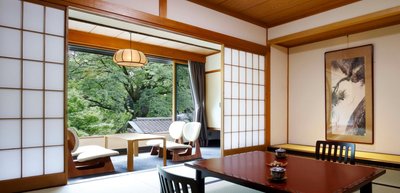
Yoshiike Ryokan
Akakura Kanko Hotel
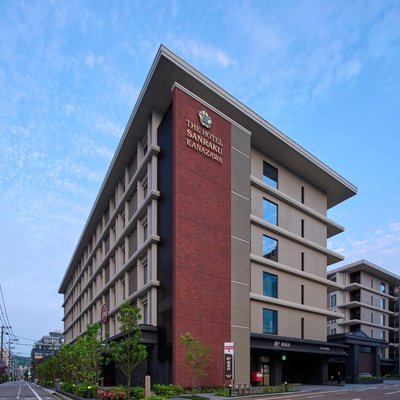
The Hotel Sanraku Kanazawa 21th December 2022 Open
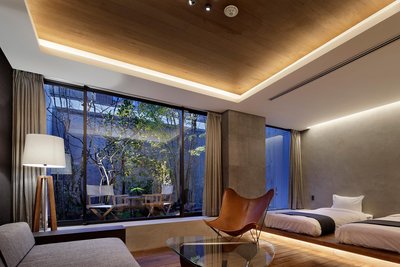
22 PIECES
The Ritz-Carlton, Osaka
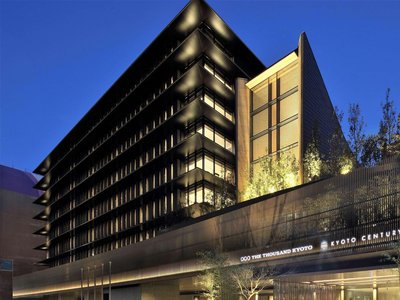
The Thousand Kyoto
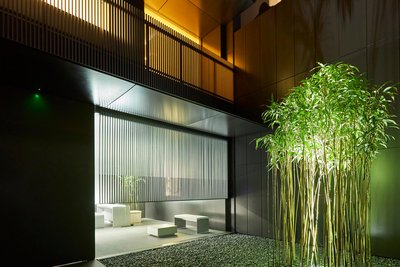
Mogana
GOOD NATURE HOTEL KYOTO
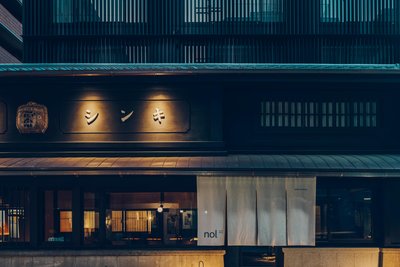
Nol Kyoto Sanjo
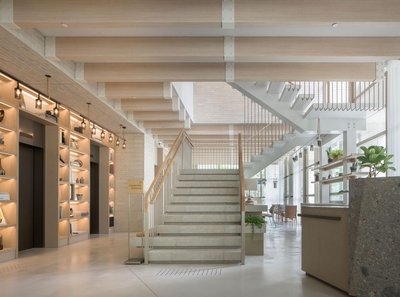
Zentis Osaka
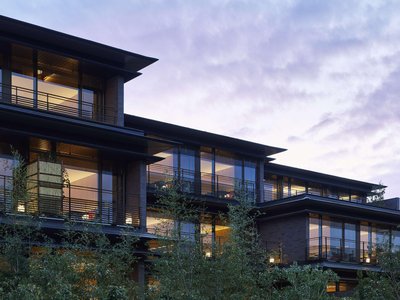
Garrya Nijo Castle Kyoto
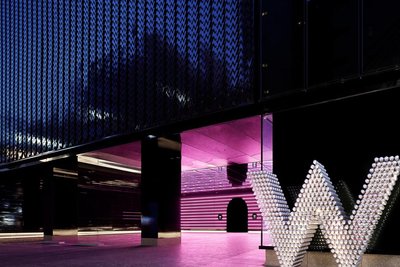
W Osaka
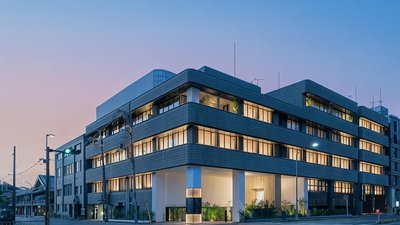
Hotel Kanra Kyoto
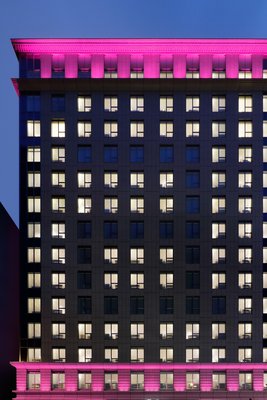
Aloft Osaka Dojima
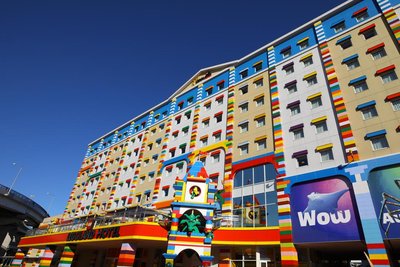
Legoland Japan Hotel
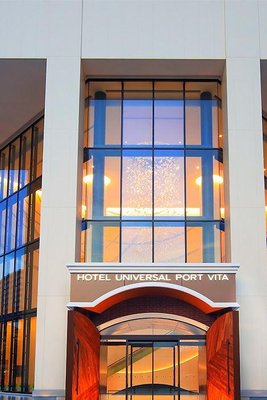
HOTEL UNIVERSAL PORT VITA

The Park Front Hotel at Universal Studios Japan
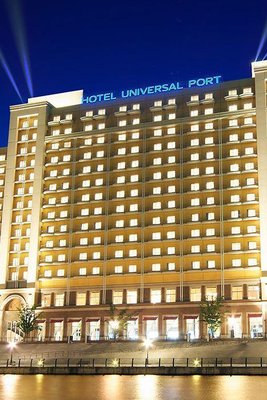
HOTEL UNIVERSAL PORT
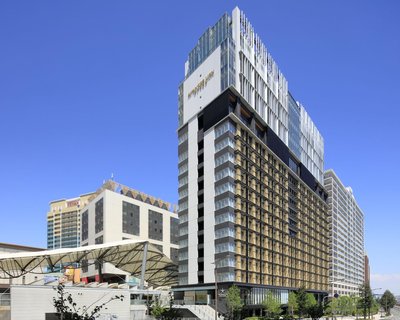
THE SINGULARI HOTEL & SKYSPA at UNIVERSAL STUDIOS JAPAN
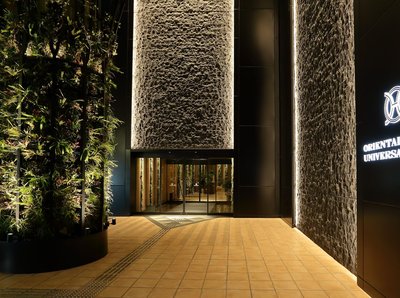
Oriental Hotel Universal City
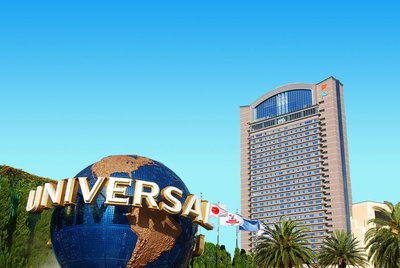
Hotel Keihan Universal Tower
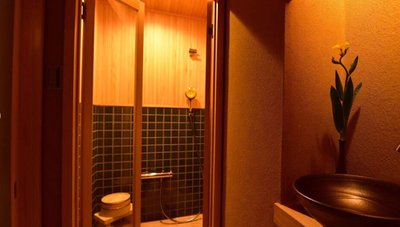
Yado Kiramachi
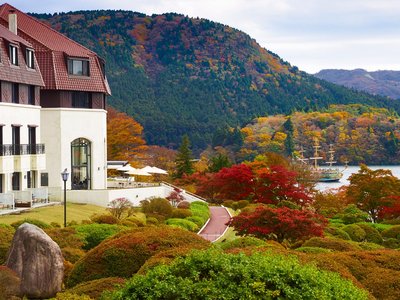
Hotakajyo
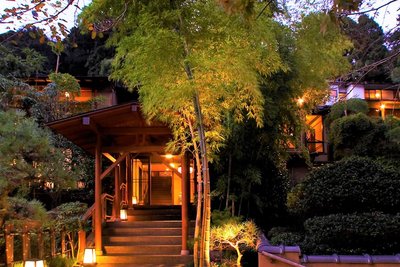
Shiki wo Ajiwau Yado Yamano Chaya
Arimasansoh Goshobessho
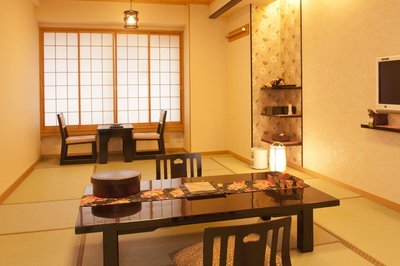
Matsui-Bekkan Hanakanzashi
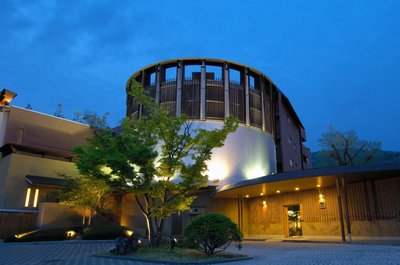
Hoshino Resorts Kai Matsumoto
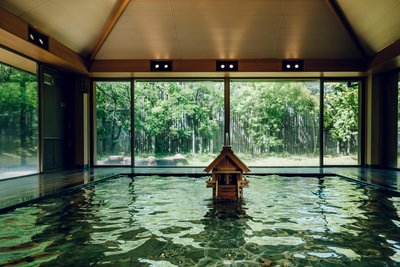
Hoshino Resorts KAI Tamatsukuri
Taikyourou
Monjusou Shourotei
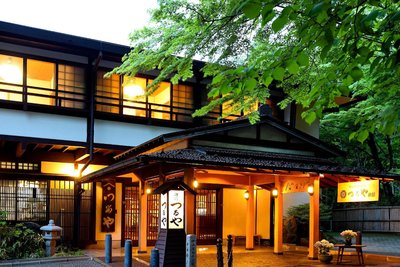
Tsuruya Ryokan
Kasuga Hotel
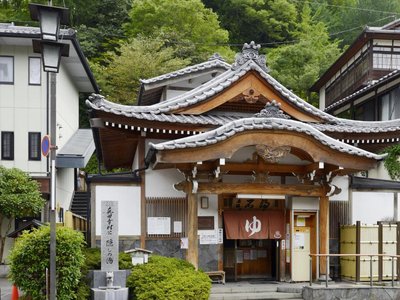
Nakamatsuya Ryokan
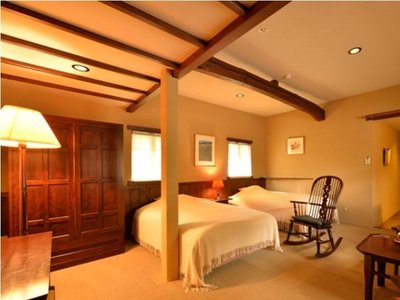
Ryokan Sugimoto
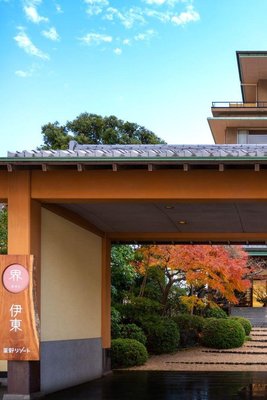
Hoshino Resorts Kai Ito
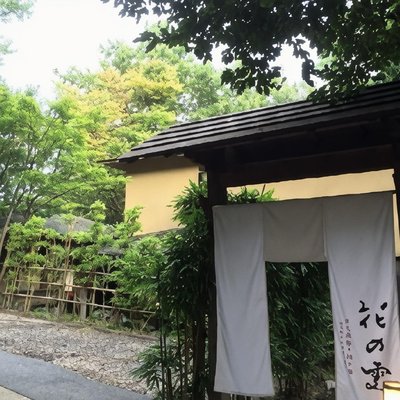
Hana No Kumo
Yoshiike Ryokan
Gora Hanaougi
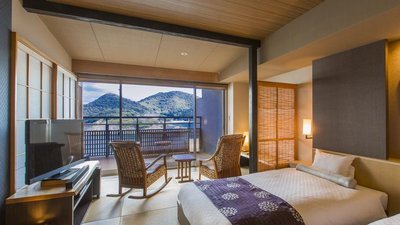
Migiwatei Ochi Kochi
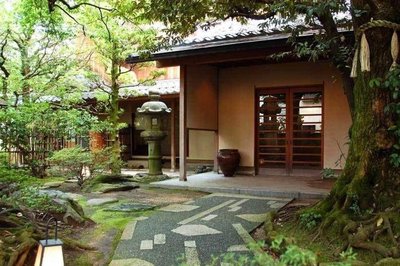
Kocho
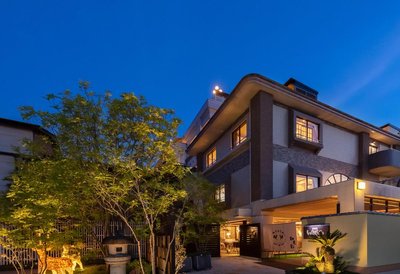
Hotel New Wakasa
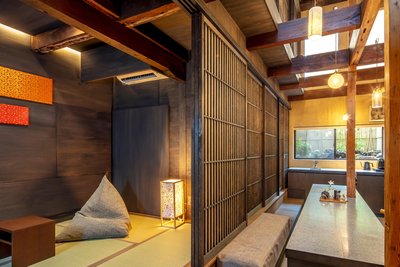
Kyo No Oozora Kihana
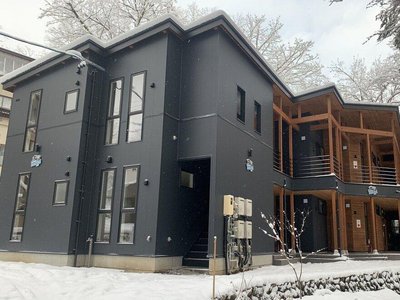
Hakuba Gondola Apartments
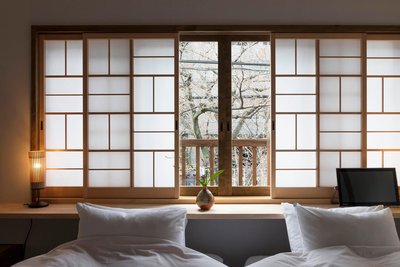
Hanagoromo Machiya House
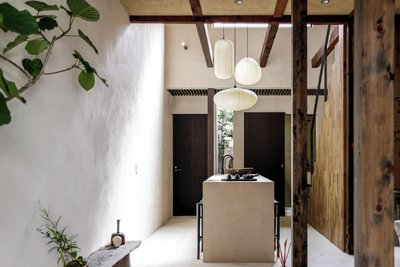
Maana Kiyomizu
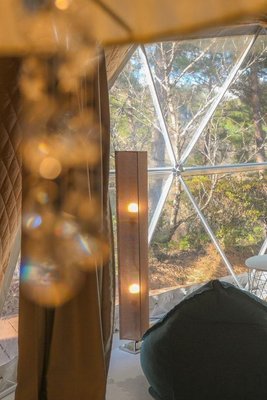
glampark Gekkabijin Nagano
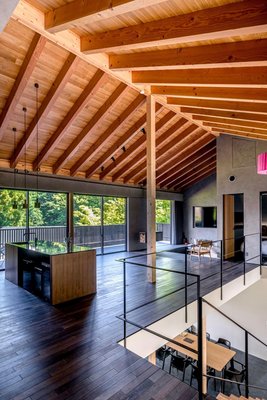
MONS GORA
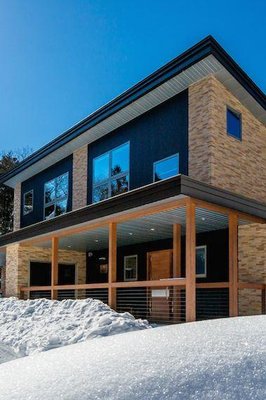
Phoenix Chalets by Hhg
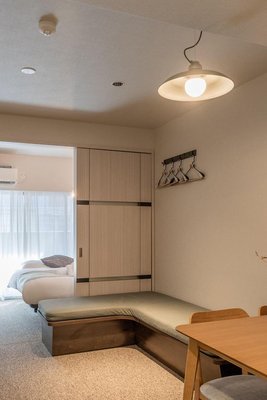
Apartment Hotel 11 Shinsaibashi
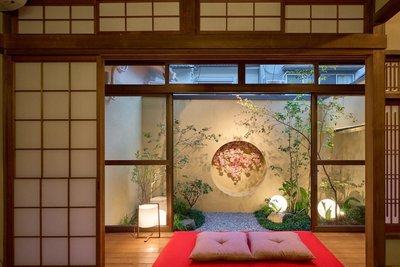
KONJAKUSO Osaka Tengachaya "NIHONCHA" Tea & Relax
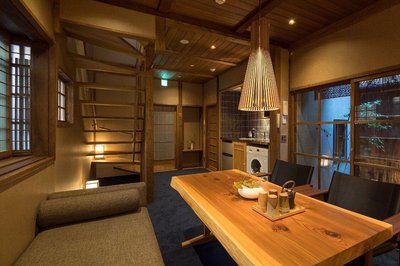
Bonbori an Machiya House
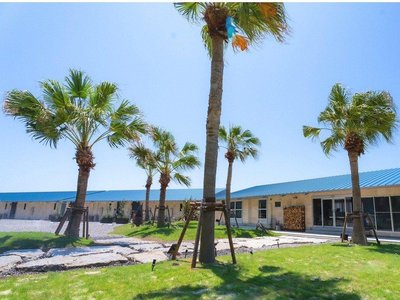
Glamping&Resort Wood Design Park Noma
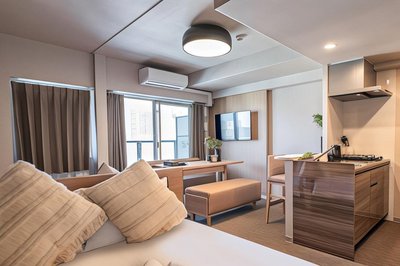
Apartment Hotel 11 Shinsaibashi III
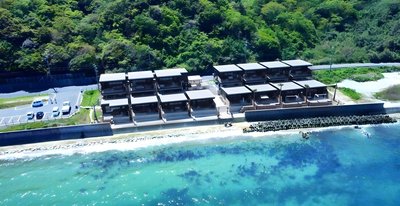
Solavilla Umi Terrace Minamiawaji
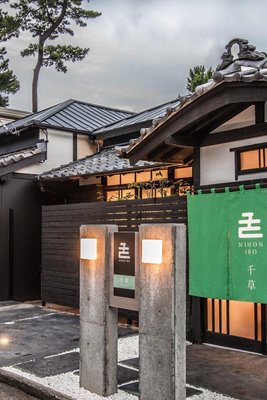
Nihon Iro
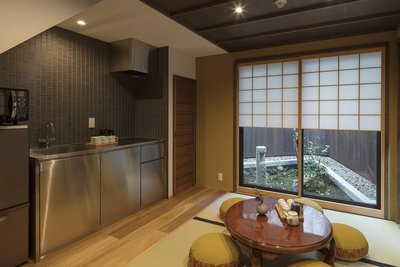
The Machiya Villa Sanjo Shirakawa Koji
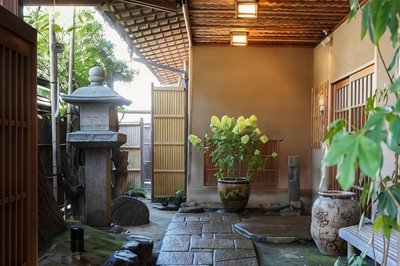
Ryokan Asadaya
Konjaku-So Dotonbori
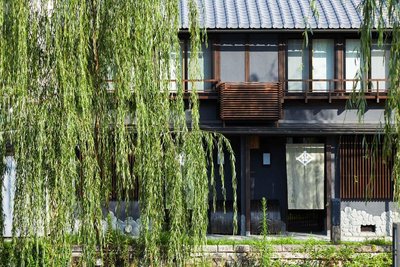
Gion Shirakawa No Yado

Kitashirakawa Natural Radium Onsen
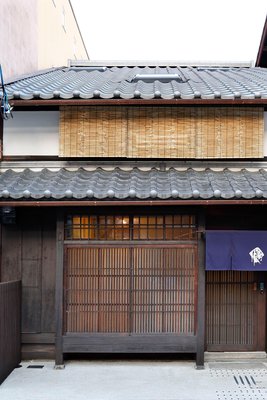
Kyo No Ondokoro Kamanza Nijo #2
Frequently Asked Questions about Traveling to Kusatsu
Questions You Might Need to Know About Traveling to Kusatsu
In Kusatsu City, the top choice for families is I-no-se Ryokan, a century-old hot spring inn located just a 5-minute walk from Kusatsu Onsen Street. It offers spacious Japanese-style family rooms with private outdoor baths, ideal for multi-generational stays. The inn features a children's play area and free shuttle service to local attractions like Kusatsu River Park.
Dining includes kid-friendly options such as local carp sushi and vegetable rice bowls made with fresh produce from Lake Biwa. Many rooms come equipped with tatami mats and heated floors (genkan), creating a warm, traditional atmosphere. Special family packages include morning tea ceremonies and guided nature walks along the river, blending comfort with cultural immersion.
For convenience, the hotel also provides stroller rentals and allergy-friendly bedding upon request.
I-no-se Ryokan stands out as the premier luxury onsen hotel in Kusatsu City, offering an authentically Japanese experience since 1920. Nestled in the heart of Kusatsu Onsen Street, it features natural sulfur-rich hot springs known for their therapeutic properties—perfect for relieving muscle tension and improving circulation.
Each room is a meticulously preserved traditional Japanese suite with wooden beams, sliding shoji screens, and private open-air baths overlooking the serene Kusatsu River. Guests can enjoy daily Onsen Opening Ceremony, where the manager blesses the waters at dawn—a ritual steeped in local tradition.
The culinary experience is equally refined: meals consist of seasonal dishes using ingredients from Lake Biwa, including grilled freshwater fish and wild mountain vegetables. Evening kaiseki dinners are served in intimate dining rooms, often accompanied by live shamisen music, making it a deeply immersive cultural journey.
To immerse yourself in local craftsmanship, visit the Kusatsu Town Hall Cultural Workshop, where monthly classes offer hands-on experiences in Kusatsu Paper-Making (Kusatsu Kami-tsukuri) and lacquerware painting. This centuries-old craft involves handcrafting paper from mulberry fibers, resulting in durable, textured sheets often used in calligraphy and art.
Nearby, Old Townhouse Alley along Kawaramachi Street preserves Edo-era architecture, with several shops offering wagashi tasting and tea ceremony demonstrations. The highlight is the Kusatsu Gion Festival in August, featuring elaborate yamahoko parades and traditional drum performances that showcase regional heritage.
Many ryokans, including I-no-se Ryokan, provide guided cultural tours and access to exclusive workshops, allowing visitors to create their own souvenirs while connecting with local artisans.
Nighttime in Kusatsu City is magical. Stroll along Kawaramachi Street as lanterns illuminate the Kusatsu River, casting soft reflections on the water and ancient wooden buildings—perfect for photography and quiet contemplation.
At 7 PM nightly, the Kusatsu River Light Show begins, synchronized with ambient music, transforming the river into a glowing ribbon. For a deeper cultural experience, book a midnight tea ceremony at I-no-se Ryokan, where a maiko-style host serves matcha in a secluded garden setting.
During the Kusatsu Gion Festival (August), the night comes alive with thousands of locals in yukata marching through the streets, accompanied by taiko drums and flutes. Some ryokans even offer private night baths under the stars, blending tranquility with the rhythm of the season.
I-no-se Ryokan offers the ultimate romantic retreat for couples. Its Private Onsen Suite features a personal outdoor bath with panoramic views of the Kusatsu River and surrounding hills, perfect for intimate evenings under the stars.
The inn curates special "Love of Onsen" packages, including rose petal baths, candlelit dinners with lake-fresh fish, and handwritten love letters delivered by the staff. Each evening, couples can participate in the traditional Onsen Opening Ceremony, a serene ritual marking the start of the day’s bathing ritual.
With its minimalist design, tatami flooring, and soft lighting, every detail enhances intimacy. Optional add-ons include a shared tea ceremony or a private kaiseki dinner in a secluded garden pavilion, creating unforgettable moments in a timeless setting.
Yes, Kusatsu City is highly accessible by car. From Osaka Station, take the Lake Biwa Expressway via Omiya Junction, reaching Kusatsu in about 60 minutes. The city center has multiple free parking spots, including the Kusatsu Onsen Underground Parking and City Hall Front Lot.
While the historic Onsen Street is narrow, most roads are well-maintained and clearly marked. Use GPS navigation to avoid congestion during peak hours. Note that during the Gion Festival (August), certain areas implement temporary traffic restrictions—check local notices in advance.
Driving allows easy access to nearby attractions like Lake Biwa and Enryaku-ji Temple on Mount Hiei, enhancing your exploration beyond the city. Overall, car travel offers flexibility and comfort, especially for those wishing to explore rural scenic routes.
Must-try dishes in Kusatsu City include Nobori Sushi, made with fermented carp caught from Lake Biwa, offering a tangy, umami-rich flavor unique to the region. Another local favorite is Kusatsu Hot Pot (Kusatsu Nabe), a hearty stew featuring freshwater fish, seasonal vegetables, and tofu, simmered in a rich broth.
Visit Kawadaniya Restaurant for Kusatsu Rice Cakes (Mochi) made from locally grown rice, served warm with red bean paste or chestnut filling. Don’t miss tempura sets using freshly caught shrimp and sea bream from Lake Biwa—light, crisp, and bursting with flavor.
Pair your meal with Kusatsu-local sake, such as "Chihon Sakura," known for its clean, refreshing taste. Most restaurants accept credit cards, though some older establishments prefer cash. Try a lunch set at a riverside eatery for the full sensory experience.
Top photo spots in Kusatsu City include Kawaramachi Street, where morning mist curls above the Kusatsu River, framing the stone path and lanterns in ethereal beauty—ideal for long-exposure shots. The garden terrace at I-no-se Ryokan offers a stunning backdrop year-round: cherry blossoms in spring, vibrant foliage in autumn, and snow-dusted eaves in winter.
The old wooden townhouses along the riverbank provide classic Japanese postcard scenes, especially during the Gion Festival when colorful banners and illuminated floats parade through the streets. At night, the Kusatsu River Light Show transforms the water into a shimmering canvas.
For elevated views, hike up to the Hiei Mountain Observation Deck near Enryaku-ji Temple, capturing panoramic shots of Kusatsu nestled beside Lake Biwa. Bring a wide-angle lens and tripod for the best results, particularly during golden hour or moonlit nights.
The best times to visit Kusatsu City are spring (March–May) and autumn (September–November). Spring brings blooming cherry blossoms along the Kusatsu River, creating a dreamy, pastel-hued landscape ideal for walking and photography. Temperatures are mild, perfect for outdoor onsen bathing.
Autumn offers breathtaking maple leaf displays around Mount Hiei and Kusatsu River, peaking in late October to early November. The Kusatsu Gion Festival in August is another highlight, though summer can be humid. Winter is picturesque with snow-covered rooftops and quiet streets, but some trails may be icy.
Avoid mid-summer if you dislike heat and crowds. Spring and autumn combine pleasant weather, vibrant scenery, and fewer tourists—ideal for a peaceful, immersive experience.
Kusatsu City Public Onsen Hotel is designed with elderly guests in mind. It features barrier-free elevators, non-slip flooring, grab bars in bathrooms, and electric beds with adjustable heights for ease of movement.
Rooms are spacious and equipped with heated floors (kotatsu) and dimmable lighting, promoting comfort and safety. The hotel offers daily wellness programs such as gentle tai chi, seated meditation, and low-sodium cooking classes, tailored to senior health needs.
A dedicated onsen therapy center provides low-stimulus sulfur baths, beneficial for joint pain and circulation. Dining options include soft-textured meals and customized menus for dietary restrictions. Free shuttle buses run to key sites like Kusatsu Onsen Street and Lake Biwa Park, ensuring easy access without strain.
Advance HopeGoo is recommended to secure personalized services and preferred accommodations.
Kusatsu Overview
City Summary
Kusatsu City in Shiga Prefecture, Japan, is a harmonious blend of history and nature, famed for Lake Biwa and its hot spring heritage. As a gateway to rural Japan with modern conveniences, it's ideal for travelers seeking onsen experiences and scenic landscapes.
Must-See Attractions
Must-see spots include Lake Biwa for cruises or cycling, the historic Kusatsu Onsen (one of Japan's Three Ancient Hot Springs) with its "Yumomi" performance, and Kusatsu-juku Honjin showcasing Edo-era post town culture. Families will enjoy Mizunomori Water Plant Garden.
Food Guide
Local cuisine features lake fish dishes like funazushi (fermented crucian carp sushi) and Biwa trout. Street food highlights include Omi beef skewers and Kusatsu's specialty tofu hot pot, best paired with regional sake.
Transportation Guide
JR Kusatsu Station serves as the main hub with access to JR Tokaido Main Line and Kusatsu Line. Comprehensive bus networks cover the city (day passes recommended). Bicycle rentals are ideal for Lake Biwa exploration. From Kyoto, trains take approximately 30 minutes.
Best Time to Visit
Prime visiting periods are spring (March-May) for cherry blossoms and autumn (September-November) for foliage. Summer offers Lake Biwa fireworks, while winter is perfect for onsen. Avoid Golden Week (late April to early May) for fewer crowds.
Travel Tips
- Onsen etiquette: Wash thoroughly before bathing, no swimsuits allowed
- Check weather alerts for Lake Biwa activities
- Carry cash as some establishments don't accept cards
- Last trains depart early (~11pm), plan returns accordingly
- Observe no-photography rules in temples
- Practice strict trash sorting - public bins are scarce
Useful Information
Japanese is primary; basic English signage exists at stations/tourist sites. Free WiFi is available at major hubs (pocket WiFi recommended). Cash dominates payments, though international cards work at large stores. For emergencies, Kusatsu City Hospital requires Japanese assistance. Pharmacies stock English-labeled OTC medicines. Electrical: 100V, Type A plugs.