Hotels in Kusatsu
Discover your perfect stay in Kusatsu.
Kusatsu(Japan) Travel 2026: Cheap Flights, Hotels & Top Attractions
Popular Landmarks in Kusatsu
Discover the most iconic attractions in Kusatsu
Recommended Hotels in Kusatsu
Find the perfect place to stay in Kusatsu
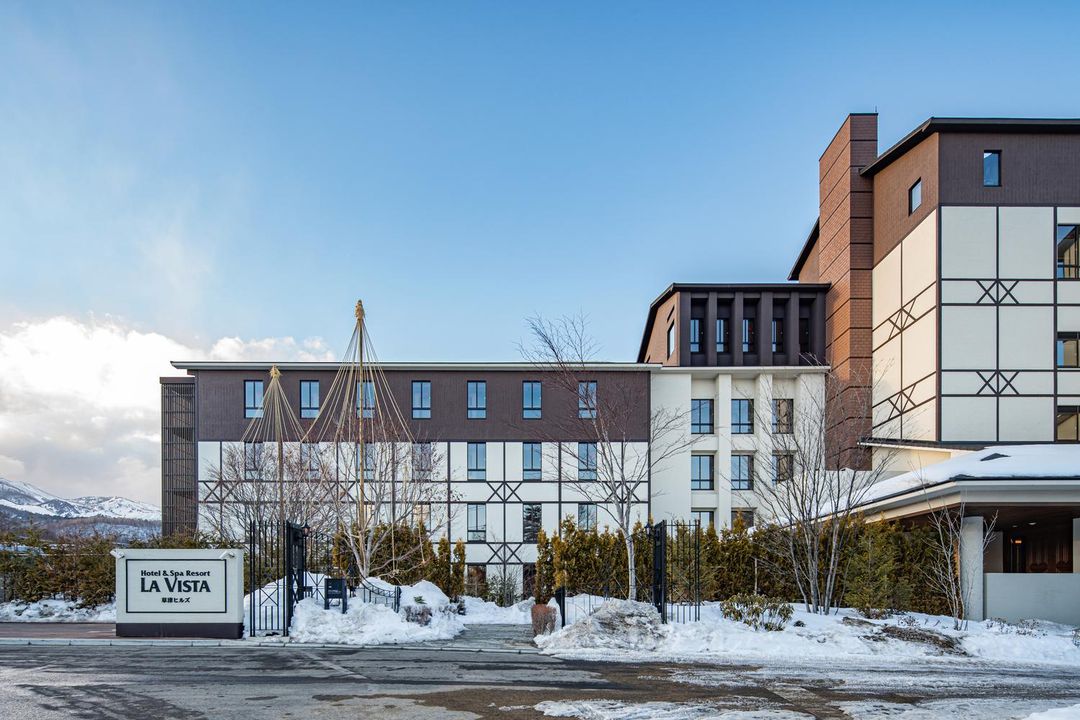
La Vista Kusatsu Hills
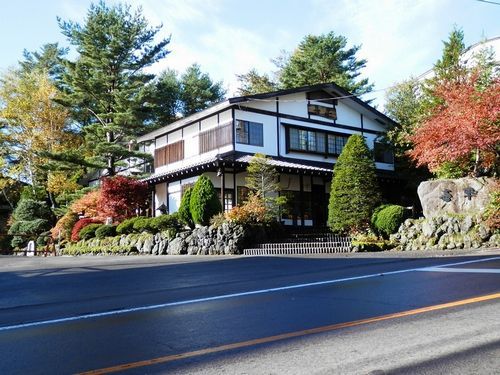
Kusatsu Onsen Ryokan Kihei
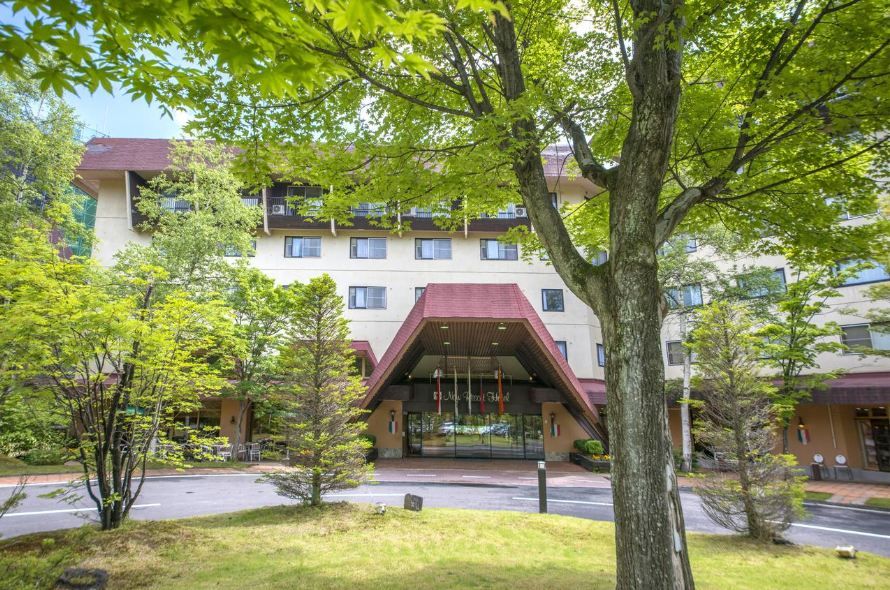
Kusatsu Now Resort Hotel
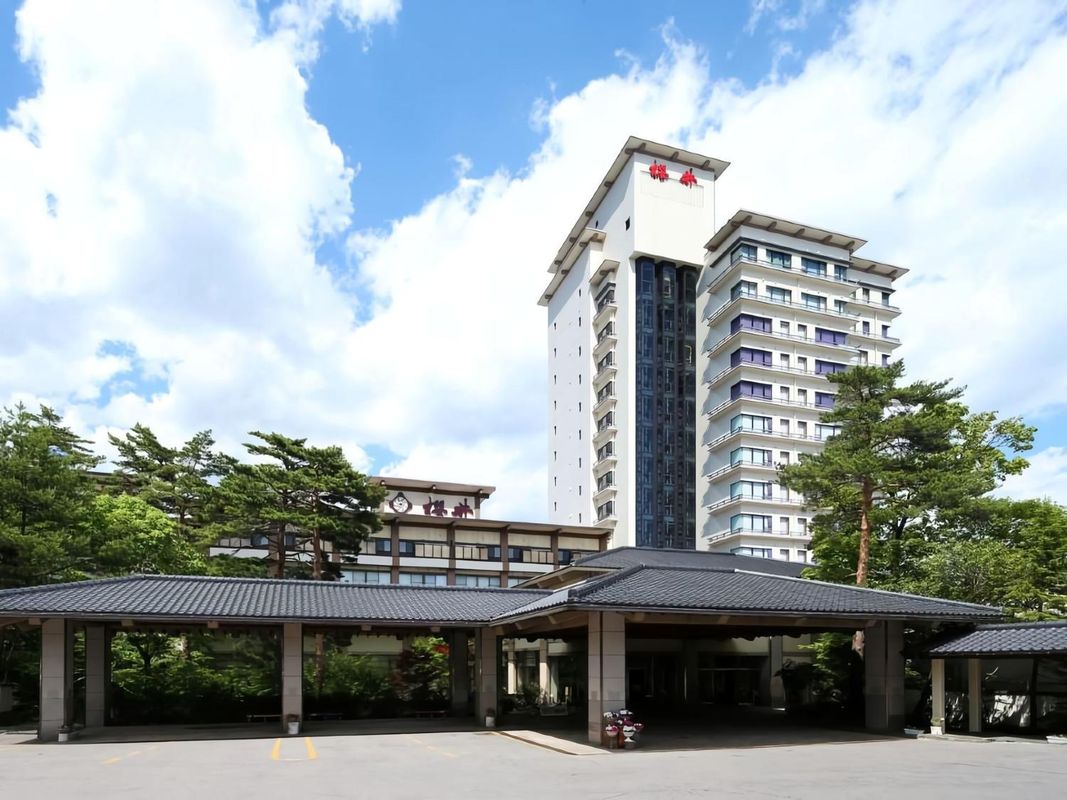
Hotel Sakurai
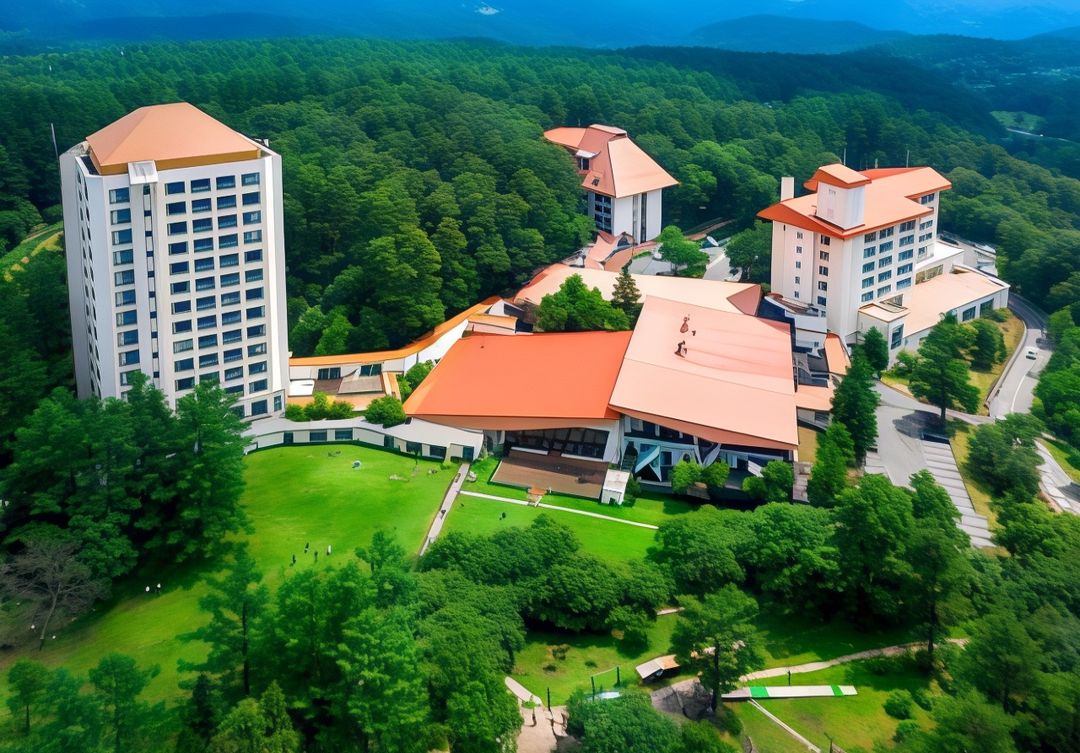
Kusatsu Onsen Hotel Village
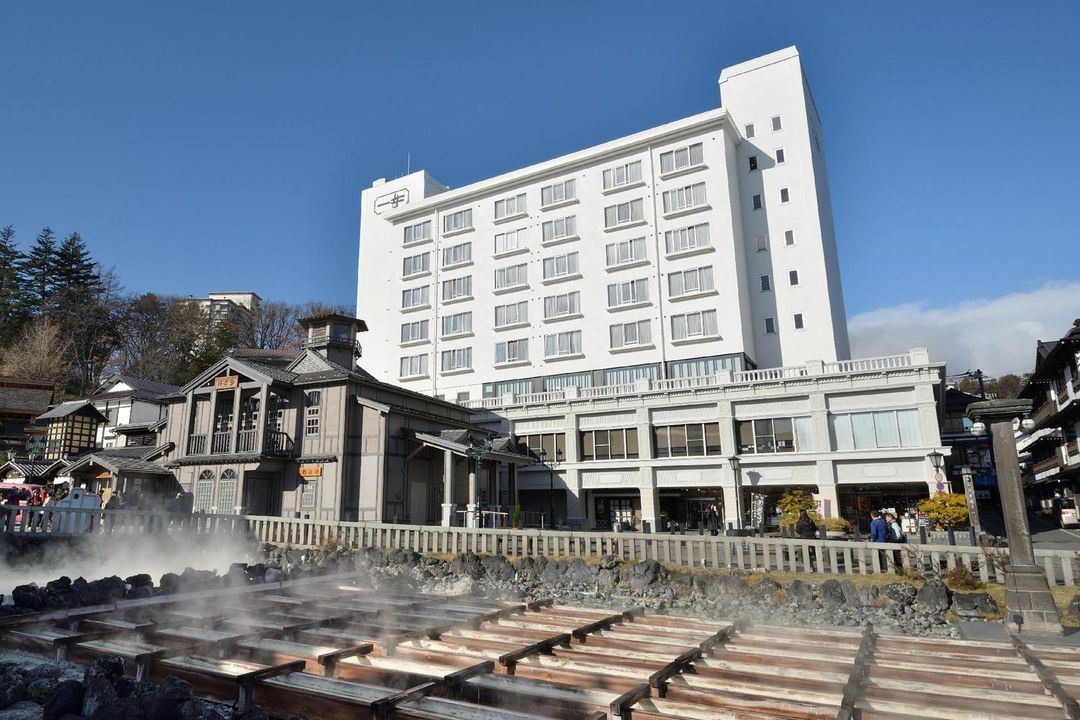
Kusatsu Onsen Hotel Ichii
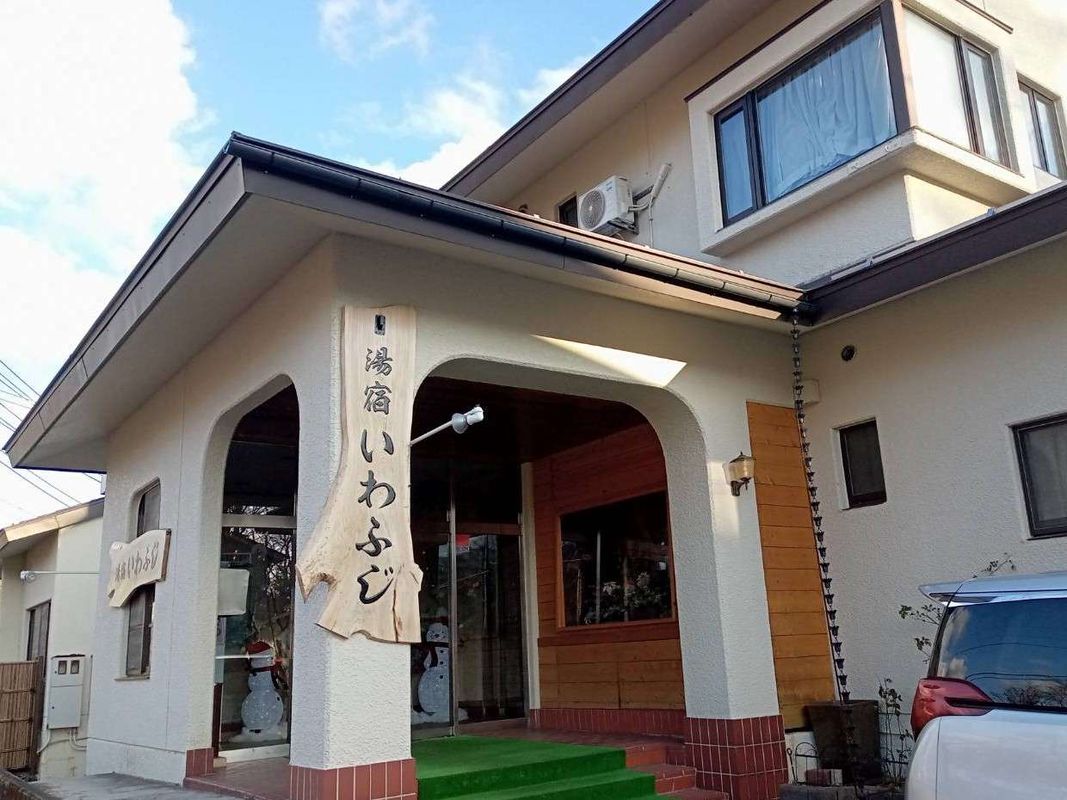
Yuyado Iwafuji
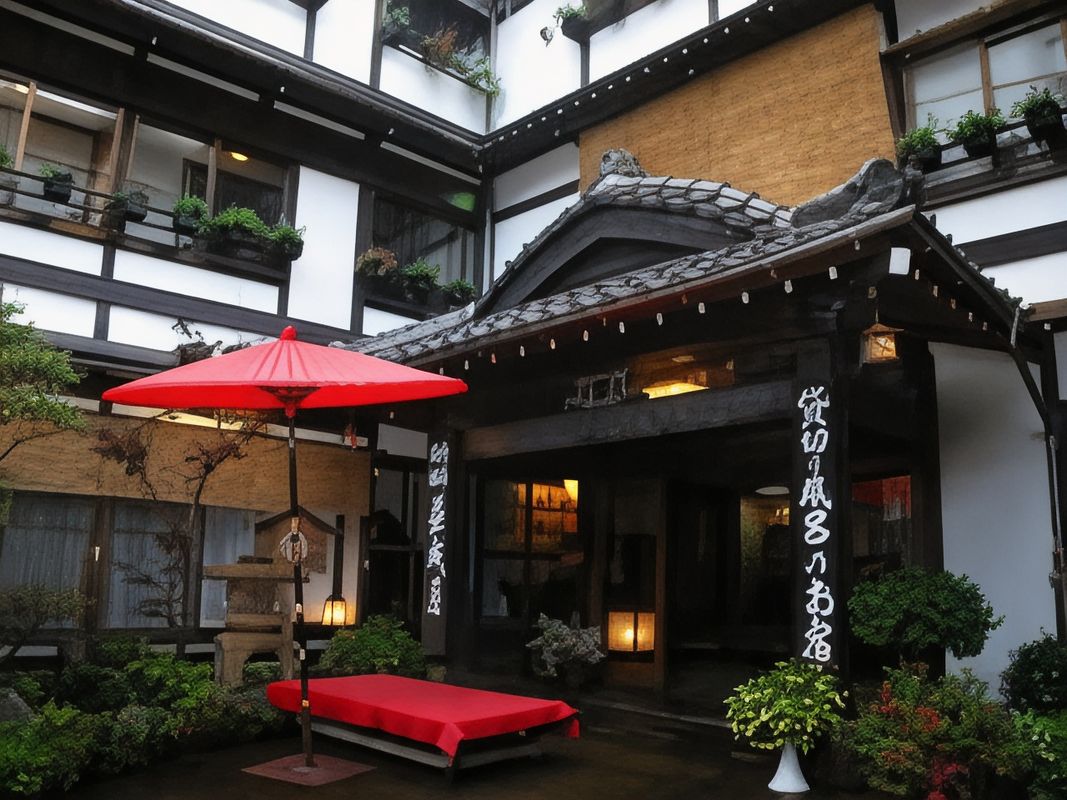
Ekinariya Ryokan
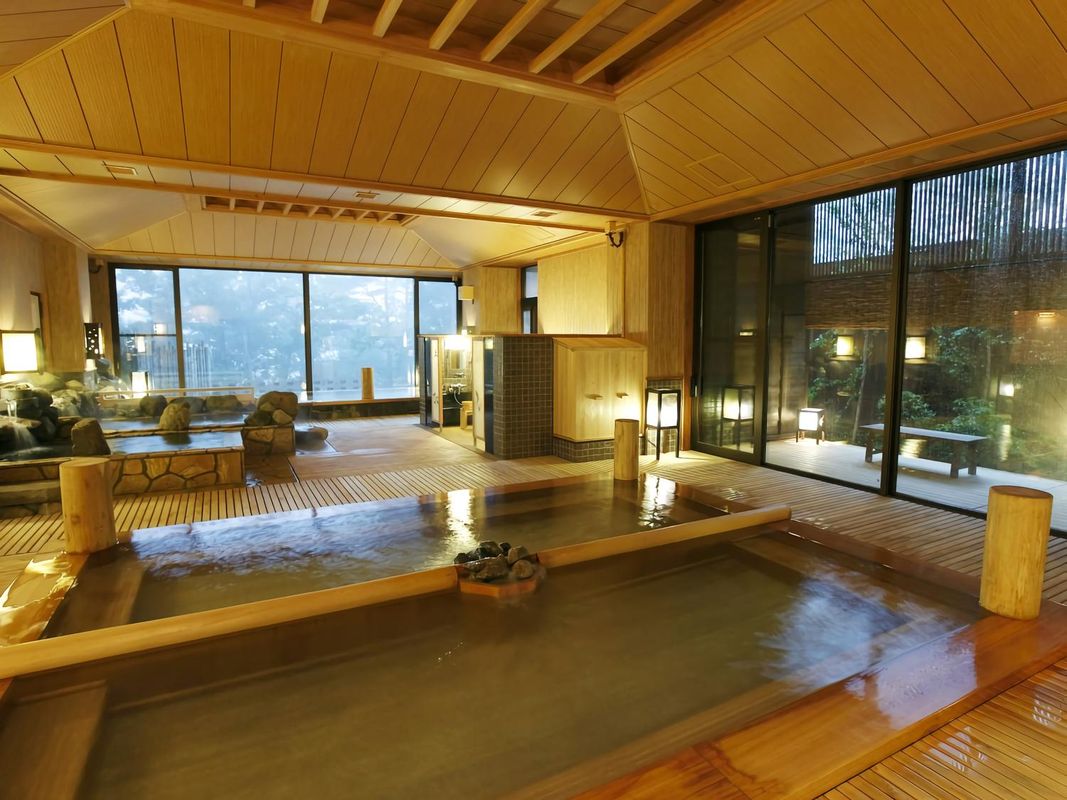
Konoha
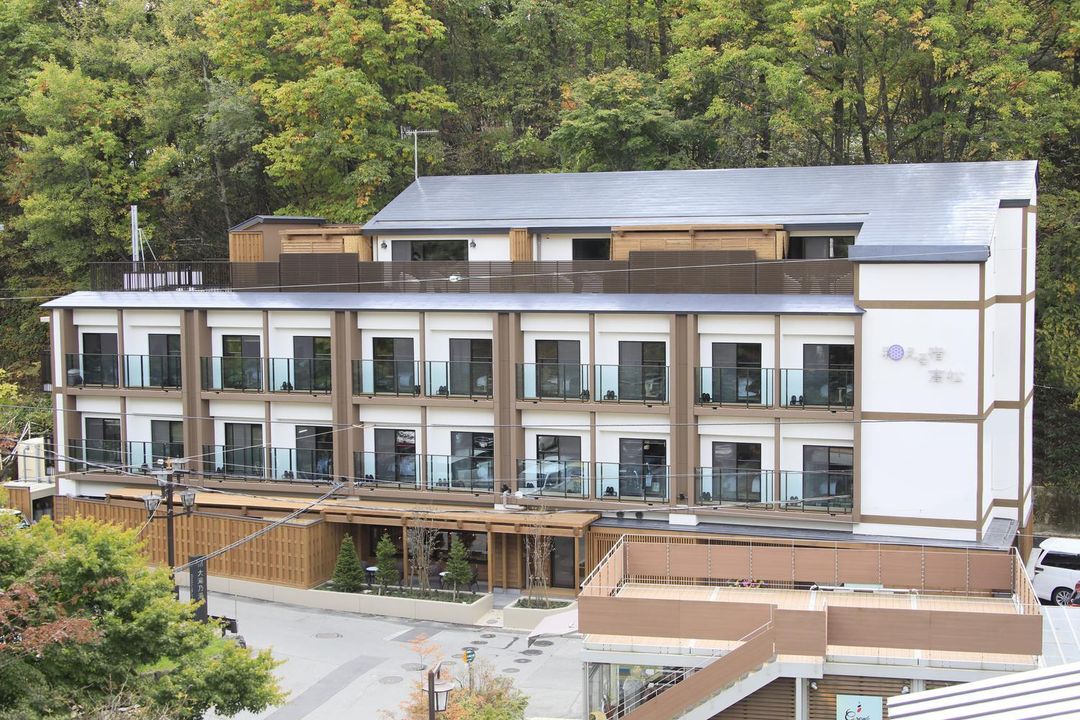
KusatsuOnsen AeruyadoTakamatsu
Best Hotels in Kusatsu
Discover curated hotel collections in Kusatsu
La Terra Resort
Fufu Karuizawa Wind of Sunshine
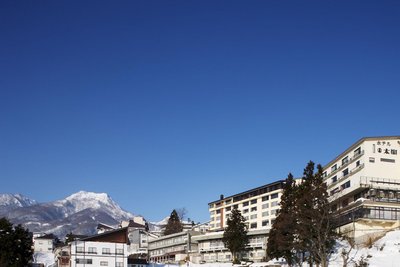
Hotel Taiko, Akakura Onsen
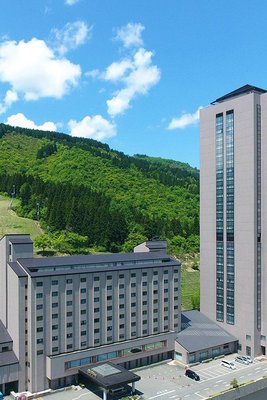
Naspa New Otani
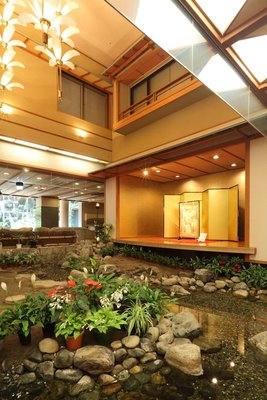
Hotel Futaba
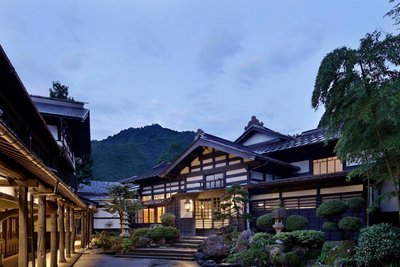
Ryugon
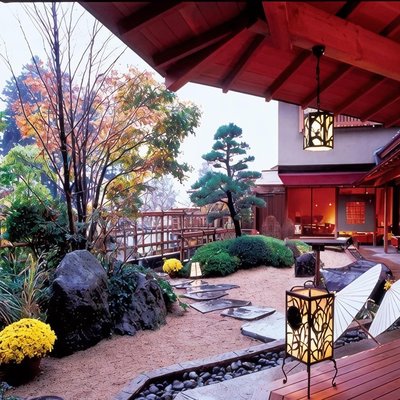
Oyado Tamaki

Tokinoniwa
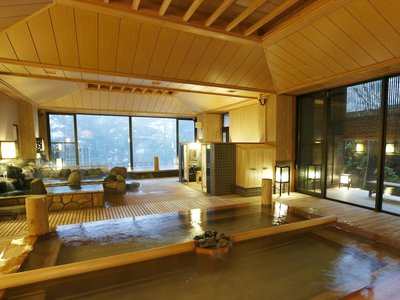
Konoha
Nakamatsuya Ryokan
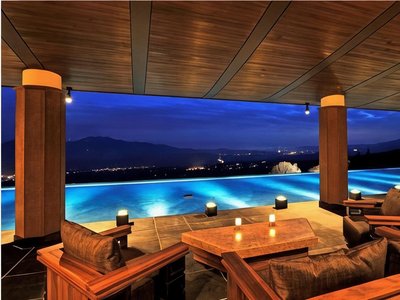
Akakura Kanko Hotel
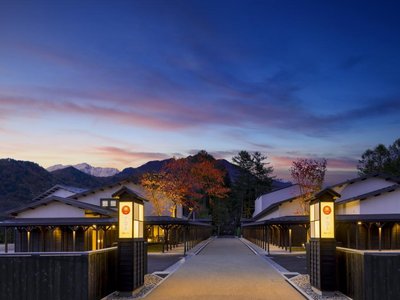
Hoshino Resorts KAI Alps
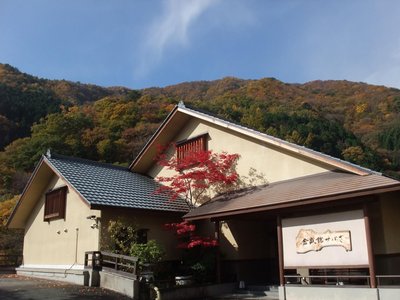
Kinseikan Seseragi
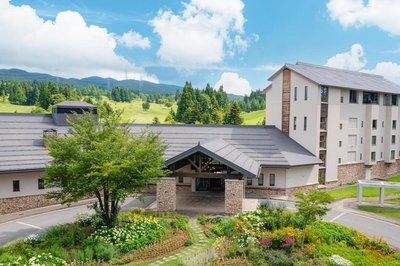
Atema Kogen Resort Belnatio
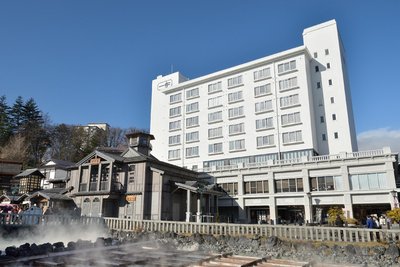
Kusatsu Onsen Hotel Ichii
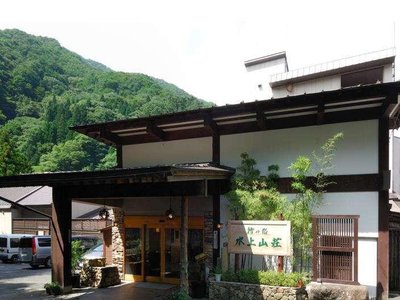
Minakamisansou
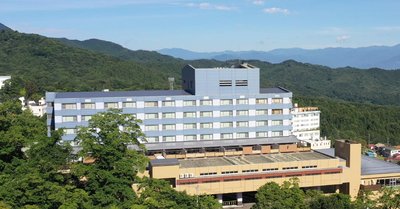
Hotel Kogure
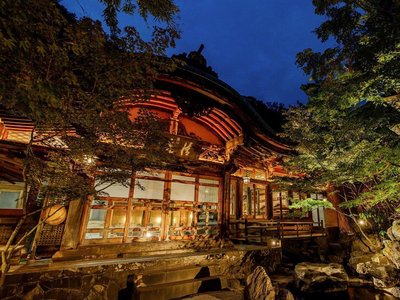
Yorozuya
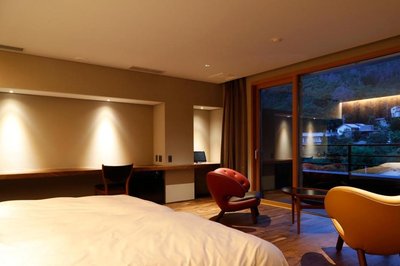
Matsumoto Jujo
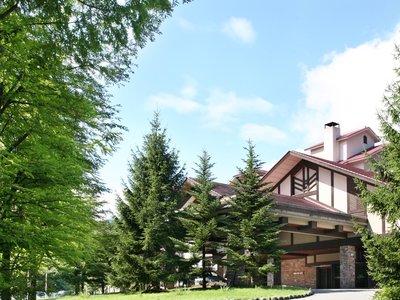
Hakuba Tokyu Hotel
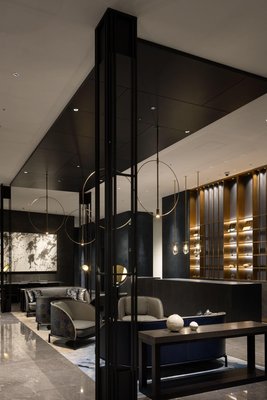
Bellustar Tokyo, A Pan Pacific Hotel
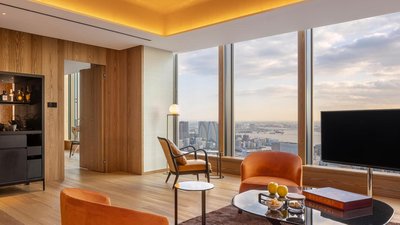
Bvlgari Hotel Tokyo
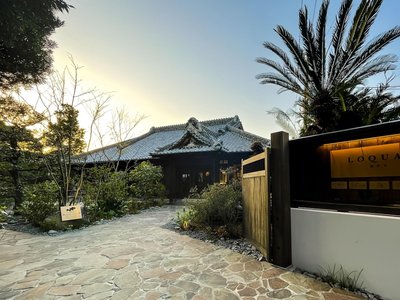
Loquat Nishiizu
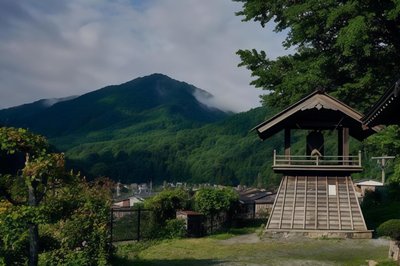
Byaku Narai
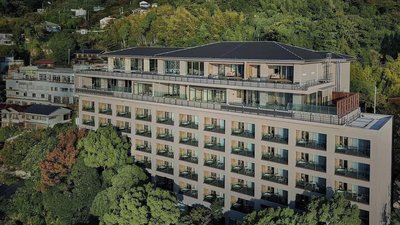
Atami Izusan Karaku
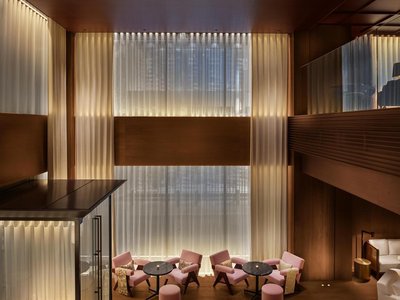
The Tokyo Edition, Ginza
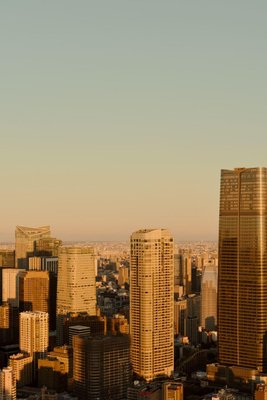
Janu Tokyo
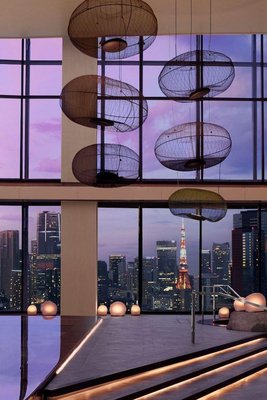
JW Marriott Hotel Tokyo
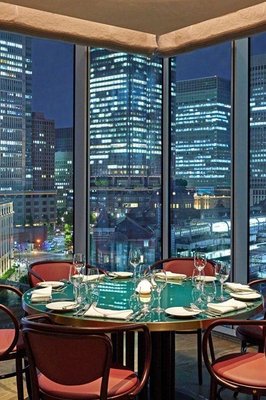
Four Seasons Hotel Tokyo at Marunouchi

Mandarin Oriental, Tokyo
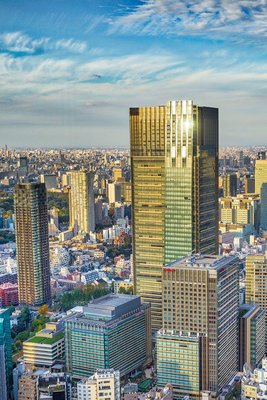
The Ritz-Carlton, Tokyo
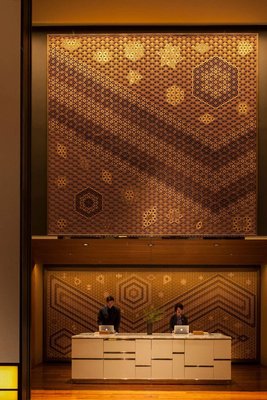
Andaz Tokyo Toranomon Hills- A Concept by Hyatt
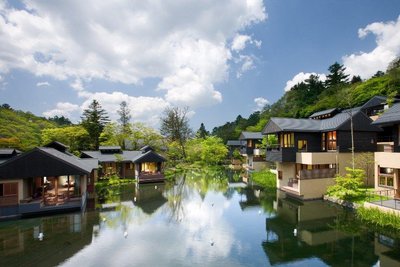
Hoshinoya Karuizawa
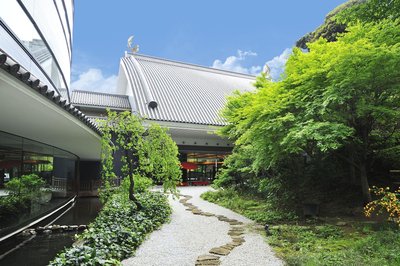
Hotel Gajoen Tokyo
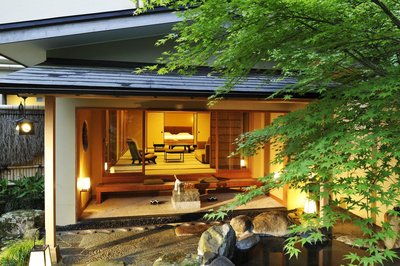
Gora Kadan
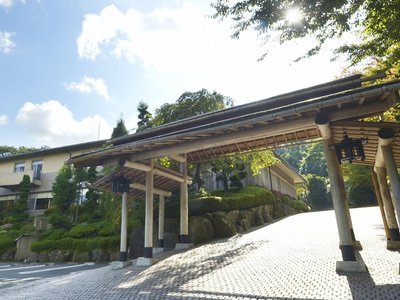
Gora Hanaougi
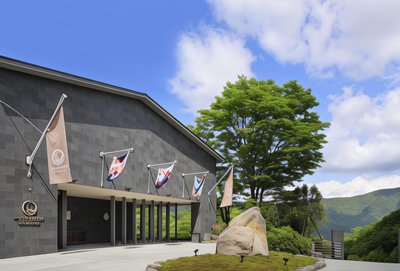
The Hiramatsu Hotels & Resorts Sengokuhara Hakone
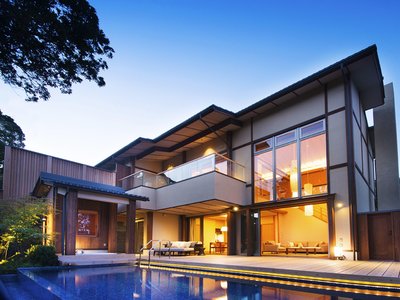
Abba Resorts Izu - Zagyosoh
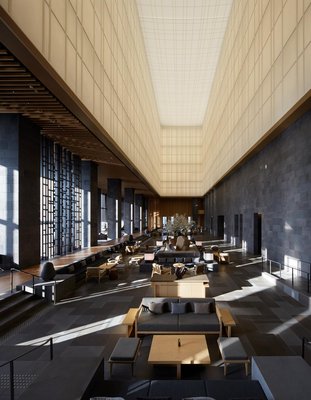
Aman Tokyo
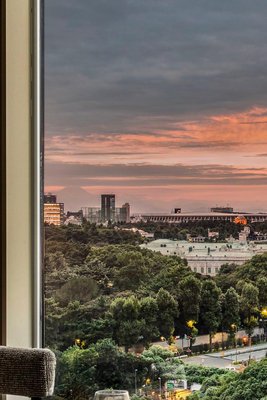
Hotel New Otani Tokyo, Executive House Zen
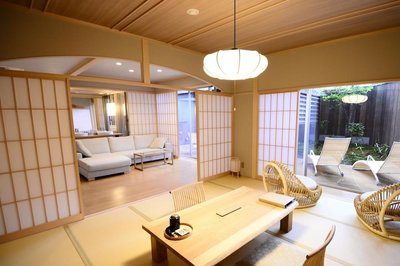
Hakone Gora Byakudan
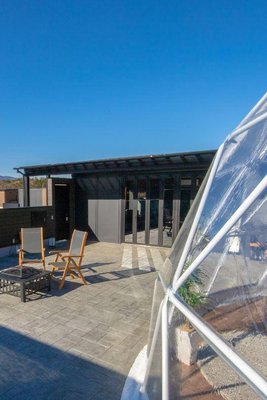
Panoramic Mt. Fuji Views from All Rooms – Vision Glamping Resort & Spa Yamanakako
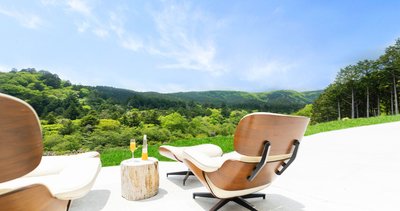
Shelter Garden Nikko
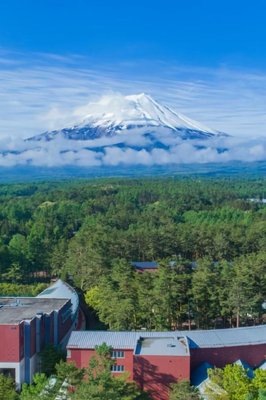
Forest Village (Fuji Premium Resort)
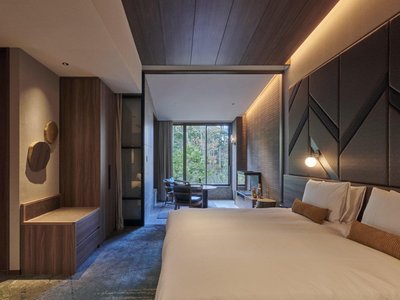
Fufu Kyu-Karuizawa Restful Forest
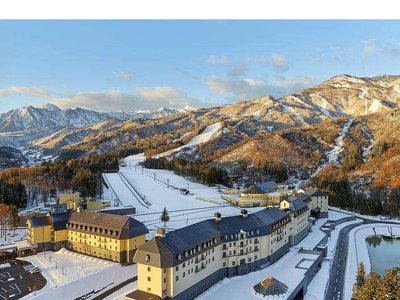
Lotte Arai Resort
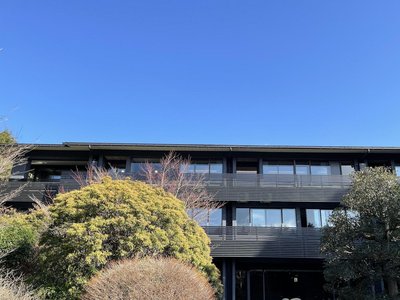
Sengokubara Cocon
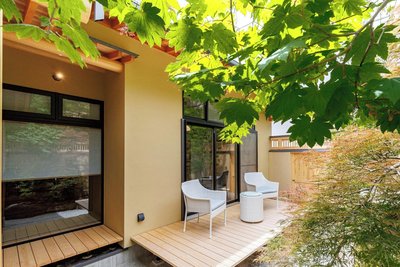
Shoraiso
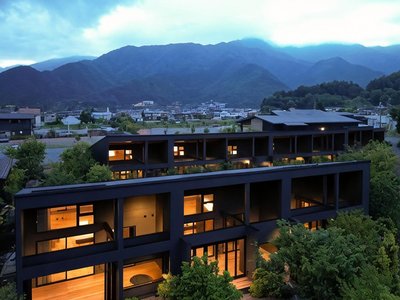
7C Villa and Winery
Hotel la Vigne Hakuba by Onko Chishin
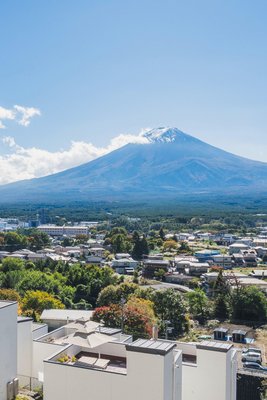
THE TOKI FujiKawaguchiko
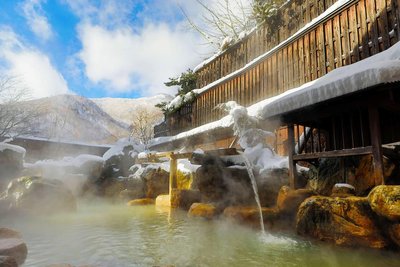
Miyamaouanbekkan yumegurinoyado hirayukan
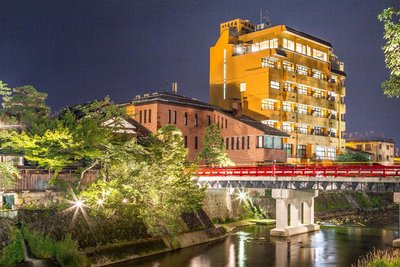
HONJIN HIRANOYA BEKKAN
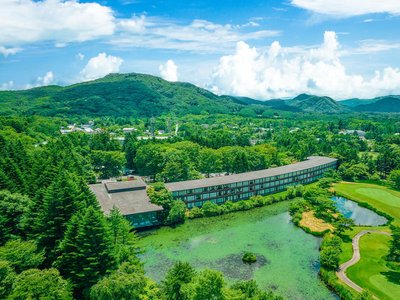
The Prince Karuizawa
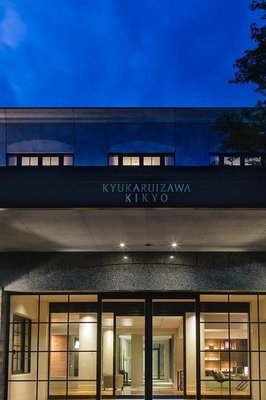
Kyukaruizawa Kikyo, Curio Collection by Hilton
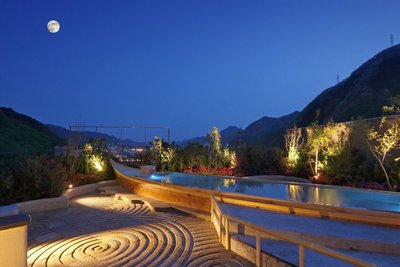
Asaya
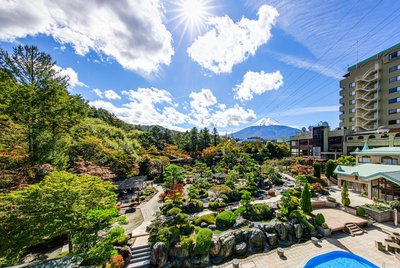
Kaneyamaen
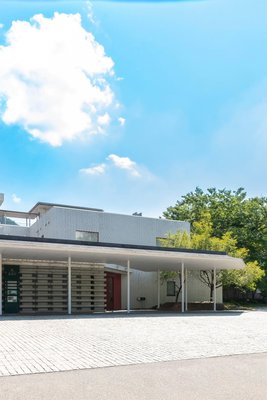
RIVER RETREAT GARAKU
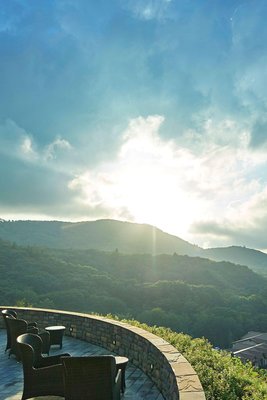
Le Grand Karuizawa Hotel & Resort
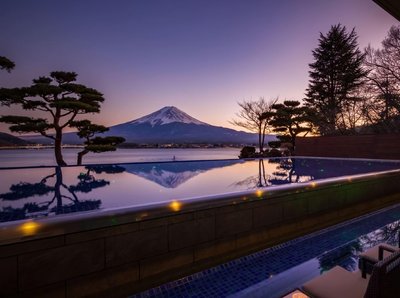
Shuhokaku Kogetsu
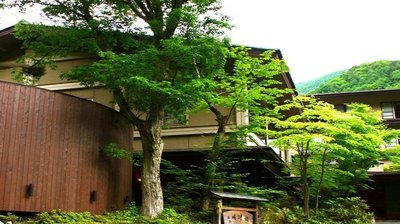
Myojinkan
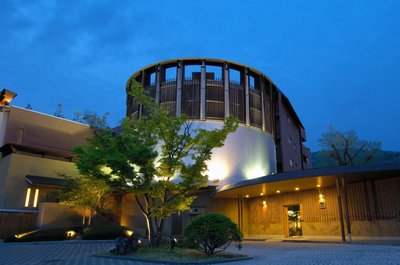
Hoshino Resorts Kai Matsumoto

The Address Akakura
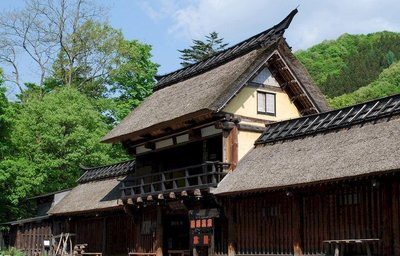
Kayabukinosato Yakushionsen Hatago
Hotel Futaba
Ryugon
Tokinoniwa

The Kukuna
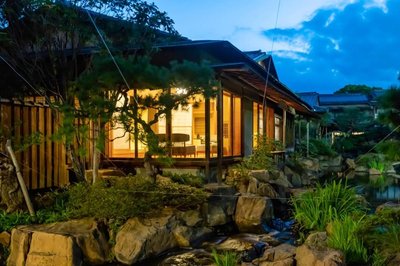
Tokiwa Hotel
Nakamatsuya Ryokan
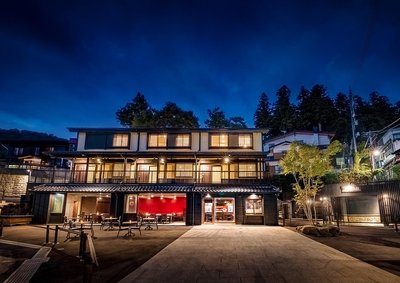
Ryokan Sakaya
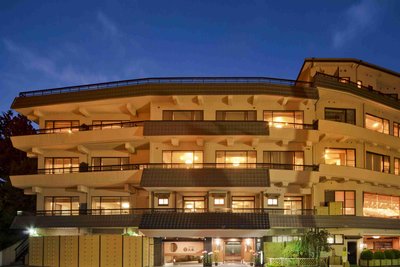
Maruei
Akakura Kanko Hotel
Hoshino Resorts KAI Alps
Kinseikan Seseragi
Kusatsu Onsen Hotel Ichii
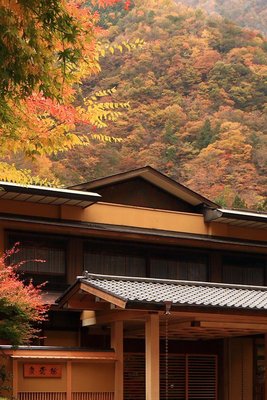
Nishiyama Onsen Keiunkan
Yorozuya
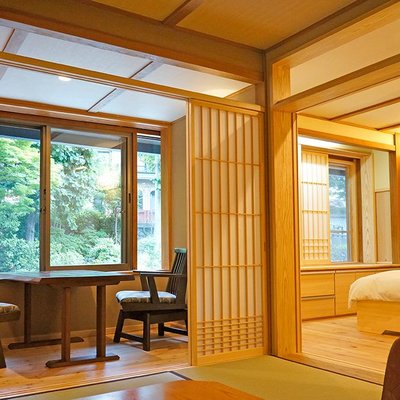
Sumiyosiya Ryokan
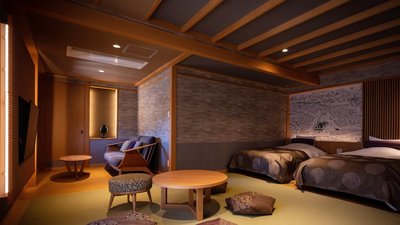
Naraya
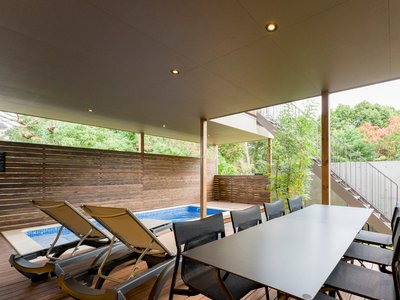
Rakuten STAY VILLA Kamogawa
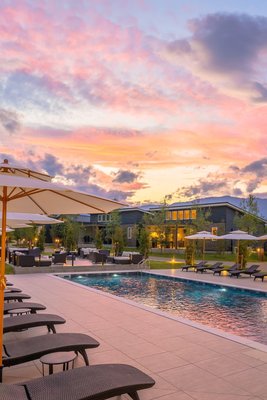
Awaumi Fujikawaguchiko Resort
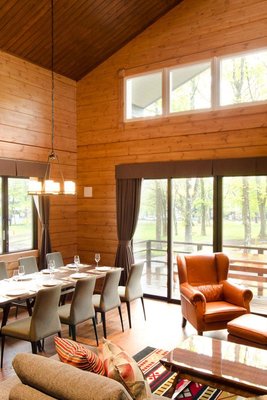
The Prince Villa Karuizawa
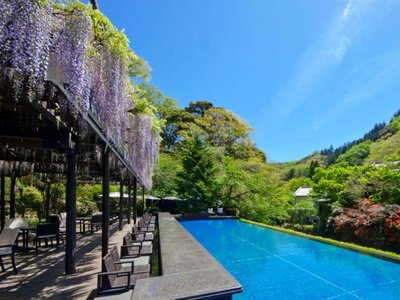
Tofuya Resort & Spa Izu
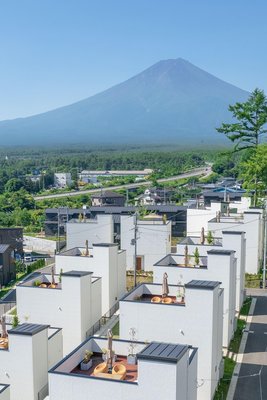
Fuji Granvilla -TOKI-
The Address Akakura
Naspa New Otani
The Prince Karuizawa
Hotel Futaba
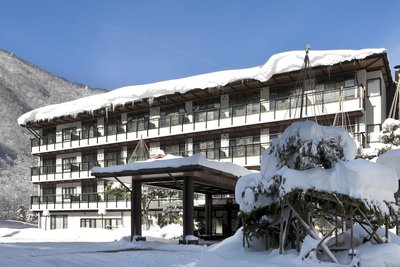
Okada Ryokan Warakutei
Ryokan Sakaya
Kyukaruizawa Kikyo, Curio Collection by Hilton
Akakura Kanko Hotel
Hoshino Resorts KAI Alps
Hakuba Tokyu Hotel
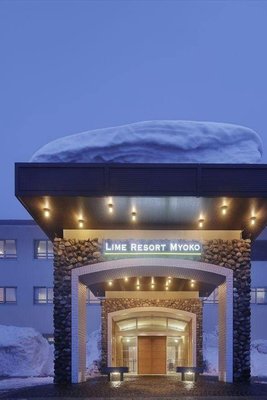
Lime Resort Myoko
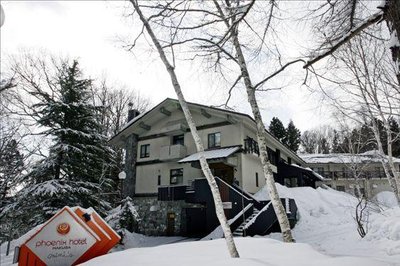
Phoenix Hotel by Hhg
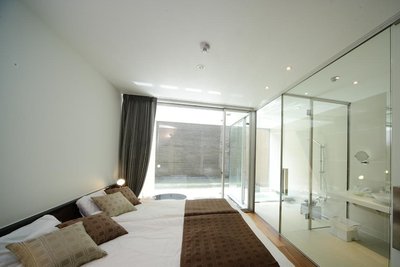
Four Seasons Yuzawa Quattro
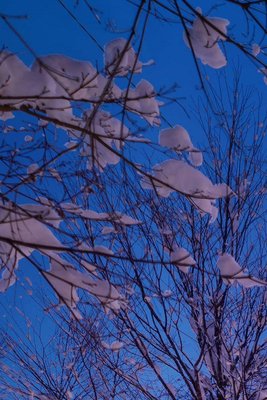
Courtyard by Marriott Hakuba
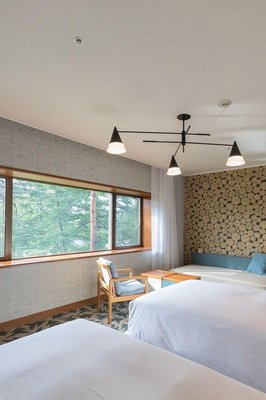
Karuizawa Prince Hotel East
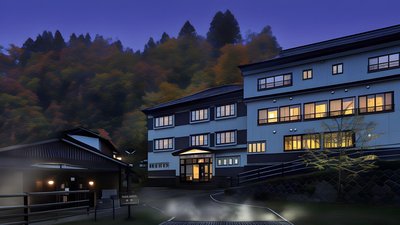
Zao Onsen Omiya Ryokan
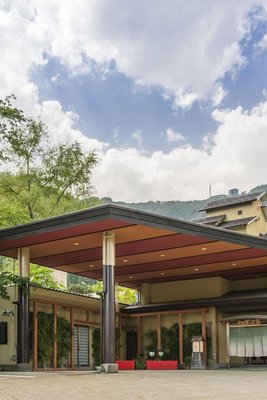
Shosenkaku Kagetsu
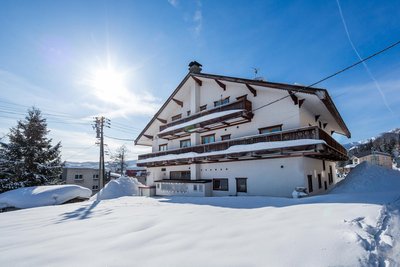
Marillen Hotel by Hhg
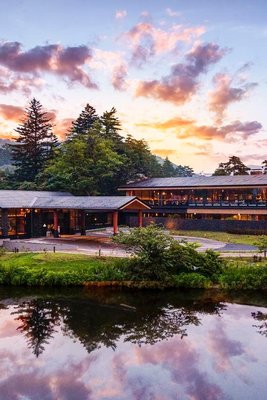
Karuizawa Prince Hotel West
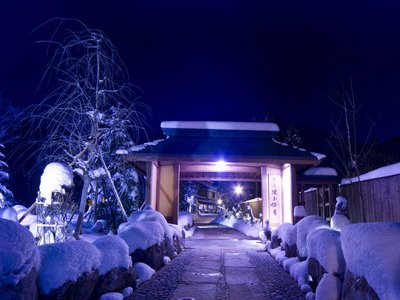
Miyama Ouan
Bvlgari Hotel Tokyo
Four Seasons Hotel Tokyo at Marunouchi
Mandarin Oriental, Tokyo
The Ritz-Carlton, Tokyo
Andaz Tokyo Toranomon Hills- A Concept by Hyatt
Gora Kadan
Hotel New Otani Tokyo the Main
Aman Tokyo
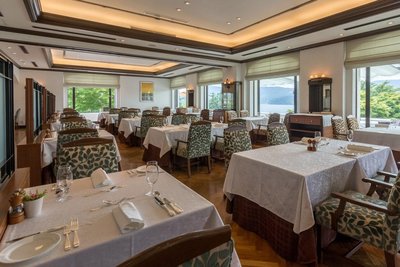
Odakyu Hotel de Yama
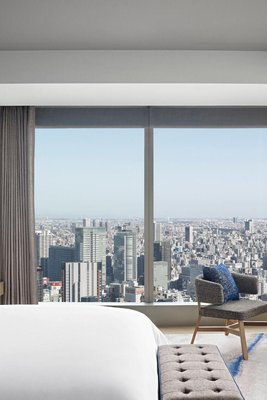
Four Seasons Hotel Tokyo at Otemachi
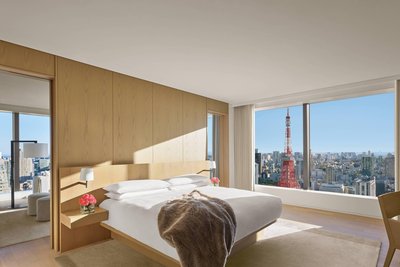
The Tokyo Edition, Toranomon

Hyatt Centric Kanazawa
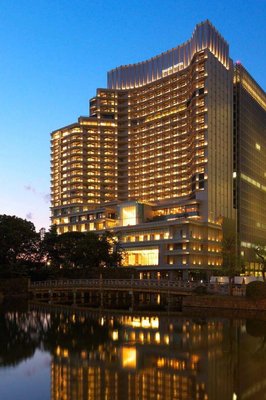
Palace Hotel Tokyo
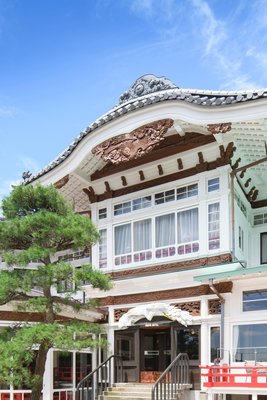
Fujiya Hotel
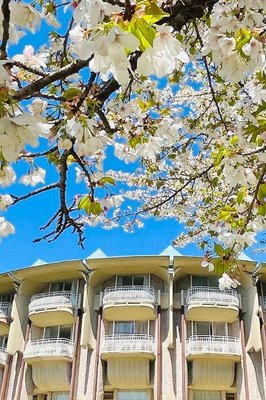
The Prince Hakone Lake Ashinoko
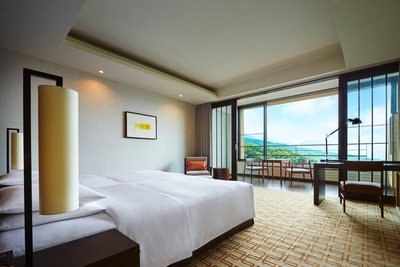
Hyatt Regency Hakone Resort and Spa
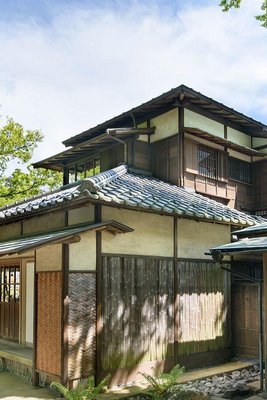
Hakone Suishoen
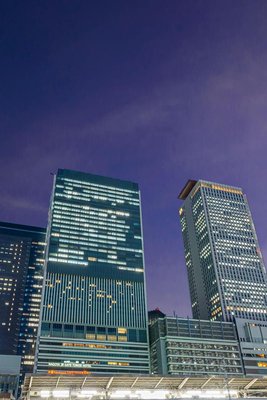
Nagoya JR Gate Tower Hotel (JR-Central Hotels)
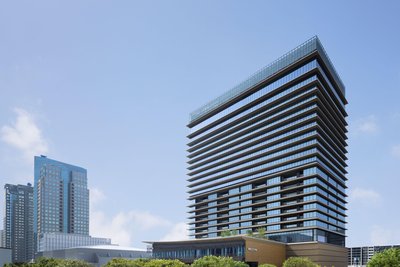
The Westin Yokohama
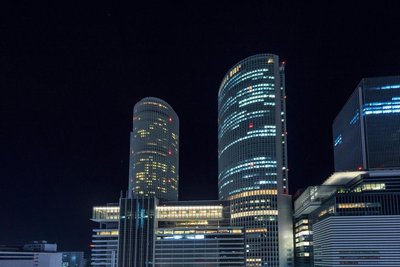
Nagoya Marriott Associa Hotel
Bellustar Tokyo, A Pan Pacific Hotel
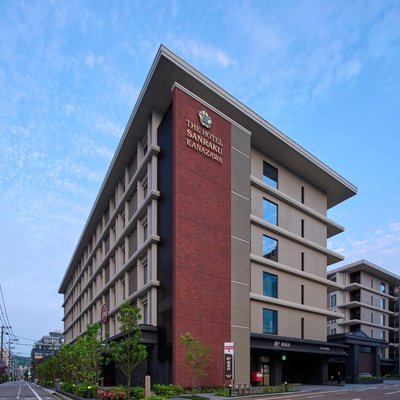
The Hotel Sanraku Kanazawa 21th December 2022 Open
JW Marriott Hotel Tokyo
Andaz Tokyo Toranomon Hills- A Concept by Hyatt
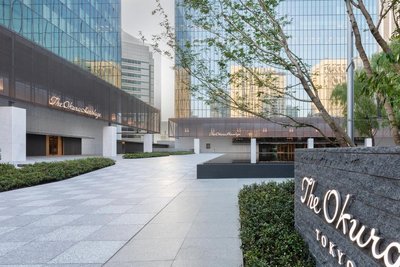
The Okura Tokyo
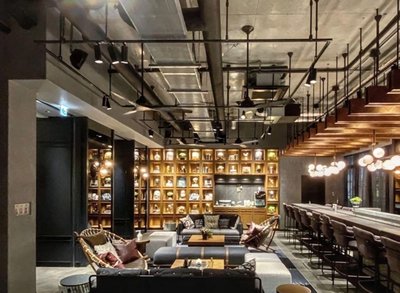
The Lively Azabujuban Tokyo
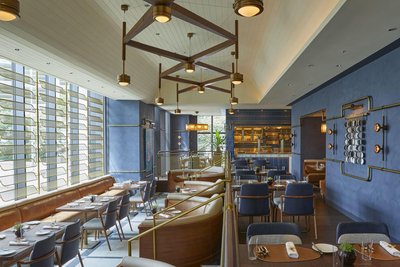
Kimpton Shinjuku Tokyo

HOTEL K5
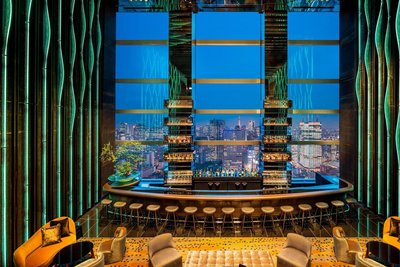
The Prince Gallery Tokyo Kioicho, a Luxury Collection Hotel
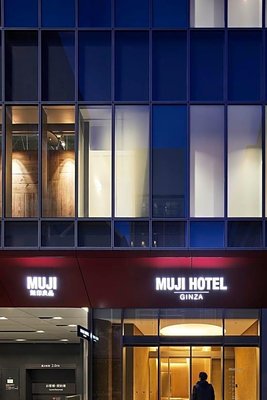
Muji Hotel Ginza
Hakone Gora Byakudan
JW Marriott Hotel Tokyo
The Prince Karuizawa
The Kukuna
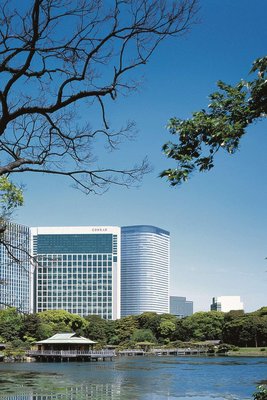
Conrad Tokyo
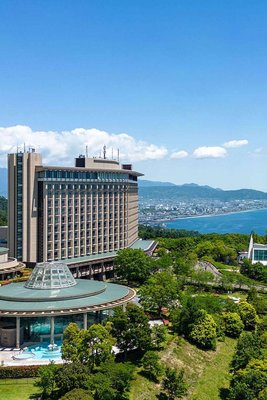
Hilton Odawara Resort & Spa
Hoshinoya Karuizawa
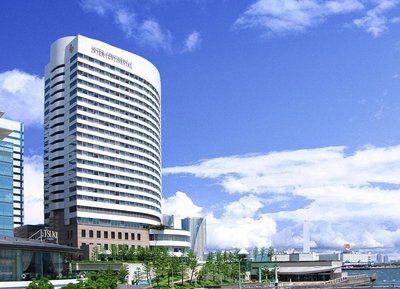
InterContinental Tokyo Bay
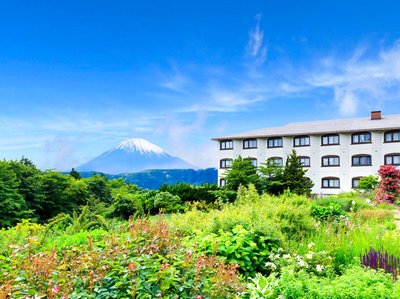
Hotel Green Plaza Hakone
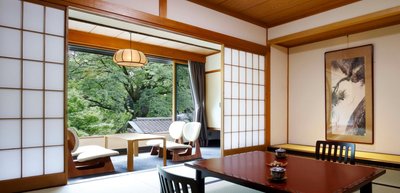
Yoshiike Ryokan
Akakura Kanko Hotel
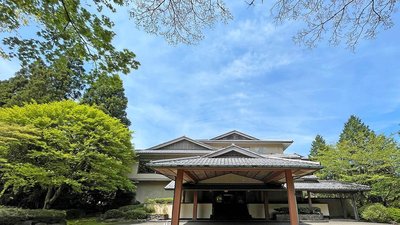
Ryuguden
Asaya
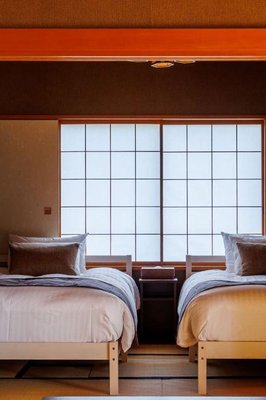
Sado Resort Hotel Azuma
Kaneyamaen
Shuhokaku Kogetsu
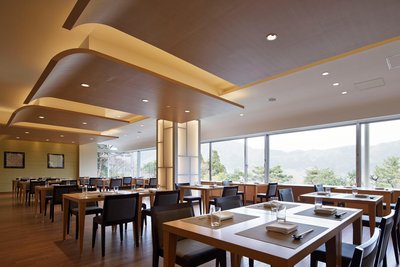
Laforet Hakone Gora Yunosumika
Odakyu Hotel de Yama
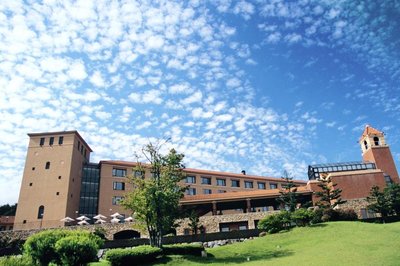
Fruit Park Fujiya Hotel

Hotel Indigo Hakone Gora
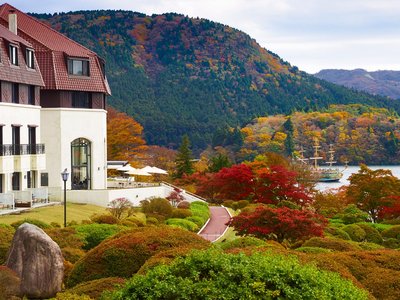
Hotakajyo

Onyado Nono Asakusa Bettei Hot Spring
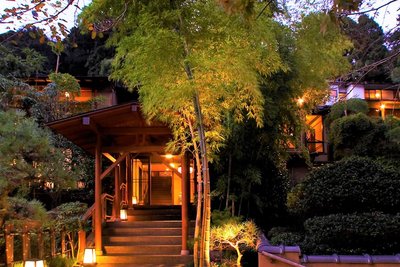
Shiki wo Ajiwau Yado Yamano Chaya
Hoshino Resorts Kai Matsumoto
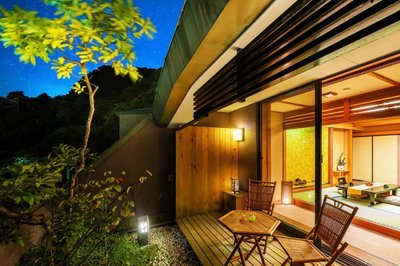
Konjakutei
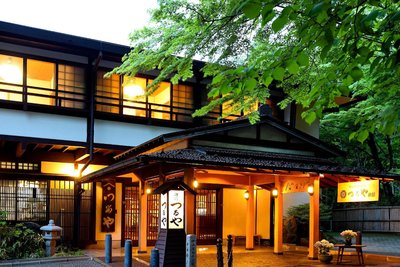
Tsuruya Ryokan
Nakamatsuya Ryokan
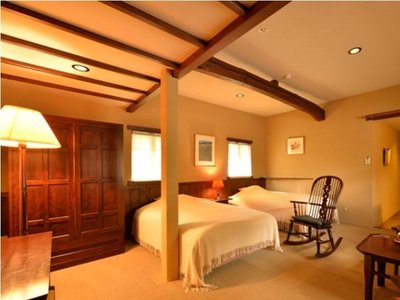
Ryokan Sugimoto
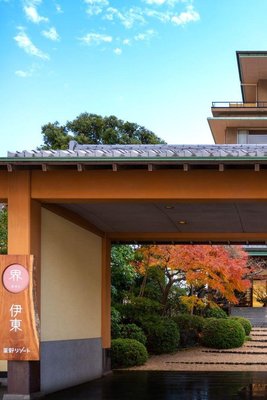
Hoshino Resorts Kai Ito
Yoshiike Ryokan
Hotel Gajoen Tokyo
Gora Hanaougi
Sado Resort Hotel Azuma
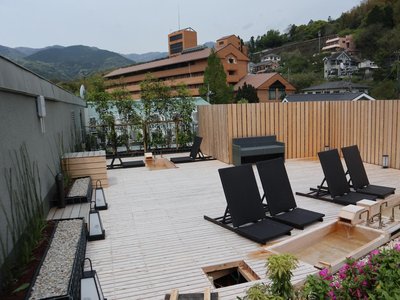
Fukiya Ryokan
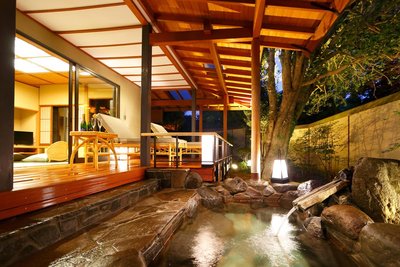
Yoshiharu Ryokan – Izu Nagaoka Onsen
Nishiyama Onsen Keiunkan
Sumiyosiya Ryokan
Naraya
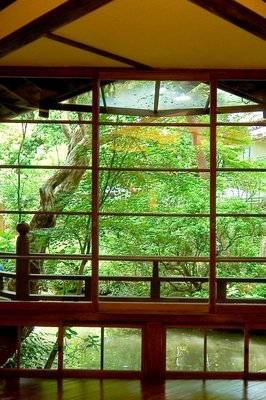
Yukairo Kikuya
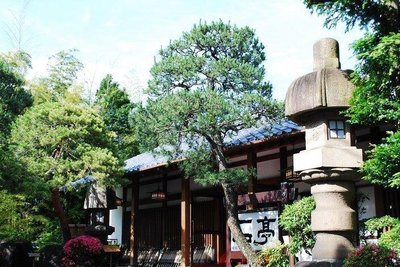
Atami Sekitei

Rakuten STAY VILLA Nasu
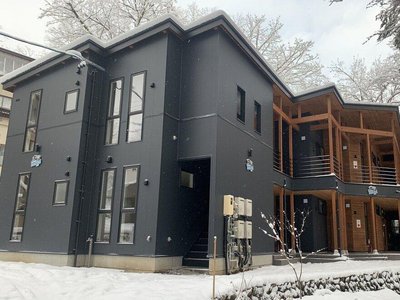
Hakuba Gondola Apartments
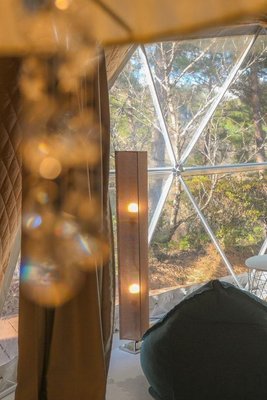
glampark Gekkabijin Nagano
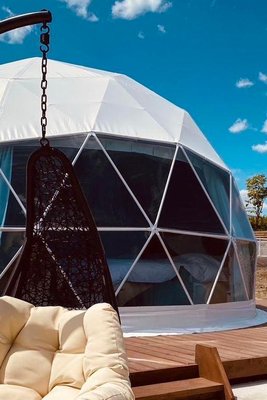
chillout glamping zao
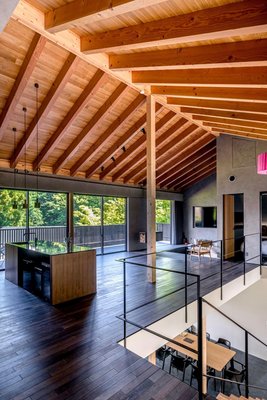
MONS GORA

Phoenix Chalets by Hhg
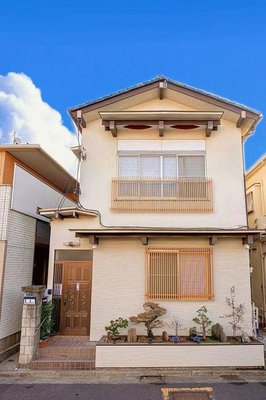
Tokyo Star House-Shinkoiwa
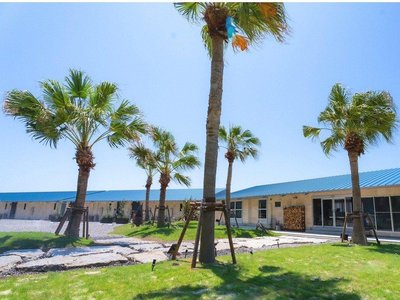
Glamping&Resort Wood Design Park Noma
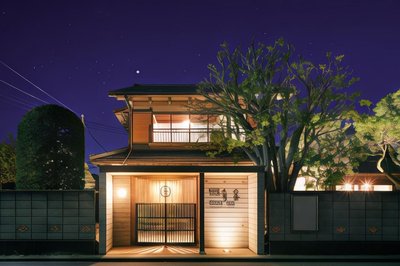
Machi-Jyu
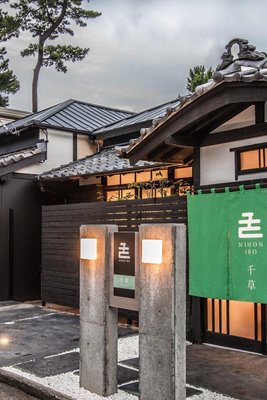
Nihon Iro
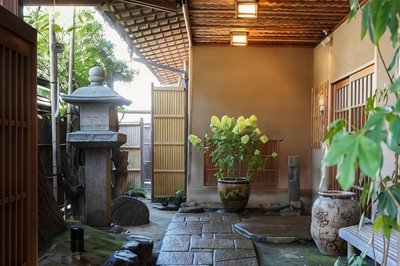
Ryokan Asadaya
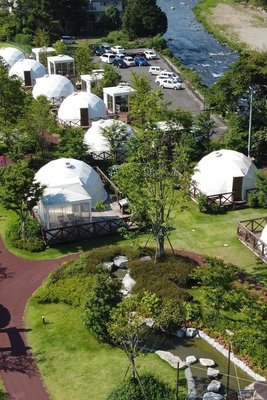
Ufufu Village
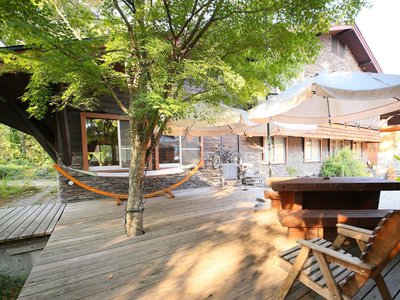
Kunugi Relaxation with 4 Modern Rooms
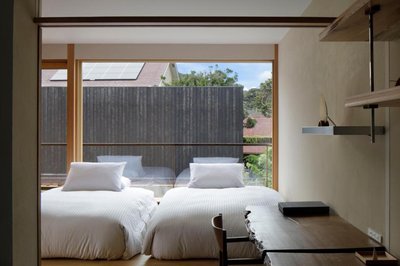
Modern Ryokan Kishi-ke

Petals Tokyo - Floating Hotel
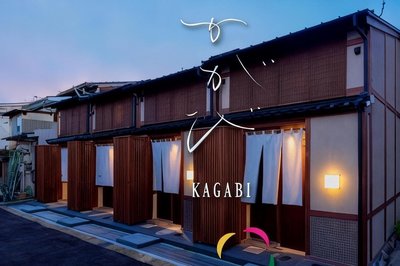
Kagabi Machiya House
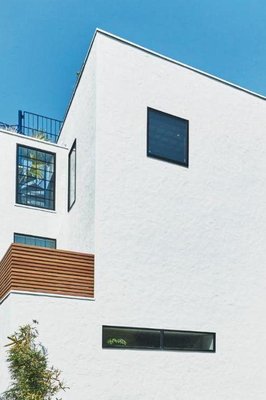
The Flow Kamakura
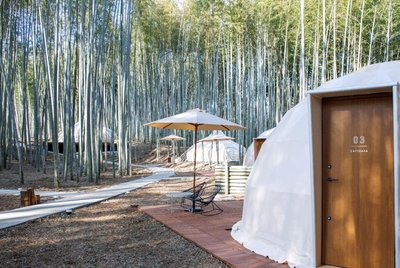
THE BAMBOO FOREST
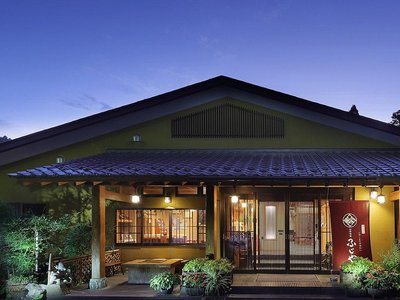
Shikimitei Fujiya
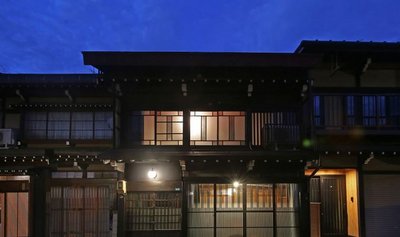
Iori Stay Hida
Frequently Asked Questions about Traveling to Kusatsu
Questions You Might Need to Know About Traveling to Kusatsu
In Kusatsu Town, the top choice for a private onsen experience is Kusatsuya Ryokan, a centuries-old traditional inn nestled in the heart of the hot spring district. Each room features a private outdoor bath overlooking lush greenery, allowing guests to soak while enjoying mountain views. The property also serves authentic kaiseki cuisine and offers personalized service. Another excellent option is Kusatsu Onsen Grand Hotel, known for its spacious suites with individual baths and complimentary foot baths. Both provide an immersive cultural experience rooted in Japan’s onsen heritage.
The Kusatsu Onsen District is perfect for first-time visitors. Located just steps from major hot springs, restaurants, souvenir shops, and the local train station, it offers seamless access to all essentials. The streets are lined with preserved wooden buildings illuminated by lanterns at night, creating a charming atmosphere. Staying here ensures easy navigation and ample opportunities to experience authentic onsen culture, making it ideal for travelers unfamiliar with Japanese customs or language.
Kusatsu Town’s hot springs are renowned as the "World’s Best Hot Spring" due to their high sulfur content and exceptional healing properties. The water flows at 68°C from deep underground, rich in minerals that help detoxify skin and relieve muscle tension. A unique feature is Tōno Hana (Spring Flower) — natural mineral crystals that float on the surface, indicating purity. Visitors can enjoy the Onsen Pilgrimage (Yūmori no Tabi), exploring different baths across inns, each offering distinct ambiance and temperature—especially magical during winter snowfall.
Tourists must attend the annual Kusatsu Onsen Festival in July, featuring vibrant dance performances and fireworks. Visit the Kusatsu Onsen Museum to learn about the town’s history and traditional healing practices. Participate in a guided onsen tour, where locals teach proper etiquette and water usage rituals. Don’t miss the chance to witness the Oyakata Ceremony, a symbolic ritual honoring the spiritual guardian of the springs, which deepens understanding of local beliefs and respect for nature.
Must-try dishes include Kusatsu Beef, a premium wagyu from Gunma Prefecture, best enjoyed as grilled steak at Kusatsuya Ryokan. Try onsen tamago (hot spring eggs), slowly cooked in thermal waters for a silky texture. Other highlights are Kusatsu tofu, delicate and fresh, and mountain vegetable tempura made with seasonal wild greens. For dessert, sample Kusatsu matcha mochi at local sweet shops, paired with regional green tea for a truly authentic taste of the region.
Yes, Kusatsu Town is highly family-friendly. Attractions like the Kusatsu Children’s Museum offer interactive exhibits on hot springs and nature. The Kusatsu Nature Park has scenic walking trails, birdwatching spots, and picnic areas perfect for kids. Many ryokan provide child-sized yukata, toys, and even supervised activities. Some hotels have indoor playrooms and family onsen baths. With thoughtful amenities and welcoming staff, it’s an ideal destination for multi-generational travel.
From Tokyo, take the Tobu Railway Limited Express to Kusatsu Station, which takes about 2 hours. From the station, a free shuttle bus runs directly to the onsen district. Alternatively, drive via the Kosen Expressway to the Kusatsu Interchange, then follow signs to the town center—just 5 minutes away. Public transport is reliable and tourist-friendly, with multilingual signage and assistance available at key stations.
Each season brings unique beauty: Spring sees cherry blossoms along the Kusatsu River, painting the valley pink; Summer hosts the dazzling Night Fire Festival and lively street events; Autumn transforms hillsides into fiery red and gold landscapes, especially around Kusatsu Whitehead Mountain; Winter blankets the town in snow, turning the steaming onsen into a serene, ethereal scene. Whether you visit in misty dawn or starlit evening, Kusatsu offers breathtaking seasonal contrasts.
Enjoy a stroll through the lantern-lit streets of the onsen district, where soft light glows through paper lanterns. Experience a nighttime onsen tour, soaking in heated baths under starry skies. Attend the Kusatsu Night Fire Festival in summer, featuring pyrotechnics and dancers in traditional costumes. For a quiet moment, sip local sake in your ryokan’s lounge while listening to the rustling bamboo forest outside—perfect for relaxation after a long day.
Capture stunning shots at the lantern-lined alleyways of the onsen district at sunrise or twilight. Frame the stone bridge over Kusatsu River with clear reflections for a classic composition. In autumn, photograph the red and gold foliage along hiking trails near Kusatsu Whitehead Mountain. At night, shoot the private onsen terrace with mountains and stars in the background. Bring a tripod for low-light scenes—especially during winter when steam rises dramatically against snowy backdrops.
Kusatsu Overview
City Summary
Kusatsu Town in Gunma Prefecture, Japan, is renowned for its hot springs, ranking among Japan's top three famous onsens. The town boasts stunning natural scenery with distinct seasons, particularly famous for autumn foliage and winter snowscapes. The highly acidic springs are known for their therapeutic properties, attracting visitors seeking relaxation. The town exudes traditional Japanese charm, with streets lined with ryokans and souvenir shops, offering a glimpse into its rich history.
Must-See Attractions
The Yubatake is a must-see, serving as the source of the hot springs with steam rising year-round, beautifully illuminated at night. Sainokawara Park features open-air baths and a scenic stream, perfect for leisurely walks. The Kusatsu Onsen Ski Resort offers winter sports, a paradise for enthusiasts. Don't miss the Netsunoyu performance, showcasing traditional hot spring culture.
Food Guide
Kusatsu's onsen manju (steamed buns) are a classic sweet treat with soft dough and sweet filling. Grilled iwana (char) is a local specialty, offering a unique smoky flavor. Street vendors sell onsen tamago (hot spring eggs), cooked using geothermal heat for a tender texture. Try Gunma's soba noodles, best enjoyed with local soy sauce.
Transportation Guide
Buses are the main transport; from Tokyo, take the Shinkansen to Takasaki Station, then a 2-hour bus ride. Most attractions are within walking distance, with some hotels offering free shuttle services. In winter, non-slip shoes are recommended due to snow. Renting a car is an option, but be cautious of mountain roads.
Best Time to Visit
The best time to visit is autumn (October-November) for stunning foliage and mild weather. Winter (December-February) is ideal for skiing and hot springs, but pack warm clothing. Avoid Golden Week and summer holidays to escape crowds.
Travel Tips
- Rinse before entering onsens to follow local etiquette.
- Limit soak time if sensitive to acidic waters.
- Wear non-slip shoes in winter for icy paths.
- Respect local customs by keeping noise levels low.
- Wear yukata correctly with the left side over the right.
- Check opening hours and fees for attractions in advance.
Useful Information
Japanese is the main language; some hotels offer English assistance. WiFi coverage is limited—consider a local SIM card. Cash is preferred, though some places accept cards. For emergencies, contact your hotel or visit the Kusatsu Health Center. The hilly terrain may challenge mobility; choose accommodations with elevators. Voltage is 100V, with Type A plugs, compatible with Taiwan.









