Hotels in Kusatsu
Discover your perfect stay in Kusatsu.
Kusatsu(Japan) Travel 2026: Cheap Flights, Hotels & Top Attractions
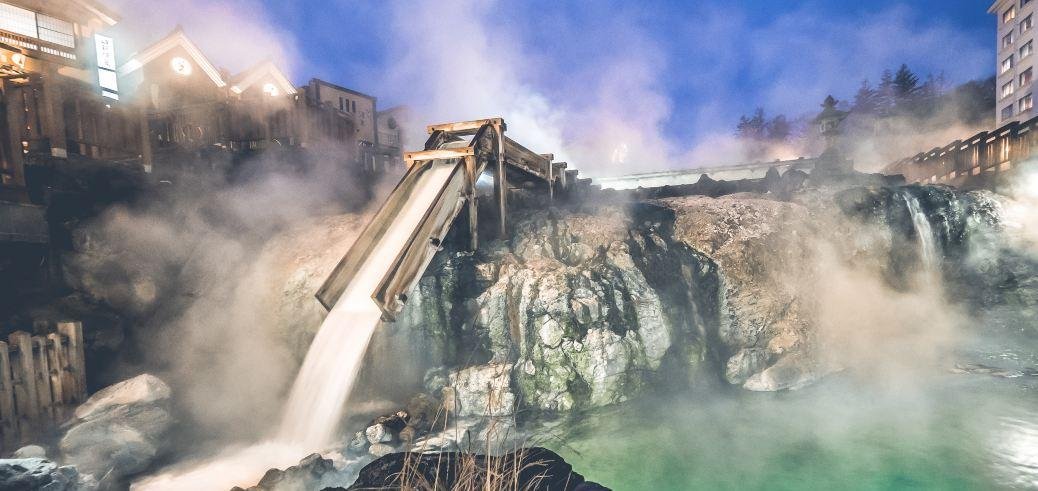
Popular Landmarks in Kusatsu
Discover the most iconic attractions in Kusatsu
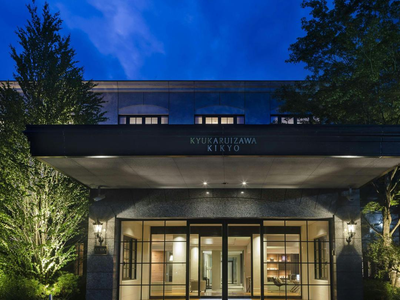
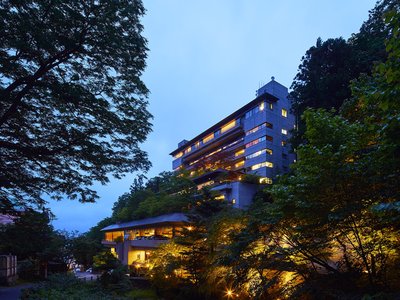
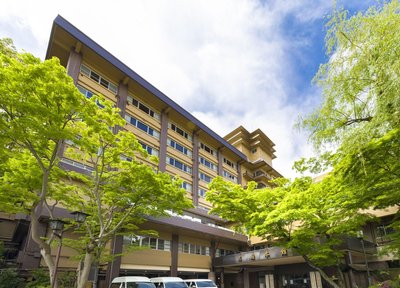
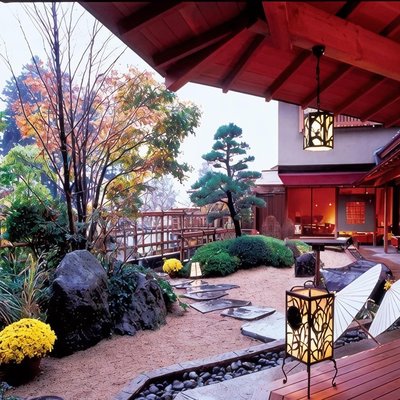
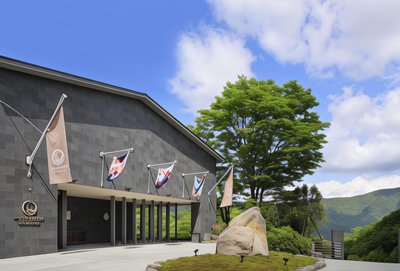
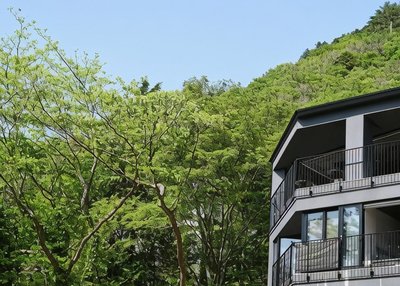
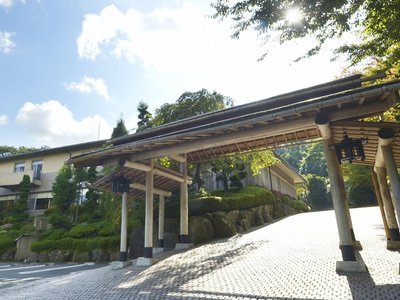
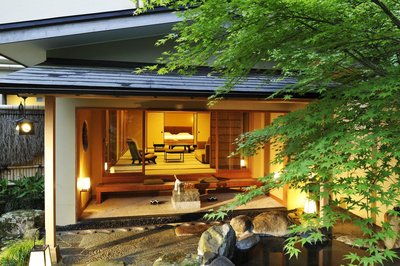
Recommended Hotels in Kusatsu
Find the perfect place to stay in Kusatsu

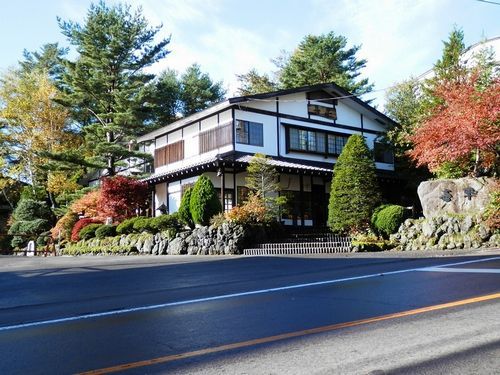
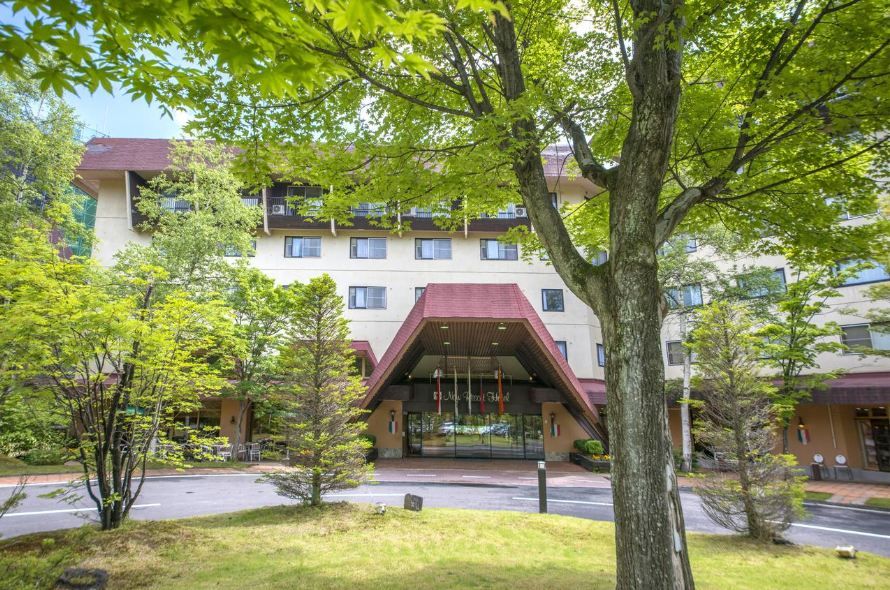
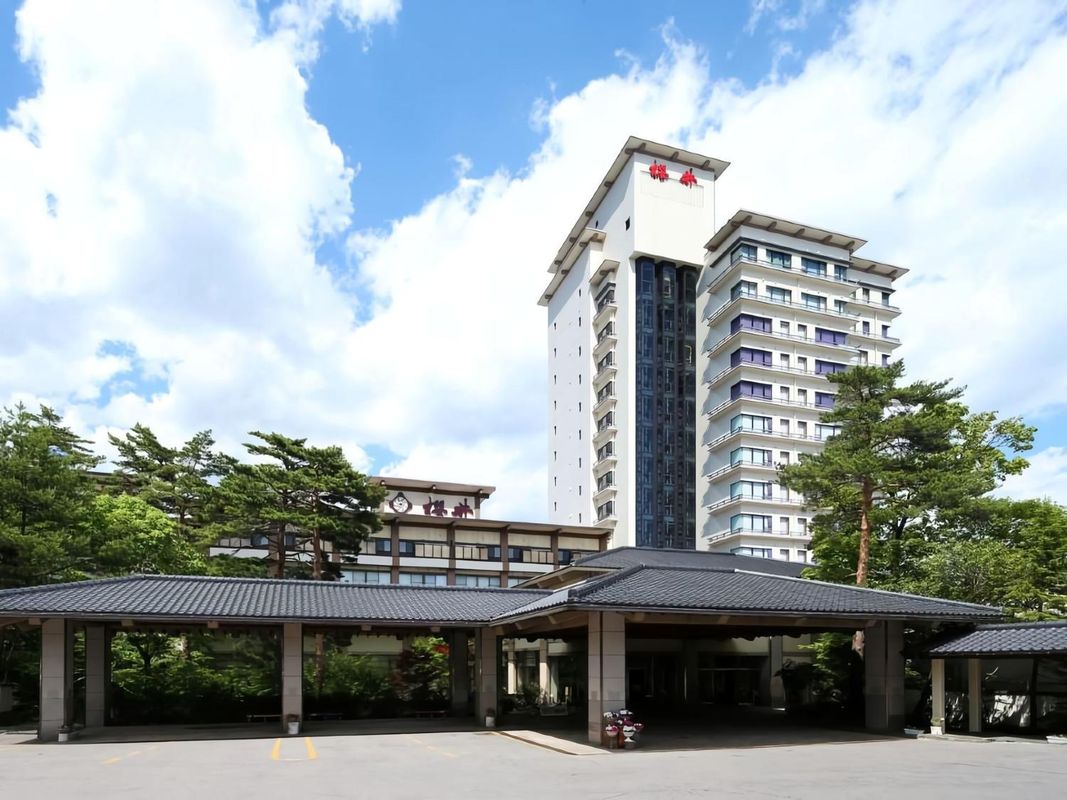
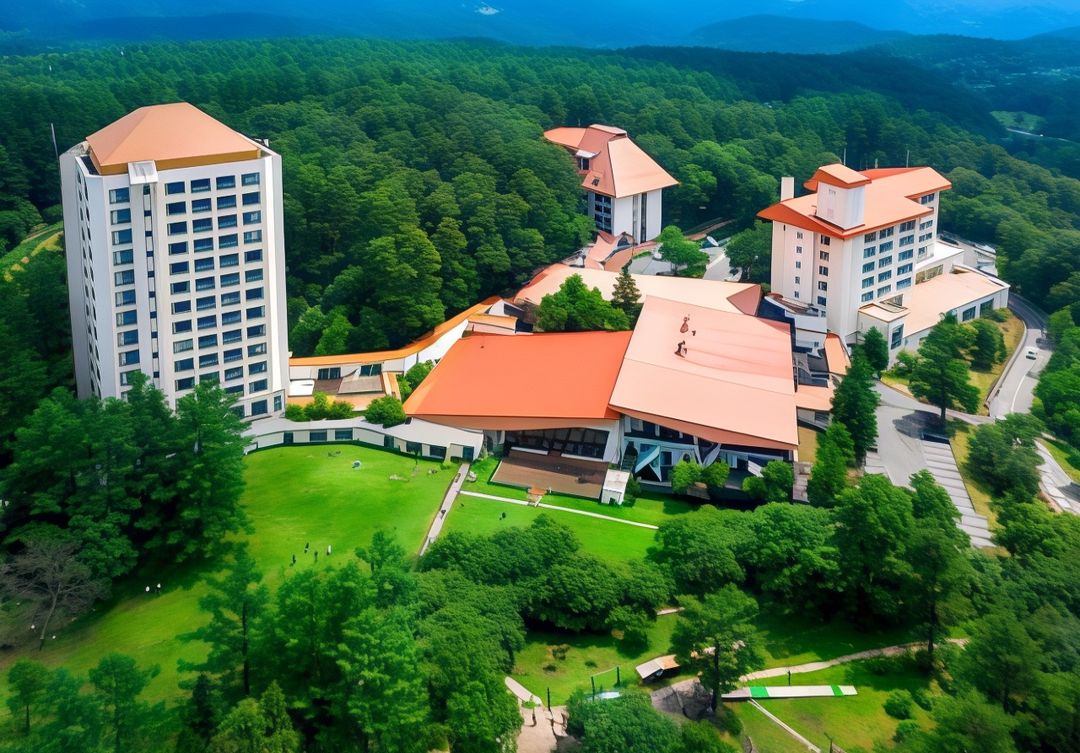
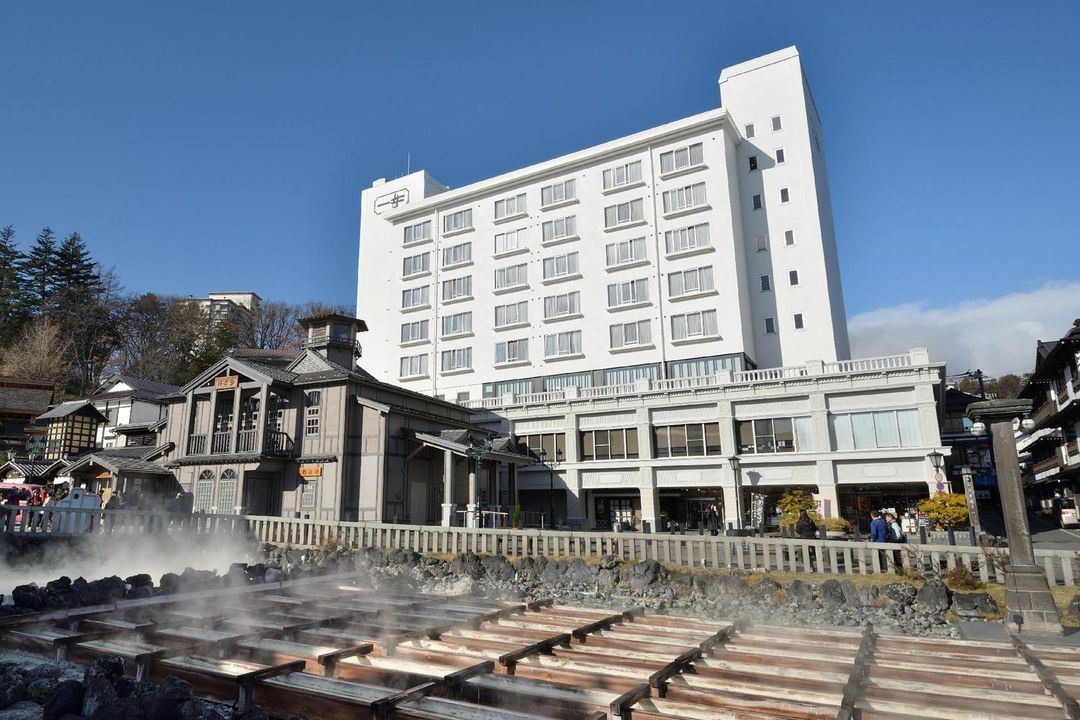
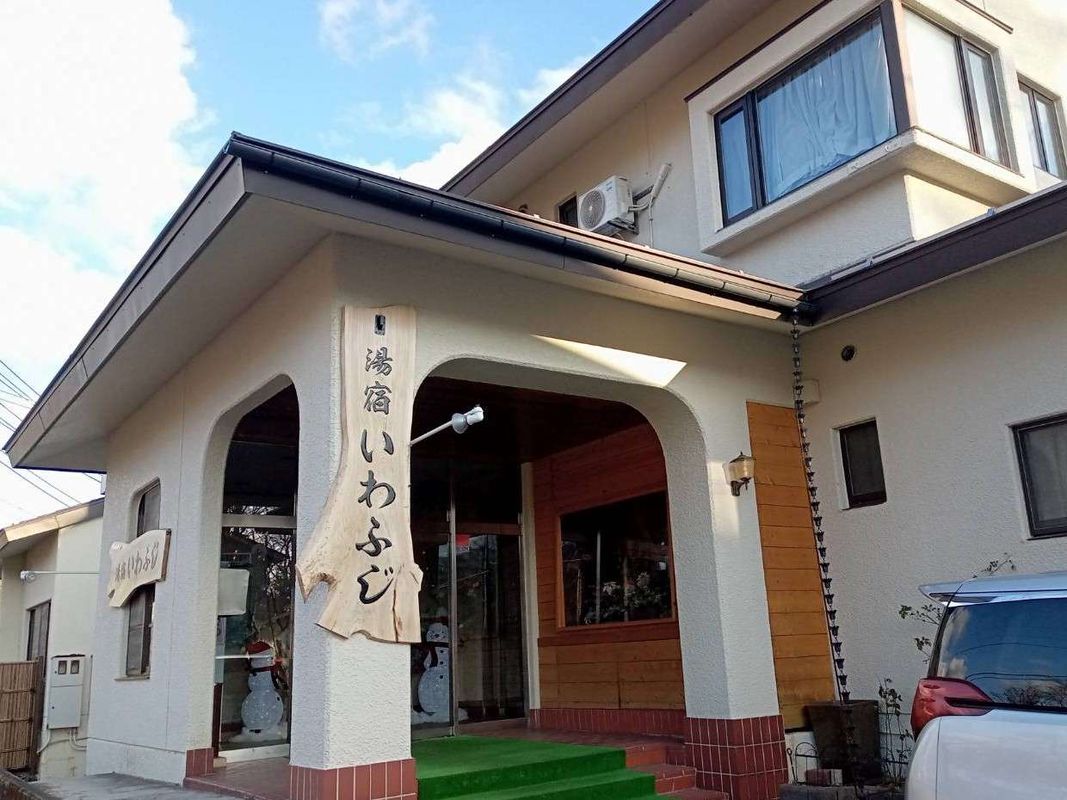
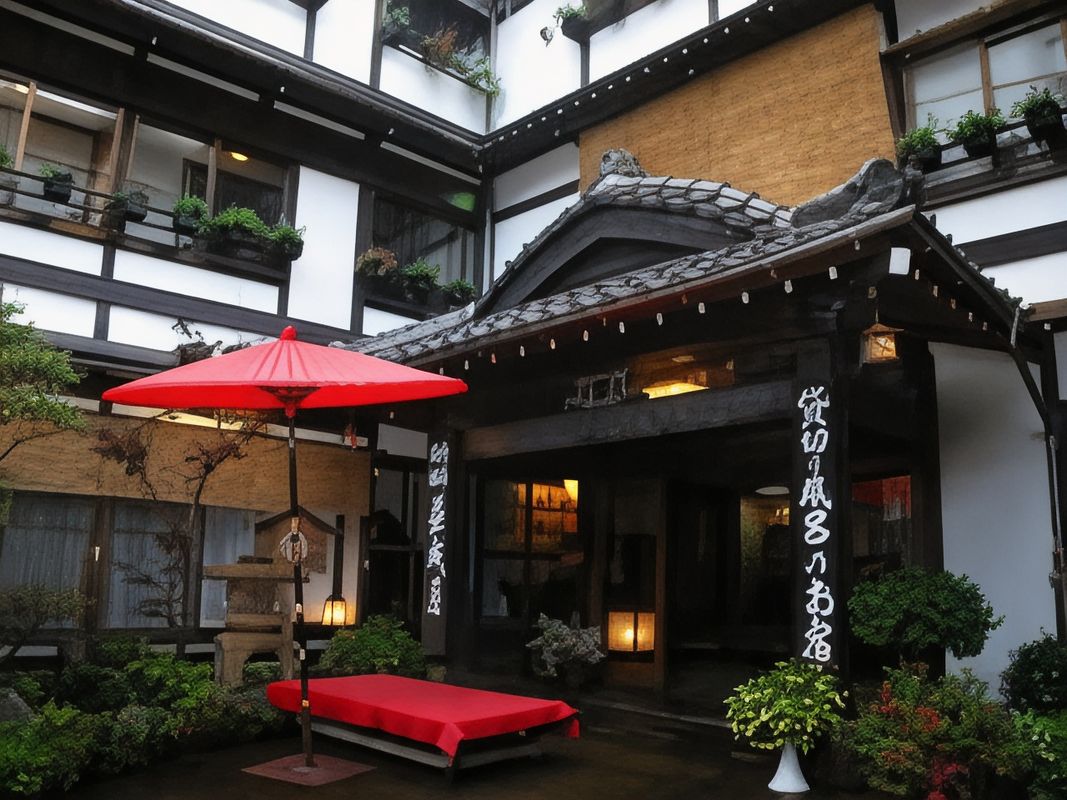
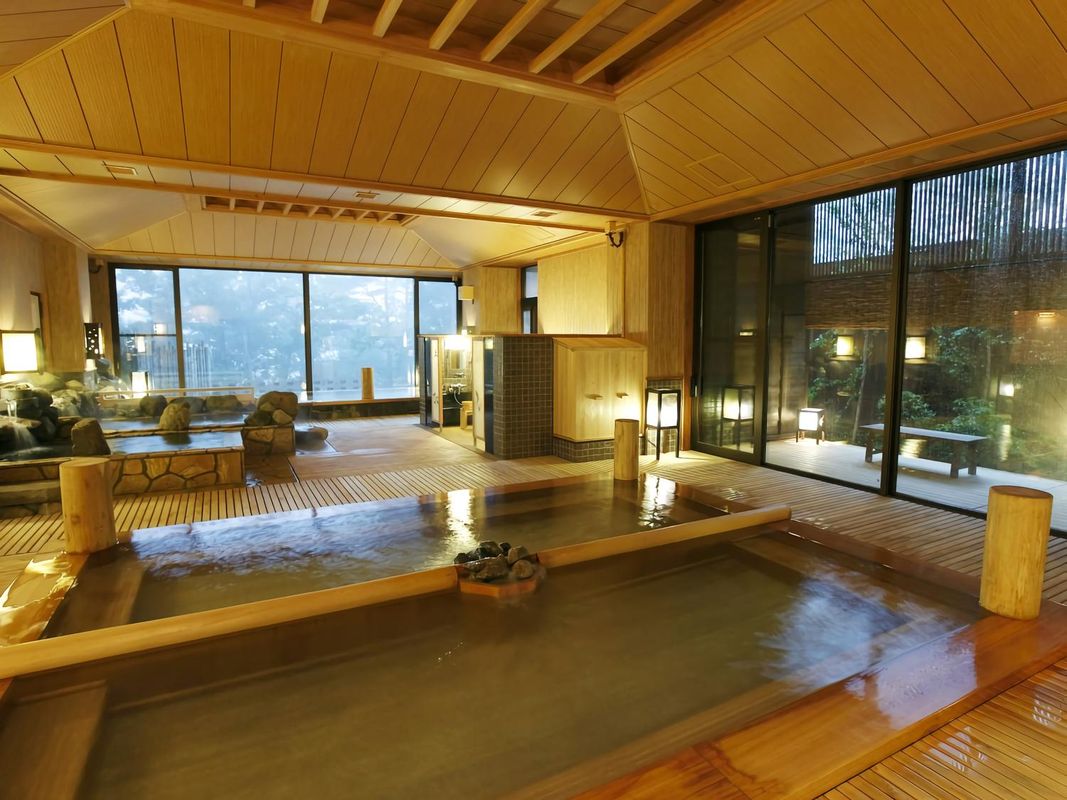
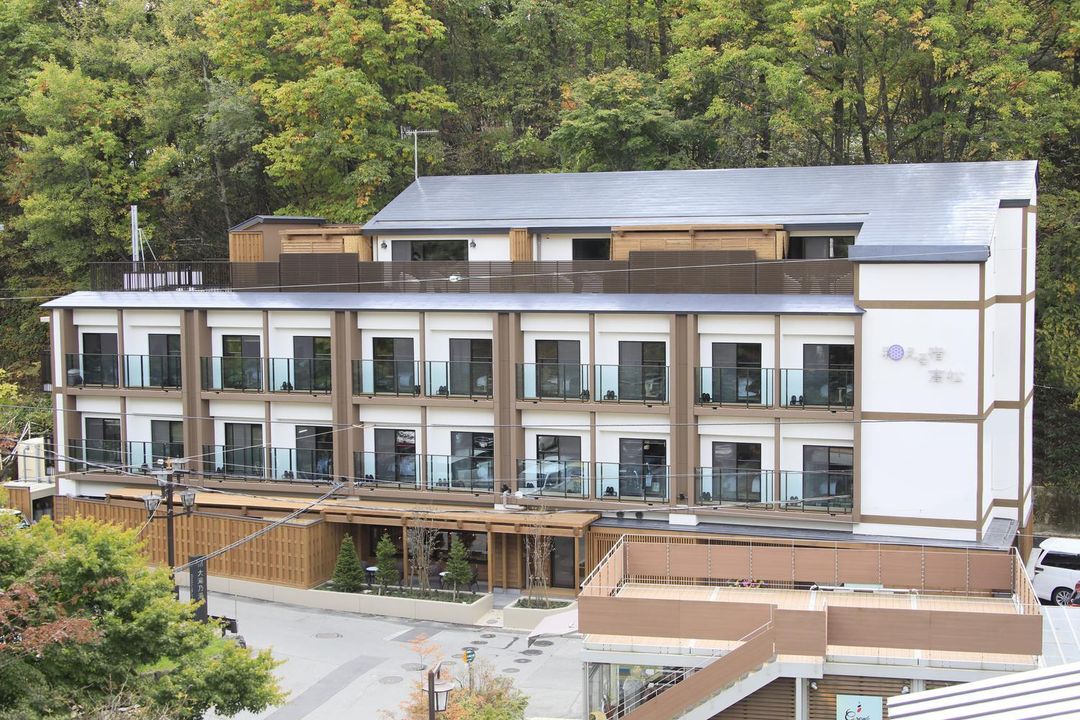
Best Hotels in Kusatsu
Discover curated hotel collections in Kusatsu




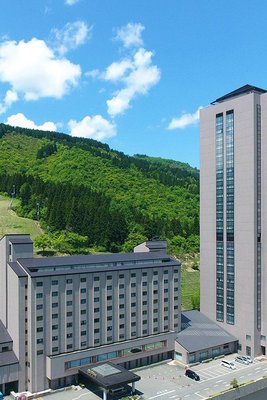
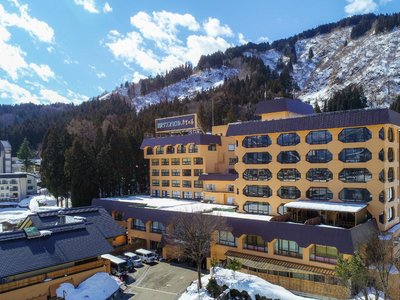
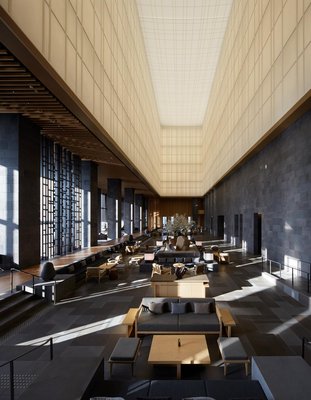

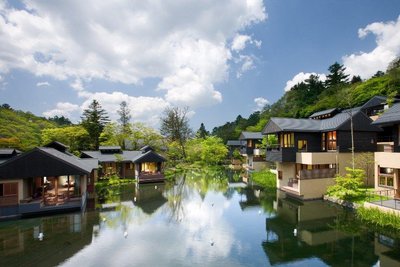
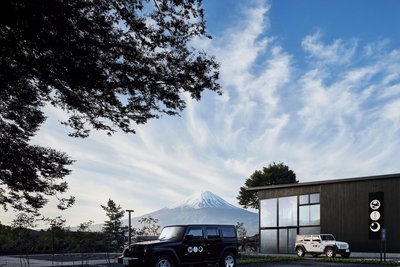
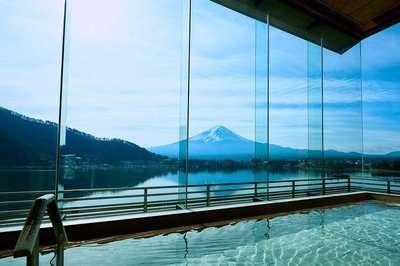
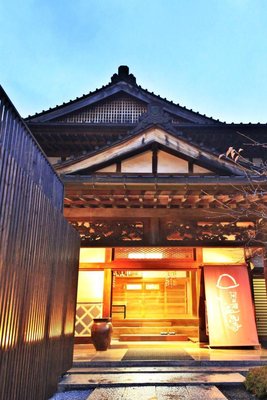
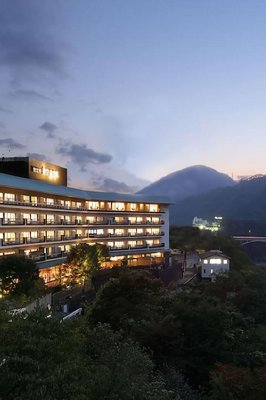



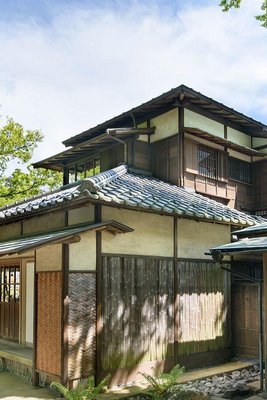

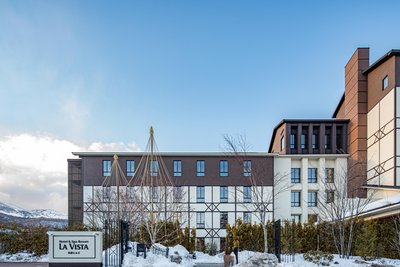
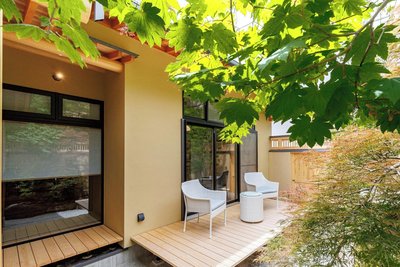
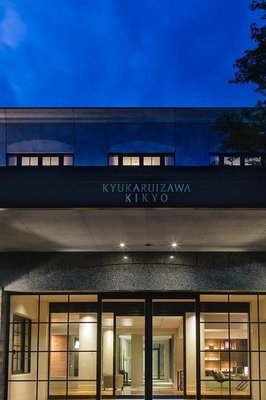







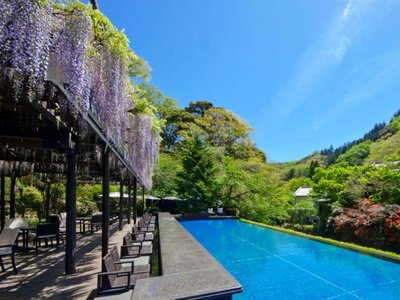

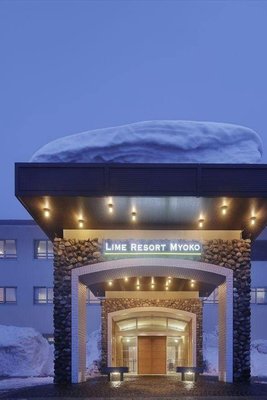


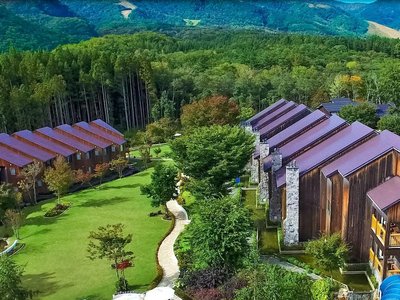
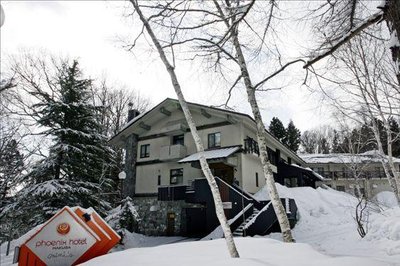
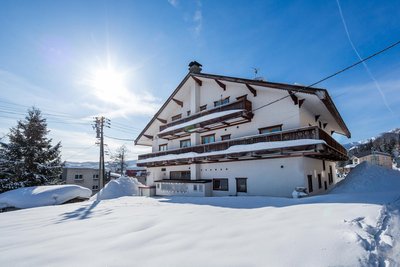
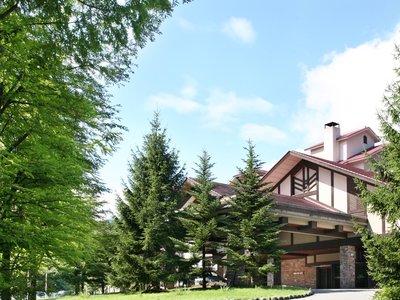
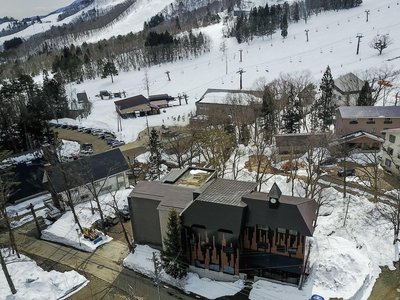
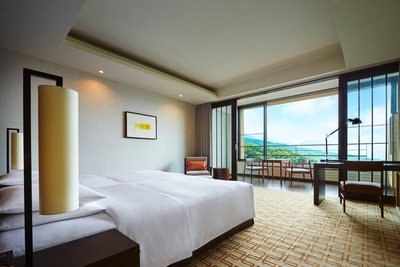
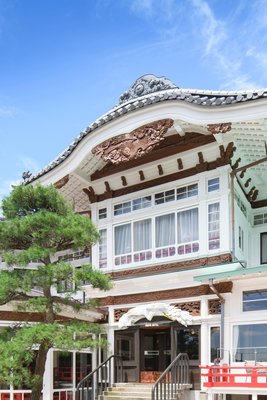
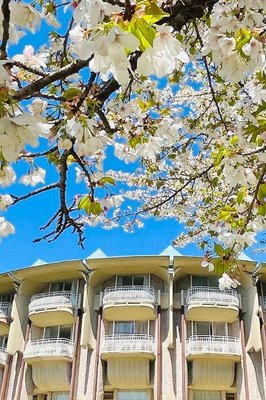

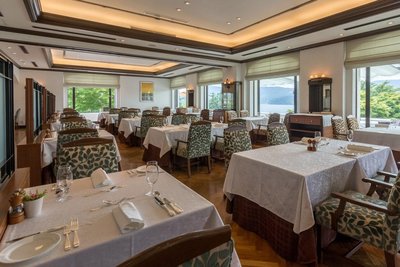















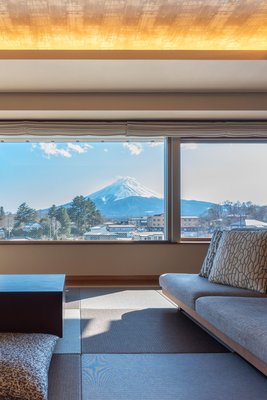

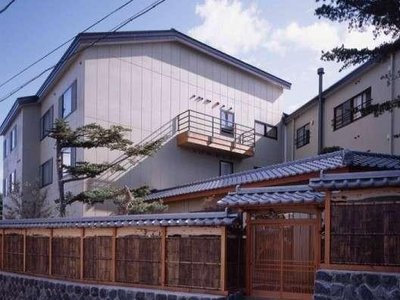
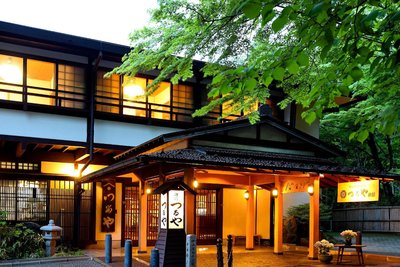
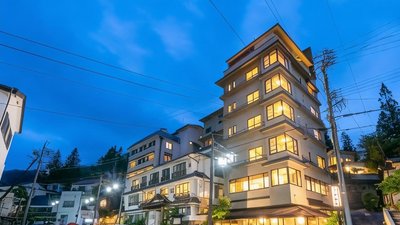







Frequently Asked Questions about Traveling to Kusatsu
Questions You Might Need to Know About Traveling to Kusatsu
Kusatsu Overview
City Summary
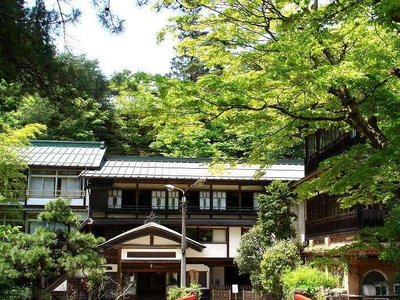
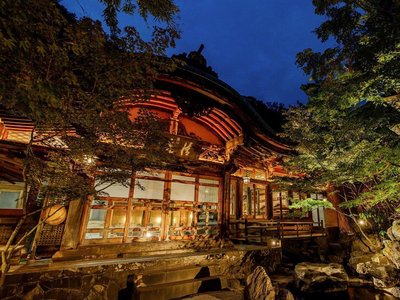
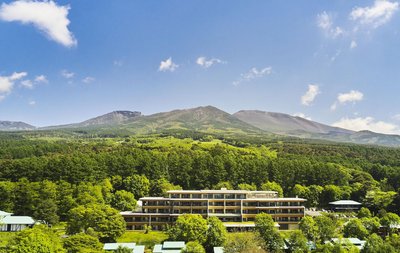
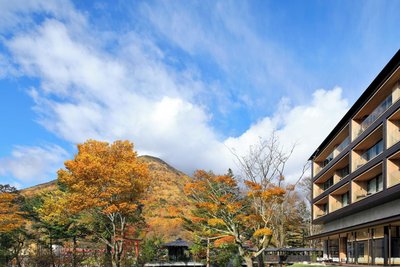
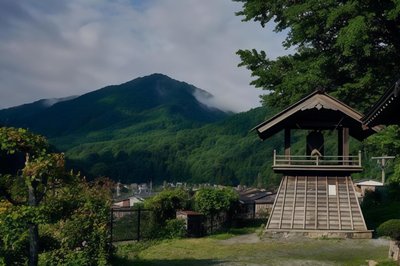
Kusatsu Town in Gunma Prefecture, Japan, is renowned for its hot springs, ranking among Japan's top three famous onsens. The town boasts stunning natural scenery with distinct seasons, particularly famous for autumn foliage and winter snowscapes. The highly acidic springs are known for their therapeutic properties, attracting visitors seeking relaxation. The town exudes traditional Japanese charm, with streets lined with ryokans and souvenir shops, offering a glimpse into its rich history.
Must-See Attractions
The Yubatake is a must-see, serving as the source of the hot springs with steam rising year-round, beautifully illuminated at night. Sainokawara Park features open-air baths and a scenic stream, perfect for leisurely walks. The Kusatsu Onsen Ski Resort offers winter sports, a paradise for enthusiasts. Don't miss the Netsunoyu performance, showcasing traditional hot spring culture.
Food Guide
Kusatsu's onsen manju (steamed buns) are a classic sweet treat with soft dough and sweet filling. Grilled iwana (char) is a local specialty, offering a unique smoky flavor. Street vendors sell onsen tamago (hot spring eggs), cooked using geothermal heat for a tender texture. Try Gunma's soba noodles, best enjoyed with local soy sauce.
Transportation Guide
Buses are the main transport; from Tokyo, take the Shinkansen to Takasaki Station, then a 2-hour bus ride. Most attractions are within walking distance, with some hotels offering free shuttle services. In winter, non-slip shoes are recommended due to snow. Renting a car is an option, but be cautious of mountain roads.
Best Time to Visit
The best time to visit is autumn (October-November) for stunning foliage and mild weather. Winter (December-February) is ideal for skiing and hot springs, but pack warm clothing. Avoid Golden Week and summer holidays to escape crowds.
Travel Tips
- Rinse before entering onsens to follow local etiquette.
- Limit soak time if sensitive to acidic waters.
- Wear non-slip shoes in winter for icy paths.
- Respect local customs by keeping noise levels low.
- Wear yukata correctly with the left side over the right.
- Check opening hours and fees for attractions in advance.
Useful Information
Japanese is the main language; some hotels offer English assistance. WiFi coverage is limited—consider a local SIM card. Cash is preferred, though some places accept cards. For emergencies, contact your hotel or visit the Kusatsu Health Center. The hilly terrain may challenge mobility; choose accommodations with elevators. Voltage is 100V, with Type A plugs, compatible with Taiwan.









