Hotels in Kusu
Discover your perfect stay in Kusu.
Kusu(Japan) Travel 2026: Cheap Flights, Hotels & Top Attractions
Popular Landmarks in Kusu
Discover the most iconic attractions in Kusu
Recommended Hotels in Kusu
Find the perfect place to stay in Kusu

Hotel Mesa Butte
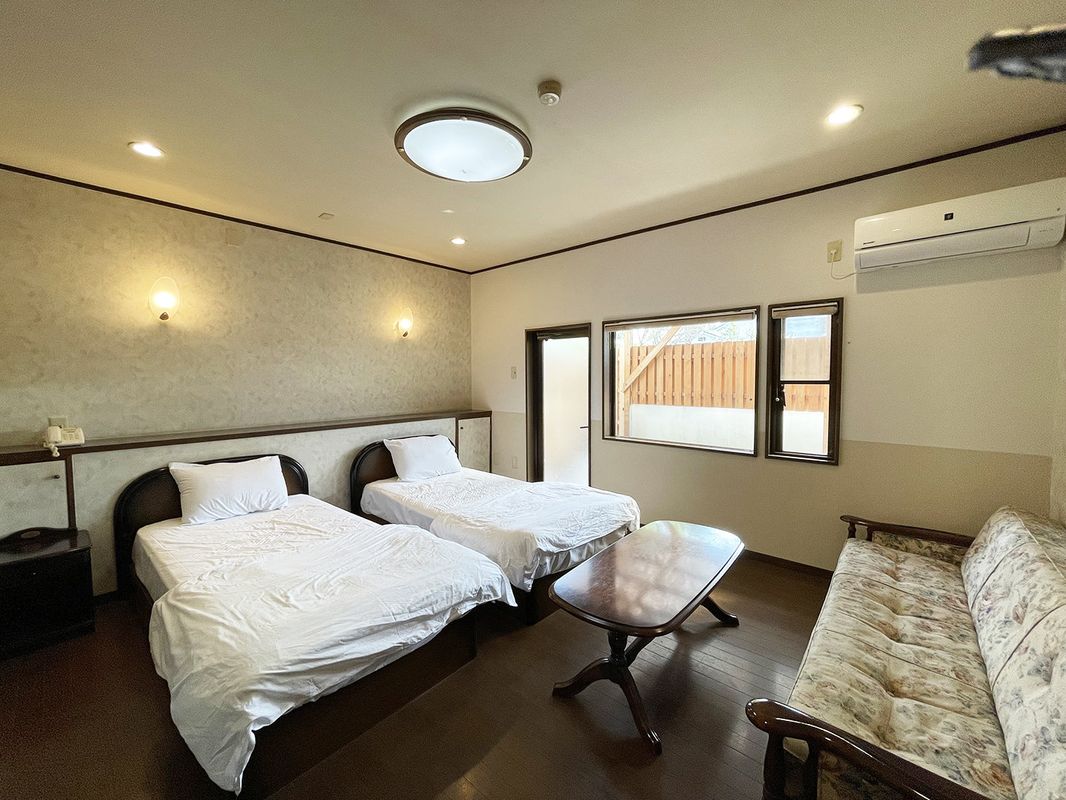
Kusu Onsen Bungonosato
Best Hotels in Kusu
Discover curated hotel collections in Kusu

Garden Terrace Nagasaki Hotel & Resort

Holiday Inn Resort Miyazaki
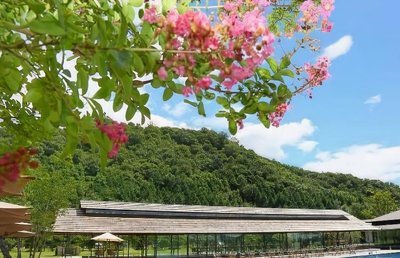
Bella Vista Spa and Marina Onomichi

Yufuin Kotobuki Hananosho

Karatsu Seaside Hotel
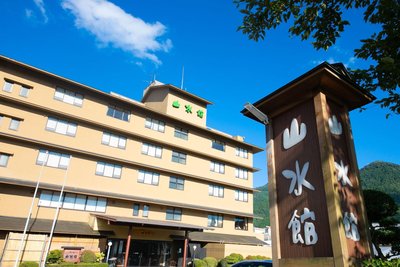
Yufuin Sansuikan

Kinsuikan

Hotel Ofutei
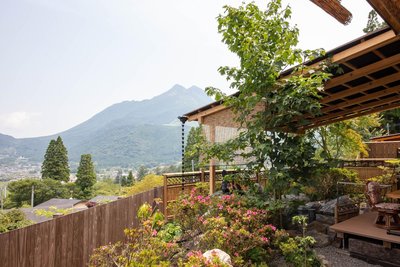
Yufuin-Sanso Waremokou

Ana InterContinental Beppu Resort & Spa

I+Land Nagasaki

The OneFive Villa Fukuoka

LiVEMAX RESORT MIYAHAMA ONSEN OCEAN
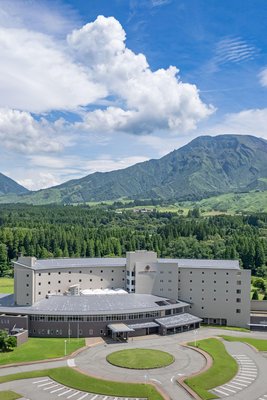
KAMENOI HOTEL ASO

Amane Resort Gahama

SEKIYA RESORT GALLERIA MIDOBARU

Beppu Suginoi Hotel

Phoenix Seagaia Ocean Tower

Kagoshima Sunamushi Onsen Ibusuki Hakusuikan

The Luigans Spa and Resort
Frequently Asked Questions about Traveling to Kusu
Questions You Might Need to Know About Traveling to Kusu
For nature lovers, stay at Yamanoie Guesthouse, a rustic mountain lodge nestled beside the Kusu River with panoramic views of Oita Prefecture's Natural Park. This eco-friendly inn offers guided forest walks and stargazing sessions under pristine dark skies. Alternatively, Seikankaku Onsen Inn features natural hot springs and traditional Japanese gardens, perfect for unwinding amid serene woodlands. Both properties emphasize local sustainability and offer farm-to-table meals using wild herbs and river fish, immersing guests in authentic rural life.
The ideal time to visit Kusu Town is during spring (March–May) and autumn (September–November). Spring brings blooming cherry blossoms and azaleas along the Kusu River Trail, creating a vibrant landscape. Autumn showcases stunning maple foliage reflected in crystal-clear streams, especially along the Thousand Pine Forest Path. Mild temperatures and fewer crowds make these seasons perfect for hiking, photography, and experiencing the town’s quiet mountain charm without summer heat or winter snow.
Visitors can participate in traditional mountain pottery workshops led by local artisans using indigenous clay, crafting functional pieces that reflect regional heritage. The annual Kusu Mountain Festival in autumn features torchlight processions, ancient music performances, and purification rituals honoring nature and ancestors. For a deeper connection, join a foraging tour through the forest with a local herbalist, learning to identify edible and medicinal plants—a rare insight into the sustainable wisdom of Kyushu’s mountain communities.
From Oita City, take the Kusu Line bus operated by Oita Bus, which runs several times daily with a journey time of about 70 minutes. Tickets cost around ¥1,200. Alternatively, drive via National Route 210, passing through Bungo-Oono, offering scenic views of rural Kyushu. Upon arrival, park at the Kusu Town Central Parking Lot and explore on foot. While public transport is infrequent, bike rentals and pre-arranged shuttle services ensure convenient access to major attractions.
Must-visit natural spots include the Kusu River Gorge, known for its clear waters and smooth pebbles—ideal for hiking and stream exploration. The Thousand Pine Forest Trail within Oita Prefecture’s Natural Park offers shaded paths beneath century-old pines, perfect for meditation and birdwatching. At dawn, visit the Cloud Sea Viewing Platform for breathtaking misty panoramas over the valley. These sites showcase the town’s untouched beauty and are essential for any nature enthusiast visiting Kyushu’s highland regions.
Don’t miss Kusu River trout sashimi, prized for its delicate texture and purity from clean mountain waters. Try wild mountain vegetable tempura, featuring seasonal greens like ferns, fuki-no-tobo, and bamboo shoots, fried to perfection. At local farmhouses, savor wood-fired mountain pork stew with homegrown vegetables. Some guesthouses serve wild berry jam with fresh bread—made from native blueberries and raspberries—offering a sweet taste of the region’s untamed wilderness.
Yes, Kusu Town is excellent for families seeking a peaceful retreat. Children can enjoy nature discovery hikes with trained guides identifying insects, fish, and flora. The shallow banks of the Kusu River are safe for kids to splash and play. Many guesthouses offer family pottery workshops and forest scavenger hunts, encouraging interactive fun. The accessible trails in Oita Prefecture’s Natural Park, complete with child-friendly signage, make it easy for all ages to explore safely in a tranquil, green environment.
Stay in the central district for convenience—near the bus terminal, town hall, and main shops. It’s ideal for first-time visitors. For tranquility, choose lodgings along the Kusu River, such as Yamanoie Guesthouse, where you’ll wake to flowing water and forest sounds. If you prefer wellness, book a room at Seikankaku Onsen Inn near the hot spring district, combining relaxation with cultural immersion. Reservations are recommended, especially during cherry blossom and autumn foliage seasons.
While Kusu Town lacks large-scale light shows, it’s a prime destination for stargazing due to minimal light pollution. Visit the Cloud Sea Viewing Platform or Thousand Pine Forest Trail on clear nights to witness the Milky Way and shooting stars. During the Mountain Festival, expect torchlight parades and traditional lantern displays in the evening, creating a warm, mystical atmosphere. Some guesthouses host bonfire gatherings, where guests share stories under the stars—an unforgettable way to experience the town’s quiet magic after dark.
Key historical sites include the Ancient Well Ruins in the old town center, dating back to the Edo period, with inscribed stones reflecting early community life. Nearby, Shirayama Shrine features a thousand-year-old cedar tree designated as a local cultural asset, hosting annual New Year prayers. The Old Mountain Trail connects former trade routes to Oita City, now a walking path lined with stone steps and remnants of old huts—offering a tangible link to Kyushu’s mountain past and the resilience of its people.
Kusu Overview
City Summary
Kusu Town in Oita Prefecture, Japan, is known as "Little Kyoto of Kyushu" for its preserved historical streets and artisan traditions. The town's charm lies in its rural serenity, crystal-clear rivers, and centuries-old washi paper and woodcraft heritage.
Must-See Attractions
Must-see spots include the Kusu River Promenade (spectacular during cherry blossom and autumn foliage seasons) and Mori Machiya Street with Edo-period architecture. Visit the Kusu History & Folklore Museum to explore local traditions.
Food Guide
Savor regional specialties like Kusu beef and Jidori chicken, along with street snacks such as soy sauce dango. Don't miss tasting sessions at local sake breweries.
Transportation Guide
Buses are the primary transport within town. From Oita City, take JR Kyudai Line to Bungo-Mori Station, then transfer to town buses (15min to center). Rental bicycles are ideal for exploring. Note mountain roads are narrow for drivers.
Best Time to Visit
Best visiting periods are April-May (cherry blossoms) and October-November (autumn colors). Summers (Jun-Aug) are rainy, while some facilities close in winter (Dec-Feb).
Travel Tips
- Remove shoes when entering temples
- Carry flashlight for dimly-lit rural paths
- Most small shops accept cash only
- Tattoos may prohibit hot spring access
- Practice strict waste separation
- Always ask permission before photographing artisans
Useful Information
Language: Basic English available at tourist centers. Mobile coverage is generally good except in mountainous areas. Payment: Carry sufficient cash - few businesses accept cards. Emergency care available at Kusu Municipal Hospital (Mon-Fri 9AM-5PM), after-hours services in neighboring cities. Post offices and ATMs cluster around Mori Machiya Street.