Hotels in Kyōtamba
Discover your perfect stay in Kyōtamba.
Kyōtamba(Japan) Travel 2026: Cheap Flights, Hotels & Top Attractions
Popular Landmarks in Kyōtamba
Discover the most iconic attractions in Kyōtamba
Recommended Hotels in Kyōtamba
Find the perfect place to stay in Kyōtamba

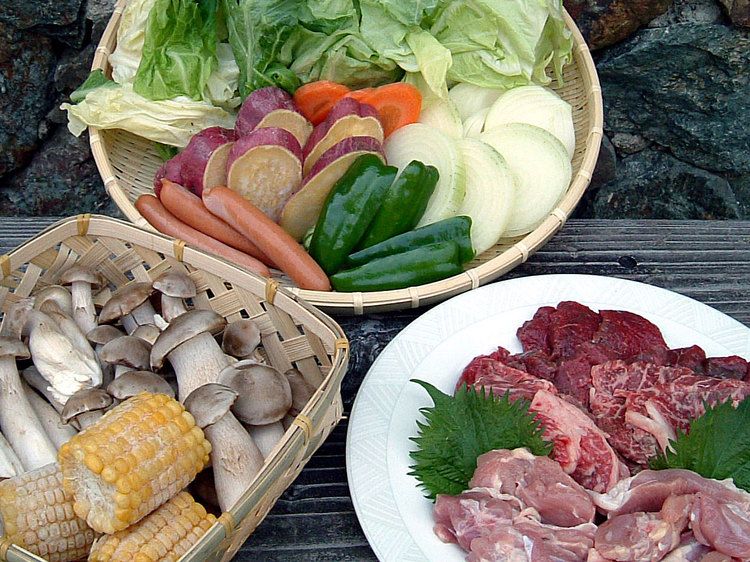
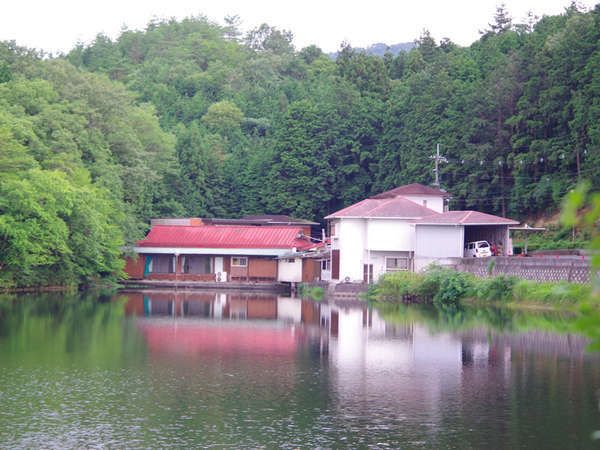
Best Hotels in Kyōtamba
Discover curated hotel collections in Kyōtamba
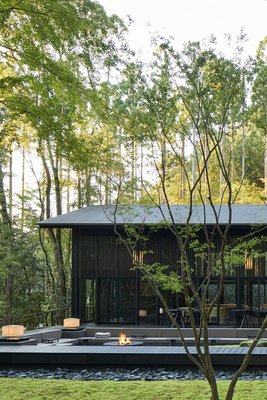
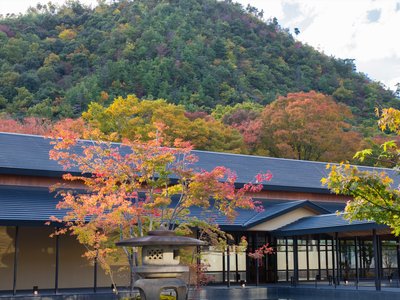
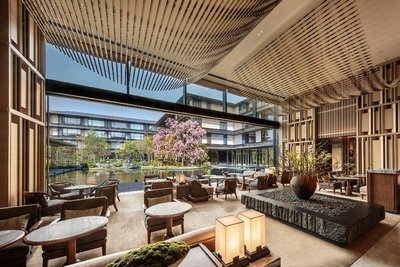
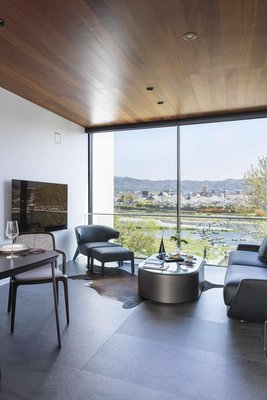


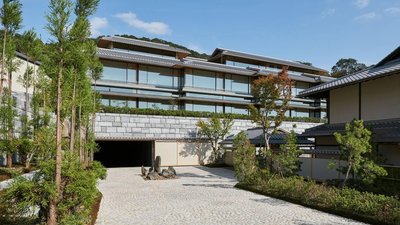

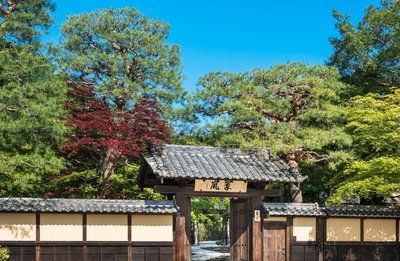



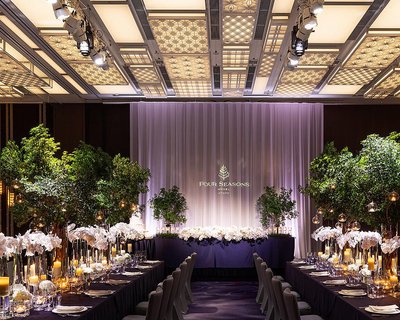
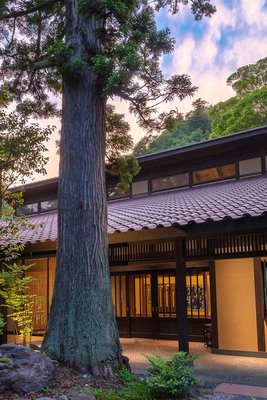
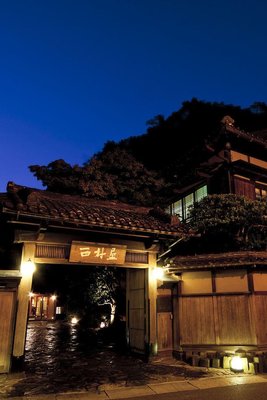
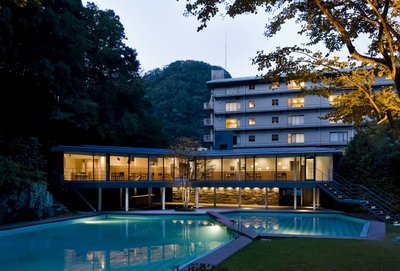
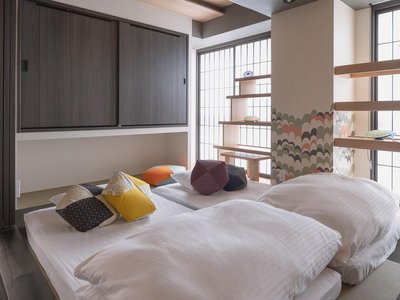
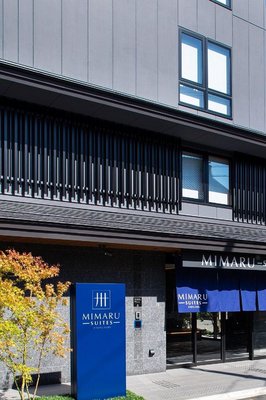

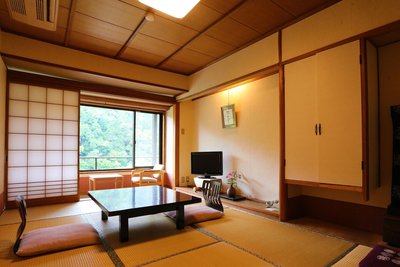
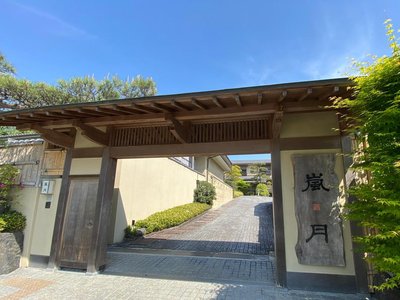


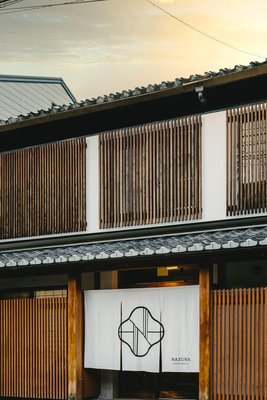
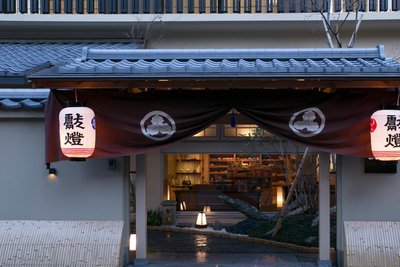
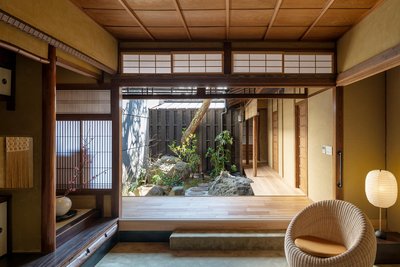
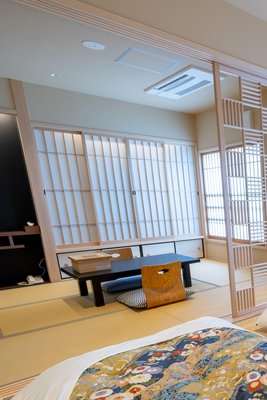










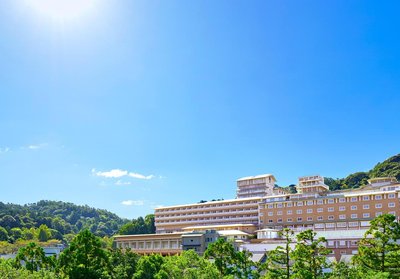
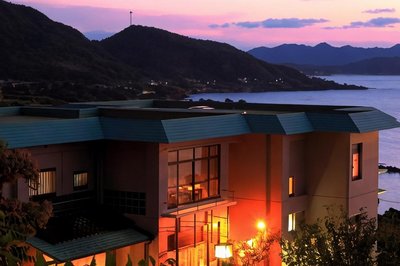


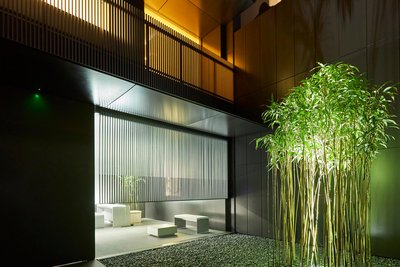







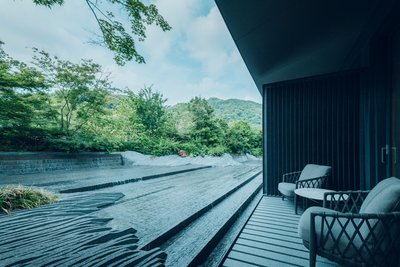


















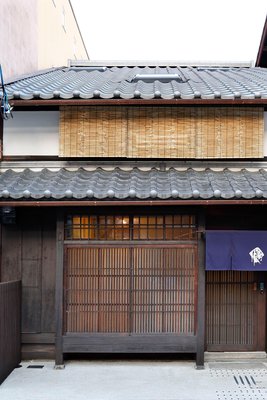
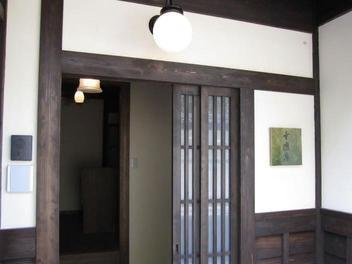
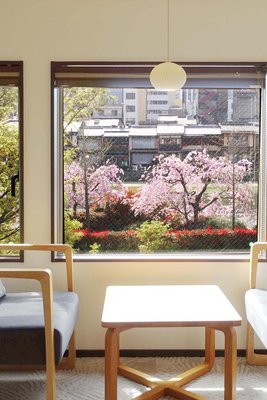
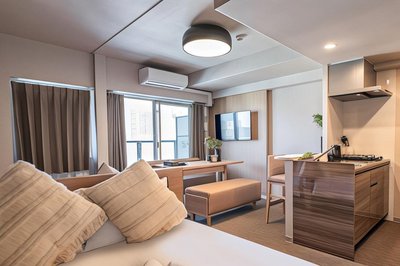
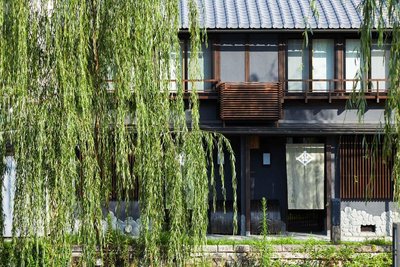
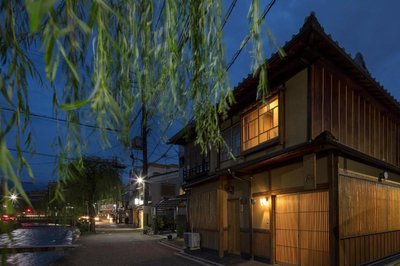
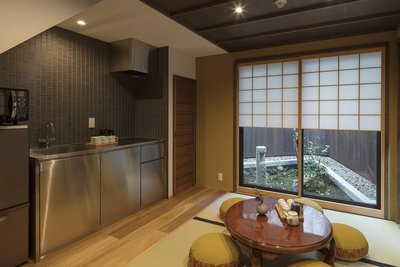




















Kyōtamba Overview
City Summary
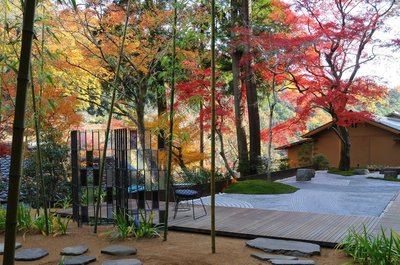
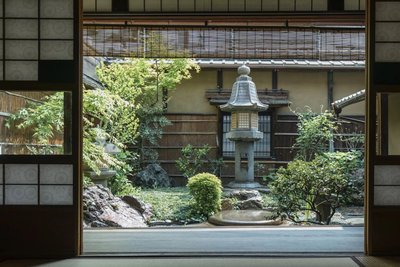
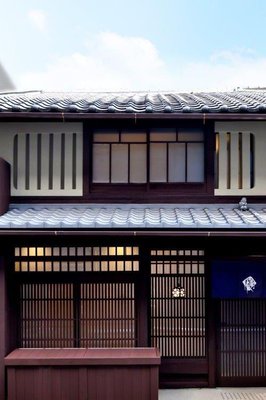
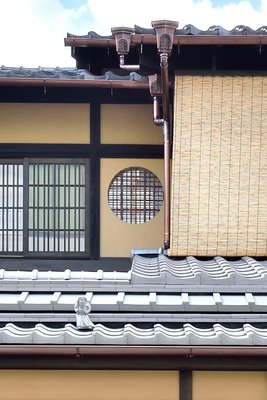
Kyotanba Town, located in the central part of Kyoto Prefecture, Japan, is a tranquil town surrounded by nature. Known for its rich natural landscapes and traditional rural culture, it features clear rivers, dense forests, and terraced fields. Kyotanba is an ideal destination for those seeking to escape urban noise and experience Japanese countryside life, especially suitable for travelers who love outdoor activities and cultural exploration.
Must-See Attractions
Must-visit spots in Kyotanba include Ashio no Mori, a primeval forest perfect for hiking and birdwatching; Wachi River, with clear waters ideal for summer water play; and Kyotanba Town Historical Folk Museum, showcasing local history and traditional lifestyles. Don’t miss staying at a farmhouse inn to participate in farming or traditional food-making activities.
Food Guide
Kyotanba’s cuisine focuses on local produce. Try dishes made with Tamba black beans, such as black bean desserts or simmered beans; wild mountain vegetables harvested in season; and river fish dishes like salt-grilled sweetfish. Local country-style bento boxes combine the best of mountain and farm ingredients.
Transportation Guide
Public transport in Kyotanba is limited, so renting a car is recommended. To reach by public transit, take the JR Sanin Line from Kyoto Station to Sonobe Station, then transfer to a Kyoto Kotsu bus to Kyotanba. Buses are infrequent, so check schedules in advance. Attractions are spread out, so consider renting a bicycle or walking; some inns offer pickup services.
Best Time to Visit
The best times to visit are spring (April-May) and autumn (September-November), when the weather is pleasant—spring offers cherry blossoms and fresh greenery, while autumn features vibrant foliage. Summers (June-August) are humid but good for river activities; winters (December-February) are cold, with some facilities closed.
Travel Tips
- Respect local culture: Kyotanba residents live at a slow pace—keep noise levels low and be polite.
- Carry cash: Rural shops and inns may only accept cash.
- Waste disposal: Follow strict recycling rules.
- Nature conservation: Avoid littering or damaging ecosystems in forests and rivers.
- Reservations: Book farm experiences and small restaurants in advance.
- Attire: Wear non-slip shoes and bring insect repellent for outdoor activities.
Useful Information
Language: Japanese is primary; English is rarely spoken—download a translation app. Internet: 4G coverage exists in town but is weak in mountains; rent a Wi-Fi hotspot. Payment: Cards work at major facilities, but cash is essential in rural areas. Emergencies: The nearest hospital is in Sonobe; travel insurance is advised. Etiquette: Remove shoes indoors; saying "itadakimasu" before meals is customary.