Hotels in Kyōtango
Discover your perfect stay in Kyōtango.
Kyōtango(Japan) Travel 2026: Cheap Flights, Hotels & Top Attractions
Popular Landmarks in Kyōtango
Discover the most iconic attractions in Kyōtango
Recommended Hotels in Kyōtango
Find the perfect place to stay in Kyōtango
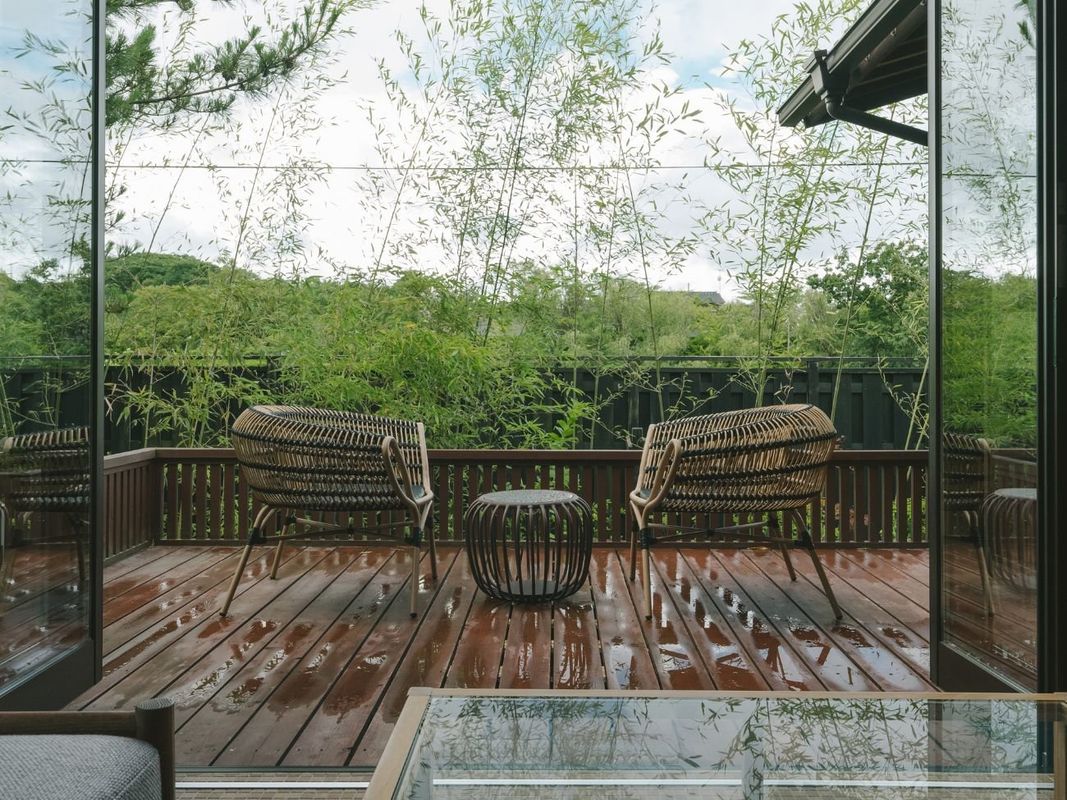
Ujo Soan (Adult Only)
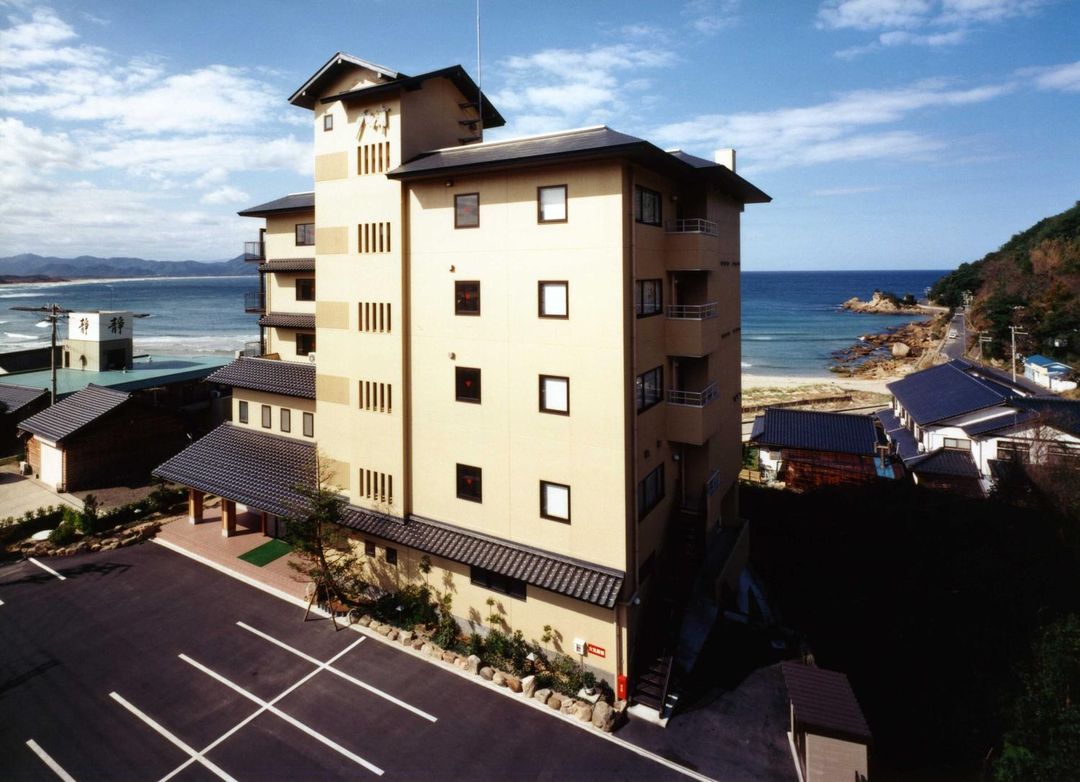
Yuhigaura Onsen Ryokan Yuhigaura
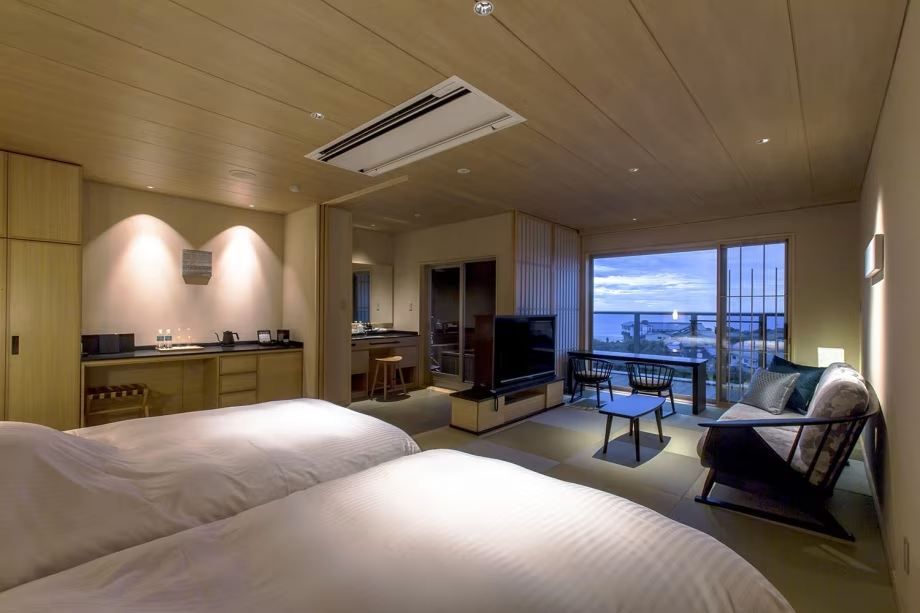
Kasyouen Bettei Fuka - Adult Only
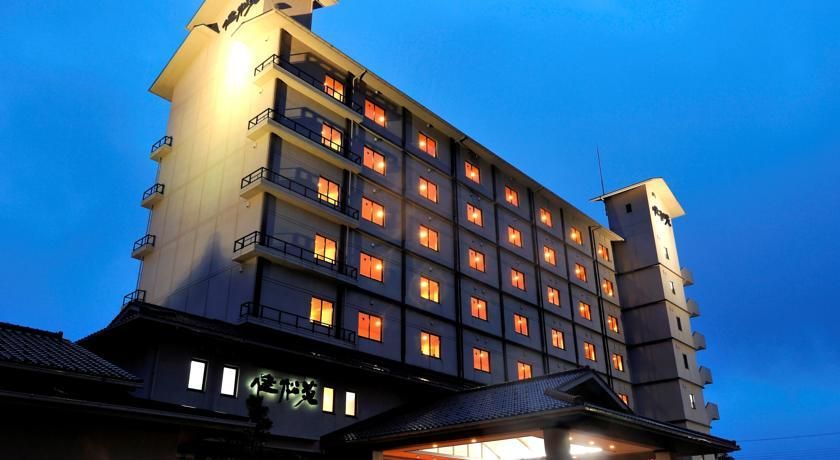
Kasyouen Hotel
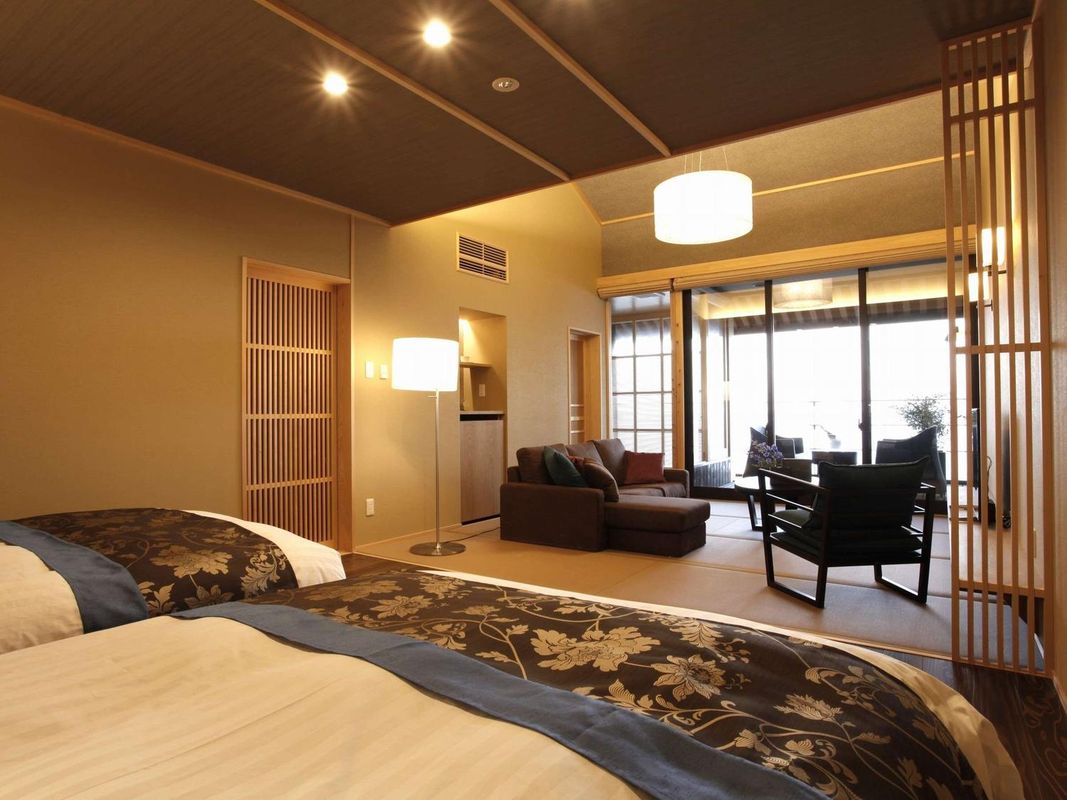
Tango Resort Hanare Soraharuka
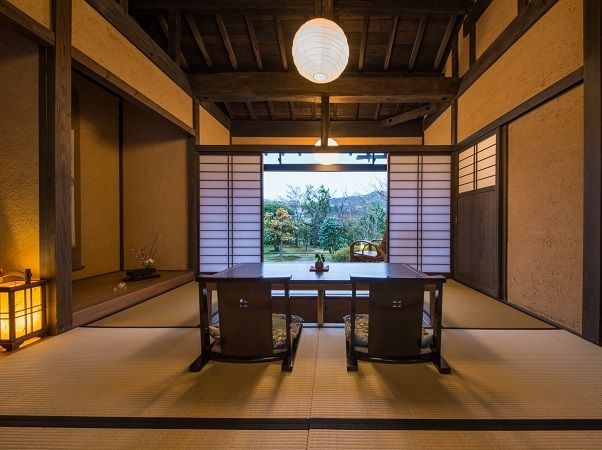
Hanare No Yado Waraku
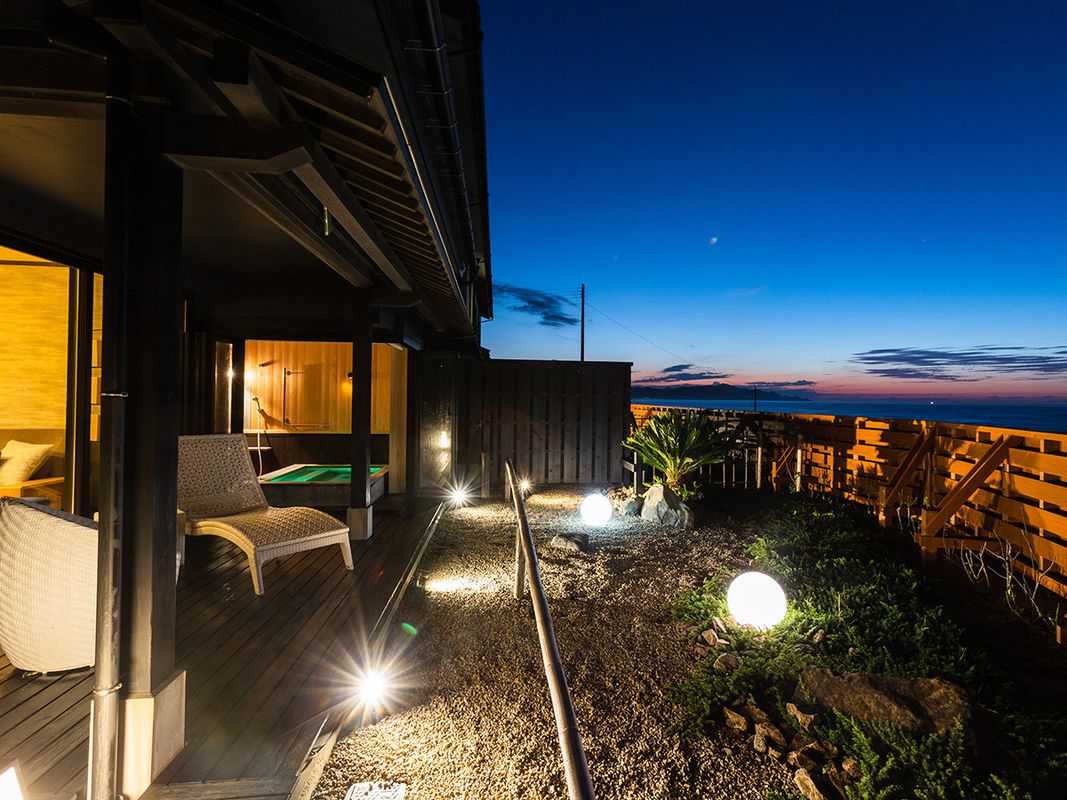
Yusai Resort Hibiki
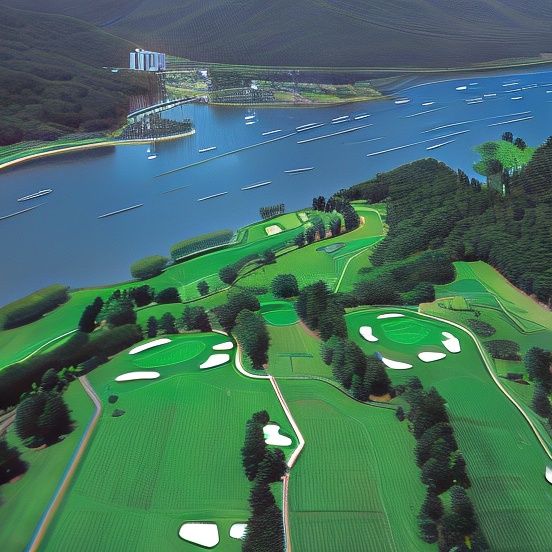
Hekisui Gyoen
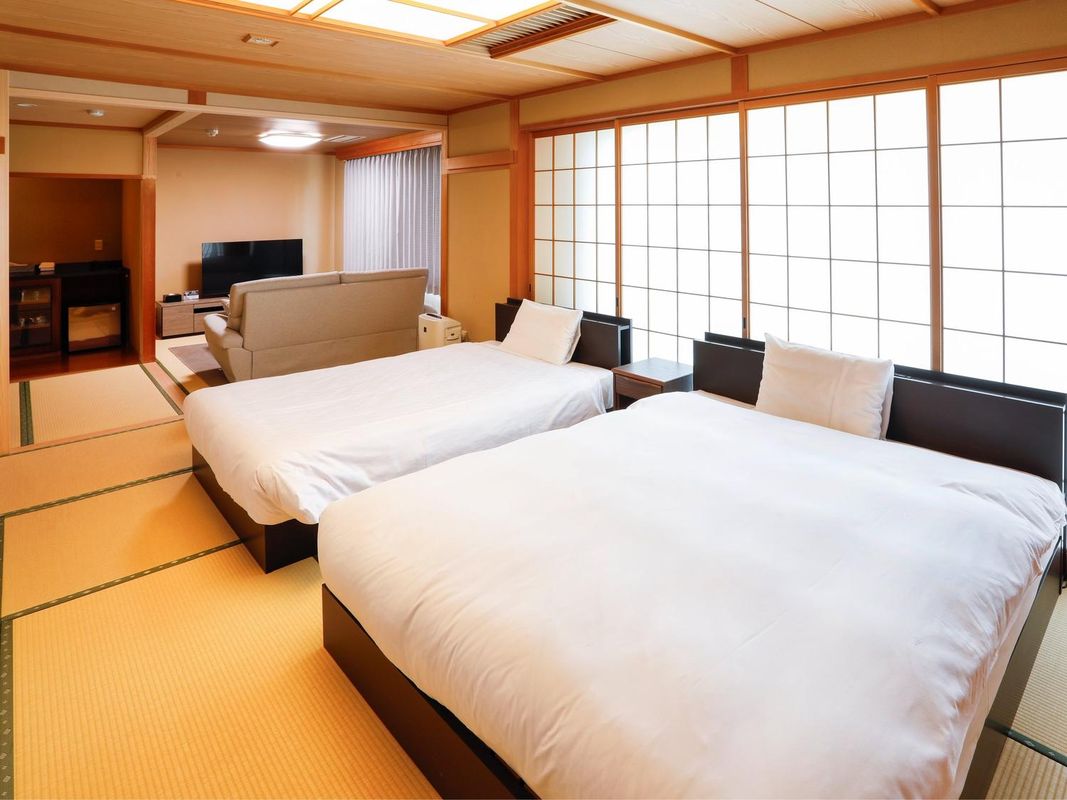
Kaikatei Hanagozen
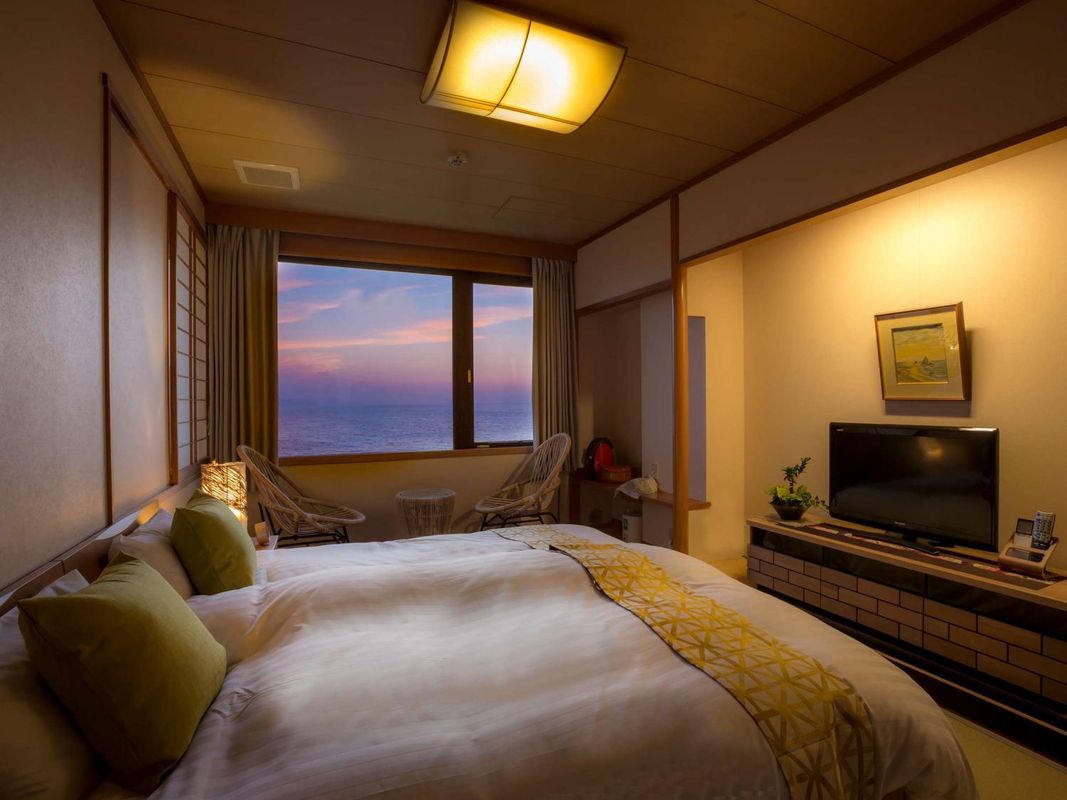
Jukaitei
Best Hotels in Kyōtango
Discover curated hotel collections in Kyōtango
Shima Kanko Hotel the Bay Suites
Waldorf Astoria Osaka
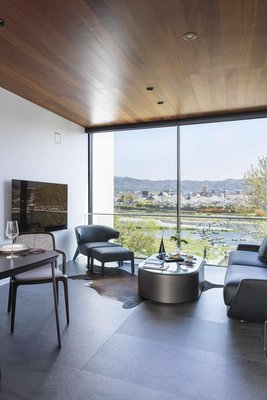
Kamo Residences by Reflections
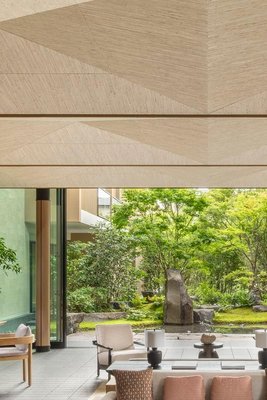
Six Senses Kyoto
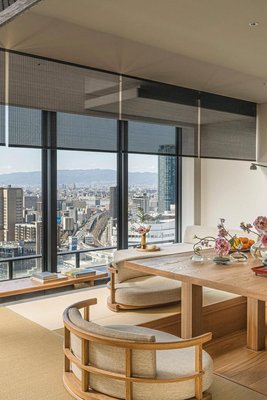
Four Seasons Hotel Osaka
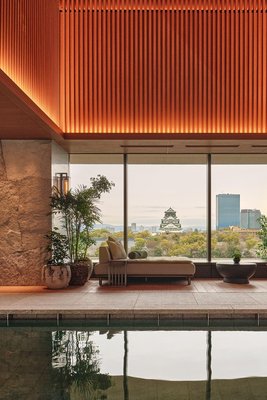
Patina Osaka
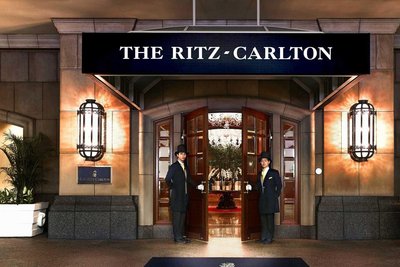
The Ritz-Carlton, Osaka
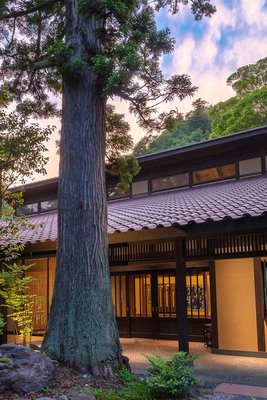
Arimasansoh Goshobessho
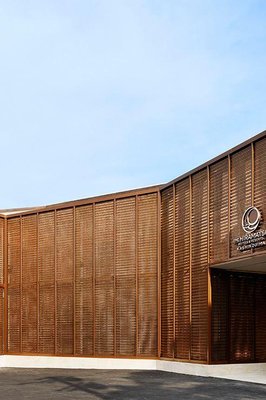
The Hiramatsu Hotels & Resorts Kashikojima
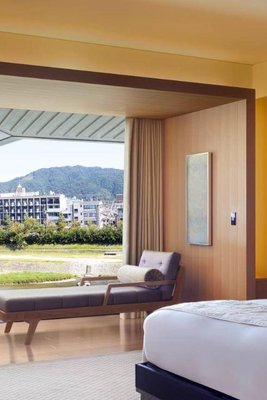
The Ritz-Carlton, Kyoto
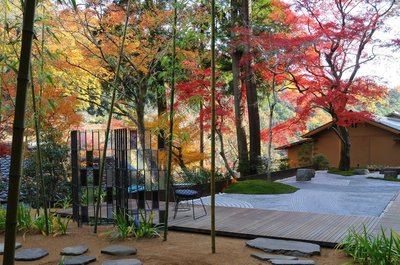
HOSHINOYA Kyoto
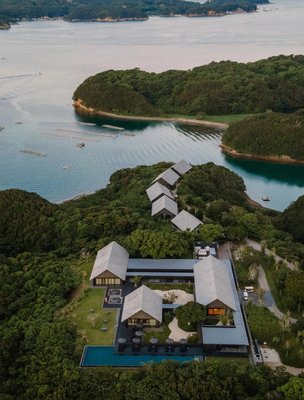
Amanemu
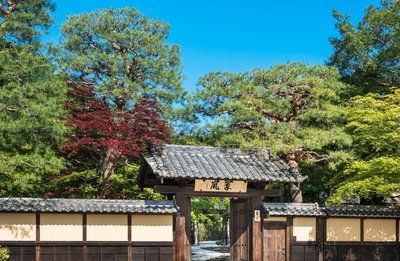
Suiran, a Luxury Collection Hotel, Kyoto
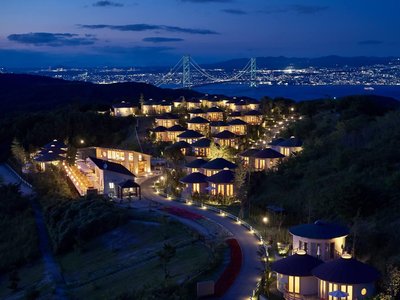
Grand Chariot Hokutoshichisei 135°
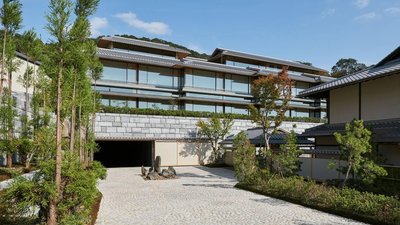
Park Hyatt Kyoto
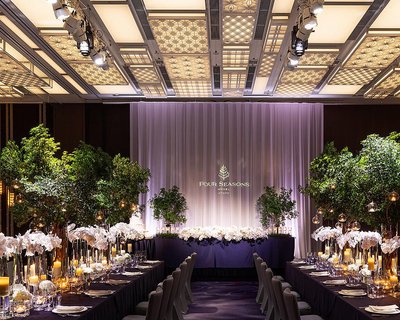
Four Seasons Hotel Kyoto
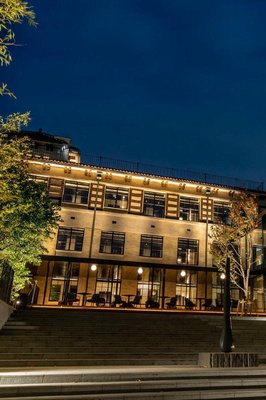
The Hotel Seiryu Kyoto Kiyomizu - a Member of the Leading Hotels of the World-
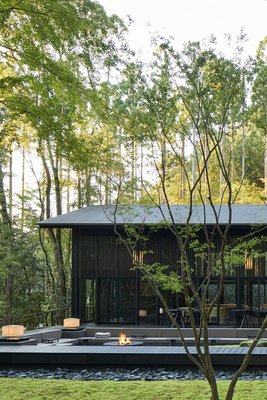
Aman Kyoto
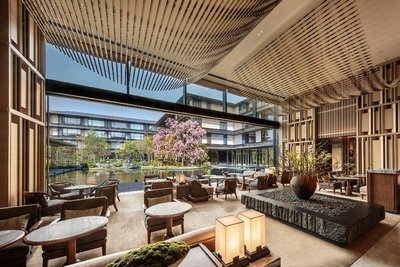
Hotel the Mitsui Kyoto, a Luxury Collection Hotel & Spa
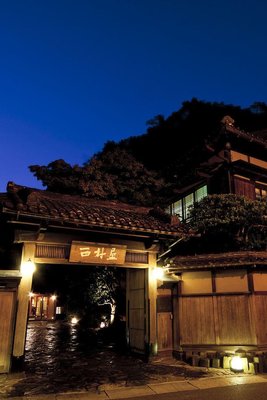
Nishimuraya Honkan
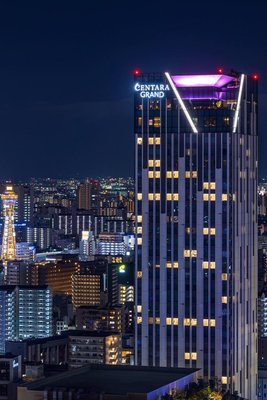
Centara Grand Hotel Osaka
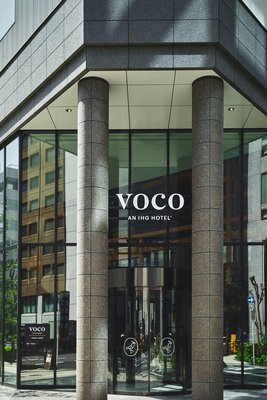
voco Osaka Central
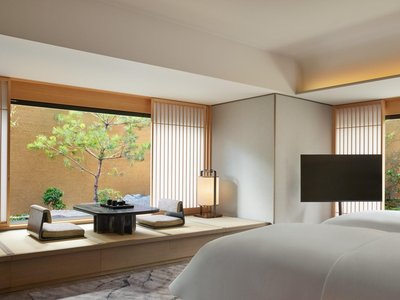
Dusit Thani Kyoto
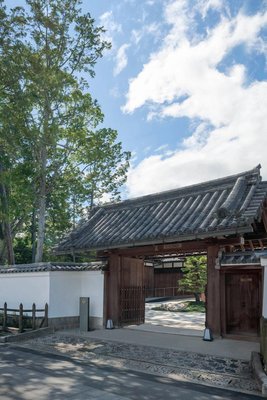
Shisui, a Luxury Collection Hotel, Nara
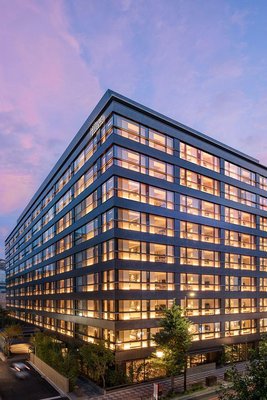
Hilton Kyoto
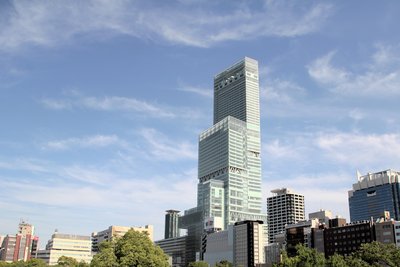
Osaka Marriott Miyako Hotel
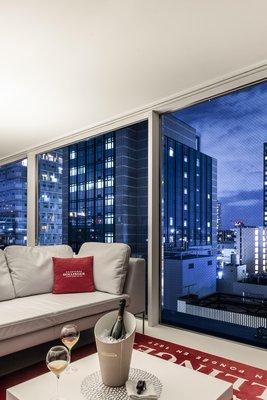
CUVÉE J2 HOTEL OSAKA by Onko Chishin
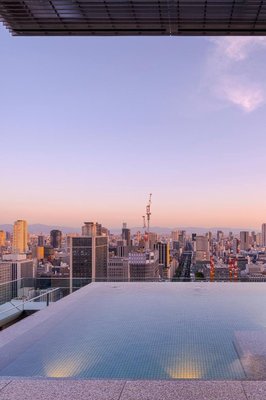
Candeo Hotels Osaka The Tower
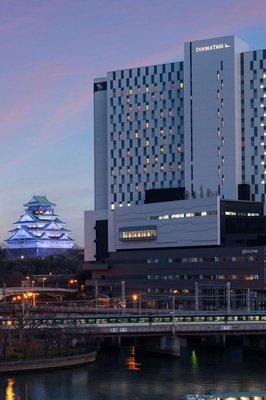
DoubleTree by Hilton Osaka Castle
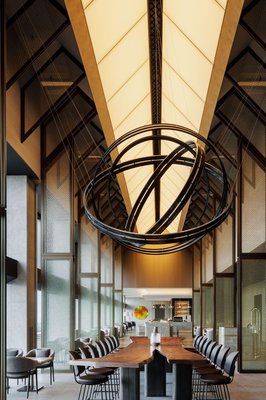
The Osaka Station Hotel, Autograph Collection
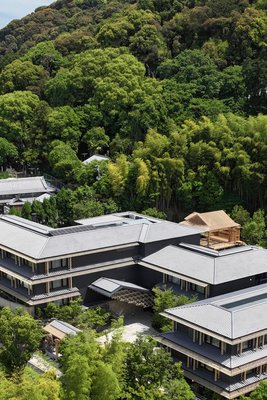
Banyan Tree Higashiyama Kyoto
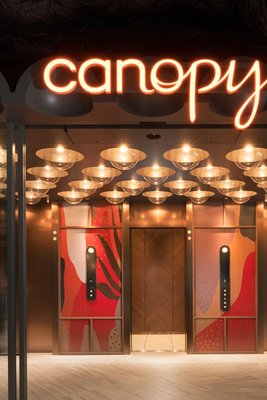
Canopy by Hilton Osaka Umeda
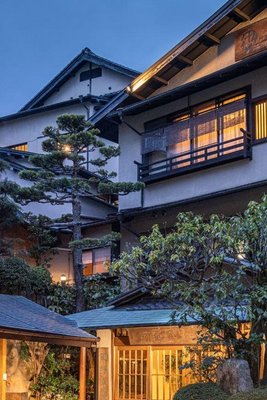
Arima Onsen Tocen Goshobo
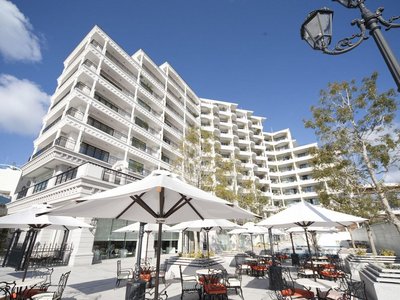
Hotel La Suite Kobe Harborland
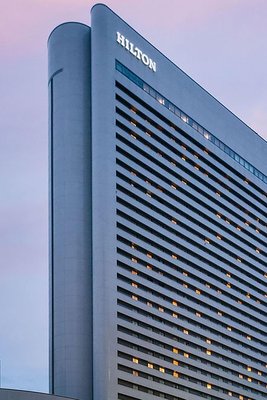
Hilton Osaka Hotel
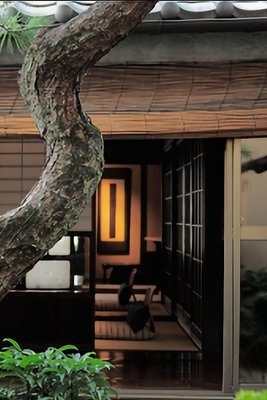
Shimayado Mari
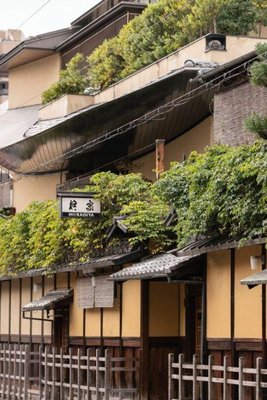
Hiiragiya Ryokan
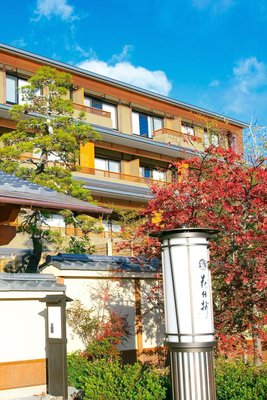
Kyoto Arashiyama Onsen Kadensho (Kyoritsu Resort)
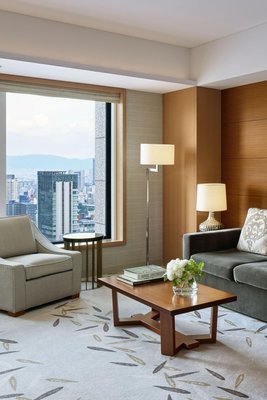
InterContinental Hotel Osaka
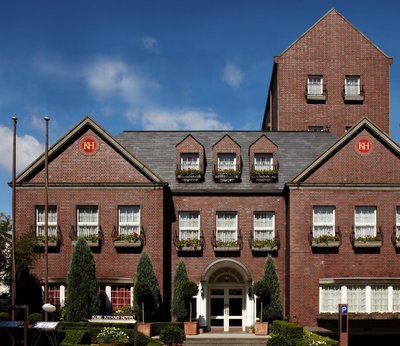
Kobe Kitano Hotel
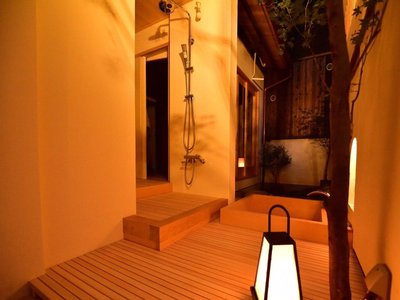
Yado Kiramachi
Arimasansoh Goshobessho
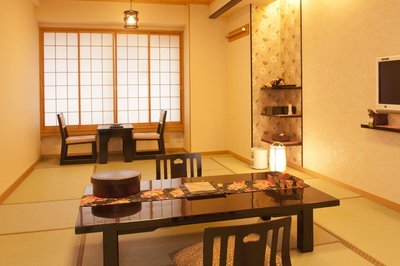
Matsui-Bekkan Hanakanzashi

Taikyourou
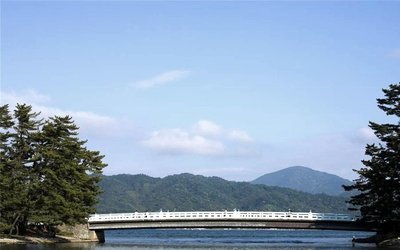
Monjusou Shourotei
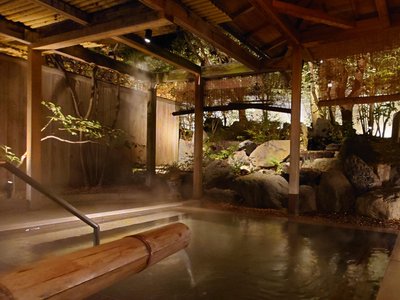
Kasuga Hotel
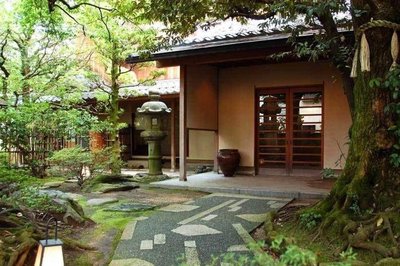
Kocho
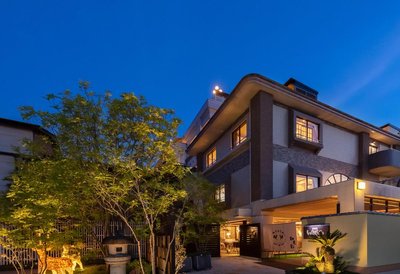
Hotel New Wakasa
Kyoto Arashiyama Onsen Kadensho (Kyoritsu Resort)
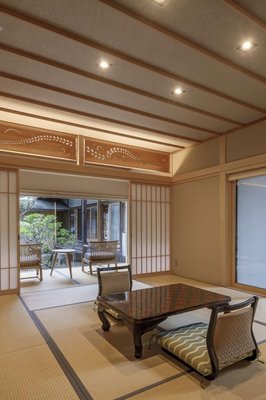
Ichijoin
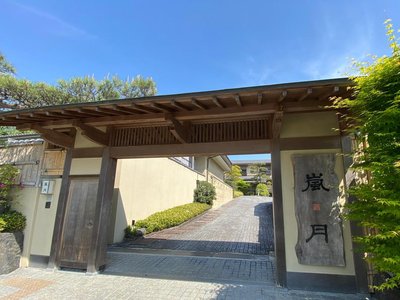
Rangetsu
The Ritz-Carlton, Kyoto
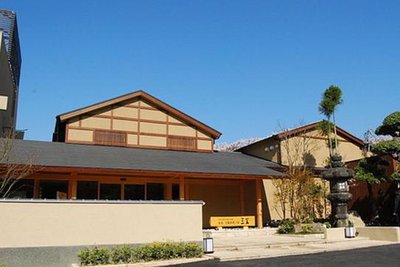
Mikasa
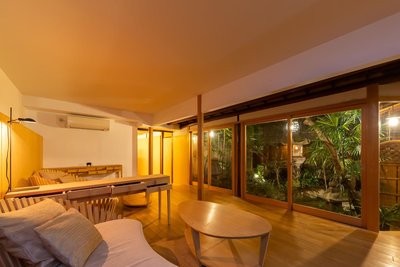
Izuyasu Traditional Kyoto Inn Serving Kyoto Cuisine
HOSHINOYA Kyoto
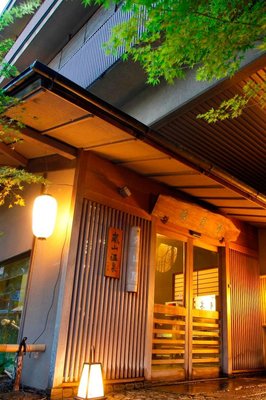
Togetsutei
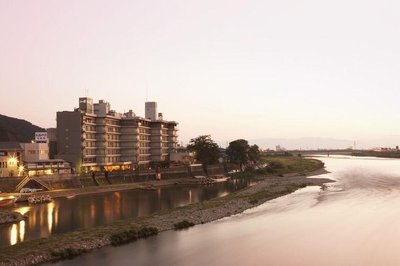
Juhachiro
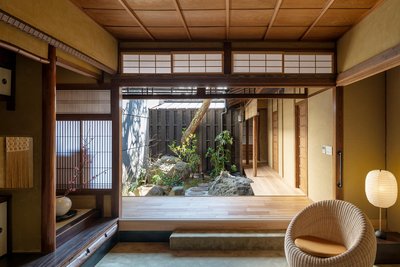
Nazuna Kyoto Gosho
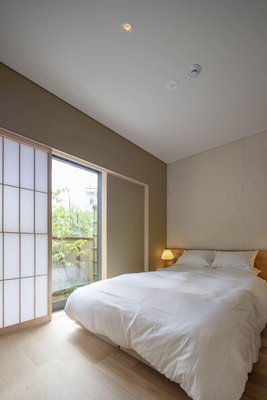
CAMPTON KIYOMIZU
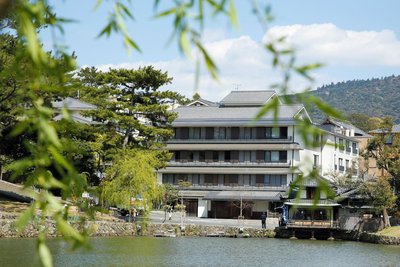
Sarusawaike Yoshidaya
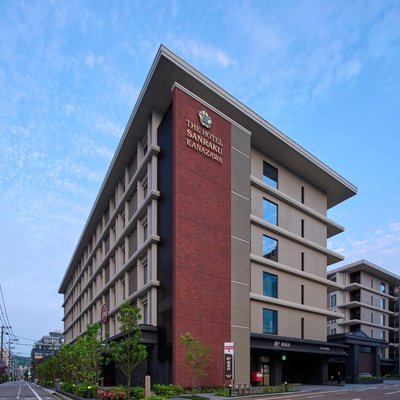
The Hotel Sanraku Kanazawa 21th December 2022 Open

22 PIECES
The Ritz-Carlton, Osaka

The Thousand Kyoto
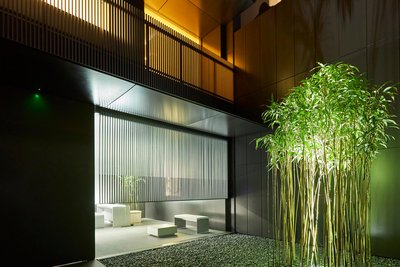
Mogana
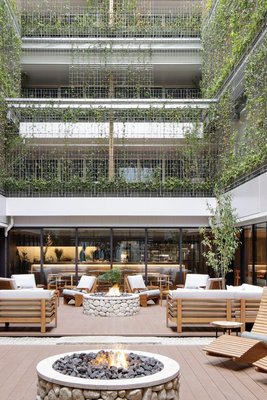
GOOD NATURE HOTEL KYOTO
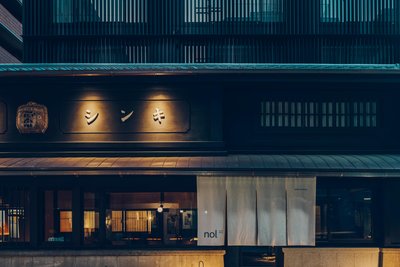
Nol Kyoto Sanjo
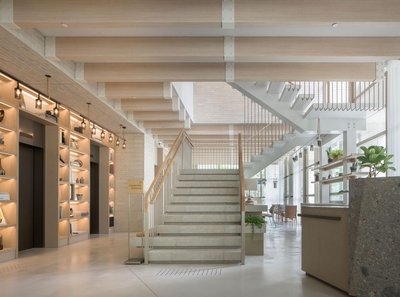
Zentis Osaka
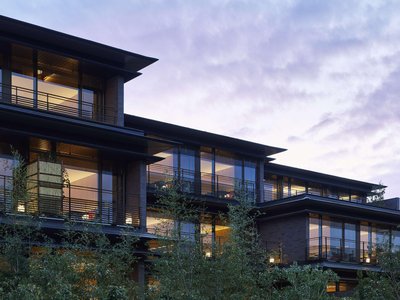
Garrya Nijo Castle Kyoto
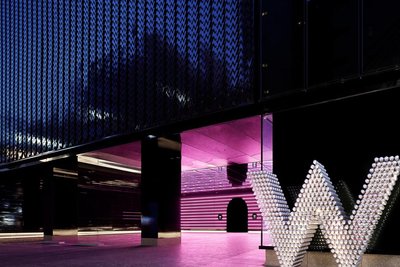
W Osaka
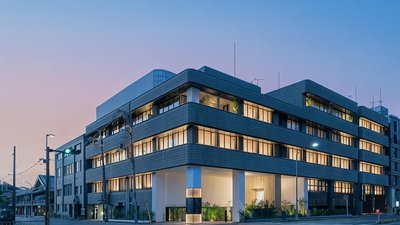
Hotel Kanra Kyoto
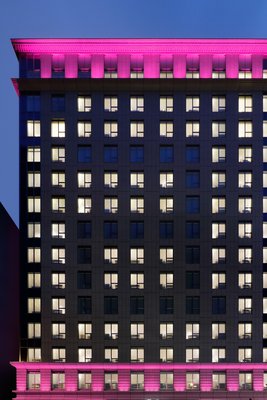
Aloft Osaka Dojima
Yado Kiramachi
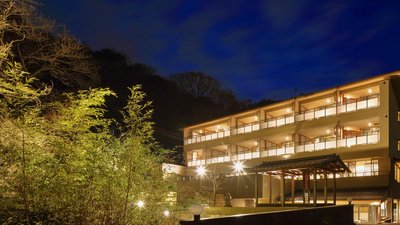
Okuno Hosomichi
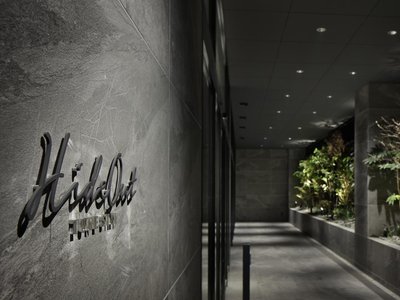
HIDEOUT
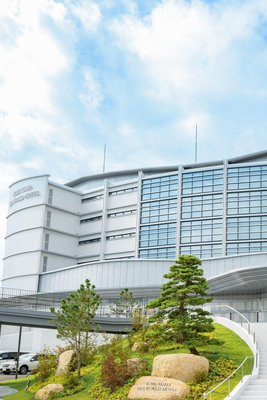
Kobe Suma Sea World Hotel
Matsui-Bekkan Hanakanzashi
Taikyourou
Monjusou Shourotei
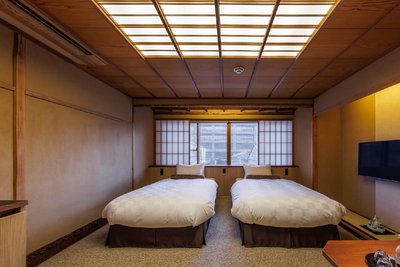
Kyoto Ryokan Sakanoue
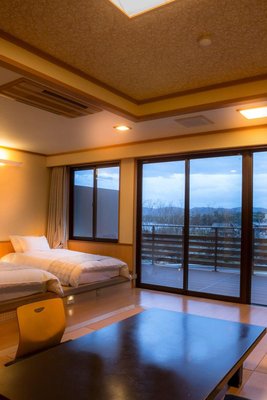
Hotel Kitanoya
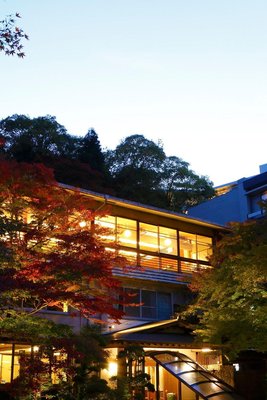
Negiya Ryofukaku
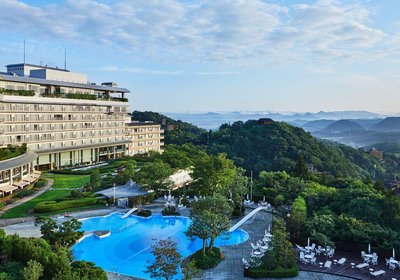
Arima Grand Hotel
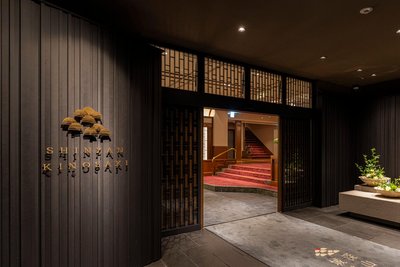
Shinzan Kinosaki
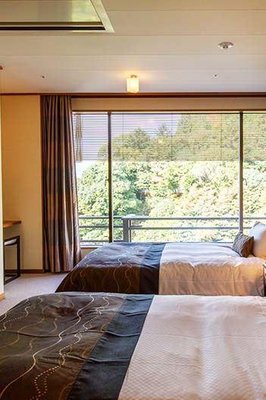
Nakanobo Zuien (Adult Only)
Rangetsu
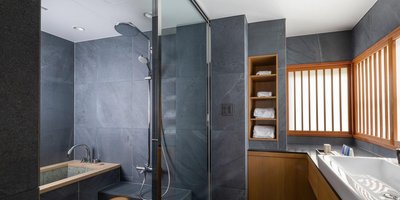
Nanzenji Sando Kikusui
Izuyasu Traditional Kyoto Inn Serving Kyoto Cuisine
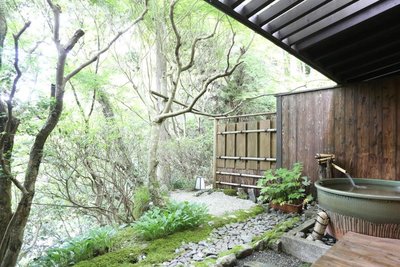
Momijiya Annex
Togetsutei
Nazuna Kyoto Gosho
CAMPTON KIYOMIZU
Okuno Hosomichi
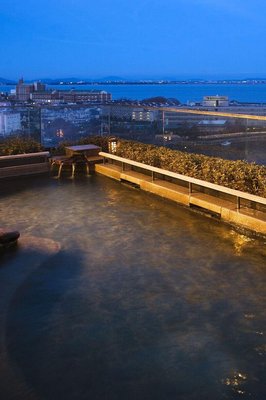
Yumotokan
Arimasansoh Goshobessho
Taikyourou
Monjusou Shourotei
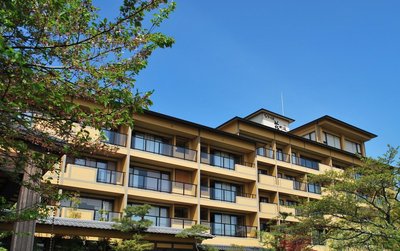
BIWAKO HANAKAIDO
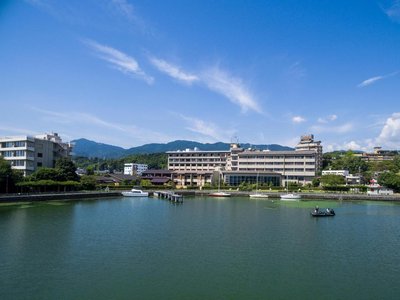
Biwako Ryokusuitei
Kasuga Hotel
Hotel Kitanoya
Negiya Ryofukaku
Arima Onsen Tocen Goshobo
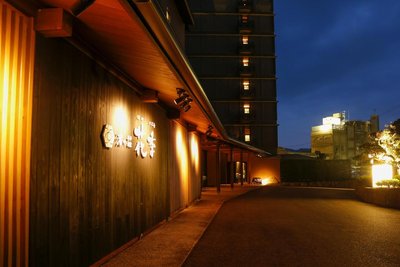
Hanagoyomi
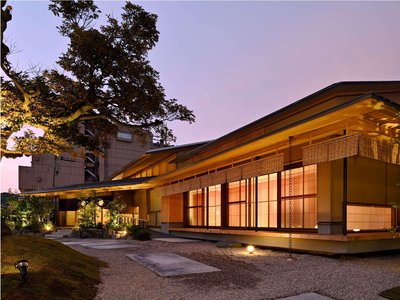
Beniya
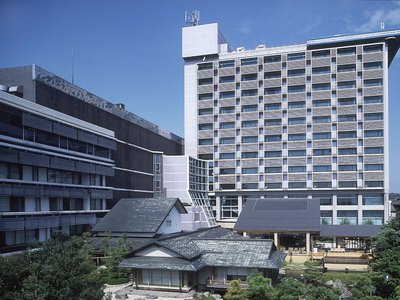
Grandia Housen
Arima Grand Hotel
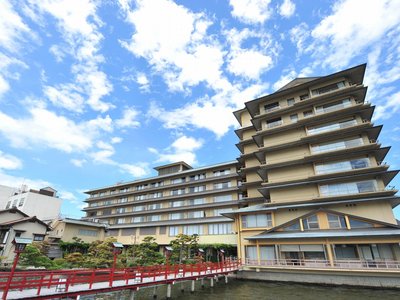
Bokoro Ryokan
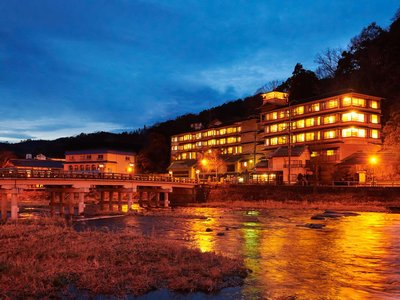
Mansuirou
Kyoto Arashiyama Onsen Kadensho (Kyoritsu Resort)
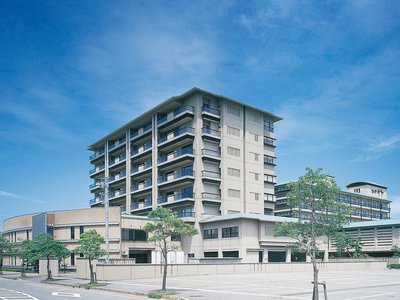
Matuya Sensen
Nakanobo Zuien (Adult Only)
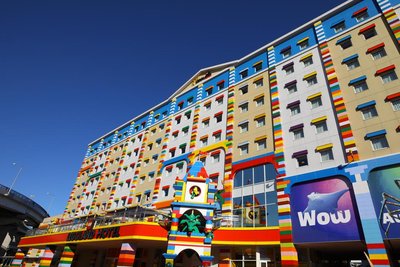
Legoland Japan Hotel
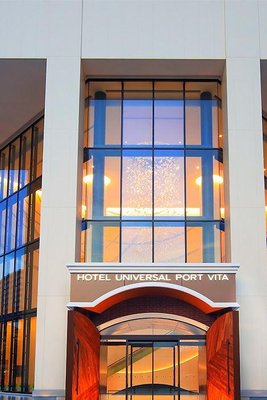
HOTEL UNIVERSAL PORT VITA

The Park Front Hotel at Universal Studios Japan
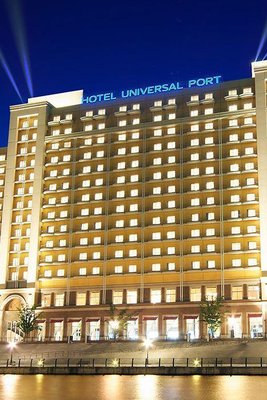
HOTEL UNIVERSAL PORT
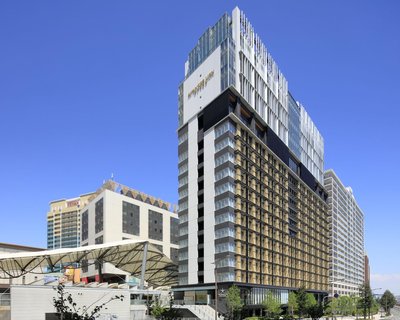
THE SINGULARI HOTEL & SKYSPA at UNIVERSAL STUDIOS JAPAN
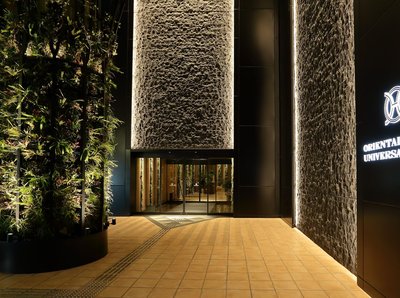
Oriental Hotel Universal City
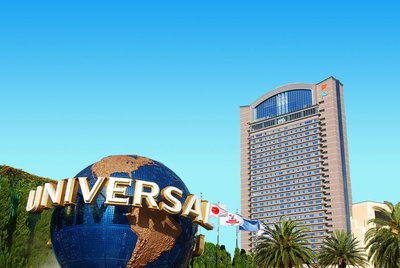
Hotel Keihan Universal Tower
Osaka Marriott Miyako Hotel
The Ritz-Carlton, Osaka
InterContinental Hotel Osaka
The Ritz-Carlton, Kyoto
Suiran, a Luxury Collection Hotel, Kyoto
GOOD NATURE HOTEL KYOTO
Park Hyatt Kyoto
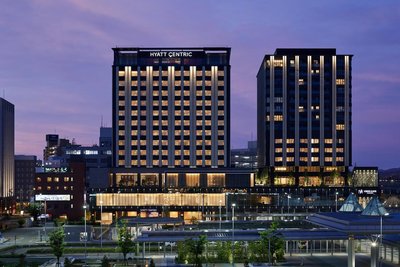
Hyatt Centric Kanazawa
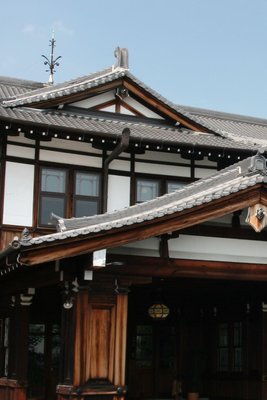
Nara Hotel
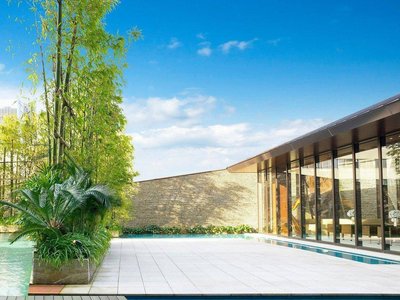
ORIENTAL HOTEL
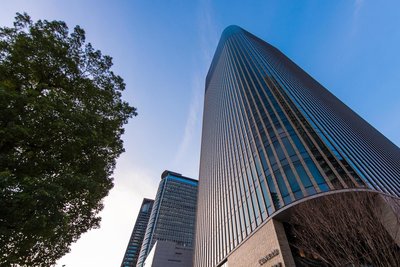
Conrad Osaka
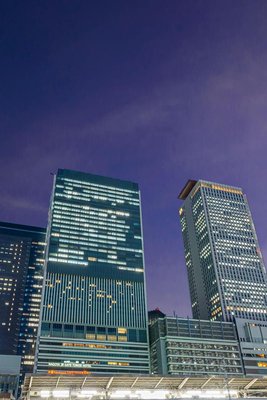
Nagoya JR Gate Tower Hotel (JR-Central Hotels)
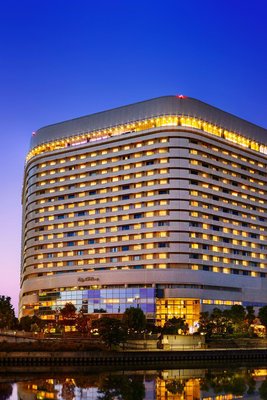
Hotel New Otani Osaka
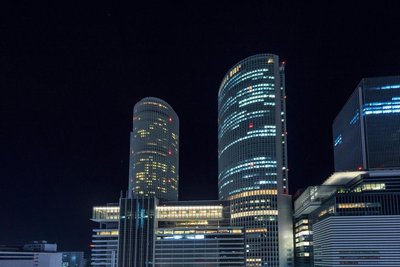
Nagoya Marriott Associa Hotel
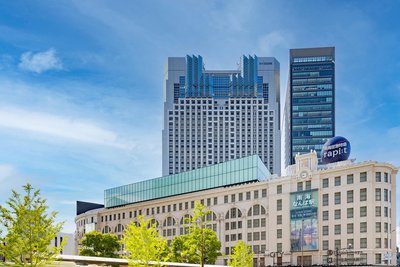
Swissotel Nankai Osaka
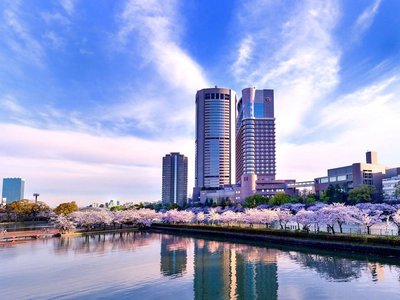
Imperial Hotel Osaka
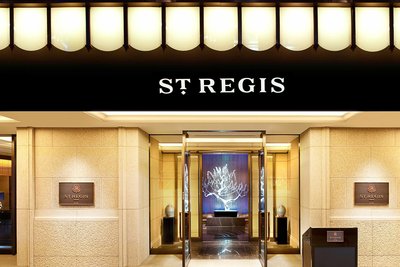
The St. Regis Osaka
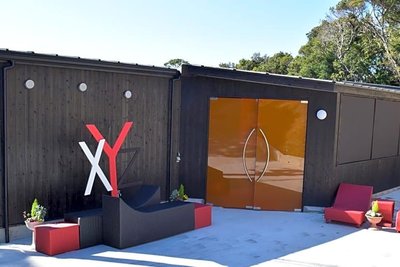
XYZ Private Spa and Seaside Resort
Osaka Marriott Miyako Hotel
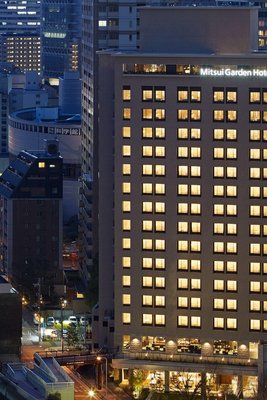
Mitsui Garden Hotel Osaka Premier
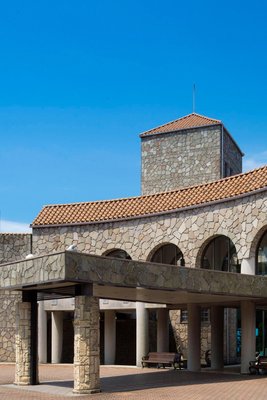
Izumigo Hotel Altia Toba
BIWAKO HANAKAIDO
Biwako Ryokusuitei
Hotel Kitanoya
Hanagoyomi
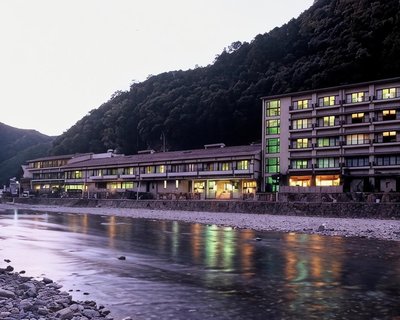
Kawayu Onsen Fujiya
Hotel La Suite Kobe Harborland

AoAwo Naruto Resort
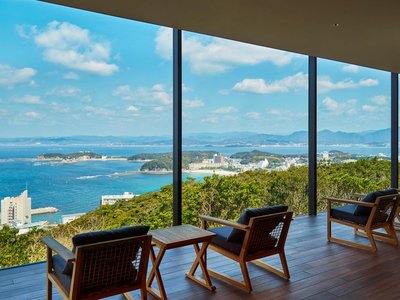
Infinito Hotel and Spa
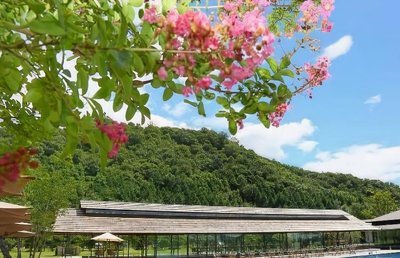
Bella Vista Spa and Marina Onomichi
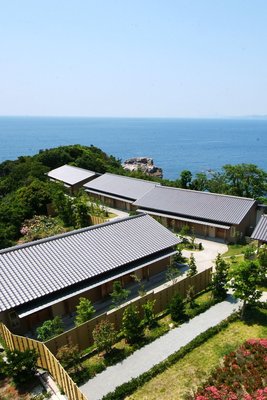
Hamachidorinoyu Kaisyu
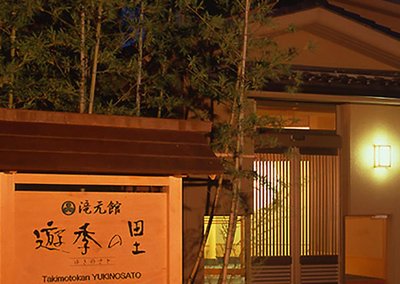
Takimotokan Yuki No Sato
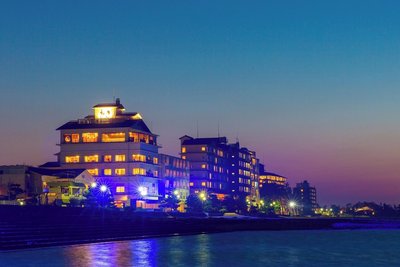
Kaike Shogetsu
The Ritz-Carlton, Kyoto
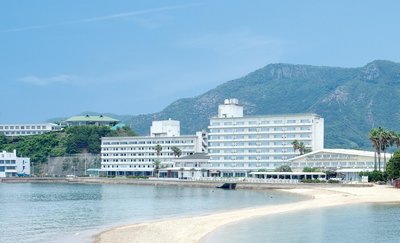
Shodoshima International Hotel
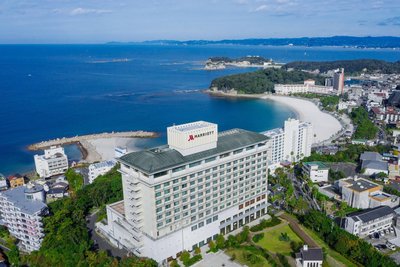
Nanki-Shirahama Marriott Hotel
Juhachiro
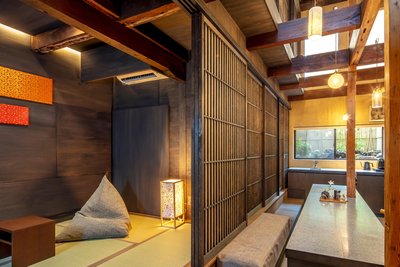
Kyo No Oozora Kihana
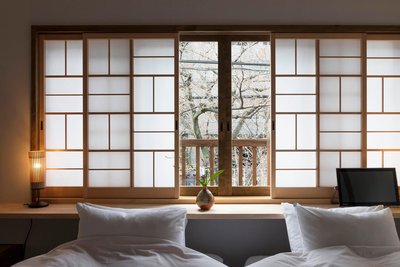
Hanagoromo Machiya House
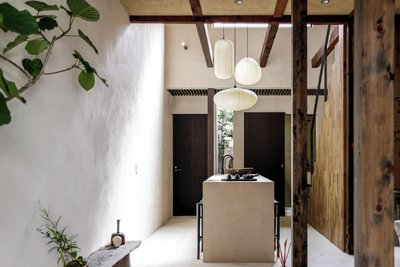
Maana Kiyomizu
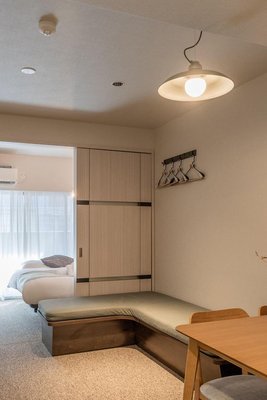
Apartment Hotel 11 Shinsaibashi
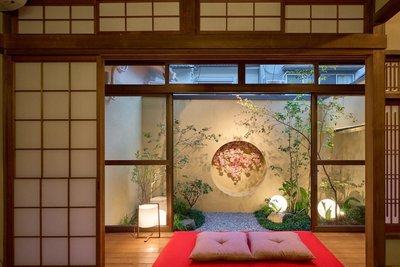
KONJAKUSO Osaka Tengachaya "NIHONCHA" Tea & Relax
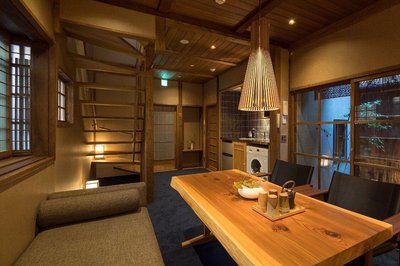
Bonbori an Machiya House
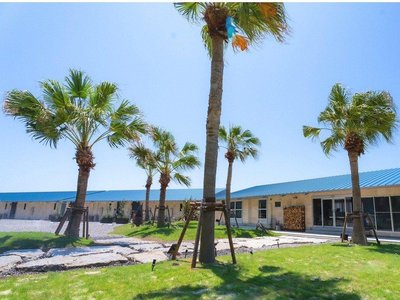
Glamping&Resort Wood Design Park Noma
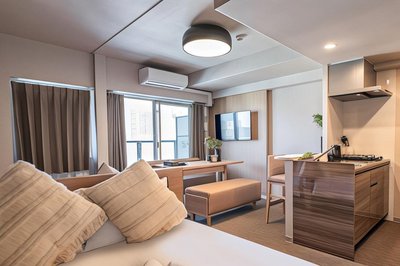
Apartment Hotel 11 Shinsaibashi III
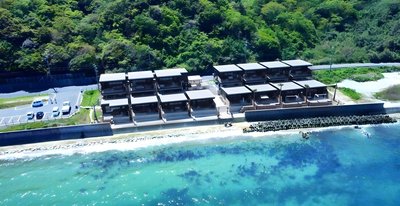
Solavilla Umi Terrace Minamiawaji
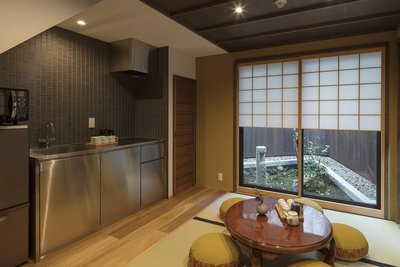
The Machiya Villa Sanjo Shirakawa Koji
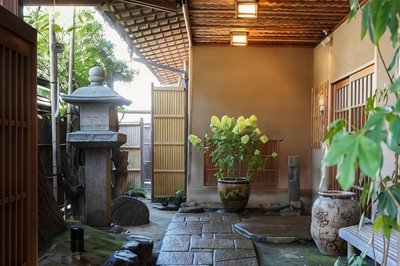
Ryokan Asadaya
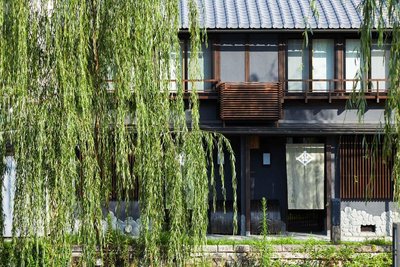
Gion Shirakawa No Yado

Kitashirakawa Natural Radium Onsen
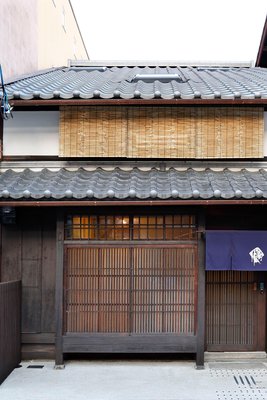
Kyo No Ondokoro Kamanza Nijo #2
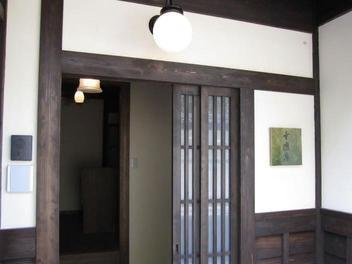
Gion Koyu an Machiya House
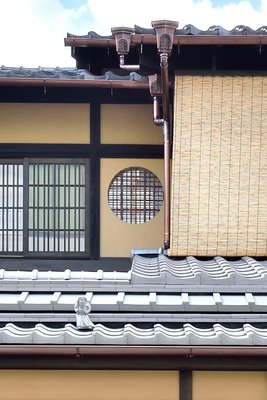
Kyo No Ondokoro Gokomachi Ebisugawa #3

Sana Mane - Glamp Domes
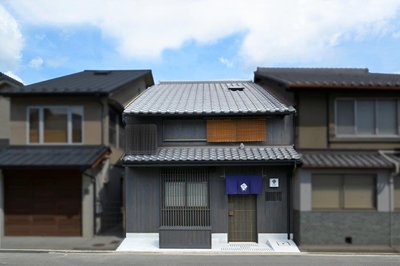
Kyo No Ondokoro Goshonishi #6
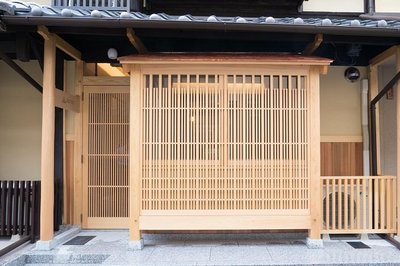
Kyomachiya Suite Rikyu
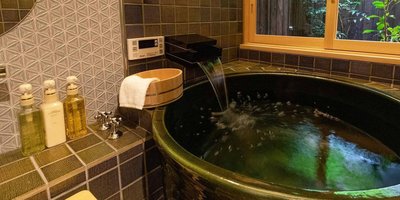
Kyoisuke
Frequently Asked Questions about Traveling to Kyōtango
Questions You Might Need to Know About Traveling to Kyōtango
In Kitanosato City, the top choice for families is Oyado Oyama, a traditional ryokan nestled near Kumemba Beach. This boutique inn offers spacious family rooms, private onsen baths, and kids’ welcome kits with yukata and games. Guests can enjoy daily seafood breakfasts featuring freshly caught fish and participate in hands-on ama (sea diver) experiences. With easy access to Omori Shrine, Kumemba Coast, and the Nishidan'no Tourist Railway, it's perfect for immersive, low-stress family travel in a scenic coastal setting.
The Kumemba Town district is the ideal area for staying in Kitanosato City. Located along the pristine white-sand beaches of Kumemba Coast, this region offers serene ocean views, safe swimming spots, and convenient access to local attractions like Omori Shrine and the Nishidan'no Tourist Railway. Accommodations here range from cozy guesthouses to luxury ryokans such as Kai-Fu-Tei, which features sea-view rooms and daily breakfast with fresh seafood. Its central location makes it easy to explore both natural beauty and cultural heritage.
Visitors to Kitanosato City can take part in authentic ama (female divers) sea harvesting workshops at Kumemba Port. Under guidance from local ama divers, guests learn to dive in shallow waters, collect abalone and sea urchins, and even try traditional diving gear. These sessions offer a rare glimpse into Japan’s only female-led diving tradition. The annual Ama Festival in summer also features cultural performances, craft markets, and storytelling events that celebrate the resilience and spirit of the ama community.
Key landmarks in Kitanosato City include Omori Shrine, a historic Shinto site dating back to the Heian period with striking vermilion torii gates and ancient cedar trees. Kumemba Beach, a long stretch of white sand and clear blue water, is perfect for beach walks and seaside relaxation. Wada-misaki Lighthouse, located along the Nishidan'no Tourist Railway, offers panoramic views of the coastline. Additionally, the Kitanosato City Museum of Nature showcases local geology, fossils, and marine life—ideal for science and nature enthusiasts.
Hot spring hotels in Kitanosato City specialize in ocean-air therapy and seafood-infused onsen experiences. At Umaya Mihira, guests enjoy open-air baths overlooking Kumemba Coast, where night-time soaking reveals starlit skies and distant lighthouse beams. The hotel serves a sea-diver-inspired kaiseki dinner using same-day catch, including abalone, mackerel, and sea urchin. Some suites feature private onsen tubs and complimentary gifts like handmade sea salt soaps and local seaweed bath salts, blending relaxation with regional authenticity.
Yes, Kitanosato City is ideal for road trips. Recommended route: Start from Kyoto Station, take the Maizuru-Wakasa Expressway, then follow National Route 29 through scenic coastal towns. Stop at Omori Shrine, ride the Nishidan'no Tourist Railway, and end at Kumemba Beach. Don’t miss Wada-misaki Lighthouse for sweeping ocean views. With well-marked signs and smooth roads, the journey is family-friendly and perfect for exploring hidden coves, local markets, and quiet beaches. Allow at least two nights for a full immersion experience.
Must-try seafood in Kitanosato City includes Kumemba mackerel sashimi, known for its firm texture and sweet flavor; ama-harvested abalone hot pot, simmered in dashi made from local kelp and seaweed; and Dan'no dried bonito (katsuo-bushi) served over rice. Visit Kumemba Port Market to buy fresh catches and have them cooked at your ryokan. Also sample local seaweed tea and sea salt ice cream—unique souvenirs that capture the essence of the region’s coastal bounty.
Kitanosato City hosts vibrant seasonal events year-round. In spring, the Omori Shrine Cherry Blossom Festival transforms the grounds with blooming sakura. Summer brings the Ama Festival, featuring diving demonstrations, traditional dances, and fireworks. Autumn holds the Kitanosato Harvest Festival, with seafood markets and a grand firework display. Winter features the Onsen Light Trail, where illuminated paths wind through ryokans and gardens, creating a magical atmosphere under the stars—perfect for romantic or reflective evenings.
Kitanosato City offers excellent family amenities. Kitanosato Marine Park features interactive aquariums, child-sized diving simulators, and dolphin feeding experiences. Kumemba Beach has safe, shallow areas with lifeguards and children’s play zones. Nearby, Omori Shrine hosts workshops where kids can craft paper umbrellas and ama-style headwear. Many guesthouses provide kid-friendly yukata, toy boxes, and illustrated guides. Stay at Umaya Mihira, which features a sand pit and small ecological pond—ideal for young explorers seeking outdoor fun in a peaceful environment.
Nighttime highlights in Kitanosato City include strolling the glow-in-the-dark beach path at Kumemba Coast, where bioluminescent waves create a dreamlike effect. Soaking in an open-air onsen at Oyado Oyama under a star-filled sky offers unmatched tranquility. The Nishidan'no Tourist Railway runs special night trains with ambient lighting and audio stories of local legends. During the Ama Festival, join lantern processions and seaside fireworks—experiences that blend culture, nature, and wonder, making evenings in Kitanosato truly unforgettable.
Kyōtango Overview
City Summary
Kyotango City, located in northern Kyoto Prefecture, offers a blend of serene rural landscapes and rich cultural heritage. Known for the Tango Peninsula's coastline, hot springs, and traditional crafts, it provides an authentic Japanese escape.
Must-See Attractions
Top Attractions:
- Amanohashidate: One of Japan's "Three Scenic Views," famed for its pine-covered sandbar.
- Ine Funaya: Unique fishing village with boat houses, perfect for cultural immersion.
- Tango Railway: Scenic train ride showcasing coastal beauty.
- Onsen Ryokan: Traditional inns with hot springs and kaiseki meals.
Food Guide
Must-Try Foods:
- Snow Crab: A winter delicacy from the Tango Peninsula.
- Tango Black Beans: Sweet local specialty with a creamy texture.
- Seafood Donburi: Fresh catch served over rice.
- Tango Wagyu: Premium beef with exceptional marbling.
Transportation Guide
Transport Tips:
- Train: Take the "Tango Railway" from Kyoto Station (approx. 2 hours).
- Bus: Budget-friendly option with routes from Kyoto.
- Car Rental: Ideal for exploring rural areas like Ine.
- Local Transit: Sparse bus schedules; plan ahead.
Best Time to Visit
Best Season: Autumn (Oct-Nov) for mild weather and fall foliage. Winter (Dec-Feb) is prime for snow crab, but expect snow. Summer offers fewer crowds.
Travel Tips
- Onsen Etiquette: Bathe before entering; no swimsuits allowed.
- Cash: Rural areas may only accept cash.
- Language: Low English proficiency; use translation apps.
- Reservations: Book luxury ryokans months in advance.
- Eco-Care: Respect nature; no littering.
- Clothing: Pack warm layers for winter coastal winds.
Useful Information
Practical Info:
- Language: Japanese; minimal English signage.
- Internet: Free Wi-Fi in cities; rent a pocket Wi-Fi for rural areas.
- Payment: Credit cards in cities; carry JPY cash elsewhere.
- Emergency: Dial 110 for police, 119 for ambulance.
- Voltage: 100V, Type A plugs (US flat-pin).









