Hotels in Kyonan
Discover your perfect stay in Kyonan.
Kyonan(Japan) Travel 2026: Cheap Flights, Hotels & Top Attractions
Popular Landmarks in Kyonan
Discover the most iconic attractions in Kyonan
Recommended Hotels in Kyonan
Find the perfect place to stay in Kyonan
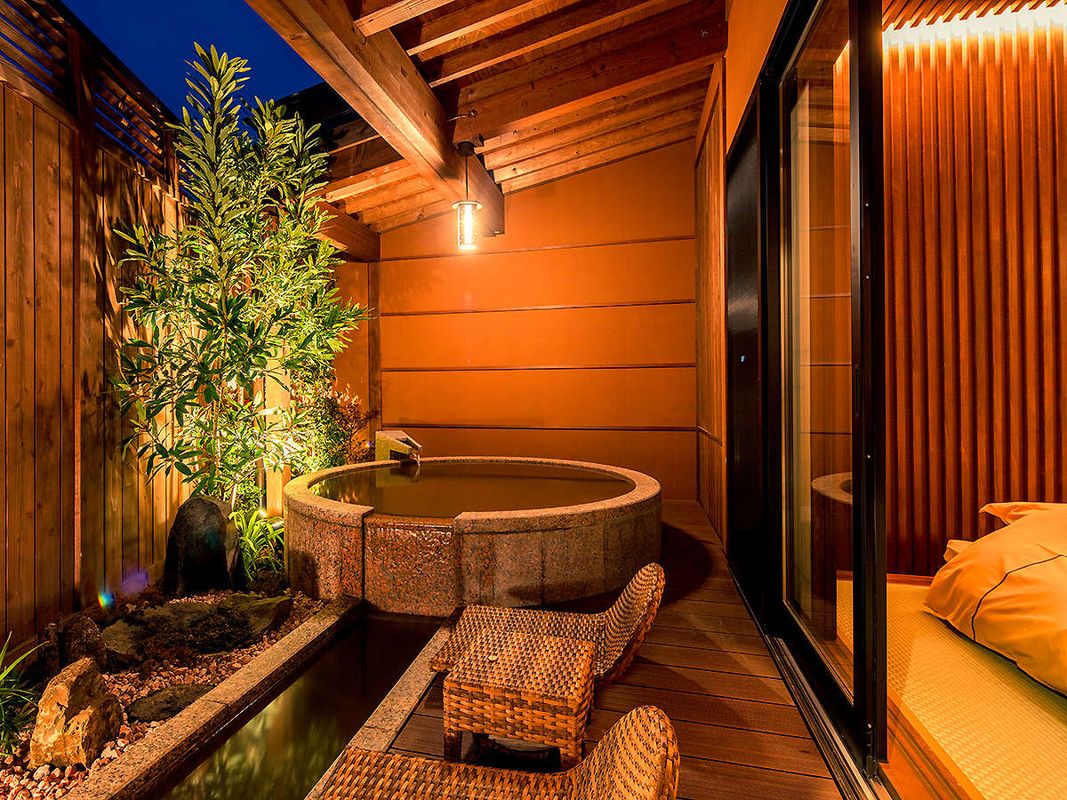
Awaonsen Kinokuniya
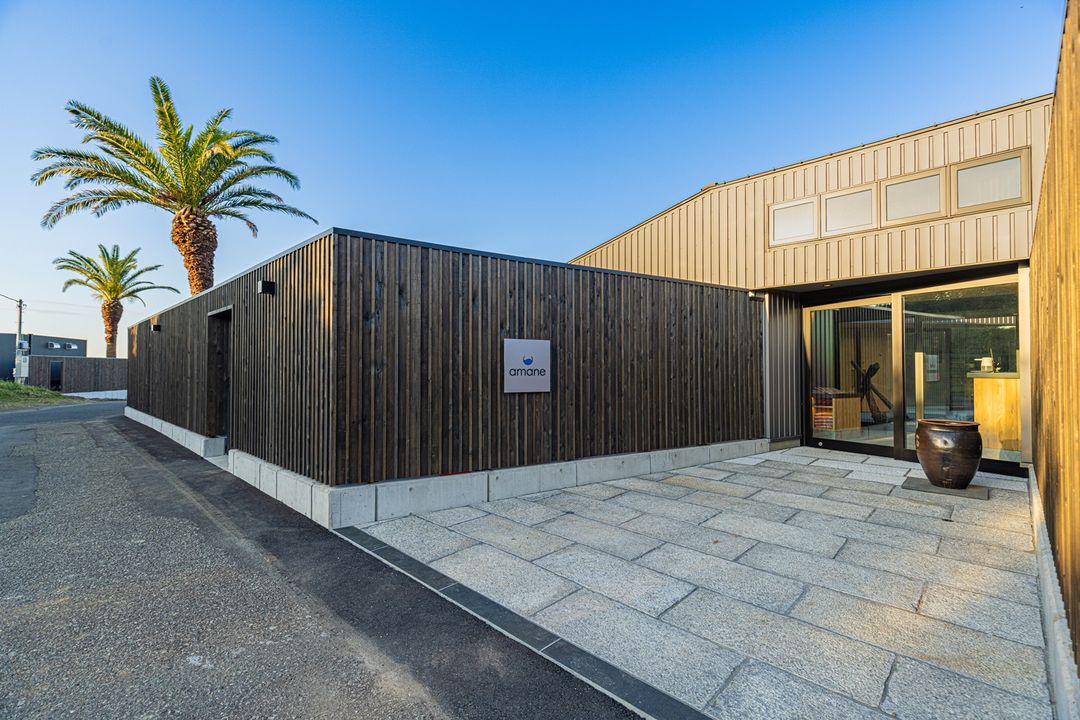
amane
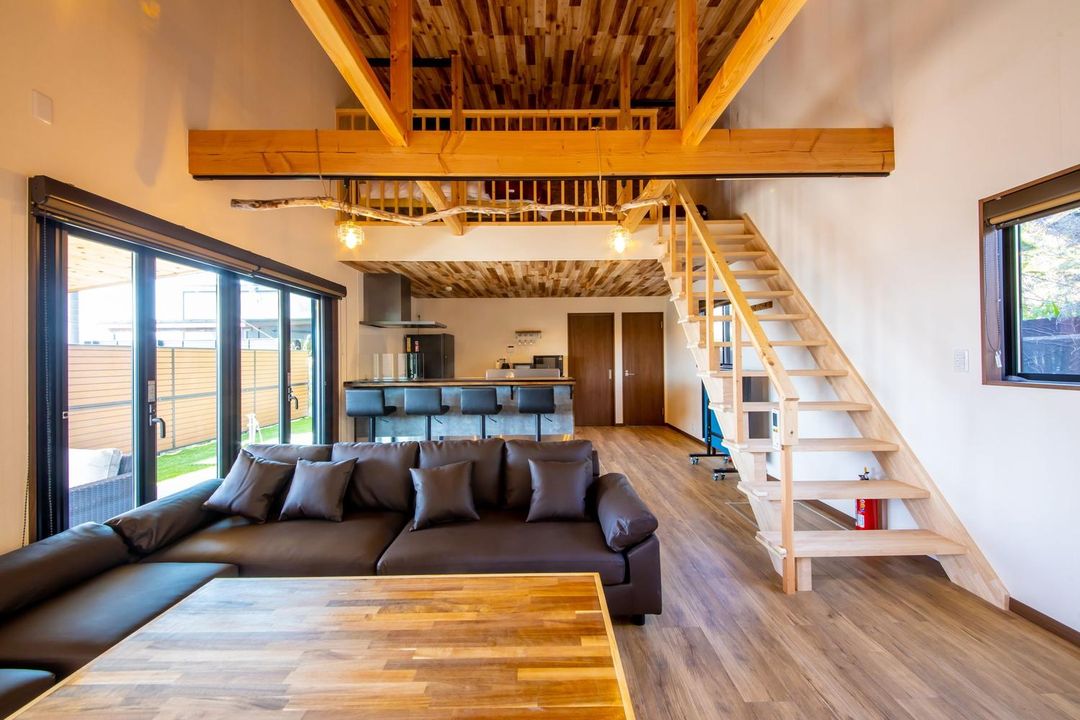
KYONAN BASE RESORT
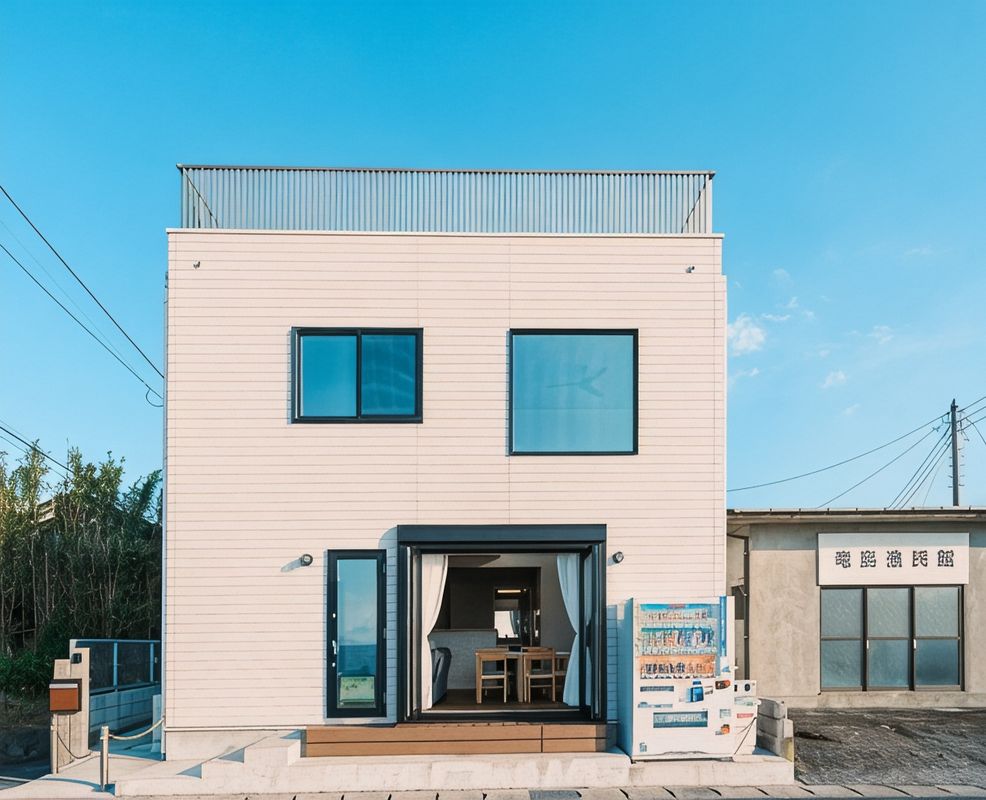
Ryushima Ocean View Villa
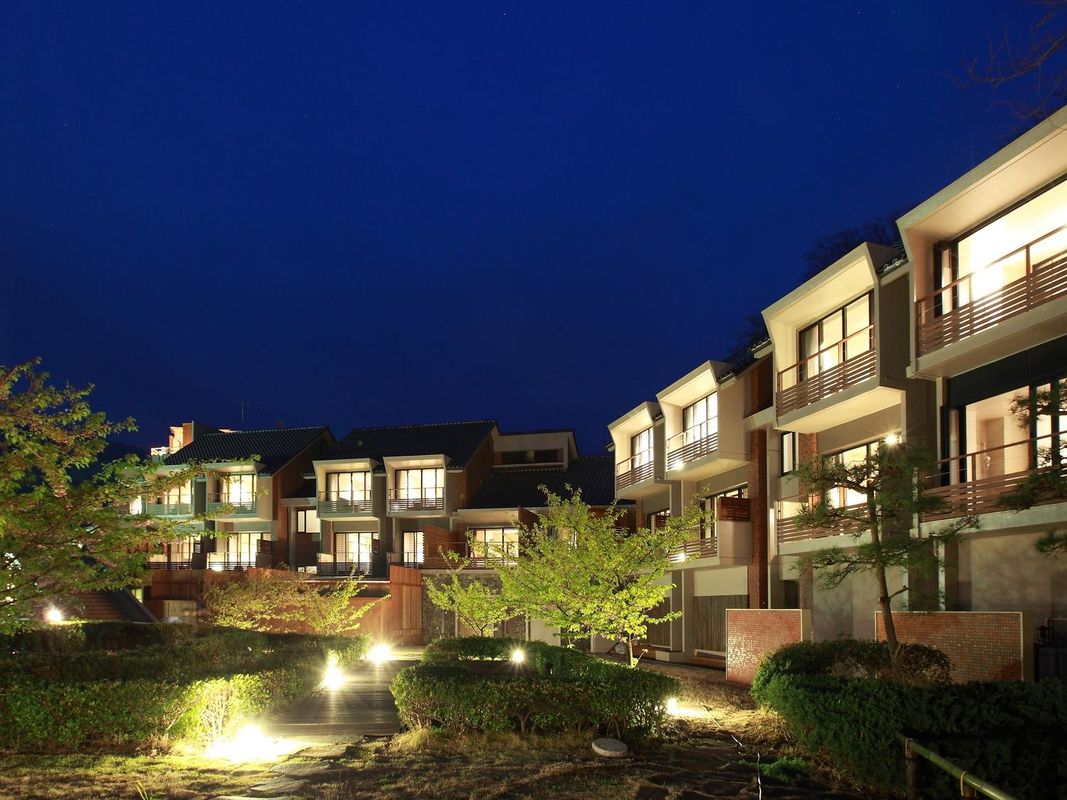
Beachside Onsen Resort Umi

Botanical Pool Club
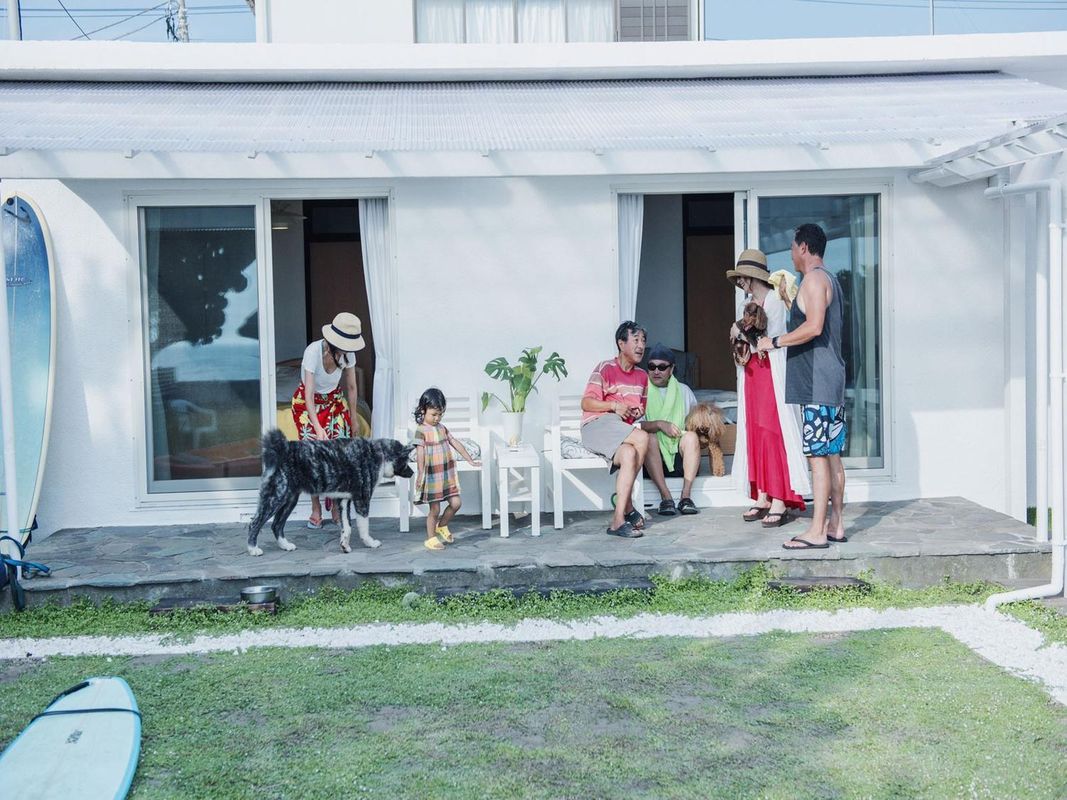
Hota Beach
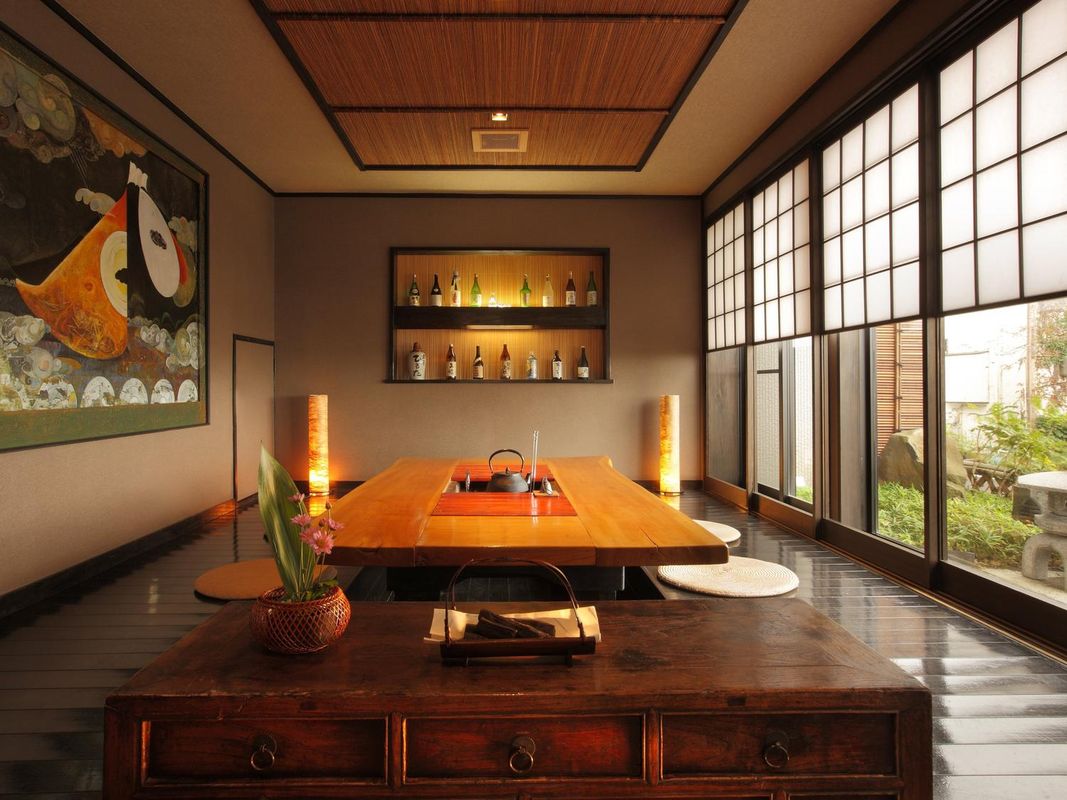
Oyado Hiruta
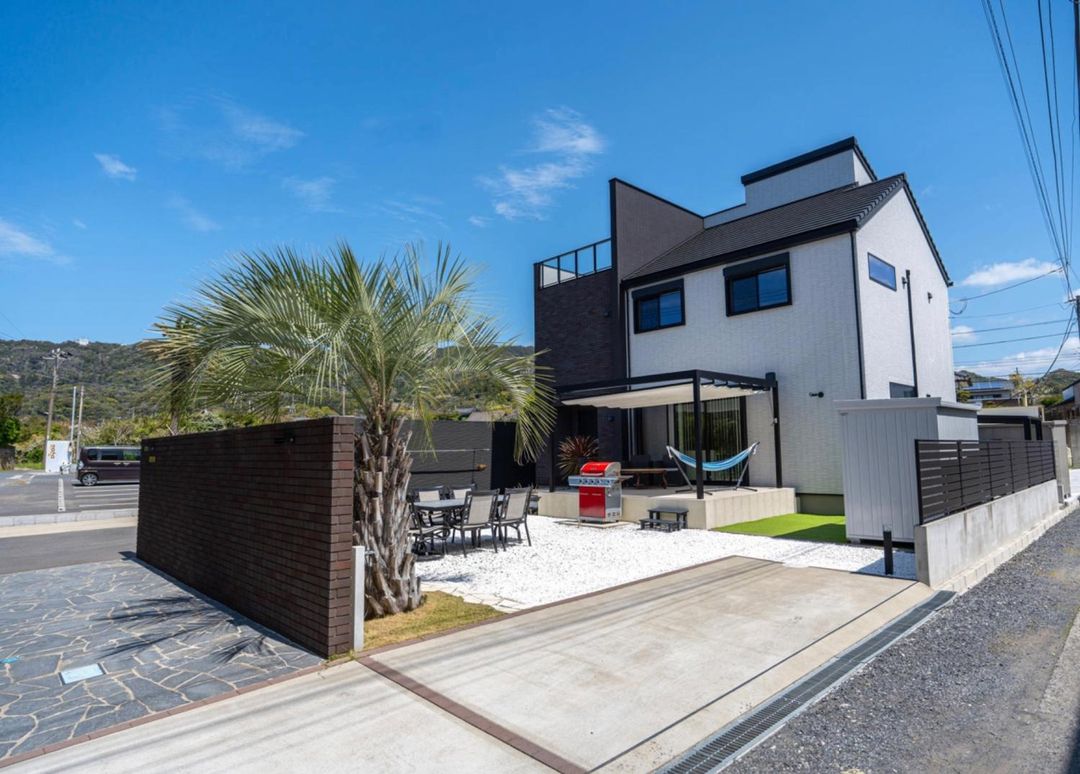
Bask Hota
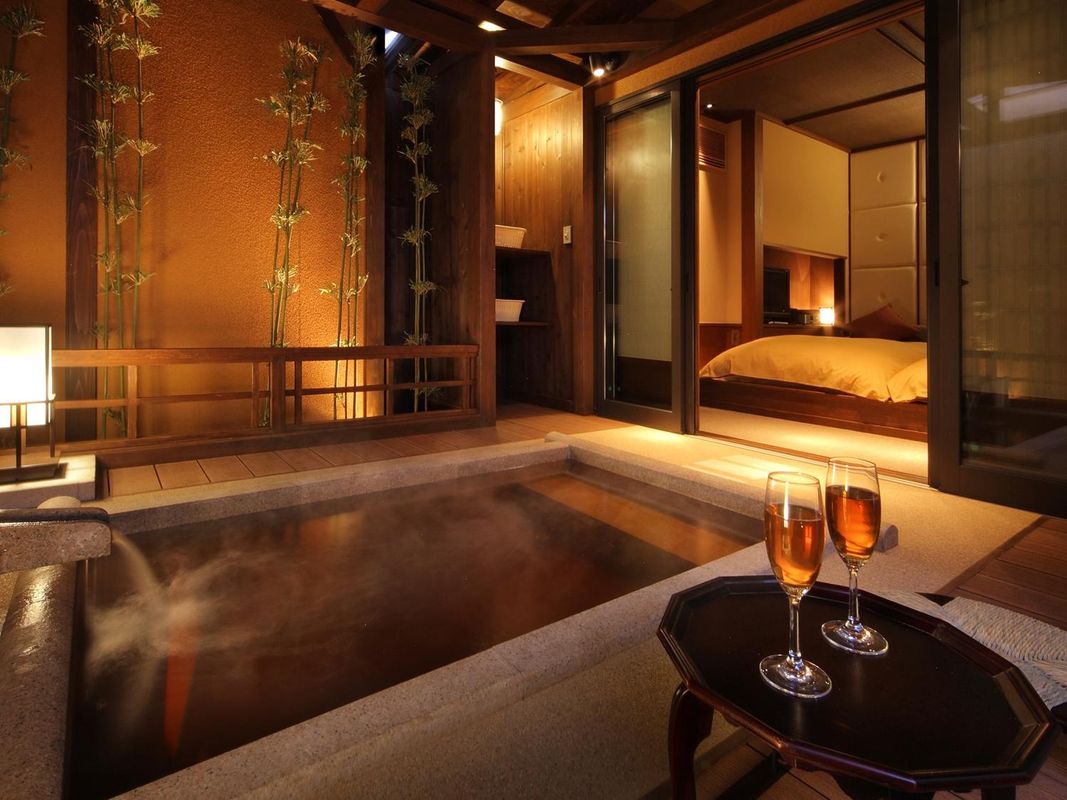
Awa Onsen Kinokuniya Bettei
Best Hotels in Kyonan
Discover curated hotel collections in Kyonan
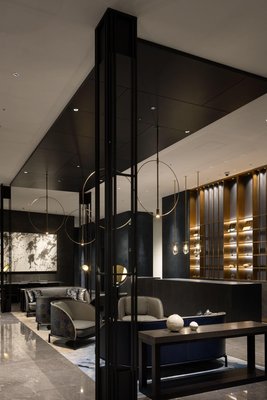
Bellustar Tokyo, A Pan Pacific Hotel
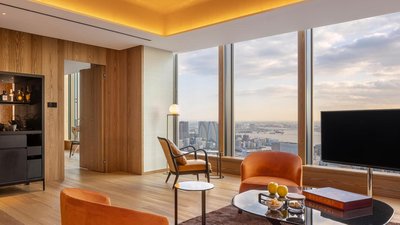
Bvlgari Hotel Tokyo
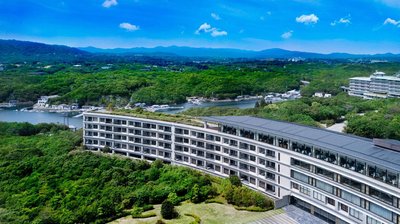
Shima Kanko Hotel the Bay Suites
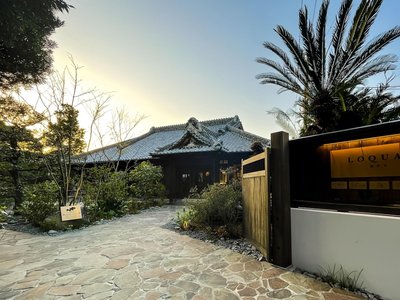
Loquat Nishiizu
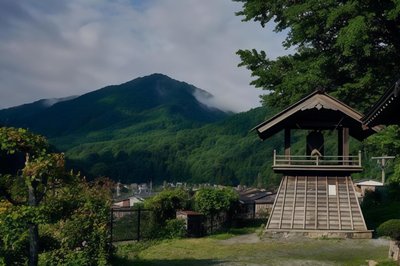
Byaku Narai
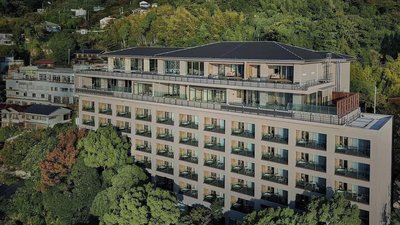
Atami Izusan Karaku
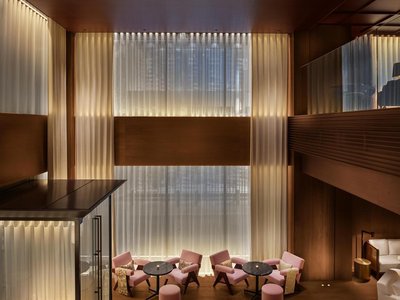
The Tokyo Edition, Ginza

Janu Tokyo
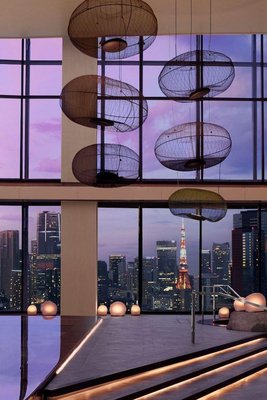
JW Marriott Hotel Tokyo
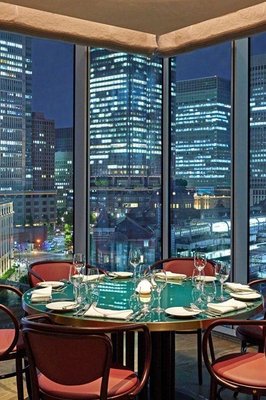
Four Seasons Hotel Tokyo at Marunouchi

Mandarin Oriental, Tokyo
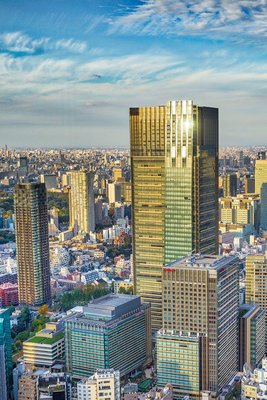
The Ritz-Carlton, Tokyo
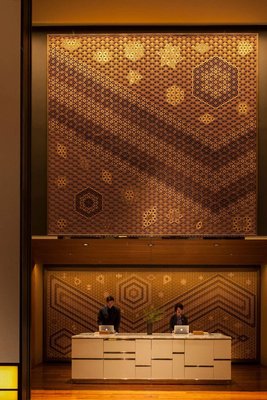
Andaz Tokyo Toranomon Hills- A Concept by Hyatt
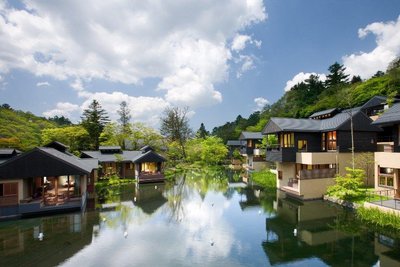
Hoshinoya Karuizawa
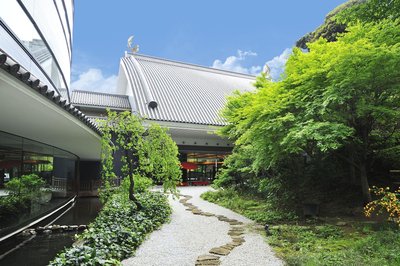
Hotel Gajoen Tokyo
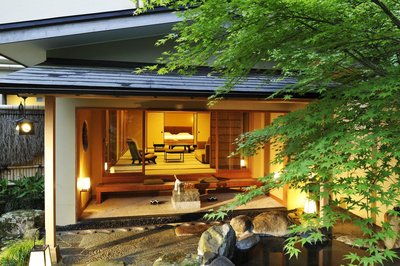
Gora Kadan
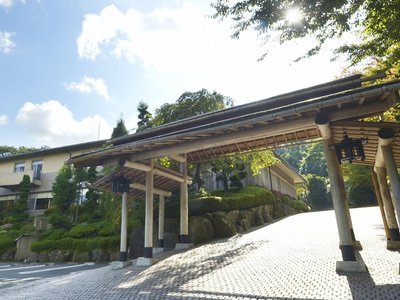
Gora Hanaougi

The Hiramatsu Hotels & Resorts Kashikojima
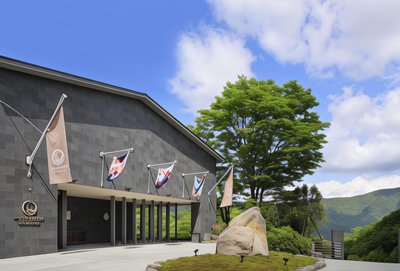
The Hiramatsu Hotels & Resorts Sengokuhara Hakone

Abba Resorts Izu - Zagyosoh

La Terra Resort
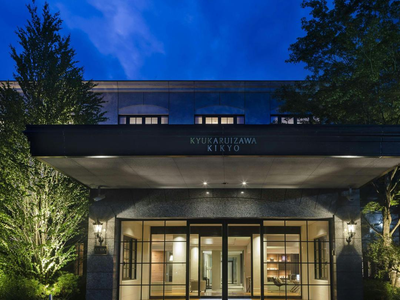
Fufu Karuizawa Wind of Sunshine

Hotel Taiko, Akakura Onsen
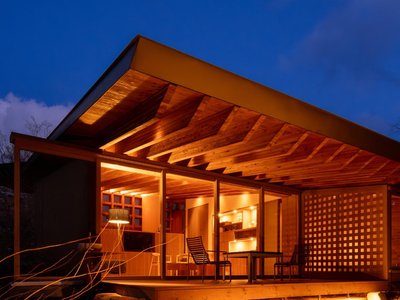
Nasu Mukunone
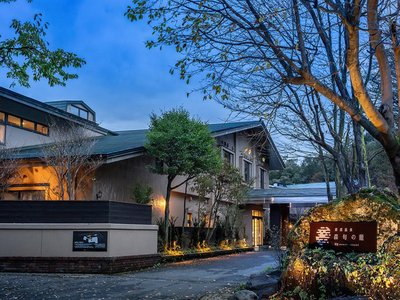
Nasu Onsen Shinshun no Kago Hewitt Resort
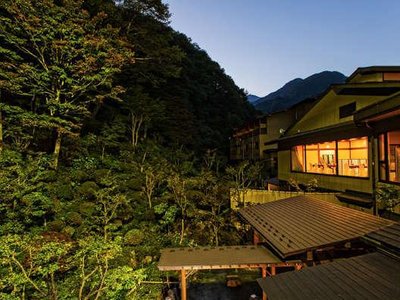
Futari Shizuka
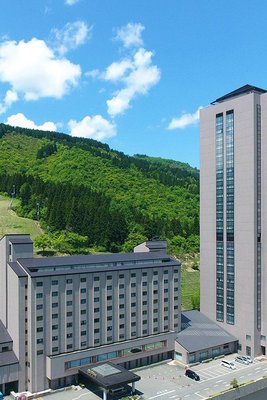
Naspa New Otani
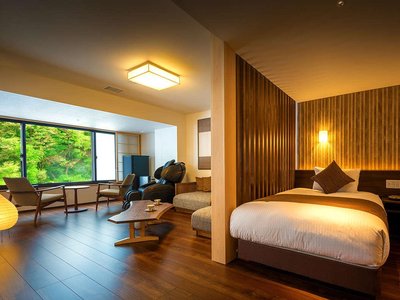
Harataki
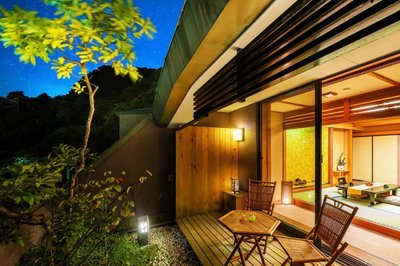
Konjakutei
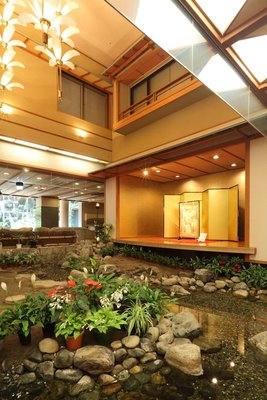
Hotel Futaba
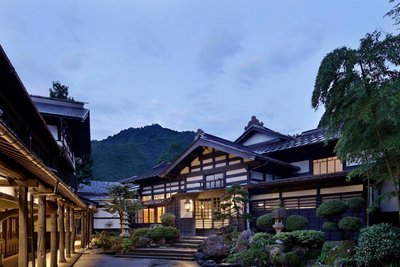
Ryugon
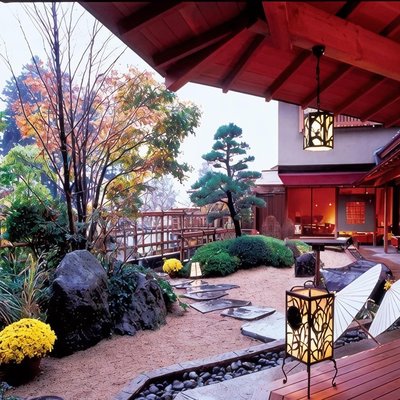
Oyado Tamaki

Tokinoniwa
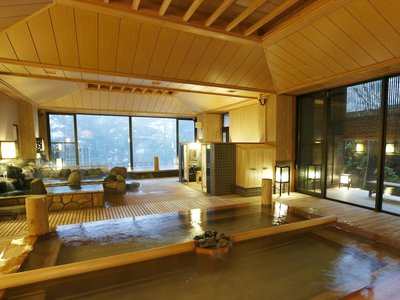
Konoha
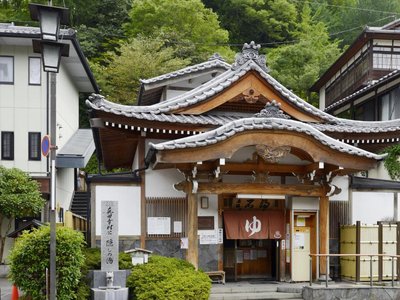
Nakamatsuya Ryokan
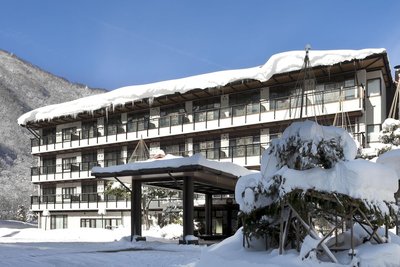
Okada Ryokan Warakutei

Hidatei Hanaougi
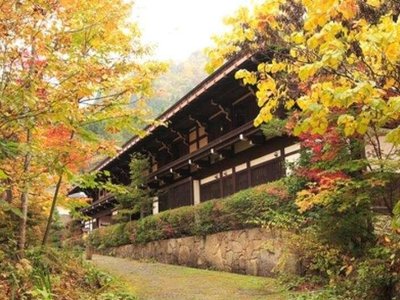
Yumoto Choza
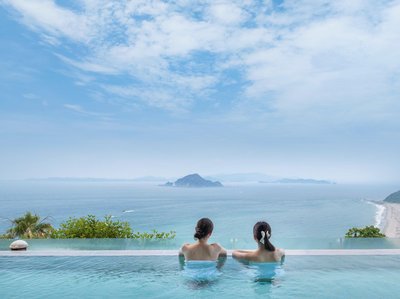
Irago Ocean Resort
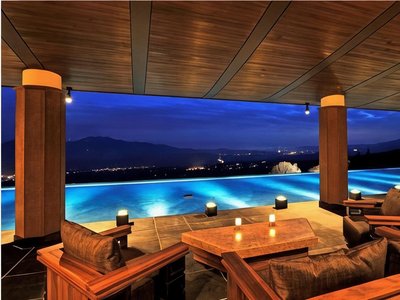
Akakura Kanko Hotel
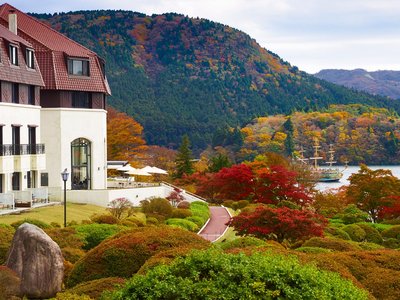
Hotakajyo
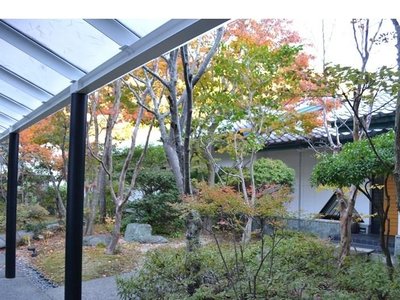
Auberge Suzukane

Onyado Nono Asakusa Bettei Hot Spring
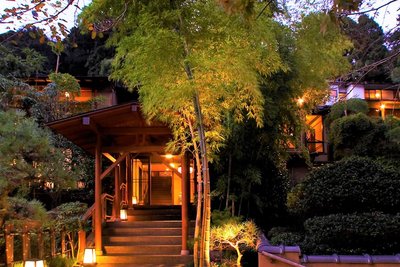
Shiki wo Ajiwau Yado Yamano Chaya
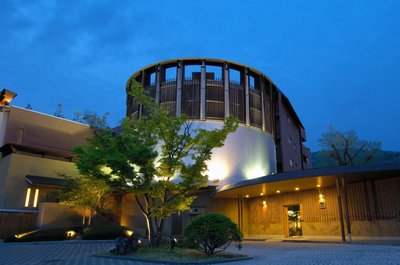
Hoshino Resorts Kai Matsumoto
Konjakutei
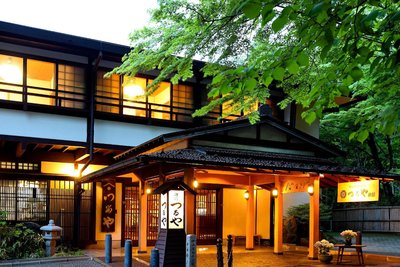
Tsuruya Ryokan
Nakamatsuya Ryokan
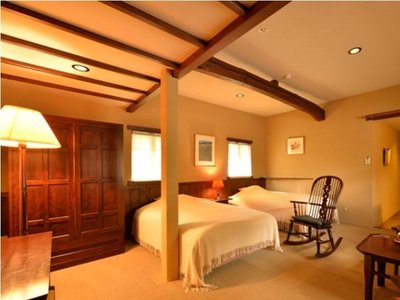
Ryokan Sugimoto
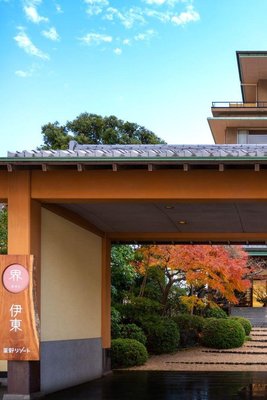
Hoshino Resorts Kai Ito
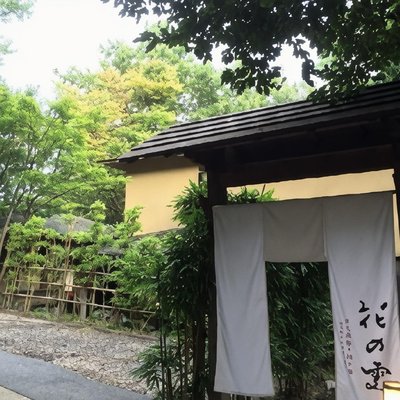
Hana No Kumo
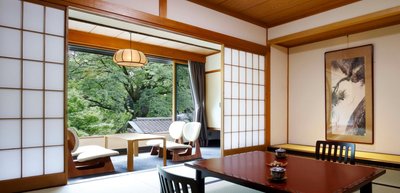
Yoshiike Ryokan
Hotel Gajoen Tokyo
Gora Hanaougi
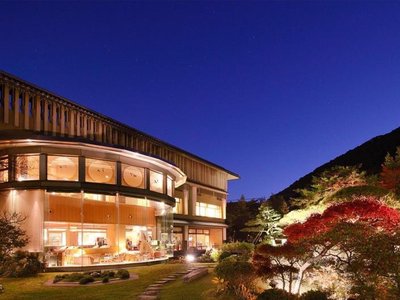
Shikisai Ichiriki
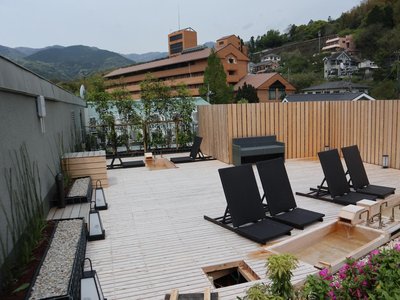
Fukiya Ryokan
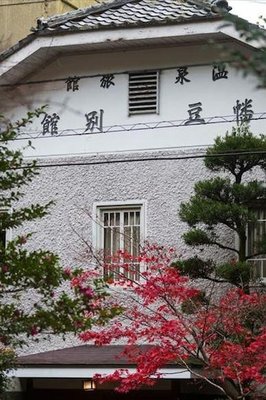
Oku-Mikawa・Yuya Onsen HAZU Bekkan
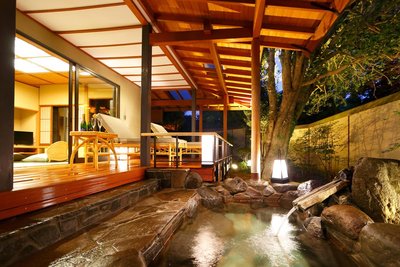
Yoshiharu Ryokan – Izu Nagaoka Onsen
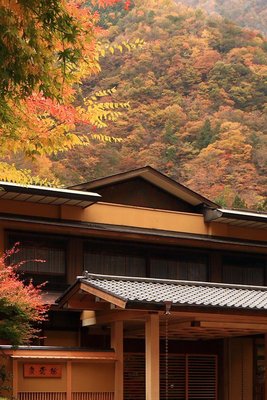
Nishiyama Onsen Keiunkan
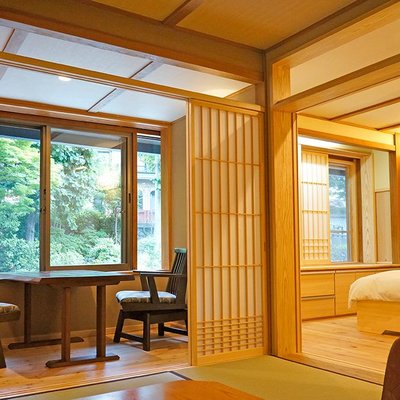
Sumiyosiya Ryokan
Bellustar Tokyo, A Pan Pacific Hotel
Bvlgari Hotel Tokyo
Shima Kanko Hotel the Bay Suites
Loquat Nishiizu
Byaku Narai
Atami Izusan Karaku
The Tokyo Edition, Ginza
Janu Tokyo
JW Marriott Hotel Tokyo
Four Seasons Hotel Tokyo at Marunouchi
Mandarin Oriental, Tokyo
The Ritz-Carlton, Tokyo
Andaz Tokyo Toranomon Hills- A Concept by Hyatt
Hoshinoya Karuizawa
Hotel Gajoen Tokyo
Gora Kadan
Gora Hanaougi
The Hiramatsu Hotels & Resorts Kashikojima
The Hiramatsu Hotels & Resorts Sengokuhara Hakone
Abba Resorts Izu - Zagyosoh
Bvlgari Hotel Tokyo
Four Seasons Hotel Tokyo at Marunouchi
Mandarin Oriental, Tokyo
The Ritz-Carlton, Tokyo
Andaz Tokyo Toranomon Hills- A Concept by Hyatt
Gora Kadan

Hotel New Otani Tokyo the Main
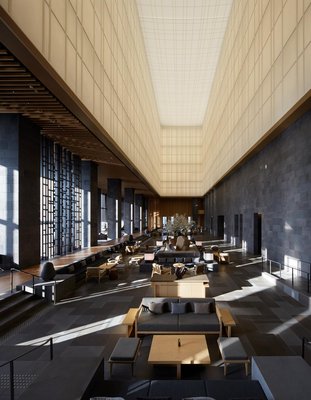
Aman Tokyo
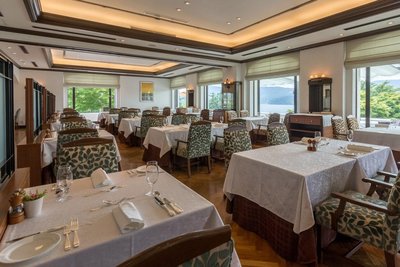
Odakyu Hotel de Yama
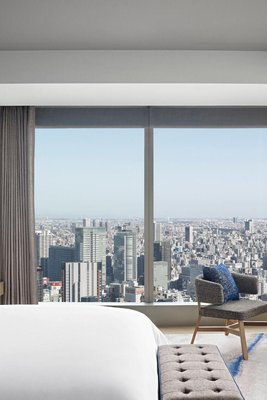
Four Seasons Hotel Tokyo at Otemachi
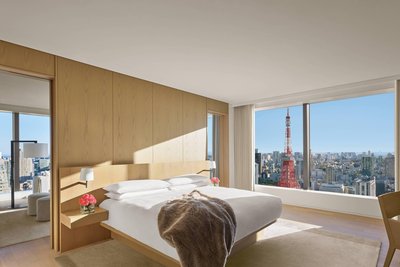
The Tokyo Edition, Toranomon
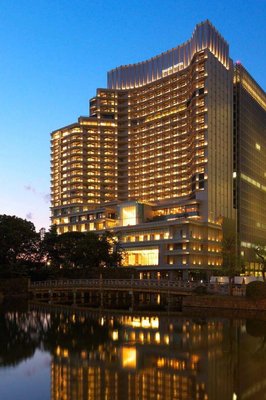
Palace Hotel Tokyo
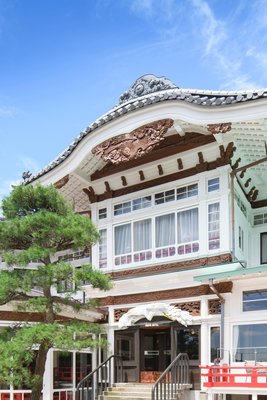
Fujiya Hotel
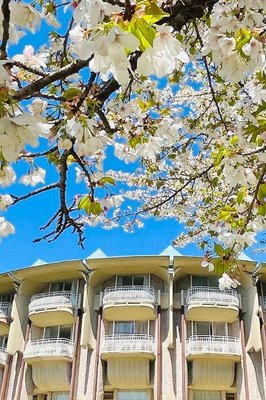
The Prince Hakone Lake Ashinoko
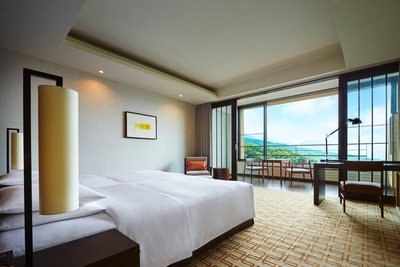
Hyatt Regency Hakone Resort and Spa
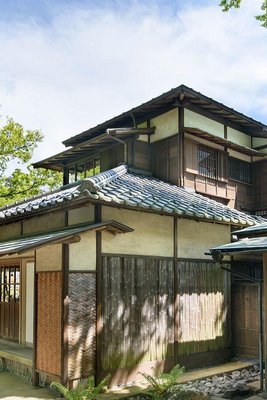
Hakone Suishoen
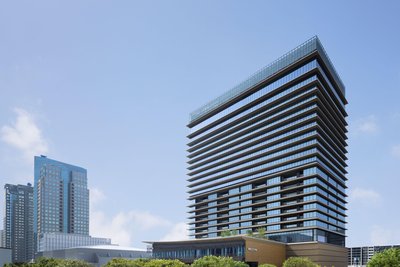
The Westin Yokohama
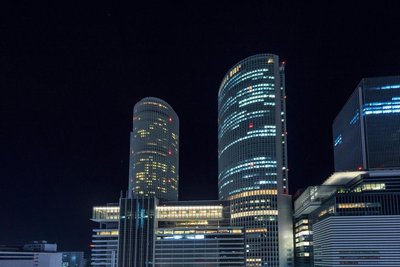
Nagoya Marriott Associa Hotel

The Peninsula Tokyo

Imperial Hotel, Tokyo

Rakuten STAY VILLA Nasu
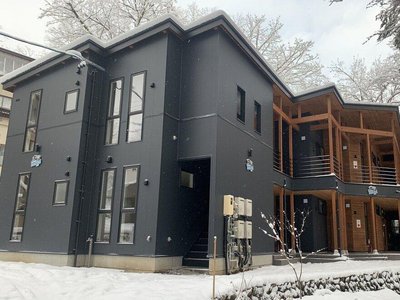
Hakuba Gondola Apartments
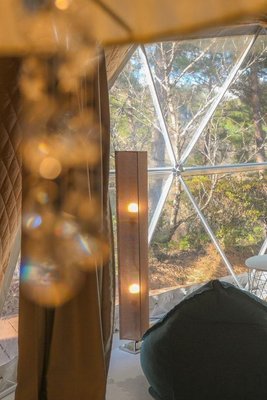
glampark Gekkabijin Nagano
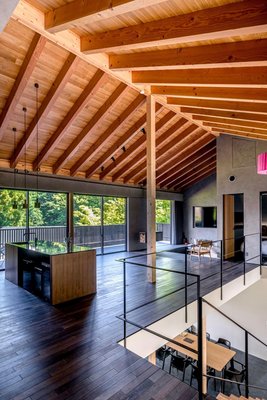
MONS GORA

Phoenix Chalets by Hhg
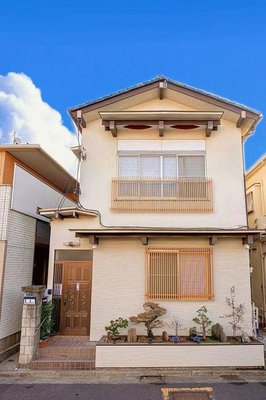
Tokyo Star House-Shinkoiwa
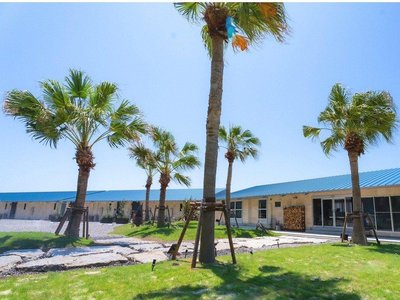
Glamping&Resort Wood Design Park Noma
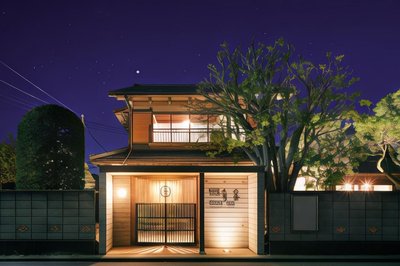
Machi-Jyu
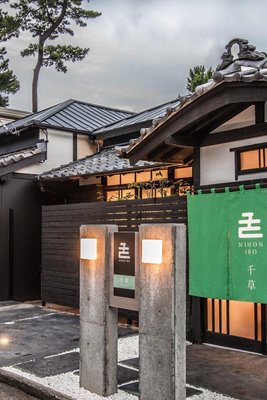
Nihon Iro
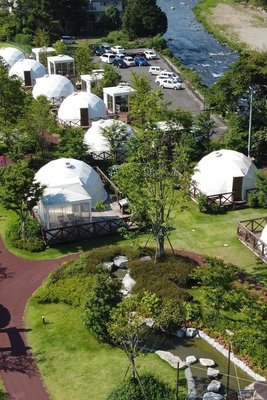
Ufufu Village
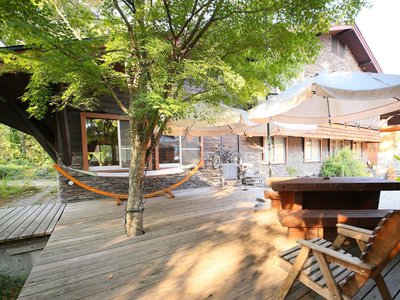
Kunugi Relaxation with 4 Modern Rooms

Modern Ryokan Kishi-ke

Petals Tokyo - Floating Hotel

The Flow Kamakura
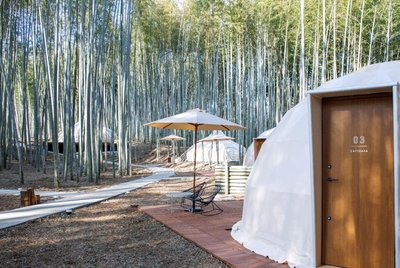
THE BAMBOO FOREST
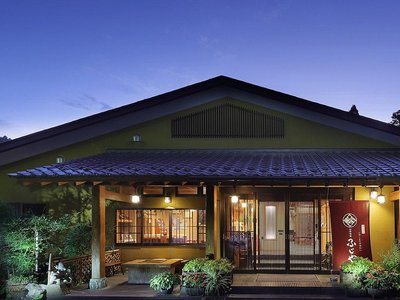
Shikimitei Fujiya
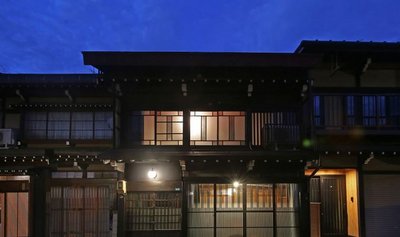
Iori Stay Hida
Frequently Asked Questions about Traveling to Kyonan
Questions You Might Need to Know About Traveling to Kyonan
In Sugisaki Town, the top family-friendly option is Chiba Prefectural Natural Park Resort, a nature-integrated lodging nestled near Ogura Forest. The resort offers wooden cottages with kids’ activity zones and easy access to local farms. Families can participate in seasonal farm experiences like strawberry picking or making tofu at the Sugisaki Farm Experience Center. Morning walks along Shirakawa Stream and evening soaks at Higashiya Onsen provide relaxing routines. Located just 20 minutes by bus from Sakura Station on Keisei Line, it’s ideal for a peaceful rural getaway with authentic Japanese countryside charm.
The best area for tranquil and scenic stays in Sugisaki Town is Higashiya District, located near Higashiya Onsen and Chiba Prefectural Natural Park. This low-density residential zone features serene landscapes, lush greenery, and minimal noise pollution. Most guesthouses and small inns here adopt traditional Japanese architecture with tatami rooms, sliding paper doors, and private gardens. Guests can explore the Sugisaki Cultural Hall nearby to learn about local crafts like bamboo weaving and pottery. Accessible via a 20-minute bus ride from Sakura Station, it offers both peace and convenience for nature lovers.
Visitors to Sugisaki Town can immerse themselves in authentic rural traditions such as traditional rice farming and handmade pottery. During spring, the annual Planting Festival (Tanematsuri) invites guests to try rice transplanting using ancient methods. At Ogura Pottery Workshop, travelers can take a one-day class crafting ceramics from local clay—each piece is uniquely yours to keep. There’s also a bamboo weaving workshop led by master artisans, teaching techniques used for generations. These hands-on experiences reflect Sugisaki’s deep respect for heritage and offer meaningful, lasting memories of Japanese rural life.
The most photogenic spots in Sugisaki Town are Shirakawa Stream Valley and Ogura Forest Trail. The former boasts crystal-clear waters framed by vibrant seasonal foliage—especially stunning during autumn when maple trees blaze red and orange. The latter is a protected primeval forest with towering trees, ferns, and dappled sunlight filtering through the canopy, creating dreamlike visuals. Visit early morning to avoid crowds and capture serene moments. Don’t miss Higashiya Viewpoint, which offers panoramic views of the town’s rice fields and distant hills—perfect for sunrise shots and long-exposure photography.
Yes, Higashiya Onsen: Yurinokaku Inn is a secluded, intimate ryokan with only six rooms, each featuring a private outdoor hot spring bath and a tranquil garden. Originally a traditional farmhouse, the inn preserves original woodwork, shoji screens, and minimalist design. Personalized services include private dinners with local dishes like Sugisaki crab rice, and stargazing sessions after soaking under the night sky. Surrounded by forest and silence, it’s perfect for couples seeking romance, relaxation, and a deep connection with nature.
Sugisaki Town’s hot springs are renowned for their sodium bicarbonate-rich water (known as "Beauty Spring"), known for its soft texture and skin-nourishing properties. The main source, Higashiya Onsen, draws water from 1,200 meters underground, rich in minerals that help relieve fatigue and improve circulation. Some inns feature forest open-air baths, where guests soak surrounded by trees under the stars. Additionally, Ogura Onsen offers optional treatments like herbal steam saunas and foot baths using local plants. Pair your soak with a bowl of buckwheat noodles afterward for a complete wellness experience.
Must-try foods in Sugisaki Town include Sugisaki Crab Rice, made with fresh Choshi Bay crabs, seasoned rice, and dashi broth—fragrant and savory. Another highlight is Ogura Vegetable Tempura, featuring seasonal produce lightly battered and fried to perfection, served with a light soy-based sauce. Weekly Higashiya Farmers Market offers handmade tofu, honey, and plum wine. For deeper immersion, join a family cooking class where you’ll prepare a full meal using ingredients sourced directly from local farms—experience the journey from field to table in authentic Japanese style.
From Tokyo, the easiest way to reach Sugisaki Town is by taking the Keisei Electric Railway to Sakura Station, then transferring to a Chiba Prefectural Bus (25 minutes). Total travel time is about 1 hour 10 minutes. Alternatively, drive via the Keiyo Expressway, exiting at Sakura Exit, then follow National Route 463 for approximately 15 km. Use GPS with destination set to "Sugisaki Town Hall" or "Higashiya Onsen" for accurate routing. The route passes through scenic farmland and forests, enhancing the journey with rural charm.
The best times to visit Sugisaki Town are spring (late March to May) and autumn (October to November). Spring brings cherry blossoms in Ogura Forest and fresh greenery along Shirakawa Stream, ideal for hiking and photography. Autumn transforms the landscape into a fiery tapestry—perfect for viewing at Higashiya Viewpoint. Special events include the Planting Festival in March and the Harvest Festival in November, offering hands-on cultural activities. Summer is warm but pleasant in the forests; winter brings occasional snow, adding quiet beauty. Avoid peak holidays for a more peaceful stay.
Yes, Sugisaki Town is highly suitable for elderly travelers. The town features flat, well-maintained paths at Ogura Forest Trail and Shirakawa Stream, with benches and rest areas. Higashiya Onsen inns provide wheelchair-accessible facilities and staff assistance for bathing. Local cuisine emphasizes fresh, light ingredients like vegetables, seafood, and rice—ideal for seniors’ dietary needs. Cultural venues like the Sugisaki Cultural Hall host gentle activities such as tea ceremonies and calligraphy workshops. With clean air, slow pace, and natural beauty, it’s an excellent choice for a restorative, low-stress vacation.
Kyonan Overview
City Summary
Kyonan Town, located in the southern part of Chiba Prefecture, Japan, is a charming small town rich in natural beauty and historical culture. Known for the majestic Mount Nokogiri and abundant hot spring resources, it is also an important base for traditional Japanese fishing culture. Visitors can experience peaceful rural life, enjoy the spectacular views of the Pacific Ocean, and explore ancient temples and shrines.
Must-See Attractions
Must-see attractions in Kyonan Town include the famous Mount Nokogiri, where the "Nihon-ji Temple" features the world's largest stone-carved Buddha. Additionally, the Hota Fishing Port offers a fresh seafood market, and the Kyonan Hot Springs are perfect for relaxation. For history enthusiasts, the town's old streets and traditional architecture are also worth visiting.
Food Guide
Kyonan Town is renowned for its seafood, especially tuna and sea bream. Local restaurants serve fresh sashimi and sushi, as well as traditional fisherman's dishes like "Iso Ryori." Street vendors also offer various Japanese snacks, such as red bean cakes and grilled squid.
Transportation Guide
Public transportation in Kyonan Town mainly relies on buses. From Chiba City or Tokyo, visitors can take the JR Line to Hota Station and then transfer to a local bus. Renting a car is also a good option, as the town's roads are well-maintained with several free parking lots. It is advisable to check bus schedules in advance to avoid missing a ride.
Best Time to Visit
The best seasons to visit are spring (March to May) and autumn (September to November), when the weather is pleasant and there are fewer tourists. Summer is hot but ideal for beach activities, while winter is colder but perfect for hot spring experiences.
Travel Tips
- Respect local culture; remove shoes when entering temples.
- Seafood market prices may vary by season, so ask in advance.
- Cameras are prohibited in hot spring bathing areas.
- Bus schedules are limited, so plan your itinerary ahead.
- Cash is preferred in most places, so carry enough yen.
- Use sunscreen, especially in summer.
Useful Information
The primary language in Kyonan Town is Japanese, with limited English proficiency, so a translation app is recommended. Internet coverage is good, with free Wi-Fi available at most restaurants and hotels. Cash is the main payment method, though credit cards are accepted at larger establishments. For emergencies, dial 110 (police) or 119 (ambulance). Pharmacies and clinics are concentrated in the town center, but English services are limited.