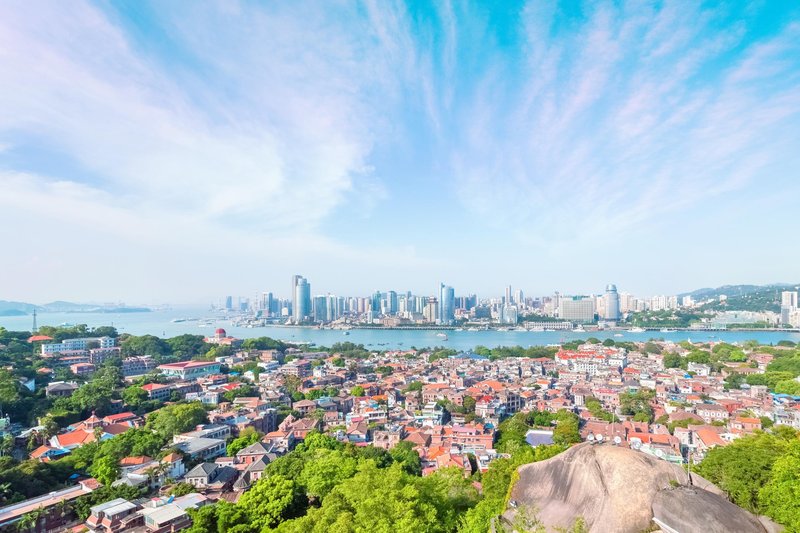
Hotels in Kyoto
Discover your perfect stay in Kyoto.
Kyoto(Japan) Travel 2026: Cheap Flights, Hotels & Top Attractions
Popular Landmarks in Kyoto
Discover the most iconic attractions in Kyoto
Recommended Hotels in Kyoto
Find the perfect place to stay in Kyoto
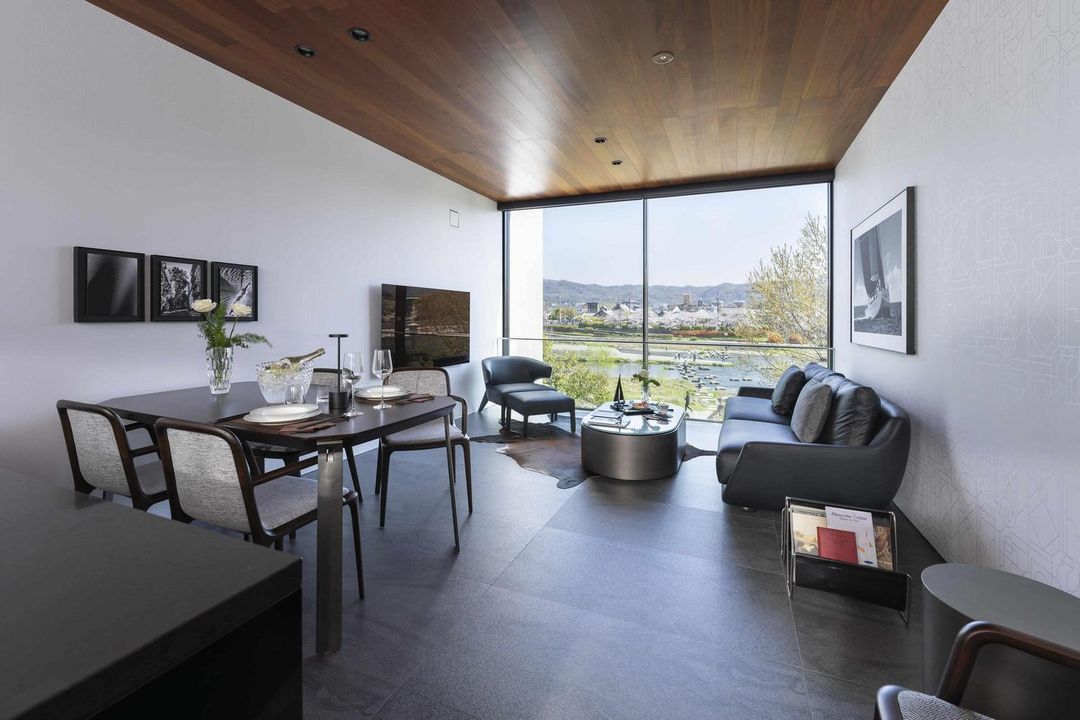
Kamo Residences by Reflections
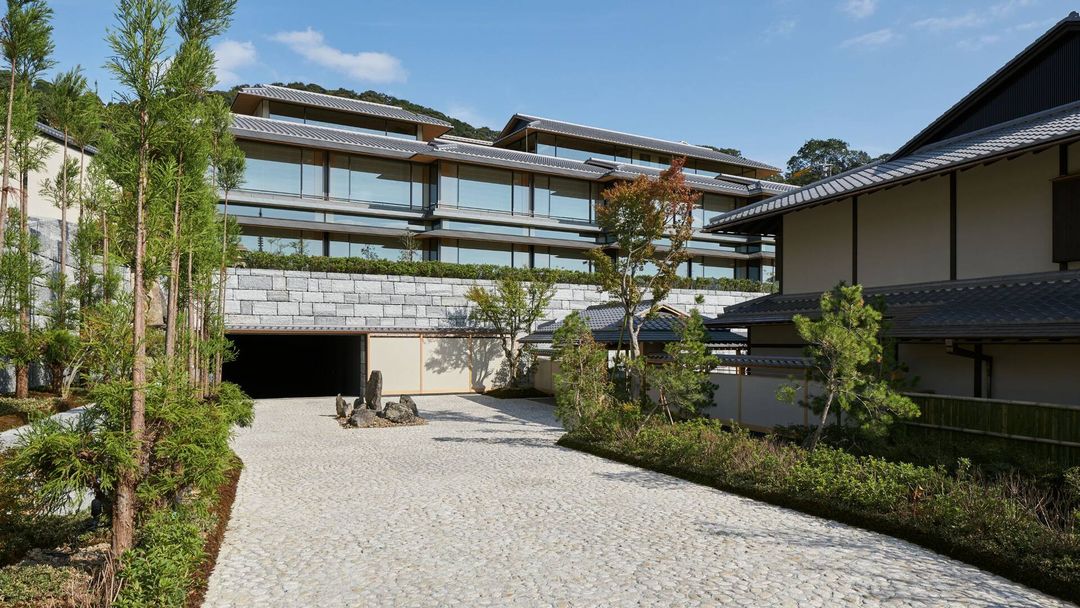
Park Hyatt Kyoto
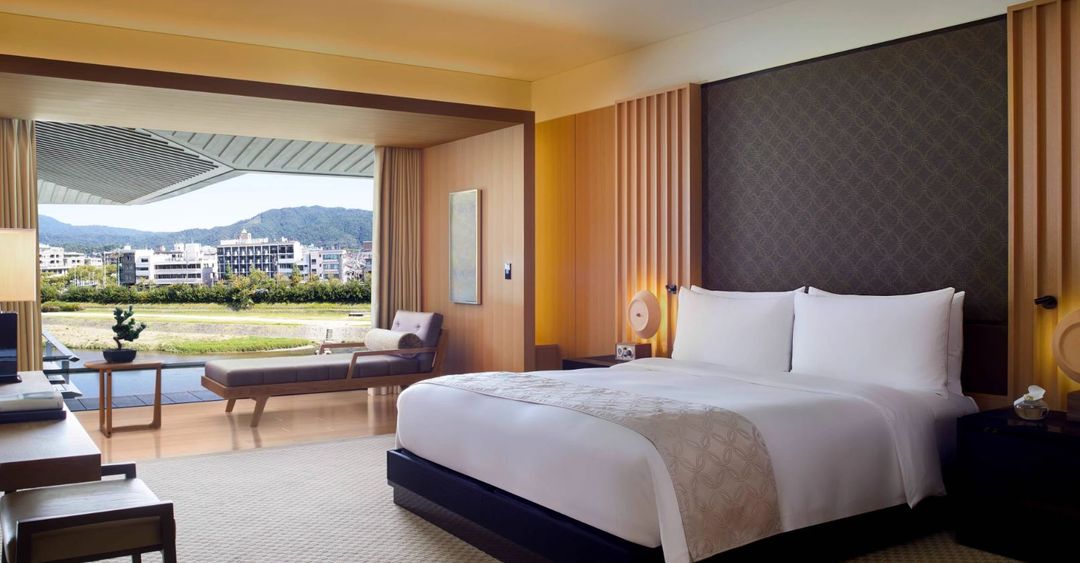
The Ritz-Carlton, Kyoto
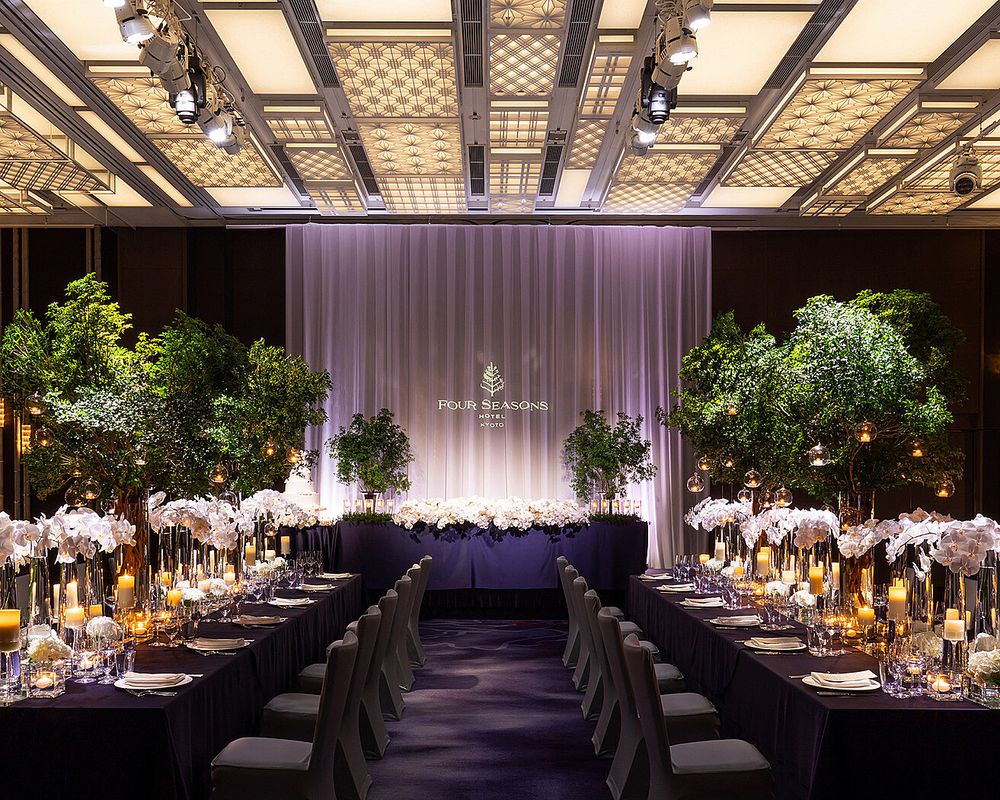
Four Seasons Hotel Kyoto
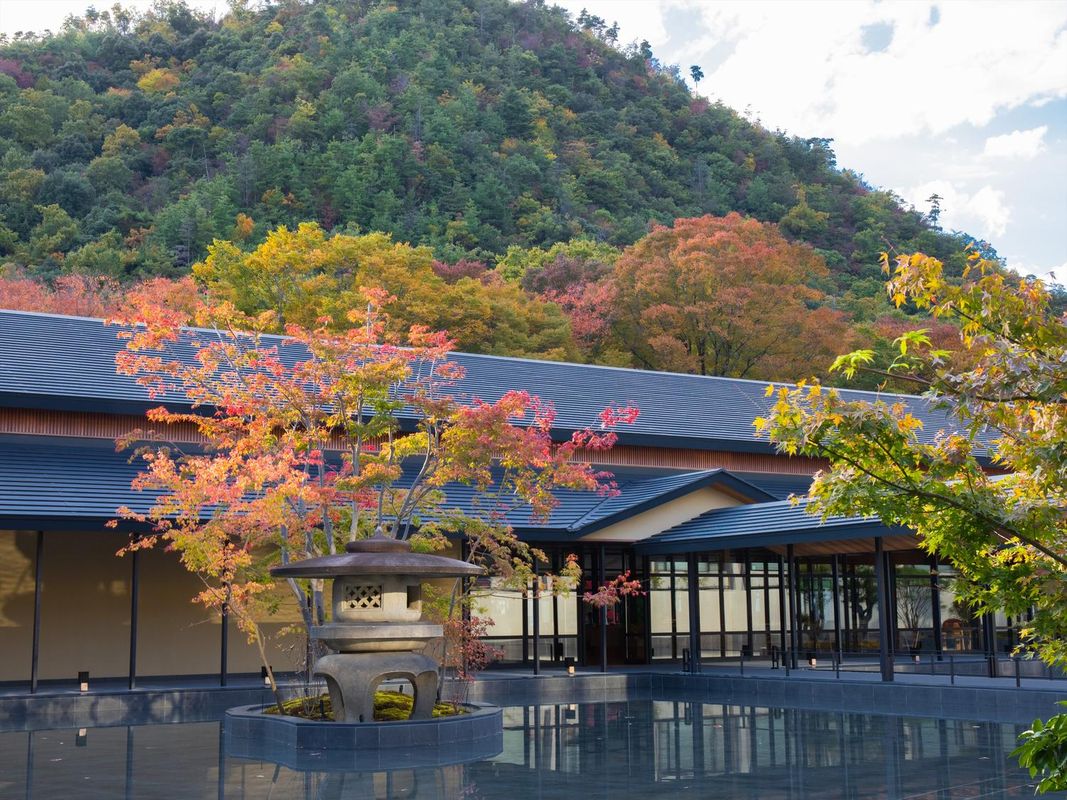
ROKU KYOTO, LXR Hotels & Resorts
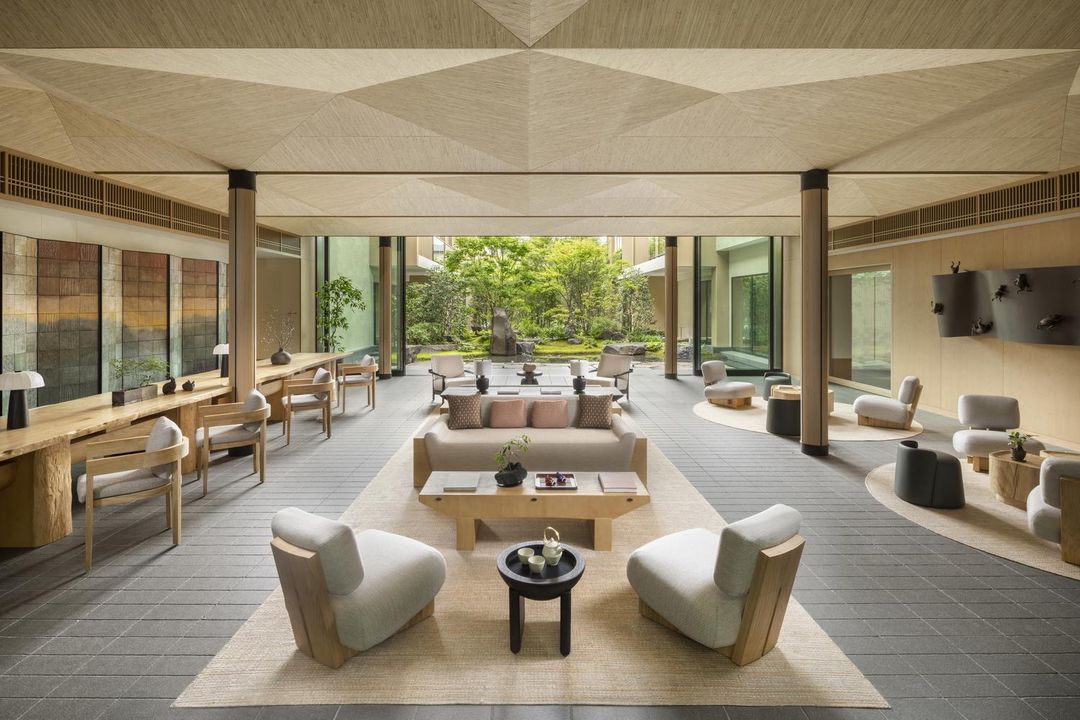
Six Senses Kyoto
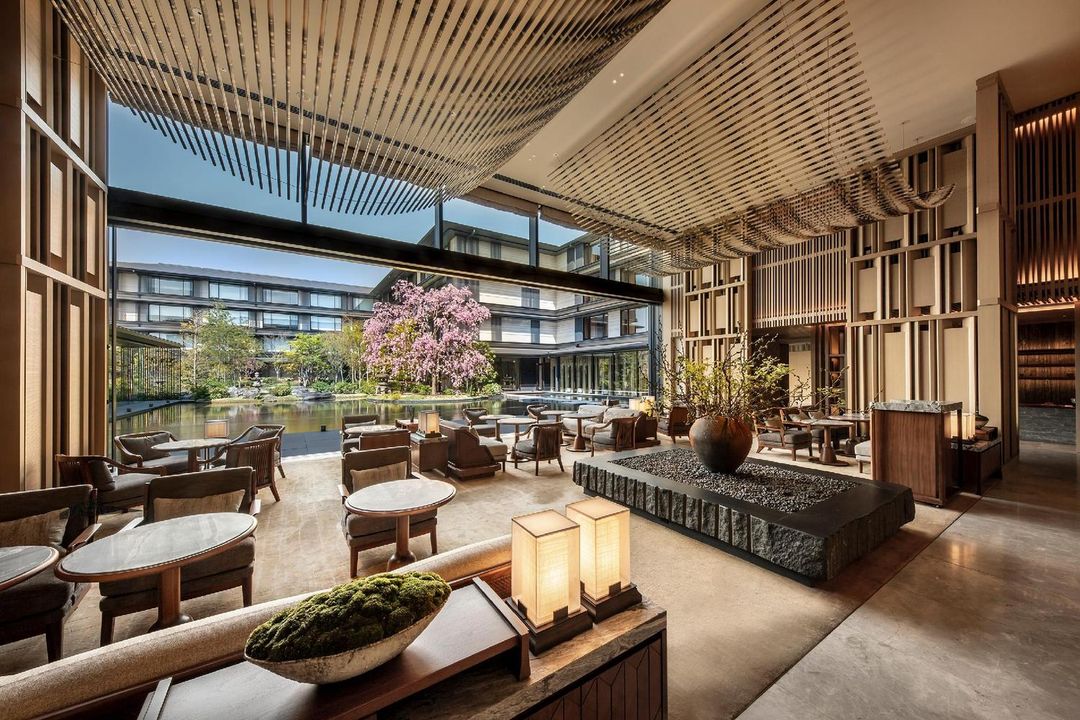
Hotel the Mitsui Kyoto, a Luxury Collection Hotel & Spa
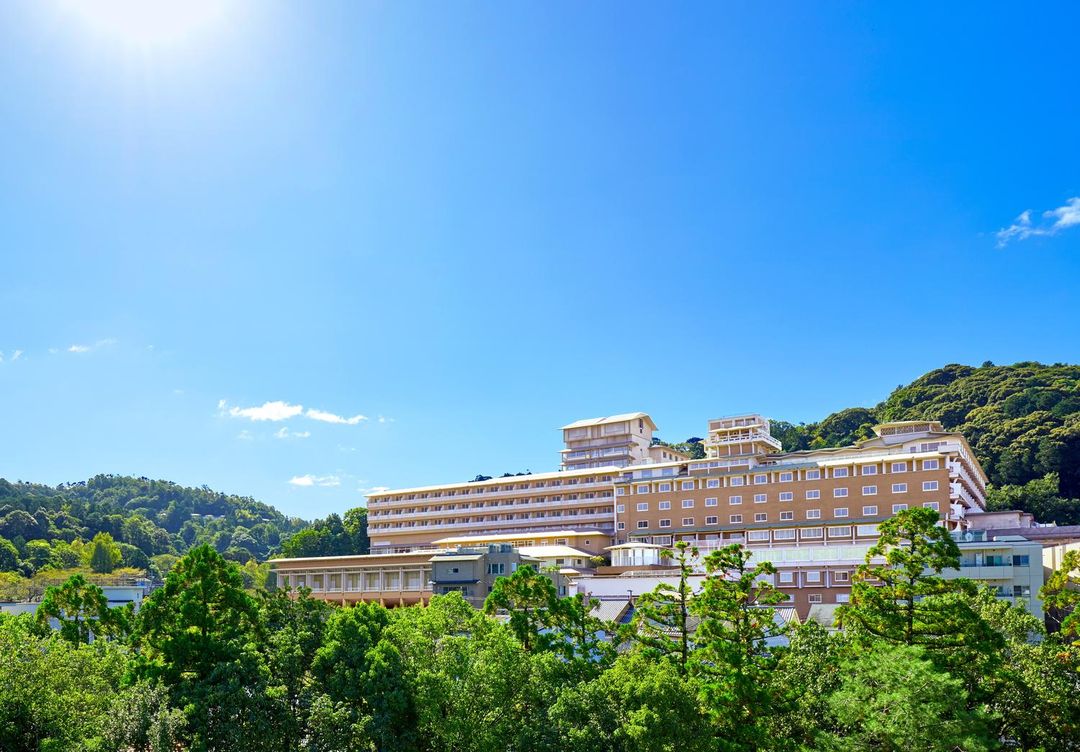
The Westin Miyako Kyoto
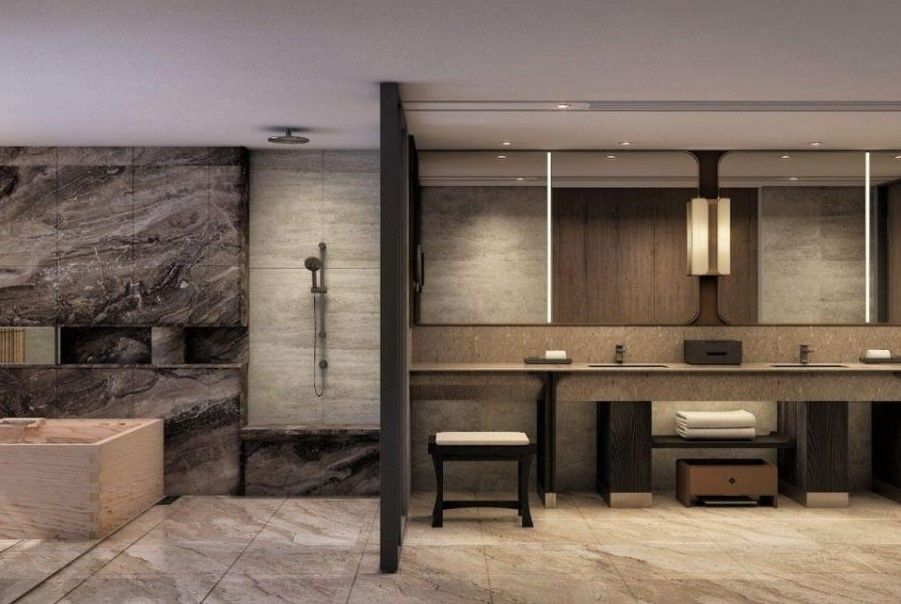
Dusit Thani Kyoto
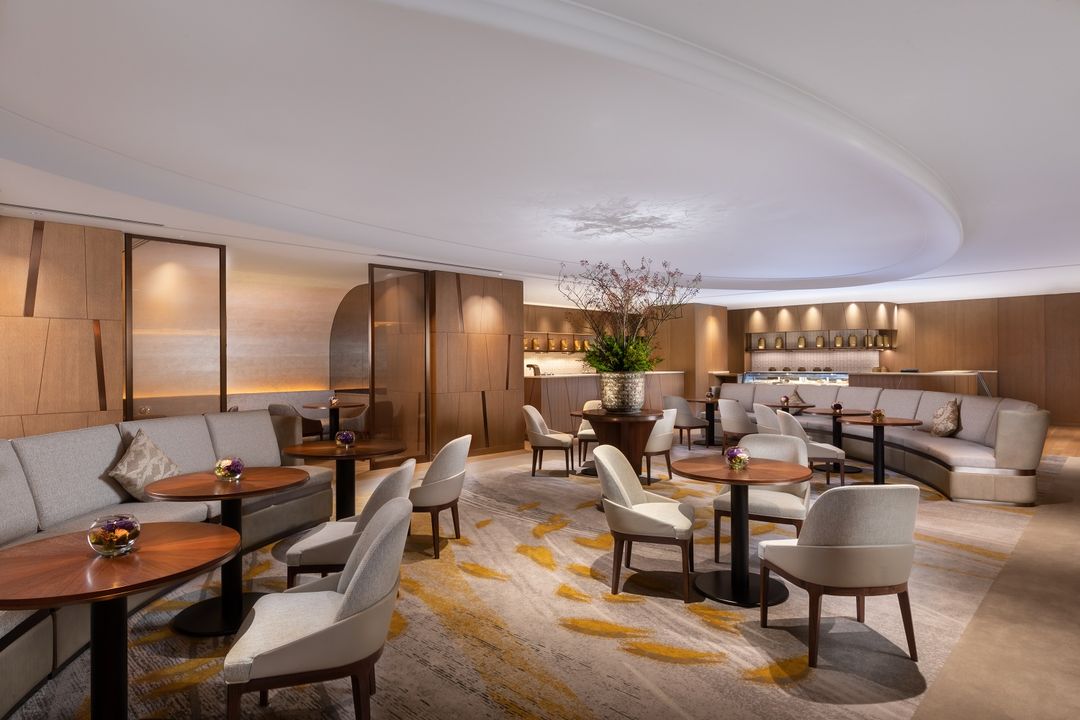
The Westin Miyako Kyoto (KASUI-EN)
Best Hotels in Kyoto
Discover curated hotel collections in Kyoto
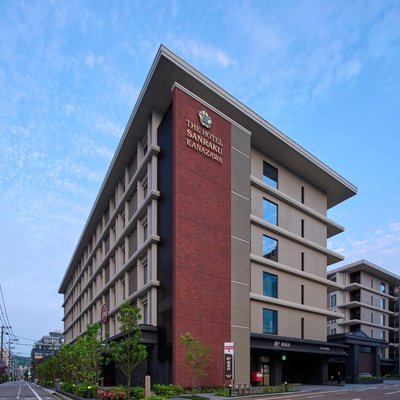
The Hotel Sanraku Kanazawa 21th December 2022 Open
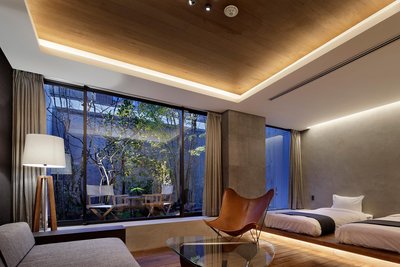
22 PIECES
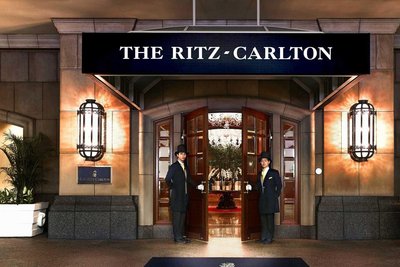
The Ritz-Carlton, Osaka
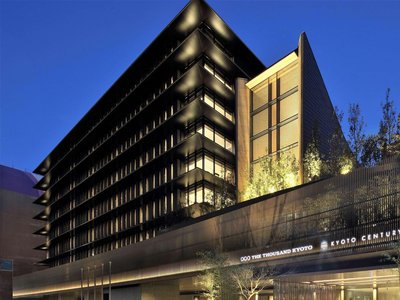
The Thousand Kyoto
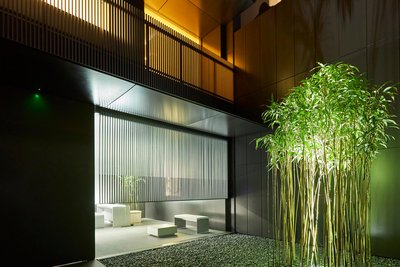
Mogana
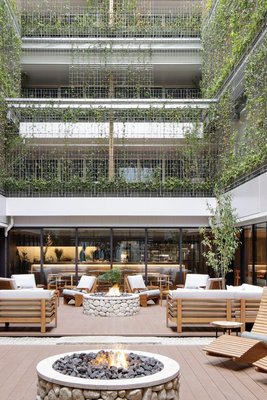
GOOD NATURE HOTEL KYOTO
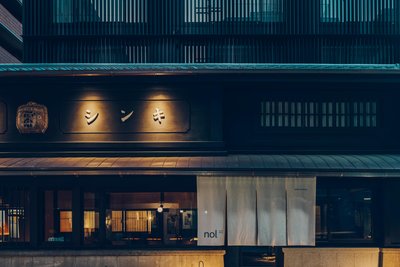
Nol Kyoto Sanjo
Zentis Osaka
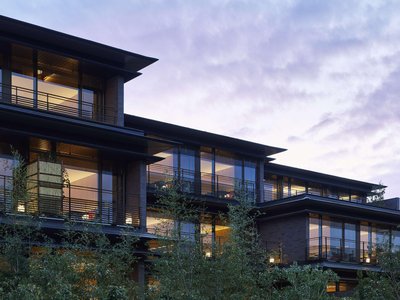
Garrya Nijo Castle Kyoto
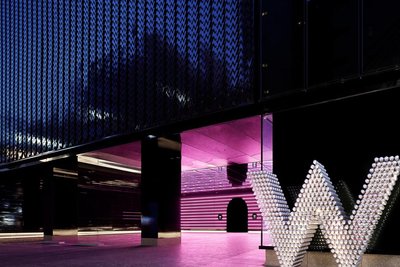
W Osaka
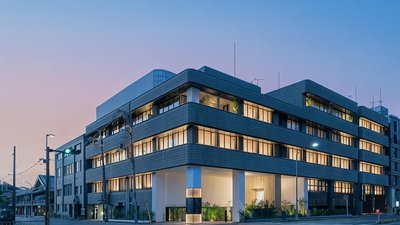
Hotel Kanra Kyoto
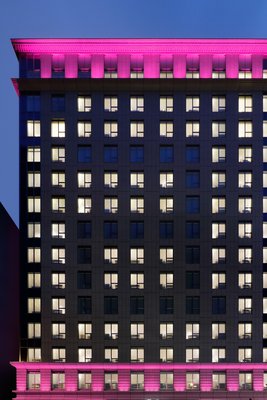
Aloft Osaka Dojima
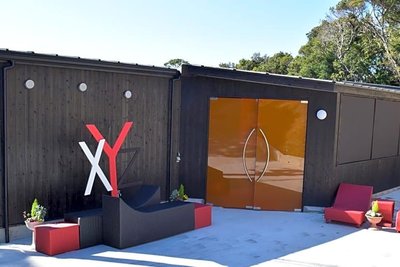
XYZ Private Spa and Seaside Resort
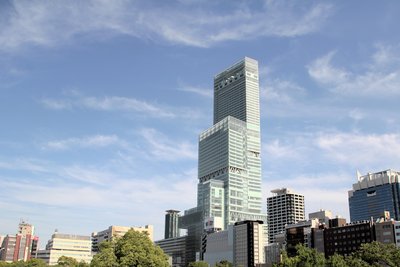
Osaka Marriott Miyako Hotel
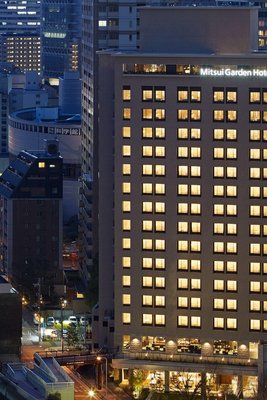
Mitsui Garden Hotel Osaka Premier
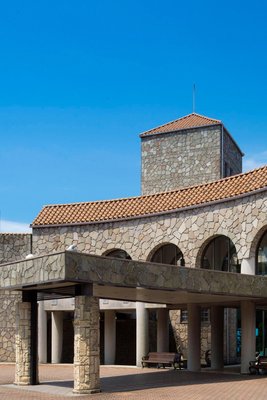
Izumigo Hotel Altia Toba
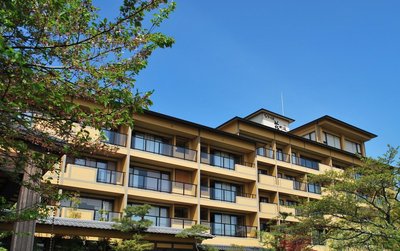
BIWAKO HANAKAIDO
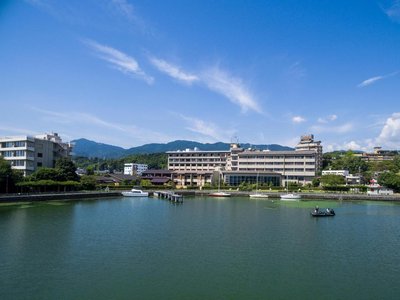
Biwako Ryokusuitei
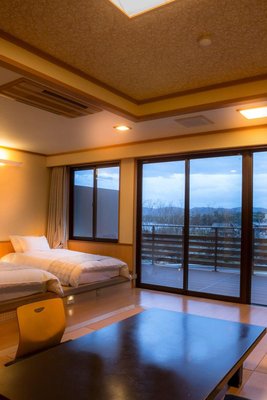
Hotel Kitanoya
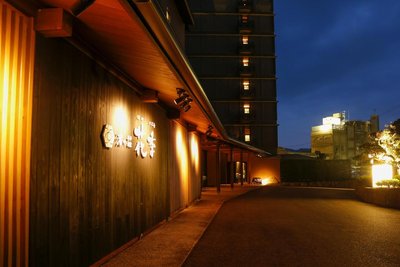
Hanagoyomi
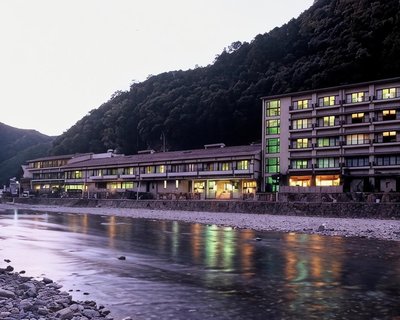
Kawayu Onsen Fujiya
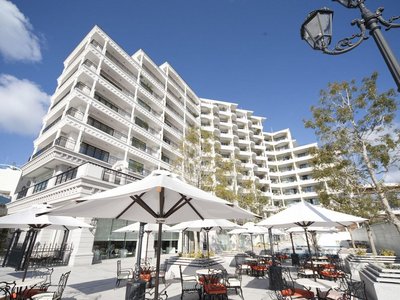
Hotel La Suite Kobe Harborland

AoAwo Naruto Resort
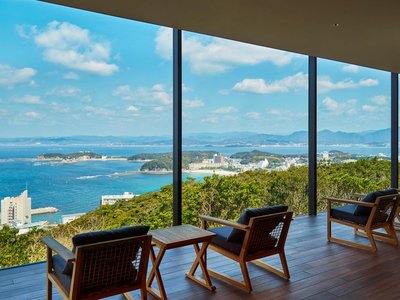
Infinito Hotel and Spa
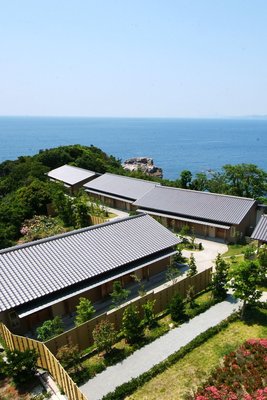
Hamachidorinoyu Kaisyu
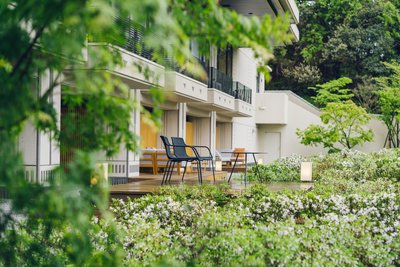
Hoshino Resorts Kai Enshu
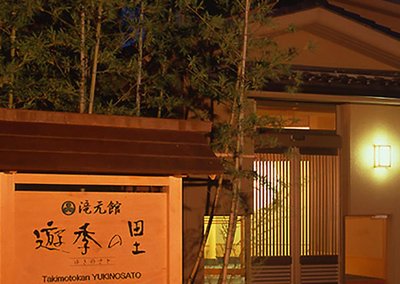
Takimotokan Yuki No Sato
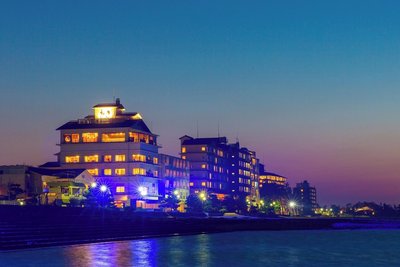
Kaike Shogetsu
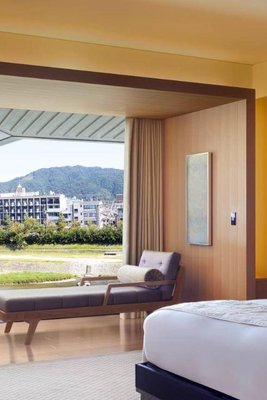
The Ritz-Carlton, Kyoto
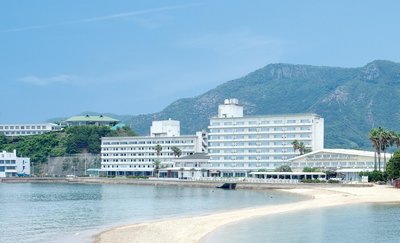
Shodoshima International Hotel
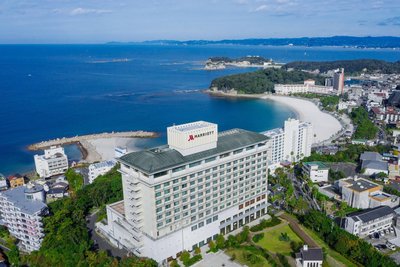
Nanki-Shirahama Marriott Hotel
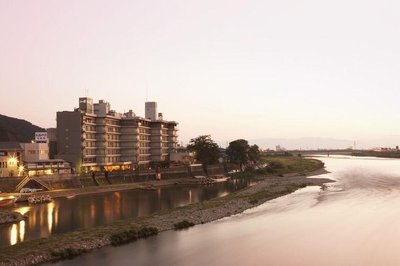
Juhachiro
MIMARU Osaka Shinsaibashi East
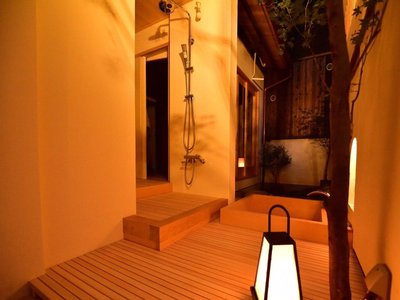
Yado Kiramachi
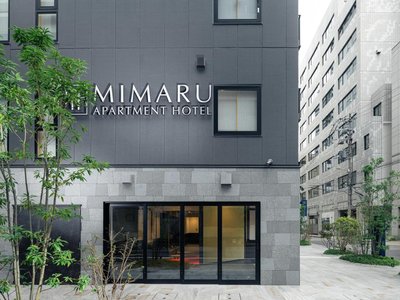
MIMARU Osaka Shinsaibashi North
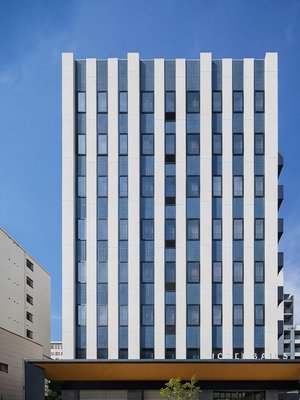
Hotel Sails
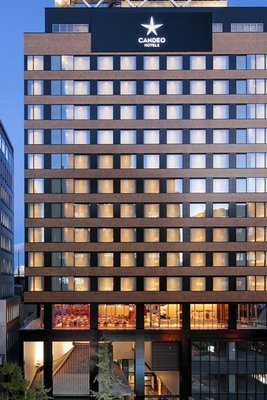
Candeo Hotels Osaka Shinsaibashi
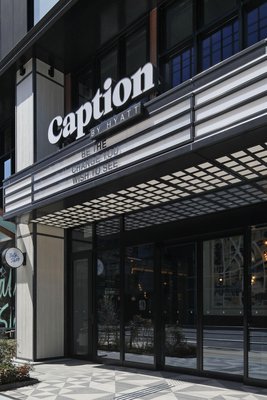
Caption by Hyatt Namba Osaka
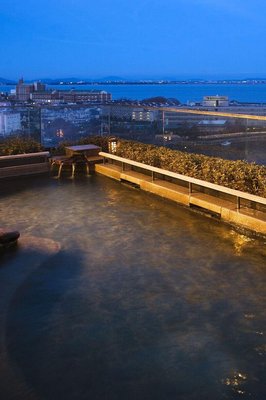
Yumotokan
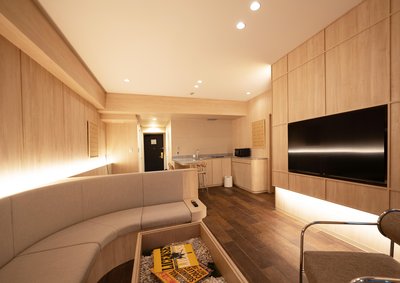
UH SUITE NAMBA STATION
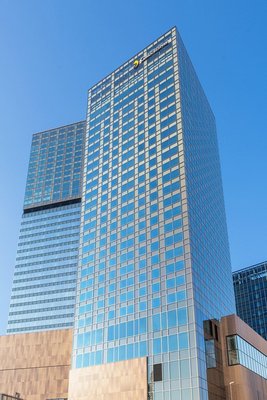
Hotel Hankyu GRAN RESPIRE OSAKA
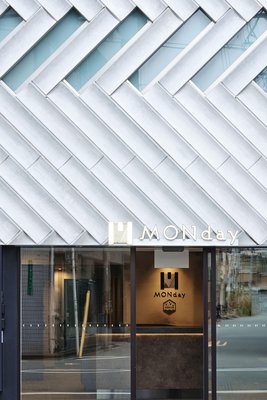
MONday Apart Premium OSAKA NAMBA WEST
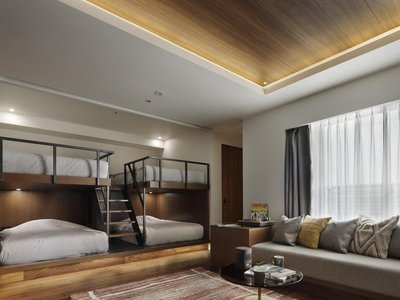
30 PIECES Namba
BIWAKO HANAKAIDO
Biwako Ryokusuitei
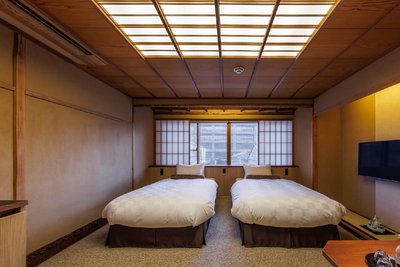
Kyoto Ryokan Sakanoue
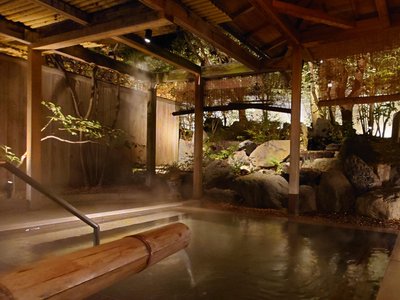
Kasuga Hotel
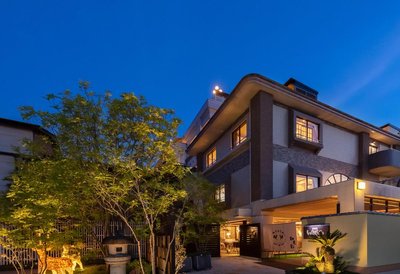
Hotel New Wakasa
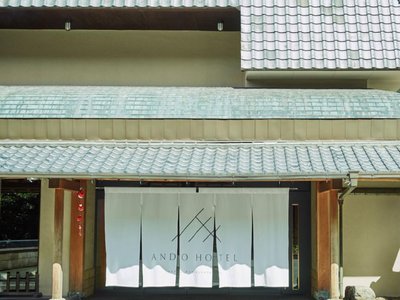
Ando Hotel Nara Wakakusayama -Dlight Life & Hotels-
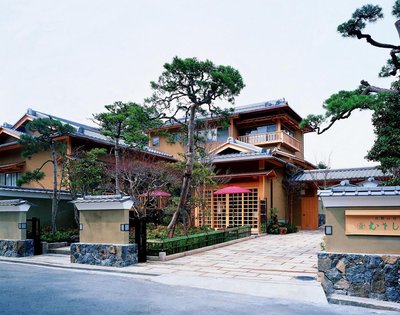
Kotonoyado Musashino
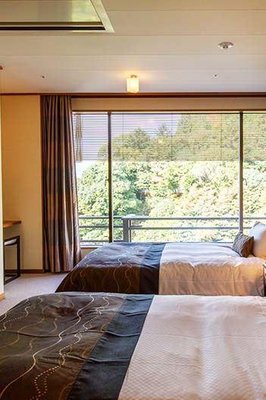
Nakanobo Zuien (Adult Only)
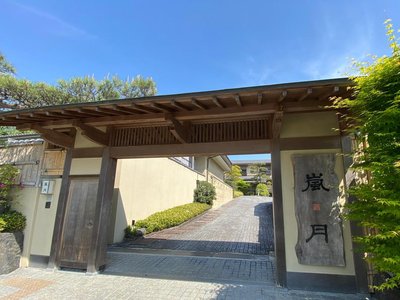
Rangetsu
Yado Kiramachi
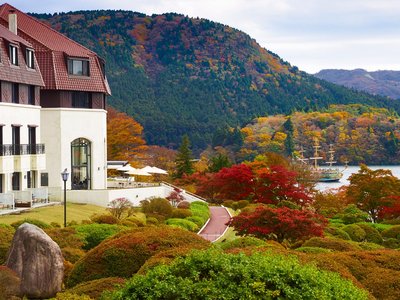
Hotakajyo
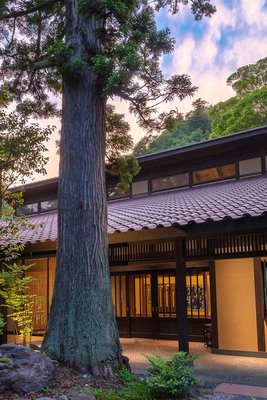
Arimasansoh Goshobessho
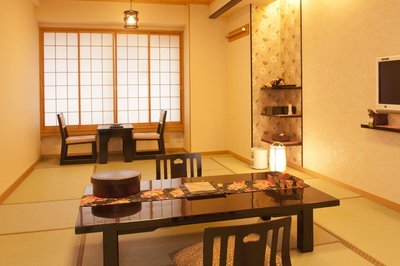
Matsui-Bekkan Hanakanzashi
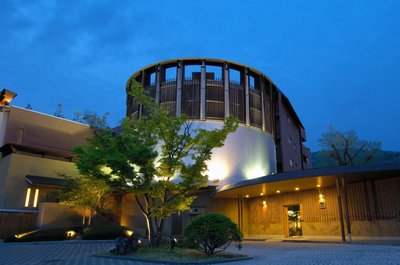
Hoshino Resorts Kai Matsumoto

Taikyourou
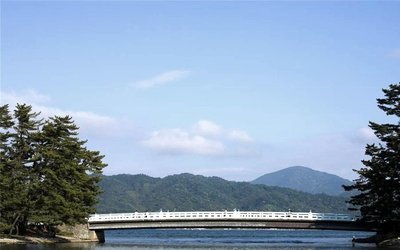
Monjusou Shourotei
Kasuga Hotel
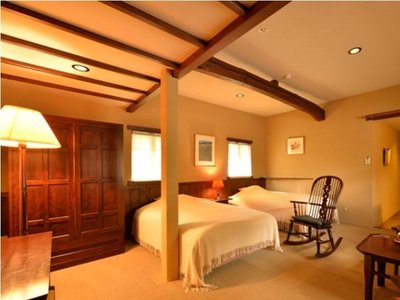
Ryokan Sugimoto
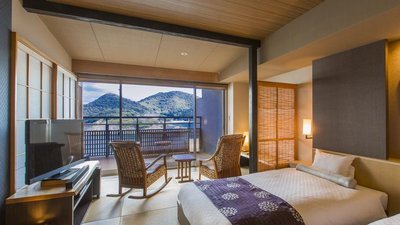
Migiwatei Ochi Kochi
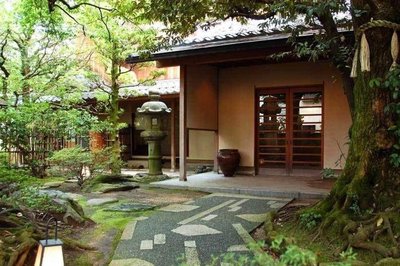
Kocho
Hotel New Wakasa
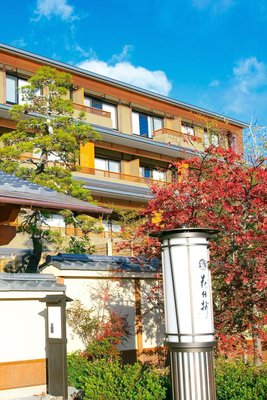
Kyoto Arashiyama Onsen Kadensho (Kyoritsu Resort)
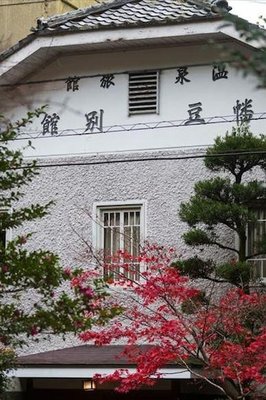
Oku-Mikawa・Yuya Onsen HAZU Bekkan
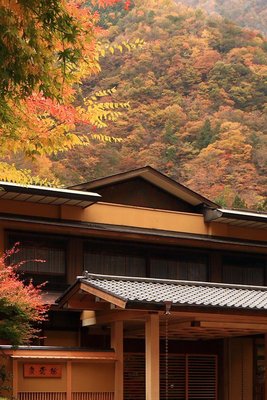
Nishiyama Onsen Keiunkan
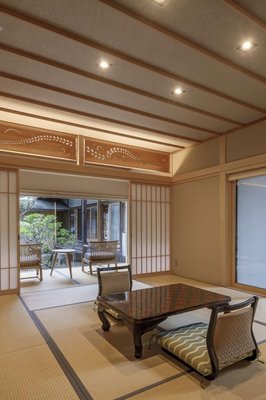
Ichijoin
Rangetsu
The Ritz-Carlton, Kyoto
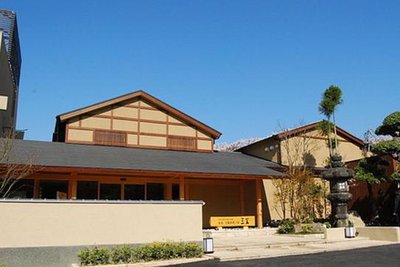
Mikasa
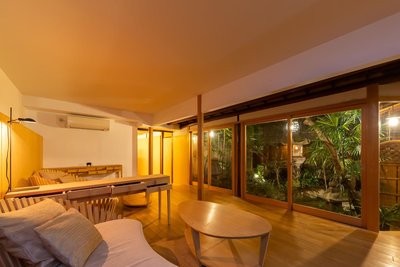
Izuyasu Traditional Kyoto Inn Serving Kyoto Cuisine

Toba International Hotel Shiojitei
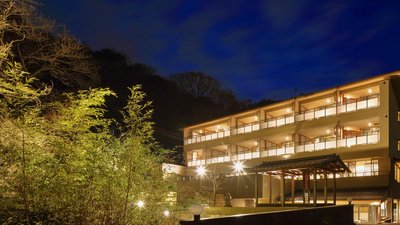
Okuno Hosomichi
Yumotokan
Arimasansoh Goshobessho
Taikyourou
Monjusou Shourotei
Izumigo Hotel Altia Toba
BIWAKO HANAKAIDO
Biwako Ryokusuitei
Kasuga Hotel
Hotel Kitanoya
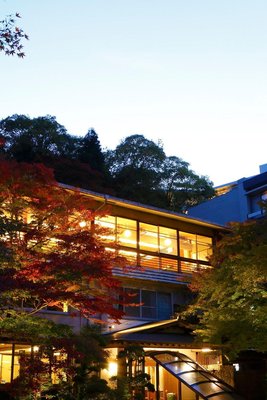
Negiya Ryofukaku
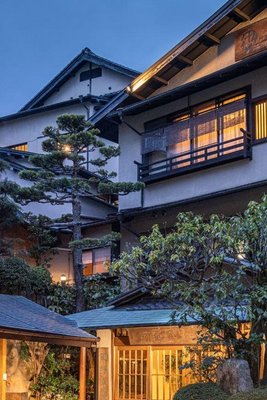
Arima Onsen Tocen Goshobo
Hanagoyomi
Kawayu Onsen Fujiya
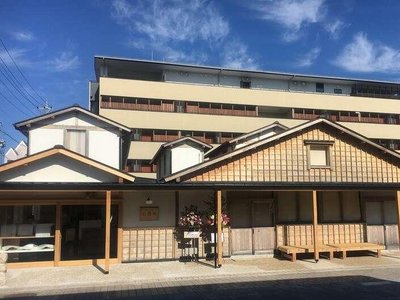
Isegekusando Iseshinsen
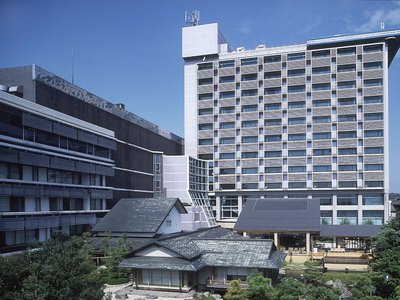
Grandia Housen
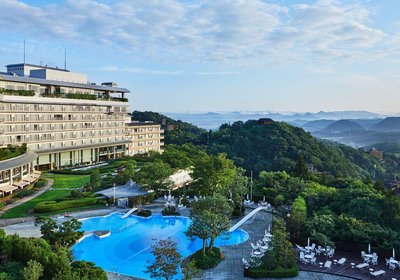
Arima Grand Hotel
Kyoto Arashiyama Onsen Kadensho (Kyoritsu Resort)
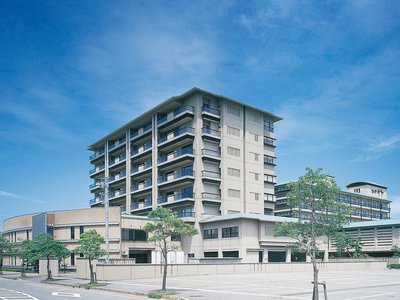
Matuya Sensen
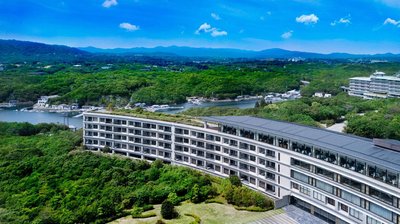
Shima Kanko Hotel the Bay Suites
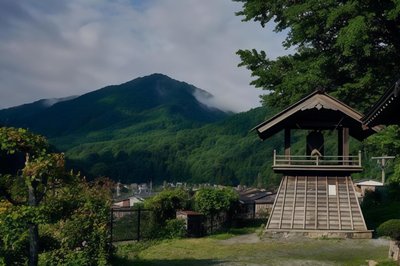
Byaku Narai
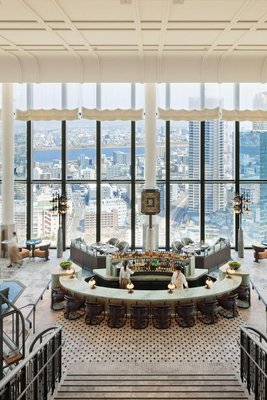
Waldorf Astoria Osaka
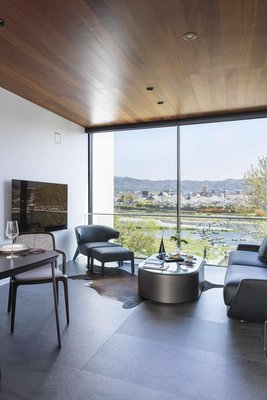
Kamo Residences by Reflections
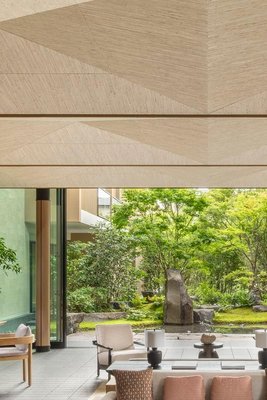
Six Senses Kyoto
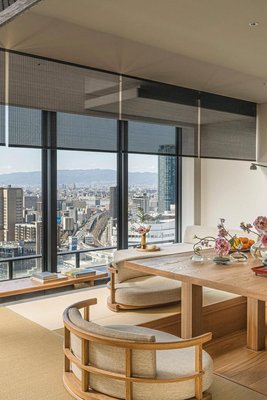
Four Seasons Hotel Osaka
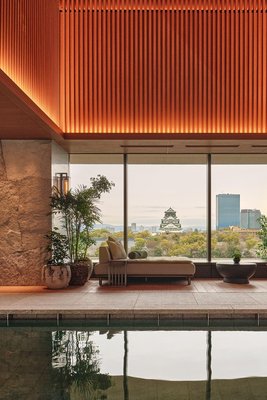
Patina Osaka
The Ritz-Carlton, Osaka
Arimasansoh Goshobessho
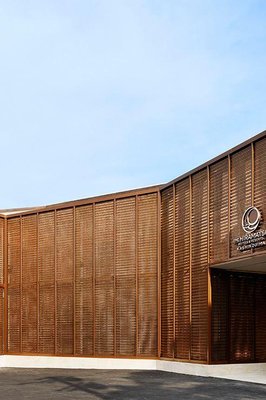
The Hiramatsu Hotels & Resorts Kashikojima
The Ritz-Carlton, Kyoto
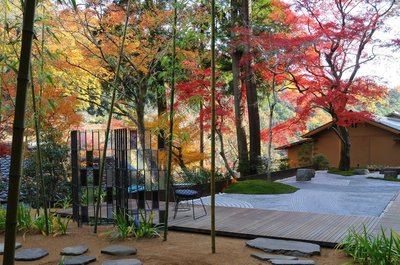
HOSHINOYA Kyoto
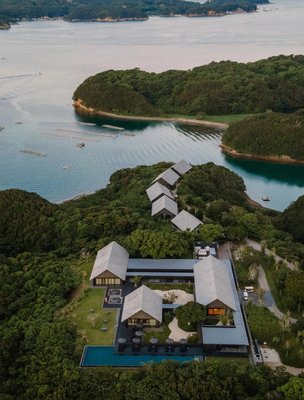
Amanemu
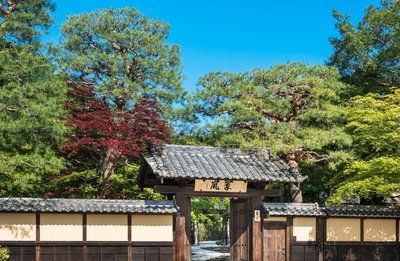
Suiran, a Luxury Collection Hotel, Kyoto
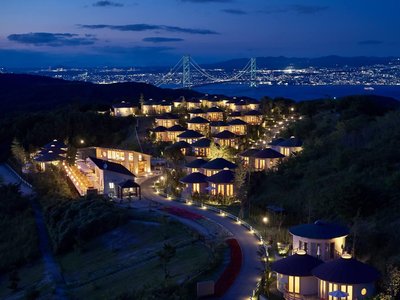
Grand Chariot Hokutoshichisei 135°
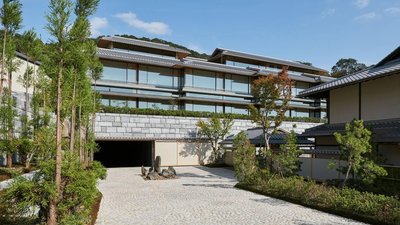
Park Hyatt Kyoto
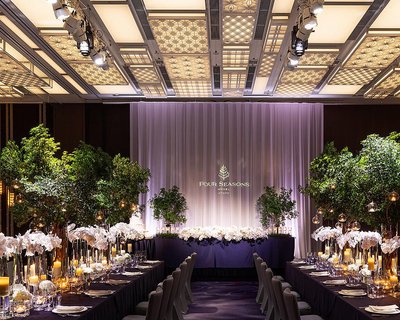
Four Seasons Hotel Kyoto
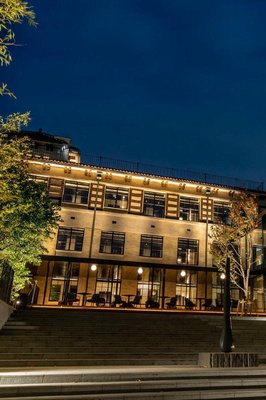
The Hotel Seiryu Kyoto Kiyomizu - a Member of the Leading Hotels of the World-
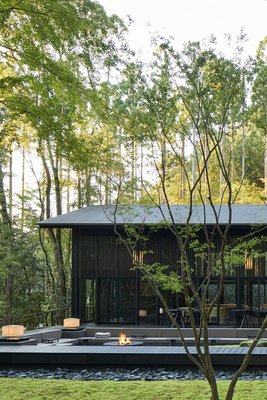
Aman Kyoto
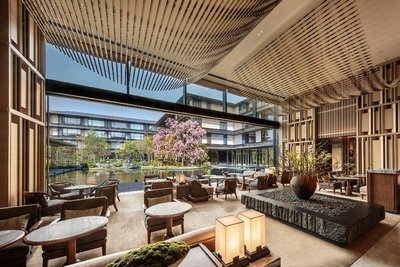
Hotel the Mitsui Kyoto, a Luxury Collection Hotel & Spa
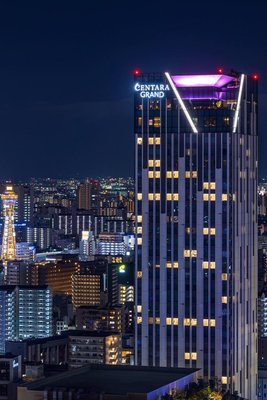
Centara Grand Hotel Osaka
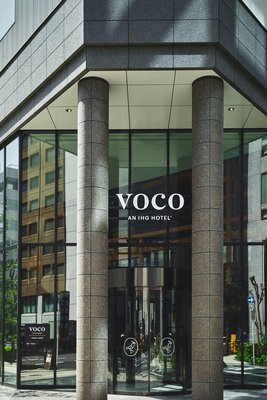
voco Osaka Central
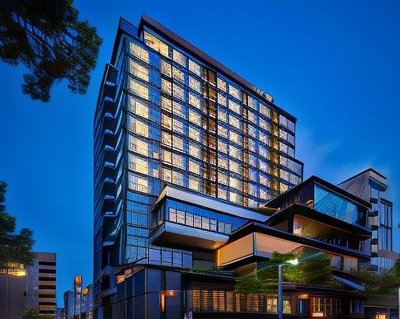
TIAD, AUTOGRAPH COLLECTION
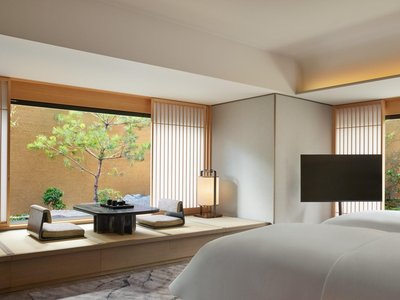
Dusit Thani Kyoto
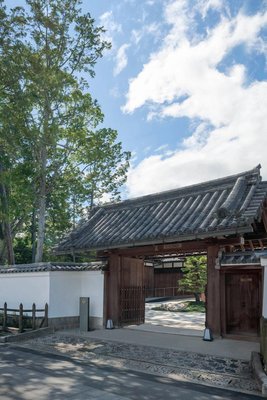
Shisui, a Luxury Collection Hotel, Nara
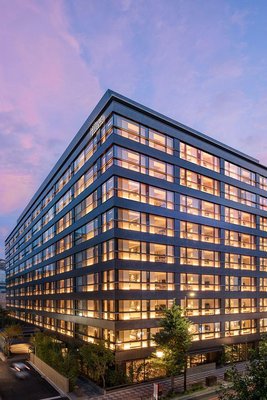
Hilton Kyoto
Osaka Marriott Miyako Hotel
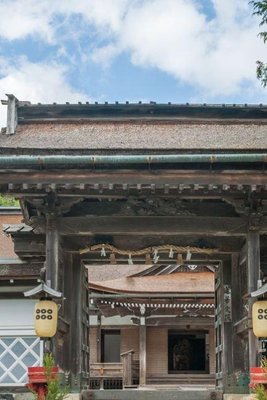
Koyasan Rengejoin
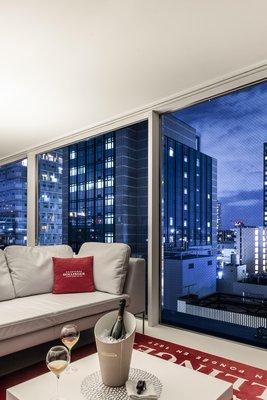
CUVÉE J2 HOTEL OSAKA by Onko Chishin
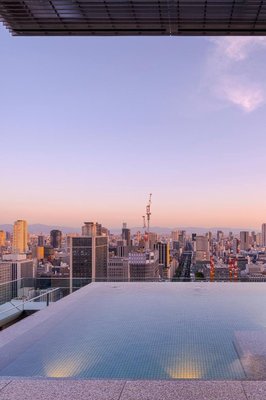
Candeo Hotels Osaka The Tower
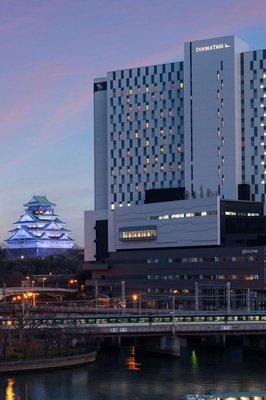
DoubleTree by Hilton Osaka Castle
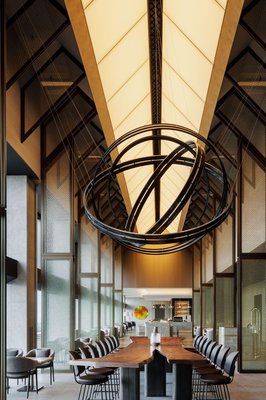
The Osaka Station Hotel, Autograph Collection
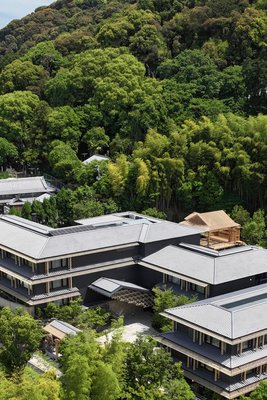
Banyan Tree Higashiyama Kyoto
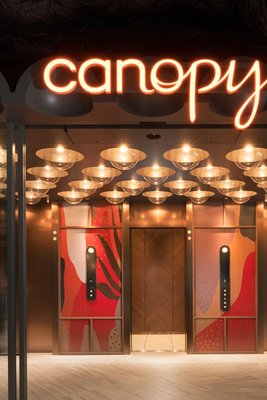
Canopy by Hilton Osaka Umeda
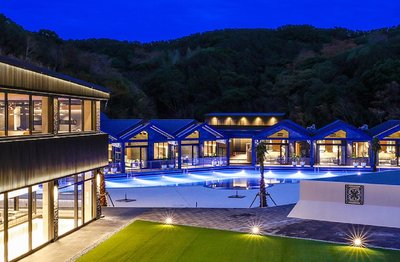
FIVE SPRING RESORT THE SHIRAHAMA
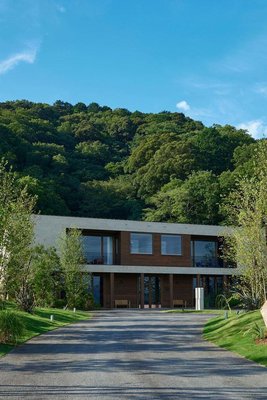
HACIENDA VISON
Arima Onsen Tocen Goshobo
Hotel La Suite Kobe Harborland
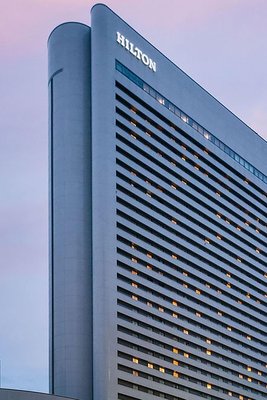
Hilton Osaka Hotel
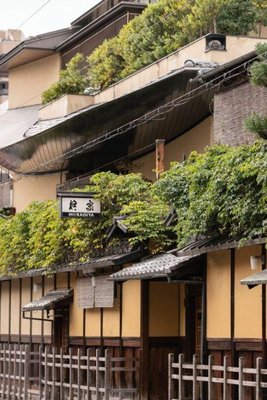
Hiiragiya Ryokan
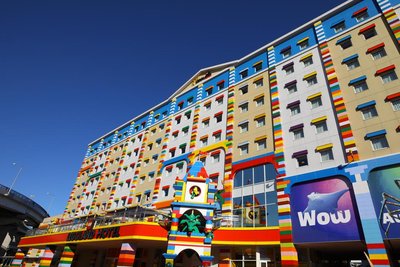
Legoland Japan Hotel
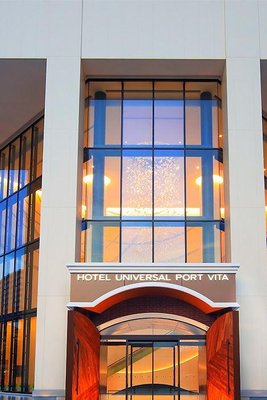
HOTEL UNIVERSAL PORT VITA

The Park Front Hotel at Universal Studios Japan
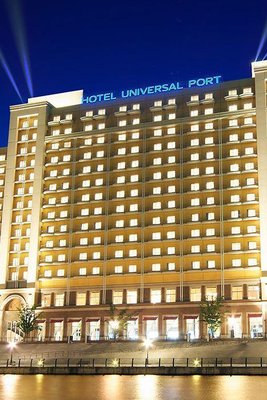
HOTEL UNIVERSAL PORT
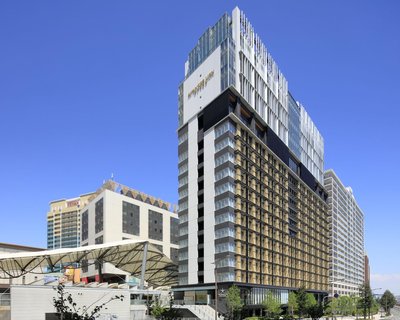
THE SINGULARI HOTEL & SKYSPA at UNIVERSAL STUDIOS JAPAN
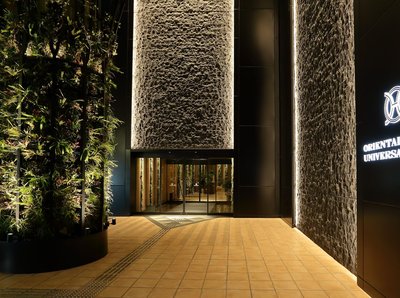
Oriental Hotel Universal City
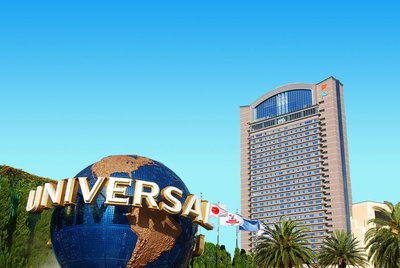
Hotel Keihan Universal Tower
Osaka Marriott Miyako Hotel
The Ritz-Carlton, Osaka
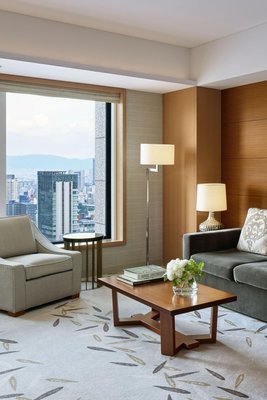
InterContinental Hotel Osaka
The Ritz-Carlton, Kyoto
Suiran, a Luxury Collection Hotel, Kyoto
GOOD NATURE HOTEL KYOTO
Park Hyatt Kyoto
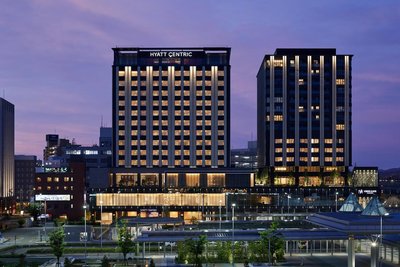
Hyatt Centric Kanazawa
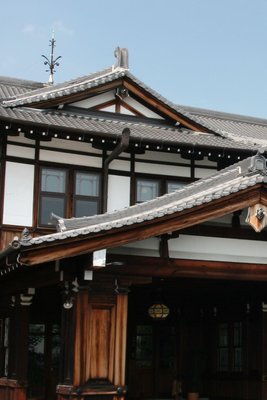
Nara Hotel
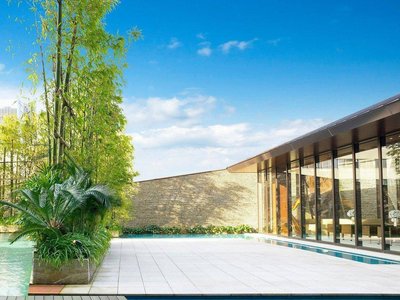
ORIENTAL HOTEL
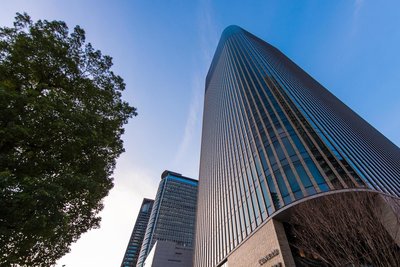
Conrad Osaka
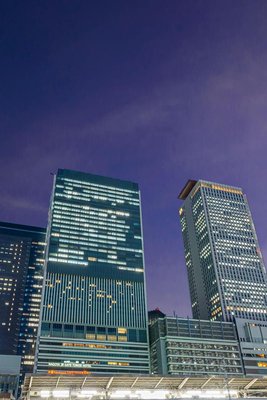
Nagoya JR Gate Tower Hotel (JR-Central Hotels)
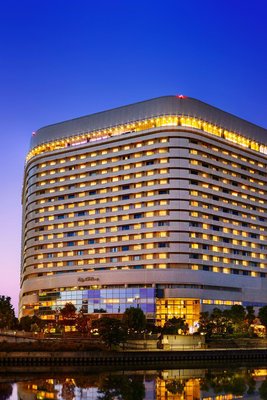
Hotel New Otani Osaka
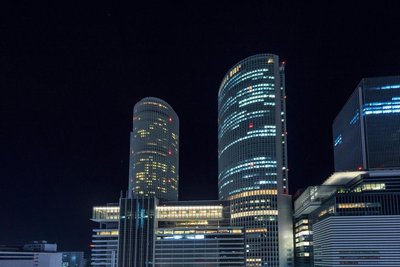
Nagoya Marriott Associa Hotel
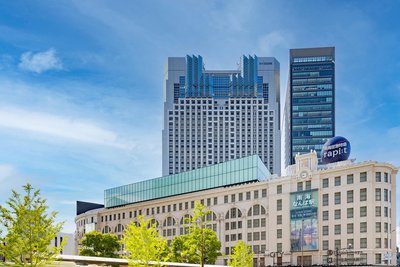
Swissotel Nankai Osaka
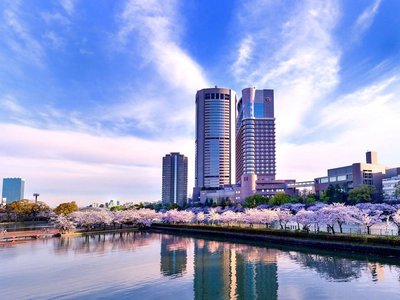
Imperial Hotel Osaka
The St. Regis Osaka
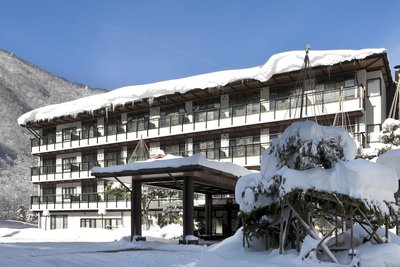
Okada Ryokan Warakutei
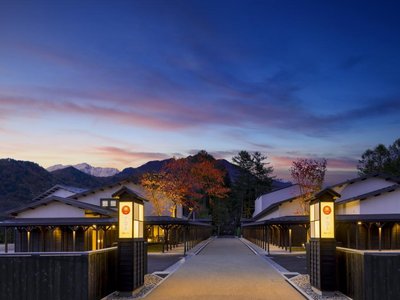
Hoshino Resorts KAI Alps
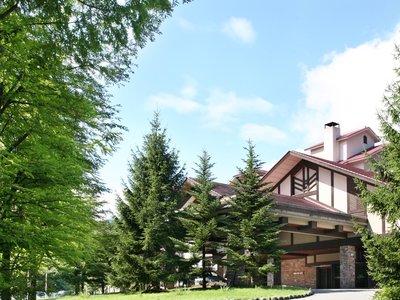
Hakuba Tokyu Hotel
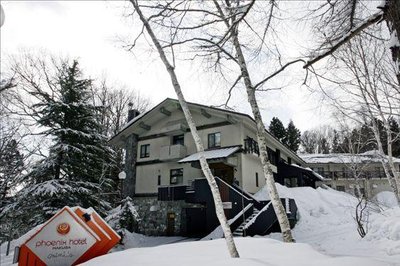
Phoenix Hotel by Hhg

Courtyard by Marriott Hakuba
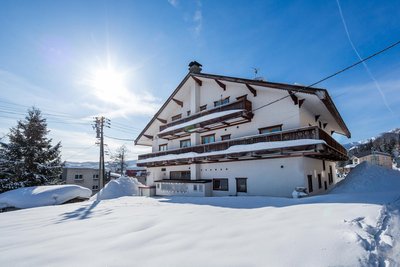
Marillen Hotel by Hhg
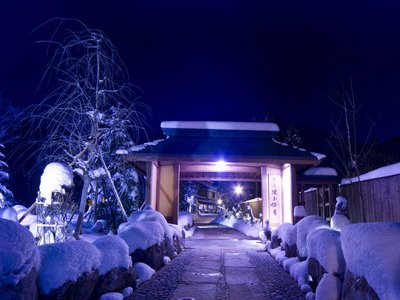
Miyama Ouan
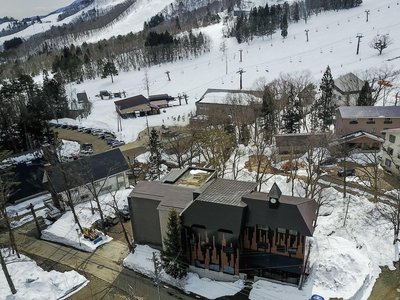
Hotel Villa Hakuba by Hhg
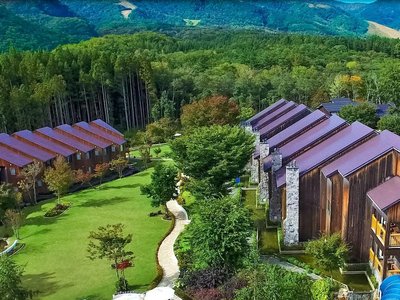
Hotel Sierra Resort Hakuba
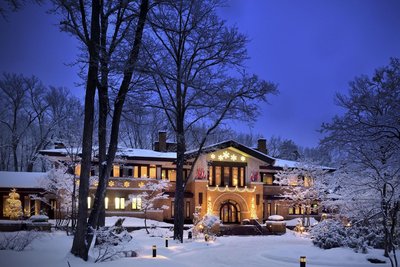
Hotel la Neige Higashikan
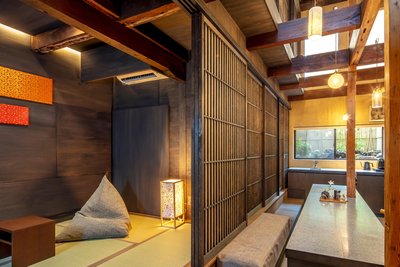
Kyo No Oozora Kihana
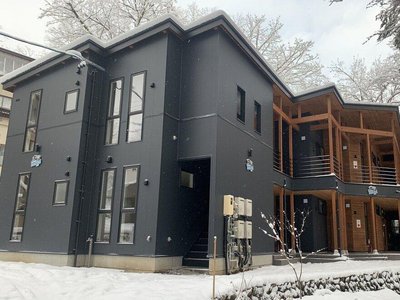
Hakuba Gondola Apartments
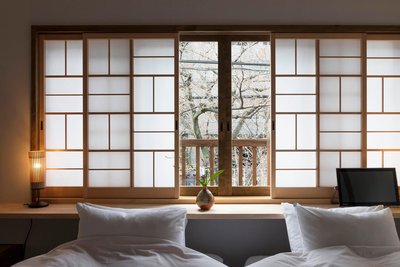
Hanagoromo Machiya House
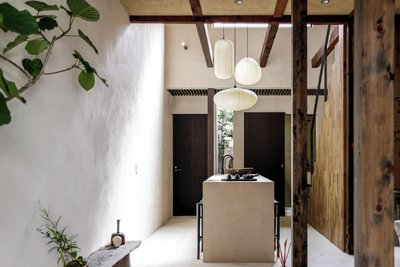
Maana Kiyomizu
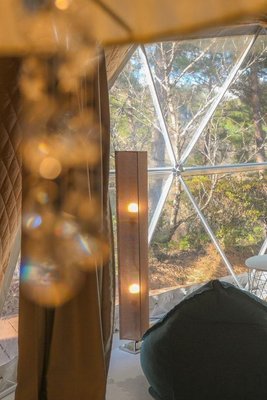
glampark Gekkabijin Nagano

Phoenix Chalets by Hhg
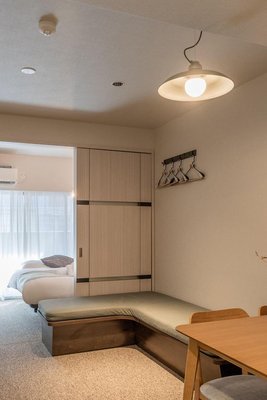
Apartment Hotel 11 Shinsaibashi
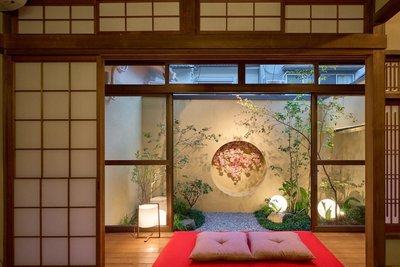
KONJAKUSO Osaka Tengachaya "NIHONCHA" Tea & Relax
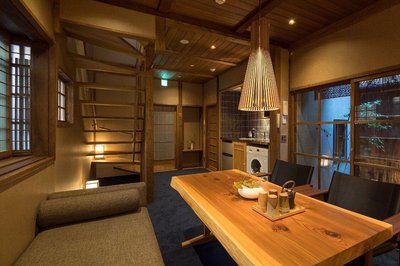
Bonbori an Machiya House

Glamping&Resort Wood Design Park Noma
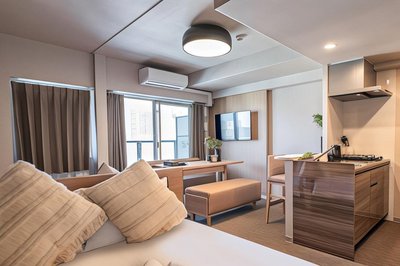
Apartment Hotel 11 Shinsaibashi III
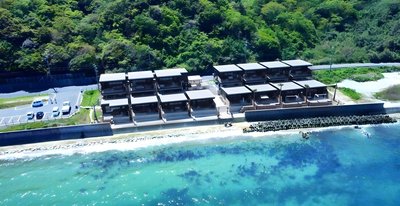
Solavilla Umi Terrace Minamiawaji
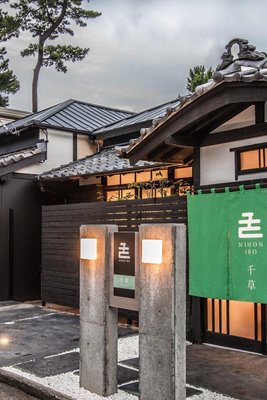
Nihon Iro
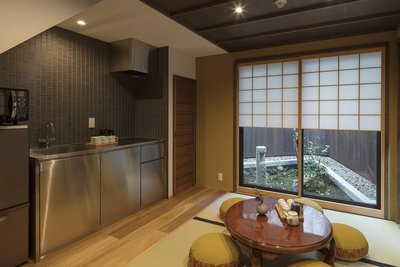
The Machiya Villa Sanjo Shirakawa Koji
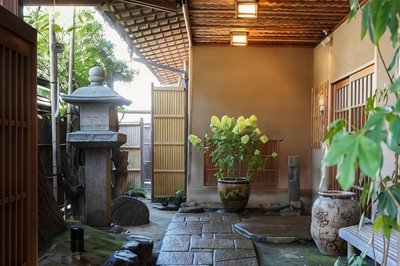
Ryokan Asadaya
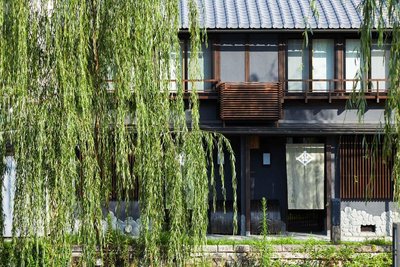
Gion Shirakawa No Yado

Kitashirakawa Natural Radium Onsen
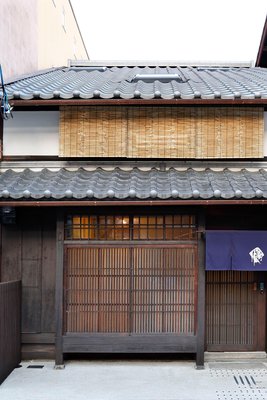
Kyo No Ondokoro Kamanza Nijo #2
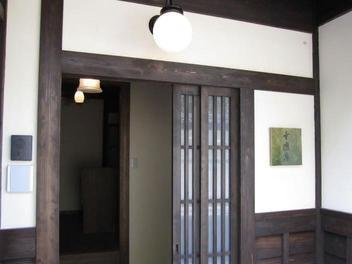
Gion Koyu an Machiya House
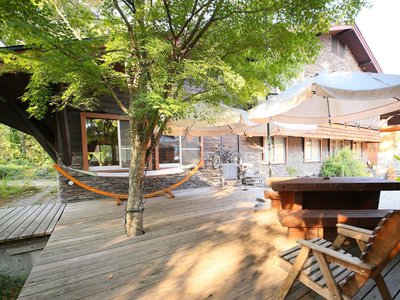
Kunugi Relaxation with 4 Modern Rooms
Frequently Asked Questions about Traveling to Kyoto
Questions You Might Need to Know About Traveling to Kyoto
Top luxury ryokan with private onsen in Kyoto:
- Hiiragiya Bekkan: 180-year-old establishment offering kaiseki meals served in-room (¥50,000+/night)
- Tawaraya: UNESCO-recognized garden views with cypress wood baths
- Suiran, a Luxury Collection Hotel: Modern rooms with aroma steam saunas by the Katsura River
Note: Most require advance reservation for dinner service and have strict check-in times (3-5PM).
Affordable options in Gion area:
- Hotel The Celestine: 7-min walk to Yasaka Shrine, some rooms have tatami seating areas (~¥12,000)
- Piece Hostel Kyoto: Capsule-style with communal kitchen, ideal for solo travelers (~¥5,000)
- Kyoto Traveler's Inn: Free bicycle rentals for exploring Philosopher's Path
Book at least 4 months early for March-April stays, as prices triple during peak bloom.
Top ryokan with private onsens in Kyoto:
- Hiiragiya Bekkan: Features elegant kaiseki meals and cedar-wood baths.
- Tawaraya: Historic inn (since 1704) with exquisite Japanese gardens.
- Sumiya Kiho-an: Offers open-air baths overlooking bamboo groves. Tip: Book morning baths (朝湯) for discounted rates. Most require advance reservations via phone/email.
Ideal hotels near Gion district:
- Hotel The Celestine: 5 mins to Yasaka Shrine, with rooftop terrace酒吧.
- Mitsui Garden Hotel Kyoto Kawaramachi Jokyoji: Budget-friendly (from $80/night), modern design.
- Rinn Gion Shirakawa: Apartment-style rooms with kitchenettes. Pro tip: Stay west of Kamo River for quieter nights yet walkable to geisha areas.
For traditional onsen ryokan, Tawaraya maintains 300-year-old wooden baths with kyoto spring water, while Hiiragiya Bekkan offers rooftop private onsens overlooking pagodas. Modern alternatives include Suiran Hotel with riverside hot springs near Arashiyama, featuring kaiseki meals served in-room. Budget travelers can try Sakara Kyoto with public bath access and yukata rental.
For stays near Kiyomizu-dera or Fushimi Inari, book 4-6 months ahead especially for machiya townhouses with tea ceremony spaces. Last-minute deals occasionally appear at business hotels like Hotel Vista near Nijo Castle, but popular ryokans like Gion Hatanaka require 90-day advance reservations. Consider staying in Shimogyo district with better vacancy rates while maintaining subway access to temples.
Budget-friendly stays near Gion's teahouses:
- Hotel The Celestine: Offers free yukata rentals for photoshoots with Hanamikoji backdrop.
- Piece Hostel Kyoto: Industrial-chic dorms with communal kitchen near Yasaka Shrine.
- Kyoto Traveler's Inn: Traditional tatami rooms starting at $50/night, 10-min walk to Gion Corner. Pro tip: Look for hotels along Shijo-dori street for easy access to both Gion and downtown shopping.
Kyoto Overview
City Summary
Kyoto, a city with a thousand years of history, is a microcosm of Japanese culture and heritage. Stroll along the stage of Kiyomizu-dera for a breathtaking view of the city, or wander through the thousands of torii gates at Fushimi Inari Taisha, where mystery and tranquility intertwine. The lush greenery of the Arashiyama Bamboo Grove and the golden splendor of Kinkaku-ji showcase Kyoto's natural and cultural beauty. During cherry blossom season and autumn foliage season, the city becomes a paradise for photographers. Kyoto's kaiseki cuisine and tea ceremony culture offer visitors a chance to delve into Japan's traditional customs while savoring exquisite flavors.
Must-See Attractions
Kyoto is the epitome of Japanese culture, with over 1,200 years of history, earning its title as the "Thousand-Year Capital." The city is dotted with UNESCO World Heritage Sites, including Kinkaku-ji (Golden Pavilion) and Kiyomizu-dera, showcasing the perfect blend of traditional architecture and natural beauty. Strolling through the historic streets of Gion, you might encounter geisha, immersing yourself in Kyoto’s unique charm. As the heart of Japanese cuisine, don’t miss kaiseki ryori (traditional multi-course meal) and matcha desserts. With distinct seasons, cherry blossoms in spring and vibrant maple leaves in autumn make Kyoto a year-round destination.
Food Guide
Kyoto is a microcosm of Japanese culture and tradition, renowned for its rich culinary heritage, especially Kaiseki cuisine and Uji matcha. Kaiseki emphasizes seasonal ingredients and exquisite presentation, with each dish reflecting the chef's attention to detail. Must-try dishes include tofu in broth and unagi don (grilled eel rice). Additionally, Kyoto vegetables like Shogoin turnips and Kujo leeks play a significant role in local cuisine. Strolling through the teahouse streets of Gion while enjoying matcha desserts is an essential Kyoto experience.
Transportation Guide
Kyoto, a city embodying Japan's historical heritage, boasts numerous UNESCO World Heritage Sites and traditional architecture. Its efficient transport includes the subway system (Karasuma and Tozai Lines) and extensive bus networks—consider purchasing a One-Day Bus Pass for unlimited rides.
For distant attractions like Arashiyama or Fushimi Inari Taisha, take the JR Line or Hankyu Railway. Renting bicycles is popular for exploring alleys, though cycling is restricted in some areas.
Travel tips: Avoid morning/evening rush hours and use Google Maps for real-time schedules. The Kyoto Station Tourist Information Center provides multilingual maps and event guides.
Best Time to Visit
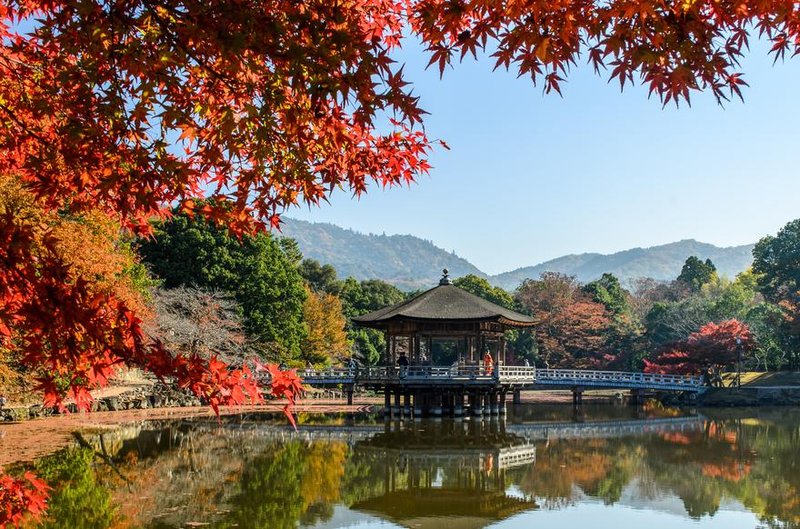
Kyoto is one of Japan's most culturally rich cities, offering distinct seasonal charms. The best times to visit are spring (March to May) and autumn (September to November). In spring, cherry blossoms transform the city into a pink wonderland, with Philosopher's Path and Arashiyama being iconic spots for hanami (flower viewing). Autumn brings vibrant foliage, especially around Kiyomizu-dera and Nanzen-ji, where the maple leaves create a breathtaking scene. The mild weather during these seasons is perfect for exploring Kyoto’s historic streets. Summers (June to August) are hot and humid, but lively festivals like Gion Matsuri take place. Winters (December to February) are cold yet less crowded, ideal for enjoying hot springs and serene temple views.
Travel Tips
- Weather Prep: Kyoto has distinct seasons. Pack light layers for cherry blossom viewing in spring, sun protection for humid summers, warm clothing for autumn foliage season, and thermal wear for possible snowfall in winter.
- Cultural Etiquette: Maintain silence at temples, remove shoes where required, and check photography permissions. Follow host's guidance during tea ceremonies and avoid touching utensils.
- Transport Tips: Get an ICOCA card or Kyoto Bus Pass for major attractions. Avoid subway rush hours (7-9AM/5-7PM).
- Cash Payments: Many traditional shops accept only cash. Carry sufficient JPY coins; convenience store ATMs support international cards.
- Dining Customs: Queueing is common at popular restaurants; reserve kaiseki meals in advance. Enjoy dishes in sequence without adding seasonings.
- Language Tips: Learn basic Japanese greetings. Most signs have English translations; use translation apps when needed.
Useful Information
Kyoto is one of Japan's most culturally rich cities, renowned for its historical heritage and stunning natural landscapes. As the ancient capital of Japan, Kyoto boasts numerous temples, shrines, and gardens that attract millions of visitors each year.
- Language: The primary language is Japanese, but English is commonly used in tourist areas and hotels for basic communication.
- Internet & Communication: Kyoto offers widespread free Wi-Fi hotspots, especially near stations and attractions. Renting a pocket Wi-Fi or purchasing a local SIM card is recommended for seamless connectivity.
- Currency & Payments: The currency is the Japanese Yen (JPY). Most businesses accept credit cards, but smaller shops and traditional markets may only take cash.
- Emergencies: Dial 110 for police or 119 for medical emergencies. Kyoto has international hospitals like Kyoto Second Red Cross Hospital, offering multilingual services.
Top attractions include Kinkaku-ji (Golden Pavilion), Kiyomizu-dera, and Fushimi Inari Taisha. The best times to visit are during cherry blossom season and autumn foliage season.
Traveler Reviews
See what other travelers say about Kyoto

Kamo Residences by Reflections
Staying at Kamo Residences by Reflections felt like coming home—warm, inviting, and full of thoughtful touches that made our trip unforgettable. Every detail, from the quiet garden nook on the first floor with its subtle fragrance to the serene view of the Kamo River just outside, created a peaceful retreat. The fresh air and natural beauty were invigorating—every breath felt like recharging your soul. The platform’s VIP group was incredibly helpful, offering personalized recommendations for restaurants and local spots we wouldn’t have found otherwise. It’s rare to find such comfort, charm, and genuine hospitality in one place. If we ever return to Kyoto, this will be our first choice again.

Park Hyatt Kyoto
Staying at Park Hyatt Kyoto was an absolute highlight—serene yet perfectly positioned in the heart of Kyoto. From the moment I walked in, the atmosphere was calm and elegant, a true oasis amidst the city. The room was cozy and thoughtfully designed, with luxurious bedding that made it hard to leave. The staff were incredibly warm and attentive, and I was so grateful for the multilingual team member who spoke fluent Chinese—she made check-in smooth and stress-free. Every detail felt just right: not too flashy, but full of quiet sophistication. Honestly, this place felt more comfortable than some other high-end hotels I’ve stayed at, and I already can’t wait to return. And the food? Don’t miss the on-site Western restaurant—while the Japanese dining experience is Michelin-worthy, their lobster pasta was a revelation. Rich, perfectly cooked, and bursting with flavor. It’s one of those meals you’ll remember long after you’ve left.

The Ritz-Carlton, Kyoto
Check-in right in the room was such a convenient and unique touch—no waiting in line, just straight into relaxation. The staff were incredibly professional and warm, always ready to help with a smile. Every part of the public space felt thoughtfully designed: spacious, serene, and beautifully balanced between luxury and comfort. From the soft lighting to the elegant furnishings, it’s clear attention to detail goes beyond expectations. It’s not just a hotel—it feels like a peaceful retreat in the heart of Kyoto. A truly memorable stay, and absolutely worth every moment.

Four Seasons Hotel Kyoto
Every single aspect of this stay was exceptional! From the moment we arrived, the warm welcome and attention to detail set the tone for an unforgettable experience. The location is perfect—just a short walk from Kyoto’s main attractions and conveniently close to public transit. Our room was spacious, beautifully designed, and incredibly comfortable, with a plush bed that made for a restful night’s sleep. The staff went above and beyond—friendly, professional, and always ready to help with recommendations or arrangements. Breakfast was a highlight: fresh, diverse, and delicious, blending local flavors with international touches. What truly stood out was how luxurious yet affordable it felt—no need to break the bank for such a high-end stay. This isn’t just a hotel; it’s a destination in itself. I’ll definitely be back.

ROKU KYOTO, LXR Hotels & Resorts
Staying at this hotel was an absolute delight from start to finish. The room was spacious and incredibly comfortable, with a soothing in-room hot spring bath that made it easy to unwind after a long day. The outdoor pool is fed by natural hot springs—truly unique! I wish I’d brought my swimsuit, as I missed out on soaking in the warm waters, but I’ll definitely make up for it next time. Every corner of the property feels like a scenic masterpiece—beautifully designed with attention to detail, perfect for photography or just quiet contemplation. Breakfast was exceptional: a wide variety of fresh, delicious options ranging from local Japanese specialties to classic Western dishes. It felt indulgent and satisfying, exactly what you’d want to kick off your day. The service was attentive without being intrusive, and the overall atmosphere exudes luxury and serenity. This place isn’t just a hotel—it’s a retreat. Highly recommended for anyone looking for a memorable, authentic Kyoto experience.

Six Senses Kyoto
Staying at Six Senses Kyoto was an absolute highlight of my trip to Japan. From the moment I walked in, the warm and thoughtful Japanese hospitality stood out—staff were polite, attentive, and genuinely welcoming without being overbearing. The hotel itself feels fresh and modern, with a strong emphasis on sustainability woven into every detail, from the food and drinks to the design. I couldn’t book the spa (it’s famously popular), but the on-site hot spring was a wonderful alternative—perfect for unwinding after a long day. The omakase restaurant downstairs was an unforgettable experience; watching the chef craft each piece of sushi with such precision and care felt like art in motion. Even though I had the place mostly to myself during dinner and drinks at the bar, service remained impeccable and personal. Breakfast was a half-self-service spread—I enjoyed the Western-style options, though the omelette could’ve been fluffier. The Japanese rice was excellent, and while other dishes were just average, the welcome fruits and little pastries added a sweet touch, even if they didn’t quite hit the mark flavor-wise. A small disappointment: no welcome champagne, but that’s just a minor note in what was otherwise a flawless stay. If you’re looking for a serene, eco-conscious retreat with exceptional service and culinary charm, this is it.

Hotel the Mitsui Kyoto, a Luxury Collection Hotel & Spa
Staying at Hotel the Mitsui Kyoto was an absolute delight. From the moment I walked in, the service was exceptional—warm, attentive, and seamless. The room was incredibly comfortable, with a plush bed that made it easy to unwind after a busy week in Shanghai. I’m already looking forward to returning in autumn when the maple trees turn vibrant red. The location is perfect for exploring Kyoto, with easy access to public transit. What truly stood out was how quickly and efficiently the platform and hotel responded to my inquiries—every question was answered within half an hour, making the entire experience stress-free. It’s reassuring to know you can rely on such prompt support while traveling abroad. This stay exceeded all expectations, and I’d definitely book again without hesitation.

The Westin Miyako Kyoto
The Westin Miyako Kyoto truly lives up to its reputation—excellent quality and service throughout. Located in eastern Kyoto, it’s just a short walk from Exit 2 of the Keihan Subway's Katsuyama Station, making access super convenient. One of the highlights is the on-site hot spring bath—definitely worth trying if you’re looking to unwind. My initial room was near the street and a bit noisy, but after speaking with the front desk, they quickly arranged a room change. Special thanks to Mr. Yamane and another staff member who looked like a young Hikaru Nakamura (I mean, a little like Hikaru Nakamura—just kidding!)—they were incredibly helpful and polite. The hotel also offers a direct shuttle to Kyoto Station, departing at 8:00 AM on weekends and holidays, and 9:00 AM on weekdays, with departures every hour at :10 and :40—only 25 minutes to the station, perfect for travelers. Daily housekeeping kept the room spotless, just as clean as when I first arrived, and they even included calming essential oils each day. Breakfast was outstanding—especially the homemade onigiri corner, where a cheerful lady made some of the most delicious rice balls I’ve ever had. It’s definitely worth waking up early for. Overall, this hotel delivers comfort, convenience, and genuine hospitality—highly recommended!

Dusit Thani Kyoto
The service here was exceptional—warm, welcoming, and genuinely thoughtful. I was especially happy to see a Korean-speaking staff member on duty, which made the experience even more comfortable for me. On our first evening, we dined at KOYO?, where the teppanyaki was absolutely outstanding—rich, flavorful, and unforgettable. The taste lingered long after the meal, and I still think about it. Breakfast was equally impressive, with each dish fresh, delicious, and beautifully presented. Definitely worth trying if you're staying here. The onsen and sauna are modest in size, but since we visited during a quiet time, there were no crowds. It felt peaceful and serene, so the space never felt cramped or overwhelming. Our room was spacious—by far the largest I’ve experienced in any Japanese hotel. Every detail, from the furniture to the decorative elements, felt high-end and well-curated. The interior design throughout the hotel is stunning; walking around felt like a visual treat. That was actually one of the main reasons I chose this property. I didn’t manage to book a spa treatment in advance, but when I called on the day, the staff went above and beyond to help—even though all slots were full. They actively searched for an available spot and found one for me. That level of dedication truly stood out. I’m incredibly grateful.

The Westin Miyako Kyoto (KASUI-EN)
Staying in the Kasui-En room was an absolute delight. Nestled deep within a serene forest, the hotel offers a peaceful retreat where you can truly disconnect and reconnect with nature. The staff went above and beyond—warm, attentive, and genuinely thoughtful. I especially appreciated the nightly turndown service and the little treats left in the room each evening. The onsen was perfectly relaxing, and the breakfast at the restaurant, along with the complimentary snacks at the executive lounge, were both delicious and well-presented. One of my favorite moments was waking up early to hike the small hill behind the property—fresh air, birdsong, and a quiet morning vibe that instantly lifted my mood. It’s also just a short walk from Nanzen-ji Temple, making it easy to explore nearby cultural spots. This is a perfect choice for families or anyone seeking a calm, authentic Kyoto experience. I’ll definitely be coming back.

The Thousand Kyoto
Staying at The Thousand Kyoto was an absolute delight. The hotel is incredibly close to the subway station, and getting here from the airport via the express line is seamless—no hassle at all. Exploring nearby attractions like Gion, Kiyomizu-dera, and Nishiki Market was so easy, just a short walk away. The cleanliness and facilities were top-notch, with a comfortable bed and a well-maintained room that made for a truly relaxing stay. Every detail felt thoughtfully designed, and the overall experience exceeded expectations. I’d highly recommend this place—perfect for travelers who value convenience, comfort, and quality. Definitely planning to return.

Hyatt Regency Kyoto
Staying at Hyatt Regency Kyoto was an absolute highlight of our trip to Kyoto. The hotel is perfectly located just steps away from Sanjusangendo Temple and directly opposite the Kyoto National Museum—ideal for exploring the city’s cultural heart. While it’s a short walk from the nearest subway station, local buses run frequently and take you straight to Kyoto Station in minutes. If you're planning a day of sightseeing in the Higashiyama district, you can easily walk to Fushimi Inari Shrine, Gion, and even Kiyomizu-dera—all within a pleasant stroll. For those feeling energetic, Philosophy Path is also reachable on foot. Though the hotel has been around for a while and doesn’t have the latest smart room tech found in newer properties, everything feels well-maintained: the rooms are spotless, the beds comfortable, and the overall atmosphere calm and welcoming. Staff are friendly and attentive without being intrusive. Breakfast was generous and included local favorites like miso soup, fresh rice, and seasonal fruits. We were truly impressed by how much value this hotel delivers. It’s not just a place to sleep—it’s a great base for discovering Kyoto. Highly recommended for travelers who appreciate charm, convenience, and authentic hospitality.