Hotels in L'Aquila
Discover your perfect stay in L'Aquila.
L'Aquila(Italy) Travel 2026: Cheap Flights, Hotels & Top Attractions
Popular Landmarks in L'Aquila
Discover the most iconic attractions in L'Aquila
Recommended Hotels in L'Aquila
Find the perfect place to stay in L'Aquila
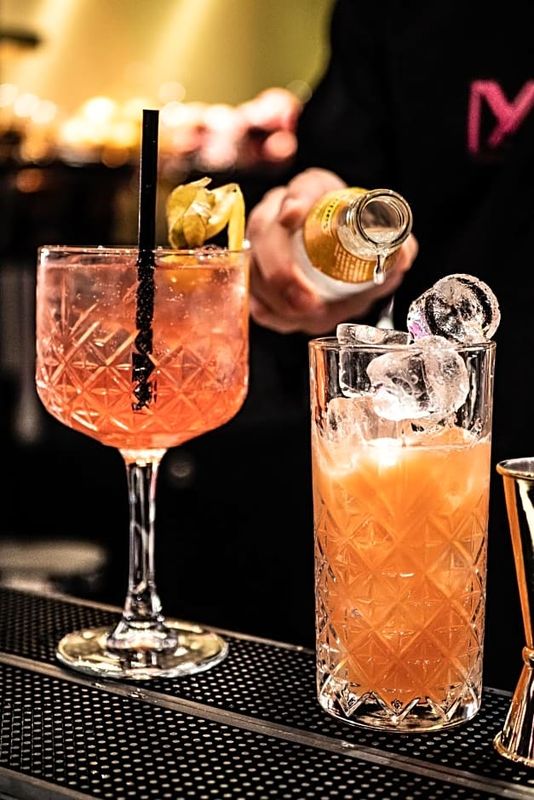
My Suite Hotel
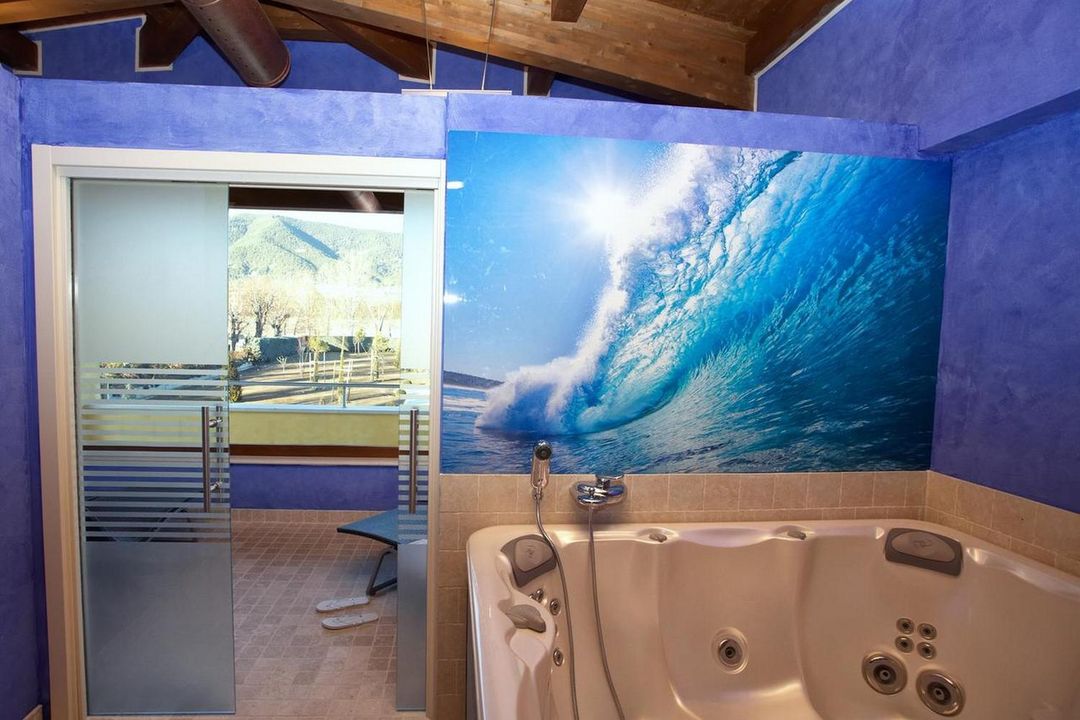
La Dimora del Baco Hotel
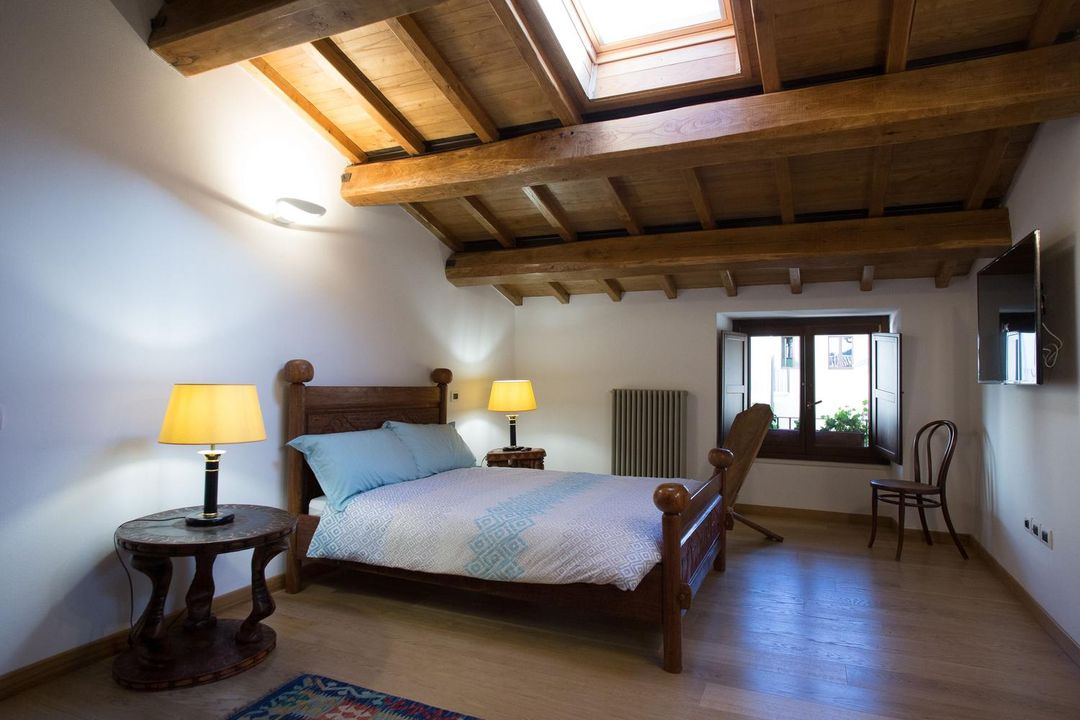
B&B Bone Novelle Dimora Storica Palazzo Zuzi
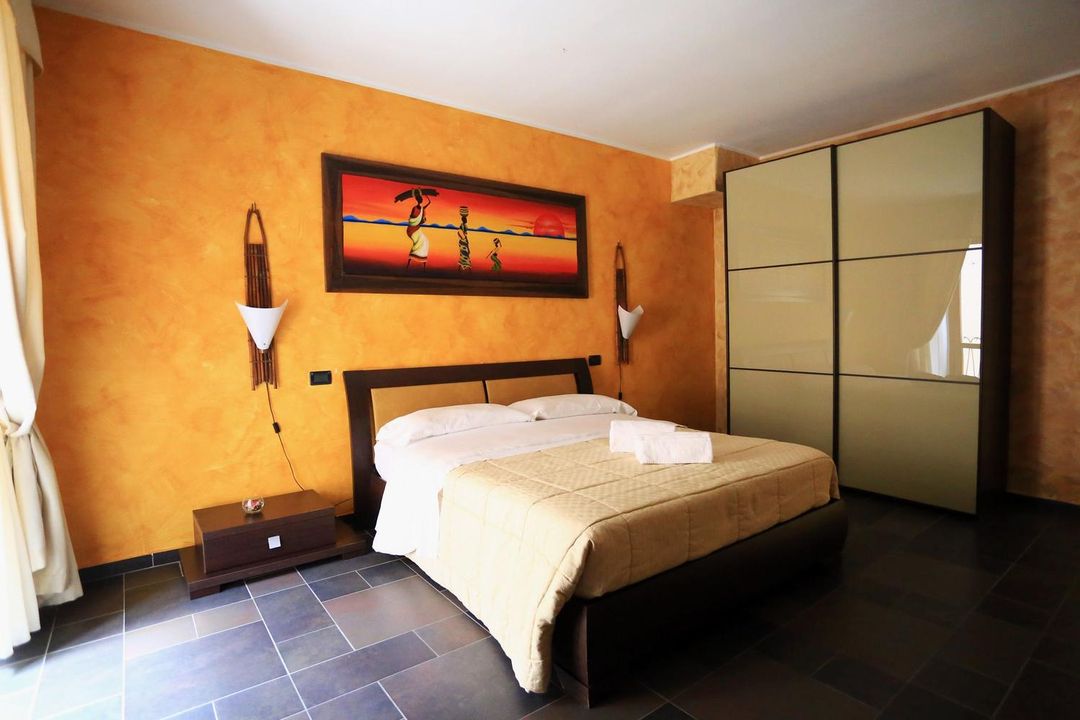
Hotel L'Aquila
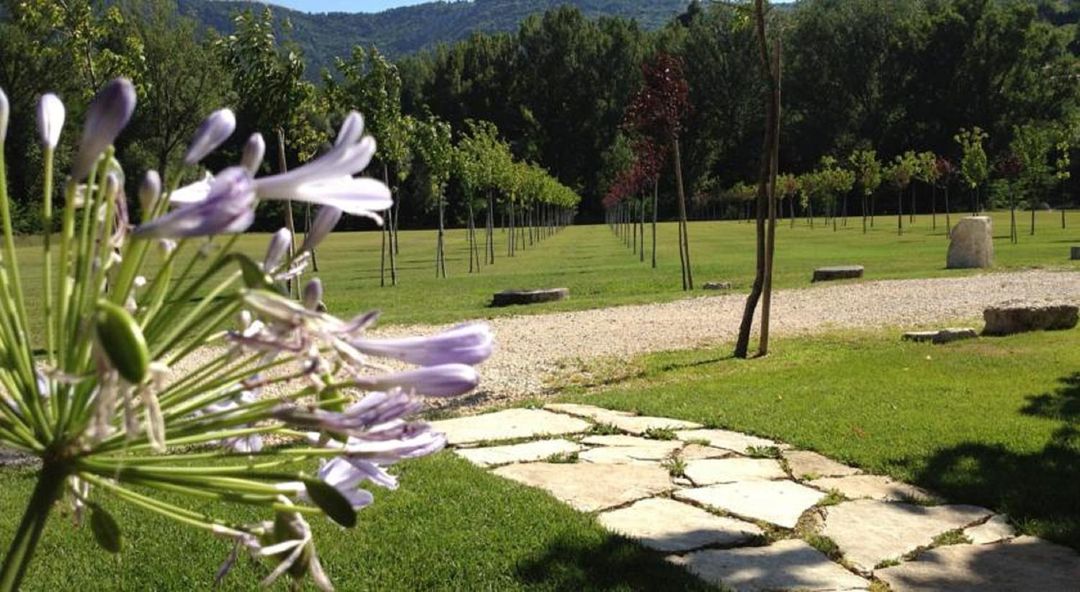
Magione Papale Relais
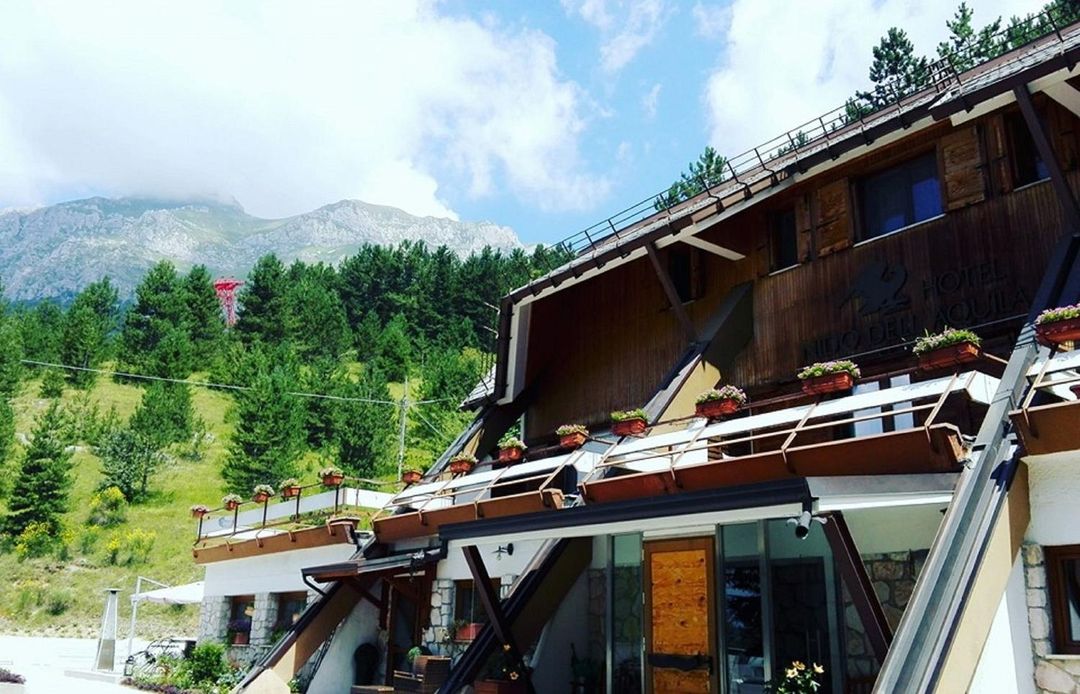
Hotel Nido Dell'Aquila
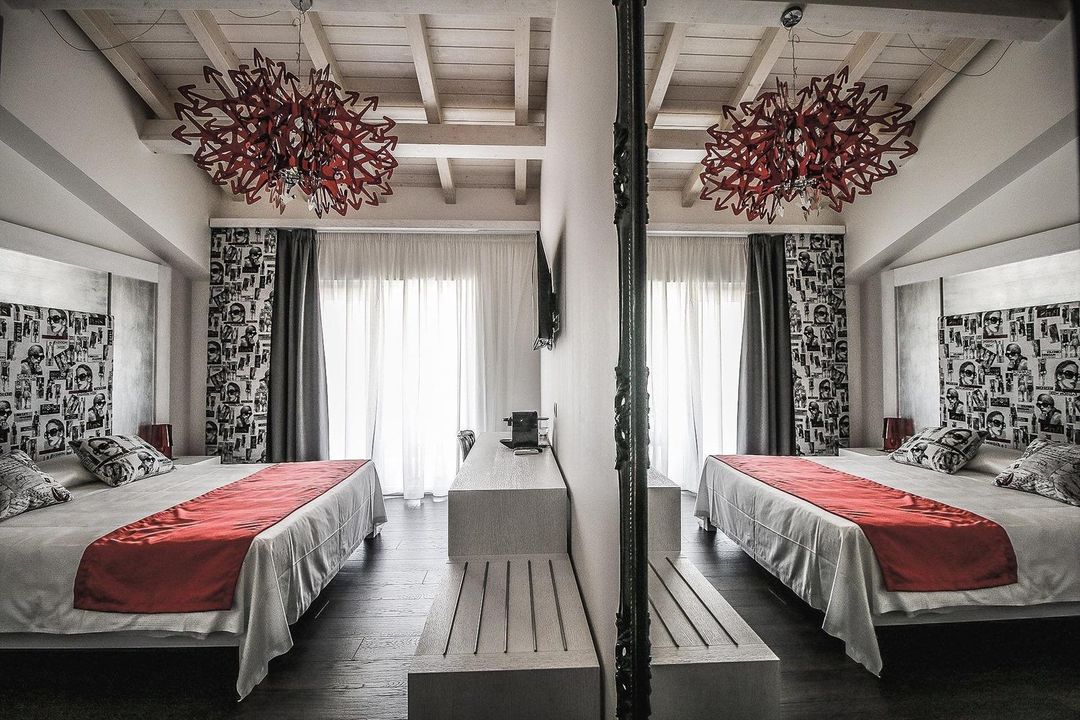
Hotel la Compagnia Del Viaggiatore
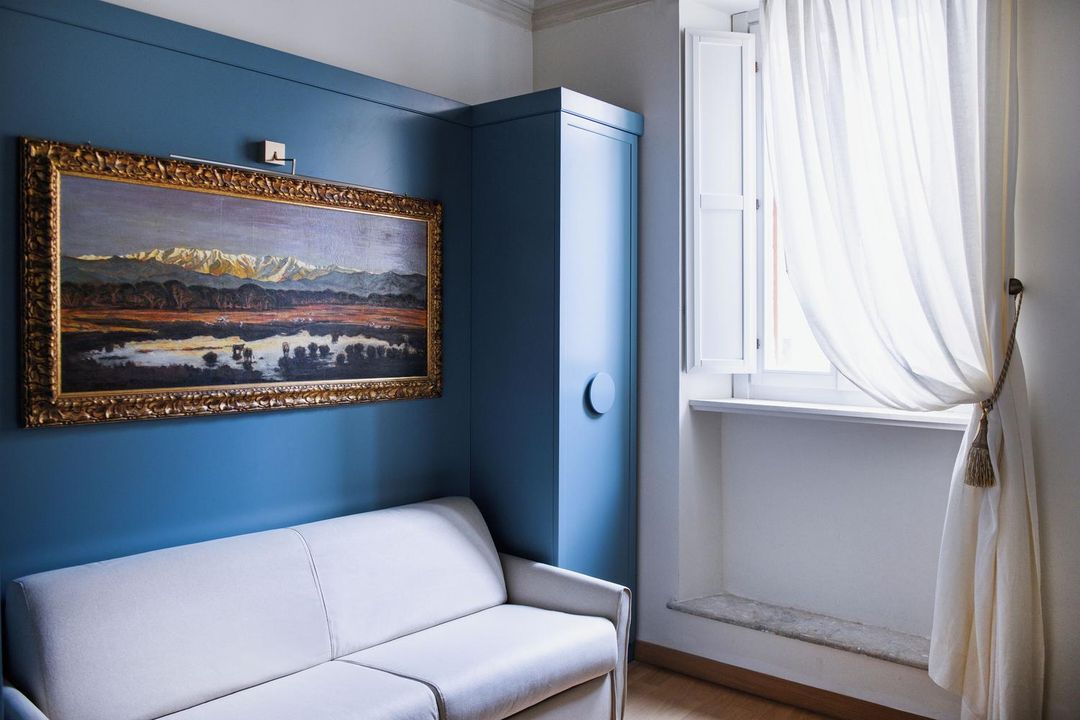
Dimora Fortebraccio
Best Hotels in L'Aquila
Discover curated hotel collections in L'Aquila
Hotel Piccolo Sant'Andrea
The Rome Edition
Bulgari Hotel Roma
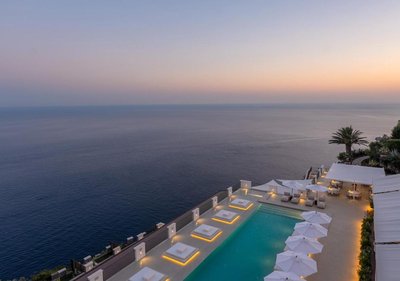
Furore Grand Hotel
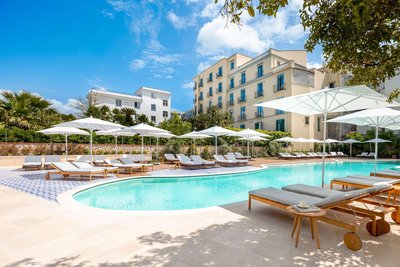
Ara Maris
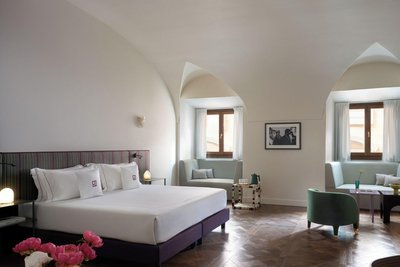
Palazzo Talìa - Small Luxury Hotels of the World
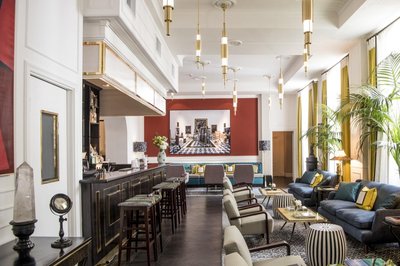
Hotel Vilòn
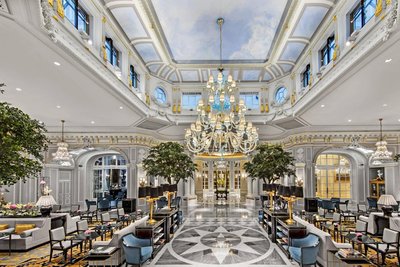
The St. Regis Rome
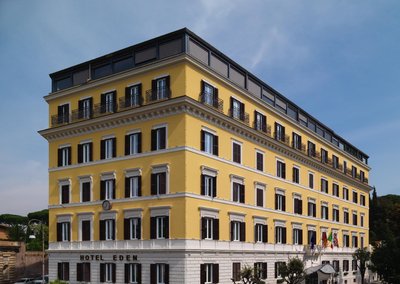
Hotel Eden - Dorchester Collection
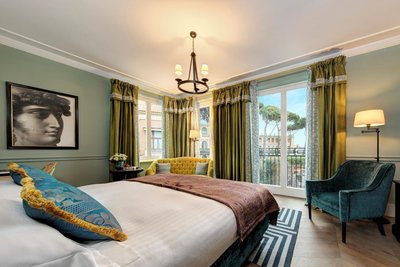
Rocco Forte Hotel de La Ville
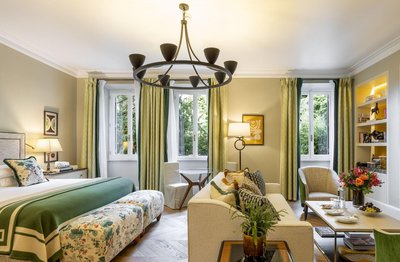
Rocco Forte Hotel De Russie
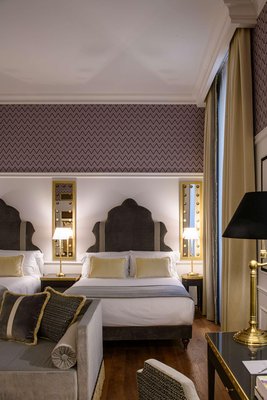
Il Tornabuoni Unbound
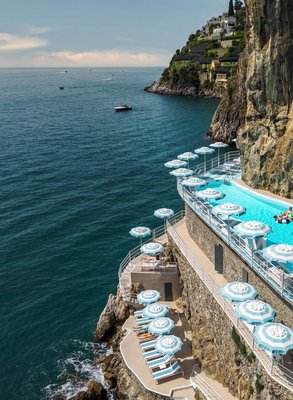
Hotel Miramalfi
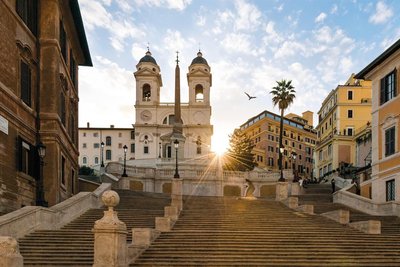
Hassler Roma
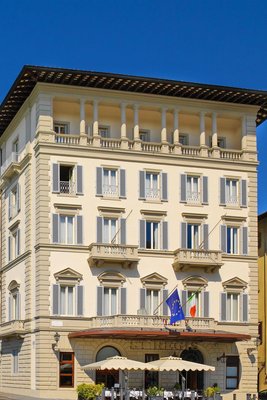
The St. Regis Florence
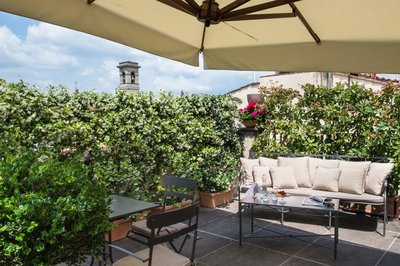
Palazzo Vecchietti - Residenza d'Epoca
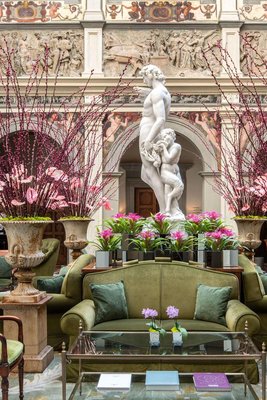
Four Seasons Hotel Firenze

Anantara Convento di Amalfi Grand Hotel
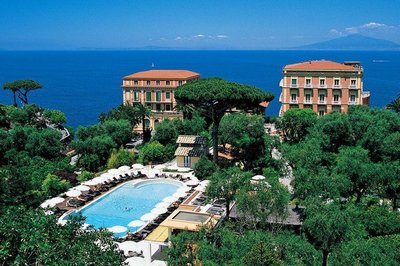
Grand Hotel Excelsior Vittoria
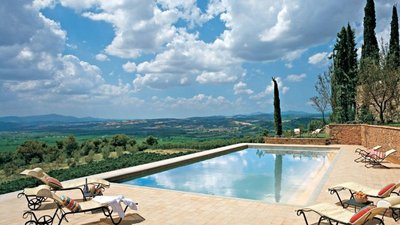
Castello Banfi - Il Borgo - Relais et Chateaux
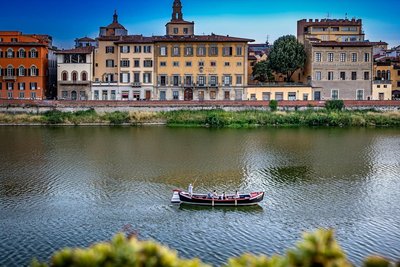
Il Rivalta
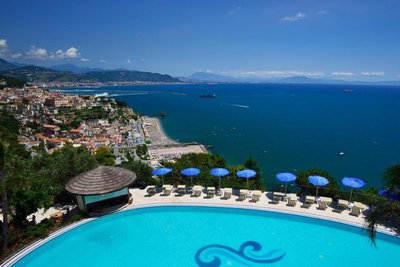
Hotel Raito Vietri Sul Mare
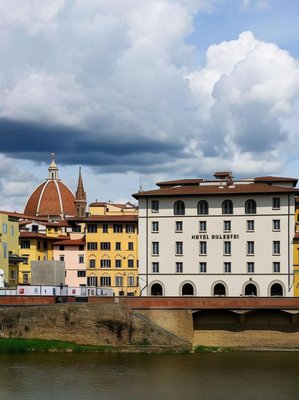
Hotel Balestri - Wtb Hotels
The St. Regis Florence
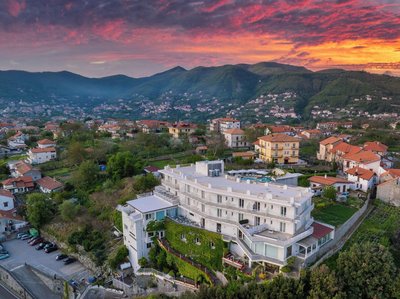
Hotel le Rocce - Agerola, Amalfi Coast
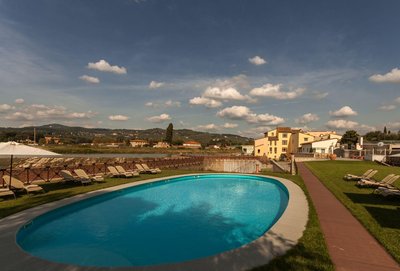
Hotel Mulino di Firenze, WorldHotels Crafted
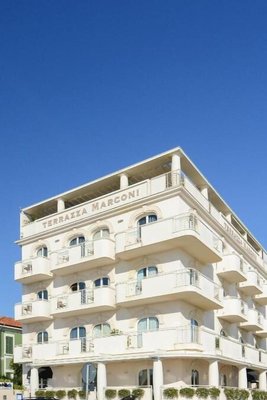
Terrazza Marconi Hotel&Spamarine

Boutique Hotel Torre di Cala Piccola
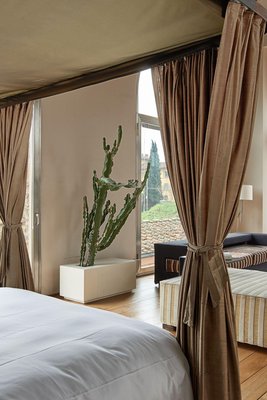
Riva Lofts Florence
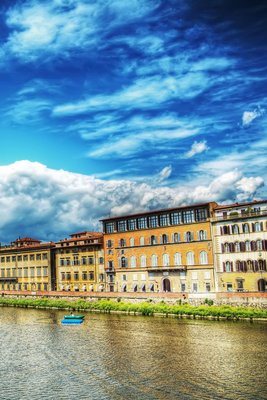
Palazzo Alfieri Residenza d'Epoca
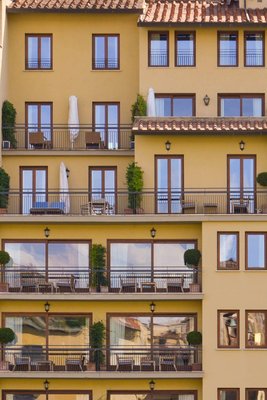
Hotel Lungarno - Lungarno Collection
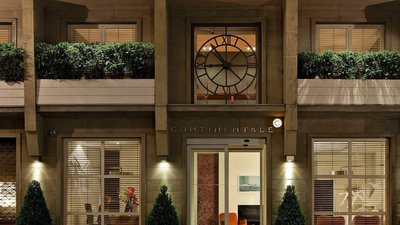
Hotel Continentale - Lungarno Collection
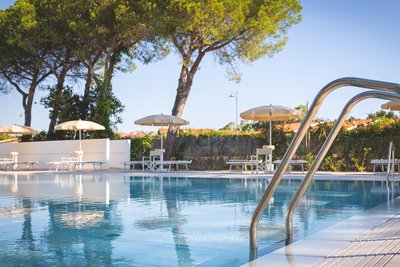
The Sense Experience Resort - Preferred Hotels & Resorts
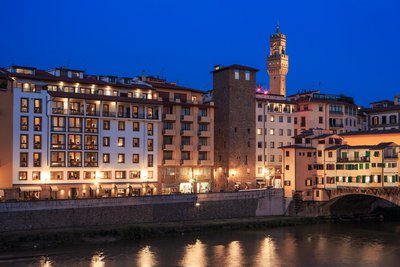
Portrait Firenze - Lungarno Collection

Caruso, A Belmond Hotel, Amalfi Coast
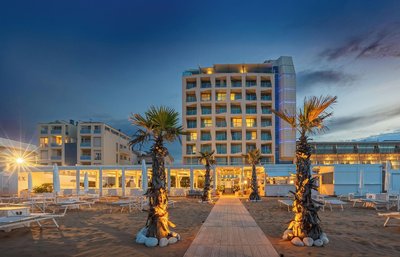
Excelsior Hotel, Spa & Lido
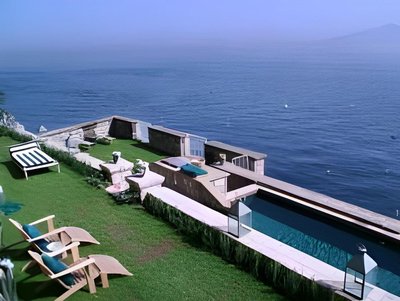
Maison la Minervetta
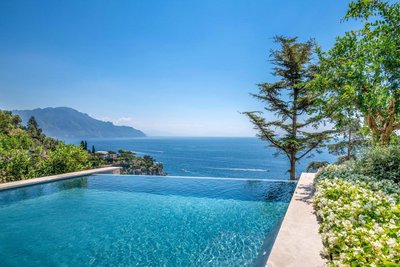
Borgo Santandrea
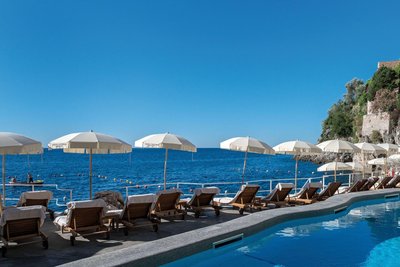
Hotel Santa Caterina
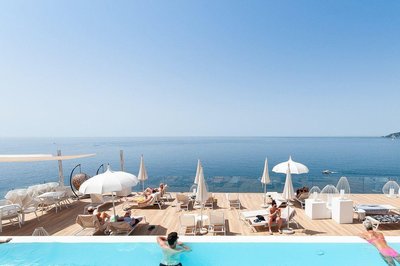
Hotel Club Due Torri
Bulgari Hotel Roma
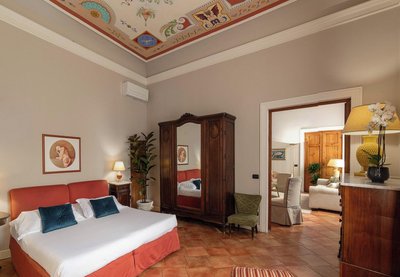
Palazzo Alfani - Residenza d'Epoca
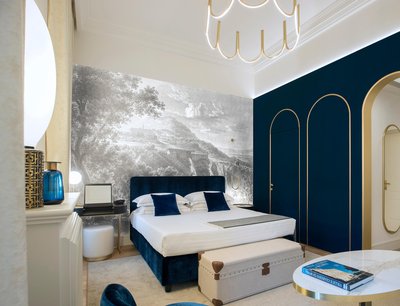
Elizabeth Unique Hotel Rome By Design Hotels
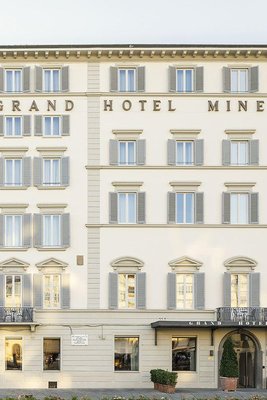
Grand Hotel Minerva
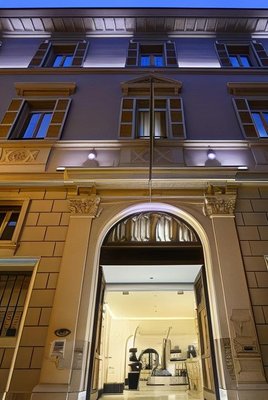
The First Arte - Preferred Hotels & Resorts
Il Tornabuoni Unbound
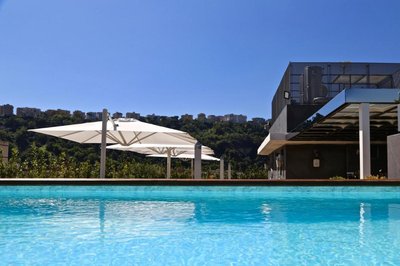
LHP Napoli Palace & Spa
Hassler Roma
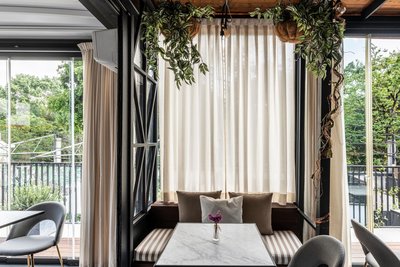
Horti 14 Borgo Trastevere Hotel
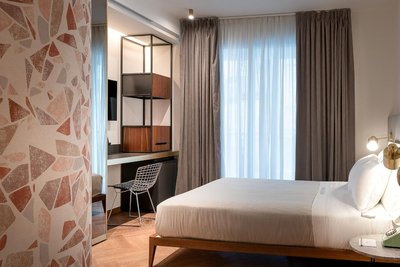
The Box Riccione - Adults Only
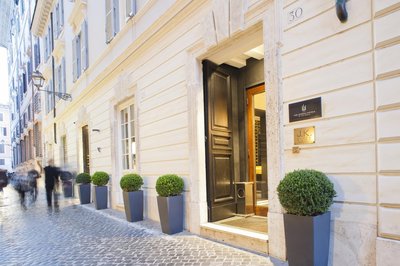
J.K. Place Roma - the Leading Hotels of the World
Portrait Firenze - Lungarno Collection
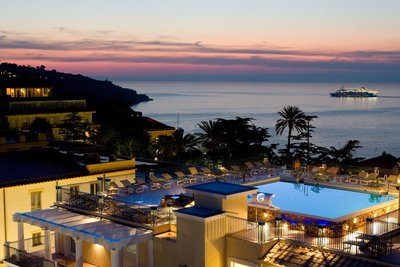
Grand Hotel la Favorita
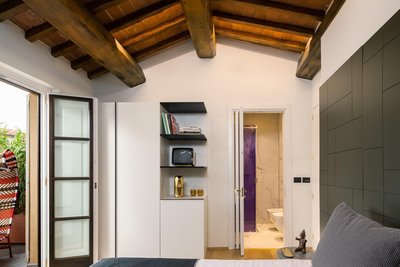
Hotel Milu Florence
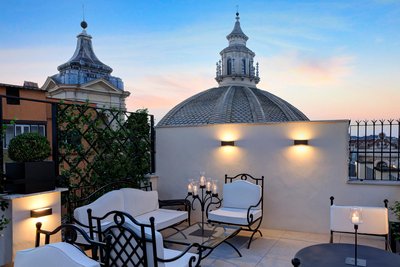
Palazzo Nainer
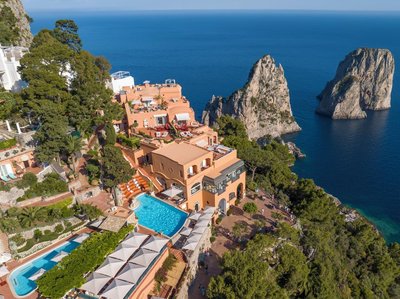
Hotel Punta Tragara
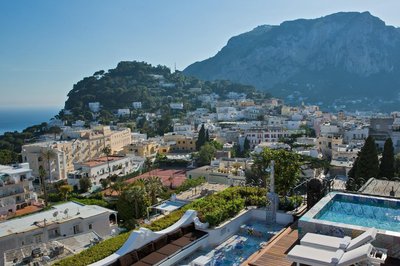
Capri Tiberio Palace
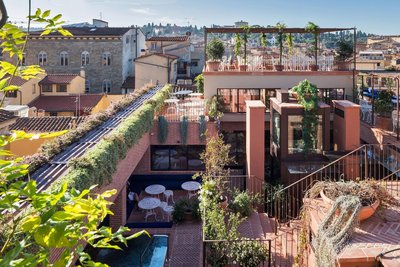
Hotel Calimala Florence
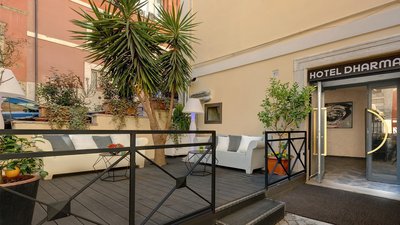
Dharma Boutique Hotel & Spa
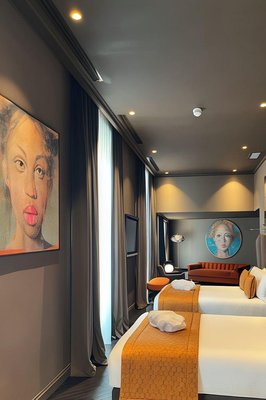
U-VISIONARY ROMA HOTEL
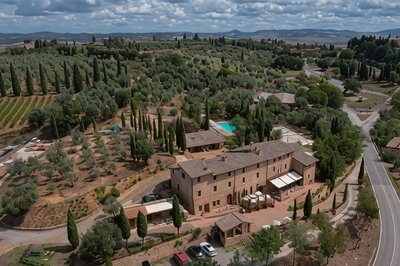
Il Miraggio in Val d'Orcia Relais & Spa
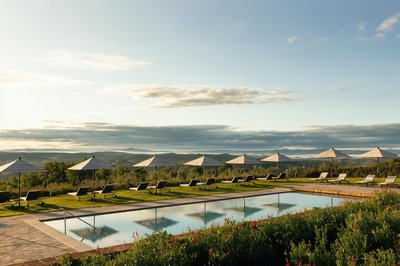
The Club House
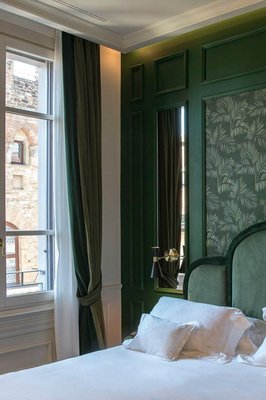
Hotel la Gemma
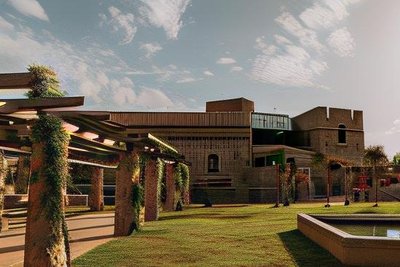
Castello di Rocca Cilento
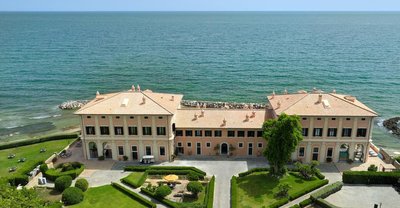
La Posta Vecchia Hotel
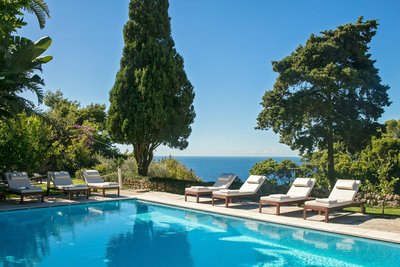
Hotel la Minerva
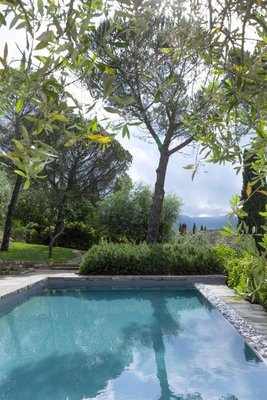
Pieve Aldina Relais & Châteaux
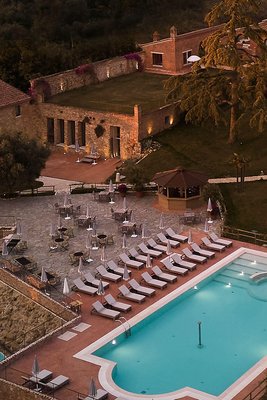
Precise Tale Poggio Alla Sala
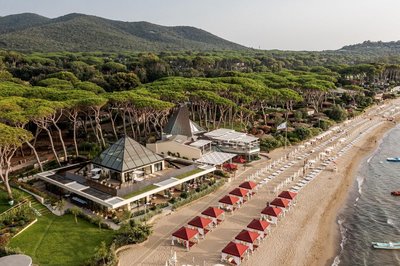
Cala Beach Resort

Palazzo Roma
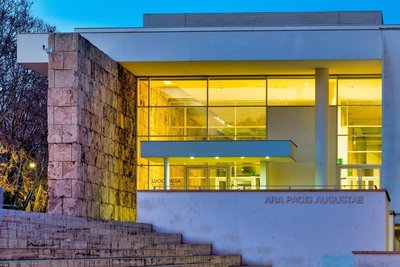
Palazzo Shedir - the Leading Hotels of the World
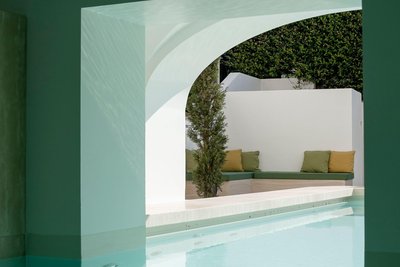
Villa Certosa Capri
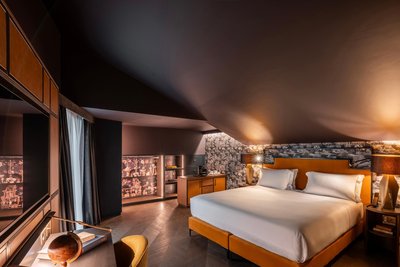
The Goethe Hotel
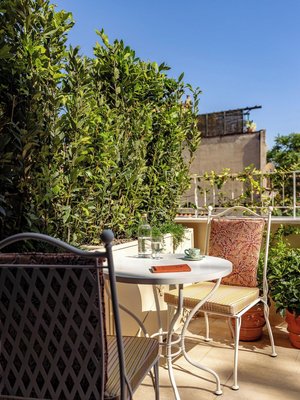
Hotel Casa Monti Roma
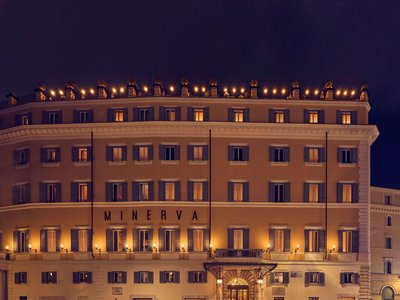
Orient Express la Minerva
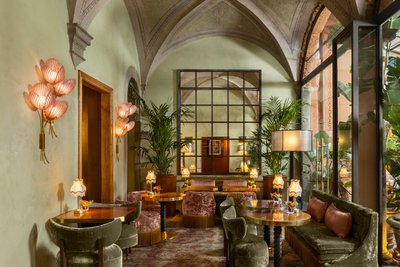
The James Suite Hotel Firenze 1564 - Small Luxury Hotels of the World
Elizabeth Unique Hotel Rome By Design Hotels

Singer Palace Hotel Roma
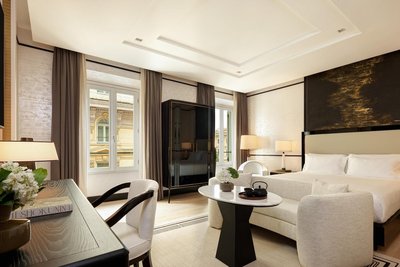
Nobu Hotel Roma
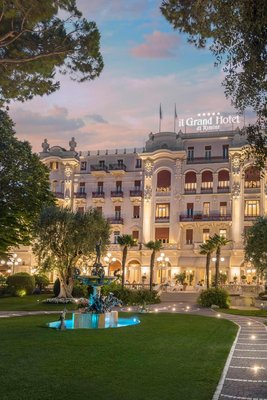
Grand Hotel Rimini
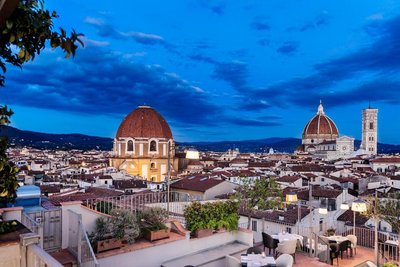
Grand Hotel Baglioni
Hotel Eden - Dorchester Collection
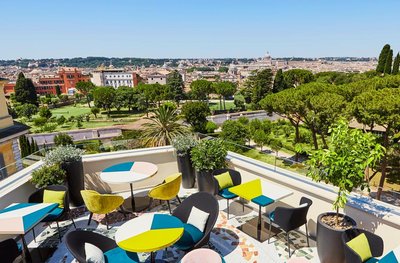
Sofitel Roma Villa Borghese
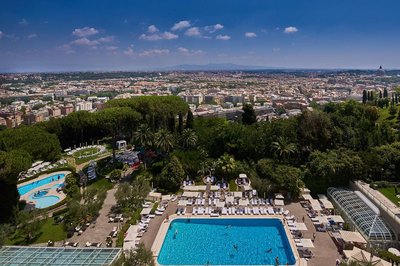
Rome Cavalieri, A Waldorf Astoria Hotel
The First Arte - Preferred Hotels & Resorts
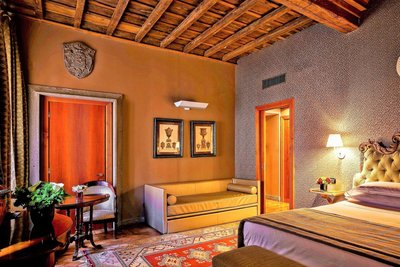
Hotel Valadier
Hassler Roma
The St. Regis Florence
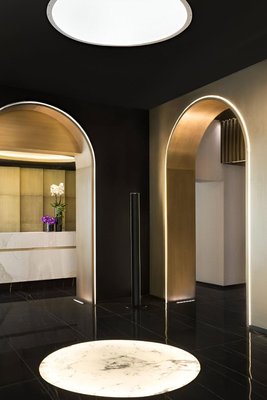
The Pantheon Iconic Rome Hotel, Autograph Collection
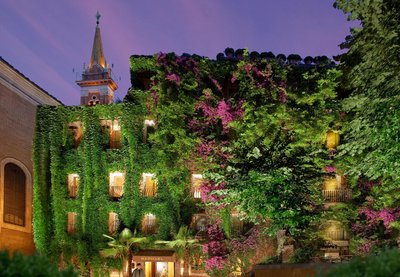
Bio Hotel Raphael - Relais & Châteaux
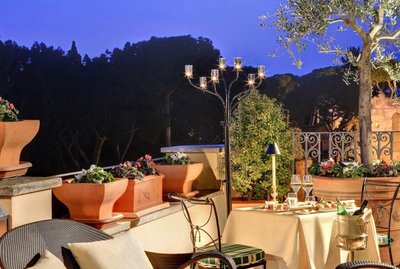
Hotel Splendide Royal - the Leading Hotels of the World
Four Seasons Hotel Firenze
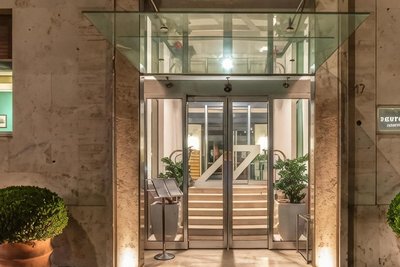
47 Boutique Hotel
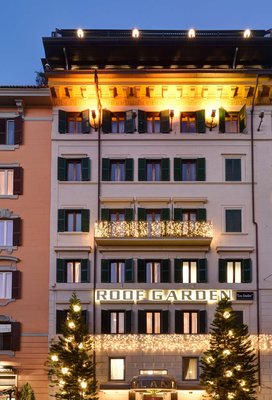
Atlante Star Hotel
Portrait Firenze - Lungarno Collection
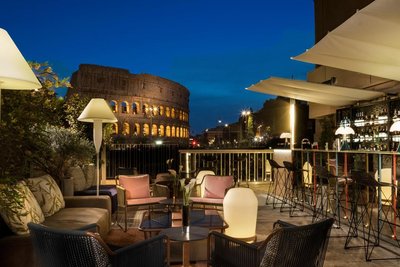
Hotel Palazzo Manfredi – Small Luxury Hotels of The World
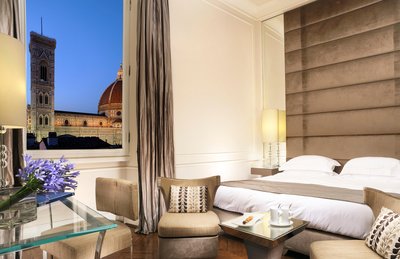
Brunelleschi Hotel
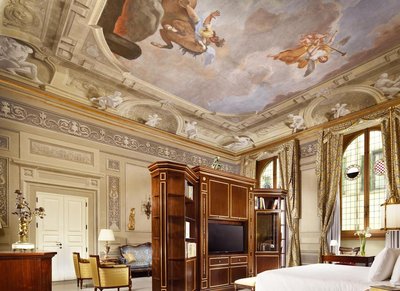
Palazzo Portinari Salviati Residenza d'Epoca
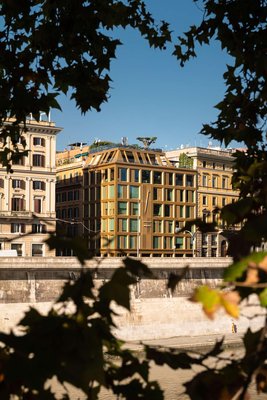
The First Musica - Preferred Hotels & Resorts
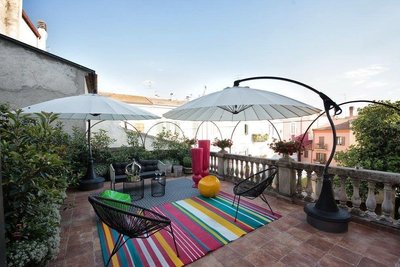
Palazzo Cannavina Suite & Private Spa
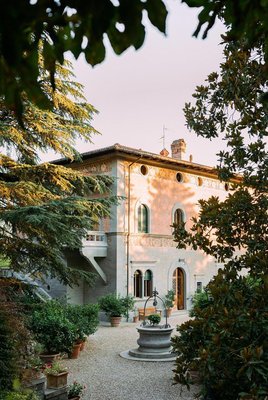
Villa la Commenda Concordia
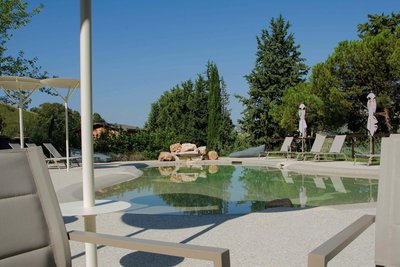
Colle Serrano Relais & Spa
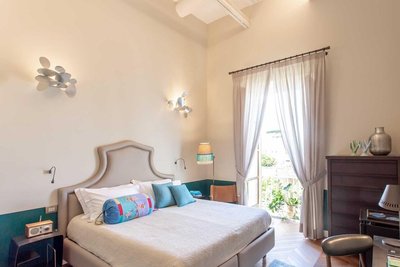
Accademia 39
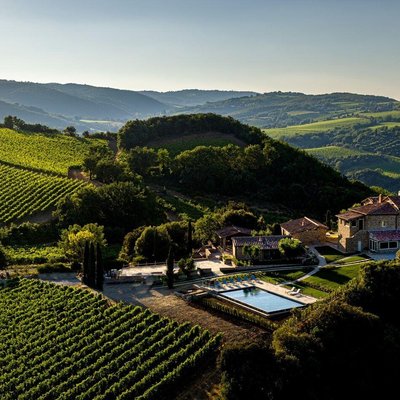
Mastrojanni Relais
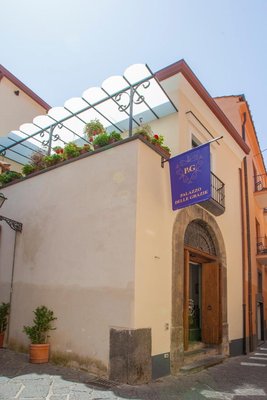
Palazzo Delle Grazie
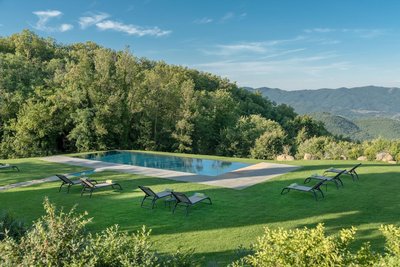
Badia di Pomaio
Castello Vicchiomaggio
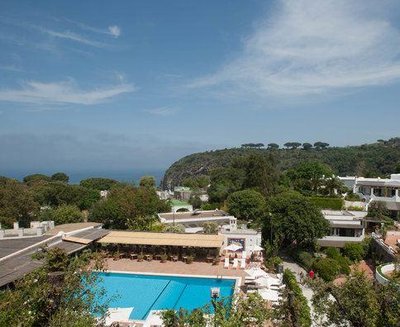
Botania Relais & Spa - the Leading Hotels of the World
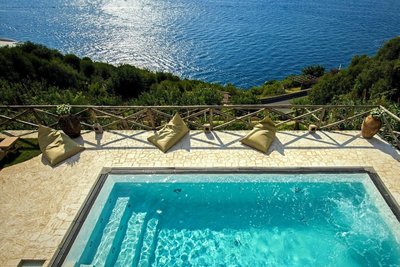
Villa Gianlica
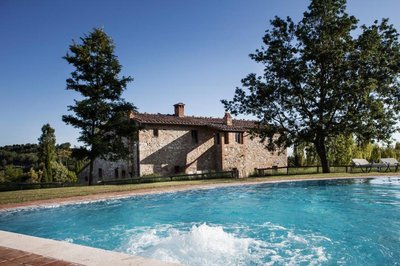
B&B - Podere Monti
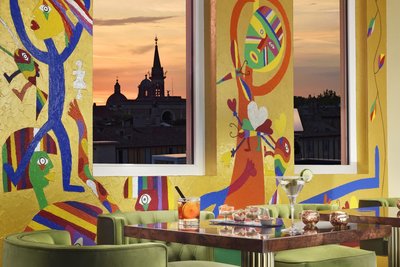
Lifestyle Suites Rome
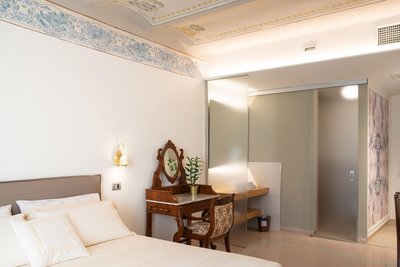
Portica10
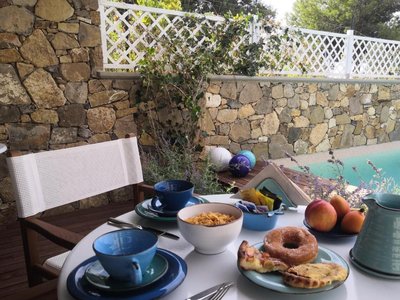
Stile Libero b&b
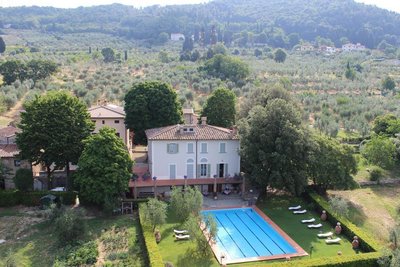
Borgo I Vicelli
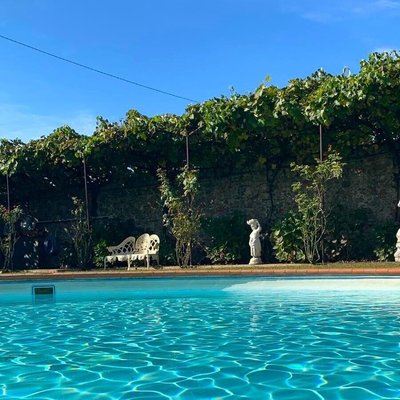
Villa la Preziosa
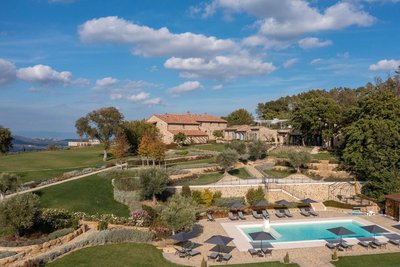
I Borghi Dell'Eremo
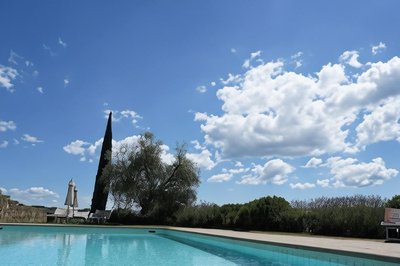
Wine Resort Dievole
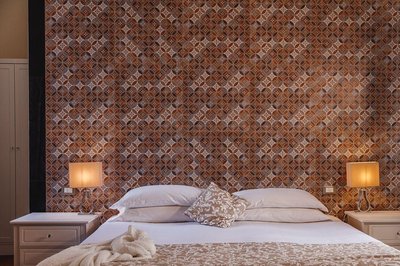
My Spanishsteps
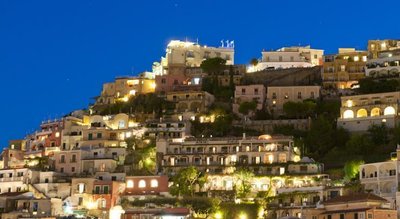
Casa Buonocore

Hotel Barrière Fouquet's New York
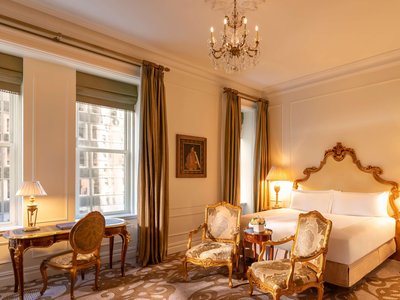
The Plaza - A Fairmont Managed Hotel
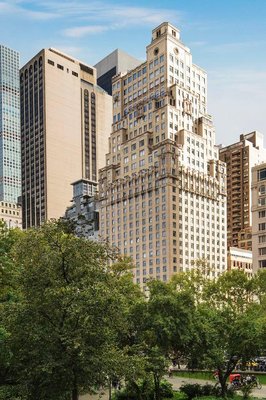
The Ritz-Carlton New York, Central Park
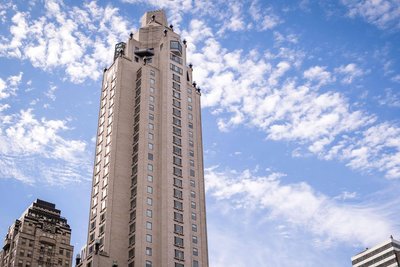
Four Seasons Hotel New York
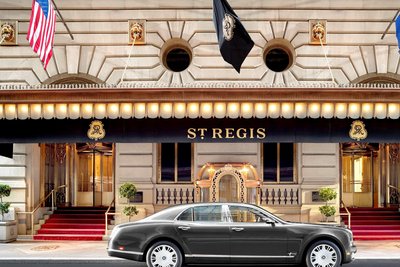
The St. Regis New York
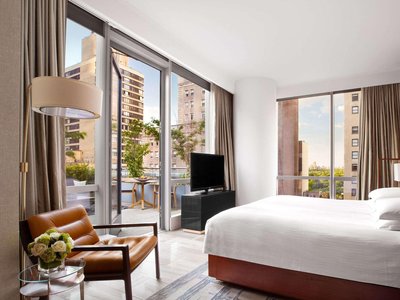
Park Hyatt New York
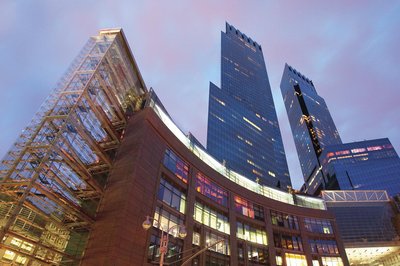
Mandarin Oriental New York
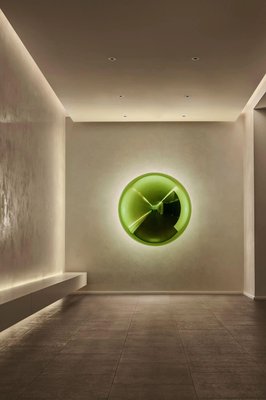
Times Square Edition New York
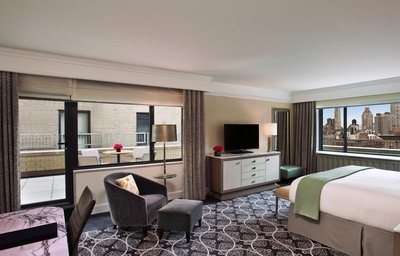
Loews Regency New York Hotel
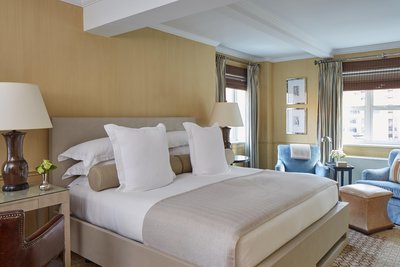
Lowell Hotel
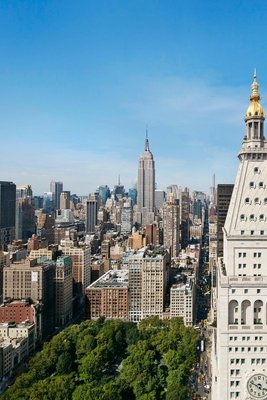
New York Edition
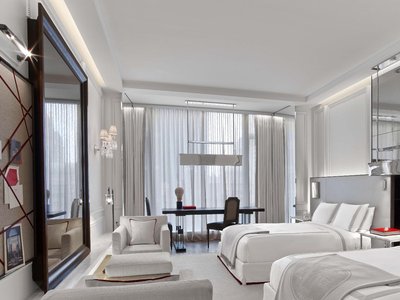
Baccarat Hotel New York
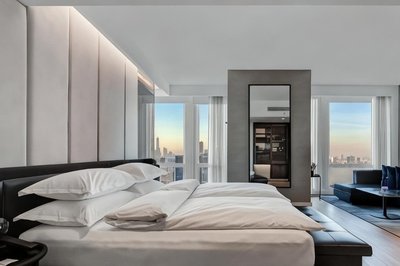
Equinox Hotel New York
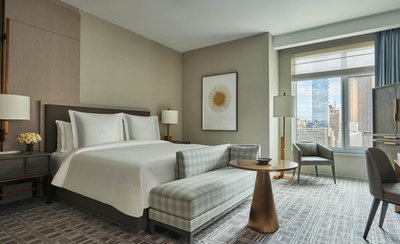
Four Seasons Hotel New York Downtown
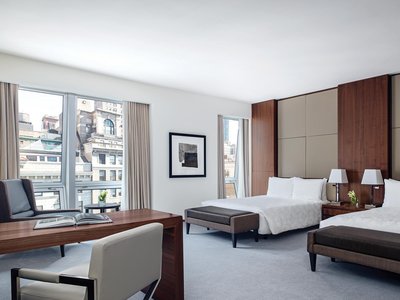
The Langham, New York, Fifth Avenue
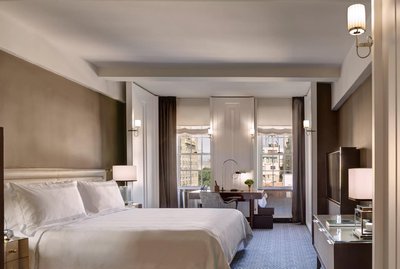
The Carlyle, A Rosewood Hotel

The Chatwal, in the Unbound Collection by Hyatt
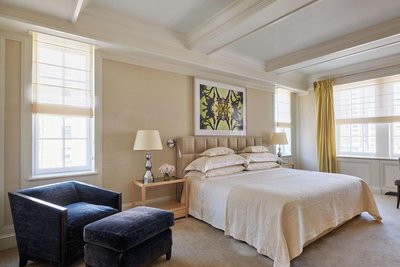
The Mark New York
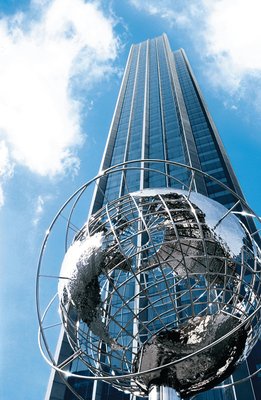
Trump International Hotel & Tower® New York
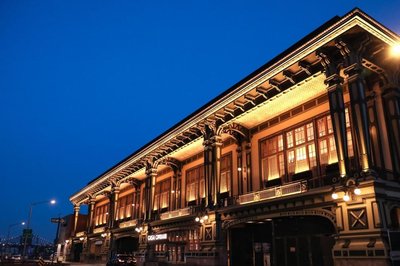
Casa Cipriani New York
Frequently Asked Questions about Traveling to L'Aquila
Questions You Might Need to Know About Traveling to L'Aquila
For a culturally immersive stay, Hotel Santa Maria is highly recommended—located in the heart of the historic center, it overlooks the Cathedral of L'Aquila and features medieval architecture with authentic Abruzzo furnishings. Another excellent choice is Palazzo Lancellotti, a restored noble residence offering panoramic city views and elegant rooms with original frescoes. Both properties offer complimentary Wi-Fi, 24-hour reception, and curated local experiences like cooking classes and guided heritage walks. Their proximity to Piazza San Bernardino and ancient Roman ruins enhances the authenticity of your visit.
The Historic Center (Centro Storico) is the ideal area for visitors. It’s within walking distance of key landmarks including the Cathedral, Piazza San Bernardino, and the Archaeological Site of Ancient Aquileia. The cobblestone streets, centuries-old buildings, and vibrant atmosphere create an immersive experience. Many boutique hotels and family-run guesthouses are located here, offering personalized service. While quiet at night, it remains safe and central. Avoid staying near the train station due to noise and less scenic surroundings. Staying in the historic core maximizes convenience and cultural connection.
In L'Aquila, enjoy unique cultural experiences such as visiting the National Archaeological Museum to explore Roman-era artifacts; joining a traditional Abruzzo music workshop to learn folk instruments like the ciaramella and hand drums; attending evening gatherings at Piazza San Bernardino where locals celebrate with street performers; and participating in a family-style dinner (Cena in Famiglia) hosted by a local household. These activities offer deep insight into the region’s artistic traditions, communal values, and culinary heritage, creating unforgettable memories.
Must-try dishes in L'Aquila include Pasta alla Chitarra, a handmade spaghetti made using a guitar-shaped press, typically served with tomato sauce or pecorino cheese. Another staple is Maccu di fave, a hearty chickpea stew with regional herbs, reflecting ancient agrarian roots. Don’t miss Prosciutto di L'Aquila, a delicately cured ham with rich flavor, available at local markets. For dining, try Trattoria da Gianni or Osteria del Vino, both known for their use of organic, locally sourced ingredients. Pair your meal with a glass of Montepulciano d’Abruzzo wine for a full sensory experience of Abruzzo cuisine.
Yes, L'Aquila is very family-friendly. The Children’s Museum (Museo dei Bambini) offers interactive exhibits on history, science, and nature, perfect for kids. Piazza San Bernardino features a safe playground surrounded by cafes and shaded areas for parents. Many hotels provide cribs, high chairs, and family suites. Families can also visit the L'Aquila Zoo, home to native species like wild goats and red foxes. Weekend guided tours often include storytelling sessions about legends and history, making learning fun. The relaxed pace and welcoming community make it ideal for family travel.
The best time to visit L'Aquila is from April to June. During these months, temperatures range from 10°C to 20°C, with blooming flowers and clear skies—ideal for hiking and sightseeing. Autumn (September–November) is also excellent, offering cool days and golden foliage. Summer (July–August) is warm but comfortable due to the city’s elevation (~800m), making it a great escape from heat elsewhere. Winter (December–February) brings snow and charm, though some roads may be closed. Spring offers the perfect balance of mild weather, low crowds, and rich cultural events.
Key landmarks in L'Aquila include the Cathedral of L'Aquila, a striking Gothic structure with a rebuilt bell tower after the 2009 earthquake. Piazza San Bernardino, the city’s main square, hosts the town hall and historic churches. The Archaeological Site of Ancient Aquileia reveals Roman-era ruins beneath modern streets. Also notable is Casa dei Moritani, a well-preserved medieval noble residence now used for exhibitions. Together, these sites reflect the city’s layered past—from Roman origins to Renaissance splendor—and are essential stops on any visit.
Yes, public transport in L'Aquila is convenient for tourists. The compact historic center is easily walkable, with major attractions within a 15-minute stroll. A small electric shuttle bus (Bus Turistico) connects key sites and the train station. For exploring nearby mountain trails, regional buses or bike rentals are available. Consider purchasing the L'Aquila City Pass, which includes unlimited transit and discounts at museums and hotels. Many hotels also offer free shuttle services. Overall, you don’t need a car to fully experience the city.
Couples will love romantic moments in L'Aquila: strolling through Piazza San Bernardino under soft evening lights, enjoying a private dinner at Osteria del Vino paired with Montepulciano d’Abruzzo wine, or HopeGoo a rooftop suite at Palazzo Lancellotti with views over the ancient city. Take a sunset hike along the Abruzzo mountain trails, or join a nighttime stargazing tour atop a hill away from light pollution. These intimate experiences blend history, nature, and romance, making L'Aquila a hidden gem for couples seeking quiet elegance.
For authentic souvenirs, visit the weekend artisan market in the historic center, featuring handmade ceramics, embroidered textiles, and wooden crafts from local artisans. On Via Roma, shops like La Bottega dell'Artigiano sell premium local goods: olive oil, honey, spice blends, and Prosciutto di L'Aquila. You’ll also find beautifully packaged chocolate truffles and coffee sets from Caffè Speranza—perfect for gifts. All items emphasize sustainability and regional craftsmanship, ensuring you take home a true piece of Abruzzo culture.