Hotels in Lào Cai
Discover your perfect stay in Lào Cai.
Lào Cai(Vietnam) Travel 2026: Cheap Flights, Hotels & Top Attractions
Popular Landmarks in Lào Cai
Discover the most iconic attractions in Lào Cai
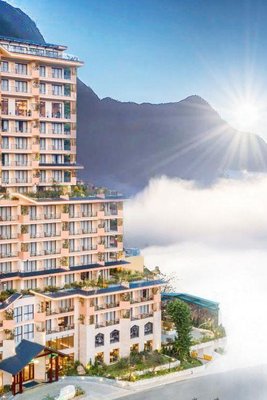
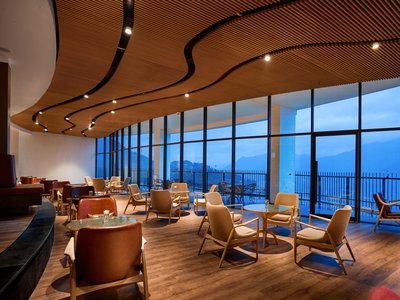
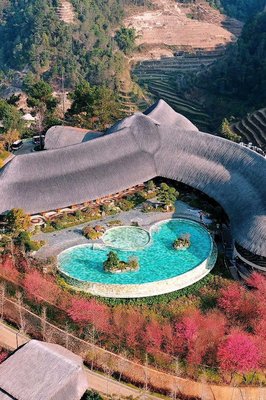
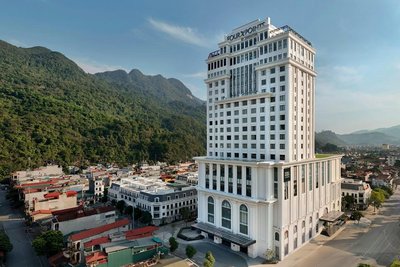
Recommended Hotels in Lào Cai
Find the perfect place to stay in Lào Cai
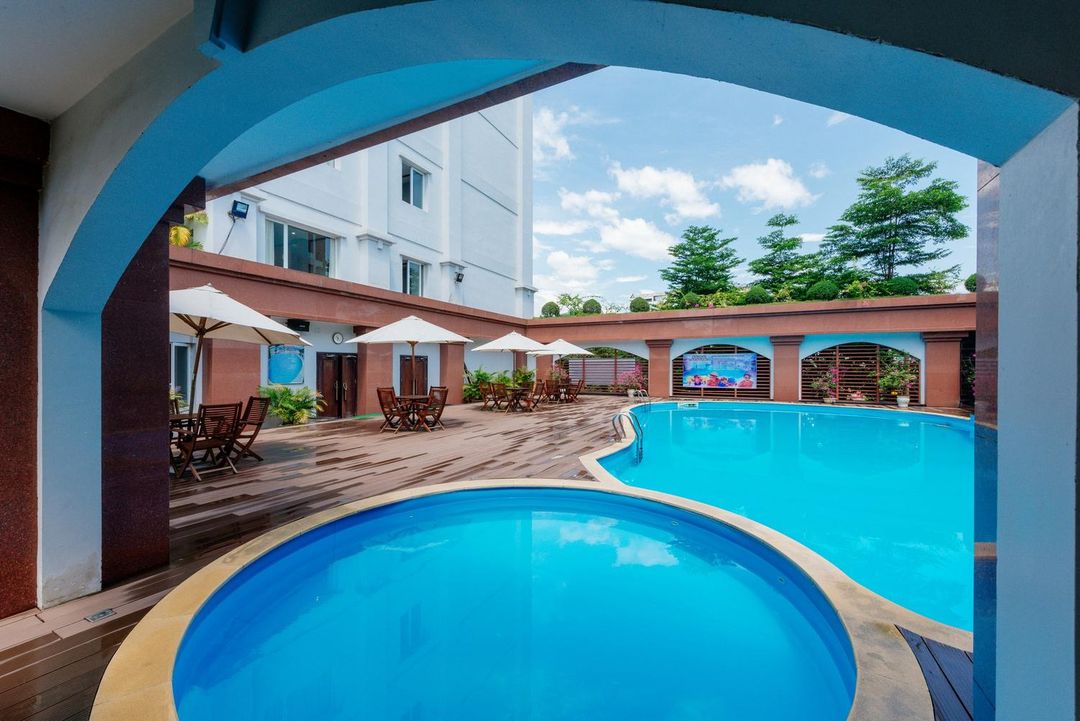
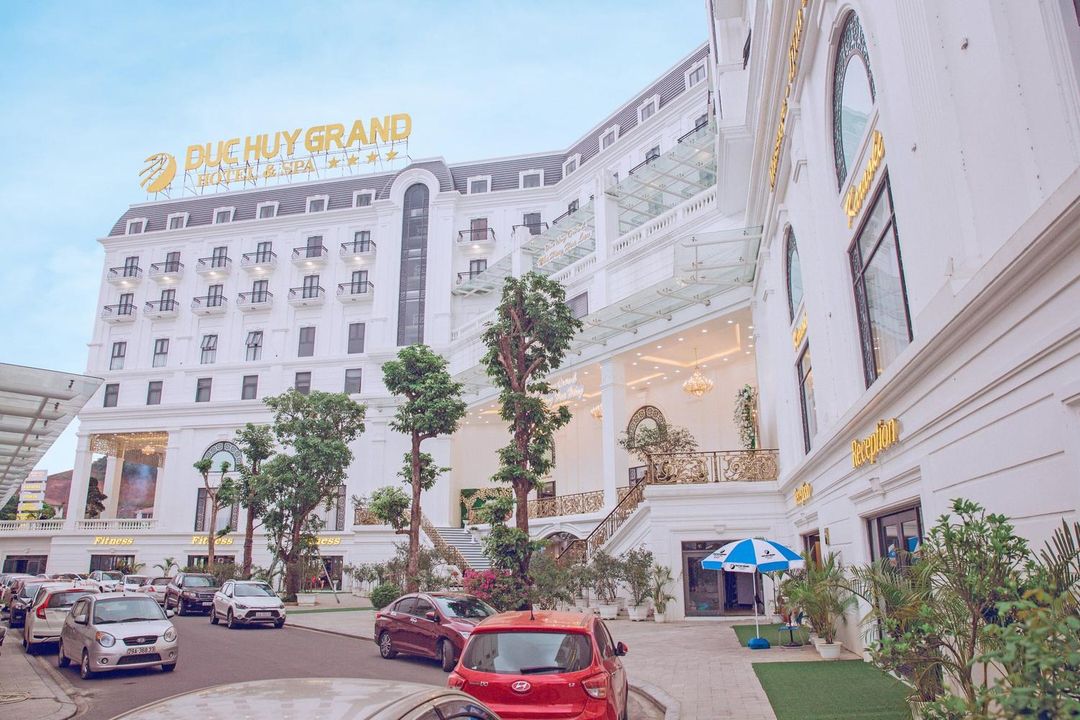
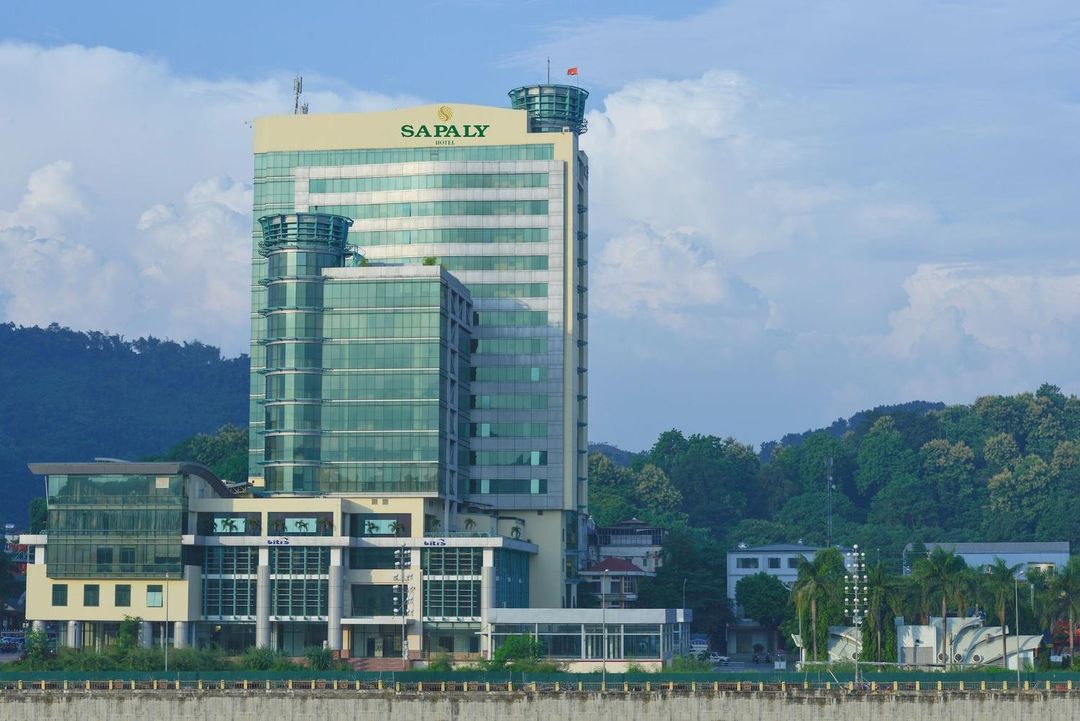
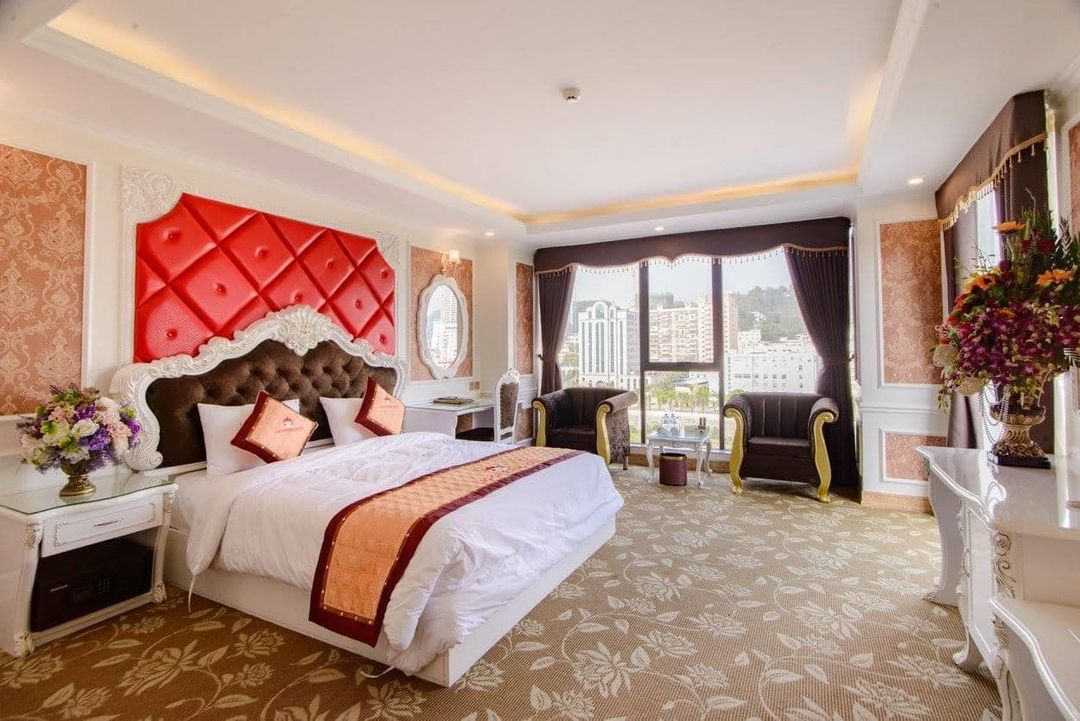
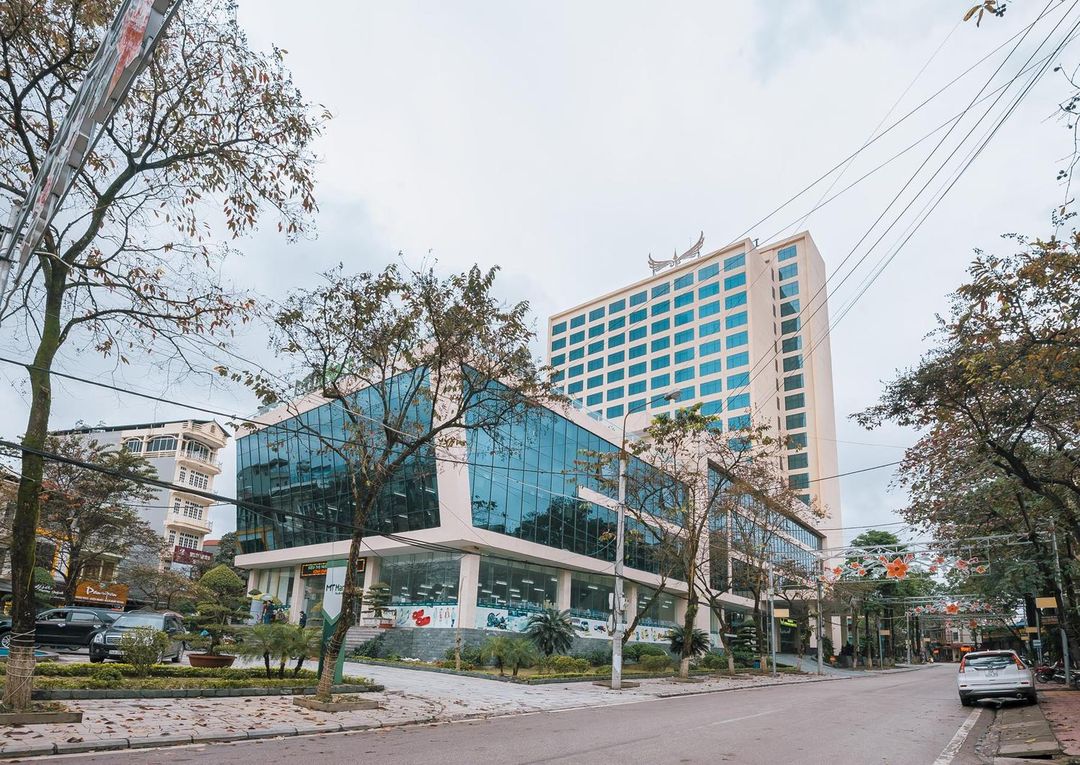
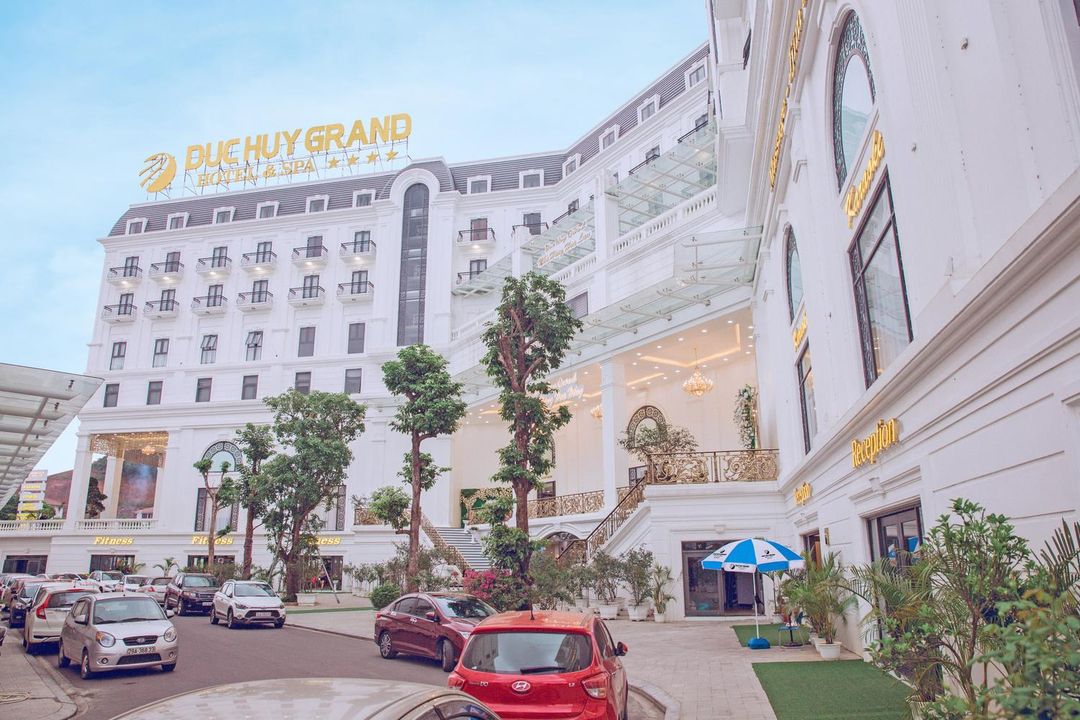
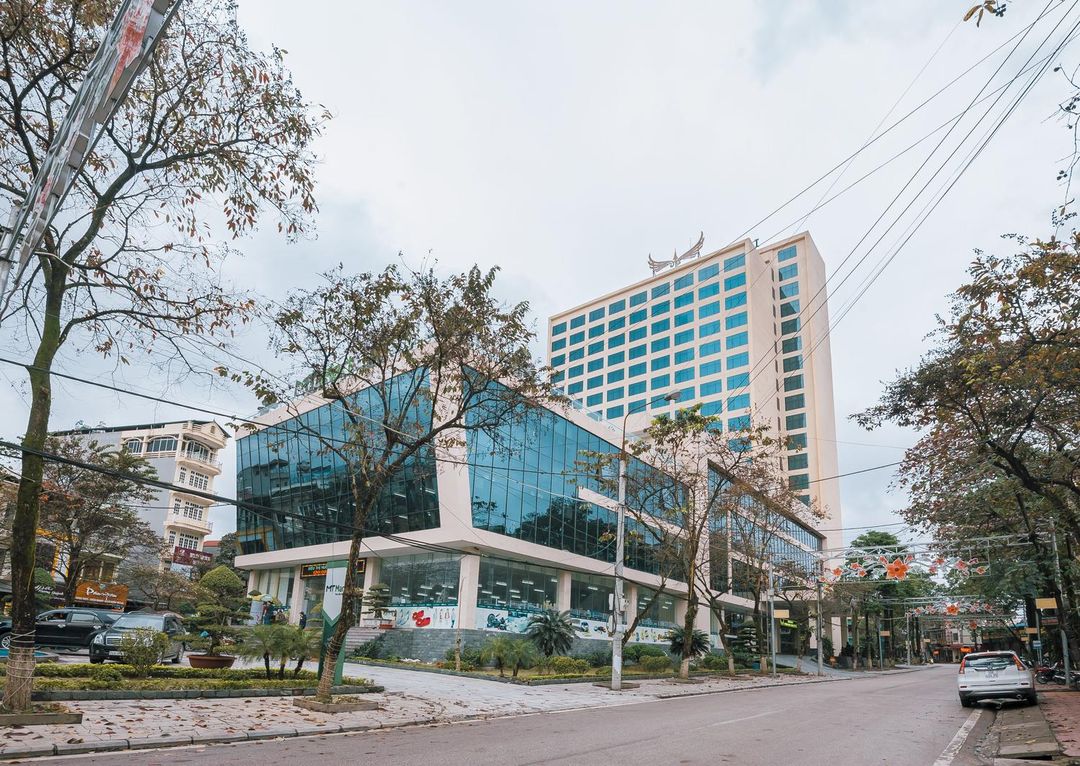
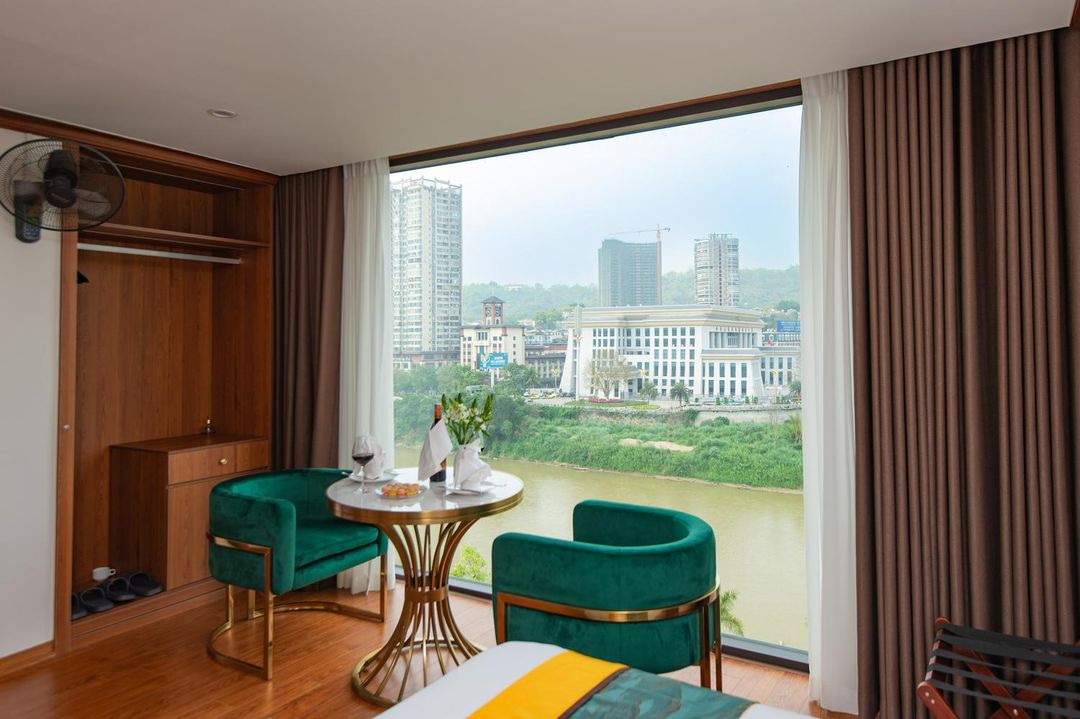
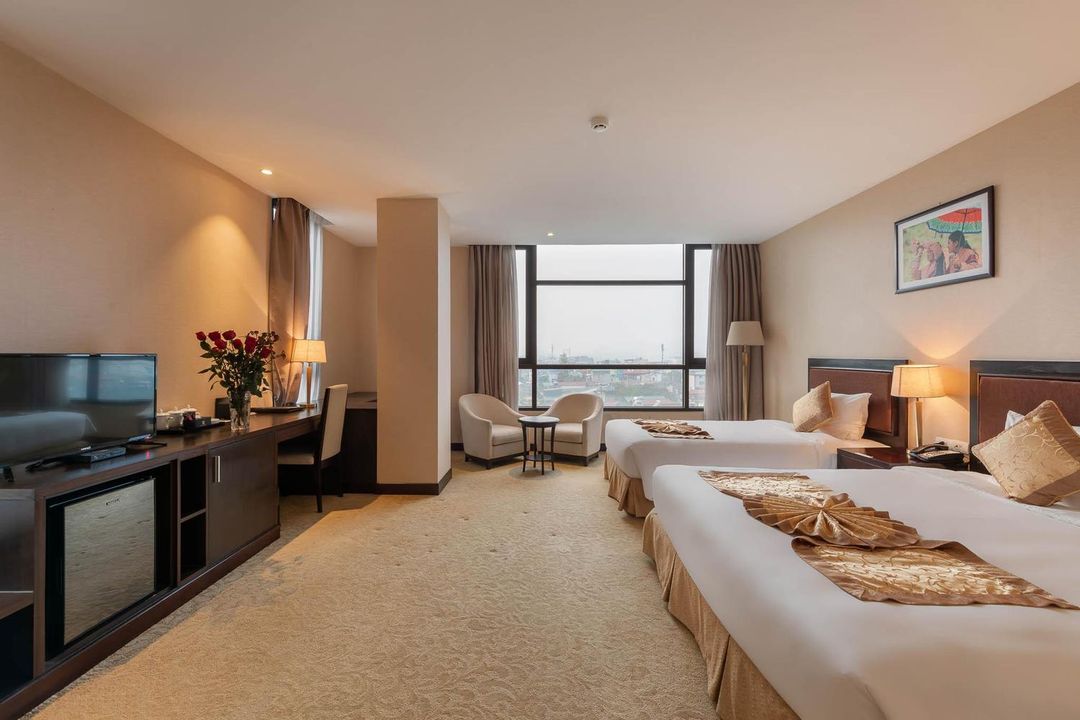
Best Hotels in Lào Cai
Discover curated hotel collections in Lào Cai





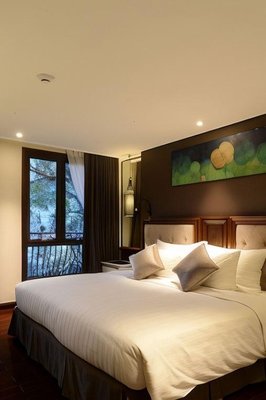

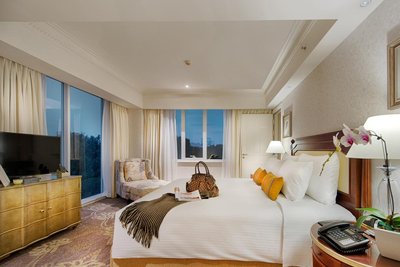


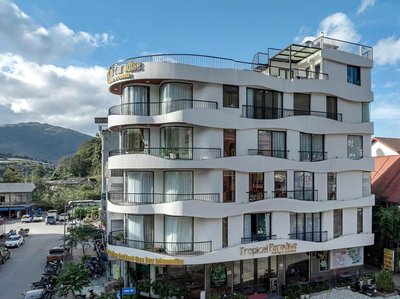
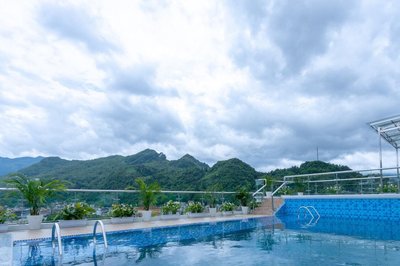
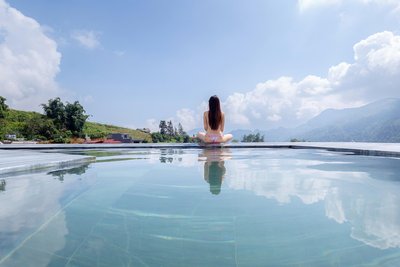
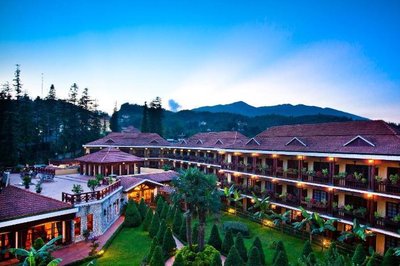
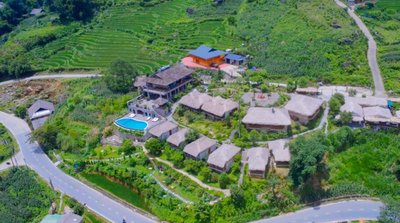


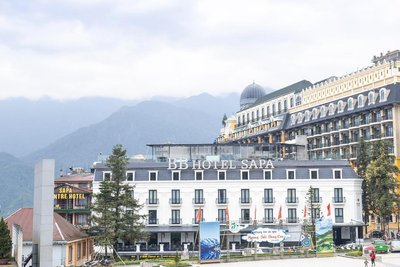






Frequently Asked Questions about Traveling to Lào Cai
Questions You Might Need to Know About Traveling to Lào Cai
For backpackers in Lao Cai City, recommend staying at Lao Cai Youth Hostel, located in the heart of the old town with easy access to markets and train station. This hostel offers dorm beds and private rooms, all equipped with free Wi-Fi, shared kitchens, and a cozy lounge area. Guests can join local Hmong cultural workshops, learning traditional embroidery and handicrafts. Its proximity to the Hanoi-Lao Cai Railway Line makes it ideal for exploring northern highlands and mountain villages like Sapa.
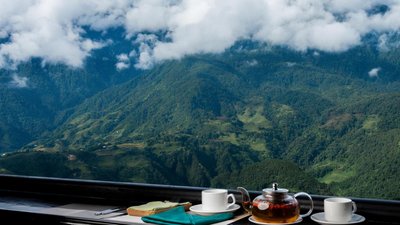
Stay at Mountain Stay Lao Cai, nestled on a hillside near Sapa, this eco-lodge was renovated from an old Hmong farmhouse. Each room features a private balcony overlooking terraced rice fields and misty peaks. The hosts are local Hmong families who serve homemade breakfasts like sticky rice cakes and mountain tea. They also organize guided treks to Black Water Lake and Huang Van Thu Village, offering deep insights into indigenous life, traditions, and sustainable farming practices.
The ideal time to visit Lao Cai City is between October and March, when temperatures range from 15–20°C and skies are clear. This period is perfect for hiking and photography. Don’t miss the Spring Flower Festival (February) and Autumn Harvest Festival (October), where ethnic groups such as Hmong, Dao, and Tay perform vibrant dances and display traditional costumes. Early mornings at the Old Town Market offer quiet, picturesque scenes ideal for street photography.
Tourists must attend the Hmong Torch Festival (usually held on Lunar 15th day of the first month), featuring fiery dances and spiritual rituals. Participate in a handwoven textile workshop to learn how to use traditional bamboo looms to create indigo-dyed fabrics. Visit the Lao Cai Historical Museum to explore artifacts including ancient war armor and colonial-era stamps, gaining insight into the region’s complex border history and cultural diversity.
Near Lao Cai City, you’ll find Sapa and Fansipan Mountain, Vietnam’s highest peak at 3,143 meters. Take a minibus or hire a car to reach Fansipan, passing through stunning rice terrace landscapes. Along the way, stop by Black Water Lake and Huang Van Thu Waterfall, both popular photo spots. Plan at least two days to fully experience the alpine environment and immersive village visits, especially during sunrise or golden hour.
Must-try dishes include Lao Cai Pho, a rich beef noodle soup served with fresh tendon and cilantro. Try Steamed Bamboo Rice (Cơm Trùm)—glutinous rice cooked with pork and herbs inside bamboo tubes, giving it a unique aroma. At night markets, sample grilled mountain lamb skewers and sour fish soup. Some restaurants offer ethnic specialty menus, such as Hmong stir-fried fern roots and Tay wild mushroom chicken stew, reflecting the region’s diverse culinary heritage.
The best area for tourists is the Old Town Walking District, close to the Lao Cai Train Station and the Hanoi-Lao Cai Railway Line entrance. This district hosts numerous local guesthouses and boutique hostels like Laocai Station Inn, offering Chinese-speaking staff and airport pickup services. Walk to the morning market for souvenirs, then relax at riverside cafes in the evening—perfect for combining convenience with cultural immersion.
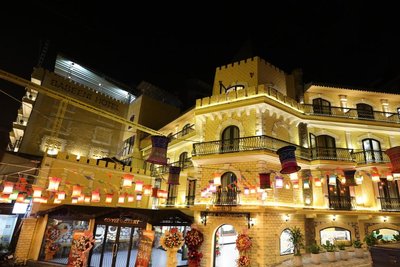
Visit the Old Town Square at night to enjoy illuminated French-colonial buildings and live street performances. Many hostels organize evening bonfire gatherings, where guests listen to stories from elderly Hmong elders about tribal legends. The night food market, open from 6 PM, offers grilled corn, sticky rice balls, and mountain spring tea—ideal for experiencing local nightlife safely and vibrantly.
Yes, traveling from Lao Cai City is convenient via the Hanoi-Lao Cai Railway, which takes about 6 hours and offers scenic views. Local minibuses and cyclos connect to Sapa, Black Water Lake, and other sites at low cost. For deeper exploration, consider hiring a private car or joining a guided one-day tour (~80,000 VND per person), including transport, entrance fees, and a guide. Note: No high-speed rail yet, but plans are underway.
Chinese citizens need a Vietnam e-visa or landing visa before arrival. Bring a valid passport, return flight ticket, and hotel reservation. Be aware that Lao Cai Province is a border zone—avoid restricted military areas and never take photos across the border. Carry small cash amounts (up to 500,000 VND) for daily use; credit cards and mobile payments work in some shops. Download offline maps and translation apps due to spotty internet in remote areas.
Lào Cai Overview
City Summary
Located in northwest Vietnam bordering China's Yunnan province, Lao Cai serves as the gateway to Sapa and Vietnam's remote mountainous regions. The city blends Vietnamese and Chinese cultural influences, featuring rich ethnic minority heritage and stunning highland landscapes. Known for its bustling border markets and unique hill tribe cultural experiences.
Must-See Attractions
Visit the Lao Cai Provincial Museum to delve into the region's history and ethnic cultures. The nearby Sino-Vietnamese border market offers vibrant cross-border trade experiences. Travel to Sapa for breathtaking rice terraces or participate in ethnic minority market activities to witness local lifestyles.
Food Guide
Try Lao Cai's signature "bun cha" (grilled pork with noodles) served with fresh herbs and special sauce. Don't miss bamboo-tube rice and smoked meats from ethnic minority markets. Sample locally grown highland tea, particularly varieties cultivated by hill tribes.
Transportation Guide
Motorbike taxis (xe om) provide the most flexible urban transport. Long-distance buses and trains connect to Hanoi (approx. 8 hours). Minibuses to Sapa take about 1.5 hours. Advance HopeGoo recommended for remote area transportation.
Best Time to Visit
September to November offers the best visiting conditions with cool, dry weather and magnificent terraced fields. Avoid June-August rainy season when mountain roads become slippery.
Travel Tips
- Respect local customs when visiting ethnic villages
- Carry passports in border areas
- Pack warm clothing for highland temperature variations
- Polite bargaining is acceptable at markets
- Drink bottled water for safety
- Basic Vietnamese greetings enhance communication
Useful Information
Vietnamese is the main language, with some vendors speaking basic Chinese or English. Most businesses accept cash (VND); credit cards work at major hotels. Urban areas have good network coverage, while mountainous zones may have weak signals. Medical facilities are limited - bring essential medications. Keep travel documents secure in border regions.