Hotels in La Fare-les-Oliviers
Discover your perfect stay in La Fare-les-Oliviers.
La Fare-les-Oliviers(France) Travel 2026: Cheap Flights, Hotels & Top Attractions
Popular Landmarks in La Fare-les-Oliviers
Discover the most iconic attractions in La Fare-les-Oliviers
Frequently Asked Questions about Traveling to La Fare-les-Oliviers
Questions You Might Need to Know About Traveling to La Fare-les-Oliviers
Top boutique stays include Le Mas des Oliviers, a restored Provençal farmhouse nestled among olive groves with panoramic views of the Val River Valley. The property offers rustic-chic rooms, organic breakfasts, and access to local markets. Another standout is Hôtel Le Clos de la Valère, housed in a centuries-old stone manor with exposed beams and original terracotta floors. Both are centrally located, ideal for exploring vineyards, lavender fields, and nearby hiking trails in the Alpes-de-Haute-Provence region.
The best area for lodging is the historic town center and old quarter, where charming guesthouses like La Maison du Lys offer easy access to the church, town hall, and artisan bakeries. This district is quiet at night, safe, and steps from the Val River Path, perfect for morning walks or evening bike rides. For nature lovers, consider hillside villas near Montagne de Carnac, which provide sweeping mountain vistas and serene mornings filled with mist—ideal for photographers and peace-seekers.
Guests can join traditional Provençal cooking classes to master dishes like Sauce Provençale and Ratatouille, using ingredients harvested from on-site gardens. During summer, the annual Lavender Festival transforms the town into a sea of purple blooms, featuring craft fairs and live folk music. Weekly wine tasting evenings at the town square let visitors sample local Rhône Valley reds. These events offer deep immersion into southern French rural life and community spirit.
Must-see landmarks include the Church of Notre-Dame de l'Assomption, a 17th-century Gothic structure with an iconic bell tower still chiming daily. Nearby, the Carnac Archaeological Site features ancient standing stones believed to be remnants of Celtic rituals. Also worth visiting is the Val River Trail, a scenic path winding through wild irises and rose bushes, perfect for photography and peaceful strolls along the riverbank.
Yes, it’s highly family-friendly. The town features children’s nature discovery park (Parc Naturel pour Enfants) with insect observation huts and a mini farm. Many guesthouses offer family suites with cribs and kid-friendly menus. Seasonal events like family cooking workshops and stargazing camping days engage children safely in outdoor activities. Just 3 km outside town, Amphitryon Farm offers hands-on experiences such as milking goats and feeding lambs—perfect for young explorers.
Take the high-speed TGV train from Paris Gare de Lyon to Marseille-Saint-Charles, about 6 hours. From there, transfer to regional bus Line 42, which takes around 1 hour to reach La Farlède-Solivière. Alternatively, drive via A7 highway—approximately 650 km, passing through the Alps tunnel with stunning views. For convenience, pre-book airport transfers from Marseille Provence Airport (MRS), which takes about 45 minutes to arrive at the town center.
Must-try dishes include Provençal grilled lamb chops, marinated in rosemary, garlic, and olive oil, then slow-grilled to perfection. Sample fennel seafood soup (Soupe de Poissons à la Fève) made with fresh local fish and herbs. At La Taverne des Oliviers, order the fig and goat cheese tart, served with regional honey. Don’t miss the olive oil omelet (Omelette aux Olives) at Saturday’s farmers’ market—freshly prepared and deliciously savory.
Best seasons are spring (April–June) and autumn (September–October), when temperatures range between 18–25°C. Spring brings blooming flowers and early lavender, while autumn offers harvest festivals and rich harvests. Summer (July–August) can be hot (>35°C), crowded, and dry; winter is cold and rainy. Avoid peak season for quieter visits and better value stays.
Yes, the town has reliable public transit with multiple bus lines (e.g., Ligne 10) connecting villages and Marseille. Bike rental stations are available downtown, offering electric bikes to explore the Val River Valley. For longer trips, connect via Marseille Saint-Charles Station or rent a car—highways are well-maintained. Though small, Provence Regional Airport (Aéroport de la Provence) offers charter flights for international travelers seeking direct access.
Prime photo locations include the morning mist over the Carnac Stone Circle, creating ethereal silhouettes against soft light; the Val River Bridge (Pont de la Vallée) at golden hour, reflecting sunsets and wisteria blooms; and the stained-glass windows of Notre-Dame Church, where colored light dances across the floor. The Croix Viewing Point atop the hill offers sweeping panoramas of the village and distant Alps—ideal for sunset shots and wide-angle landscapes.
La Fare-les-Oliviers Overview
City Summary
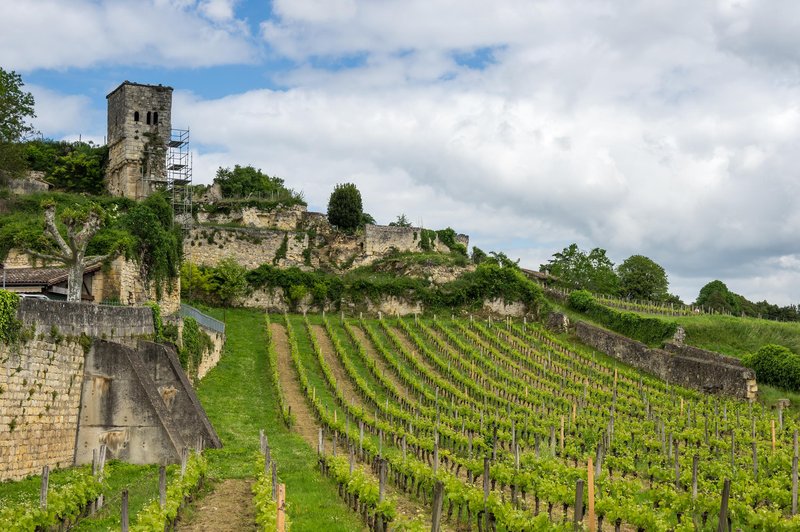
Raphèle-lès-Arles is a charming town in the Bouches-du-Rhône department of France, renowned for its Provençal charm and Mediterranean allure. With its ancient architecture, quiet streets, and rich historical heritage, it is an ideal destination for those seeking to escape urban hustle. Surrounded by vineyards and olive groves, the town epitomizes the classic rural landscape of southern France.
Must-See Attractions
The Notre-Dame Church in Raphèle-lès-Arles is a must-see, showcasing stunning Romanesque architecture. The old town is perfect for leisurely strolls, filled with medieval charm. Nearby, the Calanques offer breathtaking natural scenery for hiking and photography. The local market is also a great place to experience Provençal lifestyle.
Food Guide
The Provençal cuisine here is famous for its fresh ingredients. Don’t miss Ratatouille and Bouillabaisse. Street food like olive tapenade bread and Provençal herb ice cream are also worth trying. Local wines, especially those from the Rhône Valley, are excellent pairings.
Transportation Guide
Public transport in Raphèle-lès-Arles is limited; renting a car or taking regional buses is recommended. The nearest international airport is Marseille Provence Airport, about an hour’s drive away. Walking is the best way to explore the town, with its narrow, charming streets. For long-distance travel, take the TGV high-speed train from Marseille.
Best Time to Visit
The best times to visit are spring (April-June) and autumn (September-October), when the weather is mild and crowds are smaller. Summer (July-August) is hot and busy but ideal for beach activities. Winter is quieter, perfect for those seeking tranquility.
Travel Tips
- Respect local culture: The pace of life here is slow, so be patient.
- Dress appropriately: Avoid overly revealing clothing when visiting churches.
- Cash payments: Some small shops may not accept credit cards.
- Sun protection: The southern sun is strong; bring sunscreen and a hat.
- Language: While English is understood, learning a few French phrases is appreciated.
- Water conservation: Water is precious in summer; use it sparingly.
Useful Information
Language: French is the main language; English is understood in tourist areas. Internet: Most hotels and cafés offer free Wi-Fi. Payment: Credit cards are widely accepted, but small shops may prefer cash. Emergency: The nearest hospital is in Marseille; local pharmacies provide basic medical services. Voltage: 220V, using European plugs. Time zone: CET (UTC+1), with daylight saving time in summer.