Hotels in La Salle
Discover your perfect stay in La Salle.
La Salle(Italy) Travel 2026: Cheap Flights, Hotels & Top Attractions
Popular Landmarks in La Salle
Discover the most iconic attractions in La Salle
Recommended Hotels in La Salle
Find the perfect place to stay in La Salle
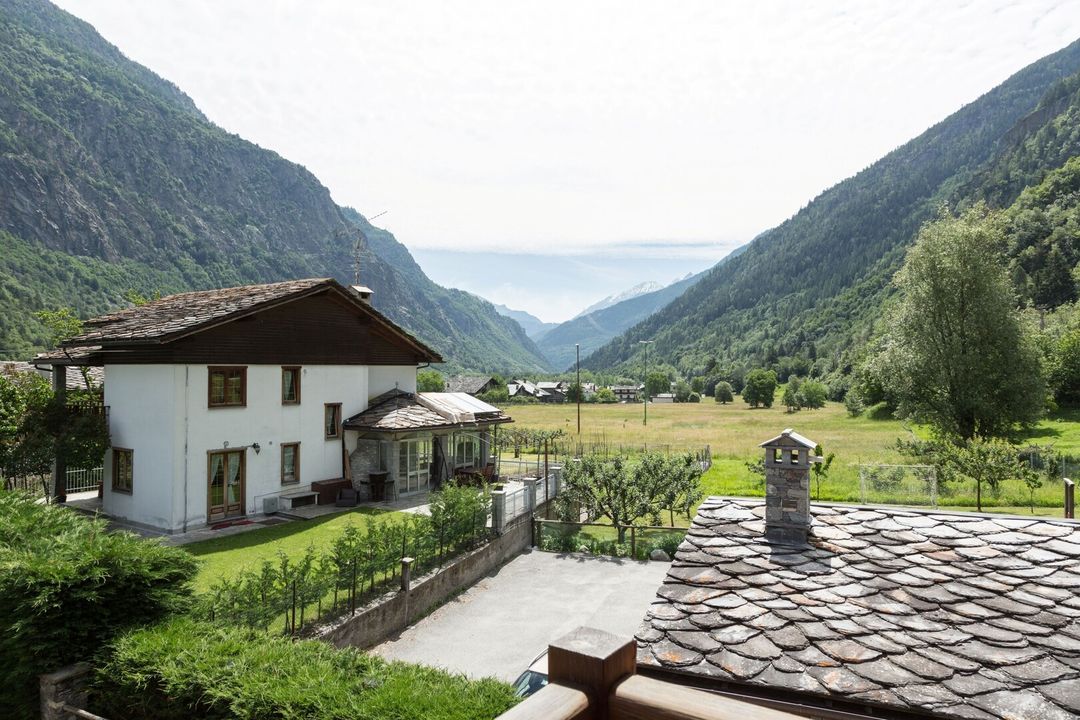
Le Petit Coeur Residence de Montagne
Bijoux des Alpes - Mont Blanc Village
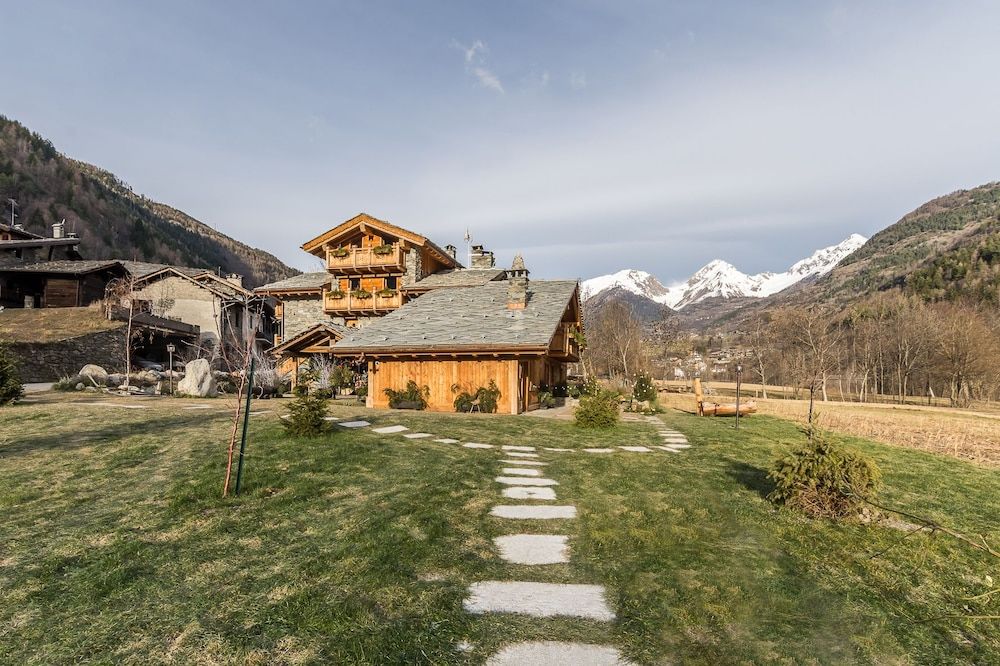
Affittacamere Annie-Parblanc
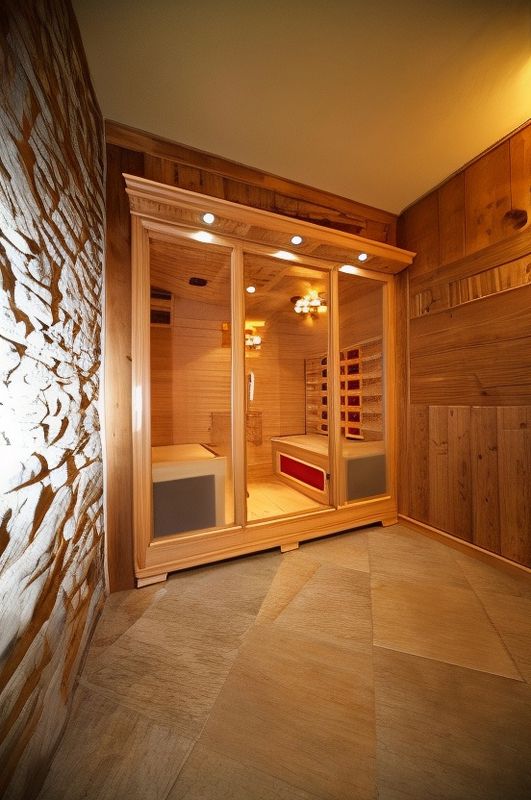
La Maison du Seigneur
Best Hotels in La Salle
Discover curated hotel collections in La Salle
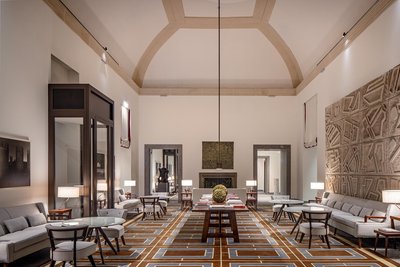
Portrait Milano - Lungarno Collection
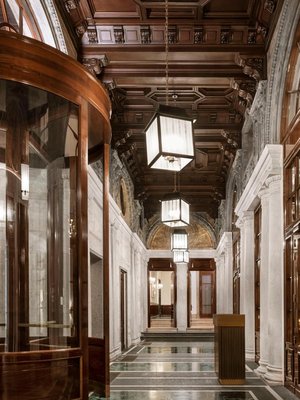
Casa Cipriani Milano
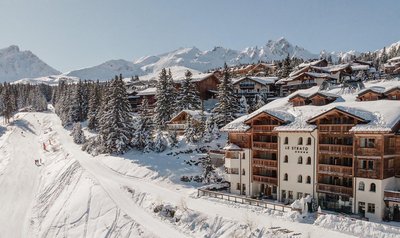
Le Strato
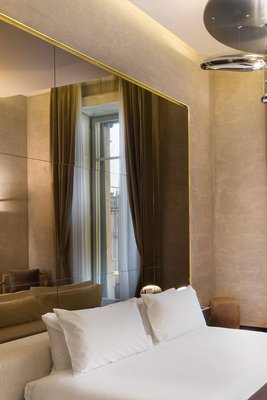
The Glamore Milano Duomo
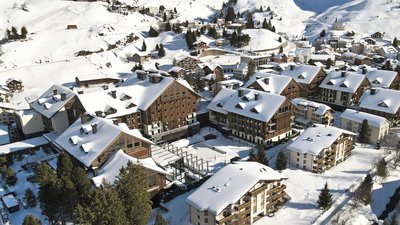
The Chedi Andermatt, Switzerland
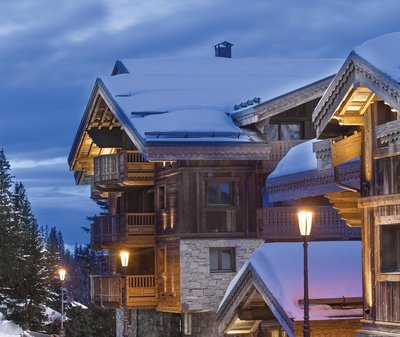
Six Senses Residences Courchevel
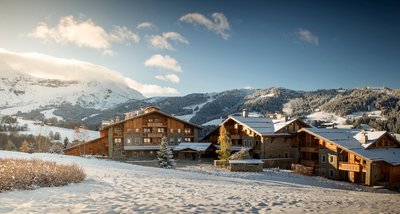
Four Seasons Hotel Megeve
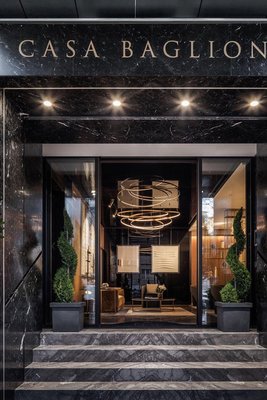
Casa Baglioni Milan - the Leading Hotels of the World
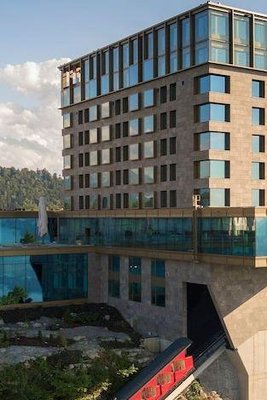
Burgenstock Hotel & Alpine Spa
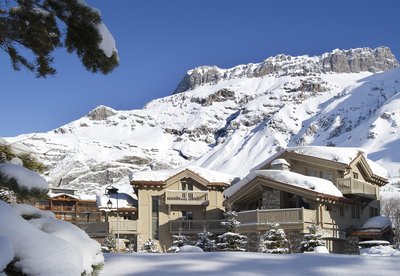
Hotel le K2 Altitude
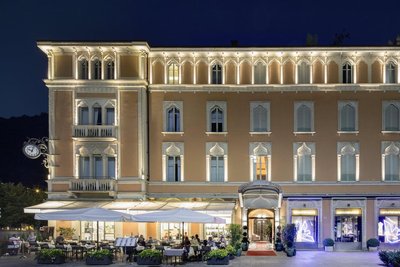
Vista Lago di Como
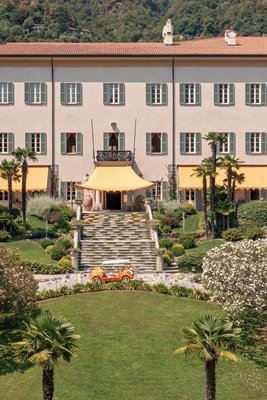
Passalacqua
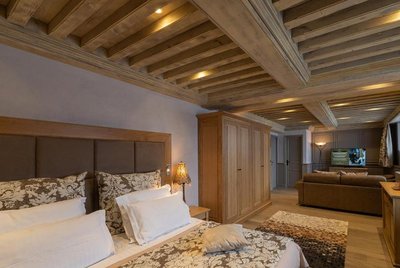
Le Lana
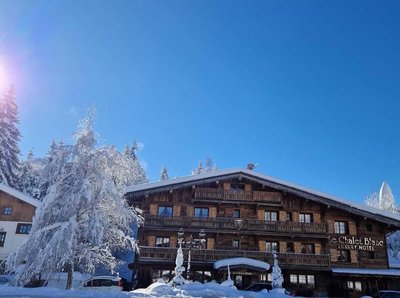
Le Chalet Blanc
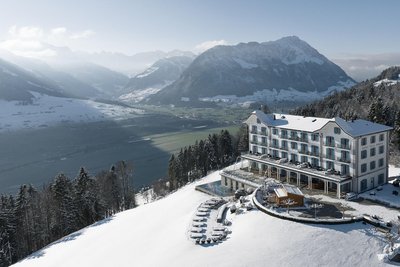
Hotel Villa Honegg
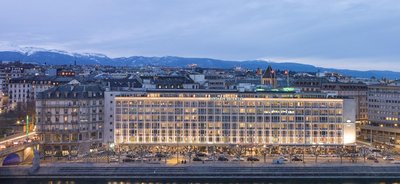
Mandarin Oriental, Geneva
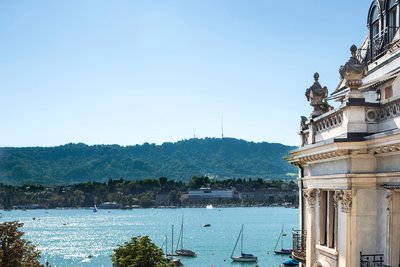
La Réserve Eden au Lac Zurich
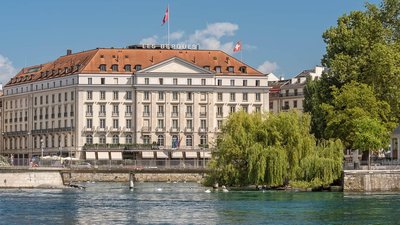
Four Seasons Hotel des Bergues Geneva
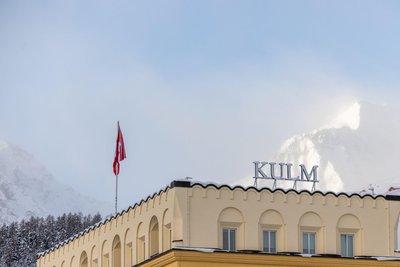
Kulm Hotel St. Moritz
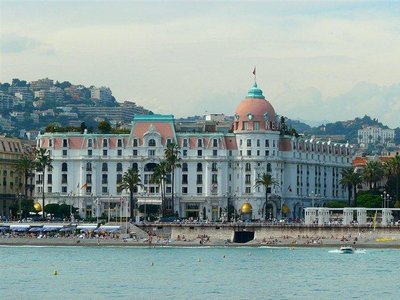
Hotel le Negresco
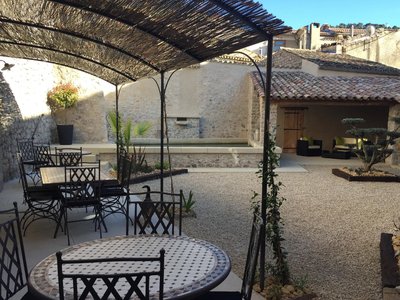
Ancienne Cure
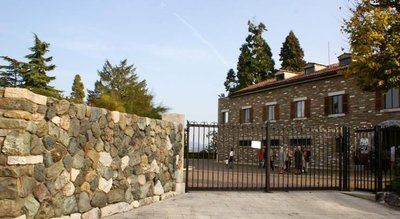
Villa Ottolenghi Wedekind
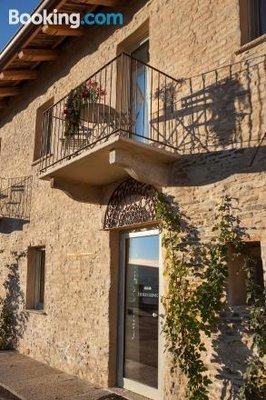
Borgese Camere e Suites
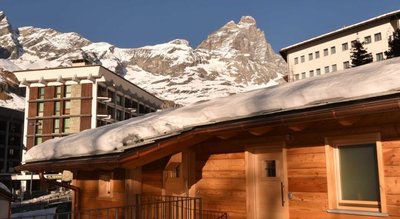
Il Cuore Del Cervino
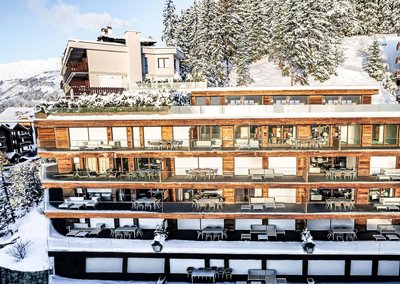
Sport Club Residences & Spa
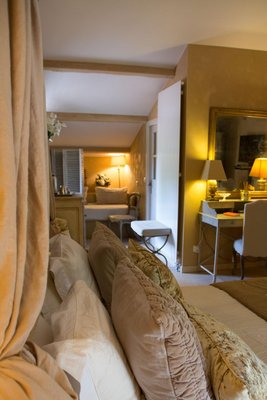
Domaine de Mejeans - Teritoria
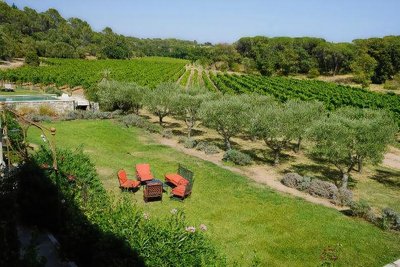
La Bastide du Clos des Roses
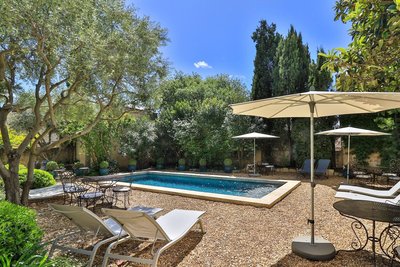
Le Jardin de Mazan
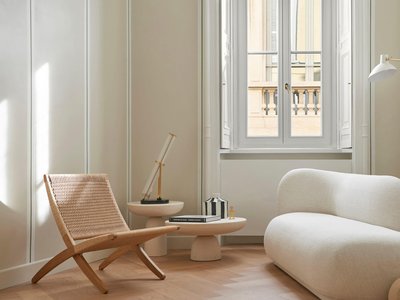
Crossing Manzoni
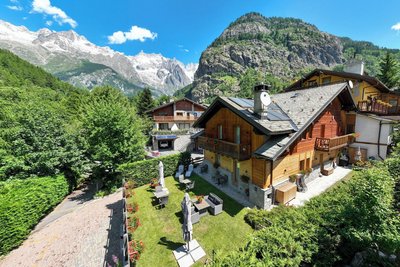
L'Abri des Amis
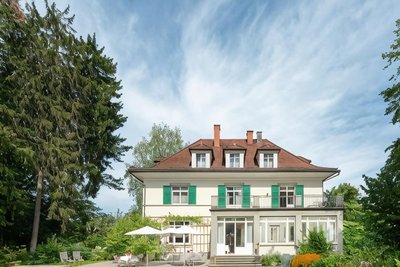
Signau House & Garden
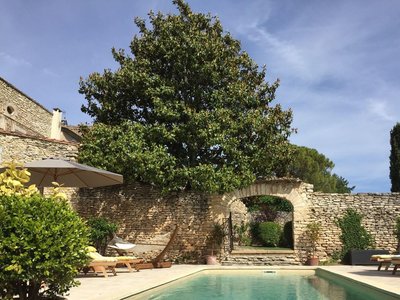
Domaine les Martins - Gordes
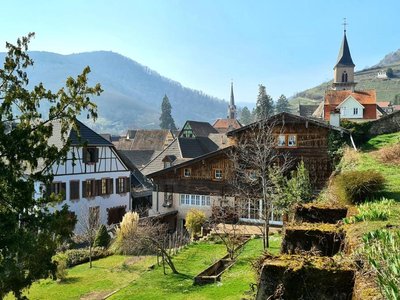
La Grange du Couvent B&B
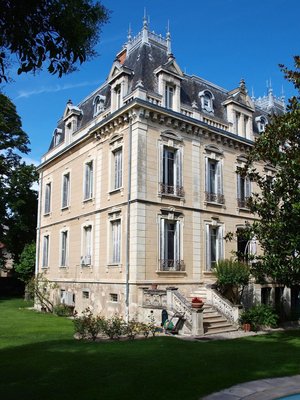
Villa Magnolia Parc - Adults Only
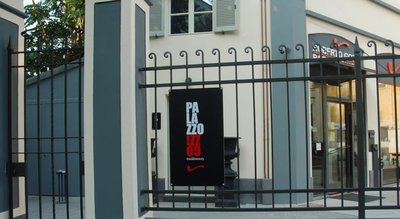
Palazzo Gozzi Bed & Beauty
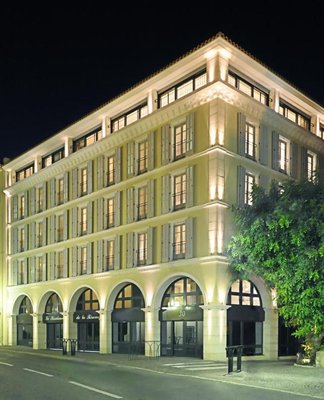
La Résidence de La Réserve
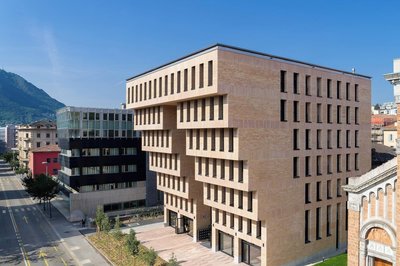
Swiss Hotel Apartments - Lugano
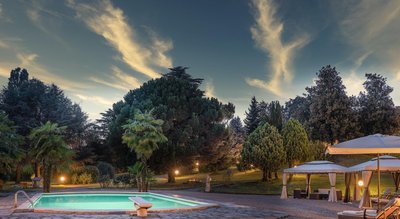
Palazzo Cavagna Sangiuliani
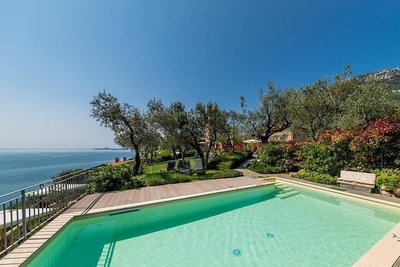
San Giorgio Resort
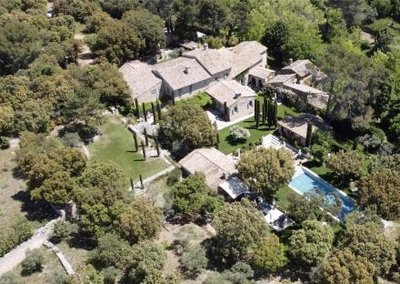
Villa Hautvallon - Peaceful Escape in Provence
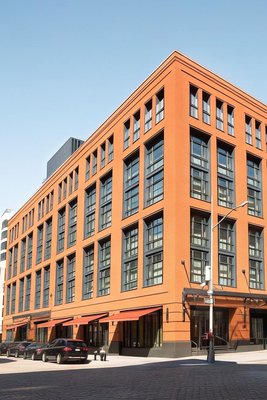
Hotel Barrière Fouquet's New York
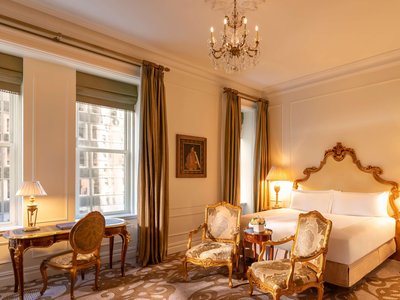
The Plaza - A Fairmont Managed Hotel
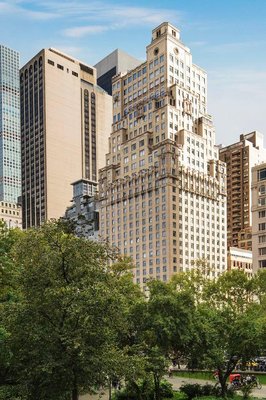
The Ritz-Carlton New York, Central Park
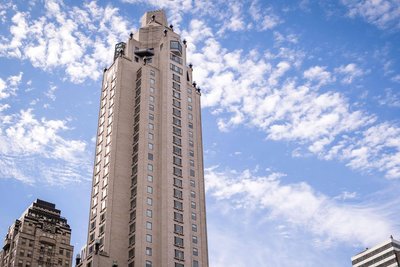
Four Seasons Hotel New York
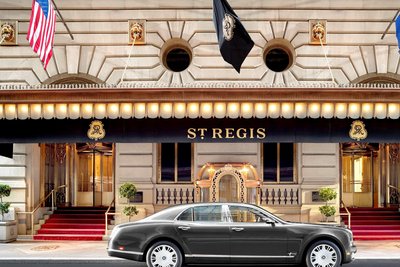
The St. Regis New York
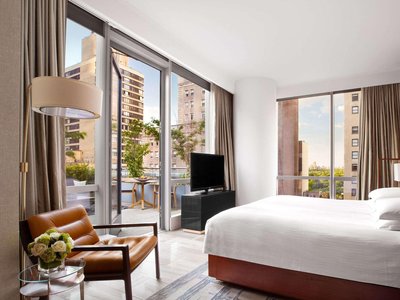
Park Hyatt New York
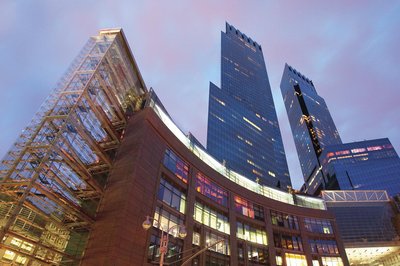
Mandarin Oriental New York
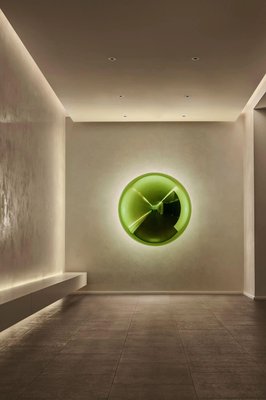
Times Square Edition New York
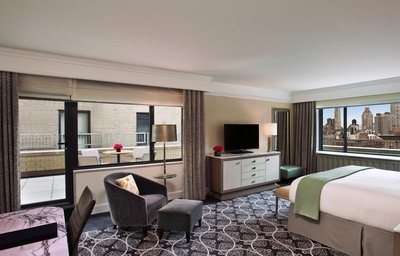
Loews Regency New York Hotel
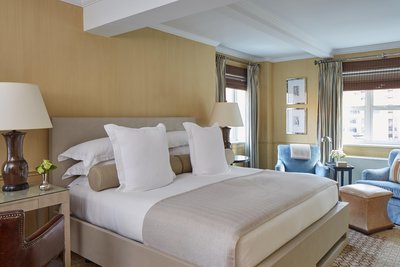
Lowell Hotel
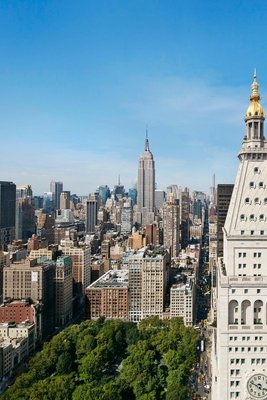
New York Edition
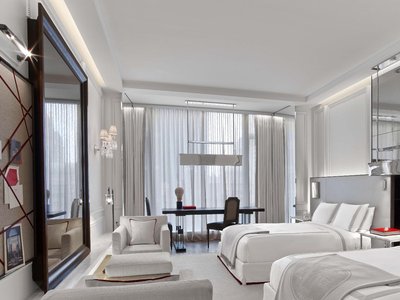
Baccarat Hotel New York
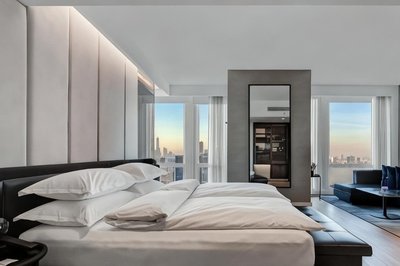
Equinox Hotel New York
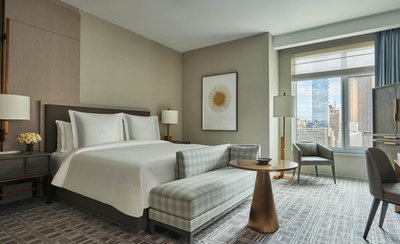
Four Seasons Hotel New York Downtown
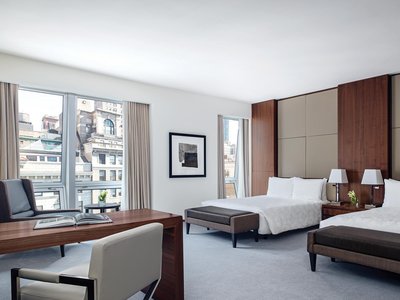
The Langham, New York, Fifth Avenue
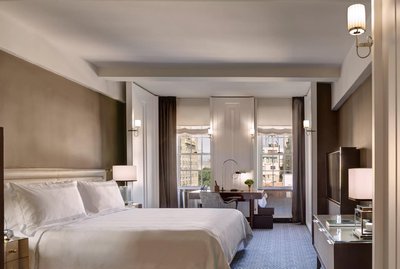
The Carlyle, A Rosewood Hotel

The Chatwal, in the Unbound Collection by Hyatt
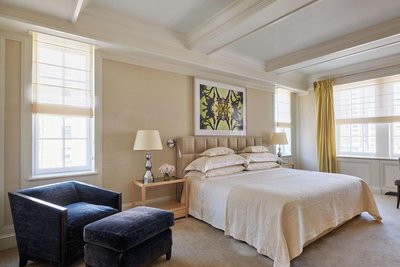
The Mark New York
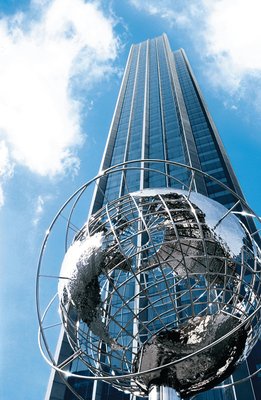
Trump International Hotel & Tower® New York
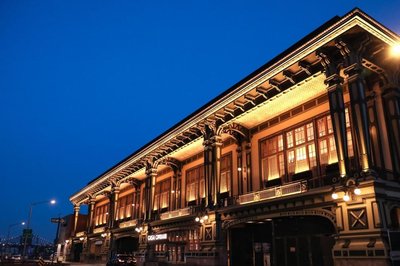
Casa Cipriani New York
Frequently Asked Questions about Traveling to La Salle
Questions You Might Need to Know About Traveling to La Salle
In Lausanne, recommended stays for families include Hotel des Horizons, which offers spacious family rooms, a kids’ play area, and free access to the nearby Lac Léman beach. The hotel also provides child-friendly breakfasts and organizes guided nature walks along the lakefront. Another top choice is Les Jardins de la Paix, a boutique hotel with private garden courtyards and a dedicated babysitting service. Both properties are located within walking distance of Parc de la Toussaint and the Museum of Art, making them ideal for parents seeking comfort and cultural enrichment in a safe, welcoming environment.
For breathtaking views of Lake Geneva, stay in the Flon district or near Château de Chillon. The Flon area features elevated walkways and terraces overlooking the lake, while Château de Chillon offers panoramic vistas from its historic ramparts and gardens. Hotels like Hotel Royal Bellevue and Le Grand Hotel provide direct lake-facing balconies and private access to lakeside promenades. Additionally, the Montreux side of the lake offers even more dramatic views, especially during sunset when the sun glints off the water and the Alps glow in golden light—perfect for romantic strolls or photography.
In Lausanne, visitors should sample Raclette at Chez Bénédicte, a traditional dish where melted cheese is served over boiled potatoes and pickled onions. Another must-try is Fondue Savoyarde, best enjoyed in cozy mountain huts like Le Chalet du Lac. Don’t miss Gruyère cheese tarts from Boulangerie du Marché, made with locally sourced dairy. For a modern twist, visit Le Gourmet for innovative Swiss cuisine using seasonal ingredients. Pair meals with Swiss white wine or local beer from Brasserie de la Tour—each offering highlights the region’s rich gastronomic heritage.
The ideal time to visit Lausanne for outdoor adventures is from May to September. During this period, the weather is mild, perfect for hiking trails like Sentier des Dents du Midi and cycling along the Lac Léman waterfront. Summer also brings festivals such as Fête de la Musique and Lausanne Jazz Festival, adding vibrant energy to the city. In winter, Montreux becomes a hub for skiing and snowboarding, while Lausanne hosts ice skating events at Stade de Genève. Spring offers blooming gardens and fewer crowds, making it ideal for leisurely exploration.
Lausanne hosts several major annual festivals, including the Festival de Musique de Lausanne, a summer classical music event featuring international orchestras. The Fête des Vignerons (Winegrowers’ Festival), held every 10–15 years, transforms the city into a celebration of wine culture with parades, folk dances, and open-air concerts. The Lausanne International Film Festival attracts filmmakers and cinephiles worldwide. Additionally, Art Basel (held nearby in Basel) often draws art lovers to the region, with satellite exhibitions in Lausanne’s galleries. These events showcase the city’s deep-rooted artistic and cultural traditions.
Yes, Hotel des Alpes offers luxurious chalet-style rooms with floor-to-ceiling windows facing the Bernese Alps. Guests enjoy private balconies with views of Montreux and the Lac Léman below. Another standout is Chalet Le Vallon, a secluded mountain lodge with wood-fired hot tubs and direct access to hiking trails. Both properties feature eco-friendly design, local materials, and personalized services. Staying here allows travelers to immerse themselves in alpine serenity while remaining just 20 minutes from downtown Lausanne’s cultural attractions.
To explore Lausanne’s historical landmarks efficiently, use the Lausanne City Pass, which grants free entry to sites like Lausanne Cathedral, Château de Chillon, and the Musée de l’Élysée. Guided walking tours starting at Plaza de la Riponne cover key spots including the Old Town (Vieux-Lausanne) and the Palais de Rumine. For deeper insight, book a heritage audio guide available at the tourist office. Combining public transit—such as the funicular to Ouchy—with self-guided routes ensures a comprehensive and time-saving experience of the city’s rich past.
Near Lausanne, the Sentier des Dents du Midi offers a challenging yet rewarding hike through alpine meadows with sweeping views of the Jura Mountains and Lac Léman. The Rocher de la Tournette trail is perfect for beginners, featuring easy paths and scenic overlooks. For a longer adventure, try the Lac de Joux loop, a 12-kilometer route through forested valleys and past crystal-clear lakes. Many trails start from Montreux or Vevey, accessible by train. Local outfitters like Alpine Trails provide maps, gear rentals, and guided excursions for all skill levels.
Absolutely, Lausanne is highly suitable for solo travelers. The city boasts a safe, pedestrian-friendly layout with efficient public transport and numerous cafés, libraries, and co-working spaces ideal for independent exploration. Popular spots like Ouchy Harbor, Parc de la Grange, and Lac Léman offer peaceful settings for reflection or people-watching. The Lausanne Hostel Collective provides budget-friendly, social dorms and organized meetups. Additionally, the city hosts regular art exhibitions, live music nights, and language exchange events, making it easy to connect with locals and fellow travelers.
Lausanne stands out with its blend of alpine scenery, lakefront charm, and vibrant arts scene. Unlike larger Swiss cities, it maintains a relaxed, cosmopolitan atmosphere with strong cultural roots. Its location on the Lac Léman shore offers year-round boating, swimming, and festivals. The city is home to UNESCO World Heritage Site – the Lausanne Cathedral – and hosts Art Basel, one of the world’s most prestigious art fairs. With a mix of French-speaking tradition and international flair, Lausanne offers a uniquely balanced experience between nature, history, and innovation.
La Salle Overview
City Summary
La Salle is a charming town in the Aosta Valley region of Italy, nestled in the heart of the Alps. Known for its stunning mountain views, rich historical heritage, and vibrant cultural atmosphere, it is a typical alpine town with well-preserved medieval architecture and ancient streets. In winter, it's a paradise for skiers, while summer offers ideal conditions for hiking and outdoor activities.
Must-See Attractions
Must-see attractions include the 12th-century Church of San Giovanni Battista, renowned for its unique Romanesque architecture. Fort Bard, a 19th-century fortress now housing museums, is another highlight. The Mont Avic Natural Park offers spectacular hiking trails showcasing the Alps' beauty. Don't miss an evening stroll through the town's cobblestone streets to soak in the medieval ambiance.
Food Guide
Local cuisine features traditional mountain dishes. Try Fonduta Valdostana, a cheese fondue made with Fontina cheese. Polenta served with game or mushrooms is another favorite. For dessert, indulge in Tegole (almond cookies) or Mecoulin (a traditional cake). Many cozy restaurants and cafés in historic buildings offer authentic dining experiences.
Transportation Guide
Transportation: La Salle has no train station; the best option is a 30-minute bus ride from Aosta. Renting a car provides flexibility to explore surrounding areas. Most town attractions are within walking distance, but a car is advisable for reaching natural parks or ski resorts. Note that some mountain roads may close in winter due to snow.
Best Time to Visit
Best time to visit is during the ski season (December to March) or summer (June to September) for pleasant weather and outdoor activities. Winter sees more tourists, so book accommodations early.
Travel Tips
- Carry cash: Some small shops may not accept credit cards.
- Respect local culture: Dress modestly when visiting churches.
- Weather preparedness: Mountain weather is unpredictable; pack warm clothes even in summer.
- Hiking safety: Bring a map and inform your accommodation of your plans.
- Language: While some locals speak French, learning basic Italian phrases is appreciated.
- Eco-consciousness: Avoid littering in natural parks to protect the environment.
Useful Information
Practical info: The official language is Italian, with French used in some areas. WiFi is available in hotels and some cafés, but signal may be weak in the mountains. Euros are used, and credit cards are widely accepted, though cash is preferred for small transactions. Pharmacies are marked "Farmacia," and there's a small medical center for emergencies. For international assistance, contact hospitals in Aosta. Voltage is 230V with standard European two-pin plugs.