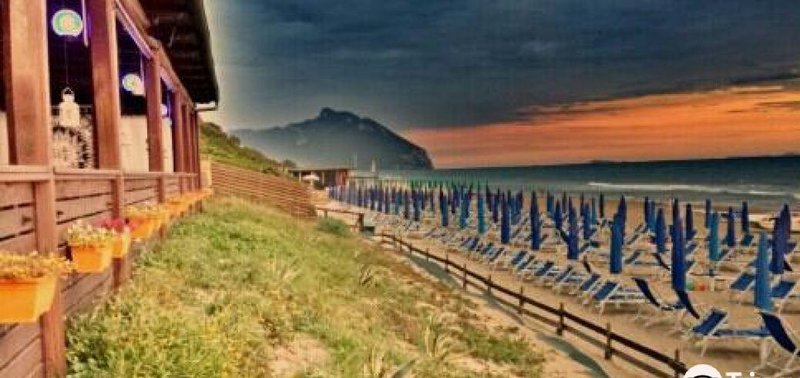
Hotels in La Salle
Discover your perfect stay in La Salle.
La Salle(Italy) Travel 2026: Cheap Flights, Hotels & Top Attractions
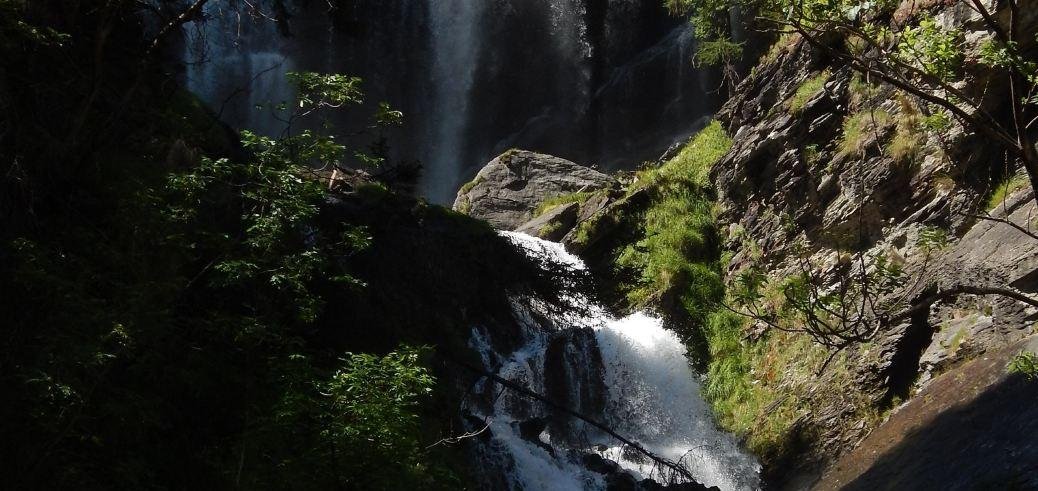
Popular Landmarks in La Salle
Discover the most iconic attractions in La Salle
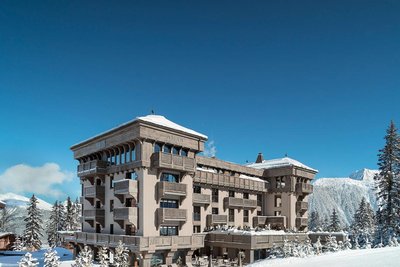
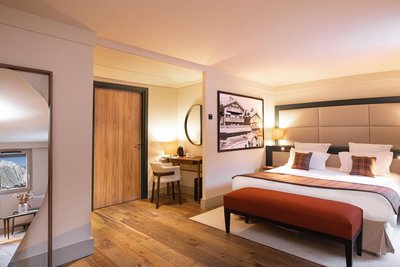
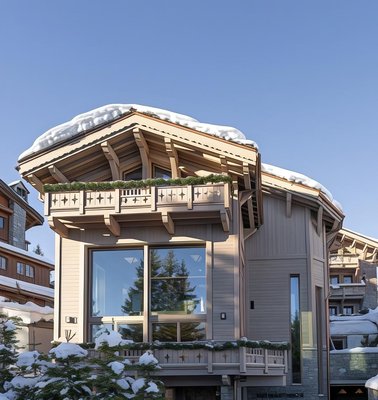
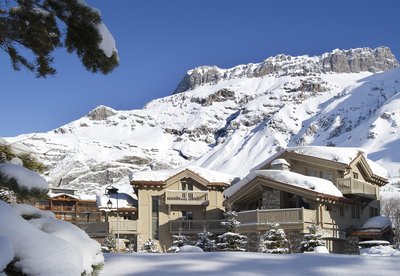
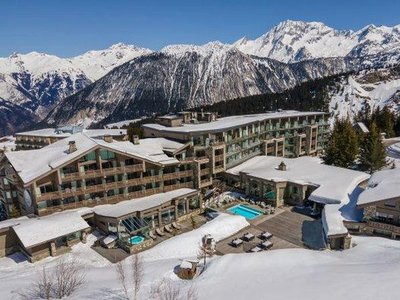
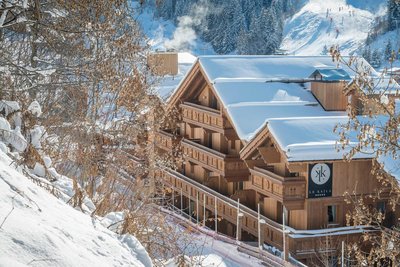
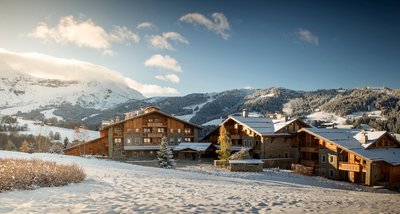
Recommended Hotels in La Salle
Find the perfect place to stay in La Salle
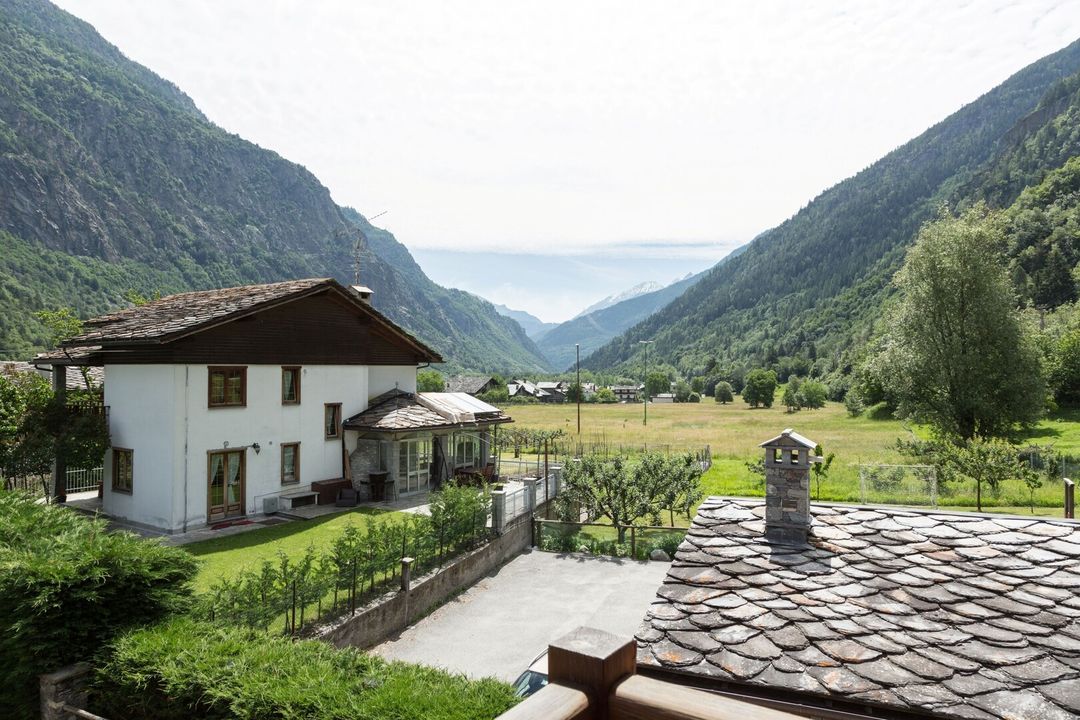
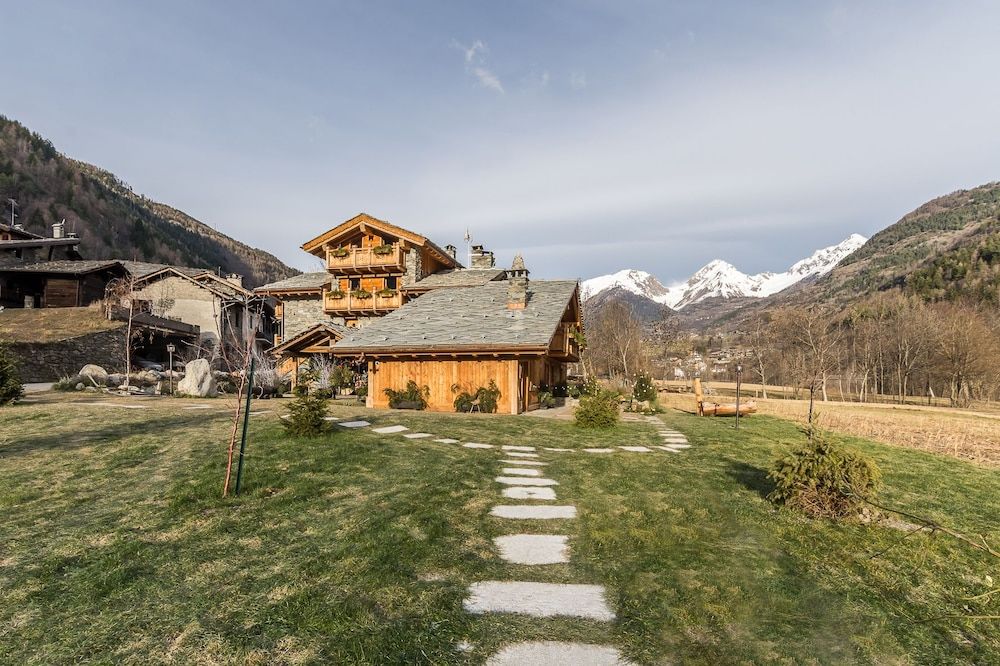
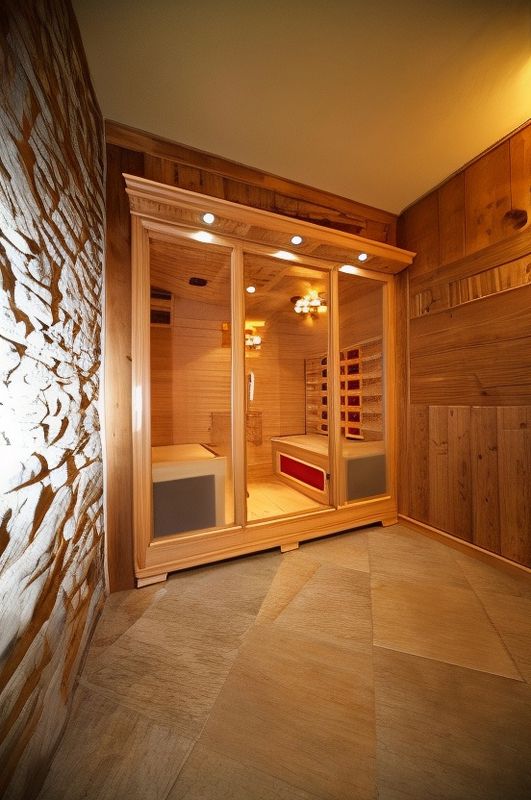
Best Hotels in La Salle
Discover curated hotel collections in La Salle
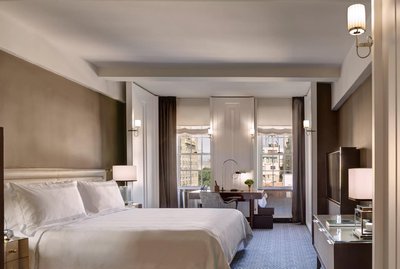
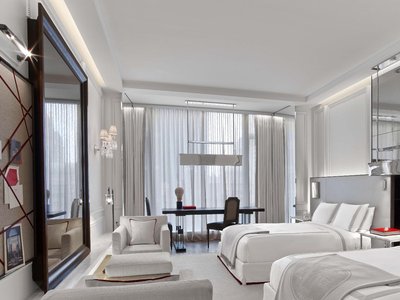
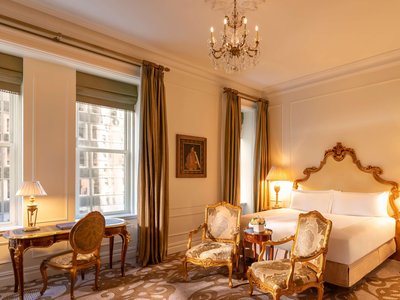
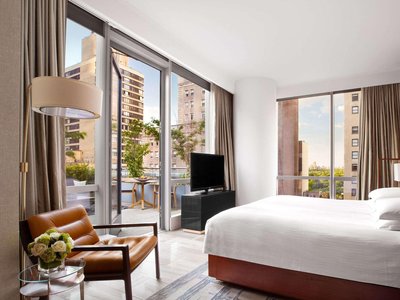
Frequently Asked Questions about Traveling to La Salle
Questions You Might Need to Know About Traveling to La Salle
La Salle Overview
City Summary
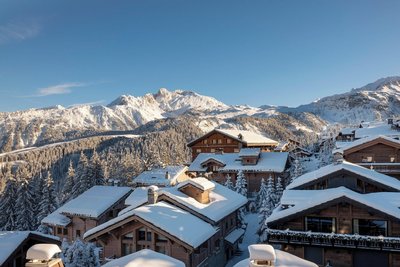
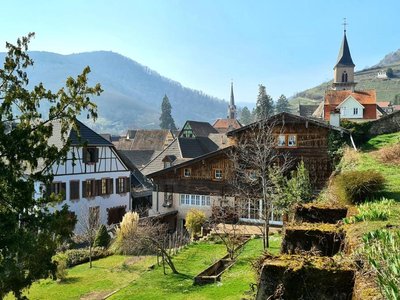
La Salle is a charming town in the Aosta Valley region of Italy, nestled in the heart of the Alps. Known for its stunning mountain views, rich historical heritage, and vibrant cultural atmosphere, it is a typical alpine town with well-preserved medieval architecture and ancient streets. In winter, it's a paradise for skiers, while summer offers ideal conditions for hiking and outdoor activities.
Must-See Attractions
Must-see attractions include the 12th-century Church of San Giovanni Battista, renowned for its unique Romanesque architecture. Fort Bard, a 19th-century fortress now housing museums, is another highlight. The Mont Avic Natural Park offers spectacular hiking trails showcasing the Alps' beauty. Don't miss an evening stroll through the town's cobblestone streets to soak in the medieval ambiance.
Food Guide
Local cuisine features traditional mountain dishes. Try Fonduta Valdostana, a cheese fondue made with Fontina cheese. Polenta served with game or mushrooms is another favorite. For dessert, indulge in Tegole (almond cookies) or Mecoulin (a traditional cake). Many cozy restaurants and cafés in historic buildings offer authentic dining experiences.
Transportation Guide
Transportation: La Salle has no train station; the best option is a 30-minute bus ride from Aosta. Renting a car provides flexibility to explore surrounding areas. Most town attractions are within walking distance, but a car is advisable for reaching natural parks or ski resorts. Note that some mountain roads may close in winter due to snow.
Best Time to Visit
Best time to visit is during the ski season (December to March) or summer (June to September) for pleasant weather and outdoor activities. Winter sees more tourists, so book accommodations early.
Travel Tips
- Carry cash: Some small shops may not accept credit cards.
- Respect local culture: Dress modestly when visiting churches.
- Weather preparedness: Mountain weather is unpredictable; pack warm clothes even in summer.
- Hiking safety: Bring a map and inform your accommodation of your plans.
- Language: While some locals speak French, learning basic Italian phrases is appreciated.
- Eco-consciousness: Avoid littering in natural parks to protect the environment.
Useful Information
Practical info: The official language is Italian, with French used in some areas. WiFi is available in hotels and some cafés, but signal may be weak in the mountains. Euros are used, and credit cards are widely accepted, though cash is preferred for small transactions. Pharmacies are marked "Farmacia," and there's a small medical center for emergencies. For international assistance, contact hospitals in Aosta. Voltage is 230V with standard European two-pin plugs.