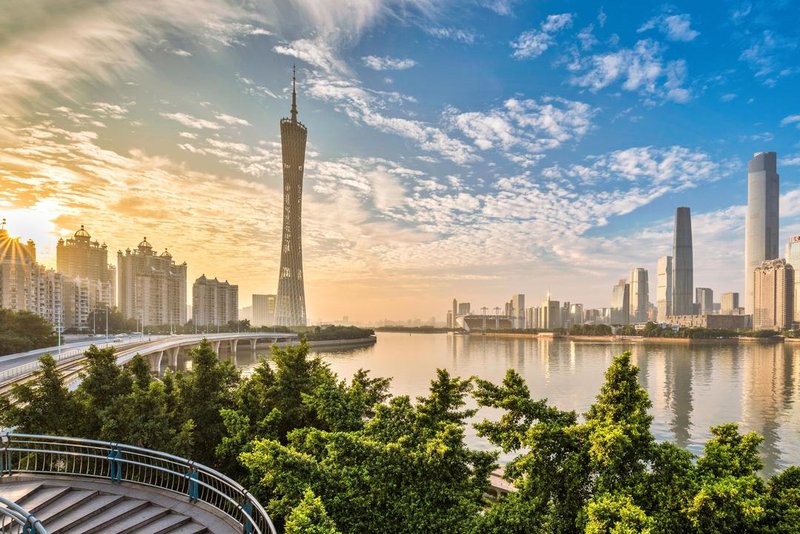
Hotels in La Tour-d'Aigues
Discover your perfect stay in La Tour-d'Aigues.
La Tour-d'Aigues(France) Travel 2026: Cheap Flights, Hotels & Top Attractions
Popular Landmarks in La Tour-d'Aigues
Discover the most iconic attractions in La Tour-d'Aigues
Recommended Hotels in La Tour-d'Aigues
Find the perfect place to stay in La Tour-d'Aigues
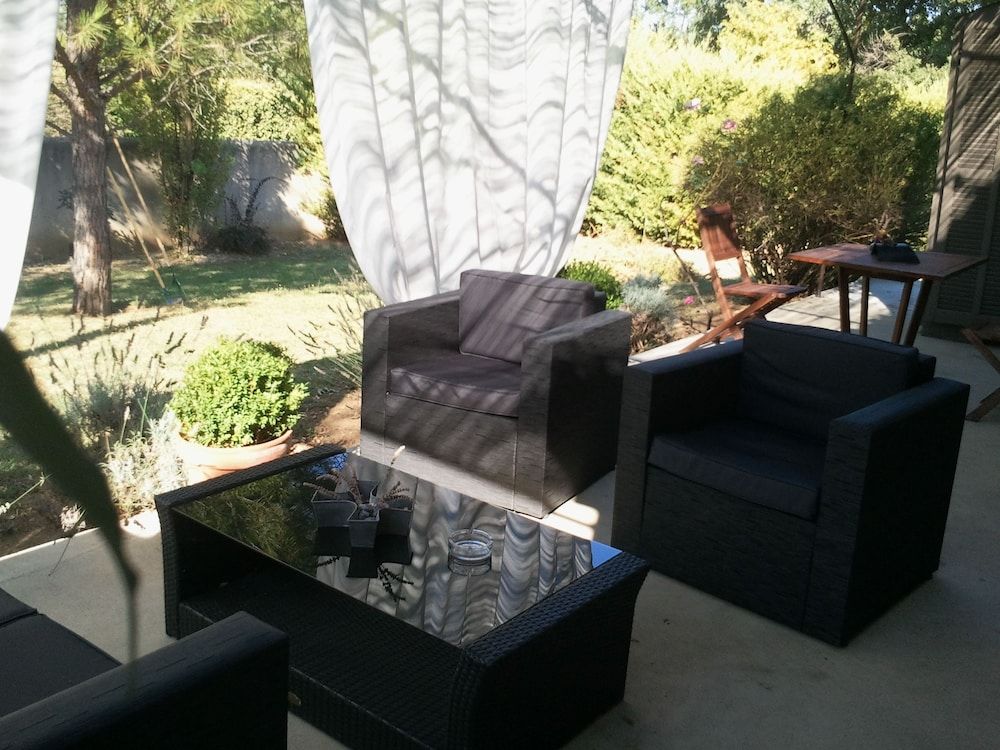
Les Chambres d'Hôtes de la Ferrage
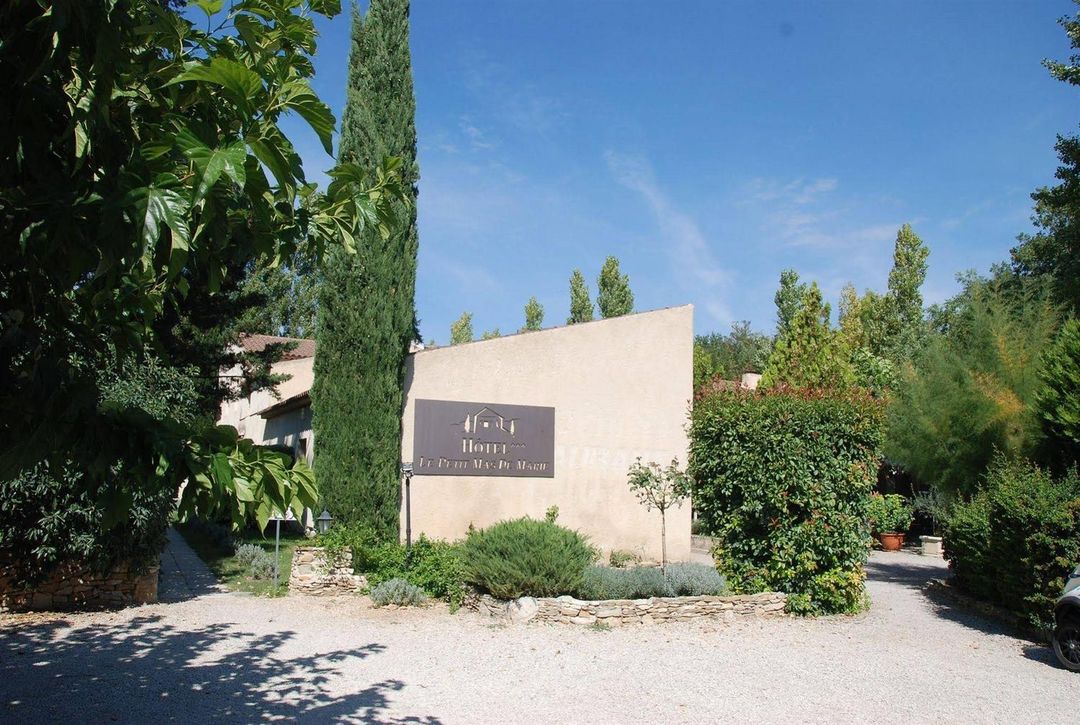
Le Petit Mas de Marie
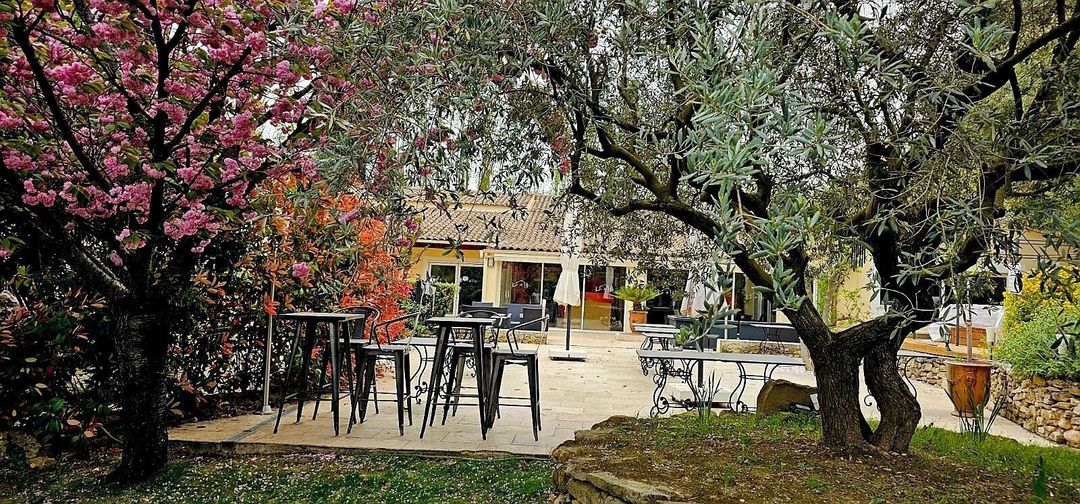
La Madone
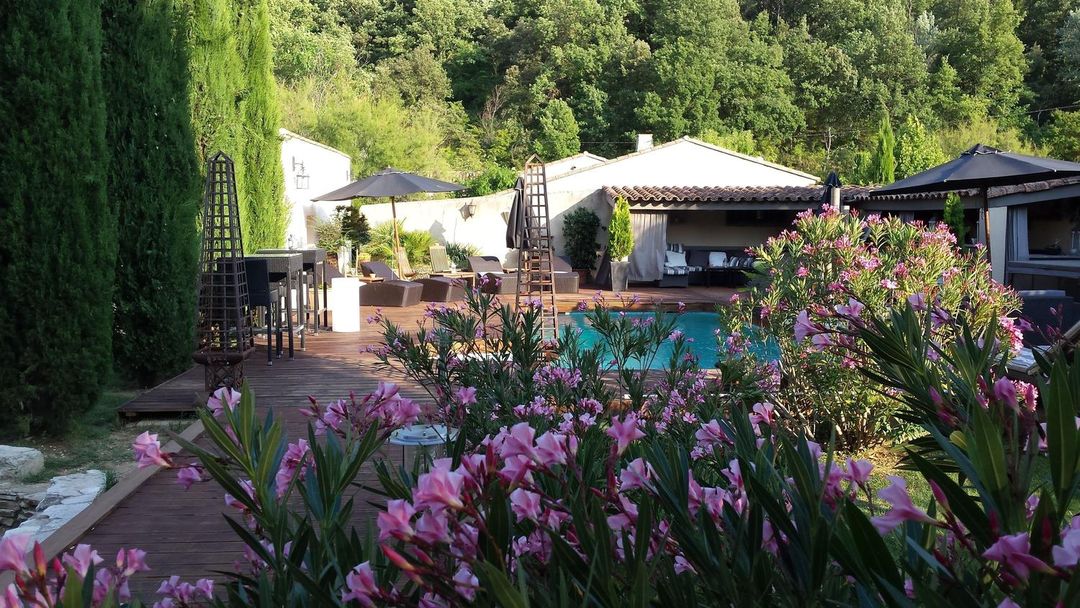
Chambres d'Hôtes de la Ferrage
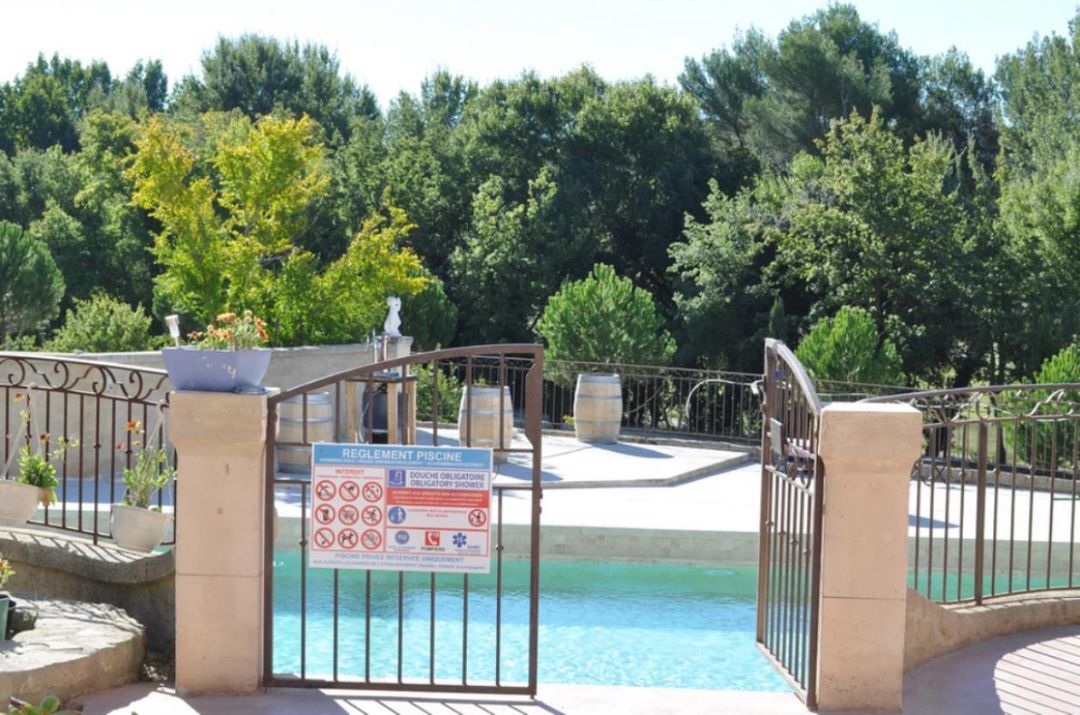
Le Domaine de Saint Victor
Best Hotels in La Tour-d'Aigues
Discover curated hotel collections in La Tour-d'Aigues
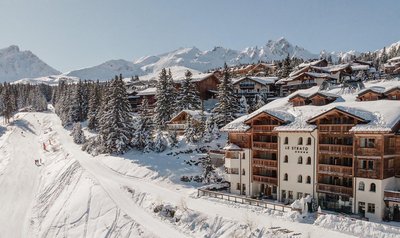
Le Strato
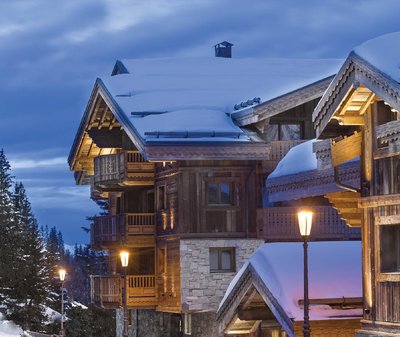
Six Senses Residences Courchevel
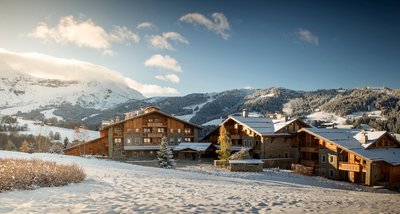
Four Seasons Hotel Megeve
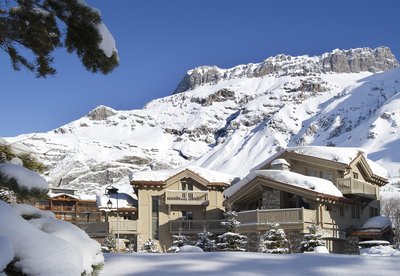
Hotel le K2 Altitude
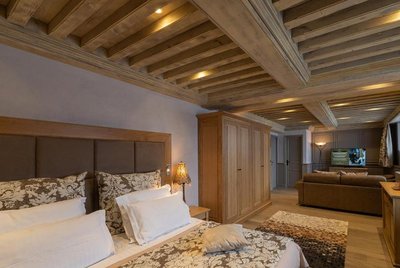
Le Lana
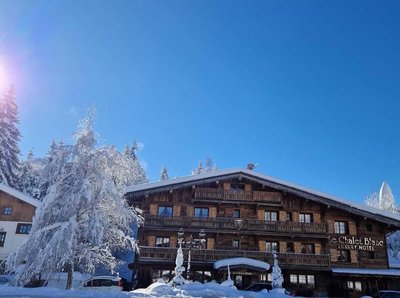
Le Chalet Blanc
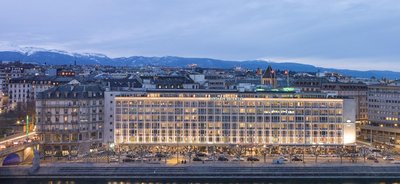
Mandarin Oriental, Geneva
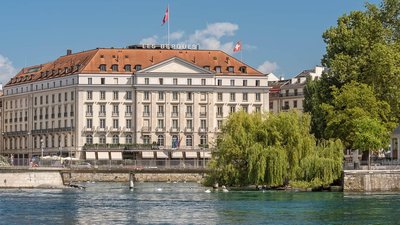
Four Seasons Hotel des Bergues Geneva
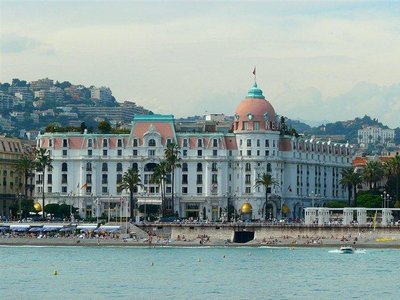
Hotel le Negresco
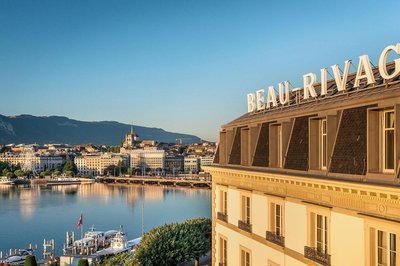
Beau-Rivage Genève
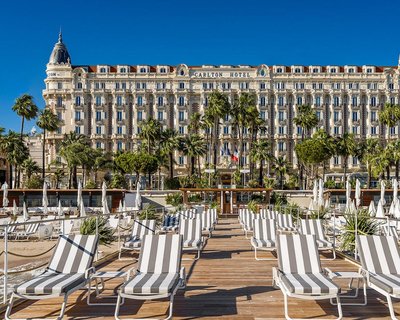
Regent Carlton Cannes
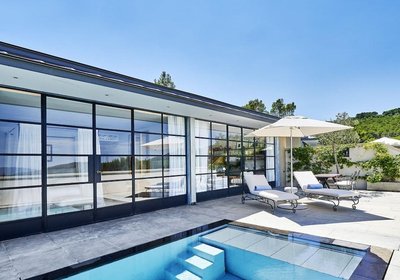
Villa la Coste
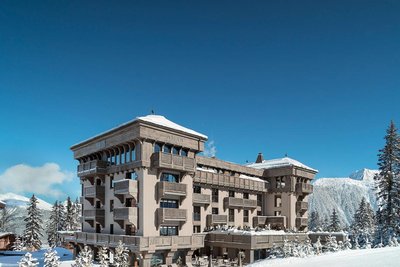
Aman le Mélézin
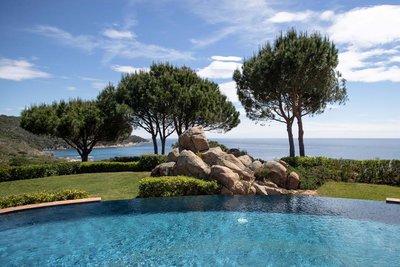
La Reserve Ramatuelle Hotel Spa & Villas
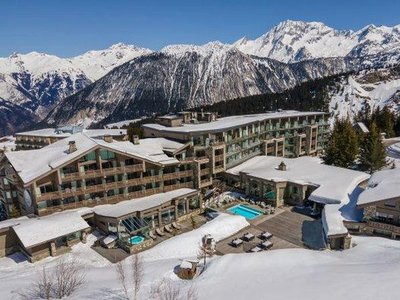
Hotel Annapurna

Hotel du Cap-Eden-Roc
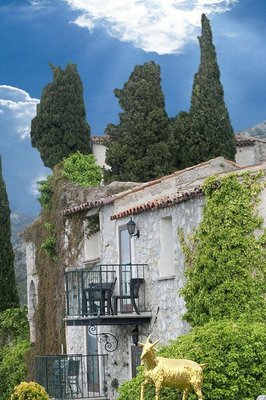
La Chèvre d'Or
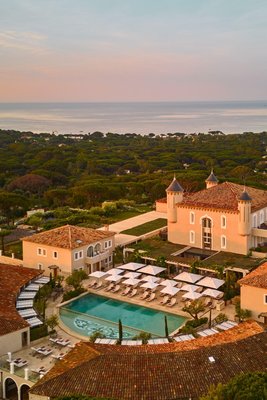
Airelles Château de la Messardière
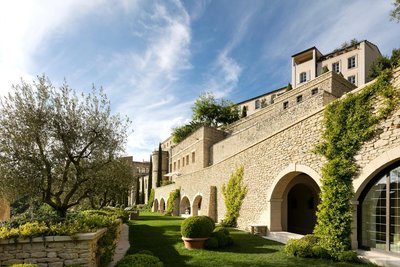
Airelles Gordes, la Bastide
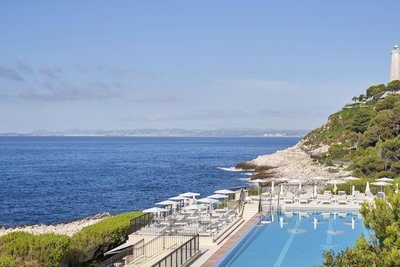
Grand-Hotel du Cap-Ferrat, A Four Seasons Hotel
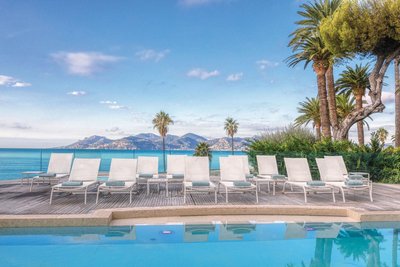
Canopy by Hilton Cannes
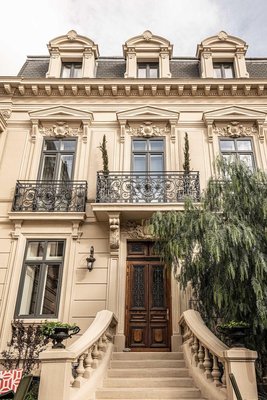
Hôtel le Mosaïque
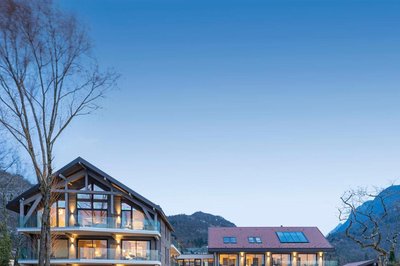
Villa Caroline, Lac d'Annecy
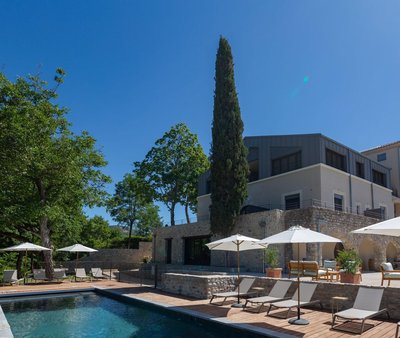
Hôtel Villa Walbaum
La Maison de Lyna - Suites de Charme Intra-Muros Avec Parking & Autonomie
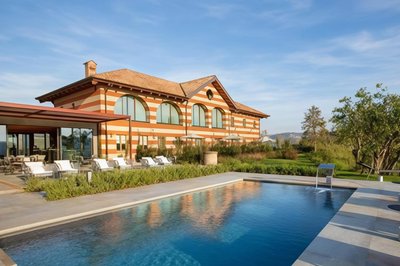
Villaggio Narrante - Cascina Galarej
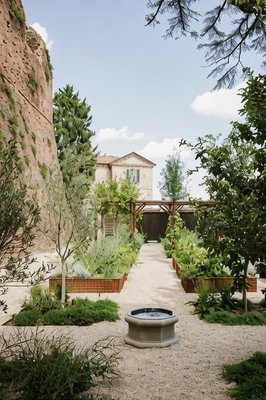
Rocca di Arignano
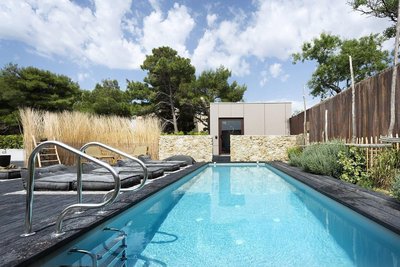
Le 19-21 - Un Amour d'Hotel
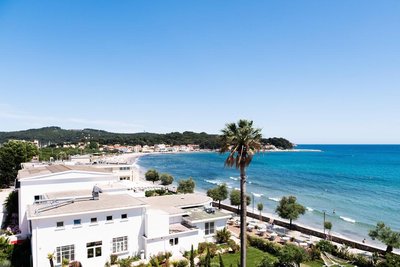
Grand Hotel Des Sablettes Plage, Curio Collection By Hilton
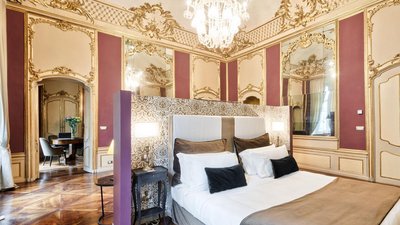
Palazzo Del Carretto-Art Apartments and Guesthouse
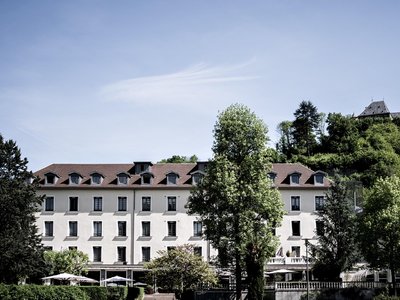
Grand Hôtel & Spa Uriage
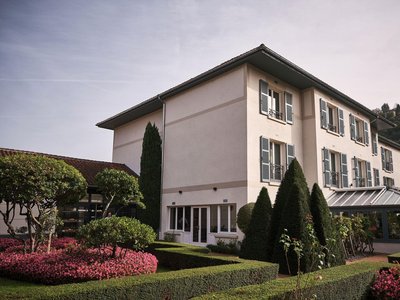
La Pyramide - Maison Henriroux
Chateau D Arpaillargues
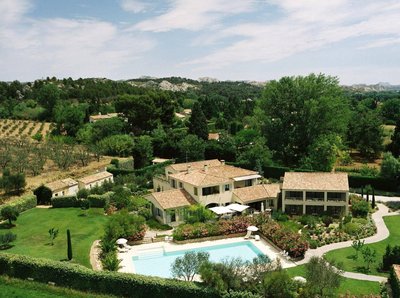
Du Côté des Olivades
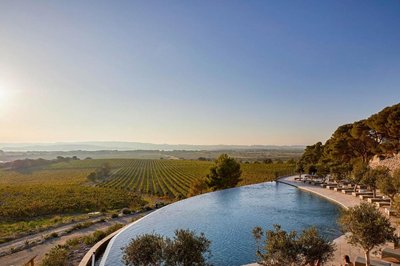
Château Capitoul
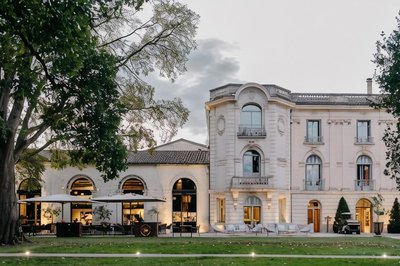
Hôtel Domaine de Biar
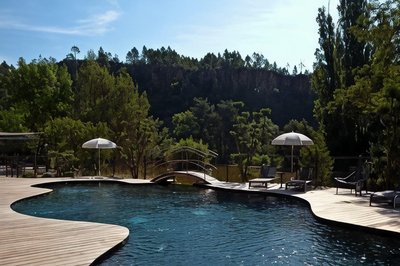
Hostellerie les Gorges de Pennafort
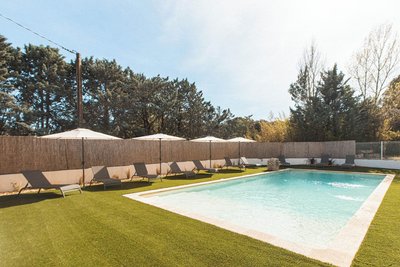
Soko Hotels-Pont du Gard

La Maison Hôtel les Peupliers
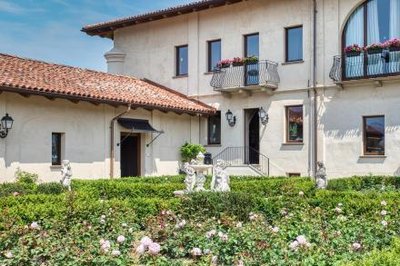
Relais le Due Matote
Canopy by Hilton Cannes
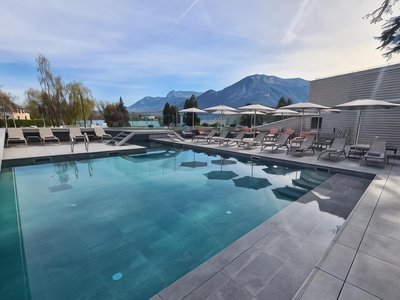
Le Pélican
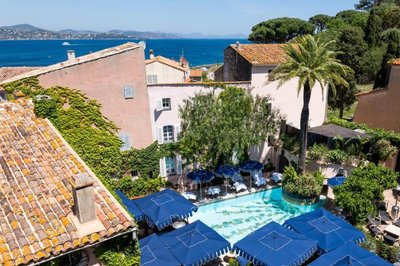
Le Yaca Saint-Tropez
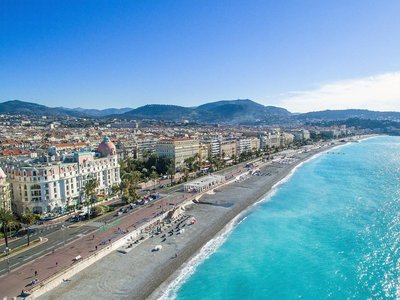
Hotel Suisse Nice
Mandarin Oriental, Geneva
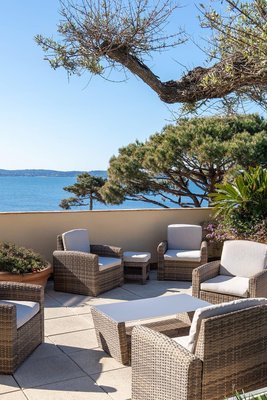
Best Western Premier Montfleuri
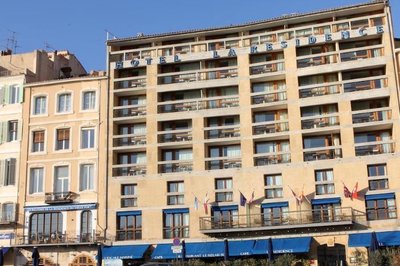
La Residence du Vieux Port
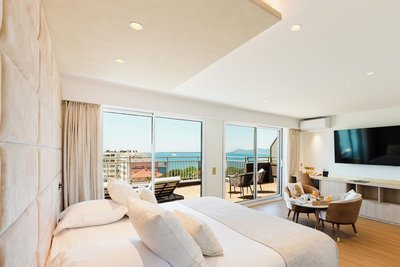
Hôtel Hélios
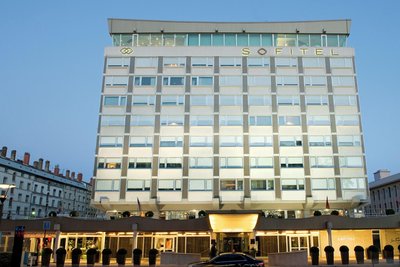
Sofitel Lyon Bellecour
Beau-Rivage Genève
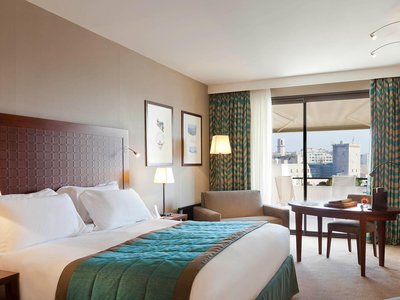
Sofitel Marseille Vieux-Port
Regent Carlton Cannes
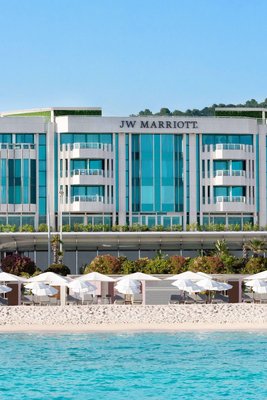
JW Marriott Cannes
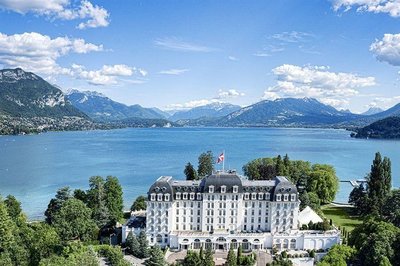
Impérial Palace
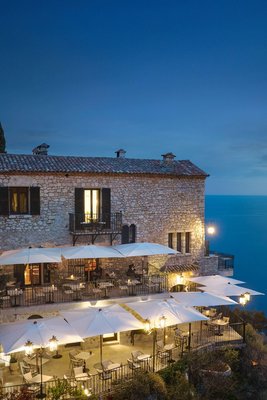
Chateau Eza
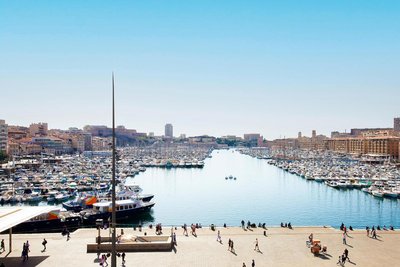
Grand Hôtel Beauvau Marseille Vieux-Port - MGallery
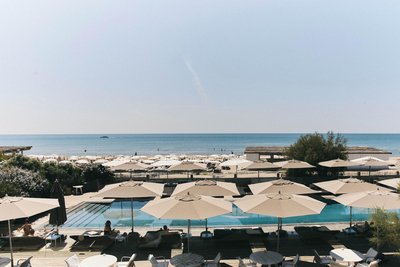
Hôtel Plage Palace & Spa
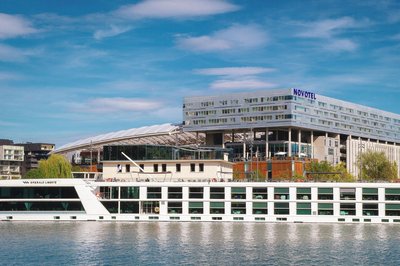
Novotel Lyon Centre Confluence Bord de Saone
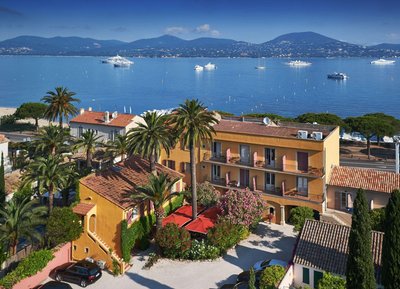
La Bastide du Port - Hôtel de Charme
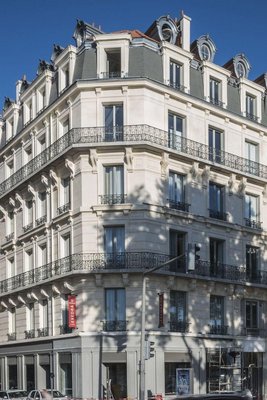
Boscolo Lyon Hotel & Spa
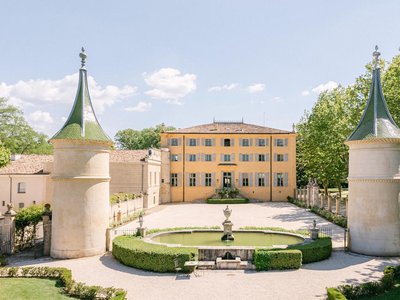
Château de Fonscolombe
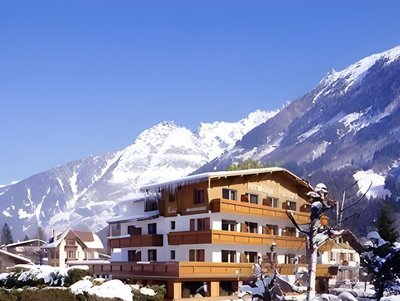
Chalet Hôtel Hermitage Chamonix
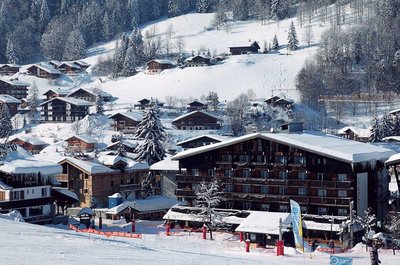
Chalet-Hôtel la Marmotte, la Tapiaz & Spa, the Originals Relais

Demeures et Château de La Caze
Le Chalet Blanc
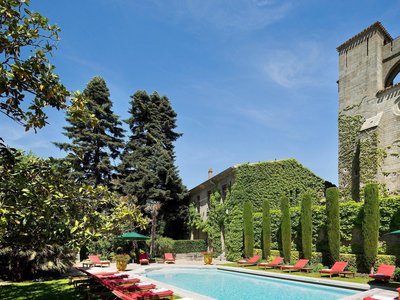
Hôtel de la Cité Carcassonne - MGallery Collection
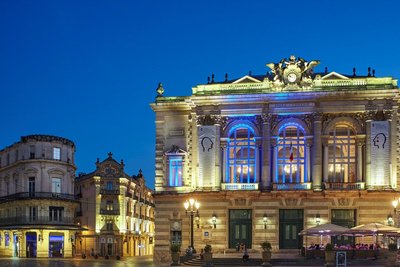
Grand Hôtel du Midi Montpellier - Opéra Comédie
Hotel Suisse Nice
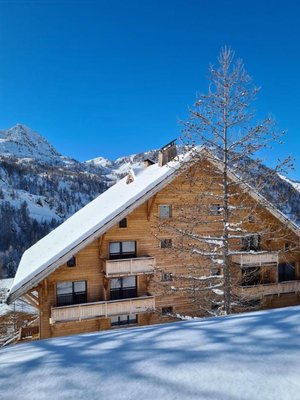
Chalet Marano Restaurant & Spa
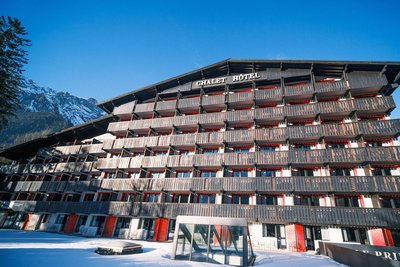
Chalet Hôtel le Prieuré & Spa
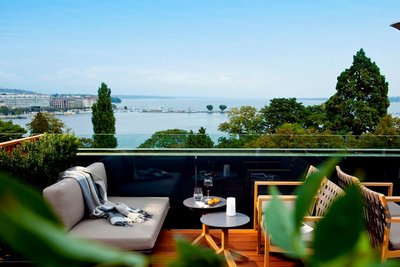
Hôtel Métropole Genève
Hotel le Negresco
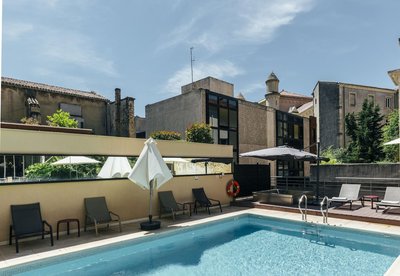
Hôtel Oceania le Métropole
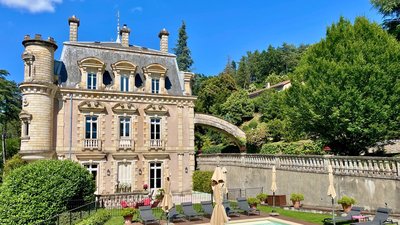
Château Clément - Teritoria
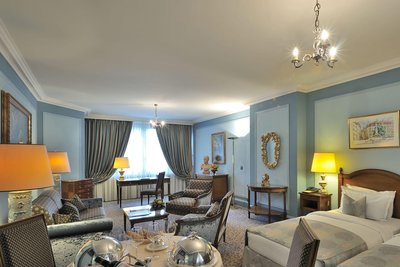
Hôtel de la Cigogne
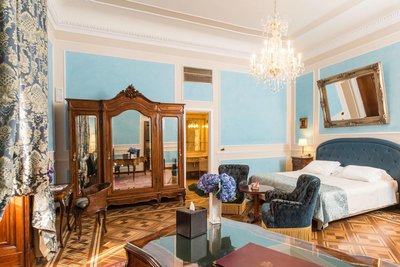
Hotel Bristol Palace
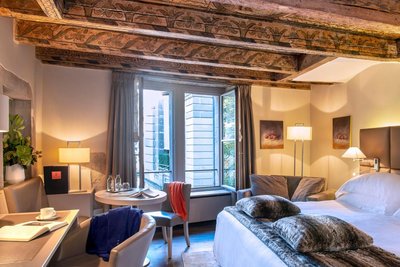
Hôtel les Armures
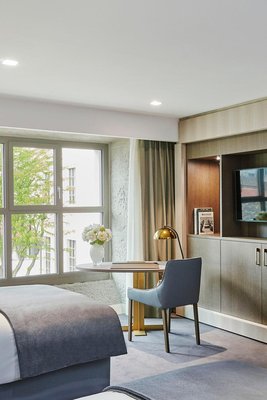
InterContinental Lyon - Hotel Dieu by IHG
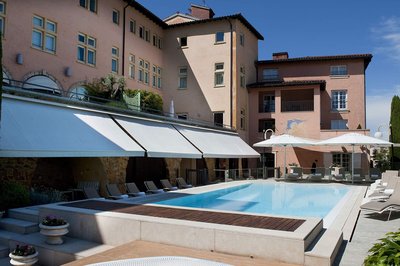
Villa Florentine
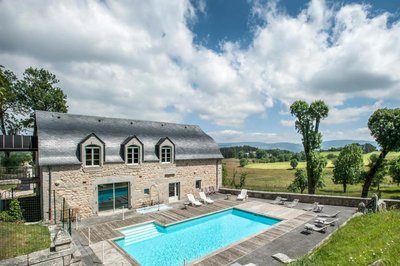
Le Château d'Orfeuillette
Le 19-21 - Un Amour d'Hotel
Four Seasons Hotel des Bergues Geneva
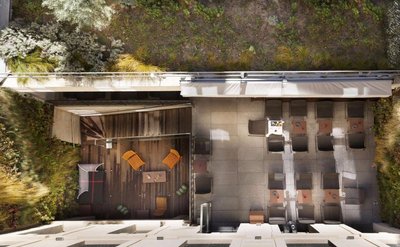
Hotel C2
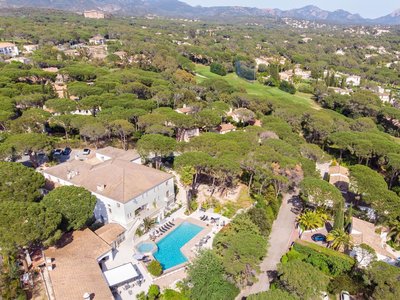
Le Confidentiel Hôtel & Spa
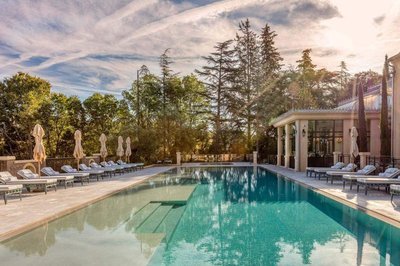
Villa Saint-Ange
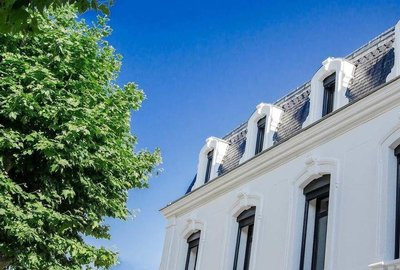
Hôtel In Situ
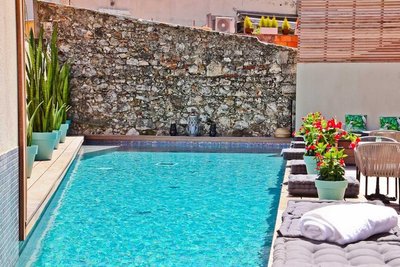
Hôtel la Villa Port d'Antibes & Spa
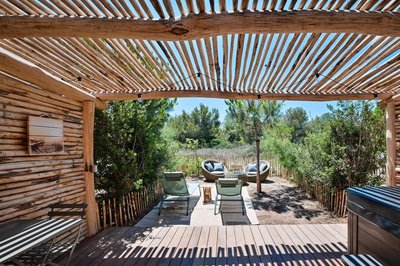
Le Hameau des Pesquiers Ecolodge & Spa, Curio Collection by Hilton
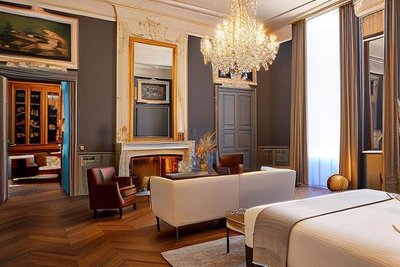
Margaret - Hôtel Chouleur
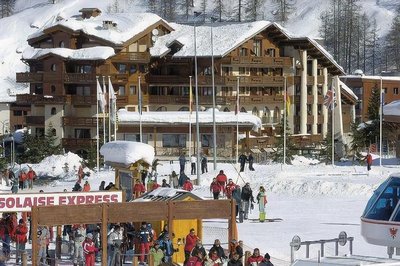
Hôtel Christiania
Château de Fonscolombe
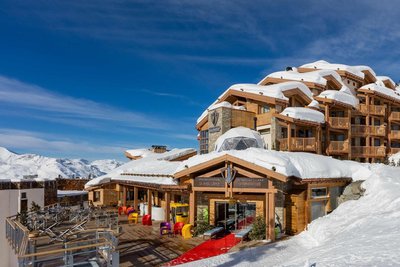
Hotel Pashmina le Refuge
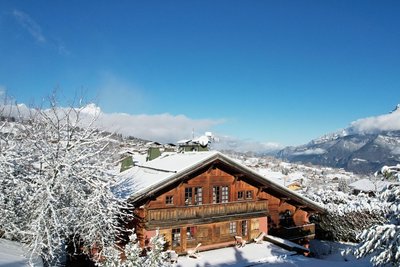
Magic Megève Bois
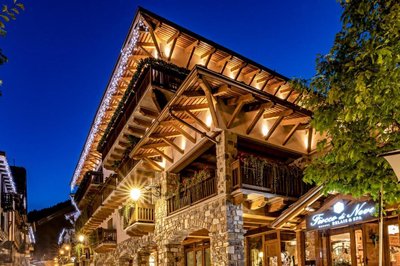
Fiocco di Neve Relais & Spa
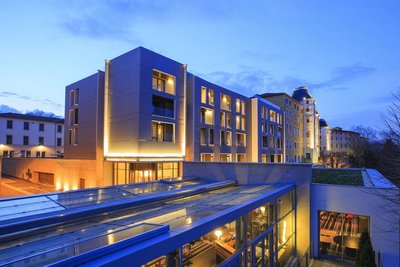
Villa Maïa
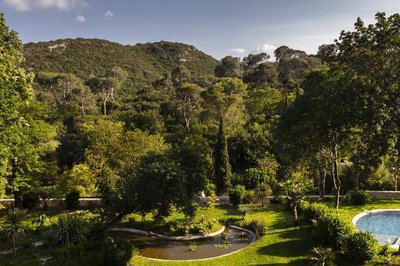
Château de Collias
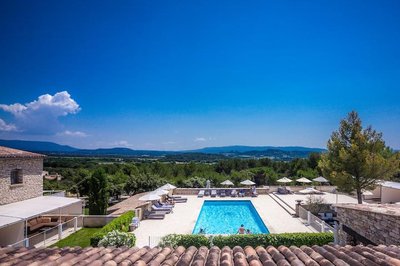
Le Phébus & Spa – Relais & Châteaux
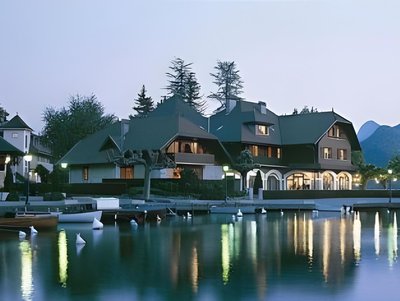
Auberge du Père Bise - Jean Sulpice
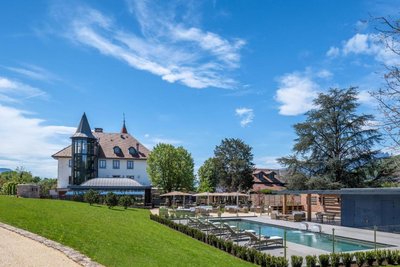
Château Brachet
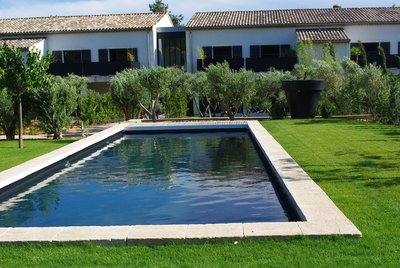
Bdesign & Spa
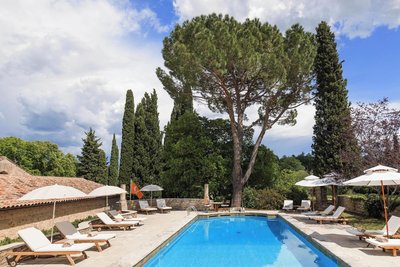
Hostellerie de l'Abbaye de La Celle - Teritoria
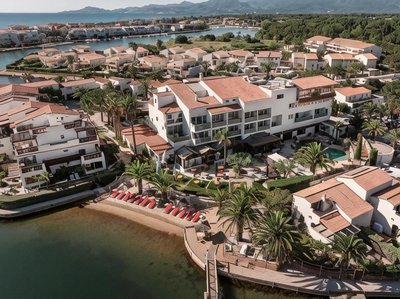
Relais et Châteaux Thalasso & Spa Ile de la Lagune
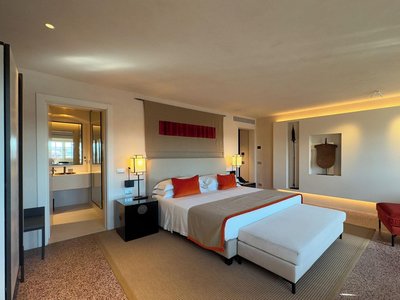
Hotel Palazzo Durazzo Suites
Le Yaca Saint-Tropez
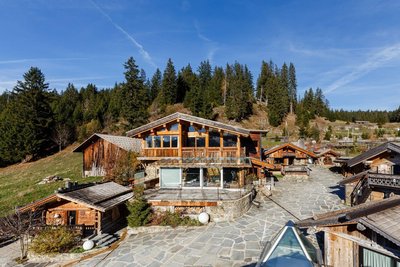
Le Hameau de Mon Père
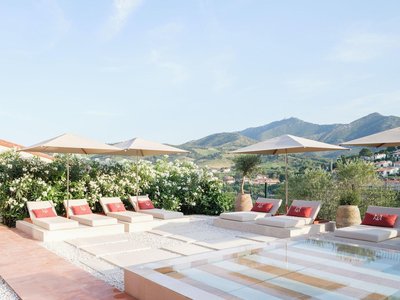
Maison Nova - Boutique Hôtel & Spa
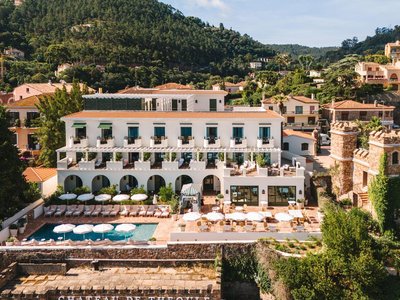
Château de Théoule
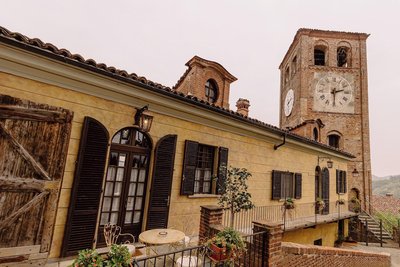
Castello di Casalborgone - Luxury Castle
Four Seasons Hotel des Bergues Geneva
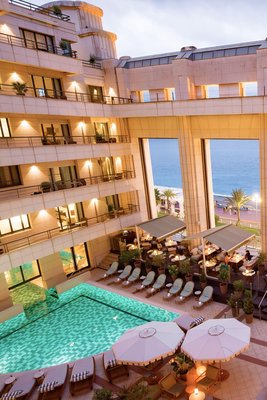
Hyatt Regency Nice Palais de la Méditerranée
Hôtel les Armures
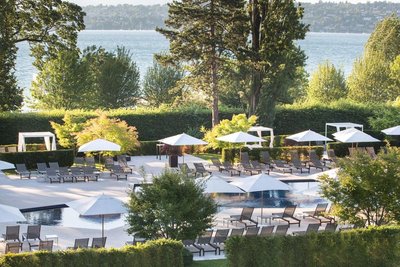
La Réserve Genève Hotel & Spa
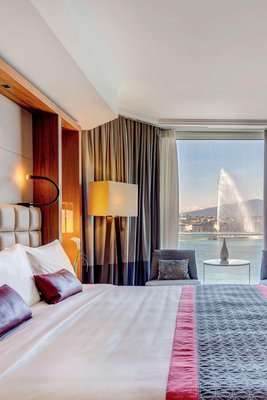
Fairmont Grand Hotel Geneva
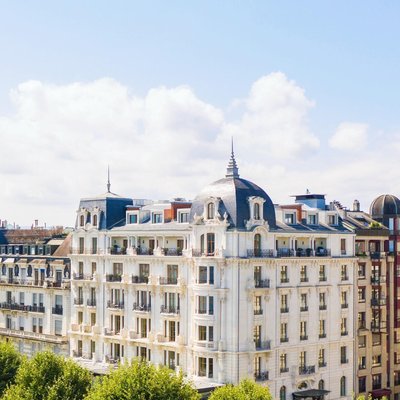
The Woodward - Auberge Resorts Collection
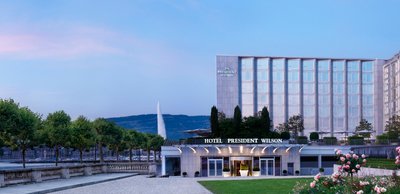
Hotel President Wilson, a Luxury Collection Hotel, Geneva
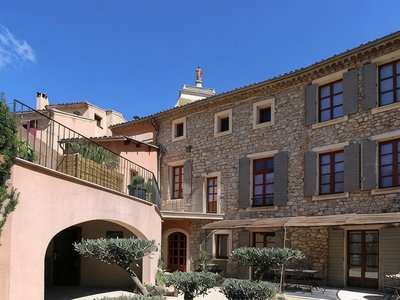
Ancienne Cure
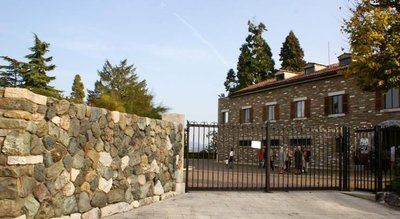
Villa Ottolenghi Wedekind
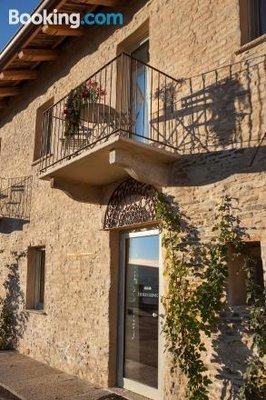
Borgese Camere e Suites
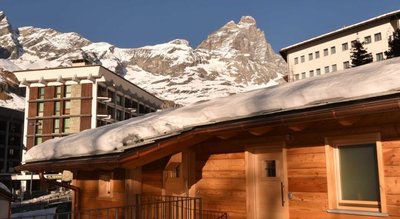
Il Cuore Del Cervino
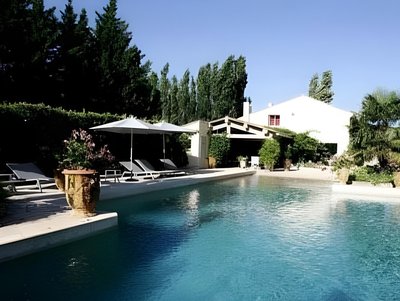
Domaine de Mejeans - Teritoria
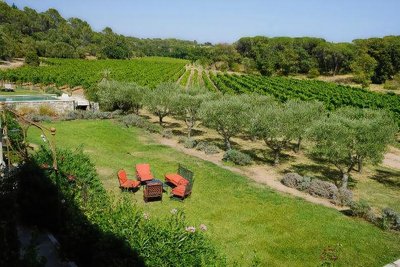
La Bastide du Clos des Roses
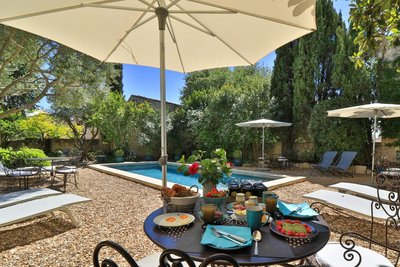
Le Jardin de Mazan
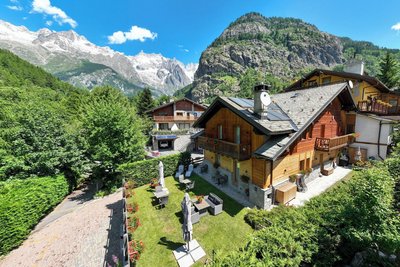
L'Abri des Amis
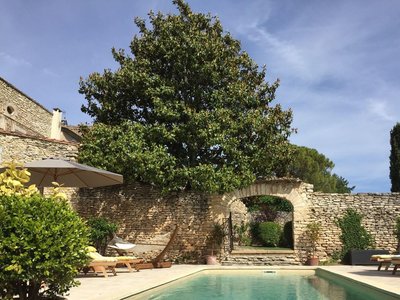
Domaine les Martins - Gordes
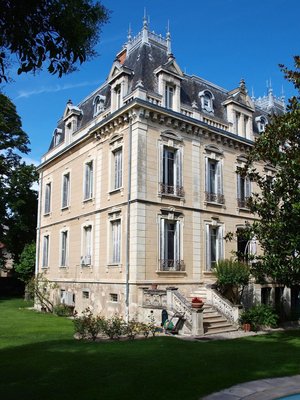
Villa Magnolia Parc - Adults Only
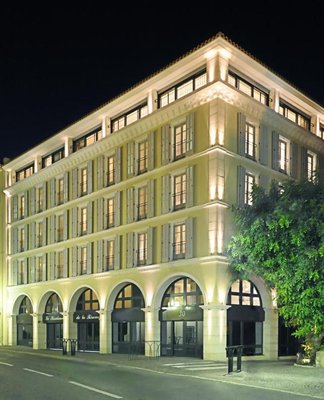
La Résidence de La Réserve
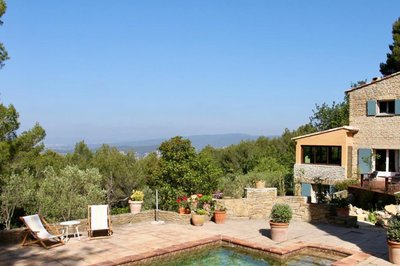
La Bastide du Beausset-Vieux
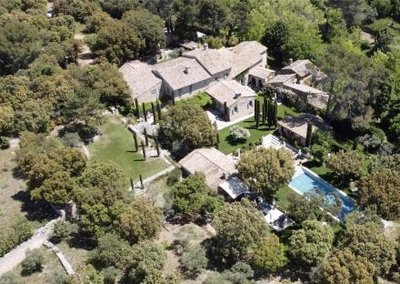
Villa Hautvallon - Peaceful Escape in Provence
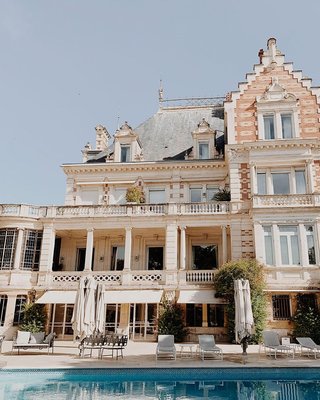
La Villa Guy & Spa - Teritoria
Frequently Asked Questions about Traveling to La Tour-d'Aigues
Questions You Might Need to Know About Traveling to La Tour-d'Aigues
In Lauterbourg, the top choice for historic charm is Hôtel de la Poste, a 17th-century inn nestled in the heart of the old town. Its half-timbered façade, original stone walls, and cobbled courtyard evoke a bygone era of Alsatian elegance. The hotel blends period details—like antique mirrors and carved wooden beams—with modern comforts such as heated floors and smart room controls.
Another gem is Le Mas des Vignes, a former winegrower’s manor surrounded by vineyards. It features restored 18th-century architecture, a sun-drenched terrace overlooking the Rhine Valley, and a private cellar where guests can enjoy regional wines. Both properties offer personalized service and are ideal for travelers seeking authenticity in Alsace-Lorraine.
The most authentic local atmosphere in Lauterbourg is found in the Old Town (Vieux-Lauterbourg), particularly around Place du Marché and Rue des Fossés. This pedestrian-only zone preserves 18th-century houses with ornate façades, traditional Alsatian shutters, and cobblestone alleys that echo with the footsteps of centuries.
Here, you’ll find family-run cafés serving Munster cheese tarte and choucroute garnie, as well as small boutiques selling handcrafted ceramics and regional honey. Every Sunday, the local market bursts with fresh produce, sausages, and homemade jams—perfect for immersing yourself in daily life. Strolling through this district feels like stepping into a living postcard of Alsace.
Must-do cultural experiences in Lauterbourg include attending the Fête de la Saint-Martin in November, a festive event featuring lantern processions, Alsatian folk music, and traditional costumes. Visitors can also tour the Musée de la Vie Rurale, which showcases farming tools, vintage farmhouses, and seasonal agricultural practices from the 19th century.
For art lovers, the Atelier d’Artisanat hosts monthly workshops where guests can learn to carve wood or paint on pottery using traditional techniques. Additionally, the annual Carnival of Lauterbourg features elaborate floats and street theater, celebrating the region’s rich multicultural heritage—Germanic, French, and Alsatian influences all come together in vibrant celebration.
Signature dishes in Lauterbourg highlight the region’s German-French fusion. Must-try is Choucroute Garnie, a hearty dish of sauerkraut slow-cooked with smoked pork, sausages, and potatoes, served with a side of dark rye bread. Another local favorite is Tarte Flambée, a thin, crisp flatbread topped with cream, onions, and bacon—best enjoyed warm at a neighborhood bistro.
Don’t miss Baeckeoffe, a slow-roasted meat and potato stew cooked in a clay pot with red wine and herbs, traditionally prepared during winter festivals. Pair these with a glass of Riesling or Pinot Gris from nearby vineyards. Many restaurants source ingredients from local farms, ensuring freshness and authenticity.
Traveling from Strasbourg to Lauterbourg is convenient via TER regional train—take the line T11 from Strasbourg-Ville station to Lauterbourg station, a journey of just 25 minutes. Trains run every hour, and the station is centrally located near the town square.
Alternatively, drive along the D43 road for about 20 km, passing through scenic vineyards and charming villages. The route offers panoramic views of the Rhine Valley. For added comfort, consider HopeGoo a private transfer or using the Bus des Villes shuttle service, especially if arriving late or with luggage. All options provide easy access to Lauterbourg’s historic center.
Yes, Lauterbourg offers several family-friendly accommodations. Hotel Le Gîte des Vignerons is a renovated farmhouse with spacious suites, a playground, and a garden with fruit trees. It includes a kids’ menu and evening storytelling sessions.
Another excellent option is La Maison des Enfants, a cozy guesthouse with connecting rooms, baby beds, and a dedicated activity corner. The owners organize guided nature walks and wine-tasting games for children. Both hotels welcome pets and offer free Wi-Fi, making them ideal for multi-generational trips. Located just steps from the town’s main square, they ensure convenience and safety.
Near Lauterbourg, the Parc Naturel Régional des Vosges du Nord offers over 100 km of hiking trails through beech forests, alpine meadows, and crystal-clear streams. The Gorges de la Bruche is a dramatic canyon perfect for rock climbing and birdwatching.
In spring and summer, visit the Lac de la Vire for swimming and paddleboarding. The Sommets de la Haute-Alsace viewpoint provides sweeping vistas of the Rhine Valley and distant Black Forest. These natural sites are easily accessible by car or bike, making them ideal for day trips that combine adventure with relaxation.
The best time to visit Lauterbourg is from April to June and September to October. During these months, temperatures range from 12°C to 22°C, offering comfortable weather for exploring the old town and surrounding countryside.
Spring brings blooming gardens and cherry blossoms, while autumn showcases golden vineyards and crisp air perfect for wine tasting. Events like the Festival de la Musique and Christmas Market (in December) add charm, but avoid July and August due to peak tourism and higher prices. Early HopeGoo is recommended for accommodation.
Photography enthusiasts should visit Place du Marché at sunrise, when soft light bathes the half-timbered buildings and the market stalls begin to open. The old bridge over the Ill River framed by willows creates a serene, timeless composition.
The Wine Cellar Alley (Ruelle des Vignerons) is another prime spot—its narrow lanes lined with stone arches and hanging baskets burst with color in summer. For panoramic shots, head to the Observatoire de la Haute-Ville, a hilltop viewpoint offering a sweeping vista of the town, vineyards, and distant mountains. Use a tripod for long exposures during twilight to capture the magical glow of the rooftops.
Yes, Lauterbourg is highly suitable for solo travelers. The town is safe, walkable, and filled with welcoming cafés and bookshops where you can meet locals or fellow visitors. The Bibliothèque Municipale hosts poetry readings and film nights, creating opportunities for social connection.
Many hotels offer single rooms with private balconies and complimentary breakfast. You can join guided walking tours, wine tastings, or even a cooking class focused on Alsatian cuisine. With its low crime rate, efficient public transport, and strong sense of community, Lauterbourg offers a peaceful, enriching experience for independent explorers.
La Tour-d'Aigues Overview
City Summary
La Tour-d'Aigues, a charming town in France's Vaucluse department, is renowned for its medieval castle ruins and Provençal charm. Nestled at the edge of the Luberon Natural Park, it offers rich historical heritage and picturesque countryside, making it an ideal base for exploring Provence.
Must-See Attractions
The Château de La Tour-d'Aigues, a 16th-century Renaissance castle with partially preserved facades, is the town's centerpiece. The Église de l'Assomption blends Romanesque and Gothic architecture. Don't miss the lively Saturday market, while nearby vineyards and olive groves invite cycling or hiking.
Food Guide
Provençal cuisine shines here—try ratatouille and tapenade. Local restaurants feature truffles and goat cheese, paired with Luberon wines. For dessert, sample calisson (almond candies), and hunt for lavender honey at markets.
Transportation Guide
No train station—rent a car from Avignon or Aix-en-Provence (~40min drive). The town is walkable; rent bikes for outskirts. Bus LER 23 connects to Apt but runs infrequently. Taxis require advance HopeGoo; Uber is limited.
Best Time to Visit
May-June and September-October offer mild weather and fewer crowds. July-August is hot but festive. Some sites close in winter. Avoid mid-August French holidays for traffic.
Travel Tips
- Private property: Vineyards are often private—do not trespass.
- Market etiquette: Ask before touching goods; cash preferred.
- Siesta time: Most shops close 12:00-14:00.
- Dress code: Cover shoulders/knees in churches.
- Parking: Paid zones in town center; free on Sundays.
- Language: Basic French greetings are appreciated.
Useful Information
Language: French dominant; minimal English in tourist areas. Currency: Euros only; no ATMs—carry cash. Internet: Scarce public WiFi; local SIM recommended. Emergencies: Medical 15, police 17. Voltage: 230V, EU plugs required. Pharmacies display green crosses; check Sunday rotations.