Hotels in Lamphun
Discover your perfect stay in Lamphun.
Lamphun(Thailand) Travel 2026: Cheap Flights, Hotels & Top Attractions
Popular Landmarks in Lamphun
Discover the most iconic attractions in Lamphun
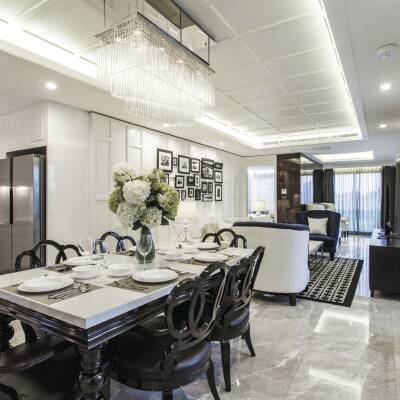
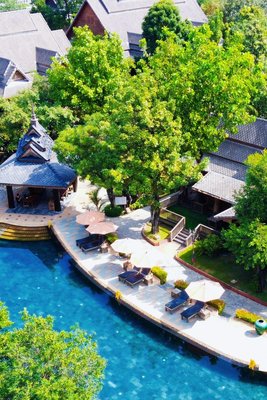
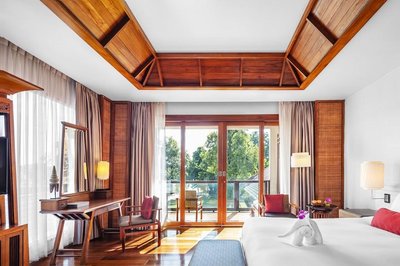
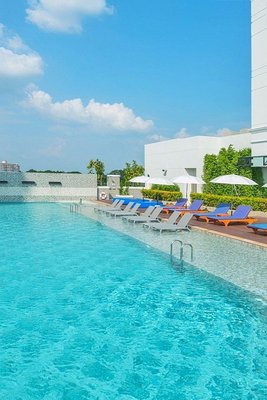
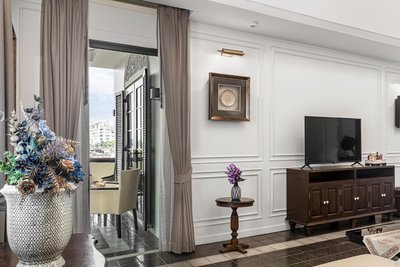
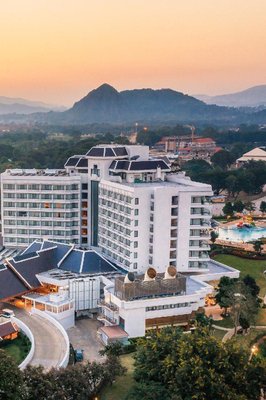
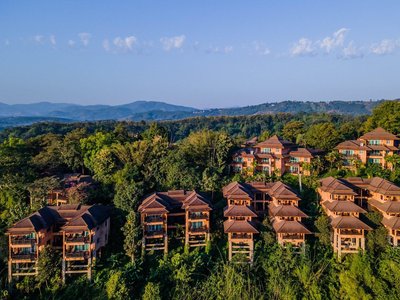
Recommended Hotels in Lamphun
Find the perfect place to stay in Lamphun
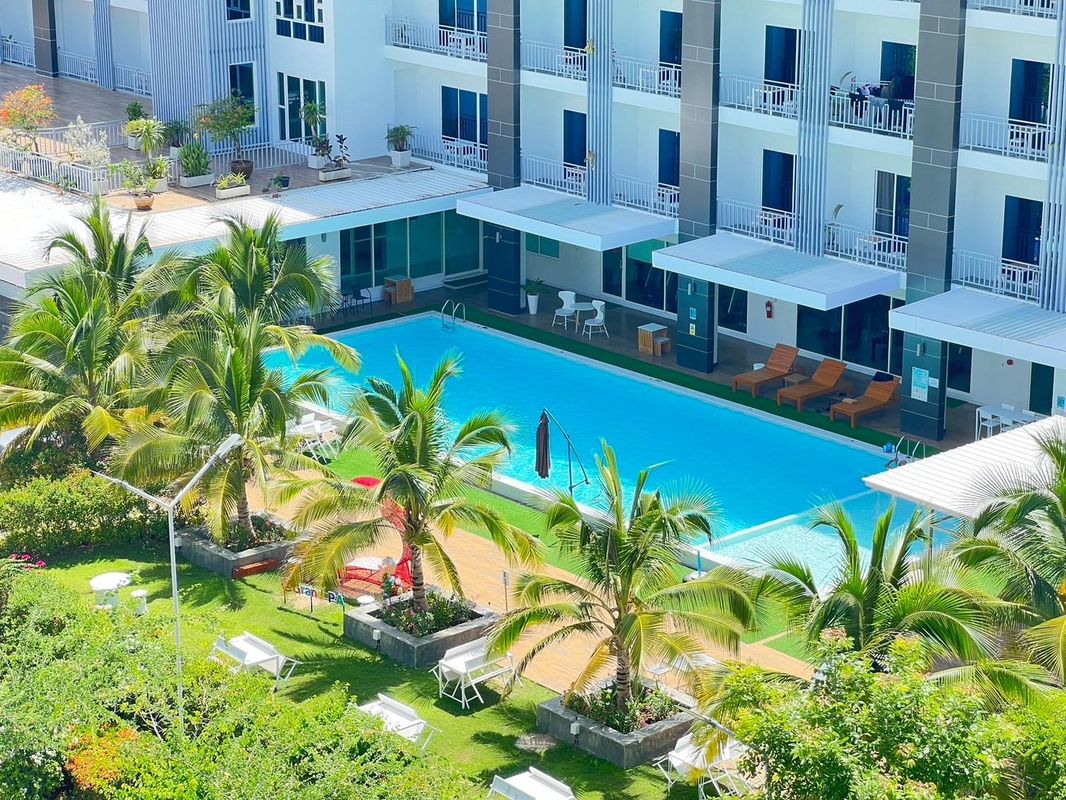
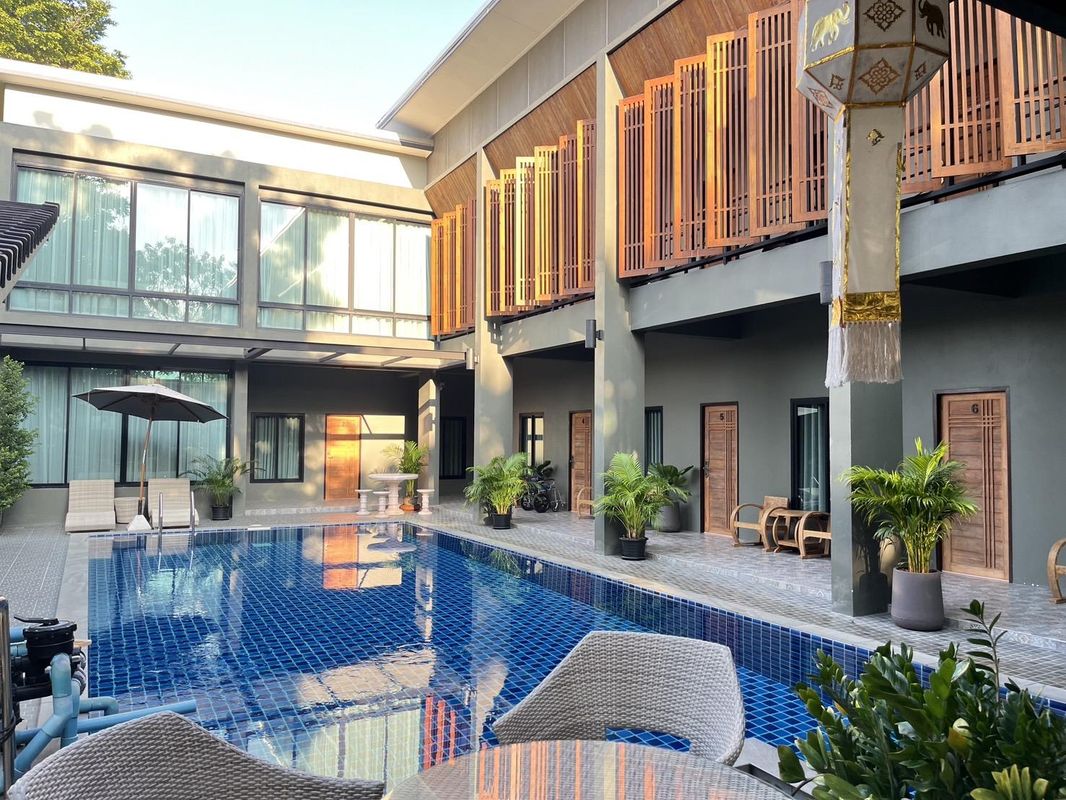
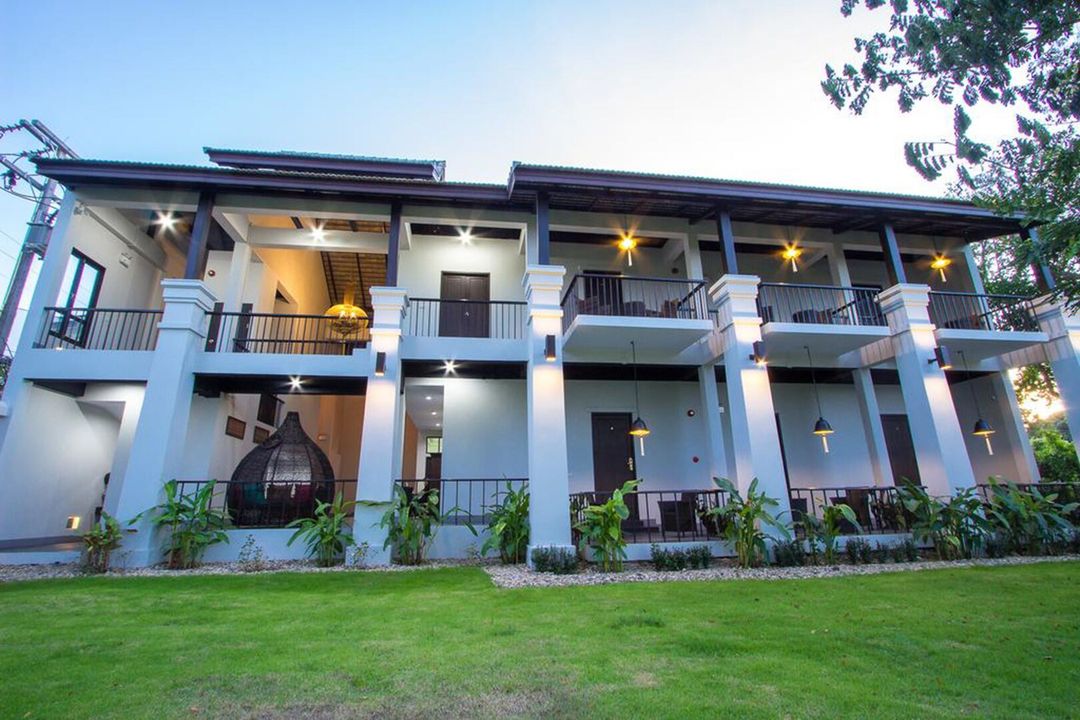
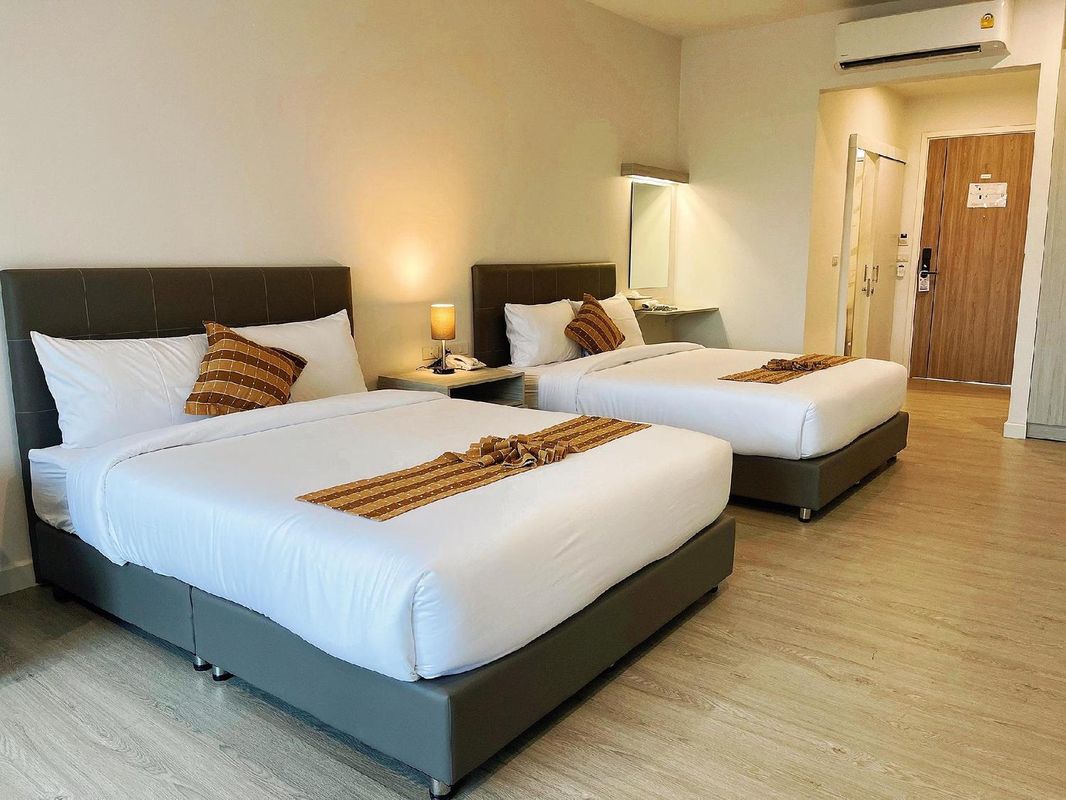

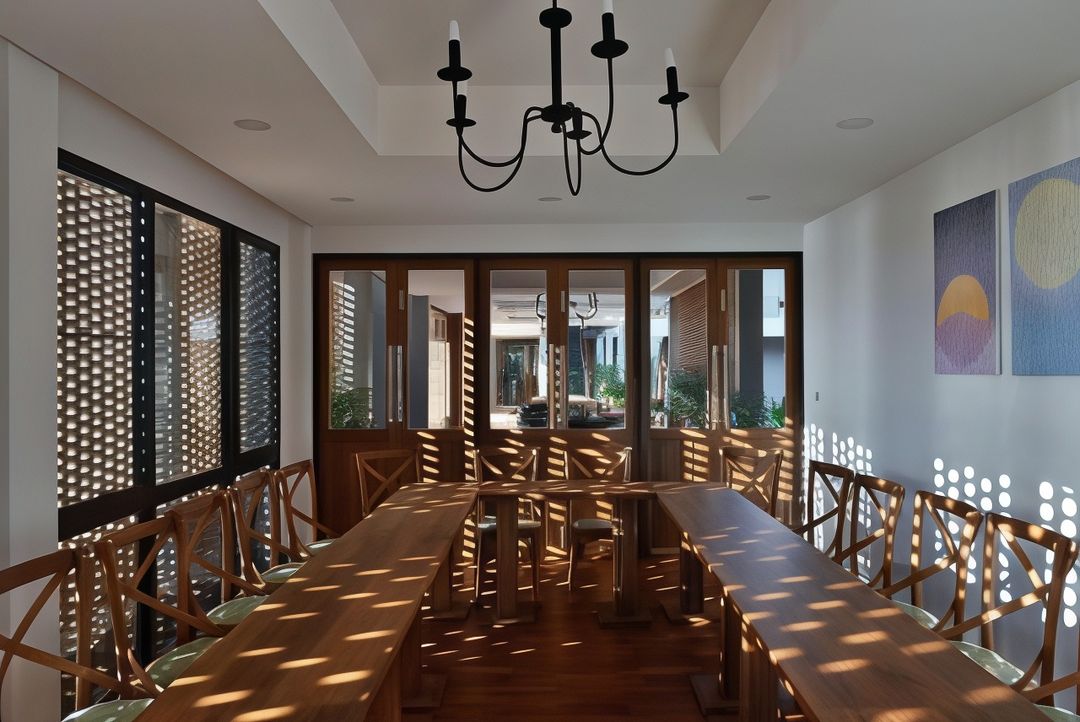

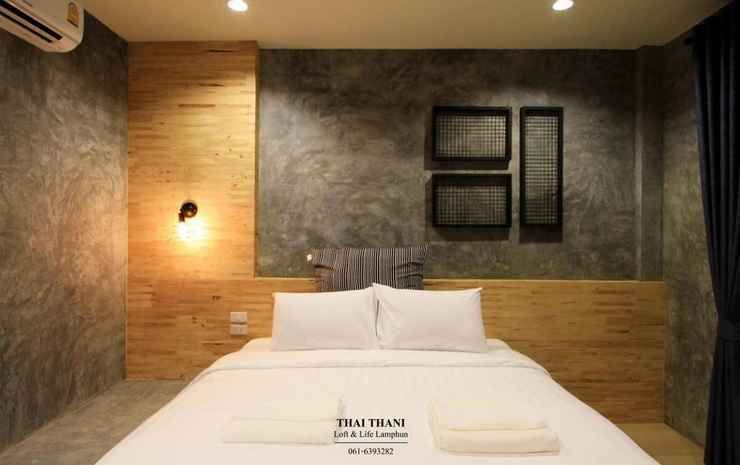
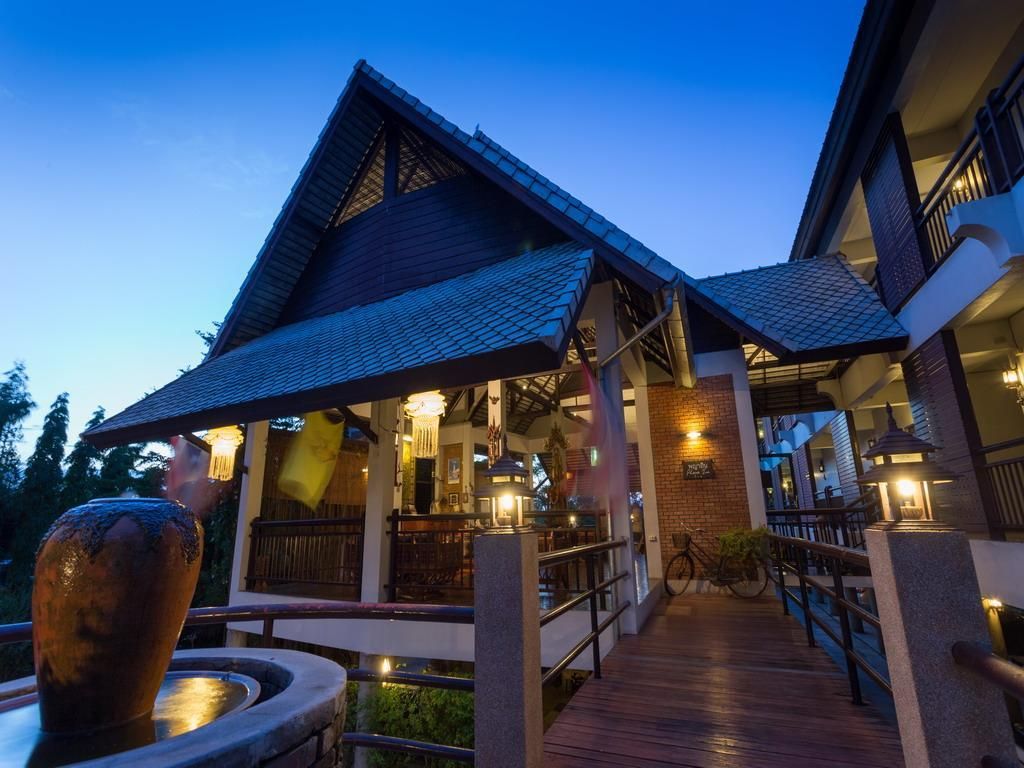
Best Hotels in Lamphun
Discover curated hotel collections in Lamphun
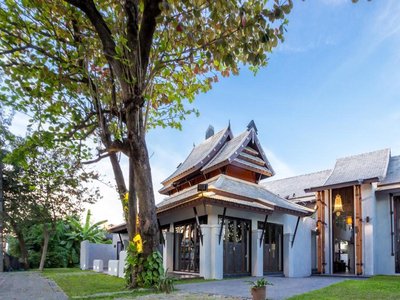
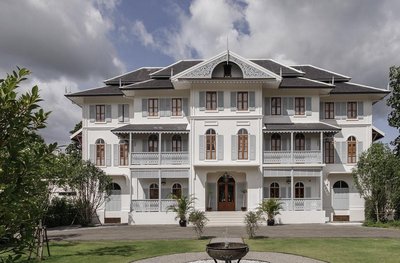
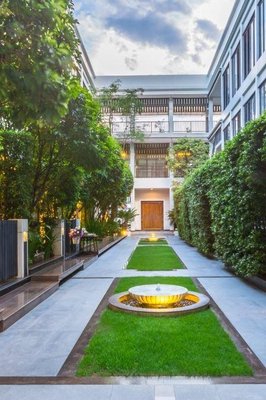



Frequently Asked Questions about Traveling to Lamphun
Questions You Might Need to Know About Traveling to Lamphun
The best neighborhoods to stay in Nan, Thailand, are Old Town and Nan Riverfront. Staying in Old Town puts you within walking distance of cultural landmarks like Phra That Phanom and Nan Museum, offering an immersive experience in Northern Thai heritage. For tranquility and scenic views, Nan Riverfront is ideal—home to Nan River Resort, where you can enjoy riverside dining and guided canoe trips through lush mangroves.
Both areas provide easy access to local markets, traditional temples, and day trips to nearby hill tribes or Doi Phu Kha National Park. Many boutique hotels here blend Lanna architecture with modern comforts, ensuring authentic yet cozy stays. Don’t miss the evening street food stalls near the riverbank for a true taste of local life.
To find authentic local experiences in Nan, Thailand, head to Nan Old Town and its surrounding villages. Stay at a family-run guesthouse like Nan Heritage House, where hosts share stories of their ancestors and traditional farming practices. Participate in a morning alms-giving ceremony at a local temple—witness monks chanting in Pali while villagers offer rice and snacks, a ritual that dates back centuries.
Join a Lanna-style weaving workshop in a nearby village, learning how to craft intricate patterns using natural dyes. You’ll also get to taste Nam Prik Noom, a spicy green chili dip served with fresh vegetables, prepared by local women. Evening visits to the Nan Night Market offer grilled river fish, sticky rice cakes, and handmade crafts, all reflecting the region’s deep-rooted traditions.
Must-try dishes in Nan, Thailand include Kaeng Liang, a rich northern-style sour curry made with wild fish, tamarind, and lemongrass, offering a bold balance of sour, spicy, and savory flavors. Another highlight is Khao Soi Nai, a fragrant coconut milk-based rice dish with tender chicken, often served with pickled mustard greens and fried shallots.
Don’t miss Moo Ping, grilled pork skewers marinated in a mix of soy sauce, garlic, and chili, then charred over open flame—best enjoyed fresh from street vendors near Phra That Phanom. For a sweet treat, try Khao Niew Mam Poh, sticky rice wrapped in banana leaves and topped with coconut sugar and crushed peanuts—a staple breakfast item deeply rooted in Lanna cuisine.
These dishes reflect the region’s mountainous geography and cultural fusion, blending indigenous ingredients with Burmese and Chinese influences.
Nan River Resort is a top family-friendly hotel in Nan, featuring a dedicated children’s pool, nature trails, and interactive programs like rice planting workshops and traditional puppet shows. Kids can learn to make sticky rice dumplings and banana leaf wraps during hands-on cooking classes, making it both fun and educational.
The spacious Lanna-style bungalows come with private balconies, mosquito nets, and baby cots upon request. The resort also offers free strollers, kid-sized towels, and safety barriers around pools. Daily activities include Thai drumming sessions and cultural storytelling, appealing to children of all ages.
Located just 5 minutes from Nan Museum, families can easily explore local history after a morning of outdoor play. With a peaceful riverside setting and warm staff, this hotel ensures memorable, stress-free family adventures.
Top religious and cultural sites in Nan, Thailand include Wat Phra That Phanom, a revered temple housing Buddha relics and dating back over 1,000 years. Its golden chedi glimmers under the sun, and during full moon nights, locals gather for the Lantern Festival, releasing thousands of lotus-shaped lanterns into the sky as prayers.
Another must-visit is the Nan Museum, which houses a remarkable collection of Lanna-era artifacts: ancient bronze statues, royal manuscripts, and traditional textiles. The museum’s courtyard features a sacred bodhi tree, believed to be planted during the kingdom’s founding.
Don’t miss the Nan Old Town Wall Ruins, remnants of the original city fortifications built in the 14th century. These stone walls once protected the capital from invasions and now serve as a quiet place for reflection. Together, these sites offer profound insight into Northern Thai spirituality and historical resilience.
Best hiking and nature spots in Nan, Thailand include the Nan River Trail, a scenic 3-kilometer path starting from Nan River Resort, winding through paddy fields, bamboo groves, and wetlands teeming with birds like kingfishers and white egrets. Picnic benches and lookout platforms are spaced along the way, perfect for rest stops.
For more adventure, visit Doi Phu Kha National Park, home to tropical rainforests and alpine meadows. Hike the Doi Phu Kha Summit Trail, a moderate 6-hour trek leading to panoramic views of misty peaks and cascading waterfalls. Keep an eye out for rare wildlife such as crested serpent eagles and Hoolock gibbons—guided tours ensure safety and ecological awareness.
Also worth exploring is the Nan Valley Cycling Path, connecting remote hill tribe villages where you can participate in tea harvesting, basket weaving, and pottery-making. These eco-friendly experiences promote sustainable tourism while deepening cultural understanding.
Lamphun Overview
City Summary
Lamphun is a tranquil city in northern Thailand, renowned for its rich history and unique Lanna culture. Once the capital of the Hariphunchai Kingdom, it boasts ancient temples and historical sites. The province is famous for its handicrafts, particularly exquisite cotton textiles and silverware. Visitors can experience authentic Thai rural life and explore the area's cultural and natural beauty.
Must-See Attractions
Must-see attractions include Wat Phra That Hariphunchai, a millennium-old golden temple that is the city's landmark. Wat Kukut is known for its distinctive pagoda architecture. Ban Nong Bua village showcases traditional Lanna weaving, where visitors can try their hand at the craft. The Lamphun Museum offers detailed insights into local history and culture.
Food Guide
Lamphun's cuisine blends northern Thai flavors. Street food like Khao Soi (curry noodles) and Sai Oua (northern sausage) are must-tries. Local markets such as Lamphun Morning Market offer fresh fruits and traditional desserts like Khanom Tan (palm sugar cake). Don't miss the regional specialty Nam Prik Noom (green chili dip), best enjoyed with sticky rice.
Transportation Guide
Transportation: In Lamphun, songthaews (shared taxis) and motorbike rentals are the main options, with fares negotiable. Buses and trains from Chiang Mai take about 1 hour. The city's attractions are compact, making walking or cycling ideal. Avoid the rainy season (July-October) as rural roads may become muddy.
Best Time to Visit
Best time to visit is from November to February when the weather is cool and dry. Avoid April's Songkran festival for fewer crowds.
Travel Tips
- Temple etiquette: Remove shoes and dress modestly in temples.
- Cash readiness: Small vendors may not accept cards; carry cash.
- Sun protection: Northern Thailand has strong sunlight; pack sunscreen.
- Basic Thai: Learn simple phrases like "Sawaddee" (hello).
- Bargaining: Polite haggling is common in markets.
- Food safety: Choose busy stalls for fresh meals.
Useful Information
Practical info: Thai Baht is used; mobile payments are limited. Medical facilities are basic—bring essential medicines. Network coverage is good; local SIM cards (e.g., AIS/TRUE) are recommended. Thai is the main language; basic English is understood in tourist areas. Emergency numbers: Tourist Police 1155, Ambulance 1669.