Hotels in Le Chesnay
Discover your perfect stay in Le Chesnay.
Le Chesnay(France) Travel 2026: Cheap Flights, Hotels & Top Attractions
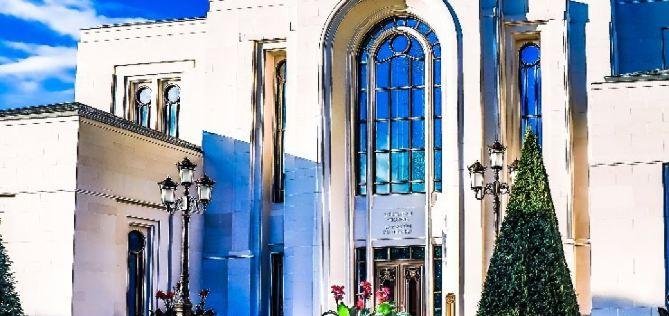
Popular Landmarks in Le Chesnay
Discover the most iconic attractions in Le Chesnay
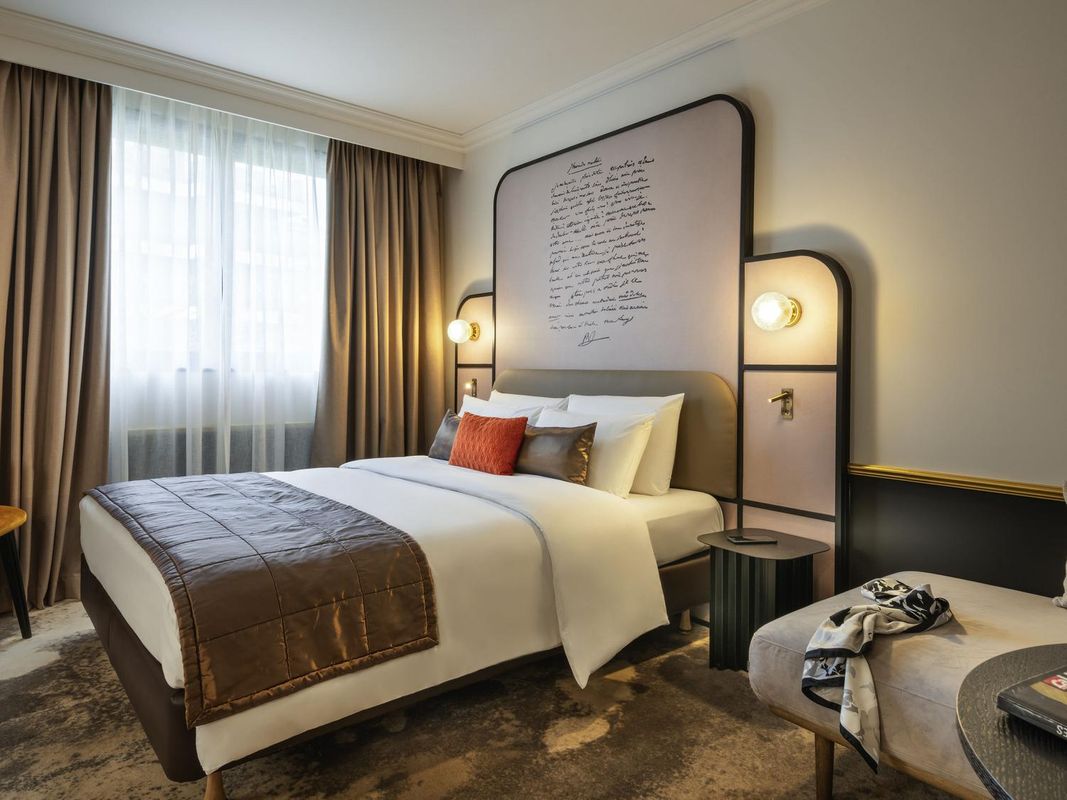
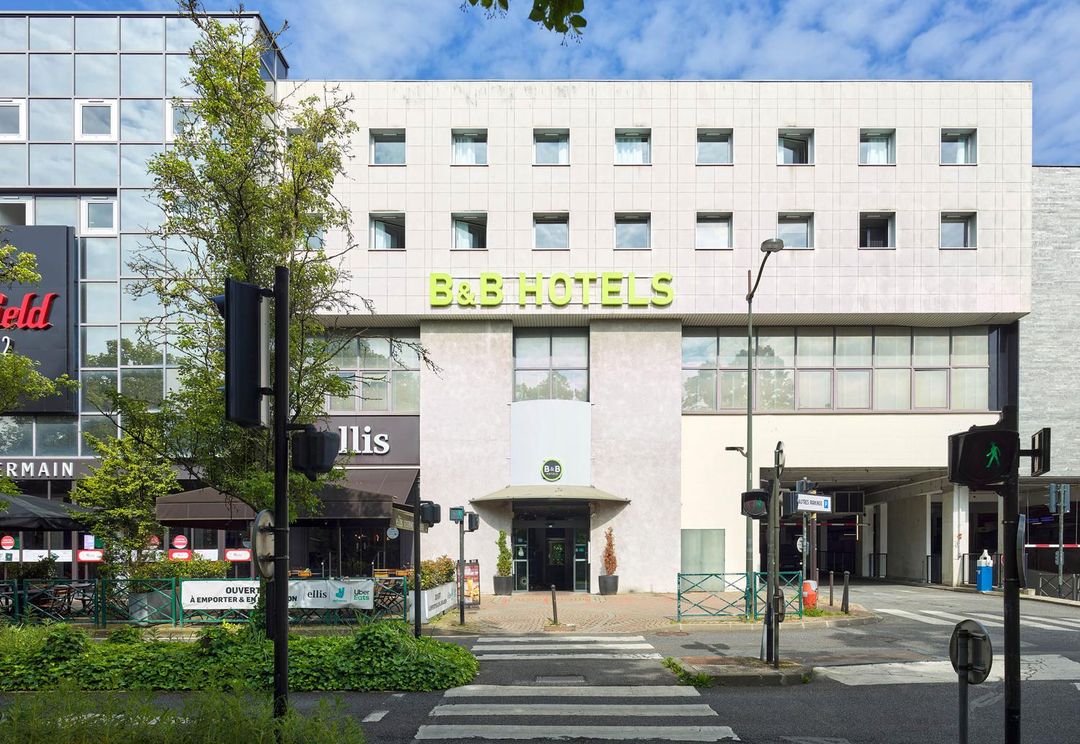
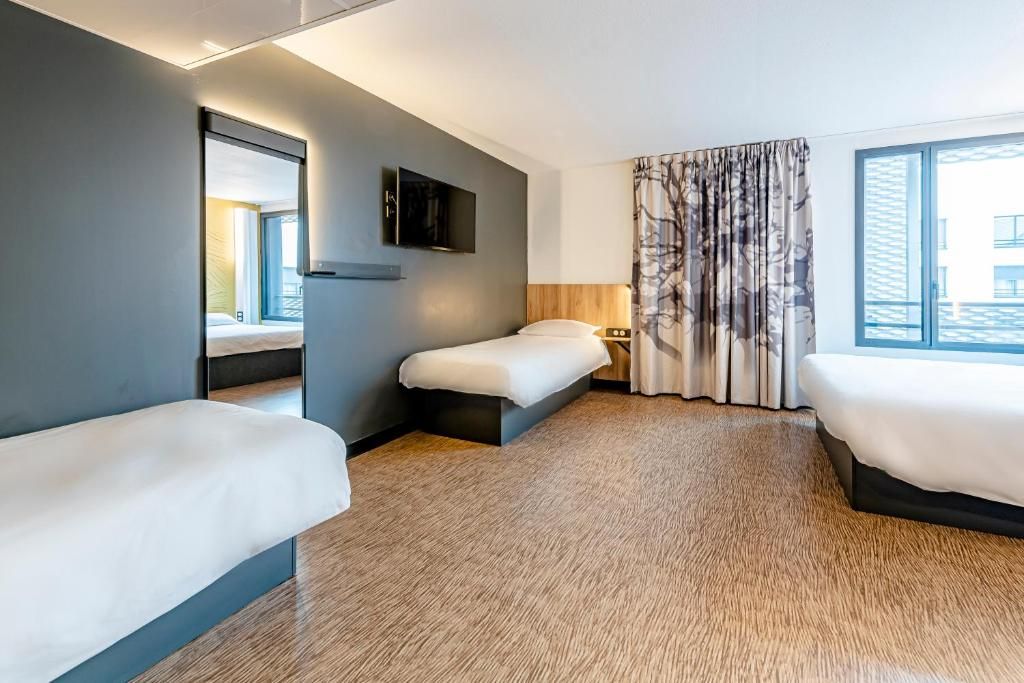
Recommended Hotels in Le Chesnay
Find the perfect place to stay in Le Chesnay
Frequently Asked Questions about Traveling to Le Chesnay
Questions You Might Need to Know About Traveling to Le Chesnay
Le Chesnay Overview
City Summary
Le Chesnay is a charming town in the Yvelines department of France, known for its tranquil atmosphere and rich cultural heritage. With beautiful natural scenery, it is perfect for travelers seeking to escape the hustle and bustle of the city. The historic architecture and local art of Le Chesnay showcase the unique charm of the French countryside, making it an ideal destination to explore traditional French culture.
Must-See Attractions
In Le Chesnay, don't miss the Saint-Martin Church, a historic building that showcases medieval architecture. Additionally, Le Chesnay Park is a great place to relax, with vast green spaces and beautiful gardens. For art lovers, the local galleries feature works by many French artists and are worth a visit.
Food Guide
Le Chesnay's culinary culture is deeply influenced by French traditions. Be sure to try the French cream cake and local cheeses. Street food like crêpes is also a must-try. The restaurants here emphasize fresh ingredients and traditional cooking methods, offering an authentic French dining experience.
Transportation Guide
Public transportation in Le Chesnay mainly consists of buses, connecting to nearby towns. Renting a car is recommended for more flexible exploration of the surrounding areas. Walking is also a good option, as many attractions are close to each other. Note that taxis are not common in Le Chesnay, so it's advisable to book in advance.
Best Time to Visit
Spring and autumn are the best times to visit Le Chesnay, with mild weather perfect for outdoor activities. Summers are busier with tourists, while winters can be cold, with some attractions possibly closed.
Travel Tips
- Respect local culture: French people value etiquette, so remember to greet when entering restaurants or shops.
- Safety tips: Le Chesnay is generally safe, but keep an eye on your belongings.
- Language: While English is understood in tourist areas, learning a few French phrases is appreciated.
- Tipping: Service charges are usually included, but leaving a small tip is a nice gesture.
- Dress code: Dress modestly when visiting churches.
- Eco-consciousness: Le Chesnay values environmental protection, so avoid littering.
Useful Information
Language: French is the main language, but English is widely understood in tourist areas. Internet: Most cafes and hotels offer free Wi-Fi. Payment: Credit cards are widely accepted, but small shops may only take cash. Emergency: Le Chesnay has a medical center; dial 112 for emergencies. Voltage: 220V, with European standard plugs. Drinking water: Tap water is safe, but bottled water is more common.