Hotels in Le Crotoy
Discover your perfect stay in Le Crotoy.
Le Crotoy(France) Travel 2026: Cheap Flights, Hotels & Top Attractions
Popular Landmarks in Le Crotoy
Discover the most iconic attractions in Le Crotoy
Recommended Hotels in Le Crotoy
Find the perfect place to stay in Le Crotoy
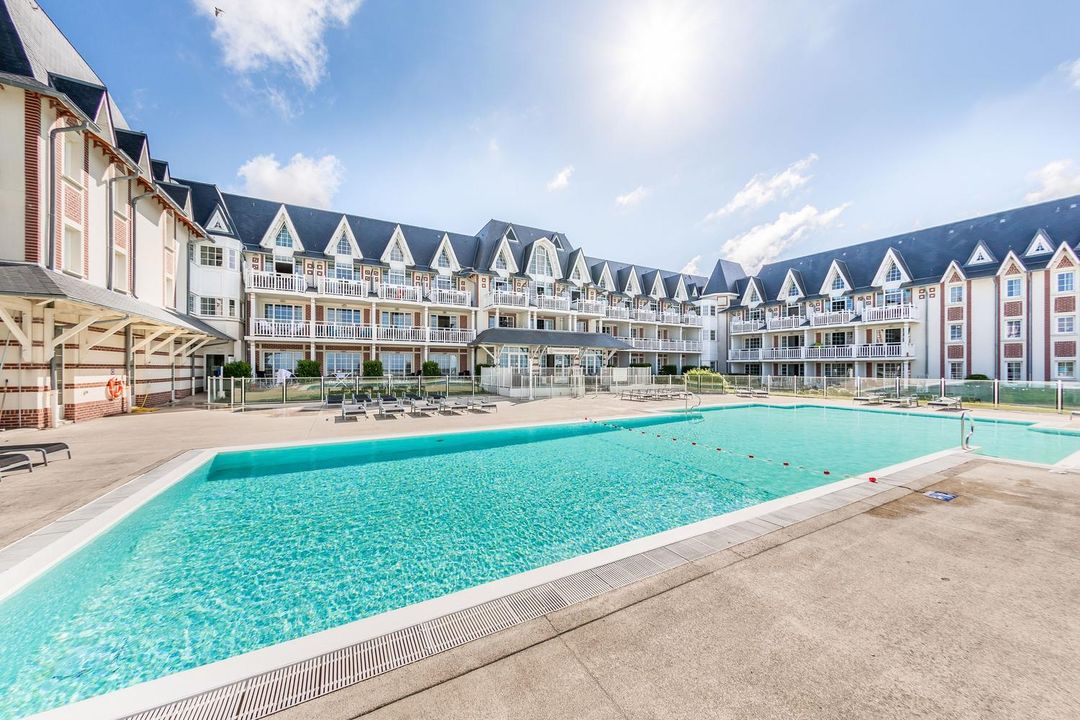
Pierre & Vacances Premium Résidence de la Plage
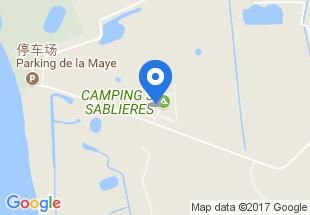
Camping les 3 Sablières
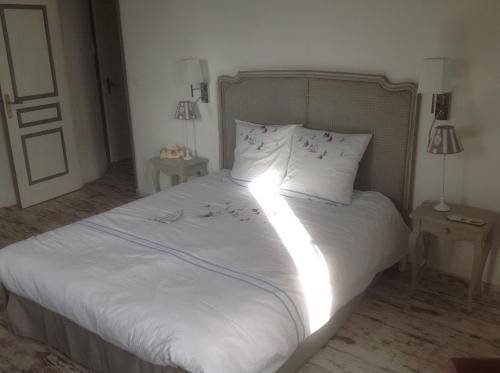
O Mylle Douceurs
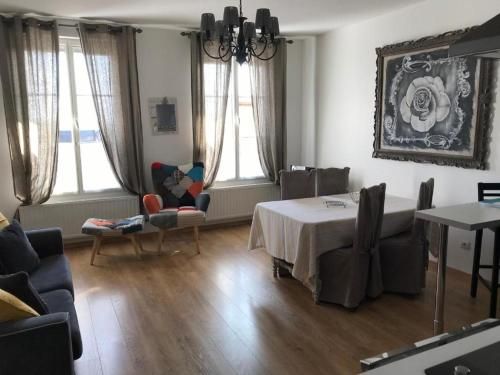
Villa des Sarcelles
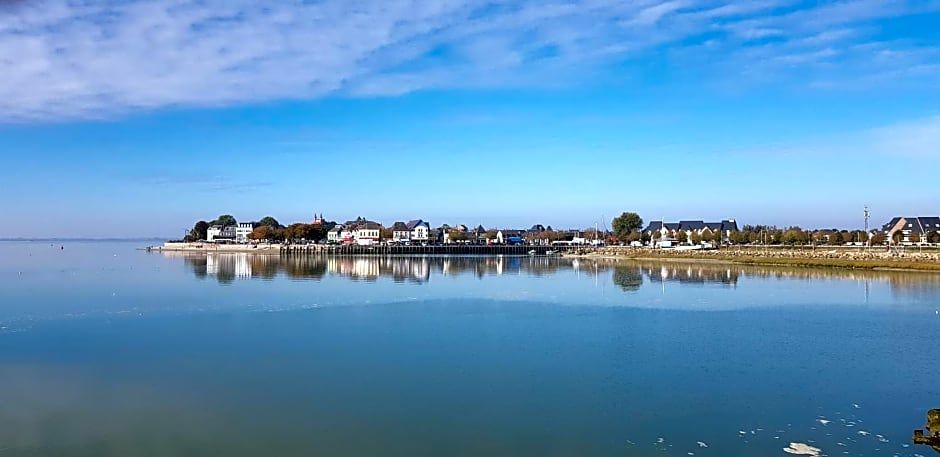
Baie de Somme - le Pourquoi Pas
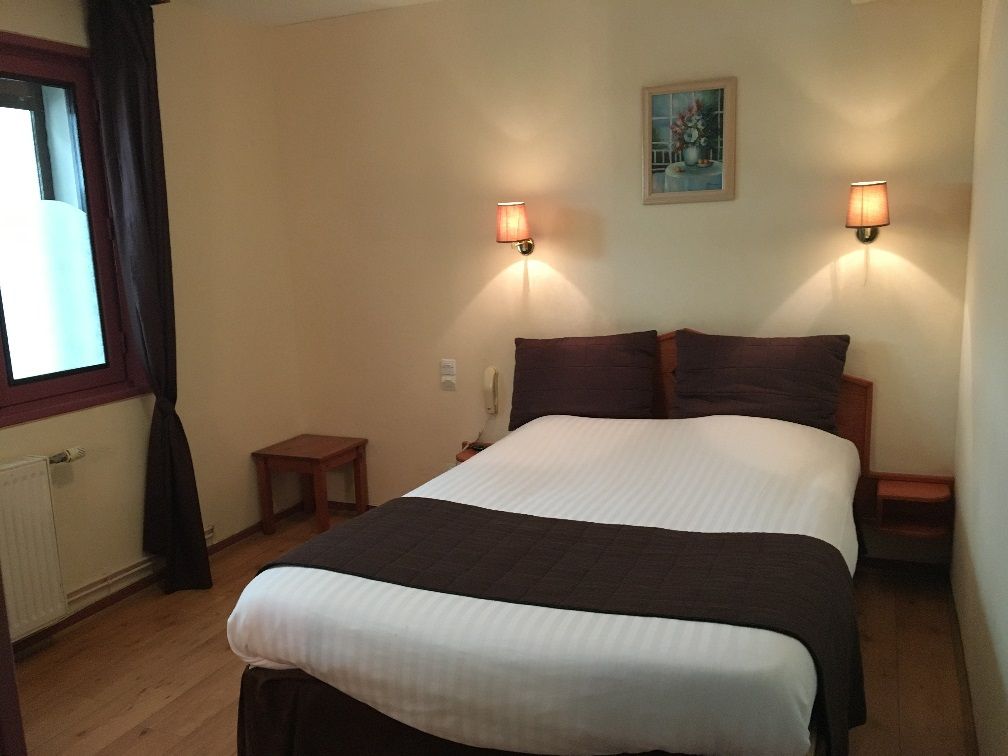
Logis Auberge de La Dune - Hôtel & Restaurant
Frequently Asked Questions about Traveling to Le Crotoy
Questions You Might Need to Know About Traveling to Le Crotoy
In Le Crotoy, the standout boutique hotel is Hôtel Le Château de L'Étang, a restored 19th-century manor blending Normandy architecture with modern elegance. Nestled near the town center, it offers spacious rooms with original woodwork and views of the gardens. Guests enjoy homemade breakfasts featuring local butter, jams, and sourdough. The property also hosts seasonal events like wine tastings and garden concerts, creating an authentic village experience. Perfect for travelers seeking quiet charm and cultural immersion.
The historic old town of Le Crotoy is ideal for walking and experiencing local life. Centered around the Place du Marché, this pedestrian-friendly district features cobbled streets, 18th-century facades, and cozy cafés. You can stroll to the Church of Notre-Dame, admire its stained-glass windows, and browse artisan stalls at the weekly farmers’ market. Evening walks along the Sambre River promenade offer serene views and a glimpse into daily village rhythms. The area is safe, well-lit, and perfect for slow travel enthusiasts.
Visitors to Le Crotoy should not miss the weekly Saturday farmers’ market, where locals sell fresh Normandy cheeses, homemade preserves, and rye bread. For deeper cultural insight, join a guided tour of the 12th-century Church of Notre-Dame, showcasing medieval stained glass and religious artifacts. Each July, the Village Festival brings back 19th-century traditions—folk dances, craft fairs, and regional food stands—offering a vivid window into rural French heritage. These events make Le Crotoy a living museum of tradition and community.
Yes, Le Crotoy is highly family-friendly. The Sambre River trails are ideal for kids, with nature signs and picnic spots along the way. Visit the Sambre Valley Agricultural Museum, which includes a hands-on farm with baby goats and interactive exhibits. During summer, the open-air theater presents child-friendly French fairy tales with puppets and lighting effects. Hotels like La Maison des Pères provide kid-sized bathrobes and storybooks, making stays comfortable and engaging for young travelers.
From Paris Gare du Nord, take a direct TER train to Achères Station, then transfer to a regional bus or rent a car—about 30 minutes to Le Crotoy. Driving via A16 Highway takes roughly 1.5 hours. Once in town, park at the underground garage on Place du Marché, with easy access to the historic core. Taxis are reliable, especially during festivals when extra shuttle services operate. Public transport options are efficient and well-coordinated for tourists.
In Le Crotoy, must-try dishes include Normandy-style pot-au-feu and Tarte Tatin (caramelized apple tart). At Le Bistrot du Clocher, savor smoked duck breast with red wine sauce, made with locally sourced ingredients. Don’t miss local cider (Cidre) and Camembert cheese, served with warm baguettes. Many restaurants offer bilingual menus explaining the origins of each dish, enhancing the culinary journey. This region’s emphasis on farm-to-table freshness defines its gastronomic identity.
The most photogenic spots in Le Crotoy are the Notre-Dame Church bell tower, with its Gothic spire and weathered stone, perfect for sunrise shots. The Place du Marché offers charming street photography—cobblestones, flower boxes, and centuries-old trees. At dusk, the Sambre River walkway reflects golden light across the water, framed by ancient stone bridges. The old mill ruins, now an art gallery, feature vibrant murals and ivy-covered walls—ideal for creative compositions. Each location captures the soul of rural France.
The best time to visit Le Crotoy is from April to June and September to October, when temperatures range between 12–20°C and rainfall is moderate. Spring brings blooming gardens and clear skies, ideal for hiking and photography. Autumn offers harvest colors and fewer crowds. Summer (July–August) sees more visitors and lively festivals but can be humid. Winter is damp and chilly, though Christmas markets add festive charm. Pack a light raincoat and choose accommodations with heating, such as Château de L'Étang, for comfort.
For couples seeking romance, Hôtel Le Château de L'Étang offers private suites with fireplaces, outdoor terraces, and hot tubs overlooking the gardens. Enjoy a candlelit dinner prepared by the chef, paired with local champagne and artisanal chocolates. Some packages include a private riverboat ride or a guided sunset walk along the old bridge. The hotel also arranges customized experiences like vintage bike tours and wine pairing evenings, ensuring a memorable and intimate stay.
For authentic souvenirs, visit the Saturday farmers’ market on Place du Marché, where artisans sell handmade ceramics, natural beeswax candles, and lavender sachets. La Boutique du Village offers vintage French clothing and locally crafted perfumes. Les Petits Trésors specializes in handmade children’s toys and eco-friendly gifts. All items emphasize sustainability and regional craftsmanship. These shops provide meaningful keepsakes that reflect the heart of Le Crotoy’s culture and community spirit.
Le Crotoy Overview
City Summary
Le Crotoy is a charming seaside town in the Somme department of France, located on the southern shore of the Baie de Somme. Known for its stunning natural landscapes and rich cultural history, it is one of the few places in northern France where you can witness dramatic tidal phenomena. The town is also a haven for birdwatchers and photographers, boasting diverse avian populations. With its preserved 19th-century fishing village charm and artistic legacy, Le Crotoy has long attracted painters and writers.
Must-See Attractions
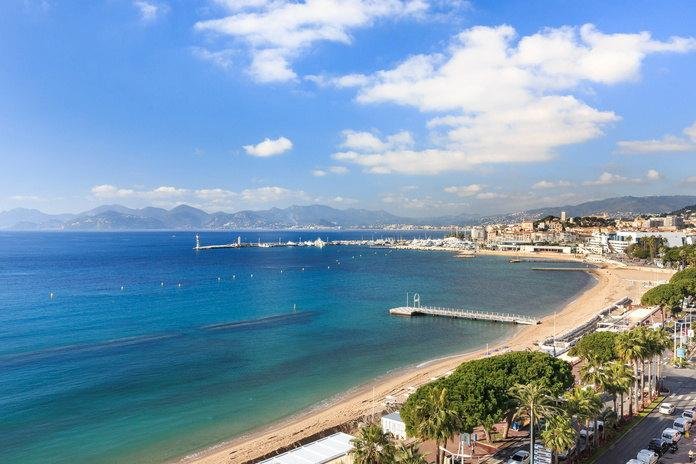
In Le Crotoy, don’t miss the breathtaking natural scenery of the Baie de Somme, where tidal changes create unique wetland landscapes perfect for birdwatching and hiking. The town itself features beautiful sandy beaches ideal for strolls or horseback riding. The harbor offers a glimpse into local fishing culture, while the Maison de la Baie de Somme museum provides insights into the region’s ecology and history. History enthusiasts will appreciate the town’s WWII relics and historic lighthouse.
Food Guide
Le Crotoy is renowned for its fresh seafood, particularly mussels (moules) and oysters (huîtres), often paired with local white wine. The town’s restaurants and bistros serve traditional Norman and Picardy dishes like marmite dieppoise (fish stew) and duck specialties. Be sure to try local desserts such as apple tart (tarte aux pommes) and butter cake (gâteau battu). The seaside market is also a great place to sample fresh produce and artisanal cheeses.
Transportation Guide
Le Crotoy is easily accessible by train from Paris (around 2 hours to Abbeville or Rouen), followed by a bus or taxi ride to the town. Within Le Crotoy, walking and cycling are the primary modes of transport, as most attractions are nearby. Renting a bike is ideal for exploring the coastline and wetlands. If driving, note that parking can be limited in some areas, so plan ahead. Public transport is more frequent in summer but may be reduced in winter.
Best Time to Visit
The best time to visit is from May to September, when the weather is pleasant, and tidal landscapes are most spectacular. Summer (July-August) sees more visitors, but the town remains tranquil compared to southern French beaches. Spring and autumn offer quieter experiences, though some attractions may have shorter opening hours.
Travel Tips
- Tides change rapidly; check tide tables before hiking or birdwatching to avoid getting stranded.
- Locals are friendly, but English proficiency is limited—learning basic French phrases is helpful.
- Book seafood restaurants in advance, especially on weekends and holidays.
- Respect the natural environment; avoid disturbing wildlife or picking plants.
- The town is quiet at night—keep noise levels low to respect residents.
- Bicycle rentals may require ID and a deposit.
Useful Information
While some tourism staff speak basic English, French is the primary language. Wi-Fi is widely available in hotels and cafés. Cash is preferred for small transactions, though some restaurants and shops accept cards. In emergencies, dial 112 (Europe’s universal emergency number). Medical facilities are limited; serious cases require travel to hospitals in Abbeville or Rouen. For tourist information, visit the Office de Tourisme for maps and activity recommendations.