Hotels in Le Crotoy
Discover your perfect stay in Le Crotoy.
Le Crotoy(France) Travel 2026: Cheap Flights, Hotels & Top Attractions
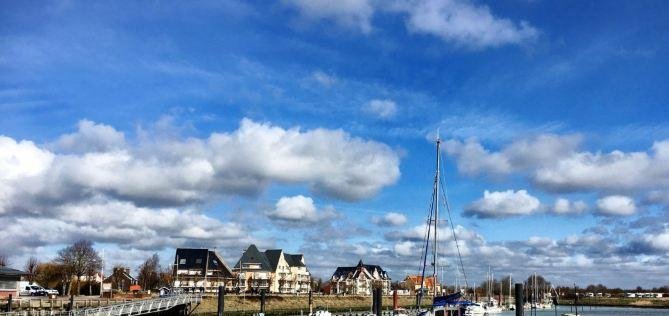
Popular Landmarks in Le Crotoy
Discover the most iconic attractions in Le Crotoy
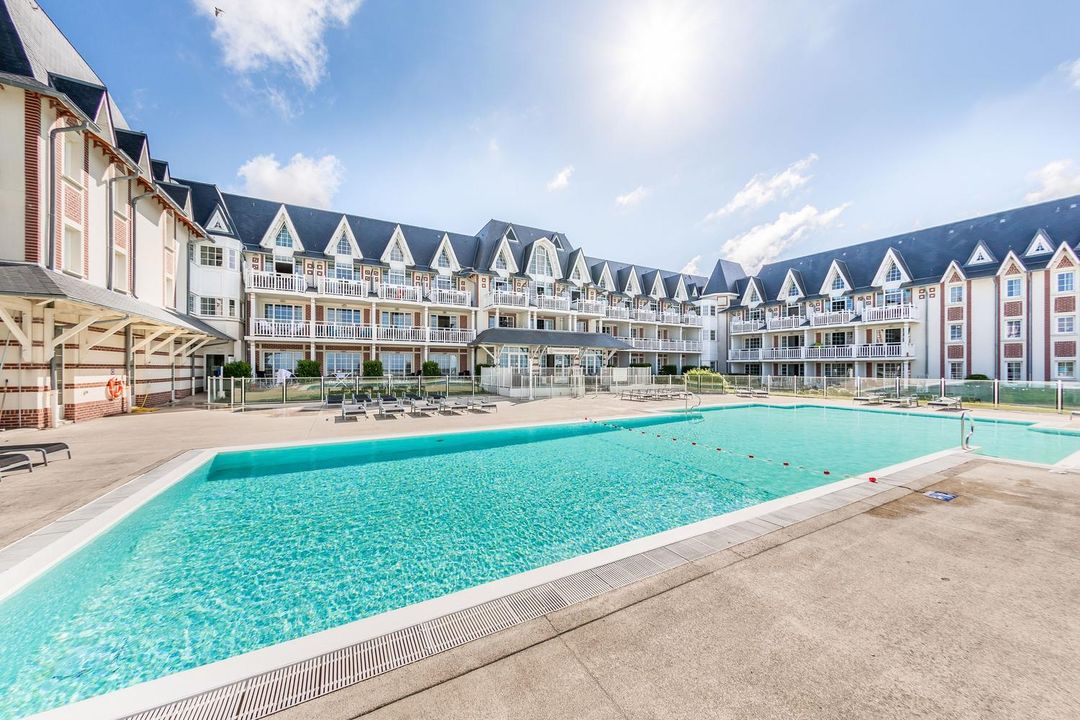
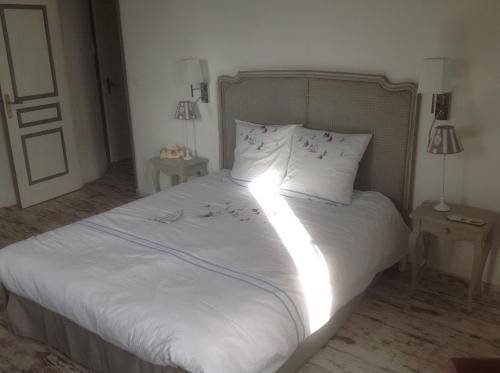
Recommended Hotels in Le Crotoy
Find the perfect place to stay in Le Crotoy
Frequently Asked Questions about Traveling to Le Crotoy
Questions You Might Need to Know About Traveling to Le Crotoy
Le Crotoy Overview
City Summary
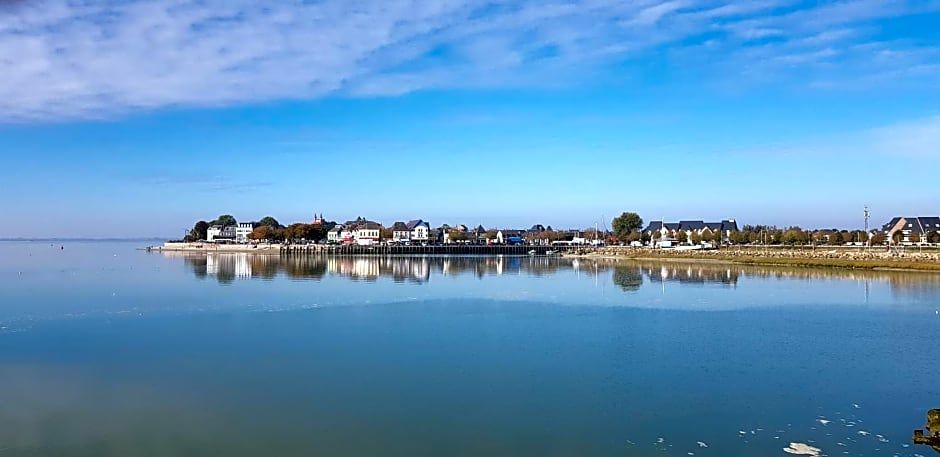
Le Crotoy is a charming seaside town in the Somme department of France, located on the southern shore of the Baie de Somme. Known for its stunning natural landscapes and rich cultural history, it is one of the few places in northern France where you can witness dramatic tidal phenomena. The town is also a haven for birdwatchers and photographers, boasting diverse avian populations. With its preserved 19th-century fishing village charm and artistic legacy, Le Crotoy has long attracted painters and writers.
Must-See Attractions
In Le Crotoy, don’t miss the breathtaking natural scenery of the Baie de Somme, where tidal changes create unique wetland landscapes perfect for birdwatching and hiking. The town itself features beautiful sandy beaches ideal for strolls or horseback riding. The harbor offers a glimpse into local fishing culture, while the Maison de la Baie de Somme museum provides insights into the region’s ecology and history. History enthusiasts will appreciate the town’s WWII relics and historic lighthouse.
Food Guide
Le Crotoy is renowned for its fresh seafood, particularly mussels (moules) and oysters (huîtres), often paired with local white wine. The town’s restaurants and bistros serve traditional Norman and Picardy dishes like marmite dieppoise (fish stew) and duck specialties. Be sure to try local desserts such as apple tart (tarte aux pommes) and butter cake (gâteau battu). The seaside market is also a great place to sample fresh produce and artisanal cheeses.
Transportation Guide
Le Crotoy is easily accessible by train from Paris (around 2 hours to Abbeville or Rouen), followed by a bus or taxi ride to the town. Within Le Crotoy, walking and cycling are the primary modes of transport, as most attractions are nearby. Renting a bike is ideal for exploring the coastline and wetlands. If driving, note that parking can be limited in some areas, so plan ahead. Public transport is more frequent in summer but may be reduced in winter.
Best Time to Visit
The best time to visit is from May to September, when the weather is pleasant, and tidal landscapes are most spectacular. Summer (July-August) sees more visitors, but the town remains tranquil compared to southern French beaches. Spring and autumn offer quieter experiences, though some attractions may have shorter opening hours.
Travel Tips
- Tides change rapidly; check tide tables before hiking or birdwatching to avoid getting stranded.
- Locals are friendly, but English proficiency is limited—learning basic French phrases is helpful.
- Book seafood restaurants in advance, especially on weekends and holidays.
- Respect the natural environment; avoid disturbing wildlife or picking plants.
- The town is quiet at night—keep noise levels low to respect residents.
- Bicycle rentals may require ID and a deposit.
Useful Information
While some tourism staff speak basic English, French is the primary language. Wi-Fi is widely available in hotels and cafés. Cash is preferred for small transactions, though some restaurants and shops accept cards. In emergencies, dial 112 (Europe’s universal emergency number). Medical facilities are limited; serious cases require travel to hospitals in Abbeville or Rouen. For tourist information, visit the Office de Tourisme for maps and activity recommendations.