Hotels in Le Thoronet
Discover your perfect stay in Le Thoronet.
Le Thoronet(France) Travel 2026: Cheap Flights, Hotels & Top Attractions
Popular Landmarks in Le Thoronet
Discover the most iconic attractions in Le Thoronet
Recommended Hotels in Le Thoronet
Find the perfect place to stay in Le Thoronet
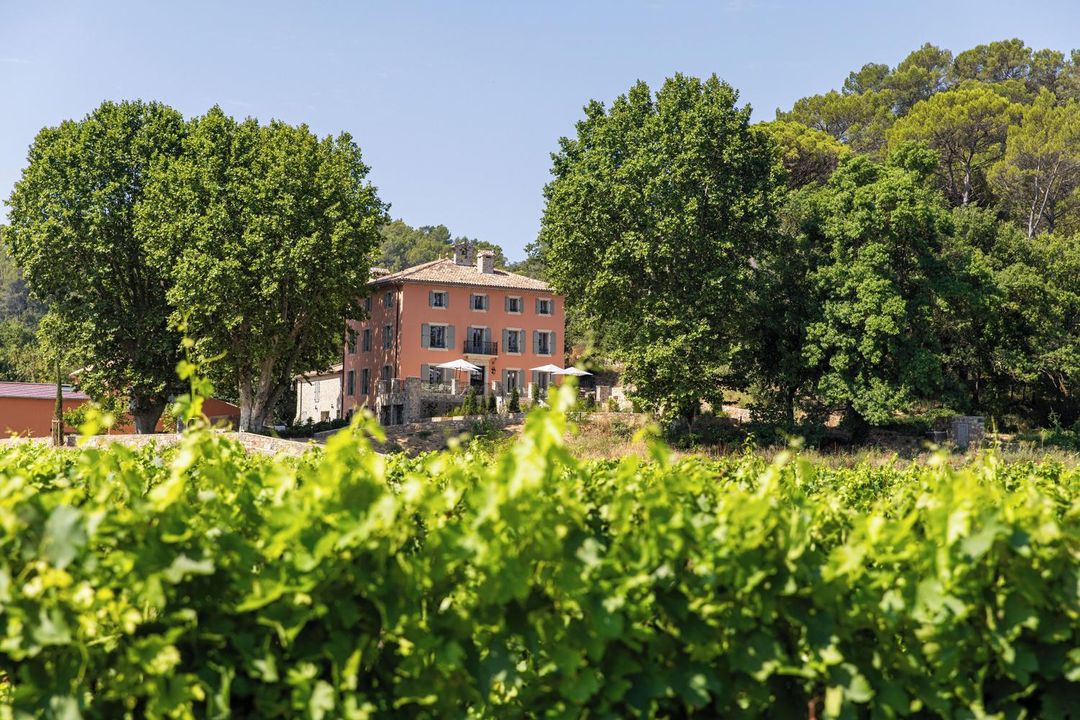
Le Prieuré - Château La Martinette
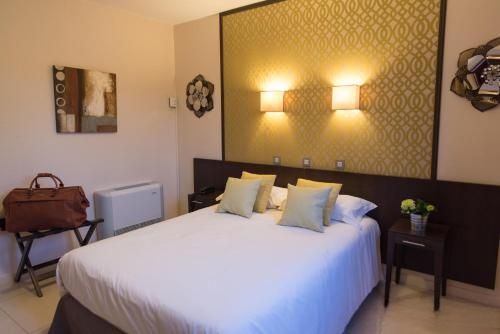
Logis Hostellerie de l'Abbaye
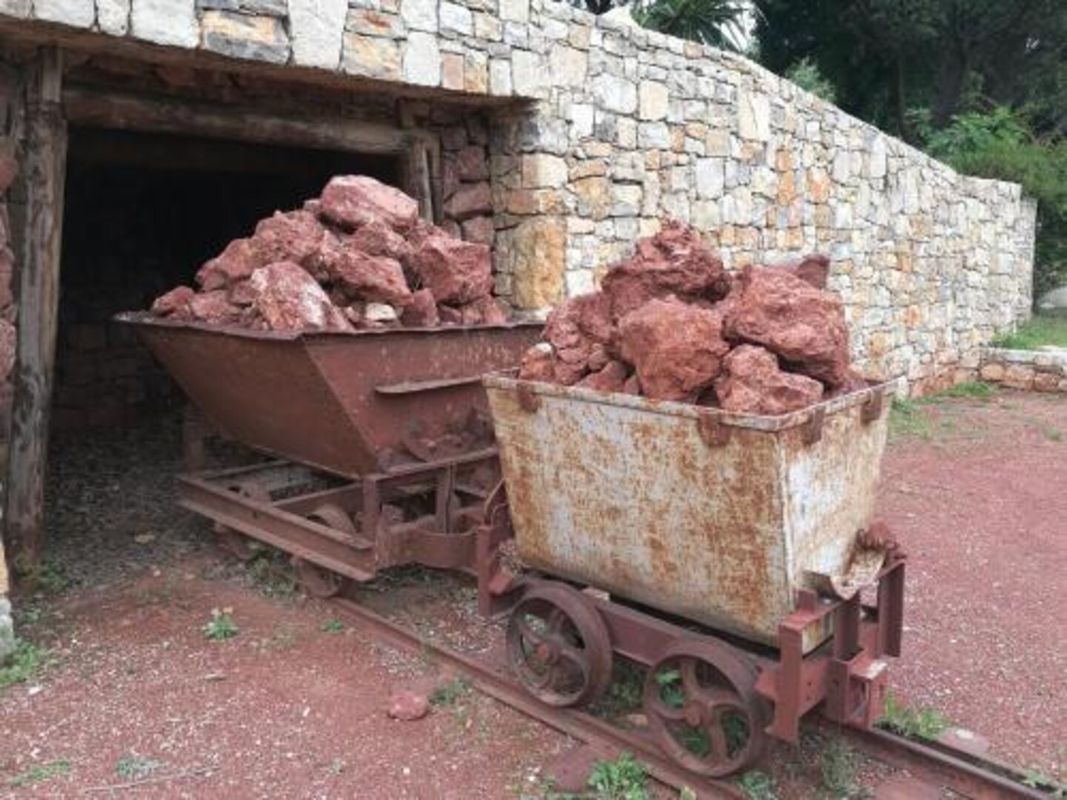
Le Clos des Médiévales
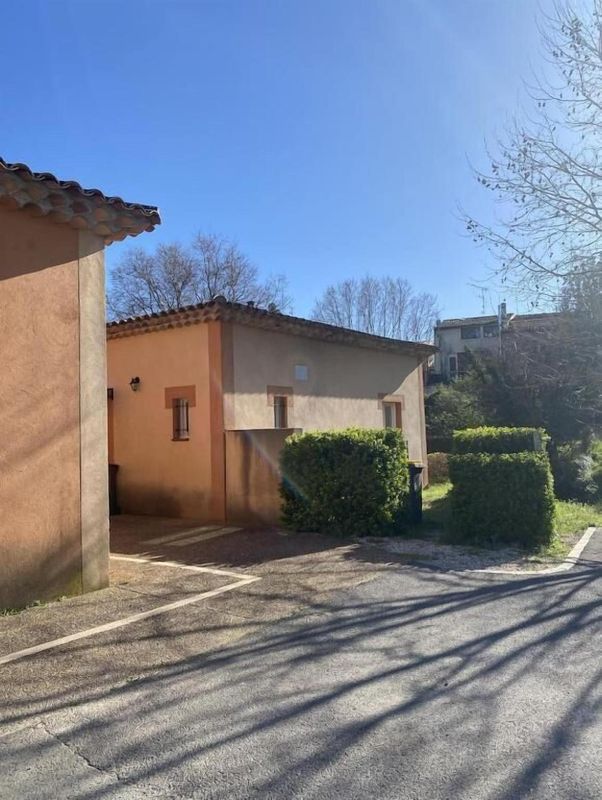
Le Clos du Thoronet
Frequently Asked Questions about Traveling to Le Thoronet
Questions You Might Need to Know About Traveling to Le Thoronet
In Le Thoronet, the standout boutique hotel is Le Mas des Oliviers, a centuries-old olive estate transformed into a serene retreat. It features traditional Provençal stone architecture and private terraces overlooking lavender fields. Guests enjoy organic breakfasts and exclusive access to on-site wine tastings. For city-center charm, Hôtel Le Relais de la Vallée offers a warm, family-run experience just steps from the church and Saturday market, blending rustic authenticity with modern comfort.
The old town district of Le Thoronet is ideal for lodging. With cobbled streets, historic facades, and proximity to the Church of Notre-Dame de la Sion, it offers an immersive village atmosphere. Local cafés, artisan shops, and evening light displays create a charming ambiance. For quiet retreats, consider staying near the Valée River Valley, where hillside guesthouses provide panoramic views and peaceful mornings filled with birdsong and morning mist.
Visitors to Le Thoronet can participate in the annual Provence Lavender Festival, featuring handmade essential oils and dried flower crafts by local artisans. Guided visits to the local pottery workshop allow guests to create their own Mediterranean-patterned ceramics. At night, join the village bonfire gatherings, where folk singers perform traditional Provençal ballads, offering a genuine taste of southern French rural life.
Yes, many hotels provide immersive culinary experiences. Le Mas des Oliviers hosts private kitchen workshops, where guests craft classic Provencal dishes using fresh ingredients like lavender, tomatoes, and extra virgin olive oil. Hôtel Le Relais de la Vallée offers a "farm-to-table" dining package, sourcing ingredients directly from regional farmers and pairing meals with house-made wines, delivering a true taste of southern French countryside cuisine.
Absolutely. Le Thoronet offers safe, walkable streets and family-friendly activities. The Valée River Nature Trail includes child-friendly interpretive signs about local flora and fauna. Hotels like Le Mas des Oliviers provide children’s sleep kits and outdoor play zones. During the July Agricultural Festival, kids can engage in hands-on tasks like milking goats and planting sunflowers—perfect for learning through fun.
Though a small town, Le Thoronet is well-connected. The Le Thoronet Train Station links to Marseille and Toulon in under 40 minutes. While there’s no metro, several bus lines serve key sites. Renting a car or bicycle is ideal for exploring the Valée River Greenway and nearby vineyards. Some hotels offer complimentary shuttle services, especially helpful for travelers with luggage.
Le Thoronet has a Mediterranean climate: hot, dry summers and mild winters. Choose hotels with shaded terraces or air conditioning during summer months. In winter (December–February), occasional rain calls for cozy stays—fireplace suites at Hôtel Le Relais de la Vallée add warmth. Spring and autumn are optimal; temperatures are pleasant, ideal for walking and visiting orchards. Book early for seasonal discounts.
Several boutique properties boast unique touches: La Maison du Soleil features a rooftop star-gazing platform with telescopes for viewing the Milky Way. Le Jardin Secret includes a Roman-style fountain courtyard perfect for morning meditation. Many rooms display hand-painted murals by local artists, depicting Provençal landscapes and traditions, turning each stay into an artistic journey.
Hotels actively support community life. Le Mas des Oliviers hosts monthly village dinner nights, where locals share family recipes and stories over shared meals. Hôtel Le Relais de la Vallée collaborates with regional artisans, displaying rotating exhibitions of embroidery, weaving, and glass art in its lobby. Some hotels also arrange guided tours to neighboring villages, deepening understanding of local customs and land-based traditions.
Le Thoronet offers tranquil, authentic evenings. The square bar often features live acoustic performances of French folk music in a relaxed setting. In summer, Le Mas des Oliviers hosts outdoor cinema nights under the stars, screening classic French films. For livelier options, visit Toulon (30 km away), which has clubs and concerts—but Le Thoronet is perfect for those seeking peace, poetry, and quiet romance.
Le Thoronet Overview
City Summary
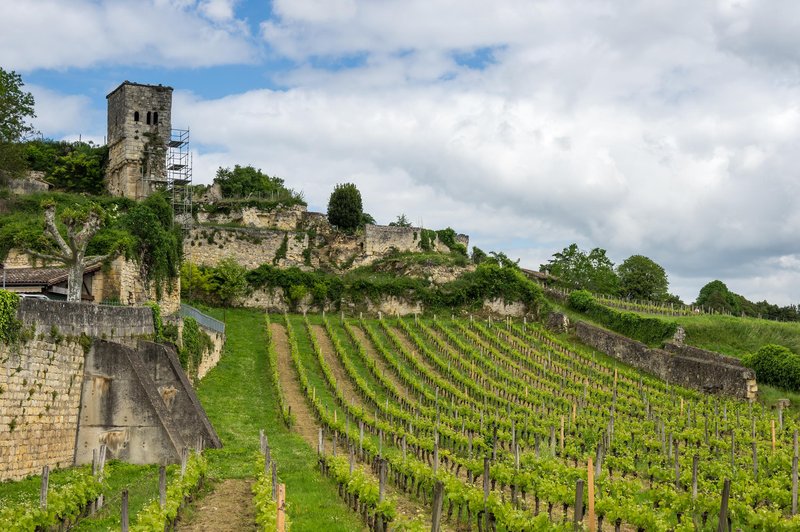
Le Thoronet is a charming village in the Var department of Provence-Alpes-Côte d'Azur, France, perched at an altitude of 340 meters and often called the "Pearl of Provence." Known for its medieval architecture, lavender fields, and olive groves, the village's narrow cobblestone streets and ancient stone houses exude a rich historical atmosphere. The Abbey of Le Thoronet and castle ruins are must-visit sites, while nearby vineyards also attract many visitors.
Must-See Attractions
The main attractions in Le Thoronet include the Abbey of Le Thoronet, a 12th-century Romanesque church with exquisite frescoes and a bell tower. The castle ruins at the village's highest point offer panoramic views of the Provençal countryside. Lavender fields and olive groves are a paradise for photographers, especially in summer. The village's Saturday market is a great place to experience local culture, featuring handmade crafts, lavender products, and Provençal specialties.
Food Guide
In Le Thoronet, don’t miss traditional Provençal cuisine. Olive oil and lavender honey are local specialties, while ratatouille and tapenade are must-try dishes. The village’s restaurants often serve fresh goat cheese and truffle dishes, perfectly paired with local wines. Street-side crêpe stands and ice cream shops are also popular among visitors.
Transportation Guide
Le Thoronet is most conveniently accessed by car, about 1.5 hours from Nice or Marseille. Walking is the best way to explore the village, as its narrow streets are not suitable for vehicles. For public transport, buses from Draguignan are available but infrequent—check schedules in advance. Taxi services are limited and should be booked ahead.
Best Time to Visit
The best time to visit is from May to September when lavender blooms and the weather is warm. July and August are peak tourist seasons, so weekends are best avoided. Spring and autumn offer milder weather and fewer crowds.
Travel Tips
- Wear comfortable shoes—the cobblestone streets are uneven.
- Respect local customs—dress modestly when entering churches.
- Book restaurants in advance, especially during peak season.
- Carry cash, as some small shops don’t accept cards.
- Use sunscreen—Provence has strong sunlight.
- Learn basic French—locals appreciate efforts to speak their language.
Useful Information
Language: French is the main language, but English is understood in tourist areas. Internet: Free Wi-Fi hotspots are available, but signals may be weak. Payment: Credit cards are accepted in most restaurants and shops, but cash is needed for small vendors. Emergencies: The nearest hospital is in Draguignan; pharmacies in the village can handle minor issues. Voltage: 220V, with standard European two-pin round plugs. Bring a travel adapter.