Hotels in Ledegem
Discover your perfect stay in Ledegem.
Ledegem(Belgium) Travel 2026: Cheap Flights, Hotels & Top Attractions
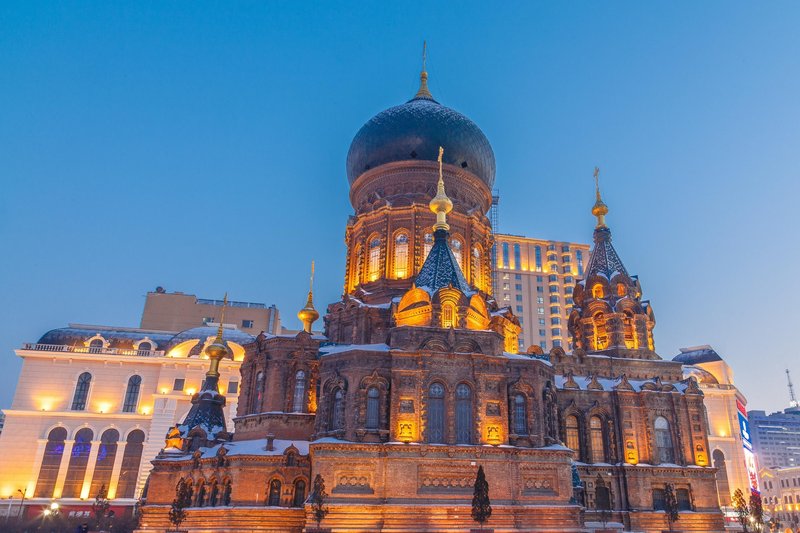
Popular Landmarks in Ledegem
Discover the most iconic attractions in Ledegem
Best Hotels in Ledegem
Discover curated hotel collections in Ledegem
Le Royal Monceau - Raffles Paris
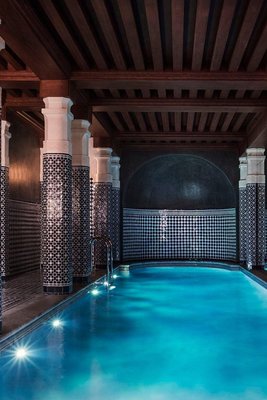
Maison Proust, Hotel & Spa la Mer
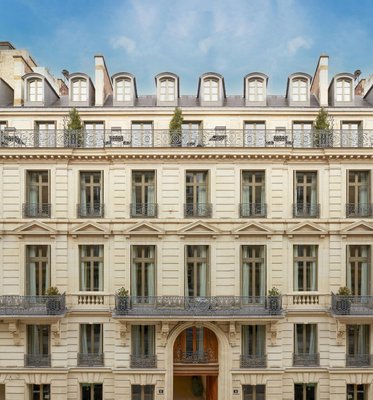
Maison Delano Paris
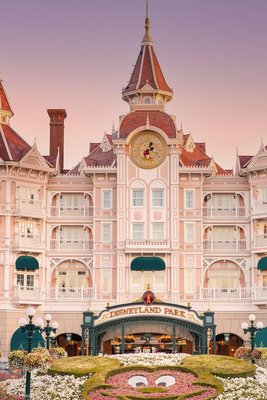
Disneyland Hotel
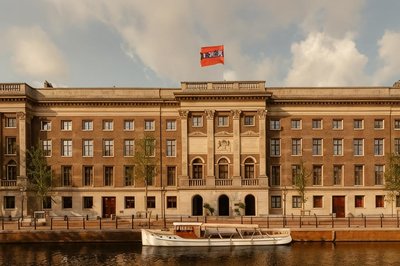
Rosewood Amsterdam
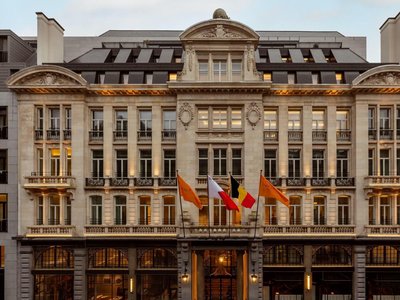
Corinthia Grand Hotel Astoria Brussels
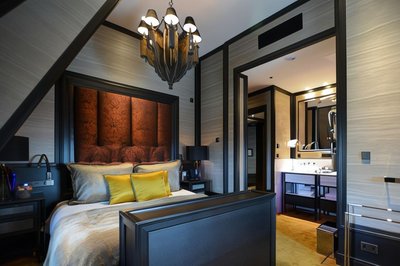
Hotel TwentySeven - Small Luxury Hotels of the World
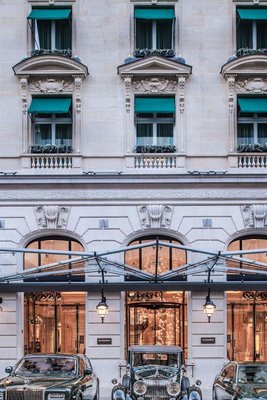
The Peninsula Paris
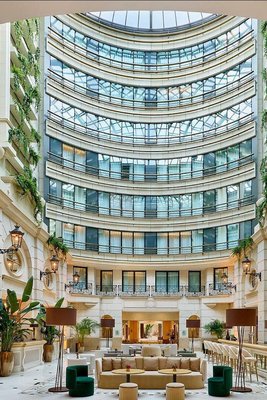
Paris Marriott Champs Elysees Hotel
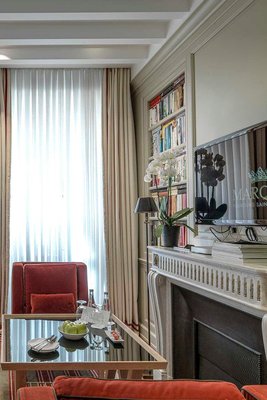
Hôtel Marquis Faubourg Saint-Honoré
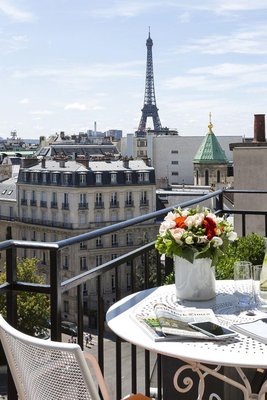
Hôtel San Régis
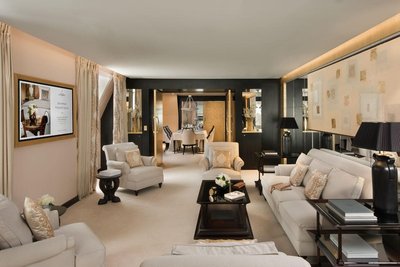
Hotel Barrière Fouquet's Paris
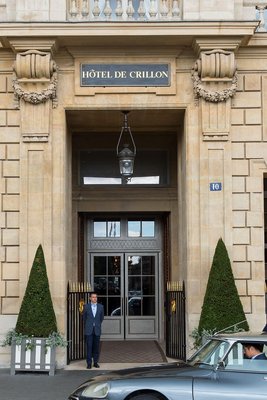
Hotel de Crillon A Rosewood Hotel
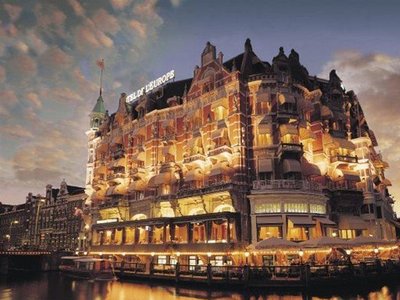
De L’Europe Amsterdam – the Leading Hotels of the World
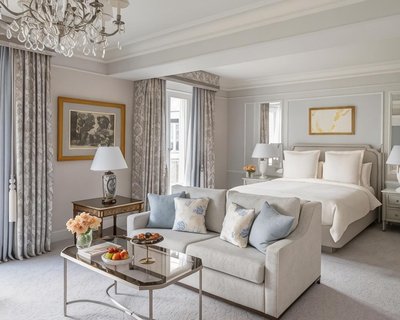
Four Seasons Hotel George V Paris
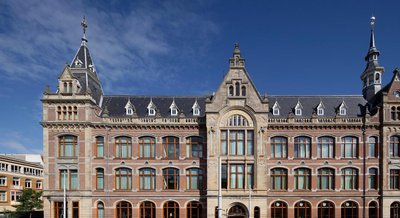
Conservatorium Hotel (Operated by Mandarin Oriental)
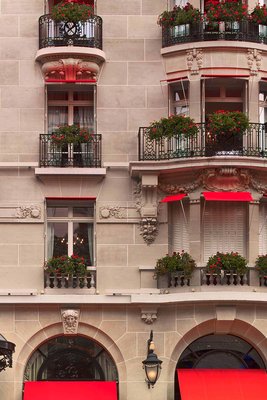
Plaza Athénée Paris & Dior Spa
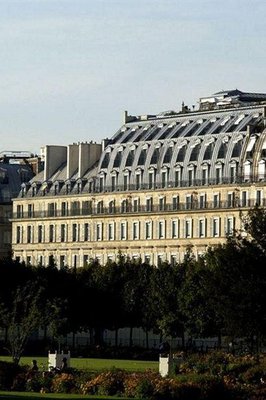
Le Meurice
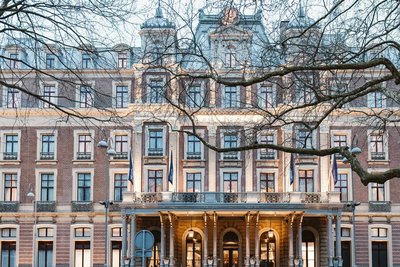
InterContinental Amstel Amsterdam
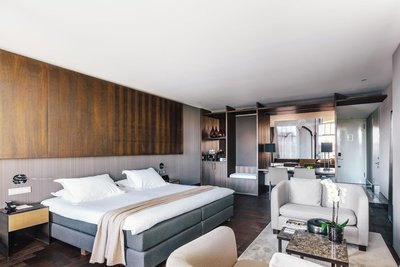
The Dylan Amsterdam

Mercure Dunkerque Centre Gare
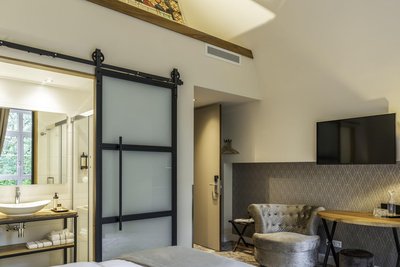
KerkHotel Biervliet
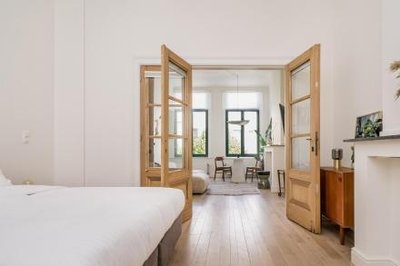
Quartier le Sud
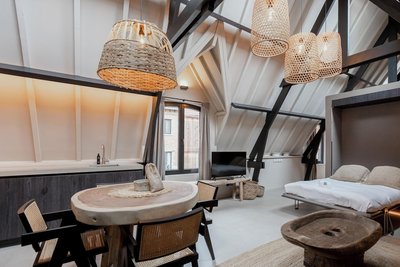
Btfl Living Antwerp, Zirkstraat
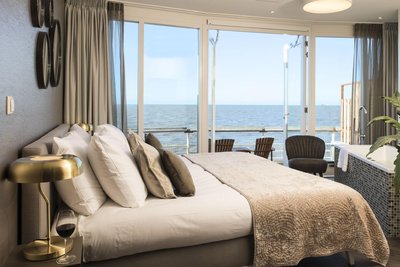
De Pier Suites
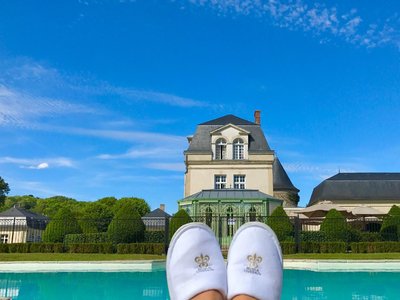
Château de Courcelles - Relais & Châteaux
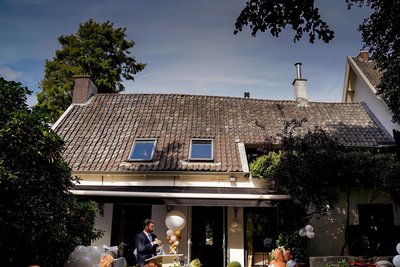
Villa Beukenhof
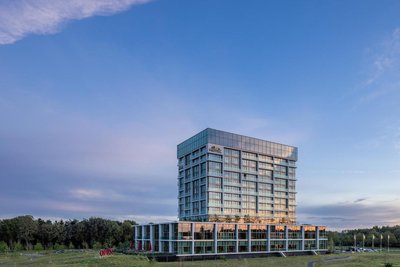
Van der Valk Hotel Eindhoven-Best
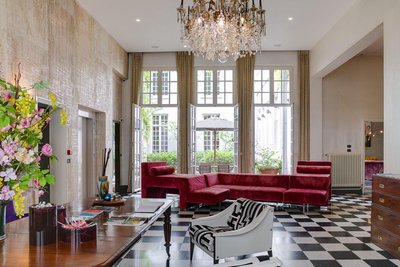
De Witte Lelie
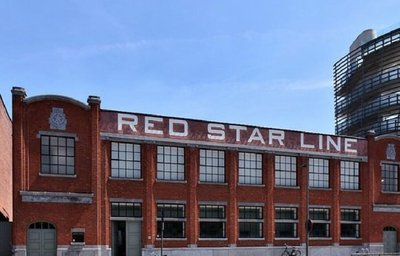
U Eat & Sleep Antwerp
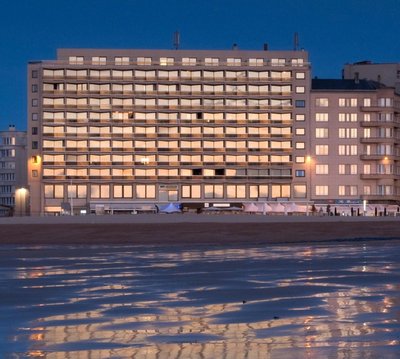
C-Hotels Andromeda
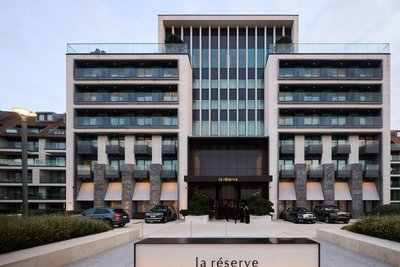
La Réserve Resort
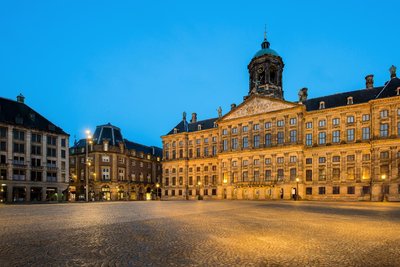
Adam Suites Hotel
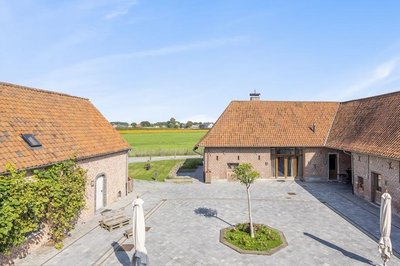
Burgemeestershof
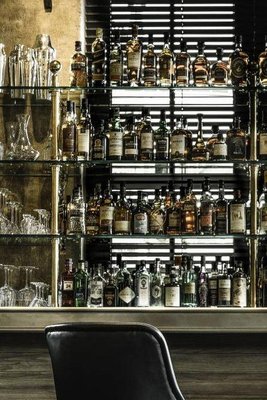
1898 the Post
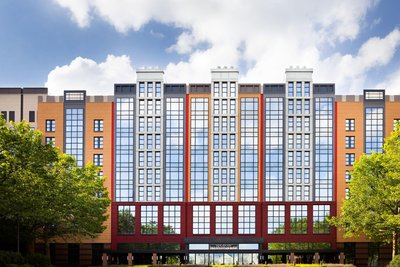
Disney Hotel New York - the Art of Marvel
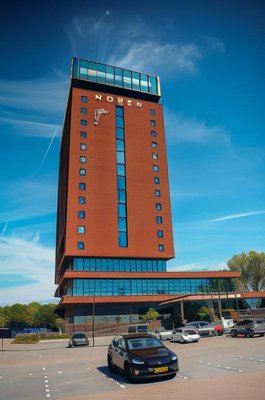
Van der Valk Hotel Schiedam
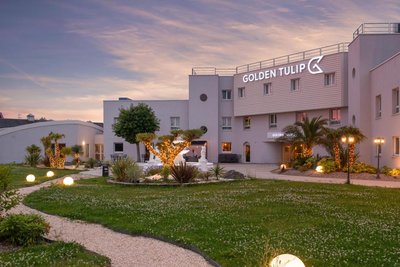
Golden Tulip Dieppe

La Jonquette
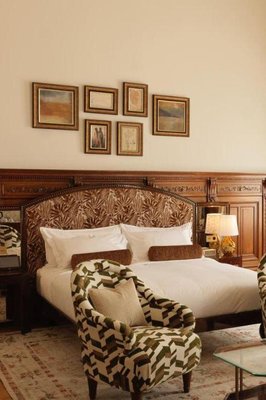
Hotel Fleur de Ville
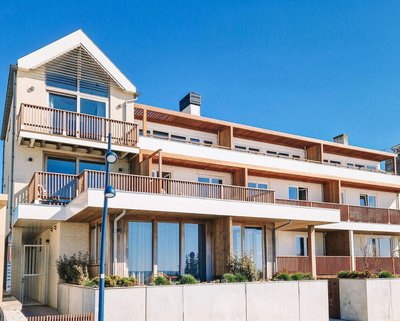
Boulevard 5
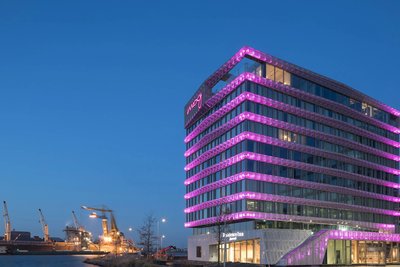
Residence Inn by Marriott Amsterdam Houthavens
De L’Europe Amsterdam – the Leading Hotels of the World
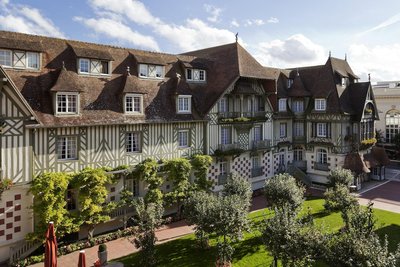
Hôtel Barrière le Normandy
Four Seasons Hotel George V Paris
InterContinental Amstel Amsterdam
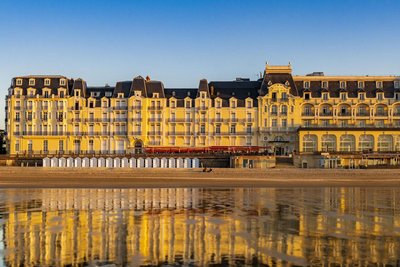
Le Grand Hôtel Cabourg - MGallery
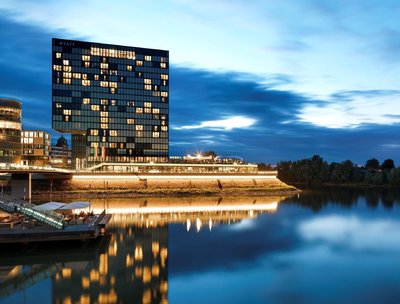
Hyatt Regency Dusseldorf
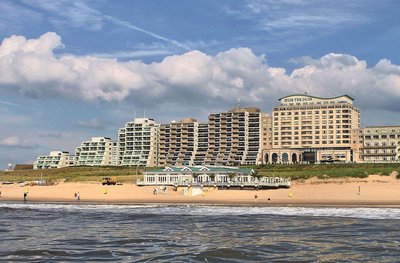
The Historic Huis Ter Duin
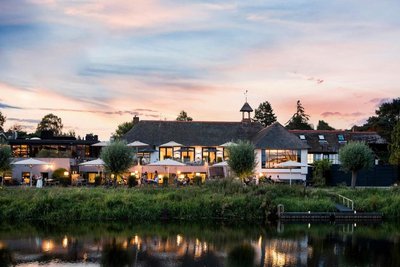
Mooirivier
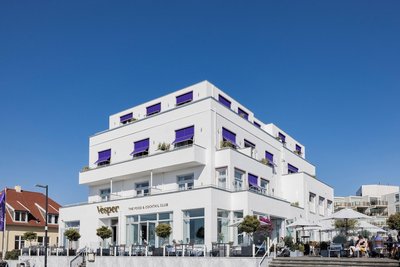
Vesper Hotel
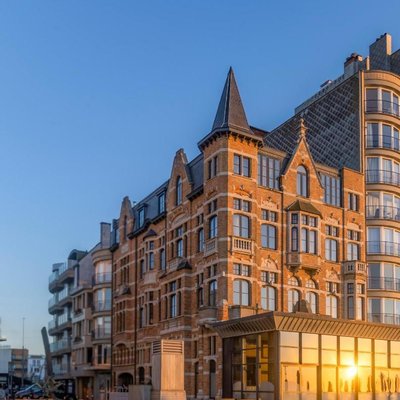
Hotel Villa Select
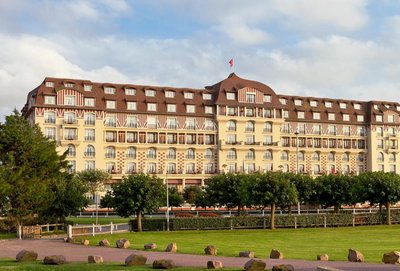
Hôtel Barrière Le Royal Deauville

Inntel Hotels Den Haag Marina Beach
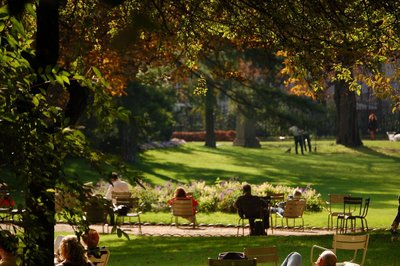
Hotel Les Rives de Notre-Dame
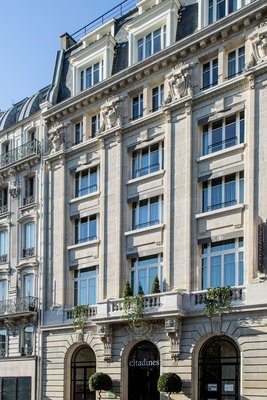
Citadines Saint-Germain-Des-Prés Paris
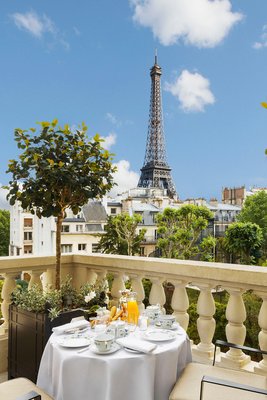
Shangri-La Paris

Cheval Blanc Paris & Dior Spa Cheval Blanc Paris
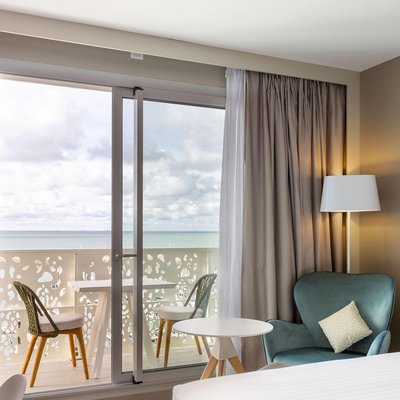
Hilton Garden Inn le Havre Centre
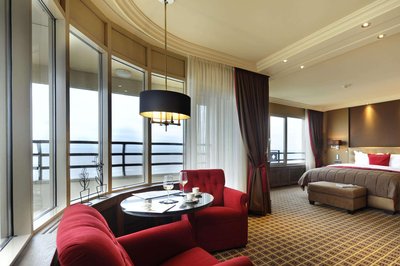
Grand Hotel Huis Ter Duin
Maison Proust, Hotel & Spa la Mer
Maison Delano Paris
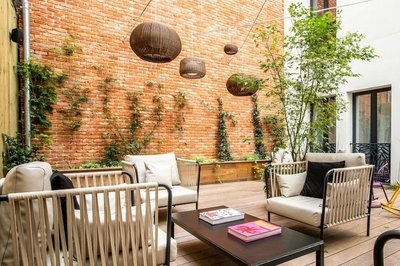
Laz' Hotel Spa Urbain Paris
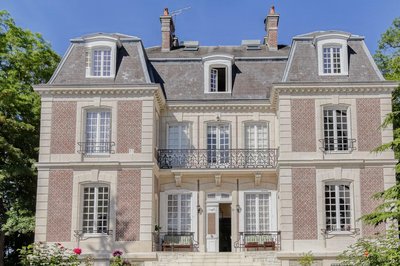
Château d'Avesnes - le Castelet
The Peninsula Paris
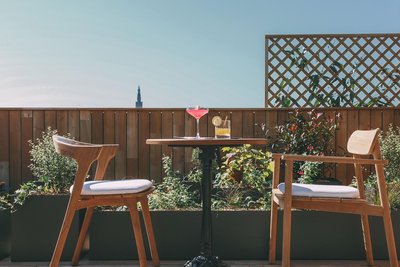
Grand Hotel Bellevue - Grand Place
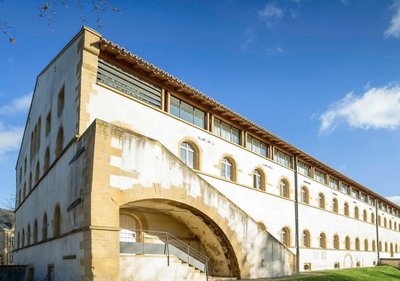
Hôtel la Citadelle Metz - MGallery Collection
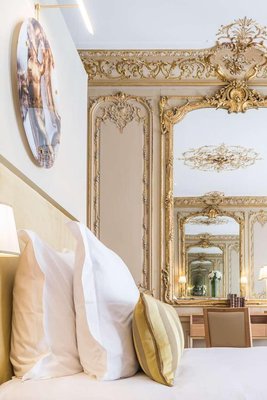
Hôtel Alfred Sommier
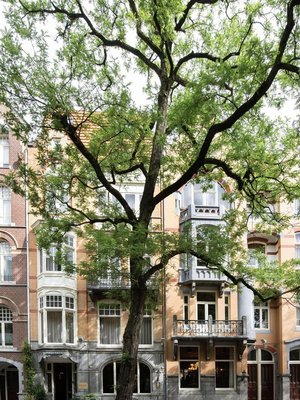
Jan Luyken Amsterdam
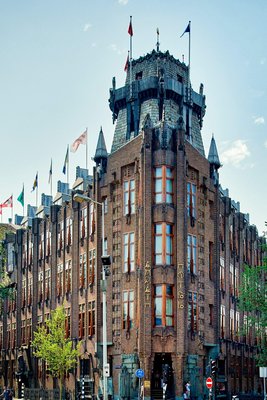
Grand Hotel Amrâth Amsterdam
Hotel de Crillon A Rosewood Hotel
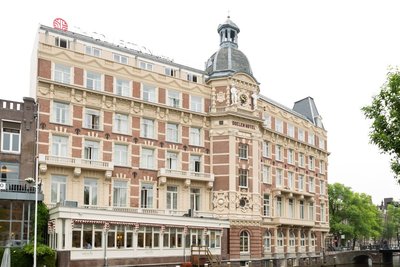
Tivoli Doelen Amsterdam Hotel
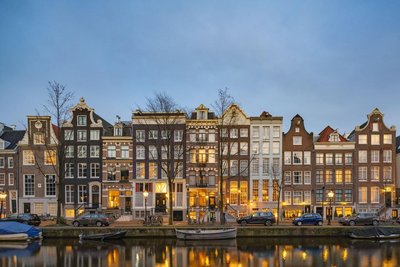
Ambassade Hotel
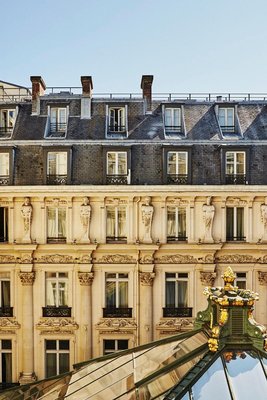
InterContinental Paris le Grand
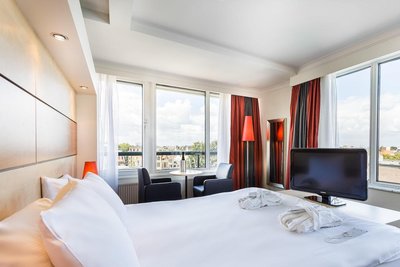
Hotel Die Port Van Cleve
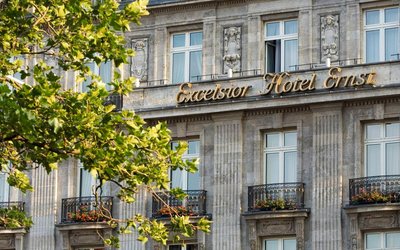
Excelsior Hotel Ernst am Dom
Four Seasons Hotel George V Paris
Plaza Athénée Paris & Dior Spa
Le Meurice
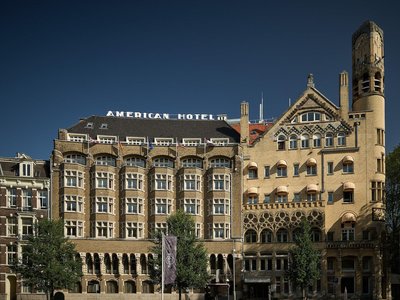
Clayton Hotel Amsterdam American
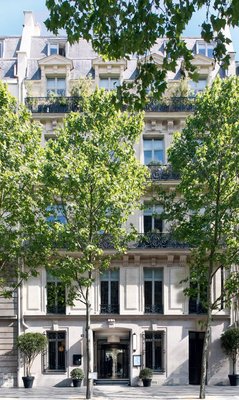
Le Narcisse Blanc Hôtel & Spa
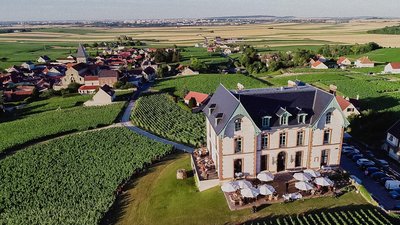
Chateau de Sacy
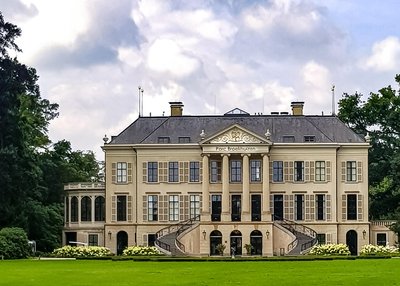
Parc Broekhuizen l Culinair Landgoed
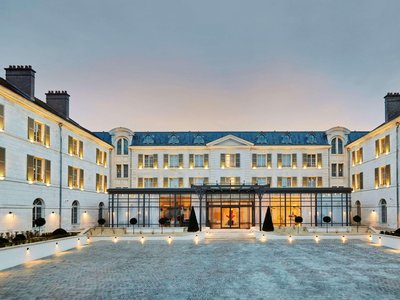
Licorne Hotel & Spa Troyes MGallery
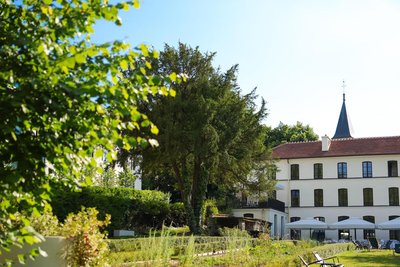
Domaine Reine Margot Paris Issy MGallery Collection
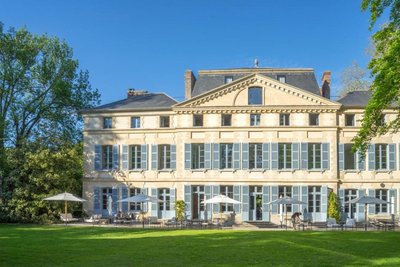
Le Domaine de Primard
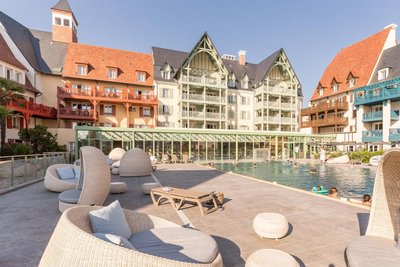
Résidence Pierre & Vacances Premium Presqu'Ile de la Touques
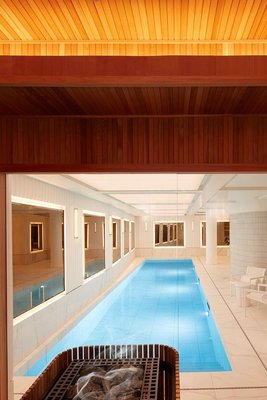
Villa-des-Prés
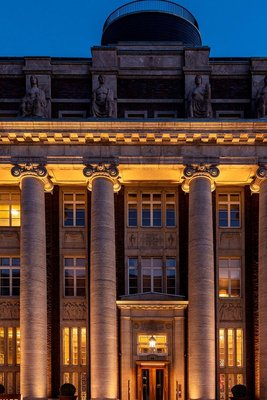
The Wellem Dusseldorf, Part of Hyatt
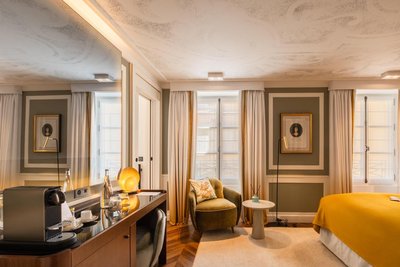
Hôtel les Lumières - Relais & Châteaux
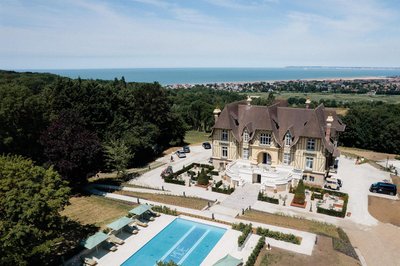
Maison Douce Époque
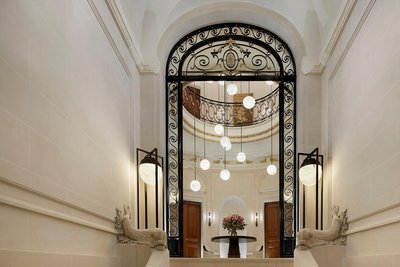
Maison Villeroy
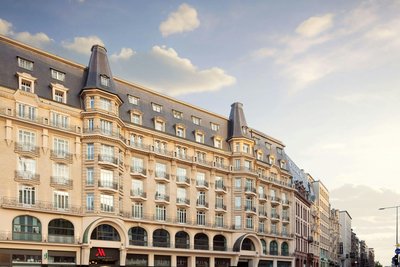
Luxembourg Marriott Hotel Alfa
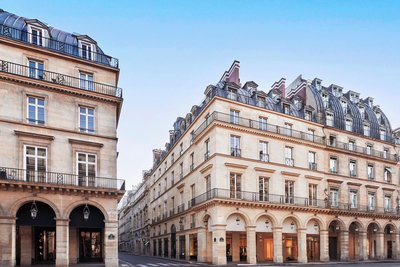
Maison Barrière Vendôme
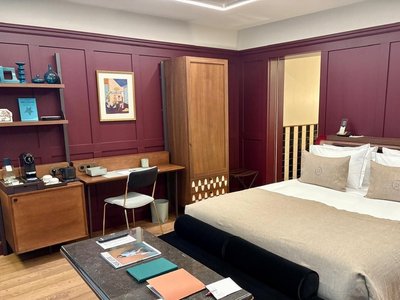
Faubourg 21
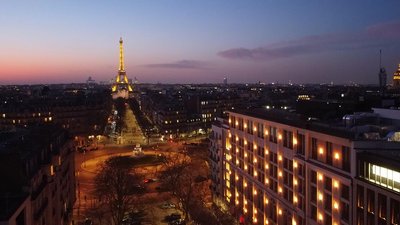
SAX Paris, LXR Hotels & Resorts
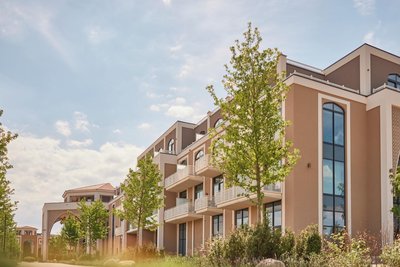
Hotel Thermen Berendonck
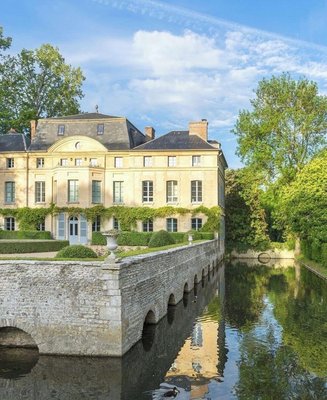
Domaine de Primard - Fontenille Collection
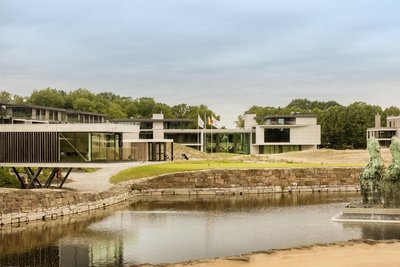
Radisson Collection Hotel, The National Brussels
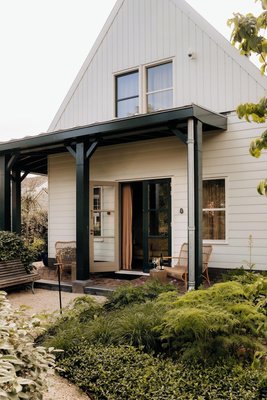
De Durgerdam, Amsterdam
Hotel TwentySeven - Small Luxury Hotels of the World
The Peninsula Paris
Hotel de Crillon A Rosewood Hotel
De L’Europe Amsterdam – the Leading Hotels of the World
Four Seasons Hotel George V Paris
Le Meurice
The Dylan Amsterdam
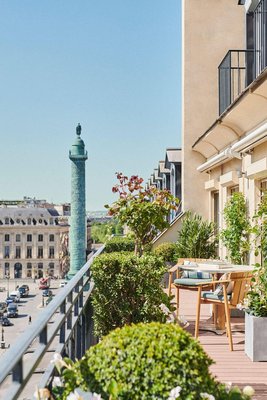
Park Hyatt Paris Vendome
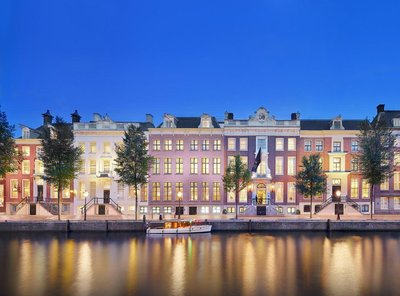
Waldorf Astoria Amsterdam
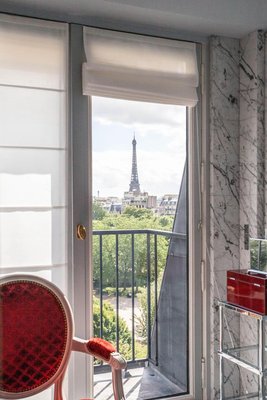
La Reserve Paris Hotel and Spa
Hyatt Regency Dusseldorf
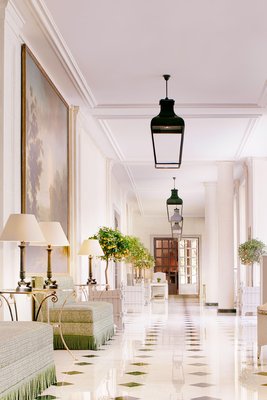
Le Bristol Paris - an Oetker Collection Hotel
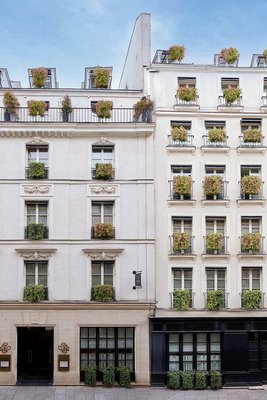
Le Burgundy Paris
Shangri-La Paris
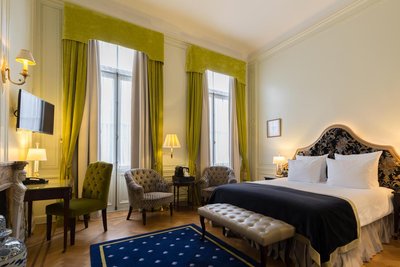
Stanhope Hotel Brussels by Thon Hotels
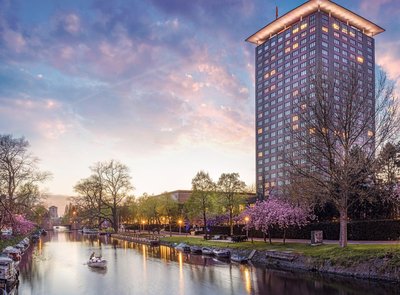
Hotel Okura Amsterdam – the Leading Hotels of the World
Cheval Blanc Paris & Dior Spa Cheval Blanc Paris
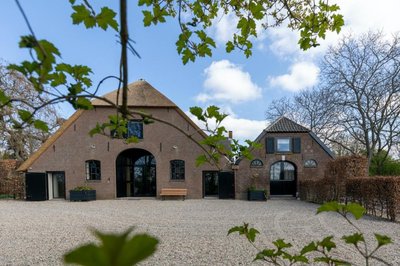
Het Rentmeestershuis
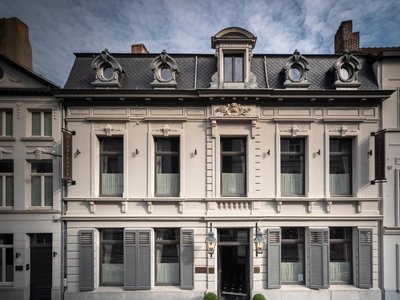
CH Longstay 2
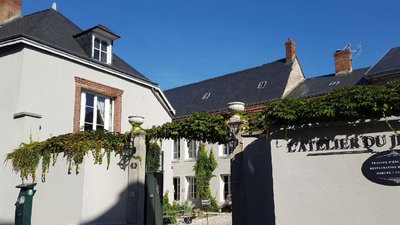
Au Jeu de Paume
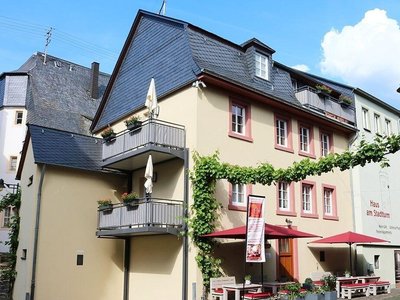
Haus am Stadtturm
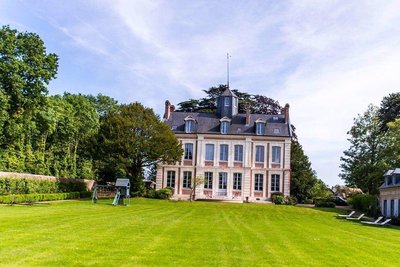
Le Clos de Grâce
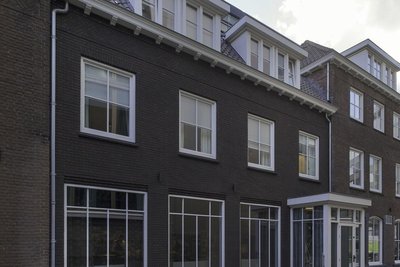
Little Grand
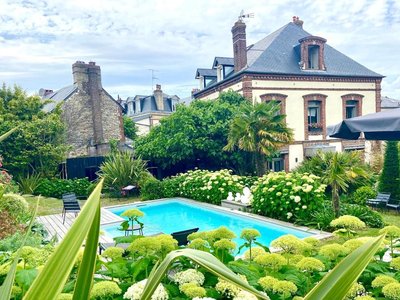
Villa du Cedre Honfleur
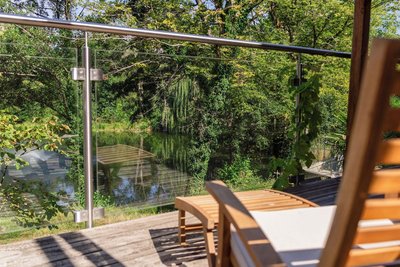
Domaine de la Résidence Hotel Spa & Restaurant
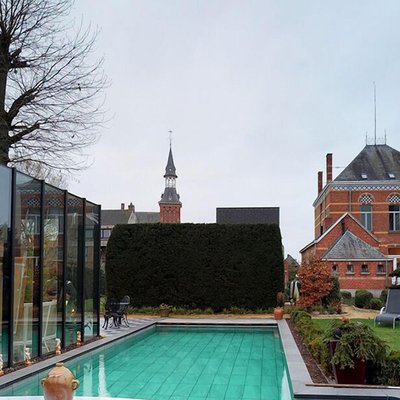
Art of Dreams Deluxe 4 Stars
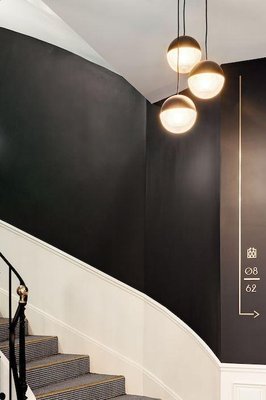
My Maison in Paris Invalides
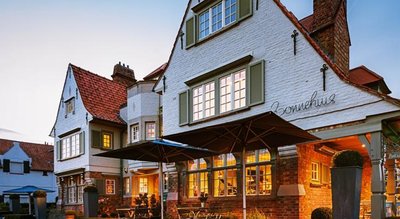
Romantik B&B Zonnehuis
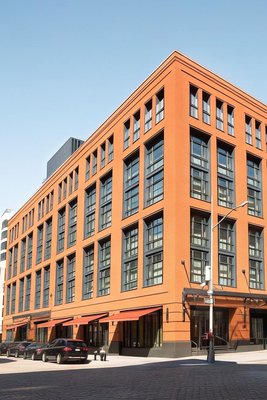
Hotel Barrière Fouquet's New York
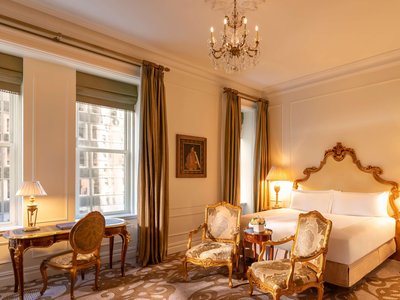
The Plaza - A Fairmont Managed Hotel
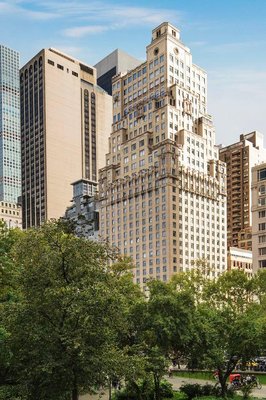
The Ritz-Carlton New York, Central Park
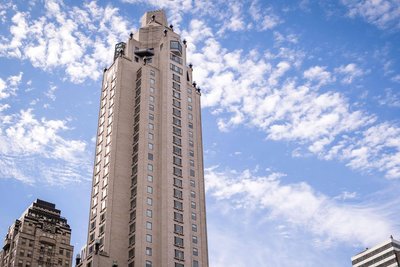
Four Seasons Hotel New York
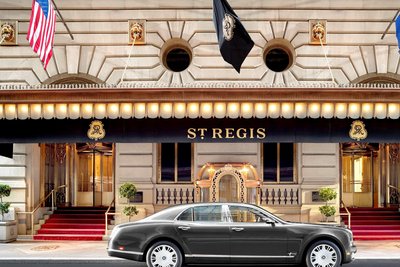
The St. Regis New York
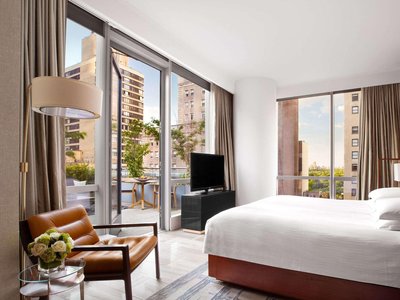
Park Hyatt New York
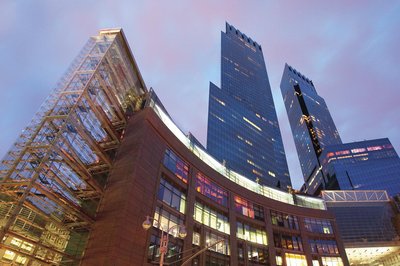
Mandarin Oriental New York
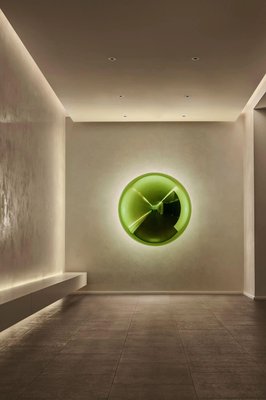
Times Square Edition New York
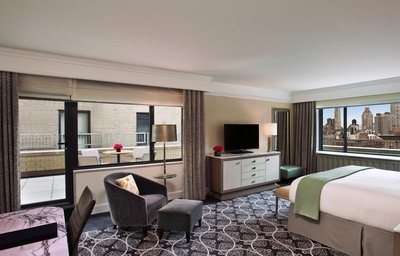
Loews Regency New York Hotel
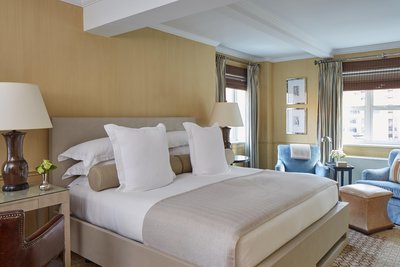
Lowell Hotel
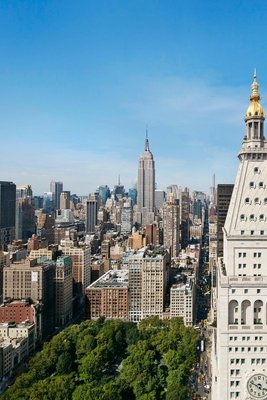
New York Edition
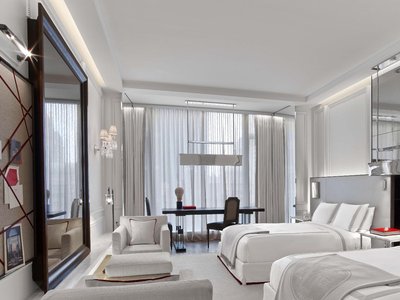
Baccarat Hotel New York
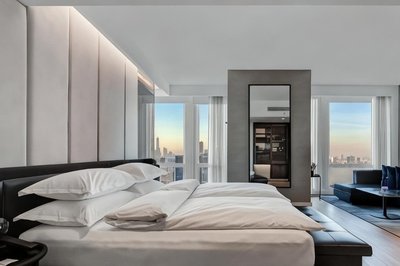
Equinox Hotel New York
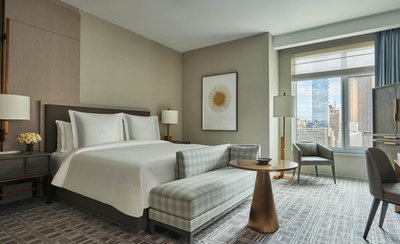
Four Seasons Hotel New York Downtown
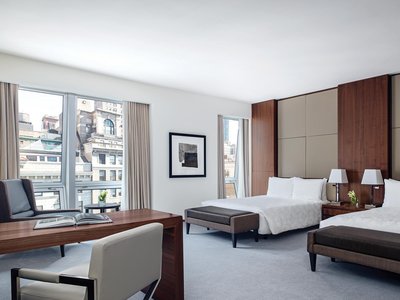
The Langham, New York, Fifth Avenue
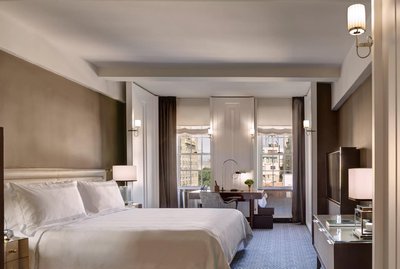
The Carlyle, A Rosewood Hotel

The Chatwal, in the Unbound Collection by Hyatt
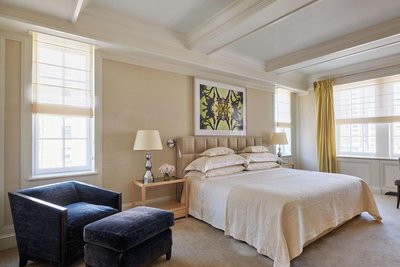
The Mark New York
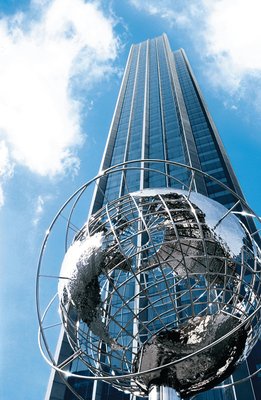
Trump International Hotel & Tower® New York
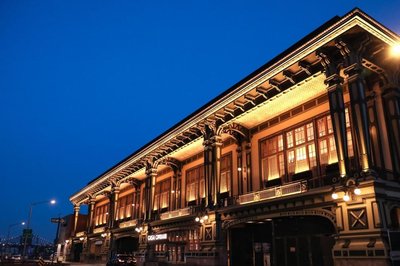
Casa Cipriani New York
Frequently Asked Questions about Traveling to Ledegem
Questions You Might Need to Know About Traveling to Ledegem
In Ledeberg, the standout choice is Hotel de L'Abbaye, a boutique hotel housed in a former 12th-century abbey. Its original stone walls, oak-beamed ceilings, and cloister courtyard offer an immersive experience in medieval architecture. The hotel’s restaurant, Bistro du Cloître, serves authentic Flemish dishes like slow-braised beef with dark beer sauce, using locally sourced ingredients. Guests enjoy access to cultural exhibitions and live music events hosted throughout the year, blending history and hospitality seamlessly.
The city center of Ledeberg is ideal for quiet yet central stays, located just steps from Town Hall Square and the Church of Our Lady. This area combines peaceful streets with easy access to shops, cafés, and museums like the West Flanders Museum. Many historic buildings have been converted into boutique guesthouses, offering traditional charm with modern comforts. Walking distance to the Aalster River promenade makes it perfect for travelers who value tranquility, proximity to attractions, and a genuine local atmosphere.
Visitors to Ledeberg should explore the Cloister Crypt beneath the Church of Saint Bartholomew, home to centuries-old manuscripts and ancient frescoes. The annual Ledeberg Arts Festival features international performances and art installations across the town square. For a deeper culinary immersion, join a Flemish Bread Tour—visiting century-old bakeries to taste handcrafted sourdough loaves and buttery waffles made with regional honey. These experiences reveal the city’s deep-rooted traditions and artisan heritage.
Yes, Hotel de L'Abbaye offers spacious family suites with dedicated play areas and free cribs. Another excellent option is De Vlaamse Stad, a family-run inn with a small garden and outdoor games zone. Both hotels provide breakfast featuring homemade pastries and fresh local produce. Nearby, the Ledeberg Children's Museum hosts interactive workshops where kids can learn traditional crafts like weaving and pottery. These amenities ensure a memorable and engaging stay for families seeking culture and comfort.
Beyond the famous bread and beer, try Stroopwafel de Kerk’s signature caramel waffles made with local honey and walnuts—crispy outside, gooey inside. At De Gouden Sjaal, sample the white herring platter with sauerkraut and mustard cream, a regional delicacy. For a true local touch, book a private dinner at L'Atelier des Mères, where a local grandmother prepares seasonal dishes like pickled vegetables and slow-cooked veal stew—each meal tells a story of family and tradition.
Ledeberg offers a relaxed, artsy nightlife vibe. Café de l'Étoile features live jazz every Friday and a curated selection of Belgian craft beers. Le Bistrot du Cloître hosts monthly wine-tasting evenings with talks on Flemish winemaking history. Strolling along the Aalster River promenade at night reveals illuminated arches and reflections dancing on the water—a serene, romantic setting perfect for unwinding after a day of exploration.
Absolutely. Ledeberg boasts stunning photogenic spots: the Gothic façade of the Church of Our Lady, the medieval town hall, and the Aalster River walkway under morning mist or golden hour light. The Spring Flower Festival transforms alleys into colorful tapestries of blooms. During winter, the Luminous Festival lights up the city with thousands of handmade lanterns. Bring a tripod to capture the abbey ruins’ light projections—a breathtaking blend of history and digital art.
Yes, Ledeberg is well-connected by NMBS trains to Bruges (25 min), Brussels, and Antwerp. The local De Lijn bus network covers all major sites and shopping districts. For eco-friendly travel, rent a bike—many hotels offer free bicycles. The city is pedestrian- and cyclist-friendly, with dedicated paths along the Aalster River. Use apps like Citymapper or Google Maps for real-time schedules and route planning, ensuring smooth navigation even for first-time visitors.
The highlight is the Saint Bartholomew Festival in September, featuring a grand procession, period costumes, and a medieval market. The Winter Lights Festival (late November) turns the town into a magical glow with thousands of handmade lanterns along riversides and facades. In May, the Flemish Craft Market showcases artisans crafting textiles, ceramics, and metalwork—guests can participate in hands-on workshops. These events reflect Ledeberg’s rich cultural identity and offer unforgettable experiences.
Though urban, Ledeberg is surrounded by scenic nature. The Aalster River offers peaceful walking trails and birdwatching spots—home to kingfishers and herons. In spring, Our Lady’s Garden bursts with cherry blossoms and tulips. Just 15 minutes away, Beekbos Forest provides hiking and camping opportunities amid ancient trees. For rural charm, visit Westerlee Farm to pick strawberries or make cheese. These natural escapes enhance the city’s appeal for nature lovers and outdoor adventurers.
Ledegem Overview
City Summary
Ledegem is a tranquil town in West Flanders, Belgium, renowned for its pastoral landscapes and traditional Flemish culture. With vast farmlands, ancient churches, and typical Flemish architecture, it is an ideal escape from urban hustle. The slow-paced life and friendly community offer visitors an authentic taste of Belgian countryside.
Must-See Attractions
Key attractions include the Sint-Martinuskerk (St. Martin's Church), a Gothic masterpiece with rich history and intricate interiors. The Kasteel van Ledegem (Ledegem Castle), though not open to the public, is worth admiring from outside. The surrounding countryside trails are perfect for cycling or hiking, showcasing the natural beauty of Flanders.
Food Guide
Ledegem's cuisine reflects Flemish traditions. Must-try dishes include Stoofvlees (beef stew) paired with local beer. Street food like Frites (fries) and Wafel (waffles) are also popular. Local pubs offer a variety of Belgian beers, ideal for immersing in the regional vibe.
Transportation Guide
Public transport relies on buses, connecting to nearby cities like Roeselare and Kortrijk. Driving is more flexible, with ample parking. Cycling is ideal for exploring the countryside, thanks to well-maintained bike paths.
Best Time to Visit
The best time to visit is spring to autumn (May-September), with mild weather perfect for outdoor activities. Summers are less crowded, offering a serene rural experience.
Travel Tips
- Respect local culture: Dutch (Flemish) is the main language; a simple "Hallo" goes a long way.
- Cash payments: Some small shops may not accept cards; carry cash.
- Cycling etiquette: Follow traffic rules and yield to pedestrians.
- Water conservation: Belgium values water; avoid waste.
- Quiet environment: The town is peaceful; keep noise levels low.
- Waste sorting: Strictly adhere to local recycling rules.
Useful Information
The primary language is Dutch (Flemish), but English is widely understood in tourist areas. Network coverage is excellent, with free Wi-Fi in public spots. Payments are mostly cash or card, though cash is preferred for small transactions. For emergencies, dial 112; medical facilities are reliable. Travel insurance is recommended.