Hotels in Leisnig
Discover your perfect stay in Leisnig.
Leisnig(Germany) Travel 2026: Cheap Flights, Hotels & Top Attractions
Popular Landmarks in Leisnig
Discover the most iconic attractions in Leisnig
Recommended Hotels in Leisnig
Find the perfect place to stay in Leisnig
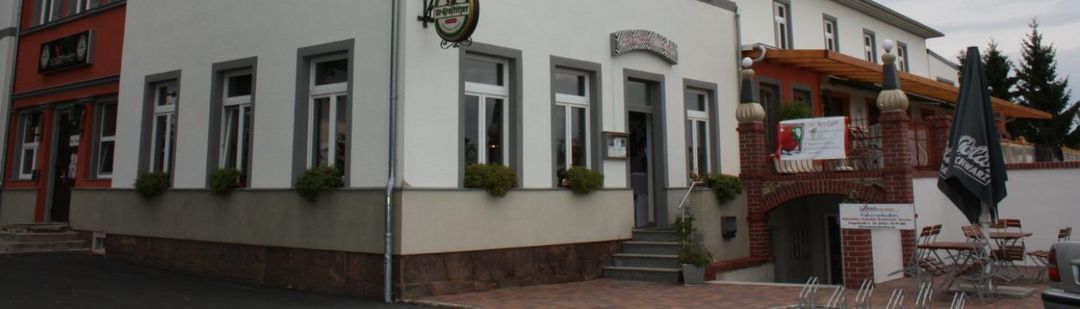
Pension Schützenhaus Leisnig
Frequently Asked Questions about Traveling to Leisnig
Questions You Might Need to Know About Traveling to Leisnig
For an authentic cultural experience, stay in the historic district of Reichenhain, centered around Marktplatz and the St. Mary's Church. The area is home to Gasthof zur Linde, a family-run inn with timber-framed architecture and traditional Saxon cuisine, offering guests a chance to participate in seasonal festivals like the Sachsen Folk Festival.
Nearby, Hotel Alte Mühle—a converted 19th-century mill—blends industrial charm with modern comfort, featuring a rooftop terrace ideal for stargazing along the Freyburg River. The town’s proximity to the Saxon Pathway Trail Network allows easy access to ancient mining sites and forested hiking routes, revealing layers of Saxony’s mining heritage.
Don’t miss weekend markets where local artisans sell handcrafted pottery and regional honey wine—perfect for immersing in rural German traditions.
The best walking route in Reichenhain is the Freyburg River Promenade, stretching from Alte Brücke (Old Bridge) to Mühlenpark (Mill Park). This shaded trail winds through ancient oak forests and meadows bursting with wildflowers, offering frequent sightings of ducks and kingfishers along the water’s edge.
Signposted information boards detail the region’s mining history and native flora. For a more intimate experience, explore the cobbled lanes around St. Mary’s Church, where 18th-century half-timbered houses line narrow streets adorned with hand-painted murals. Sunset walks here are especially magical, as golden light glints off old brick facades.
Pair your stroll with a visit to a riverside café serving local Saxon honey wine—perfect for soaking in the peaceful, timeless rhythm of this charming village.
Must-try dishes in Reichenhain include Schwarzbrot mit Rauchschinken—a hearty black rye bread served with smoked ham, showcasing the region’s rustic Saxon culinary roots. The dense, slightly sour bread pairs perfectly with locally cured meats.
Another highlight is Sächsische Honigwein, a sweet fermented honey wine made from regional bee hives, often enjoyed at weekend markets or paired with desserts. It’s a unique taste of Saxony’s pastoral tradition.
Don’t miss Rote Rüben Suppe, a warming winter soup made with fresh beets, potatoes, and herbs—rich in flavor and deeply comforting. Visit Gasthof zur Linde or Bäckerei Hirsch, family-run establishments that use farm-fresh ingredients and preserve time-honored recipes. Pair it with a slice of homemade butter biscuit for a true taste of rural German life.
Key historical buildings in Reichenhain include St. Mary’s Church, built in 1745 with Baroque bell tower and stained-glass windows, housing exquisite 18th-century altar carvings that reflect Saxon craftsmanship.
The Alte Mühle (Old Mill) is another landmark—originally a grain mill for miners in the 18th century, now transformed into a boutique hotel while preserving its original stone structure and working waterwheel. Guided tours reveal how it powered the local economy.
Nearby, the Altes Rathaus (Old Town Hall) still stands with ornate stonework and a bronze bell, once the seat of local governance. These structures cluster around Marktplatz, forming a well-preserved 18th-century village center.
Join weekend guided walks to hear stories about mining history, religious shifts, and daily life in old Saxony—offering deep insight into the town’s enduring legacy.
Reichenhain hosts the annual Sachsen Folk Festival in summer at Marktplatz, featuring live performances by local bands playing traditional wooden flutes and hand drums. Dancers in 19th-century rural costumes perform the Hornet Dance, a vibrant expression of Saxon folk art.
In September, Miners’ Day reenacts 19th-century mining rituals: visitors don iron helmets and lanterns for simulated mine tours and enjoy free Bergmannsuppe (Miner’s Soup). It’s a moving tribute to the town’s industrial past.
The October Honey Wine Market brings together craft brewers from across Saxony, offering tastings and workshops on natural fermentation techniques. These events not only revive historical memory but also foster community pride and intergenerational cultural exchange.
For families, Gasthof zur Linde is ideal—this century-old inn offers spacious family rooms with a dedicated children’s play corner and a grassy backyard perfect for running and biking.
Daily breakfast includes homemade jams and freshly baked bread, and the hosts often invite kids into the kitchen to help make traditional bread—a fun, hands-on experience. The property is steps from the Freyburg River Trail, enabling nature-based activities like plant and insect identification.
For a more secluded option, Hotel Alte Mühle provides family suites with private cottages equipped with fireplaces and reading nooks, ideal for evening storytelling under the stars. Both hotels welcome pets, offer baby cots, and provide child-safe seating—making them truly family-oriented choices.