Hotels in Lengerich
Discover your perfect stay in Lengerich.
Lengerich(Germany) Travel 2026: Cheap Flights, Hotels & Top Attractions
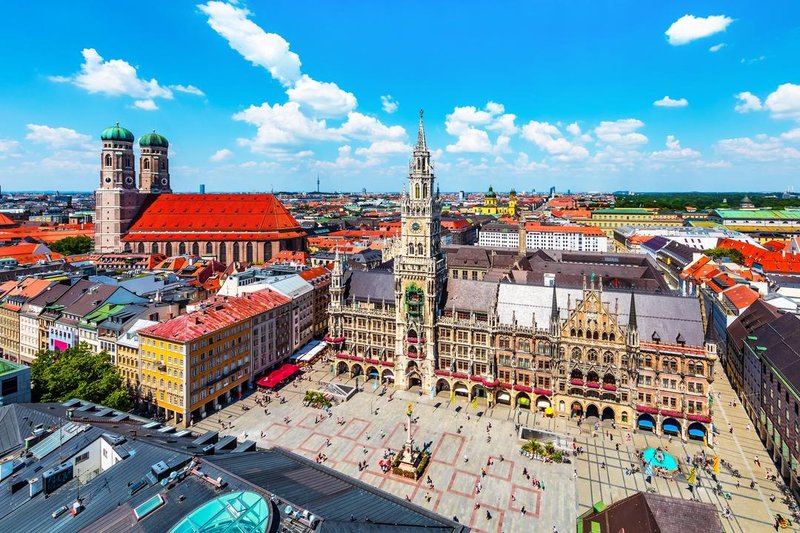
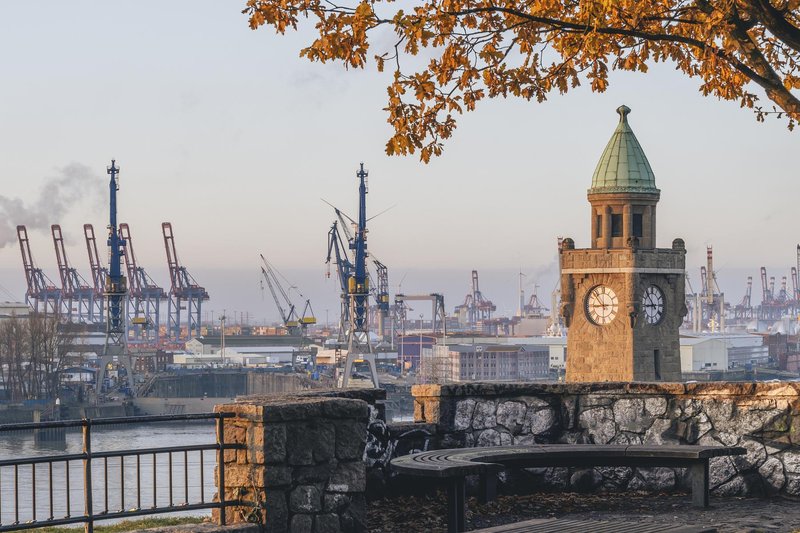
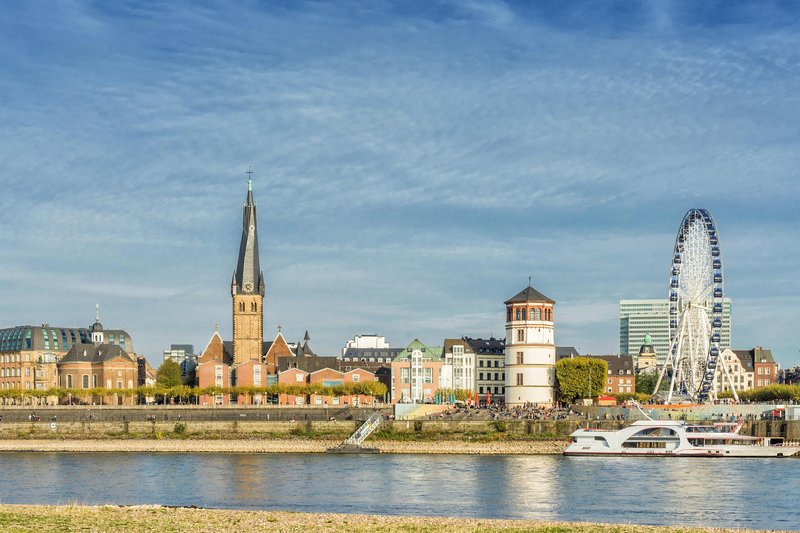
Popular Landmarks in Lengerich
Discover the most iconic attractions in Lengerich
Recommended Hotels in Lengerich
Find the perfect place to stay in Lengerich
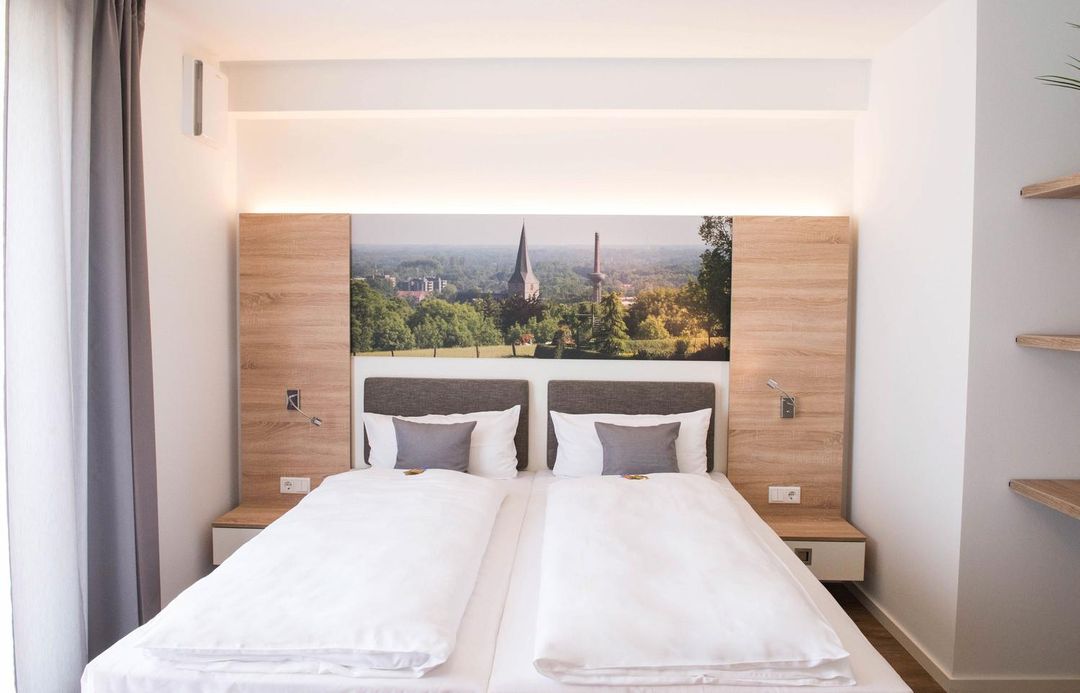
Boardinghouse am Teuto
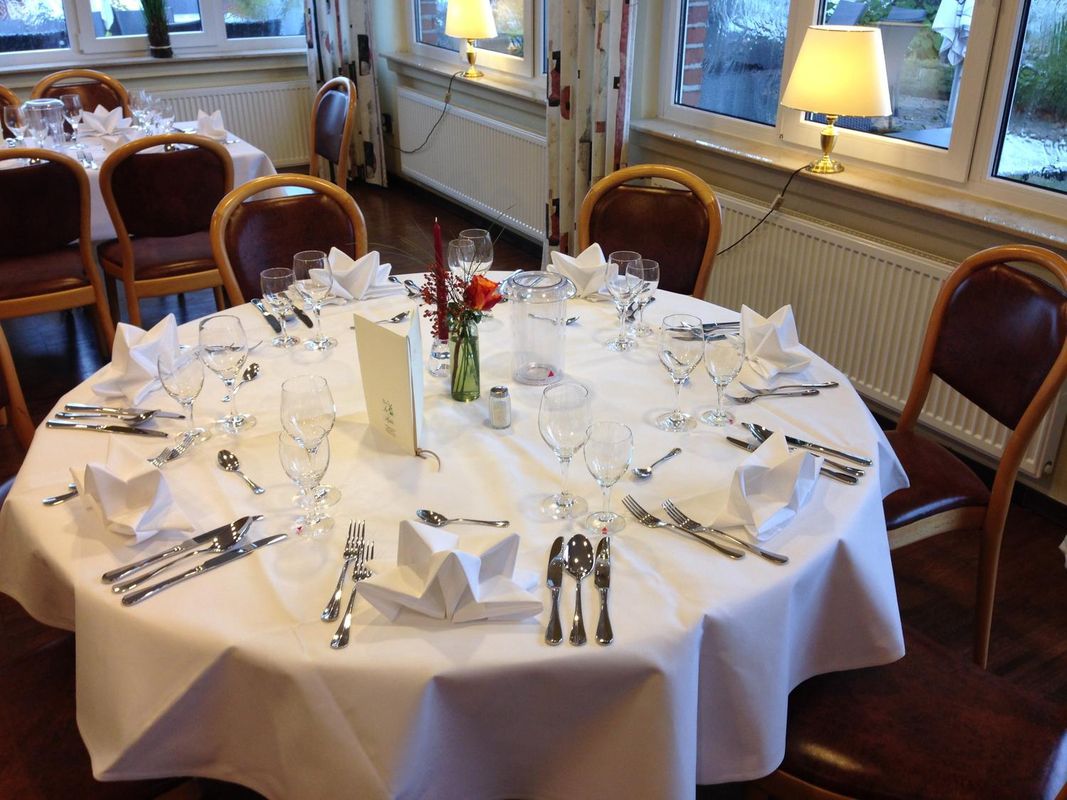
Hotel Zur Mühle
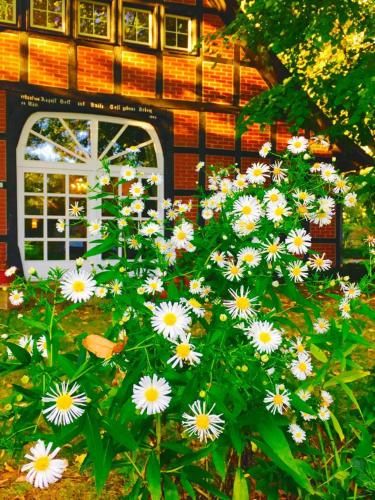
Münsterland Cottage
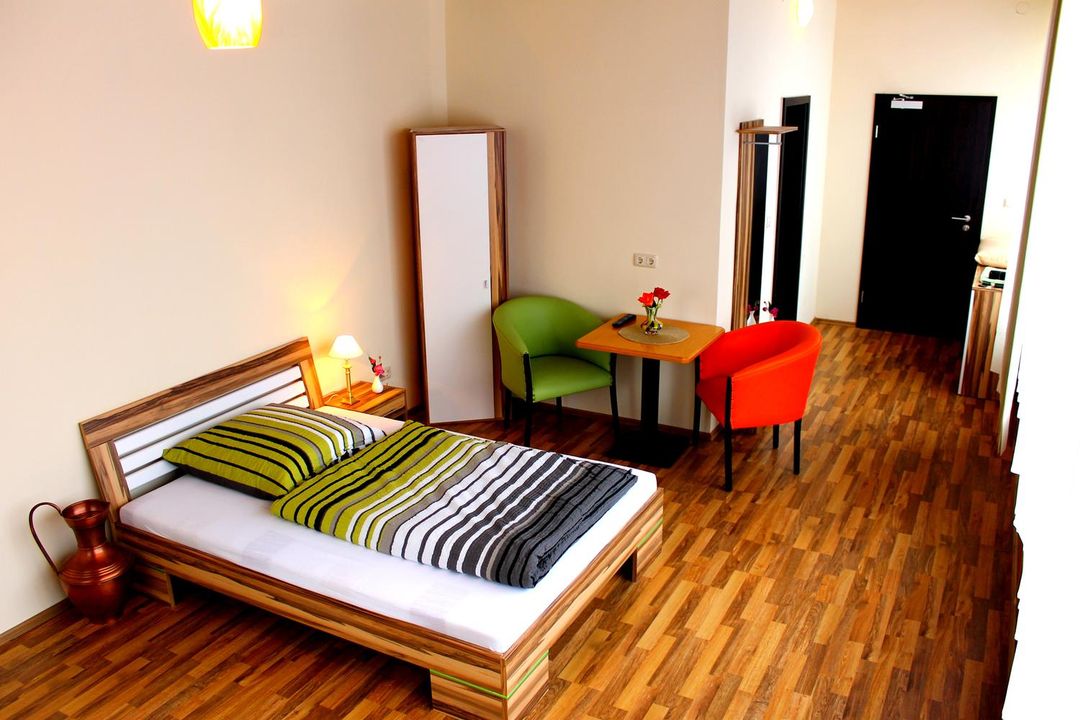
Hotel-Cafe Maxx
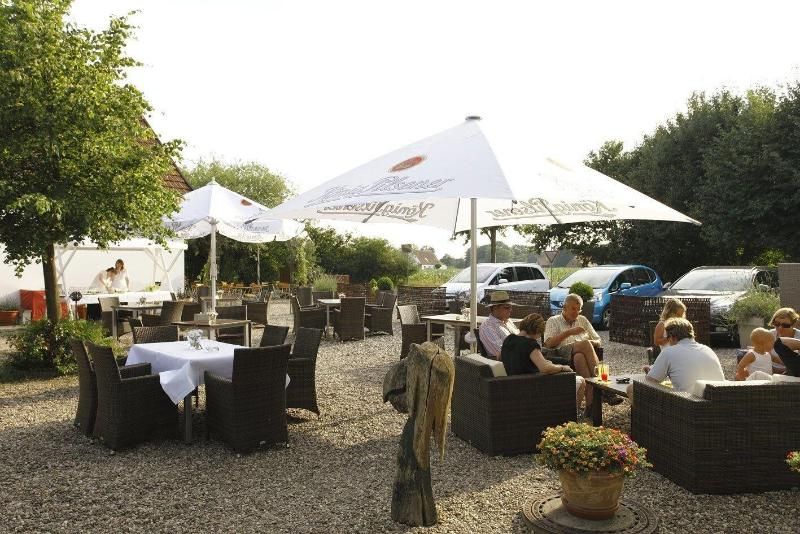
Gasthof Prigge - Akademie Talaue
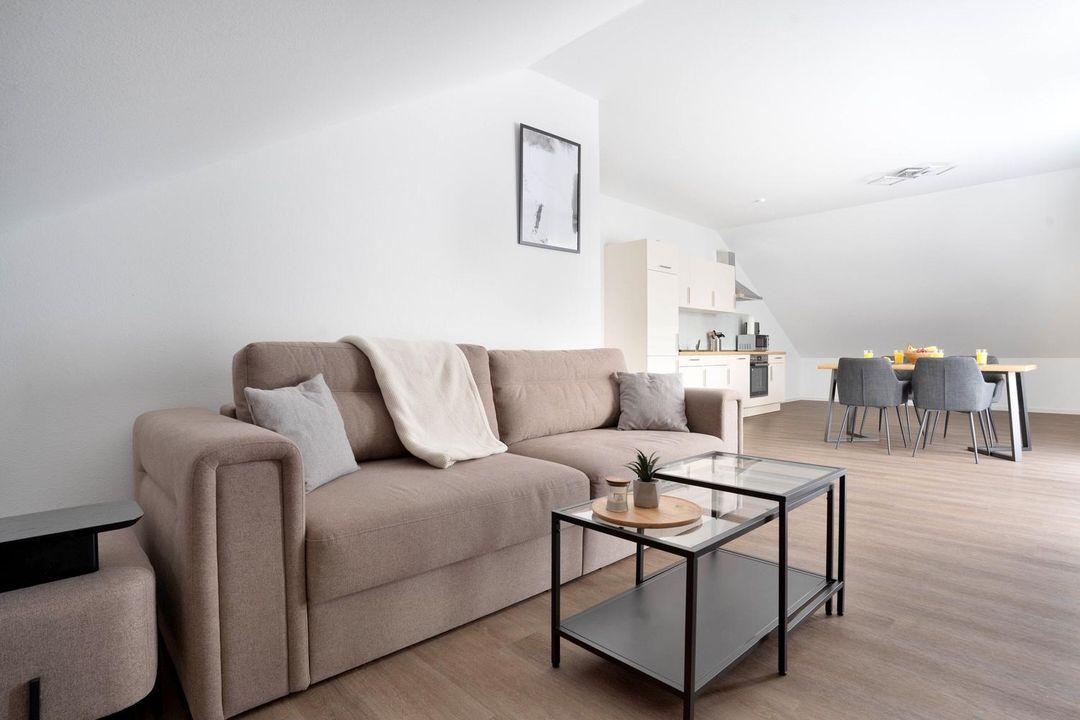
Schöne Apartments in Lengerich
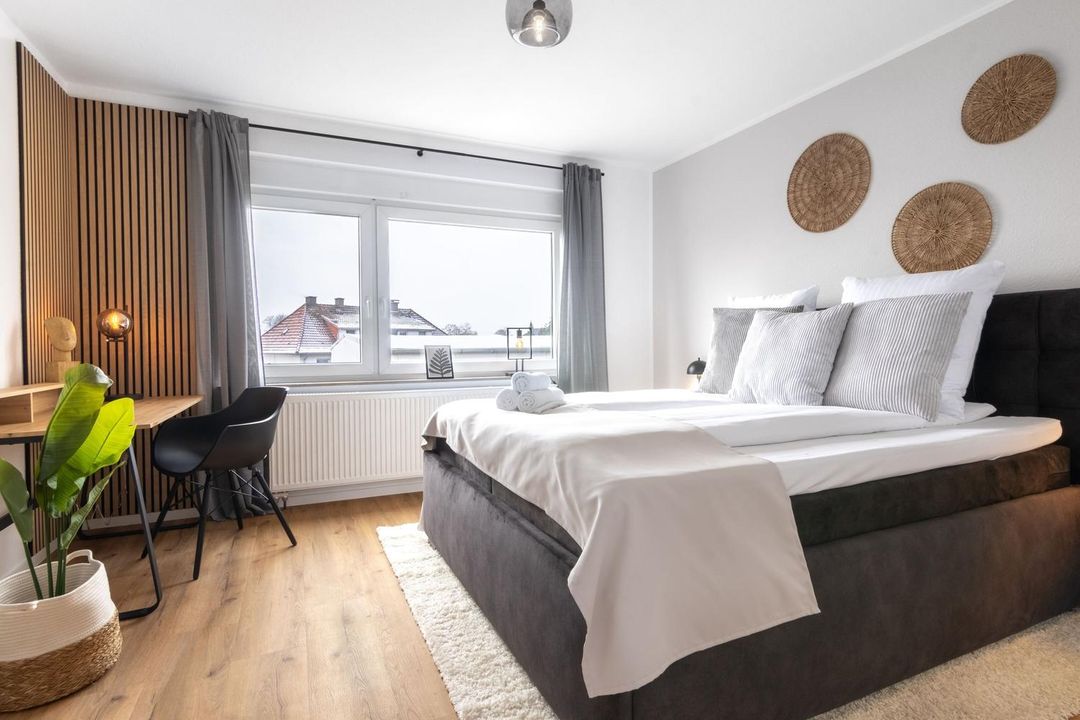
Spacious 3-rooms apartment in the center
Frequently Asked Questions about Traveling to Lengerich
Questions You Might Need to Know About Traveling to Lengerich
For a cultural stay in Lengrith, consider Hotel am Schloss, located adjacent to the historic Lengrith Castle, blending medieval architecture with modern comfort. Another excellent choice is Gasthof Römerhof, nestled in the countryside near forest trails and equestrian centers, offering authentic rural German hospitality. Both properties provide access to regional art exhibitions and traditional festivals, making them ideal for travelers seeking immersive heritage experiences in North Rhine-Westphalia.
The city center of Lengrith is the most convenient area for hotel stays, with easy walking access to key attractions like St. Martin's Church and the local market. This district features well-preserved historic buildings converted into boutique inns and family-run guesthouses, capturing the authentic charm of a Westphalian village. It’s also just a 15-minute drive from natural parks, perfect for combining urban exploration with outdoor adventures.
Yes, Familienhotel Waldschlösschen stands out as a top family-friendly option in Lengrith, featuring child-friendly rooms, a playroom, outdoor garden, and pet-friendly policies. Located near the Children’s Nature Trail, it supports eco-education activities and offers breakfast with locally sourced ingredients. The hotel’s emphasis on safety, comfort, and regional traditions makes it ideal for families seeking a peaceful, enriching vacation.
In Lengrith, visitors can enjoy authentic German folk festivals (Bierfest), pottery workshops, and seasonal farmers’ markets showcasing regional specialties like rye bread, sauerkraut, and homemade jams. The annual Harvest Festival features live folk music, traditional costumes, and local crafts. Additionally, the Castle Museum offers insights into medieval life, while guided tours of old stone pathways reveal the town’s historical evolution.
The main landmark is Lengrith Castle (Schloss Lengrith), dating back to the 14th century and now housing art exhibitions and cultural events. Nearby, St. Martin’s Church features stunning 16th-century stained glass windows and Gothic architecture. Don’t miss the Old Mill Ruins and the Ancient Pathway Trail, both perfect for exploring the town’s medieval roots and scenic landscapes.
Lengrith is renowned for Westphalian cuisine: try black sausage with rye bread, potato stew (Kartoffeltopf), and sauerkraut braised pork. Local restaurants like Römerstube use farm-to-table ingredients and slow-cooked methods. Seasonal highlights include wild berry jam with cream cake and house-brewed beer—perfect for tasting genuine German village flavors.
Yes, Lengrith Castle at sunrise and St. Martin’s Church under morning mist offer stunning photo opportunities with rich textures and dramatic lighting. The forest paths lined with autumn foliage are ideal for nature and portrait photography. Visit early or late in the day to avoid crowds and bring a tripod for long-exposure shots of the historic landscape.
Yes, Lengrith is well-connected via regional trains from Münster and Bonn, with a 30-minute ride to the Lengrith train station. The town has a local bus network linking major sites and hotels. Most accommodations offer free parking, and self-drive travelers can explore nearby areas using the Westphalian Riverbike Trail, a scenic cycling route through forests and villages.
A 2–3 day itinerary is ideal for a meaningful visit to Lengrith. Day one: explore the castle and church, enjoy local food. Day two: hike forest trails or cycle along the riverside path. Day three: visit nearby towns like Mülheim or Bruch, attending local markets or historic sites. This balanced schedule allows time for relaxation, culture, and discovery.
Lengrith hosts vibrant seasonal events: Spring Flower Festival with colorful flower displays, Summer Open-Air Concerts at the castle square, Autumn Grape & Honey Market featuring local produce, and a festive Christmas Market with handmade gifts and mulled wine. These events reflect local traditions and provide rich opportunities for cultural engagement.
Lengerich Overview
City Summary
Linnich, a charming town in North Rhine-Westphalia, Germany, is celebrated for its medieval architecture and tranquil countryside ambiance. With a rich tradition in glassmaking, the town's Glass Museum showcases exquisite craftsmanship. Visitors can stroll through ancient cobblestone streets adorned with well-preserved half-timbered houses, experiencing quintessential German small-town charm.
Must-See Attractions
The Glass Museum is a must-visit, displaying centuries of local glass art and industrial development. St. Mary's Church attracts history enthusiasts with its Gothic architecture. Walking through the old town, you'll discover numerous well-preserved medieval buildings. Outdoor lovers can explore hiking and cycling routes in the nearby Rur Valley.
Food Guide
Linnich's cuisine reflects German traditions, with pork knuckle with sauerkraut and sausage platters as local specialties. The town's taverns serve Kölsch beer, perfectly paired with rye bread. Don't miss the apple strudel, often served with vanilla sauce. Weekend markets offer fresh local produce and artisanal cheeses.
Transportation Guide
Public transport mainly includes regional trains (RB) and buses connecting to cities like Aachen and Düsseldorf. Town attractions are within walking distance, with bike rentals available. Drivers should note pedestrian zones in the old town and use peripheral parking lots. The DB Navigator app provides real-time transport information.
Best Time to Visit
The best travel period is May to September for pleasant outdoor activities. Summer offers numerous festivals with moderate crowds. Though chilly, winter Christmas markets radiate traditional charm. Avoid November, the rainiest month.
Travel Tips
- Wear nonslip shoes for uneven cobblestones in old town
- Most museums close on Mondays - check schedules
- Long lunch breaks (usually 13:00-15:00) for local businesses
- Strict waste separation - follow bin markings
- High fines for indoor smoking violations
- Sunday shopping closure - prepare essentials beforehand
Useful Information
German is primary language, with basic English understood. Free WiFi available at tourist centers and some cafés. Cash payments remain common (carry change), though cards accepted in larger shops. Emergency number: 112. Town medical center handles general emergencies. 230V voltage with Type C/F plugs. Tap water is potable; reusable bottles are eco-friendly.