Hotels in Lisbon
Discover your perfect stay in Lisbon.
Lisbon(Portugal) Travel 2026: Cheap Flights, Hotels & Top Attractions
Popular Landmarks in Lisbon
Discover the most iconic attractions in Lisbon
Recommended Hotels in Lisbon
Find the perfect place to stay in Lisbon
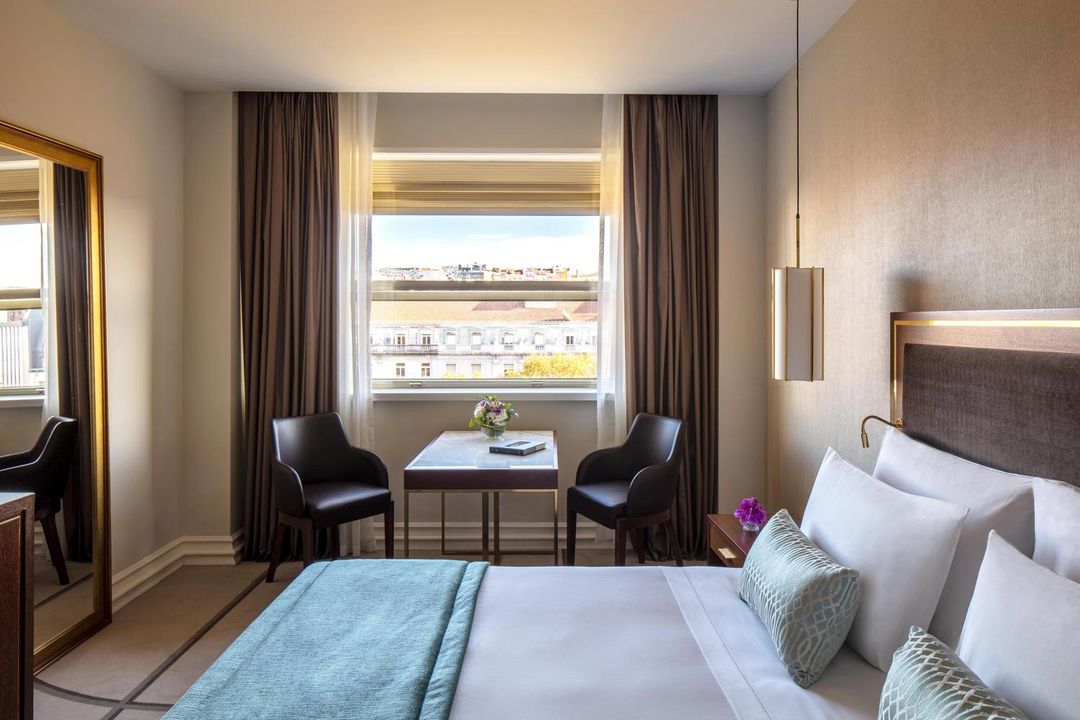
Tivoli Avenida Liberdade
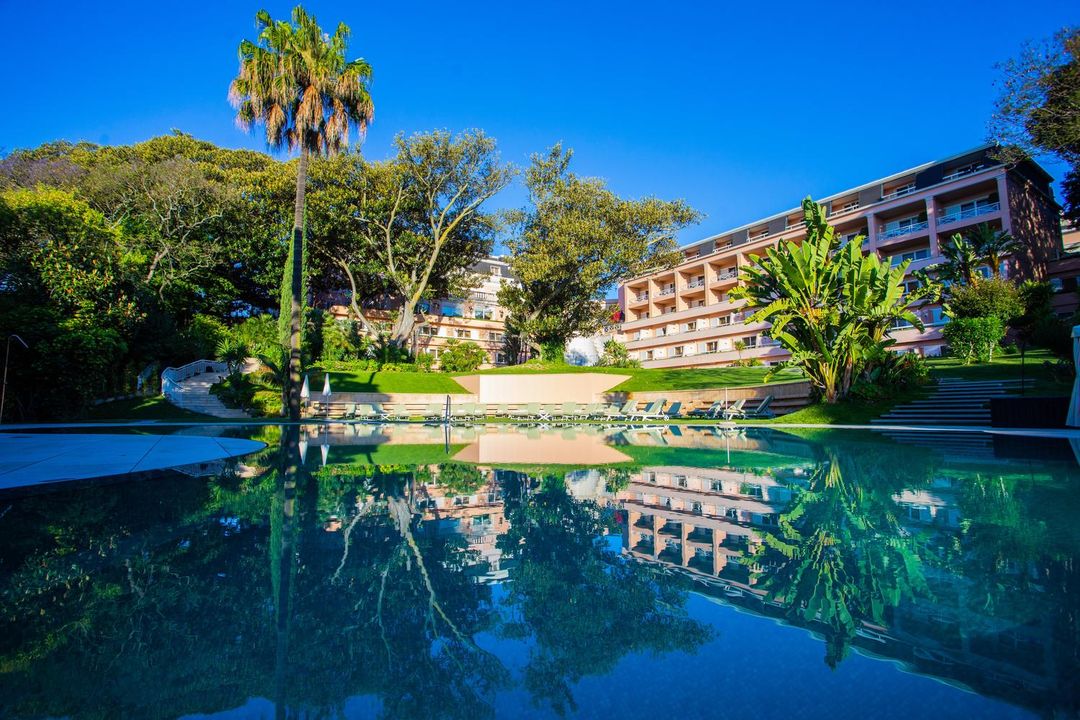
Olissippo Lapa Palace – The Leading Hotels of the World
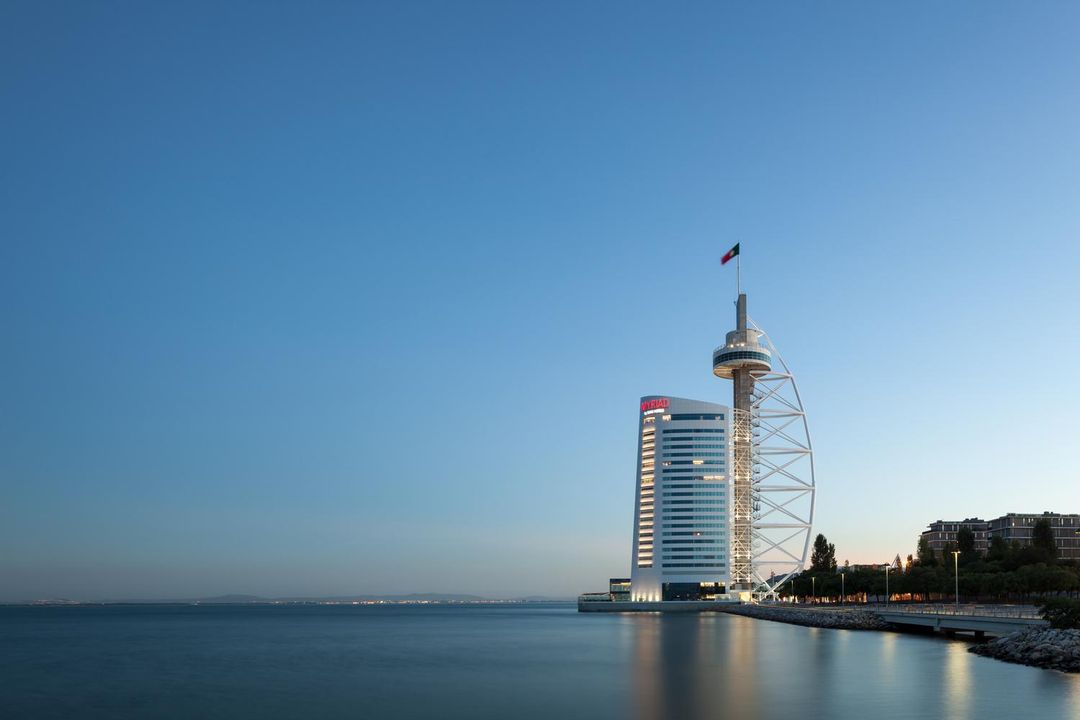
Myriad by Sana Hotels
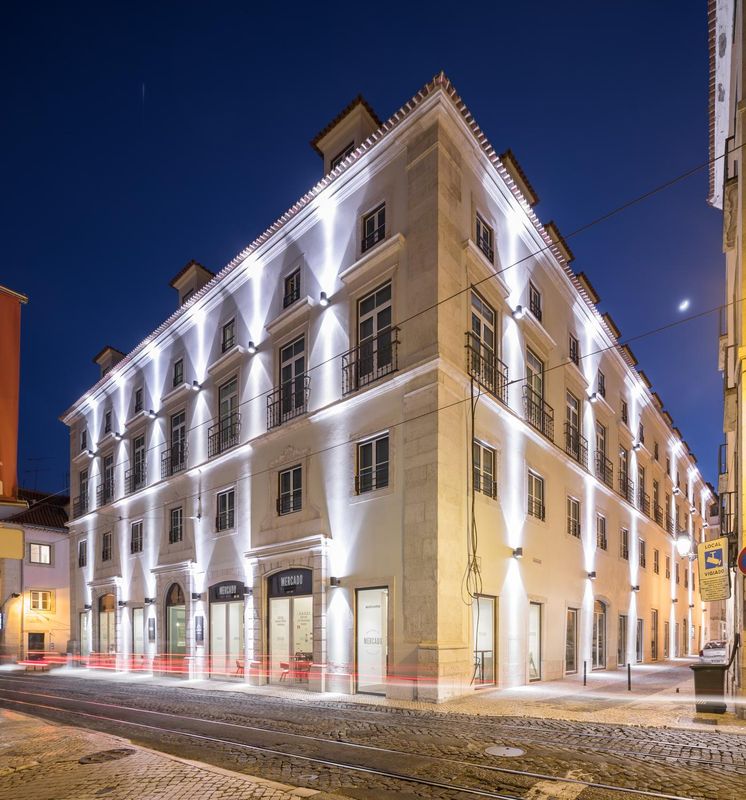
The Lumiares Hotel & Spa - Small Luxury Hotels of The World
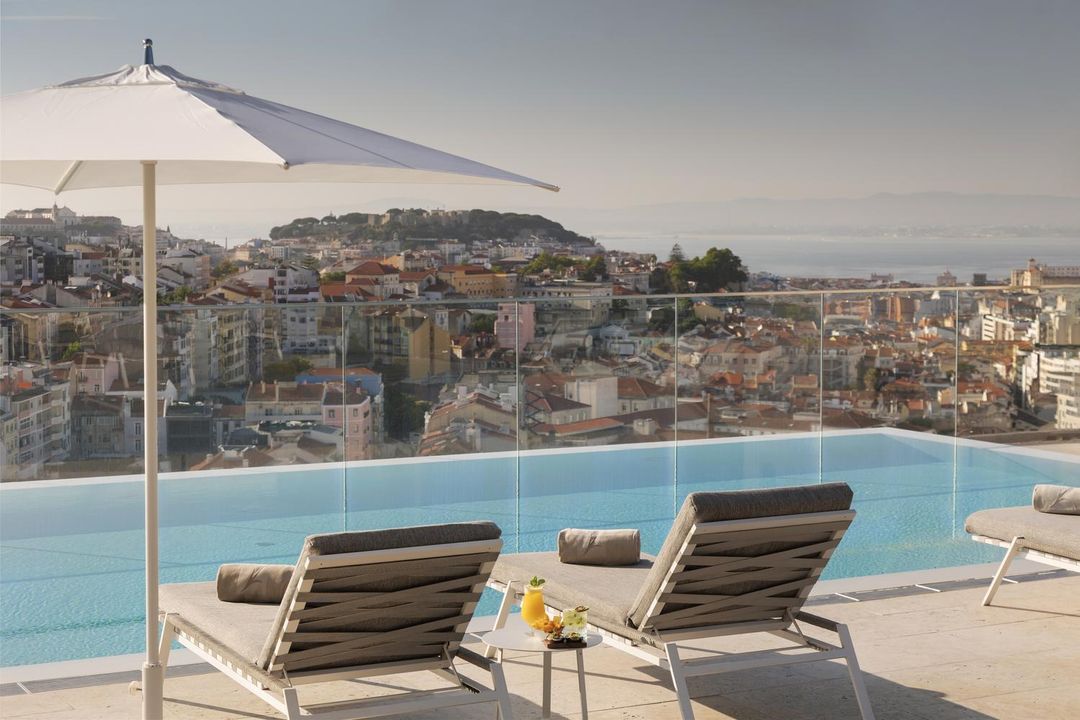
Epic Sana Marquês Hotel
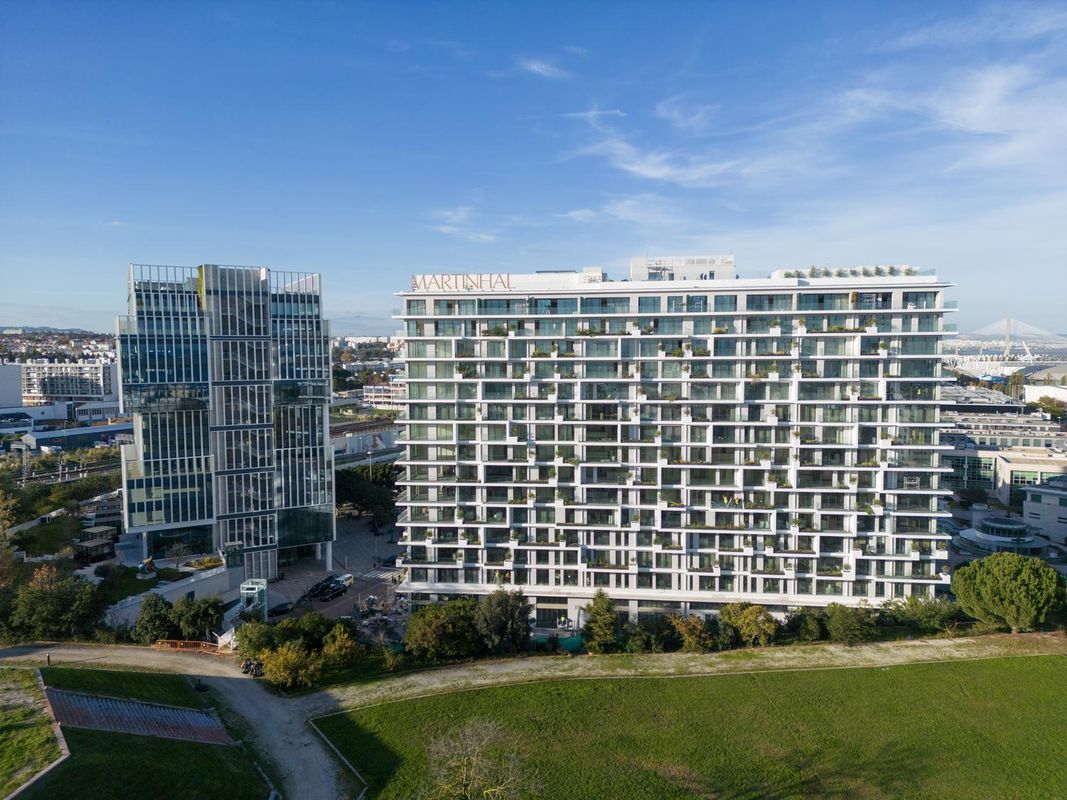
Martinhal Lisbon Oriente
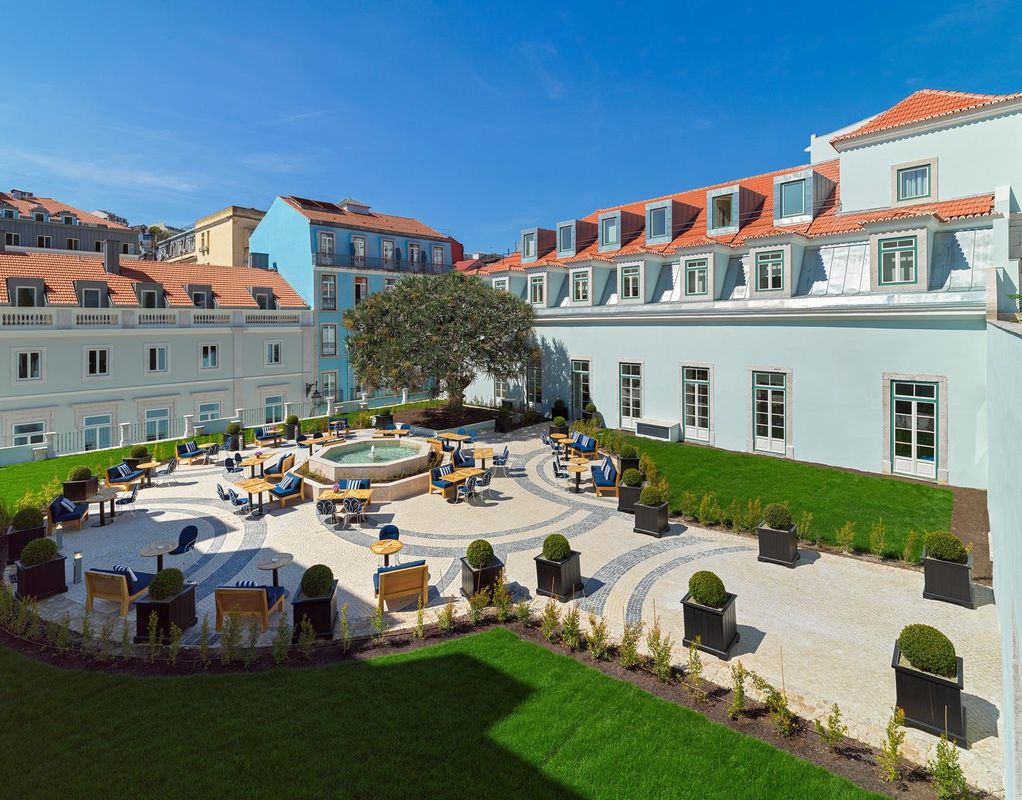
The One Palácio da Anunciada
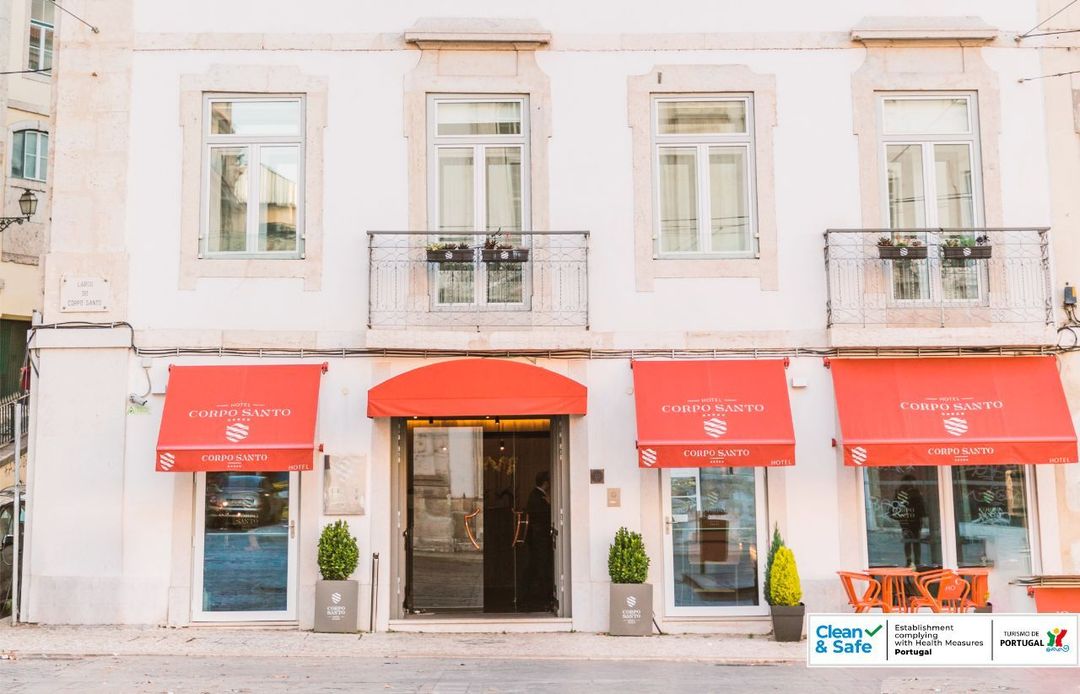
Corpo Santo Lisbon Historical Hotel
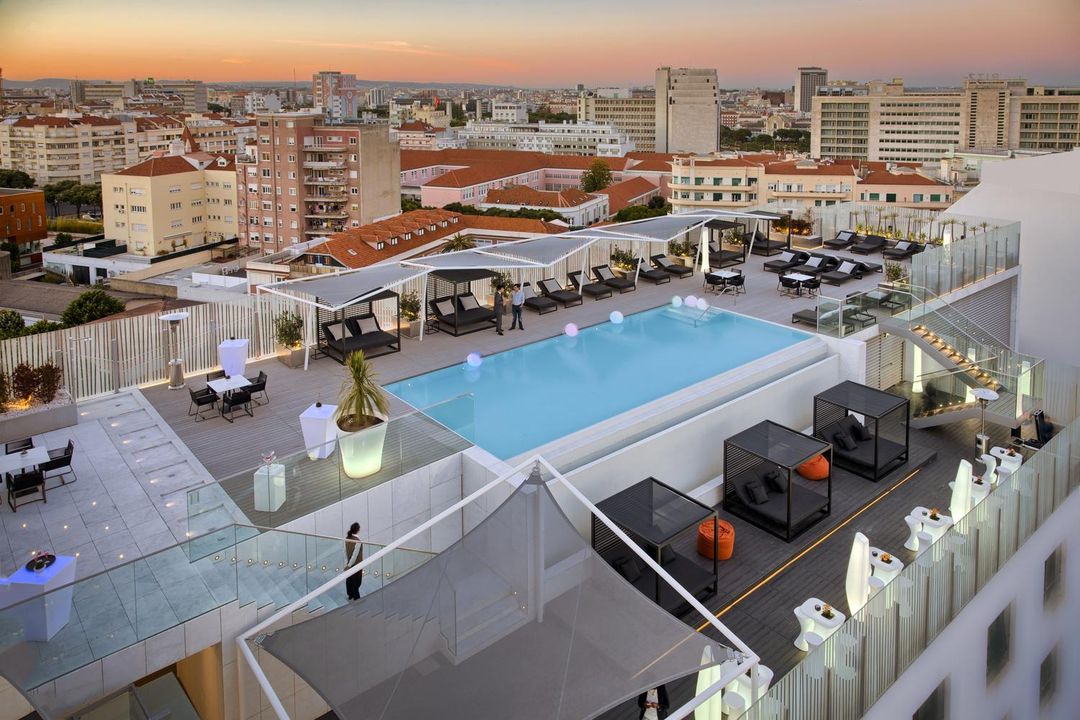
Epic Sana Lisboa Hotel
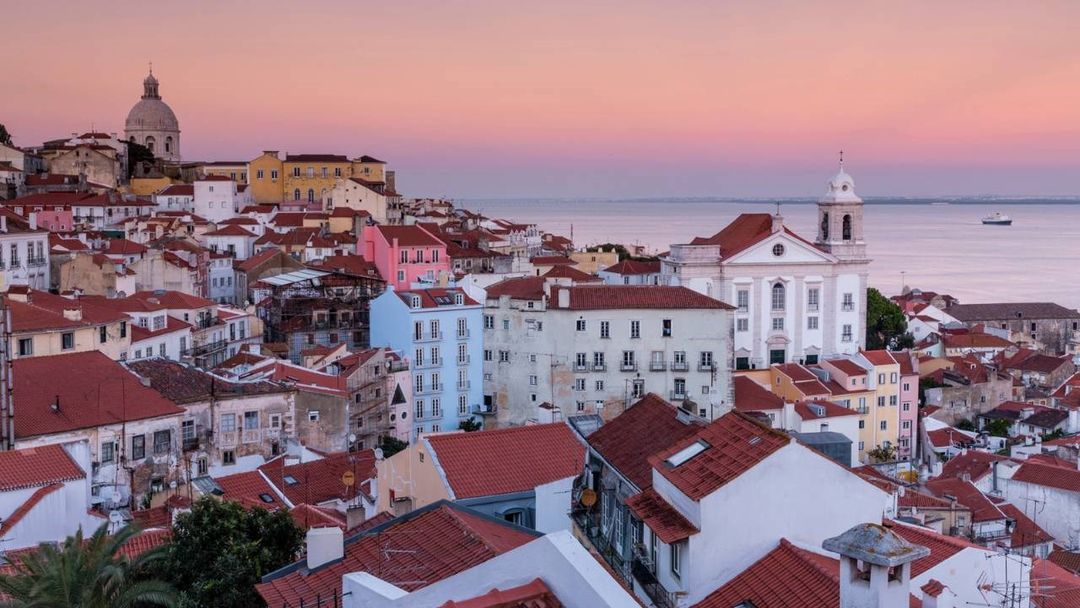
Four Seasons Hotel Ritz Lisbon
Best Hotels in Lisbon
Discover curated hotel collections in Lisbon
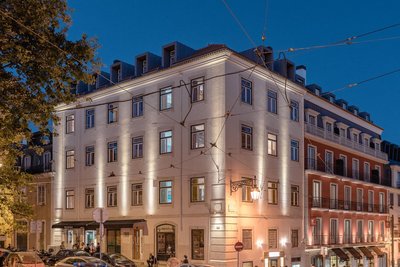
Chiado Arty Flats
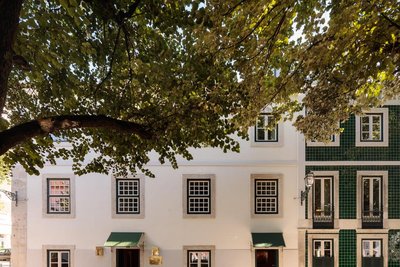
Hotel Das Amoreiras - Small Luxury Hotels of the World
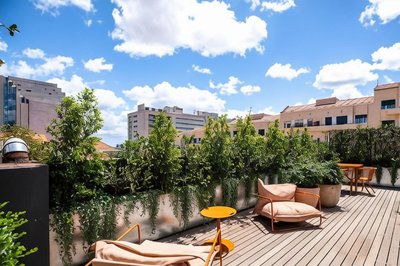
Sublime Lisboa
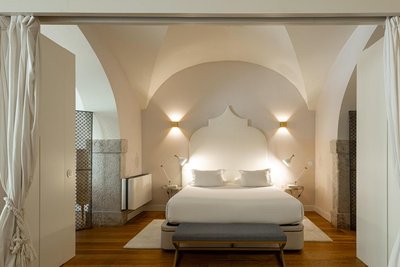
Almaria - Da Corte Apartments | Chiado
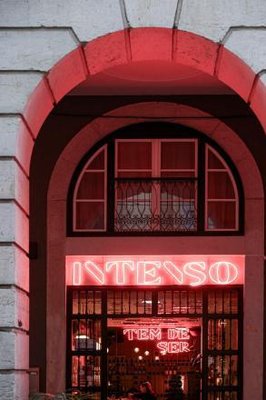
Look Living, Lisbon Design Apartments
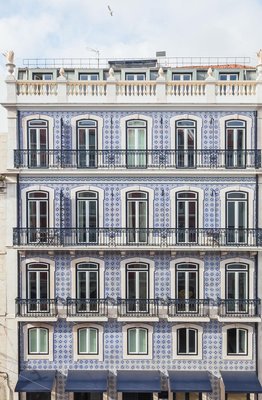
Almaria - Ex Libris Apartments | Chiado
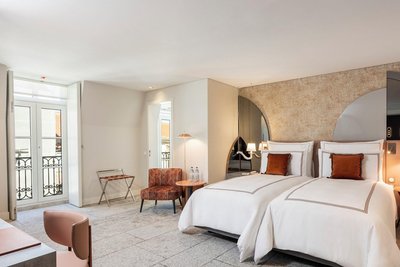
Convent Square Lisbon, Vignette Collection
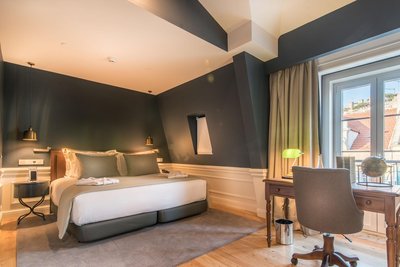
Hotel da Baixa
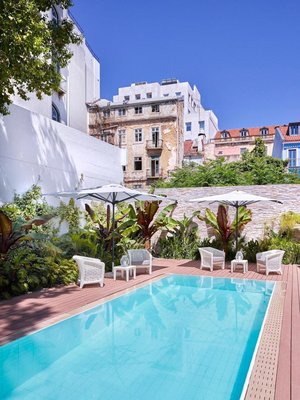
Hapimag Resort Lisbon
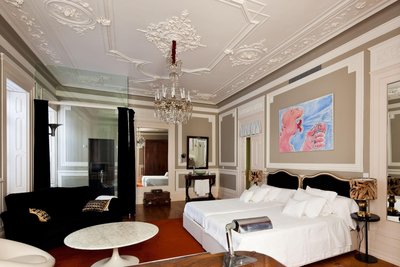
Palacete Chafariz Del Rei - by Unlock Hotels
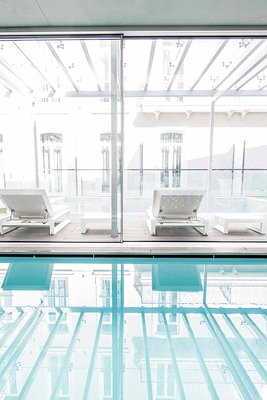
BessaHotel Liberdade
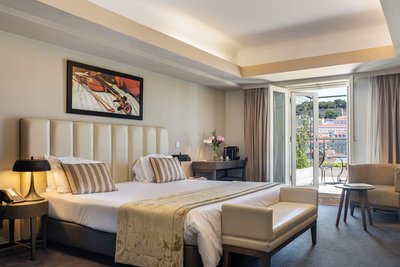
Hotel do Chiado
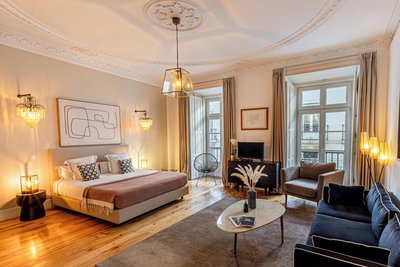
Le Consulat
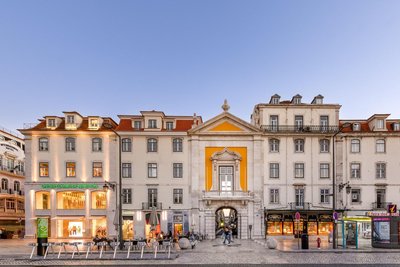
Residentas Arco do Bandeira
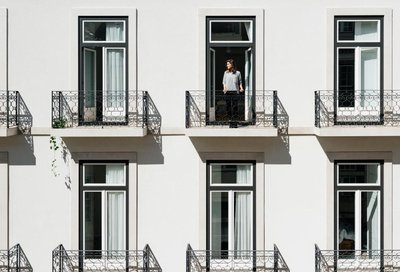
The Lisboans Apartments
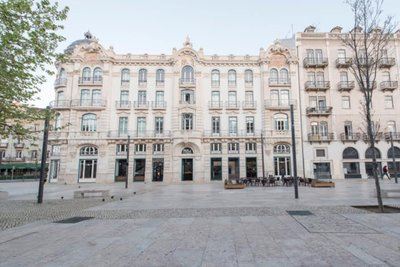
1908 Lisboa Hotel
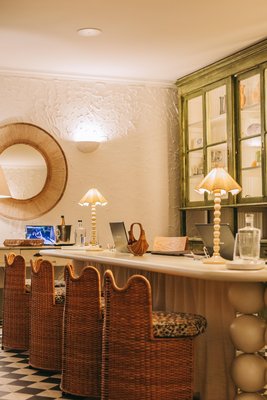
Torel Saboaria
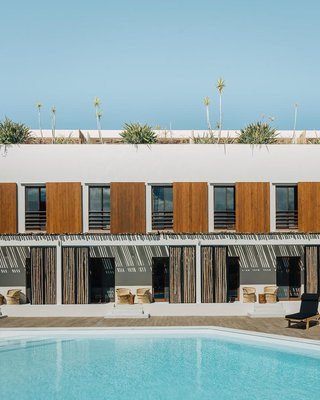
AlmaLusa Comporta
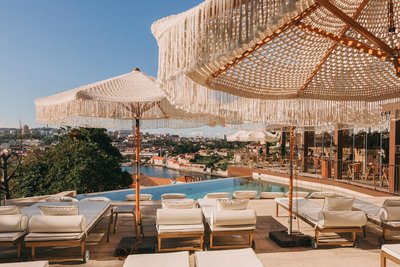
Torel Avantgarde
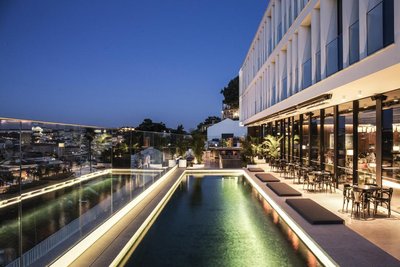
Memmo Príncipe Real - Design Hotels
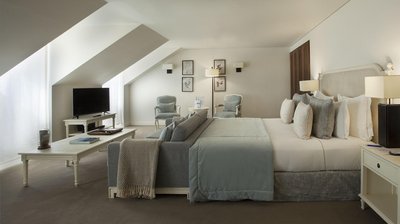
Corpo Santo Lisbon Historical Hotel
Hotel da Baixa
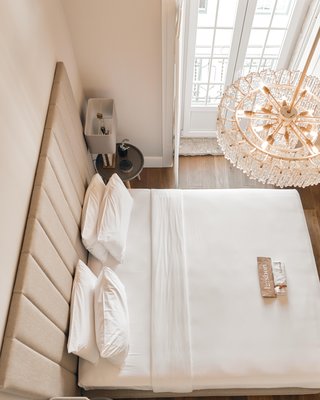
Dare Lisbon House
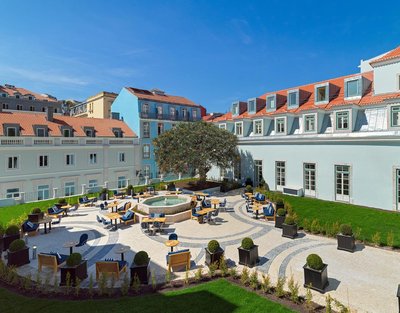
The One Palácio da Anunciada
Palacete Chafariz Del Rei - by Unlock Hotels
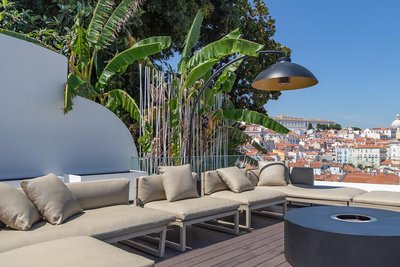
Memmo Alfama - Design Hotels
BessaHotel Liberdade
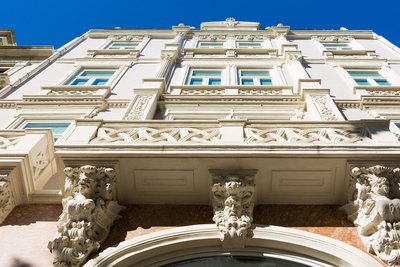
Hotel Valverde Lisboa - Relais & Chateaux
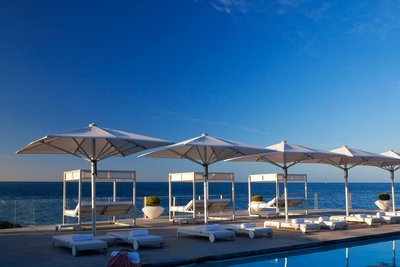
Farol Hotel
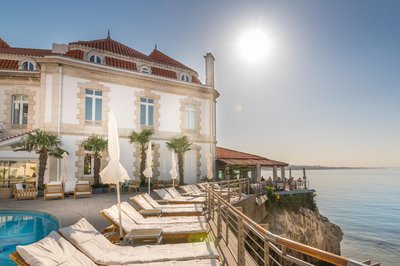
The Albatroz Hotel
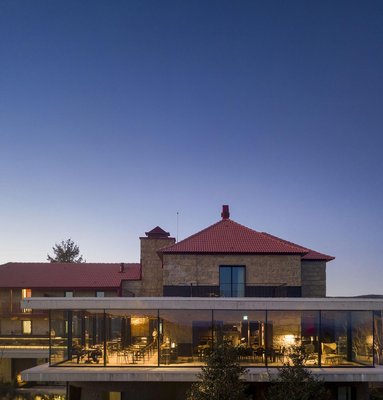
Casa de São Lourenço - Burel Panorama Hotel - Member of Design Hotels
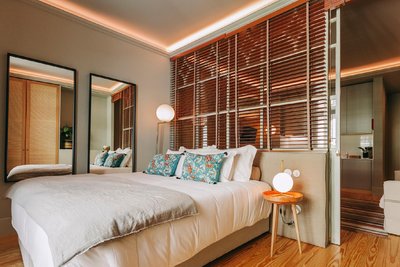
Torel 1884 Suites & Apartments
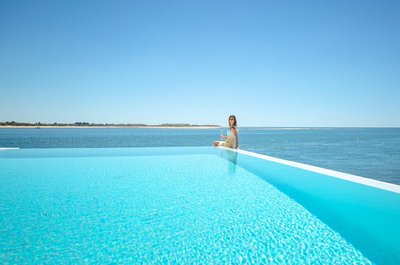
Bordoy Grand House Algarve
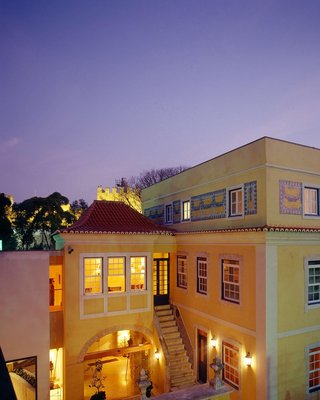
Solar do Castelo - Lisbon Heritage Collection - Alfama
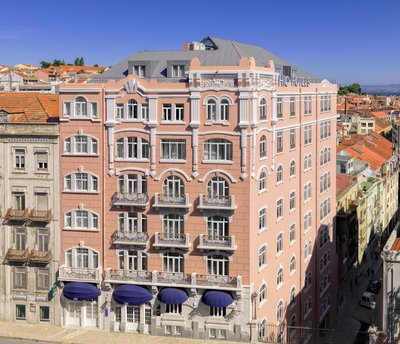
H10 Duque de Loule
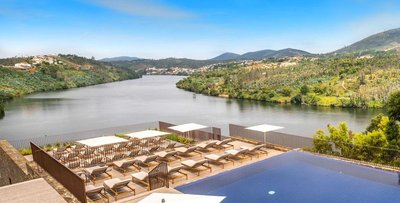
Octant Douro
Memmo Príncipe Real - Design Hotels
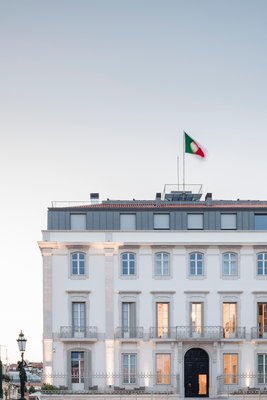
Verride Palácio Santa Catarina
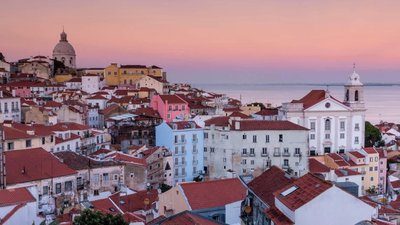
Four Seasons Hotel Ritz Lisbon
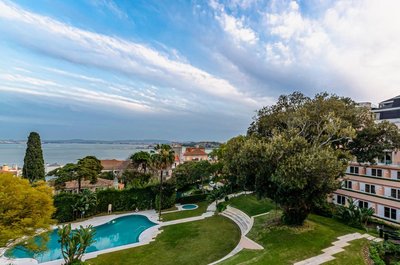
Olissippo Lapa Palace – The Leading Hotels of the World
The One Palácio da Anunciada
Hotel Valverde Lisboa - Relais & Chateaux
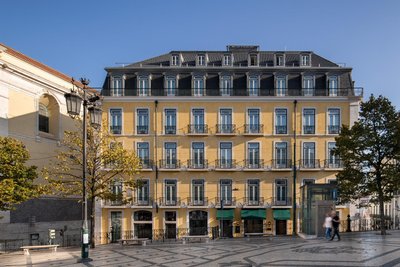
Bairro Alto Hotel
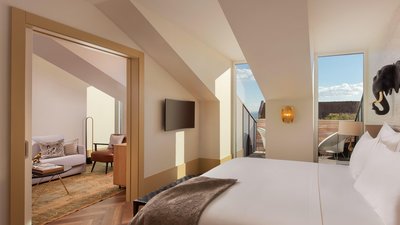
The Ivens, Autograph Collection
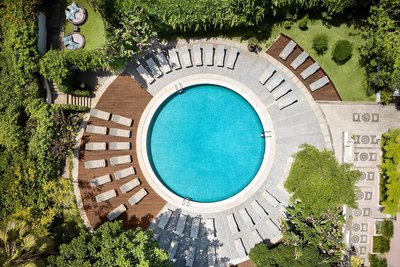
Tivoli Avenida Liberdade
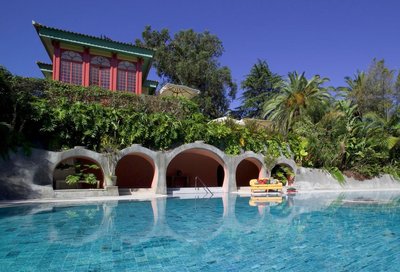
Pestana Palace Lisboa Hotel & National Monument - the Leading Hotels of the World
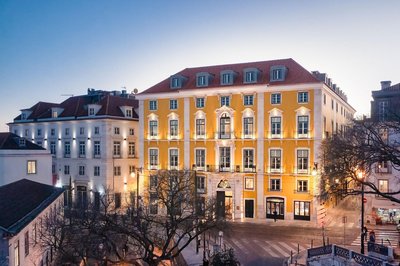
Palácio Ludovice Wine Experience Hotel
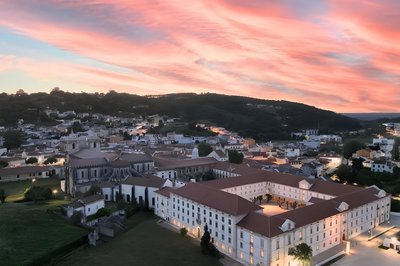
Montebelo Mosteiro de Alcobaça Historic Hotel
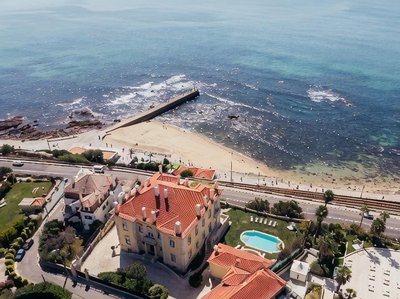
Estoril Vintage Hotel
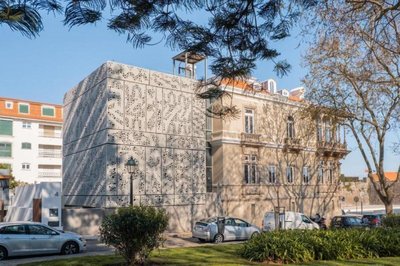
Artsy Cascais
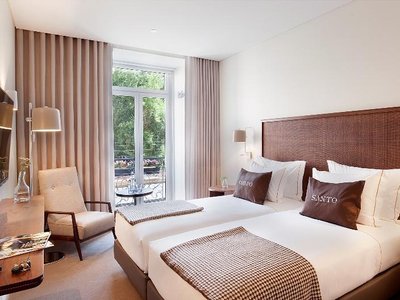
Corpo Santo Lisbon Historical Hotel
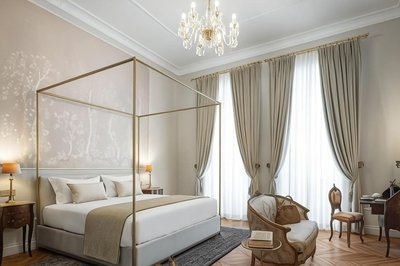
MS Collection Aveiro - Palacete Valdemouro
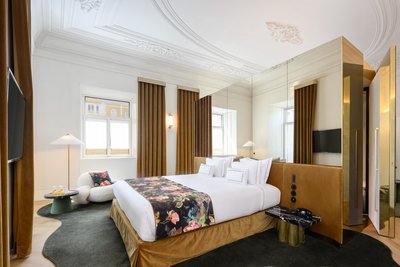
Montebelo Vista Alegre Lisboa Chiado Hotel
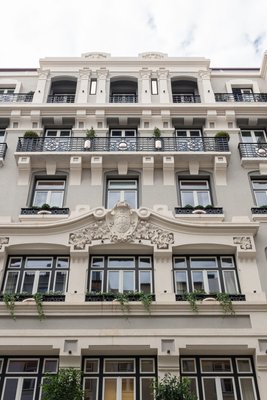
Art Legacy Hotel
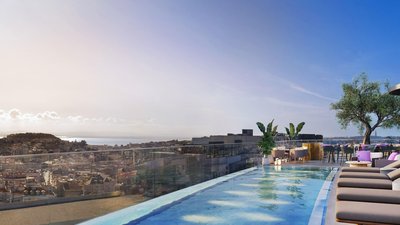
ME Lisbon
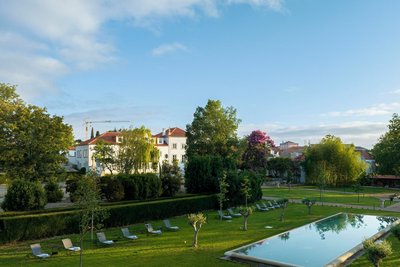
Valverde Santar Hotel & SPA
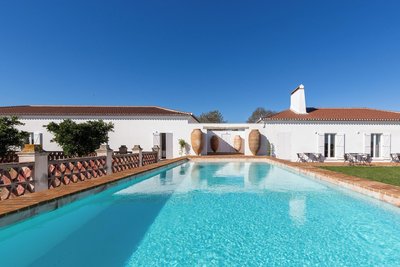
Cenoura-Brava Villas & Suites.
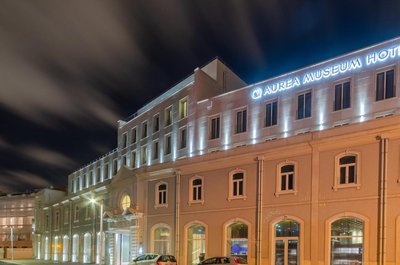
Áurea Museum by Eurostars Hotel Company
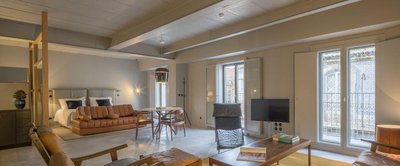
Raw Culture Art & Lofts Bairro Alto
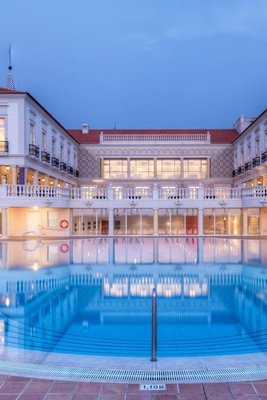
Praia d'El Rey Marriott Golf & Beach Resort
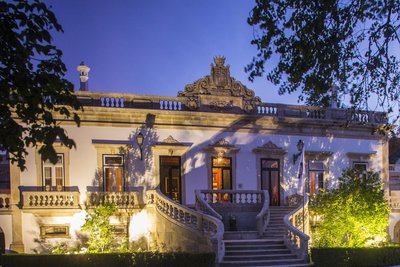
Hotel Quinta Das Lagrimas - Small Luxury Hotels
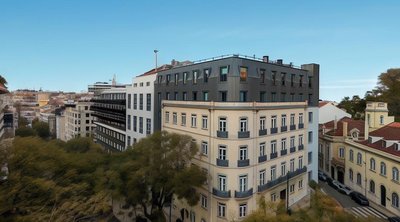
The Vintage Hotel & Spa – Lisbon
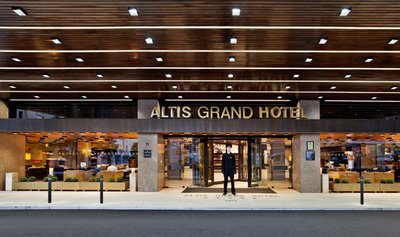
Altis Grand Hotel
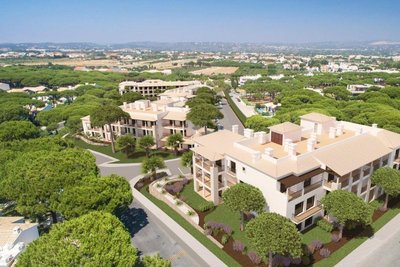
Pine Cliffs Gardens
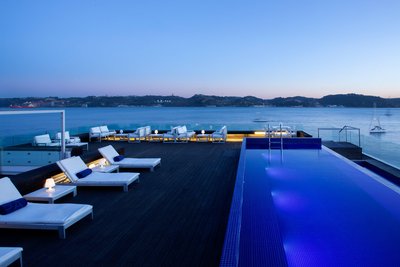
Altis Belem Hotel & Spa, a Member of Design Hotels
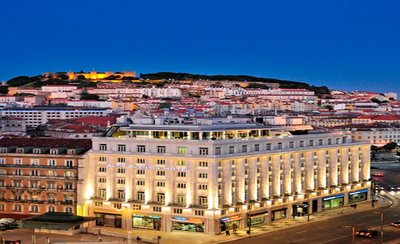
Altis Avenida Hotel
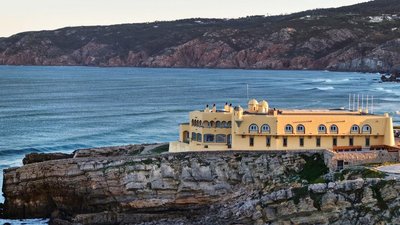
Hotel Fortaleza do Guincho Relais & Châteaux
Corpo Santo Lisbon Historical Hotel
Raw Culture Art & Lofts Bairro Alto
The Vintage Hotel & Spa – Lisbon

Dom Pedro Lisboa Hotel, a member of Radisson Individuals
Altis Belem Hotel & Spa, a Member of Design Hotels
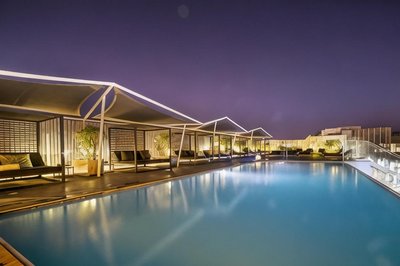
EPIC SANA Lisboa Hotel
The Ivens, Autograph Collection
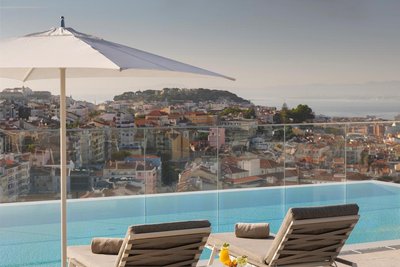
EPIC SANA Marquês Hotel
Pestana Palace Lisboa Hotel & National Monument - the Leading Hotels of the World
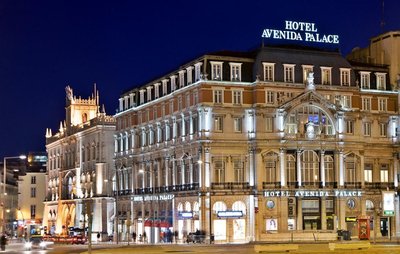
Hotel Avenida Palace
1908 Lisboa Hotel
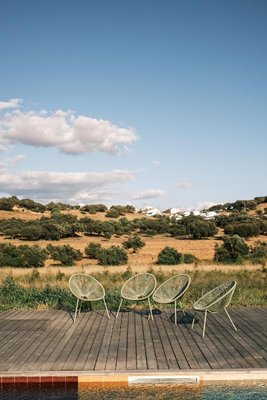
Viva! Farmhouse
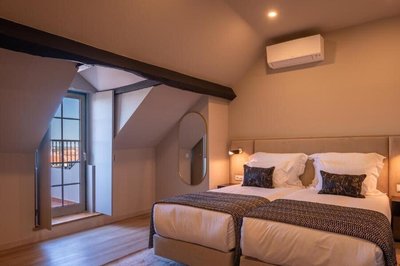
Lilases Boutique House & Garden
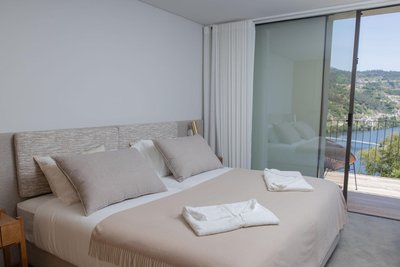
Quinta Alto Do Rio
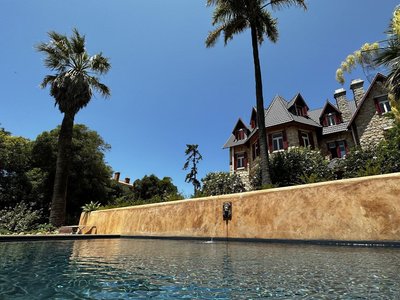
Chalet Ficalho
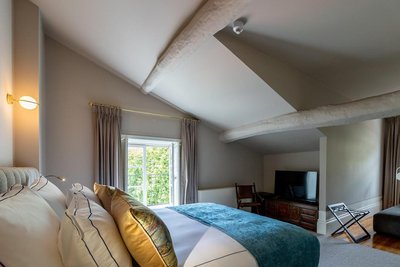
Maison Bleue by Vila Foz
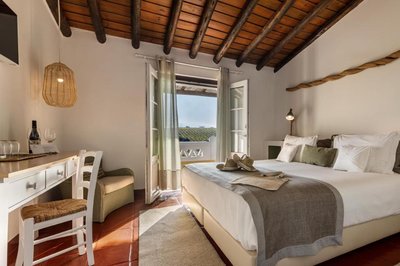
Herdade Do Sobroso Wine & Luxury Boutique Hotel
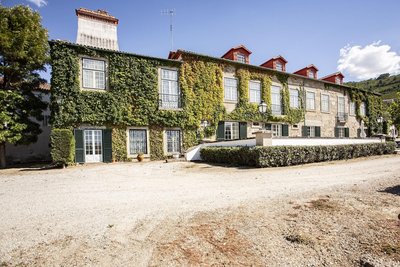
Casa Do Cimo
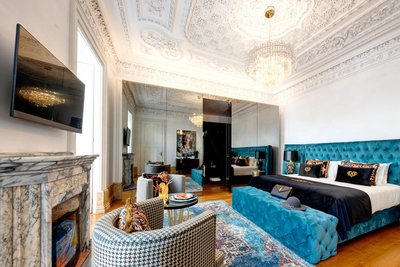
1877 Estrela Palace
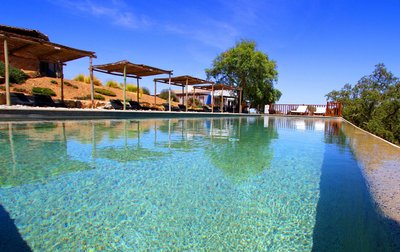
Monte Gois Country House e Spa
Frequently Asked Questions about Traveling to Lisbon
Questions You Might Need to Know About Traveling to Lisbon
For breathtaking views, Altis Avenida Hotel's rooftop bar overlooks Restauradores Square with Art Deco interiors. The Hotel Mundial provides sweeping vistas of São Jorge Castle from its Miradouro Suite. Budget travelers can opt for Lisbon Chillout Hostel whose terrace faces the Tagus River sunset. All locations are within 500m from Santa Justa Lift and feature soundproof windows for tranquility.
The Martinhal Lisbon Chiado tops the list with dedicated kids' clubs and baby concierge services, located in a pedestrianized area. Tivoli Avenida Liberdade offers connecting rooms and child-sized bathrobes, just 8 minutes from the Oceanário. Look for properties with kitchenettes near Eduardo VII Park, such as Apartments S. Pedro de Alcântara, which provide laundry facilities and stroller rentals.
Top boutique hotels with views include Memmo Alfama in the Alfama district, featuring panoramic cityscapes and a rooftop bar; Hotel do Chiado with Renaissance charm near São Jorge Castle; and Bairro Alto Hotel known for its design aesthetics, steps away from Praça do Comércio. Perfect for culture and nightlife seekers.
Lisbon offers tiered pricing: budget hostels like Goodmorning Hostel (€25-50/night), mid-range hotels such as Hotel Lisboa Plaza (€80-120), and luxury options like Four Seasons (€200+). Expect 30% higher rates during peak season (June-September). Early HopeGoo is advised for best deals.
Lisbon offers a variety of unique hotels, including:
- Boutique Hotels: Located in historic neighborhoods with traditional Portuguese charm, perfect for culture lovers.
- Riverside Hotels: With stunning views of the Tagus River, ideal for a romantic getaway.
- Design Hotels: Modern and artistic, blending contemporary style with local elements, great for young travelers.
Whether you prefer history, luxury, or trendy vibes, Lisbon has it all!
Here are the top areas to stay in Lisbon:
- Baixa/Chiado: The city center with shopping, restaurants, and easy access to attractions.
- Alfama: A charming historic district near São Jorge Castle, perfect for a traditional experience.
- Belém: Home to UNESCO sites like Jerónimos Monastery and Belém Tower, great for sightseeing.
- Parque das Nações: A modern area with business hubs and family-friendly amenities.
Choose based on your itinerary and interests!
Lisbon Overview
City Summary
Lisbon, the capital of Portugal, is nestled along the Tagus River and brims with historical and cultural charm. The city boasts enchanting old quarters like Alfama, where narrow streets and colorful buildings transport visitors back in time. The Belém Tower and Jerónimos Monastery, both UNESCO World Heritage Sites, reflect Portugal’s Age of Discovery glory. Exploring Lisbon via its iconic tram system (especially the famous Tram 28) is a unique experience. Don’t miss savoring local delights like pastéis de nata and seafood dishes, a true culinary feast.
Must-See Attractions
Lisbon, the capital of Portugal, is nestled in the Tagus Valley and brims with history and vibrancy. The city boasts rich cultural heritage, including the Belém Tower and Jerónimos Monastery, both UNESCO World Heritage Sites that reflect Portugal's Age of Discovery. Wander through the narrow streets of Alfama, where the melancholic tunes of Fado music fill the air, or visit São Jorge Castle for panoramic views. Lisbon is also famous for its pastéis de nata—don’t miss this local delicacy. A blend of modernity and tradition makes this city a captivating destination.
Food Guide
Lisbon, the capital of Portugal, boasts a rich culinary culture blending Mediterranean and Atlantic flavors. The Pastel de Nata (custard tart) is a must-try dessert, with its flaky crust and creamy filling, especially from the iconic Pastéis de Belém in Belém. Seafood lovers should savor grilled sardines (Sardinhas Assadas) and seafood rice (Arroz de Marisco), best paired with local Vinho Verde wine. Bacalhau (salted cod) is prepared in over 365 ways, showcasing Portuguese creativity. In Alfama’s traditional restaurants, enjoy Fado music alongside your meal for an authentic experience.
Transportation Guide
Lisbon, the capital of Portugal, boasts a well-developed transportation network with multiple options for travelers.
Public Transport:
- Metro: The Lisbon Metro covers key areas with four color-coded lines (Blue, Yellow, Green, Red), known for clear signage and frequent service.
- Trams: The iconic Tram 28 winds through historic districts like Alfama, but beware of pickpockets.
- Buses & Ferries: Buses serve the entire city, while ferries cross the Tagus River to Almada.
Travel Tips:
- Purchase a Viva Viagem card for metro, buses, trams, and ferries, with discounted transfers.
- Bolt/Uber is often cheaper than traditional taxis, especially for airport transfers or night travel.
- Wear comfortable shoes—streets in old quarters (e.g., Alfama) are steep and cobbled.
Note: Popular tram lines (e.g., Tram 28) get crowded; avoid peak hours (10 AM–5 PM).
Best Time to Visit
Lisbon, the capital of Portugal, is located in the Tagus Valley and boasts a rich cultural heritage and stunning coastal views. The best times to visit are spring (March to May) and autumn (September to October), when the weather is mild and perfect for exploring historic landmarks like the Belém Tower and Jerónimos Monastery. Summer (June to August) is lively but crowded and hot, while winter (November to February) offers cooler temperatures and a quieter atmosphere. Don’t miss the city’s Fado music and seafood cuisine for an authentic experience.
Travel Tips
-
Weather Prep: Lisbon has mild weather, but winter may bring rain—pack a lightweight raincoat. Summer requires sunscreen and sunglasses for strong UV rays.
-
Transport Tips: Use the Viva Viagem card for metro/buses/trams. The iconic Tram 28 is scenic but watch for pickpockets.
-
Dining Culture: Try Pastel de Nata (custard tarts) and Arroz de Marisco (seafood rice). Tipping 5-10% is appreciated but not mandatory.
-
Safety Notes: Beware of wallet theft in crowds. Avoid walking alone at night in Alfama's narrow alleys.
-
Etiquette: Greet locals with "Bom dia" (Good morning). Loud behavior in public is frowned upon.
-
Must-Sees: Visit Belém Tower and Jerónimos Monastery (UNESCO sites) early. Castle of St. George offers panoramic sunset views.
-
Language: English isn't widely spoken; learn basics like "Obrigado/a" (Thank you).
-
Payment: Some shops enforce minimum charges for cards—carry small euros for convenience.
Useful Information
Essential Lisbon Travel Guide
Language: Portuguese is the official language, but English is widely spoken in tourist areas. Learning basic phrases (e.g., "Olá" for hello) is appreciated.
Connectivity: Free Wi-Fi hotspots available downtown (e.g., Praça do Comércio). Consider prepaid SIMs from local providers (MEO/Vodafone), 1GB data ≈€5.
Currency: Euro (€) is used. Cards are accepted widely, but carry cash for small shops/trams. Pro tip: Coins are handy for Tram 28 rides (€3).
Emergencies: Dial 112 (EU-wide emergency number). Chinese Embassy consular hotline: +351-963355431.
Local Insights:
- Ride Santa Justa Lift for panoramic views—avoid midday crowds.
- Try Pastéis de Belém custard tarts in Belém, best with cinnamon.
- Cobblestone streets can be slippery—wear grippy shoes.
Traveler Reviews
See what other travelers say about Lisbon

Tivoli Avenida Liberdade
This hotel continues to exceed my expectations—just as exceptional as always. The breakfast is outstanding, easily one of the best I've had during my business trips across Europe. Fresh, diverse, and beautifully presented with local specialties that truly highlight Portuguese flavors. The location is fantastic too—walking distance to major attractions and just a short ride on the metro to anywhere in the city center. Everything from the staff’s hospitality to the room ambiance feels polished and welcoming. It's rare to find such a perfect balance of comfort, convenience, and quality. If you're visiting Lisbon, whether for work or leisure, this is definitely a top choice. I’ll be coming back without hesitation.

Olissippo Lapa Palace – The Leading Hotels of the World
Staying at Olissippo Lapa Palace was an absolute highlight of my trip to Lisbon. The room was surprisingly spacious for Europe, with a lovely balcony offering breathtaking views of the city—perfect for morning coffee or sunset watching. Everything was immaculately clean and thoughtfully designed. The breakfast spread was fantastic, but the real standout was the 4th-floor restaurant: incredible dishes like foie gras and black pork that were rich in flavor and perfectly executed. Dining here felt like a special occasion. Location-wise, it’s incredibly convenient—just a short ride to major attractions like Avenida da Liberdade. Staff were warm, attentive, and genuinely made you feel welcome. I also loved the artistic vibe throughout the hotel—the hallways lined with stunning murals added a unique cultural touch. It’s not just a place to stay; it’s an experience. Highly recommend for anyone seeking luxury, charm, and authenticity in Lisbon.

Myriad by Sana Hotels
Staying at Myriad by Sana Hotels in Lisbon was an absolute delight. The service was exceptional from check-in to checkout—staff were friendly, attentive, and always ready to help. The hotel itself is immaculate, with a sleek, modern design that feels both stylish and welcoming. Every detail was thoughtfully done, making the stay truly comfortable. What really stood out was the incredible variety of dining options right outside the door—whether you're craving authentic Portuguese cuisine or international flavors, there's something for everyone. Plus, it's just a short metro ride away from the city center. Perfect location, top-tier service, and excellent value. I’d definitely come back and highly recommend this gem.

The Lumiares Hotel & Spa - Small Luxury Hotels of The World
Staying at The Lumiares Hotel & Spa was absolutely perfect—truly a standout experience. From the moment I arrived, the staff made me feel welcome with genuine warmth and attention to detail. The location is ideal: just a short walk from Lisbon’s main attractions, with easy access to public transit. The rooms are spacious, elegantly designed, and incredibly comfortable, with plush bedding that made falling asleep a breeze. The bathroom features high-end spa amenities, and the in-room rain shower felt like a luxury retreat. But what truly sets this hotel apart is the wellness experience—the on-site spa is exceptional. I had a massage here, and the therapist’s technique was flawless, leaving me completely relaxed. The quiet, serene atmosphere throughout the property makes it a true sanctuary in the heart of the city. Every little detail feels intentional and thoughtful. For such a high-end stay, the value is outstanding. This isn’t just a hotel—it’s an unforgettable escape. I’ll definitely be back.

Epic Sana Marquês Hotel
The hotel itself is a great choice if you're looking for comfort and a few standout features. While the location isn't central—most attractions require a short taxi ride—it’s still manageable, especially since we were allowed to check in early at 11 AM, which was a nice touch. The staff experience was mixed: one day the front desk was warm and professional, the next felt rushed and unfriendly. A bit inconsistent, but overall service remains decent. What truly stood out was the shower—powerful water pressure, excellent flow, and a refreshing experience every time. Breakfast was solid too, with a highlight being the fresh pastries, especially the egg tarts that were flaky and sweet. For travelers who value good showers, a reliable breakfast, and a quiet stay, this place offers strong value despite its slightly less ideal location.

Martinhal Lisbon Oriente
Absolutely loved this stay! The hotel is just a 10-minute Uber ride from the airport and only a 10 to 15-minute walk from Oriente Station—perfect for easy access. There’s a large supermarket nearby, so grocery shopping and cooking your own meals is super convenient. The property features both indoor and outdoor pools, and on arrival, we were greeted with delicious mini macarons and homemade muesli from a cheerful staff member who smiled throughout. The apartment-style rooms are well-equipped with a toaster, capsule coffee machine, washing machine, and even cookware including a stovetop (induction or halogen—I’m not sure which). We picked up some groceries and cooked simple meals, which was such a nice change from eating out every night. Breakfast was similar in variety to other hotels we’ve stayed at, but it was tasty and satisfying. This trip with my husband was a long-distance getaway, and choosing this hotel was one of the best decisions we made. With its excellent service, thoughtful touches, and great value, I’d definitely book again—no matter where this brand is located.

The One Palácio da Anunciada
Staying at The One Palácio da Anunciada in Lisbon was an absolute highlight of my trip. The location is unbeatable—just a short walk from major attractions and public transit, making exploration effortless. The bed was incredibly comfortable, offering a restful night's sleep with perfect support. Breakfast was exceptional—plentiful, fresh, and varied, with both local Portuguese delicacies and international options. The staff went above and beyond with their warm, genuine hospitality; they made me feel welcome every step of the way. What truly stood out was the blend of history and luxury—the building itself is a beautifully preserved historic palace, yet it’s equipped with modern amenities and elegant design throughout. It’s rare to find such a unique, high-end experience in a place with so much character. This isn’t just a hotel—it’s a memorable stay you’ll want to return to.

Corpo Santo Lisbon Historical Hotel
Staying at Corpo Santo Lisbon Historical Hotel was an absolute highlight of my trip to Lisbon. The most surprising and fascinating feature? The hotel is built right over ancient city ruins, and instead of hiding them, they’ve turned the underground space into a small museum—complete with a bar and gym nestled within historic walls. It’s such a unique concept, blending rich history with modern comfort in a way that feels seamless and respectful. Every service here is flawless, from check-in to checkout. But what truly made it unforgettable was the free city tour offered by the hotel—it’s incredibly well-organized, packed with local insights, and gives you access to hidden gems off the beaten path. If you’re visiting Lisbon, this hotel isn’t just a place to stay; it’s an experience. Highly recommended.

Epic Sana Lisboa Hotel
Everything about this stay was exceptional—high quality from start to finish. The breakfast was outstanding, offering a wide variety of fresh and delicious options that truly made the morning special. The hotel is perfectly located just a short metro ride from the city center, with great access to attractions, restaurants, and local vibes. The room was spotless, comfortable, and well-designed, with thoughtful touches that added to the overall experience. Staff were friendly, attentive, and always ready to help. It’s clear they take pride in guest satisfaction. This place delivers amazing value for money—definitely a top pick for anyone visiting Lisbon. I’ll be back!

Four Seasons Hotel Ritz Lisbon
Staying at the Four Seasons Hotel Ritz Lisbon was an absolute highlight of my trip to Lisbon. The hotel’s rich history as the original Ritz adds a timeless elegance to every corner—artistic details, luxurious furnishings, and a serene atmosphere that instantly makes you feel at home. The service is impeccable: staff are attentive without being intrusive, anticipating needs before you even ask. Located in such a prime spot, everything is within walking distance—from top restaurants to historic landmarks and the metro station. I loved how convenient it was to explore the city while returning to a peaceful retreat each evening. The attention to detail, from the room amenities to the thoughtful touches throughout the property, made this stay truly unforgettable. If you're looking for a blend of heritage, luxury, and unbeatable location, this is the place to be.

Pestana Palace Lisboa Hotel & National Monument - the Leading Hotels of the World
My stay at Pestana Palace Lisboa Hotel & National Monument was truly exceptional—truly one of the best experiences I’ve had in Lisbon. The only minor downside is the location being slightly inconvenient for public transit, but everything else was flawless. The hotel’s atmosphere is breathtaking—luxurious yet deeply rooted in history, with elegant architecture and a serene ambiance that made me feel like I was stepping into a bygone era. The staff went above and beyond with their warm, attentive service—always ready to help, friendly, and professional. Breakfast was outstanding: a wide variety of fresh, high-quality options, from local pastries to international favorites. It felt like a celebration every morning. Despite the slight transport challenge, the overall experience was worth it. If you’re looking for a memorable, refined stay in Lisbon with a touch of grandeur, this hotel is absolutely top-tier.

Altis Belem Hotel & Spa, a Member of Design Hotels
Staying at Altis Belem was an absolute highlight of my Lisbon trip. The room was spacious and beautifully designed, with a stunning view of the Tagus River—especially magical during sunset. I loved how quiet and serene it felt, even though it’s just a short walk from the city center. The breakfast spread was excellent: fresh pastries, local cheeses, and organic fruit made for a perfect morning start. The staff went above and beyond—always smiling, helpful, and genuinely warm. They made me feel like a guest, not just a visitor. This hotel strikes the perfect balance between modern design, comfort, and authentic hospitality. If you’re looking for a memorable stay in Lisbon, this is one place I’d recommend without hesitation.