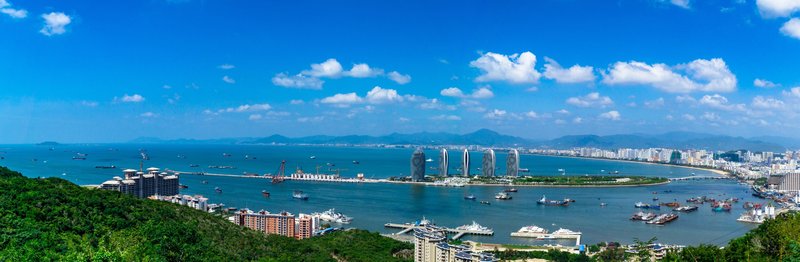
Hotels in Lop Buri
Discover your perfect stay in Lop Buri.
Lop Buri(Thailand) Travel 2026: Cheap Flights, Hotels & Top Attractions
Popular Landmarks in Lop Buri
Discover the most iconic attractions in Lop Buri
Recommended Hotels in Lop Buri
Find the perfect place to stay in Lop Buri
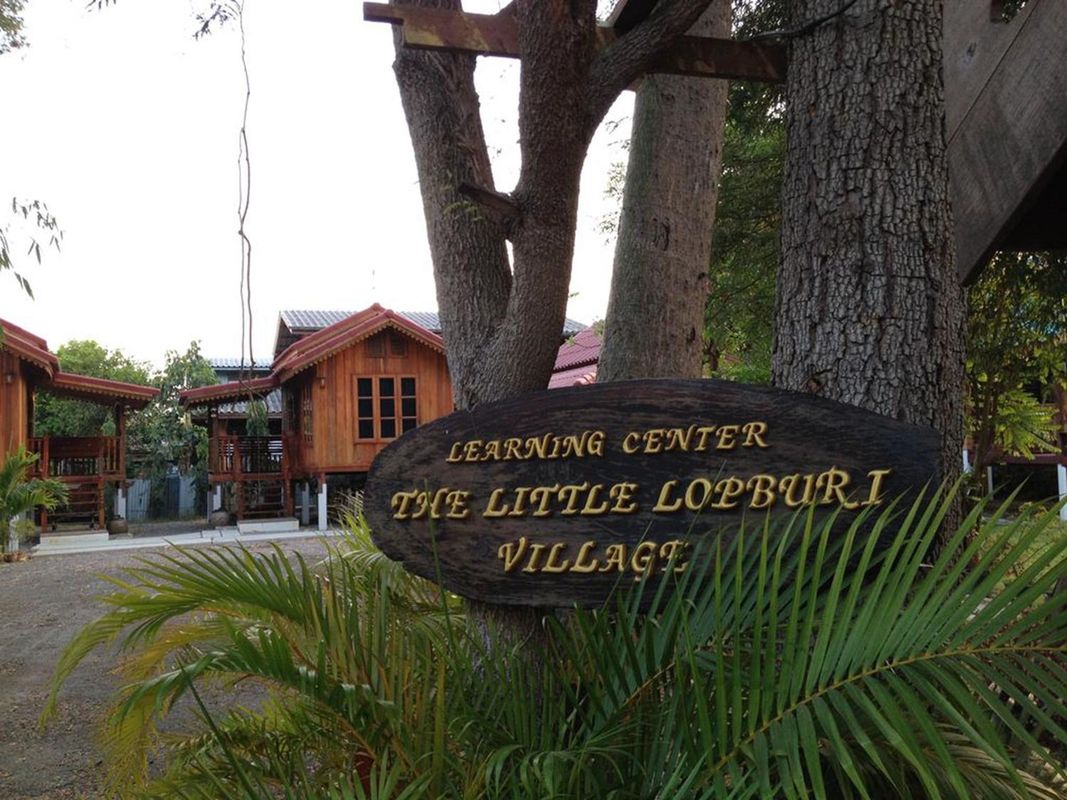
The Little Lopburi Village
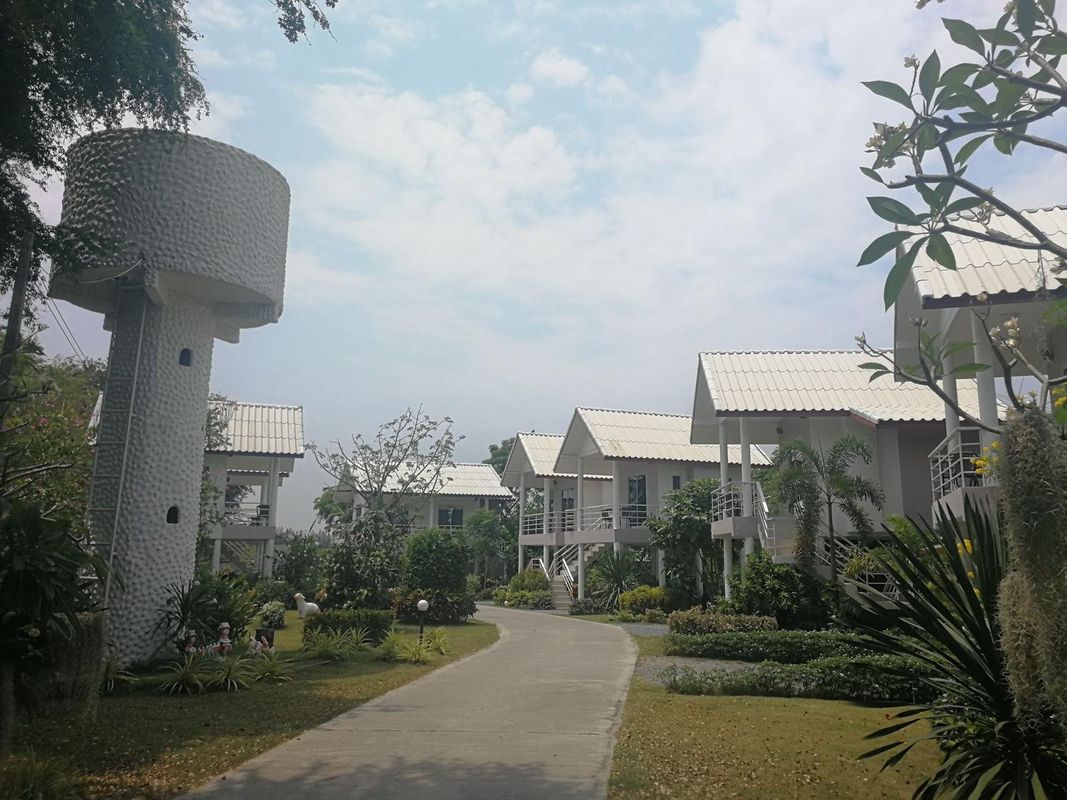
Baansuan Keb Tawan Resort
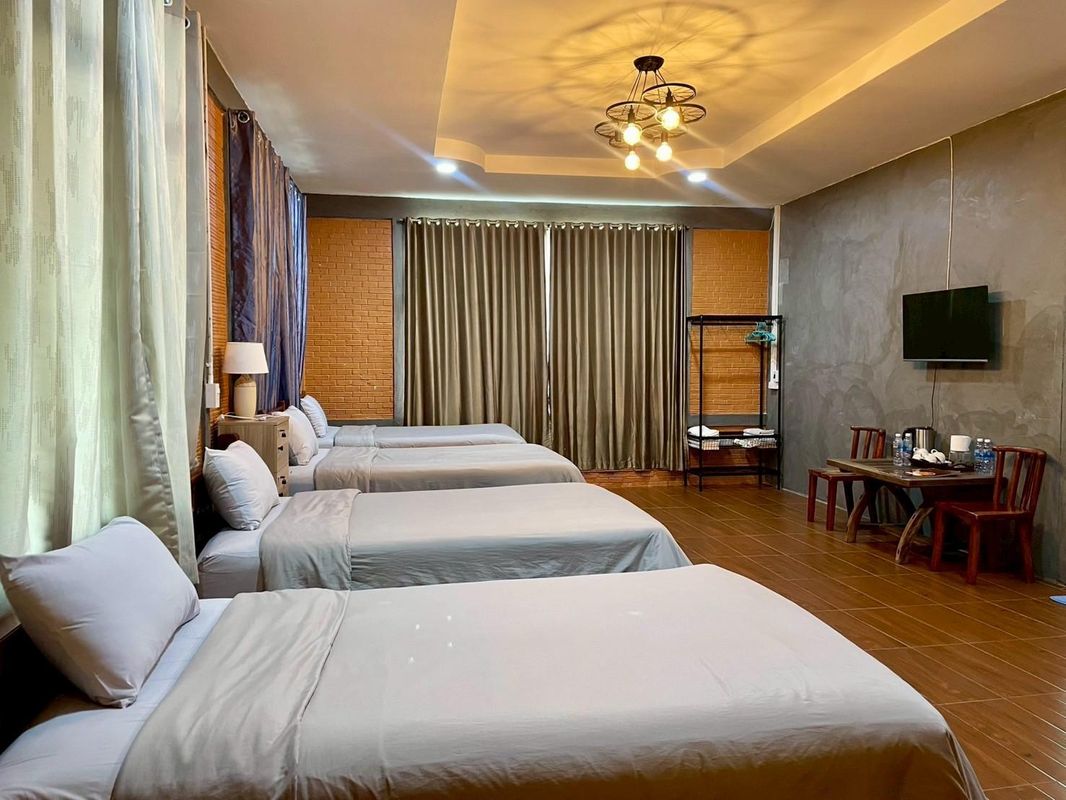
MRK Resort & Massage
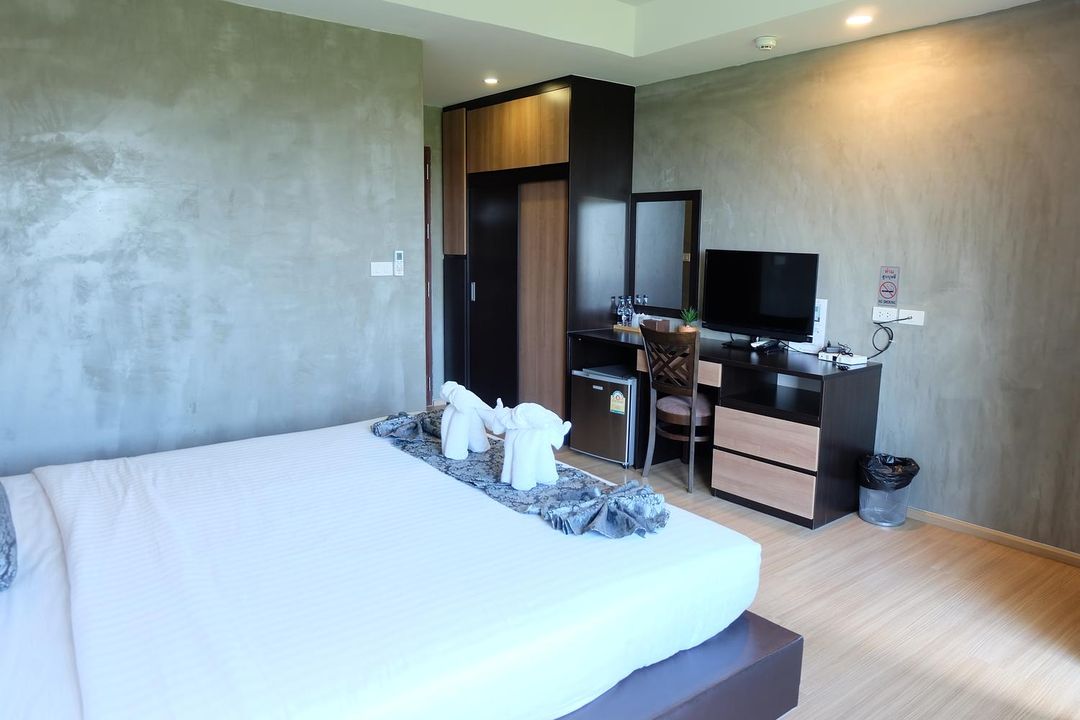
Narai Iyara Palace
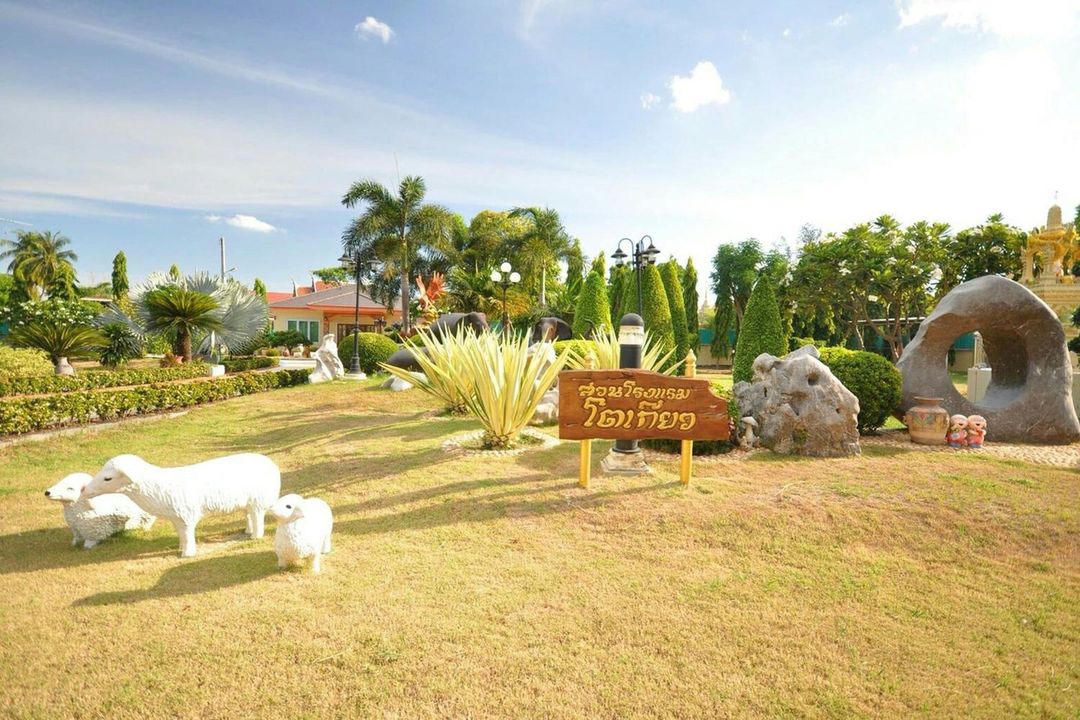
Tokyo Hotel
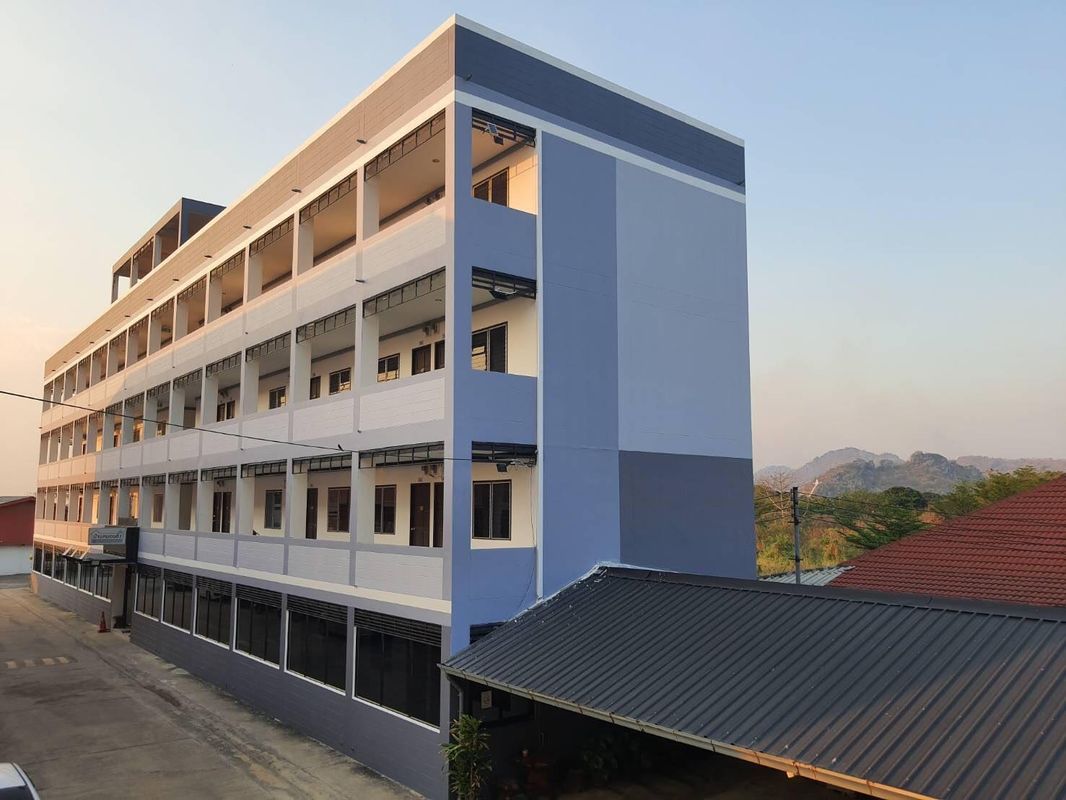
Morning Home
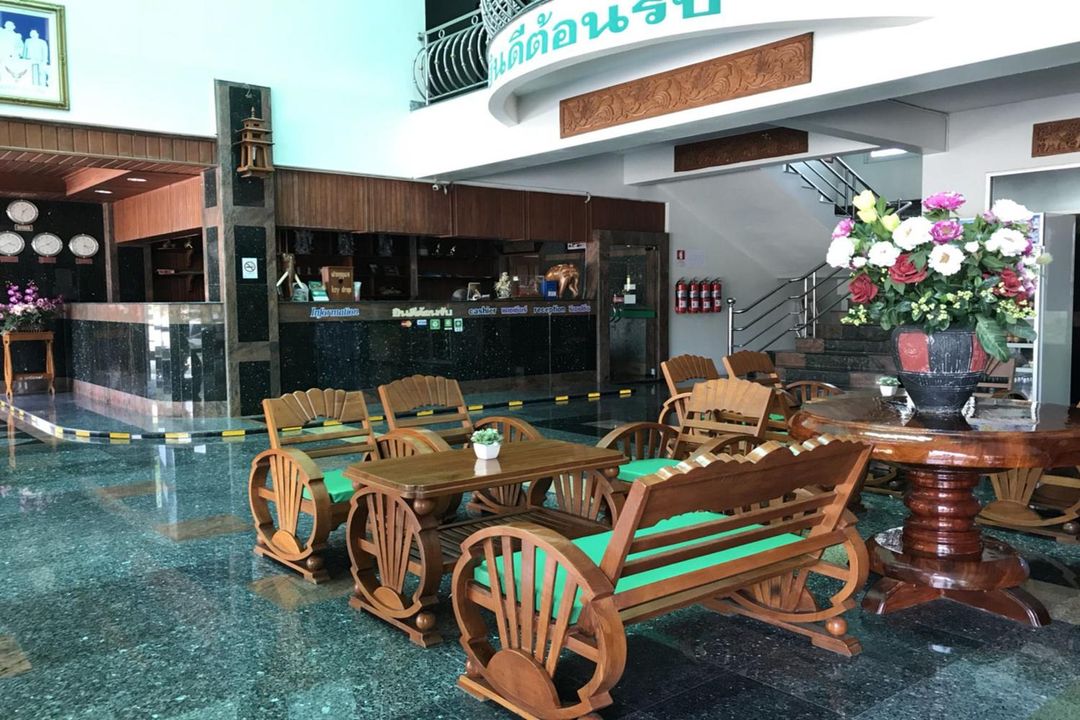
Lopburi Residence 2 Hotel and Resort
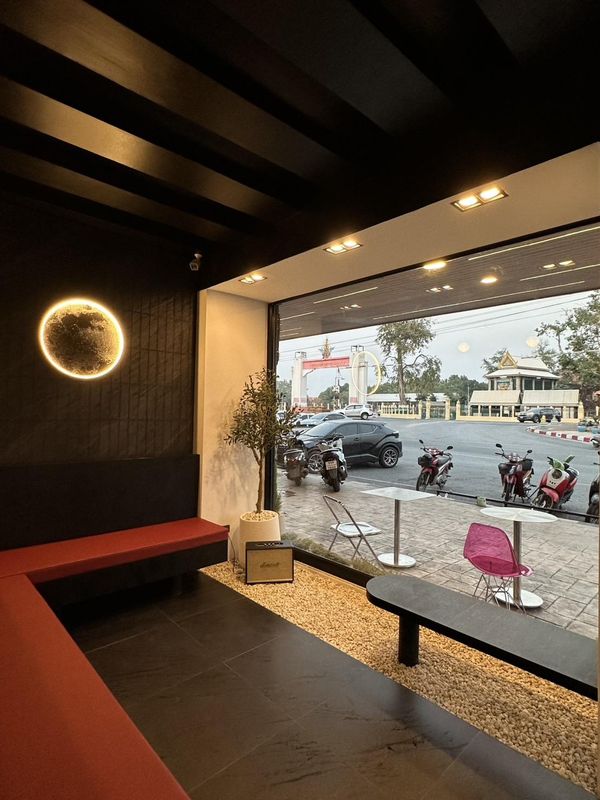
SRIINTRA HOTEL
Best Hotels in Lop Buri
Discover curated hotel collections in Lop Buri
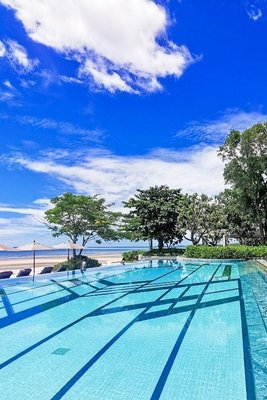
Baba Beach Club Hua Hin Luxury Pool Villa by Sri Panwa
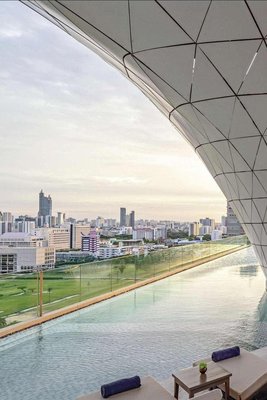
Waldorf Astoria Bangkok
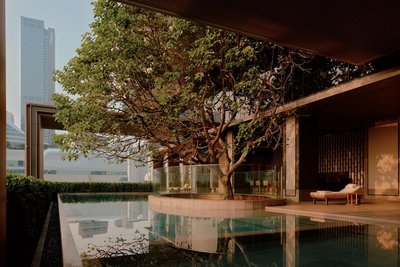
Aman Nai Lert Bangkok
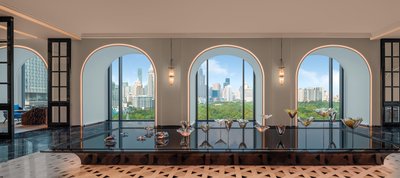
The Ritz-Carlton, Bangkok

Te Mata Glamping
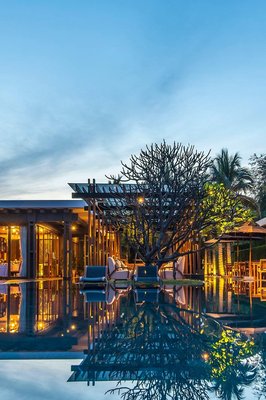
V Villas Hua Hin, MGallery Hotel Collection
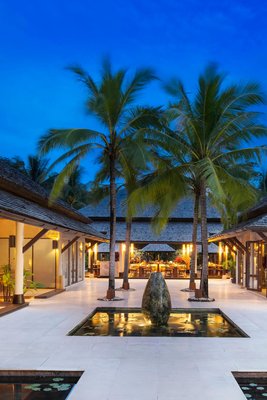
Sheraton Hua Hin Pranburi Villas
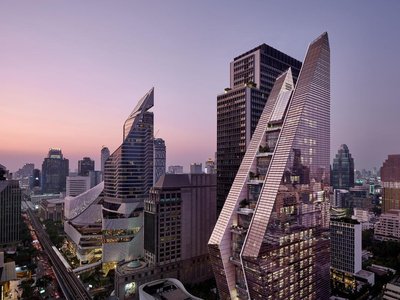
Rosewood Bangkok
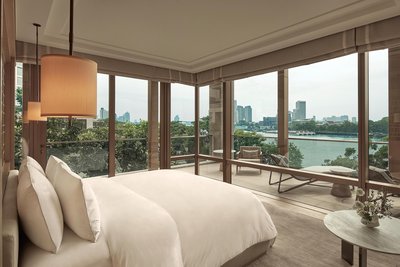
Capella Bangkok
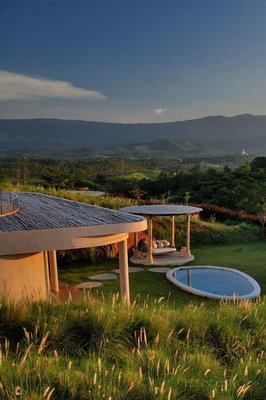
Sala Khaoyai
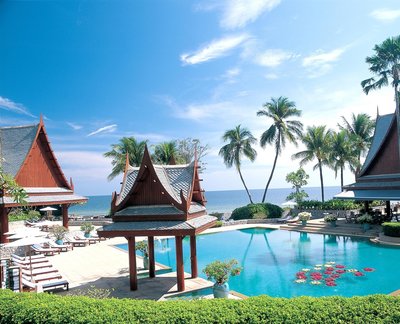
Chiva-Som International Health Resort
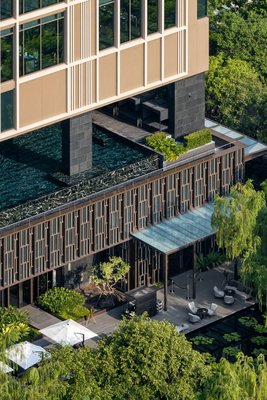
Kimpton Maa-Lai Bangkok
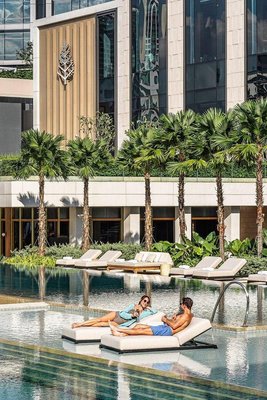
Four Seasons Hotel Bangkok at Chao Phraya River
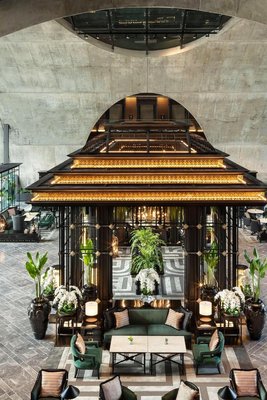
Sindhorn Kempinski Hotel Bangkok
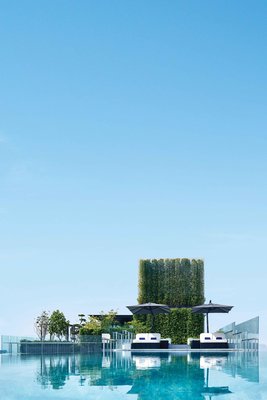
137 Pillars Suites Bangkok
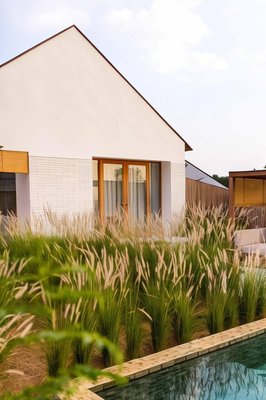
Roukh Kiri Khaoyai, The Centara Collection
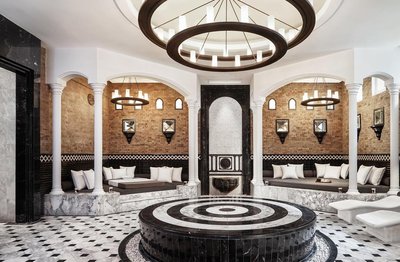
The Siam
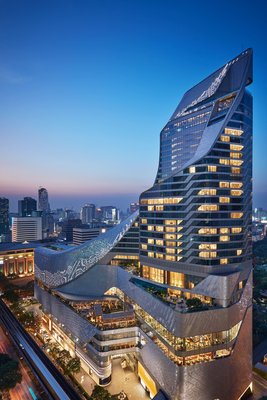
Park Hyatt Bangkok
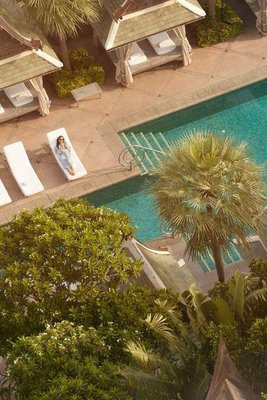
The Peninsula Bangkok
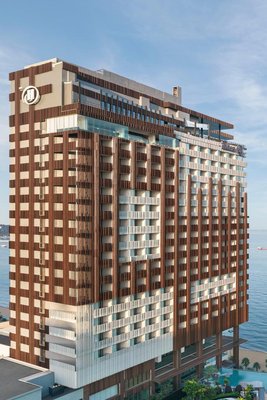
Hilton Pattaya
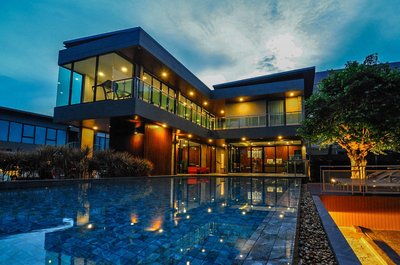
The S Block Condotel
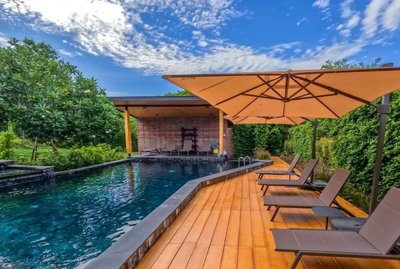
La Levée Resort
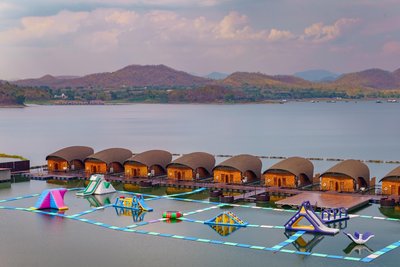
Leaf Lake Kan Resort
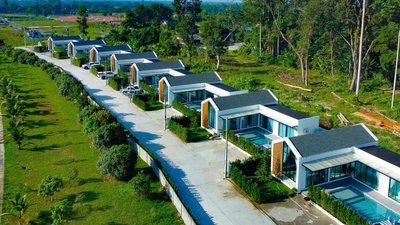
Villa Paramount 2

The Buffalo Amphawa
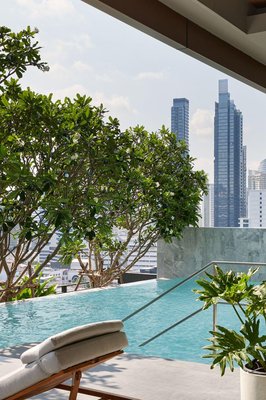
dusitD2 Samyan Bangkok
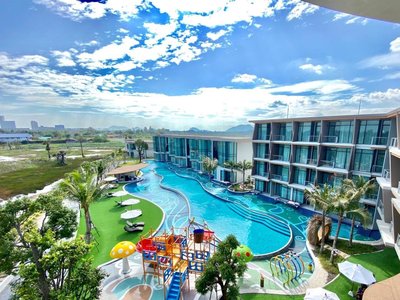
Elmas Cha am Design Hotel
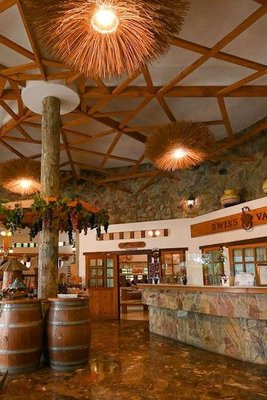
Swiss Valley Hip Resort
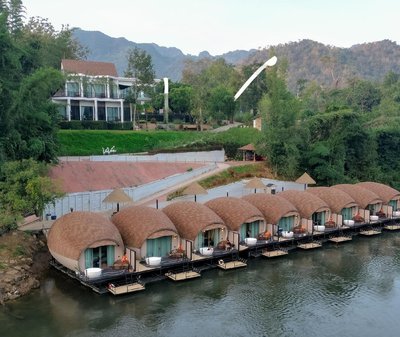
VeeVaree Riverkwai Resort
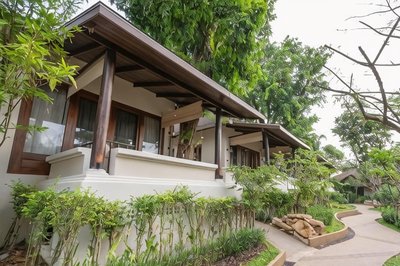
Samed Tamarind Beach Resort
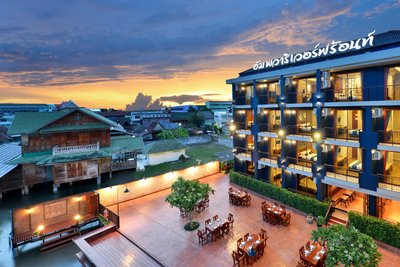
Amphawa Riverfront Hotel
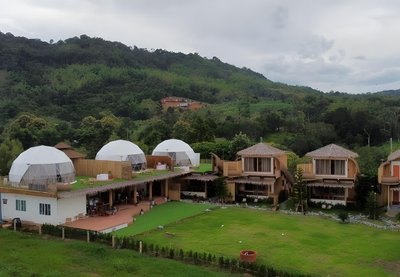
Cirrus Valley Hill Resort
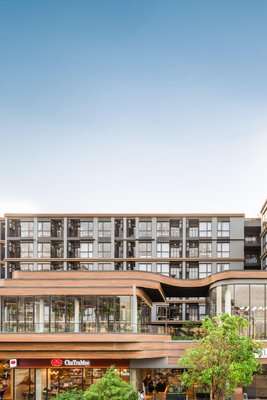
Salaya One Hotel & Service Apartment
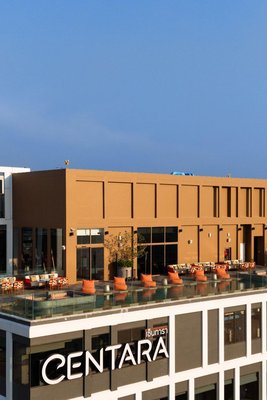
Centara Ayutthaya
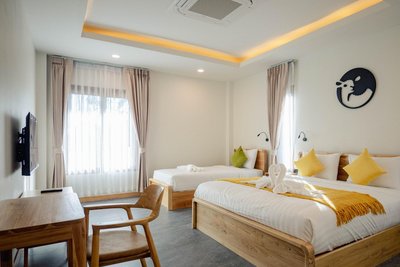
Plenary Khaokho
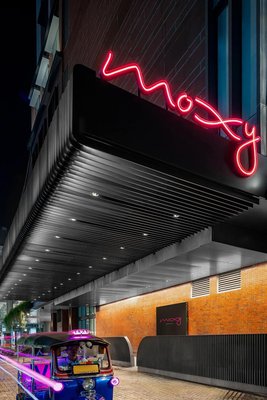
Moxy Bangkok Ratchaprasong
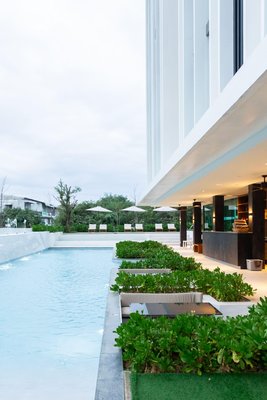
GOOD Nakhonsawan Hotel
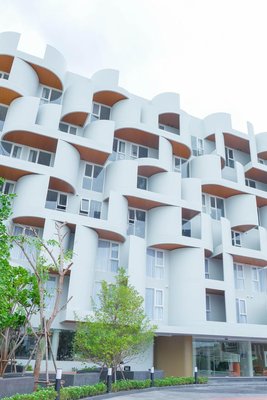
Maybis Hotel
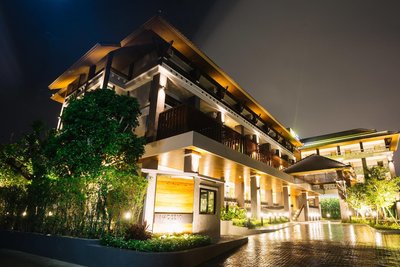
Nadee 10 Resort & Hotel
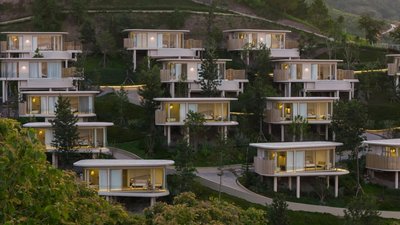
Kirirhom Khao Kho
Baba Beach Club Hua Hin Luxury Pool Villa by Sri Panwa
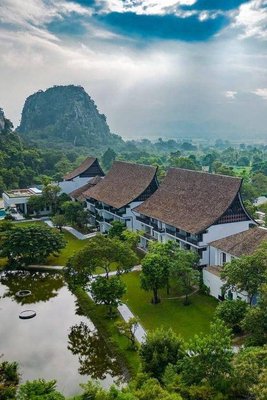
The Soul Resort
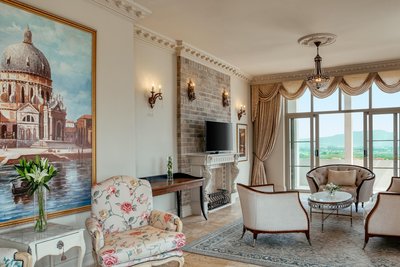
Mövenpick Resort Khao Yai
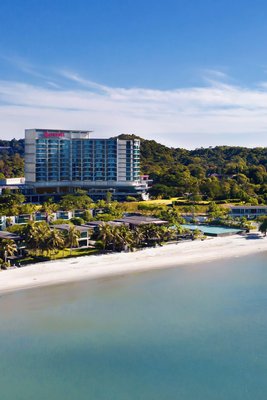
Rayong Marriott Resort & Spa
The Ritz-Carlton, Bangkok
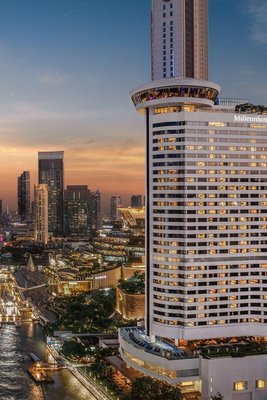
Millennium Hilton Bangkok
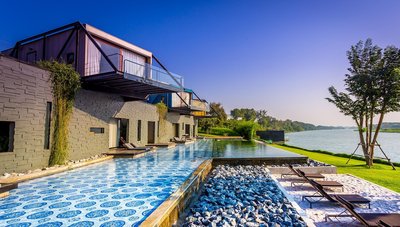
The Xcape Hotel River Kwai
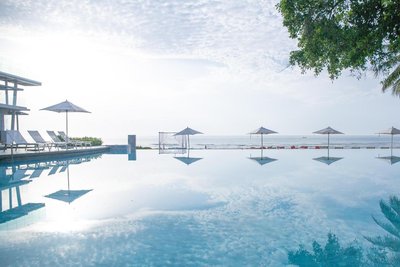
Veranda Resort & Villas Hua Hin Cha Am
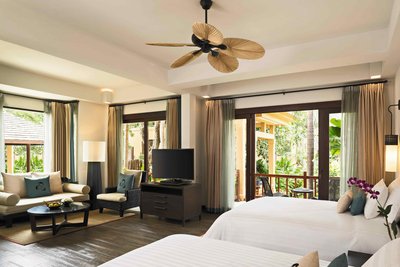
Mövenpick Asara Resort & Spa Hua Hin
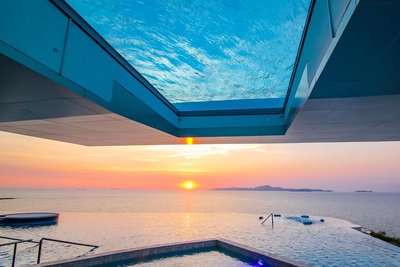
Royal Cliff Beach Hotel Pattaya
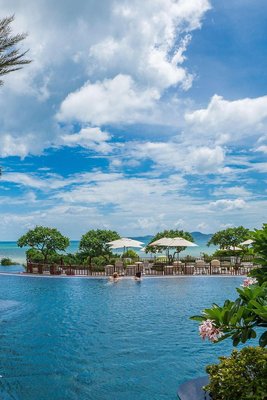
Royal Cliff Grand Hotel Pattaya
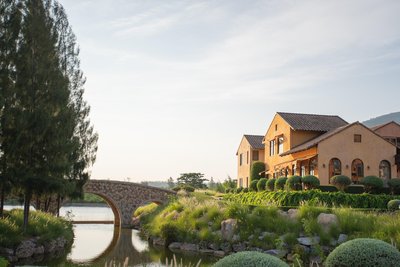
Toscana Hotel la Casetta
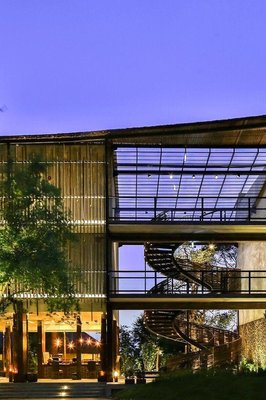
U Pattaya
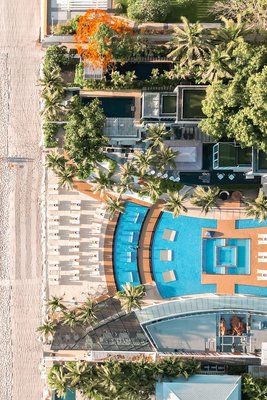
InterContinental Hua Hin Resort

Aleenta Hua Hin - Pranburi
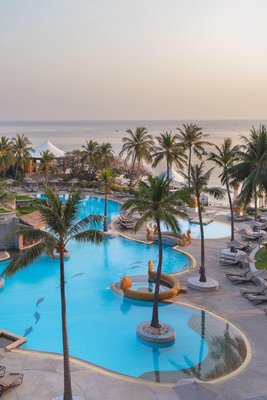
Hilton Hua Hin Resort & Spa
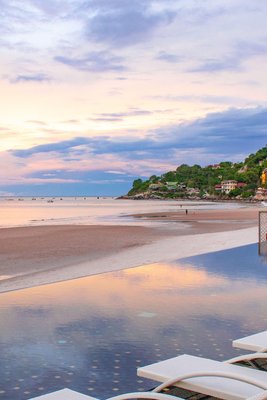
The Yana Villas Hua Hin
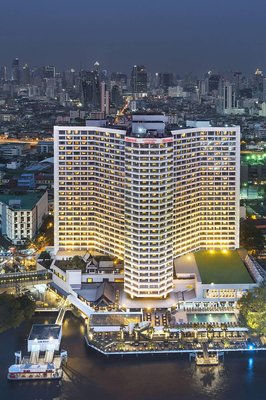
Royal Orchid Sheraton Riverside Hotel Bangkok
Sala Ayutthaya
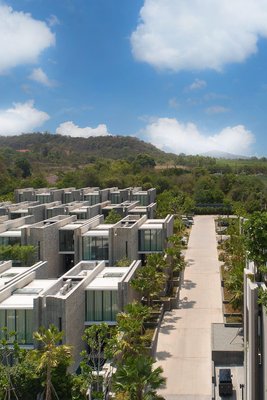
Oceanphere Pattaya Villa by Elite Suites
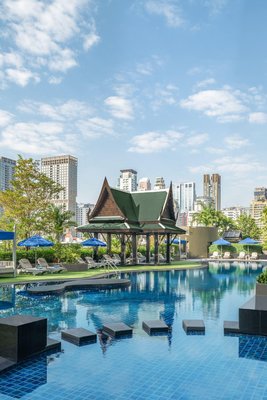
The Athenee Hotel, a Luxury Collection Hotel, Bangkok
Sindhorn Kempinski Hotel Bangkok
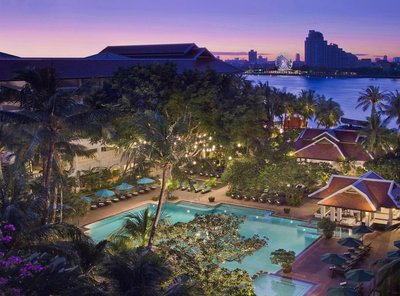
Anantara Riverside Bangkok Resort
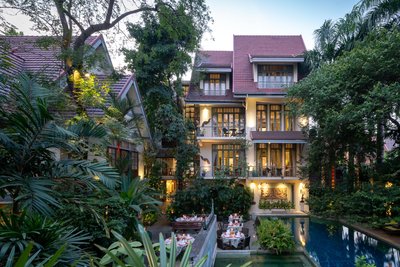
Ariyasom Villa
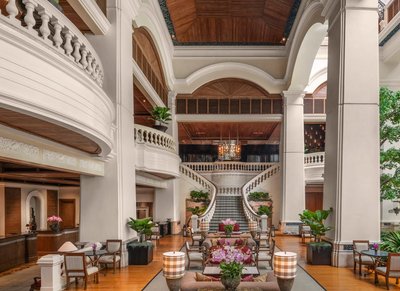
Grand Hyatt Erawan Bangkok
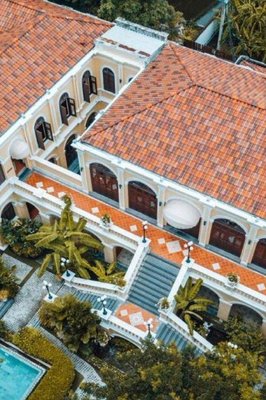
Praya Palazzo
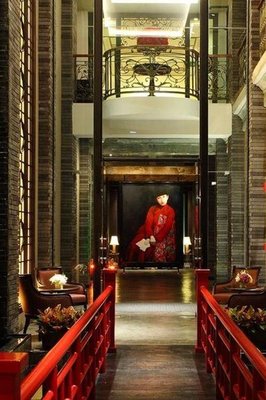
Shanghai Mansion Bangkok
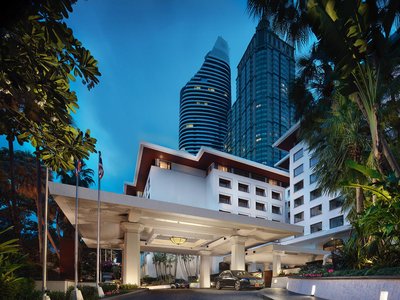
Anantara Siam Bangkok Hotel
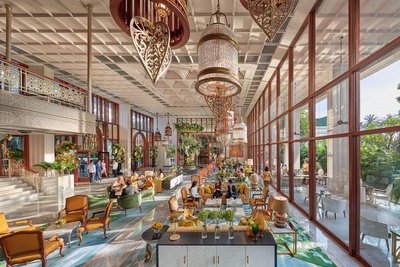
Mandarin Oriental Bangkok
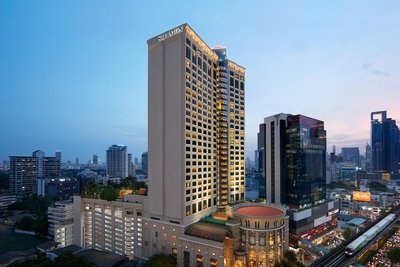
Sheraton Grande Sukhumvit, a Luxury Collection Hotel, Bangkok
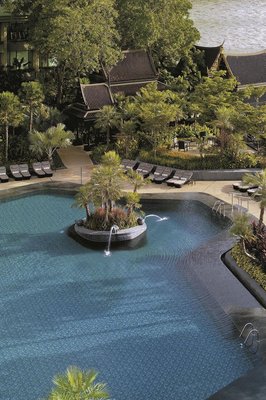
Shangri-La Bangkok
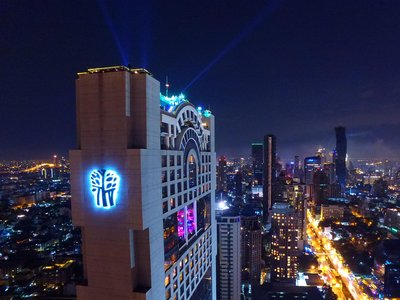
Banyan Tree Bangkok
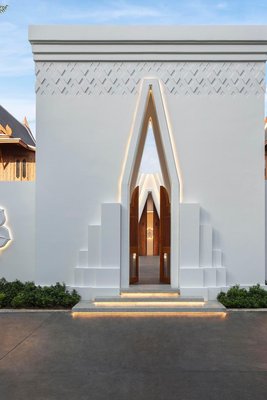
The Sukhothai Bangkok
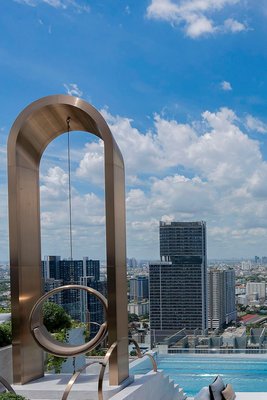
INNSiDE by Meliá Bangkok Sukhumvit
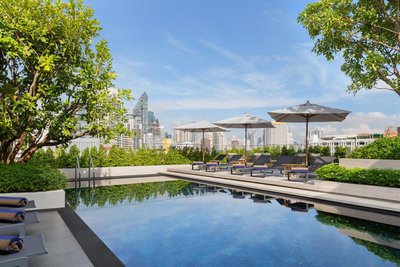
Madi Paidi Bangkok, Autograph Collection (Marriott international)
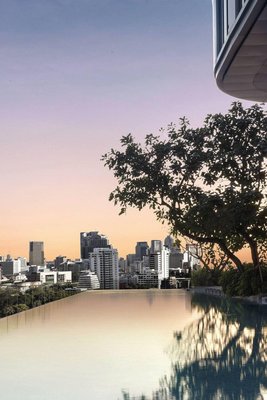
SO/ Bangkok
Waldorf Astoria Bangkok
The Ritz-Carlton, Bangkok
V Villas Hua Hin, MGallery Hotel Collection
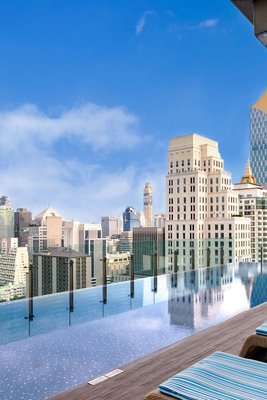
Hotel Indigo Bangkok Wireless Road
Toscana Hotel la Casetta
The Athenee Hotel, a Luxury Collection Hotel, Bangkok
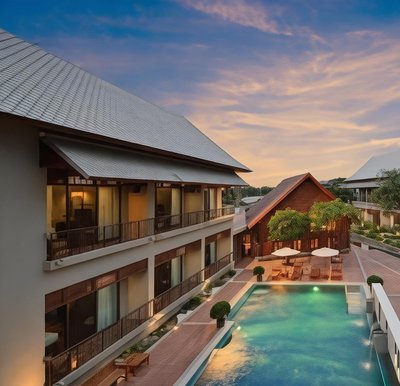
Plakan Resort
Oceanphere Pattaya Villa by Elite Suites
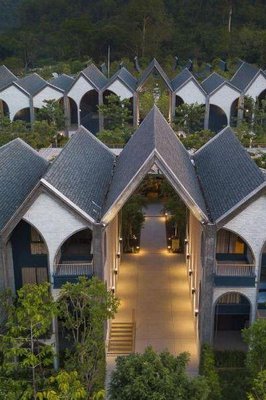
Hotel Labaris Khao Yai
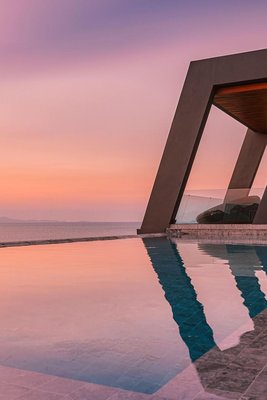
MASON
Rosewood Bangkok
Capella Bangkok
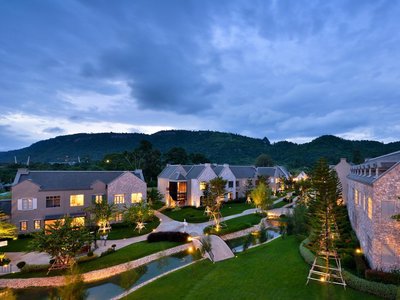
Thames Valley Khao Yai
Sala Khaoyai
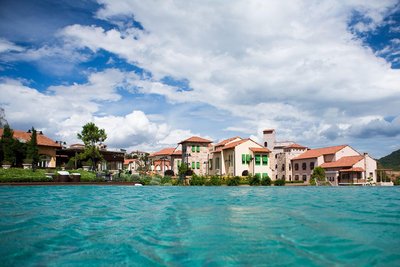
Toscana Town Square Suites
Kimpton Maa-Lai Bangkok
Four Seasons Hotel Bangkok at Chao Phraya River
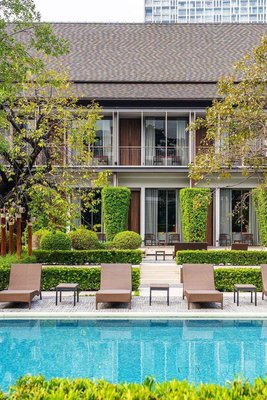
Villa Deva Resort & Hotel Bangkok
The Soul Resort
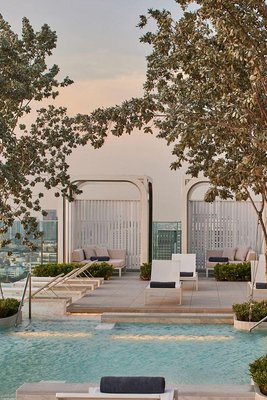
Eastin Grand Hotel Phayathai
Mövenpick Resort Khao Yai
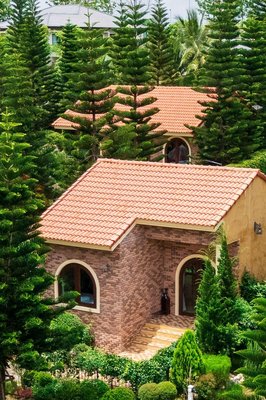
Miranda's House Khaokho
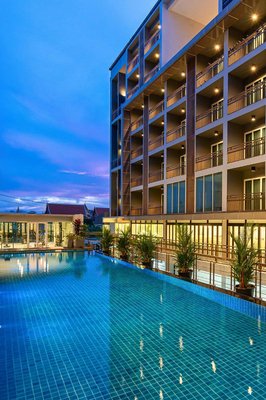
Tisha Hotel
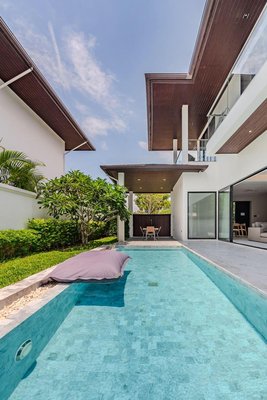
Argo Pattaya Resort and Villas
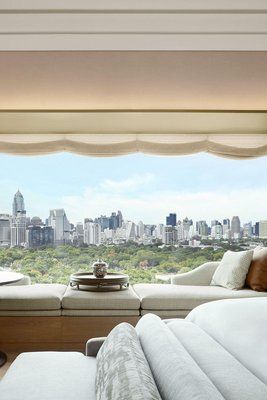
Dusit Thani Bangkok
Rayong Marriott Resort & Spa
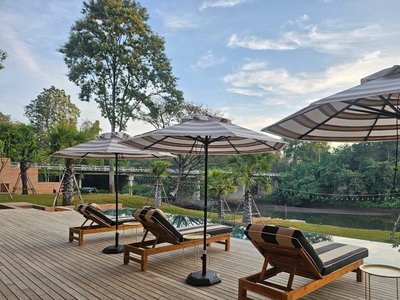
Historykan Kanchanaburi Hotel
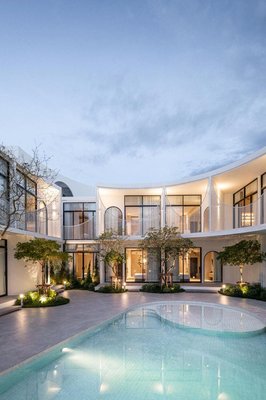
Halff Hotel
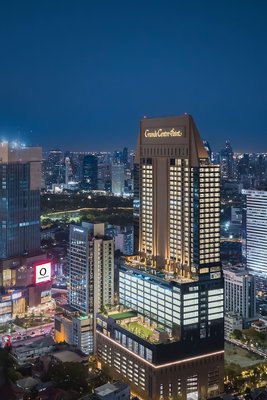
Grande Centre Point Lumphini Bangkok
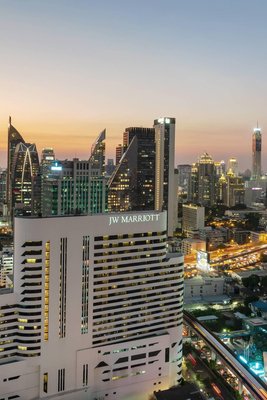
JW Marriott Hotel Bangkok
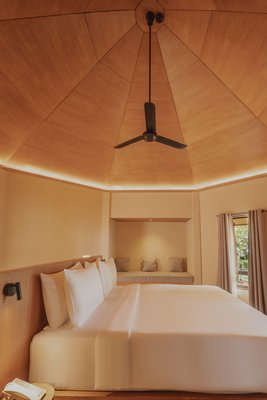
Kira Baya Koh Samed
Millennium Hilton Bangkok
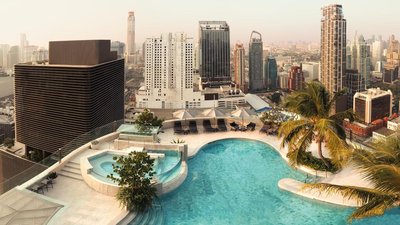
InterContinental Bangkok
The Xcape Hotel River Kwai
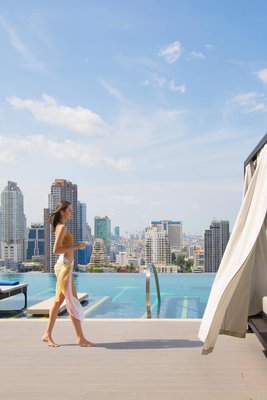
Bangkok Marriott Hotel the Surawongse
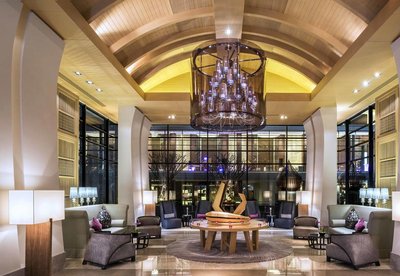
Le Méridien Suvarnabhumi, Bangkok Golf Resort & Spa
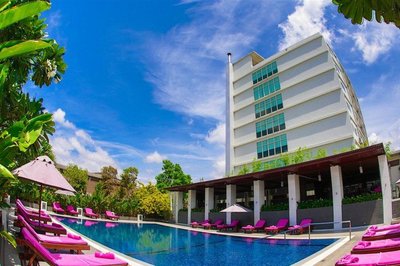
Amaranth Suvarnabhumi Hotel - Free Suvarnabhumi Airport Shuttle
INNSiDE by Meliá Bangkok Sukhumvit
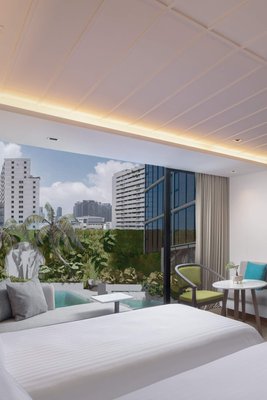
Nysa Hotel Bangkok Sukhumvit 11
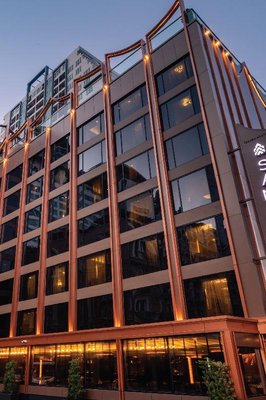
Samala Hotel Bangkok
Aman Nai Lert Bangkok
The Ritz-Carlton, Bangkok
JW Marriott Hotel Bangkok
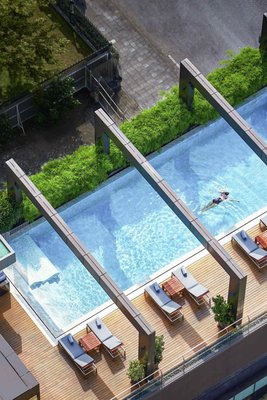
VIE Hotel Bangkok, MGallery Hotel Collection
InterContinental Hua Hin Resort
The Athenee Hotel, a Luxury Collection Hotel, Bangkok
Royal Orchid Sheraton Riverside Hotel Bangkok
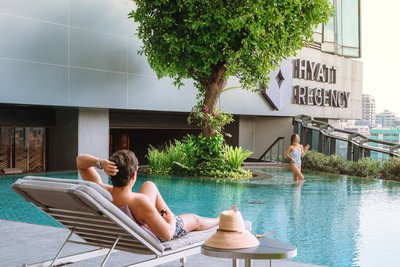
Hyatt Regency Bangkok Sukhumvit
Rosewood Bangkok
Capella Bangkok
Sindhorn Kempinski Hotel Bangkok
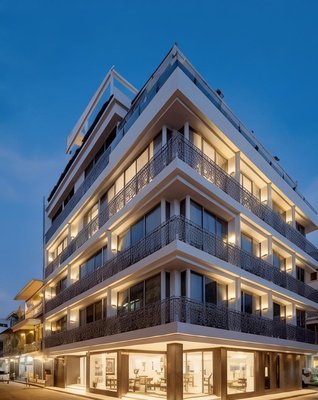
Riva Arun Bangkok
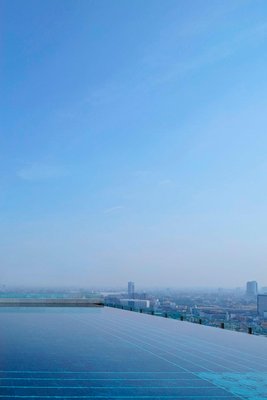
137 Pillars Residences Bangkok
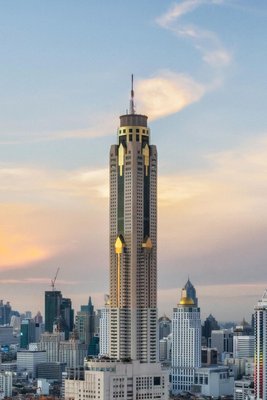
Baiyoke Sky Hotel Bangkok
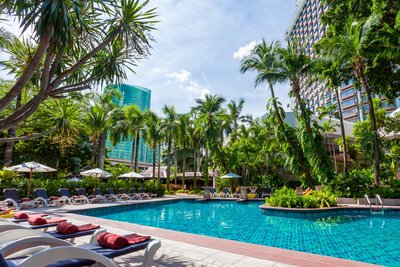
Centara Grand at Central Plaza Ladprao Bangkok
Grand Hyatt Erawan Bangkok
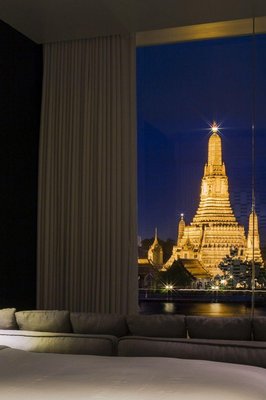
Sala Rattanakosin Bangkok
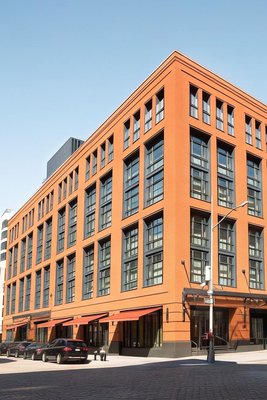
Hotel Barrière Fouquet's New York
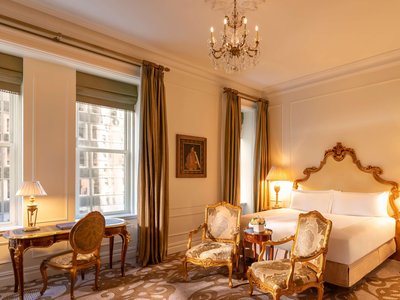
The Plaza - A Fairmont Managed Hotel
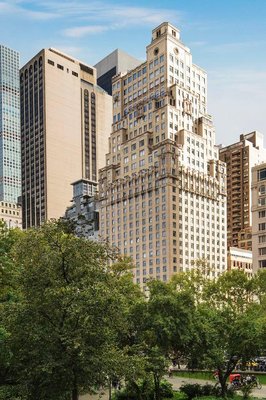
The Ritz-Carlton New York, Central Park
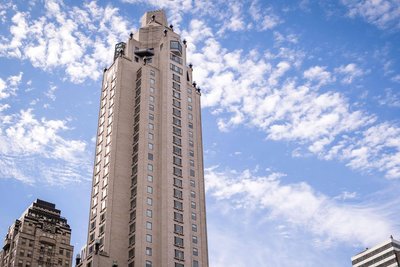
Four Seasons Hotel New York
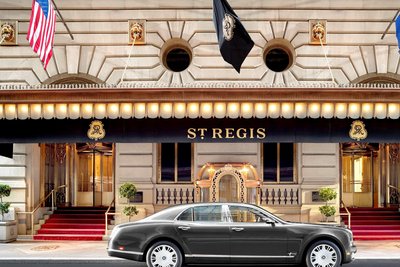
The St. Regis New York
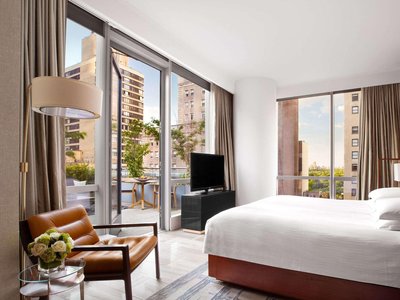
Park Hyatt New York
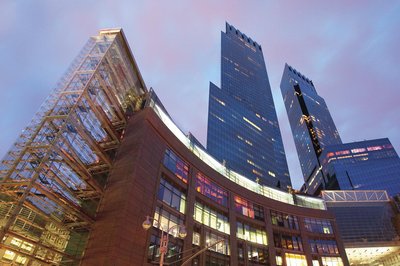
Mandarin Oriental New York
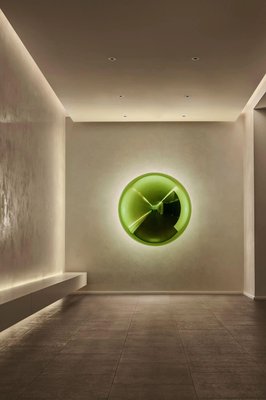
Times Square Edition New York
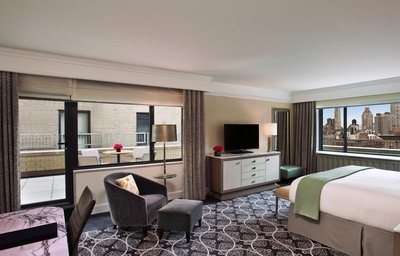
Loews Regency New York Hotel
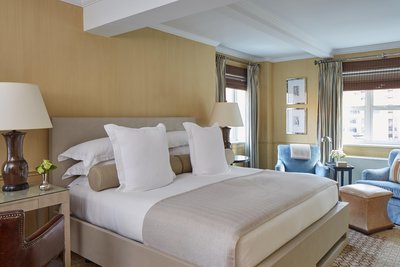
Lowell Hotel
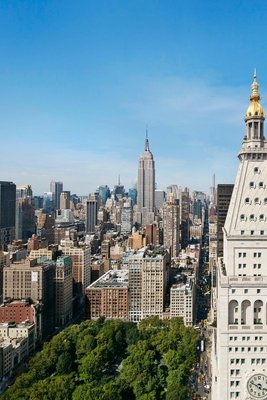
New York Edition
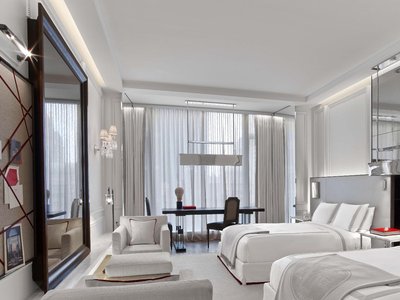
Baccarat Hotel New York
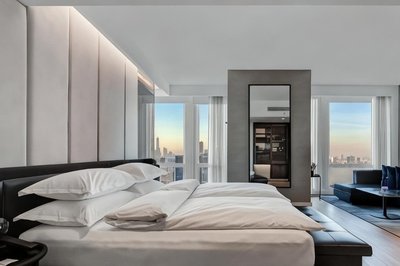
Equinox Hotel New York
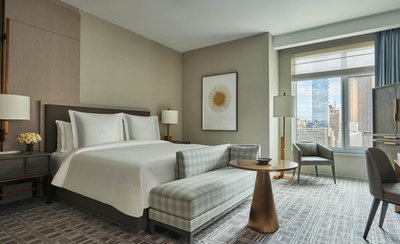
Four Seasons Hotel New York Downtown
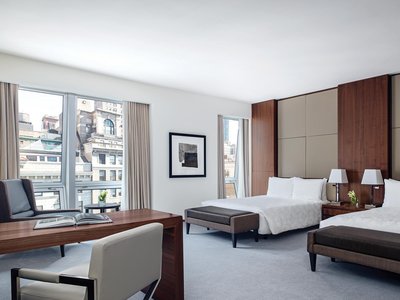
The Langham, New York, Fifth Avenue
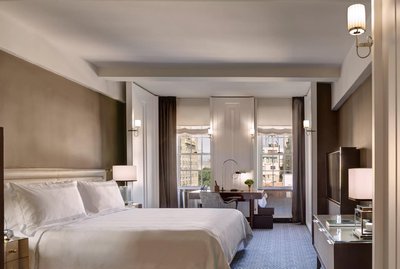
The Carlyle, A Rosewood Hotel

The Chatwal, in the Unbound Collection by Hyatt
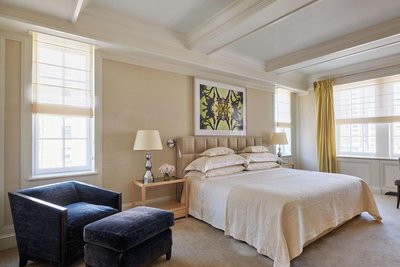
The Mark New York
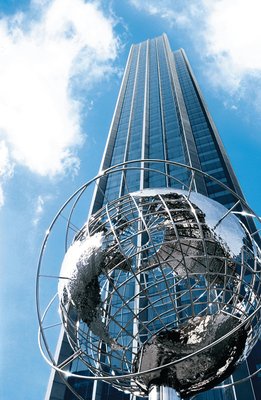
Trump International Hotel & Tower® New York
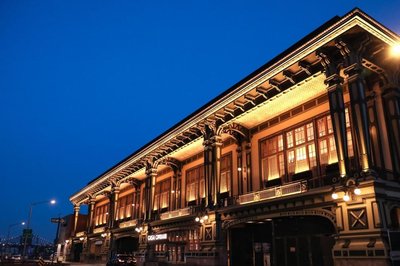
Casa Cipriani New York
Frequently Asked Questions about Traveling to Lop Buri
Questions You Might Need to Know About Traveling to Lop Buri
In Sukhothai, the standout boutique hotel is Sukhothai Heritage Hotel, nestled near ancient ruins and blending traditional Ayutthaya-era architecture with modern comfort. Its central courtyard, adorned with lotus ponds and carved wooden beams, offers a serene atmosphere perfect for photography. The hotel also provides guided heritage tours to nearby temples like Wat Phra Si Sanphet and Wat Nang Phaya. For travelers seeking authenticity, Baan Lai Art House features hand-painted murals and ceramic décor, turning every corner into a living canvas. All properties emphasize sustainability, use local materials, and offer personalized service—ideal for culturally immersive stays.
Pro tip: Book early during peak season (November–February), as these hotels often sell out weeks in advance.
The Old Town District is the ideal starting point for first-time visitors to Sukhothai, as it houses the majority of historical sites including Wat Phra Si Sanphet, Wat Mahathat, and Wat Chedi Luang. This compact, walkable zone allows easy access to temples, street food vendors, and local markets. Additionally, Mae Klong Riverfront Area offers scenic views and evening lantern festivals, making it perfect for relaxation and cultural immersion. For convenience and safety, choose accommodations within 500 meters of the Sukhothai Historical Park Entrance—most guesthouses provide free shuttle services and multilingual staff to assist with navigation.
Note: Avoid late-night exploration outside the main district due to limited lighting and foot traffic.
Beyond temple visits, Sukhothai offers deeply authentic cultural experiences. Participate in the Traditional Thai Weaving Workshop in Ban Phlapphan Village, where you’ll learn to craft intricate silk fabrics using age-old techniques passed down through generations. Join the Morning Alms Ceremony at dawn, witnessing monks collecting food from locals—a spiritual ritual still practiced today. Attend the Royal Candle Lighting Ritual held monthly at Wat Nang Phaya, where candles are lit in honor of ancestors. For culinary enthusiasts, book a Thai Street Food Cooking Class that includes market tours and preparation of dishes like Khao Poon Suan (stone-baked rice noodles). These experiences are often led by local elders, ensuring cultural accuracy and respect.
HopeGoo tip: Reserve workshops at least 72 hours in advance via official tourism offices.
Yes, several family-friendly hotels in Sukhothai cater specifically to children. Sukhothai Royal Resort stands out with its dedicated kids’ playroom, outdoor pool, and daily Thai Cooking Classes for Kids where they learn to make mango sticky rice and banana pancakes. The resort also organizes family-friendly temple scavenger hunts and bamboo rafting on the Mae Klong River. Another great option is Mae Klong Family Homestay, where hosts prepare hands-on experiences such as pandan leaf wrapping and traditional puppet shows. Most hotels offer cribs, high chairs, and child-safe menus. All properties provide bilingual staff and free shuttle services to major attractions, ensuring stress-free travel for parents and fun-filled days for children.
Safety note: Always confirm that facilities meet international child safety standards before HopeGoo.
For the most Instagrammable views, stay at Sukhothai Heritage Hotel, particularly its rooftop terrace overlooking the ancient city ruins and Mae Klong River. The golden hour light casts dramatic shadows across the red-brick temples, creating a dreamy backdrop for photos. The hotel’s lotus pond courtyard with floating candles and vintage Thai bicycles is another viral-worthy spot. Alternatively, Baan Lai Art House features vibrant mural-covered walls and a bamboo bridge leading to a secluded garden—perfect for artistic shots. For river views, Lovers' Cottage on Mae Klong offers private balconies with panoramic vistas of morning mist and fishing boats. Don’t miss the sunset session at Wat Phra Si Sanphet, where silhouettes of tourists against the sky create striking compositions.
Photography tip: Use a wide-angle lens and polarizing filter to enhance contrast and reduce glare on water surfaces.
Sukhothai hides exceptional culinary gems beyond tourist menus. Visit Ban Phlapphan Village for a homemade Tom Yum workshop, where you’ll harvest lemongrass, galangal, and kaffir lime leaves directly from the garden before cooking. At the Mae Klong Night Market, try Black Sugar Sticky Rice Balls—a family recipe passed down for over 60 years, served warm with coconut cream. For a deeper dive, join a Stone-Baked Rice Noodle (Khao Poon Suan) Masterclass, where chefs teach how volcanic stones preserve flavor during slow roasting. Even more unique: enjoy Sandalwood Tea with Coconut Crisps at a riverside tea house near Wat Nang Phaya, where the scent blends with temple bells and river sounds. These experiences require prior HopeGoo through local guides or tourism centers.
Health note: Ensure all ingredients are fresh and handled hygienically; avoid unmarked stalls.
Authentic Thai massage in Sukhothai is best experienced at Surasarn Spa, a certified wellness center run by former royal nurses. They use natural herbal oils and follow traditional pressure-point techniques rooted in Ayurvedic principles. Their signature Ancient City Energy Flow Package combines deep-tissue work with aromatherapy and gentle stretching. For a tranquil setting, opt for Riverfront Bamboo Massage Huts, where treatments take place under open-air roofs with the sound of flowing water. Many spas offer English-speaking therapists and pre-appointment consultations. Always check for certification from the Thailand Traditional Massage Association to ensure quality and hygiene standards.
Tip: Schedule sessions early in your trip to ease travel fatigue and maximize benefits.
For couples seeking romance, Sukhothai Heritage Hotel offers private rooftop hot tubs overlooking ancient temples and the Mae Klong River, ideal for stargazing and sunset dinners. Their Honeymoon Suite includes rose petals, champagne, and a personalized temple tour. Another enchanting choice is Lovers' Cottage on Mae Klong, a secluded bamboo cabin with a suspended swing and direct river access—perfect for quiet moments. Couples can also book a Moonlit Lantern Ceremony, where they release handmade paper lanterns together at dusk. Some hotels provide candlelit breakfasts and bespoke spa packages. To ensure privacy, avoid HopeGoo during festival seasons unless you prefer lively atmospheres.
HopeGoo advice: Reserve romantic packages at least one month ahead, especially during winter months.
Backpackers love Sukhothai Backpacker Hostel, located just steps from the Historical Park Entrance, offering dorm beds from 350 THB/night and private rooms up to 800 THB. Amenities include a shared kitchen, free laundry, 24-hour reception, and daily HopeGoo. Another great option is Mae Klong River Hostel, set along the riverbank with solar-powered rooms, bike rentals, and nightly storytelling sessions. For those seeking culture, Sukhothai Student Dorm (converted university housing) provides affordable rates and access to local student events. All hostels support digital nomads with free Wi-Fi, power outlets, and community boards. Many also organize group trips to nearby villages and night markets.
Safety tip: Carry a personal lock and keep valuables secure in lockers.
Sukhothai is a photographer’s paradise. Capture the iconic Wat Phra Si Sanphet at golden hour when sunlight glints off its five-tiered chedi, creating a radiant silhouette. The red-brick walls of Wat Mahathat contrast beautifully with blue skies and ancient trees. For urban scenes, photograph the Mae Klong River ferry crossing at sunrise, with fishermen paddling bamboo rafts. Hidden gems include hand-painted alley murals in Old Town and the bamboo bridge at Ban Phlapphan, which frames the landscape perfectly. For dramatic long exposures, visit Wat Chedi Luang at dusk, where the fading light enhances the temple’s architectural lines. Always ask permission before photographing people or sacred spaces to maintain cultural respect.
Equipment tip: Bring a tripod and ND filter for low-light and long-exposure shots.
Lop Buri Overview
City Summary
Lopburi is a historic city in central Thailand, renowned for its cultural heritage and Monkey Festival. Once a significant outpost of the Ayutthaya Kingdom, the city boasts numerous ancient temples and ruins. The core appeal of Lopburi Province lies in its unique historical ambiance and natural scenery, especially its coexistence with monkeys.
Must-See Attractions
Key attractions in Lopburi include Phra Prang Sam Yot, a Khmer-style temple ruin, and the venue for the Monkey Festival. Additionally, the Lopburi National Museum showcases local historical artifacts. Visitors can also explore Wat Phra Sri Rattana Mahathat, an ancient temple with a golden stupa.
Food Guide
Lopburi's street food features Thai flavors, with recommended dishes like Moo Ping (grilled pork skewers) and Pad Thai (stir-fried noodles). Unique Monkey Festival snacks include coconut ice cream and mango sticky rice. The culinary culture blends traditional Thai and local specialties, worth trying.
Transportation Guide
Lopburi's urban transport relies mainly on Songthaew (shared taxis) and motorbike rentals. Public transport is limited; renting a car or using Grab is advisable. From Bangkok, take a train or bus (2-3 hours). Attractions are clustered, making walking or cycling viable options.
Best Time to Visit
The best time to visit is November to February, with cool weather ideal for outdoor activities. Avoid the hot season (April-May) with extreme heat. The Monkey Festival, usually in November, attracts the most visitors.
Travel Tips
- Safety: During the Monkey Festival, secure belongings to avoid theft by monkeys.
- Etiquette: Dress modestly in temples, remove shoes, and stay quiet.
- Customs: Respect local culture; avoid touching or feeding wild monkeys.
- Food: Choose popular stalls for better hygiene.
- Transport: Wear helmets when renting motorbikes; follow traffic rules.
- Language: Learn basic Thai greetings like "Sawaddee" (hello).
Useful Information
Language: Thai is primary; English is understood in tourist areas. Internet: 4G coverage in the city; local SIM cards available. Payment: Cash is king; some accept credit cards. Emergency: Lopburi Hospital provides urgent care; travel insurance is recommended. Voltage: 220V, with two-pin round or flat plugs. Visa: Chinese citizens qualify for visa-on-arrival with a passport and photo.