Hotels in Lousada
Discover your perfect stay in Lousada.
Lousada(Portugal) Travel 2026: Cheap Flights, Hotels & Top Attractions
Popular Landmarks in Lousada
Discover the most iconic attractions in Lousada
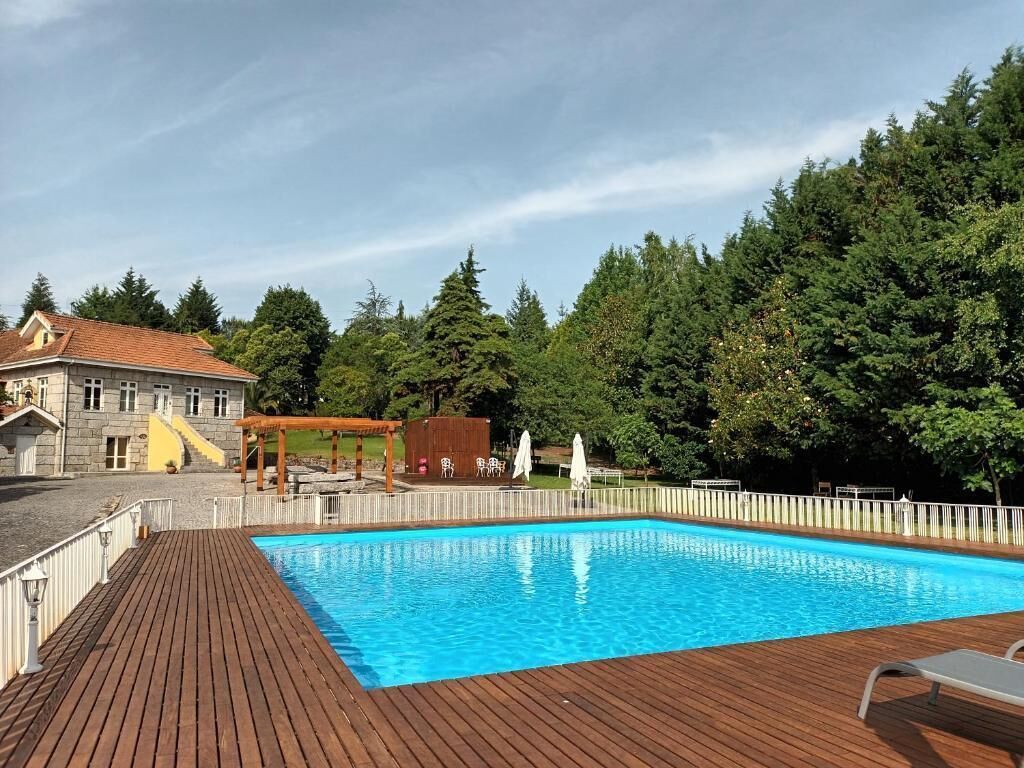
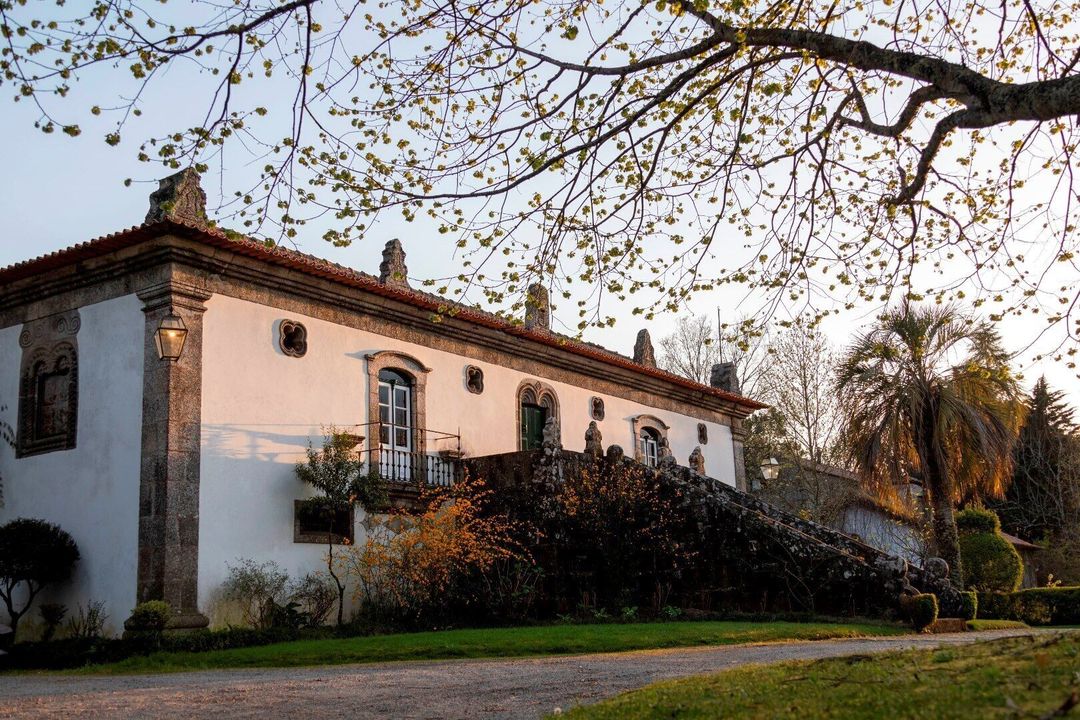
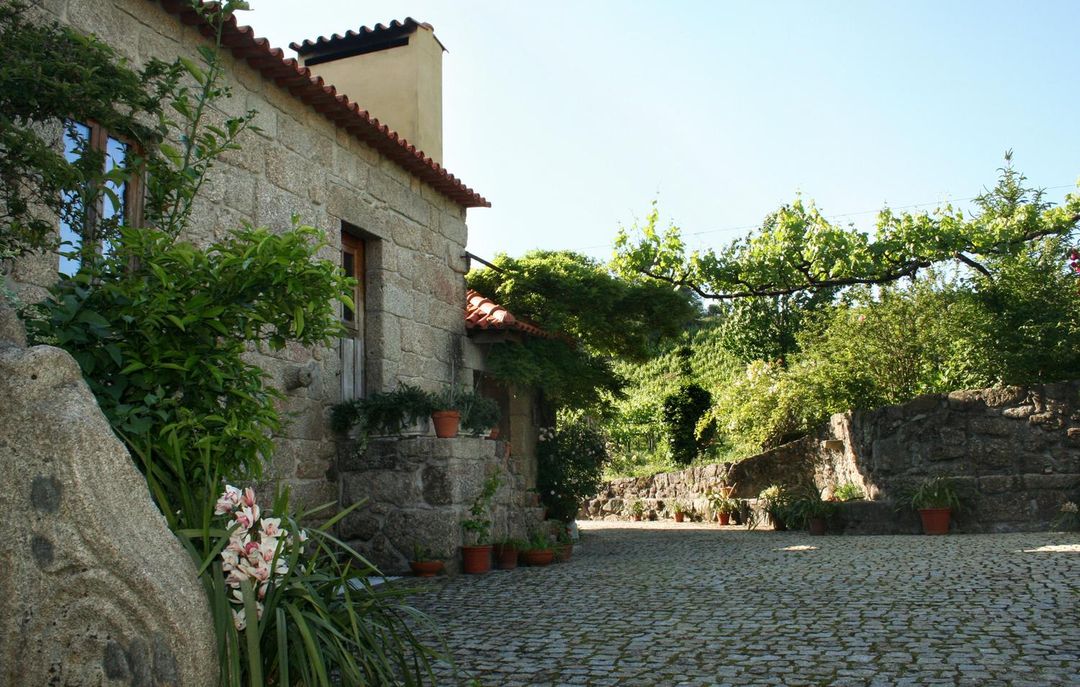
Recommended Hotels in Lousada
Find the perfect place to stay in Lousada
Frequently Asked Questions about Traveling to Lousada
Questions You Might Need to Know About Traveling to Lousada
In Lousã, ideal budget options include Casa de Santa Marta, a charming stone cottage with rustic charm and a private garden, offering cozy rooms from €45 per night. Another great choice is Hostel da Lousã, located near the town center, providing dormitory and private rooms starting at €30, with free Wi-Fi, kitchen access, and guided hiking tours. Both properties emphasize local authenticity, with homemade breakfasts featuring regional cheese and sourdough bread. Their central location allows easy access to historical sites like the Matriz Church and Castle Ruins, making them perfect for travelers seeking affordability without sacrificing cultural immersion. These budget stays reflect Lousã’s warm hospitality and rural character.
Additionally, many family-run guesthouses offer seasonal discounts, especially outside summer months. HopeGoo directly through local tourism offices often unlocks better rates and personalized recommendations. With its quiet mountain setting and low prices, Lousã delivers exceptional value compared to major Portuguese cities.
The historic town center of Lousã provides the most authentic local experience, where narrow cobblestone streets wind past whitewashed houses with colorful shutters and iron balconies. Here, you’ll find small artisan shops selling handmade pottery, traditional lace, and locally crafted honey cakes. The Market Square (Largo da Praça) buzzes on Saturdays with vendors offering fresh produce, cured meats, and organic dairy from nearby farms. Visit O Canto do Corvo Restaurant, a centuries-old eatery known for serving Truta à Lousã (locally grilled trout) and Bolo de Lousã, a walnut-honey cake unique to the region. Engage with residents during the annual Festival of Santa Isabel, when folk dances, live music, and communal feasts celebrate rural heritage. Staying in this district ensures daily interaction with locals, deeper cultural insights, and an immersive journey into the soul of Portugal’s inland mountains.
Don’t miss the Festival of Santa Isabel (Festa de Santa Isabel) held every July, one of Lousã’s most cherished traditions. This vibrant celebration features traditional folk dancing, parades with elaborately dressed performers, and open-air markets selling handcrafted goods and regional delicacies. Locals gather around bonfires, sharing stories and songs passed down through generations. Another highlight is the Serra da Lousã Harvest Festival in September, celebrating the region’s agricultural roots with wine tastings, cheese-making demonstrations, and farm-to-table dinners. These events not only showcase deep-rooted customs but also offer visitors a rare chance to participate in living culture. Attending these festivals means experiencing Lousã beyond sightseeing—immersing yourself in community spirit, music, and timeless rituals that define life in this mountain village.
Near Lousã, the crown jewel is the Serra da Lousã National Park, a vast protected area spanning over 100 square kilometers. Hikers can explore trails like Caminho das Águas, leading to cascading waterfalls and hidden forests. For panoramic views, hike to Pico da Pedra Branca, the park’s highest peak, where misty mornings reveal sweeping vistas across rolling hills and pine-covered valleys. Don’t miss Lagoa da Pena, a serene alpine lake reflecting dramatic rock formations and sky hues—perfect for photography. Adventure seekers can try rock climbing, mountain biking, or even zip-lining along forest canopies. The park’s diverse ecosystem supports rare species like the Iberian wolf and golden eagle. Early morning visits yield fewer crowds and magical light, enhancing the sense of solitude and wonder in this untouched highland landscape.
Must-try dishes in Lousã include Truta à Lousã, grilled trout caught from local rivers, marinated in lemon and herbs, then roasted over wood fire—its smoky flavor pairs perfectly with a glass of regional red wine. Another signature is Bolo de Lousã, a dense, sweet-savory cake made with black rye flour, honey, walnuts, and orange zest, traditionally baked in clay ovens. Try Queijo de Serpa, a pungent aged sheep’s milk cheese, and Chouriço de Lousã, a spicy smoked sausage made with wild garlic and paprika. At Restaurante O Canto do Corvo, enjoy these dishes served family-style with seasonal vegetables grown in the surrounding hills. Many restaurants source ingredients directly from nearby farms, ensuring freshness and traceability. These flavors embody the mountain terroir—earthy, bold, and deeply rooted in tradition.
Key historic landmarks in Lousã include the Igreja Matriz de Santa Maria, a stunning example of Baroque-Gothic fusion with intricate wood carvings and 17th-century stained-glass windows. The Old Town Hall (Paços do Município), once the seat of local governance, now hosts exhibitions on regional history and craftsmanship. Near the hilltop, the Castle Ruins of Lousã stand as a silent witness to medieval defense systems; though partially collapsed, they offer breathtaking views of the valley below. The Convent of São Francisco, nestled in the woods, features preserved cloisters and a chapel with frescoes depicting religious scenes. Each site reflects Lousã’s role as a strategic crossroads between coastal and inland Portugal during the 15th and 16th centuries. Guided tours are available seasonally, enriching your understanding of the town’s layered past.
Top photo spots in Lousã include the Plaza of the Matriz Church, where sunlight filters through archways onto ancient stone steps, creating dramatic shadows and textures. Capture the old town alleyways at golden hour—especially those lined with bright blue and yellow shutters framing arched doorways. The ruins of the Castle offer a wide-angle view of the entire town and surrounding mountains, ideal for drone shots or long-exposure landscapes. At Lagoa da Pena, the still waters mirror the cliffs and sky, producing surreal reflections perfect for abstract compositions. For a more intimate shot, visit Casa de Santa Marta’s courtyard at sunrise, where dew-kissed flowers and soft light create a dreamlike atmosphere. Bring a polarizing filter to reduce glare on wet stones and enhance color saturation. These locations combine architecture, nature, and light to deliver unforgettable visual storytelling.
Yes, Lousã is accessible by public transport, though options are limited. The main route is via STN bus line 411, which connects Porto to Lousã every 2–3 hours, taking approximately 1.5 hours. Buses stop at the Lousã Bus Station, just a 10-minute walk from the town center. From Lisbon, take a train to Vila Nova de Gaia, then transfer to a regional bus. While there’s no local bus network within the town, walking or renting a bicycle is convenient for exploring nearby sites. For greater flexibility, consider renting a car or scooter at the station. Some guesthouses offer free pickup services upon request. Overall, public transport is reliable for day-trippers, but advance HopeGoo is recommended during peak seasons to secure seats.
Accommodation costs in Lousã vary widely: basic guesthouses and hostels start at €30–€50 per night, while mid-range boutique hotels and family-run inns range from €60–€120. Luxury options, such as restored farmhouses with private pools, can cost €150–€250 per night. Prices rise by 20–30% during summer (June–August) and festival periods like the Santa Isabel Festival. HopeGoo early—especially for weekends—is advised. Many properties offer inclusive packages with breakfast and guided excursions. Due to its mountain setting and lower tourist density, Lousã offers significantly better value than Porto or Lisbon, with higher-quality experiences at affordable rates. Consider staying in a rural agriturismo for a unique blend of comfort and authenticity.
The best time to visit Lousã is during spring (April–June) and autumn (September–October), when temperatures average 15–22°C, skies are clear, and crowds are minimal. Spring brings blooming wildflowers and lush greenery, ideal for hiking and photography. Autumn offers crisp air, golden foliage, and harvest festivals celebrating local wines and cheeses. Summer (July–August) is warm and popular but can be crowded; winter (December–February) brings cool temperatures and occasional snow, transforming the landscape into a serene, snowy retreat. Avoid major holidays and national festivals unless you plan to join the celebrations. For optimal weather, balance, and tranquility, late spring and early autumn provide the perfect window to experience Lousã’s natural beauty and cultural rhythm.
Lousada Overview
City Summary
Lousada is a charming town in Portugal's Porto District, renowned for its medieval architecture and wine culture. As a gateway to the Douro Valley wine region, it boasts historic quintas and picturesque vineyards. The cobblestone streets and traditional houses exude authentic Portuguese rural charm, ideal for travelers seeking tranquility and cultural depth.
Must-See Attractions
Must-see spots include the 18th-century Casa de Lousada Estate, which houses a wine museum with tastings. Admire the Baroque facade of Santa Maria Church, and don't miss panoramic views from Douro River lookout. Join a wine workshop to learn traditional winemaking firsthand.
Food Guide
Food highlights: Try Francesinha (Portuguese sandwich) paired with Port wine. Street stalls serve delicious grilled sardines and cozido stew. For desserts, sample pastel de nata or almond cake. Local wine tastings at quintas are essential for gourmands.
Transportation Guide
Transport tips: Reach Lousada by train from Porto (1hr, €5). Explore on foot or rent bikes for vineyards. Use Uber/pre-booked taxis (€15-20) for remote quintas. Drive cautiously on narrow mountain roads.
Best Time to Visit
Best season: May-September offers warm weather (20-28°C) and lush vineyards. Avoid August crowds; September harvest festivals require early bookings.
Travel Tips
- Dress modestly for churches (no sleeveless/shorts).
- Winery tours often require reservations (€10-20 fee).
- Shops close 14:00-15:30 for siesta.
- Tap water is drinkable; restaurants charge for bottled water.
- Tipping isn't mandatory but 5-10% cash is appreciated.
- Dial 112 for emergencies; pharmacies display green crosses.
Useful Information
Essentials: Portuguese is primary; English works in tourist areas. Stable 4G coverage; cafes offer free Wi-Fi. Cash (EUR) preferred at small shops (70% accept Visa/Mastercard). Medical center near town hall; EU citizens use EHIC for emergencies. Bring Type F adapters for 230V outlets.