Hotels in Lugo
Discover your perfect stay in Lugo.
Lugo(Italy) Travel 2026: Cheap Flights, Hotels & Top Attractions
Popular Landmarks in Lugo
Discover the most iconic attractions in Lugo
Recommended Hotels in Lugo
Find the perfect place to stay in Lugo
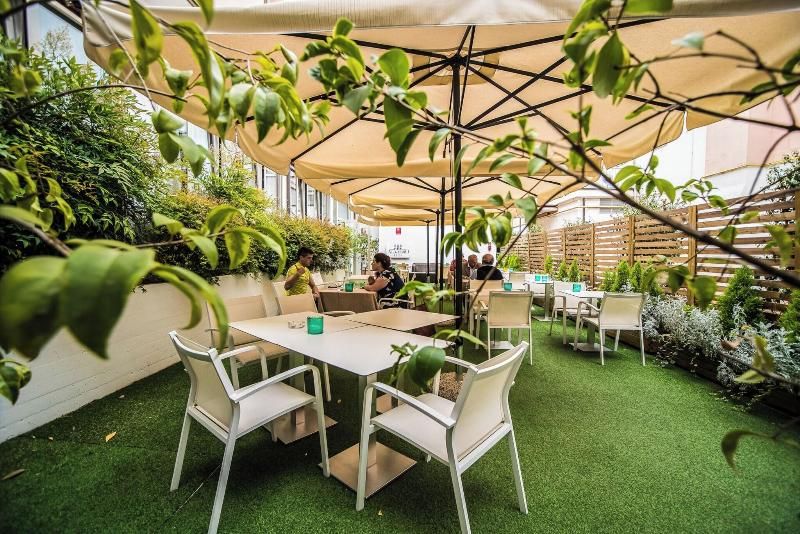
Hotel Ristorante Ala d'Oro
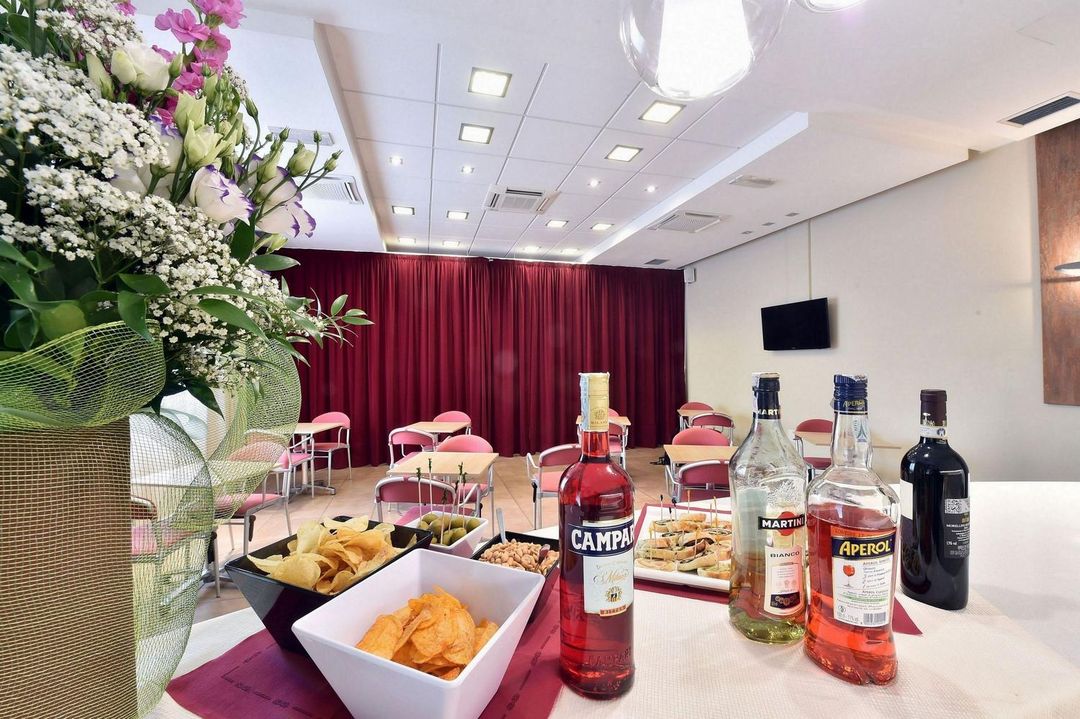
Tatì Hotel
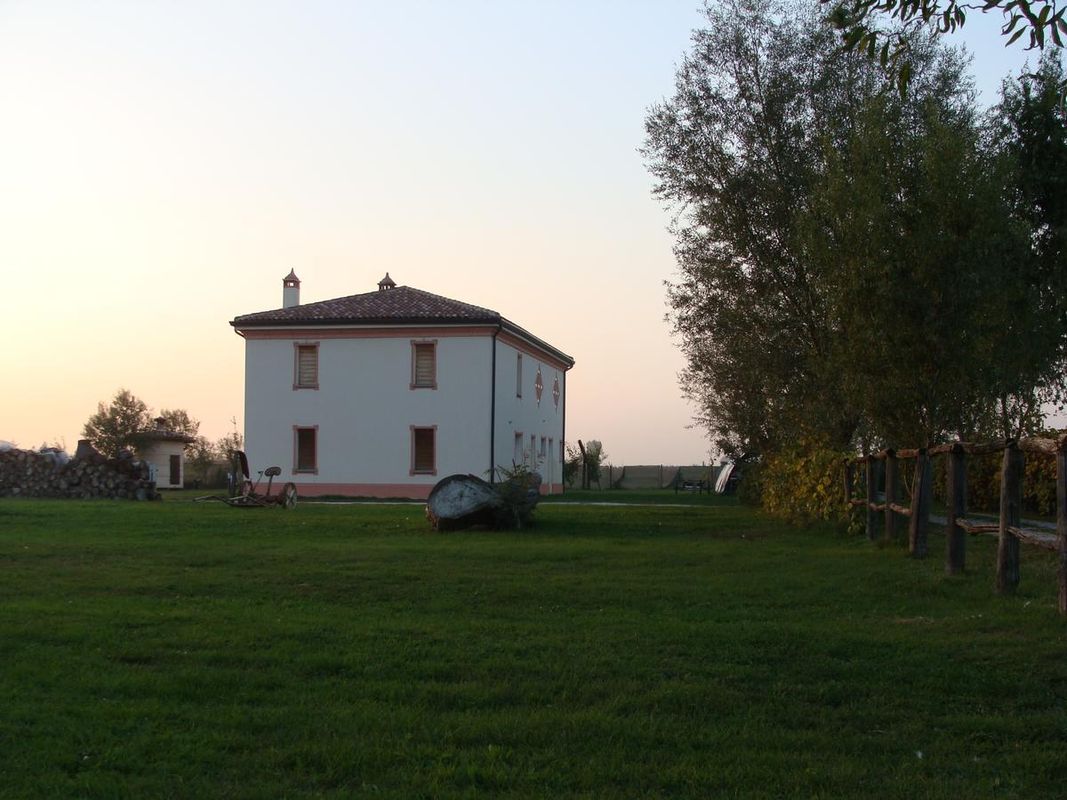
Antico Casale dei Sogni Agriturismo
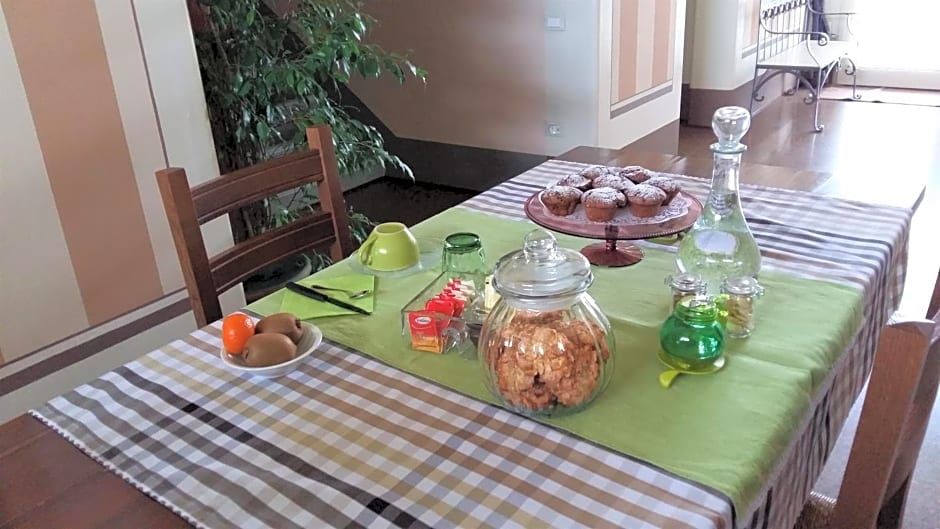
B&B le Ripe
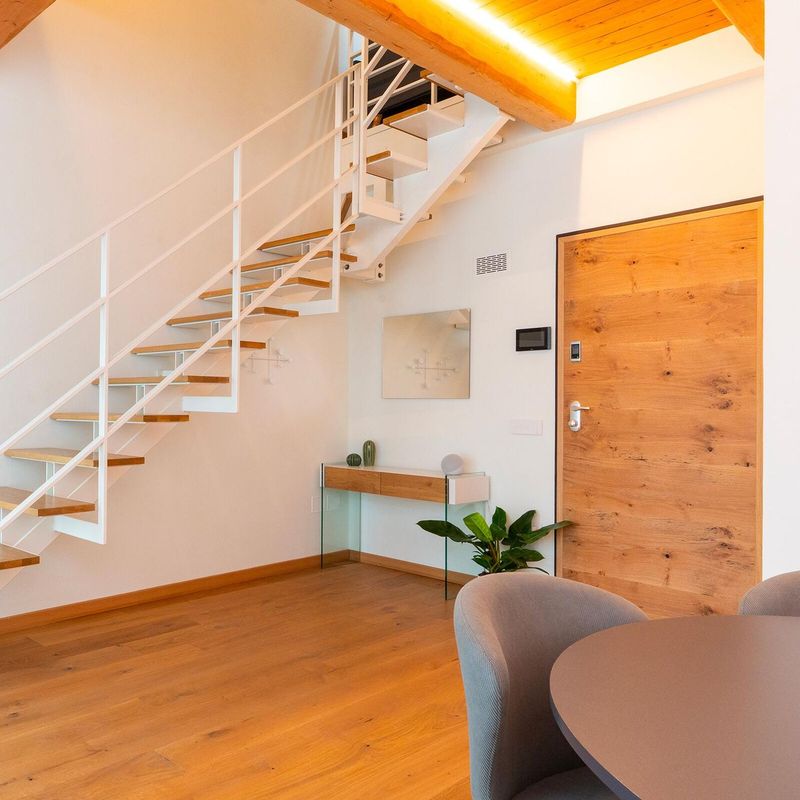
Antica Corte Lugo
Affittacamere Ca' da Mazapedar
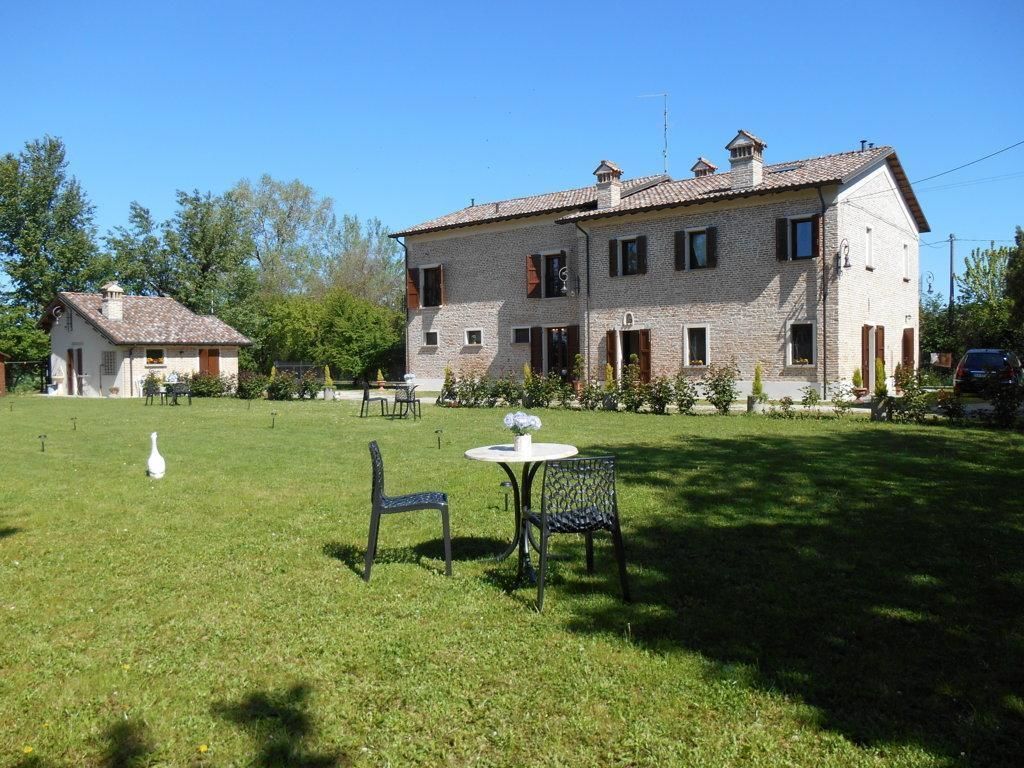
Ca' Bianca B&B
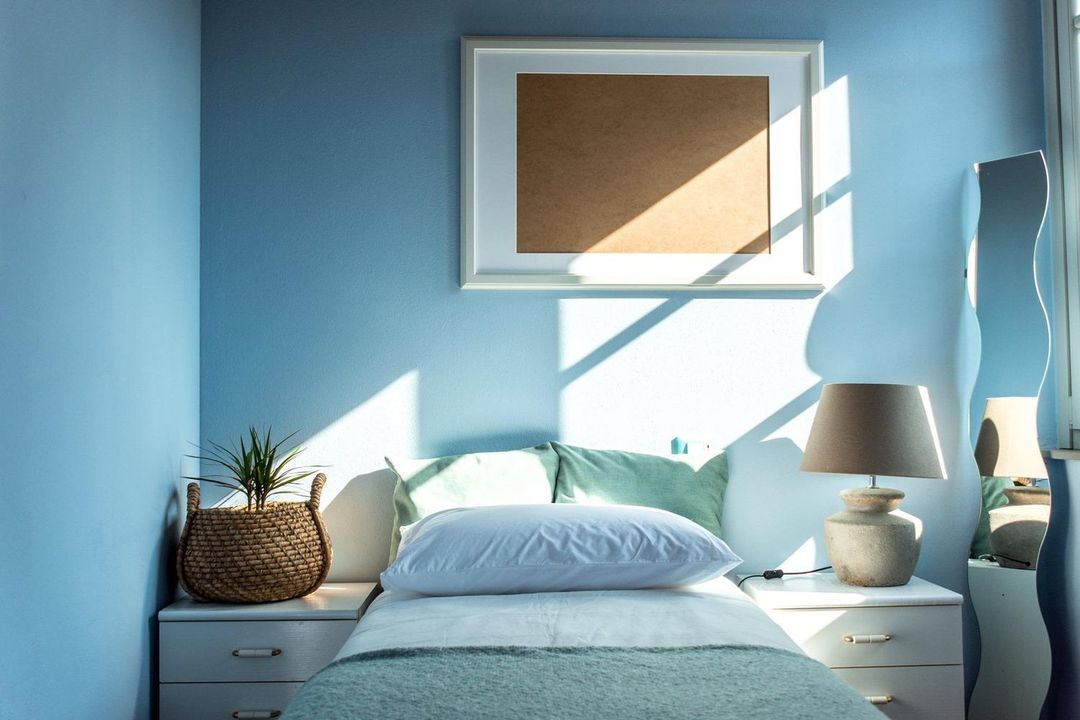
La Maison B&B
Best Hotels in Lugo
Discover curated hotel collections in Lugo
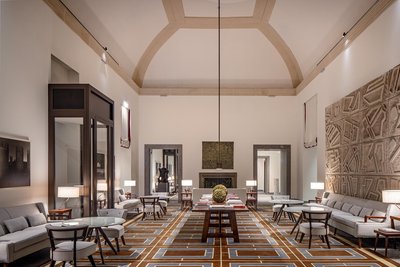
Portrait Milano - Lungarno Collection
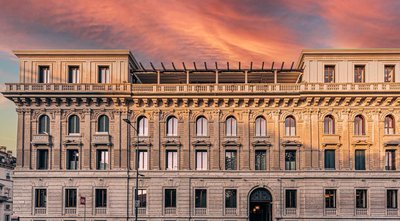
Casa Cipriani Milano
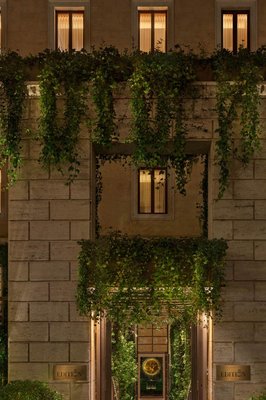
The Rome Edition
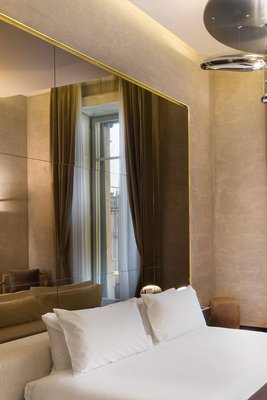
The Glamore Milano Duomo
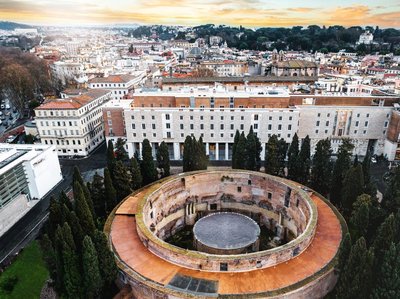
Bulgari Hotel Roma
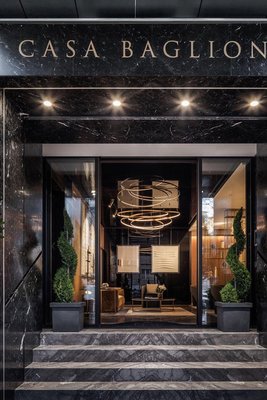
Casa Baglioni Milan - the Leading Hotels of the World
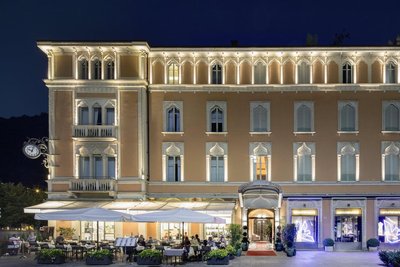
Vista Lago di Como
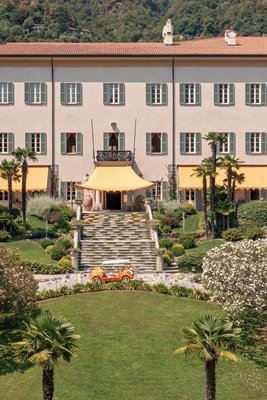
Passalacqua
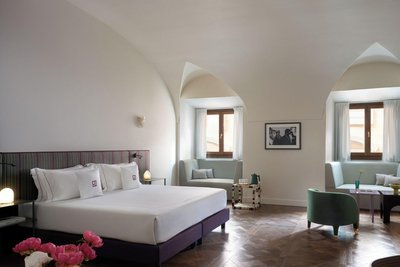
Palazzo Talìa - Small Luxury Hotels of the World
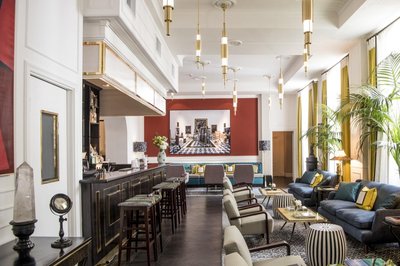
Hotel Vilòn
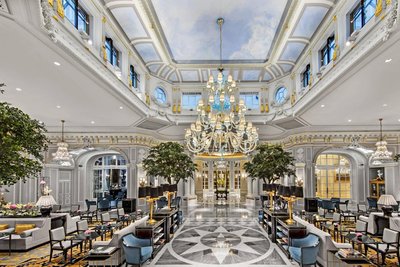
The St. Regis Rome
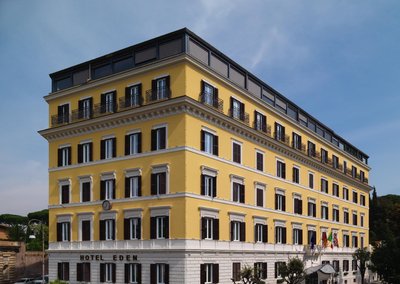
Hotel Eden - Dorchester Collection
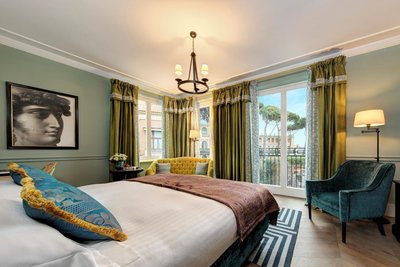
Rocco Forte Hotel de La Ville
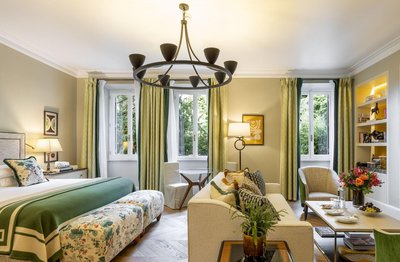
Rocco Forte Hotel De Russie
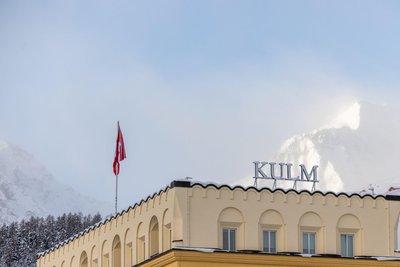
Kulm Hotel St. Moritz
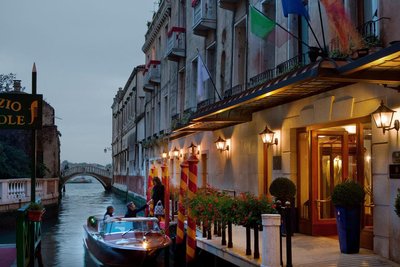
Baglioni Hotel Luna
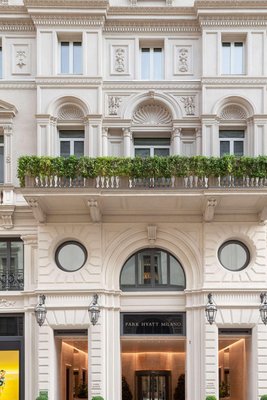
Park Hyatt Milan
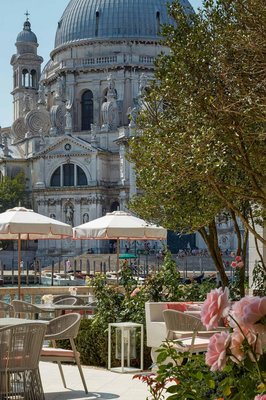
The St. Regis Venice
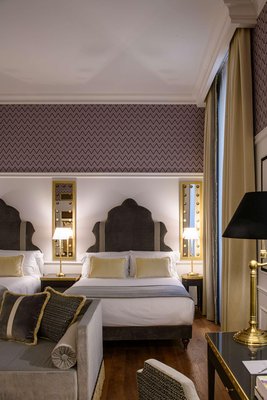
Il Tornabuoni Unbound
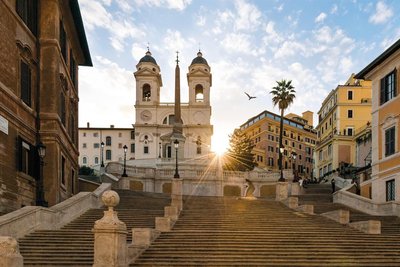
Hassler Roma
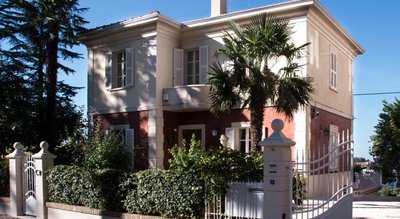
Residenza Ambrogi
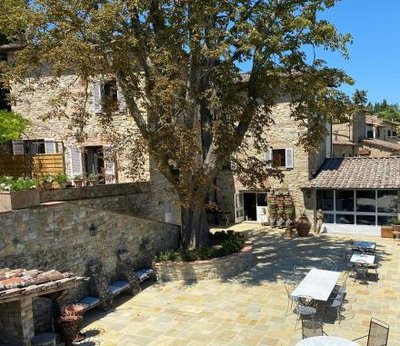
Villa la Petraia
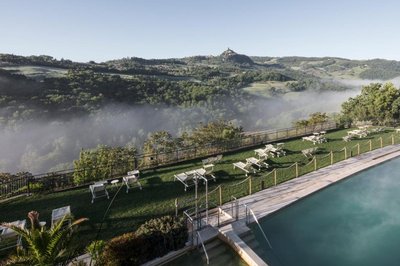
La Posta Hotel & Thermal Spa
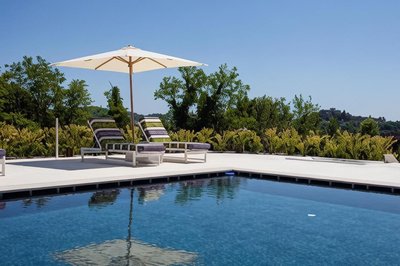
Villa Francesca Relais
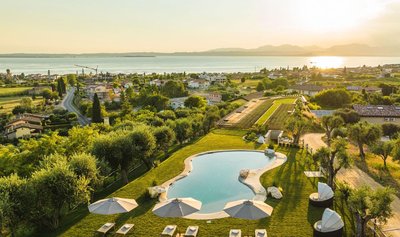
Privilegium Lazise
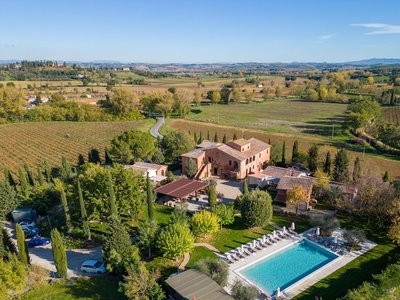
Borgo San Vincenzo
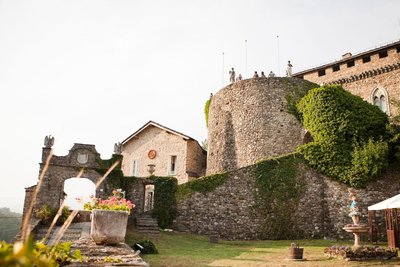
Castello di Compiano Hotel Relais Museum
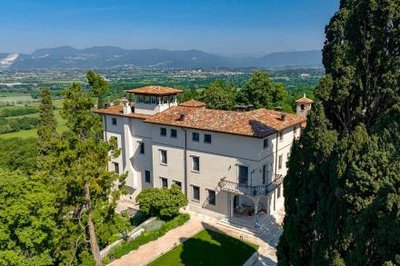
Eremus Relais
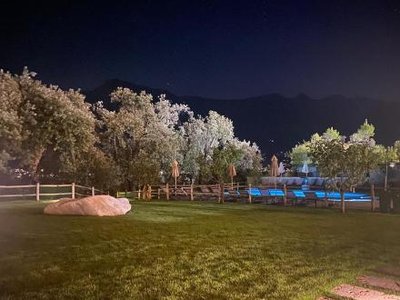
Sibenbras Natural Aparthotel
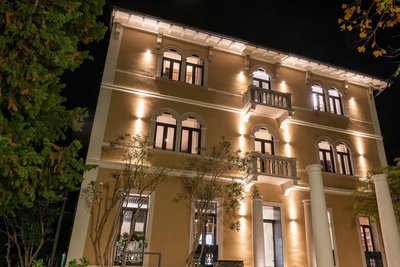
DeGrassi Boutique Garni Hotel Izola
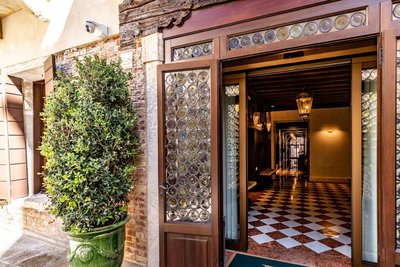
Palazzo Keller
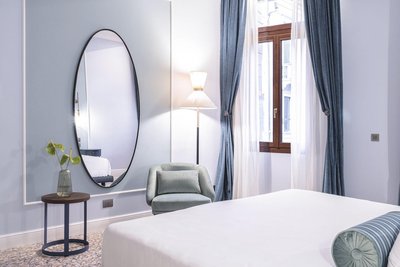
Be Mate Ponte di Rialto
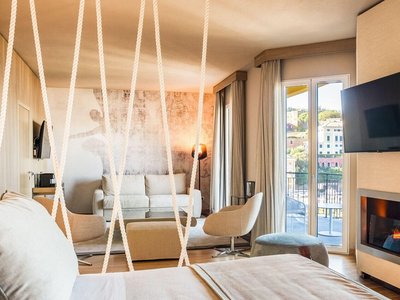
Miramare Suites
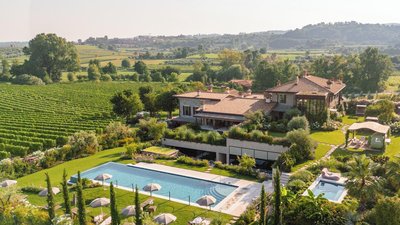
Conti Thun Wine Resort
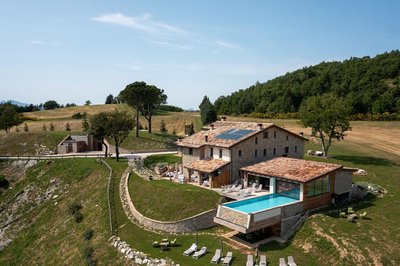
Aura Relais
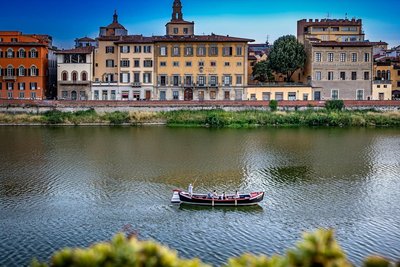
Il Rivalta
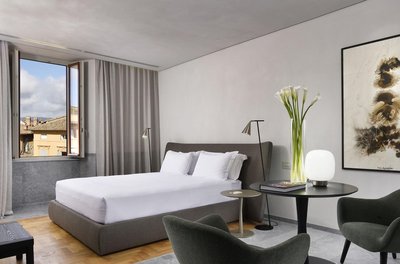
The Bank - Locanda Della Posta Dependance

Visionair Suites
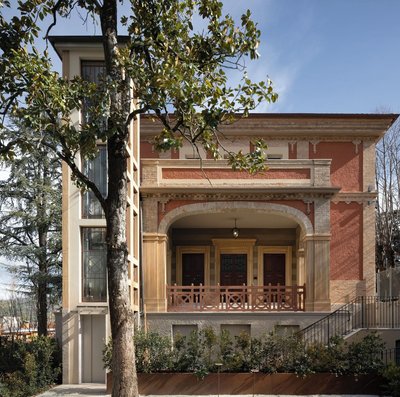
Interno Marche Design Experience Hotel
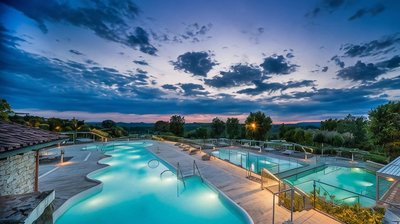
San Giovanni Terme Rapolano
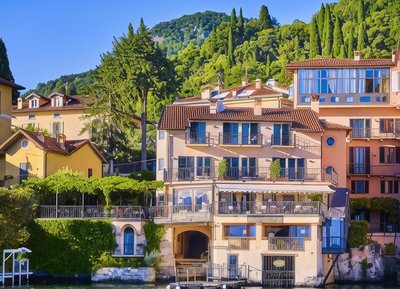
Casa du Lac, by R Collection Hotels
Sibenbras Natural Aparthotel
Miramare Suites
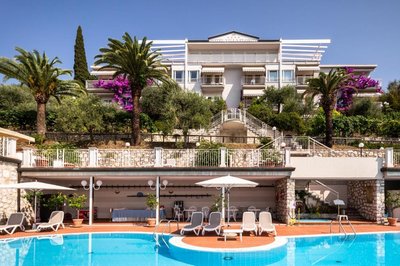
Hotel Villa Florida & Suite Apartments
Il Rivalta
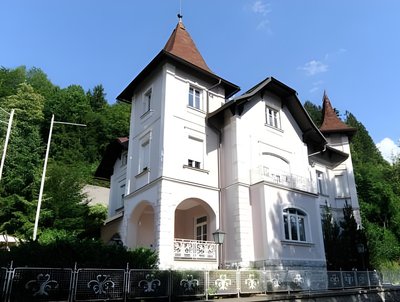
Adora Luxury Hotel
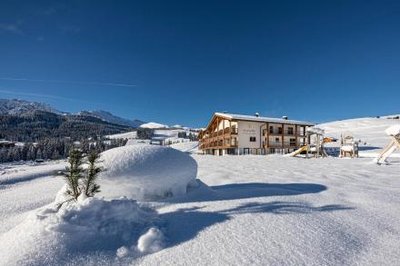
Brunelle Seiser Alm Lodge
Vista Lago di Como
Passalacqua
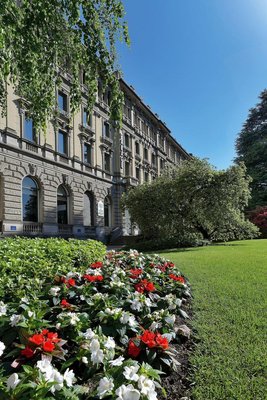
Palace Hotel Lake Como
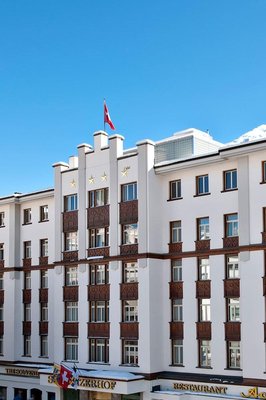
Hotel Schweizerhof St. Moritz
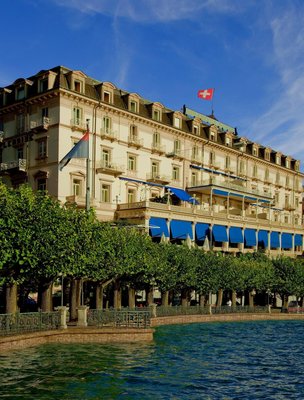
Hotel Splendide Royal

Kempinski Palace Portoroz Slovenia
Kulm Hotel St. Moritz
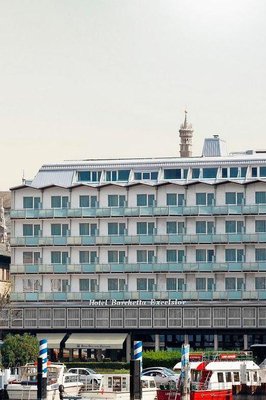
Hotel Barchetta Excelsior
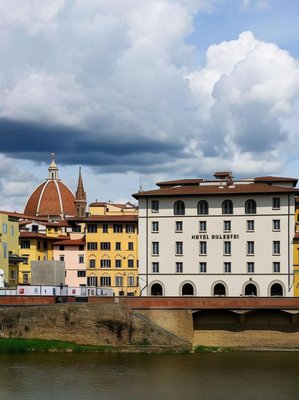
Hotel Balestri - Wtb Hotels
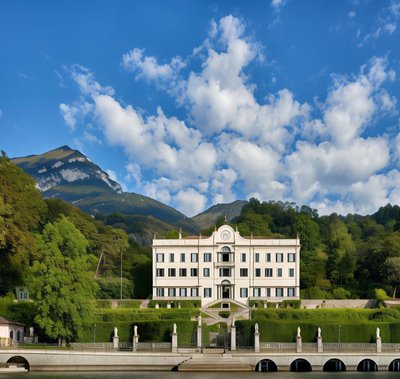
Albergo Terminus
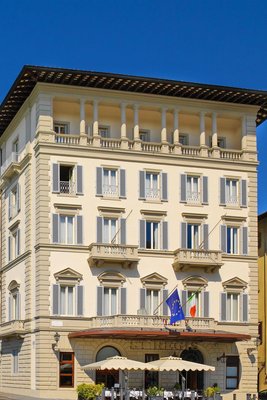
The St. Regis Florence
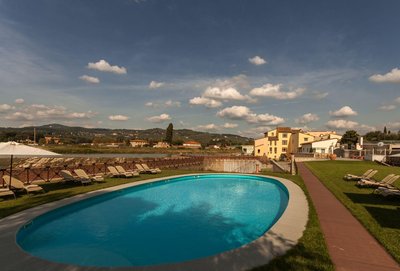
Hotel Mulino di Firenze, WorldHotels Crafted
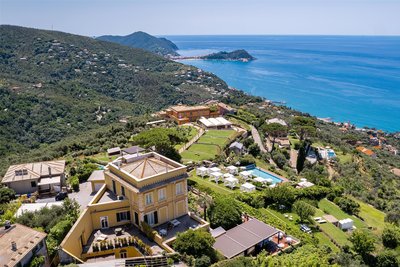
Villa Riviera Resort
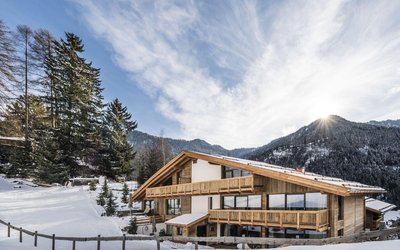
Hotel Montchalet
Castello di Compiano Hotel Relais Museum
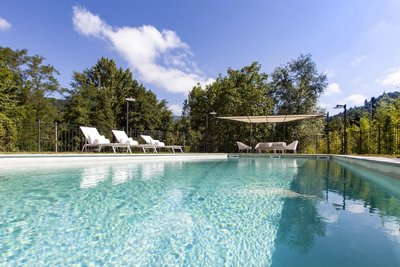
Castello di Pontebosio Luxury Resort
Passalacqua
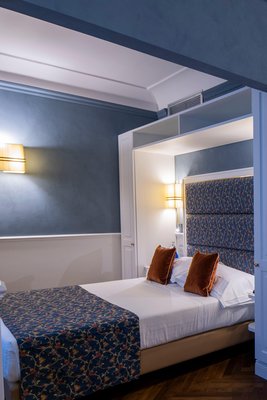
Rivoli Boutique Hotel
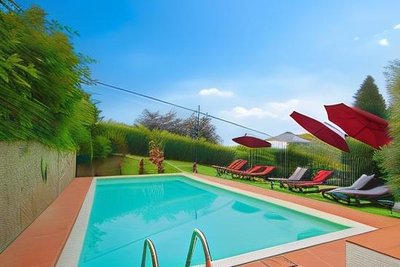
Hotel Villa Sermolli
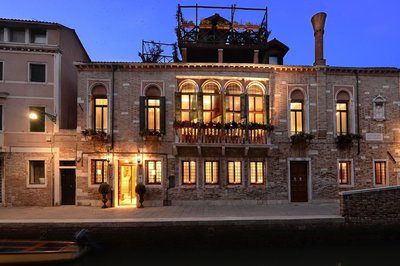
Palazzetto Madonna
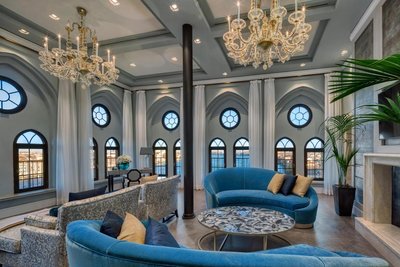
Hilton Molino Stucky Venice
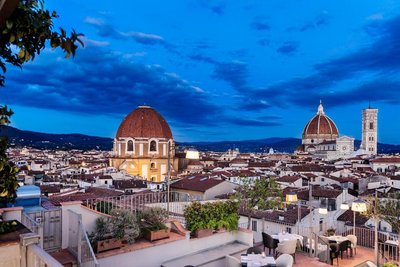
Grand Hotel Baglioni
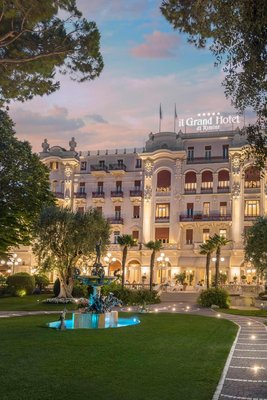
Grand Hotel Rimini

Palazzetto Pisani Grand Canal
The St. Regis Rome
Hotel Schweizerhof St. Moritz
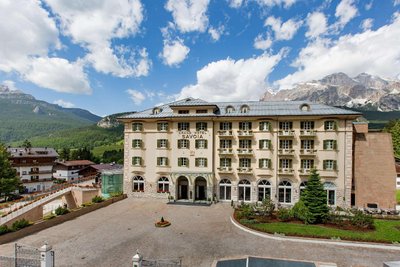
Grand Hotel Savoia Cortina D’Ampezzo, A Radisson Collection Hotel
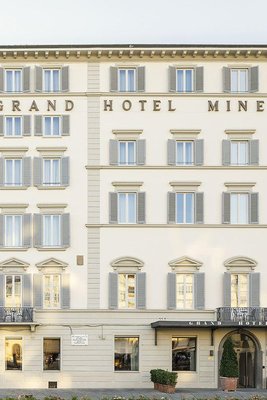
Grand Hotel Minerva
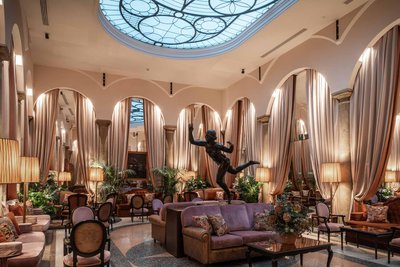
Grand Hotel et de Milan - the Leading Hotels of the World
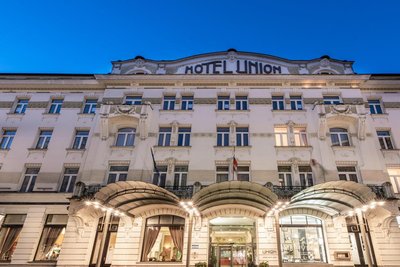
Grand Hotel Union Eurostars
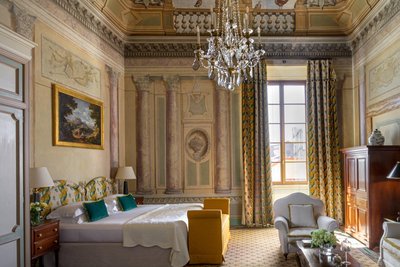
Grand Hotel Continental Siena - Starhotels Collezione
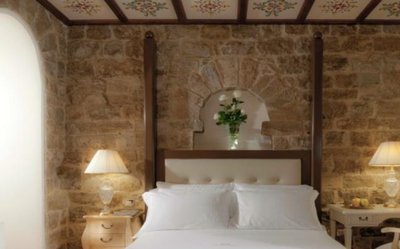
Golden Tower Hotel & Spa
Baglioni Hotel Luna
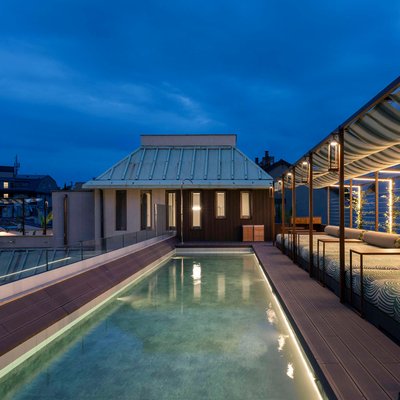
Radisson Collection Hotel Santa Sofia Milan
Bulgari Hotel Roma
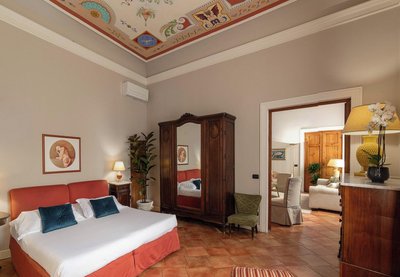
Palazzo Alfani - Residenza d'Epoca
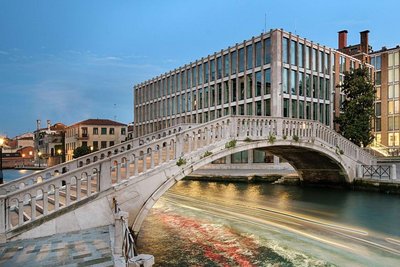
Avani Rio Novo Venice Hotel
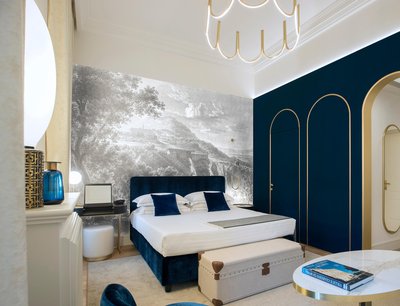
Elizabeth Unique Hotel Rome By Design Hotels
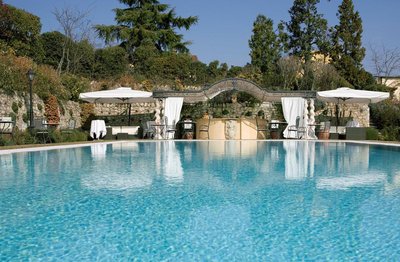
Byblos Art Hotel Villa Amista
Grand Hotel Minerva
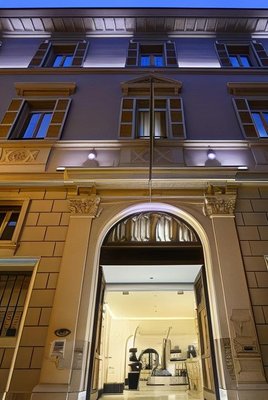
The First Arte - Preferred Hotels & Resorts
Il Tornabuoni Unbound
Hassler Roma
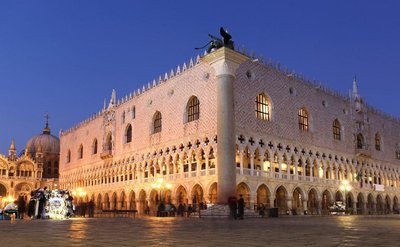
Ai Mori d'Oriente
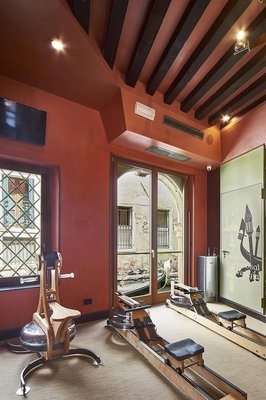
Hotel Saturnia & International
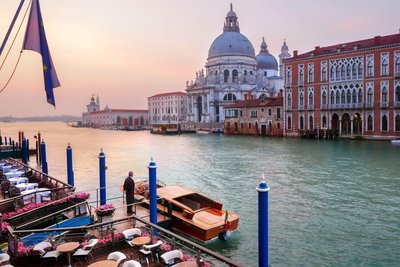
The Gritti Palace, a Luxury Collection Hotel, Venice
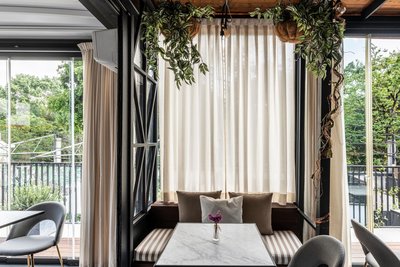
Horti 14 Borgo Trastevere Hotel
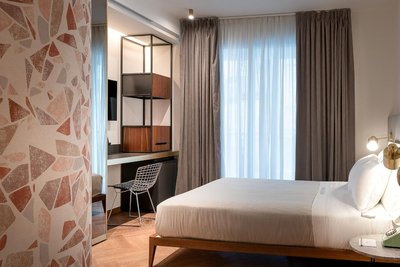
The Box Riccione - Adults Only
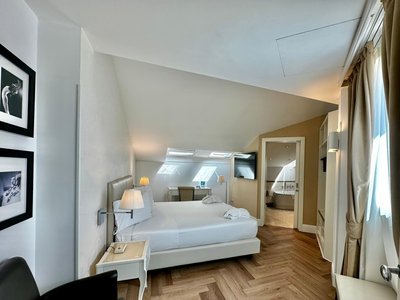
Maison Milano | UNA Esperienze
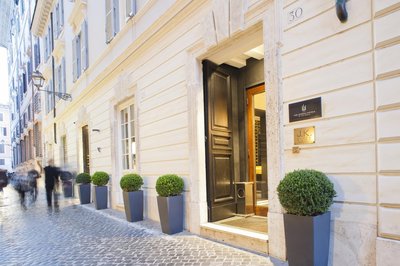
J.K. Place Roma - the Leading Hotels of the World
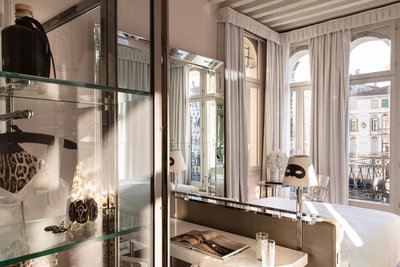
Palazzina Grassi
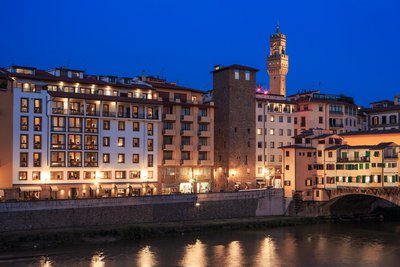
Portrait Firenze - Lungarno Collection
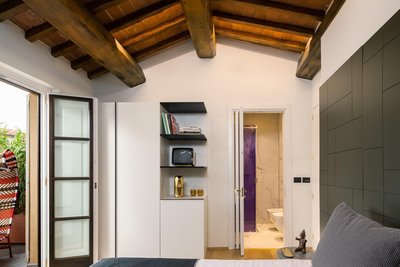
Hotel Milu Florence
Hotel Montchalet
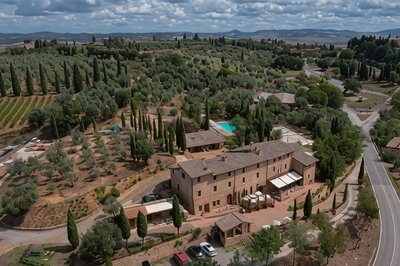
Il Miraggio in Val d'Orcia Relais & Spa
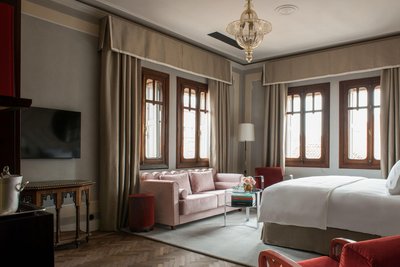
Nolinski Venezia - Evok Collection
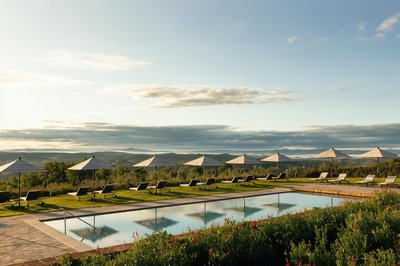
The Club House
Radisson Collection Hotel Santa Sofia Milan
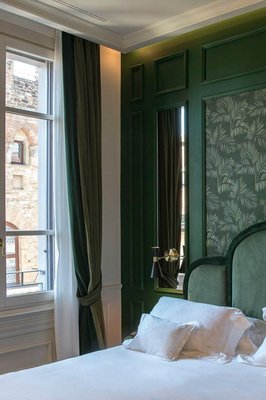
Hotel la Gemma
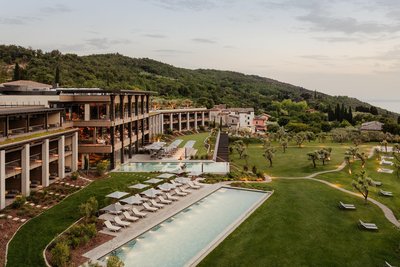
Cape of Senses
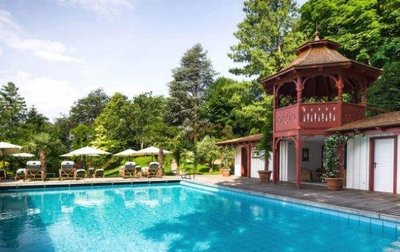
Relais & Chateaux Hotel Castel Fragsburg
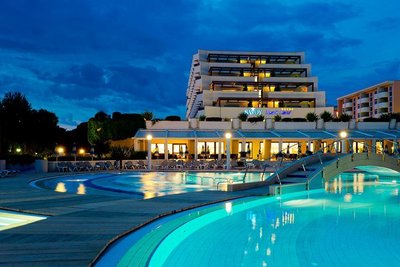
Savoy Beach Hotel & Thermal Spa
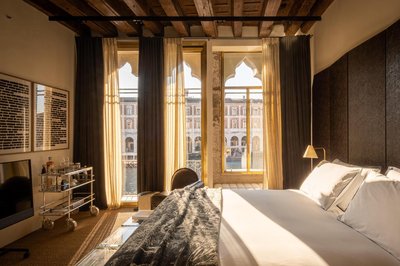
The Venice Venice Hotel
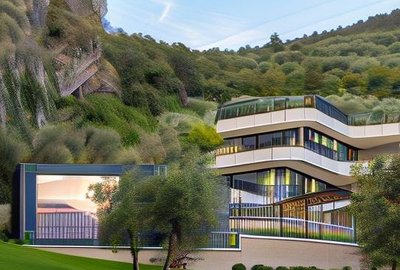
Gardea SoulFamily Resort
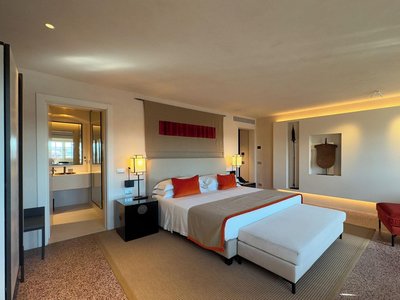
Hotel Palazzo Durazzo Suites
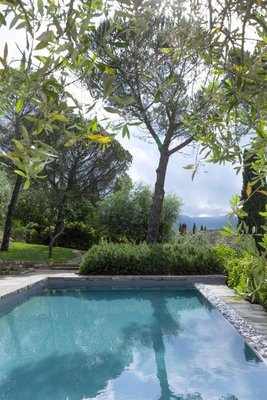
Pieve Aldina Relais & Châteaux
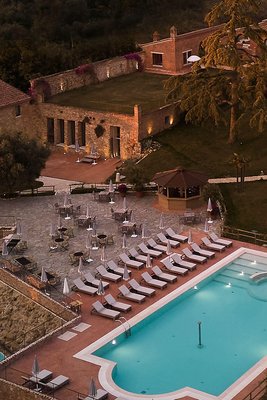
Precise Tale Poggio Alla Sala
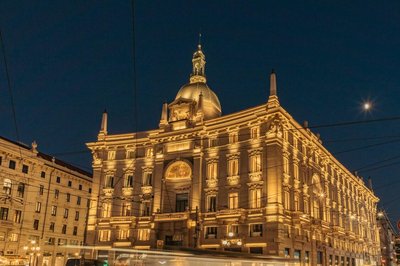
Palazzo Cordusio Gran Meliá – The Leading Hotels of the World
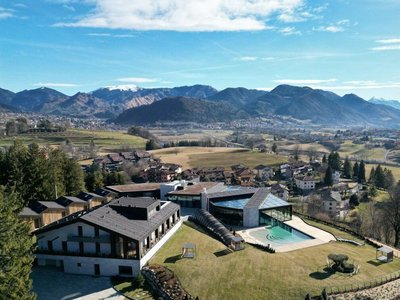
Collina Luxury Relais
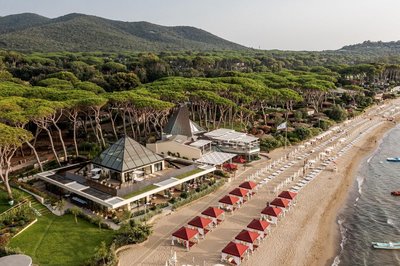
Cala Beach Resort
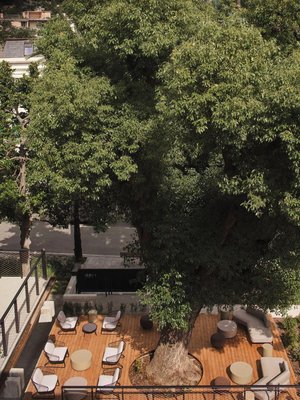
Capitolo Riviera
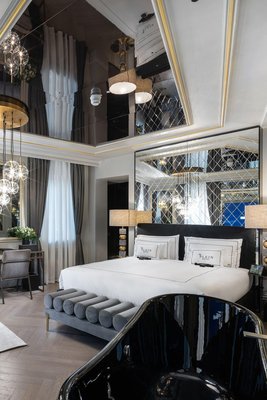
The Plein Hotel - Small Luxury Hotels of the World
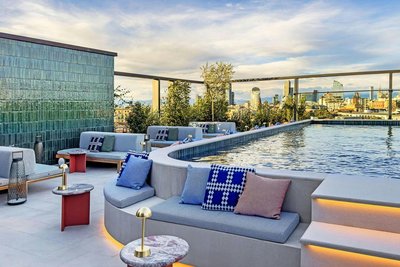
Casa Brera, a Luxury Collection Hotel, Milan
Casa Baglioni Milan - the Leading Hotels of the World
Grand Hotel Baglioni
Hotel Eden - Dorchester Collection
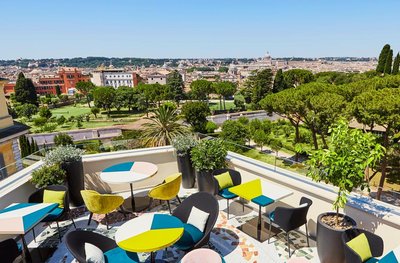
Sofitel Roma Villa Borghese
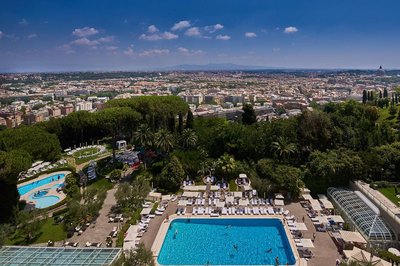
Rome Cavalieri, A Waldorf Astoria Hotel
The First Arte - Preferred Hotels & Resorts
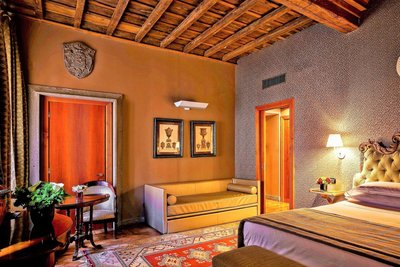
Hotel Valadier
Baglioni Hotel Luna
The St. Regis Venice
Hassler Roma
The St. Regis Florence
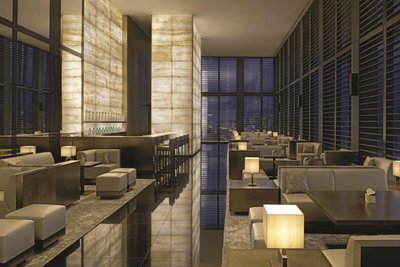
Armani Hotel Milano
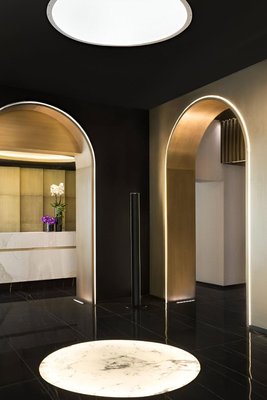
The Pantheon Iconic Rome Hotel, Autograph Collection
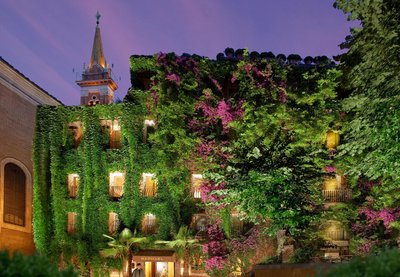
Bio Hotel Raphael - Relais & Châteaux
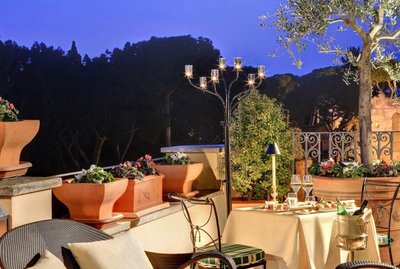
Hotel Splendide Royal - the Leading Hotels of the World
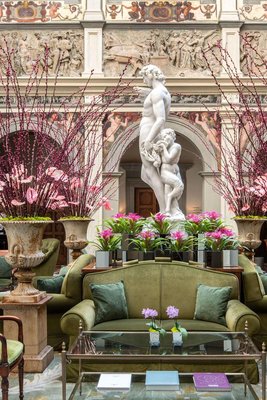
Four Seasons Hotel Firenze
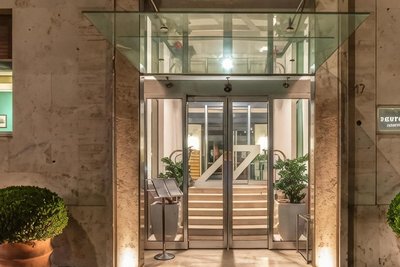
47 Boutique Hotel
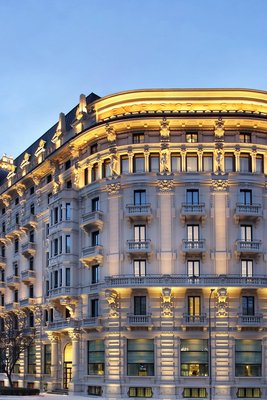
Excelsior Hotel Gallia, a Luxury Collection Hotel, Milan
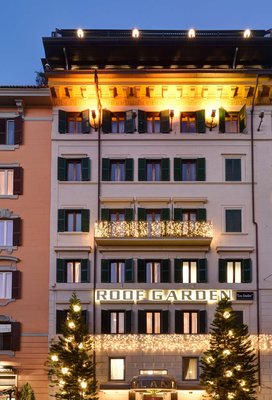
Atlante Star Hotel
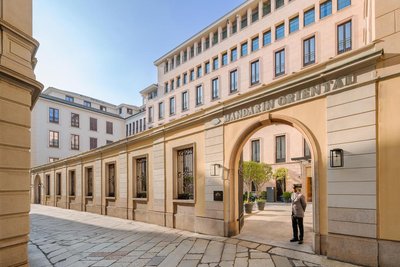
Mandarin Oriental, Milan
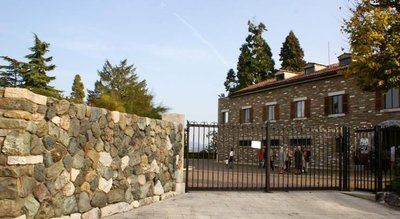
Villa Ottolenghi Wedekind
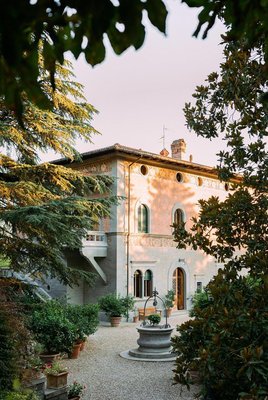
Villa la Commenda Concordia
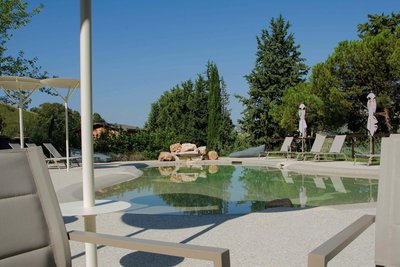
Colle Serrano Relais & Spa
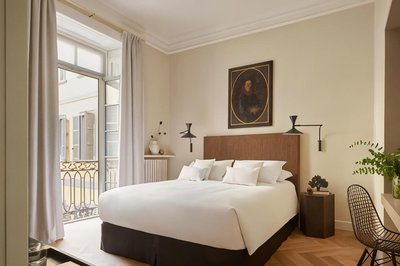
Crossing Manzoni
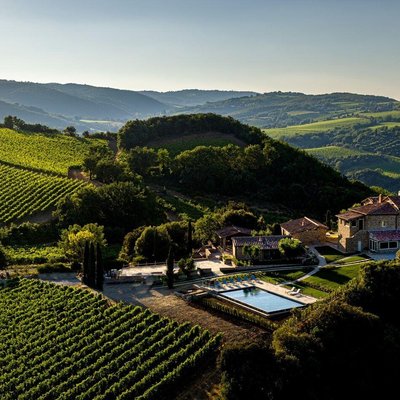
Mastrojanni Relais
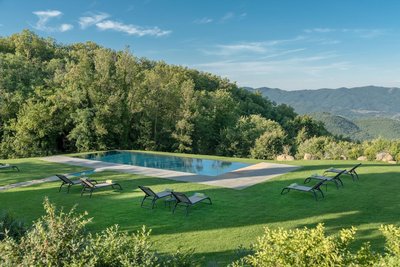
Badia di Pomaio
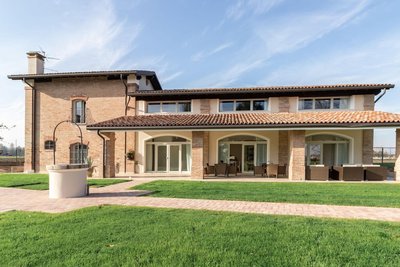
Monteborre
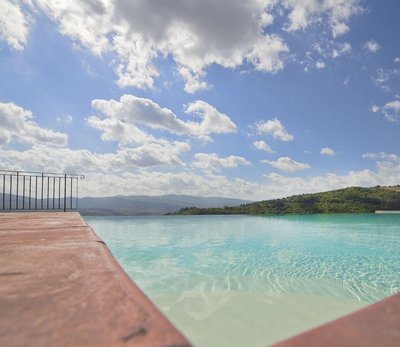
Castello Vicchiomaggio
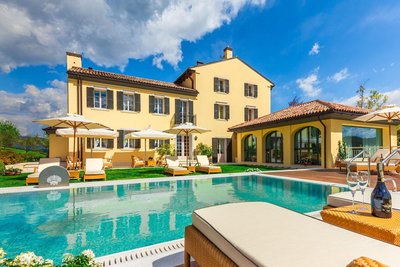
Romantik Relais d'Arfanta
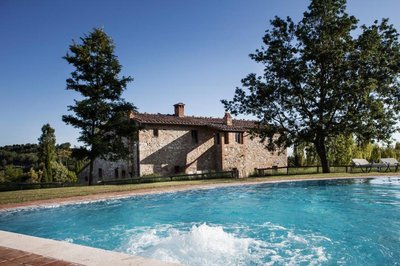
B&B - Podere Monti
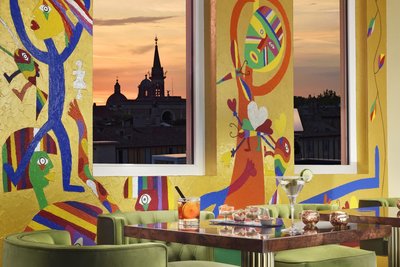
Lifestyle Suites Rome
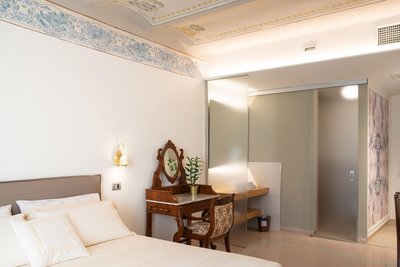
Portica10
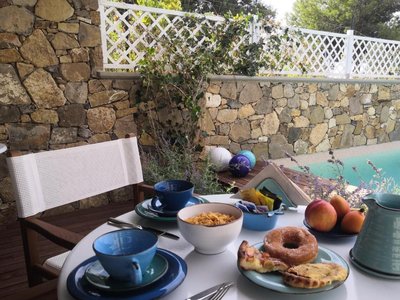
Stile Libero b&b
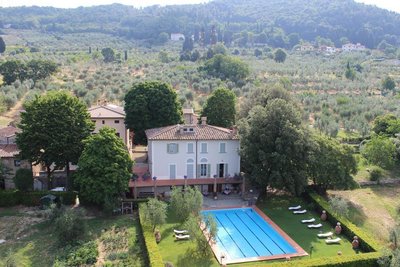
Borgo I Vicelli
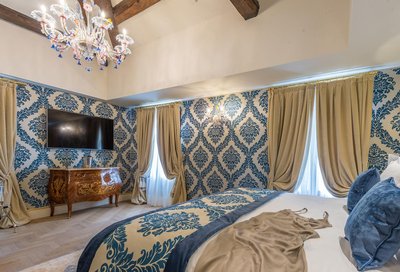
Ai Patrizi di Venezia
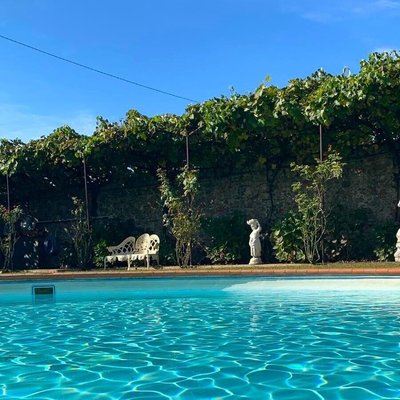
Villa la Preziosa
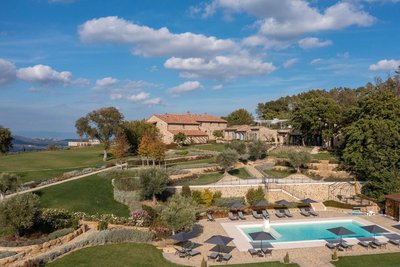
I Borghi Dell'Eremo
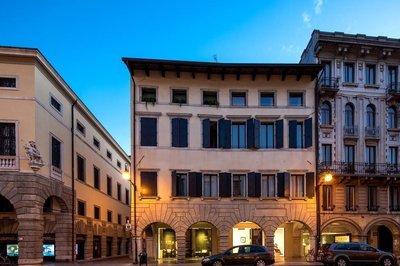
Mercatovecchio Luxury Suites
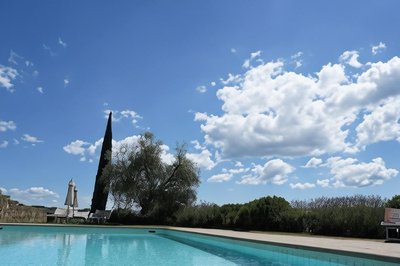
Wine Resort Dievole
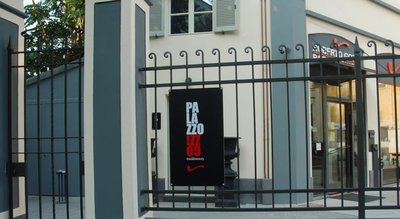
Palazzo Gozzi Bed & Beauty
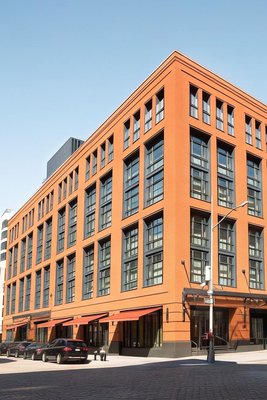
Hotel Barrière Fouquet's New York
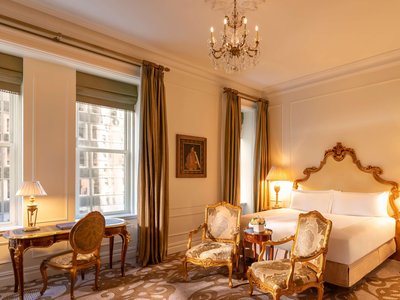
The Plaza - A Fairmont Managed Hotel
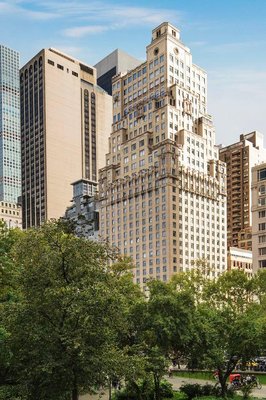
The Ritz-Carlton New York, Central Park
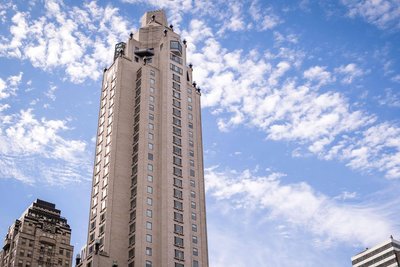
Four Seasons Hotel New York
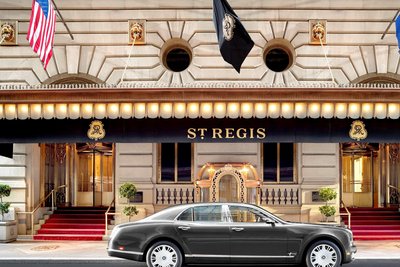
The St. Regis New York
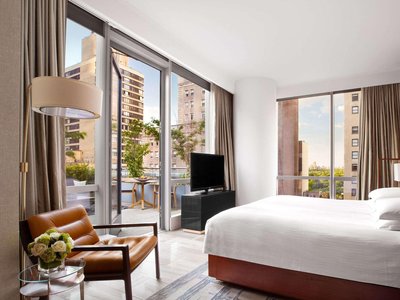
Park Hyatt New York
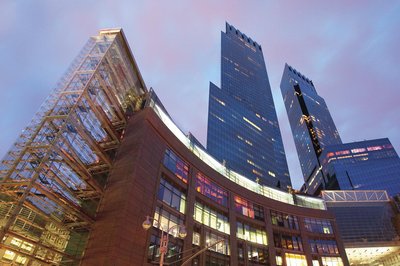
Mandarin Oriental New York
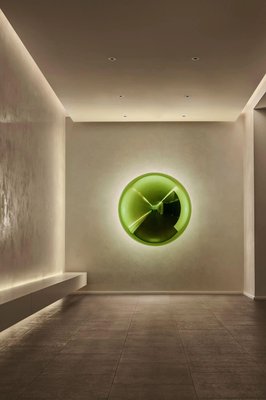
Times Square Edition New York
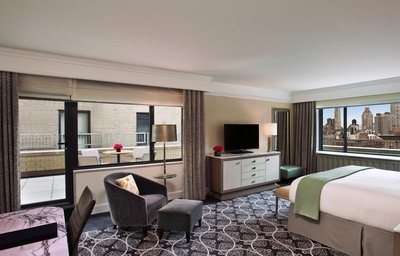
Loews Regency New York Hotel
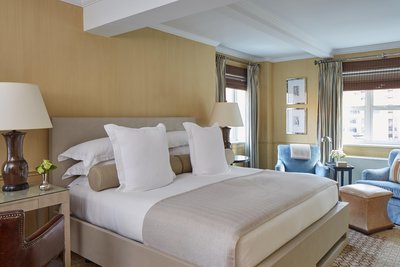
Lowell Hotel
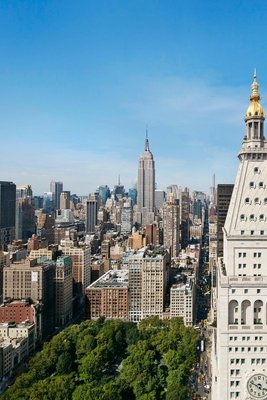
New York Edition
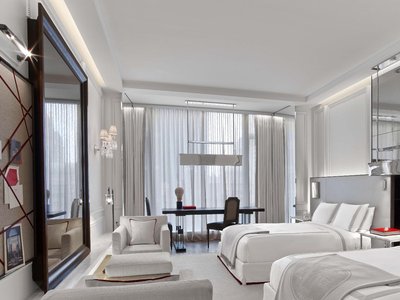
Baccarat Hotel New York
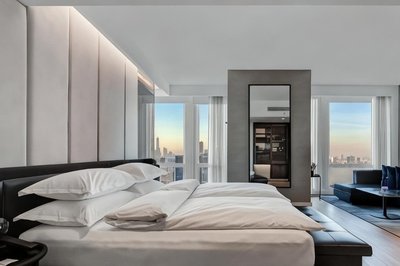
Equinox Hotel New York
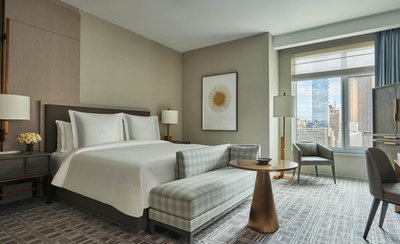
Four Seasons Hotel New York Downtown
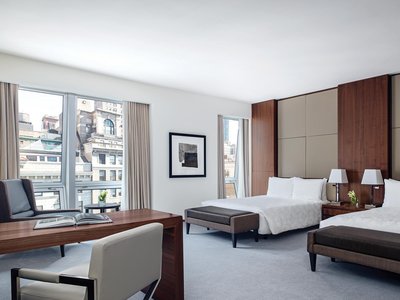
The Langham, New York, Fifth Avenue
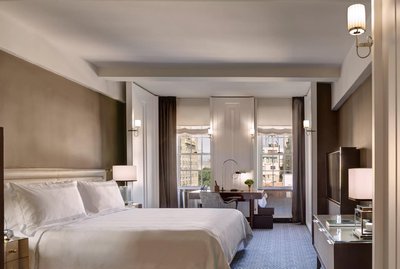
The Carlyle, A Rosewood Hotel

The Chatwal, in the Unbound Collection by Hyatt
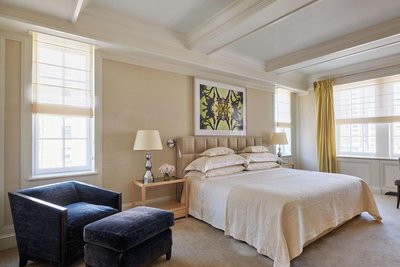
The Mark New York
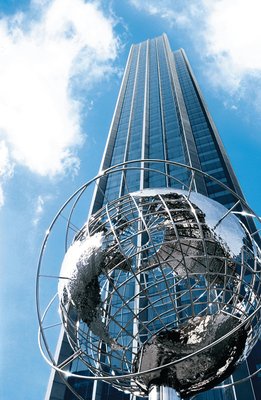
Trump International Hotel & Tower® New York
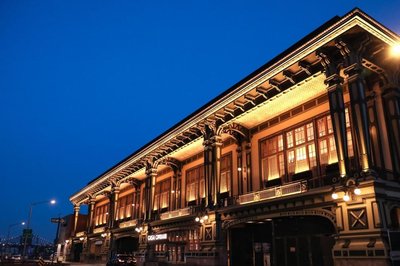
Casa Cipriani New York
Frequently Asked Questions about Traveling to Lugo
Questions You Might Need to Know About Traveling to Lugo
For first-time visitors, staying in the Old Town (Centro Storico) is ideal—within walking distance of the Roman Walls of Lugo, a UNESCO World Heritage Site. The area offers charming cobblestone streets, historic buildings, and authentic local restaurants.
Hotel San Giorgio is highly recommended: located inside the ancient city walls, it blends medieval architecture with modern comfort. Its rooftop terrace offers panoramic views of the surrounding hills and the Torre del Reloj clock tower.
Alternatively, B&B La Corte dei Bardi provides a quiet, intimate experience in a 16th-century villa. Guests enjoy private gardens, traditional Italian breakfasts, and easy access to Piazza del Municipio and Chiesa della SS. Assunta. This district perfectly captures Lugo’s cultural soul.
Yes, Hotel San Giorgio is an excellent choice for families staying near the Roman Walls of Lugo. It offers spacious family rooms, connecting rooms, and suites with separate living areas. The hotel provides baby cots, high chairs, and a dedicated kids’ play zone.
Located just steps from the ancient city walls, guests can easily walk to Piazza del Municipio, Chiesa della SS. Assunta, and the weekly market. The staff also provides personalized recommendations for family-friendly attractions like the Museo di Storia Naturale di Lugo and Agricampo Kids Farm.
Another option is B&B La Corte dei Bardi, a tranquil 16th-century villa with a large garden and shaded patio perfect for children. Breakfast includes fresh local fruit, homemade bread, and organic yogurt—ideal for healthy family mornings.
One must-try experience in Lugo is the Night Tour of the Roman Walls, held annually during summer. Led by local historians, this guided walk passes through Piazza del Municipio and into the ancient Roman fortifications, revealing stories of how the walls once defended the city against barbarian invasions.
The Lugo International Theatre Festival (Festival Teatro di Lugo) takes place every September at the old market square, featuring improvisational comedy, classical plays, street performances, and open-air dining—showcasing the region’s vibrant theatrical heritage.
Also visit Ceramica Vecchia, a traditional pottery workshop where you can learn to craft authentic Emilia-Romagna-style ceramics using local clay and glazes. You’ll take home your own handmade piece—a unique souvenir of Lugo’s artisan culture.
Photography enthusiasts should visit the side alley behind Chiesa della SS. Assunta, where morning light filters through ancient window frames and stone arches, creating dramatic chiaroscuro effects.
Piazza del Mercato at dawn is another gem—empty and still, with reflections of the bell tower and 18th-century fountain shimmering in the pool water. Ideal for mirror-like compositions.
Even more secluded is the wildflower path along the backside of the Roman Walls, leading up to the hillside. In spring, it blooms with purple flowers and sagebrush, offering stunning shots of nature intertwined with ancient stone. Bring a tripod and shoot long exposures at dusk to capture glowing lights against the fortress silhouette—perfect for dreamy, cinematic images.
Must-try dishes in Lugo include Tagliatelle al Ragu, a classic Emilia-Romagna pasta dish featuring slow-cooked beef ragù served over handmade wide noodles—rich, hearty, and deeply flavorful.
Another local favorite is Torta di Pera, a spiced apple tart with a flaky crust and honey-cinnamon filling, often enjoyed warm with hot chocolate.
At the weekend market, sample salami platters and Tartufo di Formaggio, a savory cheese tart made with local sheep and goat milk cheeses—creamy, tangy, and uniquely regional.
Visit Osteria del Ponte, a rustic restaurant housed in a centuries-old building, known for its seasonal menu and farm-to-table philosophy. Every dish celebrates fresh, local ingredients and traditional cooking methods.
Yes, Lugo is well-connected. It’s about 45 km from Bologna, reachable by regional train in just 35 minutes—over 10 daily departures with direct service to Bologna Centrale station.
To reach Rimini or Ferrara, take a bus or rent a car; both journeys take approximately one hour. The town has a local tram system linking major sights and the train station, plus bicycle rental services for leisurely exploration of the city walls and rural trails.
Use the Trenitalia App for real-time schedules and ticket purchases, or consider the Emilia-Romagna Regional Pass, which offers discounted train fares, free museum entry, and reduced prices on tours—great for maximizing your travel experience.
Lugo Overview
City Summary
Lugo, a charming town in Italy's Emilia-Romagna region, is renowned for its medieval architecture and rich historical heritage. The Rocca di Lugo Castle is an iconic landmark showcasing Renaissance military architecture. The town also attracts visitors with its traditional festivals and handicraft markets, making it an ideal destination to experience northern Italian rural culture.
Must-See Attractions
The Rocca di Lugo Castle is a must-see, featuring well-preserved walls and towers from the 15th century. The Church of San Francesco displays elegant Gothic architecture. Don't miss the Municipal Museum, housing artifacts from Roman times to the Middle Ages. The weekend farmers' market offers authentic local experiences.
Food Guide
Lugo is famous for Emilia-Romagna cuisine, especially Parmigiano Reggiano cheese and traditional balsamic vinegar. Must-try dishes include Tortellini and Lasagna, best paired with local Sangiovese wine. Street food like piadina (Italian flatbread) is also recommended.
Transportation Guide
Walking and cycling are the best ways to explore Lugo's compact center. The train station offers regular services to Bologna and Ferrara (30-40 minutes). Bus routes connect nearby villages but have limited schedules. Drivers should note ZTL traffic restrictions and use peripheral parking areas.
Best Time to Visit
The best times to visit are spring (April-June) and autumn (September-October) with mild weather and fewer crowds. Summers (July-August) can be hot but feature local festivals. Winters are chilly but offer charming Christmas markets.
Travel Tips
- Cash payments: Many small shops accept only euros in cash.
- Siesta time: Most stores close 1:00-4:00 PM for midday break.
- Dress code: Cover shoulders and knees when entering churches.
- Museum bookings: Smaller museums may require advance reservations.
- Local dialect: While Emilian dialect is spoken, standard Italian is widely understood.
- Festival planning: Book accommodations early during events like "Festa del Tortellino".
Useful Information
Language: Italian predominates; basic English is spoken in tourist areas. Currency: Euro (€); cards accepted at hotels/restaurants. Internet: Spotty free WiFi in center; local SIM cards recommended. Emergency: Medical 118, police 112. Voltage: 230V with C/F plugs. Water: Tap water is safe; bottled water incurs charges at restaurants.