Hotels in Lussac
Discover your perfect stay in Lussac.
Lussac(France) Travel 2026: Cheap Flights, Hotels & Top Attractions
Popular Landmarks in Lussac
Discover the most iconic attractions in Lussac
Recommended Hotels in Lussac
Find the perfect place to stay in Lussac
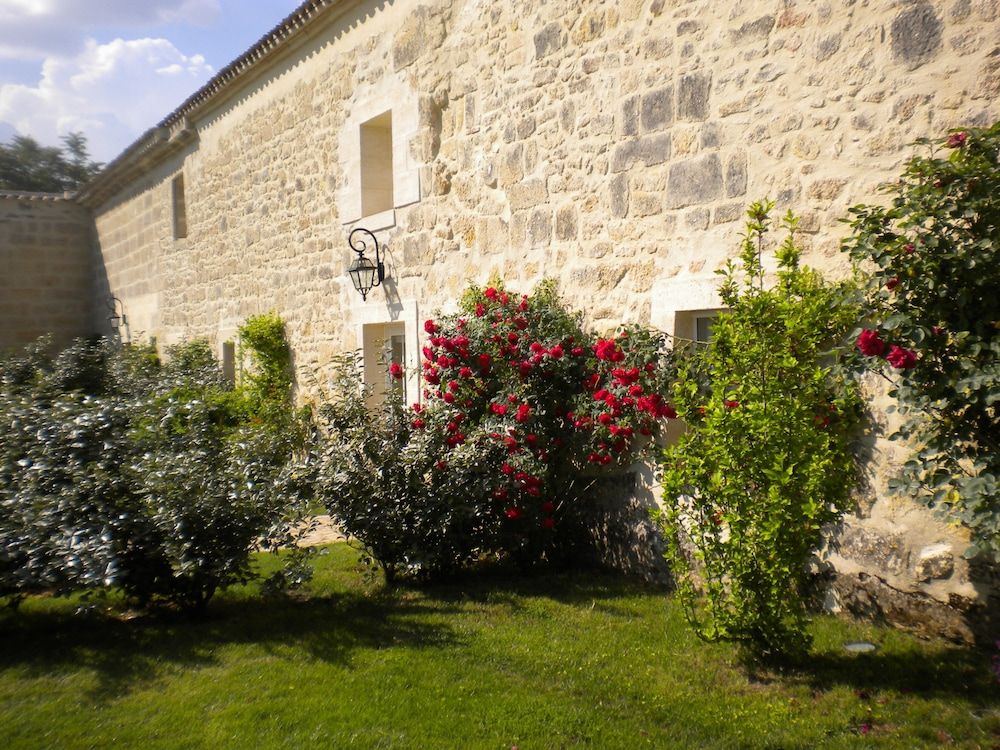
Château Latour Segur Suites & Spa
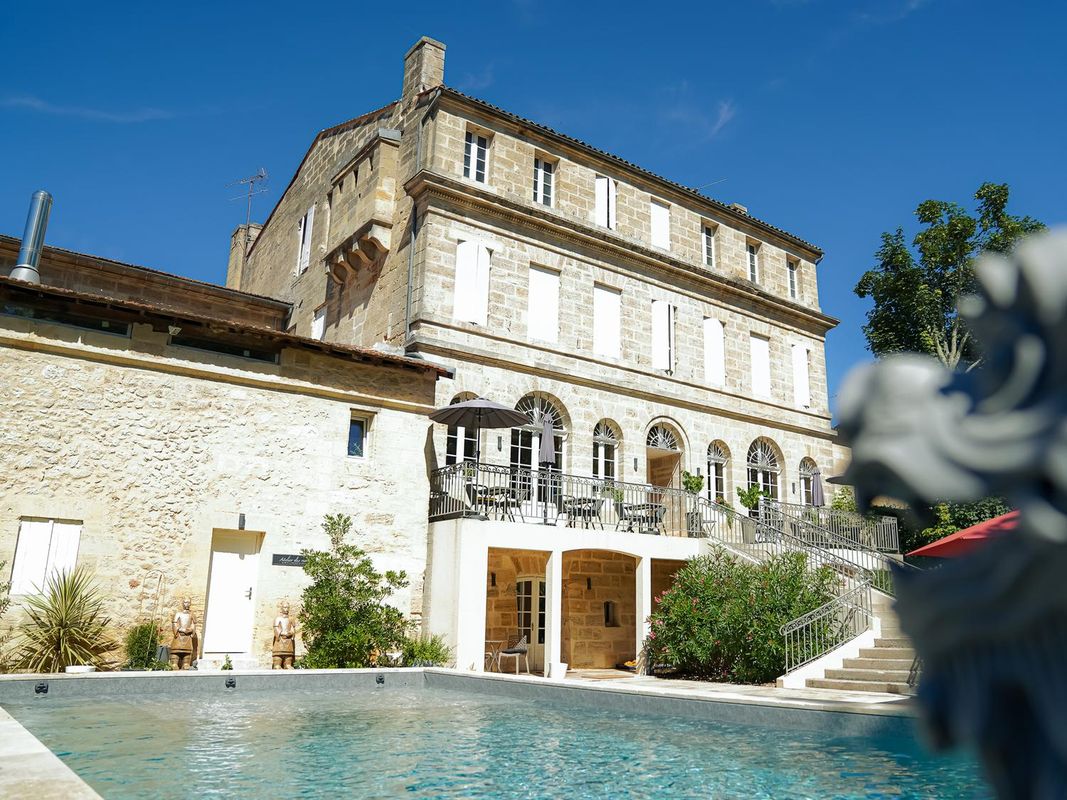
Pavillon des Millésimes, Piscine & Spa
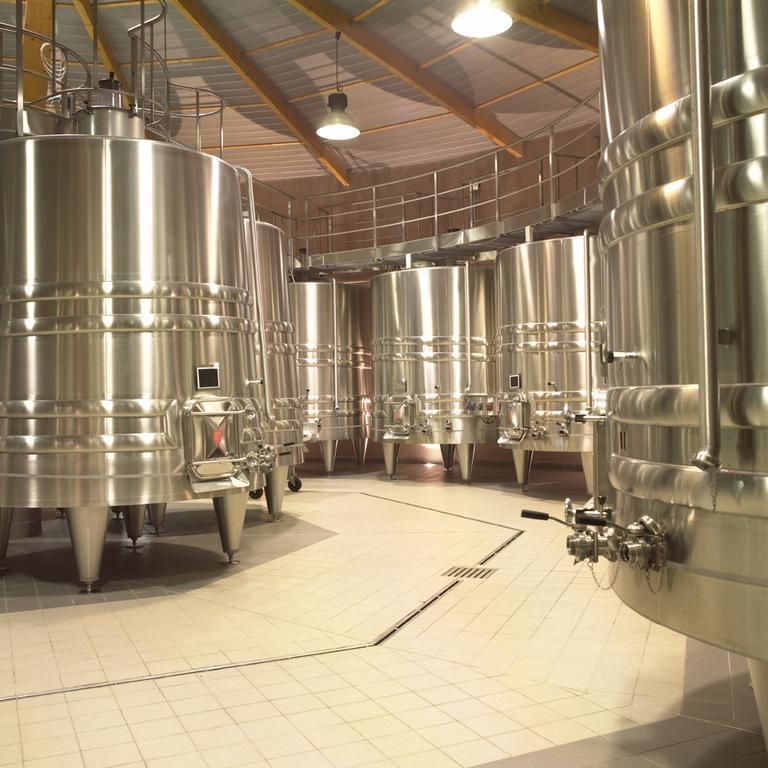
Château de Lussac
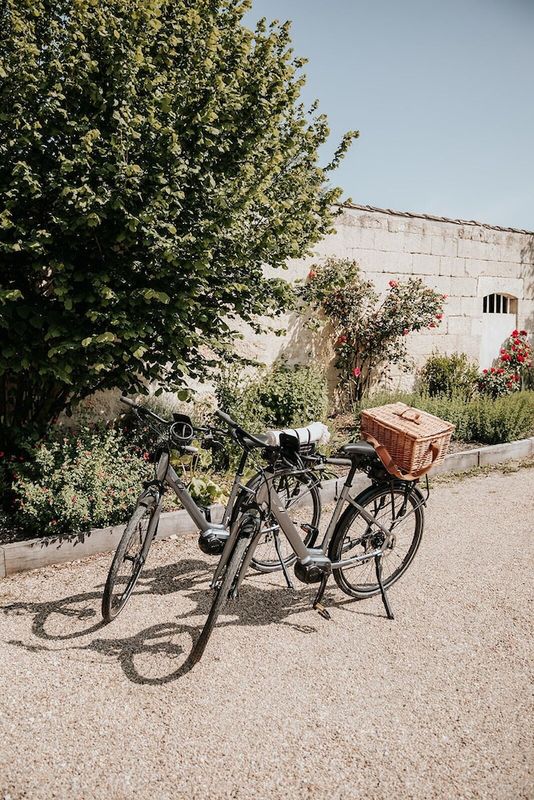
Château la Grande Clotte
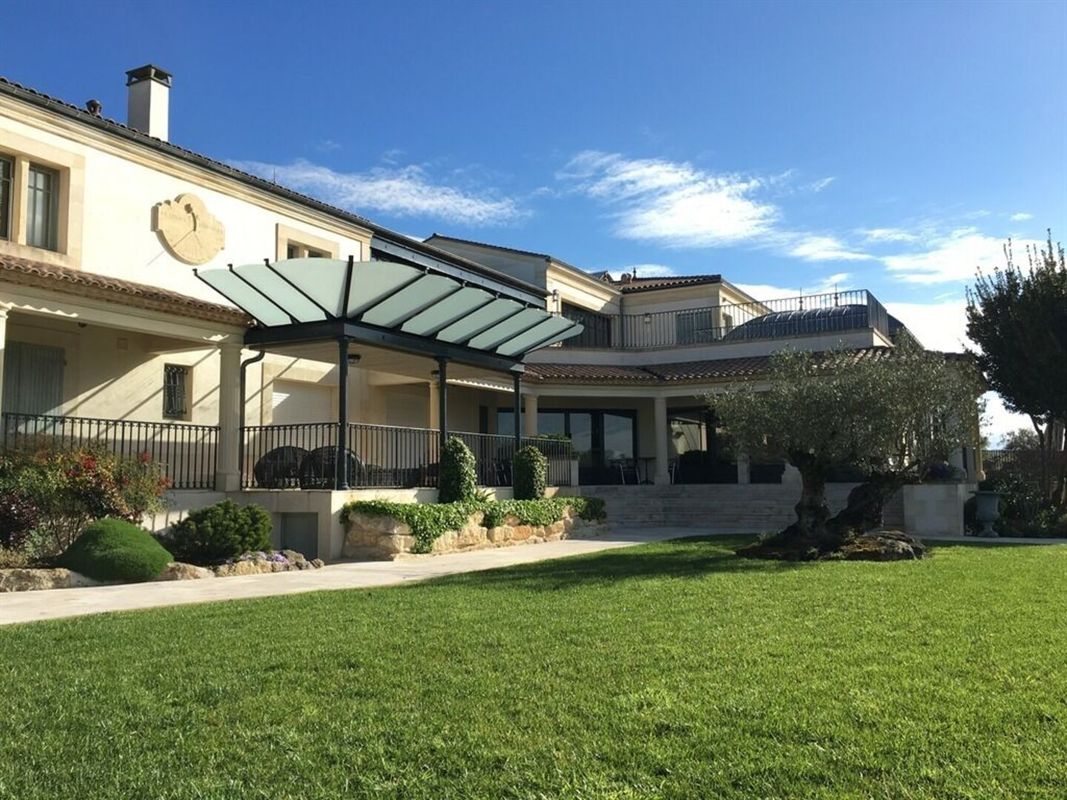
Château la Rose Perrière
Frequently Asked Questions about Traveling to Lussac
Questions You Might Need to Know About Traveling to Lussac
The best area to stay in Lussac is the historic village center, where you can find charming guesthouses like Le Clos de la Vigne, nestled near the Church of Notre-Dame and the ancient stone bridge. This central location offers easy access to local markets, artisanal bakeries, and family-run bistros serving authentic Poitou-Charentes cuisine. Staying here immerses you in daily life—morning walks along the river, evening chats at a sidewalk café, and weekend visits to regional wine fairs.
For a deeper cultural experience, consider Château de Lussac, a restored 18th-century manor that now operates as a boutique hotel. It hosts guided tours of its vineyards and traditional workshops on cheese-making and cider production. Guests enjoy farm-to-table dinners featuring ingredients from the estate’s own orchards and gardens, offering a true taste of rural French heritage and sustainable living.
Yes, Lussac offers several family-friendly options perfect for a relaxed getaway. Le Clos de la Vigne features spacious rooms with separate sleeping areas and a fenced garden ideal for children. The property organizes hands-on activities such as grape harvesting tours, bread-baking workshops, and egg-collecting adventures at nearby farms. Families can also explore scenic bike trails along the Lionne River, passing historic windmills and birdwatching spots.
Additionally, Château de Lussac provides large suites with cribs and highchairs, and hosts themed weekends including cheese-making classes and cider tastings for kids. With farm-fresh breakfasts and private picnic baskets for day trips, these accommodations ensure comfort, safety, and meaningful cultural engagement for all ages.
Visitors to Lussac should not miss the annual Poitou Wine Festival held each autumn, where locals open their cellars for free tastings of regional wines like Chenin Blanc and Cabernet Franc. Guided workshops teach traditional winemaking techniques using century-old presses.
Another highlight is the "Day in the Life of a Rural Farmer" experience, led by local elders who demonstrate sheep herding, fig picking, and homemade jam-making using seasonal fruits. These immersive sessions offer rare insight into sustainable farming practices and community traditions.
Evenings are best spent at cozy village taverns like La Grappe, where guests savor slow-roasted duck with red cabbage purée and sip artisanal fruit brandy, completing a rich sensory journey through Poitou-Charentes culture.
Yes, hotels in Lussac provide exceptional culinary experiences rooted in local tradition. At Château de Lussac, the weekly "Chef Night" features hands-on workshops led by a Michelin-trained chef, teaching how to prepare classic Poitou-Charentes stews and delicate French mille-feuille using ingredients from the estate’s organic garden.
Meanwhile, Le Clos de la Vigne offers a "From Field to Table" experience: guests pick vegetables in the morning, learn to make herb-infused sauces and honey cakes, then enjoy a candlelit dinner in the garden with live acoustic music and storytelling about regional heritage. Meals emphasize hyper-local sourcing—fresh eggs, artisanal cheeses, and wild mushrooms—making every bite a celebration of terroir and tradition.
The best time to visit Lussac is during spring (April to June) and early autumn (September to October). Spring brings blooming cherry and plum trees, lush greenery along the Lionne River, and vibrant local farmers' markets offering fresh cheeses, honey, and artisanal bread.
Early autumn is ideal for wine lovers—the harvest season kicks off with festivals at local vineyards, guided cellar tours, and tasting events featuring Chenin Blanc and Cabernet Franc. The weather is mild, with warm days and cool evenings, perfect for exploring cobbled streets, visiting historic chapels, and attending the annual Festival of the Countryside, which includes folk music, craft fairs, and traditional cooking demonstrations. It's the quintessential time to embrace the rhythm of rural France.
Yes, Lussac is well-connected despite being a small town. It lies just 35 km from Angoulême, accessible via regional TER trains or bus services with departures every hour. The town center has a free shuttle service linking major attractions, hotels, and the railway station.
Biking is the best way to explore the surrounding countryside. Several rental stations offer electric and mountain bikes, ideal for cycling along the Lionne River Trail, a 12-kilometer path with rest stops, interpretive signs, and scenic viewpoints. Parking is abundant in the town center, and many hotels provide complimentary parking and luggage assistance, ensuring hassle-free arrival and departure for travelers.
Lussac Overview
City Summary
Lussac is a charming small town in the Poitou-Charentes region of France, renowned for its medieval architecture and tranquil rural atmosphere. With rich historical heritage including ancient churches and stone houses, it embodies the quintessential French countryside. Lussac is an ideal destination to escape urban hustle and immerse in authentic French culture.
Must-See Attractions
Key attractions in Lussac include the Saint-Pierre Church, a Romanesque structure with exquisite carvings and historic interiors. The town's old streets and traditional stone houses are perfect for leisurely strolls. Surrounding countryside and vineyards offer excellent opportunities for hiking and wine tasting.
Food Guide
Lussac's culinary culture features local produce and wines. Don't miss Charentais wines and Poitou cheeses. Small bistros serve traditional French dishes like beef bourguignon and quiche, offering genuine flavors.
Transportation Guide
Transport in Lussac primarily relies on driving or buses. The town is walkable, but renting a car is recommended for exploring nearby areas. The nearest train station is in major Charentais cities, with connecting buses or taxis to Lussac. Public transport is infrequent, so plan ahead.
Best Time to Visit
Best time to visit is spring (April-June) and autumn (September-October), with mild weather and fewer tourists. Summer (July-August) can be warm but crowded.
Travel Tips
- Respect local culture: Maintain quiet and dress modestly in churches.
- Cash payments: Some small shops may not accept cards; carry cash.
- Language basics: French is primary; learning basic phrases helps.
- Hiking gear: Wear comfortable shoes and carry water for countryside exploration.
- Wine tasting: Book vineyard visits in advance and drink responsibly.
- Festivals: Check local events like wine festivals for unique experiences.
Useful Information
Language: French is main; English may be limited. Internet: Wi-Fi hotspots available, but rural areas may have weak signals. Payments: Cash preferred; some accept cards. Emergency: Nearest hospital is in major Charentais cities; travel insurance recommended. Voltage: 220V, European plugs. Time zone: CET (UTC+1), daylight saving in summer.