Hotels in Mae Sai
Discover your perfect stay in Mae Sai.
Mae Sai(Thailand) Travel 2026: Cheap Flights, Hotels & Top Attractions
Mae Sai Overview
City Summary
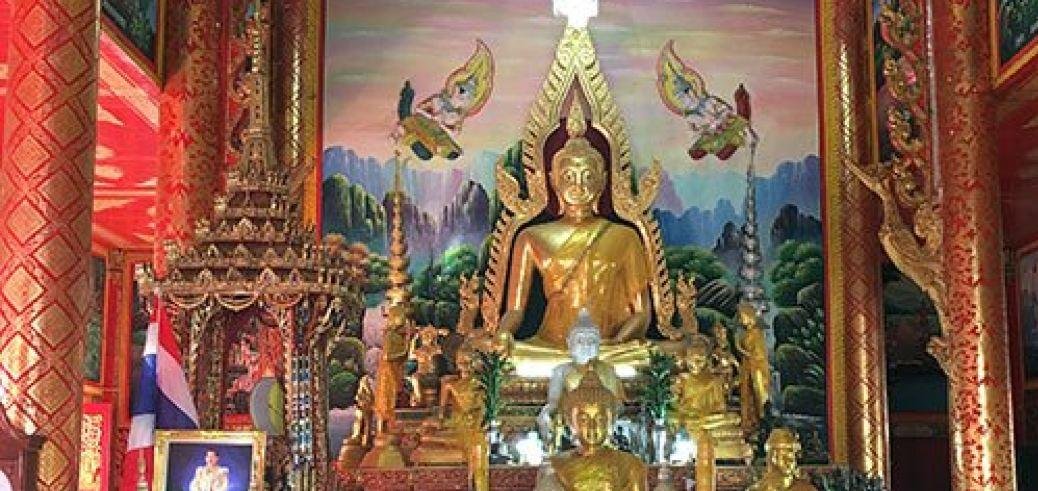
Mae Sai, Thailand's northernmost border town in Chiang Rai Province, is separated from Myanmar's Tachileik by a narrow river. Known for its Golden Triangle heritage, it offers a blend of Thai hill tribe cultures and cross-border adventures. The town's markets and temples reflect strong Shan and Burmese influences.
Must-See Attractions
Must-see spots: Mae Sai Border Market (for Burmese handicrafts), Wat Phra That Doi Wao (panoramic border views), and the Golden Triangle Park (opium trade history). Day trips to Tachileik (border pass required) or nearby tea plantations and hill tribe villages are recommended.
Food Guide
Food highlights: Northern Thai Khao Soi curry noodles, Burmese tea leaf salad (Lahpet Thoke), and grilled river fish with sticky rice at night markets. Street snacks like fried insects and coconut pancakes showcase Thai-Burmese fusion flavors.
Transportation Guide
Local transport relies on songthaews (shared taxis) and motorbike taxis (negotiate fares). Buses from Chiang Rai Airport take 1.5 hours. Crossing to Myanmar requires walking across the Thai-Myanmar Friendship Bridge (no vehicles). Avoid monsoon season (Jul-Sep) for smoother travel.
Best Time to Visit
Visit between November-February for cool, dry weather and festivals (e.g., December's Loy Krathong). Border queues may lengthen during peak season.
Travel Tips
- Carry passports for border crossing; Myanmar access is restricted to Tachileik area.
- Dress modestly at temples (no sleeveless tops/shorts).
- Haggle politely at markets.
- Ask permission before photographing ethnic villages.
- Use cash (THY/MMK); cards are rarely accepted.
- Stay hydrated with bottled water.
Useful Information
Language: Thai dominant; basic English/Burmese at borders. Internet: Local SIM cards (AIS/Dtac) recommended. Payment: Cash-only, especially in Myanmar. Emergencies: Mae Sai Hospital handles minor cases; serious conditions require transfer to Chiang Rai. Avoid political discussions at borders and keep ID documents secure.
Popular Landmarks in Mae Sai
Discover the most iconic attractions in Mae Sai
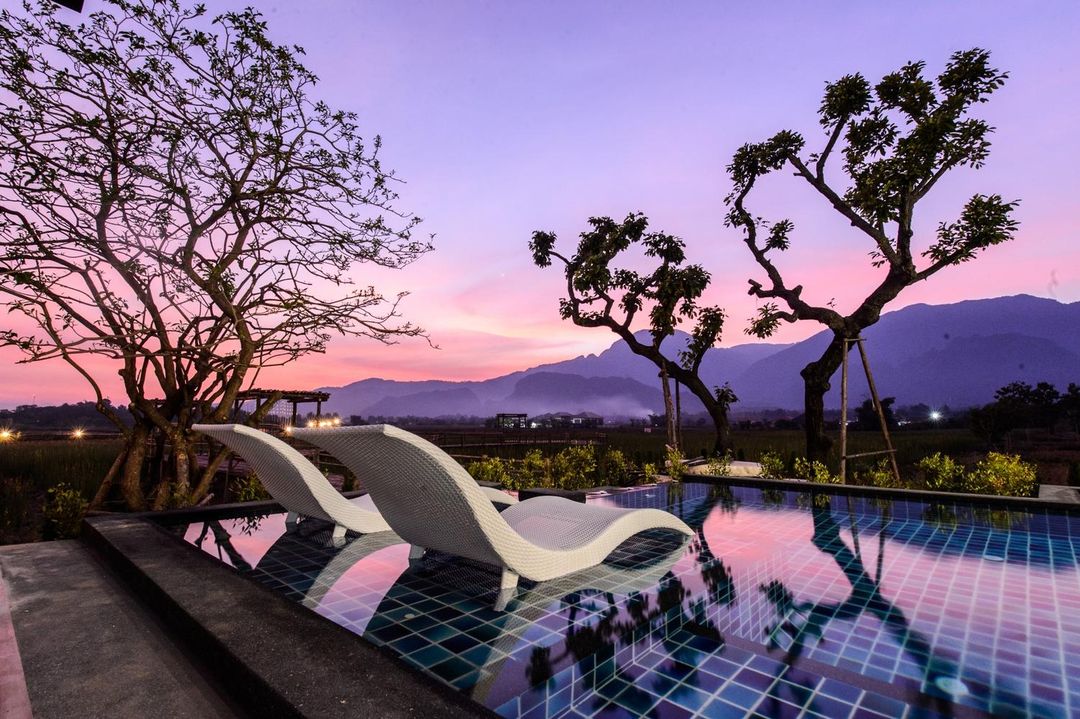
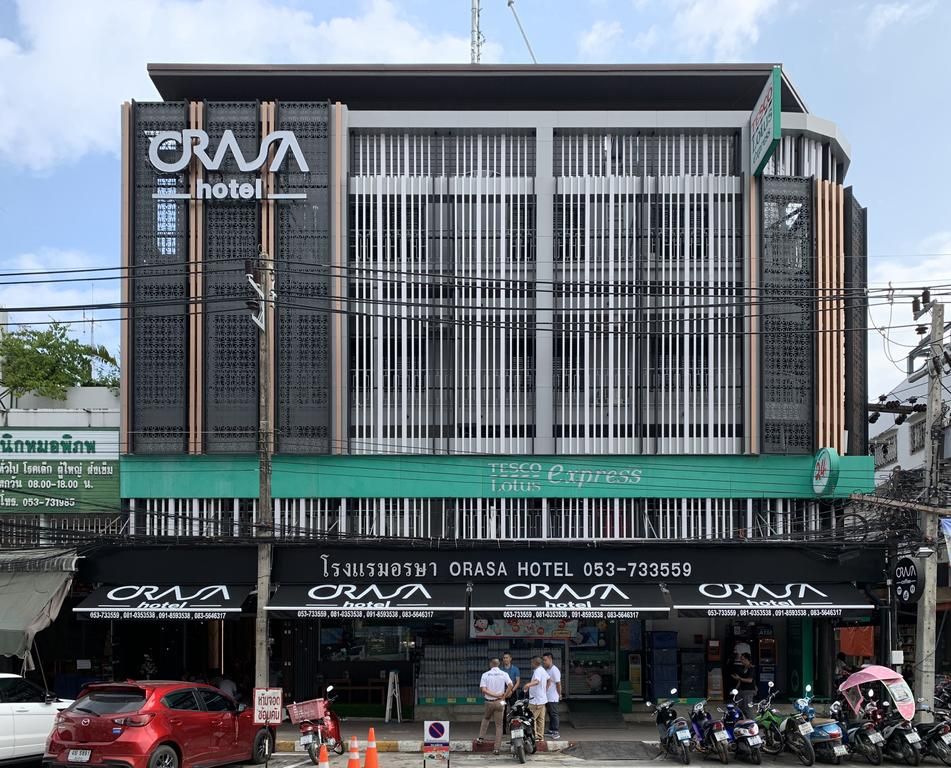
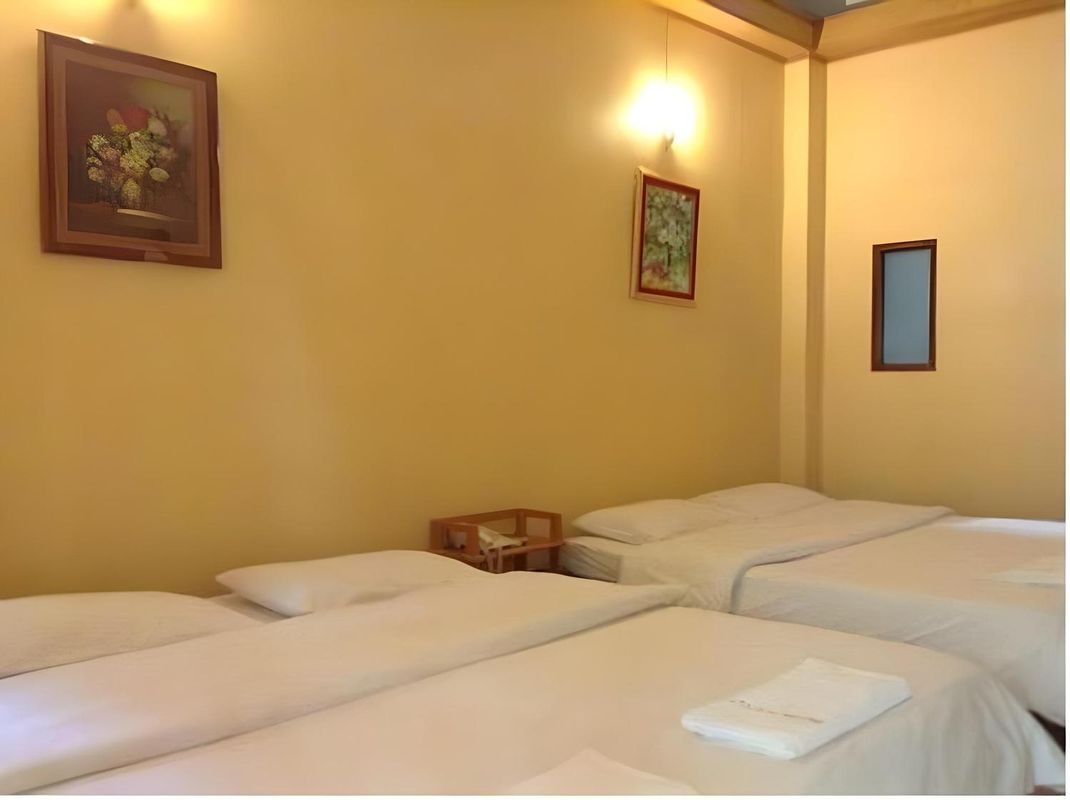
Recommended Hotels in Mae Sai
Find the perfect place to stay in Mae Sai
Best Hotels in Mae Sai
Discover curated hotel collections in Mae Sai



















Mae Sai Overview
City Summary
Mae Sai, Thailand's northernmost border town in Chiang Rai Province, is separated from Myanmar's Tachileik by a narrow river. Known for its Golden Triangle heritage, it offers a blend of Thai hill tribe cultures and cross-border adventures. The town's markets and temples reflect strong Shan and Burmese influences.
Must-See Attractions
Must-see spots: Mae Sai Border Market (for Burmese handicrafts), Wat Phra That Doi Wao (panoramic border views), and the Golden Triangle Park (opium trade history). Day trips to Tachileik (border pass required) or nearby tea plantations and hill tribe villages are recommended.
Food Guide
Food highlights: Northern Thai Khao Soi curry noodles, Burmese tea leaf salad (Lahpet Thoke), and grilled river fish with sticky rice at night markets. Street snacks like fried insects and coconut pancakes showcase Thai-Burmese fusion flavors.
Transportation Guide
Local transport relies on songthaews (shared taxis) and motorbike taxis (negotiate fares). Buses from Chiang Rai Airport take 1.5 hours. Crossing to Myanmar requires walking across the Thai-Myanmar Friendship Bridge (no vehicles). Avoid monsoon season (Jul-Sep) for smoother travel.
Best Time to Visit
Visit between November-February for cool, dry weather and festivals (e.g., December's Loy Krathong). Border queues may lengthen during peak season.
Travel Tips
- Carry passports for border crossing; Myanmar access is restricted to Tachileik area.
- Dress modestly at temples (no sleeveless tops/shorts).
- Haggle politely at markets.
- Ask permission before photographing ethnic villages.
- Use cash (THY/MMK); cards are rarely accepted.
- Stay hydrated with bottled water.
Useful Information
Language: Thai dominant; basic English/Burmese at borders. Internet: Local SIM cards (AIS/Dtac) recommended. Payment: Cash-only, especially in Myanmar. Emergencies: Mae Sai Hospital handles minor cases; serious conditions require transfer to Chiang Rai. Avoid political discussions at borders and keep ID documents secure.
Frequently Asked Questions about Traveling to Mae Sai
Questions You Might Need to Know About Traveling to Mae Sai