Hotels in Magione
Discover your perfect stay in Magione.
Magione(Italy) Travel 2026: Cheap Flights, Hotels & Top Attractions
Popular Landmarks in Magione
Discover the most iconic attractions in Magione
Recommended Hotels in Magione
Find the perfect place to stay in Magione
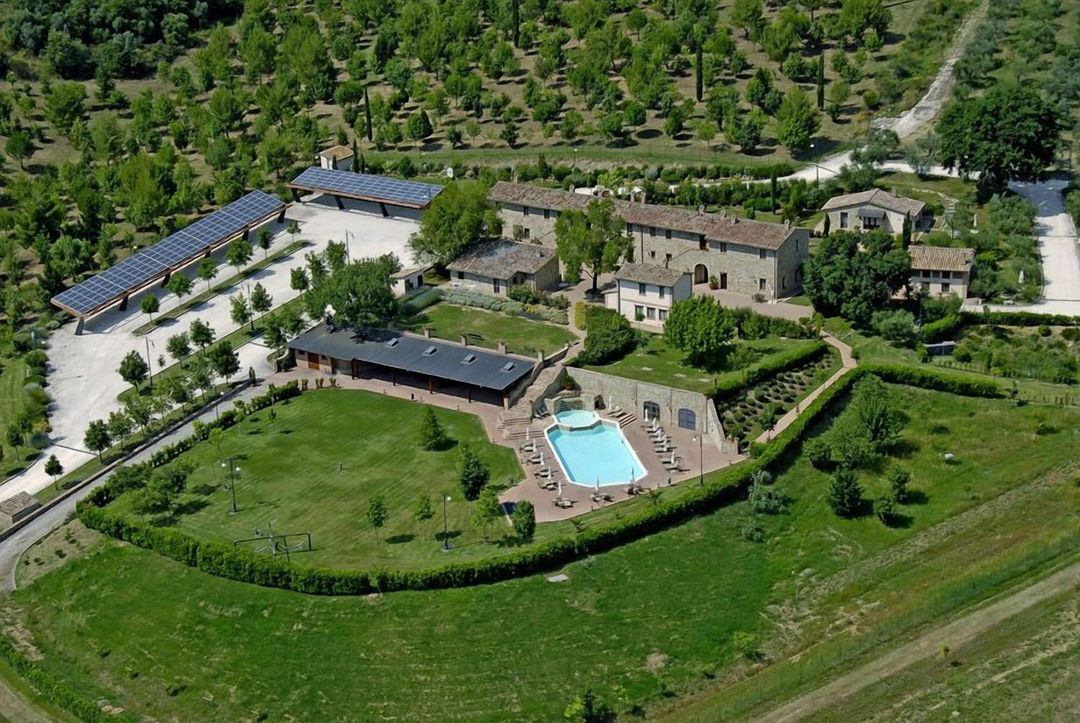
La Fonte di Montebuono
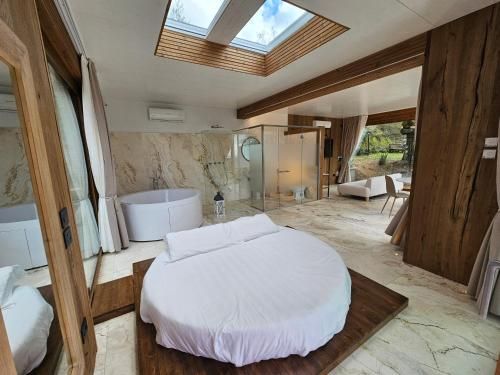
EcoResort Il Cantico Della Natura
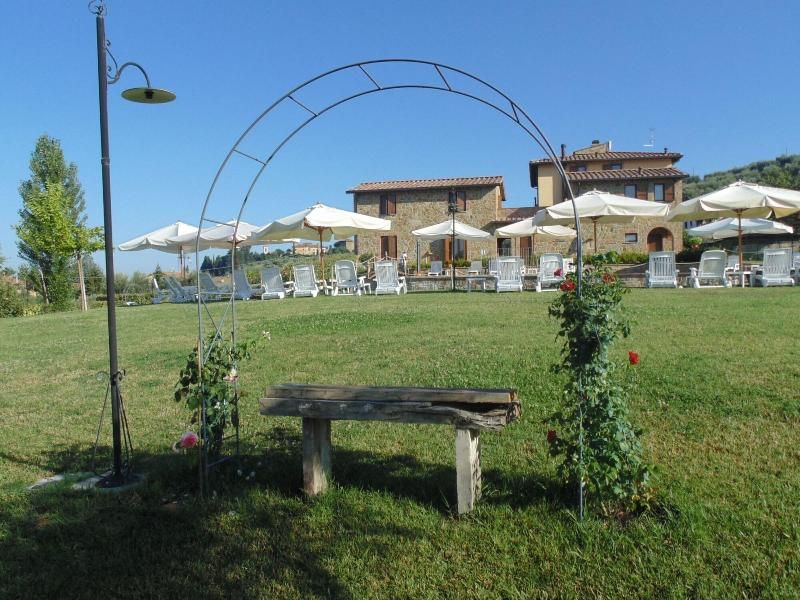
Il Borgo Sul Lago
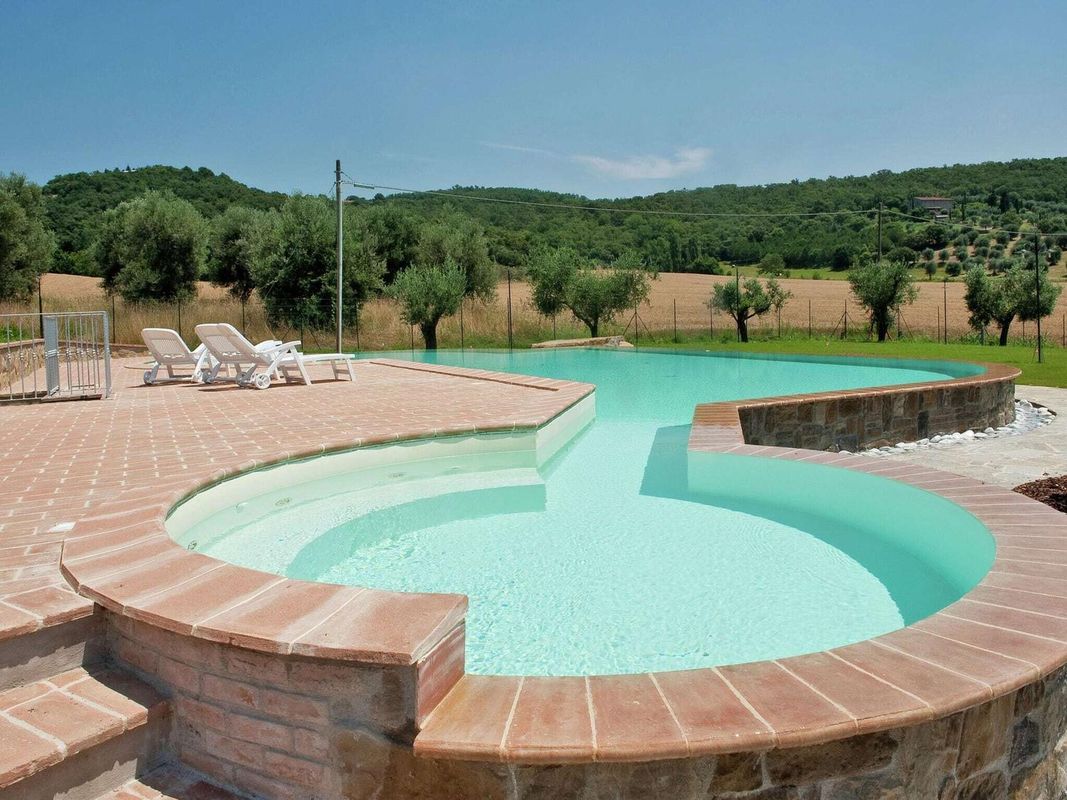
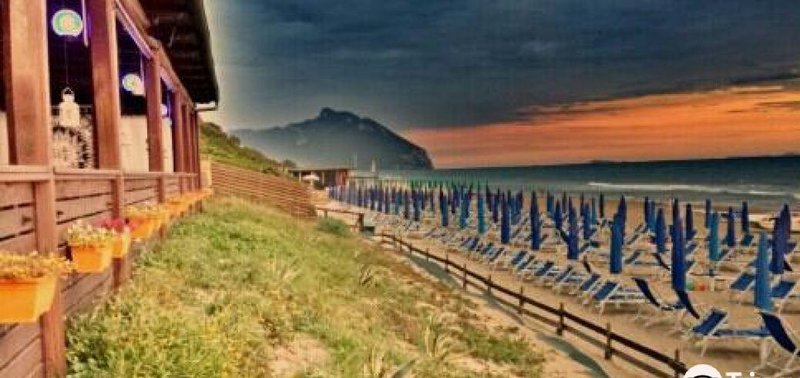
Belvilla by OYO Timo
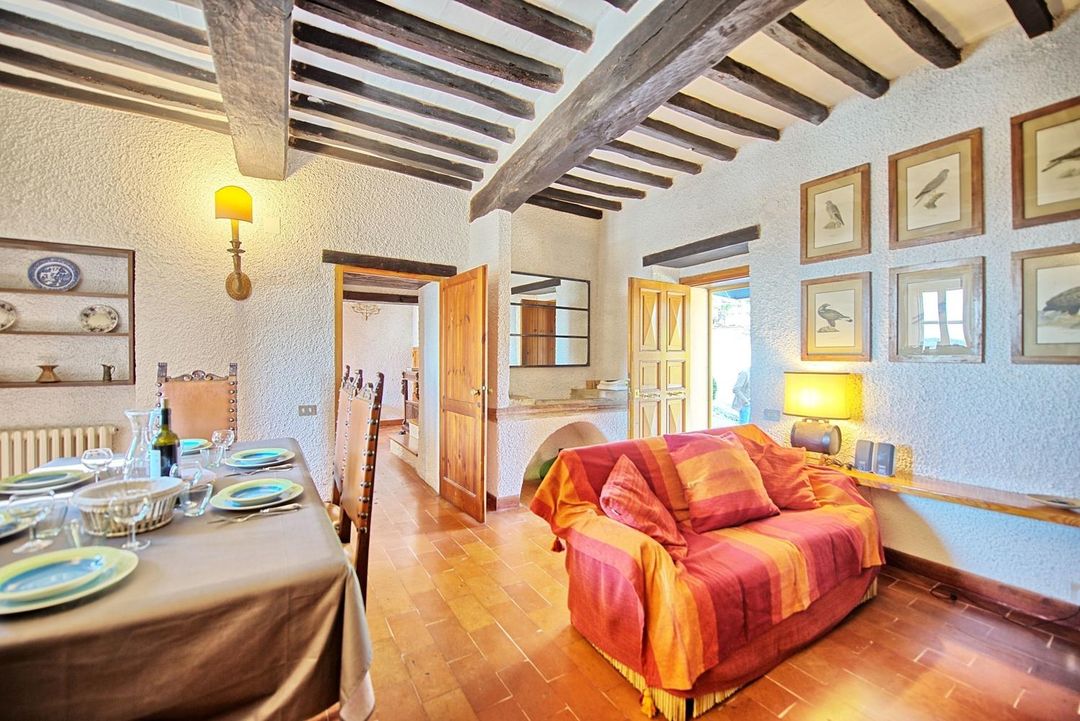
Villa Uccellaia by PosarelliVillas
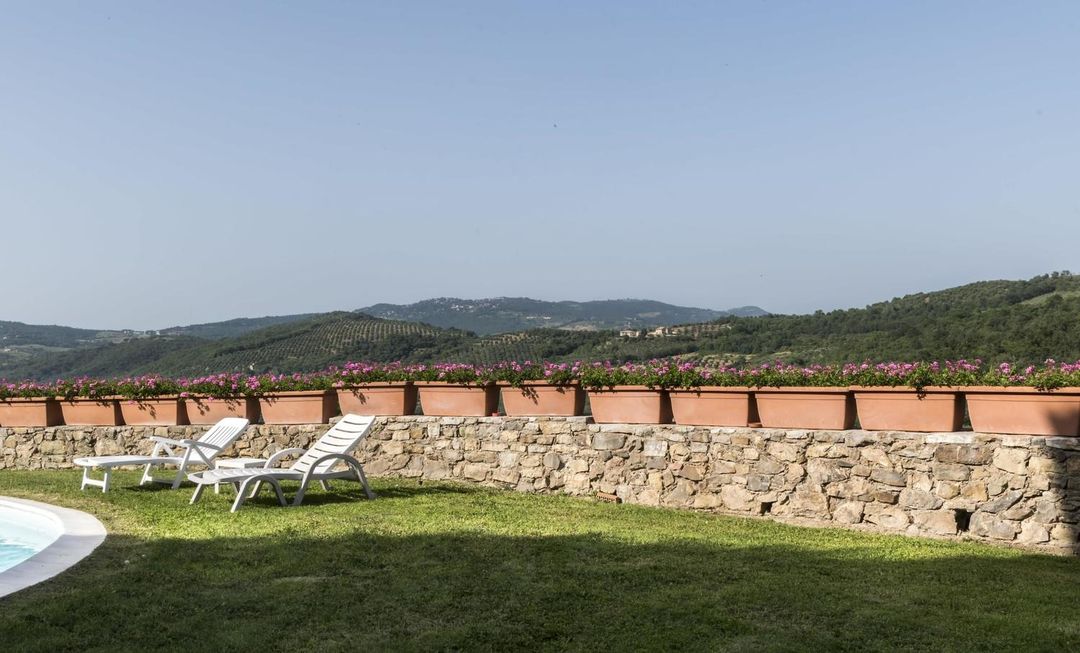
Agriturismo Borgo Spagnoli
Best Hotels in Magione
Discover curated hotel collections in Magione
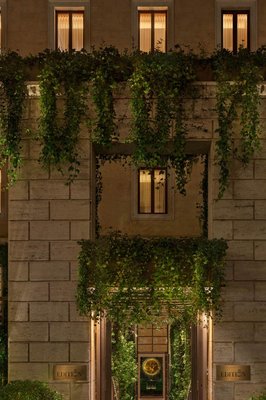
The Rome Edition
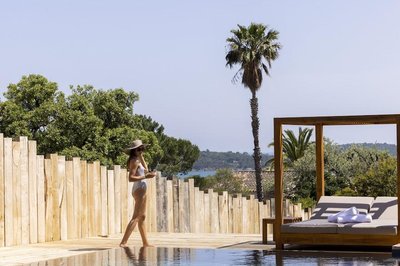
Les Regalia Hôtel & Spa
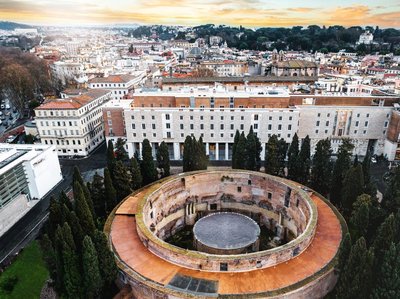
Bulgari Hotel Roma
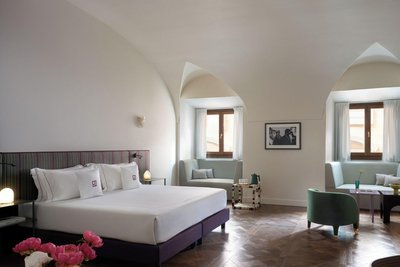
Palazzo Talìa - Small Luxury Hotels of the World
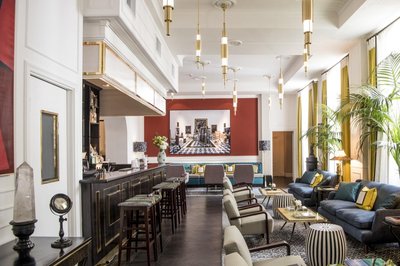
Hotel Vilòn
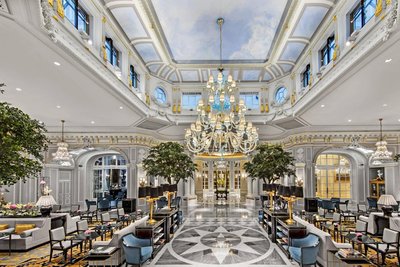
The St. Regis Rome
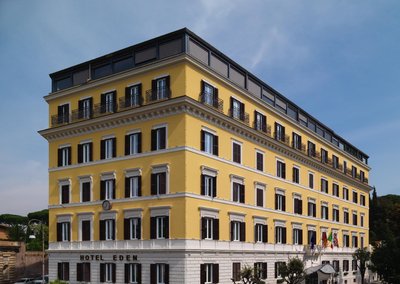
Hotel Eden - Dorchester Collection
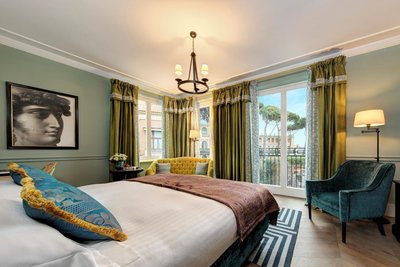
Rocco Forte Hotel de La Ville
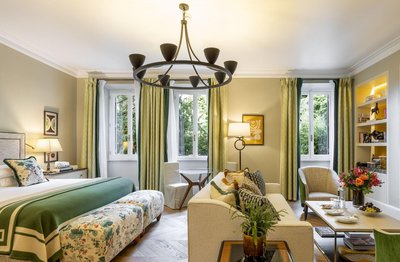
Rocco Forte Hotel De Russie
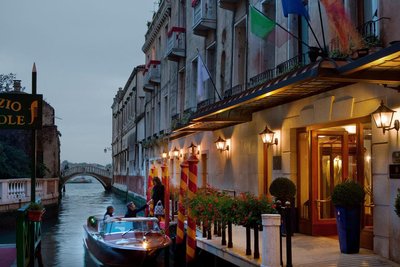
Baglioni Hotel Luna
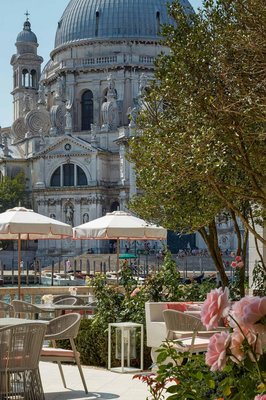
The St. Regis Venice
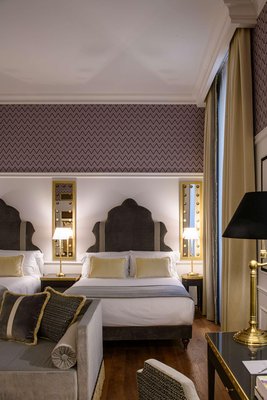
Il Tornabuoni Unbound
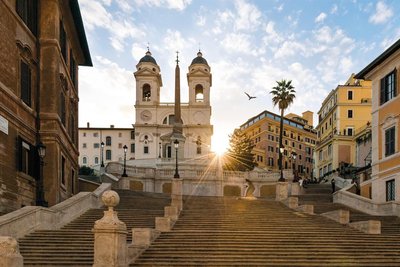
Hassler Roma
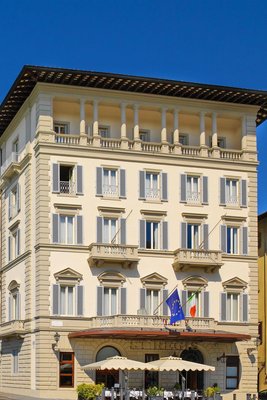
The St. Regis Florence
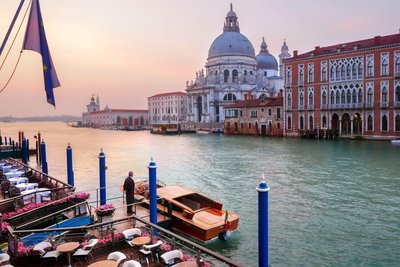
The Gritti Palace, a Luxury Collection Hotel, Venice
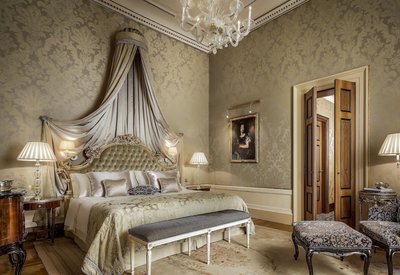
Hotel Danieli, Venice
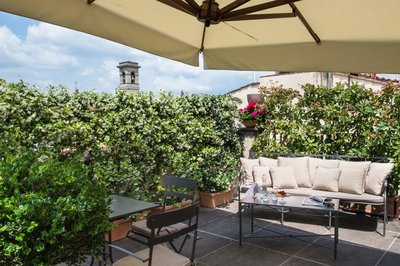
Palazzo Vecchietti - Residenza d'Epoca
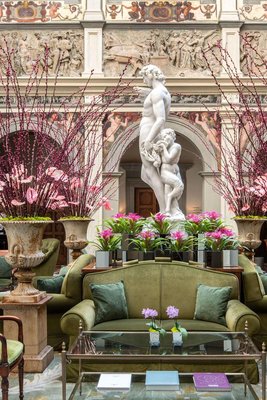
Four Seasons Hotel Firenze
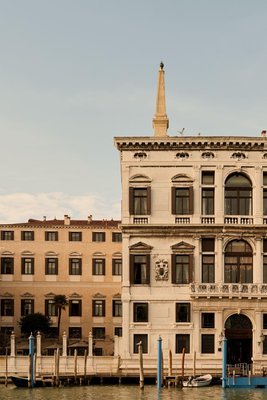
Aman Venice
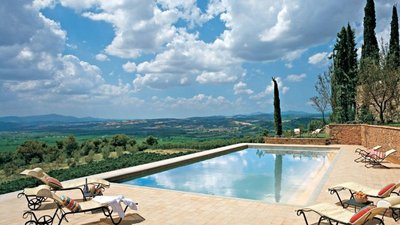
Castello Banfi - Il Borgo - Relais et Chateaux
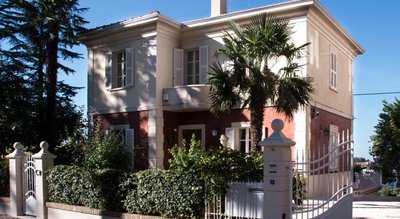
Residenza Ambrogi
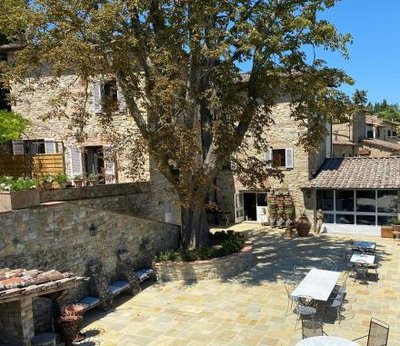
Villa la Petraia
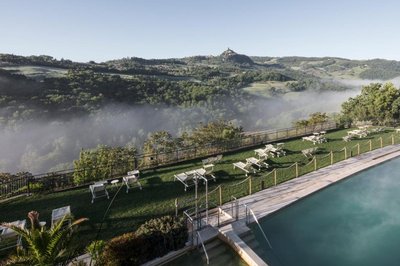
La Posta Hotel & Thermal Spa
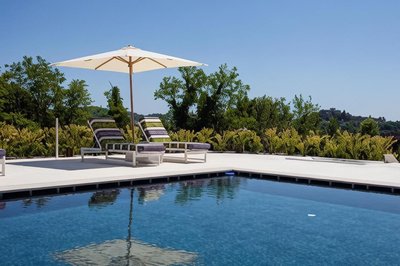
Villa Francesca Relais

Castello di Pandora
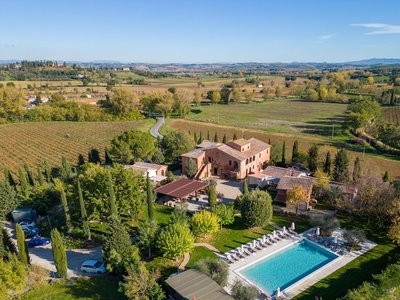
Borgo San Vincenzo

Vigna Caio Relais & Spa
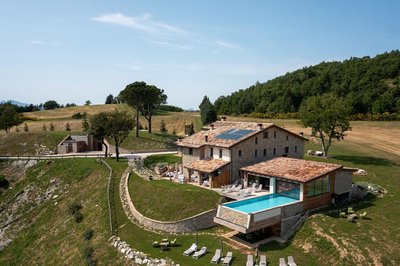
Aura Relais
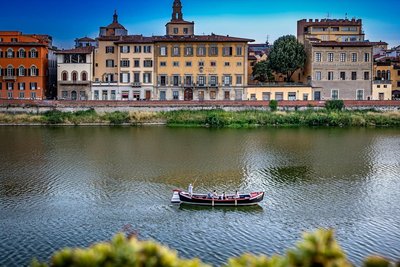
Il Rivalta
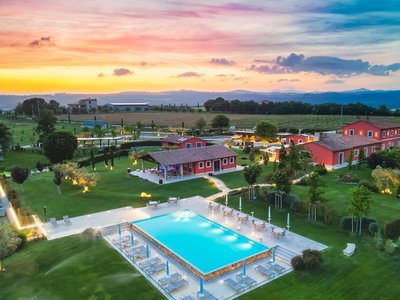
Tenuta Fogliani Resort & Natural Spa
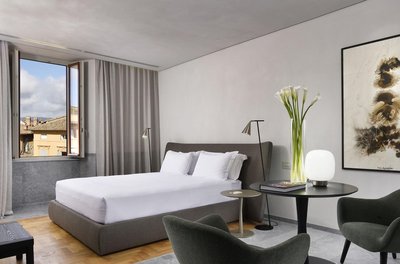
The Bank - Locanda Della Posta Dependance

Visionair Suites
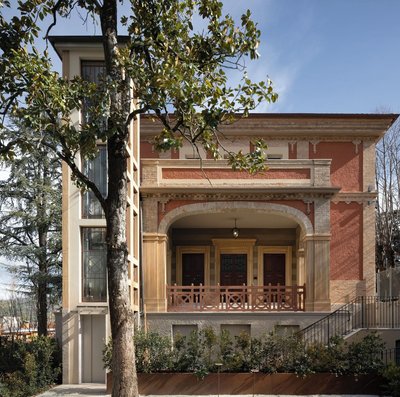
Interno Marche Design Experience Hotel
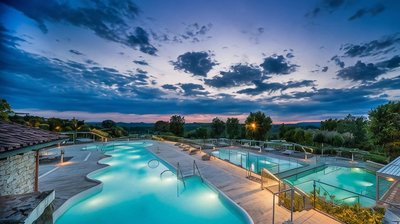
San Giovanni Terme Rapolano
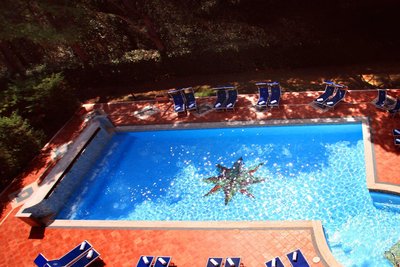
Fortuna Resort
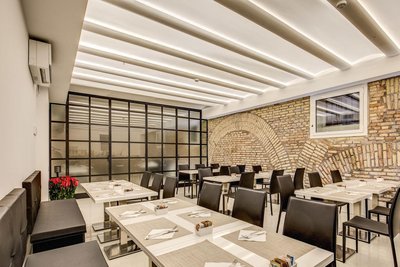
The Liberty Boutique Hotel
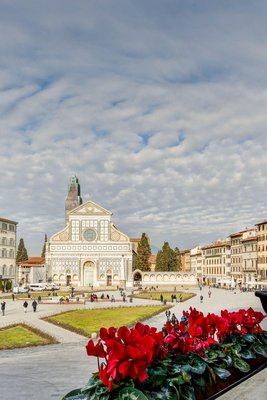
Hotel Roma
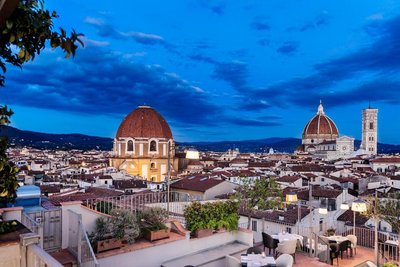
Grand Hotel Baglioni
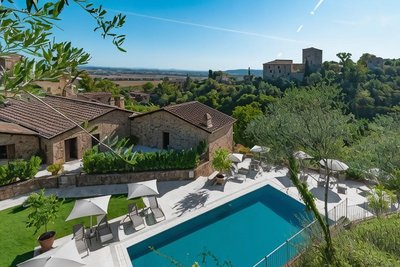
Relais le Macine di Stigliano
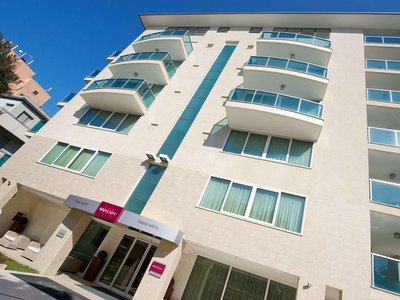
Mercure Rimini Artis
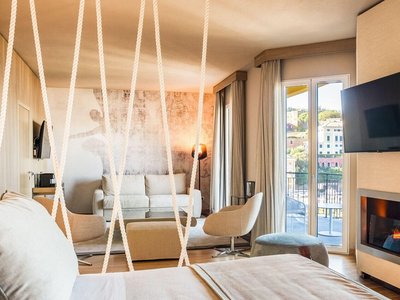
Miramare Suites
Il Rivalta
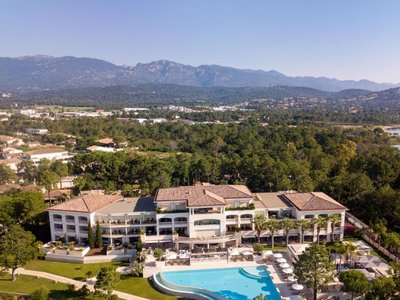
Hotel Don Cesar

Kempinski Palace Portoroz Slovenia
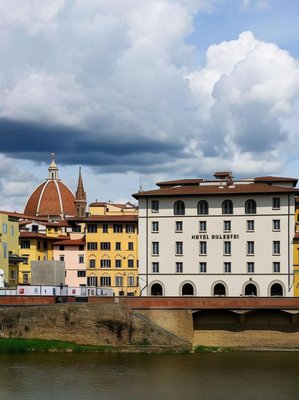
Hotel Balestri - Wtb Hotels
The St. Regis Florence
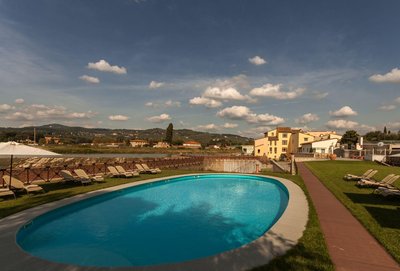
Hotel Mulino di Firenze, WorldHotels Crafted
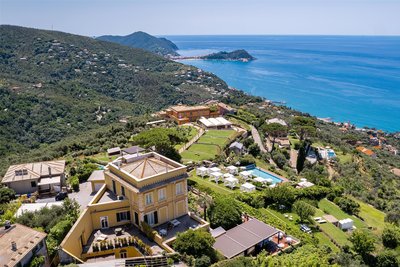
Villa Riviera Resort
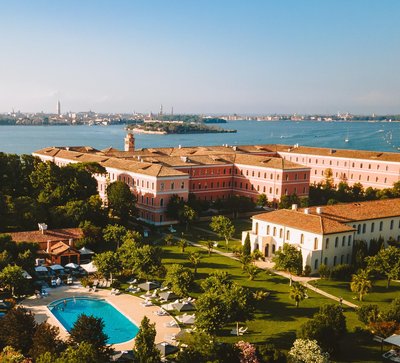
San Clemente Palace, Venice
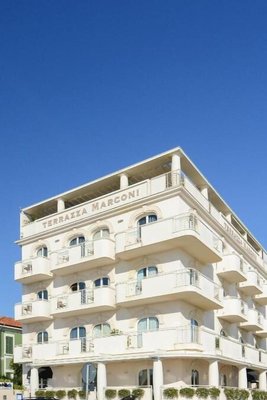
Terrazza Marconi Hotel&Spamarine

Boutique Hotel Torre di Cala Piccola
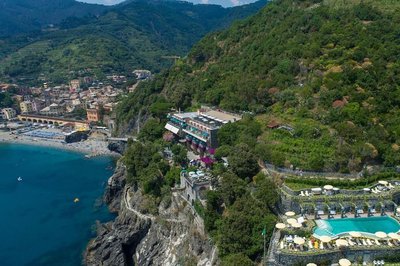
Hotel Porto Roca
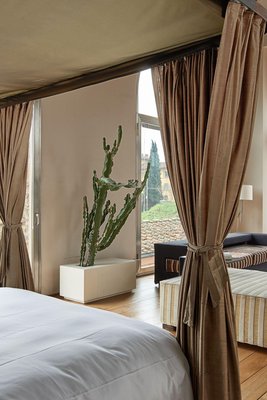
Riva Lofts Florence
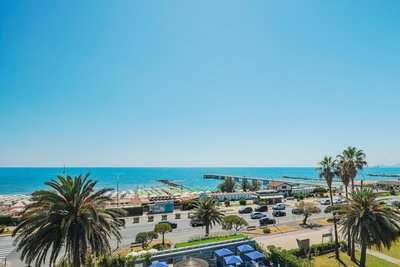
Hotel Excelsior
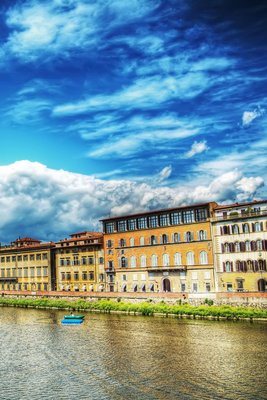
Palazzo Alfieri Residenza d'Epoca
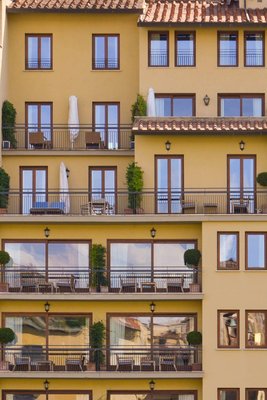
Hotel Lungarno - Lungarno Collection
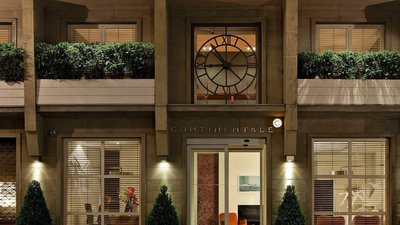
Hotel Continentale - Lungarno Collection
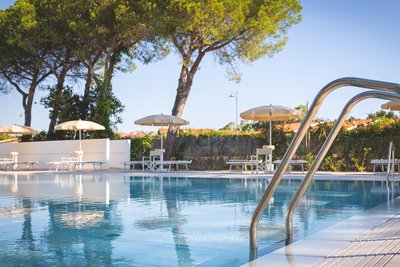
The Sense Experience Resort - Preferred Hotels & Resorts
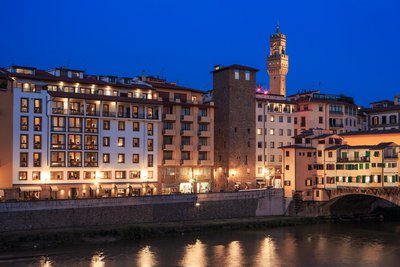
Portrait Firenze - Lungarno Collection
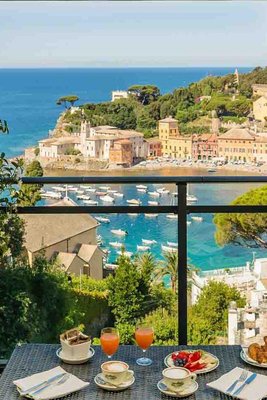
Hotel Vis à Vis
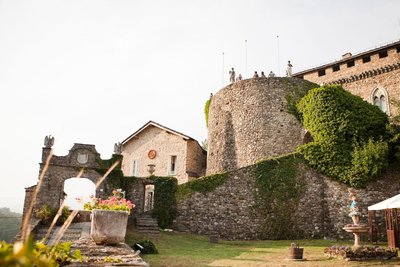
Castello di Compiano Hotel Relais Museum
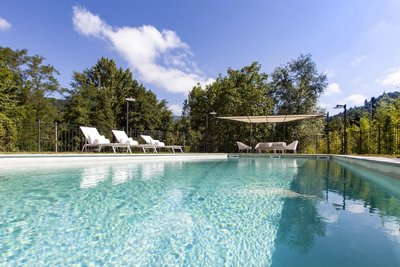
Castello di Pontebosio Luxury Resort
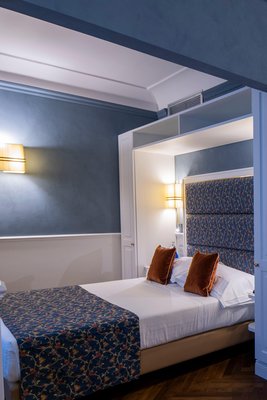
Rivoli Boutique Hotel
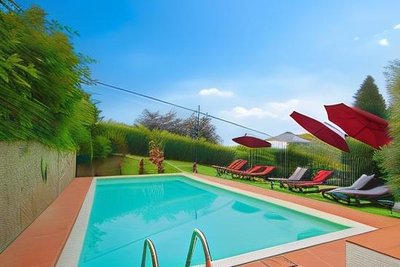
Hotel Villa Sermolli
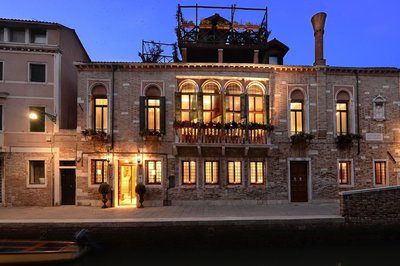
Palazzetto Madonna
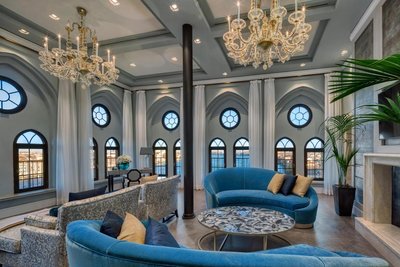
Hilton Molino Stucky Venice
Grand Hotel Baglioni
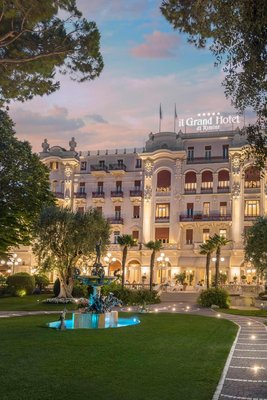
Grand Hotel Rimini

Palazzetto Pisani Grand Canal
The St. Regis Rome
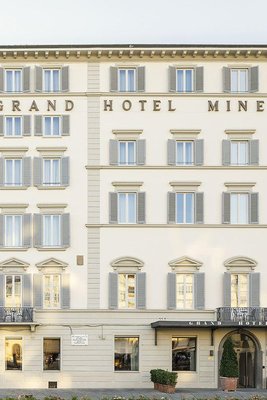
Grand Hotel Minerva
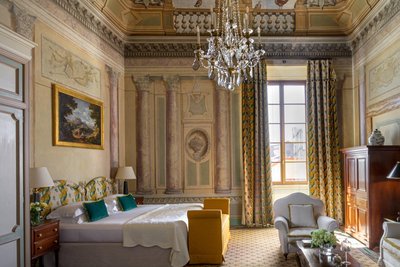
Grand Hotel Continental Siena - Starhotels Collezione
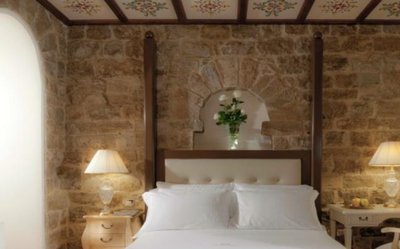
Golden Tower Hotel & Spa
Baglioni Hotel Luna
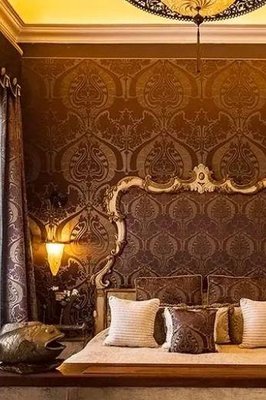
Hotel Metropole Venezia
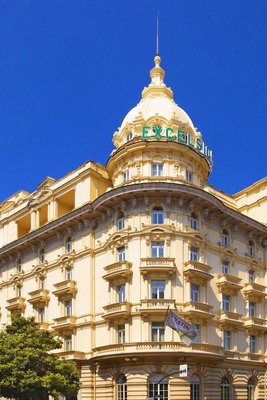
The Westin Excelsior, Rome
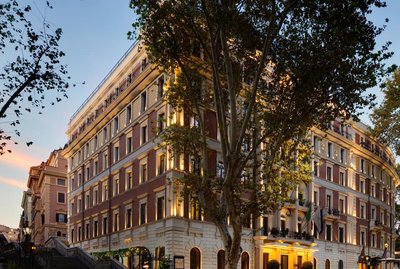
InterContinental Rome Ambasciatori Palace
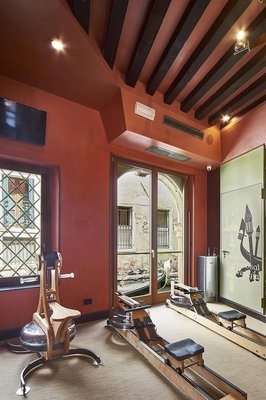
Hotel Saturnia & International
The Gritti Palace, a Luxury Collection Hotel, Venice
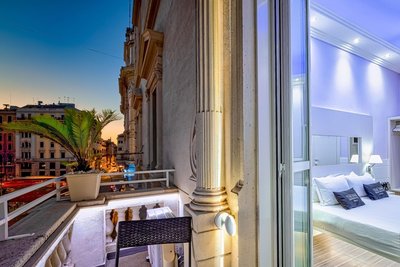
The One Boutique Hotel & Spa Rome
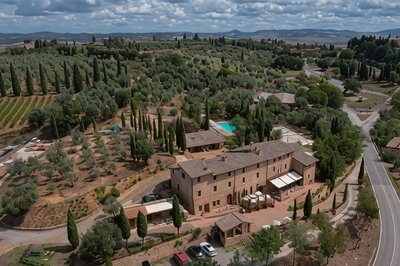
Il Miraggio in Val d'Orcia Relais & Spa
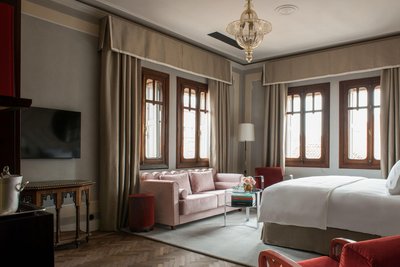
Nolinski Venezia - Evok Collection
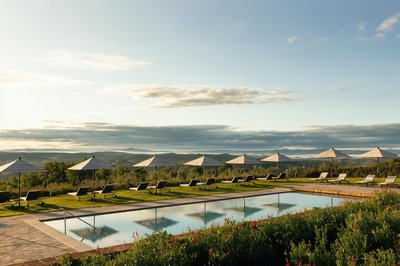
The Club House
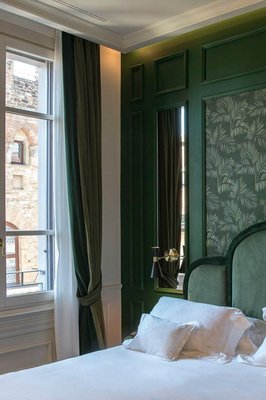
Hotel la Gemma
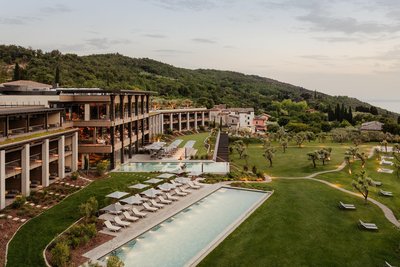
Cape of Senses
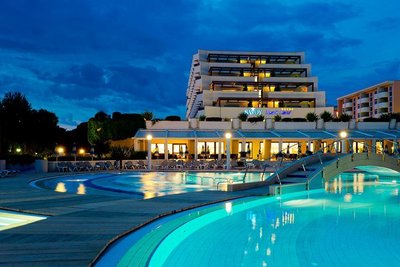
Savoy Beach Hotel & Thermal Spa
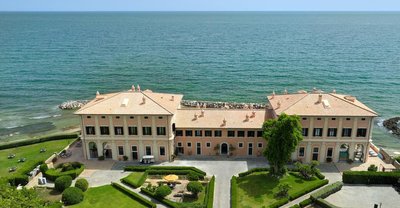
La Posta Vecchia Hotel
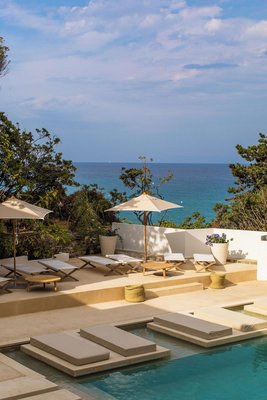
Misincu
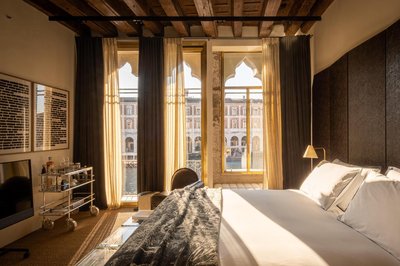
The Venice Venice Hotel
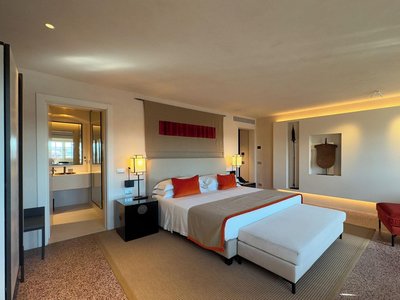
Hotel Palazzo Durazzo Suites
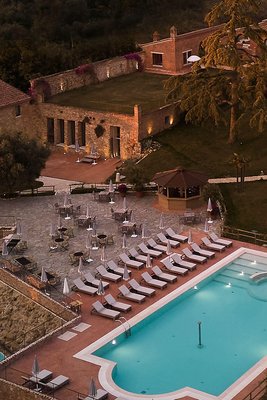
Precise Tale Poggio Alla Sala
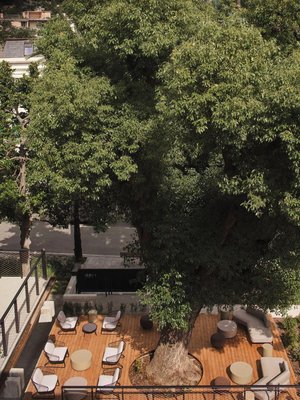
Capitolo Riviera

Palazzo Roma

Palazzo Shedir - the Leading Hotels of the World
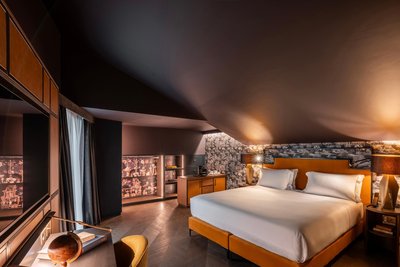
The Goethe Hotel
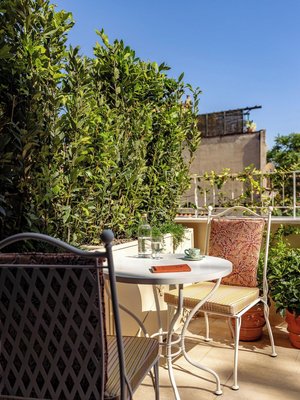
Hotel Casa Monti Roma
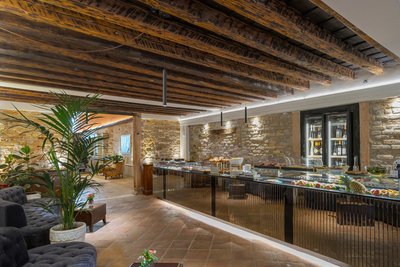
Hotel Nani Mocenigo Palace
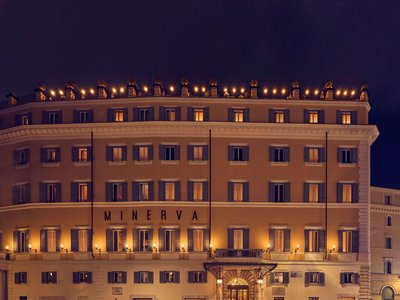
Orient Express la Minerva
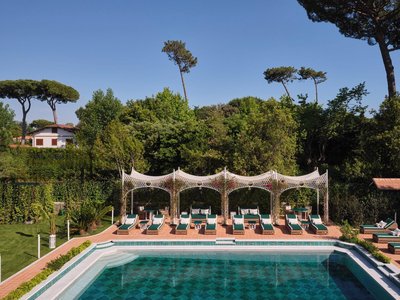
Pensione America
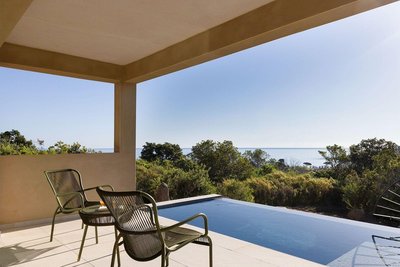
Hôtel A Cala - Suites Piscines privées et Vue Mer
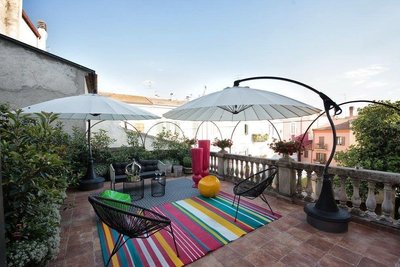
Palazzo Cannavina Suite & Private Spa
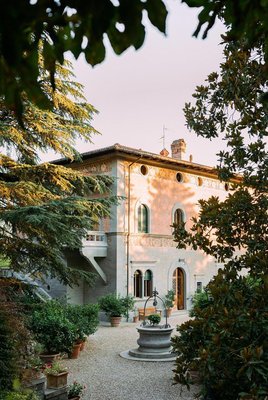
Villa la Commenda Concordia
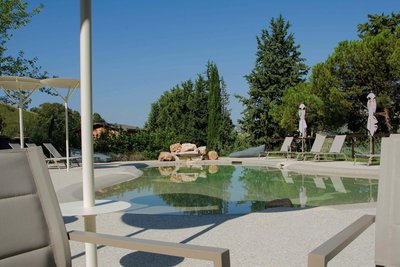
Colle Serrano Relais & Spa
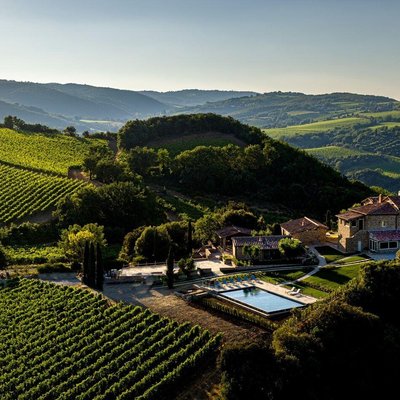
Mastrojanni Relais
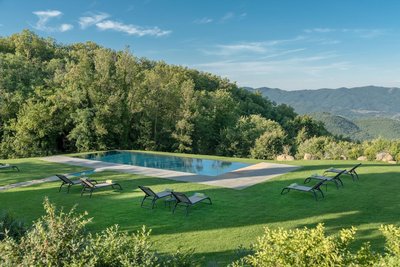
Badia di Pomaio
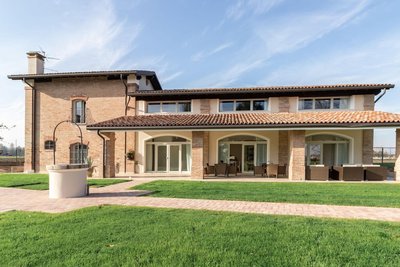
Monteborre
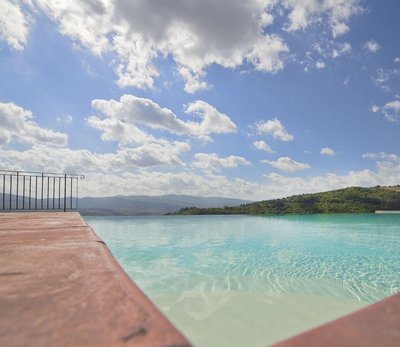
Castello Vicchiomaggio
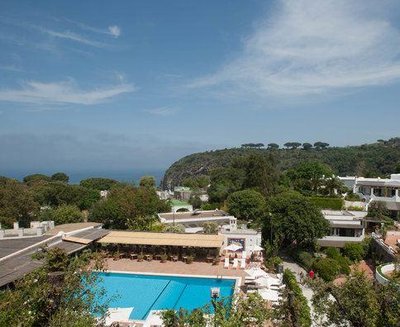
Botania Relais & Spa - the Leading Hotels of the World
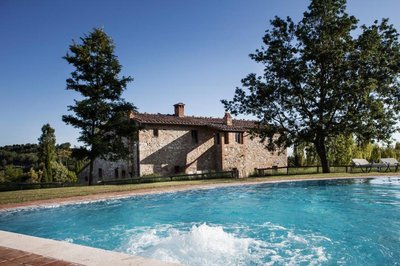
B&B - Podere Monti
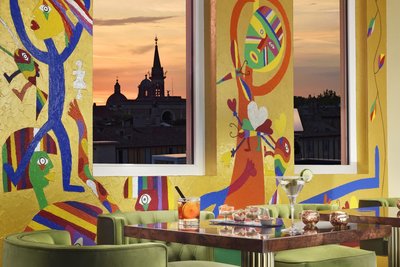
Lifestyle Suites Rome
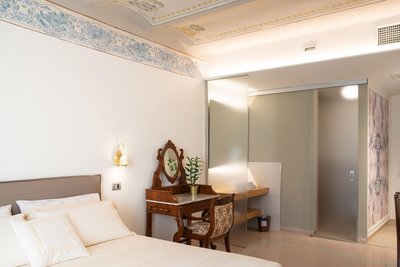
Portica10
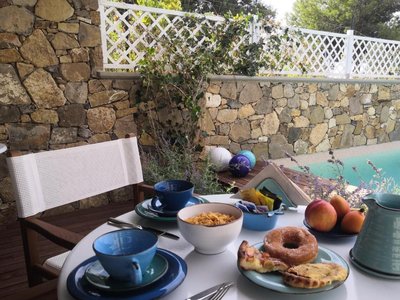
Stile Libero b&b
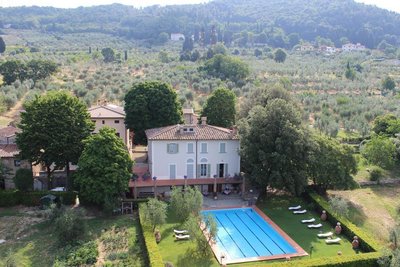
Borgo I Vicelli
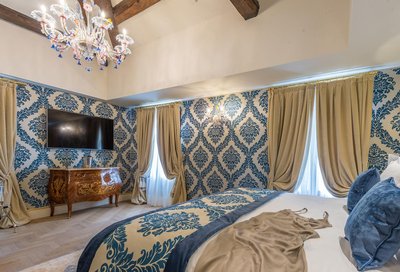
Ai Patrizi di Venezia
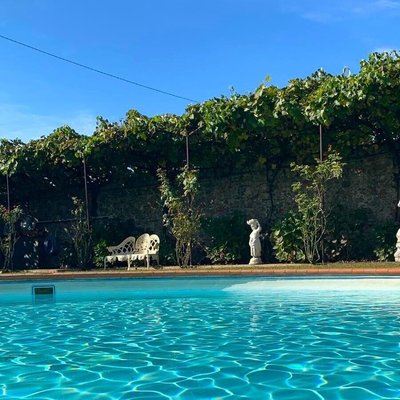
Villa la Preziosa
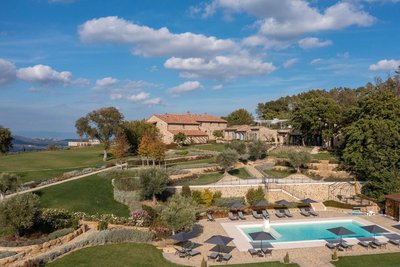
I Borghi Dell'Eremo
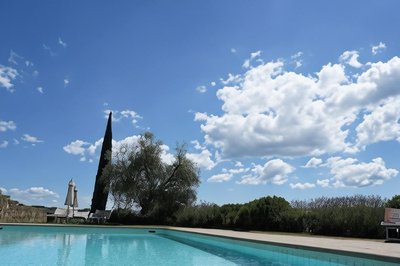
Wine Resort Dievole
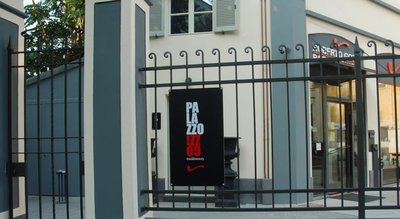
Palazzo Gozzi Bed & Beauty
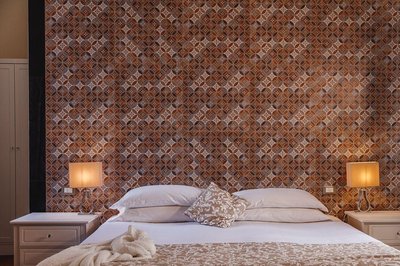
My Spanishsteps
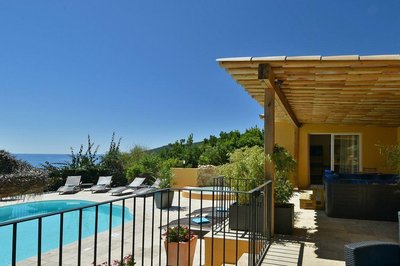
La Côte Bleue
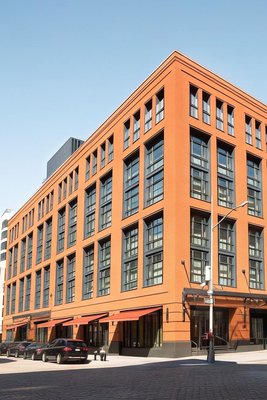
Hotel Barrière Fouquet's New York
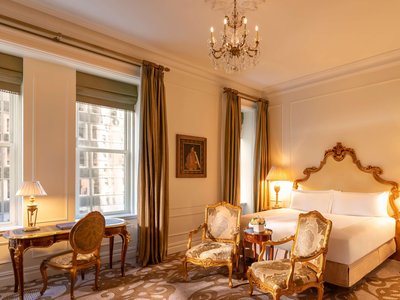
The Plaza - A Fairmont Managed Hotel
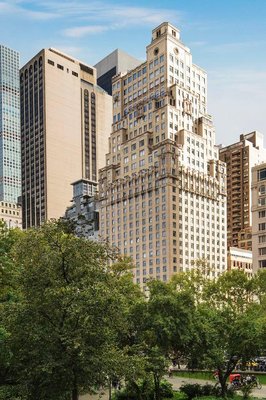
The Ritz-Carlton New York, Central Park
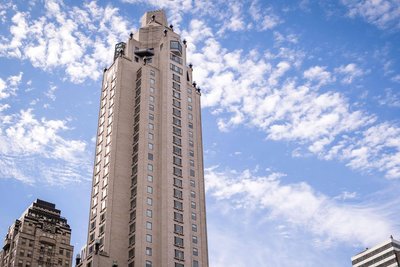
Four Seasons Hotel New York
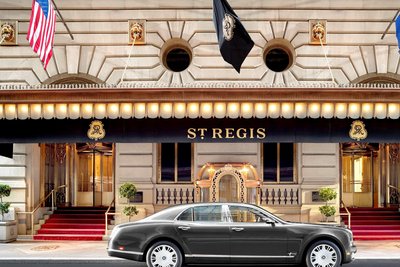
The St. Regis New York
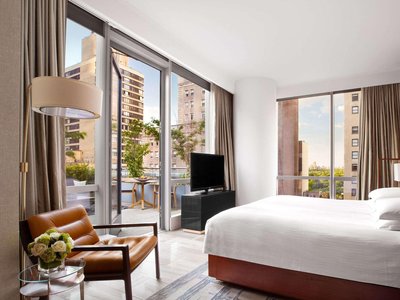
Park Hyatt New York
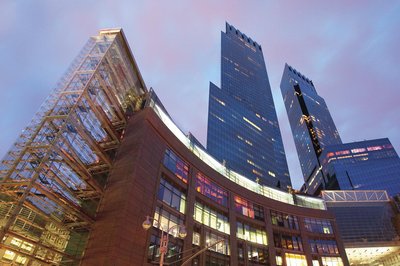
Mandarin Oriental New York
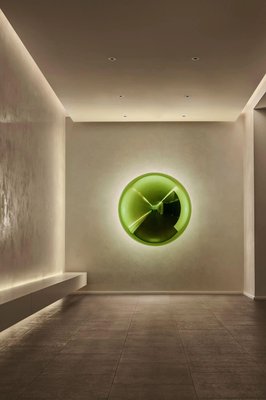
Times Square Edition New York
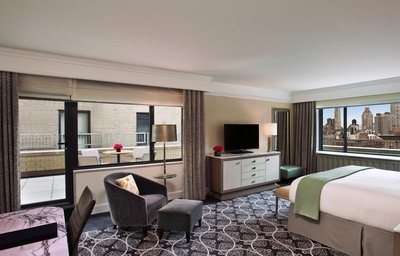
Loews Regency New York Hotel
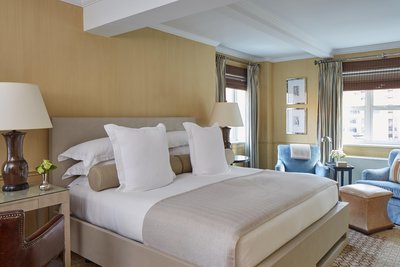
Lowell Hotel
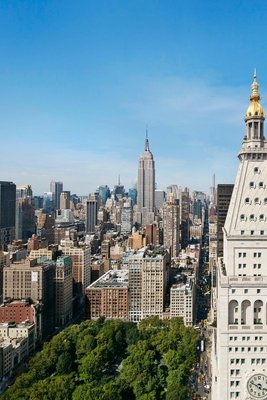
New York Edition
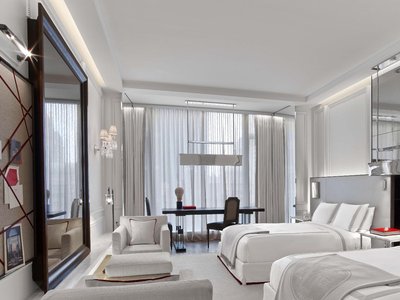
Baccarat Hotel New York
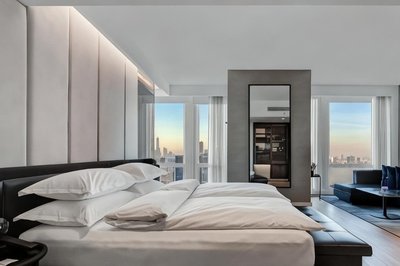
Equinox Hotel New York
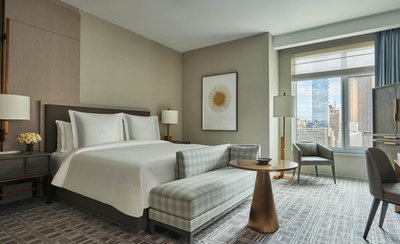
Four Seasons Hotel New York Downtown
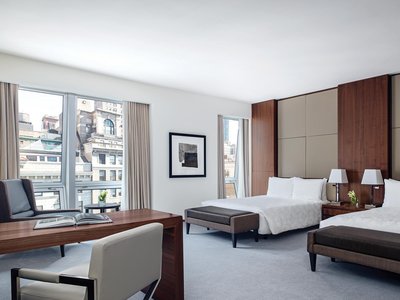
The Langham, New York, Fifth Avenue
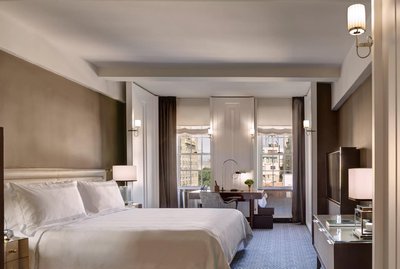
The Carlyle, A Rosewood Hotel

The Chatwal, in the Unbound Collection by Hyatt
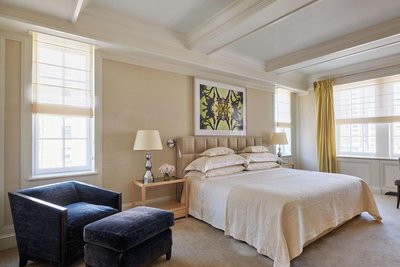
The Mark New York
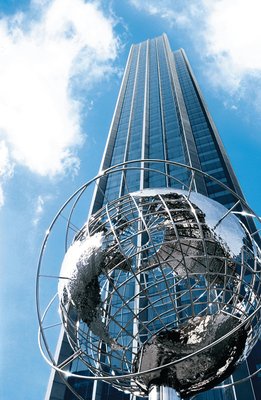
Trump International Hotel & Tower® New York
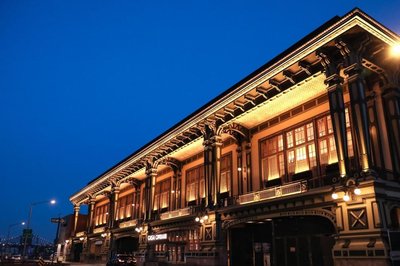
Casa Cipriani New York
Frequently Asked Questions about Traveling to Magione
Questions You Might Need to Know About Traveling to Magione
For a rich cultural experience in Macerata, stay in the historic old town (Centro Storico), where cobblestone streets lead to Palazzo del Governo and the Teatro della Concordia, a 18th-century masterpiece.
Recommended accommodation: Hotel La Corte, a boutique hotel housed in a restored Renaissance villa with a courtyard garden. It offers easy access to local art galleries, wine tastings at nearby vineyards, and traditional Umbrian cooking classes.
Another option is B&B Villa San Giuseppe, located just outside the city walls, offering panoramic views of the Apennine Mountains and a peaceful retreat while remaining within walking distance of the main square.
For breathtaking views of the Umbrian countryside, choose Hotel La Rocca or Villa Poggio di Gualdo. Both are situated on elevated hillsides overlooking terraced vineyards and olive groves.
Hotel La Rocca features a rooftop terrace with panoramic vistas of the Apennines and the ancient Macerata Castle ruins. Its rooms are decorated with local woodwork and frescoes, blending rustic charm with modern comfort.
Villa Poggio di Gualdo, a private estate turned luxury B&B, offers private gardens, an outdoor pool, and guided hikes through nearby forest trails—perfect for nature lovers seeking serenity.
Visitors to Macerata can enjoy several unique cultural experiences:
- Attend the Festival of the Arts, held annually in summer, featuring open-air performances in the historic Teatro della Concordia.
- Join a local truffle hunting tour with a trained dog and chef, followed by a gourmet meal using freshly harvested truffles.
- Participate in a traditional Umbrian pottery workshop at Bottega dell'Arte, where artisans teach the ancient technique of hand-painted ceramic design.
These experiences offer deep insight into the region’s heritage and craftsmanship.
Yes, many hotels in Macerata provide authentic Umbrian culinary experiences.
Hotel La Rocca hosts a weekly "Family Dinner Night," where guests learn to prepare dishes like Cinghiale al Chianti (wild boar stew) and handmade pasta using ingredients sourced from local farms.
B&B Il Girasole offers a "Kitchen Workshop" focusing on slow-cooked stews made in clay pots—an ancient Umbrian tradition. Some hotels also partner with nearby vineyards for wine-tasting tours and harvest festivals, giving travelers a complete journey from farm to table.
Absolutely. The Macerata Castle Ruins are a must-visit historical landmark.
Built in the medieval period as a defensive fortress, the ruins now offer a stunning 360-degree view of the Umbrian countryside and the distant Apennine Mountains. Early morning visits are ideal—sunlight glows on the weathered stones, creating a poetic atmosphere perfect for photography.
A small museum on-site displays excavated artifacts including pottery, weapons, and ancient documents. Guided tours are available, and it's highly recommended to combine the visit with a walk along the Old Town Arcades to fully immerse in the city’s layered history. Best visited in spring or autumn for pleasant weather and fewer crowds.
Magione Overview
City Summary
Maggione is a charming town in the Umbria region of Italy, renowned for its medieval architecture and tranquil atmosphere. Perched on a hilltop, the town offers breathtaking panoramic views and is an ideal escape from urban hustle. The cobblestone streets and historic churches reflect its rich heritage, while local olive oil and wine epitomize Umbrian culinary traditions.
Must-See Attractions
Key attractions in Maggione include the Church of San Francesco and the Town Hall Square, showcasing medieval art and architecture. A walk along the ancient walls reveals stunning countryside vistas. Don’t miss the local craft shops and art galleries, which blend traditional and contemporary Umbrian art.
Food Guide
Maggione’s cuisine is simple yet flavorful. Try truffle pasta and wild mushroom risotto, made with fresh local ingredients. Olive oil, a regional specialty, pairs perfectly with bread or salads. For dessert, savor Vin Santo, a sweet dessert wine typically enjoyed after meals.
Transportation Guide
Public buses and self-driving are the main ways to reach Maggione. Buses from Perugia or Assisi take about 1 hour. The town’s steep terrain makes walking the best option, so wear comfortable shoes. Note that public transport is limited; check schedules in advance. If driving, be mindful of narrow streets and limited parking.
Best Time to Visit
The best time to visit is spring (April-June) and autumn (September-October), when the weather is mild and crowds are thinner. Summers (July-August) can be busy, while winters (November-March) are quieter but colder, with festive charm.
Travel Tips
- Wear comfortable shoes: Maggione’s cobbled streets are best explored on foot.
- Respect local customs: Dress modestly when visiting churches.
- Carry cash: Some small shops may not accept cards.
- Book restaurants ahead: Popular spots may require reservations in peak season.
- Check opening hours: Many places close for siesta (1-4 PM).
- Learn basic Italian: A few phrases can go a long way with locals.
Useful Information
Language: Italian is the official language; English is understood in tourist areas. Internet: Free Wi-Fi is available in the town center, but signal may be weak in rural spots. Payments: Cards are widely accepted, but cash is preferred at small shops. Emergency: The nearest hospital is in Perugia; travel insurance is advised. Voltage: Italy uses 220V with two-pin European plugs.