Hotels in Maibara
Discover your perfect stay in Maibara.
Maibara(Japan) Travel 2026: Cheap Flights, Hotels & Top Attractions
Popular Landmarks in Maibara
Discover the most iconic attractions in Maibara
Recommended Hotels in Maibara
Find the perfect place to stay in Maibara
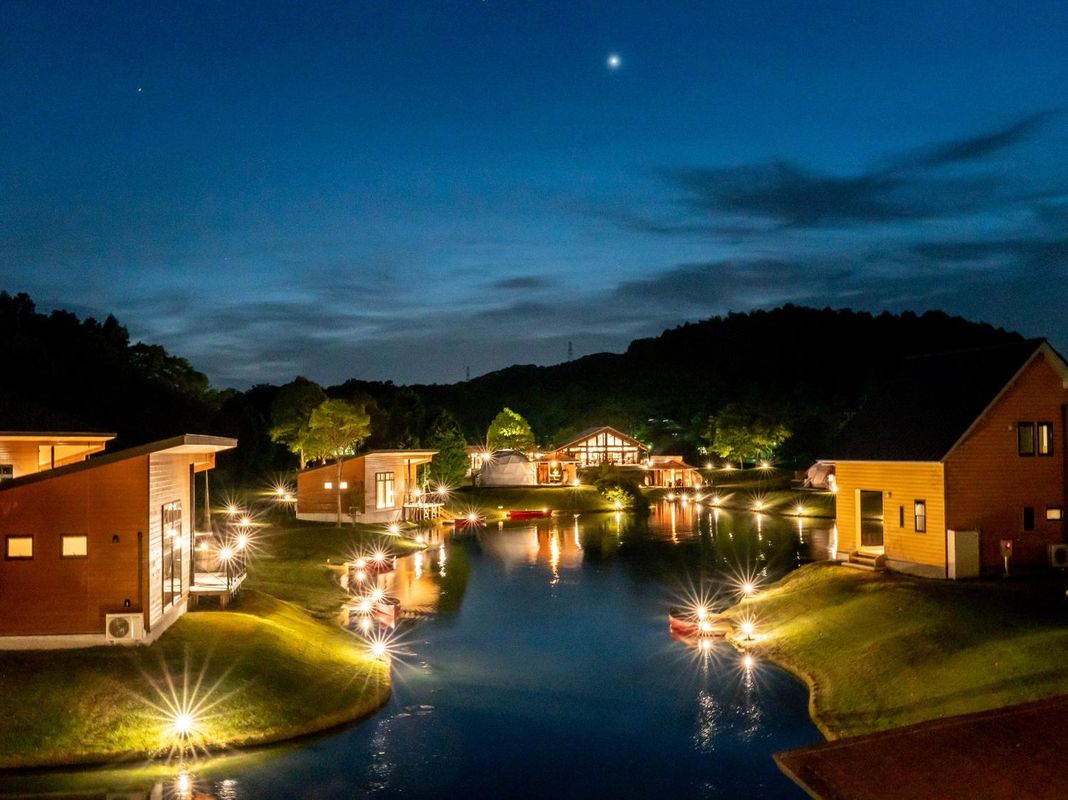
GLAMP ELEMENT
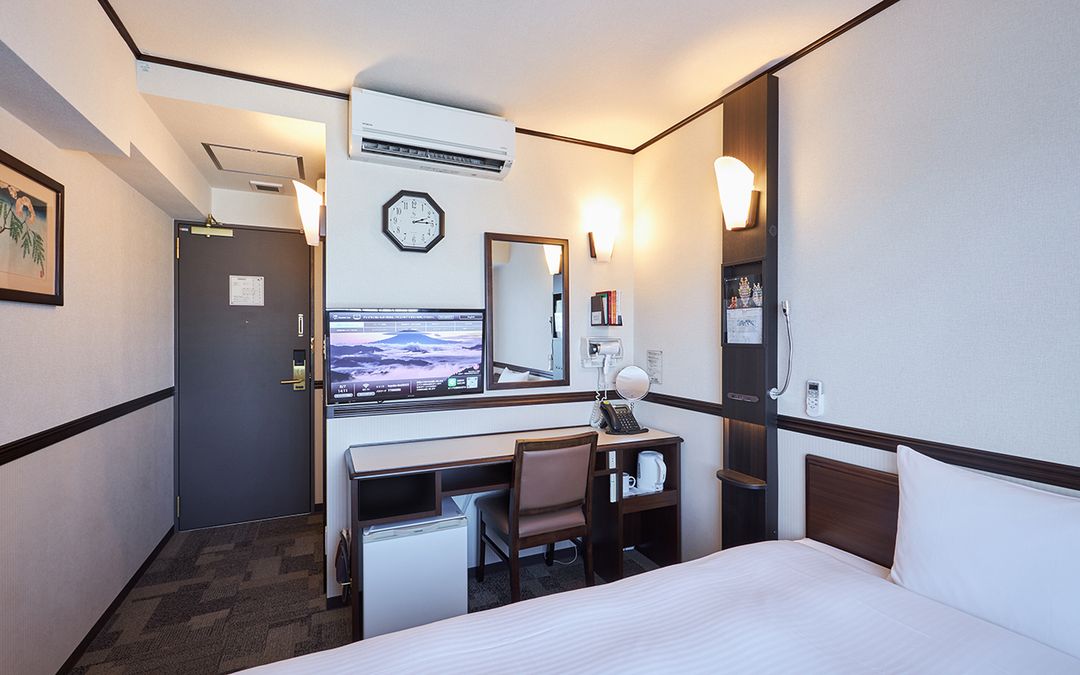
Toyoko Inn Maibara Eki Shinkansen Nishi Guchi
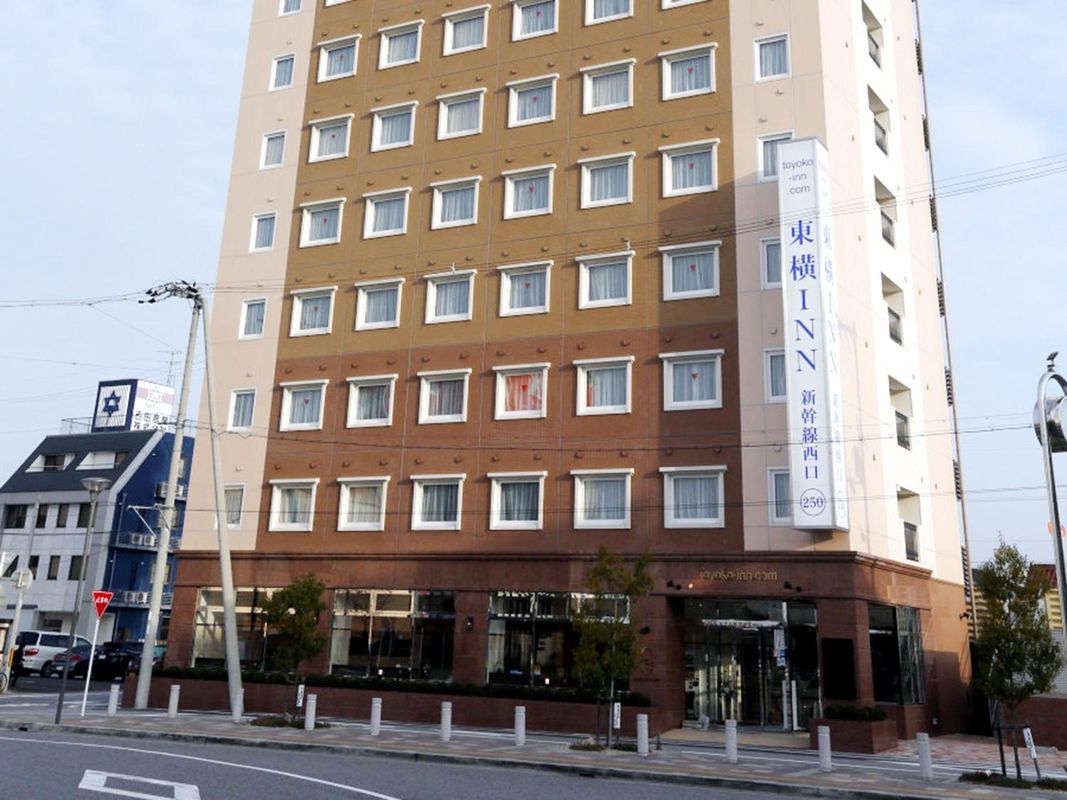
Toyoko Inn Maibara Station Shinkansen Nishi
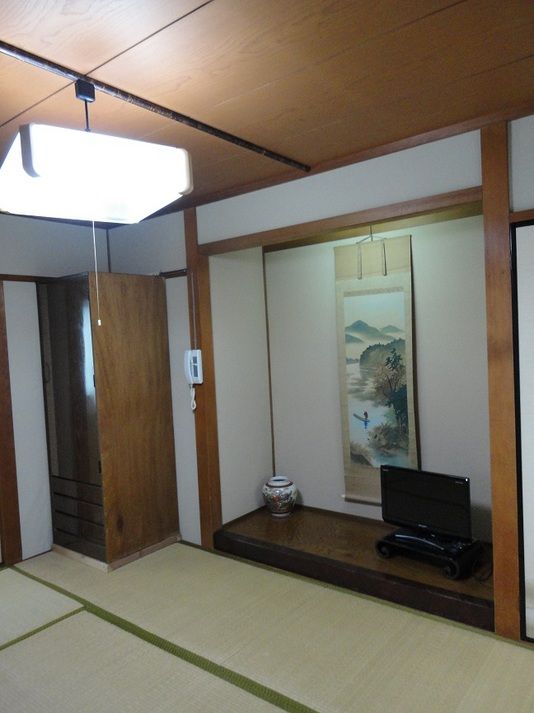
Ryokan Omiya(Shiga)
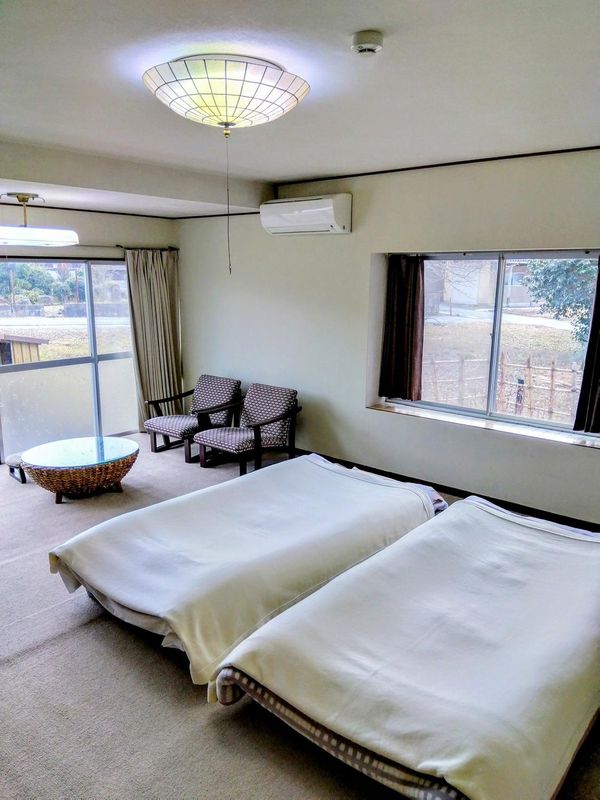
Guesthouse Meguruya
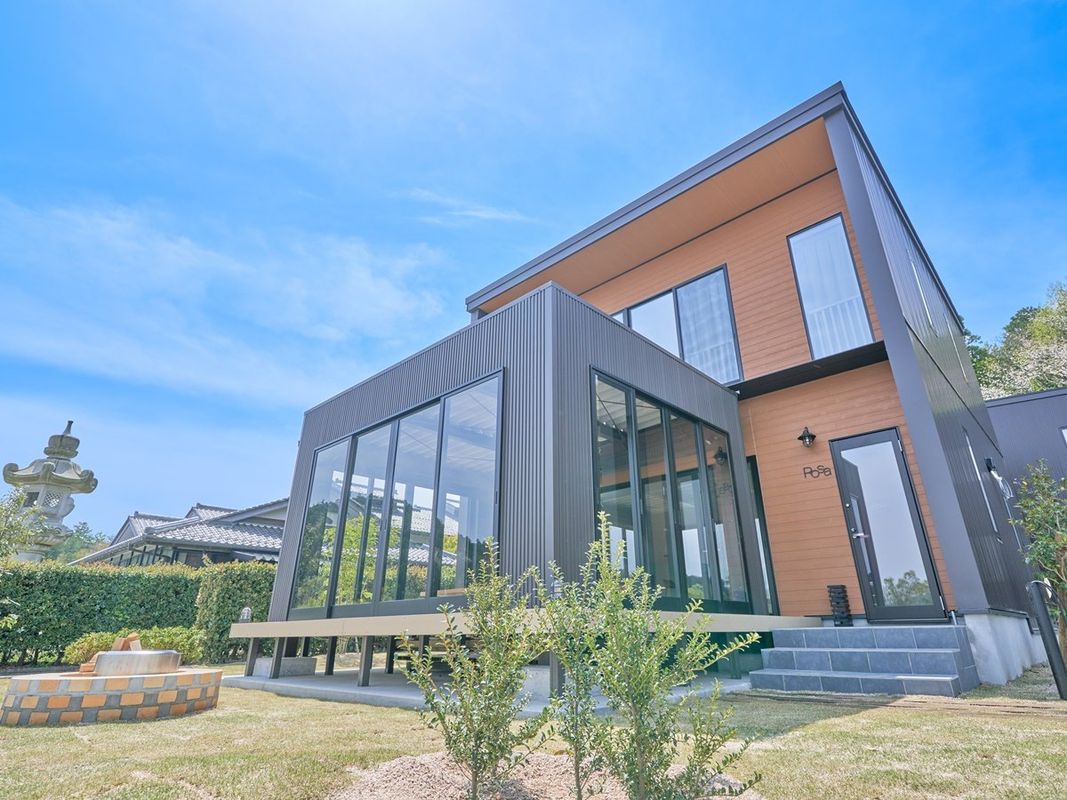
Green Park Santo
Best Hotels in Maibara
Discover curated hotel collections in Maibara
Osaka Marriott Miyako Hotel
The Ritz-Carlton, Osaka
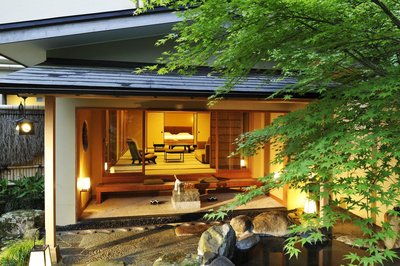
Gora Kadan
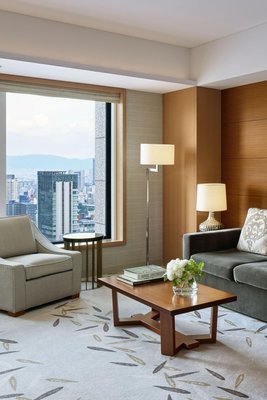
InterContinental Hotel Osaka
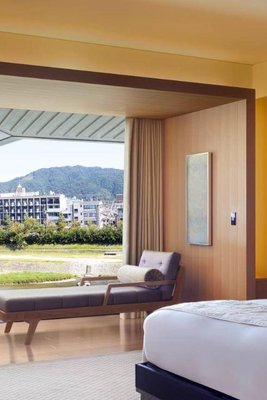
The Ritz-Carlton, Kyoto
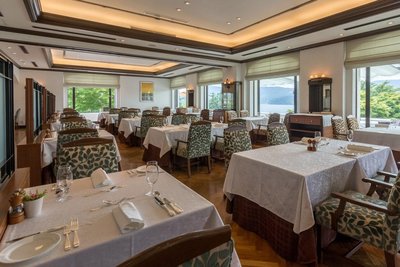
Odakyu Hotel de Yama
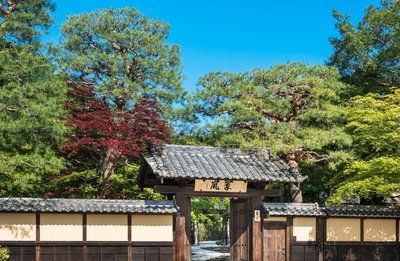
Suiran, a Luxury Collection Hotel, Kyoto
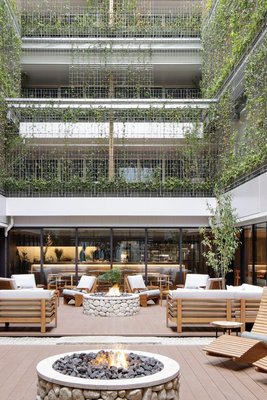
GOOD NATURE HOTEL KYOTO
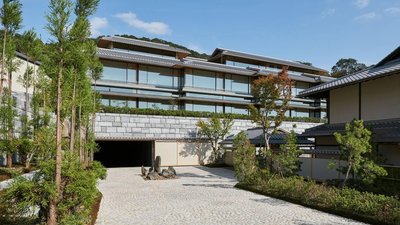
Park Hyatt Kyoto
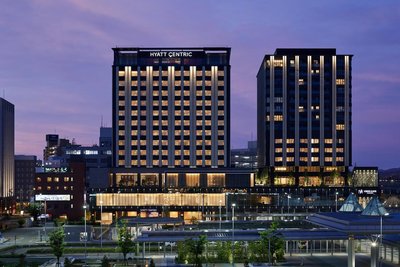
Hyatt Centric Kanazawa
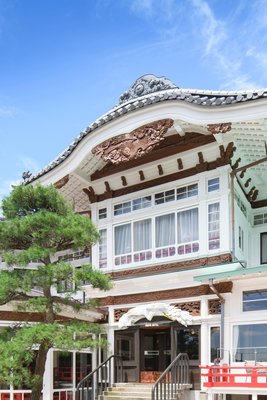
Fujiya Hotel
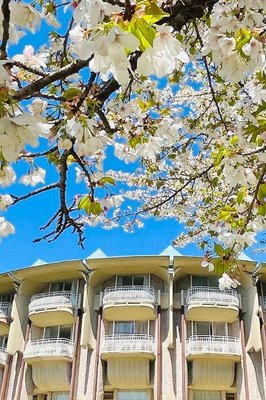
The Prince Hakone Lake Ashinoko
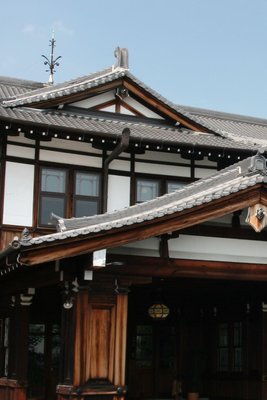
Nara Hotel
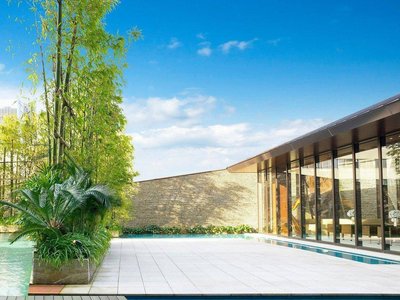
ORIENTAL HOTEL
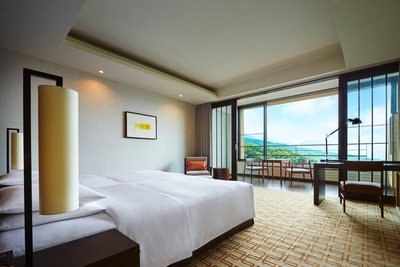
Hyatt Regency Hakone Resort and Spa
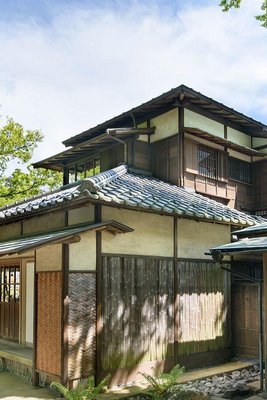
Hakone Suishoen
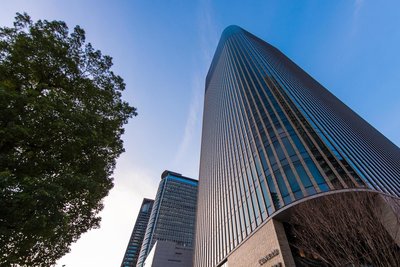
Conrad Osaka
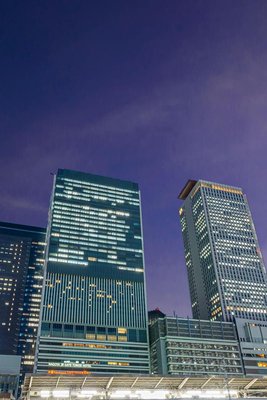
Nagoya JR Gate Tower Hotel (JR-Central Hotels)
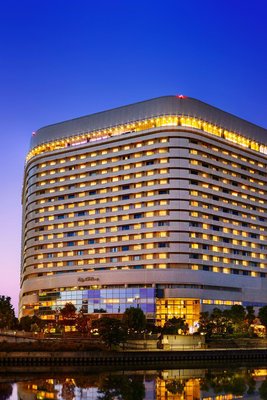
Hotel New Otani Osaka
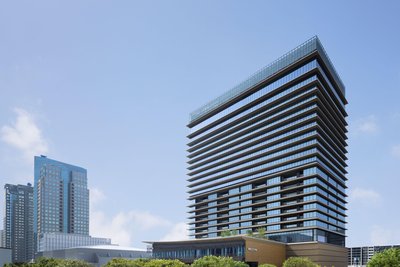
The Westin Yokohama
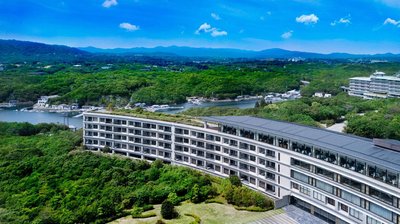
Shima Kanko Hotel the Bay Suites
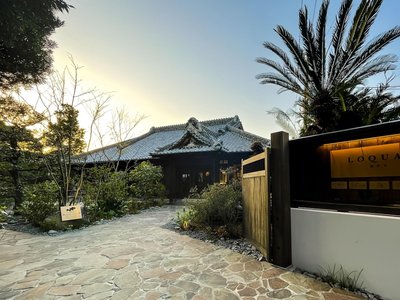
Loquat Nishiizu
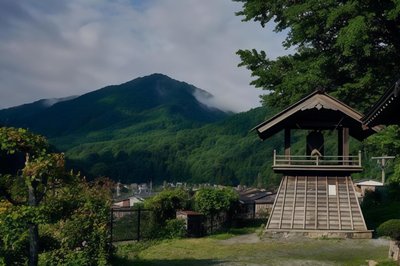
Byaku Narai
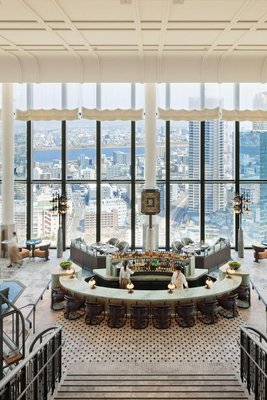
Waldorf Astoria Osaka
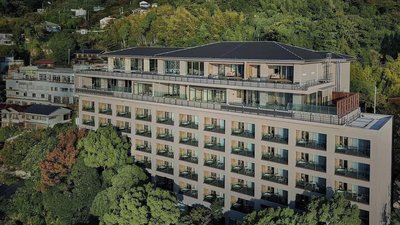
Atami Izusan Karaku
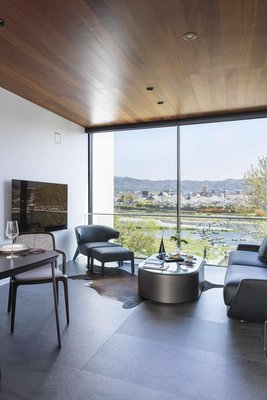
Kamo Residences by Reflections
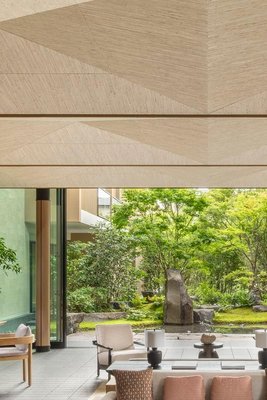
Six Senses Kyoto
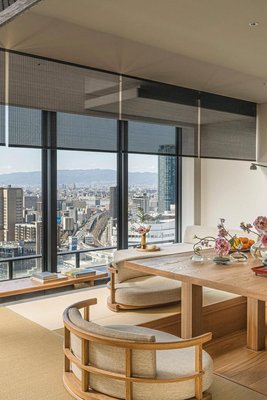
Four Seasons Hotel Osaka
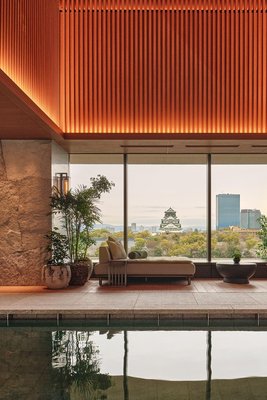
Patina Osaka
The Ritz-Carlton, Osaka
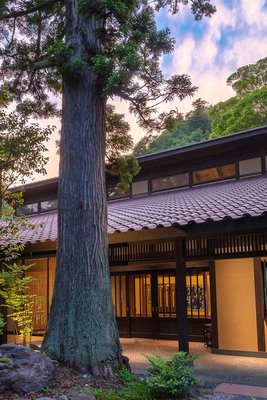
Arimasansoh Goshobessho
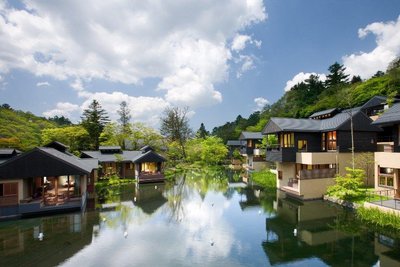
Hoshinoya Karuizawa
Gora Kadan
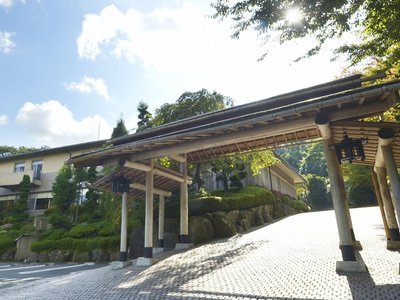
Gora Hanaougi
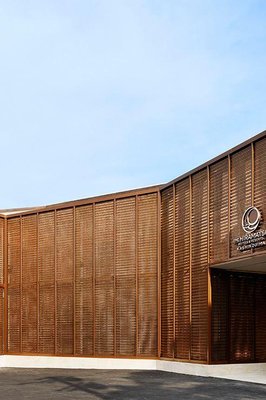
The Hiramatsu Hotels & Resorts Kashikojima
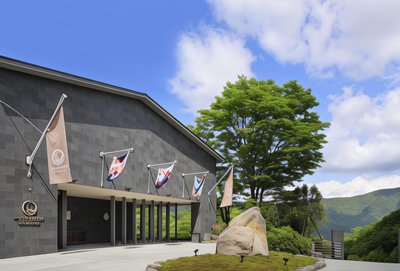
The Hiramatsu Hotels & Resorts Sengokuhara Hakone
The Ritz-Carlton, Kyoto
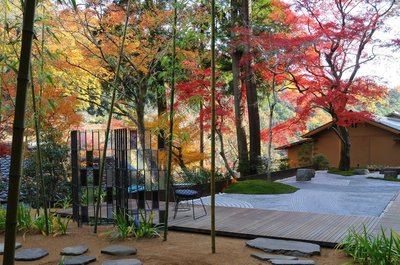
HOSHINOYA Kyoto
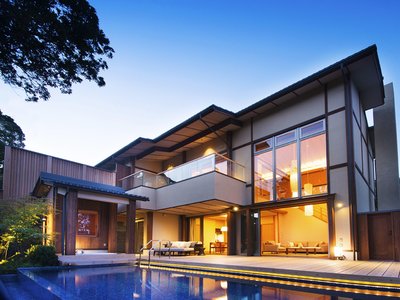
Abba Resorts Izu - Zagyosoh
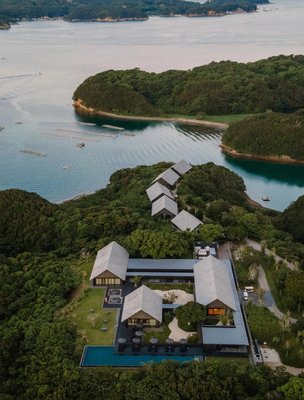
Amanemu

The Address Akakura
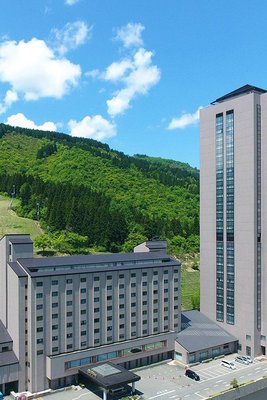
Naspa New Otani
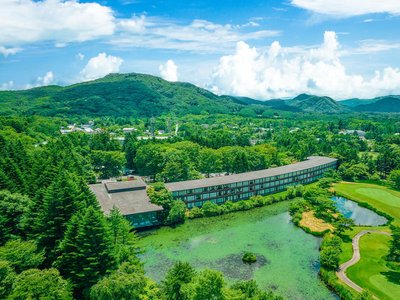
The Prince Karuizawa
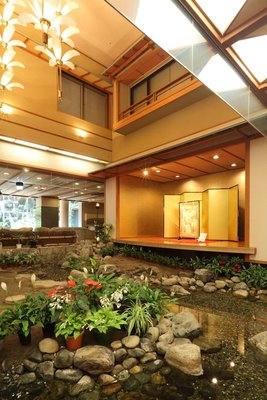
Hotel Futaba
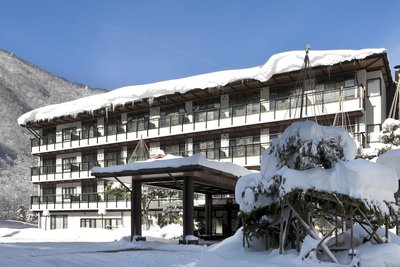
Okada Ryokan Warakutei
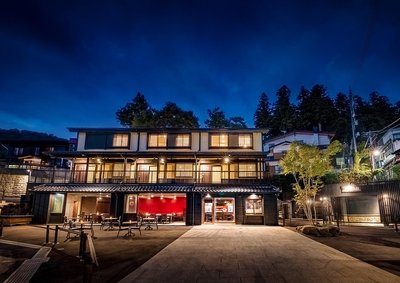
Ryokan Sakaya
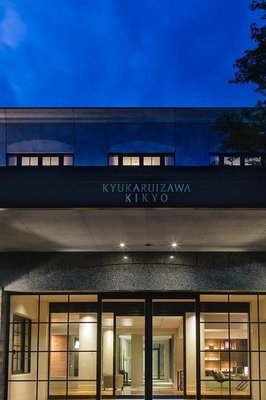
Kyukaruizawa Kikyo, Curio Collection by Hilton
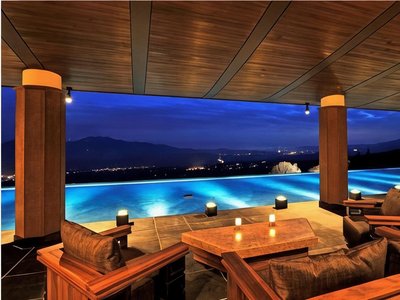
Akakura Kanko Hotel
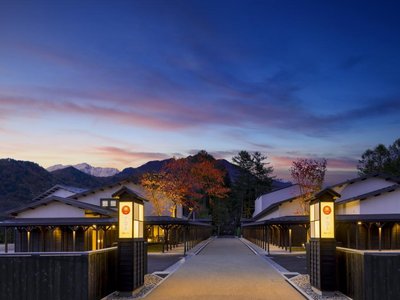
Hoshino Resorts KAI Alps
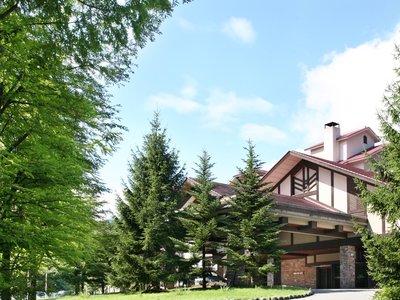
Hakuba Tokyu Hotel
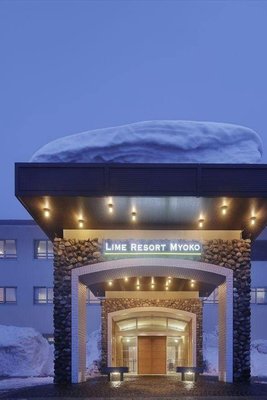
Lime Resort Myoko
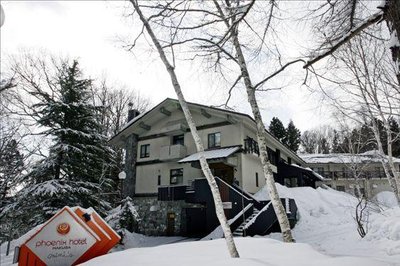
Phoenix Hotel by Hhg
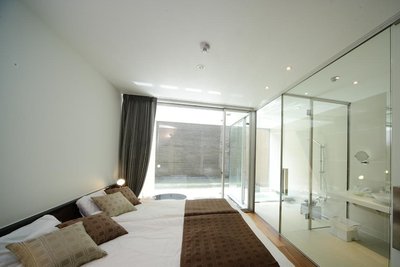
Four Seasons Yuzawa Quattro
Courtyard by Marriott Hakuba
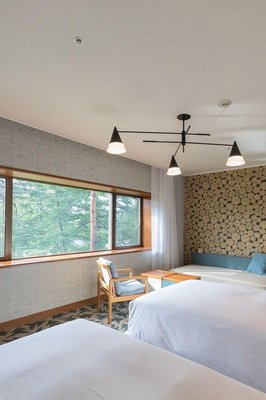
Karuizawa Prince Hotel East
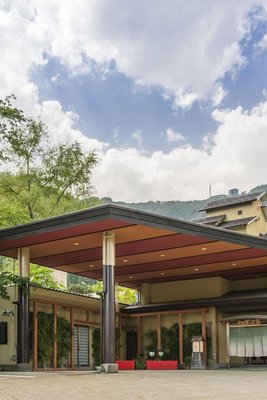
Shosenkaku Kagetsu
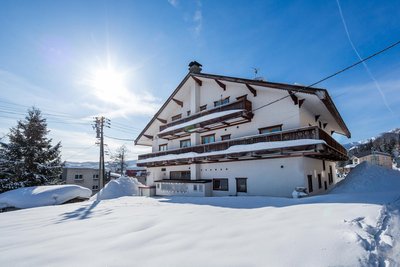
Marillen Hotel by Hhg
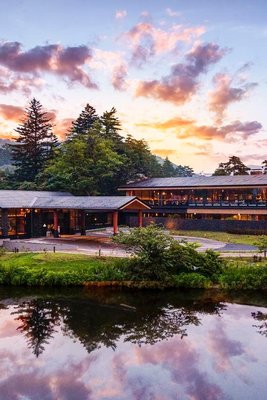
Karuizawa Prince Hotel West
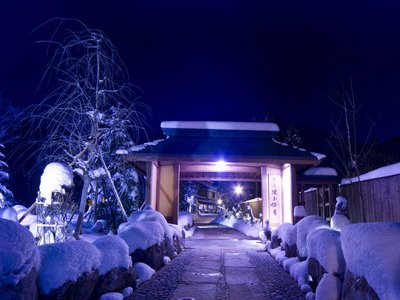
Miyama Ouan
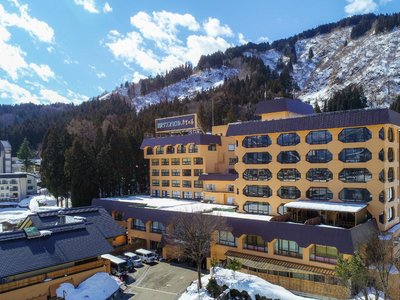
Yuzawa Grand Hotel
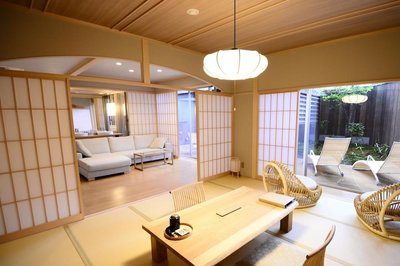
Hakone Gora Byakudan

Toba International Hotel Shiojitei
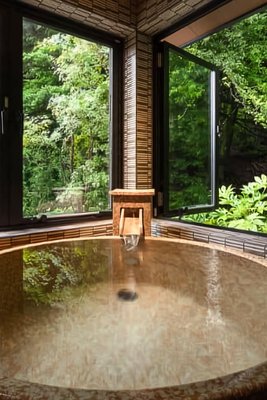
Hakkai Konohanakan
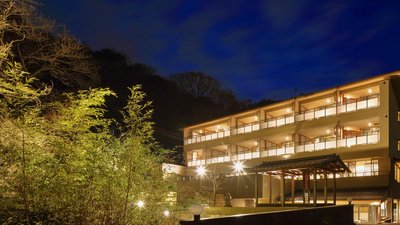
Okuno Hosomichi
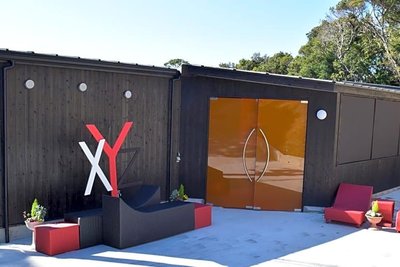
XYZ Private Spa and Seaside Resort
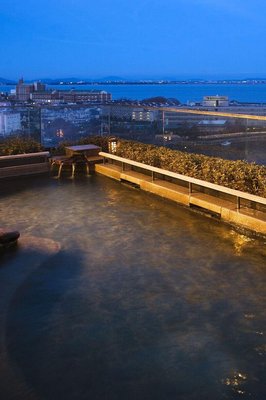
Yumotokan
Arimasansoh Goshobessho
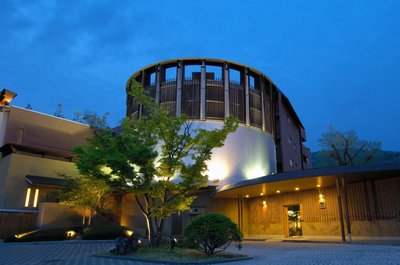
Hoshino Resorts Kai Matsumoto
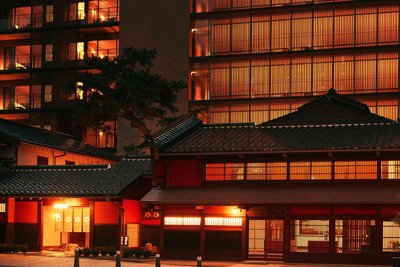
Hoshino Resorts Kai Kaga
The Address Akakura

Taikyourou
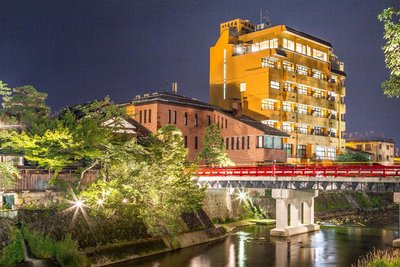
HONJIN HIRANOYA BEKKAN
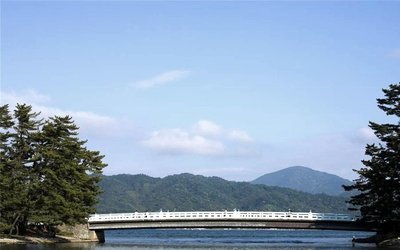
Monjusou Shourotei
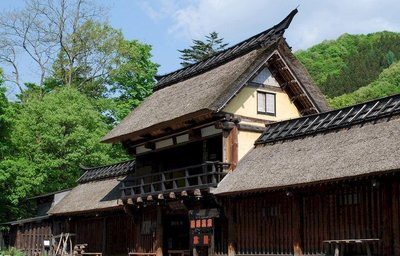
Kayabukinosato Yakushionsen Hatago
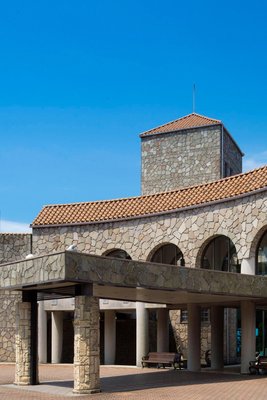
Izumigo Hotel Altia Toba
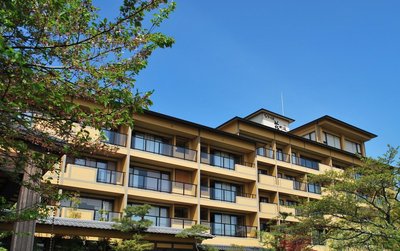
BIWAKO HANAKAIDO
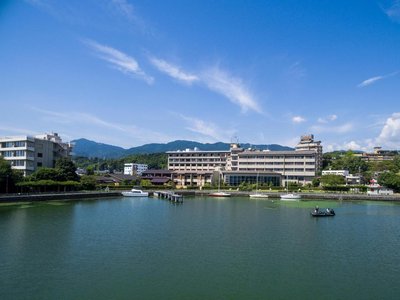
Biwako Ryokusuitei
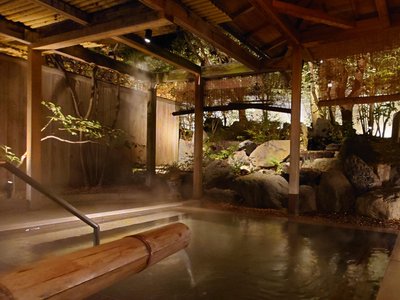
Kasuga Hotel
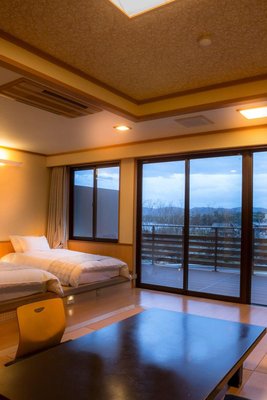
Hotel Kitanoya
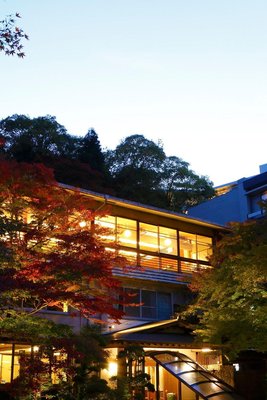
Negiya Ryofukaku
Hakone Gora Byakudan
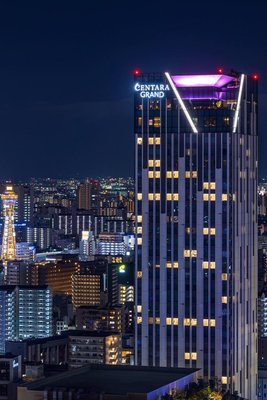
Centara Grand Hotel Osaka
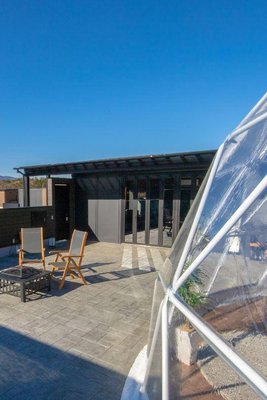
Panoramic Mt. Fuji Views from All Rooms – Vision Glamping Resort & Spa Yamanakako
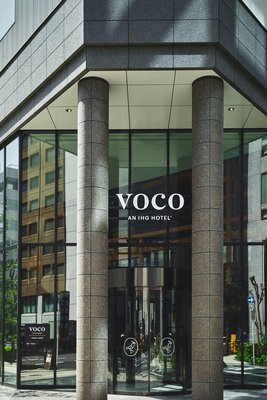
voco Osaka Central
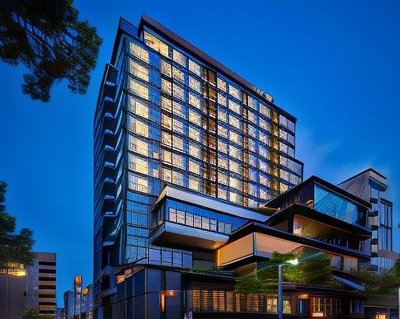
TIAD, AUTOGRAPH COLLECTION
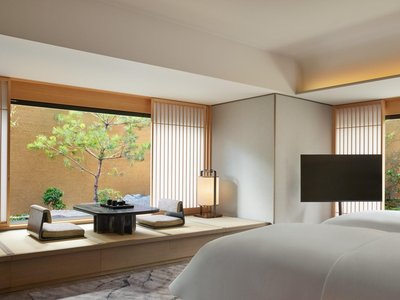
Dusit Thani Kyoto
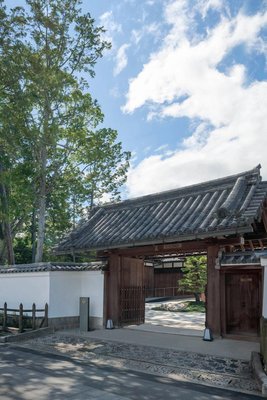
Shisui, a Luxury Collection Hotel, Nara
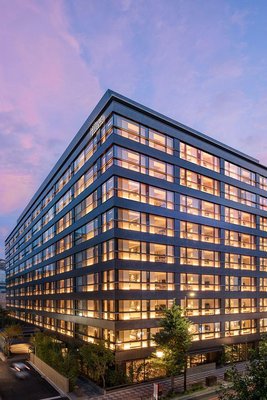
Hilton Kyoto
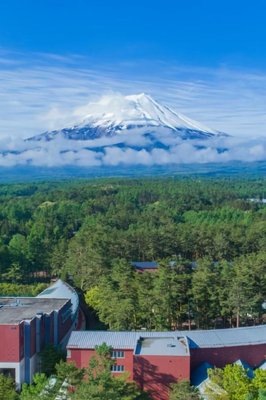
Forest Village (Fuji Premium Resort)
Osaka Marriott Miyako Hotel
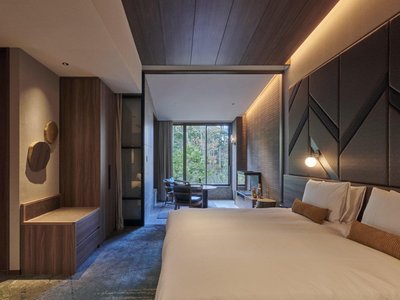
Fufu Kyu-Karuizawa Restful Forest
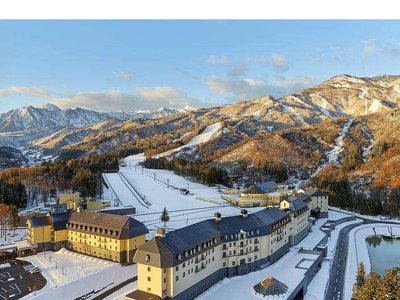
Lotte Arai Resort
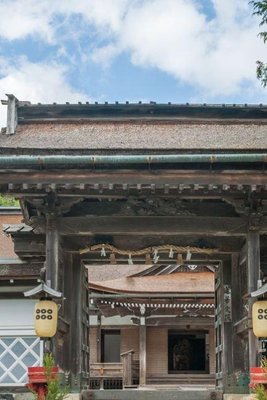
Koyasan Rengejoin
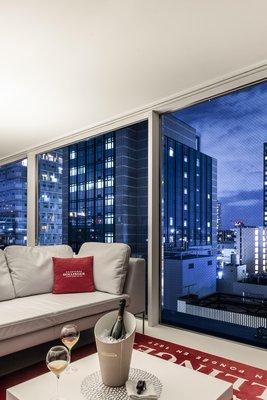
CUVÉE J2 HOTEL OSAKA by Onko Chishin
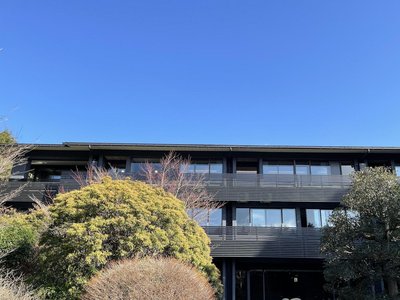
Sengokubara Cocon
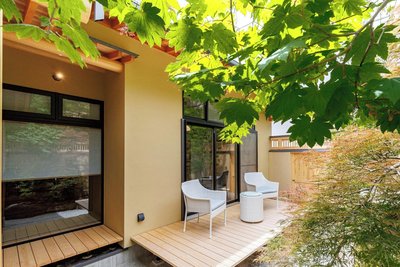
Shoraiso
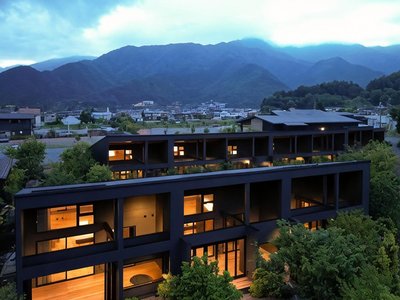
7C Villa and Winery
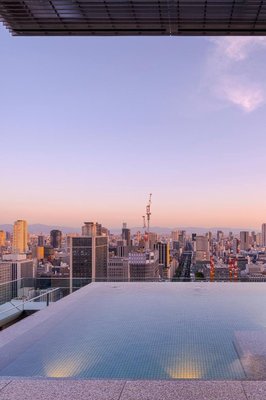
Candeo Hotels Osaka The Tower
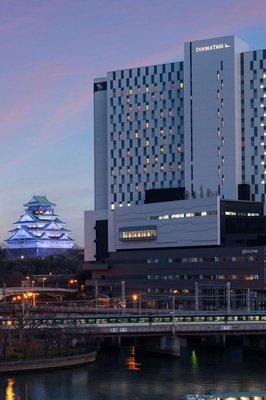
DoubleTree by Hilton Osaka Castle
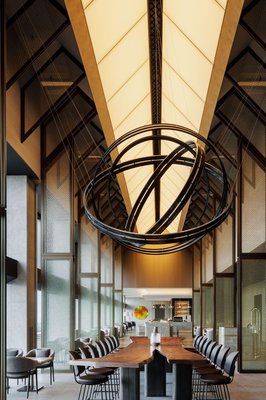
The Osaka Station Hotel, Autograph Collection
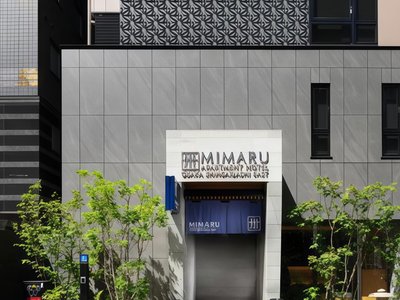
MIMARU Osaka Shinsaibashi East
Toba International Hotel Shiojitei
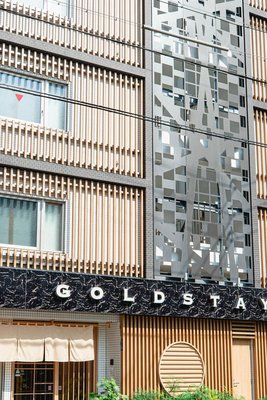
Gold Stay Nagoya OSU
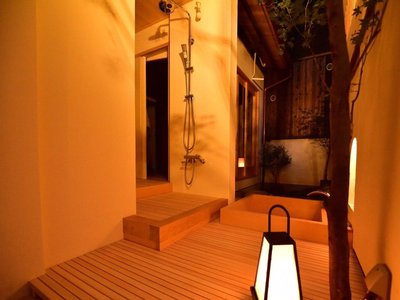
Yado Kiramachi
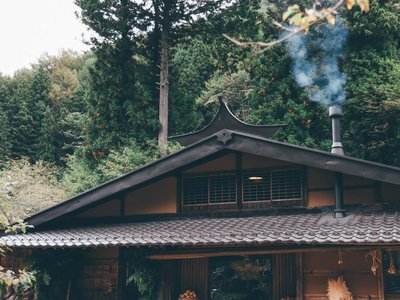
La Terra Resort
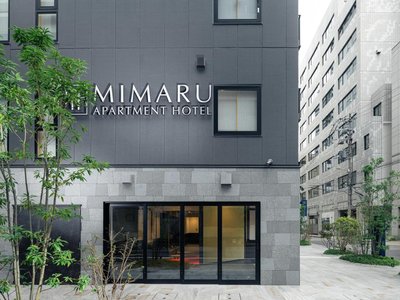
MIMARU Osaka Shinsaibashi North
Okuno Hosomichi
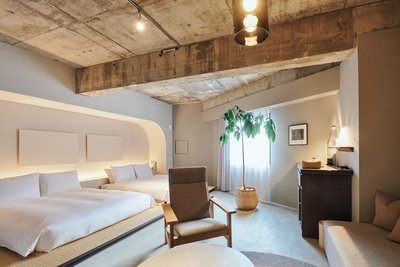
Korinkyo
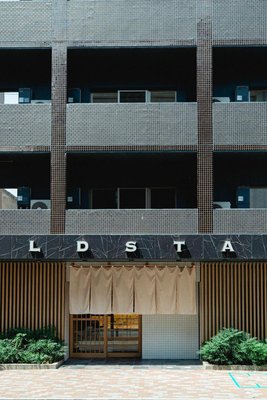
GOLD STAY Nagoya Sakae
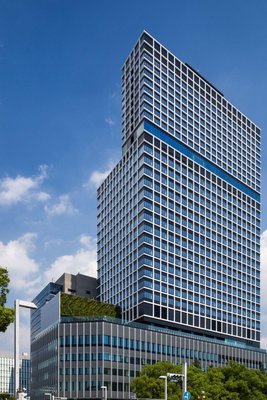
The Royal Park Hotel Iconic Nagoya
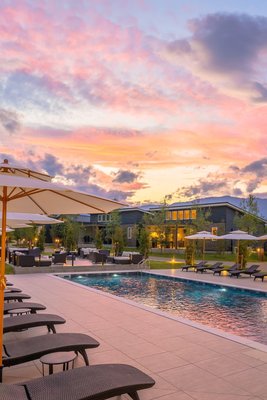
Awaumi Fujikawaguchiko Resort
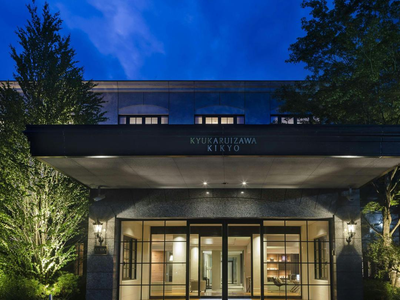
Fufu Karuizawa Wind of Sunshine
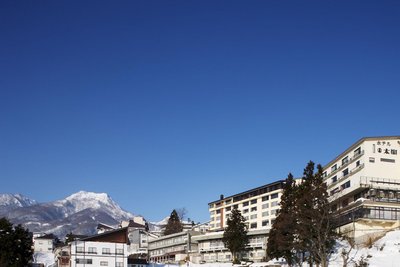
Hotel Taiko, Akakura Onsen
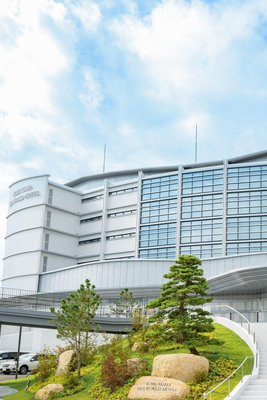
Kobe Suma Sea World Hotel
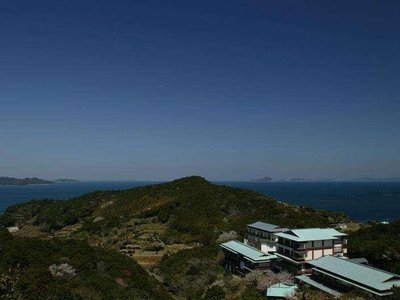
Hanashinsui
Yumotokan
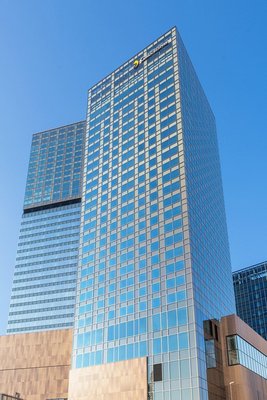
Hotel Hankyu GRAN RESPIRE OSAKA
Hoshino Resorts Kai Kaga
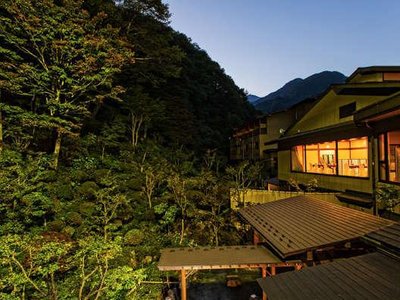
Futari Shizuka
Taikyourou
Awaumi Fujikawaguchiko Resort
Amanemu
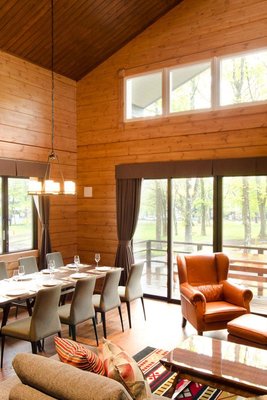
The Prince Villa Karuizawa
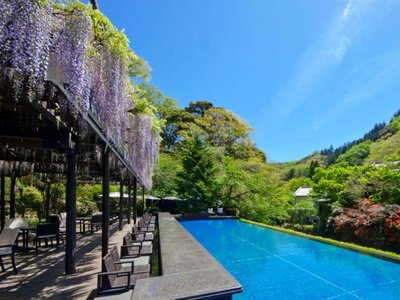
Tofuya Resort & Spa Izu
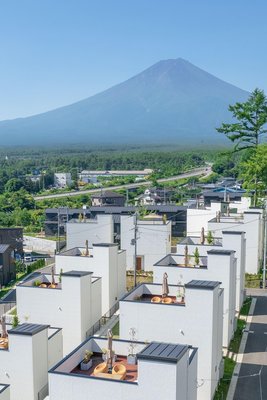
Fuji Granvilla -TOKI-
Hakone Gora Byakudan
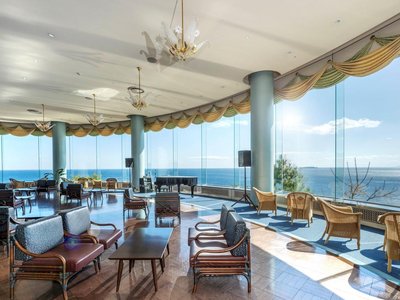
Hotel New Akao
XYZ Private Spa and Seaside Resort
Osaka Marriott Miyako Hotel
The Prince Karuizawa
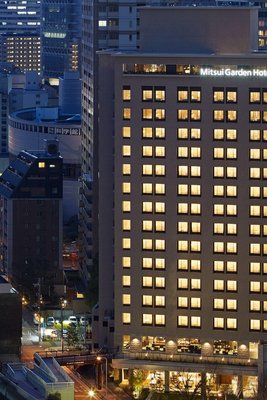
Mitsui Garden Hotel Osaka Premier
Izumigo Hotel Altia Toba
BIWAKO HANAKAIDO
Biwako Ryokusuitei
Hotel Kitanoya
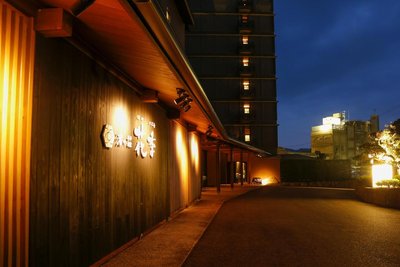
Hanagoyomi
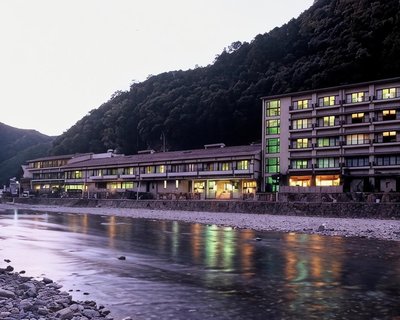
Kawayu Onsen Fujiya
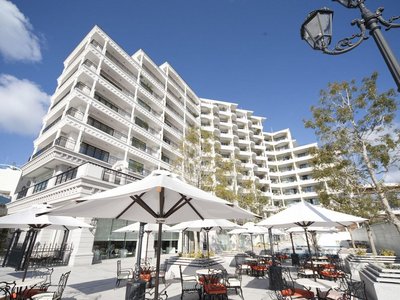
Hotel La Suite Kobe Harborland
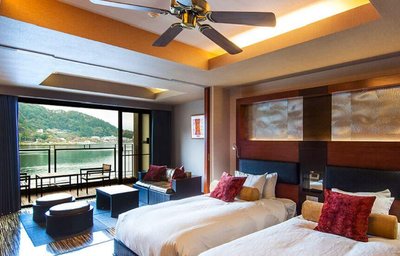
The Kukuna
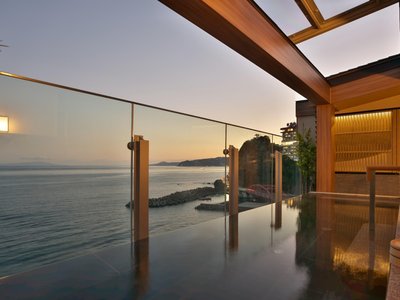
Hotel New Sagamiya
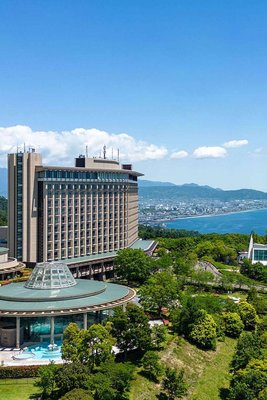
Hilton Odawara Resort & Spa
Hoshinoya Karuizawa
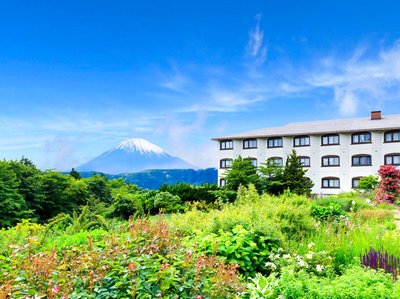
Hotel Green Plaza Hakone
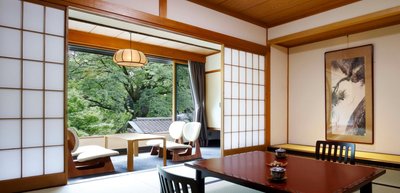
Yoshiike Ryokan
Akakura Kanko Hotel
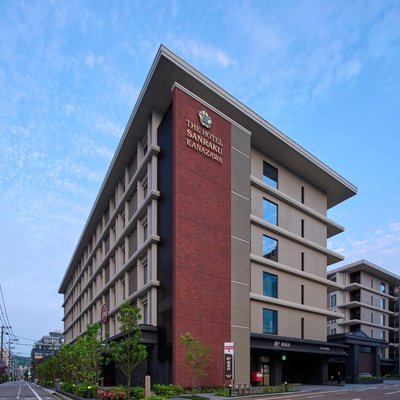
The Hotel Sanraku Kanazawa 21th December 2022 Open
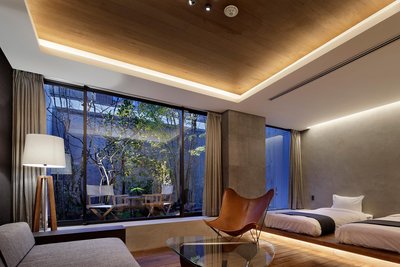
22 PIECES
The Ritz-Carlton, Osaka
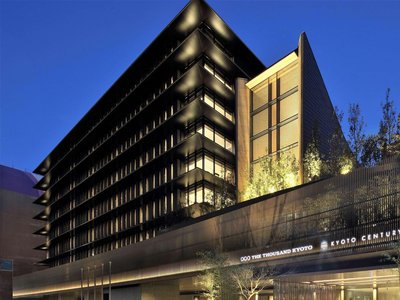
The Thousand Kyoto
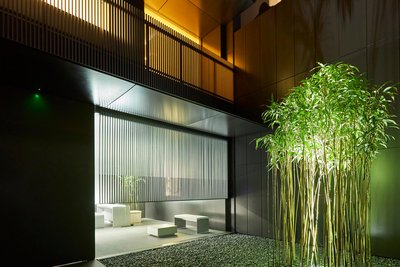
Mogana
GOOD NATURE HOTEL KYOTO
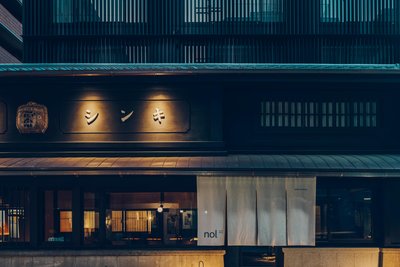
Nol Kyoto Sanjo
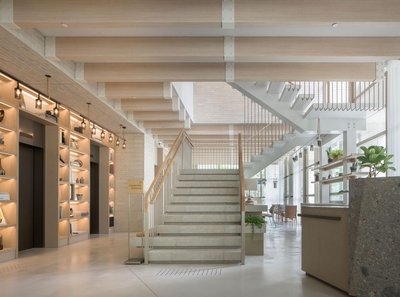
Zentis Osaka
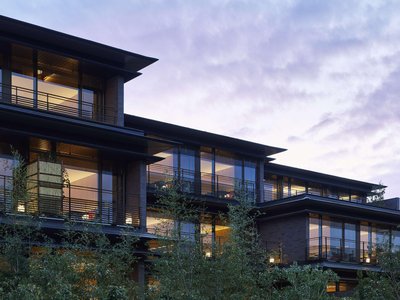
Garrya Nijo Castle Kyoto
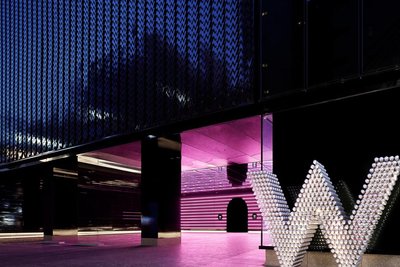
W Osaka
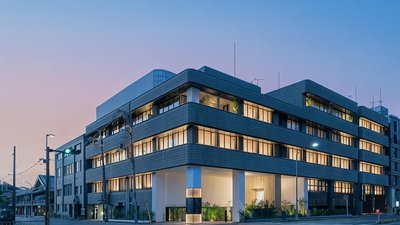
Hotel Kanra Kyoto
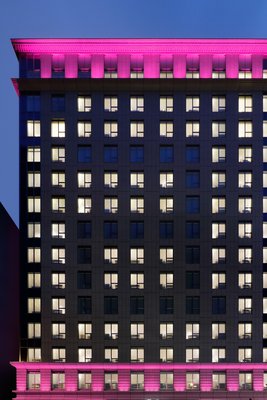
Aloft Osaka Dojima
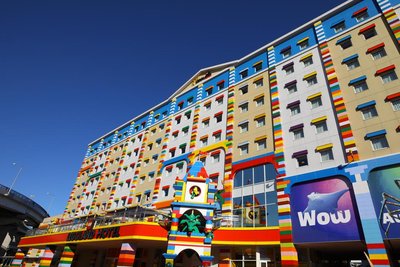
Legoland Japan Hotel
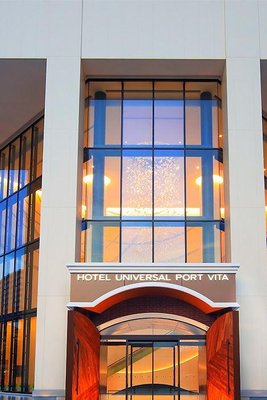
HOTEL UNIVERSAL PORT VITA

The Park Front Hotel at Universal Studios Japan
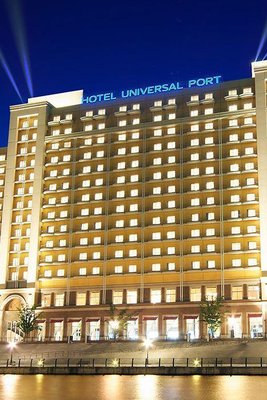
HOTEL UNIVERSAL PORT
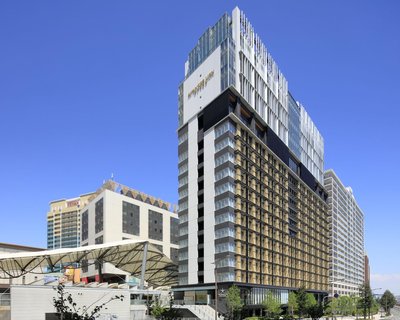
THE SINGULARI HOTEL & SKYSPA at UNIVERSAL STUDIOS JAPAN
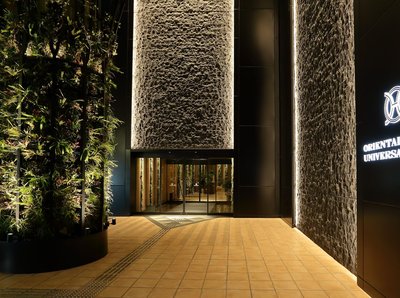
Oriental Hotel Universal City
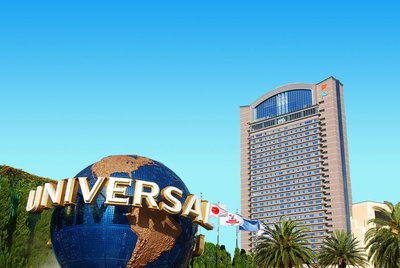
Hotel Keihan Universal Tower
Yado Kiramachi
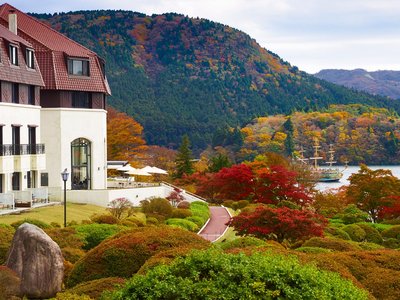
Hotakajyo
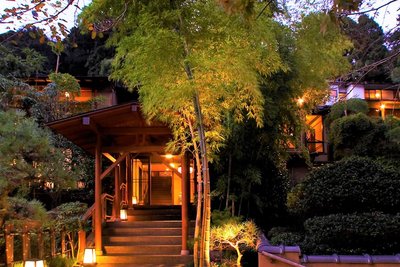
Shiki wo Ajiwau Yado Yamano Chaya
Arimasansoh Goshobessho
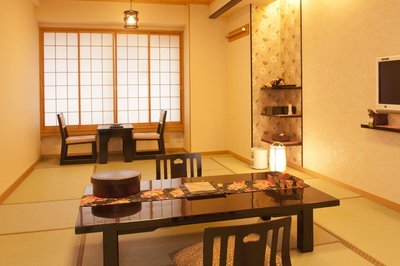
Matsui-Bekkan Hanakanzashi
Hoshino Resorts Kai Matsumoto
Taikyourou
Monjusou Shourotei
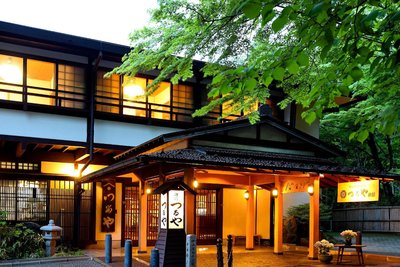
Tsuruya Ryokan
Kasuga Hotel
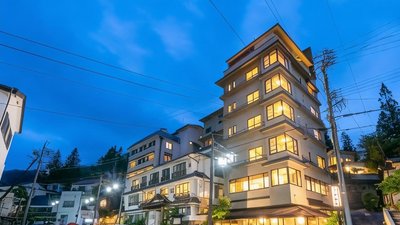
Nakamatsuya Ryokan
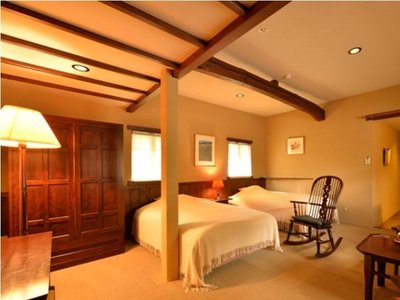
Ryokan Sugimoto
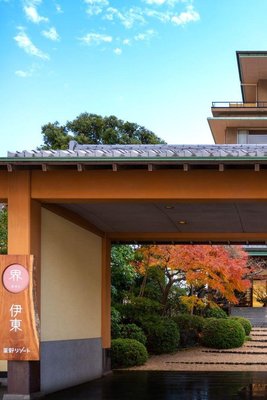
Hoshino Resorts Kai Ito
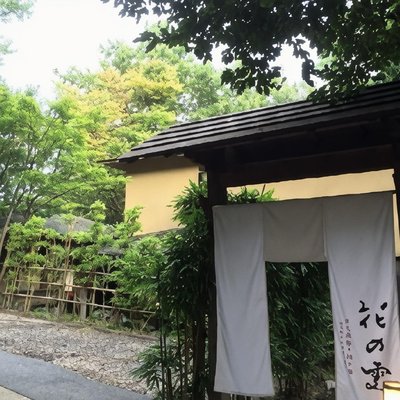
Hana No Kumo
Yoshiike Ryokan
Gora Hanaougi
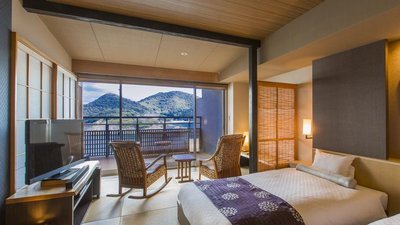
Migiwatei Ochi Kochi
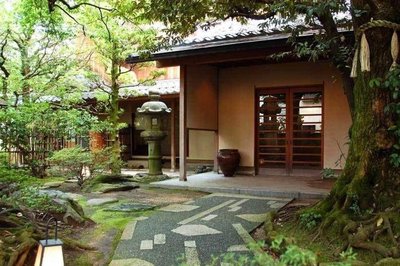
Kocho
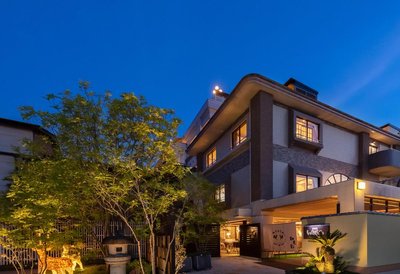
Hotel New Wakasa
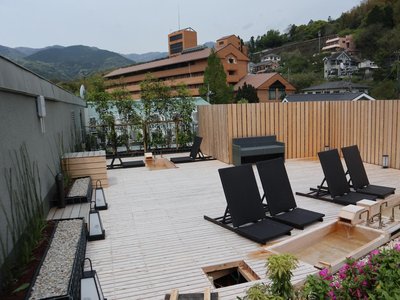
Fukiya Ryokan
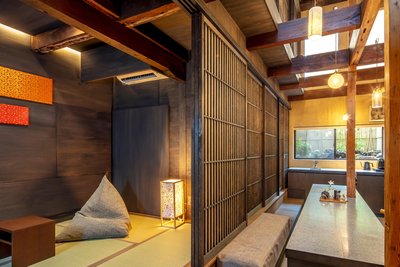
Kyo No Oozora Kihana
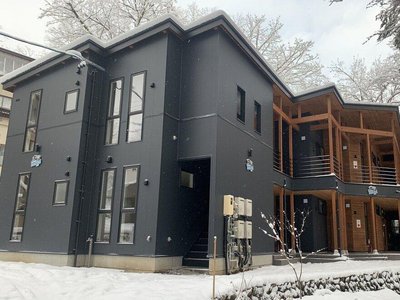
Hakuba Gondola Apartments
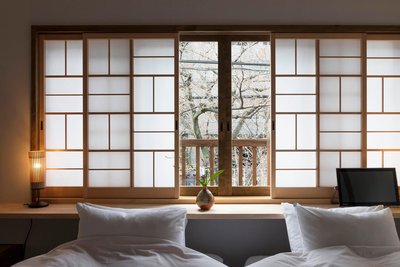
Hanagoromo Machiya House
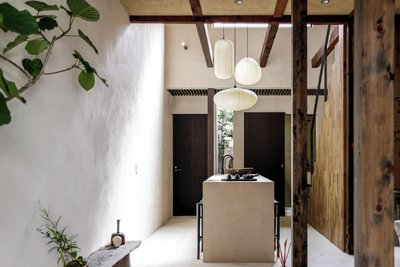
Maana Kiyomizu
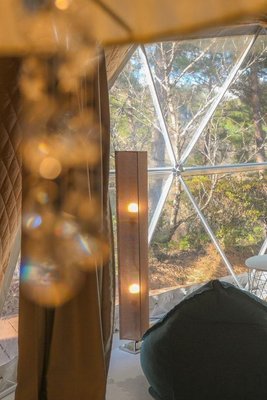
glampark Gekkabijin Nagano
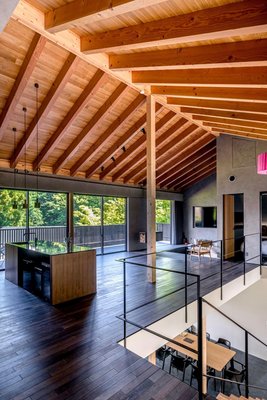
MONS GORA
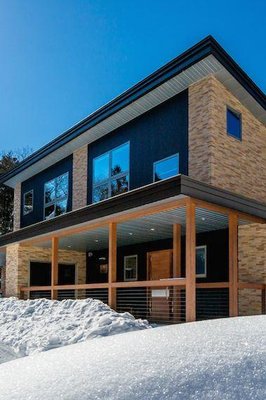
Phoenix Chalets by Hhg
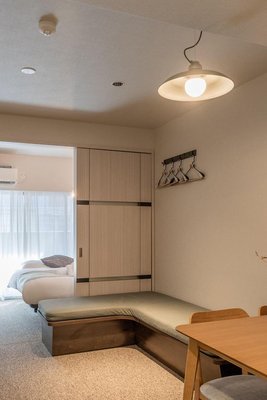
Apartment Hotel 11 Shinsaibashi
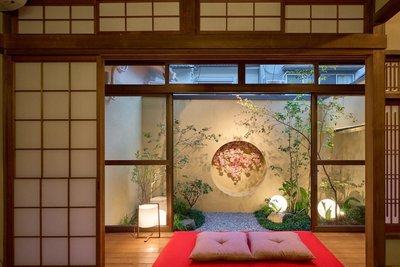
KONJAKUSO Osaka Tengachaya "NIHONCHA" Tea & Relax
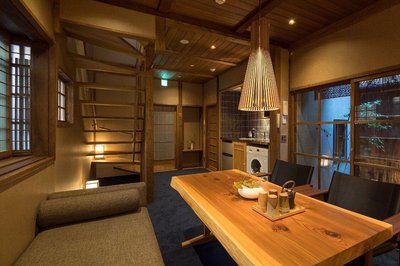
Bonbori an Machiya House
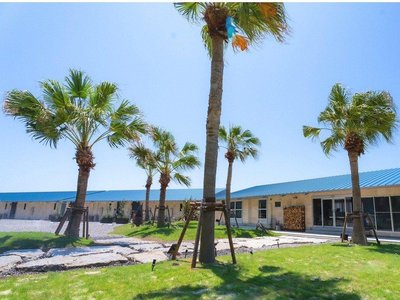
Glamping&Resort Wood Design Park Noma
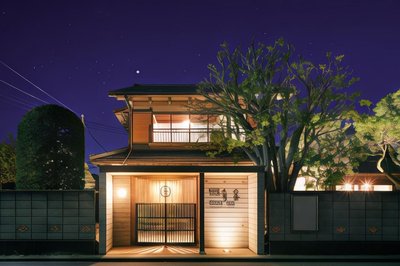
Machi-Jyu
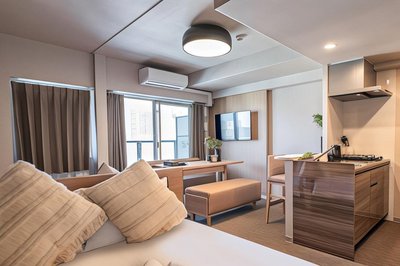
Apartment Hotel 11 Shinsaibashi III
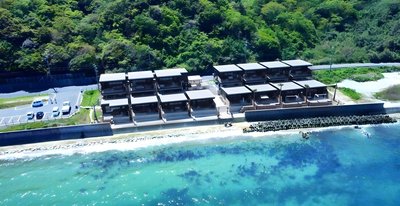
Solavilla Umi Terrace Minamiawaji
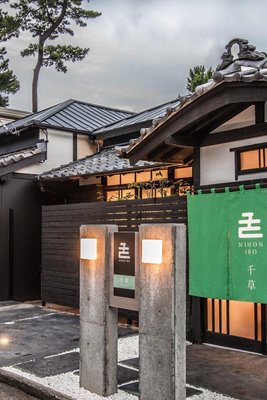
Nihon Iro
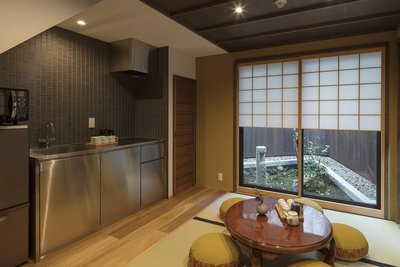
The Machiya Villa Sanjo Shirakawa Koji
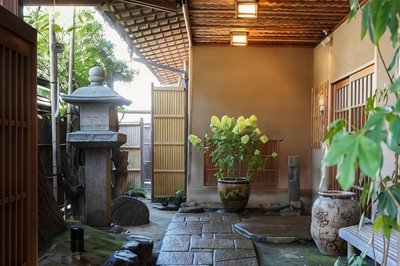
Ryokan Asadaya
Konjaku-So Dotonbori
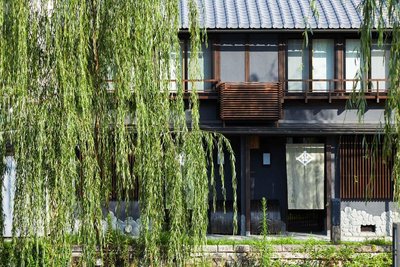
Gion Shirakawa No Yado

Kitashirakawa Natural Radium Onsen
Frequently Asked Questions about Traveling to Maibara
Questions You Might Need to Know About Traveling to Maibara
For train travelers, Mihara Station Front Daiwa Hotel is ideal—just a 2-minute walk from Mihara Station, with convenient access to the Tōkaidō Shinkansen and local trains. The hotel offers modern Japanese-style rooms with excellent connectivity to Kyoto, Osaka, and Nagoya. Another top choice is Prince Hotel Mihara, known for its spacious facilities and business-friendly services. Both properties provide easy access to Kansai Expressway, making them perfect for travelers combining rail and road journeys.
The central district near Mihara Station is the most convenient area for lodging. It’s well-connected to major cities via rail and highway, and offers a wide range of dining options—from local Shiga regional cuisine like fresh Lake Biwa perch to international fast food. For tranquility, consider staying at Lake Biwa resort hotels along the shoreline, such as Lake Biwa Camp Resort, which provides serene views, outdoor activities, and a peaceful retreat away from urban bustle.
Visitors should explore Chōshōji Castle Ruins and Mihara Hachimangū Shrine. The former is a historic site from the Sengoku period, now a scenic park ideal for cherry blossom viewing in spring. The latter hosts the annual Mihara Festival, featuring traditional kagura dances and craft markets. Additionally, try hands-on Lake Biwa fishing experiences, learning to use traditional nets and savoring freshly caught Biwa Perch, offering an authentic taste of Shiga’s "Lake Cuisine" culture.
Recommended for families: Hilton Garden Inn Mihara, featuring a kids’ play area, family suites, and 24-hour breakfast service. Located just a 5-minute walk from Mihara Station, it’s ideal for traveling with children. For a luxury option, Lake Biwa Four Seasons Resort offers private beach access, outdoor pools, and guided family activities. Its tranquil lakeside setting and personalized service make it perfect for a memorable family getaway.
Key photography locations include Lake Biwa at sunrise or sunset, where the reflection of Mount Ibuki creates stunning visual contrasts. The Mihara Station front plaza, with its modern architecture and passing Shinkansen trains, offers dynamic urban shots. Chōshōji Castle Ruins Park features ancient stone walls and trees framing natural compositions. For rural beauty, visit rice paddies along the Shirakawa River trail, especially during autumn when golden fields stretch under the mountains—ideal for landscape photography.
Start your day at Chōshōji Castle Ruins Park, walking through historical grounds and cherry blossoms. Enjoy lunch at a station-side restaurant with local specialties like fresh Lake Biwa perch sushi and fish hot pot. In the afternoon, take a sightseeing boat on Lake Biwa or cycle along the lakeside path. Return to the city center in the evening to visit Mihara Hachimangū Shrine, experience its lantern-lit night view, and explore the old town streets for souvenirs and dinner.
While Mihara itself lacks hot springs, nearby Ena Onsen and Nearby Ōmi-Hachiman Spa District offer excellent options. Stay at Songfengting Ryokan in Ōmi-Hachiman, renowned for its open-air baths overlooking the Ōmi-Hachiman Garden, a UNESCO World Heritage Site. Alternatively, Daiwazan Onsen in Ena provides traditional tatami rooms and mineral-rich waters. Both are within a 30-minute drive from Mihara, perfect for a relaxing spa day after exploring the region.
Must-try dishes include Lake Biwa Perch (Biwa Koi), grilled or served as sushi, prized for its delicate flavor. Sushi made from fermented crucian carp (Funa-zushi)—a Shiga specialty with centuries-old tradition—is uniquely savory. Don’t miss Ōmi Beef skewers, known for rich marbling and tender texture. Also sample lotus root tempura and lotus root rice balls, showcasing the region’s agricultural heritage. These delicacies are widely available at Mihara Station Market and Chōshōji Old Town stalls.
Absolutely. Mihara City lies at the junction of the Tōkaidō Expressway and Hokuriku Expressway, making it a prime base for cross-regional road trips. Scenic routes lead to Mount Ibuki foothills and the eastern shores of Lake Biwa. Renting a compact car is recommended for navigating local roads. Most hotels offer free parking, and navigation systems are highly accurate. Use Mihara as a hub to explore central Japan efficiently.
Couples will love the nighttime illuminated path along Lake Biwa, where soft lights reflect on the water, creating a dreamy atmosphere. Book a Lake View Honeymoon Suite at Hilton Garden Inn Mihara, complete with a private balcony and soaking tub. Take a sightseeing boat cruise at dusk, enjoying wine and snacks under the stars. For culture lovers, visit Mihara Hachimangū Shrine together to pray for love, then join a handmade paper umbrella workshop—create a shared keepsake while bonding over traditional craftsmanship.
Maibara Overview
City Summary
Maibara City, located in eastern Shiga Prefecture near Lake Biwa, is a vital transportation hub connecting Kansai and Chubu regions. Known for its rich history and natural beauty, it offers a perfect blend of traditional and modern Japan.
Must-See Attractions
Top attractions include Hikone Castle, a national treasure with well-preserved architecture, and its stunning Genkyuen Garden, especially during cherry blossom season. Lake Biwa's recreational facilities and Maibara hot springs are also popular for relaxation.
Food Guide
Maibara is famous for Omi beef, a premium Wagyu known for its tenderness. Don't miss the unique funazushi, a traditional dish of fermented crucian carp from Lake Biwa served with rice.
Transportation Guide
Maibara Station is a major hub with JR Tokaido Shinkansen and Hokuriku Line connections. Local buses are convenient; consider a day pass. The Shinkansen from Kyoto or Nagoya takes just 30 minutes.
Best Time to Visit
Best visited in spring (Mar-May) for cherry blossoms or autumn (Sep-Nov) for fall foliage. Summers can be hot, while winters may bring snow.
Travel Tips
- Maintain quiet in temples and follow local etiquette
- Remove shoes in hot spring areas and shower before entering baths
- Strict garbage sorting - observe signs carefully
- Reserve ahead for Omi beef restaurants
- Dress warmly in winter as some sites may close due to snow
- JR Pass can save money on long-distance travel
Useful Information
Japanese is primary language but major stations/attractions have English signage. Limited WiFi availability suggests renting pocket WiFi or SIM cards. Cash remains dominant; credit cards accepted at larger establishments. Emergency numbers: 110 (police) or 119 (ambulance). Convenience stores and pharmacies are widespread, typically open until 10pm.









