Hotels in Maizuru
Discover your perfect stay in Maizuru.
Maizuru(Japan) Travel 2026: Cheap Flights, Hotels & Top Attractions
Popular Landmarks in Maizuru
Discover the most iconic attractions in Maizuru
Recommended Hotels in Maizuru
Find the perfect place to stay in Maizuru
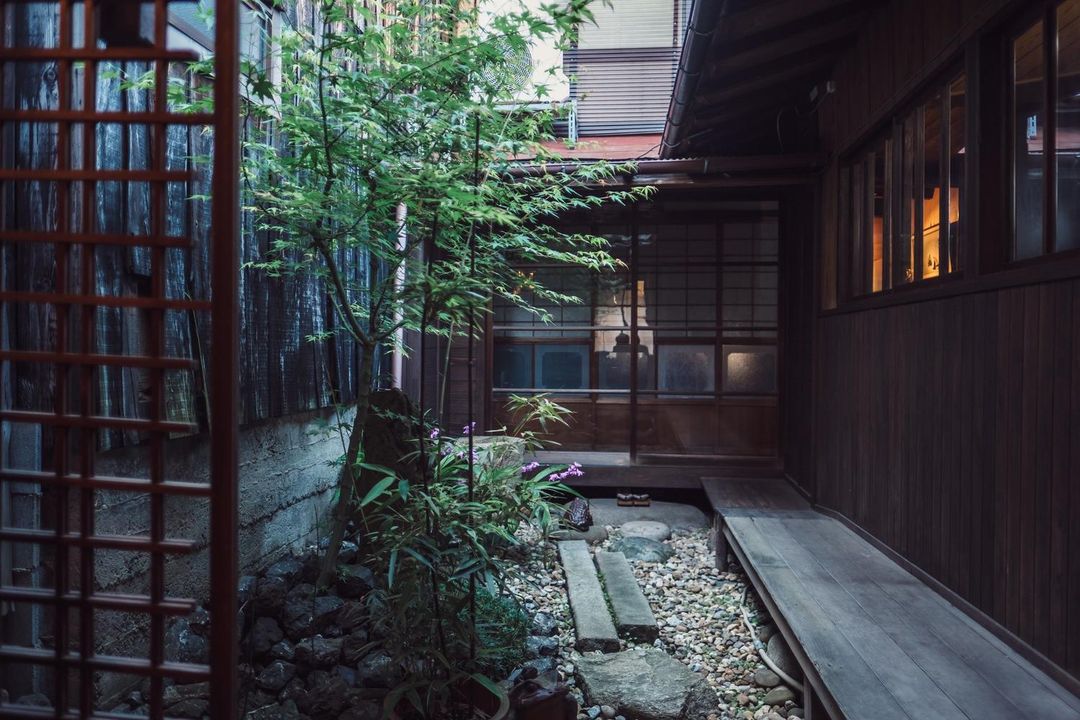
Guest House Saika-an
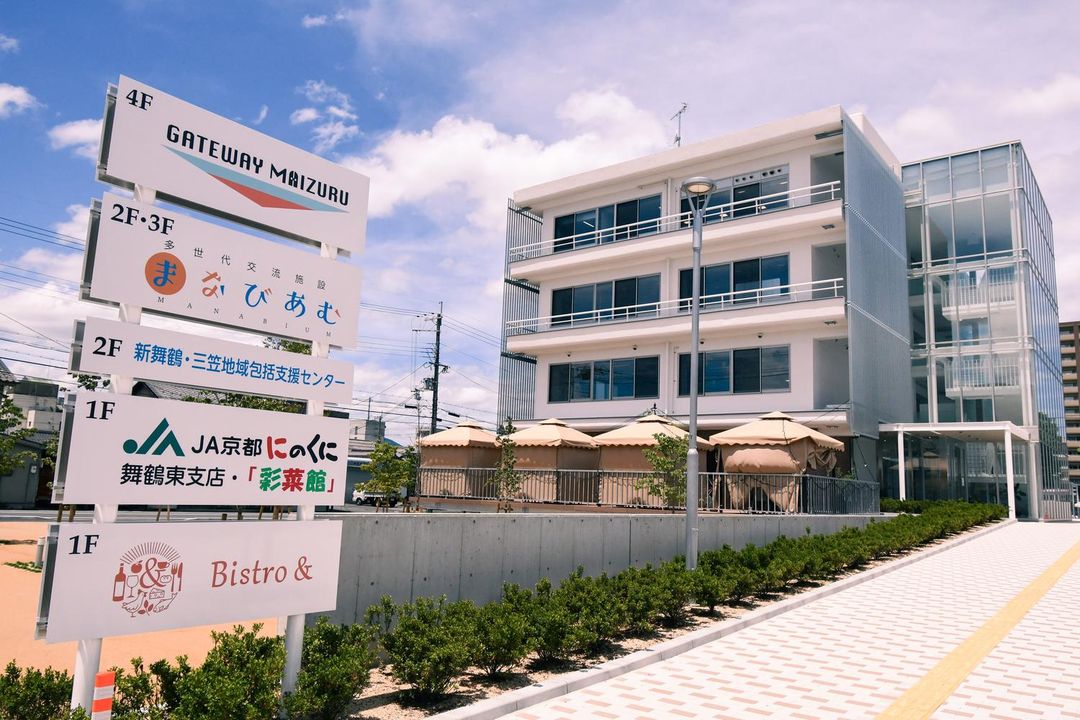
Gateway Maizuru
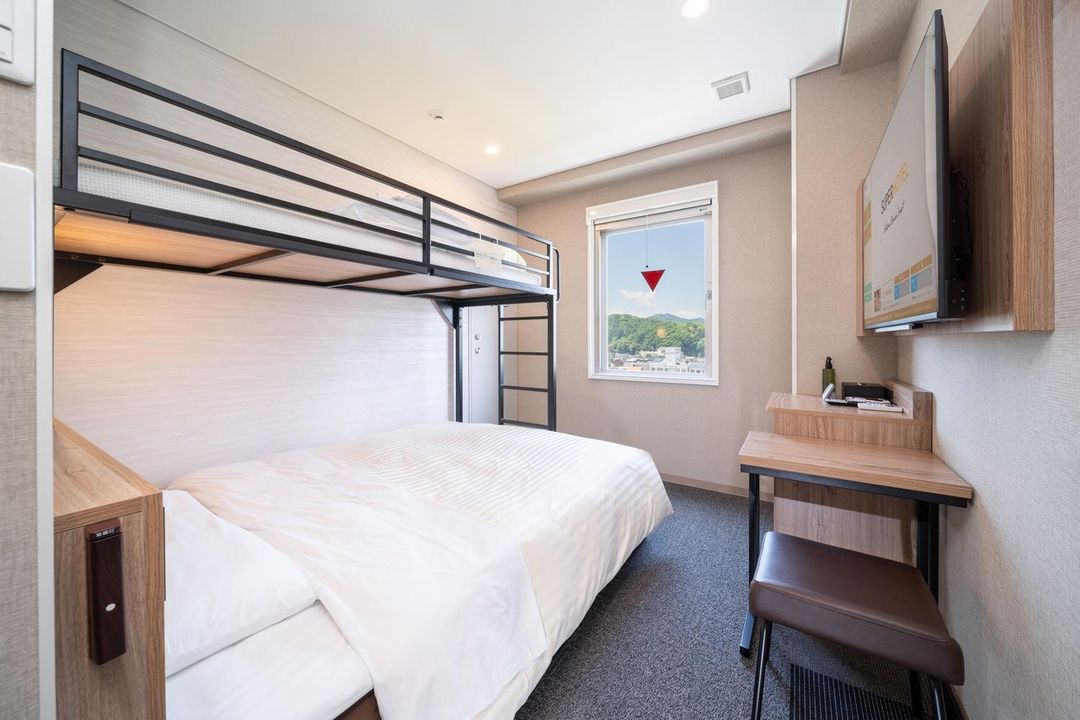
Super Hotel Higashi-Maizuru
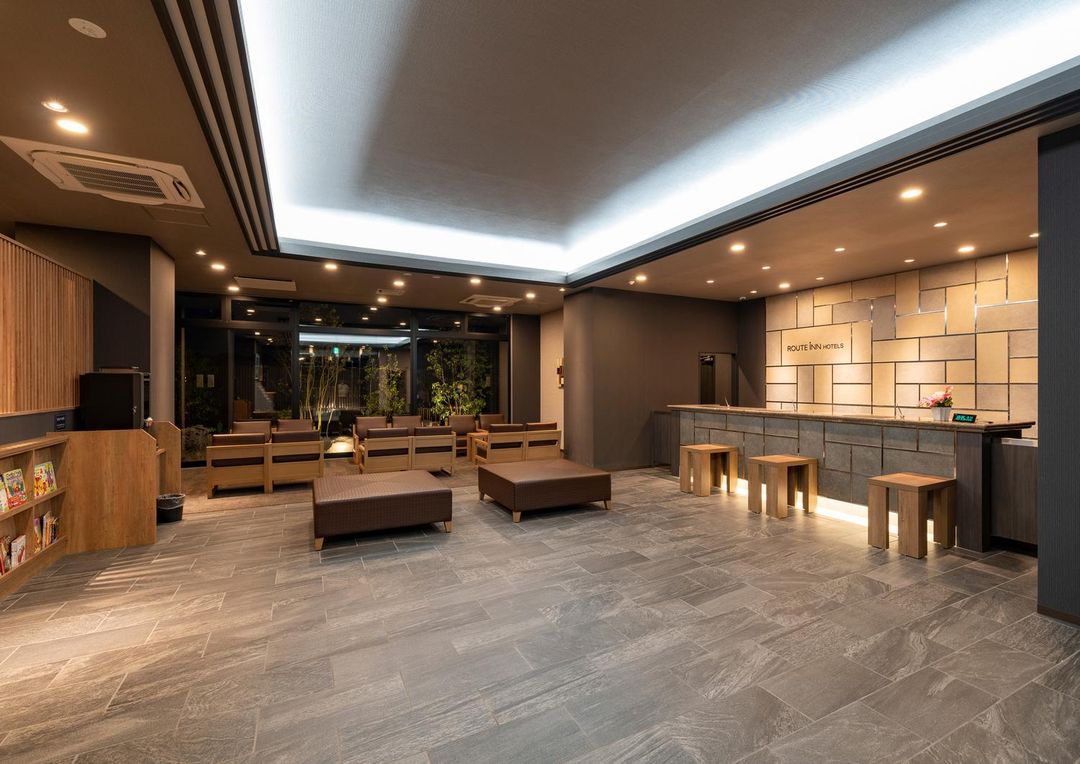
Hotel Route Inn Kyoto Maizuru -Nishi Maizuru Ekimae-
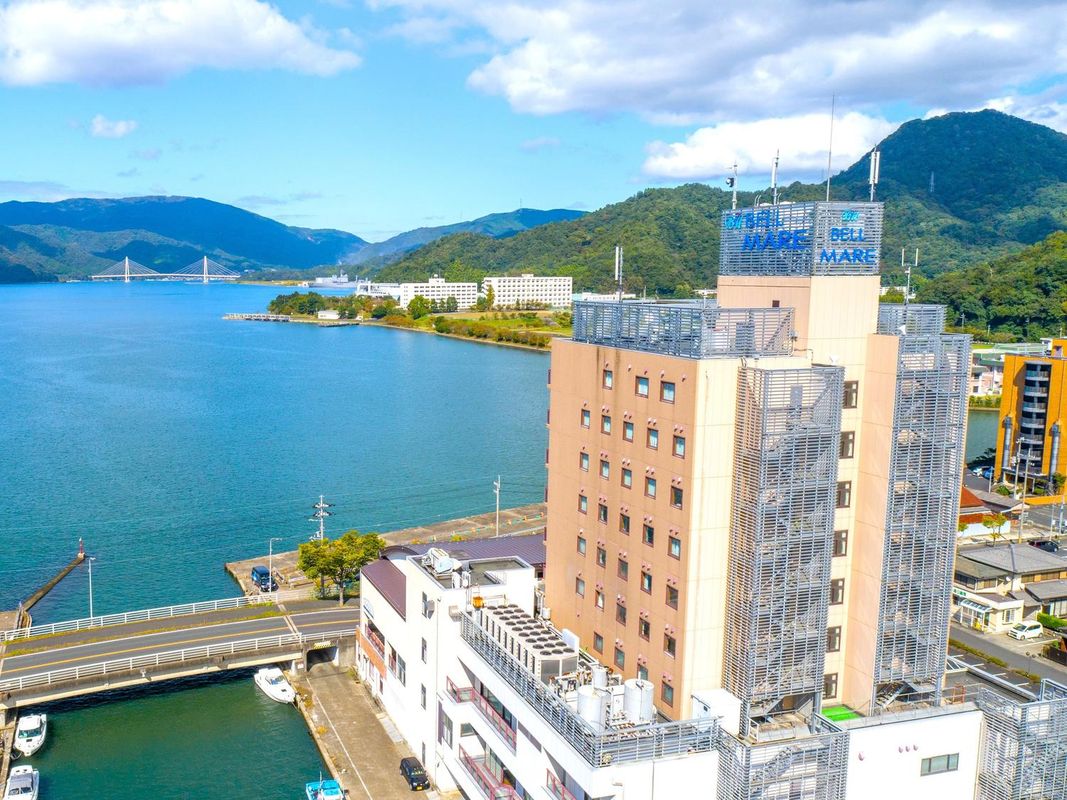
Hotel Bellmare
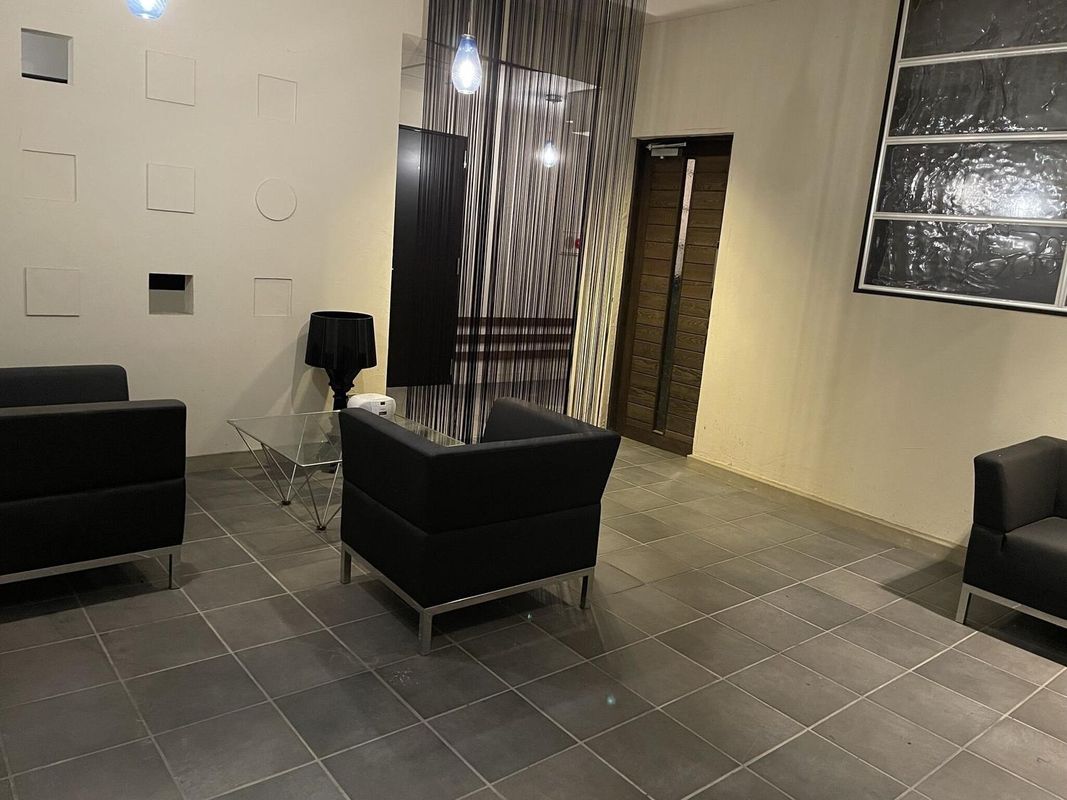
HOTEL Fuuga - Adults Only
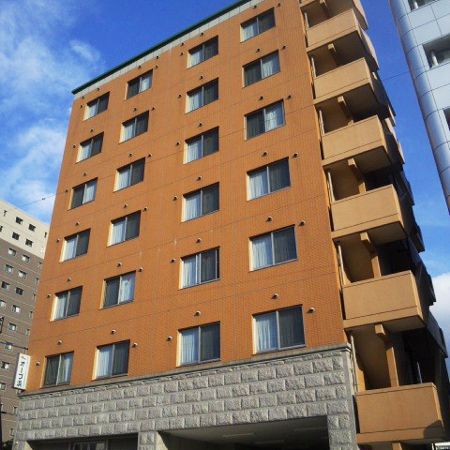
Business Inn Aube Hama
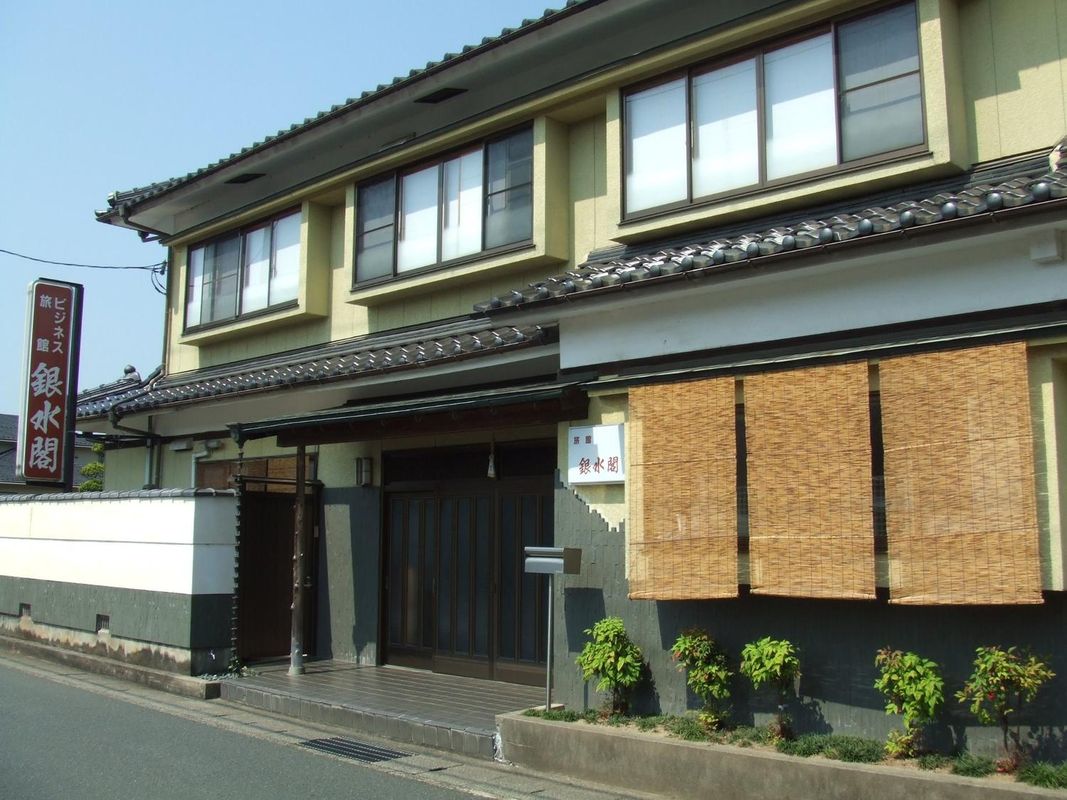
Ryokan Ginsuikaku
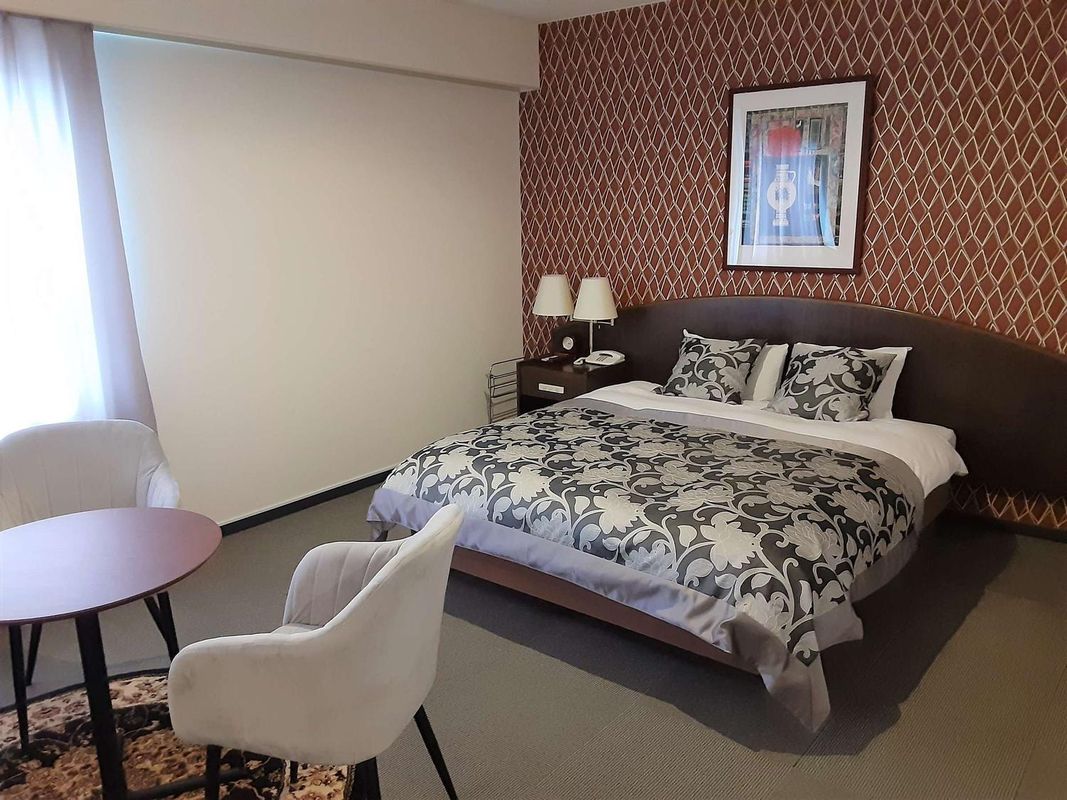
Hotel Amabile Maizuru
Best Hotels in Maizuru
Discover curated hotel collections in Maizuru
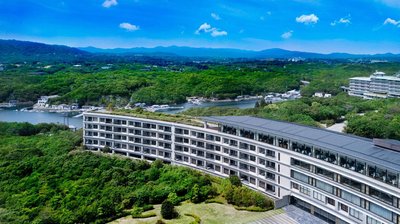
Shima Kanko Hotel the Bay Suites
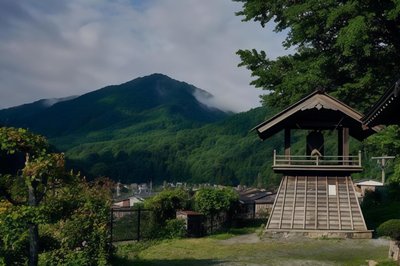
Byaku Narai
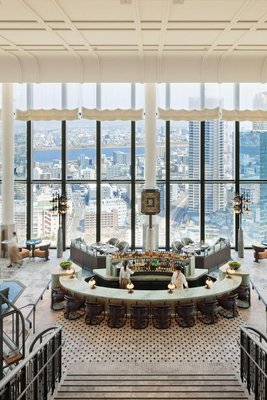
Waldorf Astoria Osaka
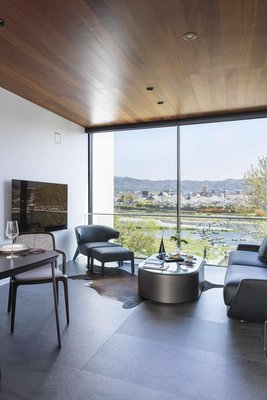
Kamo Residences by Reflections
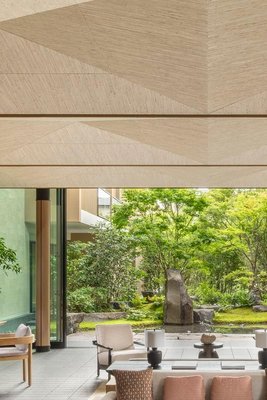
Six Senses Kyoto
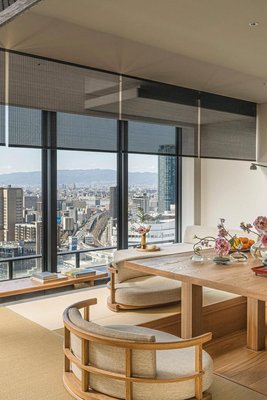
Four Seasons Hotel Osaka
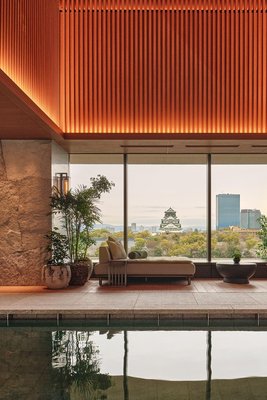
Patina Osaka
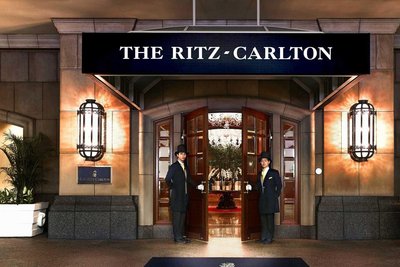
The Ritz-Carlton, Osaka
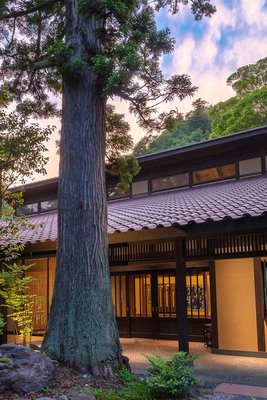
Arimasansoh Goshobessho
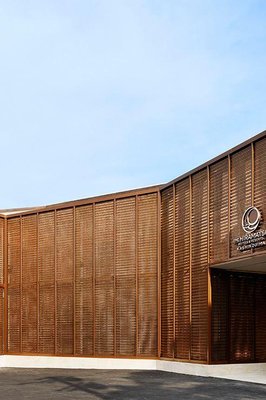
The Hiramatsu Hotels & Resorts Kashikojima
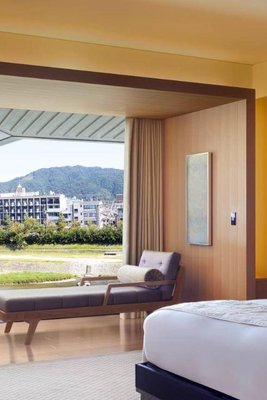
The Ritz-Carlton, Kyoto
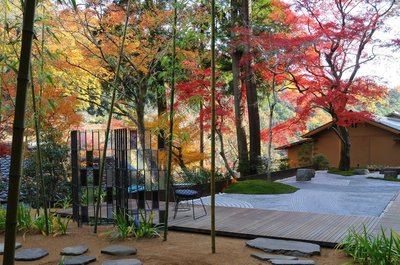
HOSHINOYA Kyoto
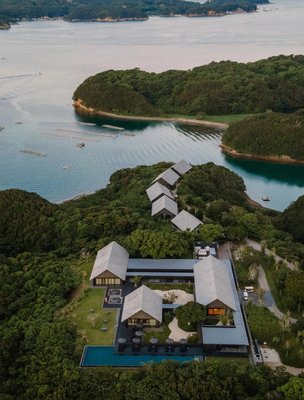
Amanemu
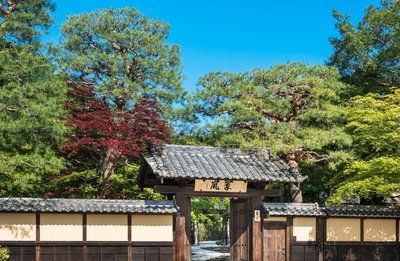
Suiran, a Luxury Collection Hotel, Kyoto
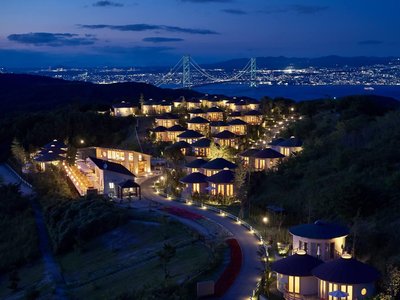
Grand Chariot Hokutoshichisei 135°
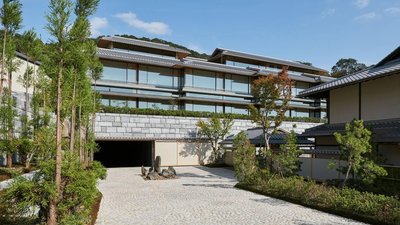
Park Hyatt Kyoto
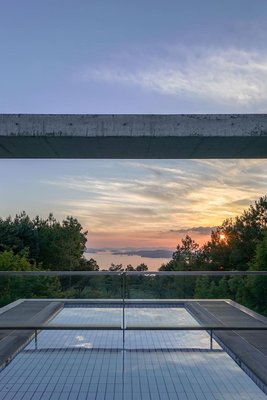
SETOUCHI RETREAT by Onko Chishin
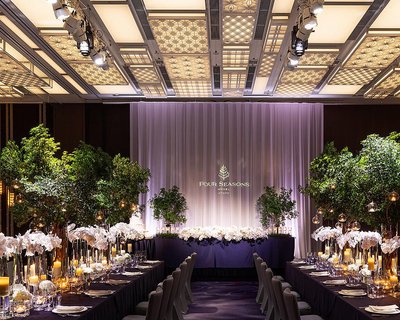
Four Seasons Hotel Kyoto
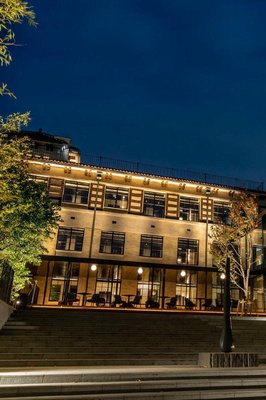
The Hotel Seiryu Kyoto Kiyomizu - a Member of the Leading Hotels of the World-
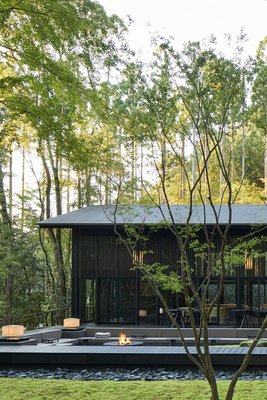
Aman Kyoto
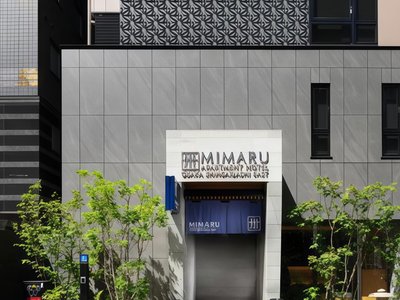
MIMARU Osaka Shinsaibashi East

Toba International Hotel Shiojitei
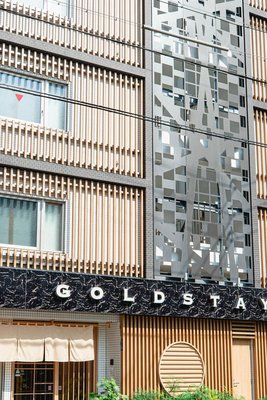
Gold Stay Nagoya OSU
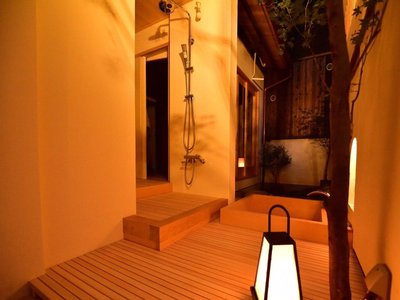
Yado Kiramachi
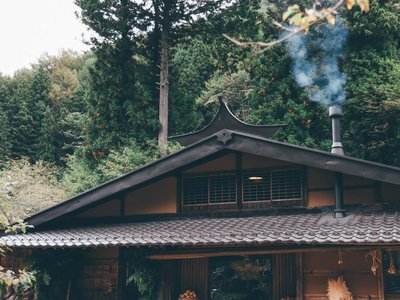
La Terra Resort
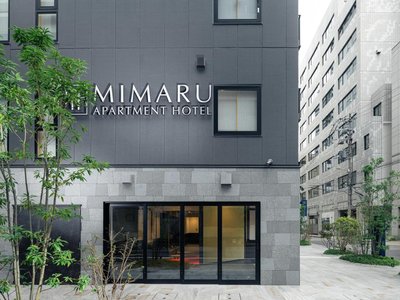
MIMARU Osaka Shinsaibashi North
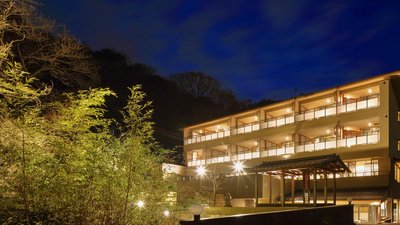
Okuno Hosomichi
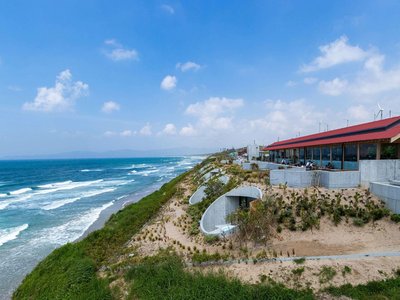
Izumo Hotel the Cliff
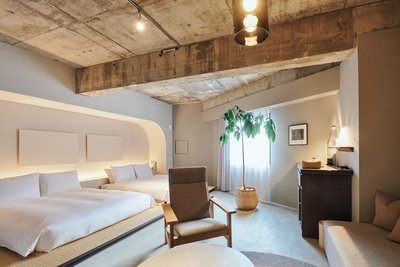
Korinkyo
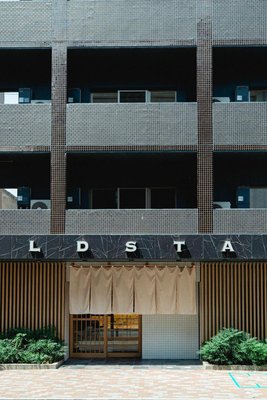
GOLD STAY Nagoya Sakae
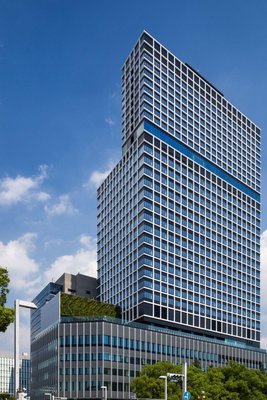
The Royal Park Hotel Iconic Nagoya
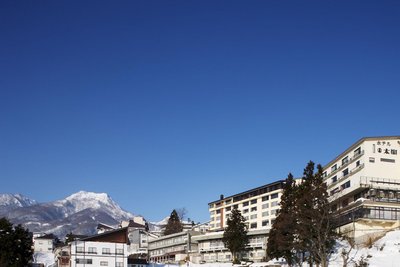
Hotel Taiko, Akakura Onsen
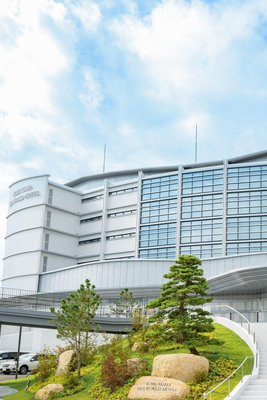
Kobe Suma Sea World Hotel
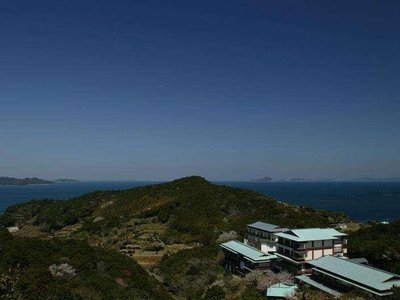
Hanashinsui
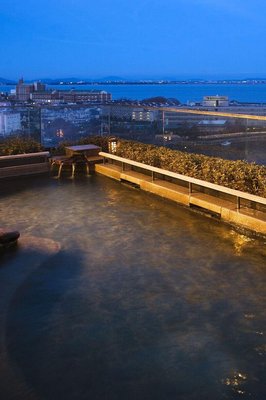
Yumotokan
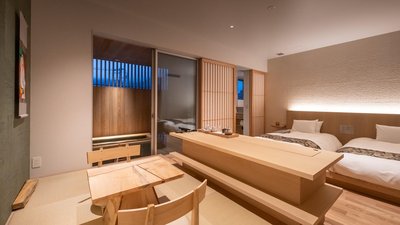
Japanese Auberge Kararako
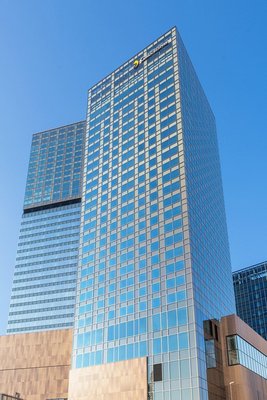
Hotel Hankyu GRAN RESPIRE OSAKA
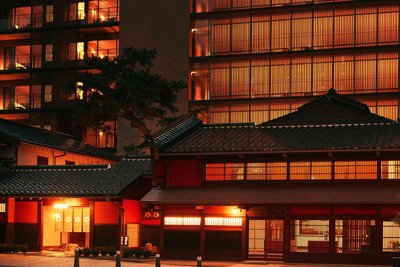
Hoshino Resorts Kai Kaga
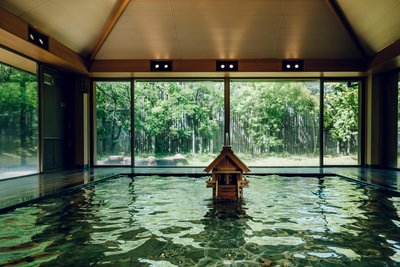
Hoshino Resorts KAI Tamatsukuri
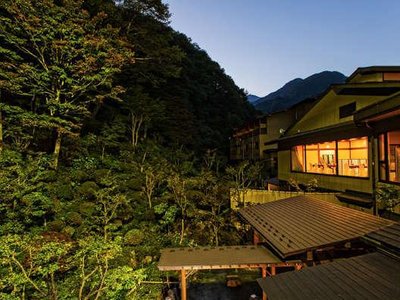
Futari Shizuka
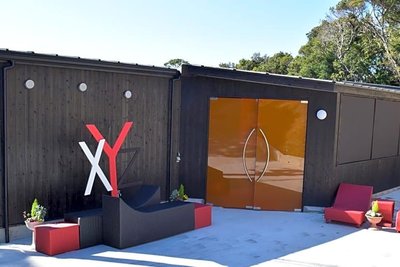
XYZ Private Spa and Seaside Resort
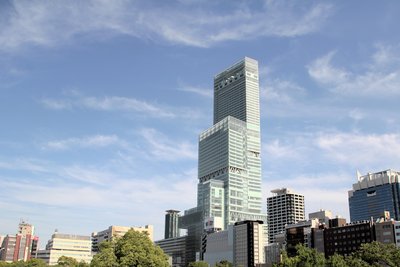
Osaka Marriott Miyako Hotel
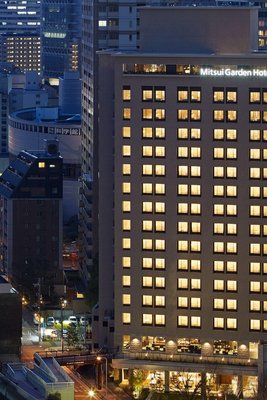
Mitsui Garden Hotel Osaka Premier
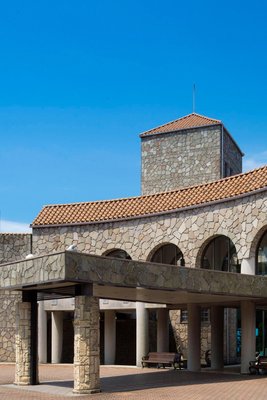
Izumigo Hotel Altia Toba
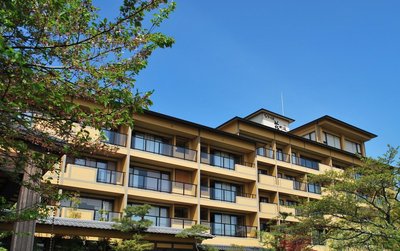
BIWAKO HANAKAIDO
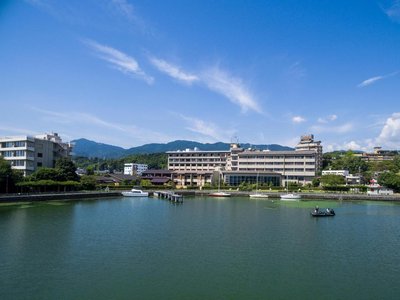
Biwako Ryokusuitei
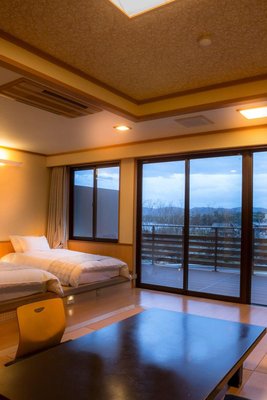
Hotel Kitanoya
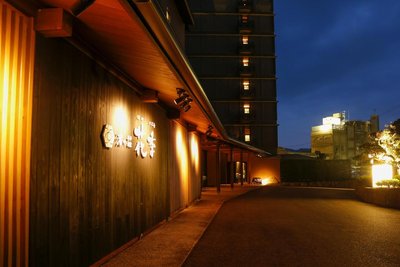
Hanagoyomi
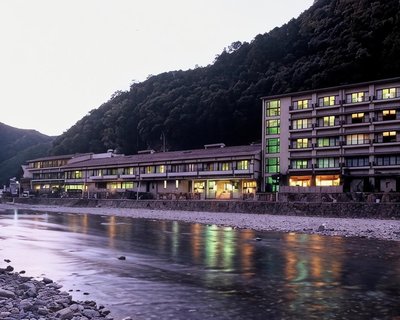
Kawayu Onsen Fujiya
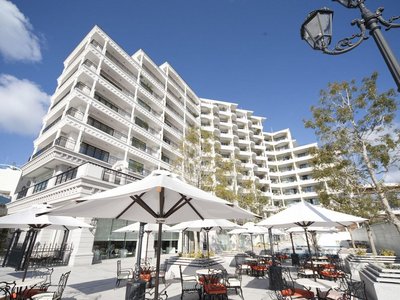
Hotel La Suite Kobe Harborland
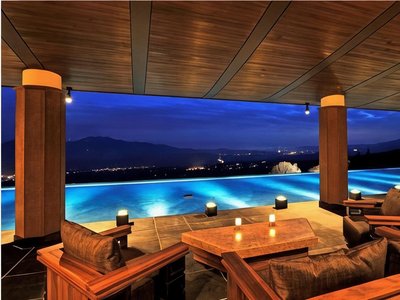
Akakura Kanko Hotel

AoAwo Naruto Resort
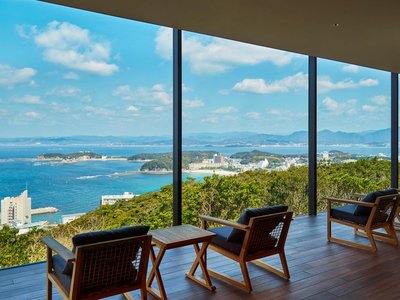
Infinito Hotel and Spa
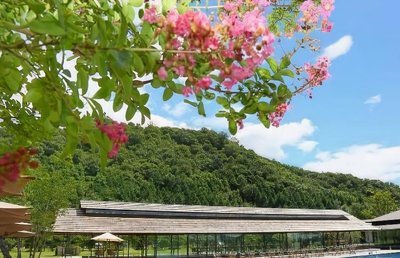
Bella Vista Spa and Marina Onomichi
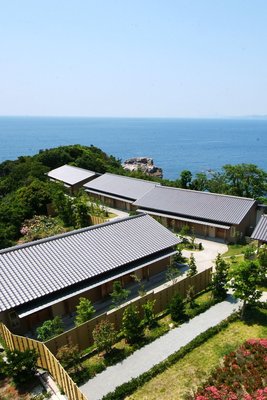
Hamachidorinoyu Kaisyu
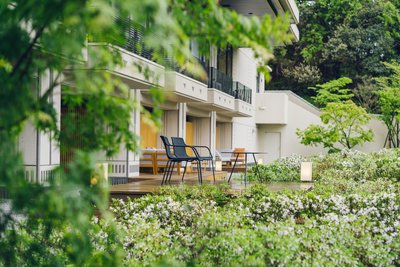
Hoshino Resorts Kai Enshu
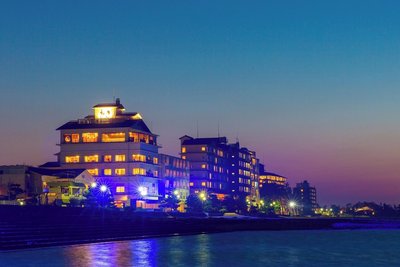
Kaike Shogetsu
The Ritz-Carlton, Kyoto
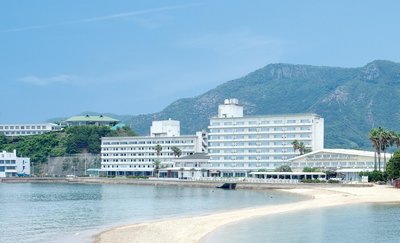
Shodoshima International Hotel
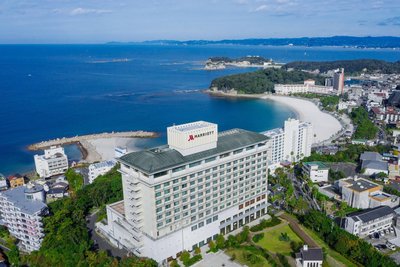
Nanki-Shirahama Marriott Hotel
Yado Kiramachi
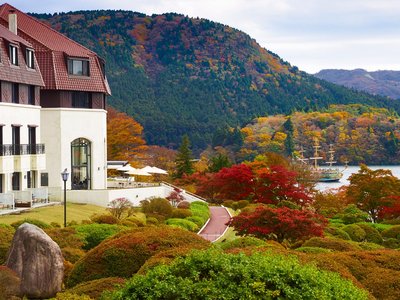
Hotakajyo
Arimasansoh Goshobessho
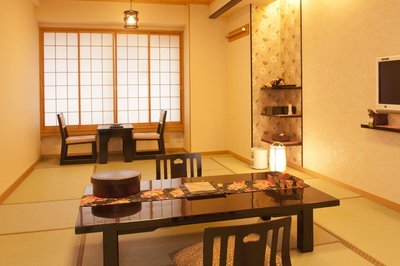
Matsui-Bekkan Hanakanzashi
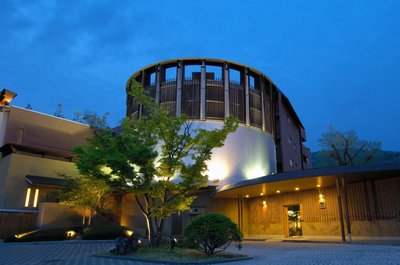
Hoshino Resorts Kai Matsumoto
Hoshino Resorts KAI Tamatsukuri

Taikyourou
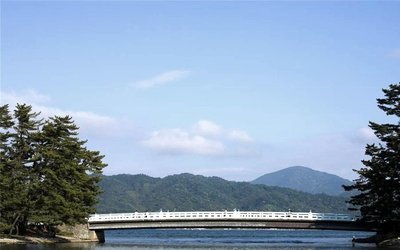
Monjusou Shourotei
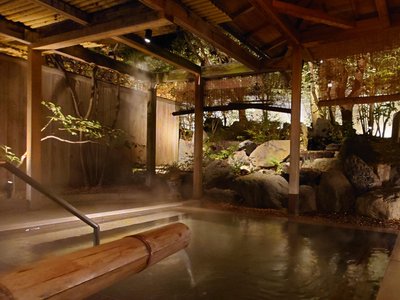
Kasuga Hotel
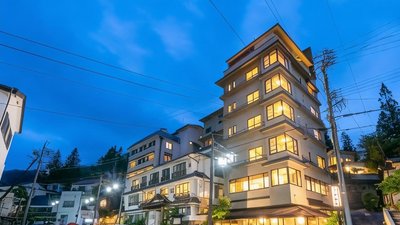
Nakamatsuya Ryokan
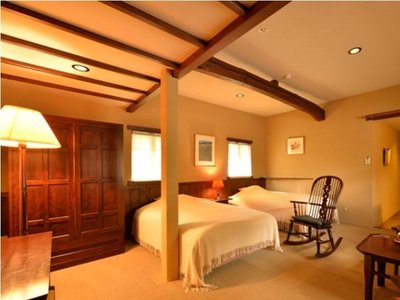
Ryokan Sugimoto
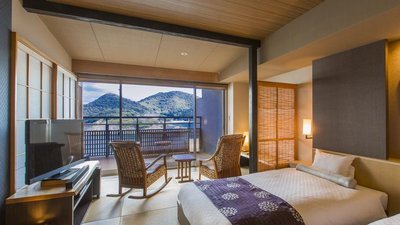
Migiwatei Ochi Kochi
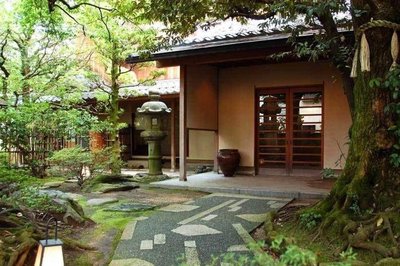
Kocho
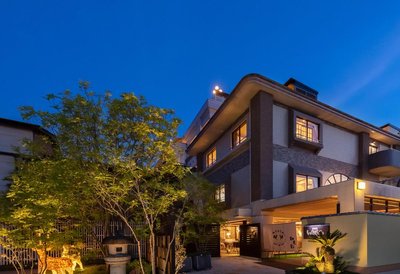
Hotel New Wakasa
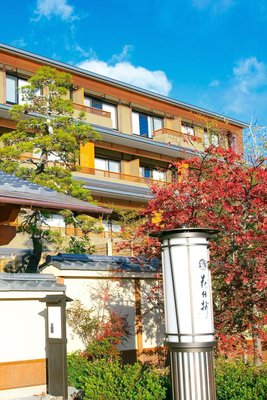
Kyoto Arashiyama Onsen Kadensho (Kyoritsu Resort)
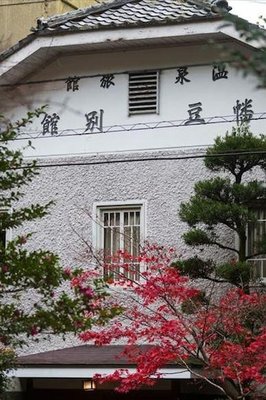
Oku-Mikawa・Yuya Onsen HAZU Bekkan
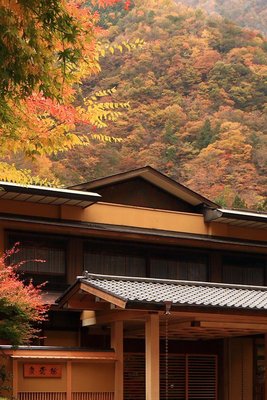
Nishiyama Onsen Keiunkan
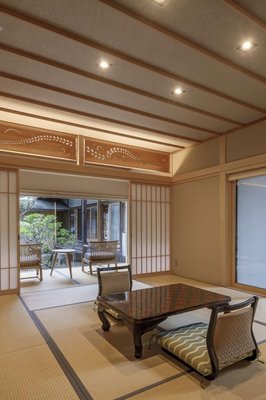
Ichijoin
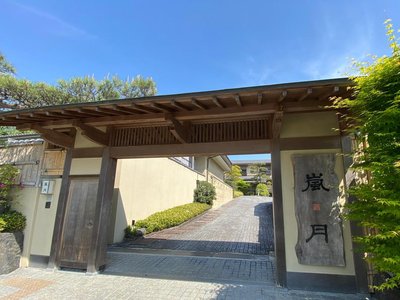
Rangetsu
The Ritz-Carlton, Kyoto
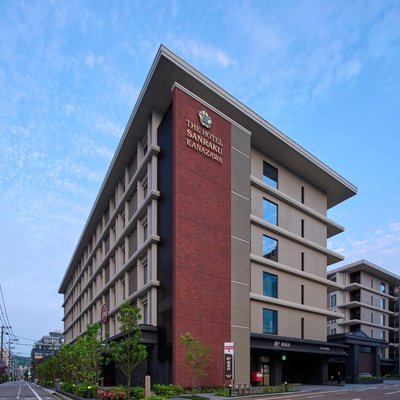
The Hotel Sanraku Kanazawa 21th December 2022 Open
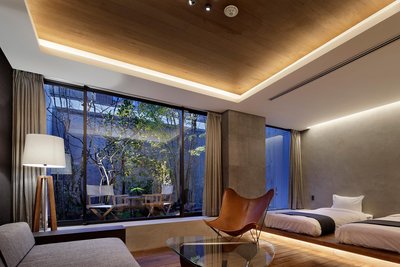
22 PIECES
The Ritz-Carlton, Osaka
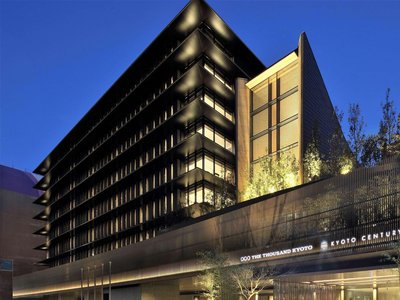
The Thousand Kyoto
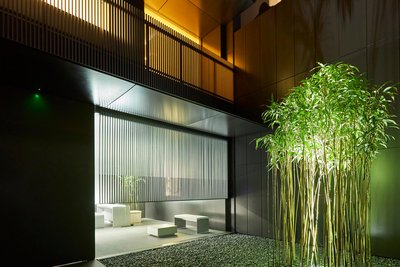
Mogana
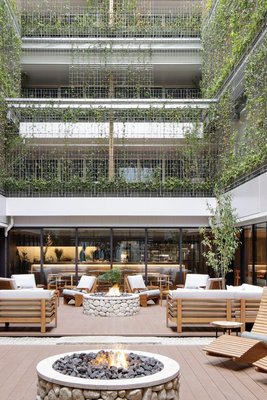
GOOD NATURE HOTEL KYOTO
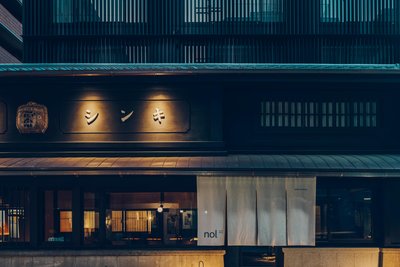
Nol Kyoto Sanjo
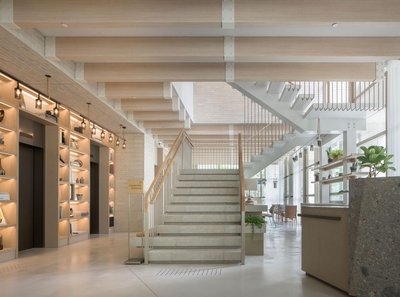
Zentis Osaka
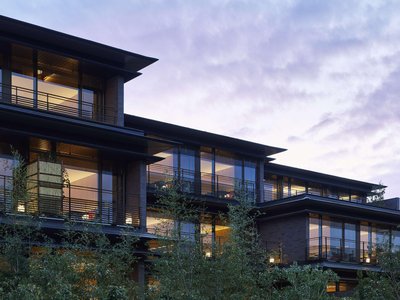
Garrya Nijo Castle Kyoto
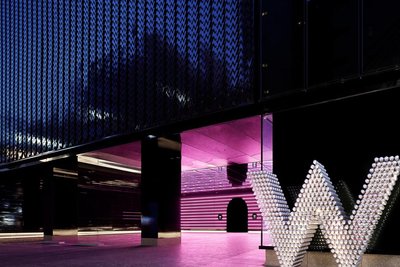
W Osaka
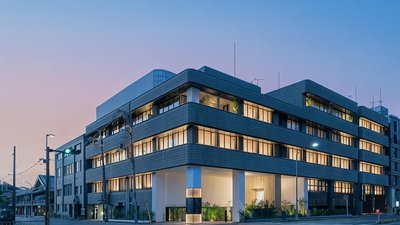
Hotel Kanra Kyoto
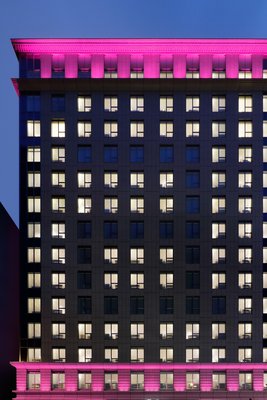
Aloft Osaka Dojima
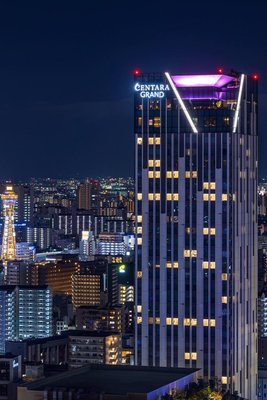
Centara Grand Hotel Osaka
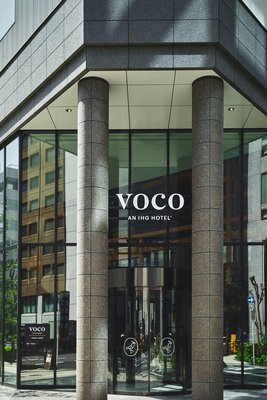
voco Osaka Central
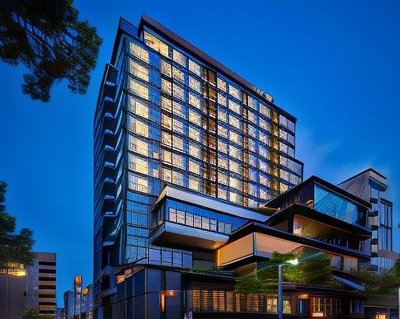
TIAD, AUTOGRAPH COLLECTION
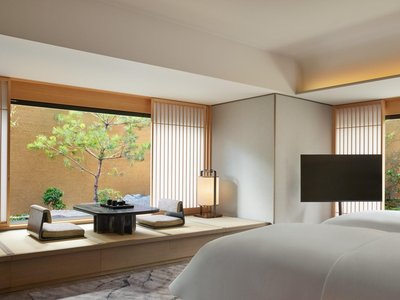
Dusit Thani Kyoto
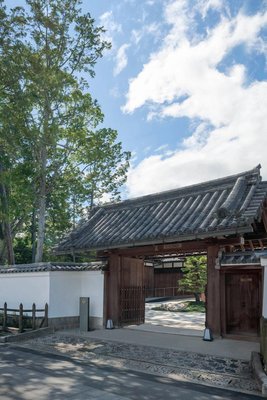
Shisui, a Luxury Collection Hotel, Nara
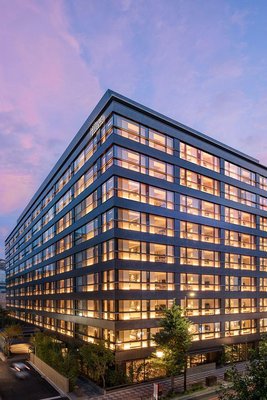
Hilton Kyoto
Osaka Marriott Miyako Hotel
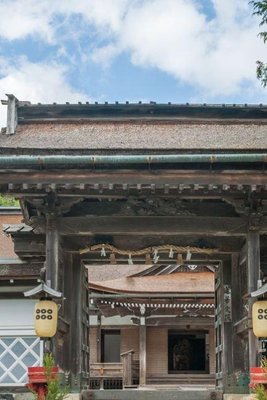
Koyasan Rengejoin
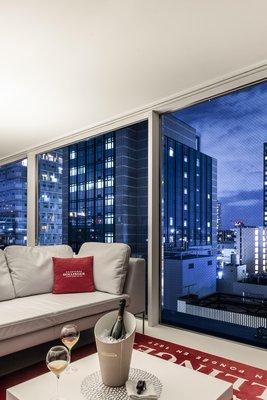
CUVÉE J2 HOTEL OSAKA by Onko Chishin
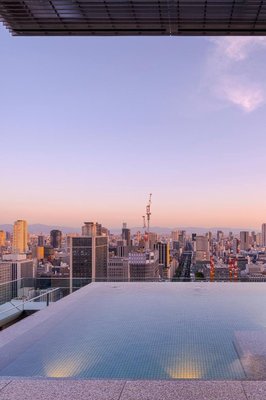
Candeo Hotels Osaka The Tower
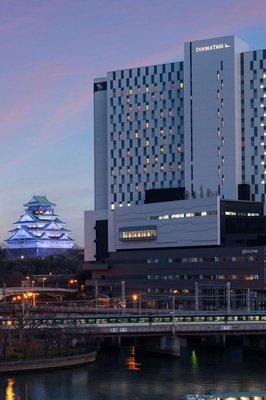
DoubleTree by Hilton Osaka Castle
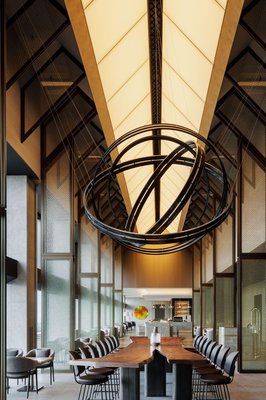
The Osaka Station Hotel, Autograph Collection
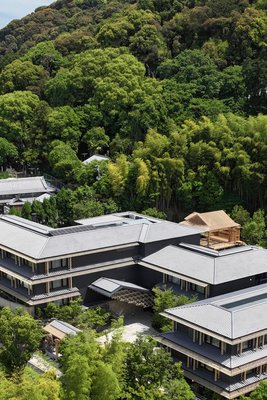
Banyan Tree Higashiyama Kyoto
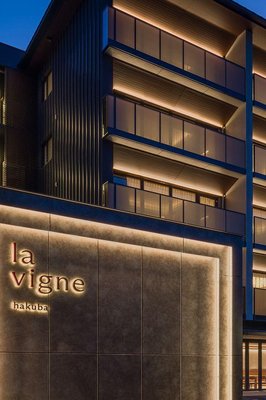
Hotel la Vigne Hakuba by Onko Chishin
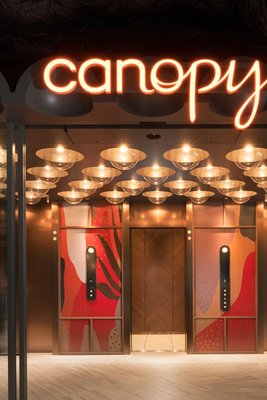
Canopy by Hilton Osaka Umeda
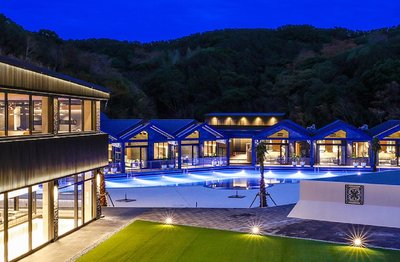
FIVE SPRING RESORT THE SHIRAHAMA
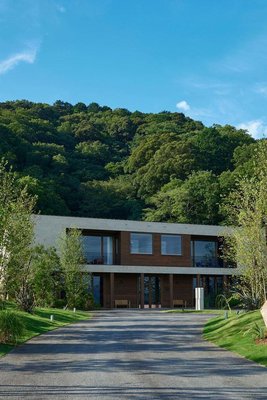
HACIENDA VISON
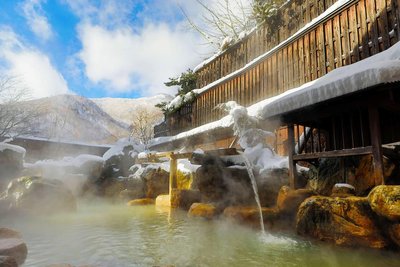
Miyamaouanbekkan yumegurinoyado hirayukan
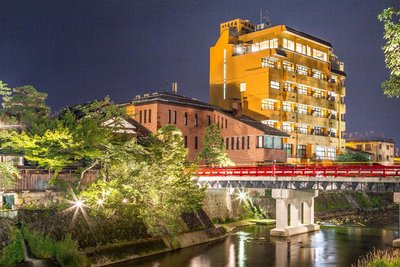
HONJIN HIRANOYA BEKKAN
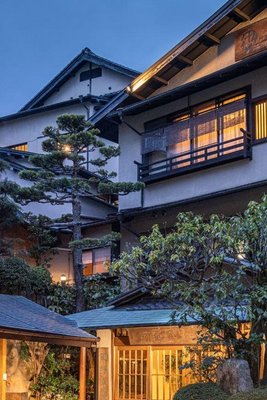
Arima Onsen Tocen Goshobo
Osaka Marriott Miyako Hotel
The Ritz-Carlton, Osaka
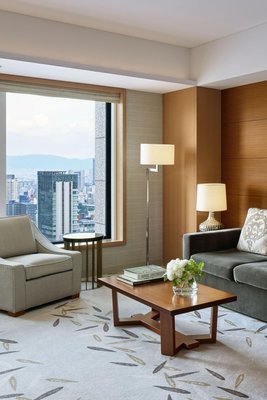
InterContinental Hotel Osaka
The Ritz-Carlton, Kyoto
Suiran, a Luxury Collection Hotel, Kyoto
GOOD NATURE HOTEL KYOTO
Park Hyatt Kyoto
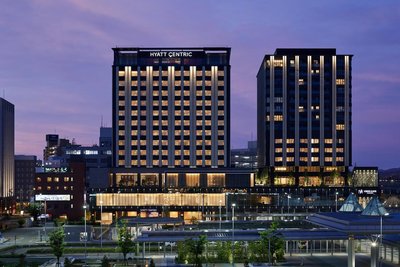
Hyatt Centric Kanazawa
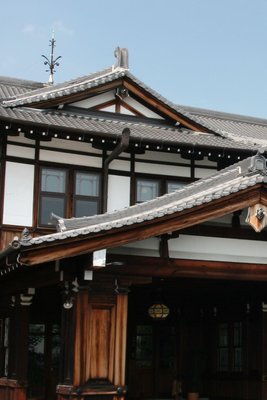
Nara Hotel
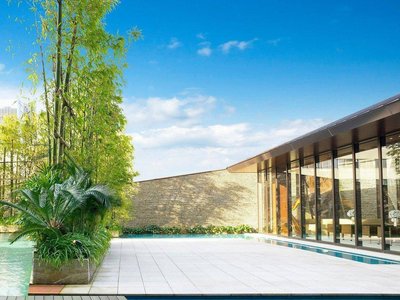
ORIENTAL HOTEL
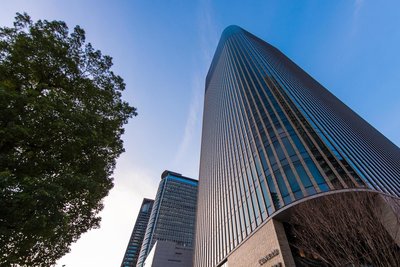
Conrad Osaka
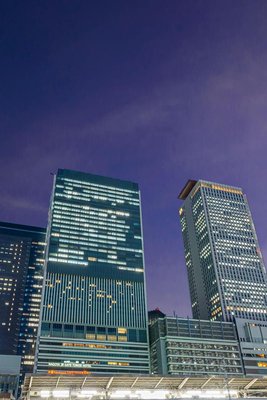
Nagoya JR Gate Tower Hotel (JR-Central Hotels)
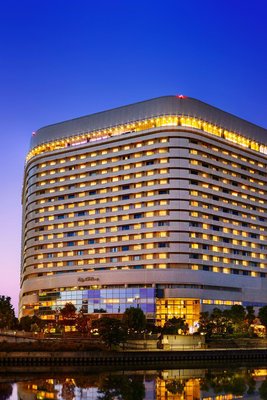
Hotel New Otani Osaka
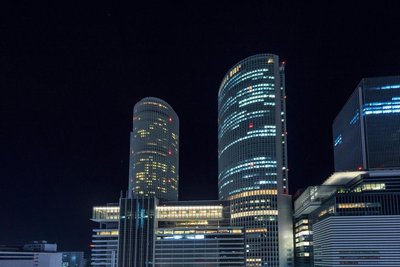
Nagoya Marriott Associa Hotel
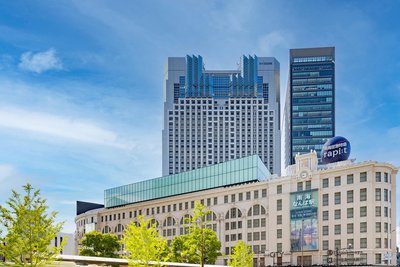
Swissotel Nankai Osaka
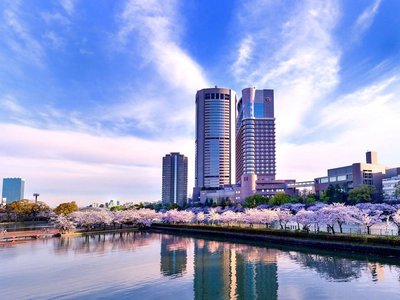
Imperial Hotel Osaka
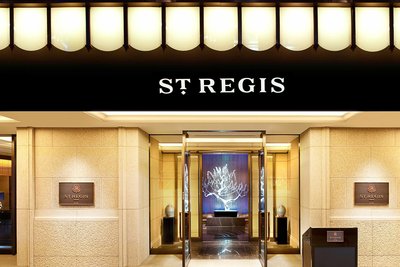
The St. Regis Osaka
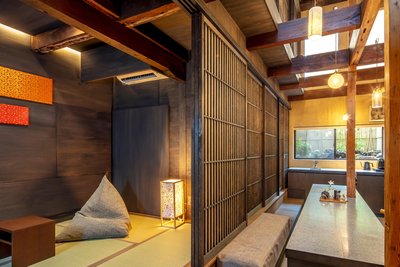
Kyo No Oozora Kihana
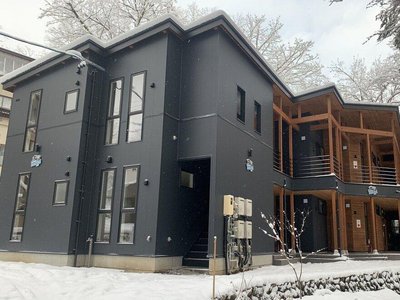
Hakuba Gondola Apartments
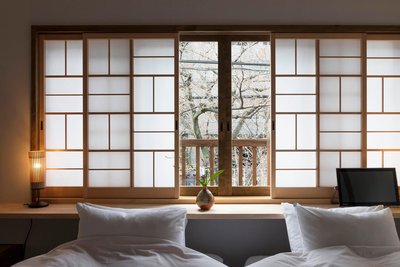
Hanagoromo Machiya House
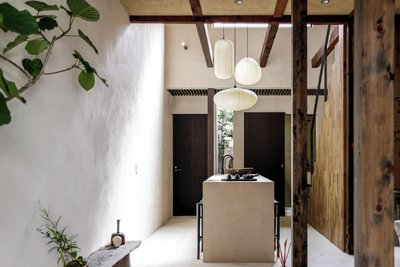
Maana Kiyomizu
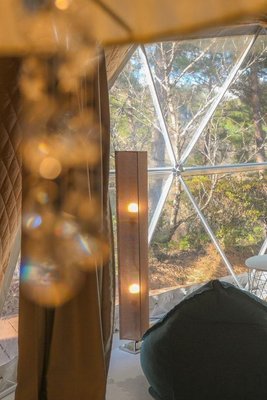
glampark Gekkabijin Nagano
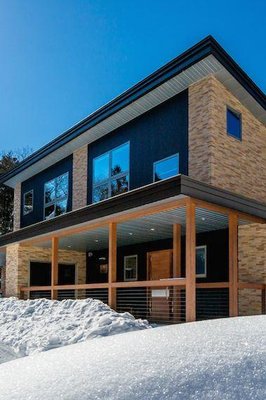
Phoenix Chalets by Hhg
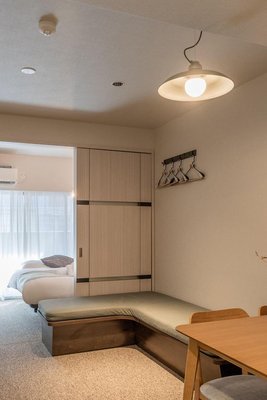
Apartment Hotel 11 Shinsaibashi
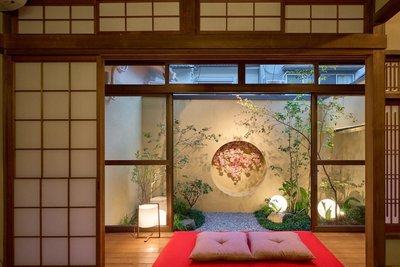
KONJAKUSO Osaka Tengachaya "NIHONCHA" Tea & Relax
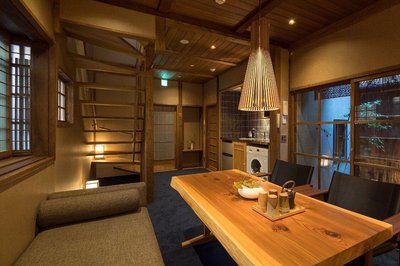
Bonbori an Machiya House
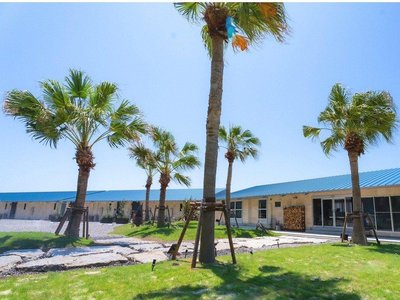
Glamping&Resort Wood Design Park Noma
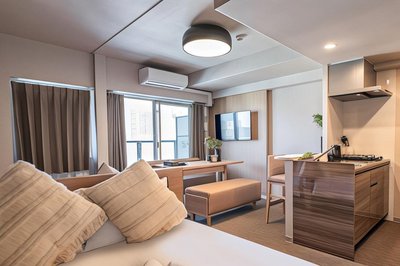
Apartment Hotel 11 Shinsaibashi III
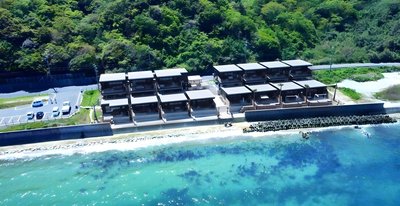
Solavilla Umi Terrace Minamiawaji
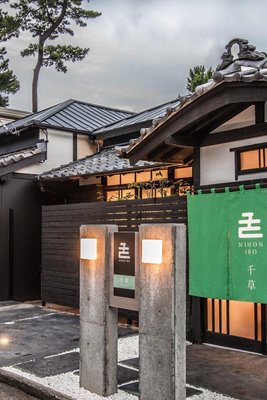
Nihon Iro
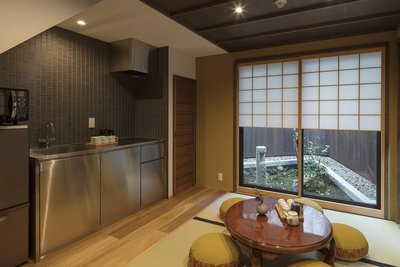
The Machiya Villa Sanjo Shirakawa Koji
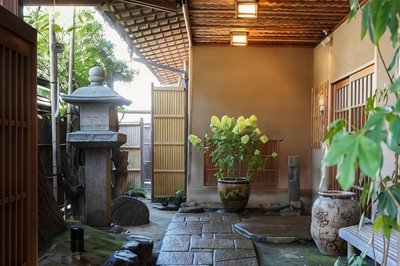
Ryokan Asadaya
Konjaku-So Dotonbori
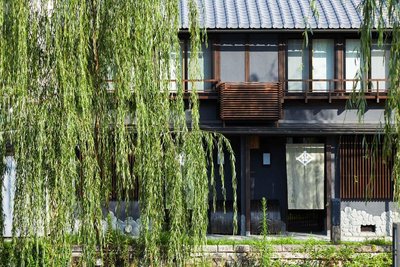
Gion Shirakawa No Yado

Kitashirakawa Natural Radium Onsen
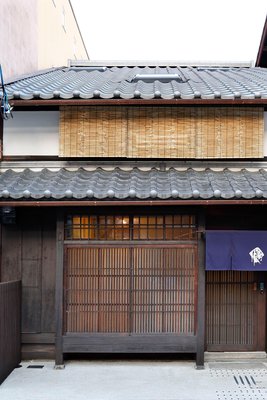
Kyo No Ondokoro Kamanza Nijo #2
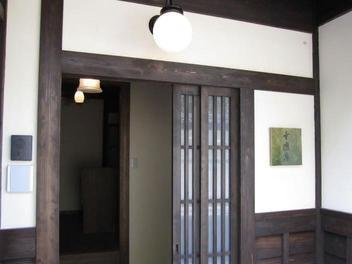
Gion Koyu an Machiya House

Hotel Barrière Fouquet's New York

Shima Kanko Hotel the Bay Suites
Byaku Narai
Waldorf Astoria Osaka
Kamo Residences by Reflections
Six Senses Kyoto
Four Seasons Hotel Osaka
Patina Osaka
The Ritz-Carlton, Osaka
Arimasansoh Goshobessho

The Plaza - A Fairmont Managed Hotel
The Hiramatsu Hotels & Resorts Kashikojima
The Ritz-Carlton, Kyoto
HOSHINOYA Kyoto

The Ritz-Carlton New York, Central Park

Four Seasons Hotel New York

The St. Regis New York

Park Hyatt New York

Mandarin Oriental New York
Amanemu
Frequently Asked Questions about Traveling to Maizuru
Questions You Might Need to Know About Traveling to Maizuru
For a stunning seaside view in Wakasa, stay at Wakasa Bay Hotel, located directly on Wakasa Port. Its floor-to-ceiling windows offer panoramic views of the Sea of Japan, while traditional Japanese rooms and local seafood dining enhance the coastal experience. For a more tranquil option, Wakasa Nature Lodge near Shirayama Park blends nature immersion with modern comfort, ideal for those seeking serenity. Additionally, Hotel Sunroute Plaza Wakasa, close to Higashi-Wakasa Station, provides easy access to the harbor and scenic sunsets, making it perfect for both leisure and business travelers.
The central district around Higashi-Wakasa Station is the best area for accommodations in Wakasa City. It offers excellent access to Wakasa Port, Naval Museum, and Wakasa Castle Ruins, with multiple chain hotels and ryokans nearby. For a quieter stay, consider Shirayama Park or Tomiya Town, where you can enjoy peaceful surroundings and authentic Kita Danbara culture. Hotels along the harborfront provide sunrise and sunset views, perfect for photography enthusiasts and romantic getaways.
Must-do cultural experiences in Wakasa include visiting the Wakasa Naval Museum, which showcases Japan’s naval history from Meiji to Shōwa periods. Attend the Wakasa Gion Festival every July, featuring traditional floats, taiko drumming, and night lantern displays. Participate in Kita Danbara pottery workshops to create your own Wakasa-yaki ceramics. Experience morning prayers at Shirayama Shrine, a historic site dating back to the Heian era. Also, visit Wakasa Fish Market to savor fresh skipjack tuna and sea urchin, enjoying local culinary traditions firsthand.
Top local foods in Wakasa include fresh skipjack tuna sashimi, especially "Mizusaburo"—a delicate variety known for its sweet flavor. Try sea urchin rice bowls made with locally harvested uni, rich and creamy. Don’t miss Wakasa-style grilled fish, prepared with regional sauces using catch-from-the-day seafood. Sample Kita Danbara ramen, hand-pulled noodles with a deep broth, topped with tender chashu and soft-boiled egg. At Wakasa Fish Market, pair your meal with locally brewed Wakasa rice wine, crisp and slightly sweet—perfect as a digestif.
Recommended natural attractions in Wakasa include Shirayama Park, featuring centuries-old trees, walking trails, and seasonal blooms—ideal for cherry blossoms in spring and vibrant foliage in autumn. The Wakasa Harbor coastline offers scenic walks and breathtaking sunset views. Visit Kobayashi Cape for panoramic vistas of the Pacific Ocean and distant islands. For eco-tourism, explore Wakasa Wetland Park, a haven for migratory birds—especially ducks and storks during winter. Parts of the San'in Kaigan National Park extend into Wakasa, offering dramatic cliffs, sea caves, and pristine forests perfect for hiking and photography.
Key historical sites in Wakasa City include the Wakasa Castle Ruins, remnants of a feudal-era castle with stone walls and a reconstructed donjon base, offering insight into Edo-period architecture. The Wakasa Naval Museum displays rare ship models and wartime artifacts, highlighting Japan’s maritime legacy. Shirayama Shrine, established in the Heian period, features beautifully preserved wooden structures and a sacred garden reflecting Shinto tradition. The Old Yūkō Post Station demonstrates the region’s ancient postal system, once vital for communication across the San’in region.
Yes, Wakasa is highly suitable for family travel. Shirayama Park features child-friendly playgrounds and walking paths, perfect for parents and kids. The Wakasa Naval Museum offers interactive exhibits that engage children in naval history. Wakasa Harbor has a family-friendly pier for watching fishing boats and seabirds. Many hotels, like Wakasa Nature Lodge, provide family rooms and kid-oriented activities. Local events such as pottery workshops for children and seafood festivals make it an enriching destination for all ages. Easy access from Kyoto via JR trains adds to its convenience.
Major festivals in Wakasa include the Wakasa Gion Festival (July), featuring elaborate floats, taiko performances, and night illumination. The Wakasa Seafood Festival (October) celebrates local catches with tasting booths, cooking demos, and live music at the harbor. The Shirayama Shrine Spring Festival includes traditional dances and purification rituals. Additionally, the Kita Danbara International Ceramics Festival invites global artists for exhibitions and hands-on workshops, blending art and culture in a unique way.
The easiest way to travel from Kyoto to Wakasa City is by JR West Railway. Take the North Kansai Line from Kyoto Station to Higashi-Wakasa Station, a journey of about 1 hour 20 minutes with frequent departures. Use the ICOCA card for seamless travel. Alternatively, ride the limited express Thunderbird train to Wakasa Station for a scenic route through the San’in region. Bus services like Kita Danbara Tourist Bus also run from Kyoto Station or Fushimi Inari Shrine, though they take longer—ideal for budget travelers who enjoy rural landscapes.
While Wakasa City itself lacks natural hot springs, nearby Kita Danbara and Miyazu offer excellent options. Visit Yano Onsen or Miyazu Onsen, both accessible within 30–45 minutes by car. These natural mineral springs feature clean, therapeutic waters, often with open-air baths overlooking mountains or sea. Some high-end hotels in Wakasa, like Wakasa Bay Hotel, have indoor hot spring baths—even if not natural, they’re well-maintained and relaxing. Many ryokans also offer combo packages with hot spring + seafood dinner, blending wellness and local cuisine.
Maizuru Overview
City Summary
Maizuru, located in northern Kyoto Prefecture, is a port city blending maritime charm with historical significance. As a vital Japan Sea harbor, it showcases naval heritage through landmarks like Maizuru Red Brick Park and the scenic bay area. The city's Showa-era retro atmosphere makes it ideal for off-the-beaten-path exploration.
Must-See Attractions
Don't miss Maizuru Red Brick Park, converted from Meiji-era military warehouses now housing museums. The Repatriation Memorial Museum documents post-WWII repatriation history. Stroll along Maizuru Bay at dusk for unique views of fishing boats mingling with naval vessels. Birdwatchers can explore Yura River Estuary's migratory habitats.
Food Guide
Try Gunkanzushi (battleship sushi) originating from naval cuisine. At Maizuru Fish Market, savor grilled oysters and mackerel sushi at dawn. Local confectionery Red Brick Yokan mirrors the city's iconic structures. Pair Maizuru Craft Beer with salt-grelled sweetfish at izakayas.
Transportation Guide
Take JR San'in Line from Kyoto Station to Nishi-Maizuru (2hrs) or highway buses (1.5hrs). The "Maizuru Loop Bus" (500 yen/day pass) covers key attractions. Taxis start at 650 yen with 30% night surcharge. Note: Some naval areas require advance access permits.
Best Time to Visit
Prime season is April for cherry blossoms against red bricks, or November for autumn foliage. Avoid August Obon crowds. Winter brings strong sea winds requiring warm layers.
Travel Tips
- Photography restrictions apply in naval zones
- Cash preferred at fish markets
- Bring jackets even in summer for brick building interiors
- Check bus schedules due to infrequent service
- Maintain solemn respect at memorial sites
- Wear non-slip shoes near wet docks
Useful Information
Language: Japanese primarily; Simplified Chinese signage at attractions. Internet: Free Wi-Fi at libraries and Red Brick Park. Payment: Credit cards accepted only at major hotels; carry 30,000 yen cash. Emergency: City Hospital near Nishi-Maizuru Station (24hr ER). Key contact: Police 011-222-1234 (English requires transfer).









