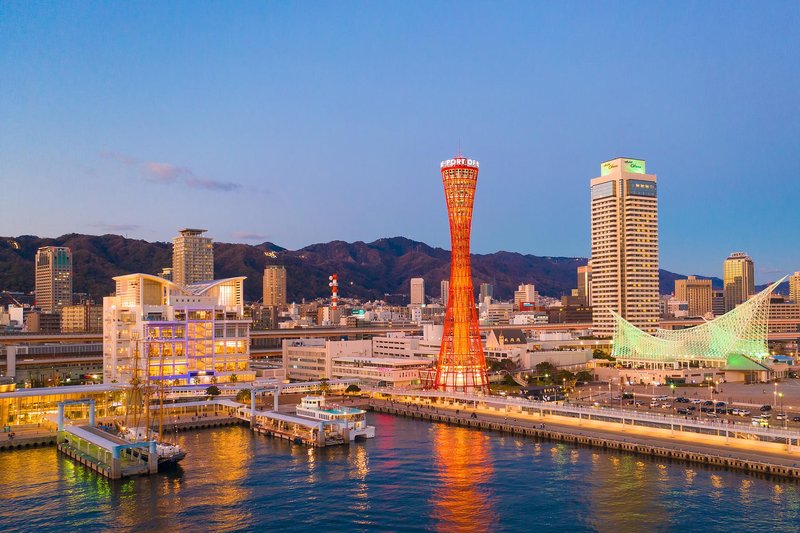
Hotels in Makinohara
Discover your perfect stay in Makinohara.
Makinohara(Japan) Travel 2026: Cheap Flights, Hotels & Top Attractions
Popular Landmarks in Makinohara
Discover the most iconic attractions in Makinohara
Recommended Hotels in Makinohara
Find the perfect place to stay in Makinohara
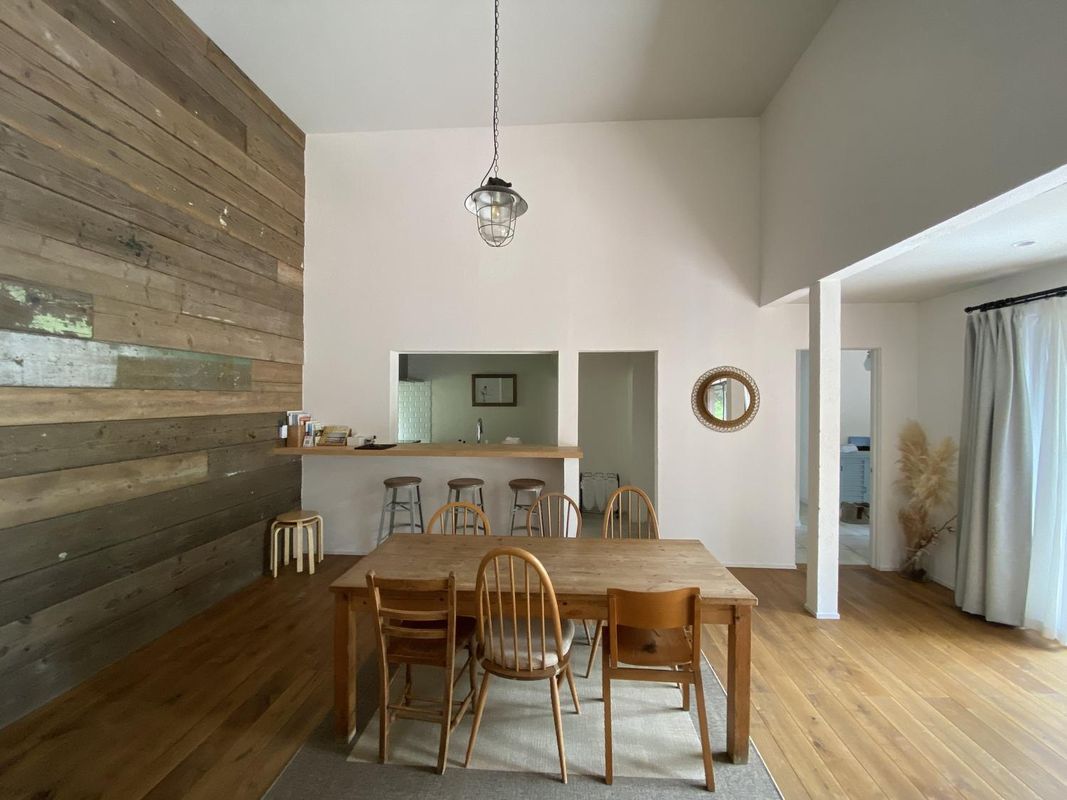
Hazcottage
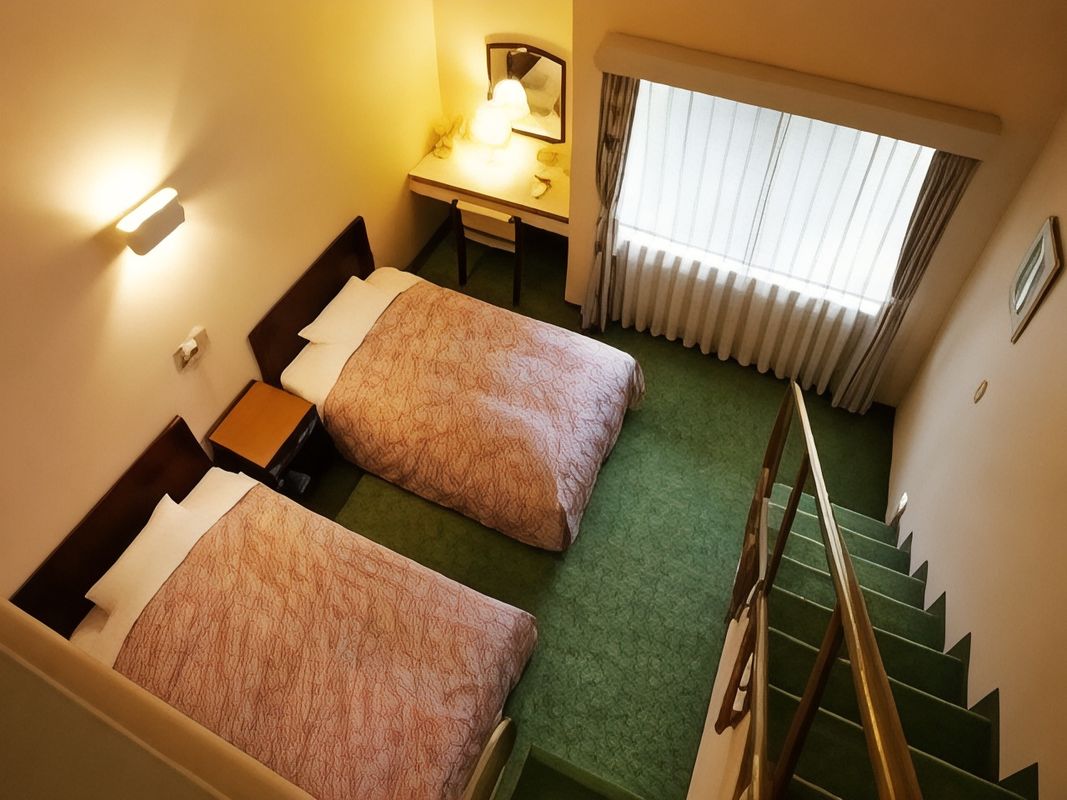
Shizunami Resort Hotel Swing Beach
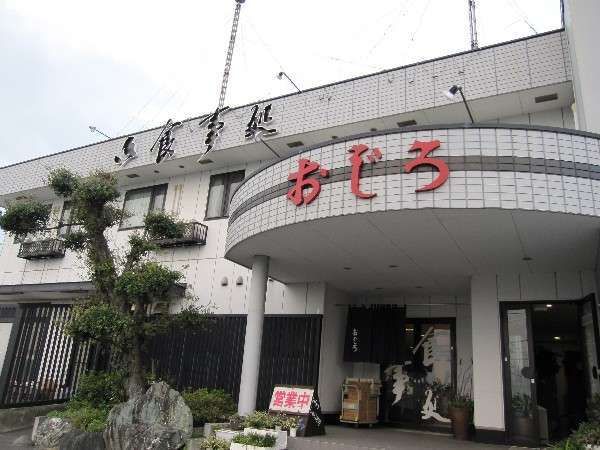
Business Hotel Ojiro
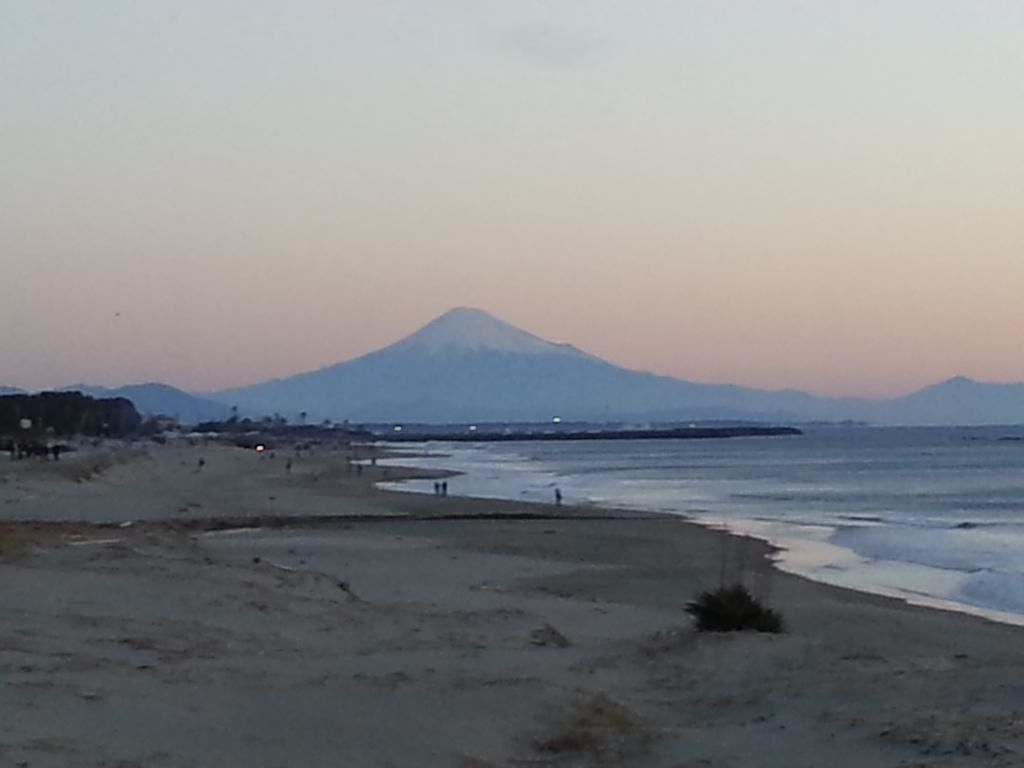
Kaigandoori
Best Hotels in Makinohara
Discover curated hotel collections in Makinohara
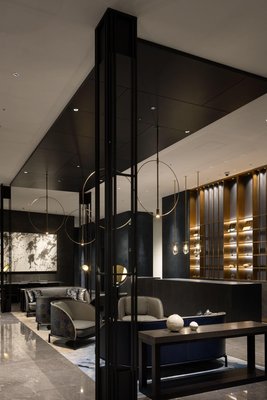
Bellustar Tokyo, A Pan Pacific Hotel
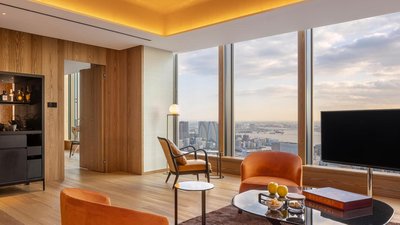
Bvlgari Hotel Tokyo
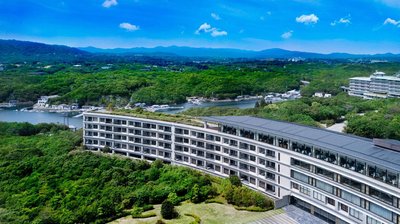
Shima Kanko Hotel the Bay Suites
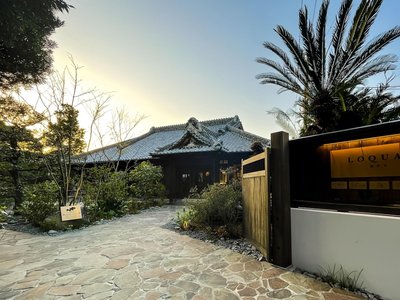
Loquat Nishiizu
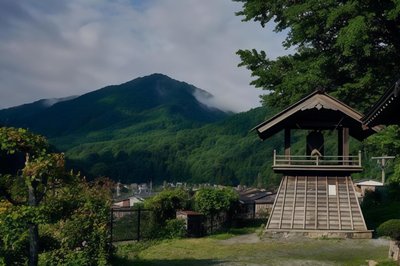
Byaku Narai
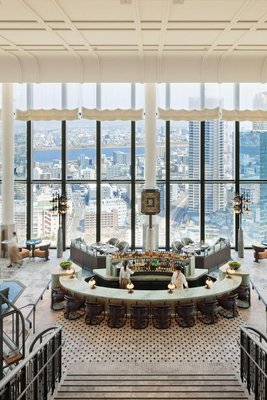
Waldorf Astoria Osaka
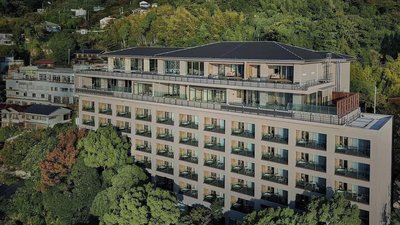
Atami Izusan Karaku
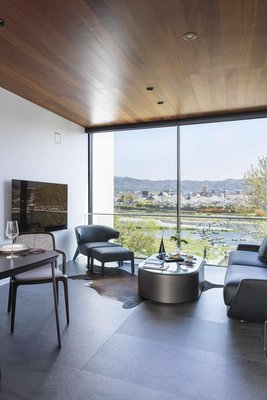
Kamo Residences by Reflections
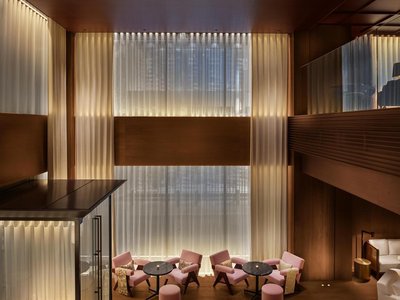
The Tokyo Edition, Ginza
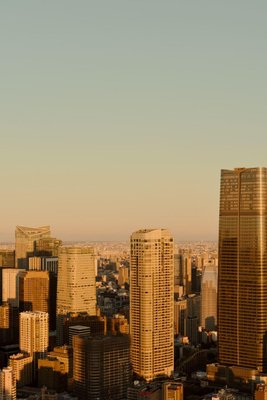
Janu Tokyo
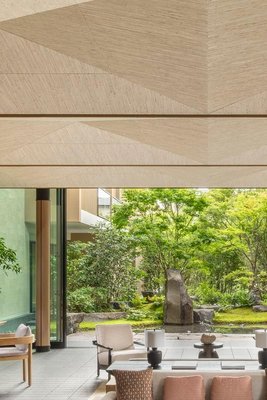
Six Senses Kyoto
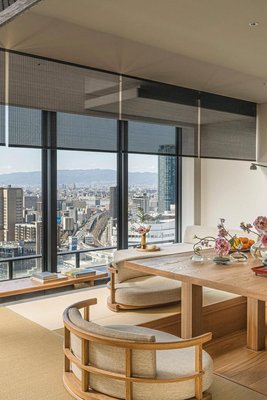
Four Seasons Hotel Osaka
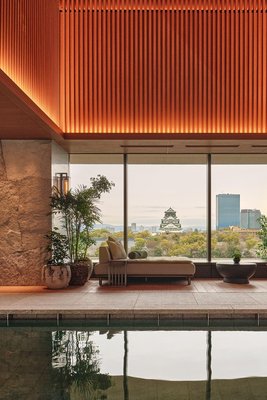
Patina Osaka

The Ritz-Carlton, Osaka
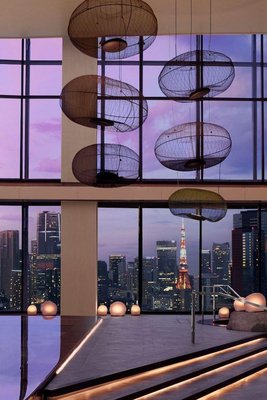
JW Marriott Hotel Tokyo
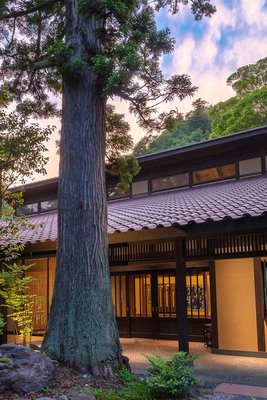
Arimasansoh Goshobessho
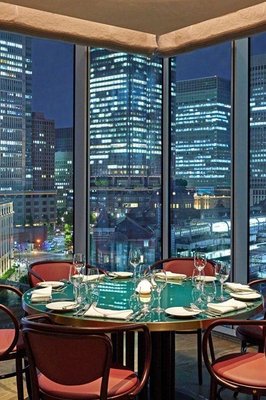
Four Seasons Hotel Tokyo at Marunouchi

Mandarin Oriental, Tokyo
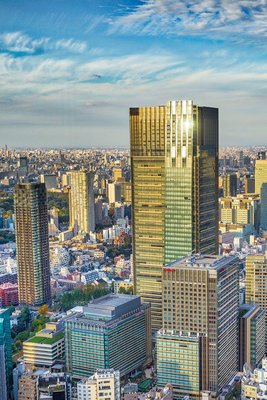
The Ritz-Carlton, Tokyo
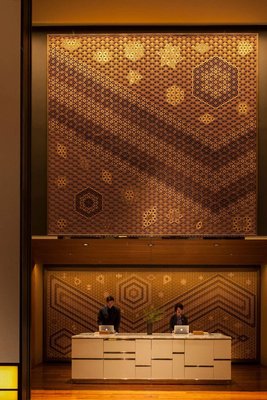
Andaz Tokyo Toranomon Hills- A Concept by Hyatt
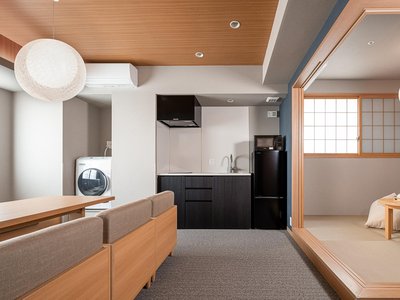
MIMARU SUITES Tokyo Asakusa

Toba International Hotel Shiojitei
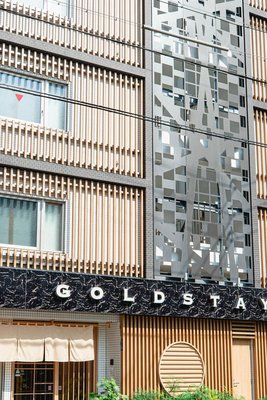
Gold Stay Nagoya OSU
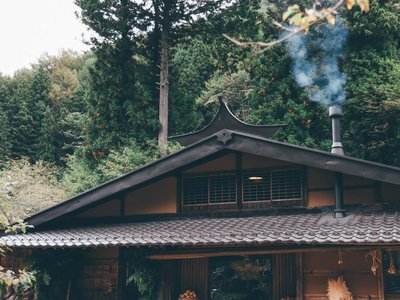
La Terra Resort
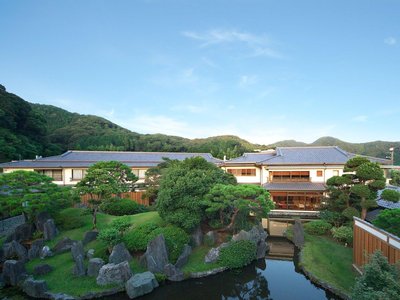
Kagetsutei

karaksa hotel colors Tokyo Yaesu
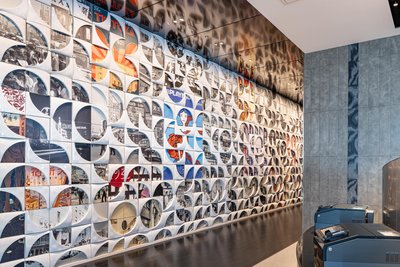
HOTEL GROOVE SHINJUKU, A PARKROYAL Hotel
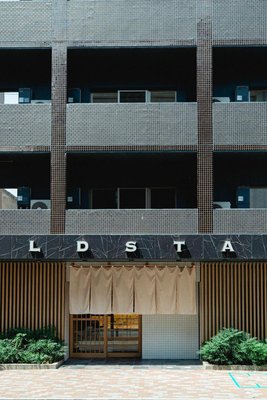
GOLD STAY Nagoya Sakae
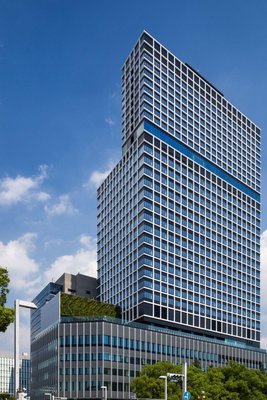
The Royal Park Hotel Iconic Nagoya
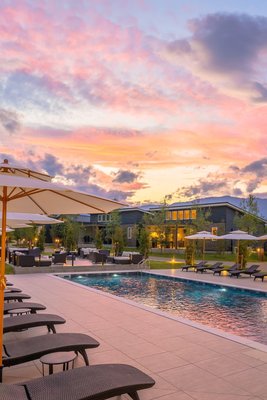
Awaumi Fujikawaguchiko Resort
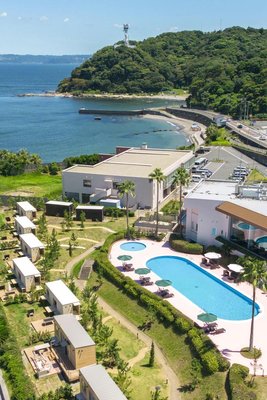
La vista Yokosuka Kannonzaki Terrace
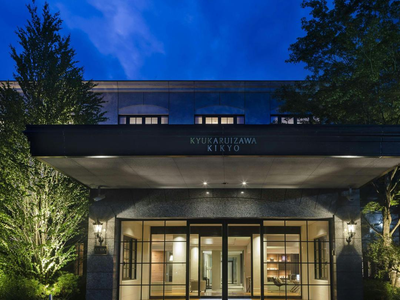
Fufu Karuizawa Wind of Sunshine
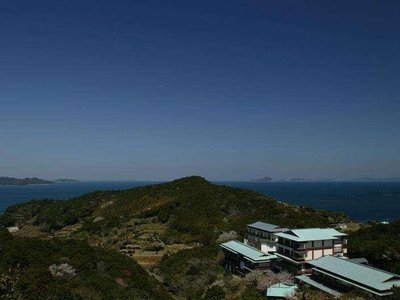
Hanashinsui
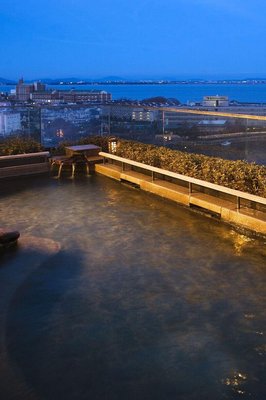
Yumotokan

Scapes the Suite
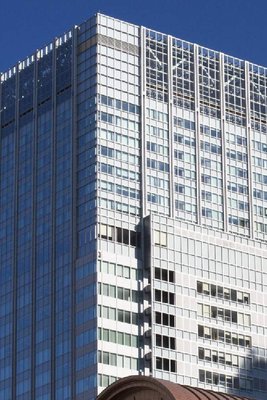
Hotel Metropolitan Tokyo Marunouchi
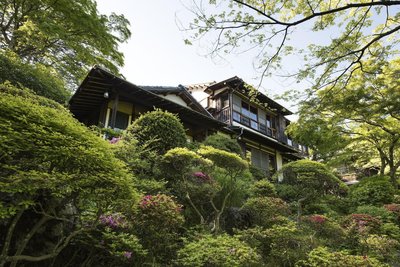
Gora Kansuiro
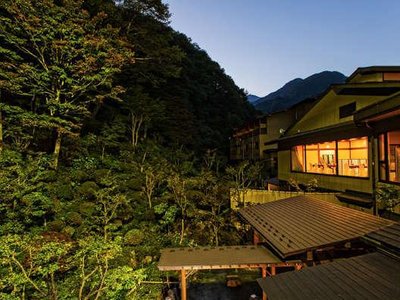
Futari Shizuka
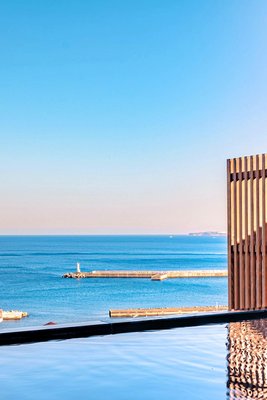
HOTEL KANICHI
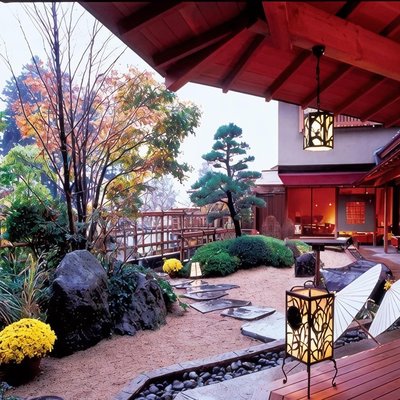
Oyado Tamaki
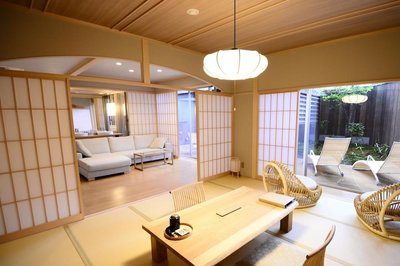
Hakone Gora Byakudan
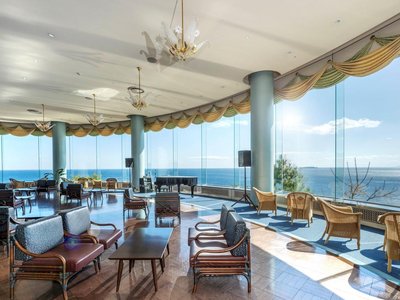
Hotel New Akao

XYZ Private Spa and Seaside Resort
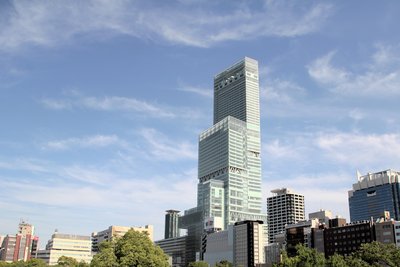
Osaka Marriott Miyako Hotel
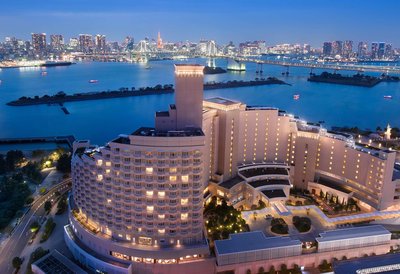
Hilton Tokyo Odaiba
JW Marriott Hotel Tokyo
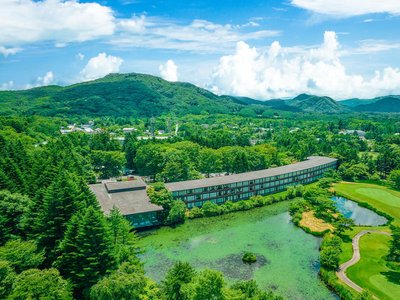
The Prince Karuizawa
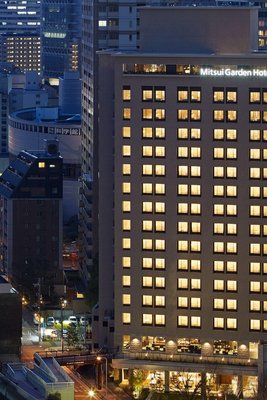
Mitsui Garden Hotel Osaka Premier
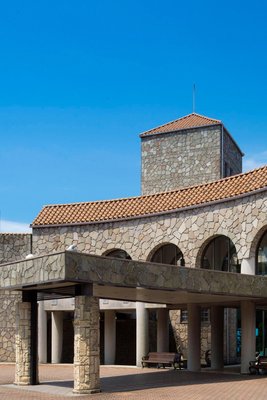
Izumigo Hotel Altia Toba
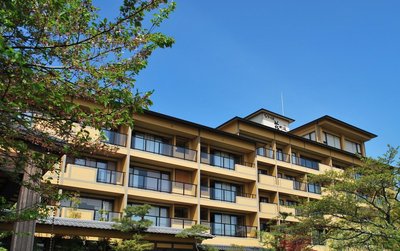
BIWAKO HANAKAIDO
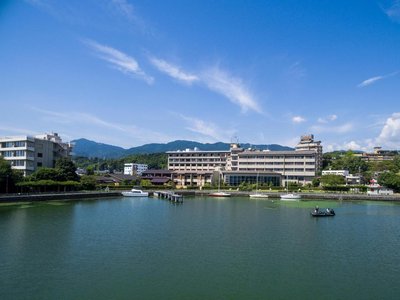
Biwako Ryokusuitei
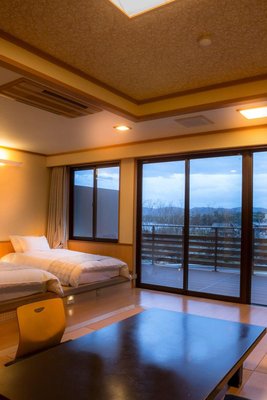
Hotel Kitanoya
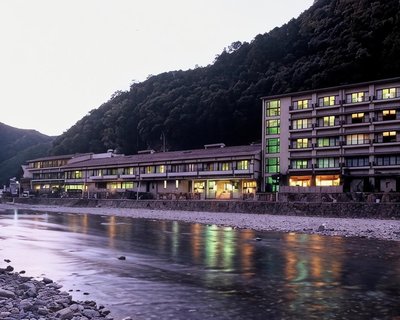
Kawayu Onsen Fujiya
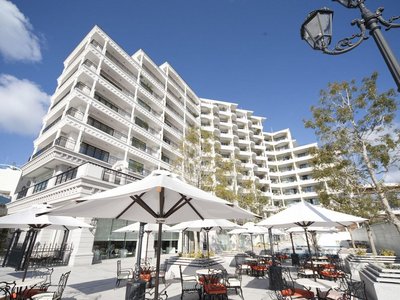
Hotel La Suite Kobe Harborland

The Kukuna
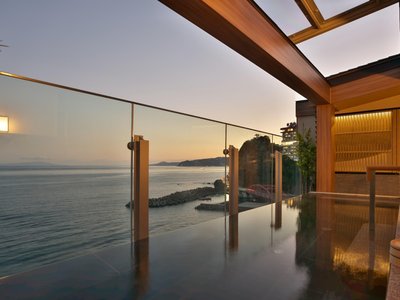
Hotel New Sagamiya
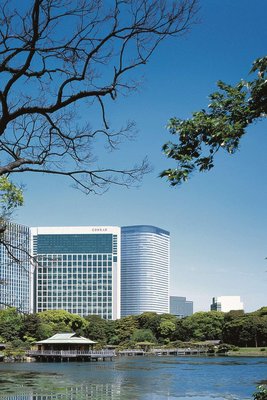
Conrad Tokyo
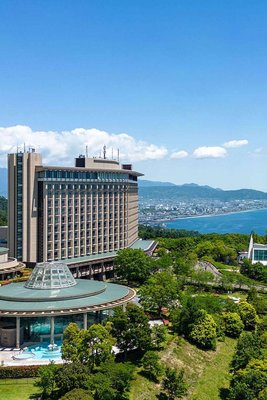
Hilton Odawara Resort & Spa
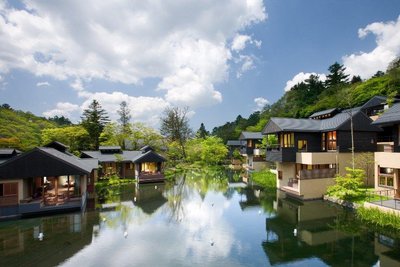
Hoshinoya Karuizawa
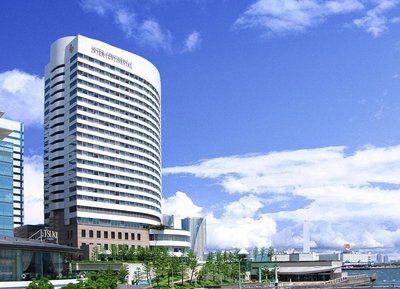
InterContinental Tokyo Bay
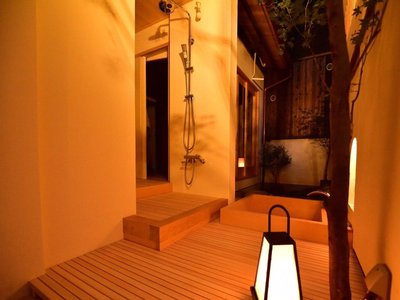
Yado Kiramachi
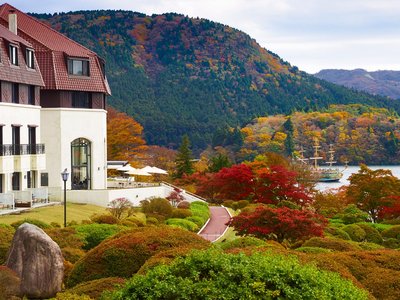
Hotakajyo

Onyado Nono Asakusa Bettei Hot Spring
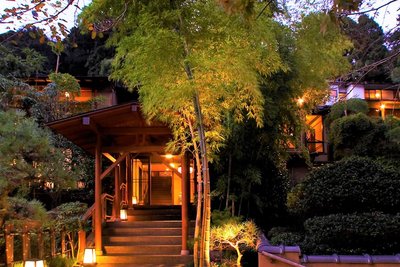
Shiki wo Ajiwau Yado Yamano Chaya
Arimasansoh Goshobessho
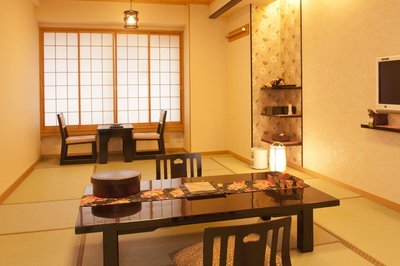
Matsui-Bekkan Hanakanzashi
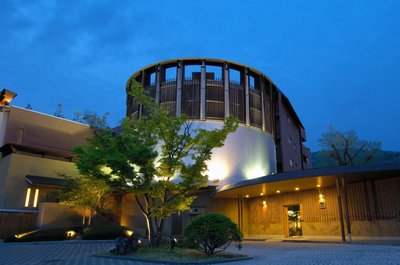
Hoshino Resorts Kai Matsumoto

Taikyourou
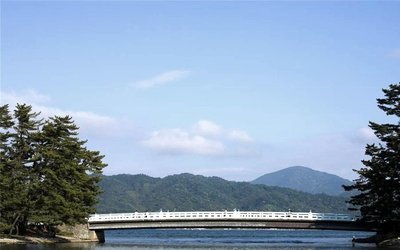
Monjusou Shourotei
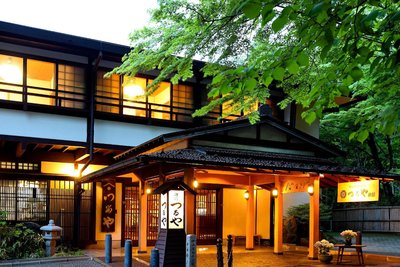
Tsuruya Ryokan
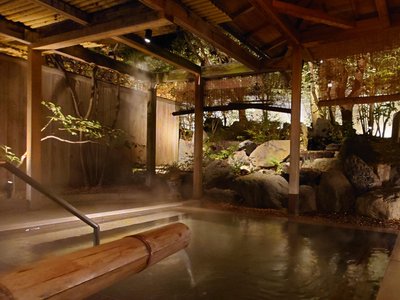
Kasuga Hotel
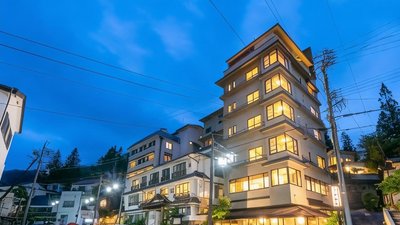
Nakamatsuya Ryokan
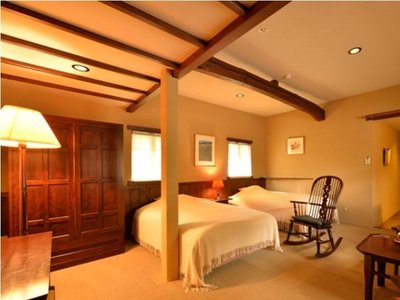
Ryokan Sugimoto
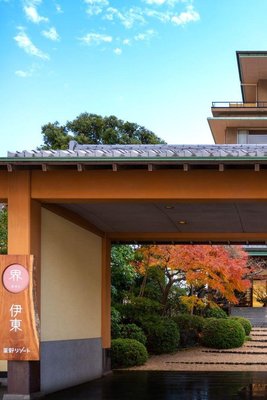
Hoshino Resorts Kai Ito
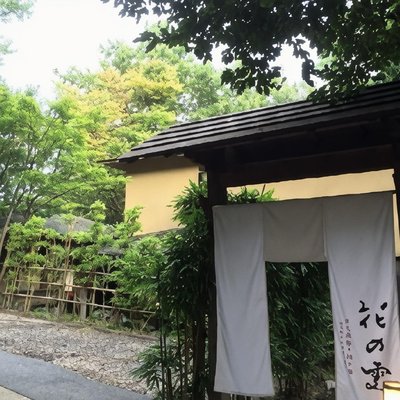
Hana No Kumo
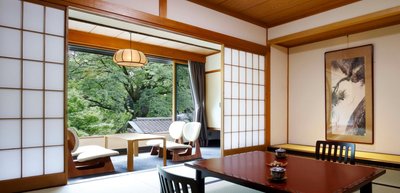
Yoshiike Ryokan
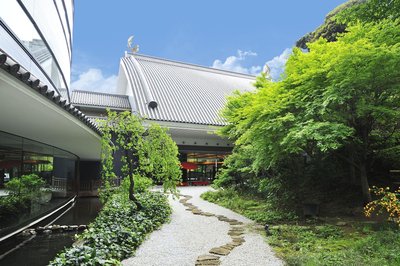
Hotel Gajoen Tokyo
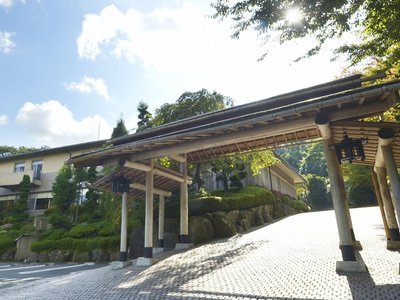
Gora Hanaougi
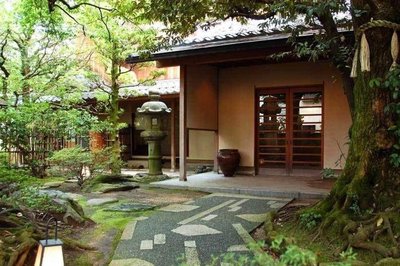
Kocho
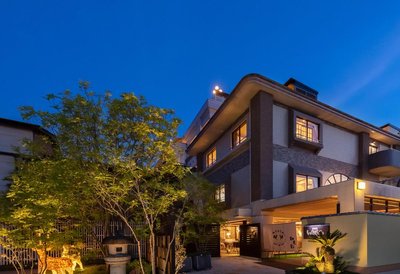
Hotel New Wakasa
Bellustar Tokyo, A Pan Pacific Hotel
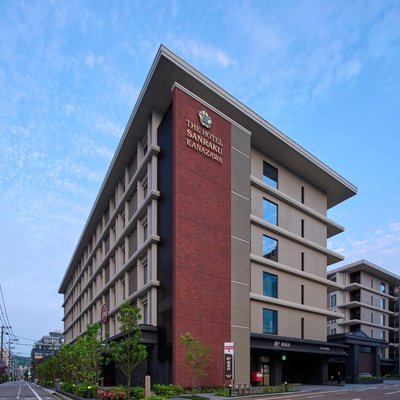
The Hotel Sanraku Kanazawa 21th December 2022 Open
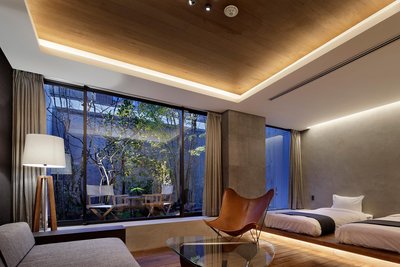
22 PIECES
The Ritz-Carlton, Osaka
JW Marriott Hotel Tokyo
Andaz Tokyo Toranomon Hills- A Concept by Hyatt

The Thousand Kyoto
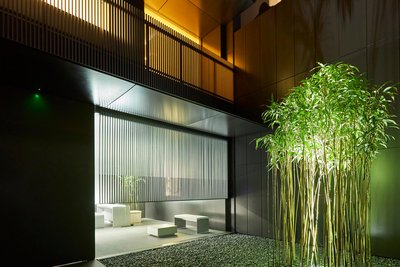
Mogana
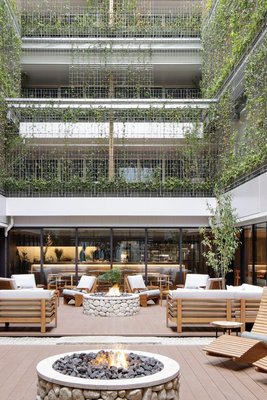
GOOD NATURE HOTEL KYOTO
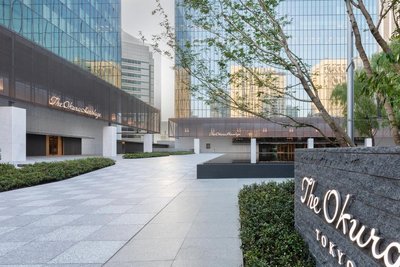
The Okura Tokyo
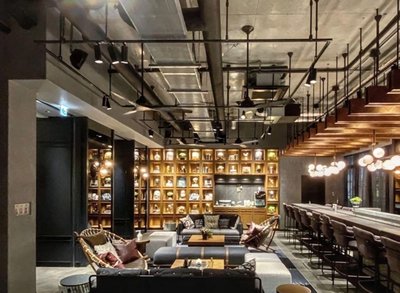
The Lively Azabujuban Tokyo
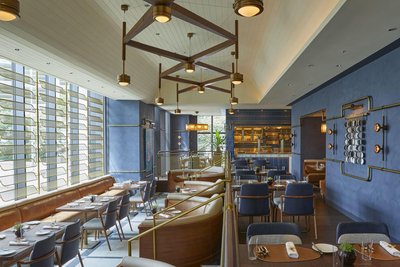
Kimpton Shinjuku Tokyo
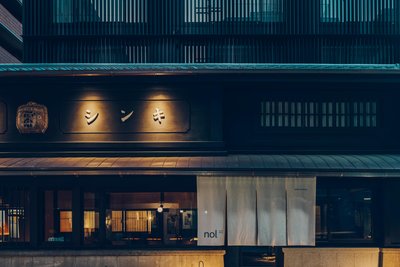
Nol Kyoto Sanjo

HOTEL K5
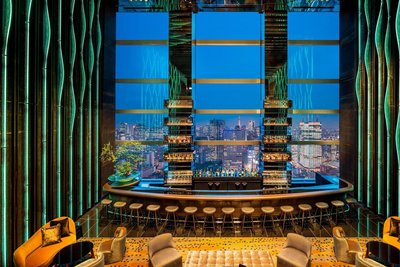
The Prince Gallery Tokyo Kioicho, a Luxury Collection Hotel
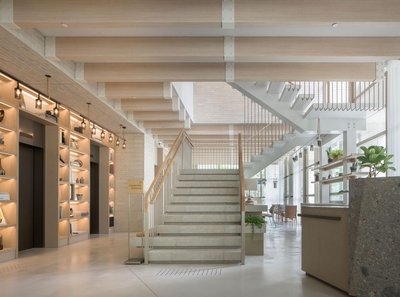
Zentis Osaka
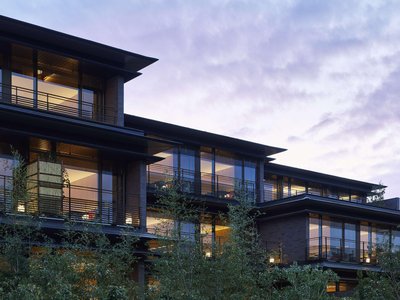
Garrya Nijo Castle Kyoto
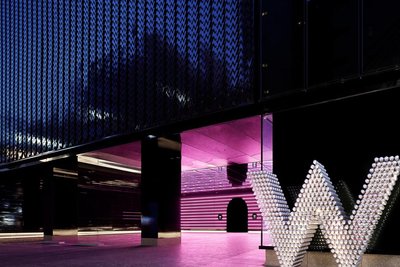
W Osaka
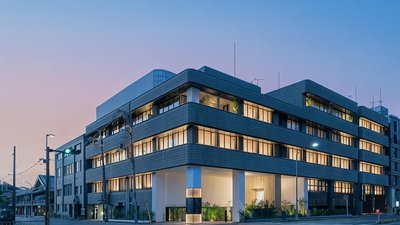
Hotel Kanra Kyoto
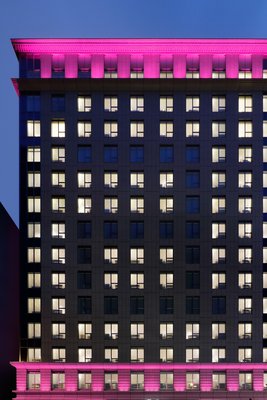
Aloft Osaka Dojima
Hakone Gora Byakudan
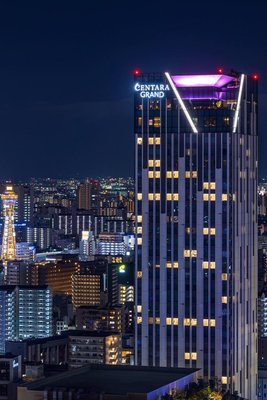
Centara Grand Hotel Osaka
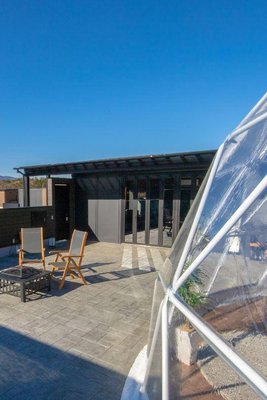
Panoramic Mt. Fuji Views from All Rooms – Vision Glamping Resort & Spa Yamanakako
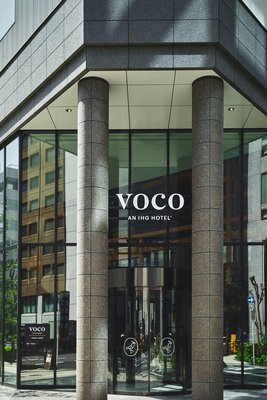
voco Osaka Central
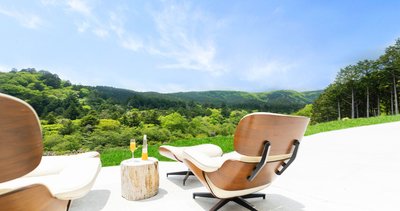
Shelter Garden Nikko
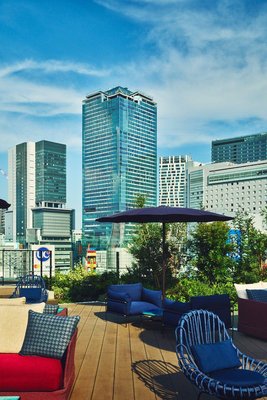
Hotel Indigo Tokyo Shibuya
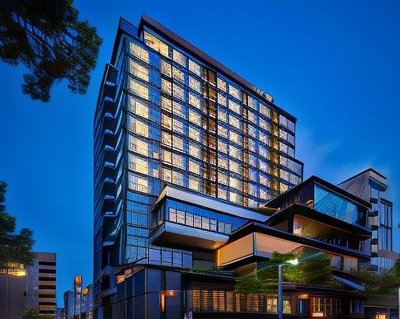
TIAD, AUTOGRAPH COLLECTION
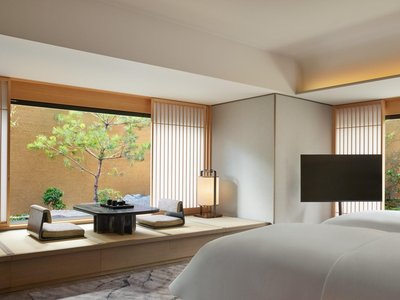
Dusit Thani Kyoto
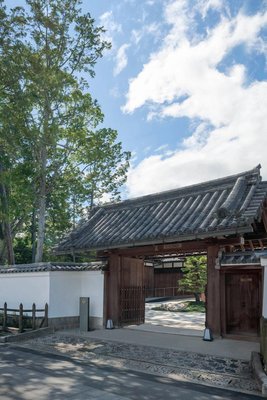
Shisui, a Luxury Collection Hotel, Nara
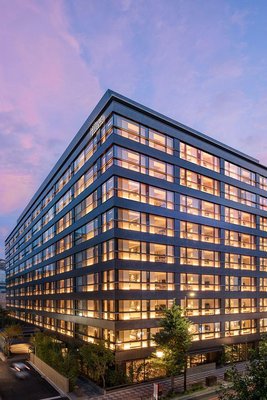
Hilton Kyoto
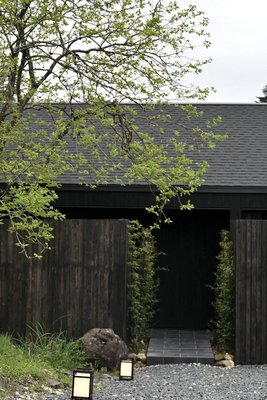
THE LAKOTAN
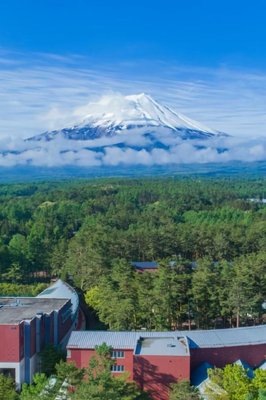
Forest Village (Fuji Premium Resort)
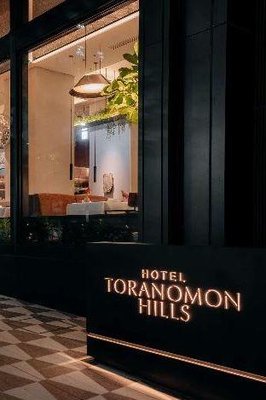
Hotel Toranomon Hills
Osaka Marriott Miyako Hotel
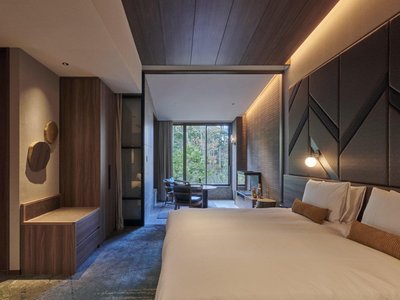
Fufu Kyu-Karuizawa Restful Forest
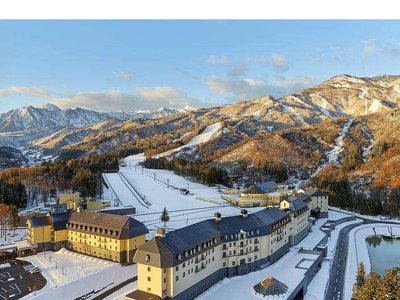
Lotte Arai Resort
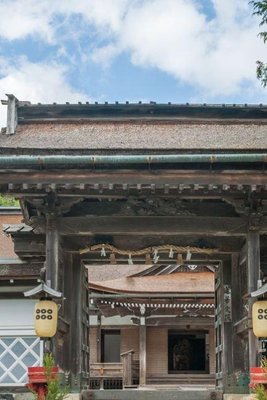
Koyasan Rengejoin
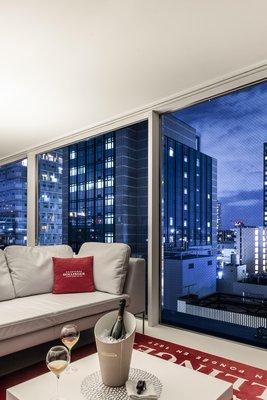
CUVÉE J2 HOTEL OSAKA by Onko Chishin
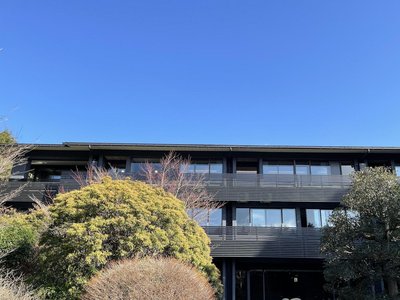
Sengokubara Cocon
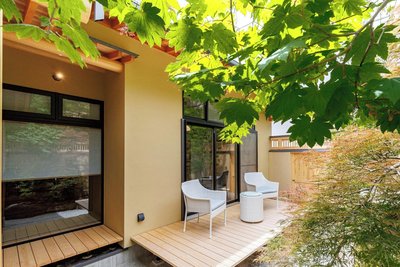
Shoraiso
Bvlgari Hotel Tokyo
Osaka Marriott Miyako Hotel
The Ritz-Carlton, Osaka
Four Seasons Hotel Tokyo at Marunouchi
Mandarin Oriental, Tokyo
The Ritz-Carlton, Tokyo
Andaz Tokyo Toranomon Hills- A Concept by Hyatt
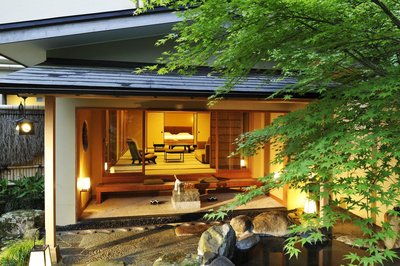
Gora Kadan
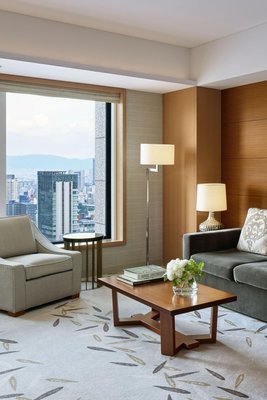
InterContinental Hotel Osaka
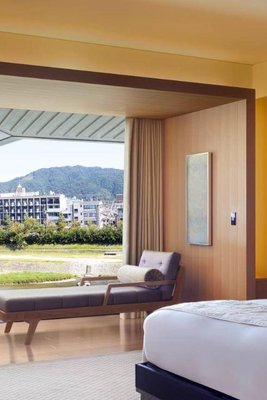
The Ritz-Carlton, Kyoto

Hotel New Otani Tokyo the Main
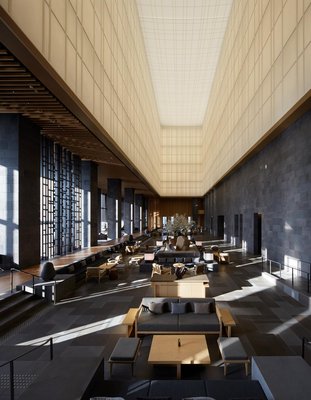
Aman Tokyo
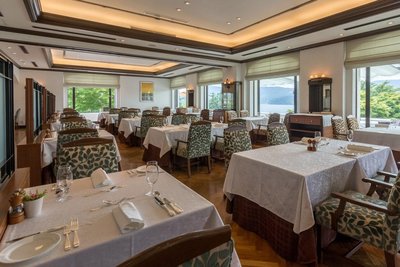
Odakyu Hotel de Yama
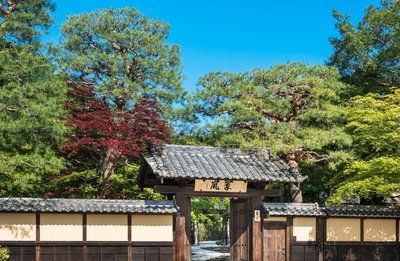
Suiran, a Luxury Collection Hotel, Kyoto
GOOD NATURE HOTEL KYOTO
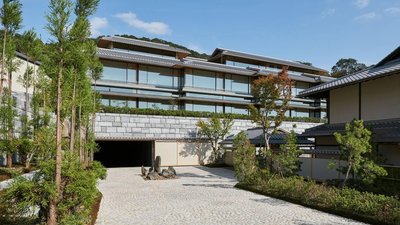
Park Hyatt Kyoto
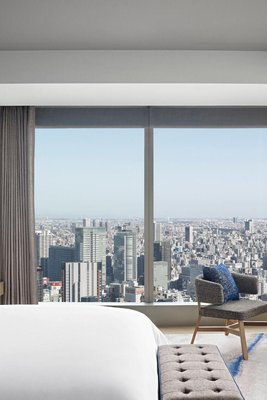
Four Seasons Hotel Tokyo at Otemachi
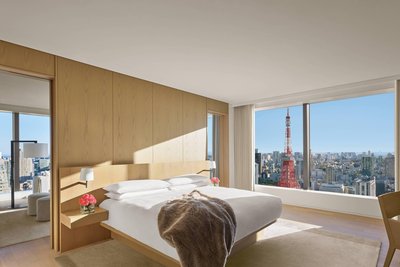
The Tokyo Edition, Toranomon
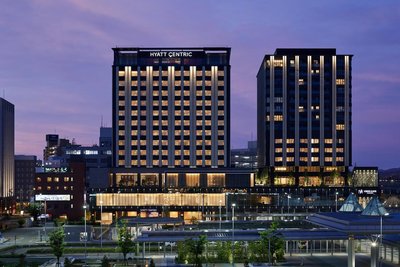
Hyatt Centric Kanazawa
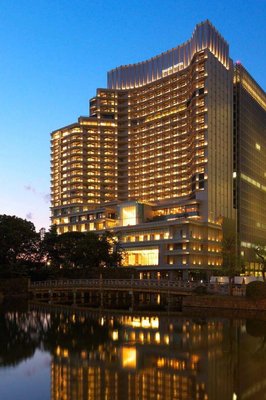
Palace Hotel Tokyo
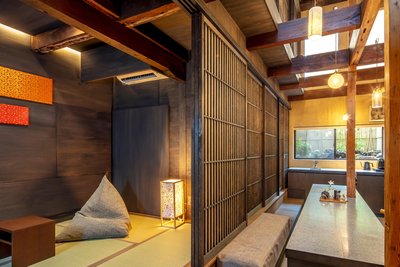
Kyo No Oozora Kihana
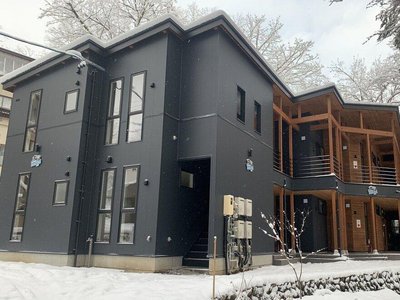
Hakuba Gondola Apartments
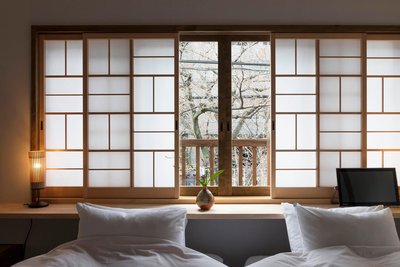
Hanagoromo Machiya House
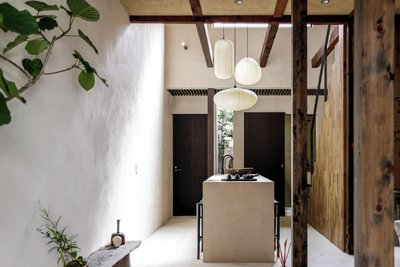
Maana Kiyomizu
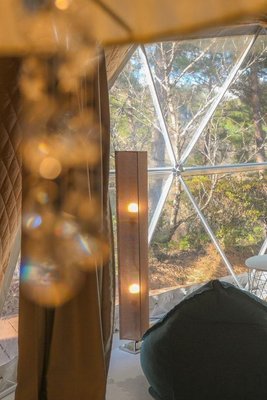
glampark Gekkabijin Nagano
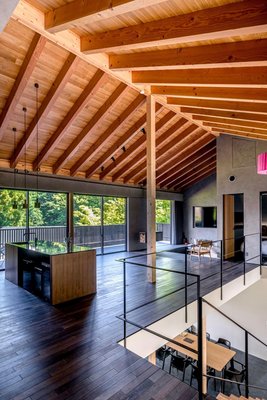
MONS GORA

Phoenix Chalets by Hhg
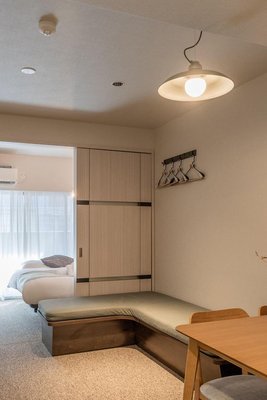
Apartment Hotel 11 Shinsaibashi
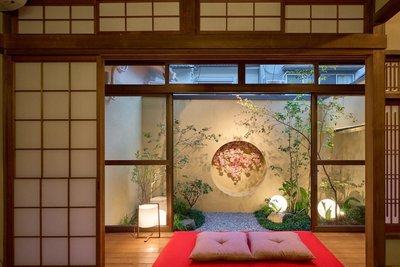
KONJAKUSO Osaka Tengachaya "NIHONCHA" Tea & Relax
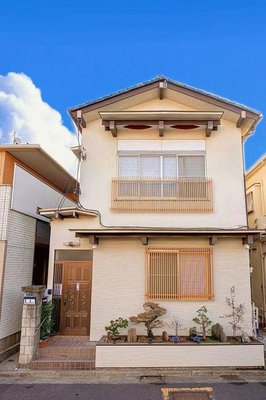
Tokyo Star House-Shinkoiwa
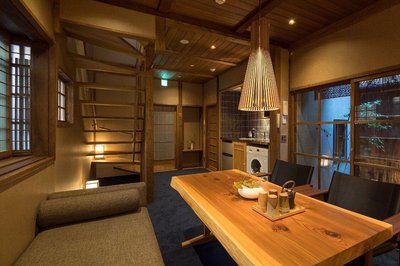
Bonbori an Machiya House
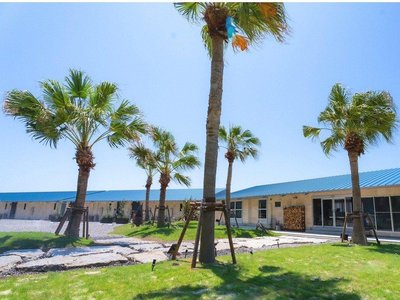
Glamping&Resort Wood Design Park Noma
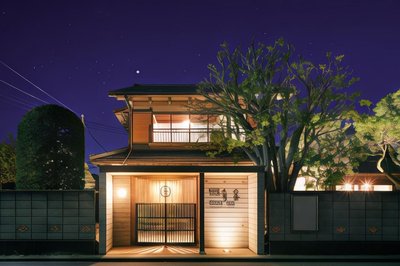
Machi-Jyu
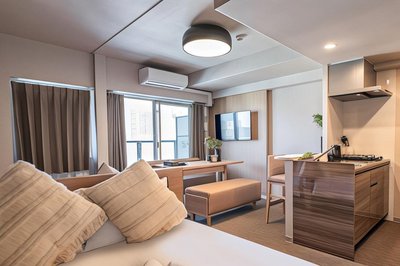
Apartment Hotel 11 Shinsaibashi III
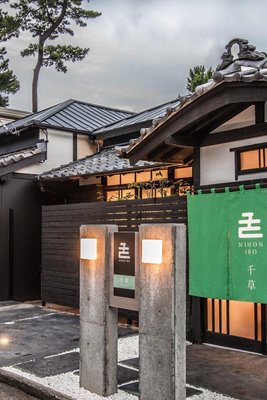
Nihon Iro
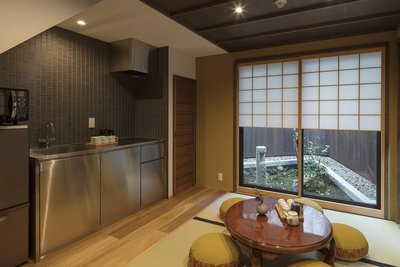
The Machiya Villa Sanjo Shirakawa Koji
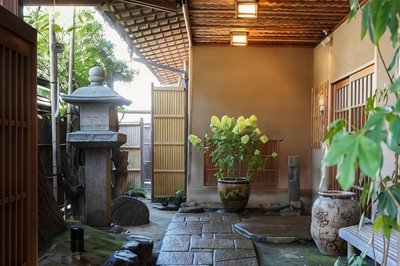
Ryokan Asadaya
Konjaku-So Dotonbori
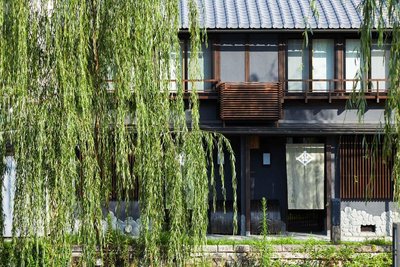
Gion Shirakawa No Yado

Kitashirakawa Natural Radium Onsen
Bellustar Tokyo, A Pan Pacific Hotel

Hotel Barrière Fouquet's New York
Bvlgari Hotel Tokyo

Shima Kanko Hotel the Bay Suites
Loquat Nishiizu
Byaku Narai
Waldorf Astoria Osaka
Atami Izusan Karaku
Kamo Residences by Reflections
The Tokyo Edition, Ginza
Janu Tokyo
Six Senses Kyoto
Four Seasons Hotel Osaka
Patina Osaka
The Ritz-Carlton, Osaka
JW Marriott Hotel Tokyo
Arimasansoh Goshobessho
Four Seasons Hotel Tokyo at Marunouchi
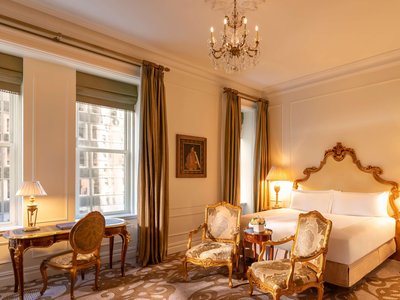
The Plaza - A Fairmont Managed Hotel
Mandarin Oriental, Tokyo
Frequently Asked Questions about Traveling to Makinohara
Questions You Might Need to Know About Traveling to Makinohara
In Makinohara City, the top tea-themed hotels include Makinohara Tea Garden Resort and Cha-no-Sato Onsen Villa. These accommodations blend traditional Japanese design with modern comfort, nestled within vast Shizuoka tea plantations.
At Makinohara Tea Garden Resort, guests enjoy tea-infused baths, where natural hot spring water is enriched with locally harvested Shizuoka sencha. The hotel also offers daily tea-picking workshops and a signature tea tasting menu featuring dishes like matcha tofu and tea-marinated chicken.
Cha-no-Sato Onsen Villa stands out for its private garden rooms and on-site tea ceremony demonstrations. Each room features a tatami space with a view of the misty tea fields, perfect for quiet mornings with a cup of fresh brew. These stays provide not just lodging, but a full immersion into the region’s tea culture.
The most peaceful areas for a nature-focused stay in Makinohara City are Oigawa Riverbanks and Chadanomachi Tea Fields. These regions offer serene landscapes surrounded by lush tea terraces, forested hills, and flowing streams.
Oigawa Riverbanks feature secluded guesthouses like Oigawa Waterside Cottage, which provides direct access to river walks and evening stargazing. Many lodges here have open-air baths facing the water, allowing guests to soak while listening to nature’s symphony.
Meanwhile, Chadanomachi Tea Fields are ideal for those seeking tranquility amid rolling greenery. Here, boutique ryokans such as Makinohara Teahouse Inn offer minimalist interiors, meditation spaces, and guided sunrise walks through the tea gardens. Both zones emphasize slow living, making them perfect for recharging in harmony with nature.
Visitors to Makinohara City can enjoy authentic tea harvesting and processing workshops during spring (March–May), where they learn to hand-pick tender leaves and participate in traditional sencha production.
The city also hosts the annual Oigawa Festival, featuring traditional lion dances, paper umbrella parades, and local sake stalls. At the Makinohara Tea Ceremony Hall, guests can attend live chanoyu (tea ceremony) demonstrations that highlight the philosophy of harmony, respect, purity, and tranquility.
For deeper cultural immersion, explore the preserved Edo-era farmhouses in the historic district, where artisans still practice woodcraft and pottery using local materials. These hands-on experiences connect travelers directly with the region’s heritage, transforming tourism into meaningful cultural exchange.
Yes, Makinohara City boasts several unique onsen hotels with distinctive features. The standout is Makinohara Tea Bath Onsen, which blends natural mineral springs with local tea infusions—bathing waters are enhanced with extracts from freshly harvested Shizuoka green tea, believed to soothe skin and calm the mind.
Another gem is Oigawa Riverside Onsen House, a family-run inn with open-air baths overlooking the river and forested hills. Its wooden architecture and low lighting create a meditative atmosphere, perfect for night soaks under the stars.
Many of these hotels also offer tea-based wellness treatments, including massage with tea oil and herbal compresses. Guests often receive complimentary matcha-flavored snacks and tea sets upon check-in, making each stay a sensory journey into the heart of Shizuoka’s healing traditions.
Families visiting Makinohara City will appreciate Makinohara Kids Tea Farm Resort, a fully equipped family-friendly resort with themed rooms, indoor play areas, and outdoor exploration trails through tea fields.
Daily activities include mini tea farmer challenges, tea-pot painting workshops, and interactive cooking classes using local ingredients. The resort also features a petting zoo and a safe, shaded playground.
Another excellent option is Oigawa Family Minshuku, a cozy guesthouse with spacious multi-bedroom cabins and shared kitchens. Parents and children can cook together using fresh vegetables from the on-site organic garden. The property organizes evening storytelling sessions and stargazing events, creating lasting memories for all ages.
Tourists in Makinohara City must try tea-infused dishes such as Matcha Chicken Skewers, grilled with a delicate sencha glaze, and Tea-Flavored Tofu Pudding, a creamy dessert made with local matcha powder.
Don’t miss Shizuoka Tea Dumplings (Cha Mochi), soft rice cakes filled with red bean paste and a hint of tea essence, served warm at morning markets. At Oigawa Market, visitors can sample tea-brined vegetables and tea-smoked fish, prepared using traditional methods passed down through generations.
Many hotels offer Tea Banquet Dinners, a seven-course meal where each dish incorporates different types of Shizuoka tea, from savory to sweet. This culinary journey highlights how tea isn’t just a drink—it’s a core ingredient in the region’s identity.
Absolutely, Makinohara City is a paradise for photography enthusiasts. The morning mist over tea terraces creates dreamlike scenes, especially when the reflection of Mount Fuji appears in irrigation channels—a favorite among landscape photographers.
The Oigawa River Trail and Tea Field Railway Viewpoint offer stunning shots of trains winding through endless green rows, particularly during golden hour. In autumn, the vibrant red and gold foliage against emerald tea fields produces dramatic contrast.
During summer, the Night Tea Lantern Festival transforms the plantations into a sea of glowing lights, ideal for long-exposure photography. Historic Edo-era farmhouses with aged timber and moss-covered roofs also provide rich textures and storytelling potential. With minimal light pollution and diverse seasonal light, Makinohara delivers consistently photogenic moments.
Yes, Makinohara City is increasingly popular for long-term stays. Many guesthouses and boutique ryokans offer weekly or monthly rental options with kitchenettes, high-speed Wi-Fi, and co-working spaces.
The tranquil environment, clean air, and proximity to nature make it ideal for digital nomads and remote workers. Properties like Makinohara Tea Garden Villa provide extended-stay packages with flexible check-in and laundry services.
Additionally, the city hosts monthly events such as Tea & Book Exchange Nights and Handmade Craft Workshops, fostering community engagement. With no urban congestion and abundant green space, long-term residents find peace, inspiration, and a strong sense of belonging in this tea-centric haven.
Each season in Makinohara City reveals a new facet of its beauty. In spring (March–May), the tea harvest begins—vast green fields stretch across hillsides, and visitors can join tea-picking tours.
Summer (June–August) brings cool mountain breezes and the Oigawa Water Lantern Festival, where floating lanterns illuminate the river at dusk. It’s also perfect for hiking and river camping.
Autumn (September–November) paints the landscape in fiery reds and golds, turning tea fields into a breathtaking canvas. This is prime time for photography and fall foliage walks.
Winter (December–February) sees occasional snowfall, blanketing tea terraces in white and creating a serene, almost magical atmosphere. Warm onsen stays with fireplaces and hot tea become even more inviting. The city’s seasonal rhythm reflects the deep connection between people, tea, and nature.
Makinohara Overview
City Summary
Makinohara City, located in Shizuoka Prefecture, Japan, is renowned for its vast tea plantations and is a major producer of Japanese green tea. With mild climate and rich tea culture history, visitors can experience tea picking, processing, and taste fresh Shizuoka green tea. The city also offers beautiful rural landscapes and hot spring resources, ideal for travelers seeking tranquility and nature experiences.
Must-See Attractions
Key attractions include Makinohara Tea Plantation where visitors can tour tea factories and experience tea ceremony culture. Nearby Kunozan Toshogu Shrine, the mausoleum of Tokugawa Ieyasu, holds historical significance. Local hot springs like Kikugawa Onsen provide relaxation. The scenic coastline is perfect for road trips or cycling.
Food Guide
Makinohara is famous for green tea-related foods like matcha desserts and tempura tea leaves. Local restaurants serve creative tea-infused dishes such as tea-flavored rice and green tea soba. Seafood is another specialty, with fresh tuna and bonito dishes worth trying.
Transportation Guide
Rental cars are recommended for flexible exploration of tea fields and coastal views. For public transport, use JR Tokaido Line to Kikugawa or Yoshida Station, then transfer by bus or taxi. City buses have limited schedules, so check timetables in advance. Taxis are suitable for short trips but relatively expensive.
Best Time to Visit
The best seasons are spring (March-May) and autumn (September-November) with pleasant weather for tea plantation visits. Summers are hot and humid while winters remain mild. Avoid Golden Week (late April-early May) to reduce crowds.
Travel Tips
- Respect private property when visiting tea plantations
- Maintain quiet and follow the host's guidance during tea ceremonies
- Drive carefully on narrow rural roads
- Many onsens prohibit tattooed guests - inquire beforehand
- Follow strict waste separation rules
- Rural shops close early - prepare necessities in advance
Useful Information
Japanese is primarily spoken with limited English communication, so translation apps are helpful. Mobile network coverage is good - consider local SIM cards or international roaming. Cash is preferred though some shops accept cards. Dial 110 (police) or 119 (ambulance) for emergencies. Medical facilities concentrate in Kikugawa area - travel insurance is recommended. Tap water is safe to drink.