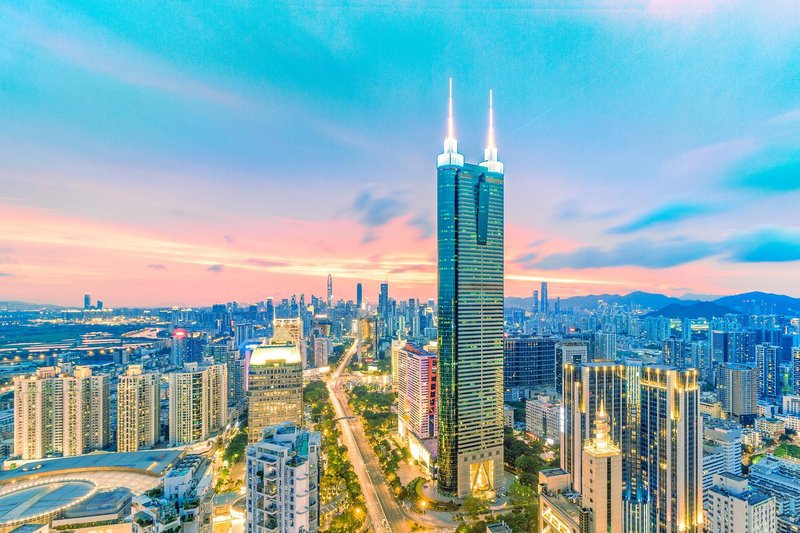
Hotels in Manilva
Discover your perfect stay in Manilva.
Manilva(Spain) Travel 2026: Cheap Flights, Hotels & Top Attractions
Popular Landmarks in Manilva
Discover the most iconic attractions in Manilva
Recommended Hotels in Manilva
Find the perfect place to stay in Manilva
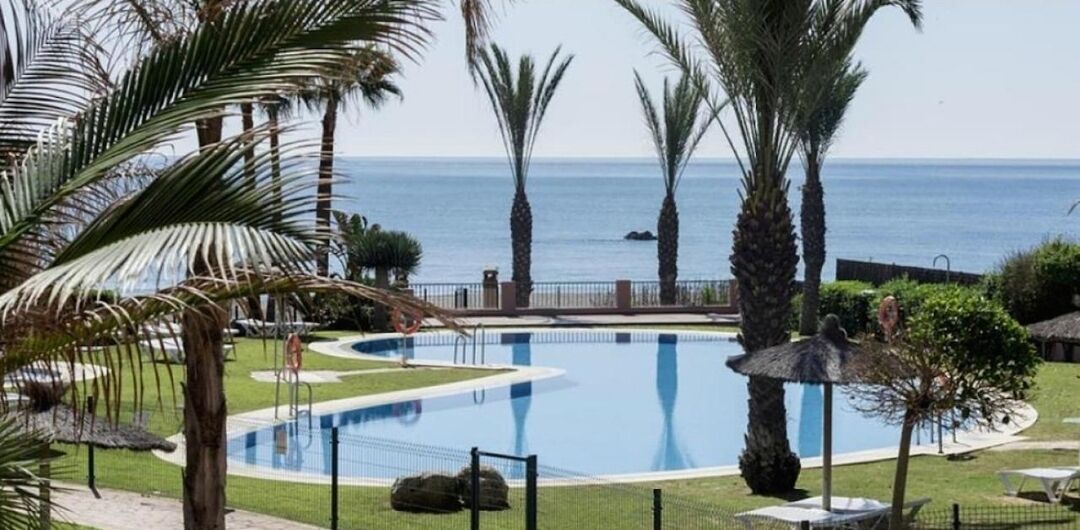
CN-340 Suites
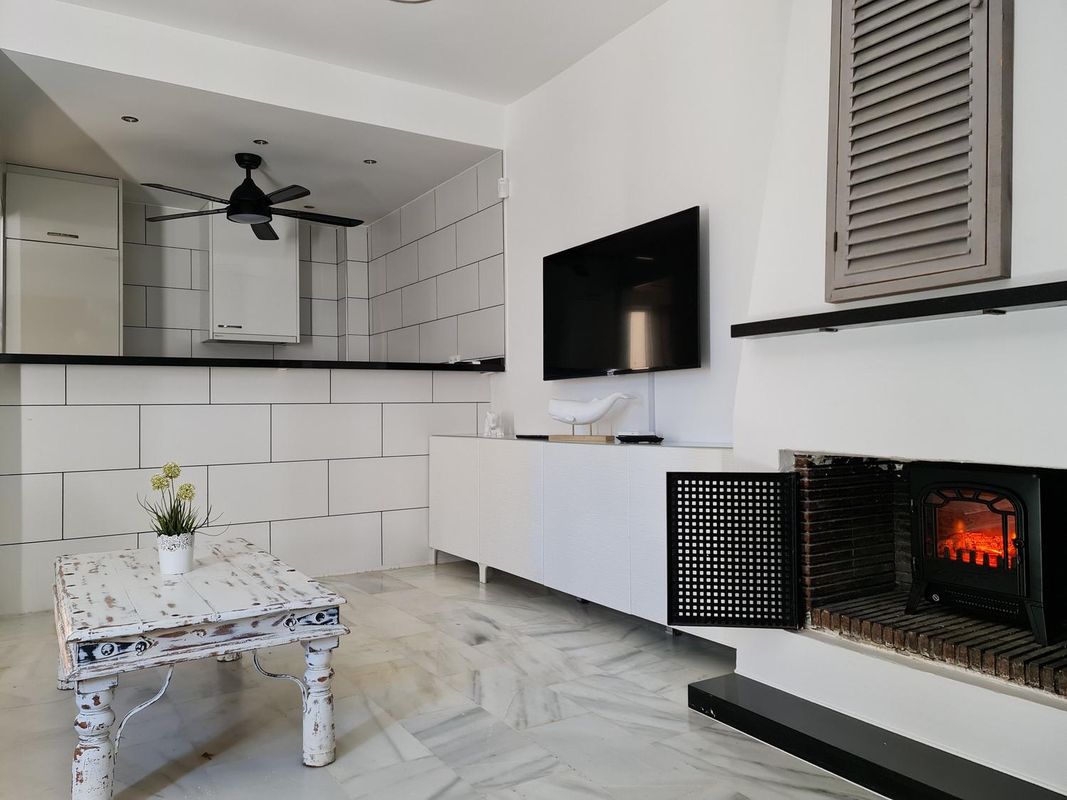
Las Gaviotas B9
Frequently Asked Questions about Traveling to Manilva
Questions You Might Need to Know About Traveling to Manilva
In Manilva, top choices for families include Hotel El Mirador, nestled on a hillside with panoramic views of the Andalusian plain. This hotel features a children's playground, outdoor pool, and spacious family rooms. Its architecture reflects traditional Spanish design with local handmade rugs and ceramic tiles. Located just a 5-minute walk from Plaza de la Constitución and the Church of the Assumption, guests enjoy easy access to historic sites and local life. For a more authentic experience, consider staying at a nearby finca guesthouse, which often offers olive oil tastings and vineyard tours for kids and adults alike.
The prime area for lodging in Manilva is the Old Town (Casco Antiguo), where you can immerse yourself in centuries-old charm. Cobblestone streets lead past whitewashed houses from the 18th century, lined with cozy cafés and artisan shops. Staying at Casa Andaluza or Posada del Sol grants you direct access to the Town Hall Square and the Jewish Quarter ruins within minutes. The area buzzes with evening energy—join locals at **
In Manilva, must-try cultural experiences include attending a traditional Flamenco workshop led by local dancers, learning basic steps and emotional expression. Explore the underground tunnels beneath the town, remnants of Moorish water systems built over 800 years ago. Participate in an olive oil tasting session to learn about Andalusia’s cold-press extraction techniques. The annual Fiesta de la Virgen in autumn features processions, torchlight parades, and folk music, showcasing deep-rooted community spirit. Many guesthouses also offer family recipe classes, teaching how to make tapas and paella, giving travelers hands-on insight into authentic regional cuisine.
Yes, Casona de las Estrellas is a perfect choice for couples—a restored 17th-century noble villa offering private terraces and starlit hot tubs overlooking the Guadiamar River. Rooms feature hand-painted ceramics and antique mirrors, evoking old-world romance. Each evening, guests receive complimentary wine and dried fruit, while the hotel arranges private tours to secluded stargazing spots. For a special touch, book a private Flamenco night with a customized dinner under candlelight—an intimate celebration of Andalusian artistry tailored just for two.
The best way to explore Manilva is by renting a bicycle or using electric scooters, ideal for cycling along the riverside trails to Cerro Rodrigo and ancient fortress ruins. For longer trips to Seville or Granada, take the Cercanías regional bus, running frequently with a journey time of about 90 minutes. Many guesthouses provide free shuttle services, especially to vineyards and farm markets. The nearest airport is Seville International Airport (SVQ), approximately one hour away by car. For off-road adventures, local tour operators offer guided mountain bike and hiking excursions through the Sierra de Alcaraz.
Must-try dishes in Manilva include Salmorejo (rich tomato soup with egg and bread), Gazpacho Frío (chilled tomato soup), and Pajarito con Almendras (quail with almonds). Visit Casa Pepe, a beloved restaurant near the Mercado de Abastos, for their signature Tortilla de Patatas, slow-cooked to perfection with crisp edges and a soft center, served with fresh herb sauce. Don’t miss the Mojama (salt-cured mackerel) and olive oil tastings offered by local producers—pair them with a glass of aged sherry for a true taste of Andalusian terroir.
Key historical sites in Manilva include the Iglesia de la Asunción, a 16th-century church blending Gothic and Baroque styles, housing fragments of pre-Christian murals. Another highlight is the Moorish Aqueduct (Acueducto Morisco), a well-preserved stone archway system used for irrigation over 800 years ago. The Old Town Hall (Ayuntamiento Antiguo), once a Moorish administrative center, now serves as a small museum displaying artifacts like pottery and copperware from excavations. Guided tours are available every Saturday morning, revealing the city’s transformation from a Muslim emirate to a Christian stronghold.
Absolutely. Manilva is backpacker-friendly, with options like Hostal Los Pinos, located near the Old Town entrance. It offers budget-friendly dorms and double rooms, equipped with shared kitchen and laundry facilities. The hostel has a communal lounge with a fireplace, hosting regular traveler meetups and language exchange events. Nearby, you’ll find lockers for luggage storage and 24-hour convenience stores. The monthly Free Market (Mercadillo Libre) brings together international travelers sharing stories and tips. Hostels also provide free hiking maps and bike rental services, making it easy to explore the surrounding hills and countryside.
Near Manilva, nature lovers can enjoy the Guadiamar River Trail, lined with oak and acacia trees—perfect for birdwatching and sunset views. Head east to the Sierra de Alcaraz foothills, where wild lavender blooms in summer, ideal for horseback riding or picnics. For adventure seekers, visit Cueva del Pueblo, a prehistoric cave inhabited by early humans, featuring original rock paintings and hearths. During spring, the Rose Festival (Fiesta de la Rosa) transforms the town into a sea of red blossoms, filling the air with fragrance and creating a fairy-tale atmosphere.
Major events in Manilva include the Fiesta de la Virgen in August—a week-long celebration with grand processions, torchlight parades, flamenco shows, and fireworks. Another highlight is the Winter Farmers’ Market (Mercado Invernal) held in December, where over a hundred local producers sell fresh olives, honey, homemade bread, and wool crafts. On the spring equinox, residents gather in the Old Town Square to perform the traditional Baile de la Lanza dance, symbolizing the arrival of spring. These vibrant celebrations offer travelers authentic, immersive experiences into Andalusian culture and community life.
Manilva Overview
City Summary
Manilva is a charming town in Andalusia, Spain, famous for its traditional whitewashed villages (Pueblos Blancos). It boasts rich historical heritage, including medieval castles and ancient churches reflecting strong Moorish influences. Surrounded by stunning natural landscapes, it's perfect for hiking and exploration.
Must-See Attractions
Must-see attractions:
- Manilva Castle: A medieval fortress atop a hill with panoramic views.
- Church of the Assumption: A blend of Gothic and Mudéjar architecture.
- White Village Walk: Stroll through narrow streets lined with whitewashed houses and flower-filled balconies.
- Nearby Natural Parks: Ideal for hiking through Andalusian countryside.
Food Guide
Food recommendations:
- Gazpacho: Refreshing cold tomato soup, perfect in summer.
- Jamón Ibérico: Local cured ham with unique flavor.
- Rabo de Toro: Slow-cooked oxtail stew, rich and tender.
- Local Wines: Try Andalusian Sherry wines.
Transportation Guide
Transportation:
- Car: The best option with well-connected roads.
- Bus: Limited services from cities like Seville or Málaga.
- Walking: The town is small and best explored on foot.
- Taxi: Few taxis available; advance HopeGoo recommended.
Best Time to Visit
Best time to visit: Spring (March-May) and autumn (September-October) offer mild weather and fewer crowds, avoiding summer heat.
Travel Tips
- Wear comfortable shoes: Cobblestone streets are common.
- Respect local customs: Andalusians are hospitable but appreciate manners.
- Carry cash: Some shops may not accept cards.
- Sun protection: Strong sun in summer; bring sunscreen and hats.
- Book restaurants: Popular spots may require reservations in peak season.
Useful Information
Practical info:
- Language: Spanish is spoken; English is limited.
- Internet: Wi-Fi spots available but may be unstable.
- Payment: Cash preferred; cards accepted in some places.
- Emergency: Small medical center in town; major hospitals in nearby cities.
- Voltage: 220V with European two-pin plugs.