Hotels in Manises
Discover your perfect stay in Manises.
Manises(Spain) Travel 2026: Cheap Flights, Hotels & Top Attractions
Popular Landmarks in Manises
Discover the most iconic attractions in Manises
Recommended Hotels in Manises
Find the perfect place to stay in Manises
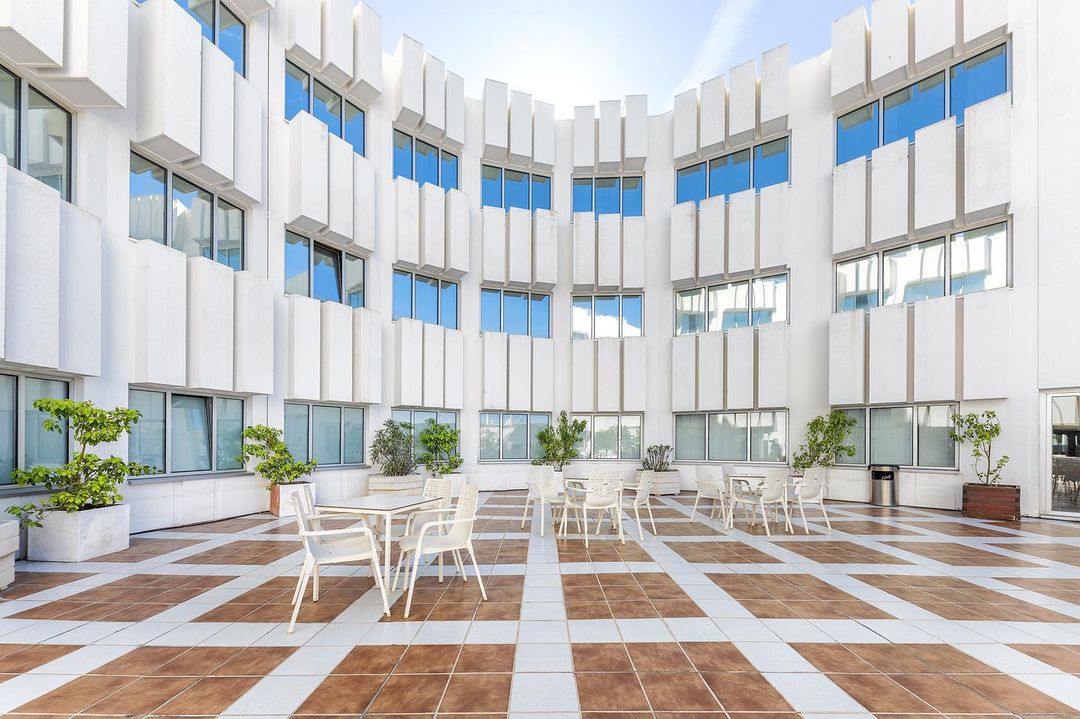
Hotel Port Azafata Valencia
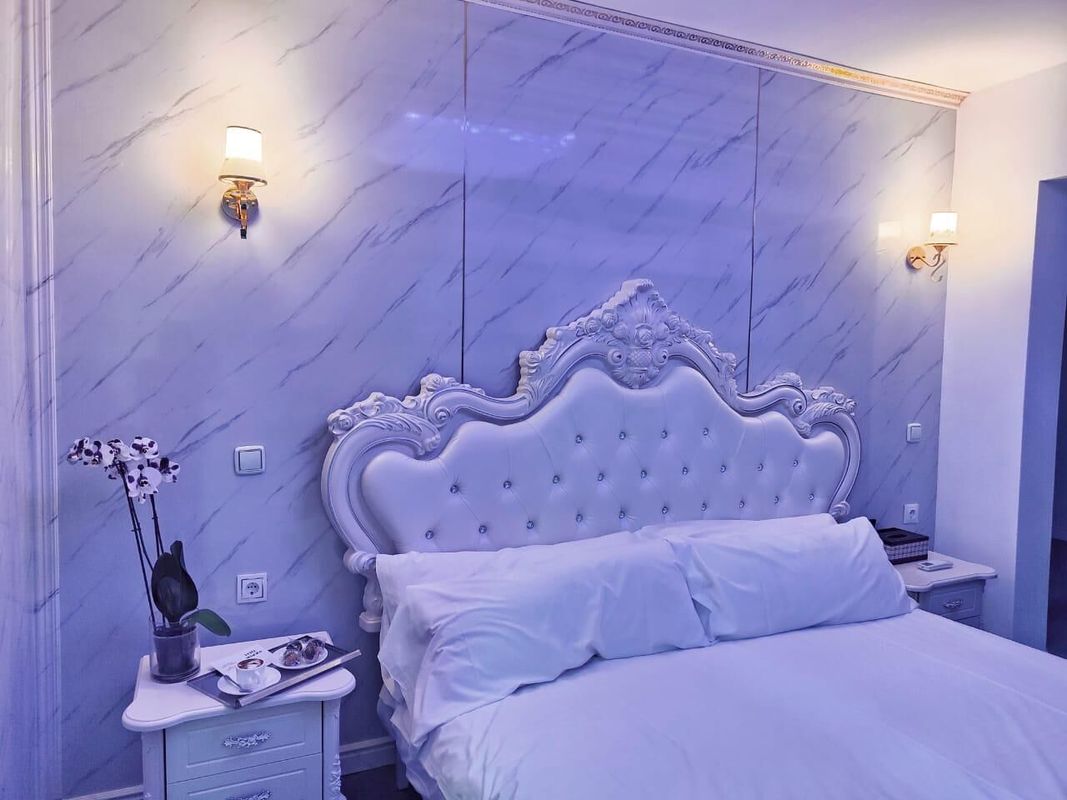
Hotel Aviación
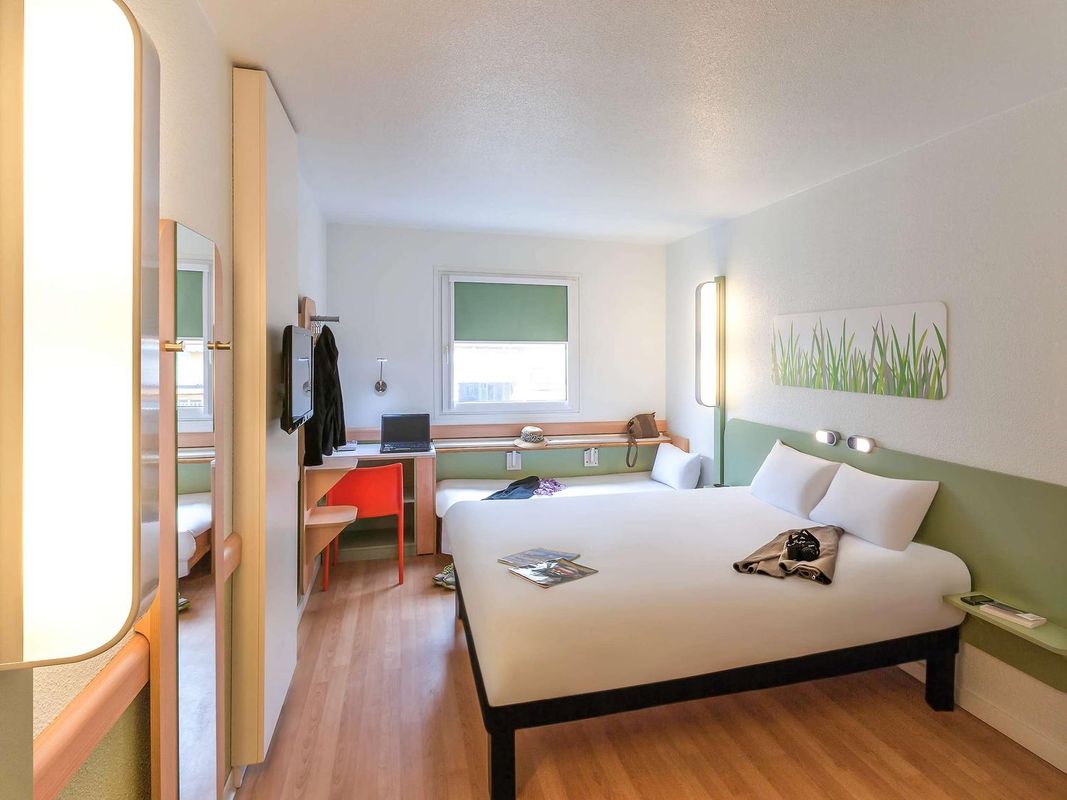
Ibis Budget Valencia Aeropuerto

Hotel Aviacion
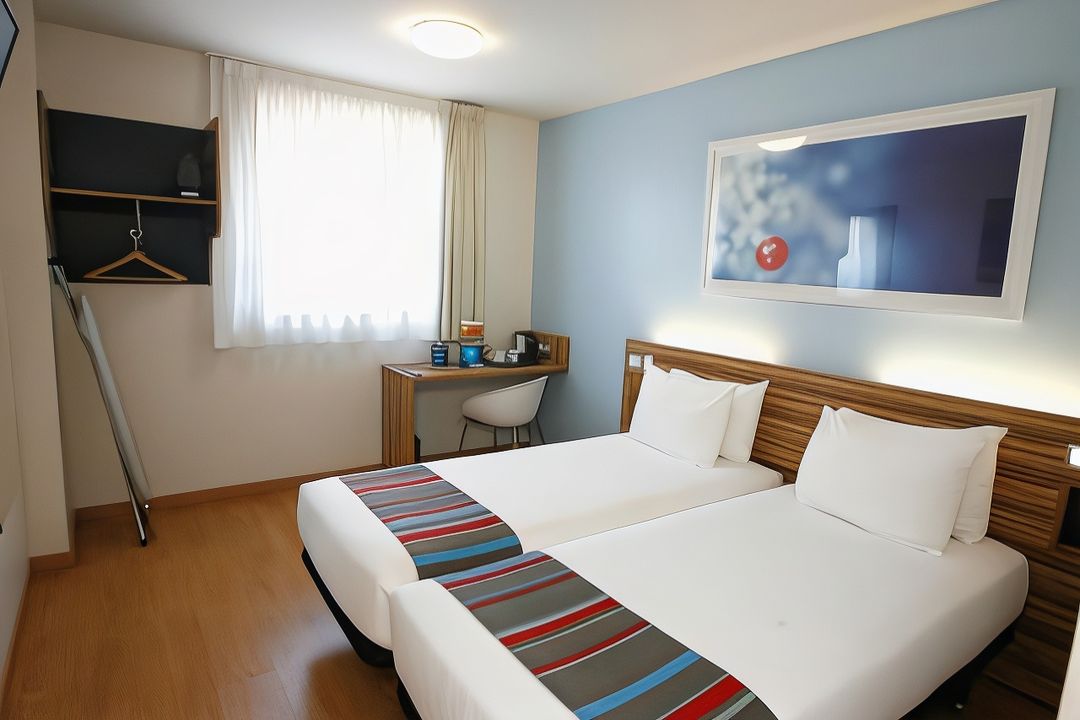
Travelodge Valencia Aeropuerto
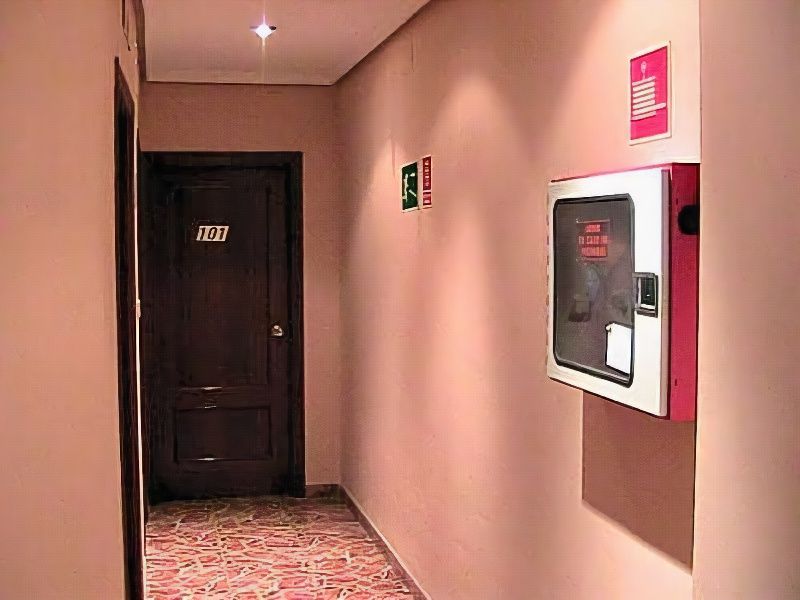
Hotel Manises
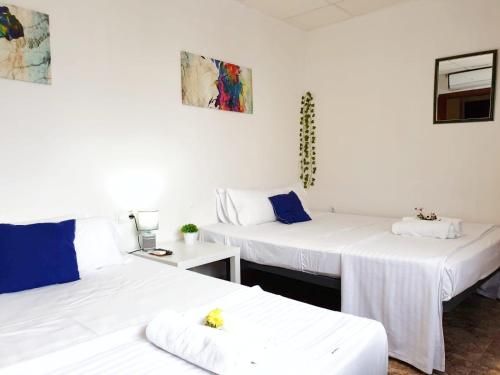
Hotel M5 Valencia Aeropuerto
Frequently Asked Questions about Traveling to Manises
Questions You Might Need to Know About Traveling to Manises
For first-time visitors, the historic center of Manises is ideal, offering easy access to landmarks like the Iglesia de la Asunción and Plaza del Ayuntamiento. Staying here ensures proximity to local cafés, shops, and walking paths along the Río Júcar.
Top recommendations include Hotel El Cid, a family-friendly option with spacious rooms, free parking, and breakfast included—perfect for exploring nearby Valencia or the coast. Another excellent choice is Casa del Puente Boutique Hotel, housed in a restored 19th-century building with a charming courtyard and Mediterranean-style interiors.
Both hotels are well-rated for comfort and location. For convenience, book early during peak season (July–September), as demand surges due to Manises’ popularity among domestic and international tourists seeking a quiet yet vibrant base near Valencia.
Tourists in Manises can immerse themselves in the annual Fiesta de la Asunción, held every May, which celebrates the town’s patron saint with religious processions, traditional music, folk dances, and vibrant floral parades centered around the Iglesia de la Asunción.
Another highlight is the Manises Pottery Festival, showcasing the region’s centuries-old ceramic craftsmanship. Local artisans demonstrate hand-glazing techniques passed down through generations, and visitors can join workshops to create their own unique pottery pieces.
Don’t miss a visit to the Museo Histórico de Manises, where exhibits trace the town’s evolution from an agricultural village to a key industrial hub. The museum also features restored 18th-century homes and stone-paved alleys, offering a glimpse into daily life in historic Manises. These authentic experiences provide deep insight into the community’s identity and heritage.
In Manises, Casa del Puente Boutique Hotel stands out for its exceptional views. Housed in a restored 19th-century mansion, it features rooms with panoramic vistas of Parque Rosario, lush greenery stretching toward the Júcar River, and the silhouette of the Iglesia de la Asunción.
The top-floor terrace suites offer private balconies overlooking the city’s rooftops and distant hills, perfect for sunrise views or evening stargazing. Natural light floods the rooms, enhanced by large windows and open-plan layouts that blend indoor comfort with outdoor scenery.
Similarly, Hotel El Cid provides elevated views from its upper floors, overlooking the central plaza and tree-lined pathways. Both properties prioritize architectural harmony with nature, making them ideal for guests seeking serenity and visual beauty during their stay.
Visitors to Manises should try Tortilla de Patatas, a classic Spanish omelet made with fresh potatoes and onions, often served with locally produced white wine. Another must-try is Estofado Manisense, a rich stew featuring regional vegetables, olive oil, and aromatic herbs—a dish rooted in rural culinary tradition.
Don’t miss Turrón de Manises, a famous nougat made with premium almonds and honey, crafted using techniques dating back centuries. It’s especially popular during festivals and given as a gift symbolizing good fortune.
Local favorites include Restaurante La Bodega and Café del Rincón, where home-style cooking is served in warm, rustic settings. Pair your meal with a glass of Valencian white wine to fully savor the town’s gastronomic heritage.
Nature lovers in Manises should explore the walking paths along Parque Rosario and the Júcar Riverbank. This 3-kilometer trail is well-maintained, shaded by trees, and ideal for families and casual hikers, offering views of riverine flora, birds, and seasonal wildflowers.
A hidden gem is the path leading up behind the Iglesia de la Asunción, a 1.5-kilometer trail through old stone walls and former threshing floors. Reaching the summit rewards hikers with panoramic views of the town and the Mirabel mountain range.
Best visited in the early morning or late afternoon to avoid heat. Trails feature benches and informative signage about local ecology and history. Clear markings ensure easy navigation, making these routes accessible for independent exploration.
Key historical sites in Manises include the Iglesia de la Asunción, a 16th-century church blending Gothic and Renaissance architecture, featuring intricate wooden altarpieces and stained-glass windows.
The Antiguo Ayuntamiento, once the town’s 18th-century administrative center, now houses the Museo Histórico de Manises, displaying local ceramics, farming tools, and everyday artifacts that illustrate the town’s transformation from agrarian roots to industrial growth.
Also notable is Casa del Puente, a 19th-century country villa converted into a boutique hotel, showcasing traditional Mediterranean construction with stone walls, arched doorways, and a central courtyard.
These structures not only reflect architectural excellence but also serve as vital gateways to understanding Manises’ cultural evolution. Guided tours enhance the experience with detailed narratives on each site’s significance.
Manises Overview
City Summary
Manises is an industrial city in the Valencian Community of Spain, renowned for its long-standing ceramic manufacturing tradition. It offers a unique blend of cultural heritage and modern industrial landscapes, providing a distinctive travel experience. Visitors can explore local ceramic museums and traditional workshops to appreciate the city's rich artisanal heritage.
Must-See Attractions
Must-see attractions include the Manises Ceramic Museum, showcasing centuries of ceramic art development. The San Bartolomé Church in the city center and local markets are also worth visiting. For art enthusiasts, touring local ceramic workshops is a must.
Food Guide
Cuisine is dominated by Mediterranean flavors, with recommended dishes like Paella Valenciana and Horchata (a refreshing drink made from tiger nuts). Local taverns and restaurants offer a variety of traditional Spanish tapas, perfect for experiencing the local food culture.
Transportation Guide
Transportation primarily relies on buses and trains. Valencia's metro network extends to Manises, making it easy to travel to surrounding areas. Taxis are available but should be booked in advance. For short trips, walking or renting a bicycle is a good option.
Best Time to Visit
The best time to visit is during spring (March to May) and autumn (September to November), with mild weather and fewer tourists. Summers are hot, while winters are cooler.
Travel Tips
- Safety tip: Keep personal belongings secure, especially in crowded areas.\n2. Etiquette: Locals are generally friendly but respect their personal space.\n3. Language: Learning basic Spanish will help with communication.\n4. Shopping: Ceramic products make ideal souvenirs; buy them at local workshops.\n5. Attire: Prepare sun protection for summer and warm clothing for winter.
Useful Information
Useful information:\n- Language: Spanish is the official language; a few speak Valencian.\n- Internet: Free Wi-Fi hotspots are available in major tourist areas.\n- Payment: Credit cards are widely accepted, but cash is preferred for small transactions.\n- Emergency: Local hospitals are well-equipped; dial 112 for emergencies.\n- Currency: The Euro (EUR) is the official currency.