Hotels in Marco de Canaveses
Discover your perfect stay in Marco de Canaveses.
Marco de Canaveses(Portugal) Travel 2026: Cheap Flights, Hotels & Top Attractions
Popular Landmarks in Marco de Canaveses
Discover the most iconic attractions in Marco de Canaveses
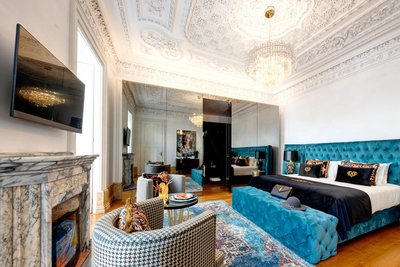
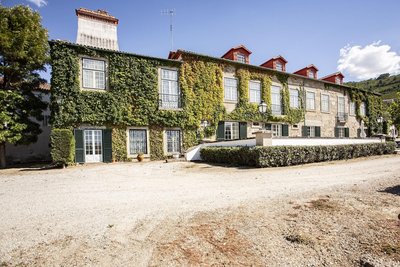
Recommended Hotels in Marco de Canaveses
Find the perfect place to stay in Marco de Canaveses
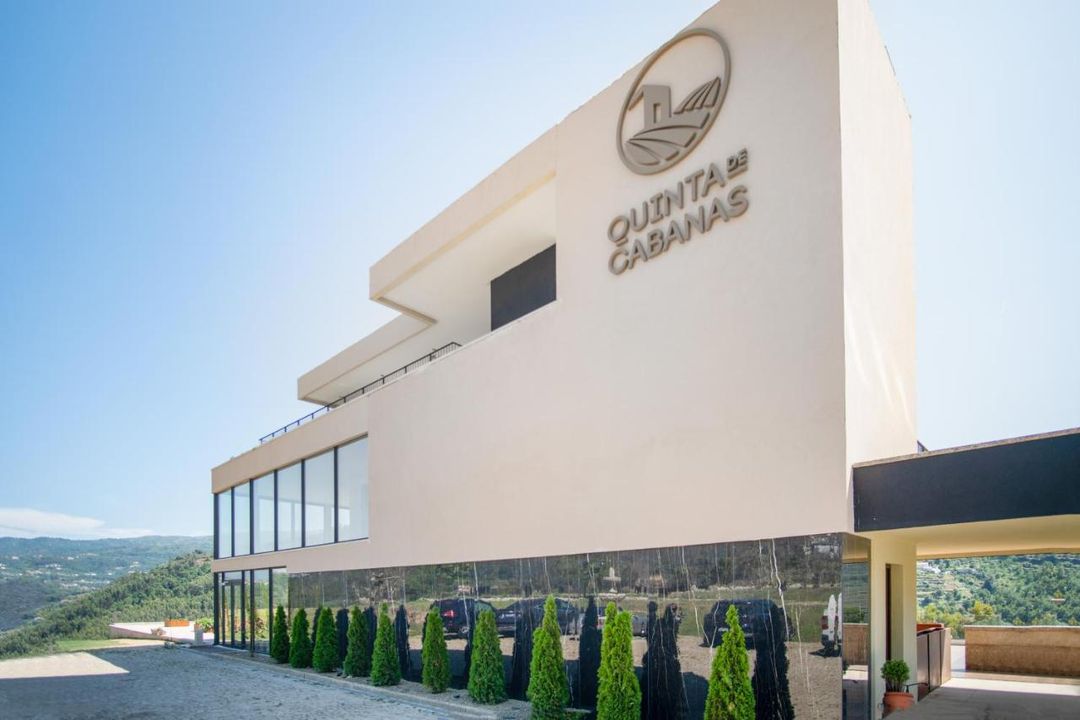

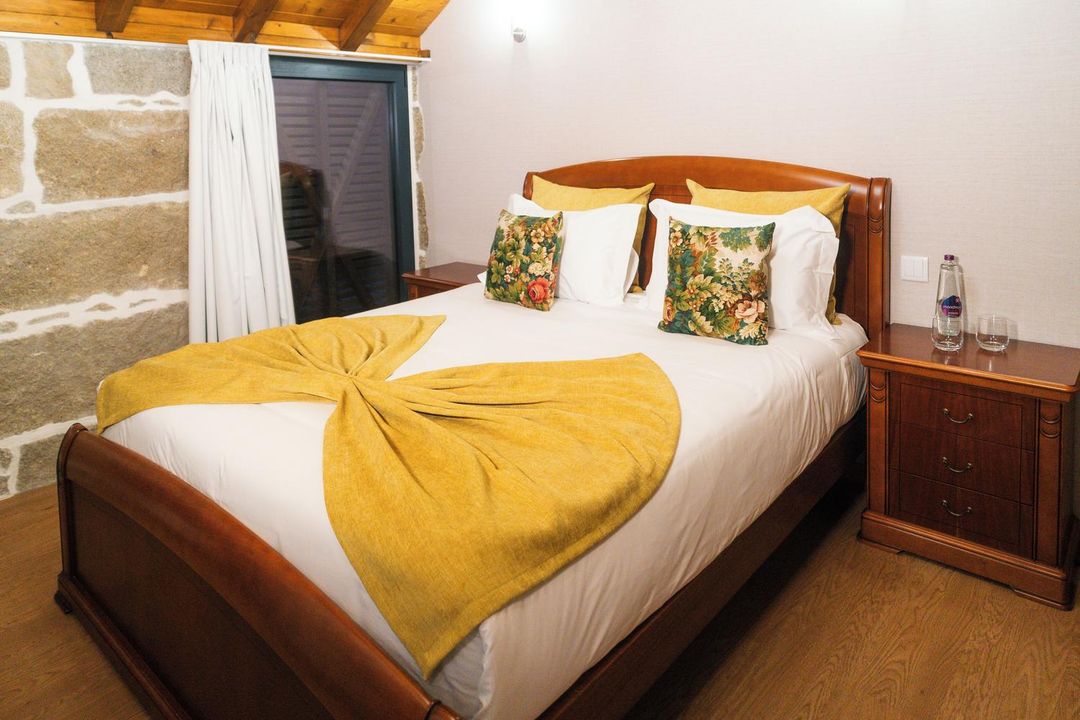
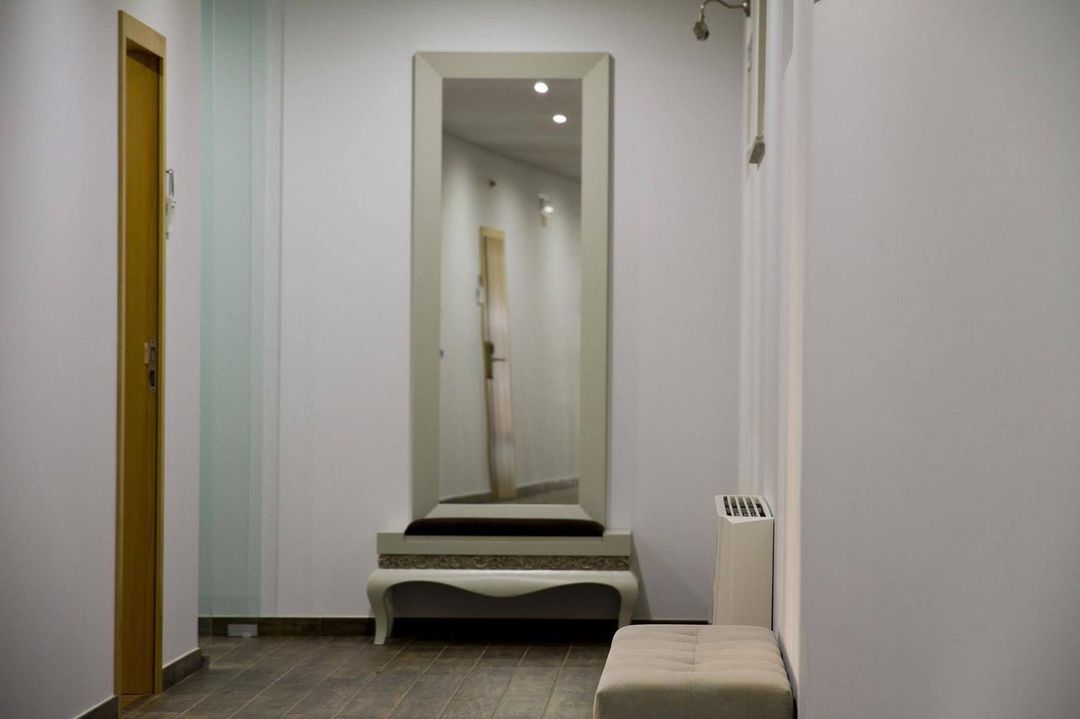
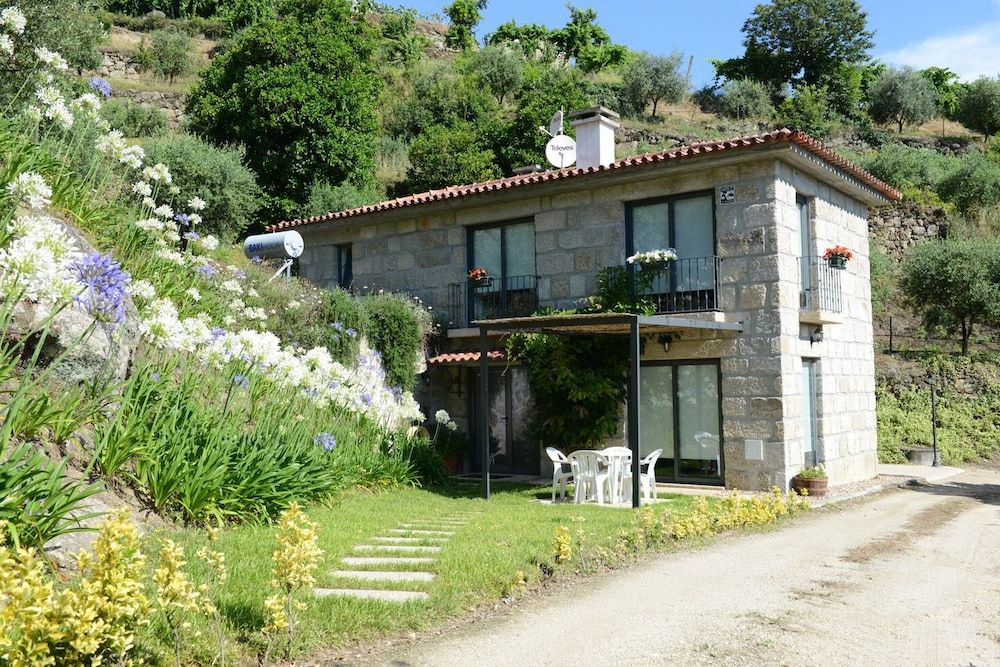
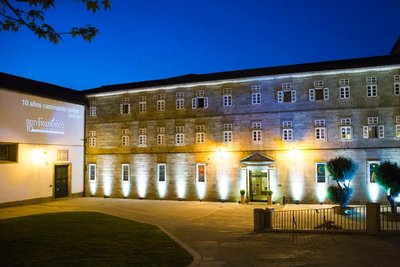
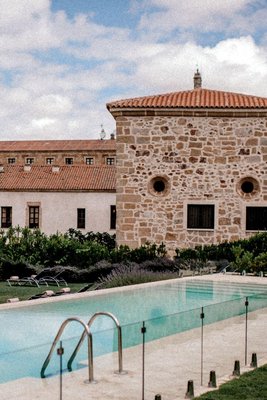
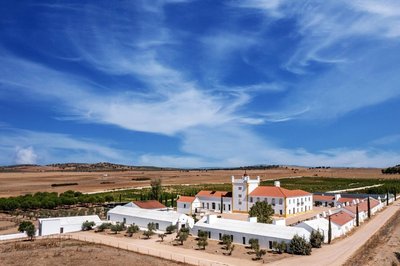
Best Hotels in Marco de Canaveses
Discover curated hotel collections in Marco de Canaveses
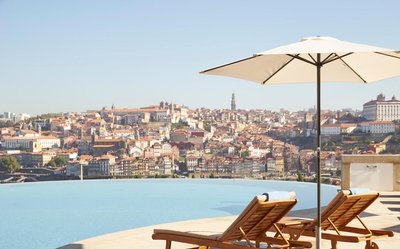
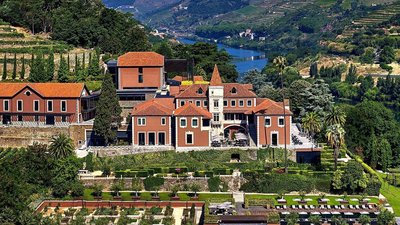
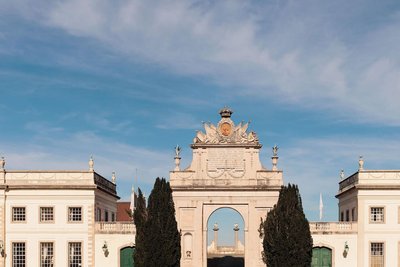
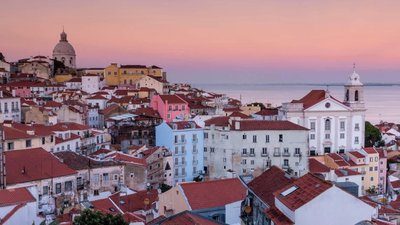
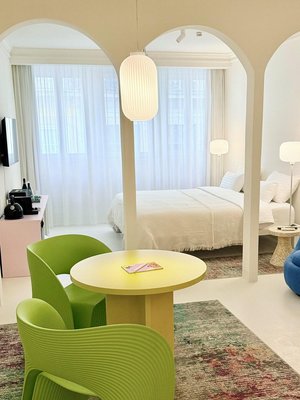
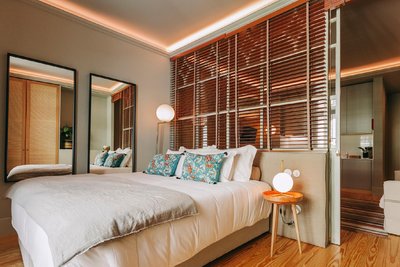
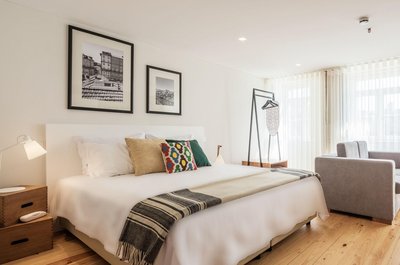
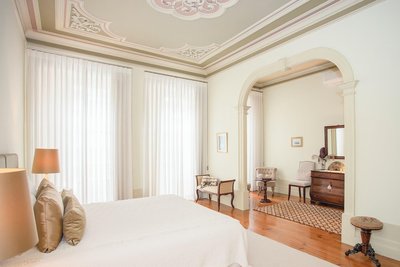
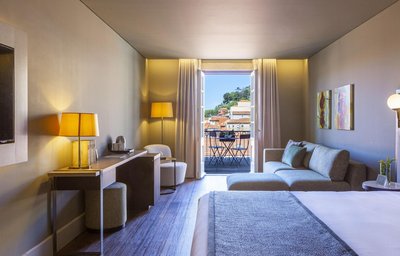
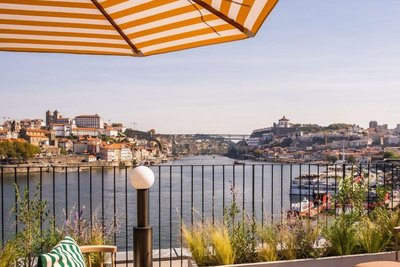
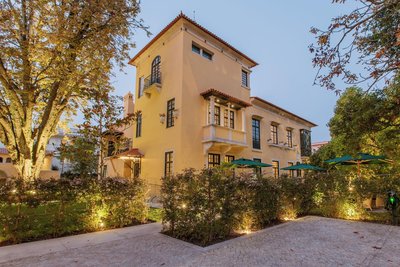
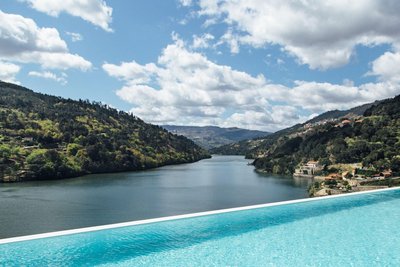
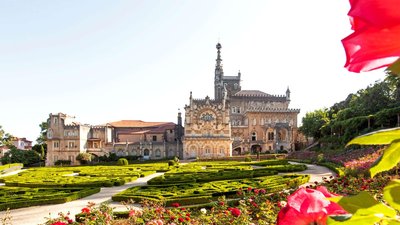
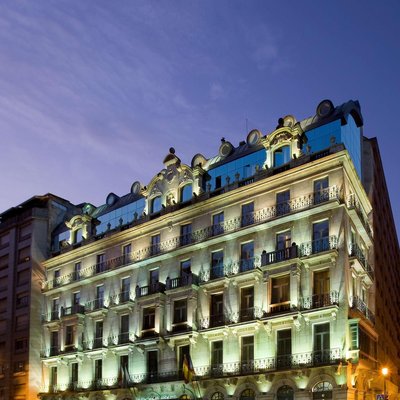
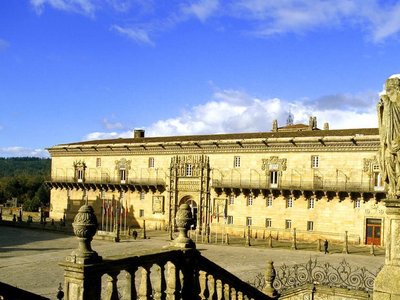
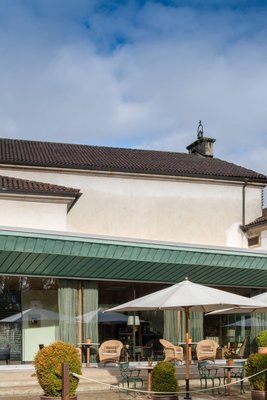


Frequently Asked Questions about Traveling to Marco de Canaveses
Questions You Might Need to Know About Traveling to Marco de Canaveses
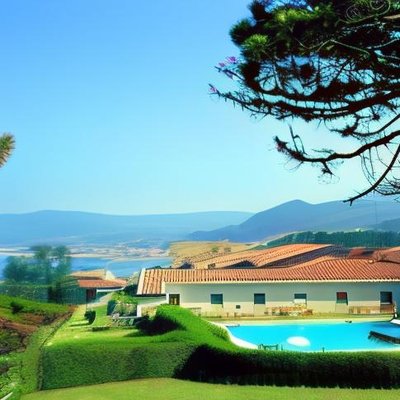
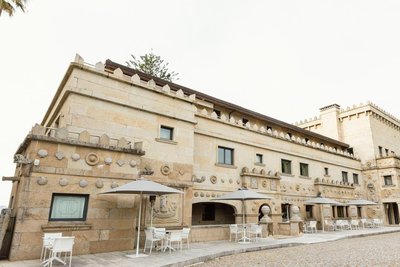
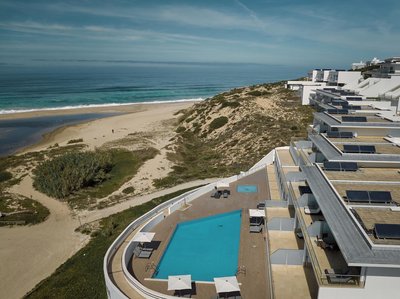
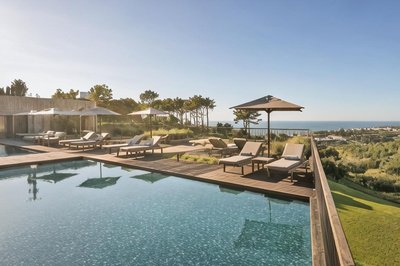
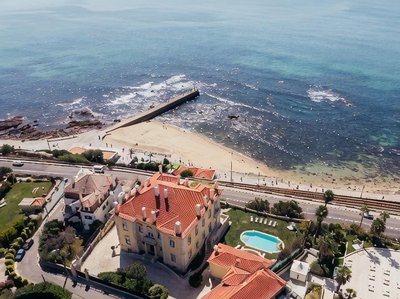
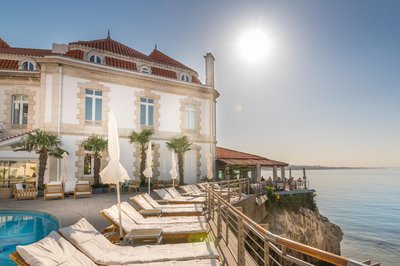
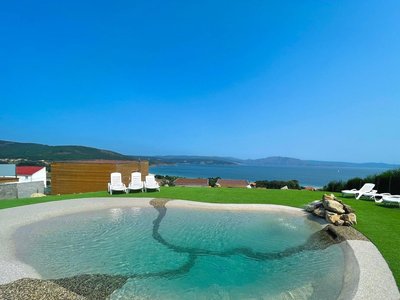
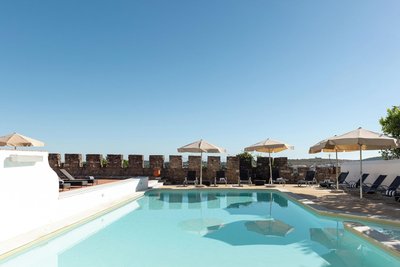
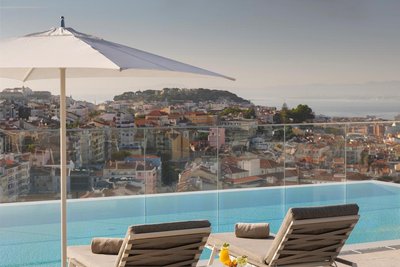
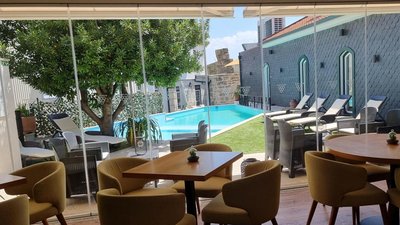
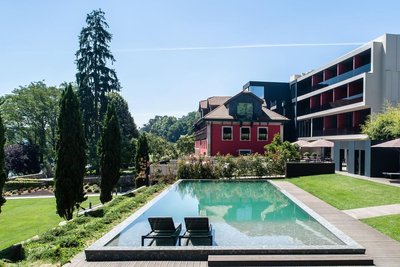
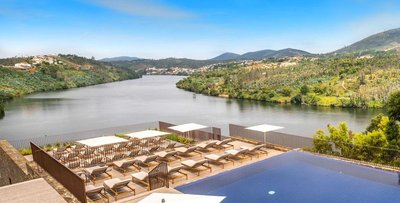
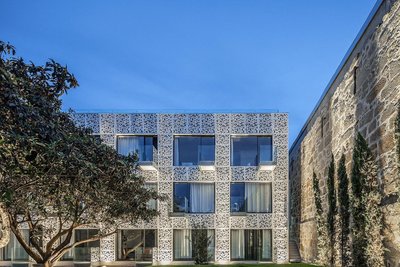
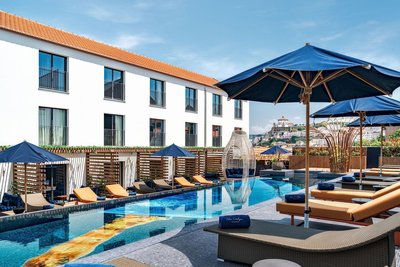
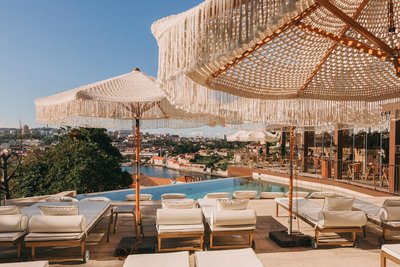
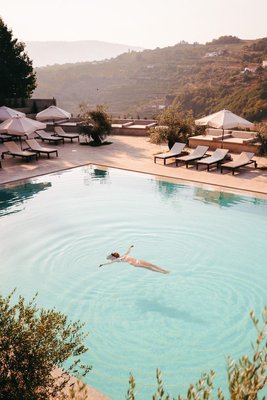
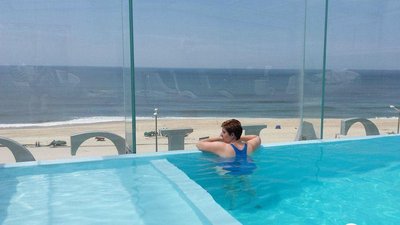
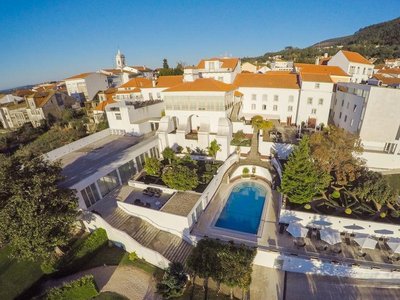
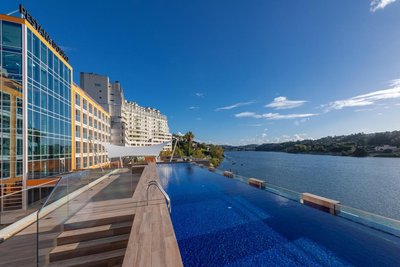
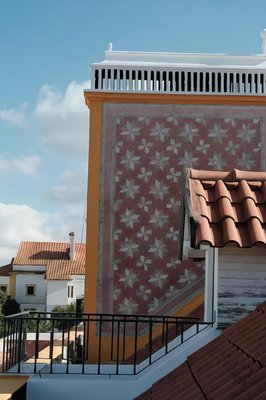
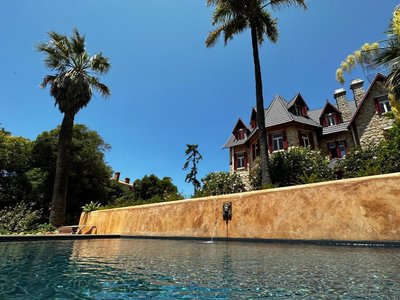
In Marco de Canavezes, the top boutique option is Vila Algarve Coastal Villa Hotel, a design-led retreat blending traditional Portuguese tilework with minimalist interiors. Perched above Praia de Canavês, it offers private sea-view terraces and an infinity pool overlooking the Atlantic. The hotel hosts weekly local craft workshops—from ceramic making to traditional fishing net weaving—allowing guests to engage directly with regional heritage.
Another standout is Casa da Praia, a converted 19th-century fisherman’s house in the historic district, now a curated guesthouse featuring handcrafted furniture and rooftop stargazing decks. Both properties emphasize sustainability, using solar power and locally sourced ingredients for their breakfast spreads. For travelers seeking authenticity, these hotels deliver not just comfort but cultural immersion in one of Portugal’s most underrated coastal gems.
For first-time visitors, the Canaãvés Historic District is the ideal base. Nestled between Santa Maria Church and the Canavês Seafront Promenade, this area combines charm with convenience. Cobblestone streets lined with bougainvillea lead to family-run cafés, artisan markets, and hidden seafood taverns serving fresh Caldeirada stew.
The district is walkable, safe, and rich in local life—perfect for evening strolls under lantern-lit arches or morning visits to the Fishermen's Market. Nearby, Casa da Praia and Vila Algarve Coastal Villa Hotel offer seamless access to both nature and culture. With no need for a car, you can easily explore the lighthouse, hidden coves, and ancient watchtowers on foot. It’s the heart of authentic Portuguese coastal living.
Immerse yourself in Marco de Canavezes’ unique cultural tapestry through: Traditional Fish Soup Cooking Classes led by female fishermen’s wives, where you’ll learn to prepare Caldeirada using daily catch, wild herbs, and regional olive oil. These sessions include a seaside tasting with homemade bread.
Join the Festa do Mar de Canavês, held annually in August, a vibrant festival featuring maritime rituals, folk dancing, and a night procession honoring the sea. Visitors can wear period costumes and participate in the “Dance of the Tides”, a rhythmic performance inspired by wave patterns.
Explore the underground ruins beneath Santa Maria Church, where 17th-century nautical charts and celestial navigation tools reveal the town’s role as a 16th-century port for Atlantic voyages. These experiences transform travel into storytelling—connecting you deeply with the soul of this coastal community.
Absolutely. Marco de Canavezes is highly family-friendly, especially around Praia de Canavês, a gently sloping, child-safe beach with calm waters and lifeguard coverage. Many accommodations, like Vila Algarve Coastal Villa Hotel, offer complimentary kids’ clubs, sandcastle-building contests, and guided marine life discovery walks.
Local events welcome families—weekend fishermen’s market stalls let children help set up displays, while family cooking nights teach how to make Pastel de Canavês, a honey-almond pastry. Nighttime brings stargazing sessions on the sea promenade, hosted by amateur astronomers who explain constellations visible from the southern hemisphere.
With low crime rates, pedestrian zones, and abundant green spaces, the town balances safety and adventure—ideal for creating lasting memories with kids in a relaxed, culturally rich environment.
From Lisbon Airport (LIS), the most convenient option is the TAP Airport Shuttle, a direct bus service taking approximately 2 hours with English-speaking guides and Wi-Fi. Alternatively, rent a car via AutoEuropa at the airport—drive along the A23 highway through scenic Algarve hills and the Guadiana River Valley, offering panoramic views of vineyards and cork forests.
For budget travelers, take Estrada Nacional 101 Bus to Canavês Central Station, then transfer to the free Canavês Connect Electric Shuttle (bookable via app). Note: During peak season, book tickets in advance. Total journey time ranges from 1.5 to 2.5 hours depending on traffic. All routes provide luggage space and real-time updates—ensuring a stress-free arrival.
Must-visit landmarks in Marco de Canavezes include: Santa Maria Church, a 18th-century white limestone sanctuary with 17th-century crucifixes and stained-glass windows depicting maritime saints.
Canavês Bay – a crescent-shaped cove perfect for kayaking and exploring sea caves, especially at low tide. Its clear waters and rocky outcrops create dramatic photo opportunities.
The Old Town Lighthouse (Farol de Canavês), built in 1903, now houses a small museum with antique navigational instruments and oceanographic maps. Climb to the top for panoramic views across the Atlantic and the distant Cabo da Roca.
Finally, the Canavês Sea Wall (Muro de Canavês) stretches 1.2 km along the coast—illuminated at night, it becomes a glowing ribbon across the water. These landmarks form a cohesive narrative of faith, seafaring, and resilience, making them essential stops on any visit.
In Marco de Canavezes, must-try dishes include Caldeirada, a rich fish stew made with daily catch, tomatoes, onions, and saffron, traditionally served with grilled bread at O Pescador Seafood Shack. It’s a taste of the region’s maritime soul.
Try Pastel de Canavês, a golden almond-honey pastry crafted by Santa Maria Bakery since 1890. Light, flaky, and fragrant with cinnamon—perfect with a cup of local black tea.
Visit the Sunday Farmers' Market for fresh Algarve tomatoes, figs, and goat cheese. Pair them with cured ham for a simple yet flavorful picnic on the seafront.
For deeper immersion, join a Family Kitchen Night, where you’ll learn to cook Arroz de Marisco (seafood rice) using regional saffron and wild herbs. These dishes aren’t just food—they’re stories of land, sea, and generations.
The best time to visit Marco de Canavezes is April to June and September to October. Temperatures range from 18–25°C, with long sunny days and gentle sea breezes—ideal for beach lounging, hiking, and photography.
Summer (July–August) brings crowds and higher prices, though it’s perfect for water sports and festivals like the Festa do Mar. Winter (November–March) sees frequent rain and stronger waves, limiting beach access but offering quiet, atmospheric visits to churches and museums.
Avoid holiday peaks like Christmas and Easter, when local events fill accommodations. For tranquility and value, choose autumn—when skies are blue, crowds thin, and the sea glows like liquid gold.
Photography lovers will find Marco de Canavezes endlessly inspiring. Capture the golden hour light on Santa Maria Church’s façade, where shadows stretch dramatically across cobblestones.
At low tide, Canavês Bay reveals tidal pools reflecting sky and rock—perfect for mirror-effect shots. Use a tripod for long exposures of crashing waves against stone walls.
The Old Town Lighthouse at dusk is magical: its beam cuts through fog while silhouetted boats return from sea. Shoot from the east side for dramatic contrast.
The Canavês Sea Wall, lit at night, forms a luminous arc across the water—ideal for wide-angle cityscapes. Bring a polarizing filter to reduce glare on wet surfaces. Early mornings offer soft light and fewer people—prime conditions for capturing authentic moments of daily life.
Public transport in Marco de Canavezes is functional but limited. The Estrada Nacional 101 Bus connects the town to Lisbon and Faro, with 2–3 daily departures. However, schedules are infrequent—check ahead via Rede Expressos app.
Within the town, walking is preferred due to narrow, pedestrian-only streets in the historic district. For flexibility, rent a bike or electric scooter from Canavês Connect, a shared mobility service with GPS-enabled vehicles available via smartphone app.
For longer trips, car rental is recommended—highways link seamlessly to other Algarve destinations like Faro City and Monchique Mountains. While rural areas lack transit, apps like Moovit offer real-time updates. Overall, plan ahead and consider combining walking with ride-sharing for optimal exploration.
Marco de Canaveses Overview
City Summary
Marco de Canaveses is a tranquil riverside town in northern Portugal, famed for its medieval bridge and wine culture. The cobblestone old quarter along the Douro tributary preserves 16th-century noble mansions, while surrounding hills are dotted with UNESCO-listed vineyard terraces. This hidden gem offers authentic Portuguese rural life and Port wine heritage.
Must-See Attractions
Top attraction is the iconic Ponte de Canaveses stone bridge, a Romanesque relic of medieval salt trade routes. The riverside Casa de Juste manor showcases Baroque frescoes, while Quinta da Avessada winery provides interactive wine-making experiences. Don't miss the weekly Thursday market for handmade wickerware and local cheeses.
Food Guide
Must-try is Douro Valley's signature wine-marinated trout (Truta à Moda do Marão), perfectly paired with alheira sausage. For dessert, sample convent-originated Toucinho do Céu almond cake. Local wine cellars often serve young Vinho Verde as aperitif.
Transportation Guide
Drive from Porto via A4 highway (50min) or take regional trains to Marco de Canaveses station (transfer at Pénede). The town center is walkable, but HopeGoo winery shuttles or taxis (avg. 15min wait) is advised for vineyard visits. Note rural roads have sharp curves.
Best Time to Visit
May-June offers mild temperatures (15-25°C) with verdant vineyards, avoiding summer crowds. September harvest season features grape-stomping traditions (book accommodations early). Winter fog often obscures landscapes.
Travel Tips
- Cover shoulders/knees for church visits
- Rural restaurants usually stop serving after 14:00
- Winery tastings require HopeGoo (5-10€ fee)
- Cash preferred at local markets
- Mountain roads lack nighttime lighting
- Observe quiet hours during siesta (13:00-15:00)
Useful Information
Language: Basic Portuguese phrases are appreciated (e.g. "Bom dia"). Internet: Free WiFi in old town squares. Payment: Visa/Mastercard accepted at wineries/hotels; cash needed for small shops. Emergency: Centro de Saúde provides basic care; serious cases require Porto hospitals. Tap water is drinkable, but boil mountain spring water.