Hotels in Marikina
Discover your perfect stay in Marikina.
Marikina(Philippines) Travel 2026: Cheap Flights, Hotels & Top Attractions
Popular Landmarks in Marikina
Discover the most iconic attractions in Marikina
Recommended Hotels in Marikina
Find the perfect place to stay in Marikina
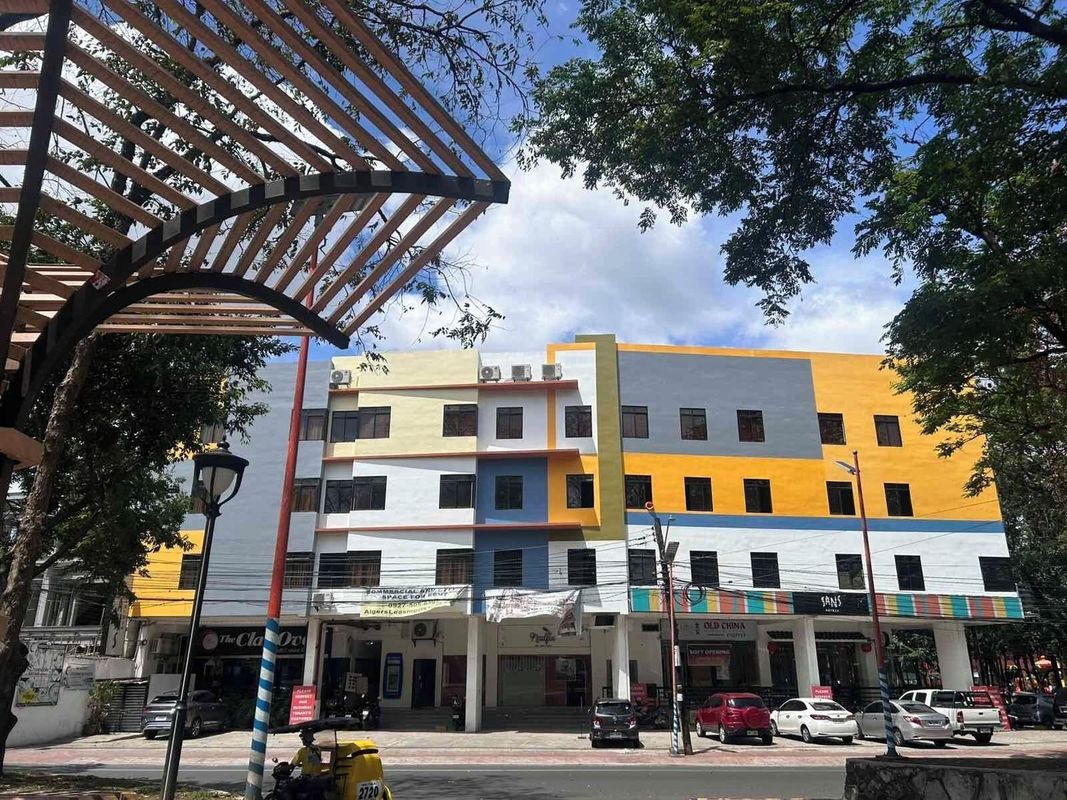
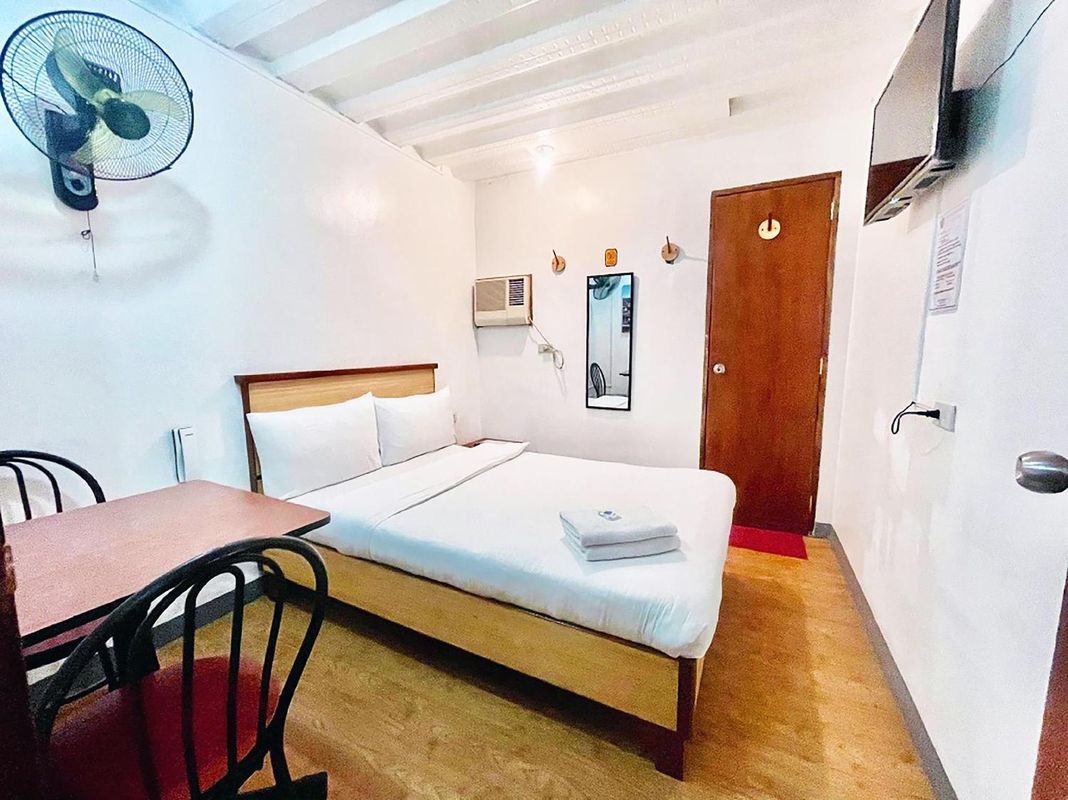
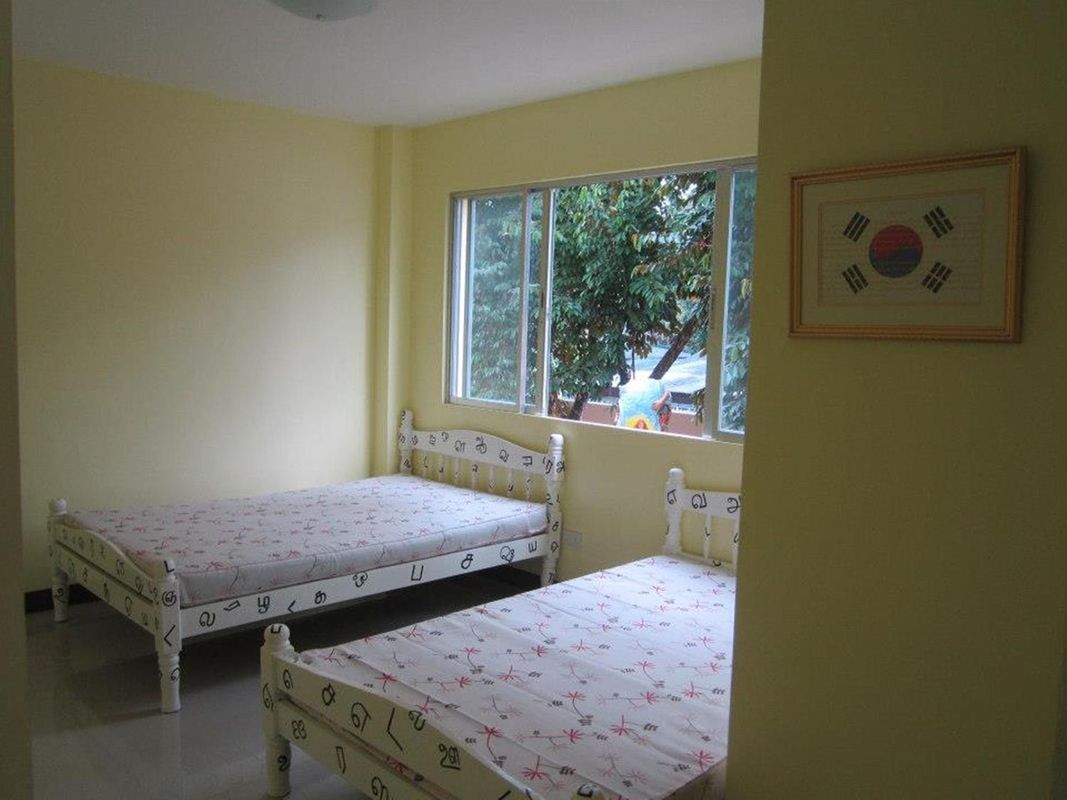
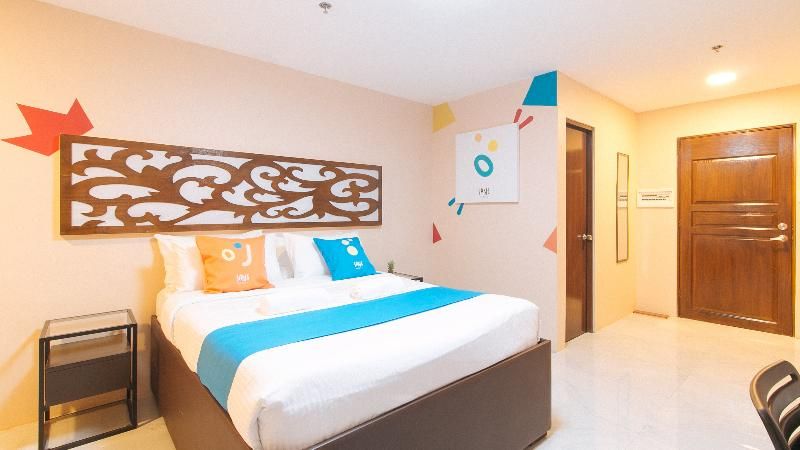
Best Hotels in Marikina
Discover curated hotel collections in Marikina
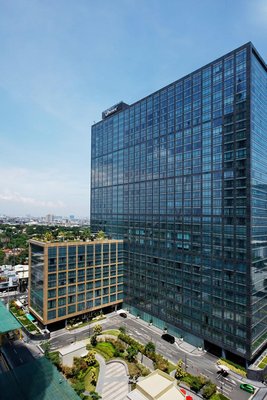

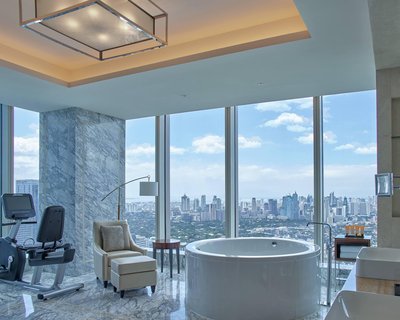
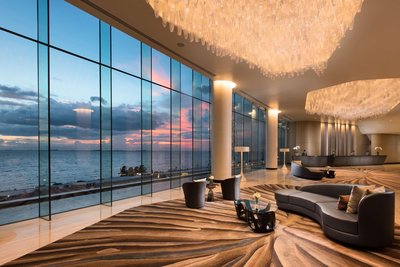
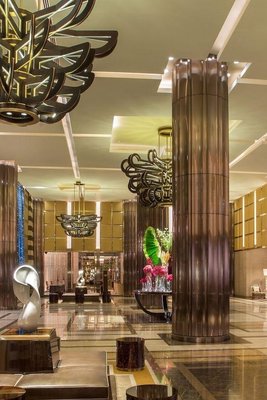
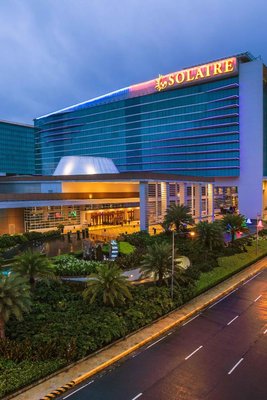

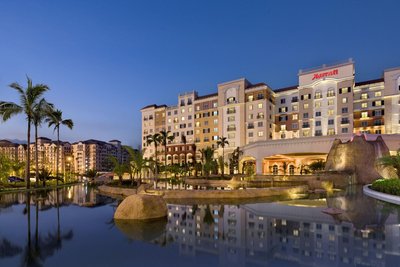

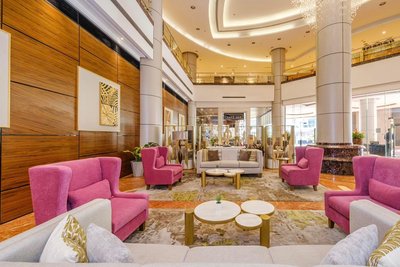
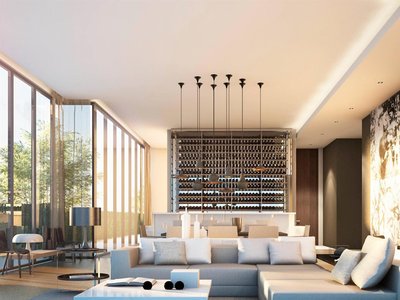
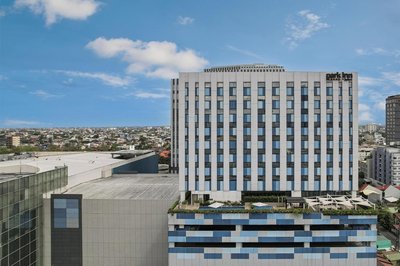
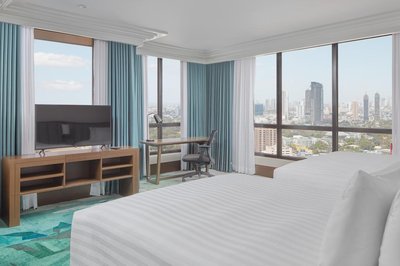
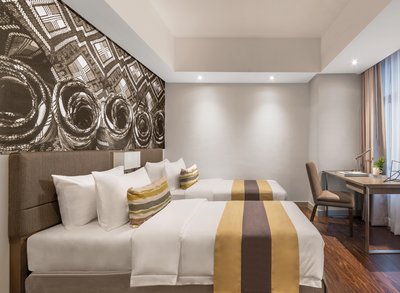

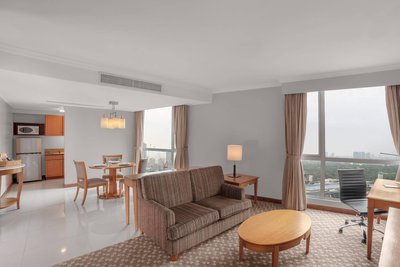


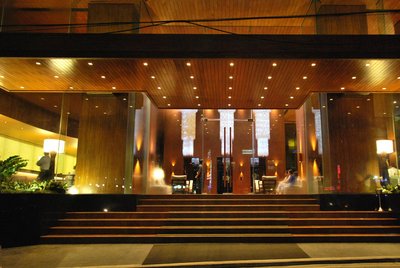
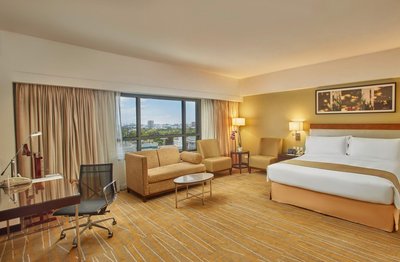
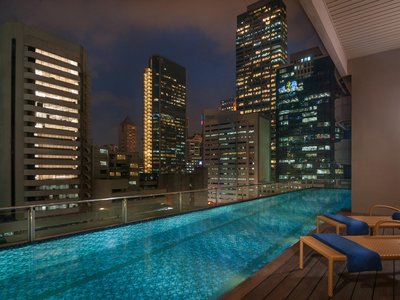
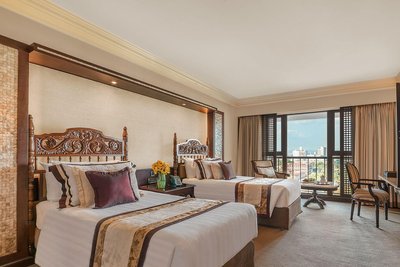

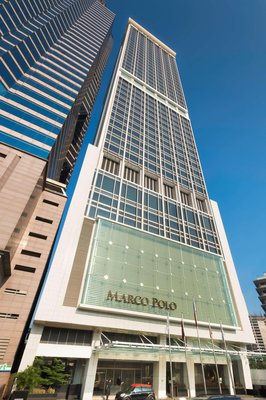
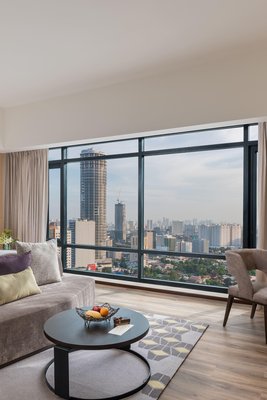
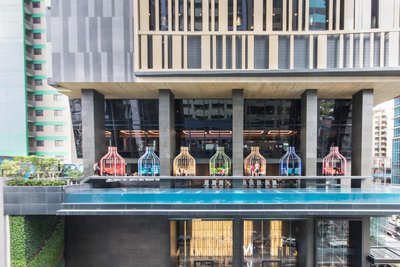

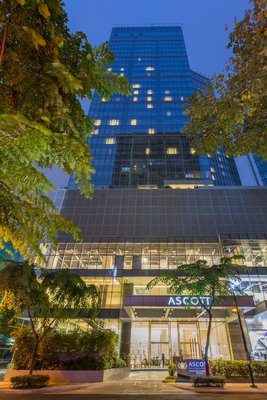
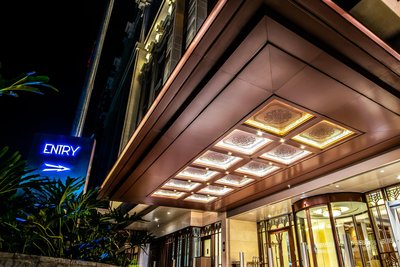
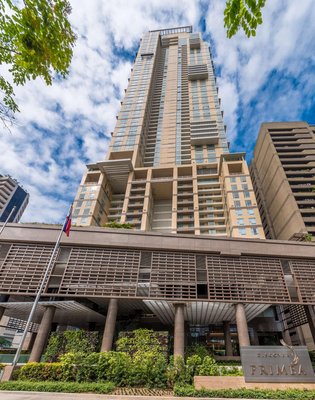
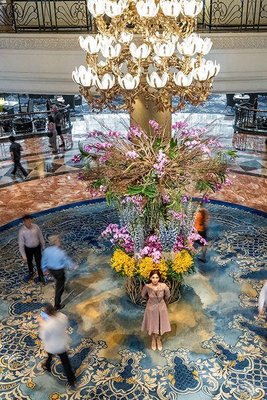








Frequently Asked Questions about Traveling to Marikina
Questions You Might Need to Know About Traveling to Marikina
In Maligñan, the top choice for a comfortable stay is the Maligñan Royal Hotel, located in the heart of downtown near the Church of the Assumption and Maligñan Riverfront Trail. This modern hotel offers air-conditioned rooms, free Wi-Fi, and panoramic views of the city’s greenery. Its on-site restaurant serves authentic Filipino dishes like Adobo Rice and Lechon Kebab, while the staff provides warm, personalized service. For travelers seeking tranquility, Riverside Boutique Inn is ideal—nestled along the riverbank, it features eco-friendly design, handmade local décor, and a rooftop terrace perfect for sunset views. Both properties are within walking distance of Metro Mall Maligñan and offer easy access to public transport. With excellent safety, cleanliness, and location, these hotels provide a seamless experience for business and leisure visitors alike.
The best area for first-time visitors to Maligñan is the Downtown Commercial District, situated just steps from the Municipal Hall, Central Market, and Church of the Assumption. This vibrant zone offers convenient access to restaurants, shops, and cultural landmarks. Hotels like Maligñan Royal Hotel and City Plaza Inn are centrally located, ensuring easy exploration. The streets buzz with local life—vendors sell Patiya and Sapin-Sapin, while evening markets light up the riverside. From here, you can quickly reach Barrio Hill or drive to Calamba Airport in under 30 minutes. The district is safe, well-connected, and rich in history, making it the ideal base for discovering Maligñan’s charm and character.
In Maligñan, don’t miss visiting the Church of the Assumption, a 19th-century colonial-style church with intricate wood carvings and stained-glass windows. Every May, the Fiesta de la Virgen celebrates the city’s patron saint with processions, traditional music, and street festivals. Join a local weaving workshop to learn Ilocano Weaving techniques from skilled artisans, creating unique souvenirs. Early morning at the Central Market offers an authentic taste of daily life—try steaming Sinigang with Pork and Chicken Sisig. For a scenic experience, hike to Barrio Hill for panoramic views of the city and river valley. These immersive activities provide deep insight into Maligñan’s heritage, faith, and community spirit.
Must-try dishes in Maligñan include Adobo Rice, a savory dish of pork or chicken slow-cooked in vinegar, garlic, and spices; Patiya, a sweet coconut-milk pudding layered with palm sugar syrup; and Sapin-Sapin, a colorful, multi-layered rice cake with mung bean and coconut filling. At the Central Market, savor grilled Lechon Kebab served with garlic sauce, or enjoy Sinigang with Pork for a tangy, comforting meal. For a deeper culinary experience, participate in a home-cooking tour led by local families who guide you through market shopping and prepare a full Filipino feast. Don’t miss Maligñan Hand-Filtered Coffee, made from locally grown Arabica beans, served at riverside cafés—perfect for a relaxed afternoon break.
Yes, Maligñan is highly family-friendly. The city features spacious public areas like Central Park, with child-friendly playgrounds and shaded walking paths. Hotels such as Maligñan Royal Hotel and City Plaza Inn offer family rooms, baby cots, and kids’ activity zones. The Church of the Assumption hosts regular children’s religious programs, and weekend events include puppet shows and craft workshops. Families can stroll along the Maligñan Riverfront Trail, where picnic spots and shade shelters make it ideal for relaxation. In the evenings, the Riverside Night Market offers kid-friendly food stalls and games. A short drive takes you to Barrio Hill for a gentle hike with stunning views. With safe streets, clean facilities, and welcoming locals, Maligñan offers a stress-free environment for parents and children alike.
Transportation in Maligñan is efficient and affordable. Tricycles (three-wheeled motorized carts) are the most common mode for short trips, costing around ₱20 to start, ideal for two passengers. Bus routes connect key locations like the market, hospital, and schools, with fares ranging from ₱10 to ₱15. For longer distances—such as to Calamba Airport or eastern Luzon highways—taxis are readily available, averaging ₱200–350 for a 20–30 minute ride. During the rainy season (June–November), some roads may flood briefly, so avoid peak hours. The downtown area has clear signage and pedestrian walkways, making it easy to explore on foot. Overall, Maligñan’s transit system supports both locals and tourists, offering flexibility and reliability.
Maligñan boasts several natural highlights. The Maligñan Riverfront Trail runs alongside the river, lined with trees and benches, perfect for morning walks or sunset viewing. Nearby, Barrio Hill rises to 150 meters, offering breathtaking panoramic views of the city and valley—ideal for photography and quiet reflection. At its base lies a small ecological park with native plant displays and a butterfly garden, great for nature lovers and families. While Maligñan National Forest Reserve is partially restricted, guided weekend tours allow visitors to explore lush forest trails and spot wildlife like the Philippine wild boar and Blue-crowned Woodpecker. Early mornings and late afternoons offer the best lighting for photos. All these sites are within 5 kilometers of the city center, easily accessible by tricycle or foot.
The best shopping spots in Maligñan include the Central Market, a bustling hub selling fresh produce, seafood, handwoven textiles, and traditional crafts like Ilocano cotton fabrics and coconut fiber bags. For modern retail, visit Metro Mall Maligñan, which houses department stores, electronics shops, and international brands. Art lovers will enjoy the Riverside Arts District, featuring independent boutiques selling handmade jewelry, ceramic art, and local illustrations. Every Saturday night, the Riverside Night Market transforms into a lively flea market with vintage clothing, antiques, and homemade treats. All these locations are centrally located, reachable on foot or by tricycle, offering a true taste of Maligñan’s commerce and creativity.
Maligñan hosts several vibrant festivals. The highlight is the Fiesta de la Virgen in May, a month-long celebration honoring the city’s patron saint, featuring religious processions, folk dances, and colorful parades with bamboo drums. In October, the Riverfront Light Festival illuminates the banks with thousands of handmade paper lanterns, paired with music and projection art. The Maligñan Youth Music Festival in July brings live performances from local bands and indie artists, complete with food stalls and pop-up markets. During Lunar New Year, the Chinese Quarter hosts dragon dances and lantern displays. These events reflect the city’s cultural diversity and community spirit, offering travelers unforgettable moments of connection and celebration.
Maligñan traces its roots to the Spanish colonial era (1565), originally inhabited by the Ilocano people before becoming an administrative center. The Church of the Assumption, built in the 1800s, became the region’s religious and political hub. In the 19th century, the city thrived as a rice and sugarcane export port due to railway expansion across Luzon. Under American rule, infrastructure improved with schools and post offices established. During WWII, Maligñan was occupied by Japanese forces but later rebuilt. By the 1970s, it evolved into a commuter town near Manila. Today, remnants of colonial architecture remain, including the Old Municipal Hall and historic city walls. The Maligñan Historical Museum preserves artifacts and photographs documenting its transformation from a village to a modern urban center—a testament to resilience and cultural continuity.
Marikina Overview
City Summary
Maligina, a hidden gem on Luzon Island in the Philippines, captivates visitors with its pristine beaches, lush rainforests, and traditional fishing village culture. This off-the-beaten-path destination preserves authentic rural landscapes reminiscent of Banaue Rice Terraces and Spanish colonial-era church ruins, while divers can explore untouched coral reefs offshore.
Must-See Attractions
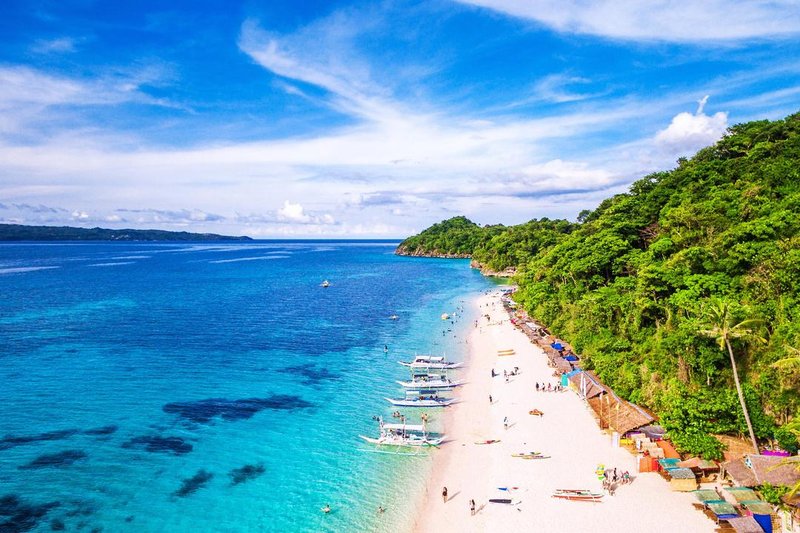
The Santa Ana Church, a 16th-century stone architectural marvel left by Spanish missionaries, stands as a cultural landmark. The bustling Maligina Fish Port offers vibrant morning markets. Kabug White Beach boasts crystal-clear waters ideal for snorkeling, while reaching Tala Volcanic Lake requires a 3-hour hike through bird-rich trails. Don't miss weekend bamboo craft markets showcasing Igorot tribal handicrafts.
Food Guide
Must-try dishes include Kinilaw na Tanguigue (mackerel ceviche) paired with local coconut wine Lambanog, and Sinigang na Hipon (sour shrimp soup) flavored with wild tamarind. Street vendors sell Puto Bumbong (purple rice cake) and Halo-Halo (mixed shaved ice dessert) for afternoon snacks. Seafood grill stalls cluster around the fish port after sunset.
Transportation Guide
No airport serves Maligina; take a 5-hour Victory Liner bus from Manila to town center. Local transport consists solely of tricycles and jeepneys—consider chartering vehicles for day trips (~800 PHP/day). No regular public transport connects major attractions; renting motorcycles (300 PHP/day) or hiking provides more flexibility. Some mountain roads may close during rainy season (June-October).
Best Time to Visit
The ideal travel window is the dry season from November to March, with 28°C average temperatures. Avoid April-May's extreme heat and July-September's typhoon risks. Expect crowds during Holy Week (Easter) and Christmas in December.
Travel Tips
- Always request permission before photographing church ceremonies
- Never touch corals when diving; wear protective suits in jellyfish-prone areas
- Carry cash as only two banks in town center handle currency exchange
- Avoid isolated beaches at night
- Clarify if tricycle fares are "per trip" or "per person" when negotiating
- Most shops close Sundays—bring essentials
Useful Information
Tagalog is the primary language, though basic English is widely understood among youth. Purchase Globe Telecom SIM cards (150 PHP/week) at convenience stores, but expect spotty mountain coverage. Only basic medical clinics exist—serious cases require transfer to San Fernando City. Cash dominates transactions, though some restaurants accept GCash e-wallet. International driving permits are required for car rentals, with frequent police checkpoints on highways. Drink bottled water due to high mineral content in local tap water.
Other Cities You Might Like
Explore more amazing destinations