Hotels in Marone
Discover your perfect stay in Marone.
Marone(Italy) Travel 2026: Cheap Flights, Hotels & Top Attractions
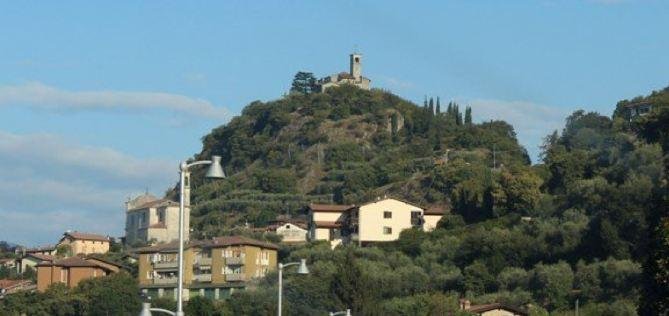
Popular Landmarks in Marone
Discover the most iconic attractions in Marone
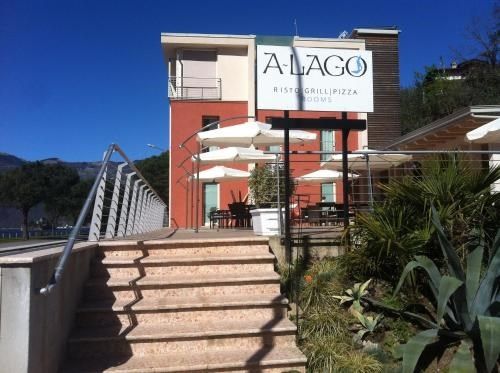
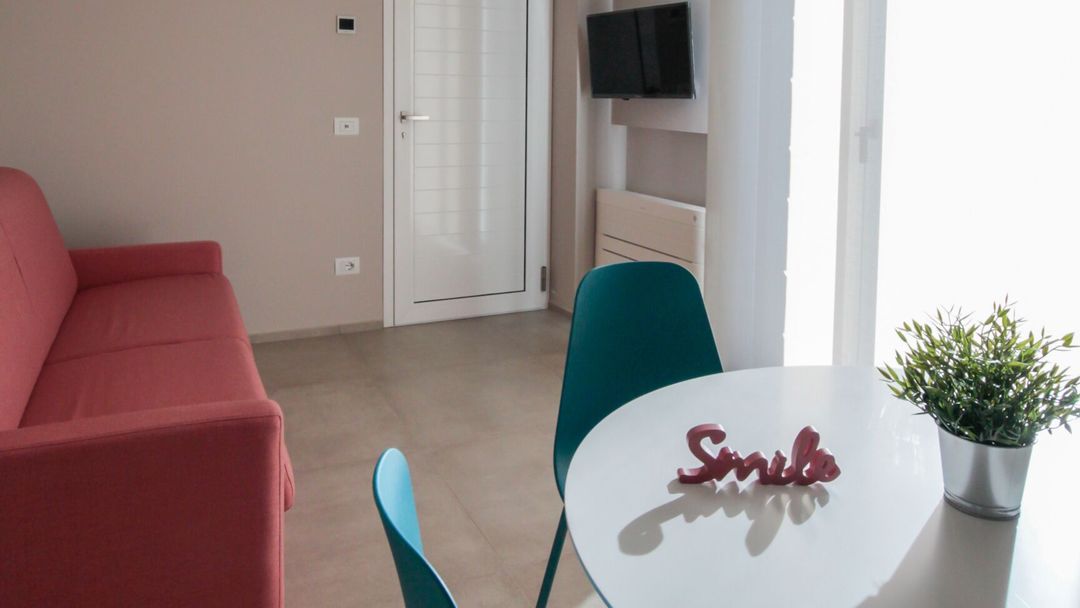
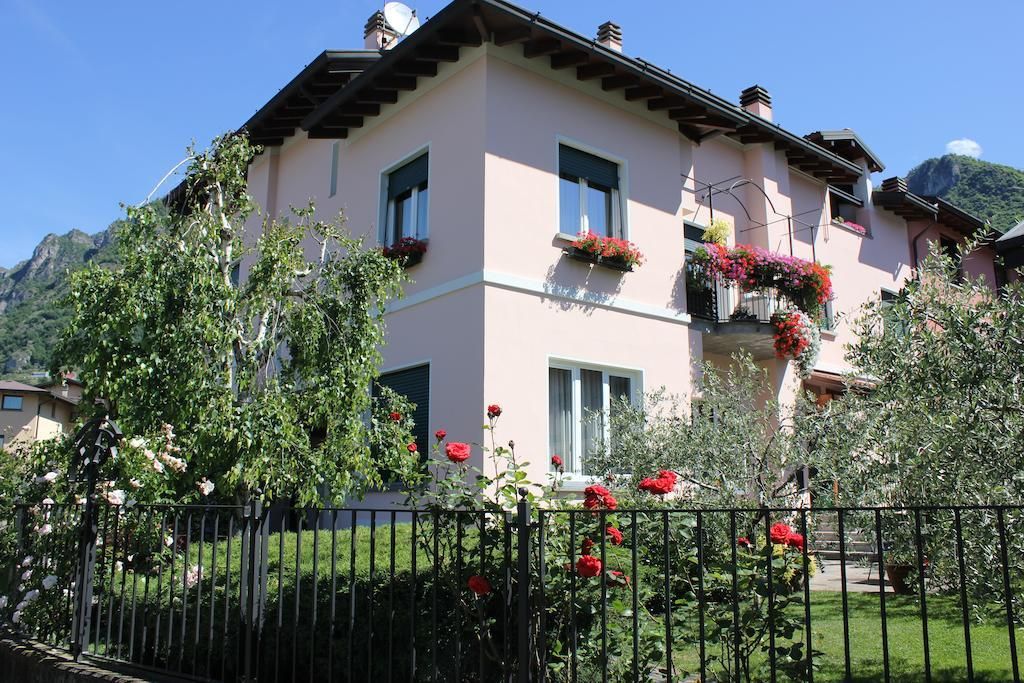
Recommended Hotels in Marone
Find the perfect place to stay in Marone
Frequently Asked Questions about Traveling to Marone
Questions You Might Need to Know About Traveling to Marone
Marone Overview
City Summary
Marone is a charming small town in the Lombardy region of Italy, located on the shores of Lake Iseo. Known for its tranquil natural scenery and rich historical culture, Marone offers a typical Italian rural vibe, attracting many visitors seeking to escape urban noise. The natural landscapes and traditional architecture complement each other, especially the lakeside views and vineyards, making it a favorite retreat for tourists.
Must-See Attractions
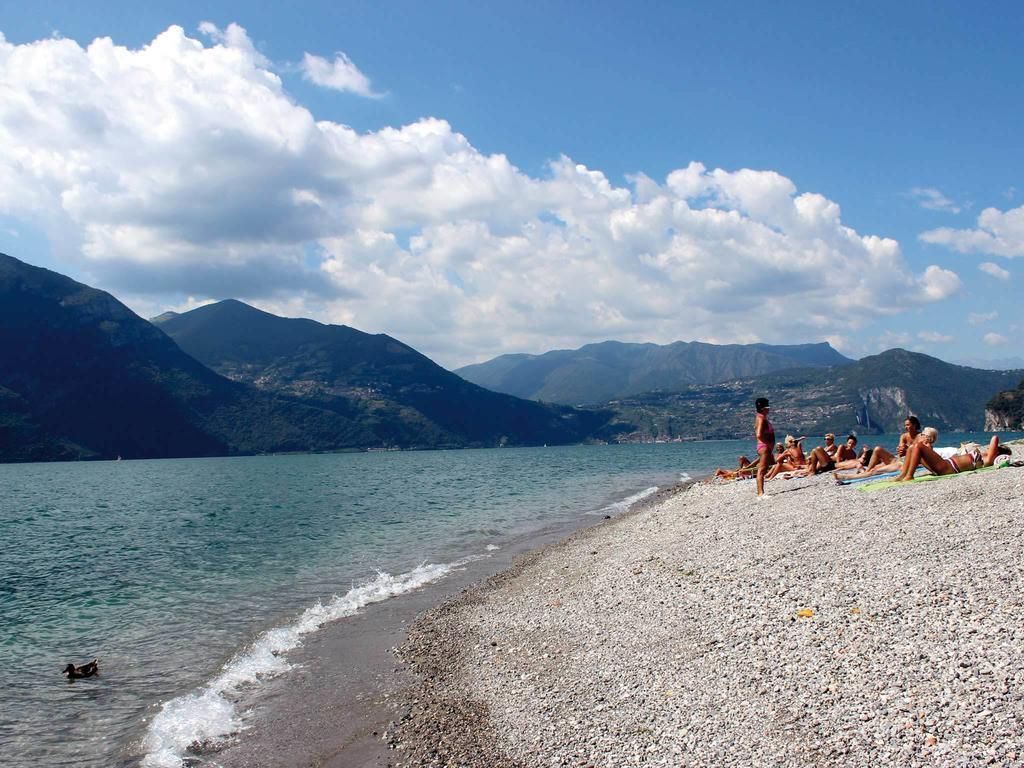
The main attractions in Marone include the lakeside walking paths of Lake Iseo, offering stunning views of the lake and surrounding mountains. The town's Santa Maria Church is a historic religious building with exquisite frescoes and architectural details. Nearby vineyards and olive groves also provide excellent wine-tasting and culinary experiences.
Food Guide
Marone's cuisine is heavily influenced by traditional Lombardy dishes, with local specialties like Risotto and Polenta highly recommended. Street food such as fried fish and olive oil bread is also popular.
Transportation Guide
The primary transportation modes in Marone are buses and private vehicles. Most attractions can be reached on foot within the town, but traveling to nearby areas may require local buses. Due to narrow roads, walking or cycling is recommended for flexibility.
Best Time to Visit
The best seasons to visit are spring and autumn, with mild weather and fewer tourists. While summer is warm, it can be more crowded.
Travel Tips
Keep quiet and respect local residents; follow environmental protection rules; avoid damaging historical buildings and natural landscapes; watch personal belongings; wear clothing suitable for rural exploration; maintain friendly interactions with locals.
Useful Information
The primary language is Italian, with some residents understanding English. Network coverage is good, but a pre-paid SIM card is recommended. Payments are mostly in small cash, with some businesses accepting credit cards. Emergency services can be contacted through local hospitals or pharmacies.