Hotels in Mashiko
Discover your perfect stay in Mashiko.
Mashiko(Japan) Travel 2026: Cheap Flights, Hotels & Top Attractions
Popular Landmarks in Mashiko
Discover the most iconic attractions in Mashiko
Recommended Hotels in Mashiko
Find the perfect place to stay in Mashiko
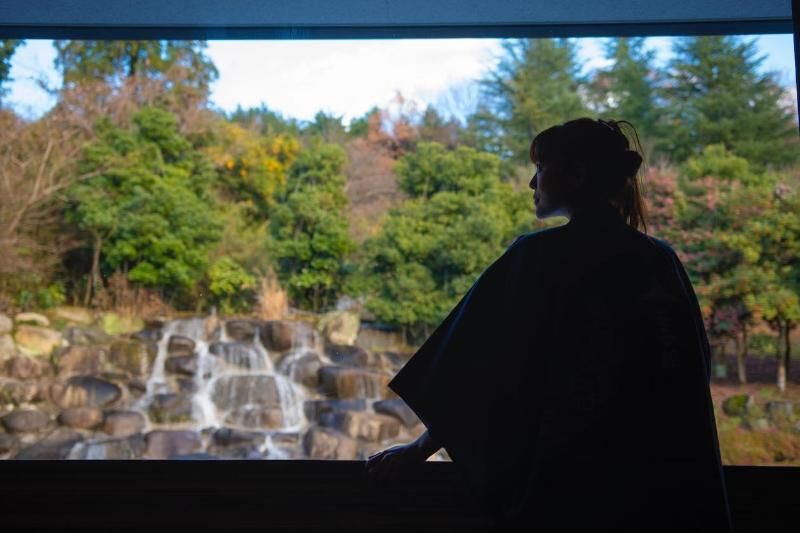
Mashikokan Satoyama Resort Hotel
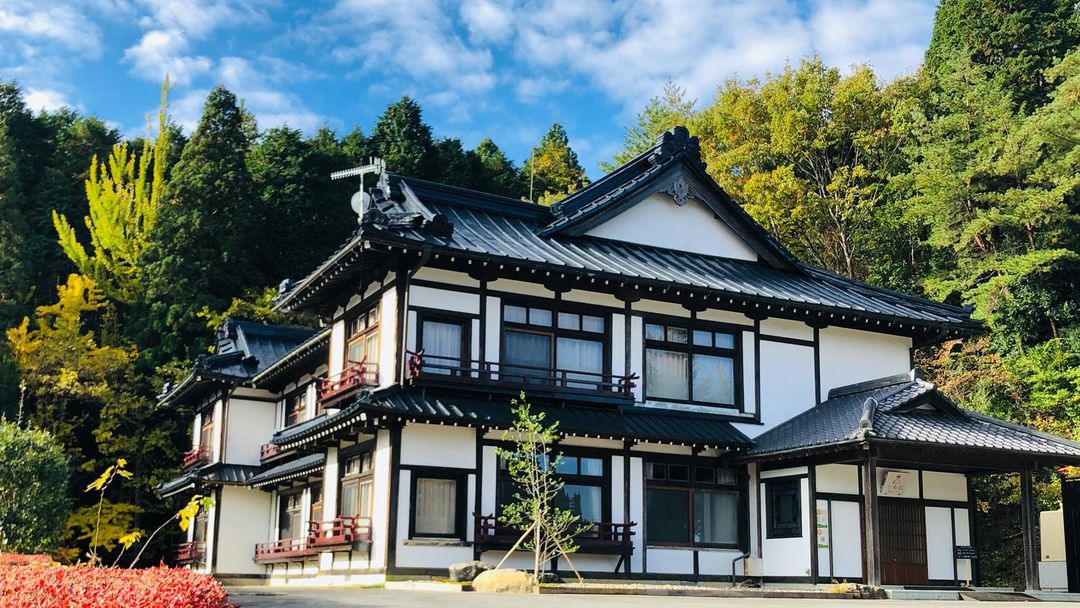
Mashiko Yuwakan
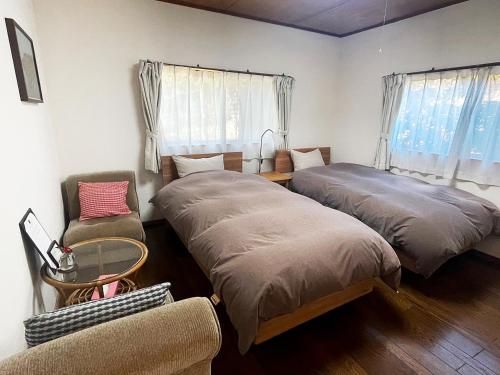
Morino Garden Mashiko
Best Hotels in Mashiko
Discover curated hotel collections in Mashiko
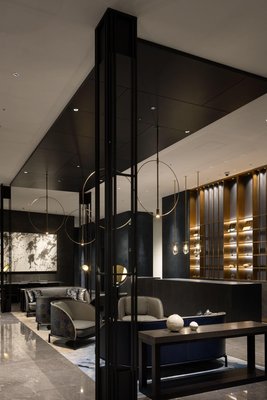
Bellustar Tokyo, A Pan Pacific Hotel
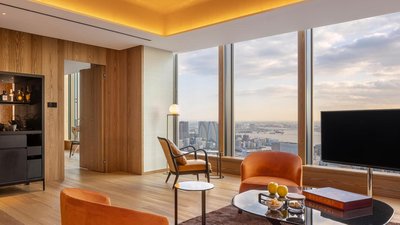
Bvlgari Hotel Tokyo
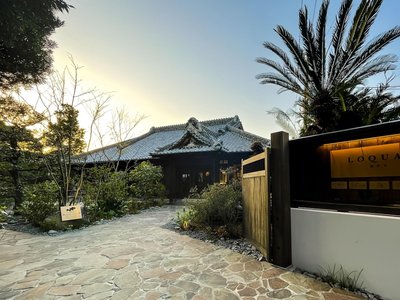
Loquat Nishiizu
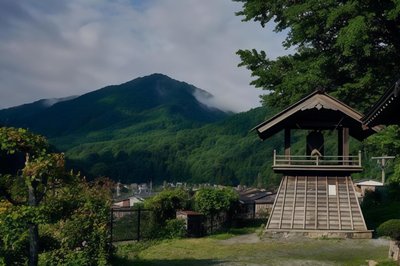
Byaku Narai
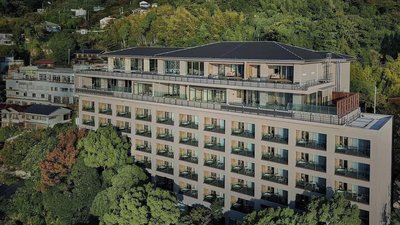
Atami Izusan Karaku
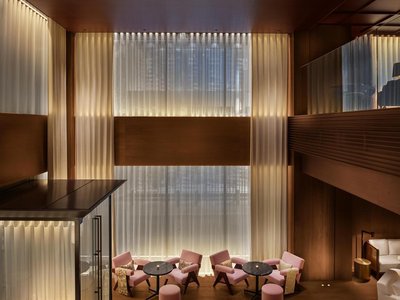
The Tokyo Edition, Ginza
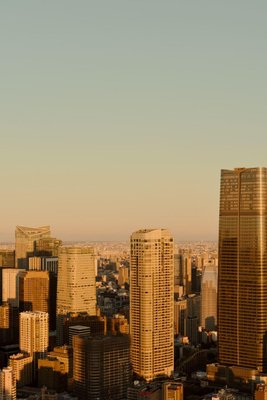
Janu Tokyo
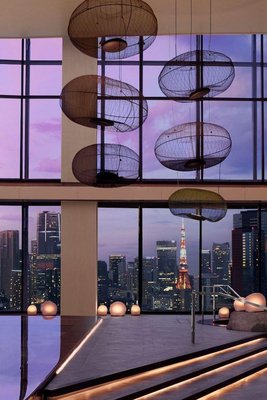
JW Marriott Hotel Tokyo
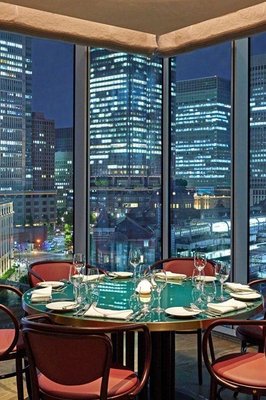
Four Seasons Hotel Tokyo at Marunouchi

Mandarin Oriental, Tokyo
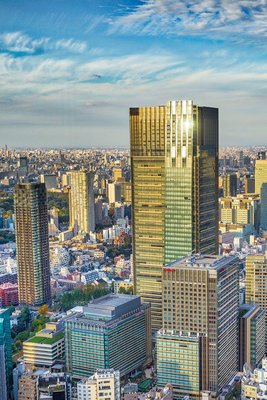
The Ritz-Carlton, Tokyo
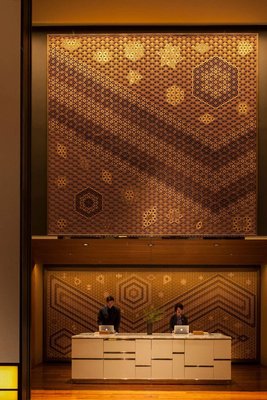
Andaz Tokyo Toranomon Hills- A Concept by Hyatt
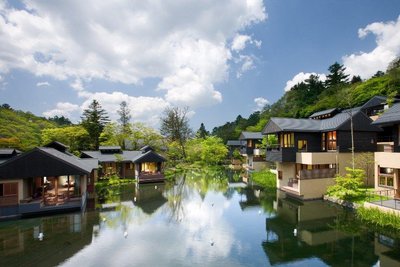
Hoshinoya Karuizawa
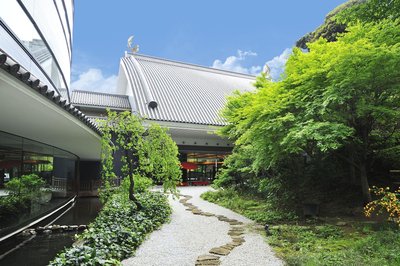
Hotel Gajoen Tokyo
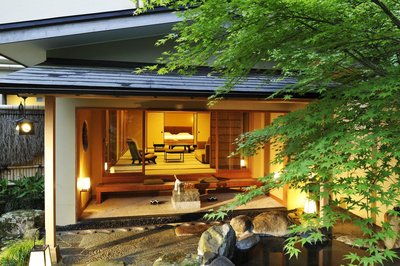
Gora Kadan
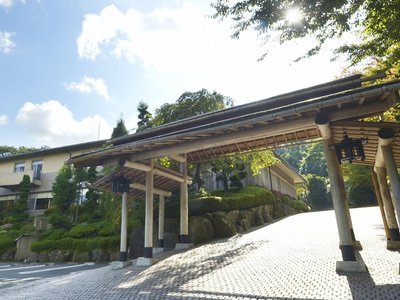
Gora Hanaougi
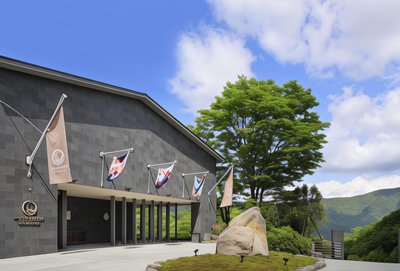
The Hiramatsu Hotels & Resorts Sengokuhara Hakone
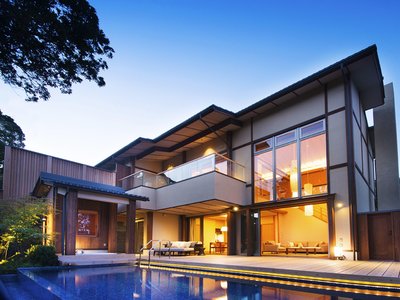
Abba Resorts Izu - Zagyosoh
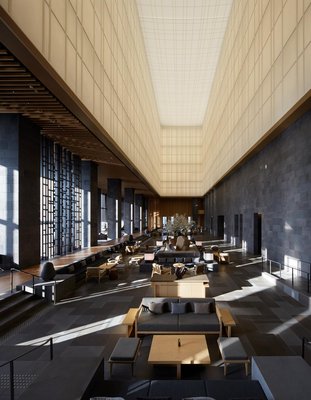
Aman Tokyo
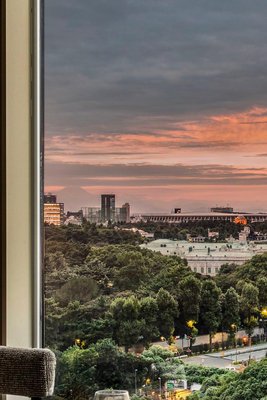
Hotel New Otani Tokyo, Executive House Zen
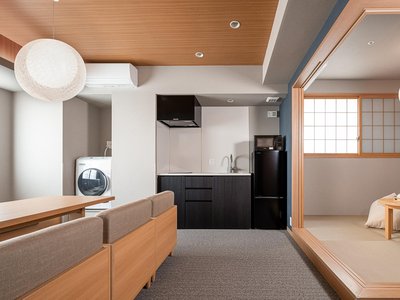
MIMARU SUITES Tokyo Asakusa
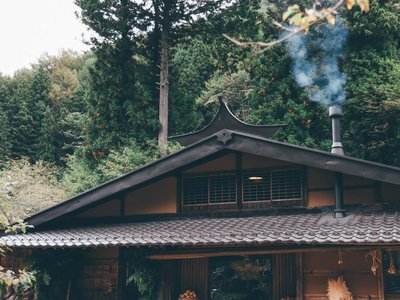
La Terra Resort
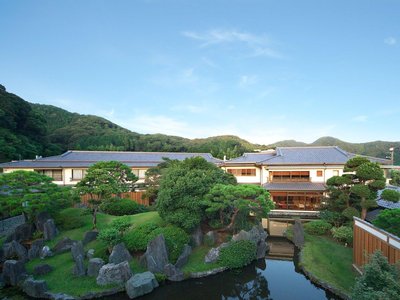
Kagetsutei

karaksa hotel colors Tokyo Yaesu
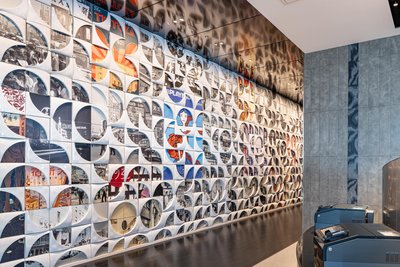
HOTEL GROOVE SHINJUKU, A PARKROYAL Hotel

EN Resort Grandeco Hotel
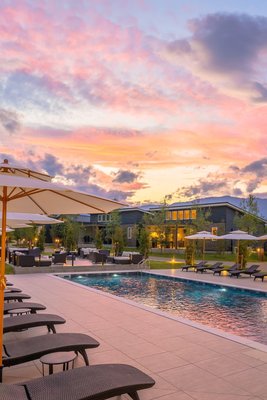
Awaumi Fujikawaguchiko Resort
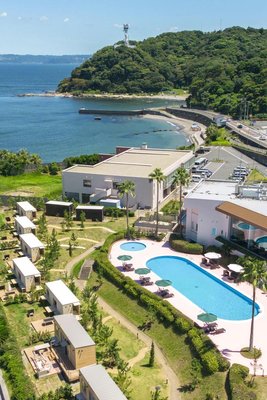
La vista Yokosuka Kannonzaki Terrace
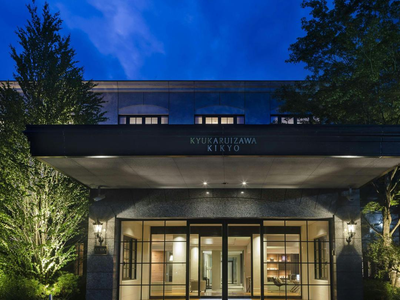
Fufu Karuizawa Wind of Sunshine
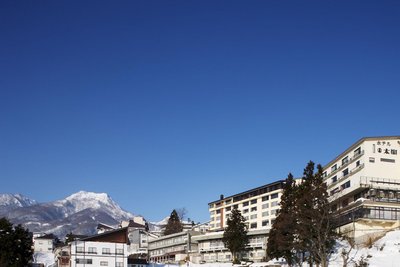
Hotel Taiko, Akakura Onsen
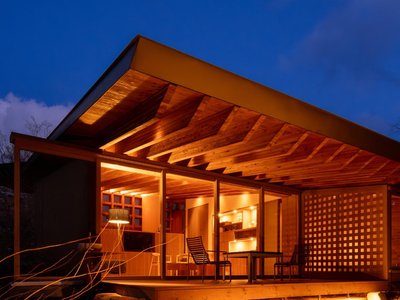
Nasu Mukunone
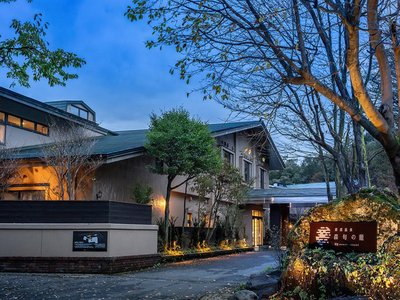
Nasu Onsen Shinshun no Kago Hewitt Resort

Scapes the Suite
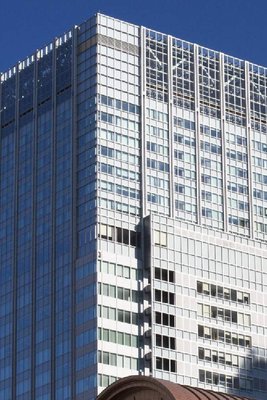
Hotel Metropolitan Tokyo Marunouchi
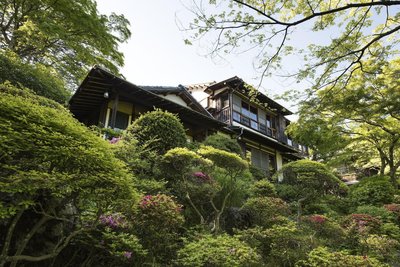
Gora Kansuiro
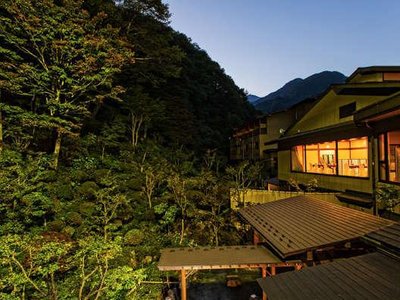
Futari Shizuka
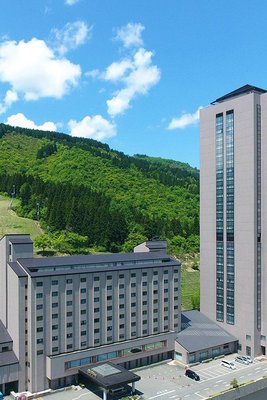
Naspa New Otani
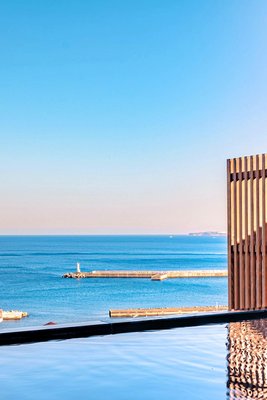
HOTEL KANICHI
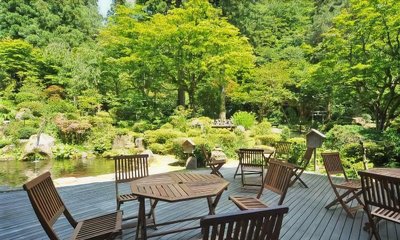
Choseikan
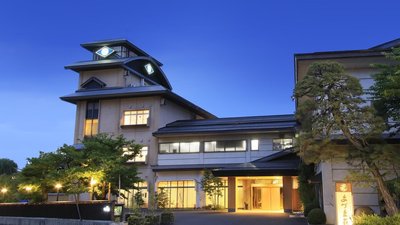
Shouhakutei Azumaso
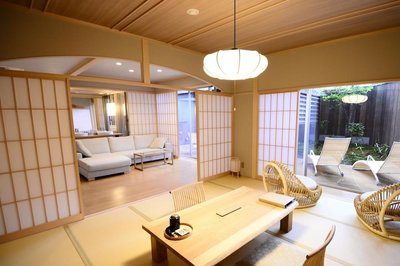
Hakone Gora Byakudan
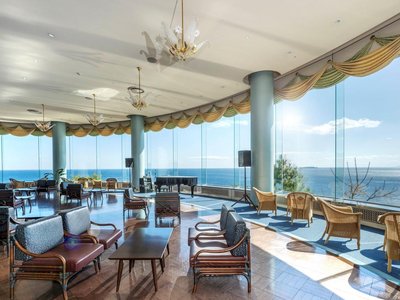
Hotel New Akao
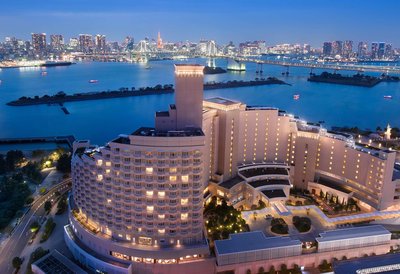
Hilton Tokyo Odaiba
JW Marriott Hotel Tokyo
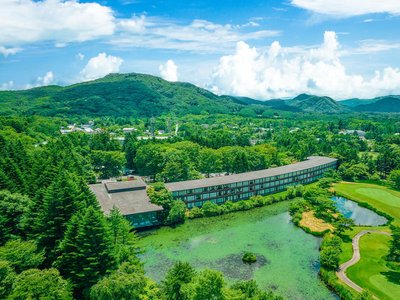
The Prince Karuizawa

The Kukuna
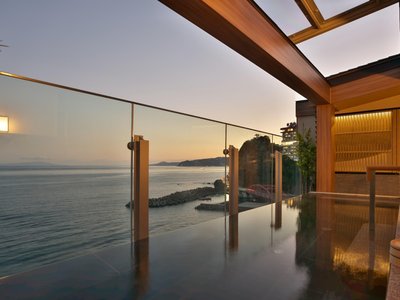
Hotel New Sagamiya
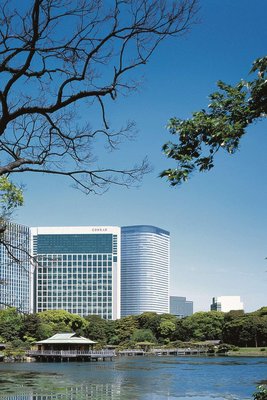
Conrad Tokyo
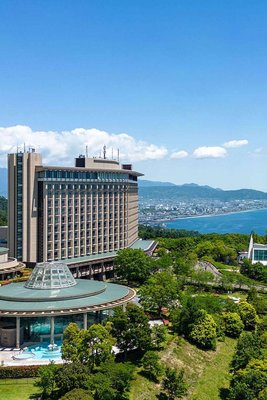
Hilton Odawara Resort & Spa
Hoshinoya Karuizawa
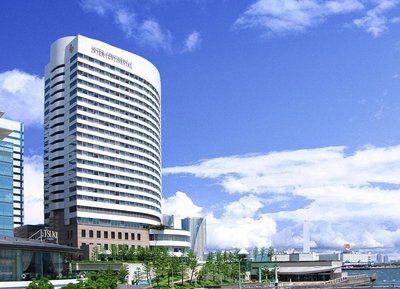
InterContinental Tokyo Bay
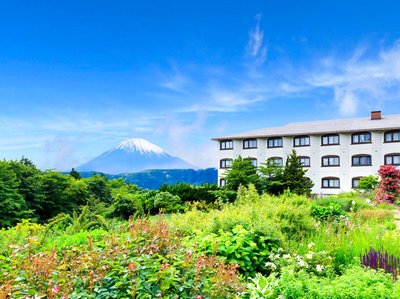
Hotel Green Plaza Hakone
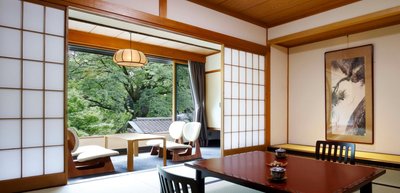
Yoshiike Ryokan
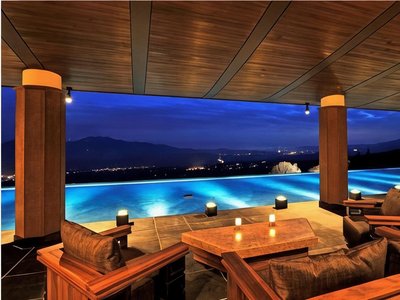
Akakura Kanko Hotel
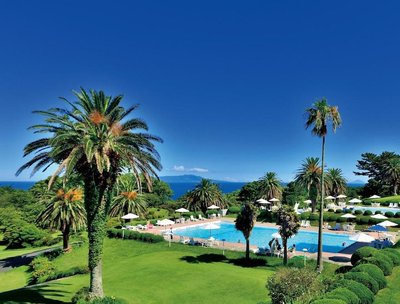
Kawana Hotel
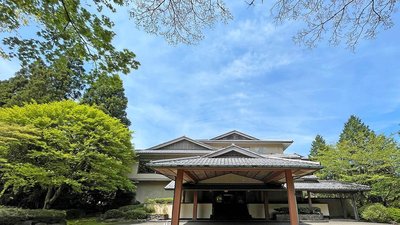
Ryuguden
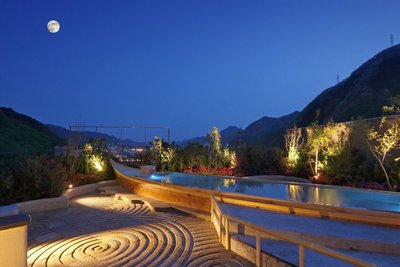
Asaya
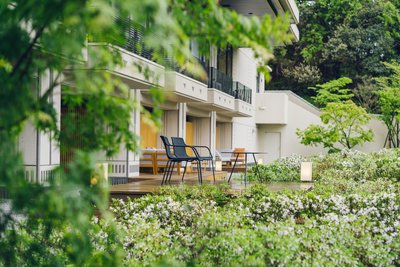
Hoshino Resorts Kai Enshu
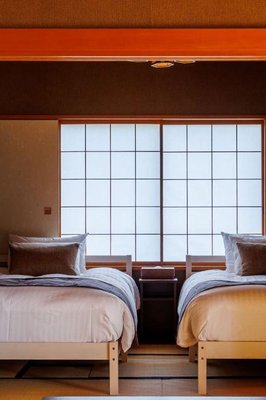
Sado Resort Hotel Azuma
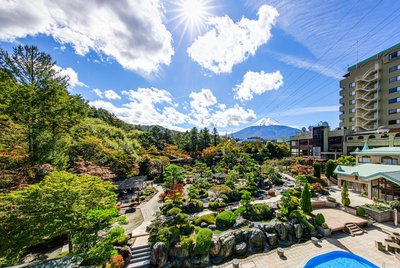
Kaneyamaen
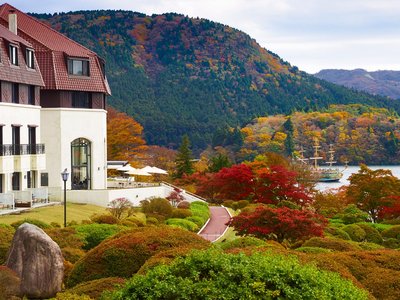
Hotakajyo
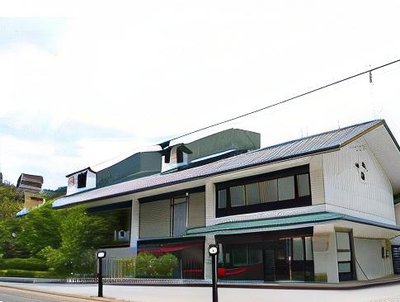
Auberge Suzukane

Onyado Nono Asakusa Bettei Hot Spring
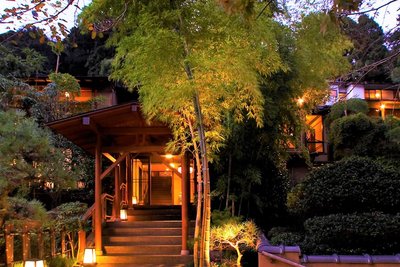
Shiki wo Ajiwau Yado Yamano Chaya
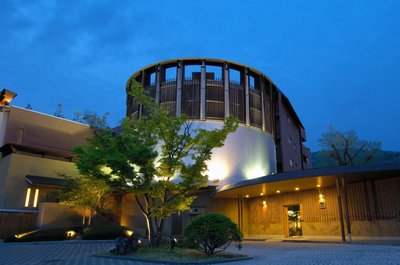
Hoshino Resorts Kai Matsumoto
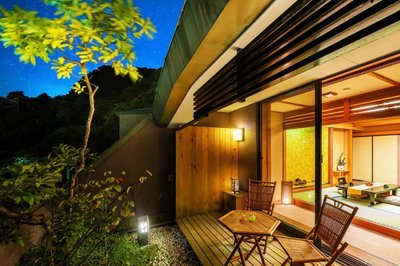
Konjakutei
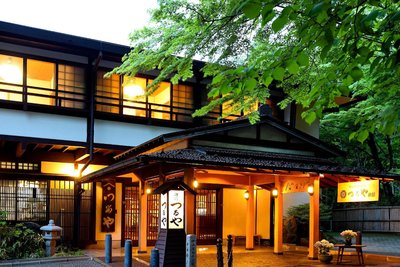
Tsuruya Ryokan
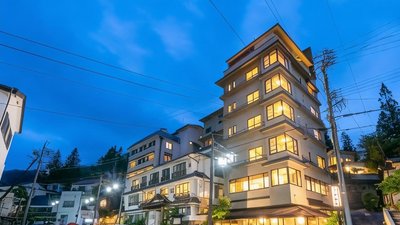
Nakamatsuya Ryokan
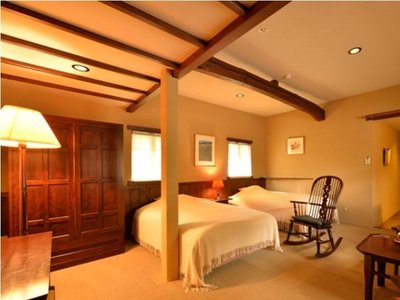
Ryokan Sugimoto
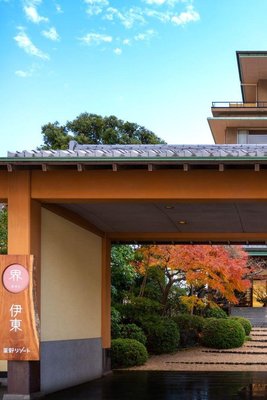
Hoshino Resorts Kai Ito
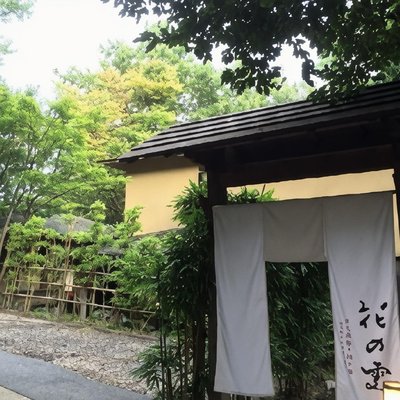
Hana No Kumo
Yoshiike Ryokan
Hotel Gajoen Tokyo
Gora Hanaougi
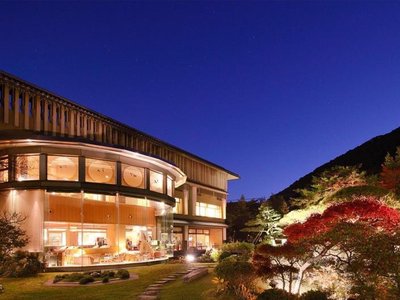
Shikisai Ichiriki
Sado Resort Hotel Azuma
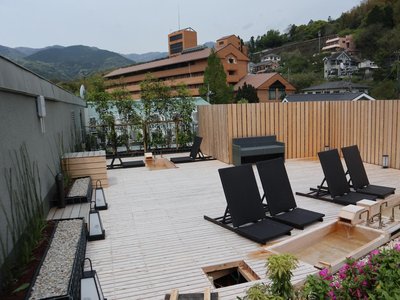
Fukiya Ryokan
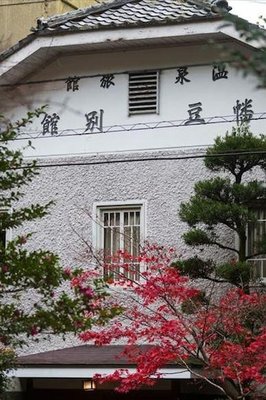
Oku-Mikawa・Yuya Onsen HAZU Bekkan
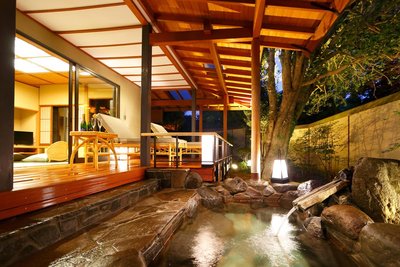
Yoshiharu Ryokan – Izu Nagaoka Onsen
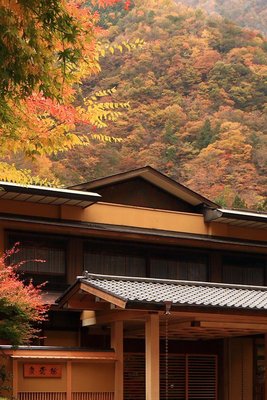
Nishiyama Onsen Keiunkan
Bellustar Tokyo, A Pan Pacific Hotel
JW Marriott Hotel Tokyo
Andaz Tokyo Toranomon Hills- A Concept by Hyatt
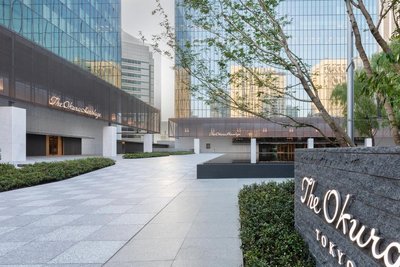
The Okura Tokyo
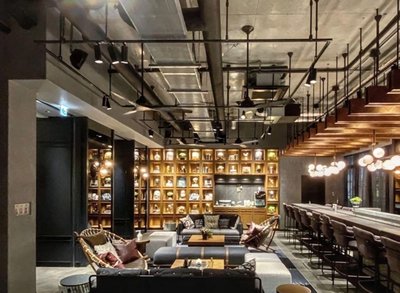
The Lively Azabujuban Tokyo
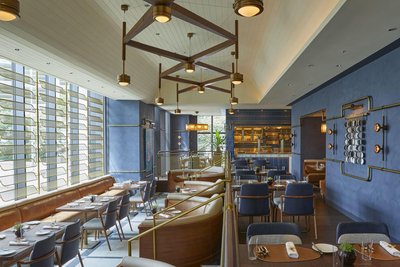
Kimpton Shinjuku Tokyo

HOTEL K5
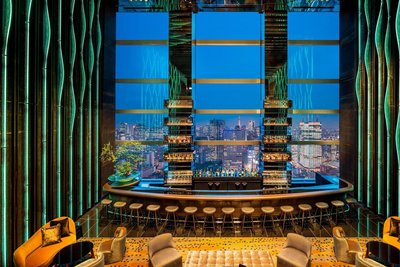
The Prince Gallery Tokyo Kioicho, a Luxury Collection Hotel
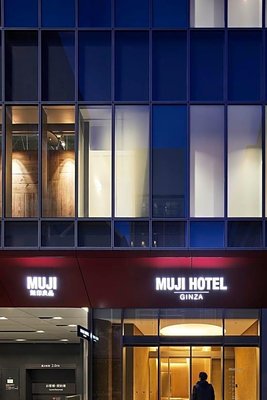
Muji Hotel Ginza
Bellustar Tokyo, A Pan Pacific Hotel
Bvlgari Hotel Tokyo
Loquat Nishiizu
Byaku Narai
Atami Izusan Karaku
The Tokyo Edition, Ginza
Janu Tokyo
JW Marriott Hotel Tokyo
Four Seasons Hotel Tokyo at Marunouchi
Mandarin Oriental, Tokyo
The Ritz-Carlton, Tokyo
Andaz Tokyo Toranomon Hills- A Concept by Hyatt
Hoshinoya Karuizawa
Hotel Gajoen Tokyo
Gora Kadan
Gora Hanaougi
The Hiramatsu Hotels & Resorts Sengokuhara Hakone
Abba Resorts Izu - Zagyosoh
Aman Tokyo
Hotel New Otani Tokyo, Executive House Zen
Hakone Gora Byakudan
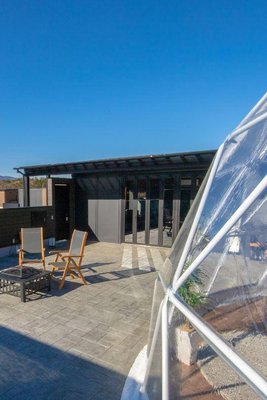
Panoramic Mt. Fuji Views from All Rooms – Vision Glamping Resort & Spa Yamanakako
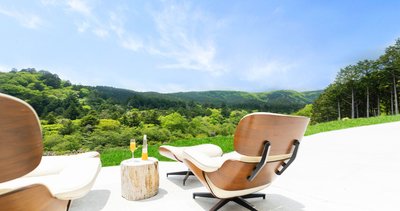
Shelter Garden Nikko
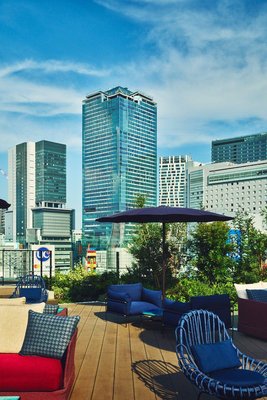
Hotel Indigo Tokyo Shibuya
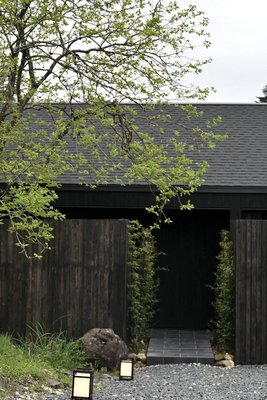
THE LAKOTAN
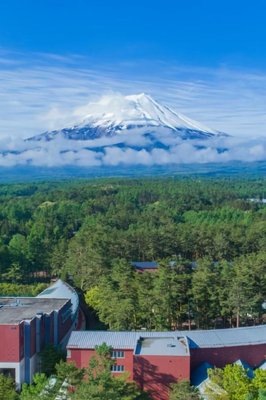
Forest Village (Fuji Premium Resort)
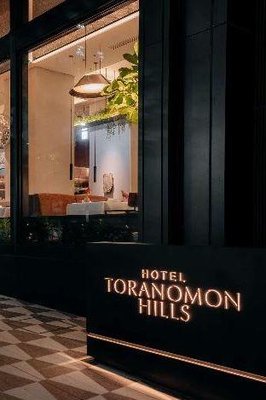
Hotel Toranomon Hills
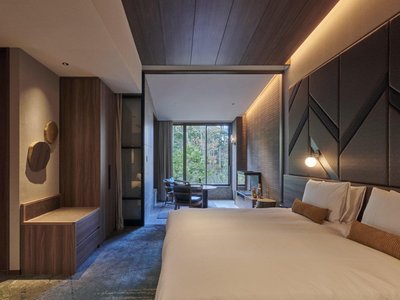
Fufu Kyu-Karuizawa Restful Forest
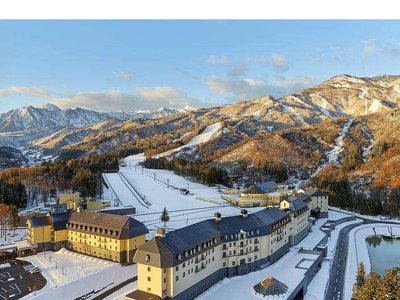
Lotte Arai Resort
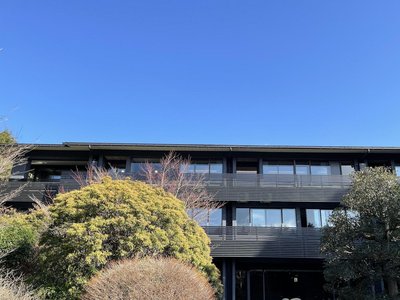
Sengokubara Cocon
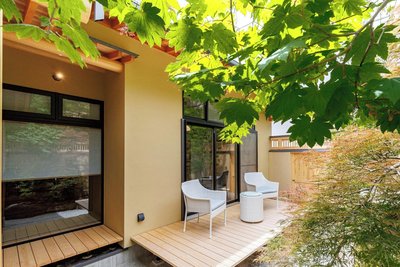
Shoraiso
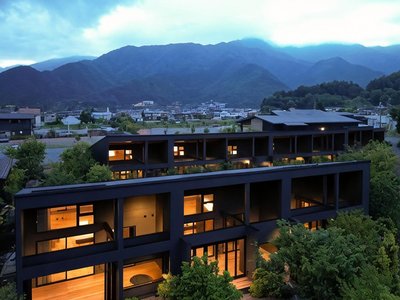
7C Villa and Winery
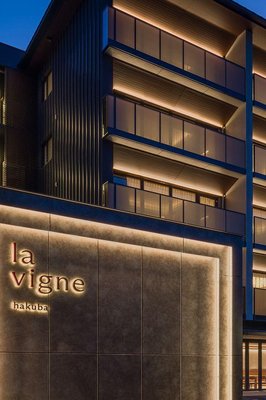
Hotel la Vigne Hakuba by Onko Chishin
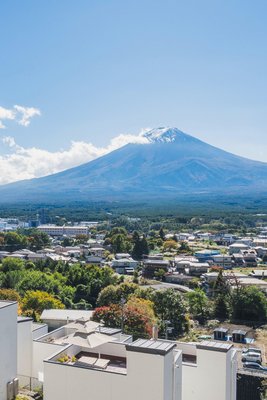
THE TOKI FujiKawaguchiko
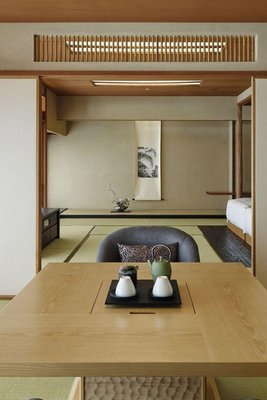
Takanawa Hanakohro (in Grand Prince Hotel Takanawa)
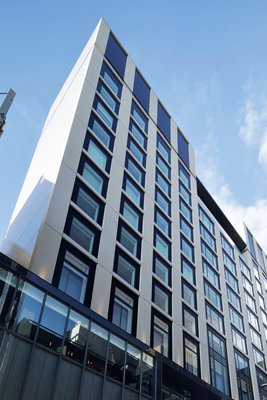
Hyatt Centric Ginza Tokyo
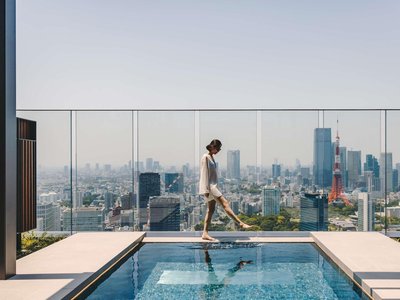
Fairmont Tokyo
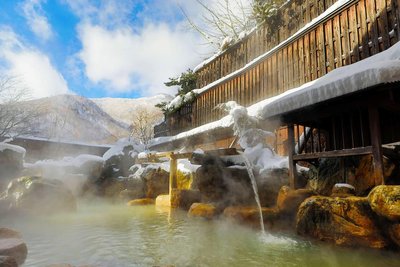
Miyamaouanbekkan yumegurinoyado hirayukan
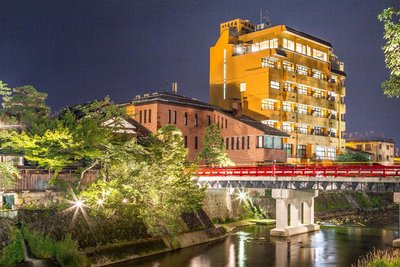
HONJIN HIRANOYA BEKKAN
The Prince Karuizawa
Bvlgari Hotel Tokyo
Four Seasons Hotel Tokyo at Marunouchi
Mandarin Oriental, Tokyo
The Ritz-Carlton, Tokyo
Andaz Tokyo Toranomon Hills- A Concept by Hyatt
Gora Kadan

Hotel New Otani Tokyo the Main
Aman Tokyo
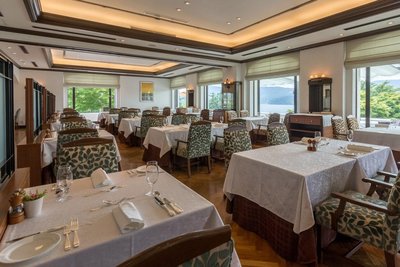
Odakyu Hotel de Yama
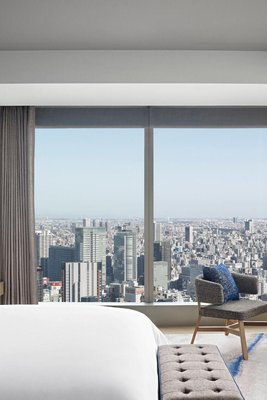
Four Seasons Hotel Tokyo at Otemachi
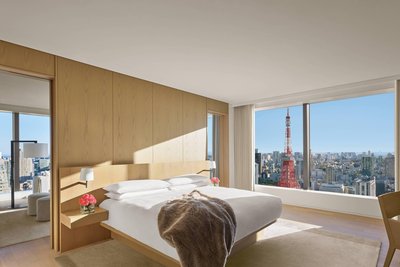
The Tokyo Edition, Toranomon
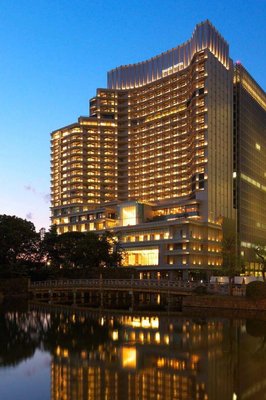
Palace Hotel Tokyo
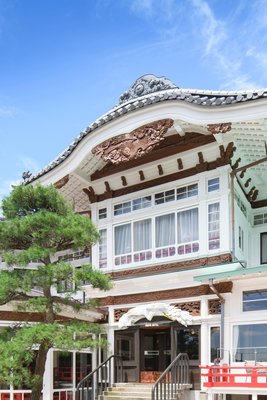
Fujiya Hotel
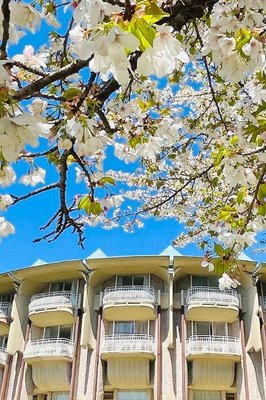
The Prince Hakone Lake Ashinoko
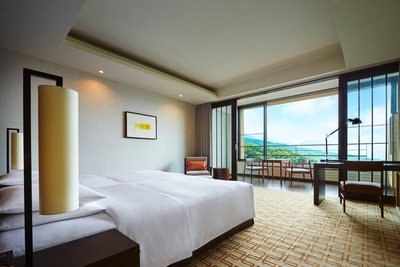
Hyatt Regency Hakone Resort and Spa
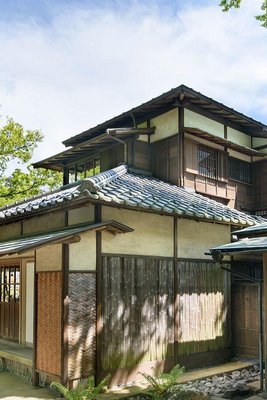
Hakone Suishoen
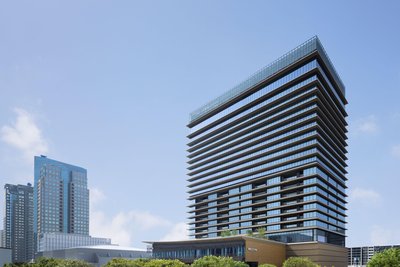
The Westin Yokohama
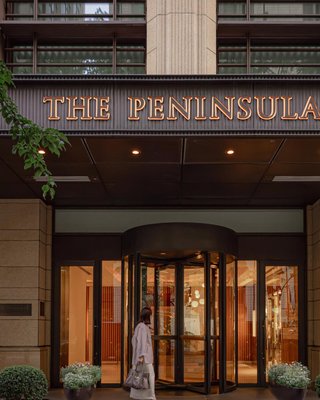
The Peninsula Tokyo

Imperial Hotel, Tokyo

Rakuten STAY VILLA Nasu
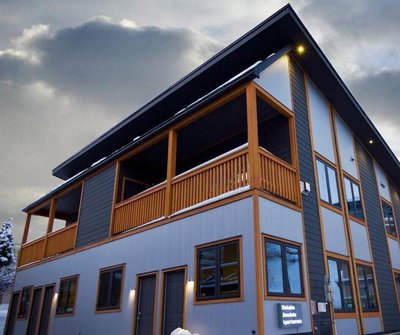
Hakuba Gondola Apartments
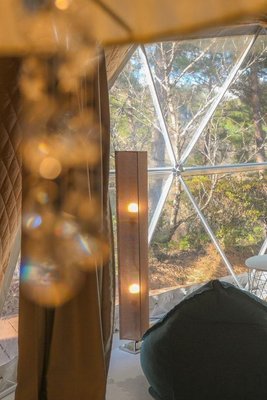
glampark Gekkabijin Nagano
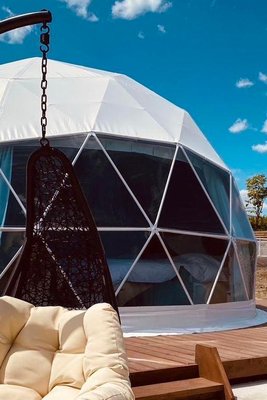
chillout glamping zao
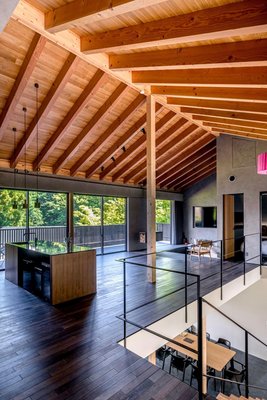
MONS GORA

Phoenix Chalets by Hhg
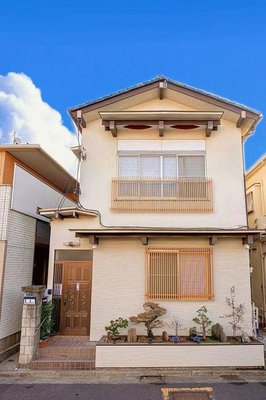
Tokyo Star House-Shinkoiwa
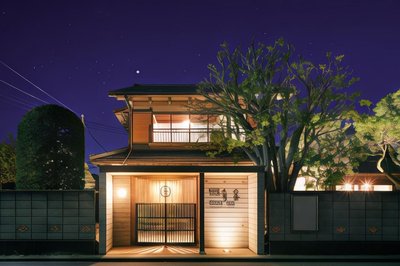
Machi-Jyu
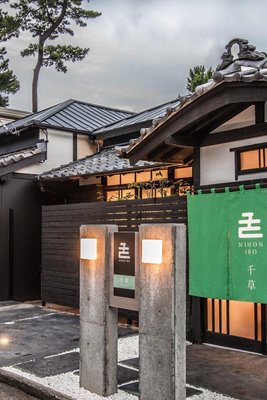
Nihon Iro
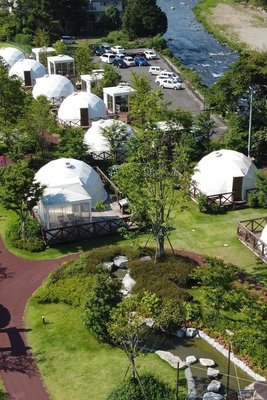
Ufufu Village
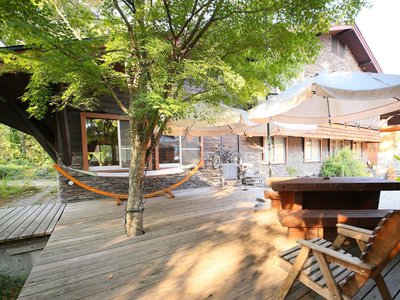
Kunugi Relaxation with 4 Modern Rooms

Modern Ryokan Kishi-ke

Petals Tokyo - Floating Hotel
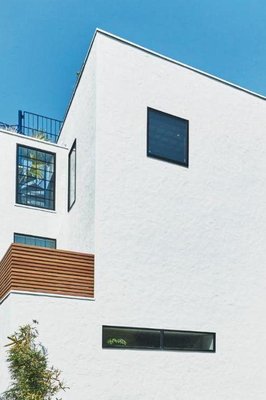
The Flow Kamakura
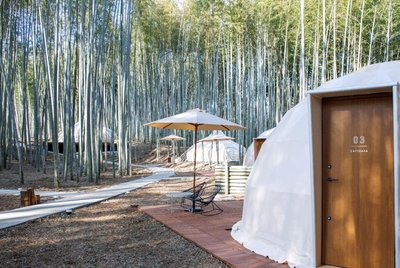
THE BAMBOO FOREST
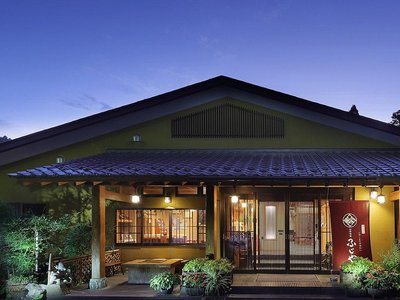
Shikimitei Fujiya
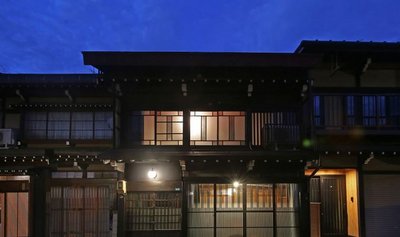
Iori Stay Hida
Frequently Asked Questions about Traveling to Mashiko
Questions You Might Need to Know About Traveling to Mashiko
For authentic pottery immersion, stay at Ikko Pottery Inn, a renovated 100-year-old farmhouse nestled in the heart of Ikko ware country. Each room features handcrafted ceramics by local artisans, and some suites include private kiln access for guests to fire their own pieces. Enjoy morning tea on the garden terrace overlooking the Ikko River, surrounded by forested hills. The inn’s owner is a third-generation potter who offers complimentary workshops and guided tours through nearby studios. This is not just accommodation—it’s a living connection to Japan’s artisanal soul.
The central district of Ikko Town is the prime choice for visitors, located just steps from Ikko Station and surrounded by over 30 pottery studios. Stay at Ikko Town Ryokan, a traditional Japanese inn with tatami rooms, an onsen bath, and a serene garden. Easily walk to the Ikko Ware Market and the scenic Ikko River Trail. Evening strolls lead to the Ikko Lantern Festival site, offering a vibrant cultural atmosphere. Its central location ensures easy access to craft experiences, dining, and seasonal events—perfect for immersive travel.
Don’t miss the Ikko Ware Pottery Workshop, where you can learn wheel-throwing, glazing, and wood-firing techniques in century-old kilns. Special highlight: the Night Wood-Firing Experience, held under moonlight, where guests participate in temperature control as the clay transforms in the flames. Also, attend the annual Ikko Ware Festival in autumn, featuring rare pieces from across Japan, traditional tea ceremonies, and kimono dressing. These activities embody the Japanese spirit of "ichi-go ichi-e"—cherishing each moment—and allow travelers to become part of a living tradition.
Absolutely! Ikko Town offers exceptional family-friendly experiences. The Kids’ Pottery Studio provides safe, child-sized tools and mini kilns for ages 6+, where parents and kids can co-create keepsake ceramics. Families can also enjoy the Ikko River Kids’ Park, with shallow water play zones and nature trails perfect for exploring insects and stream life. Most inns offer family rooms, cribs, and kid-friendly meals. With warm hospitality and hands-on activities, it’s one of Japan’s rare destinations combining pottery culture and family fun.
Ikko Town’s night views blend natural beauty with cultural charm. Visit the Lantern Path along the Ikko River, where hundreds of handmade paper lanterns illuminate the water at weekends and festivals, creating a dreamlike reflection. For tranquility, stay at Ikko Mountain View Lodge, whose rooftop terrace offers panoramic views of the town below, with distant kiln fires glowing like stars. During winter, join the Snowfire Night Walk, where guests gather around bonfires, listen to potters share stories of kiln transformation—a poetic contrast of warmth and cold.
Must-photograph locations include the historic kiln entrance, where morning light hits weathered brick walls and smoke stains, creating dramatic textures. The Cherry Blossom Trail along the Ikko River offers a serene pink tunnel in spring, perfect for reflections. Wander the Old Stone Street, lined with centuries-old wooden shops adorned with hanging pottery and wind chimes—ideal for postcard-style shots. For a striking perspective, hike to the Hilltop Vista Point, where you can capture the entire village laid out like a mosaic among the valley, especially stunning with morning mist or autumn foliage.
Savor Ikko Ware ceramic bowls filled with regional dishes like Ikko Sweet Potato Stew, made with locally grown tubers and served in heat-retaining clay pots. Try Wood-Fired Chicken Rice at Tanaka Sushi, where chicken is slow-roasted in a kiln and simmered in a clay pot, resulting in rich, aromatic flavors. All meals use traditional pottery, enhancing the dining ritual. Don’t miss Clay-Pot Coffee, brewed in ceramic kettles at local cafés—its deep aroma lingers long after sipping. These culinary experiences elevate every meal into a sensory journey.
Despite its rural charm, Ikko Town is well-connected. From Tokyo Station, take the Tobu Railway to Tochigi Station, then transfer to a local bus—just 40 minutes to Ikko Town Station. Free shuttle buses loop through major attractions. Rent an electric bike to ride the Ikko River Greenway, stopping at 12 pottery stations along the way. If driving, the Central Parking Lot offers free parking and luggage storage. Most venues accept credit cards, and all accommodations provide GPS navigation—ideal for international travelers seeking ease and authenticity.
Ikko Town has a temperate monsoon climate with distinct seasons. Spring (March–May) brings cherry blossoms and mild temperatures (10–18°C), ideal for outdoor pottery sessions. Autumn (September–November) features crisp air and fiery maple leaves—perfect for capturing photos of kiln fires against red foliage. Summer is humid with occasional thunderstorms; avoid July peak season. Winter is cold (0–5°C), but this enhances the magic of night wood-firing events. Pack layers and non-slip shoes—conditions vary greatly across seasons, but each offers a unique experience.
Ikko ware dates back to the early Edo period (17th century), over 350 years ago. According to the Ikko Town Historical Records, villagers began using the rich clay deposits along the Ikko River to develop wood-fired ceramics. Over generations, they perfected the unique charcoal kiln transformation technique, producing vessels with irregular cracks and metallic sheens. In the 1980s, Ikko ware was designated a National Intangible Cultural Asset. Today, dozens of master potters still practice the craft in the same ancestral kilns. The Ikko Ware Museum preserves original kilns and artifacts, allowing visitors to trace the evolution of this living heritage through films and exhibits.
Mashiko Overview
City Summary
Mashiko, located in the southeastern part of Tochigi Prefecture, Japan, is renowned for its ceramic artistry. As one of Japan's six ancient kilns, the town boasts a rich history of pottery-making. The blend of traditional crafts and natural scenery makes it a magnet for art enthusiasts and travelers seeking tranquility. Strolling through its quaint streets, visitors will find numerous pottery studios and galleries, exuding a strong artistic vibe.
Must-See Attractions
The Mashiko Museum of Ceramic Art is a must-visit, showcasing the evolution and masterpieces of local pottery. The Mashiko Pottery Fair, held twice a year in spring and autumn, features works from potters across Japan. Additionally, the rural landscapes of Mashiko are breathtaking, especially during cherry blossom season in spring and foliage in autumn.
Food Guide
Mashiko's local cuisine centers on hearty farmhouse dishes. Don't miss the Mashiko-yaki soba noodles and traditional dishes served in pottery. Many cafes serve drinks in ceramic ware, allowing visitors to enjoy both the food and the artistry.
Transportation Guide
Buses are the primary mode of transport in Mashiko. From Tokyo, take the JR line to Oyama Station, then transfer to a bus (about 1 hour). Most attractions are within walking distance, but renting a bicycle offers more flexibility. Driving is also an option, though some roads are narrow.
Best Time to Visit
The best times to visit are spring (April-May) and autumn (October-November), when the weather is pleasant and pottery fairs are held. Summers can be humid, and winters are cold with fewer tourists.
Travel Tips
- Respect the privacy of pottery studios; do not enter without permission.
- During pottery fairs, crowds are large—plan ahead.
- Some restaurants only accept cash, so carry enough yen.
- Keep noise levels low in this quiet town.
- Pottery is fragile; ensure proper packaging when purchasing.
- Some attractions close on Mondays—check opening hours in advance.
Useful Information
Japanese is the main language in Mashiko, with limited English proficiency. A translation app is helpful. Internet coverage is good, with free Wi-Fi in key areas. Cash is preferred, though some shops accept credit cards. For emergencies, dial 110 (police) or 119 (ambulance). Pharmacies are scarce, so bring essential medications.









