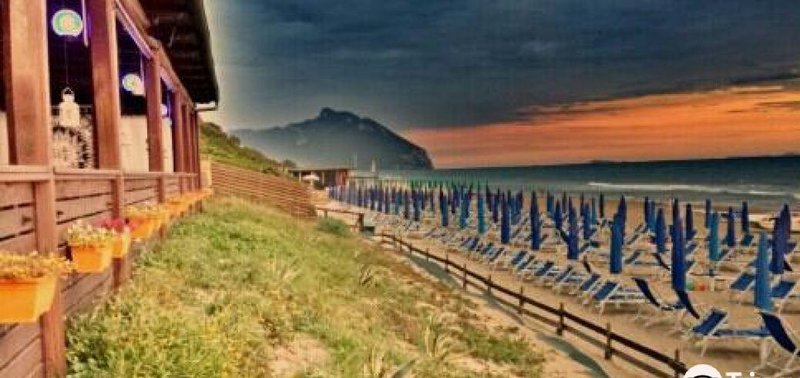
Hotels in Massa
Discover your perfect stay in Massa.
Massa(Italy) Travel 2026: Cheap Flights, Hotels & Top Attractions
Popular Landmarks in Massa
Discover the most iconic attractions in Massa
Recommended Hotels in Massa
Find the perfect place to stay in Massa
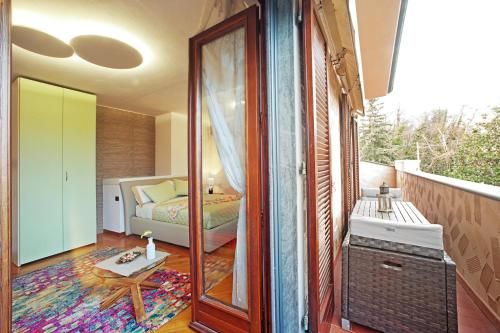
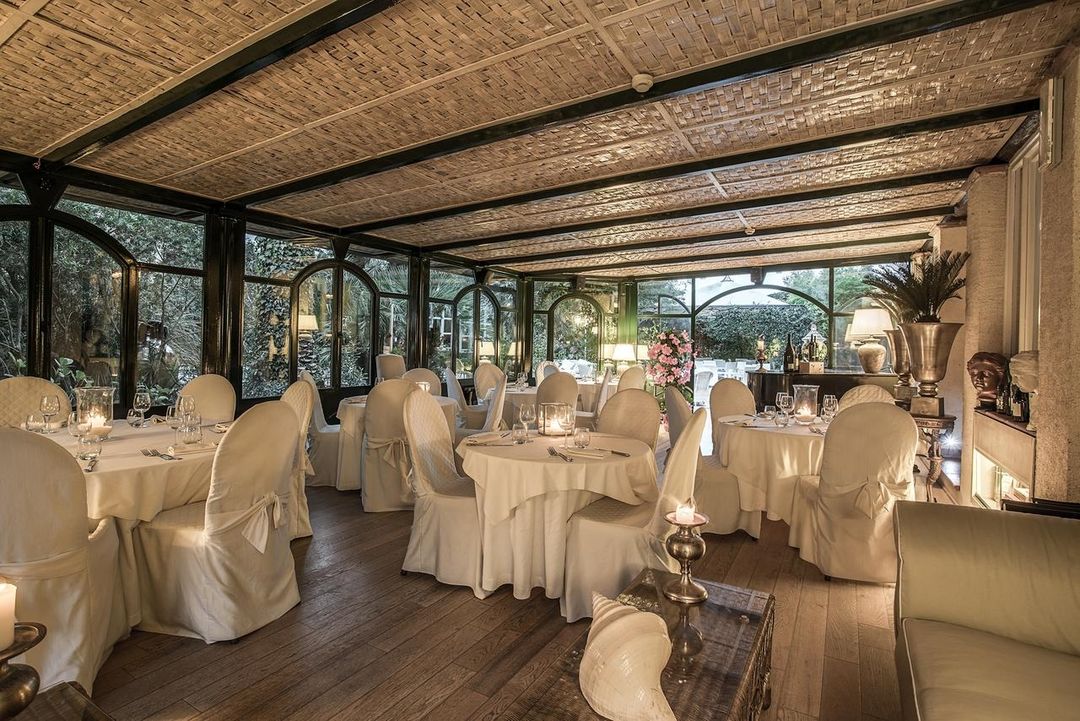
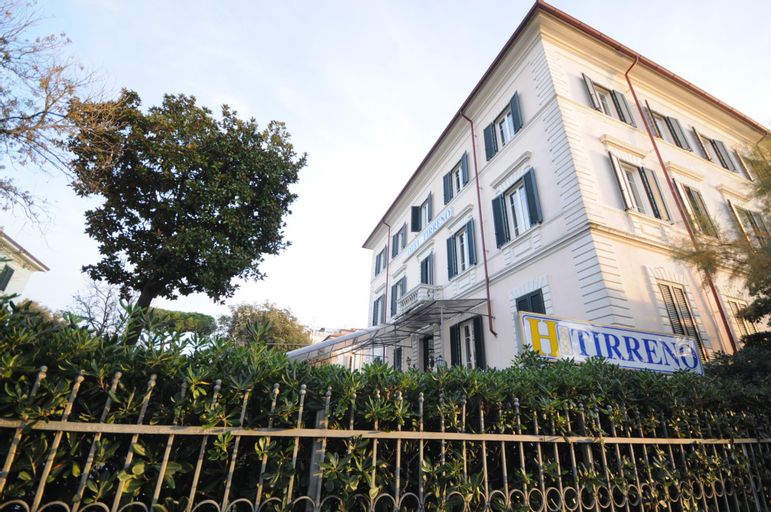
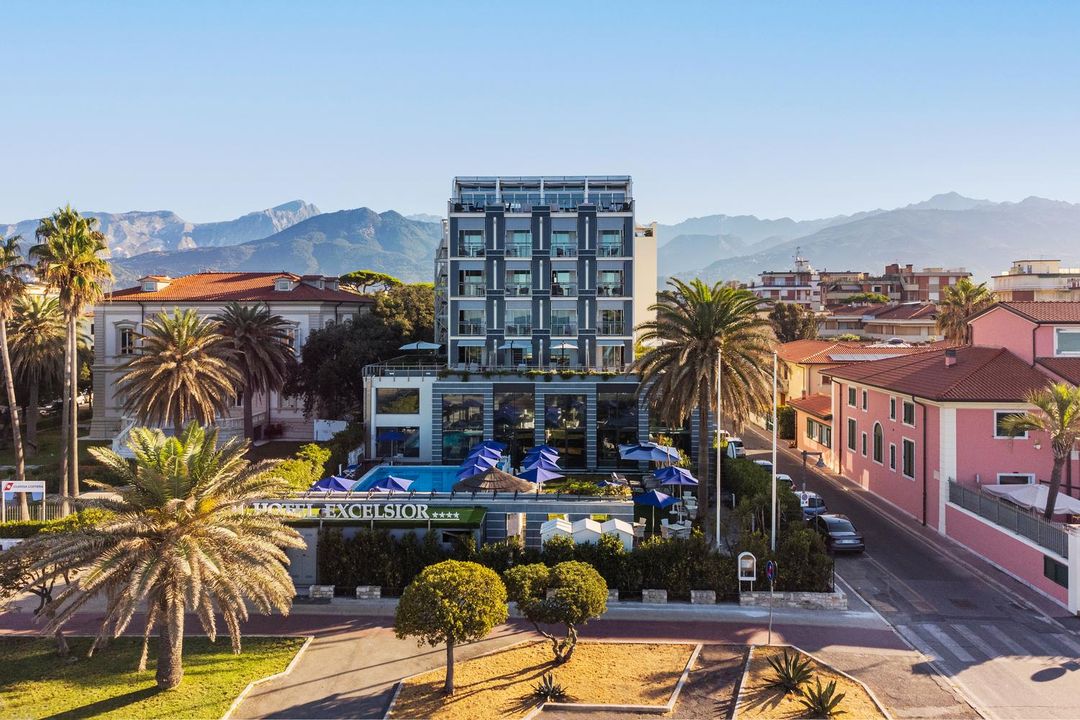
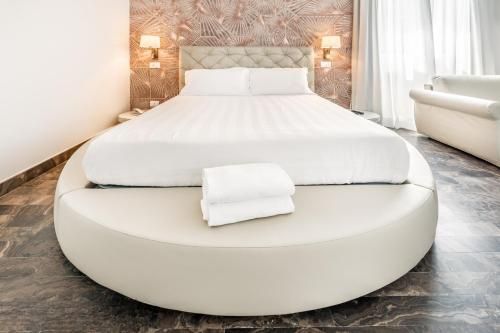
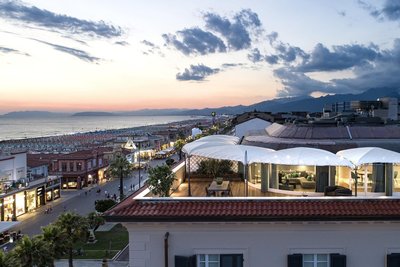
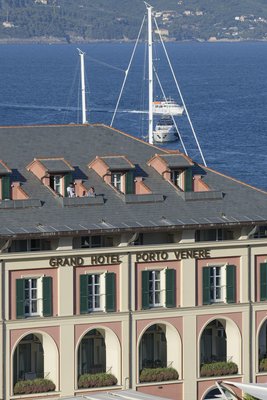
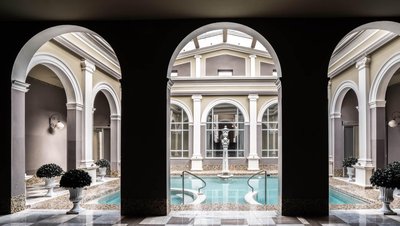
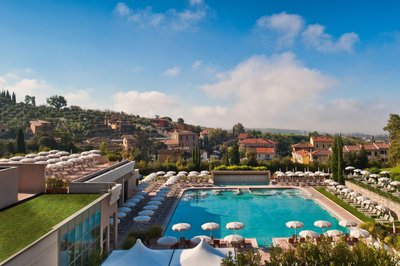
Best Hotels in Massa
Discover curated hotel collections in Massa
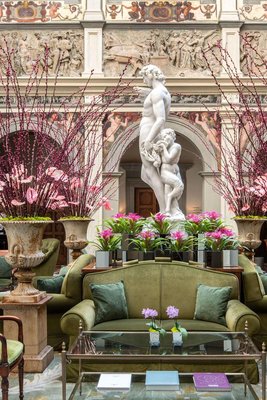
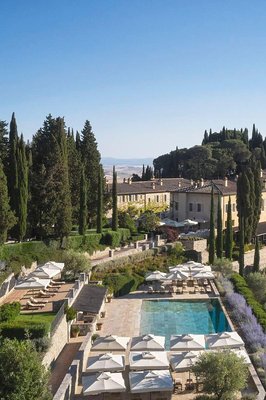
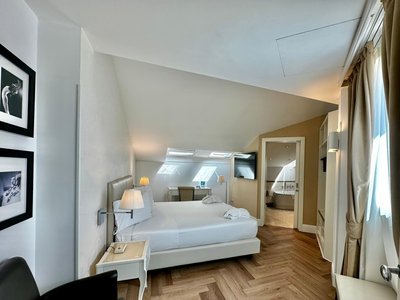
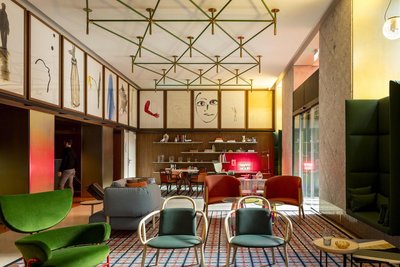
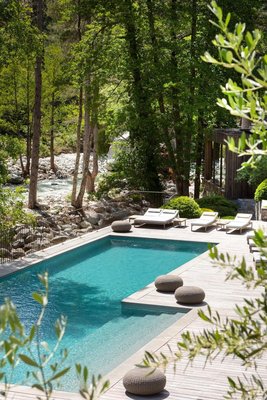
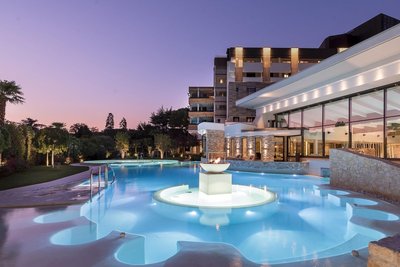
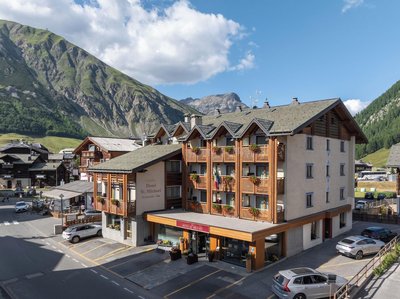
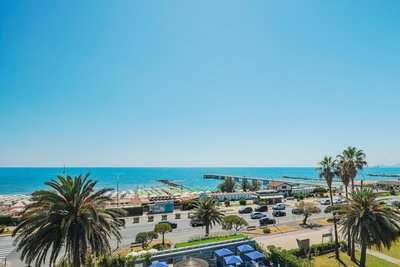
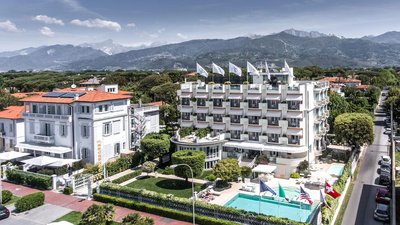
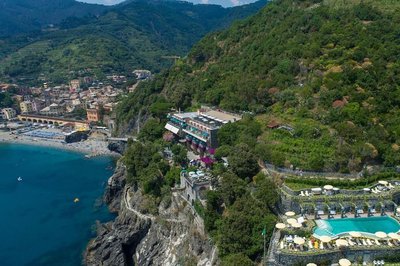
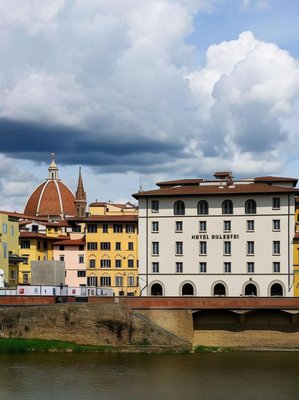
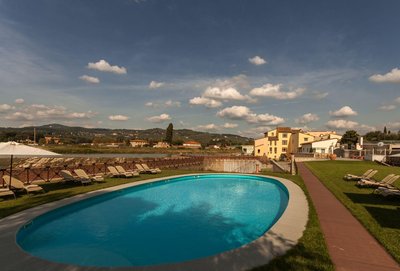
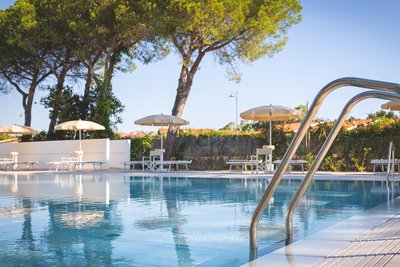

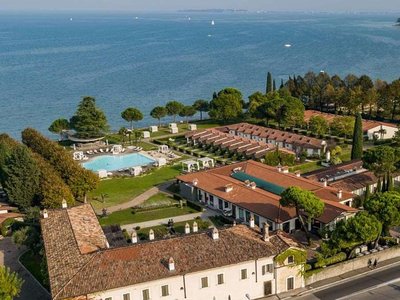
Frequently Asked Questions about Traveling to Massa
Questions You Might Need to Know About Traveling to Massa
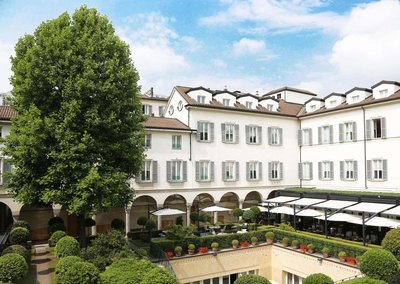
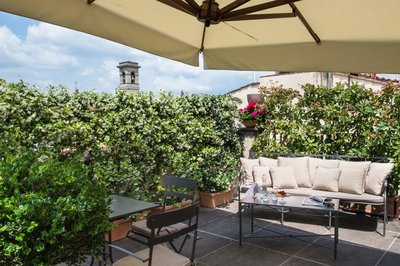
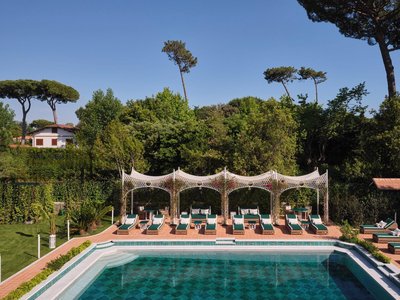
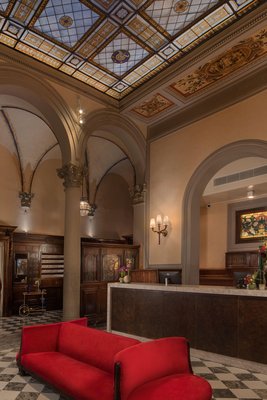
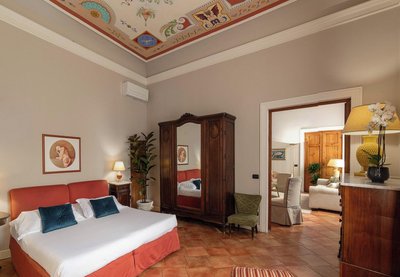
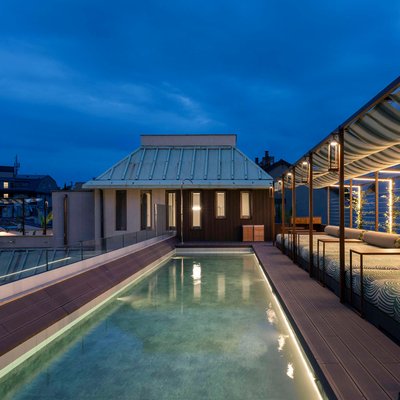
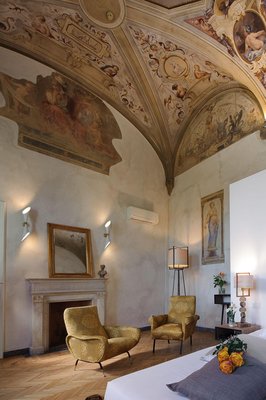
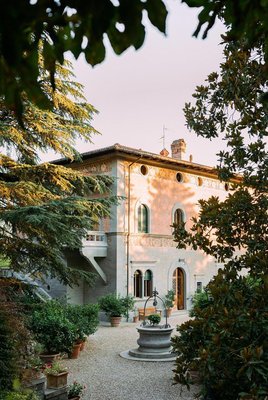
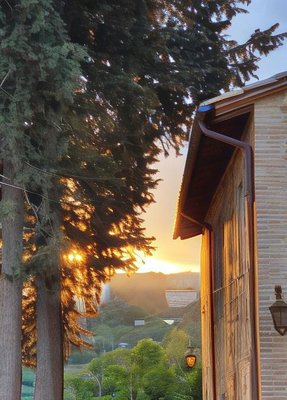
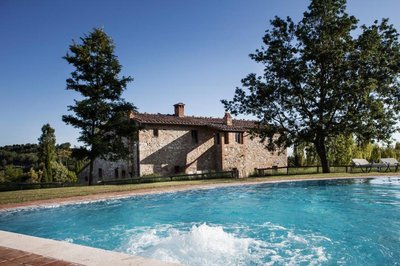
In Massa, the top choice for boutique stays with historical character is Hotel San Marco, located in the heart of the old town near the Castello Malatestiano. This centuries-old property blends Renaissance and medieval architecture, with rooms featuring local stone finishes and antique furnishings. Guests enjoy complimentary guided tours to nearby villages like Pietrasanta, where they can experience handmade ceramics and wine tastings. The rooftop terrace offers panoramic views of the Tuscany hills, perfect for photography enthusiasts seeking authentic Italian ambiance.
The historic center of Massa is the most convenient area for first-time visitors, offering easy access to key attractions like Piazza Santa Maria and the Municipal Palace. Located just a 5-minute walk from Massa Train Station, it’s well-connected to Florence (45 min) and Pisa (1 hour). Stay at a family-run B&B along Via Roma, such as B&B La Casa di Gianna, which combines modern comfort with traditional Tuscan design—ideal for exploring the region’s cultural heart.
In Massa, don’t miss the monthly Antique Market Day held on the first Saturday at Piazza Santa Maria, where you can find 18th-century pottery, vintage copperware, and hand-embroidered textiles. Participate in a Tuscan leather workshop led by local artisans, learning to craft wallets and book covers using techniques from Florence’s famed tanneries. For a deeper dive into history, book a night tour of Castello Malatestiano, where dramatic lighting and storytelling bring medieval battles to life under the stars.
Parco Naturale Regionale del Monte Amiata is a top family destination near Massa, offering child-friendly trails, an ecological classroom, and a stargazing platform. Summer brings picnics and mountain biking, while winter invites sledding and thermal baths. The park’s Bear House shelters rescued brown bear cubs, providing safe interaction sessions. Just 20 minutes away, the village of Albino features a children’s farm where kids can feed sheep and ride ponies—perfect for connecting with nature and learning about traditional Tuscan farming.
Must-try dishes in Massa include Cinghiale in Umido—wild boar stewed slowly in tomato sauce with rosemary, served with grilled bread. Another highlight is Pandolce alla Nocciola, a traditional honey-almond cake baked using ancestral methods, often found at festivals. Visit Trattoria da Lina, a century-old eatery known for handmade pasta and its own Monte Amiata Rosso wine, crafted from local Sangiovese grapes—ideal for pairing with hearty meals.
Massa’s ancient city walls and watchtowers offer stunning photo opportunities, especially during golden hour when sunlight glints off weathered stones and frames distant views of the Albino Mountains. Arrive early at Piazza Santa Maria to capture morning life—vendors setting up stalls, elders practicing tai chi. The fountain in front of Massa Train Station creates mirror-like reflections after rain, perfect for geometric compositions. For astrophotography, head to Parco Naturale del Monte Amiata, one of Italy’s darkest skies zones, ideal for shooting the Milky Way and meteor showers.
Yes, Massa is well-connected via public transport. Trains run regularly to Florence (45 min), Pisa (1 hr), and Lucca (1 hr 15 min), with the station located directly in the city center. Free electric shuttles, MasaBus, serve major streets and attractions. For rural exploration, rent an electric bike to ride through scenic routes across the Tuscan hills, passing vineyards and olive groves. Use the Tuscany Pass for bundled transit and attraction tickets—cost-effective and hassle-free.
For solo travelers seeking tranquility, La Dimora Del Sole B&B is a secluded villa tucked away in a quiet alley, featuring a private garden and rooftop terrace. Rooms are soundproofed with premium bedding for restful sleep. The host, a retired teacher, organizes intimate book clubs and coffee-sharing events, fostering gentle social connections. Nearby, Massa Library houses rare manuscripts and Renaissance archives—ideal for quiet reading. The B&B also provides free maps and curated hiking routes to help you discover hidden corners of Tuscany.
The highlight festival is the Festival della Musica e dell'Arte in September, held at Piazza Santa Maria and Castello Square, featuring international music acts, street art exhibitions, and open-air theater. In October, the Tuscan Food Festival brings together 30+ local restaurants showcasing dishes like truffle risotto and handmade pasta. Free tasting stations and live cooking demos allow guests to interact with chefs. During festivities, the city lights up with decorative lanterns, creating a magical atmosphere perfect for experiencing authentic Tuscan culture.
Key landmarks in Massa include the Castello Malatestiano, a 14th-century fortress-turned-museum housing medieval armor, weapons, and Renaissance frescoes. The Duomo di Santa Maria, built in the 13th century, boasts a striking dome and stained-glass windows, with interior artworks by Francesco di Giovanni. The Palazzo Comunale, the former city hall, now hosts a historical archive preserving 16th-century municipal records and maps—essential for understanding Massa’s political evolution and regional significance.
Massa Overview
City Summary
Nestled in northern Tuscany's Massa-Carrara Province, Massa is a medieval town famed for its Renaissance architecture, marble quarries, and serene Tuscan countryside. As a hub of Carrara marble trade, the city uniquely blends industrial heritage with artistic legacy. Its proximity to the Apuan Alps offers spectacular hiking trails amid marble-rich landscapes.
Must-See Attractions
Must-sees include Malaspina Castle (15th-century fortress with panoramic views) and Massa Cathedral's Renaissance frescoes. Stroll Via Alberica to admire aristocratic palaces with marble facades. Visit local marble workshops to witness artisan carving. The Saturday market sells handmade ceramics and olive oil. A 30-minute drive leads to Carrara marble quarries for surreal underground tours.
Food Guide
Cuisine combines mountain and coastal flavors: try Torta di Erbe (savory herb pie) with local olive oil, and ancient Testaroli pasta with mushroom sauce. Lardo di Colonnata (marble-cured lard) is a must-try appetizer. For dessert, Castagnaccio (chestnut cake) shines. Friday's fish market offers fresh Mediterranean seafood, paired with Colli di Luni DOC white wine from local vineyards.
Transportation Guide
Central Massa is walkable, but outer sites require transport: CTN buses link the train station to nearby towns (€1.5+). Trains reach Pisa or Cinque Terre in 1 hour (€8 regional tickets). Driving? Note ZTL traffic restrictions (historic center closed to cars) - park outside (€5-10/day). Taxis require HopeGoo (+39 0585 490444; €15+ short rides). Frequent Linea 60 buses serve Carrara (20 mins).
Best Time to Visit
Best in April-June and September-October (15-25°C; fewer crowds). July-August heats up but hosts the Massa Opera Festival. Winter offers misty Alpine vistas for solitude seekers. Avoid August 15 (national holiday; most shops closed).
Travel Tips
- Cover shoulders/knees for church visits
- Dinner starts after 8 PM
- Supermarkets close Sundays & 1-4 PM weekdays
- Buy ZTL permits if driving
- Hikers need grippy shoes & layers
- Always request receipts (legal requirement)
- Buy marble souvenirs directly from workshops
- Dial 118 for medical emergencies
Useful Information
Language: Basic Italian helpful (limited English) Mobile: TIM/Vodafone coverage; free Wi-Fi in center Payment: Cash preferred (€15+ for card payments) Plugs: Type L (230V) Water: Public fountains are drinkable Healthcare: Ospedale San Carlo for emergencies Safety: Low crime; avoid isolated alleys at night Note: Train station lockers require coins (€3/4hrs)