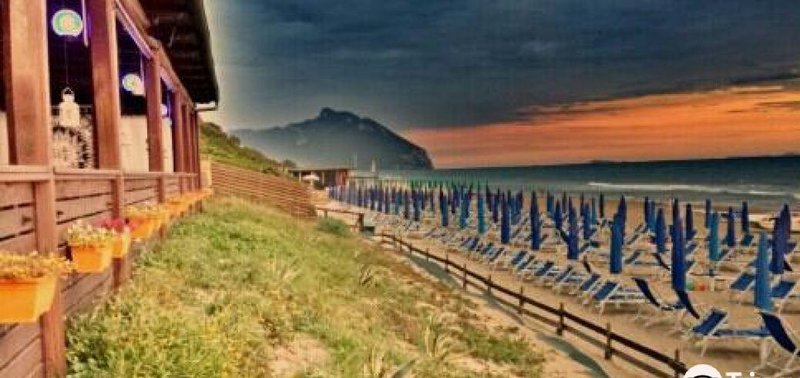
Hotels in Massa Martana
Discover your perfect stay in Massa Martana.
Massa Martana(Italy) Travel 2026: Cheap Flights, Hotels & Top Attractions
Popular Landmarks in Massa Martana
Discover the most iconic attractions in Massa Martana
Recommended Hotels in Massa Martana
Find the perfect place to stay in Massa Martana
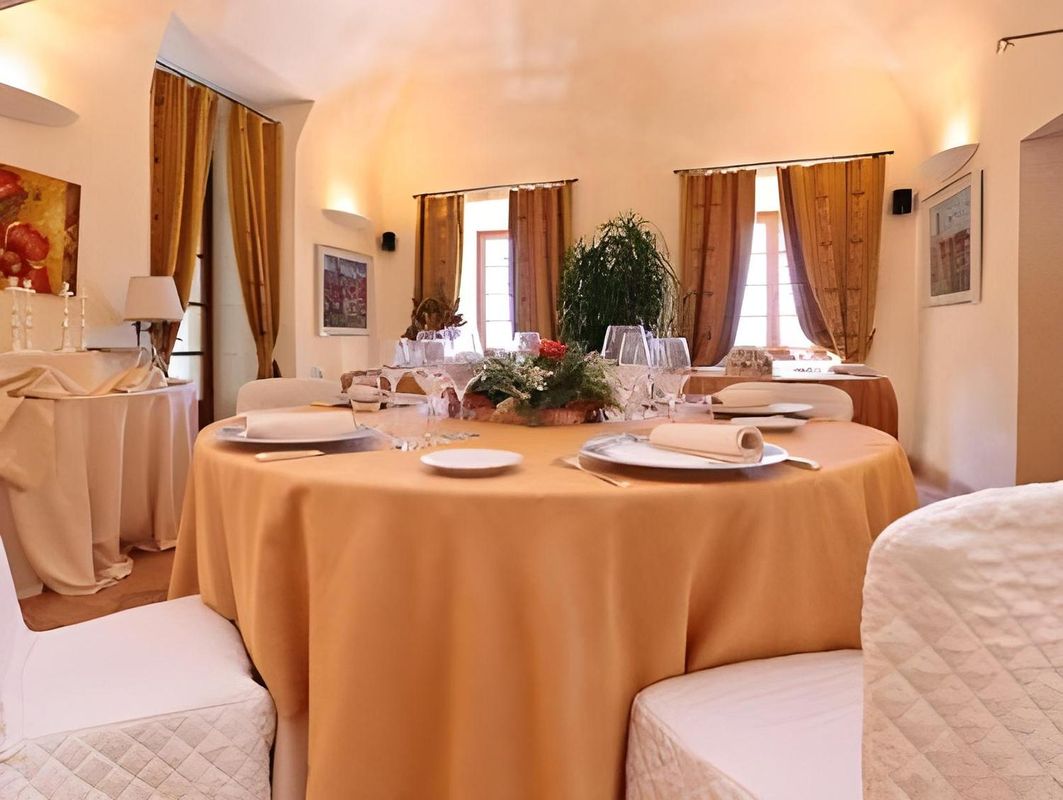
San Pietro Sopra le Acque Resort & Spa
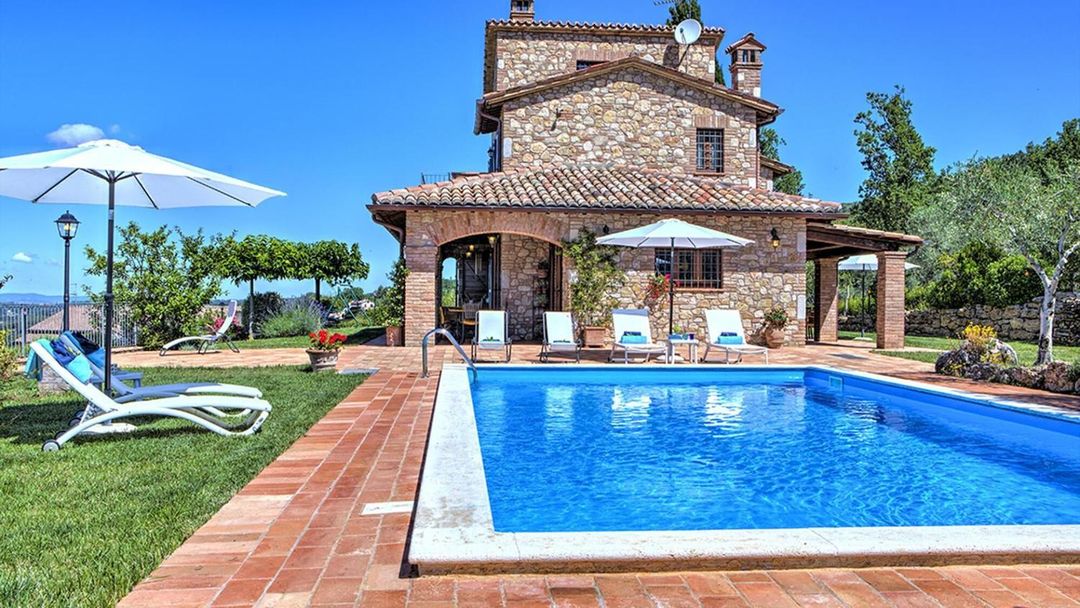
Villa Bella 8, Emma Villas
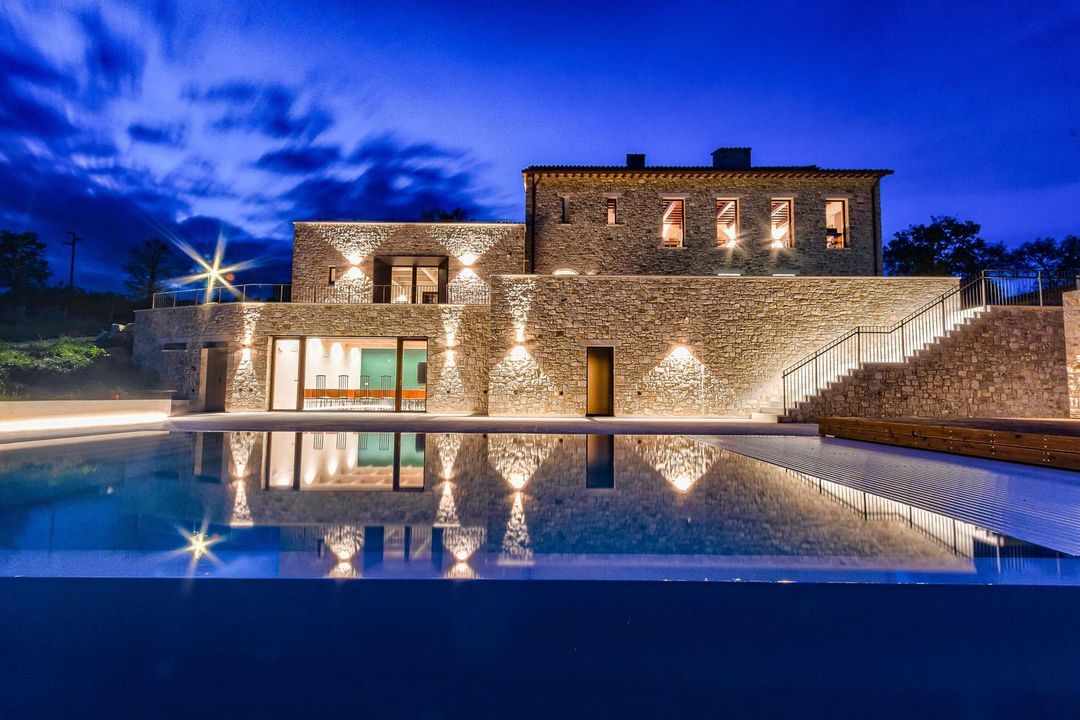
Agriturismo Colli Martani
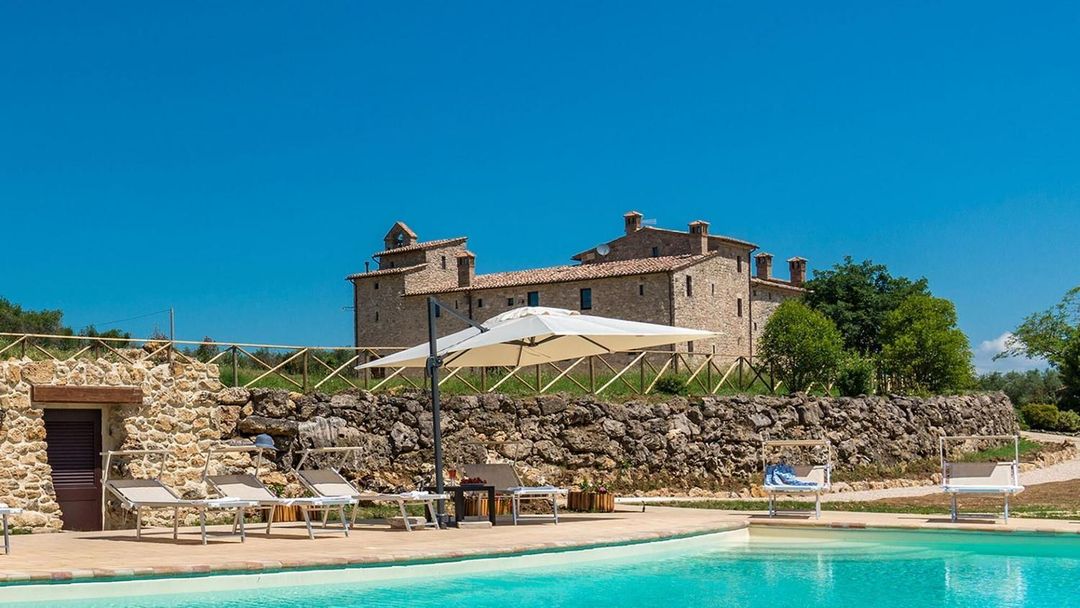
Santa Illuminata 20, Emma Villas
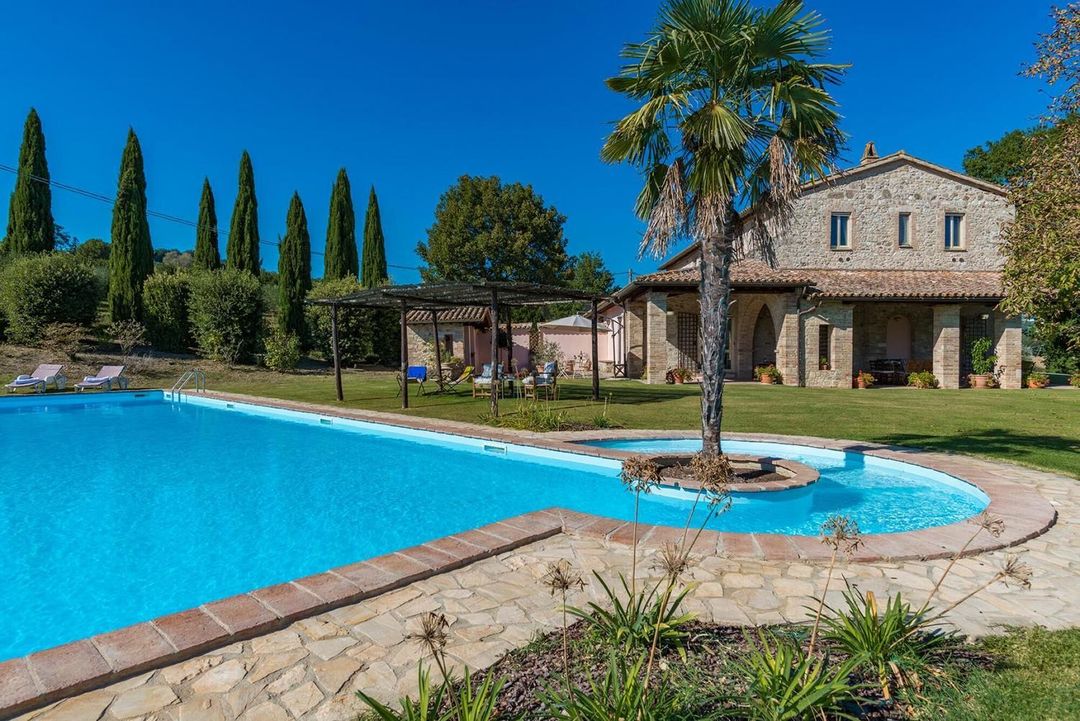
Casale Cicognola 12, Emma Villas
Frequently Asked Questions about Traveling to Massa Martana
Questions You Might Need to Know About Traveling to Massa Martana
In Massa Martana, the top boutique stay is Hotel Ristorante La Rocca, a hilltop gem offering panoramic views of the Umbrian countryside. This family-run retreat blends medieval architecture with modern comfort, featuring stone walls, wooden beams, and private terraces. Guests enjoy exclusive access to on-site wine tastings and homemade amaretto distillation workshops. Its rooftop terrace is perfect for sunset views over the Todi Valley, making it ideal for photographers and romantic getaways. The hotel also hosts seasonal local markets, connecting travelers with authentic Umbrian traditions.
The historic town center is the prime location for lodging, near the Chiesa della Madonna del Sasso. With cobblestone alleys and centuries-old buildings, this district offers a true medieval atmosphere. Stay at Casa del Sole, a charming guesthouse with a private courtyard and mountain views, just steps from restaurants and artisan shops. It’s also close to the Umbria National Park entrance and quiet hiking trails, making it ideal for nature lovers seeking tranquility and cultural immersion in a safe, walkable environment.
Experience the "Festa della Zucca" (Pumpkin Festival) held every autumn, where locals create giant pumpkin sculptures and host traditional music and handmade pasta contests. Visit Bottega dell'Argilla, a local ceramics workshop, to craft your own terracotta bowl using ancient techniques. On Saturdays, the Old Market Square transforms into a farmers’ market selling fresh truffles, olive oil, wild mushrooms, and regional cheeses. These events offer an immersive glimpse into authentic Umbrian rural life and craftsmanship.
Absolutely. Massa Martana features child-friendly trails, green spaces, and safe streets. Stay at B&B Villa Aurora, a family-run guesthouse offering kids’ playrooms, garden tours, and simple Italian pasta-making classes. Nearby, a small animal farm lets children feed goats and chickens. Every Friday evening, the town hosts a family outdoor movie night under the stars, screening classic cartoons—perfect for bonding and creating lasting memories in a warm, welcoming setting.
Must-try dishes include Pasta alla Gricia con Fagioli, a rich, hearty pasta made with local chickpeas, smoked pork, and black pepper. Dine at Osteria del Tempo Perso, a century-old trattoria using ingredients from nearby farms. Don’t miss Tagliatelle al Tartufo, seasonal tagliatelle with wild truffle, available only in winter. Finish with a sip of Pera Amara, a locally crafted pear liqueur produced by women’s cooperatives—its complex, floral notes reflect the region’s terroir and heritage.
Explore the Roman Aqueduct Ruins (Acquedotto Romano), one of the best-preserved ancient water channels in Umbria, with impressive arches still standing. Visit the Crypt of Santa Maria, dating back to the 6th century, adorned with Byzantine-style frescoes. A short drive away lies the Caesar-era watchtower, offering sweeping views across the Umbrian plain. Guided tours are recommended for deeper insight into these hidden gems, often accessible only through local heritage groups.
Nearby, the Umbria National Park offers exceptional hiking opportunities. Hike the Sentiero Monte Casino trail (2.5 hours), passing through oak forests and spotting red kites. In spring, the Valle dei Cavallari bursts into bloom with lavender and acacia flowers—ideal for photography. For serenity, visit the Pavilion del Silenzio, a secluded lakeside gazebo built in the 19th century, allowing only two visitors at a time for meditative reflection amidst nature's embrace.
While remote, Massa Martana is accessible via regional bus Linea 70 from Perugia, running 3–4 times daily with a 40-minute ride. Driving along SS307 is straightforward, with clear signage and well-maintained roads. Parking is restricted within the old town; use the outside city gate lot and walk in. Electric bike rentals are available locally, enabling eco-friendly exploration of surrounding farmland and ancient paths—ideal for sustainable travel.
The Festa della Rosa e della Poesia (Roses & Poetry Festival) occurs on the first weekend of May, featuring period costumes, poetry readings, and handcrafted rose gifts. During Christmas, the Lantern & Market Festival lights up the main street with handmade lanterns and sells mulled wine and almond biscuits. The summer Estival Jazz Festival brings live jazz performances at the Piazza della Madonna del Sasso, creating a magical atmosphere under the stars—perfect for culture enthusiasts.
Visit independent boutiques like Bottega del Vento, offering handwoven wool shawls and embroidered textiles inspired by Umbrian patterns. Il Borraccino, a historic general store, sells local specialties: truffle salt, wild honey, stone-ground whole wheat flour. For keepsakes, choose handcrafted ceramic figurines of Saint Peter, the town’s patron. All products use eco-friendly packaging, supporting sustainable tourism while preserving local craftsmanship.
Massa Martana Overview
City Summary
Massa Martana is a charming town in Italy's Umbria region, renowned for its medieval architecture and tranquil rural atmosphere. The stone houses and narrow streets exude historical charm, surrounded by olive groves and vineyards, making it an ideal escape from city life.
Must-See Attractions
The Church of Santa Maria Assunta is a must-see, with its Romanesque architecture and stunning frescoes. Stroll through the historic center to admire well-preserved medieval buildings. Nearby nature reserves offer hiking and birdwatching opportunities.
Food Guide
Savor Umbrian cuisine, such as truffle pasta and wild boar stew. Don't miss the local olive oil and wine, especially from nearby vineyards. The town's traditional restaurants serve authentic home-style dishes.
Transportation Guide
Driving is the primary way to reach Massa Martana, and the town itself is walkable. The nearest train station is in Perugia, requiring a bus or taxi transfer. Renting a car is recommended for exploring the surrounding countryside.
Best Time to Visit
Spring and autumn are the best times to visit, with mild weather and fewer tourists. Summers are hot but peaceful, while winters can be cold with some attractions closed.
Travel Tips
- Respect local customs by dressing modestly in churches.
- Wear comfortable shoes for the town's hilly terrain.
- Carry cash, as many small shops don't accept cards.
- Learn basic Italian greetings to connect with locals.
- Note shop and restaurant siesta hours to avoid closures.
- Drive carefully on narrow country roads.
Useful Information
Italian is the main language, with English understood in tourist areas. The euro is the currency, and carrying some cash is advised. Town areas have good network coverage, but rural spots may be spotty. Dial 112 for emergencies; medical facilities are in Perugia. The voltage is 220V with European standard plugs.