Hotels in Matsushima
Discover your perfect stay in Matsushima.
Matsushima(Japan) Travel 2026: Cheap Flights, Hotels & Top Attractions
Popular Landmarks in Matsushima
Discover the most iconic attractions in Matsushima
Recommended Hotels in Matsushima
Find the perfect place to stay in Matsushima
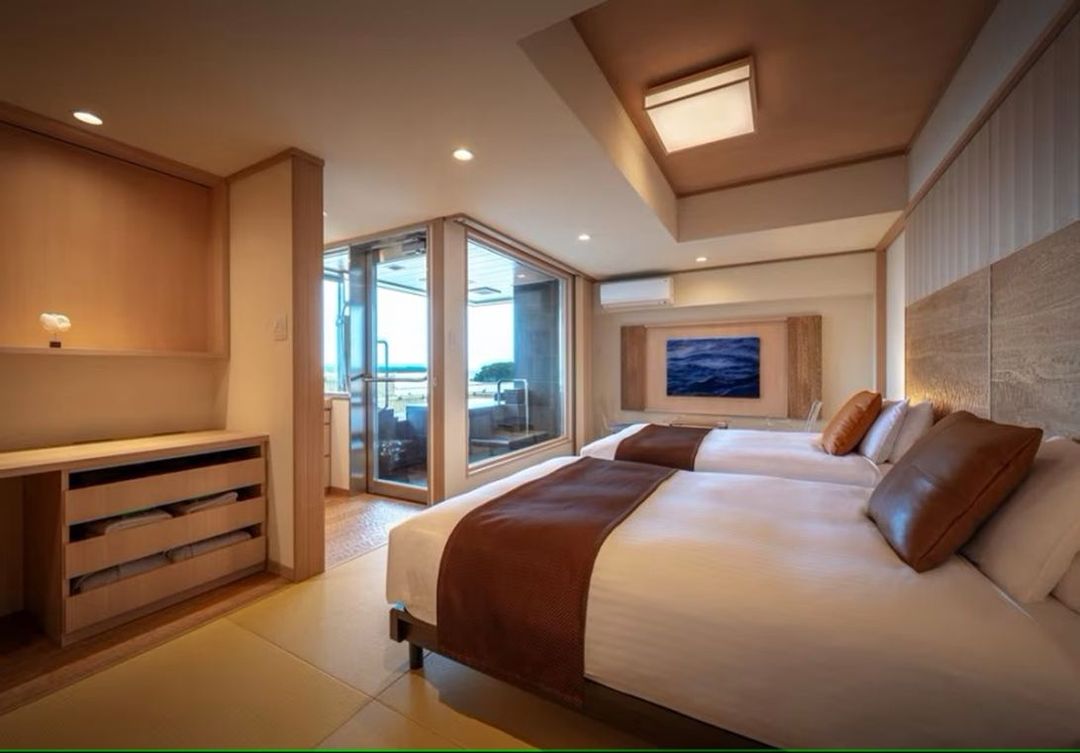
Komatsu-Kan Kofu-Tei
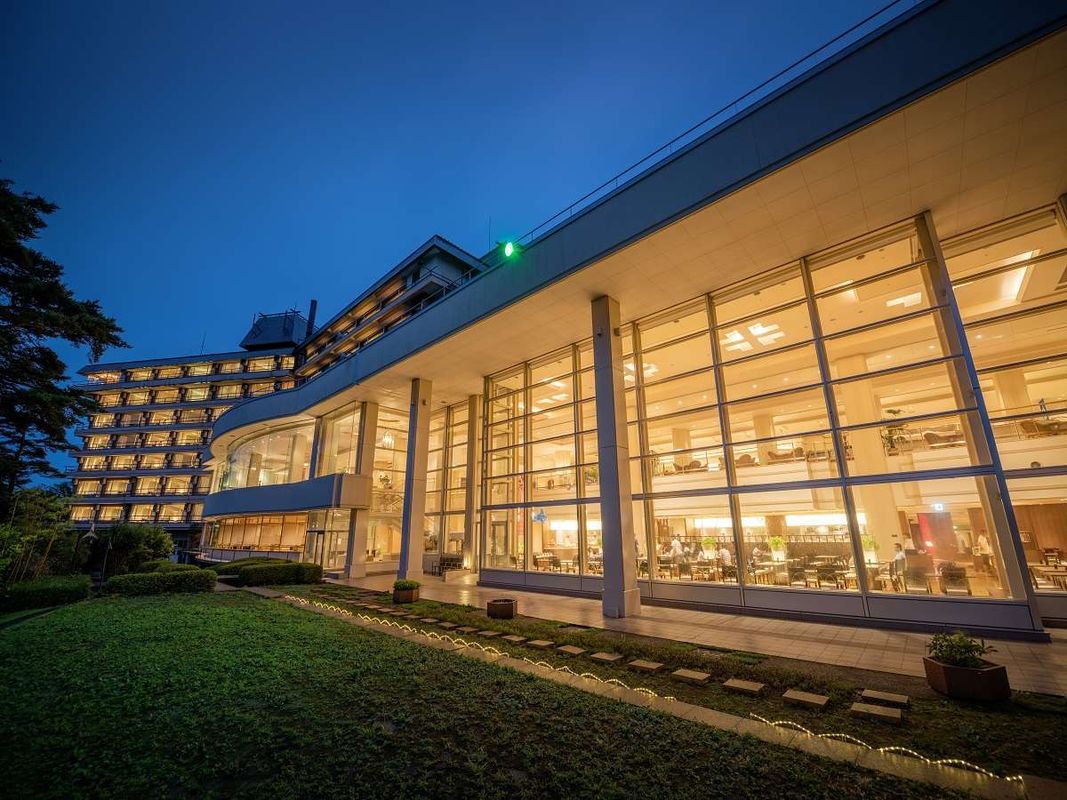
Hotel Matsushima Taikanso
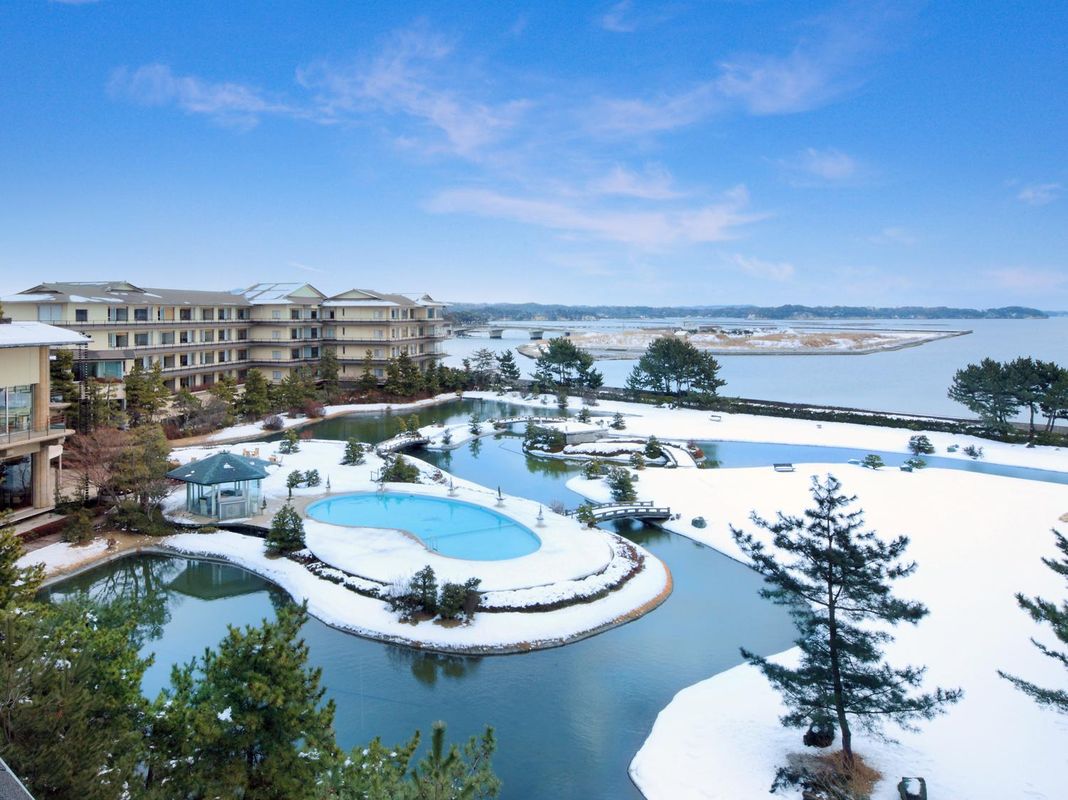
Matsushima Ichinobo
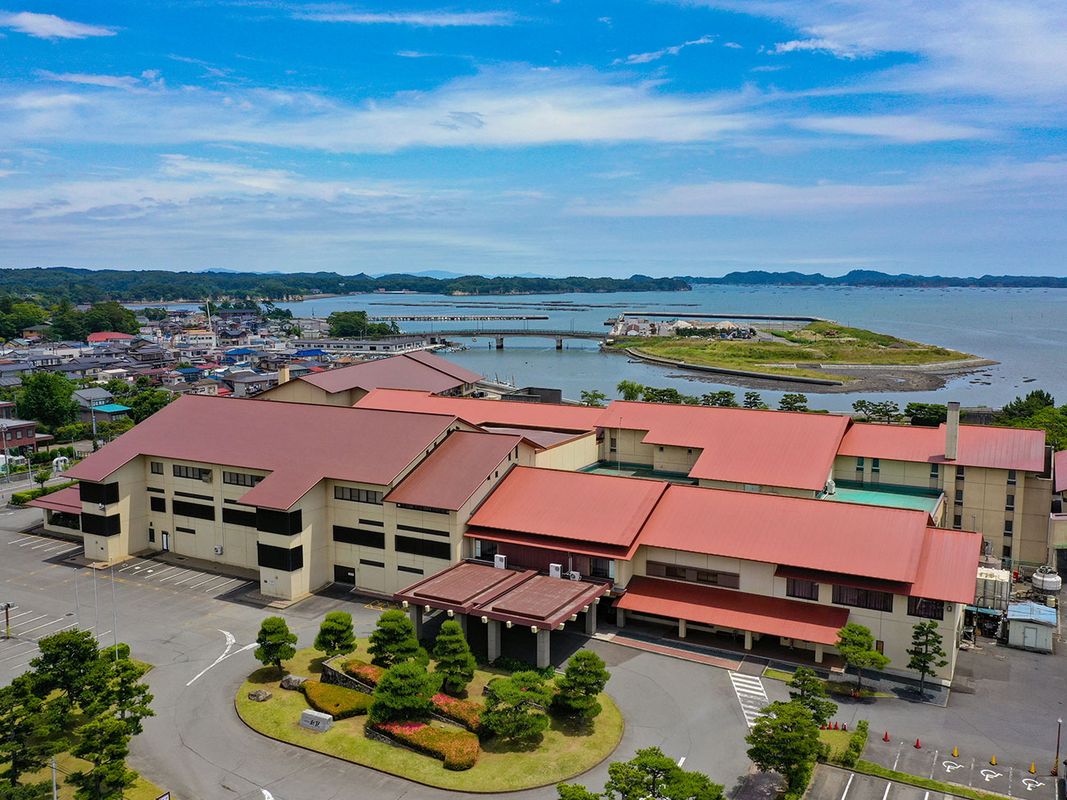
Ooedo Onsen Monogatari Premium Hotel Sokan
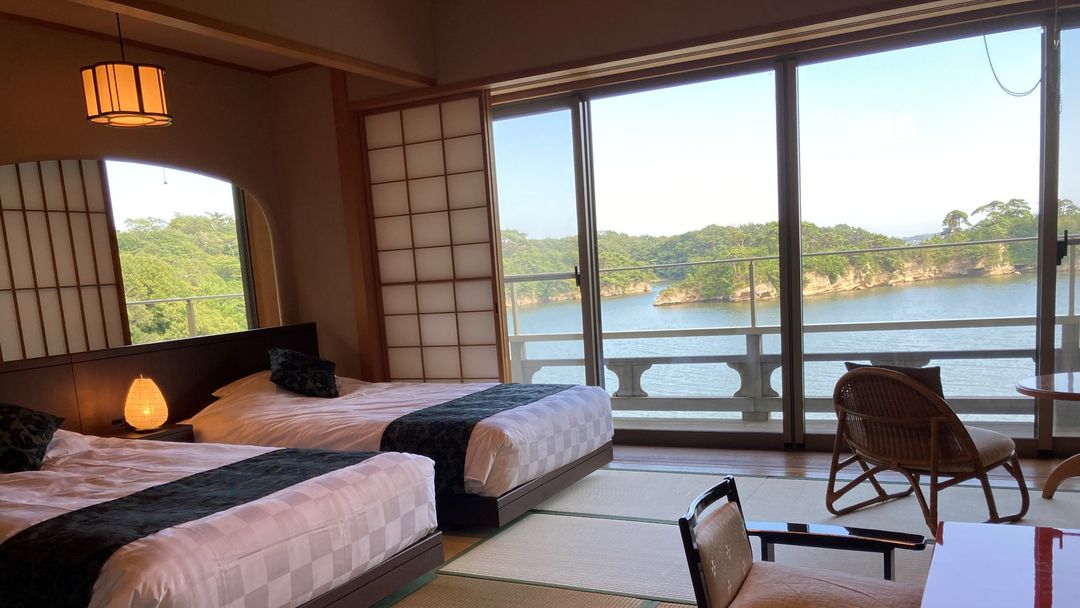
Matsushima Sakan Shoan
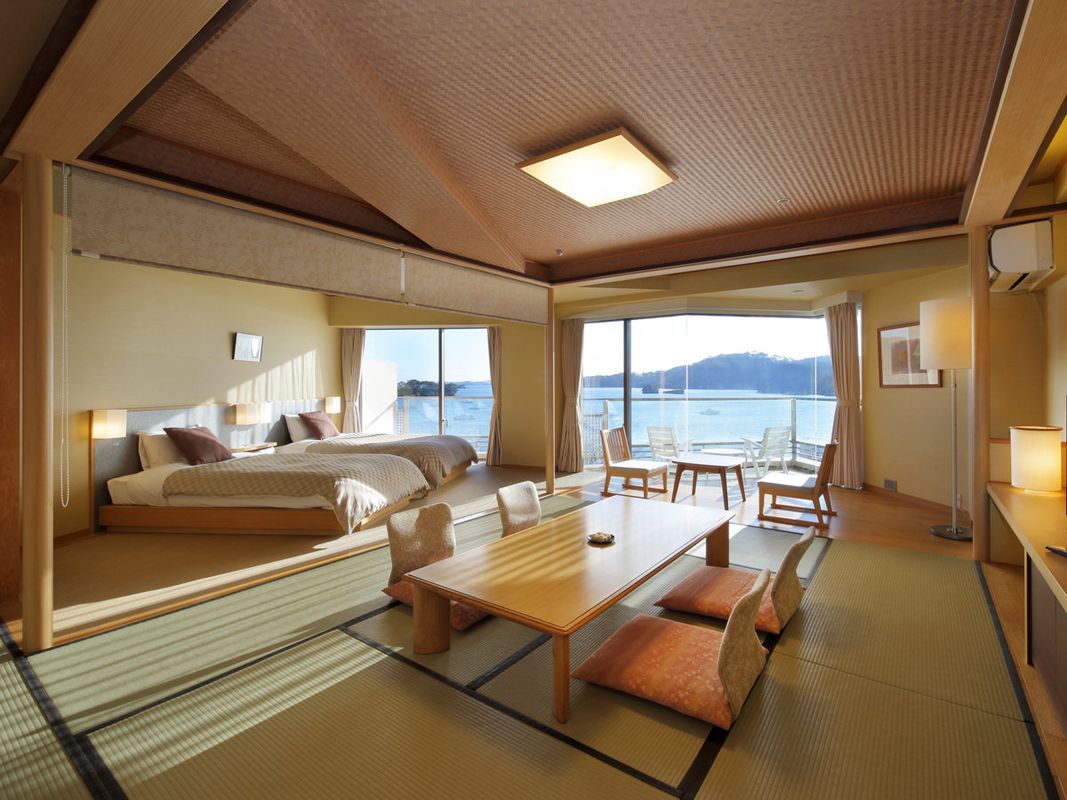
Matsushima Century Hotel
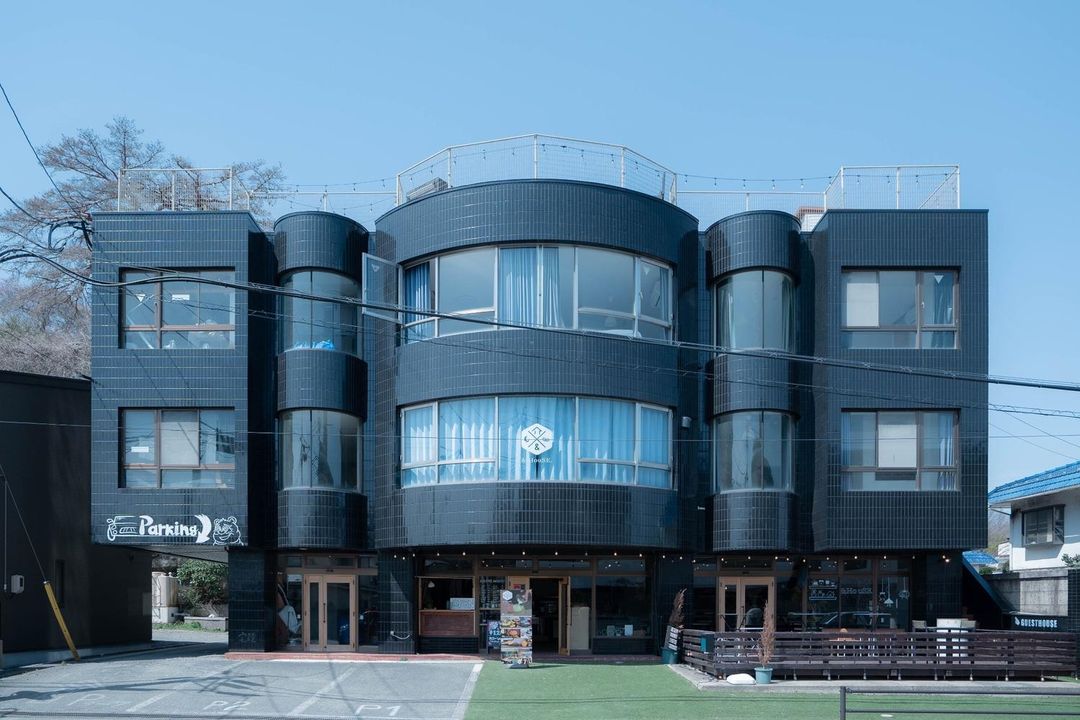
And House
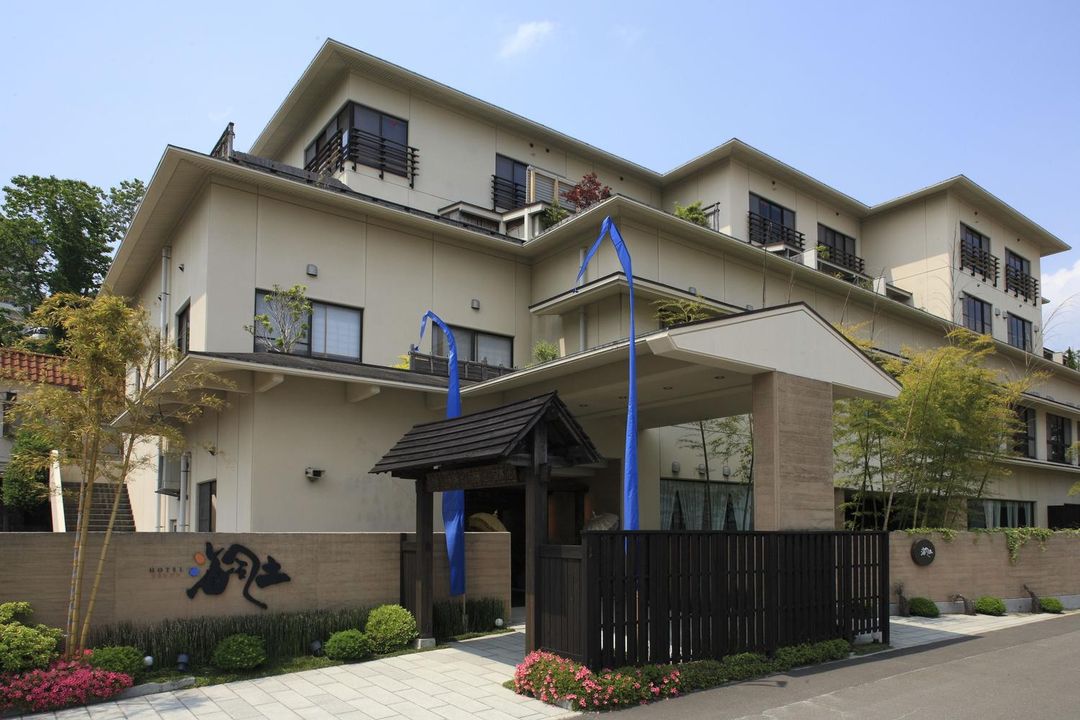
Matsushima Onsen Motoyu Hotel Ubudo
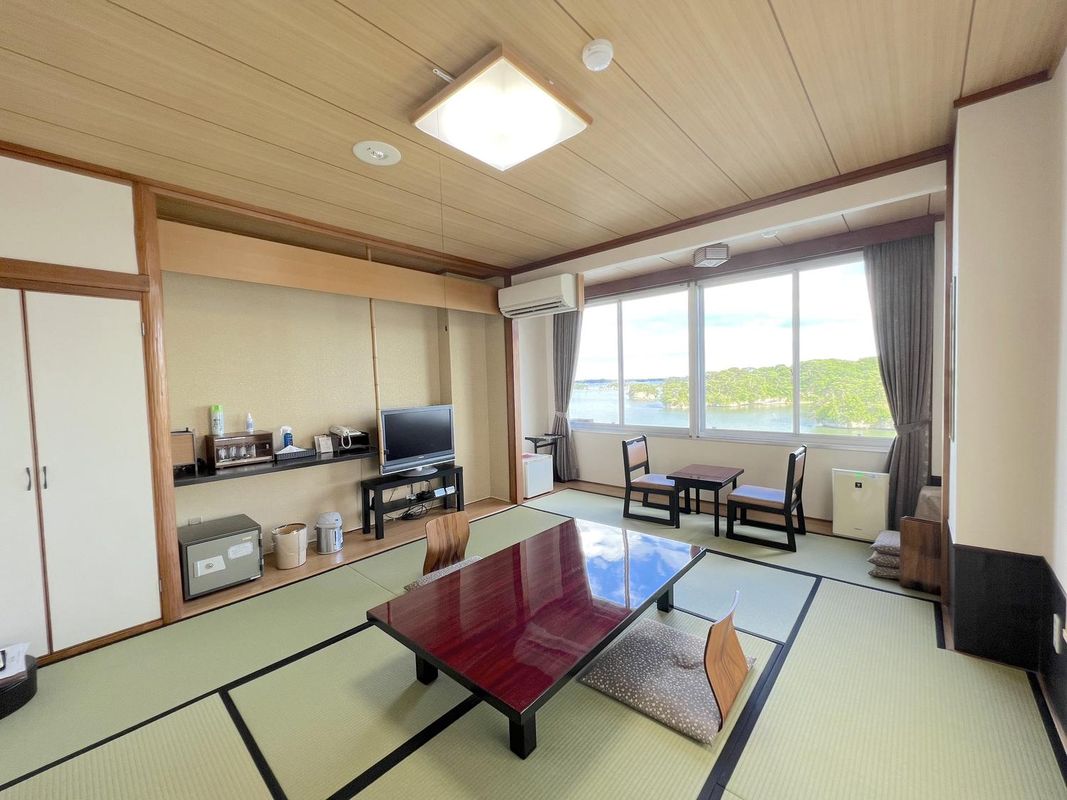
Matsushima Onsen Hotel Zekkei No Yakata
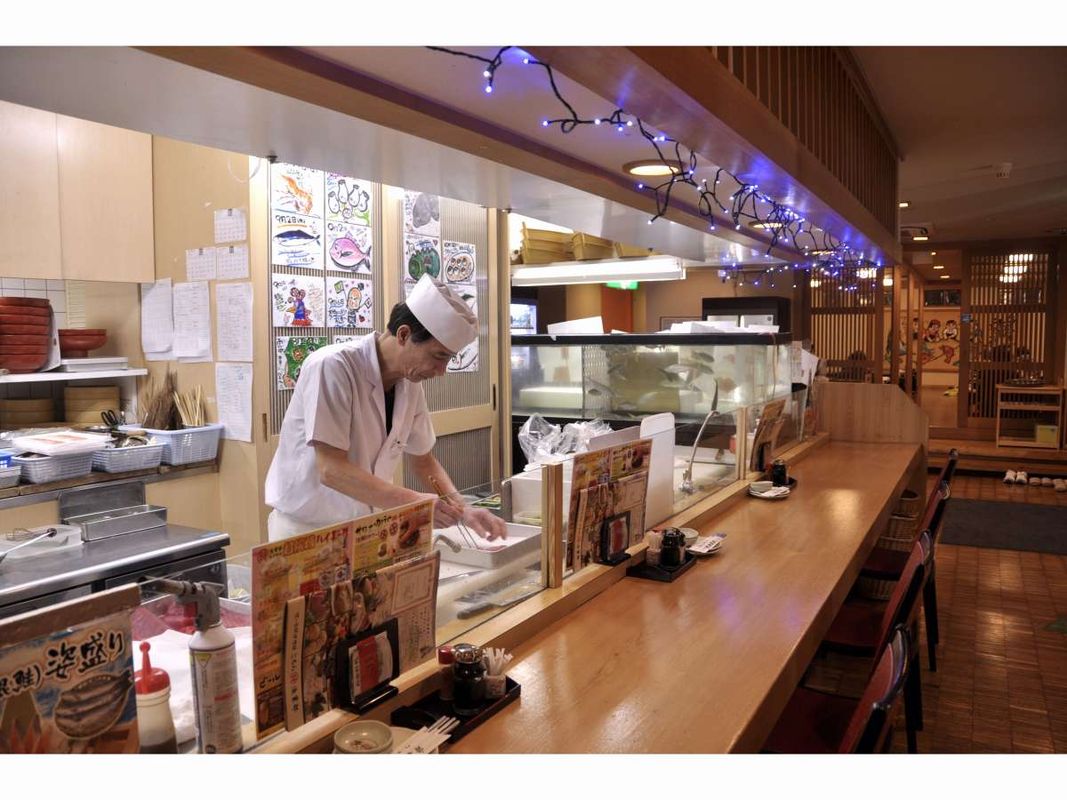
Katsugyono Yado Kochira Marutoku Gyogyobu
Best Hotels in Matsushima
Discover curated hotel collections in Matsushima

EN Resort Grandeco Hotel
Nasu Mukunone
Nasu Onsen Shinshun no Kago Hewitt Resort
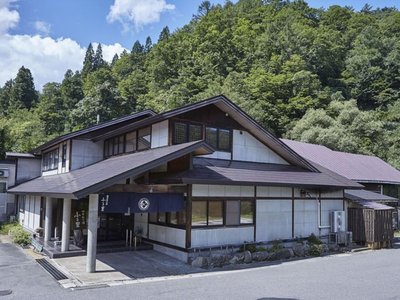
Fulsato
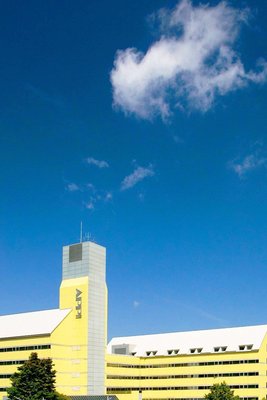
Crowne Plaza - ANA RESORT APPI KOGEN
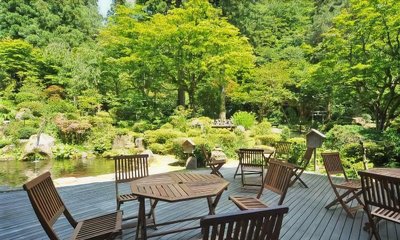
Choseikan
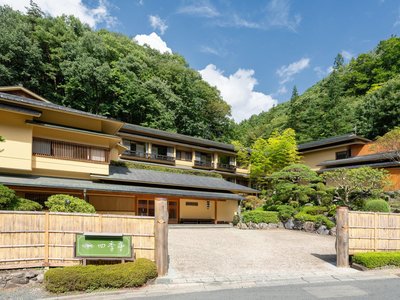
Shikitei Morioka TsunagiOnsen
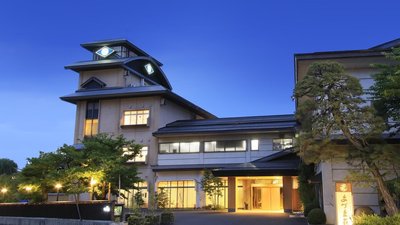
Shouhakutei Azumaso
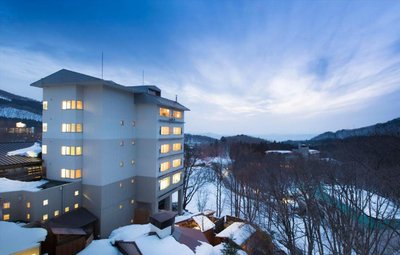
Takamiya Hotel Lucent
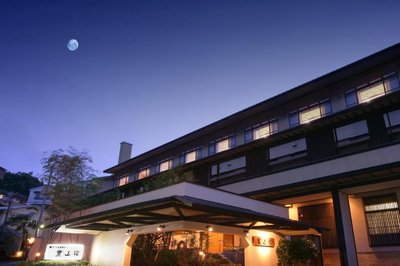
Hayamakan
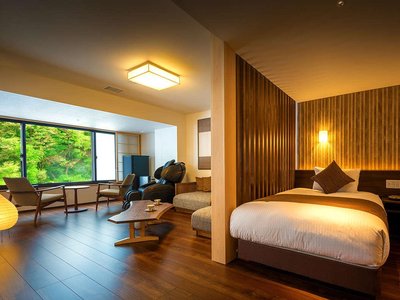
Harataki
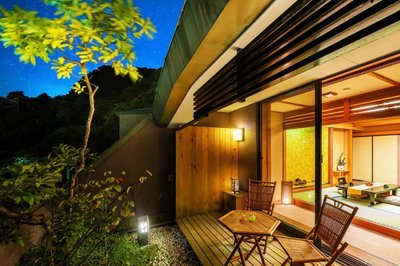
Konjakutei
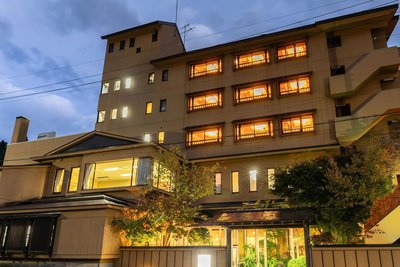
Kashintei Shirahama
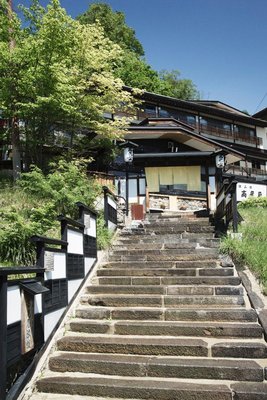
Takamiya Ryokan Miyamaso
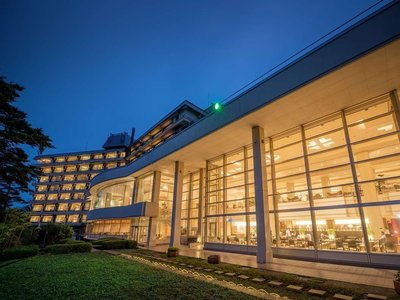
Hotel Matsushima Taikanso
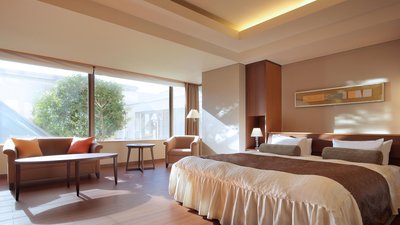
Onyado Toho
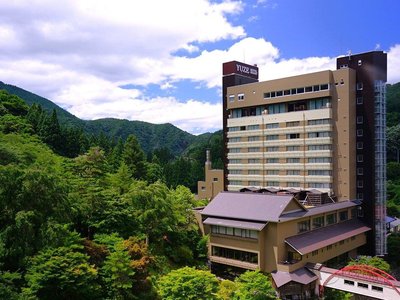
Yuze Hotel
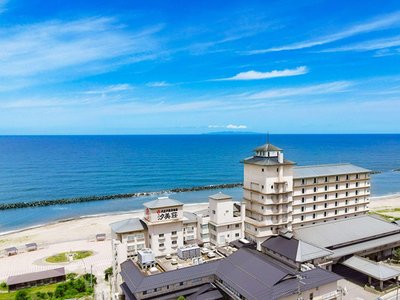
Ooedo Onsen Monogatari Premium Shiomiso
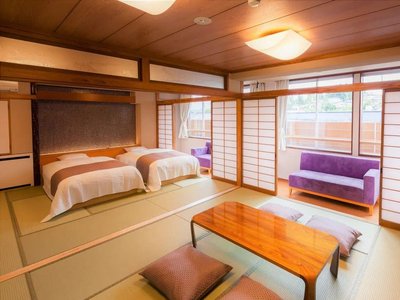
Arimakan
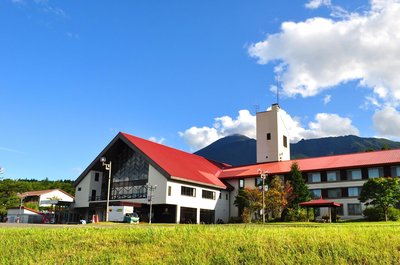
Hachimantai Mountain Hotel & Spa
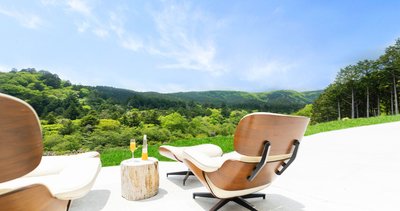
Shelter Garden Nikko
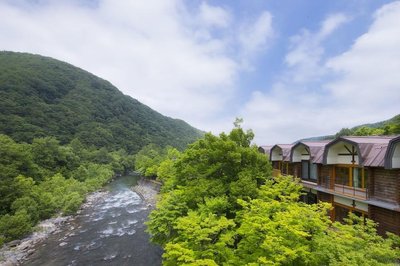
Hoshino Resorts Oirase Keiryu Hotel
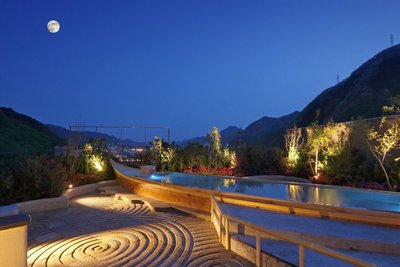
Asaya
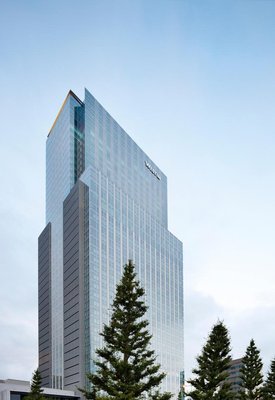
The Westin Sendai Hotel
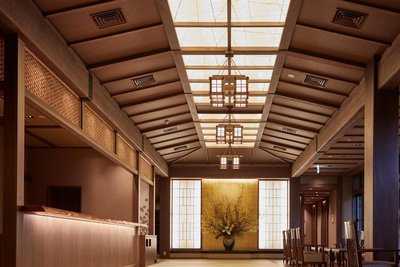
Yukinohana

Yukemuri No Yado Inazumi Onsen
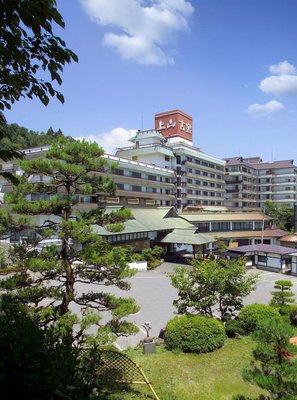
Hotel Koyo
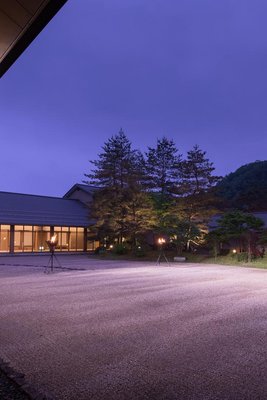
Kashoen
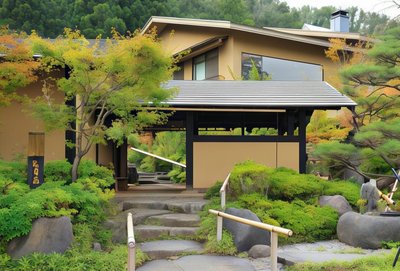
Meigetsuso
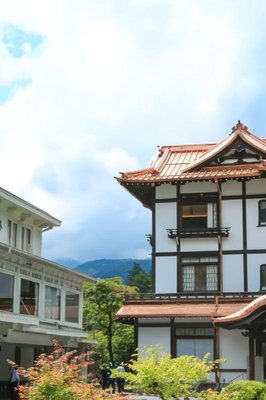
Nikko Kanaya Hotel
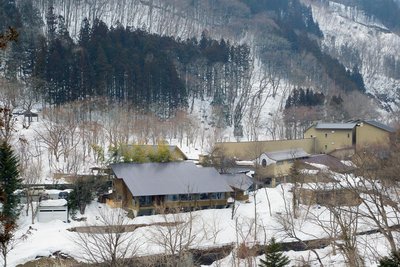
Bettei Senjyuan
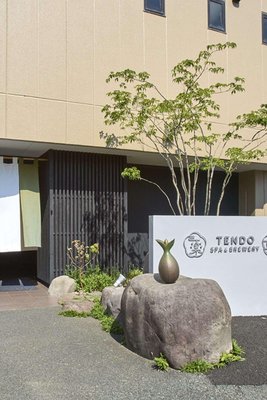
Yubo Ichiraku TENDO SPA&BREWERY
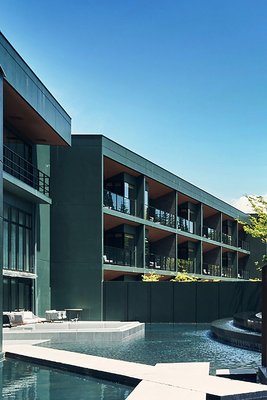
ANA InterContinental Appi Kogen Resort
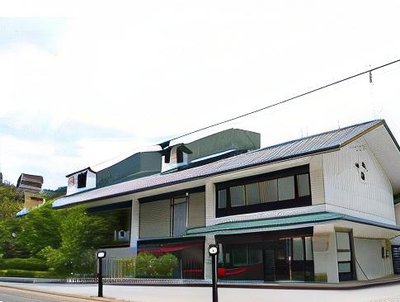
Auberge Suzukane
Konjakutei
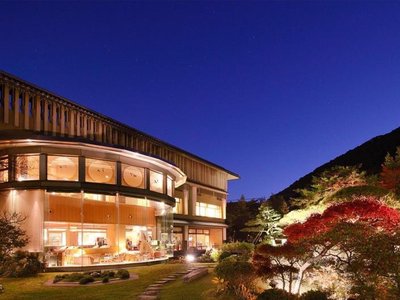
Shikisai Ichiriki
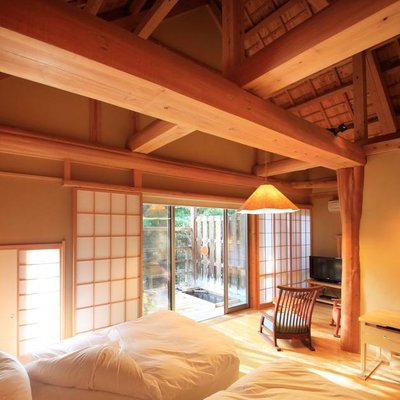
Daikon-No-Hana
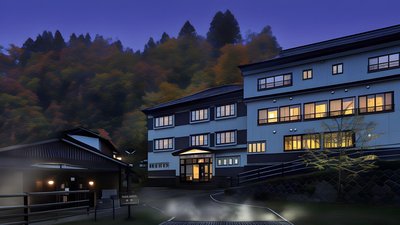
Zao Onsen Omiya Ryokan
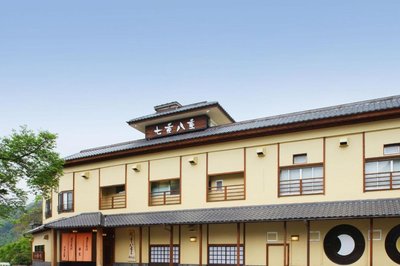
Nanaeyae
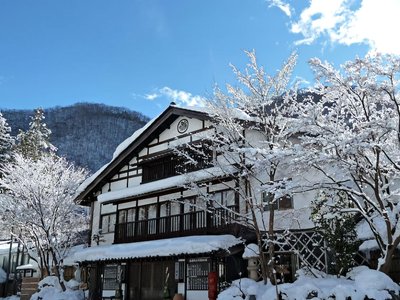
Yunishigawa Onsen Honke Bankyu
Nikko Kanaya Hotel
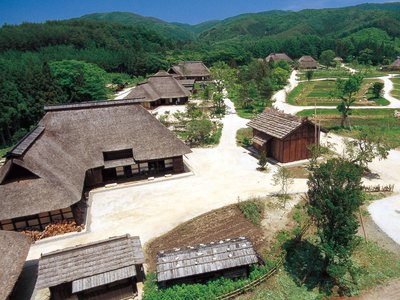
Jodogahama Park Hotel
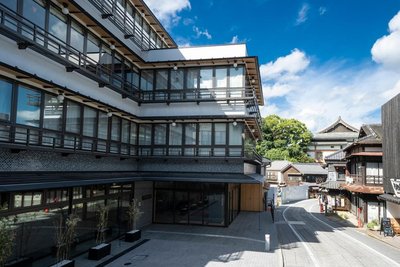
WAQOO NaritasanMonzen
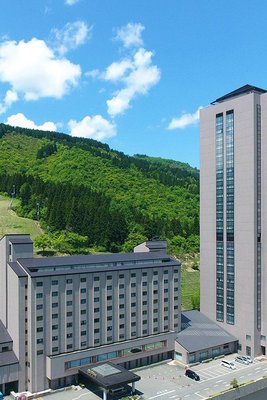
Naspa New Otani
Crowne Plaza - ANA RESORT APPI KOGEN
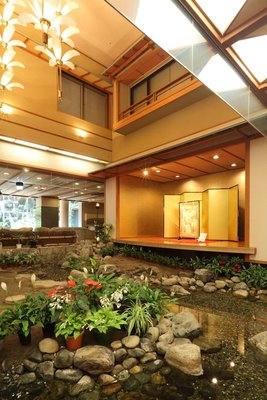
Hotel Futaba
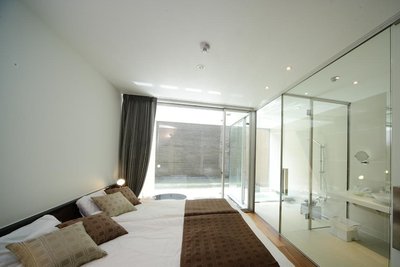
Four Seasons Yuzawa Quattro
Zao Onsen Omiya Ryokan
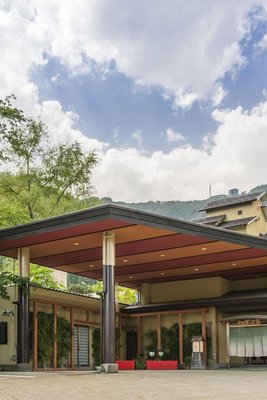
Shosenkaku Kagetsu
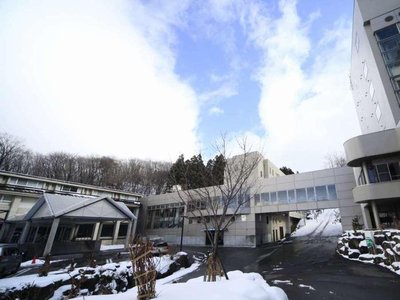
Zao Kokusai Hotel
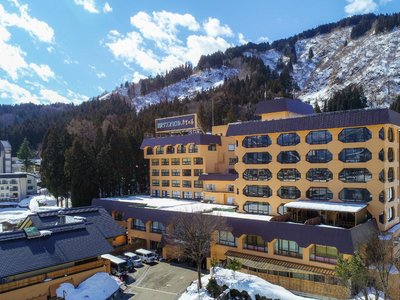
Yuzawa Grand Hotel
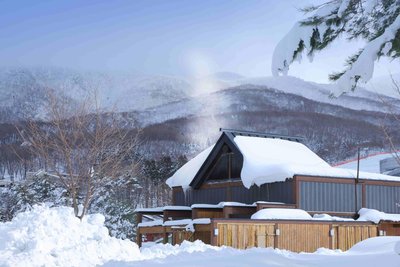
Kinosato
ANA InterContinental Appi Kogen Resort
Frequently Asked Questions about Traveling to Matsushima
Questions You Might Need to Know About Traveling to Matsushima
The prime area to stay in Matsushima is along Matsushima Bay, where hotels like Matsushima Bay View Hotel offer panoramic views of the iconic 260 islands. This location provides easy access to Ryūgan-ji Temple and the Matsushima Marina, ideal for boat tours and sunset watching.
For a more authentic experience, consider staying in Matsushima-chō's historic district, where traditional ryokan such as Shioon offer intimate stays with local hospitality. These accommodations often include kaiseki meals featuring fresh seafood from the bay and opportunities to join seasonal events like cherry blossom viewing or fishing excursions, enriching your cultural immersion.
The best time to visit Matsushima for cherry blossoms is late March to early April, when the sakura at Ryūgan-ji Temple’s Sakura Forest bloom in full glory, reflecting beautifully on the bay waters. For autumn foliage, visit from mid-October to early November, when the hillsides turn vibrant shades of red and gold, especially around Matsushima Bay and Daimon Gate.
Early morning or late afternoon visits are ideal—fewer crowds, soft lighting, and perfect conditions for photography. Don’t miss the annual Matsushima Cherry Blossom Festival in May and the Matsushima Light Festival in October, which showcase local traditions through lantern displays, taiko drumming, and traditional performances, offering deep cultural insight into this coastal gem.
Top attractions in Matsushima include:
-
Ryūgan-ji Temple: A thousand-year-old Buddhist temple with exquisite architecture and serene gardens, offering one of the best vantage points for viewing the "Three Views of Matsushima".
-
Matsushima Bay: One of Japan’s "Three Most Beautiful Views," accessible via guided boat tours that glide among the 260 islands, each with its own unique shape and story.
-
Daimon Gate: The symbolic entrance to Matsushima, surrounded by souvenir shops and scenic viewpoints perfect for photos.
-
Matsushima Aquarium: Showcasing local marine life, including specialty species like Matsushima sea bream and tuna, ideal for families.
-
Matsushima Shrine: Perched on a hillside with panoramic views of the bay, hosting traditional Shinto ceremonies during festivals, offering insight into local spiritual heritage.
Must-try local foods in Matsushima include:
-
Matsushima-style Sushi: Fresh sushi made with daily-caught fish like mackerel, bonito, and sea bream, served over tangy vinegared rice.
-
Matsushima Nitsuke: A richly flavored simmered dish featuring local sea bream and mentaiko (spicy cod roe), cooked in soy sauce and mirin.
-
Miyagi Black Beef: Premium Wagyu raised locally, known for its marbled texture and melt-in-the-mouth tenderness—best enjoyed at Matsushima Bay View Hotel.
-
Matsushima Sake: Locally brewed pure rice sake with delicate aroma and clean finish, perfect paired with seafood.
-
Cherry Blossom-Salted Mackerel: A seasonal delicacy in spring, marinated in cherry blossom salt and grilled, offering a subtle floral note—popular among locals.
Family-friendly activities in Matsushima include:
-
Boat tour of Matsushima Bay: Rent a small sightseeing boat or join a guided tour—kids can spot unique island shapes and learn about marine life.
-
Interactive experiences at Matsushima Aquarium: Touch pools and feeding sessions with starfish and clownfish make it engaging for children.
-
Temple visit to Ryūgan-ji with child-friendly prayers: The temple has special prayer boards for kids to write wishes and hang them, blending fun with cultural education.
-
Beach play at Matsushima Park Beach: Gentle waves and safe sand make it ideal for building sandcastles; summer events like sand sculpture contests add excitement.
-
Traditional craft workshops: Try making Matsushima paper fans or wagashi sweets, offering hands-on learning in Japanese artistry while creating keepsakes.
The most convenient way to reach Matsushima from Tokyo is by taking the JR Tohoku Shinkansen to Sendai Station (about 2 hours), then transferring to the JR Tōhoku Main Line to Matsushima Station, a 40-minute ride. The Shinkansen offers comfortable seating and a dining car.
Upon arrival at Matsushima Station, you can walk to central areas or take a free shuttle bus to major hotels and attractions. For a more immersive experience, rent an electric bicycle and explore the scenic Matsushima Bay Greenway, with rest stops and panoramic viewpoints along the way.
It’s recommended to book tickets in advance, especially during peak seasons. Alternatively, direct buses run from Sendai Airport to Matsushima, though they’re less frequent and best suited for travelers with minimal luggage and flexible schedules.
Matsushima Overview
City Summary
Matsushima, located in Miyagi Prefecture, Japan, is one of the Three Views of Japan, renowned for its stunning bay scenery and numerous small islands. It offers a rich blend of history, culture, and natural beauty, making it a paradise for photographers and cultural explorers.
Must-See Attractions
Key attractions in Matsushima include the Matsushima Bay cruise, Godaido Temple, and Zuiganji Temple. The cruise offers close-up views of over 260 small islands in the bay. Godaido Temple, built in the Heian period, is a symbol of Matsushima. Zuiganji Temple, the family temple of Date Masamune, showcases rich historical and cultural heritage.
Food Guide
Matsushima is famous for its fresh seafood, especially oysters and abalone. Local restaurants serve various seafood dishes like grilled oysters and seafood rice bowls. Additionally, "zunda mochi," a sweet treat made from edamame, is highly popular.
Transportation Guide
Matsushima is accessible via JR Matsushimakaigan Station, about 40 minutes from Sendai Station on the JR Senzan Line. The town is walkable, and bicycle rentals are available. The Matsushima Bay cruise pier is just a few minutes' walk from the station.
Best Time to Visit
The best times to visit are spring and autumn, with pleasant weather and beautiful scenery. Cherry blossoms bloom in spring, while autumn offers colorful foliage. Summer is crowded but features sea breezes and fireworks festivals.
Travel Tips
- Book Matsushima Bay cruises in advance, especially during peak seasons.
- Remove shoes when entering Godaido and Zuiganji Temples.
- Be cautious of food allergies when trying seafood.
- Winter temperatures can be low; dress warmly.
- Some attractions require entrance fees; check in advance.
Useful Information
Japanese is the primary language, with some English guidance at tourist spots. Network coverage is good. Most restaurants and hotels accept credit cards, but small vendors may only take cash. For emergencies, dial 110 (police) or 119 (ambulance).









