Hotels in Matsuura
Discover your perfect stay in Matsuura.
Matsuura(Japan) Travel 2026: Cheap Flights, Hotels & Top Attractions
Popular Landmarks in Matsuura
Discover the most iconic attractions in Matsuura
Recommended Hotels in Matsuura
Find the perfect place to stay in Matsuura
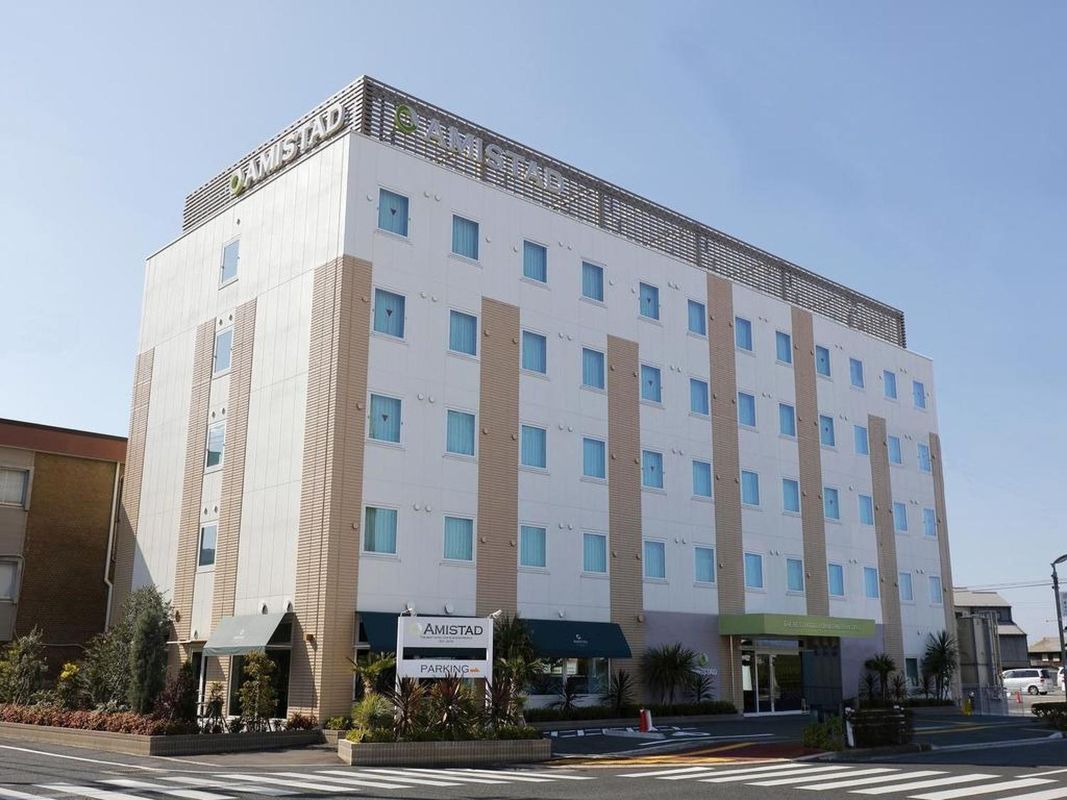
Amistad Hotel
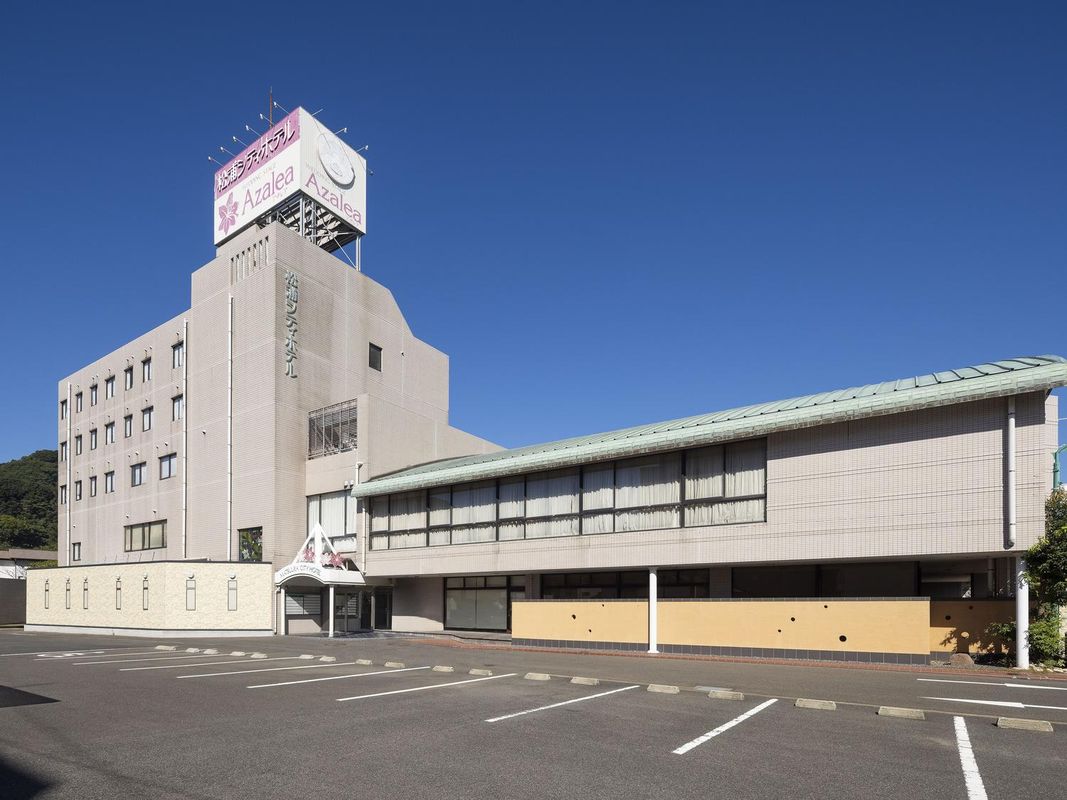
Matsuura City Hotel
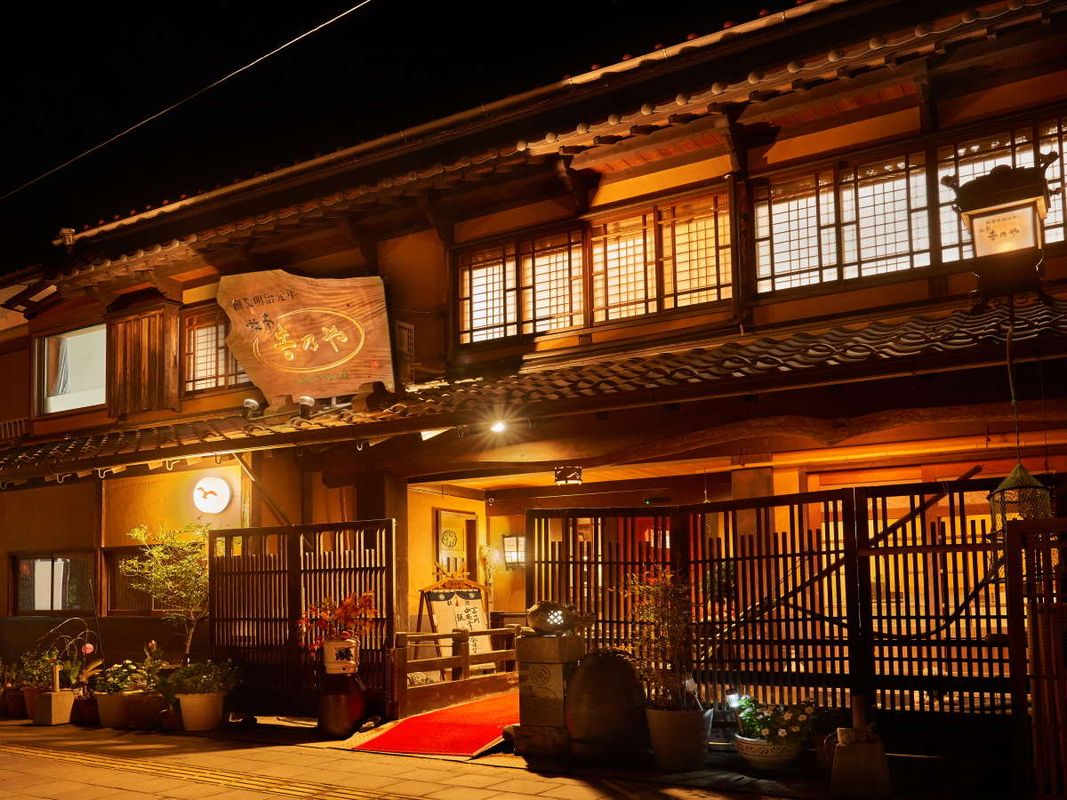
Ryotei Yoshinoya
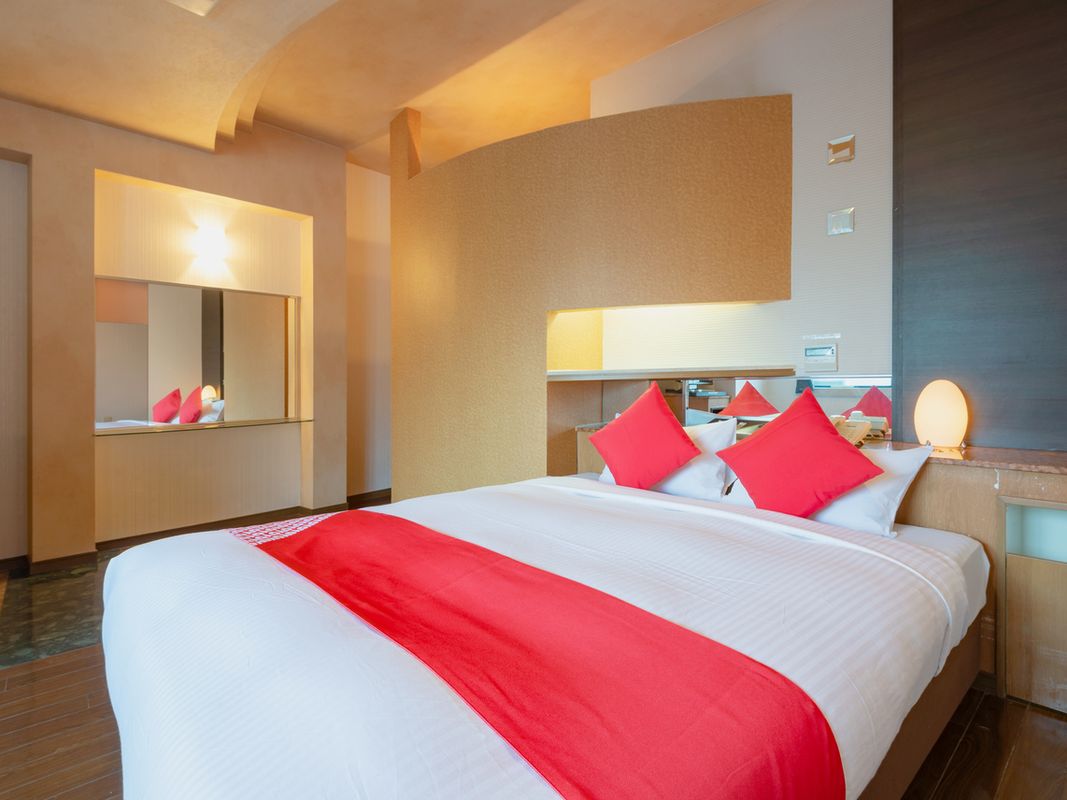
Hotel Avail Nagaskai Matsuura
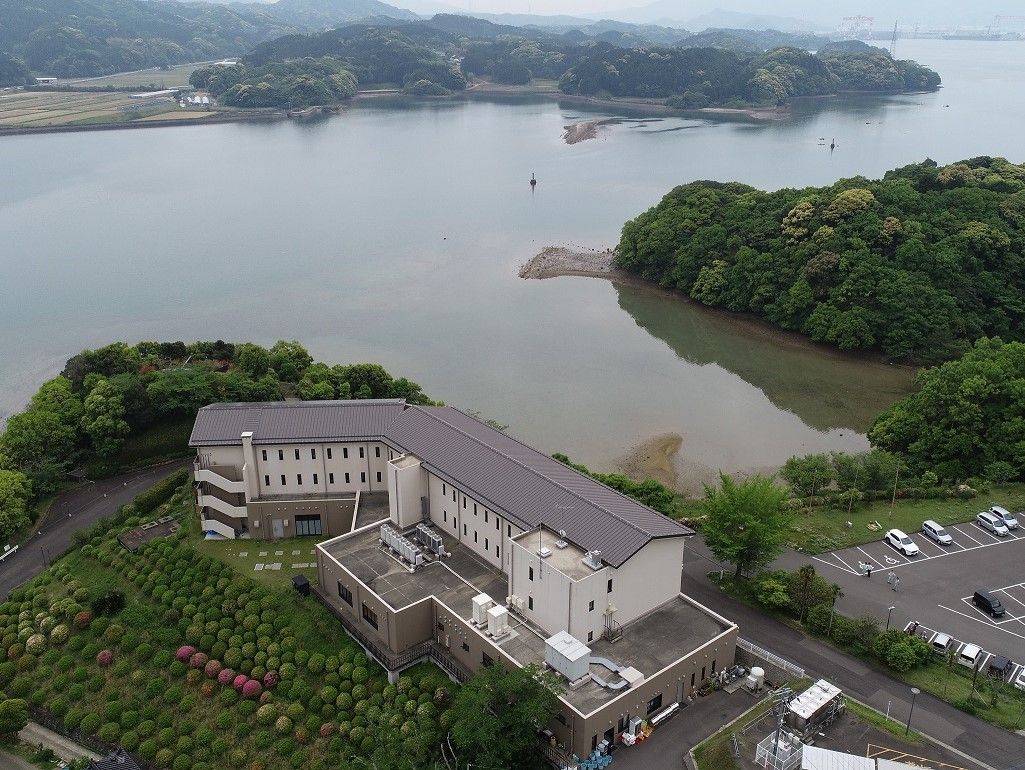
Fukushima Onsen Honokanoyado Tsubakisou
Best Hotels in Matsuura
Discover curated hotel collections in Matsuura
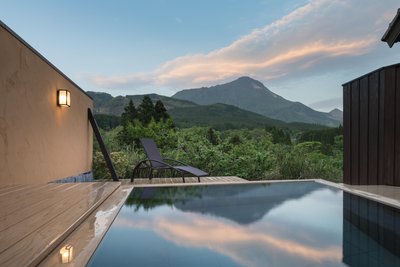
Ikkoten
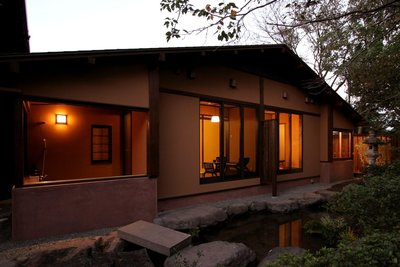
SEKIYA RESORT Bettei Haruki
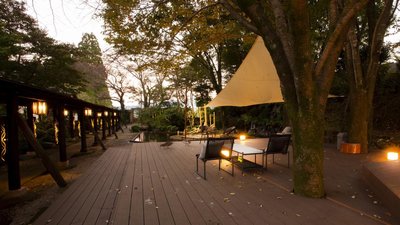
Chikurakutei
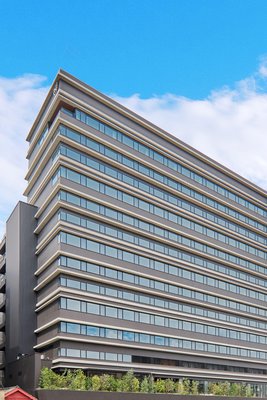
The Royal Park Canvas Fukuoka Nakasu
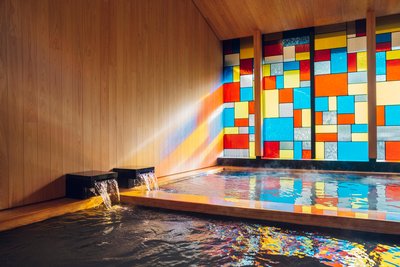
Hoshino Resorts Kai Unzen
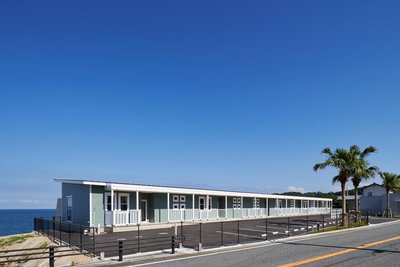
Alfacio Resort Stay Itoshima
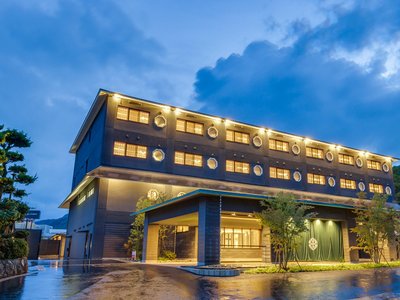
Ureshino Yadoya
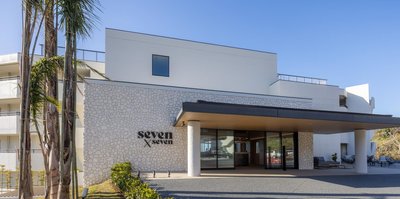
seven x seven itoshima
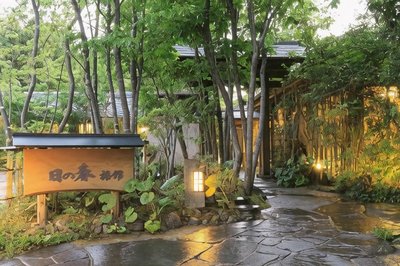
Yufuin Onsen Hinoharu Ryokan
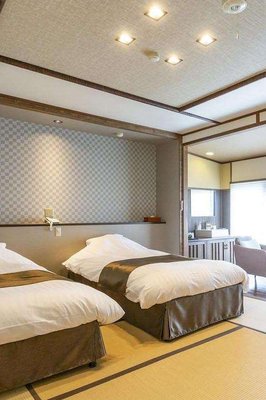
Sozankyo
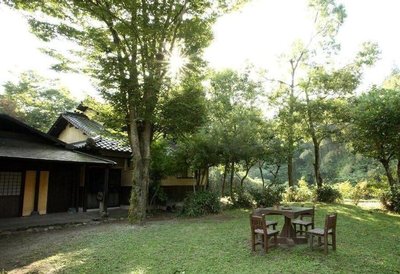
Yamashinobu
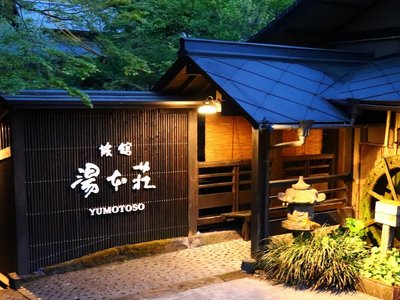
Ryokan Yumotosou
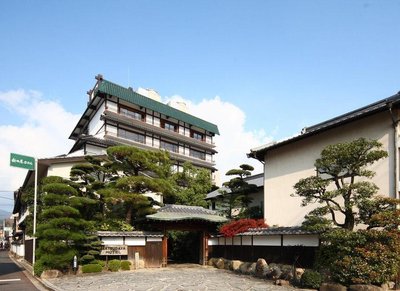
Matsudaya Hotel
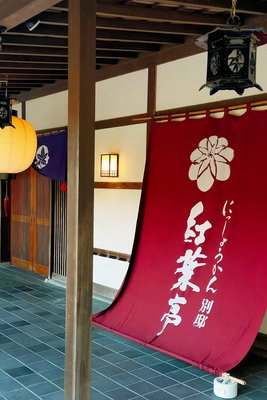
Nisshokan Bettei Koyotei
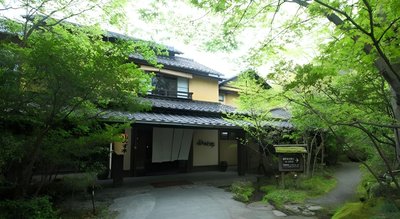
Kurokawaonsen Yamamizuki
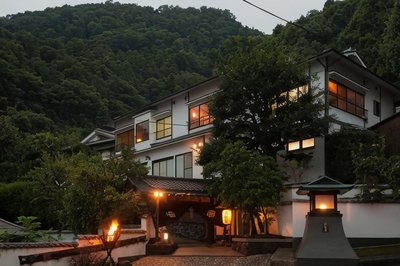
Beppu Showaen
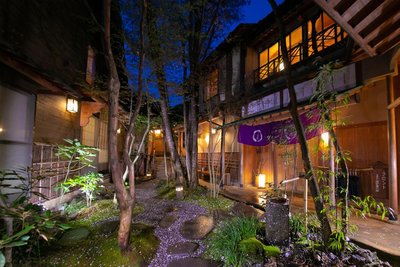
Oyado Ichizen
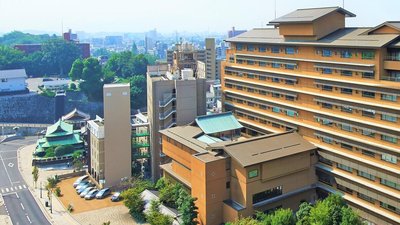
Yamatoya Honten
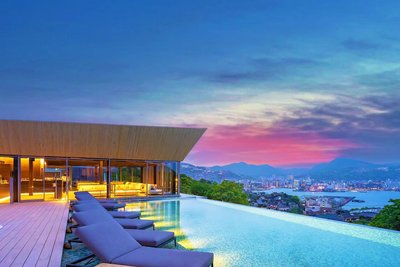
Garden Terrace Nagasaki Hotel & Resort
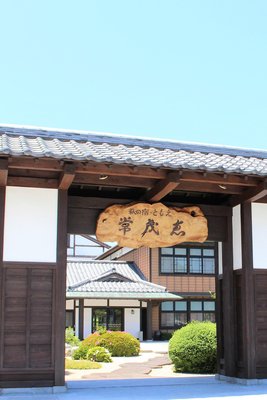
Hagi No Yado Tomoe
Garden Terrace Nagasaki Hotel & Resort
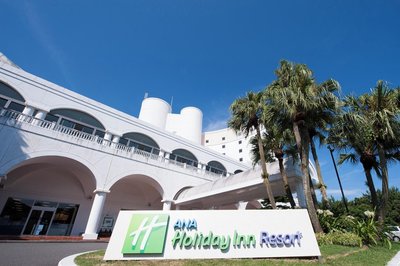
Holiday Inn Resort Miyazaki
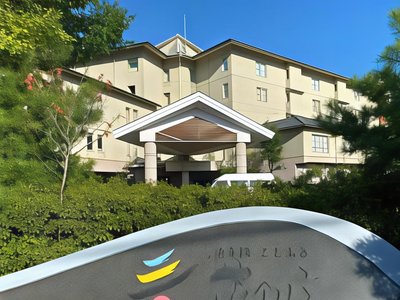
Yufuin Kotobuki Hananosho
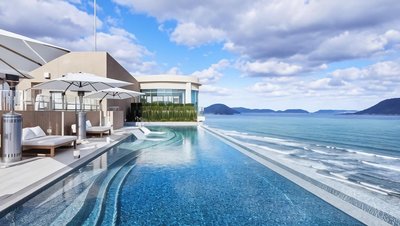
Karatsu Seaside Hotel
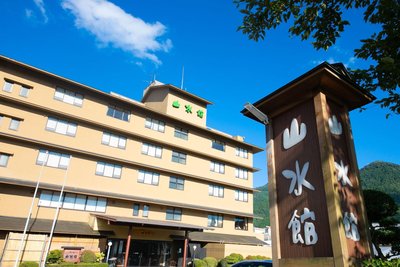
Yufuin Sansuikan
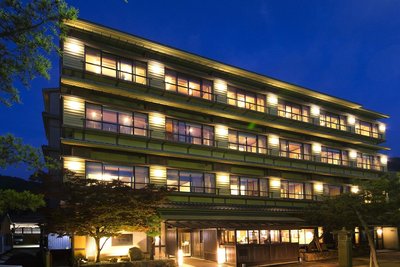
Kinsuikan
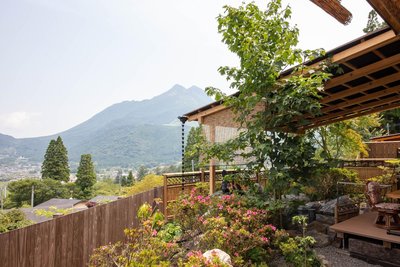
Yufuin-Sanso Waremokou
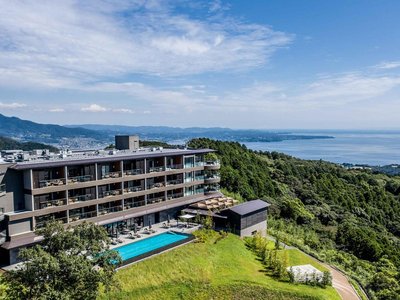
Ana InterContinental Beppu Resort & Spa
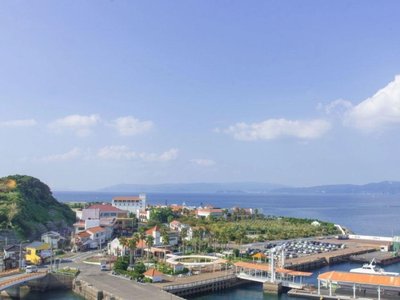
I+Land Nagasaki
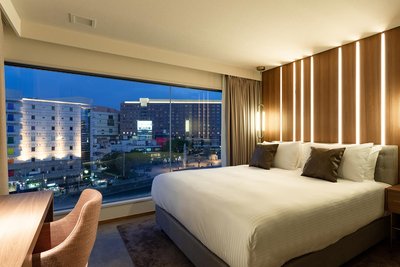
The OneFive Villa Fukuoka
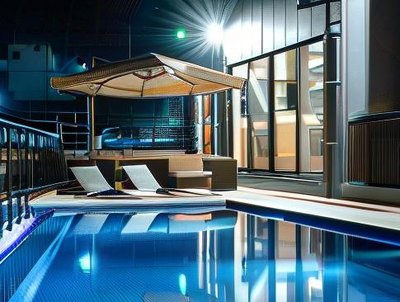
LiVEMAX RESORT MIYAHAMA ONSEN OCEAN
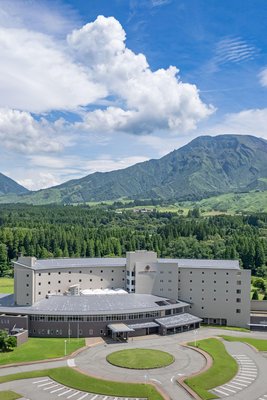
KAMENOI HOTEL ASO
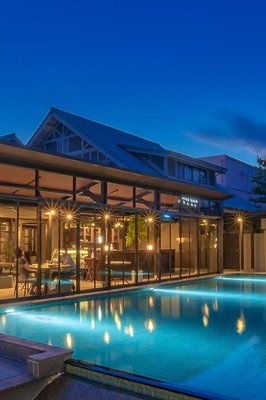
Amane Resort Gahama
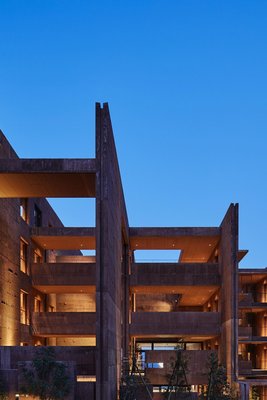
SEKIYA RESORT GALLERIA MIDOBARU
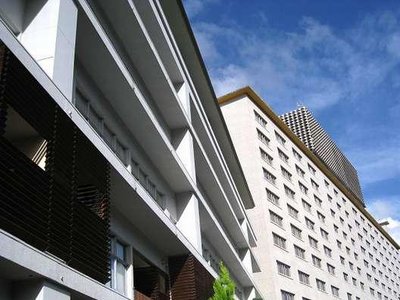
Beppu Suginoi Hotel

Phoenix Seagaia Ocean Tower
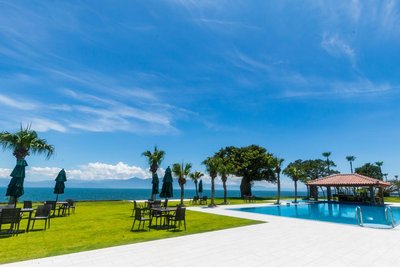
Kagoshima Sunamushi Onsen Ibusuki Hakusuikan
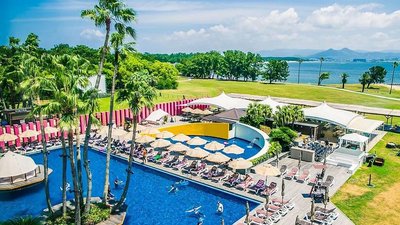
The Luigans Spa and Resort
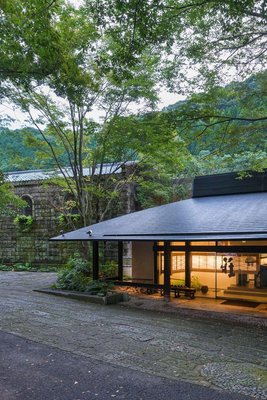
Myoken Ishiharaso

SHIROYAMA HOTEL kagoshima
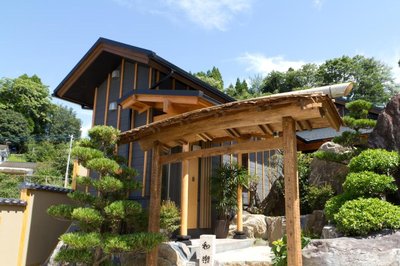
Ryokan Shinsen
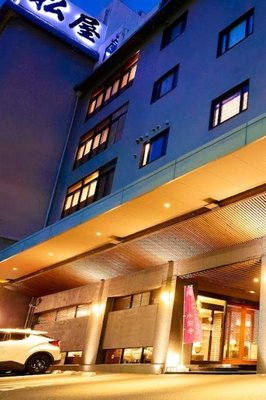
Ryotei Matsuya Honkan Suizenji
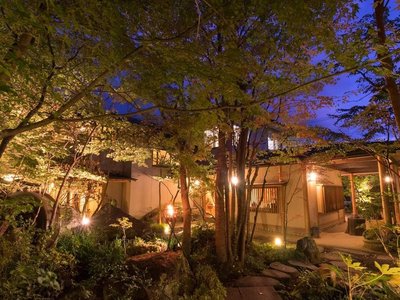
Ryoso Yufuin Yamadaya
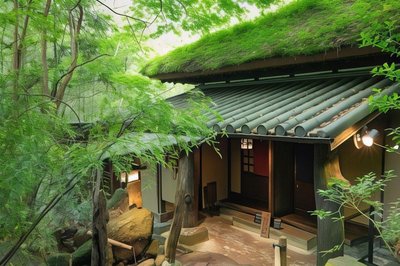
Sanso Tensui
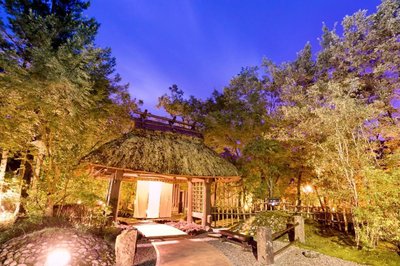
Satonoyu Waraku
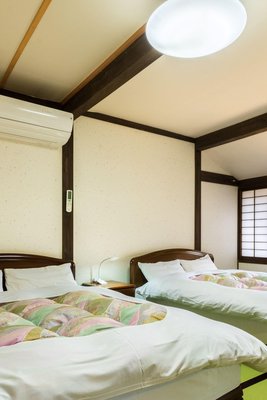
Tobise Onsen Tenga Sanso
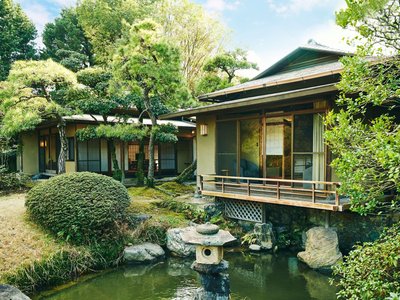
Suisui Garden Ryokan (in the Art Hotel Kokura New Tagawa)
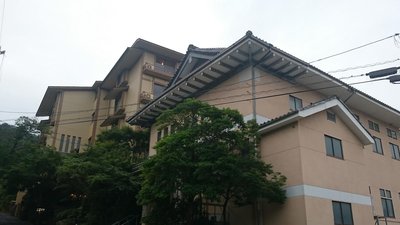
Miyajima Hotel Makoto
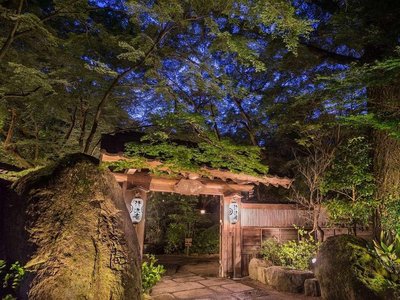
Akizuki Spa Ryokan Seiryuan
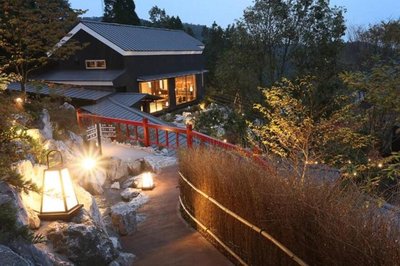
Gekkoju Kurokawa
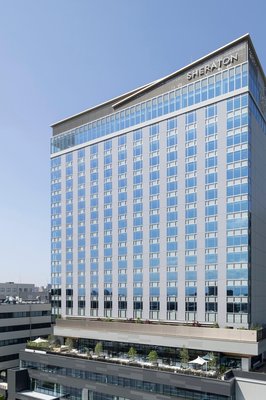
Sheraton Kagoshima
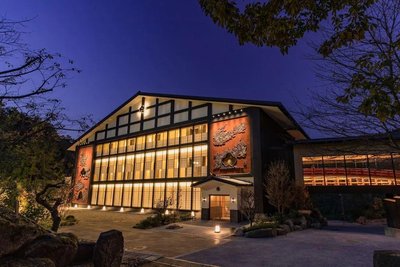
Okuhita Onsen Umehibiki
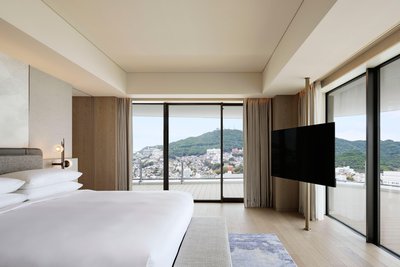
Nagasaki Marriott Hotel
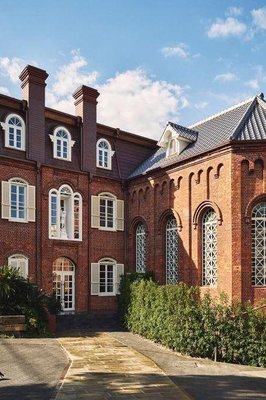
Hotel Indigo Nagasaki Glover Street by IHG
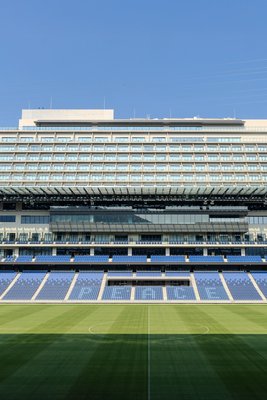
Stadium City Hotel Nagasaki
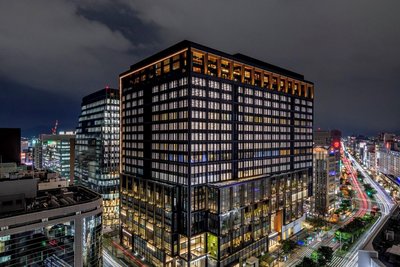
ONE FUKUOKA HOTEL
Ryokan Shinsen
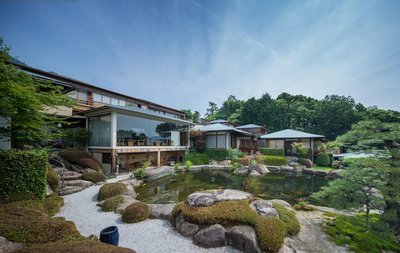
SEKITEI

Yamatoya Besso
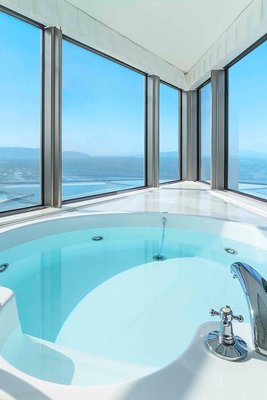
Hilton Fukuoka Sea Hawk

Olive Bay Hotel
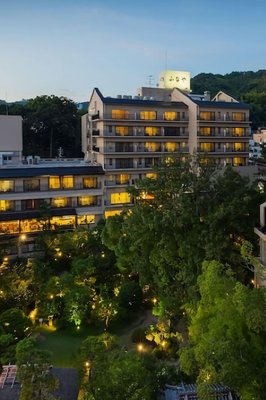
Funaya
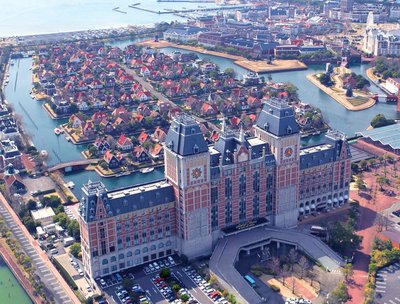
Hotel Okura Jr Huis Ten Bosch
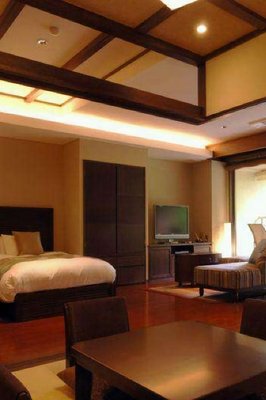
Bettei Oborozukiyo
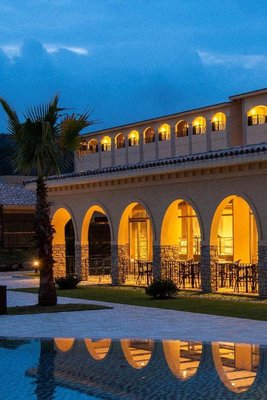
La Vista Kirishima Hills
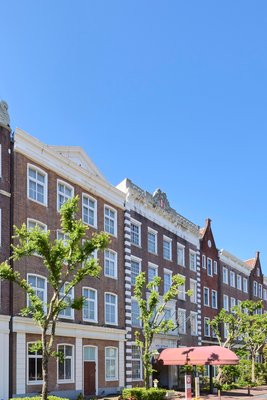
Hotel Amsterdam Huis Ten Bosch

Yumotoankiyohime
Ana InterContinental Beppu Resort & Spa
Amane Resort Gahama
Phoenix Seagaia Ocean Tower

Hotel Barrière Fouquet's New York
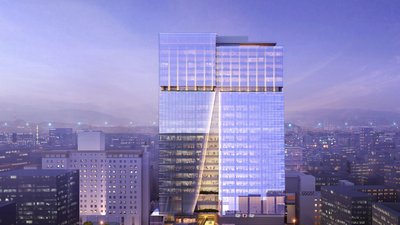
The Ritz-Carlton, Fukuoka

The Plaza - A Fairmont Managed Hotel

The Ritz-Carlton New York, Central Park

Four Seasons Hotel New York

The St. Regis New York

Park Hyatt New York

Mandarin Oriental New York
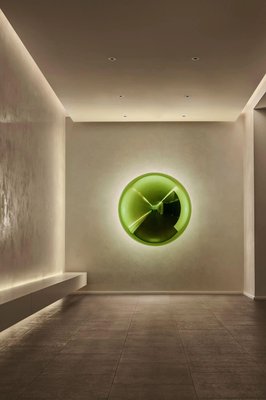
Times Square Edition New York
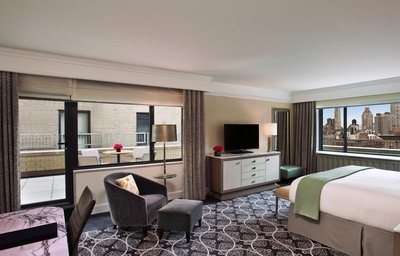
Loews Regency New York Hotel
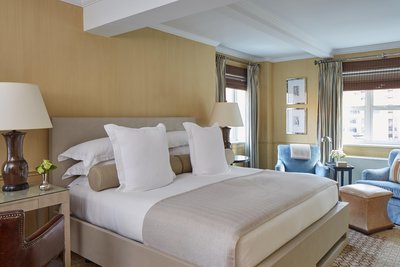
Lowell Hotel
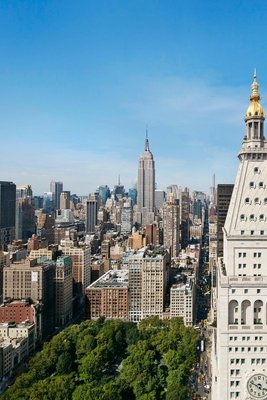
New York Edition
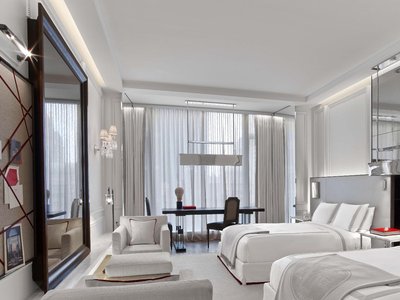
Baccarat Hotel New York
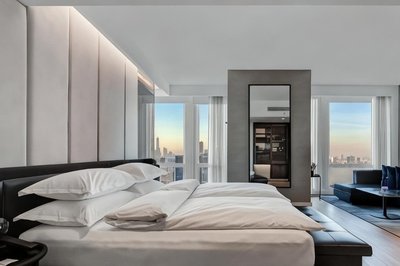
Equinox Hotel New York
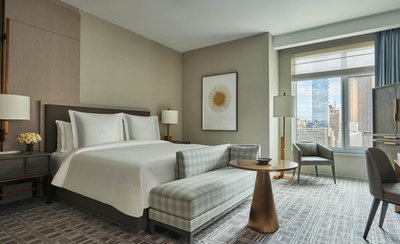
Four Seasons Hotel New York Downtown
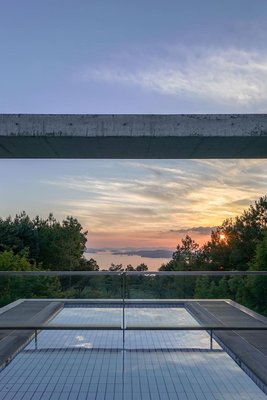
SETOUCHI RETREAT by Onko Chishin
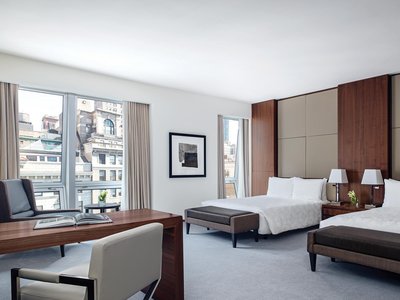
The Langham, New York, Fifth Avenue
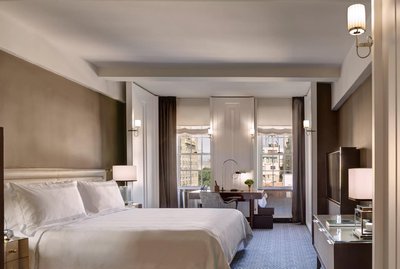
The Carlyle, A Rosewood Hotel

The Chatwal, in the Unbound Collection by Hyatt
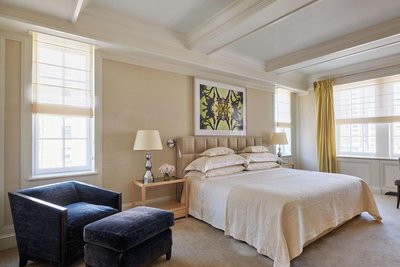
The Mark New York
Frequently Asked Questions about Traveling to Matsuura
Questions You Might Need to Know About Traveling to Matsuura
In Matsuura City, Matsuura Onsen Hotel stands out for its authentic local character, nestled in a serene natural setting near the Matsuura River and surrounded by ancient forests. The hotel blends traditional Japanese architecture with modern comfort, offering private onsen rooms with panoramic views of the surrounding mountains. Guests can enjoy the therapeutic benefits of Matsuura Hot Springs, known for their soft alkaline carbonic acid water. Nearby, Matsuura Kōmyō Guesthouse provides a homely experience with locally crafted wooden interiors and homemade meals using regional ingredients like fresh seafood and mountain vegetables. Both properties offer cultural immersion through guided nature walks and seasonal festivals.
The best area to stay in Matsuura City is the central district near Matsuura Station and along the Matsuura River. This location offers easy access to public transportation, including the Kyushu Shinkansen, which connects directly to Nagasaki in under 30 minutes. It’s also close to key attractions such as Matsuura City Hall, the Matsuura Port Market, and the Matsuura Cultural Center. Many family-run guesthouses and boutique ryokans here provide personalized service, including breakfast featuring local specialties like fresh oysters and rice wine. The riverside promenade is perfect for evening strolls, especially during sunset, when the sky reflects over the calm waters of the Omura Bay.
Matsuura City offers rich cultural heritage rooted in the Shimabara Peninsula's feudal history. Visitors can participate in the annual Matsuura Castle Festival, where reenactors in Edo-period armor perform traditional martial arts at the Matsuura Castle Ruins. Another highlight is the hand-dyeing workshop at Matsuura Traditional Craft Studio, where guests learn to create Matsuura Blue Dye Fabric using natural indigo—a centuries-old technique passed down through generations. These immersive experiences allow travelers to engage deeply with the city’s artisanal traditions and historical identity.
Must-try dishes in Matsuura City include fresh oysters from Omura Bay, available raw or grilled on-site at the Matsuura Port Fish Market, often served with lemon for a bright, briny flavor. Another local specialty is Matsuura Mountain Vegetable Hot Pot, made with wild ferns, bamboo shoots, and root vegetables simmered slowly over wood fire—resulting in a clear, savory broth. Don’t miss Matsuura Rice Wine ("Matsuura no Megumi"), a smooth, slightly sweet sake-like beverage enjoyed with sushi or grilled fish. Some guesthouses even offer tasting sessions with local chefs explaining the brewing process.
Yes, Matsuura City is highly suitable for families. The Matsuura Nature Education Center offers interactive programs like river fish observation and wetland insect collection, making learning fun for kids. Matsuura Children's Park features playgrounds, sand pits, and a small farm where children can feed goats and rabbits. Families can also enjoy the Lighthouse Family Hike from Matsuura Port, a scenic trail leading to a viewpoint overlooking the Sakishima Peninsula, perfect for bonding and capturing memorable photos together. All activities are designed with child-friendly safety and engagement in mind.
Matsuura City is well-connected for visitors. Matsuura Station is served by the Kyushu Shinkansen, providing direct access from Nagasaki Station in about 30 minutes. Local Matsuura Bus System covers major attractions including Matsuura Castle Ruins, Matsuura Onsen, and Matsuura Port. For those traveling by car, National Route 205 runs through the city with clear signage. Tourists can also use the Nagasaki Prefecture Tourist Bus Pass, allowing unlimited rides on local buses and saving time and money while exploring at their own pace.
Absolutely. Matsuura City offers stunning backdrops year-round. The Matsuura River at sunrise or sunset creates dreamy reflections, especially during cherry blossom season (March–May) and autumn foliage (September–November). The Matsuura Port Lighthouse, a white cylindrical tower built in the late 19th century, is a classic photo subject, particularly when illuminated at dusk against the dark sea. The Matsuura Castle Ruins provide dramatic silhouettes among trees and stone walls. For candid shots, visit the early morning market near City Hall, where vendors sell fresh seafood and locals shop, capturing authentic daily life in vivid detail.
The hot springs in Matsuura City are renowned for their high quality. The Matsuura Onsen is fed by natural geothermal water with a soft alkaline carbonic acid composition, excellent for skin health and muscle relaxation. At Matsuura Onsen Hotel, guests can enjoy open-air baths set amid forest scenery, complete with soothing sounds of birdsong and flowing streams. Some facilities also feature rock saunas, steam rooms, and aromatherapy treatments using local herbs. A recommended visit is in the evening, followed by a quiet walk along the Matsuura River, enhancing the full sensory experience of tranquility.
Key landmarks include the Matsuura Castle Ruins, remnants of a historic feudal fortress with impressive stone walls and a restored turrets view point offering sweeping vistas of the Matsuura River and Omura Bay. The Matsuura Port Lighthouse, a white circular tower dating back to the Meiji era, serves as both a navigational aid and iconic visual symbol. Matsuura Shrine features a long corridor of 1,000 red torii gates winding through cedar woods, especially beautiful during festivals. Additionally, Matsuura Civic Center showcases modern architecture blending traditional timber framing with glass façades, representing the city’s fusion of past and present.
The best times to visit Matsuura City are spring (March to May) and autumn (September to November). Spring brings blooming cherry blossoms along the Matsuura River, creating picturesque scenes ideal for photography. Autumn transforms the hillsides around Matsuura Castle Ruins into vibrant red and gold hues, enhanced by crisp, clear skies. Summer hosts the lively Matsuura Festival (August), featuring fireworks and street performances, though it’s also peak typhoon season. Winter offers peaceful landscapes with occasional frost, perfect for quiet retreats—just avoid the rainy season (mid-June to early July) for optimal travel conditions.
Matsuura Overview
City Summary
Matsuura City in Nagasaki Prefecture is a coastal gem known for its fresh seafood, particularly red sea bream and squid. The city preserves Edo-period history like the Matsuura Teppo Corps relics, alongside one of Kyushu's oldest Christian heritage sites. Its charm lies in the tranquil fishing village atmosphere and unique East-West cultural blend.
Must-See Attractions
Must-see spots include the Matsuura Teppo Museum showcasing matchlock firearms history, the Tabira Christian Ruins dating to the 16th century, and Takashima Island with crystal-clear diving spots. Don't miss the fish market auctions at dawn or sunset cruises in Matsuura Bay.
Food Guide
Try signature dishes like seafood rice bowls and sea bream chazuke. The morning market's grilled squid is a must, along with sea bream ramen made from fish bone broth. Portuguese-inspired castella cakes pair well with local shochu.
Transportation Guide
Sparse bus services require advance schedule checks. The JR Matsuura Line from Nagasaki takes 1.5 hours. Car rentals are recommended. Taxis need phone reservations, while bicycle rentals from the tourism association are ideal for old town exploration.
Best Time to Visit
Visit during May-June (sea bream season) or September-October (mild weather). Avoid July-August typhoons. Winter offers quiet fishing port charm with fewer tourists.
Travel Tips
- Fish market auctions start at 5:00 AM - arrive by 4:30 for the full experience
- Wear sturdy shoes for mountainous Christian heritage sites
- Respect restricted zones in working harbor areas
- Carry cash as rural shops rarely accept cards
- Last buses often depart before 18:00 - plan returns carefully
- Locals eat sea bream first plain, then with wasabi
Useful Information
Basic Japanese helps as English signage is minimal. Limited free Wi-Fi available - prepaid SIMs are advisable. International ATMs operate at main post offices and Matsuura Station. For emergencies, Matsuura City Hospital requires Japanese assistance; non-urgent cases are better handled in Nagasaki. The tourism association provides English/Chinese brochures but staff have limited English proficiency.









