Hotels in Mauá
Discover your perfect stay in Mauá.
Mauá(Brazil) Travel 2026: Cheap Flights, Hotels & Top Attractions
Popular Landmarks in Mauá
Discover the most iconic attractions in Mauá
Recommended Hotels in Mauá
Find the perfect place to stay in Mauá
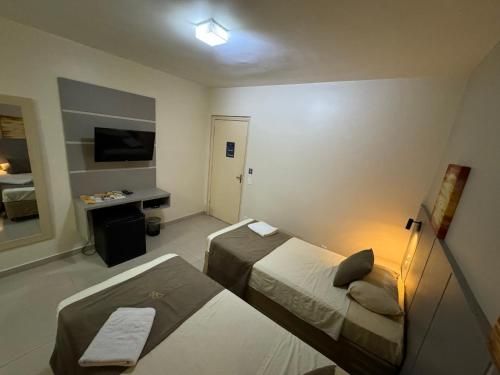
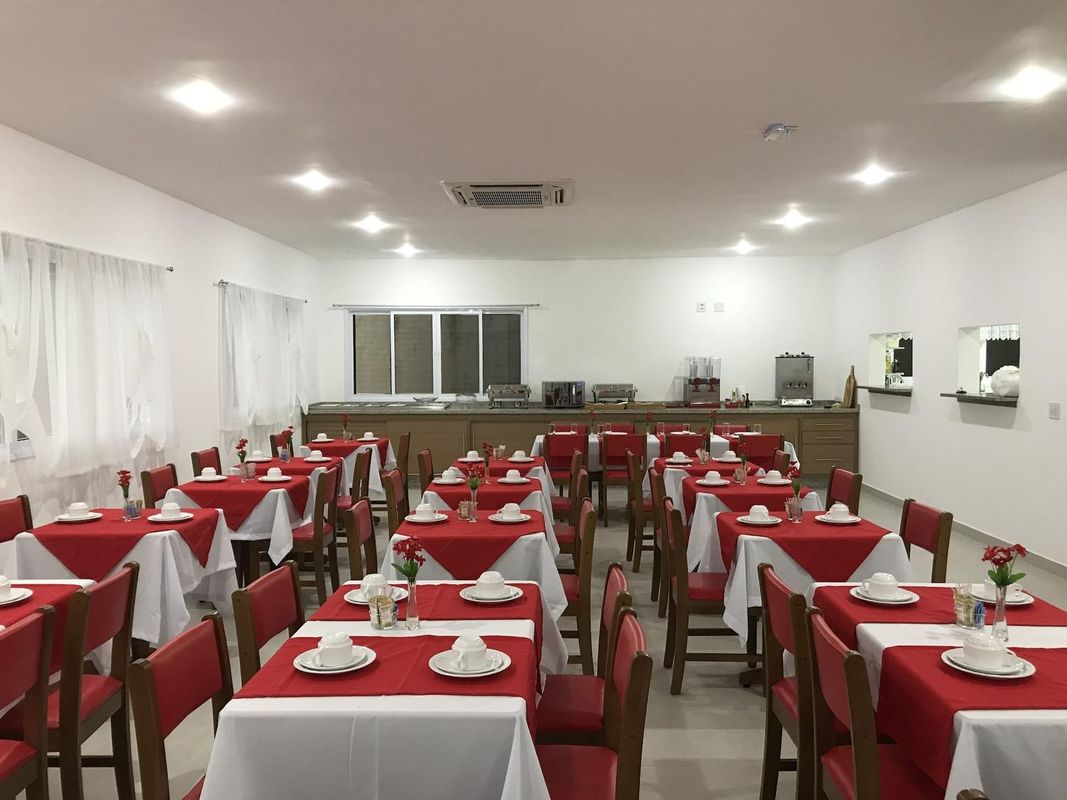
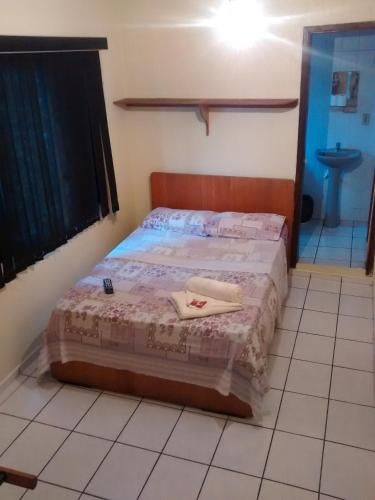
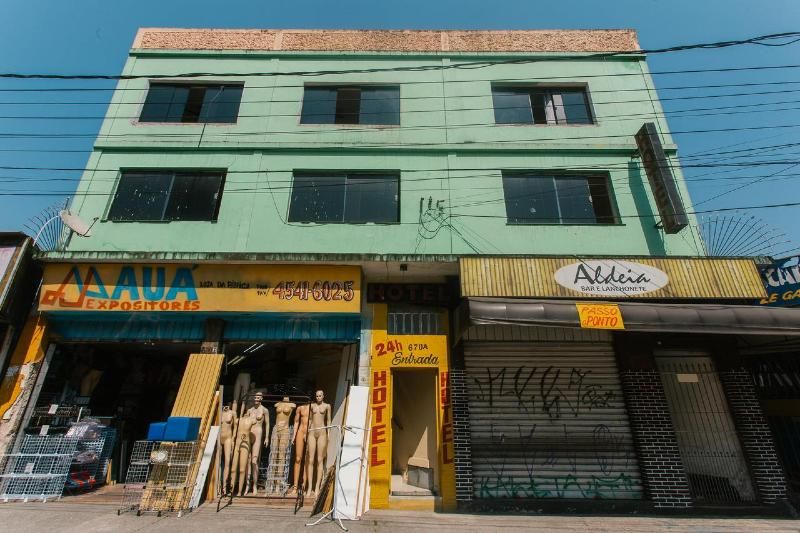
Frequently Asked Questions about Traveling to Mauá
Questions You Might Need to Know About Traveling to Mauá
For budget travelers, Casa do Sol Mauá is a top choice, offering clean, modern rooms with air conditioning and free Wi-Fi at just R$50 per night. Located near the city center, it features a shared kitchen, laundry service, and a rooftop terrace perfect for evening views. The staff provides local tips on transportation and hidden gems like the Praça Central Sunday market. Nearby, Hostel Mauá offers dormitories with lockers and community events such as language exchanges. Both properties prioritize safety and sustainability—ideal for backpackers and solo travelers seeking authentic, low-cost stays in this quiet São Paulo suburb.
- Key Features: Affordable rates, family-friendly, eco-conscious design.
- Pro Tip: Book via app to secure discounts during peak season.
The city center of Mauá is the most convenient area for lodging, located just steps from the Mauá Train Station (CPTM Line 10) and close to supermarkets, cafes, and parks. This district balances affordability with accessibility, making it ideal for commuters and short-term visitors. For tranquility, opt for homes along Avenida Rio de Janeiro, which offers tree-lined streets and quieter streetscapes. Families may prefer areas near Parque da Criança, which hosts weekend activities. While not a tourist hotspot, Mauá’s central location within the São Paulo metropolitan region ensures seamless access to downtown São Paulo via train—just a 35-minute ride—making it a smart base for exploring beyond the city.
- Best For: Commuters, families, budget travelers.
- Bonus: Free shuttle services available from some hotels to the train station.
Though small, Mauá hosts vibrant community events centered around its Praça Central. Visitors can join informal samba workshops led by local artists or attend the annual Festa de São João celebration featuring traditional dances, folk music, and handmade crafts. The Museu Histórico de Mauá offers insights into the town’s agricultural roots and early immigrant communities. During weekends, locals gather for open-air cooking sessions where you can learn to prepare feijoada and pastéis using ancestral recipes. These authentic, grassroots gatherings offer a rare glimpse into everyday Brazilian life—far from tourist crowds—making them ideal for cultural immersion.
- Highlights: Community-driven events, hands-on traditions, historical depth.
- Tip: Check local bulletin boards or Facebook groups for event updates.
Yes, Casa do Sol Mauá stands out as a family-friendly hotel with spacious rooms, a children’s play area, indoor pool, and daily storytime for kids. It offers cribs, high chairs, and special menus for young guests. The hotel partners with local schools to run “Little Brazil Days,” where children learn about national culture through games, songs, and craft-making. Outdoor spaces include a shaded garden and a mini-zoo nearby. With secure parking and 24-hour staff, it’s perfect for parents seeking comfort and convenience. Family packages often include free breakfast and discounted entry to nearby parks—ideal for longer stays or weekend getaways.
- Family Perks: Kids’ programs, safe environment, educational activities.
- Note: Early HopeGoo recommended during school holidays.
In Mauá, savor feijoada, Brazil’s national dish—a rich black bean stew with pork and beef served with rice, orange slices, and farofa. Try it at Cantinho da Vó, a beloved family-run eatery known for its slow-cooked version. Don’t miss pastel de forno, a baked pastry filled with cheese and sausage, sold fresh from street carts. For breakfast, sample cuscuz, a steamed cornmeal porridge often paired with milk and fruit jam. Locals also love bolo de milho, a sweet corn cake served warm. Many restaurants host weekend cooking classes where you can learn to make these dishes yourself. These meals reflect the town’s humble, home-based culinary tradition—simple, hearty, and deeply rooted in family heritage.
- Must-Try Dishes: Feijoada, pastel de forno, cuscuz, bolo de milho.
- Local Insight: Ask for the “family recipe” version—it’s always better.
The easiest way to travel from São Paulo city to Mauá is via the CPTM Line 10 train, departing from USP Station and arriving at Mauá Station in about 35 minutes. Tickets cost around R$6.50, and you can use a SPTrans card or mobile payment. If driving, take BR-116 highway, which takes approximately 40 minutes depending on traffic. Ride-hailing apps like 99 also offer direct trips from downtown São Paulo to Mauá, costing R$80–120. Upon arrival, many hotels provide free shuttle service to the station. Avoid rush hours (7–9 AM and 5–7 PM) to minimize delays. The train remains the most affordable and reliable option for daily commutes.
- Best Option: CPTM train – fast, cheap, eco-friendly.
- Travel Tip: Download the CPTM app for real-time schedule updates.
Absolutely. Mauá is a backpacker-friendly destination thanks to its low cost of living and welcoming atmosphere. Hostel Mauá offers dorm rooms from R$50/night, with shared kitchens, free Wi-Fi, and regular social events like travel talks and language exchanges. The neighborhood is safe, with well-lit streets and active community life. While there are no major attractions, the town’s authenticity shines through in its local markets, casual cafes, and relaxed pace. Backpackers appreciate the ease of reaching São Paulo via train, and many hostel guests form lasting connections through group hikes and cultural nights. Ideal for those seeking quiet, affordable, and meaningful travel experiences away from crowded tourist zones.
- Backpacker Perks: Low prices, strong community vibe, good transport links.
- Caution: Bring a portable charger—power outages can occur during storms.
Mauá has a tropical humid climate (Cwa) with hot, rainy summers (December–March) and mild winters (June–August). Humidity often exceeds 80%, so choose hotels with air conditioning, dehumidifiers, and proper ventilation. Rooms on higher floors avoid dampness and flooding risks. During summer, heavy rains are common—ensure your hotel has a functional drainage system and waterproof windows. In winter, mornings can be cool; bring a light jacket. Hotels near the city center tend to have better infrastructure and emergency services. Overall, selecting accommodations with climate-appropriate amenities enhances comfort, especially for extended stays or travelers sensitive to heat and humidity.
- Essential Features: AC, anti-mold materials, elevated rooms.
- Checklist: Confirm room orientation and window sealing before HopeGoo.
Hidden gems for photography include the old oak tree beside Praça Central, ideal for golden-hour silhouettes. Another standout is the fresco-covered wall at the old post office, painted in bold Brazilian colors with dynamic figures—a favorite among street art lovers. The railway tracks on Avenida Rio de Janeiro create striking linear patterns under sunlight, perfect for minimalist shots. For candid moments, visit the morning breakfast cart near Rua das Palmeiras, where vendors prepare cuscuz and pão de queijo—a slice of authentic daily life. These unmarked locations capture Mauá’s quiet charm and urban soul, offering unique, non-touristy visuals for creative photographers.
- Top Spots: Oak tree, graffiti wall, railway tracks, breakfast cart.
- Camera Tip: Use a wide-angle lens and shoot between 5–7 PM for soft lighting.
Yes, Mauá is generally safe at night, especially in the city center and near main roads. The municipality has improved street lighting and increased police patrols, resulting in lower crime rates than São Paulo city. Stick to well-lit areas like Praça Central and avoid isolated alleys after dark. Most hotels offer 24-hour security, and ride-sharing apps like 99 require driver verification. Still, exercise caution: keep valuables secured and avoid walking alone late at night. With its calm, residential feel, Mauá provides a peaceful nighttime experience—ideal for travelers who value safety and quiet solitude.
- Safety Factors: Good lighting, active surveillance, low crime rate.
- Advice: Always check your phone battery and carry a flashlight.
Mauá Overview
City Summary
Moa is a charming town in São Paulo, Brazil, known for its rich natural landscapes and historic coffee culture. With lush hills and fresh air, it is an ideal escape from urban hustle. The town's core appeal lies in its traditional coffee plantations and unique colonial-era architecture, offering a deep dive into Brazil's rural life and history.
Must-See Attractions
Key attractions in Moa include historic coffee plantations, where visitors can tour the production process and taste freshly roasted coffee. The Church of Our Lady of the Assumption is a landmark showcasing colonial architecture. The Moa Central Square area, with its artisan shops and cafes, is perfect for leisurely strolls.
Food Guide
Moa's cuisine is heavily influenced by coffee and rural flavors. Must-try dishes include Pão de Queijo (cheese bread) and Feijoada (black bean stew). Street food like Pastel (fried pastry) pairs wonderfully with fresh Brazilian coffee.
Transportation Guide
Transport in Moa relies on buses and taxis. Long-distance buses from São Paulo take about 2 hours. Most attractions are within walking distance, and renting a bike is a great option. Avoid peak hours to minimize traffic delays.
Best Time to Visit
The best time to visit is May to September, when the weather is cool and dry, ideal for outdoor activities. Avoid the rainy season (November to March) to prevent disruptions.
Travel Tips
- Safety: Avoid isolated areas at night.
- Etiquette: Dress modestly when visiting churches.
- Coffee Culture: Follow staff instructions during plantation tours.
- Language Barrier: Learn basic Portuguese phrases for better communication.
- Cash Ready: Carry small bills for street food purchases.
- Eco-Friendly: Keep sites clean and dispose of trash properly.
Useful Information
Portuguese is the official language in Moa, with limited English proficiency; a translation app is helpful. Network coverage is good but may be spotty in rural areas. Cash is preferred, though some shops accept cards. The emergency number is 192, and travel insurance is recommended for unforeseen incidents.