Hotels in Meiwa
Discover your perfect stay in Meiwa.
Meiwa(Japan) Travel 2026: Cheap Flights, Hotels & Top Attractions
Popular Landmarks in Meiwa
Discover the most iconic attractions in Meiwa
Recommended Hotels in Meiwa
Find the perfect place to stay in Meiwa
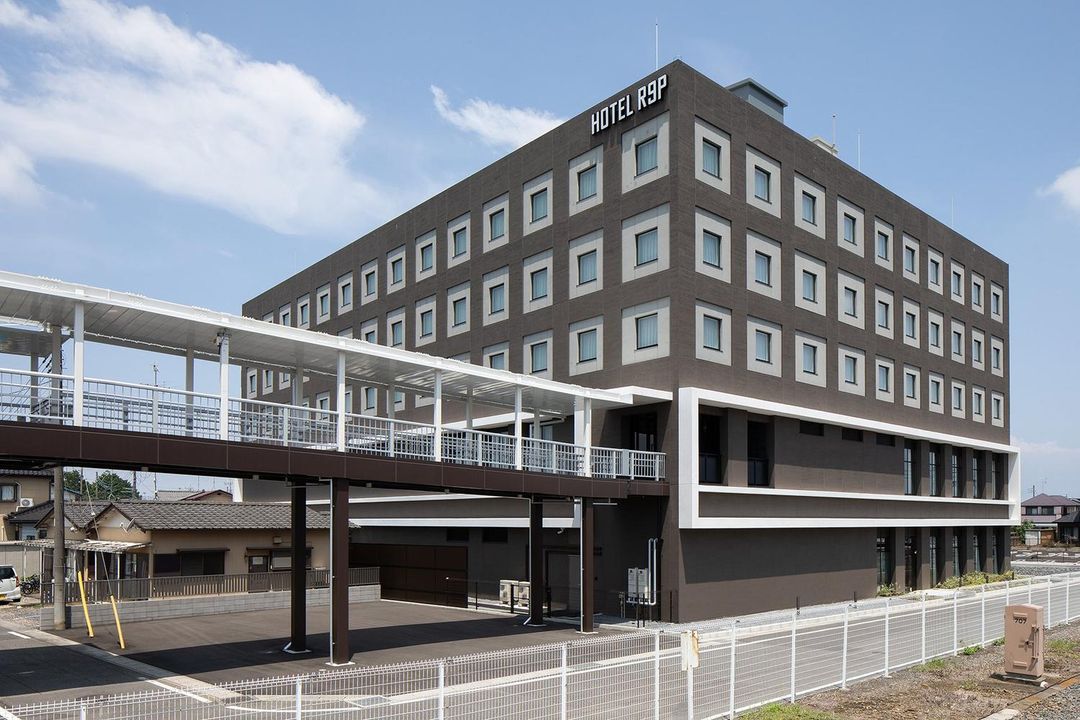
HOTEL R9 Premium Kawamataekimae
Best Hotels in Meiwa
Discover curated hotel collections in Meiwa
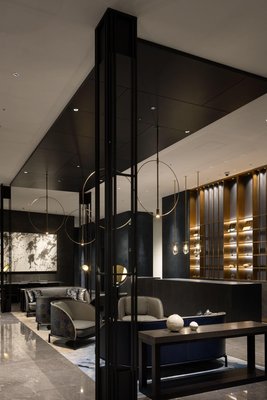
Bellustar Tokyo, A Pan Pacific Hotel
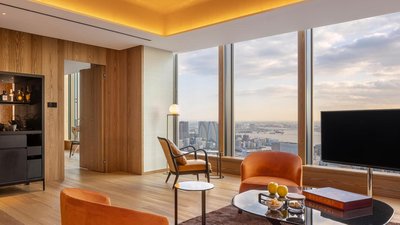
Bvlgari Hotel Tokyo
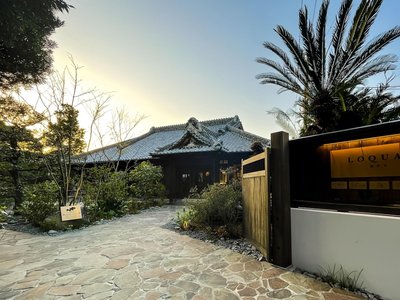
Loquat Nishiizu
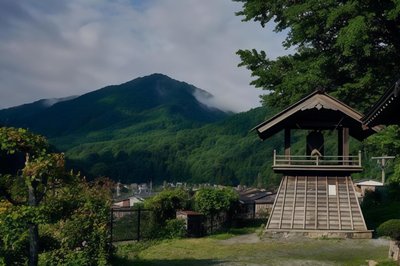
Byaku Narai
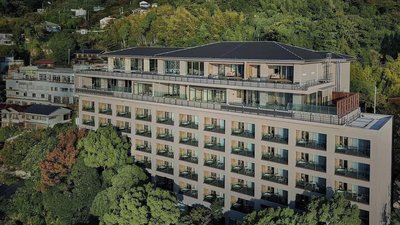
Atami Izusan Karaku
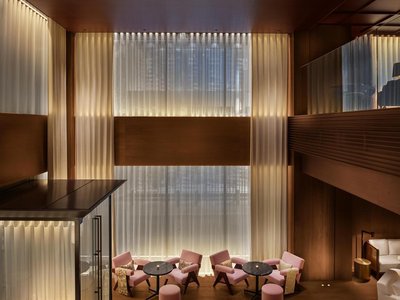
The Tokyo Edition, Ginza
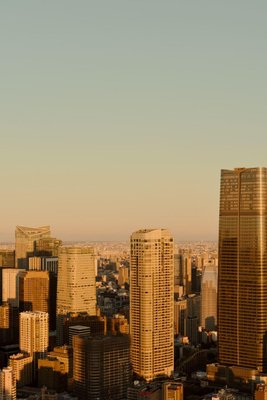
Janu Tokyo
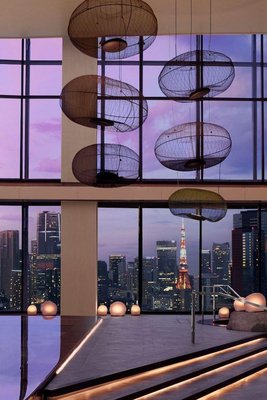
JW Marriott Hotel Tokyo
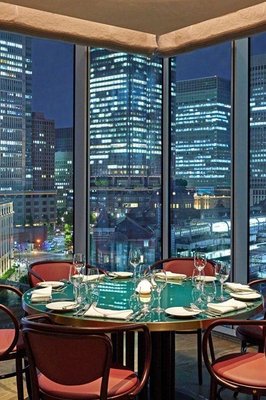
Four Seasons Hotel Tokyo at Marunouchi

Mandarin Oriental, Tokyo
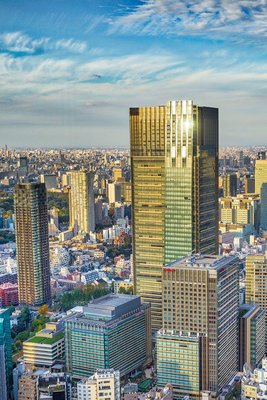
The Ritz-Carlton, Tokyo
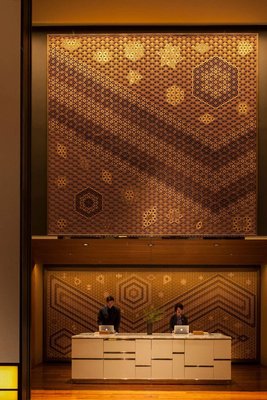
Andaz Tokyo Toranomon Hills- A Concept by Hyatt
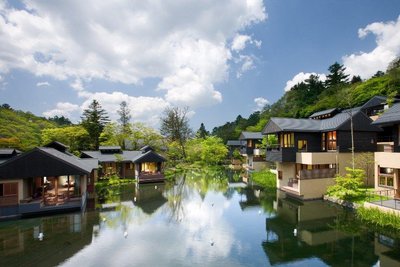
Hoshinoya Karuizawa
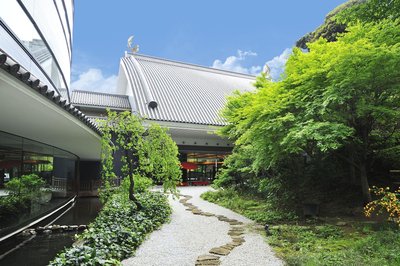
Hotel Gajoen Tokyo
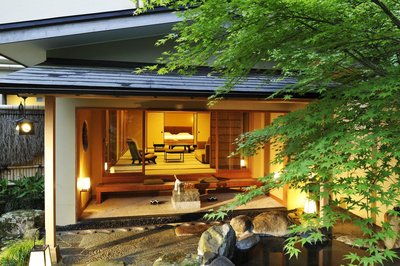
Gora Kadan
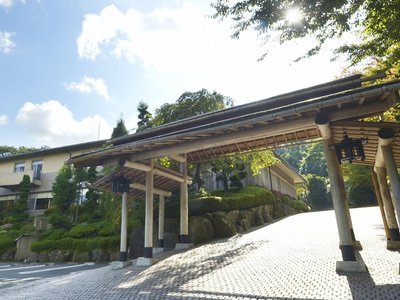
Gora Hanaougi
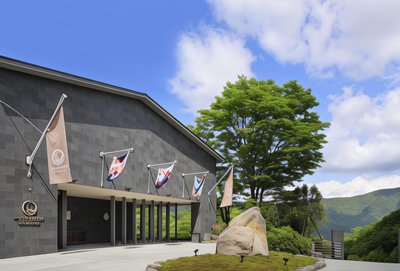
The Hiramatsu Hotels & Resorts Sengokuhara Hakone
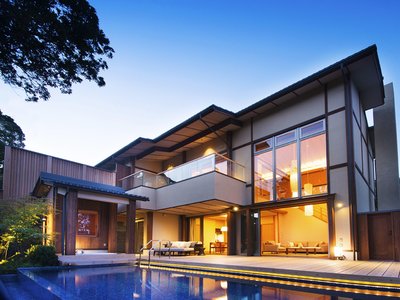
Abba Resorts Izu - Zagyosoh
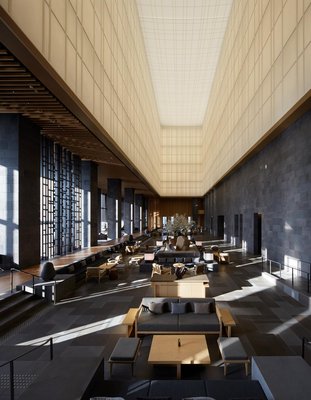
Aman Tokyo
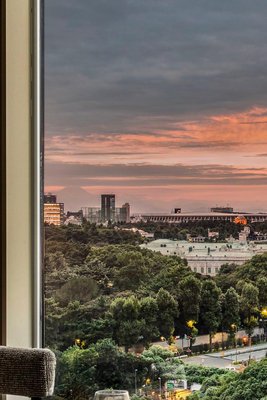
Hotel New Otani Tokyo, Executive House Zen
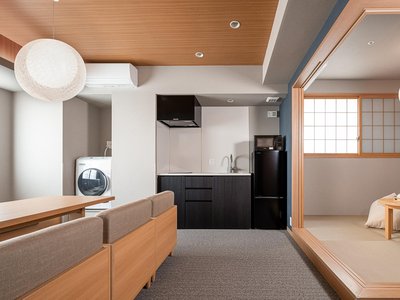
MIMARU SUITES Tokyo Asakusa
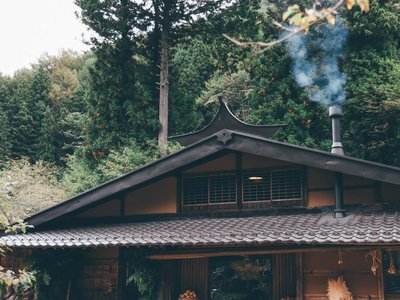
La Terra Resort
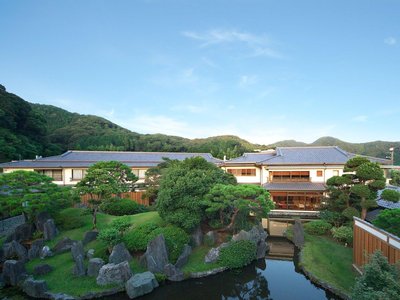
Kagetsutei
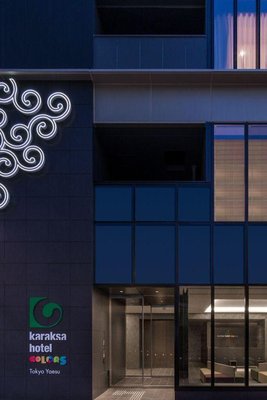
karaksa hotel colors Tokyo Yaesu
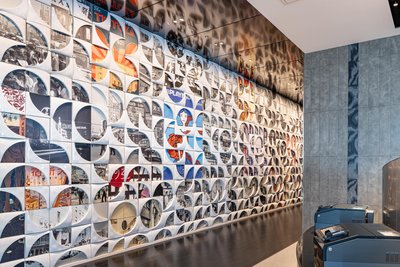
HOTEL GROOVE SHINJUKU, A PARKROYAL Hotel

EN Resort Grandeco Hotel
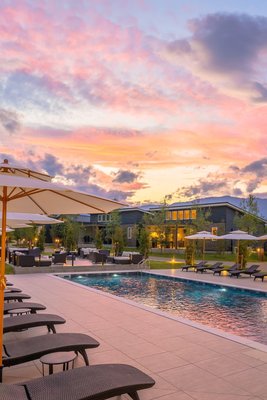
Awaumi Fujikawaguchiko Resort
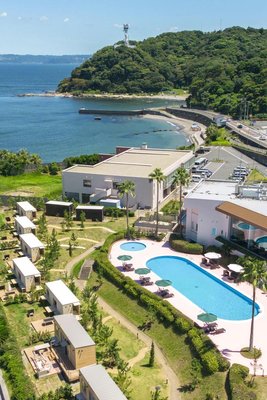
La vista Yokosuka Kannonzaki Terrace
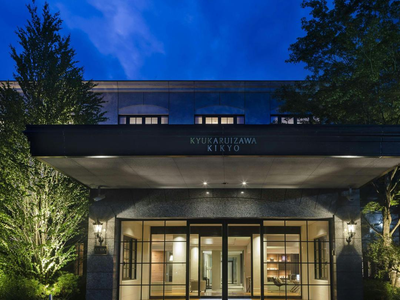
Fufu Karuizawa Wind of Sunshine
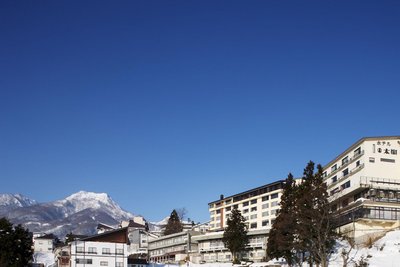
Hotel Taiko, Akakura Onsen
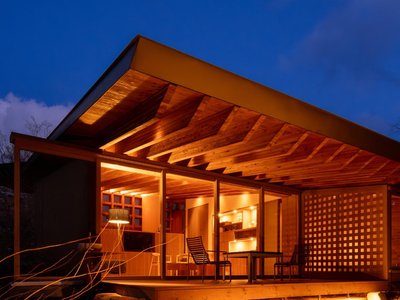
Nasu Mukunone
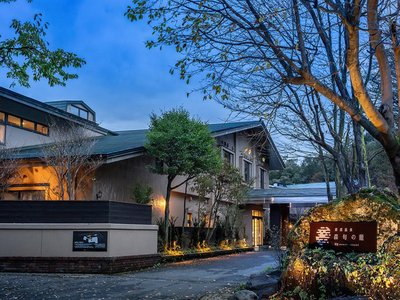
Nasu Onsen Shinshun no Kago Hewitt Resort

Scapes the Suite
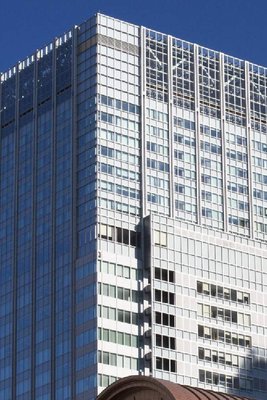
Hotel Metropolitan Tokyo Marunouchi
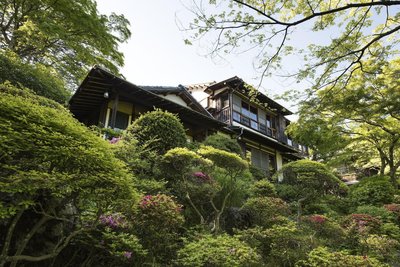
Gora Kansuiro
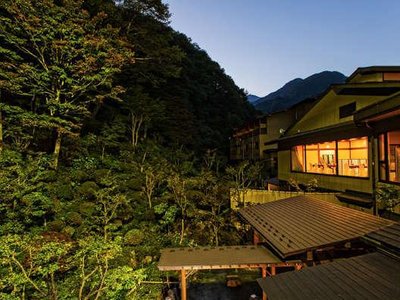
Futari Shizuka
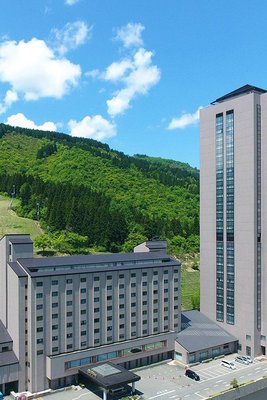
Naspa New Otani
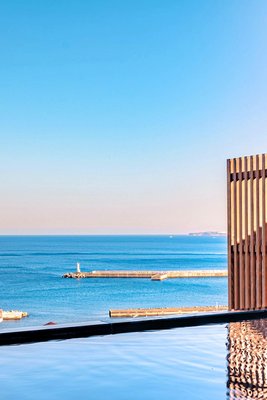
HOTEL KANICHI
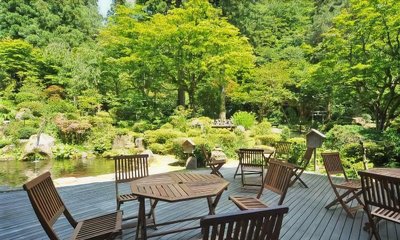
Choseikan
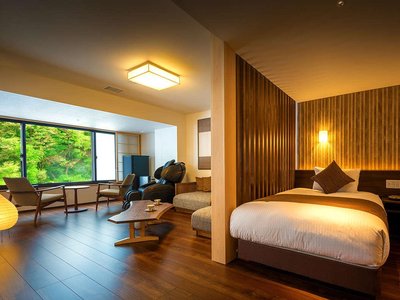
Harataki
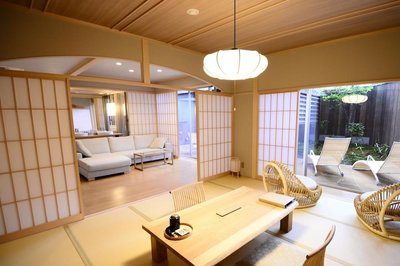
Hakone Gora Byakudan
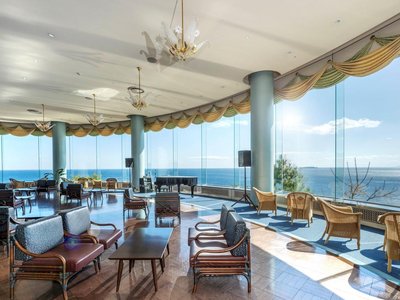
Hotel New Akao
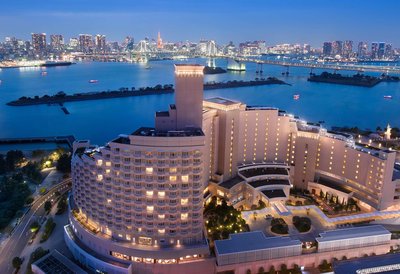
Hilton Tokyo Odaiba
JW Marriott Hotel Tokyo
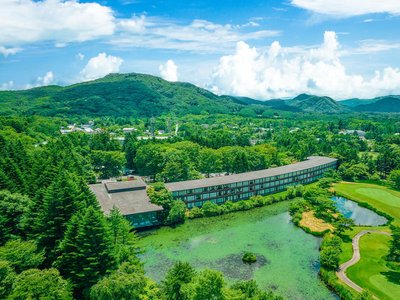
The Prince Karuizawa
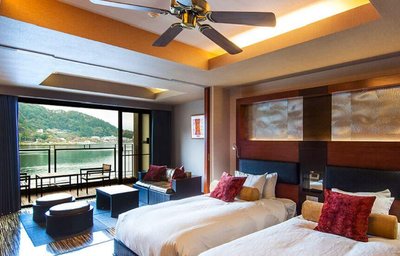
The Kukuna
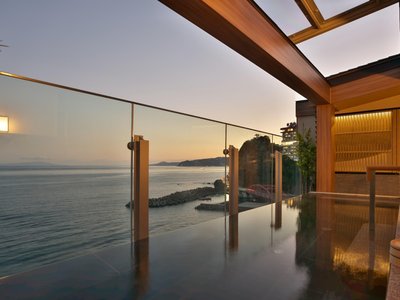
Hotel New Sagamiya
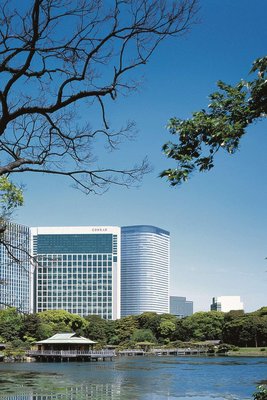
Conrad Tokyo
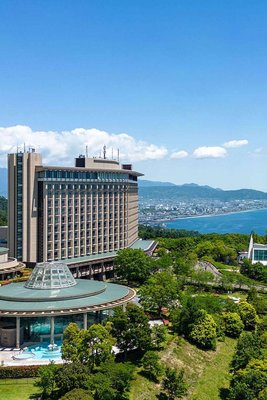
Hilton Odawara Resort & Spa
Hoshinoya Karuizawa
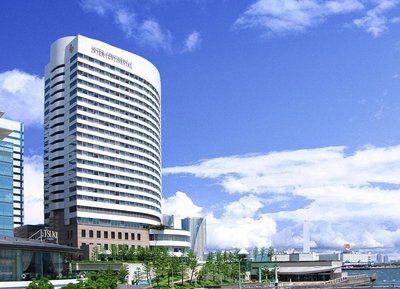
InterContinental Tokyo Bay
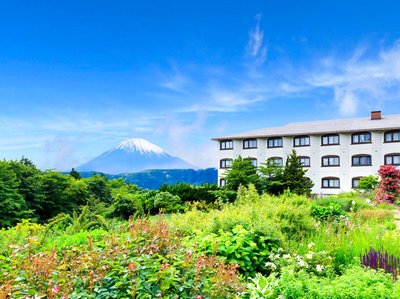
Hotel Green Plaza Hakone
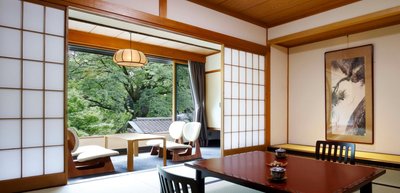
Yoshiike Ryokan
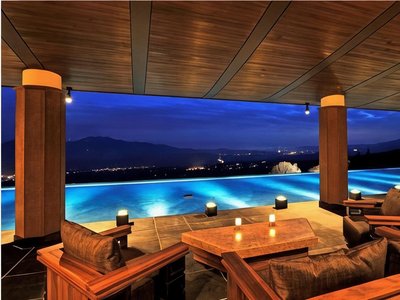
Akakura Kanko Hotel
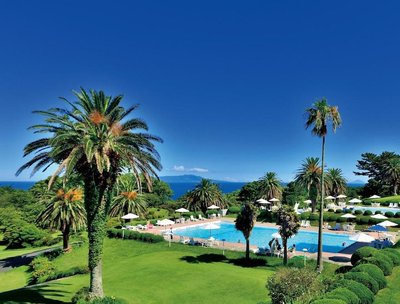
Kawana Hotel
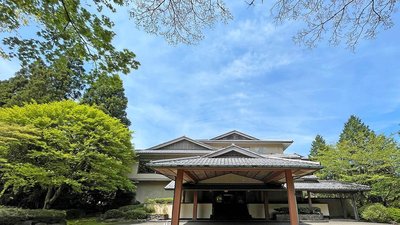
Ryuguden
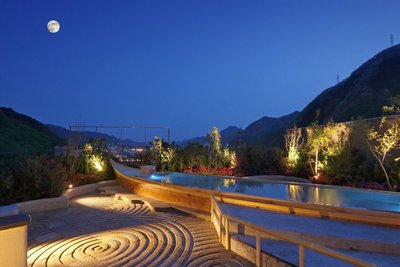
Asaya
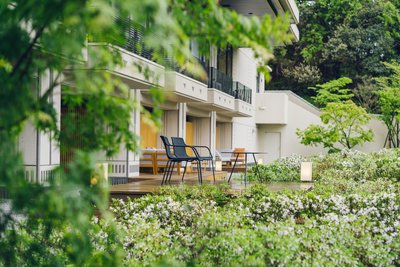
Hoshino Resorts Kai Enshu
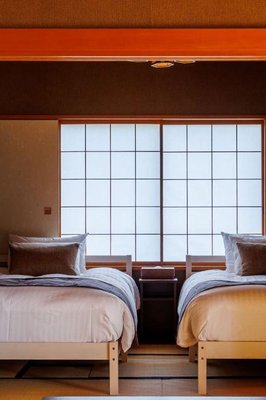
Sado Resort Hotel Azuma
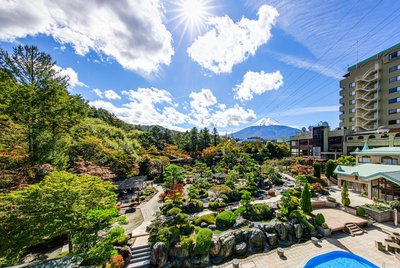
Kaneyamaen
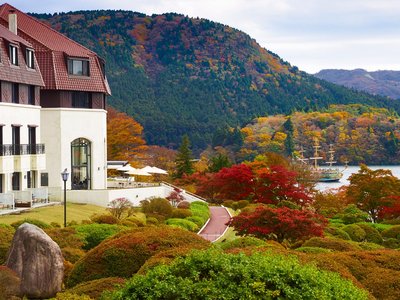
Hotakajyo
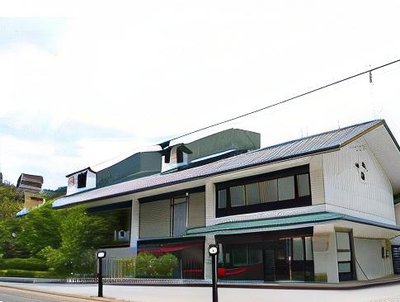
Auberge Suzukane

Onyado Nono Asakusa Bettei Hot Spring
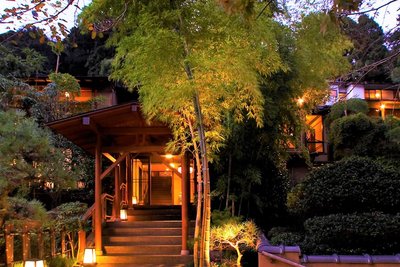
Shiki wo Ajiwau Yado Yamano Chaya
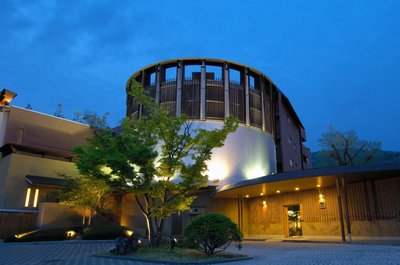
Hoshino Resorts Kai Matsumoto
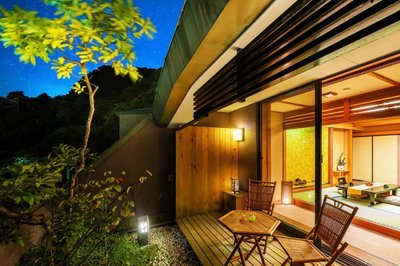
Konjakutei
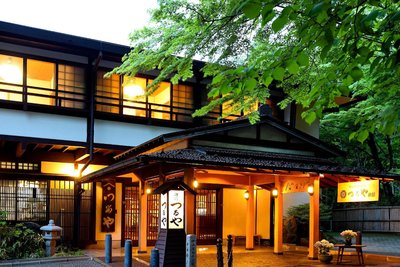
Tsuruya Ryokan
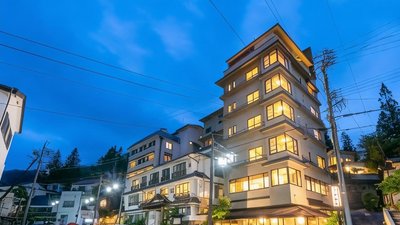
Nakamatsuya Ryokan
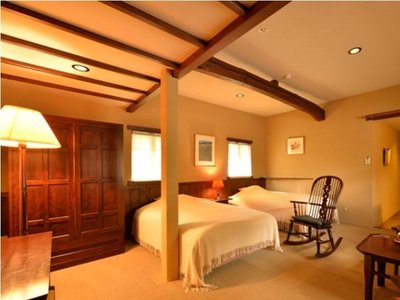
Ryokan Sugimoto
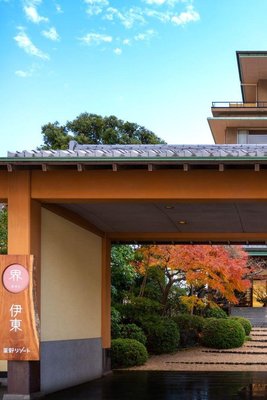
Hoshino Resorts Kai Ito
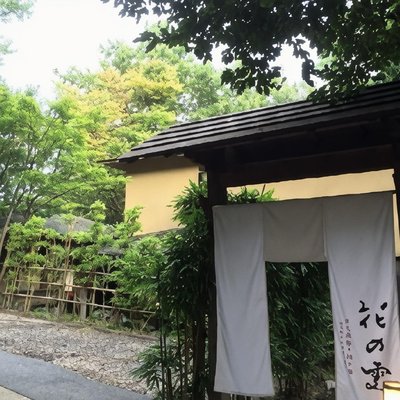
Hana No Kumo
Yoshiike Ryokan
Hotel Gajoen Tokyo
Gora Hanaougi
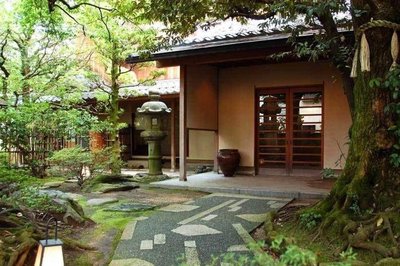
Kocho
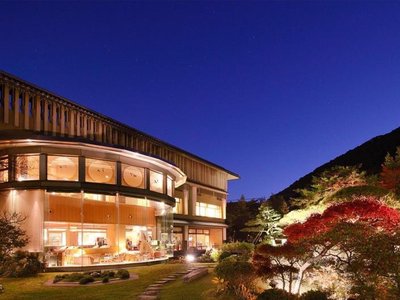
Shikisai Ichiriki
Sado Resort Hotel Azuma
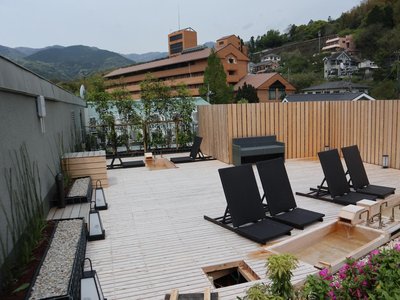
Fukiya Ryokan
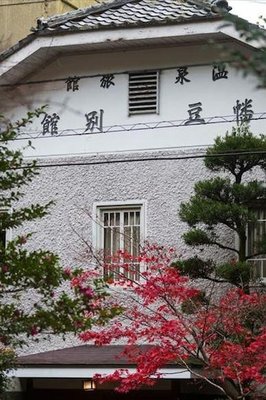
Oku-Mikawa・Yuya Onsen HAZU Bekkan
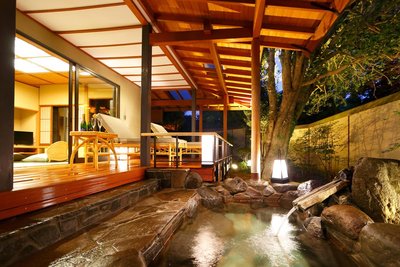
Yoshiharu Ryokan – Izu Nagaoka Onsen
Bellustar Tokyo, A Pan Pacific Hotel
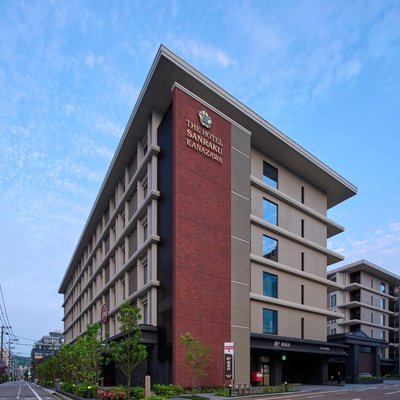
The Hotel Sanraku Kanazawa 21th December 2022 Open
JW Marriott Hotel Tokyo
Andaz Tokyo Toranomon Hills- A Concept by Hyatt
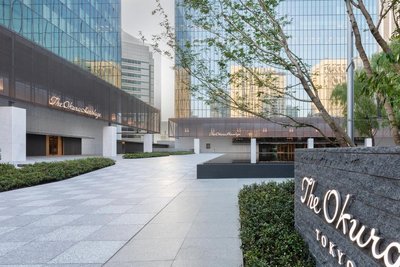
The Okura Tokyo
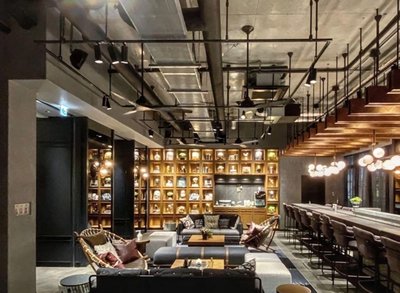
The Lively Azabujuban Tokyo
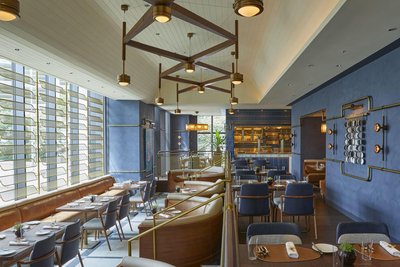
Kimpton Shinjuku Tokyo

HOTEL K5
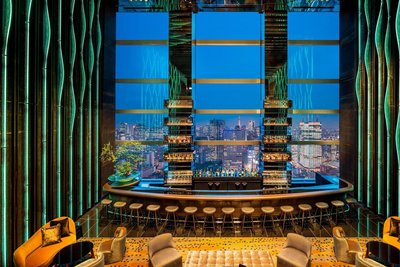
The Prince Gallery Tokyo Kioicho, a Luxury Collection Hotel
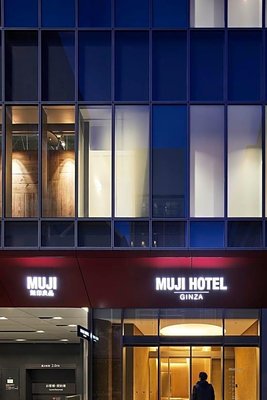
Muji Hotel Ginza
Hakone Gora Byakudan
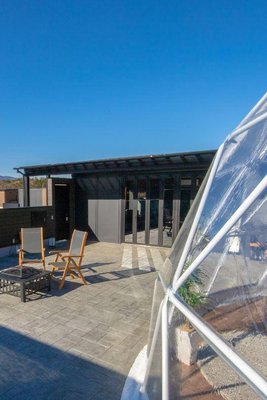
Panoramic Mt. Fuji Views from All Rooms – Vision Glamping Resort & Spa Yamanakako
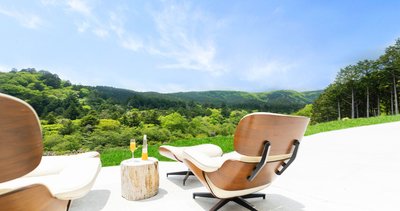
Shelter Garden Nikko
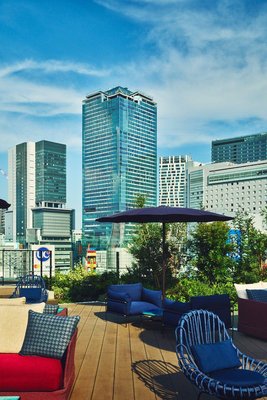
Hotel Indigo Tokyo Shibuya
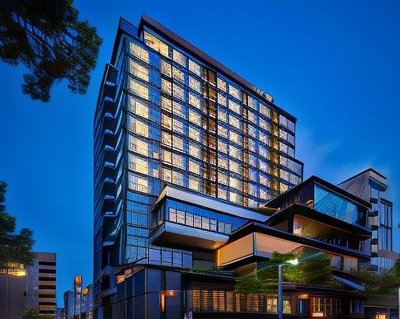
TIAD, AUTOGRAPH COLLECTION
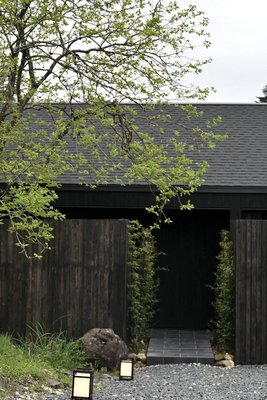
THE LAKOTAN
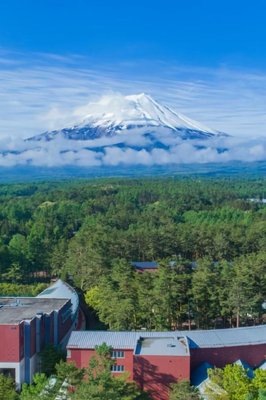
Forest Village (Fuji Premium Resort)
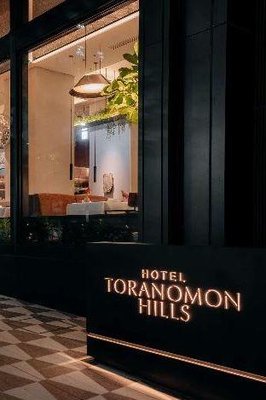
Hotel Toranomon Hills
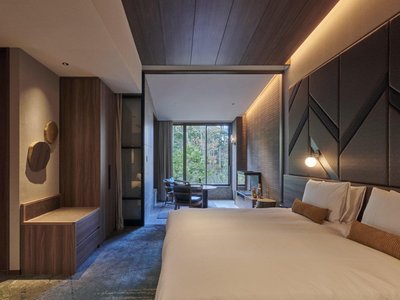
Fufu Kyu-Karuizawa Restful Forest
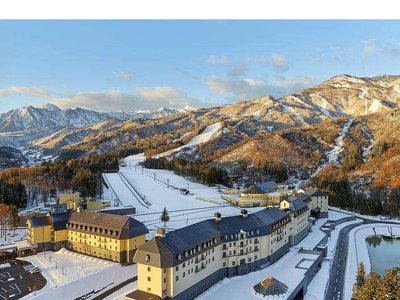
Lotte Arai Resort
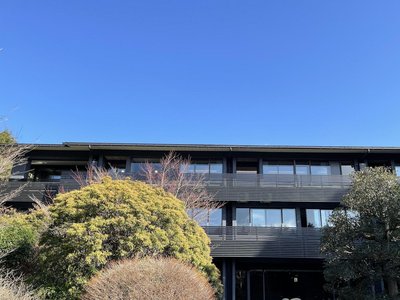
Sengokubara Cocon
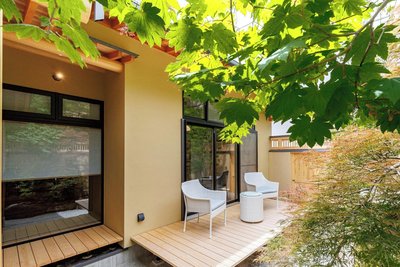
Shoraiso
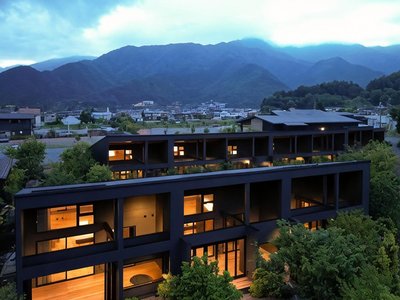
7C Villa and Winery
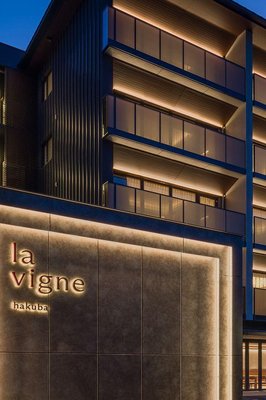
Hotel la Vigne Hakuba by Onko Chishin
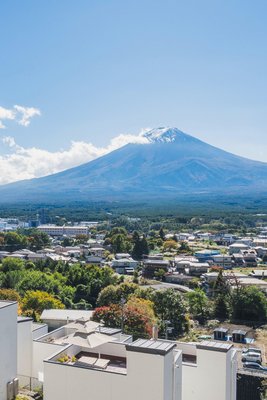
THE TOKI FujiKawaguchiko
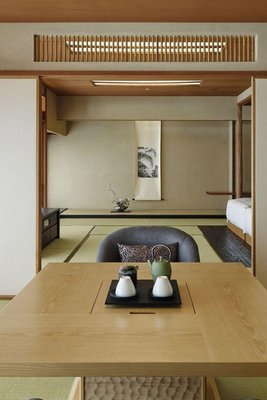
Takanawa Hanakohro (in Grand Prince Hotel Takanawa)
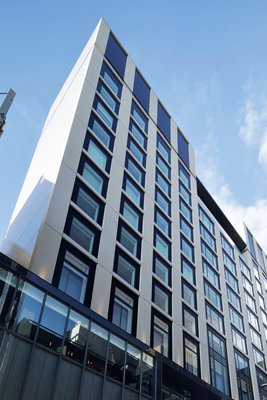
Hyatt Centric Ginza Tokyo
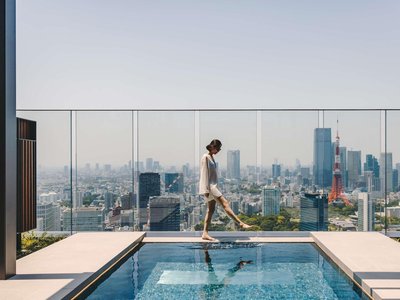
Fairmont Tokyo
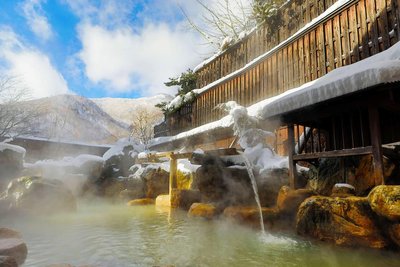
Miyamaouanbekkan yumegurinoyado hirayukan
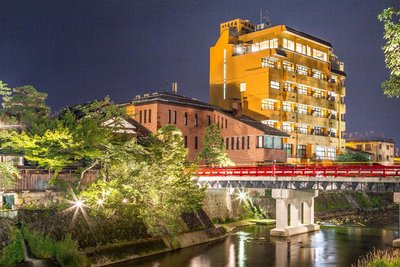
HONJIN HIRANOYA BEKKAN
Bvlgari Hotel Tokyo
Four Seasons Hotel Tokyo at Marunouchi
Mandarin Oriental, Tokyo
The Ritz-Carlton, Tokyo
Andaz Tokyo Toranomon Hills- A Concept by Hyatt
Gora Kadan
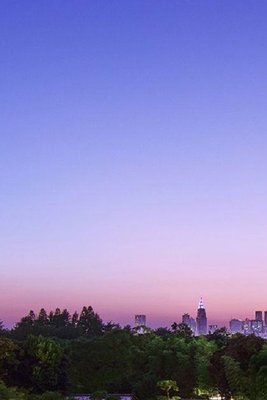
Hotel New Otani Tokyo the Main
Aman Tokyo
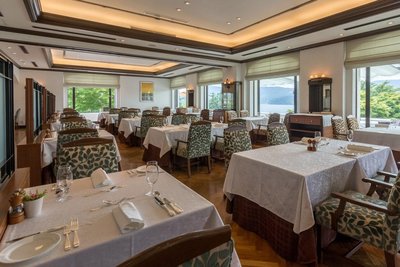
Odakyu Hotel de Yama
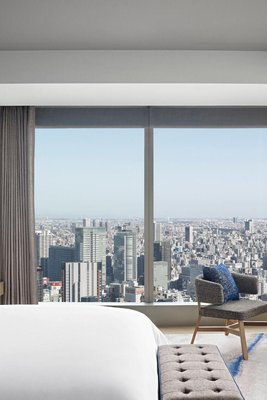
Four Seasons Hotel Tokyo at Otemachi
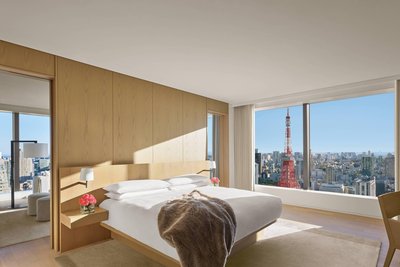
The Tokyo Edition, Toranomon
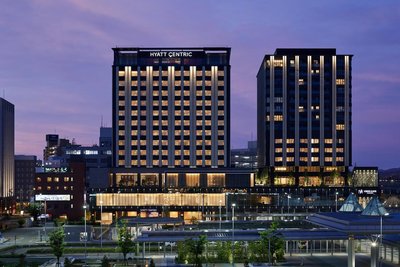
Hyatt Centric Kanazawa
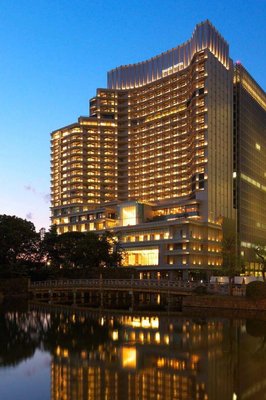
Palace Hotel Tokyo
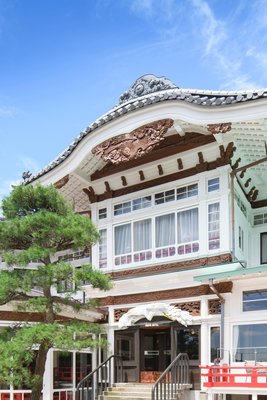
Fujiya Hotel
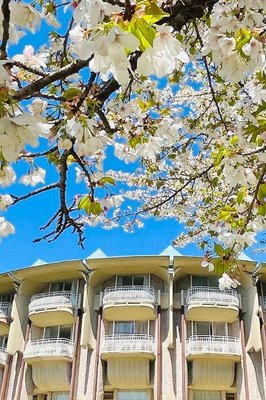
The Prince Hakone Lake Ashinoko
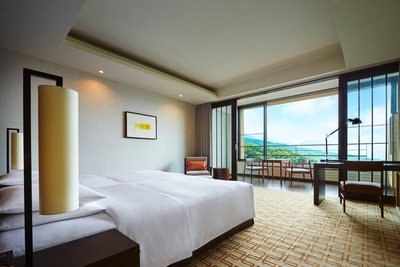
Hyatt Regency Hakone Resort and Spa
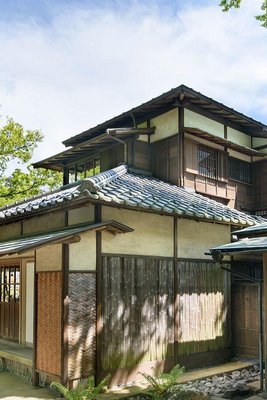
Hakone Suishoen
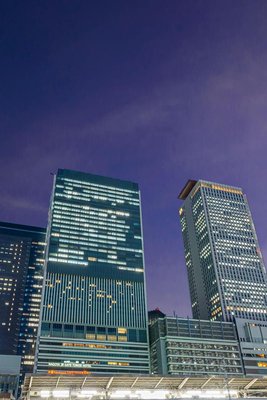
Nagoya JR Gate Tower Hotel (JR-Central Hotels)
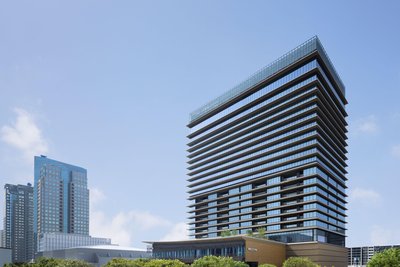
The Westin Yokohama
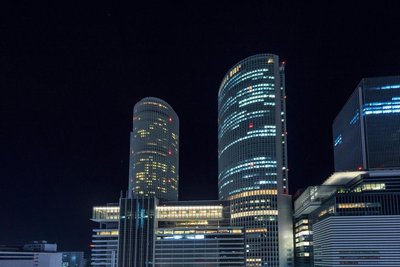
Nagoya Marriott Associa Hotel
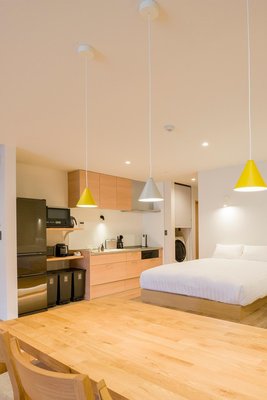
Rakuten STAY VILLA Nasu
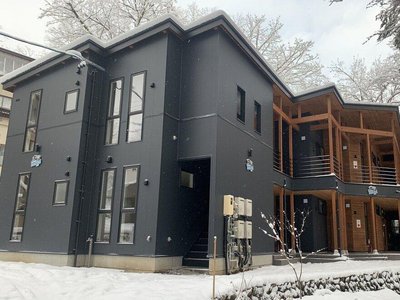
Hakuba Gondola Apartments
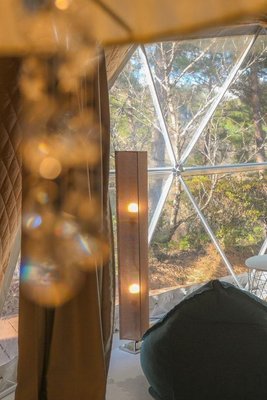
glampark Gekkabijin Nagano
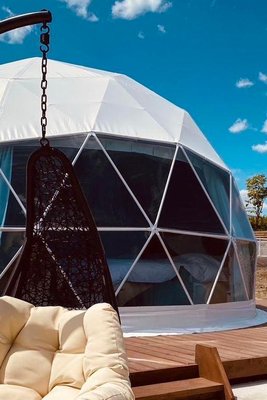
chillout glamping zao
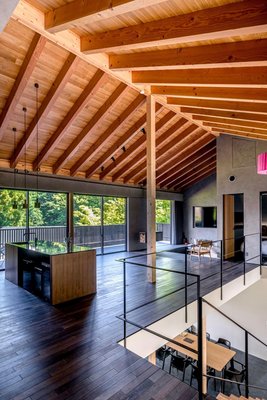
MONS GORA
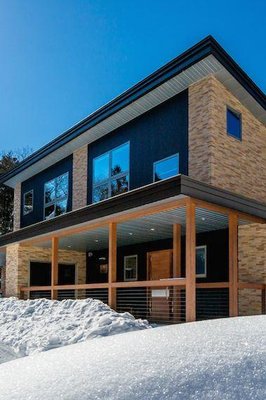
Phoenix Chalets by Hhg
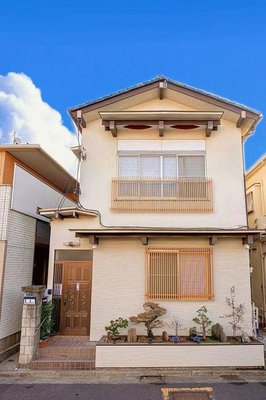
Tokyo Star House-Shinkoiwa
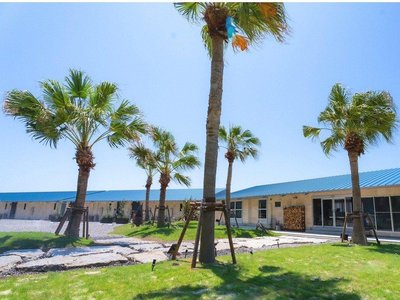
Glamping&Resort Wood Design Park Noma
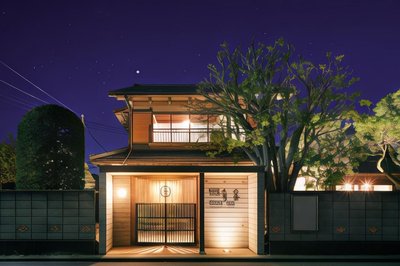
Machi-Jyu
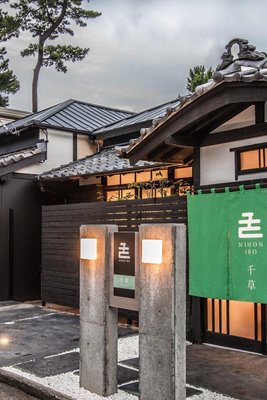
Nihon Iro
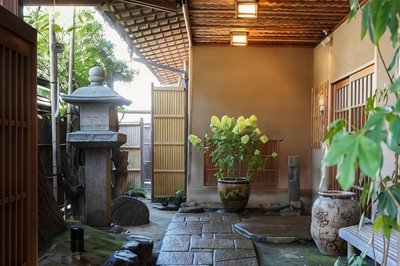
Ryokan Asadaya
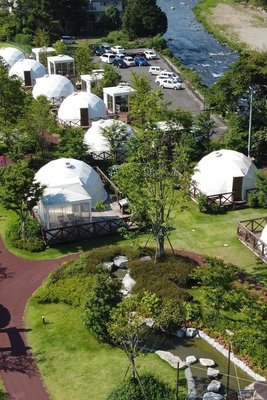
Ufufu Village
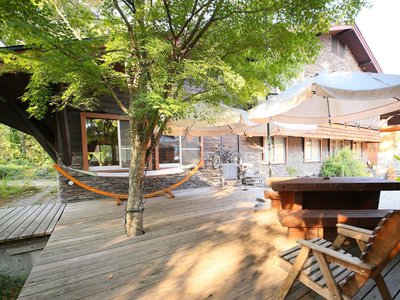
Kunugi Relaxation with 4 Modern Rooms
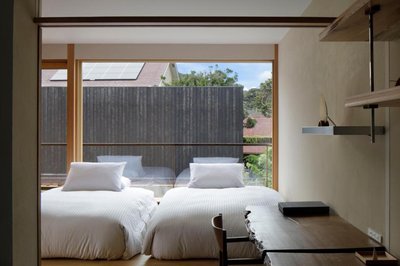
Modern Ryokan Kishi-ke
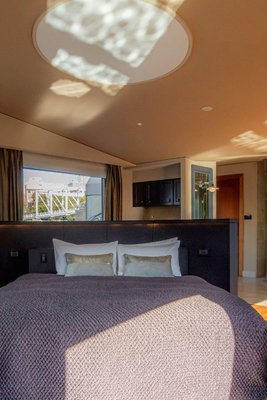
Petals Tokyo - Floating Hotel
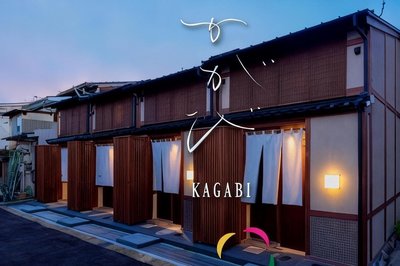
Kagabi Machiya House
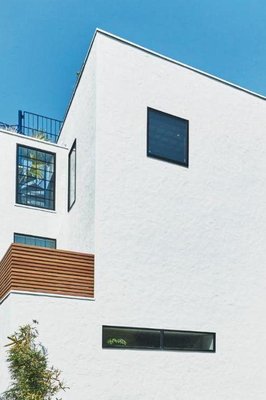
The Flow Kamakura
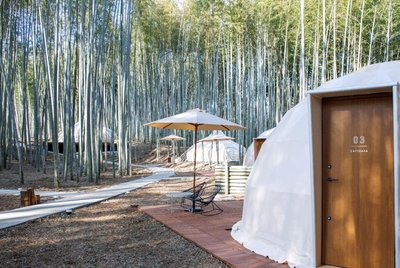
THE BAMBOO FOREST
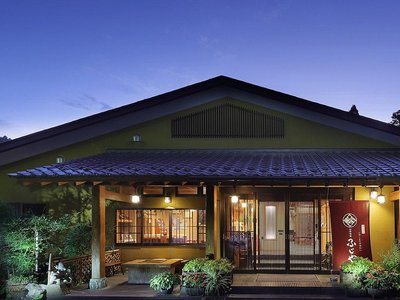
Shikimitei Fujiya
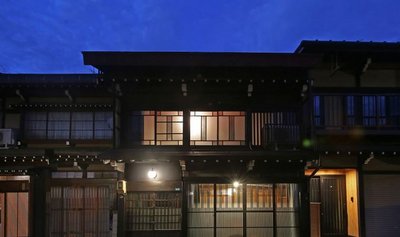
Iori Stay Hida
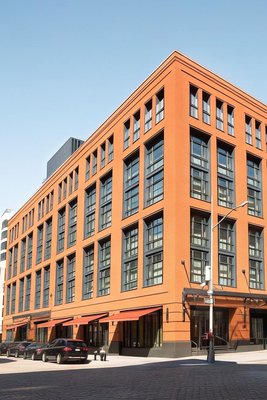
Hotel Barrière Fouquet's New York
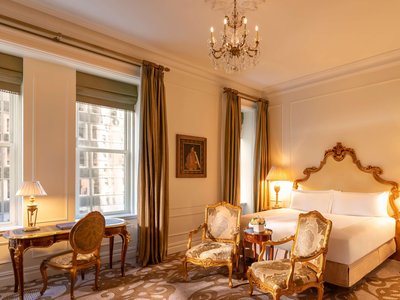
The Plaza - A Fairmont Managed Hotel
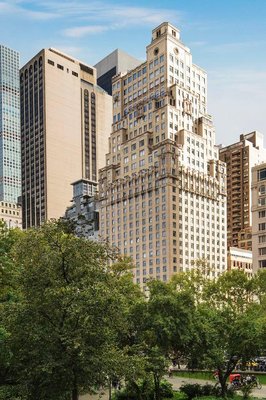
The Ritz-Carlton New York, Central Park
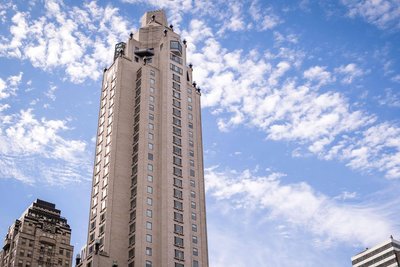
Four Seasons Hotel New York
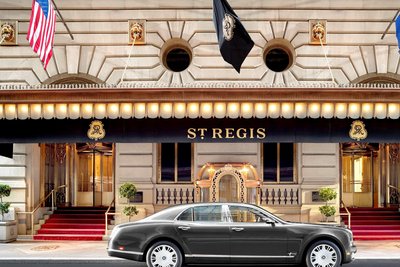
The St. Regis New York
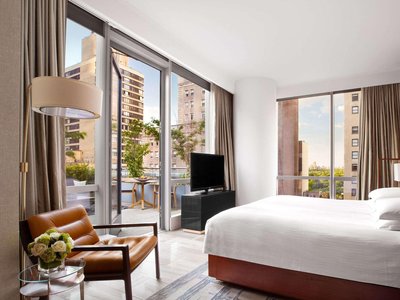
Park Hyatt New York
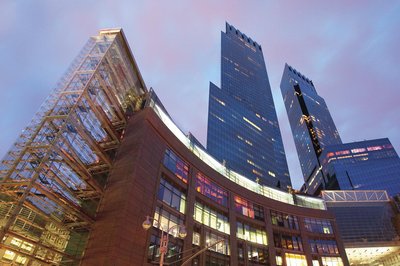
Mandarin Oriental New York
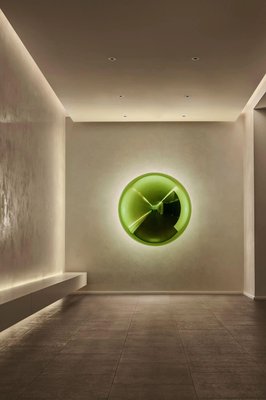
Times Square Edition New York

Loews Regency New York Hotel
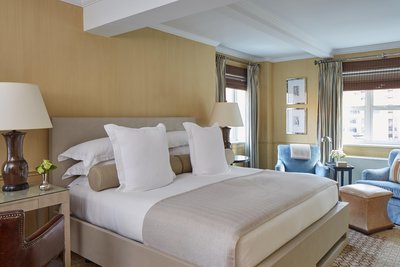
Lowell Hotel
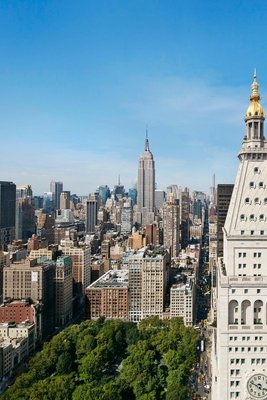
New York Edition
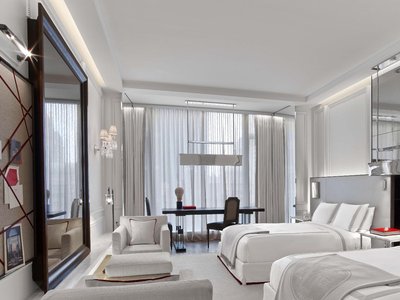
Baccarat Hotel New York
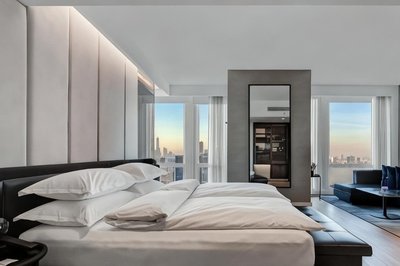
Equinox Hotel New York
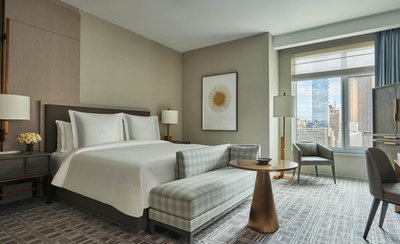
Four Seasons Hotel New York Downtown
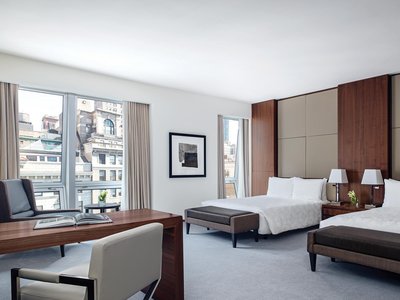
The Langham, New York, Fifth Avenue

The Carlyle, A Rosewood Hotel

The Chatwal, in the Unbound Collection by Hyatt
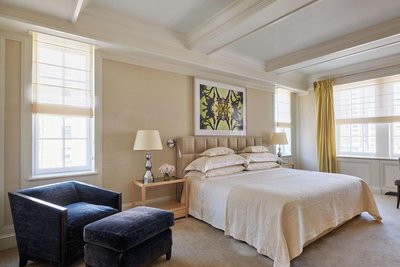
The Mark New York
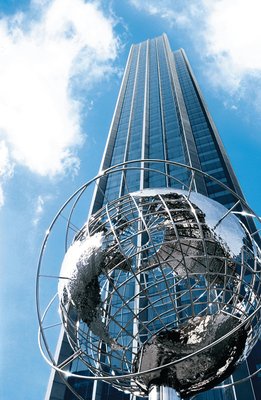
Trump International Hotel & Tower® New York
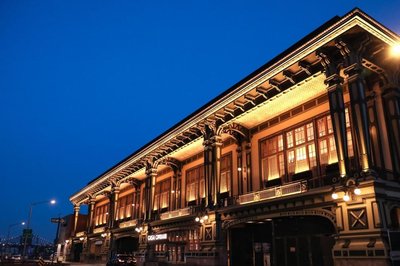
Casa Cipriani New York
Frequently Asked Questions about Traveling to Meiwa
Questions You Might Need to Know About Traveling to Meiwa
In Awa-cho, the top choice for authentic cultural immersion is Awa Town Hot Spring Inn, a traditional Japanese ryokan nestled beside the Awa River. Featuring hinoki wood interiors, tatami rooms, and private onsen baths, it offers guests a serene connection to nature. Daily breakfast includes locally sourced ingredients like fresh rice and mountain vegetables. Guests can participate in seasonal events such as koma-dyeing workshops (a regional Shibori technique) and visit the Awa Shrine during spring festivals. The inn also hosts evening storytelling sessions by elderly locals, sharing folktales of the mountains—perfect for travelers seeking deep cultural roots beyond tourism.
The central district of Awa-cho is ideal for first-time visitors wanting peace and simplicity. Located near the Awa Town Hall and Community Plaza, this quiet neighborhood offers easy access to local shops, a farmers' market, and the scenic Awa River Trail. Morning coffee at a family-run café, afternoon walks through rice paddies, and evening strolls under starlit skies create a rhythm of calm. Many guesthouses here provide multilingual guides and organize short excursions to nearby farms or forest trails. With minimal noise and no commercialization, this area perfectly embodies the slow-living spirit of rural Gunma.
Awa-cho offers deeply rooted traditions like the Spring Cherry Blossom Festival and Autumn Rice Harvest Celebration. During cherry season, the Awa River banks transform into a blooming corridor lined with paper lanterns and handmade craft stalls showcasing Gunma’s signature koma-dyeing techniques and bamboo weaving. In autumn, visitors can join hands-on rice planting and harvesting activities, taste freshly made local rice balls (onigiri), and attend community feasts. These events not only highlight agricultural heritage but also strengthen intergenerational bonds—offering an authentic glimpse into Japan’s rural soul.
Yes, Awa Onsen Area features several natural hot spring sources with high mineral content, including bicarbonate and sulfur compounds, known for skin rejuvenation and muscle relief. The springs are located in a secluded valley, surrounded by dense forests. Most accommodations offer private or open-air baths (rotenburo) with views of the mountains and night sky. The Awa Spa House, a wooden ryokan with minimalist design, provides a tranquil atmosphere enhanced by indoor koi ponds and meditation corners. Soaking under the stars, listening to rustling leaves, and breathing in pine-scented air make this one of the most peaceful onsen experiences in Gunma Prefecture.
Awa Kids Stay is a standout family-friendly lodging in Awa-cho, offering spacious family suites and a dedicated outdoor play zone with garden plots and animal pens. Children can feed goats, collect eggs, and take part in weekend hands-on workshops like making clay figurines inspired by local folklore or crafting bamboo wind chimes. Nearby, the Awa River Park features shallow pools and gentle slopes perfect for kids. The staff speaks English and provides activity kits, making it ideal for parents seeking both fun and educational experiences in a safe, green environment.
Must-try dishes in Awa-cho include Akagi beef hot pot, made from premium local wagyu; fresh river trout sashimi caught daily from the Awa River; and Awa-style soba noodles served with homemade dashi broth. Don’t miss the homemade rice wine (mizu-shochu) brewed using local mountain water and fermented rice—a crisp, aromatic drink with a hint of sweetness. All ingredients are sourced directly from nearby farms, emphasizing organic, pesticide-free produce. Meals are often served in rustic dining rooms with views of rice fields, enhancing the farm-to-table authenticity that defines Awa-cho’s culinary identity.
Nature lovers will enjoy hiking along the Awa River Trail, a 5-kilometer path winding through lush forests and meadows, ideal for birdwatching and photography. The trail features rest stops with panoramic views of the surrounding mountains. For cyclists, the Kitaoji Mountain Bike Route offers a gentle, shaded path connecting villages and scenic overlooks. Summer brings opportunities for river fishing and firefly watching tours along the riverbank. In winter, guests can join snow painting workshops or explore snow-covered rice terraces. Each activity connects visitors with the region’s seasonal beauty and ecological harmony.
Yes, Awa-cho is reachable via public transit and car. From Maebashi Station, take the Gunma Bus to Awa-cho center (approx. 30 minutes). For those driving, the National Route 17 provides a direct route from Takasaki and Sagano. The town has a Tourist Information Center offering multilingual maps, bike rentals, and guided tour bookings. Nearby attractions like Mount Akagi, Kusatsu Onsen, and Udagawa Town are all within a 60-minute drive, making Awa-cho an excellent base for exploring central Gunma with ease and privacy.
Absolutely. Awa-cho welcomes long-term stays with weekly and monthly rental options at local guesthouses and eco-retreats. Many accommodations feature fully equipped kitchens, high-speed Wi-Fi, and quiet workspaces overlooking rice fields or forests. Guests can join farm volunteering programs, craft workshops, or evening mindfulness sessions hosted by local elders. The low population density, clean air, and absence of urban distractions make it ideal for digital nomads and wellness seekers. Waking up to birdsong and working beneath maple trees creates a truly restorative rhythm of life.
The highlight is the July Awa River Lantern Festival, where thousands of handcrafted paper lanterns float down the river, symbolizing prayers for harvest and safety. Locals perform traditional taiko drumming and folk songs along the banks. Another unique event is the December Snow Lantern Walk, when the village streets glow with handmade lanterns under snowy skies. Visitors receive warm mugs of red bean soup and thermal gloves while walking through illuminated alleys. These festivals preserve ancient customs while fostering community pride—offering an intimate, heartfelt experience rarely found in larger tourist destinations.
Meiwa Overview
City Summary
Meiwa Town in Gunma Prefecture, Japan, is renowned for its hot spring culture and rural landscapes. Home to the historic Ikaho Onsen, this town offers perfect relaxation amidst nature. Traditional crafts like "Ikaho Dolls" reflect deep cultural roots, while historic architecture blends seamlessly with scenic beauty, attracting travelers seeking tranquility and heritage.
Must-See Attractions
The Ikaho Onsen is a must-visit with its therapeutic waters dating back centuries. Stroll along the stone-paved Ishidangai Street, lined with quaint shops and ryokans. Visit Ikaho Shrine for seasonal festivals, or explore Mount Haruna’s crater lake and hiking trails. Families will enjoy Ikaho Green Farm for hands-on activities like milking cows and picnics.
Food Guide
Don’t miss Ikaho manjū, a sweet red bean pastry. Savor local specialties such as "Mizusawa udon" noodles and "Joshu beef". Street stalls serve grilled ayu fish and soy-glazed dango. For an authentic experience, try kaiseki cuisine paired with regional sake at a ryokan.
Transportation Guide
From Tokyo, take the Jōetsu Shinkansen to Takasaki Station (~1 hour), then transfer to a bus or taxi to Meiwa (~30 minutes). Explore on foot or rent a bike; some attractions have shuttle buses. The "Ikaho Onsen Pass" includes transport discounts. Drivers can use Route 17, but mountain roads may be icy in winter.
Best Time to Visit
Spring/Fall (Apr-May, Sep-Nov) offer mild weather for outdoor activities and cherry blossoms. Winter (Dec-Feb) is ideal for snowy onsen views, though some sites may close. Avoid Golden Week and Obon for fewer crowds.
Travel Tips
- Onsen Etiquette: Rinse before bathing; no swimsuits allowed.
- Cash: Many rural shops don’t accept cards.
- Slip-resistant shoes: Stone streets and baths can be slippery.
- Trash: Carry a bag; public bins are scarce.
- Quiet zones: Respect residential areas.
- Local crafts: Purchase handmade souvenirs to support the community.
Useful Information
Language: Japanese is primary; basic English may be available at tourist spots. Internet: Free Wi-Fi in town center; portable Wi-Fi rentals recommended. Payment: Cash preferred; credit cards accepted at upscale venues. Emergencies: "Ikaho Clinic" handles minor issues; major cases go to Takasaki hospitals. Plugs: Type A (100V); bring adapters. Multilingual maps and wheelchair rentals are available at the tourism center, with ryokans often providing non-Japanese guides.









